
Traffic delays are not just annoying, they are physically exhausting. A five-minute jam is manageable, but a forty-minute crawl can change your entire mood for the day. When traffic turns into a long standstill, comfort stops being a “nice extra” and becomes the most important part of the driving experience.
You are no longer judging a car by top speed or handling on curves. You are judging it by how calmly it helps you survive slow movement, constant braking, creeping forward, and sitting still with the engine running. In these moments, a vehicle either supports you or slowly drains your energy.
A car that stays comfortable during long traffic delays does a few key things well. First, it keeps the cabin cool and pleasant even when the outside temperature is high, because in many regions traffic jams happen under harsh sunlight.
A strong air conditioning system, good insulation, and rear vents can make the difference between “annoying but fine” and “I can’t take this anymore.” Second, the seats must be supportive.
In traffic, you are sitting in one position for too long, so bad seats quickly create back pain and fatigue. Third, the driving controls should be easy. Smooth automatic transmissions, light steering, and gentle throttle response reduce stress. Fourth, you need a cabin that feels quiet and calm, because noise in traffic builds irritation.
On the other side, some cars feel terrible in long delays. They might have stiff suspensions that make every stop-start movement jerky, weak air conditioning, noisy cabins, uncomfortable seats, or poor ergonomics that tire your arms and legs.
Even a great performance car can become unpleasant because traffic exposes weaknesses that do not show up on open roads.
This article compares both sides clearly. First, five cars that stay genuinely comfortable during long traffic delays. Then, five that do not, often making congestion feel twice as exhausting. The goal is to help you understand which features really matter when traffic becomes your daily reality.
Also Read: 10 Used Sports Cars That Keep Maintenance Costs in Check
5 Cars That Stay Comfortable During Long Traffic Delays
Traffic comfort is a special kind of comfort. It is less about high-speed stability and more about how the cabin feels when you are barely moving.
During long delays, you want a calm interior environment, cooling that stays strong at idle, and seats that support you without soreness. You also want the driving experience to be smooth, because constant braking and creeping forward can become mentally tiring.
This section focuses on cars that handle traffic stress well. They are written about because they reduce fatigue in slow conditions. These vehicles usually have refined automatic gearboxes, good insulation, and ergonomic controls that do not require constant effort.
They also tend to have cabins that feel spacious enough to breathe, and infotainment systems that make time pass more easily without being complicated or frustrating.
Another major factor is ride smoothness at low speeds. In traffic, cars repeatedly start and stop. Vehicles with jerky throttle response or rough transmissions feel annoying quickly.
Cars with smooth power delivery and soft ride tuning keep your body relaxed. The best traffic cars also have thoughtful features like auto-hold brakes, comfortable armrests, and good seat cushioning, because small comforts matter more when you are stuck.
The five cars below are included because they make long traffic delays feel less punishing. They are vehicles that support your body, reduce noise, and keep the cabin environment pleasant even when the outside world is chaotic.
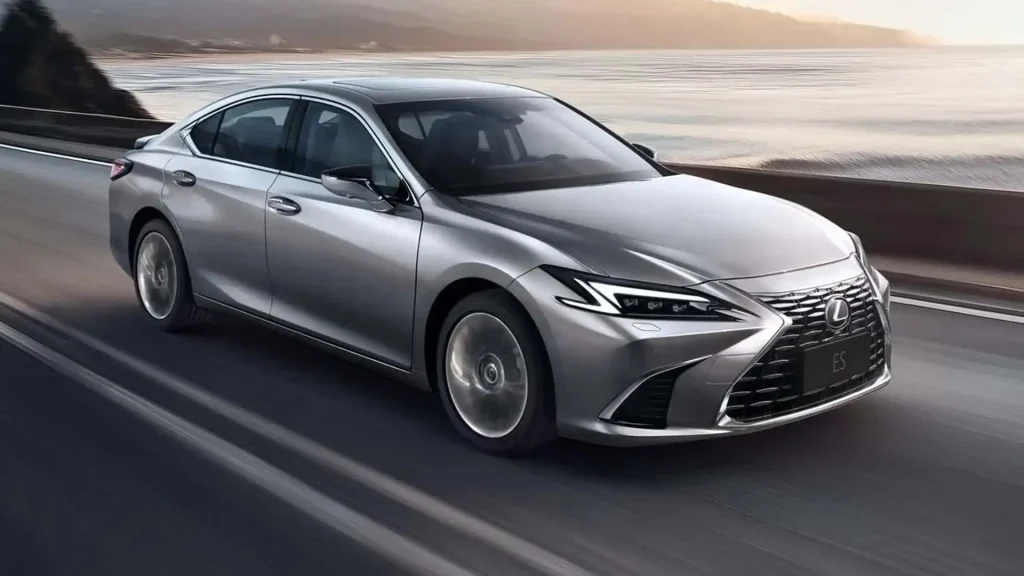
1) Lexus ES
The Lexus ES is one of the best cars in the world for staying comfortable during long traffic delays. It is not built to thrill you with sharp handling. It is built to keep you calm. And in traffic, calm is everything.
The ES has a cabin that feels quiet and insulated, which helps reduce the mental exhaustion that traffic creates. When horns, engines, and outside noise are filtered out, the stress level drops immediately.
The seats are a major highlight. Lexus focuses heavily on seating comfort, and the ES delivers supportive cushioning that feels relaxing over long periods. In traffic jams, where you sit with minimal movement, good seats protect your back and shoulders.
The driving position is also natural and well designed, so you do not feel awkward reaching for controls or sitting at strange angles.
Air conditioning performance is another reason it excels. The ES cools effectively and maintains cabin comfort even at idle. That matters because in a long delay, the car is often running without airflow from motion. Rear passengers also benefit from a comfortable environment, which is important for families stuck in congestion.
The ES also drives smoothly. The throttle response is gentle, the gearbox behavior is refined, and creeping forward does not feel jerky. Many models include features like brake hold and smooth adaptive cruise control that reduce foot fatigue.
The ES is included because it turns traffic into something you can tolerate, rather than something that drains you completely.
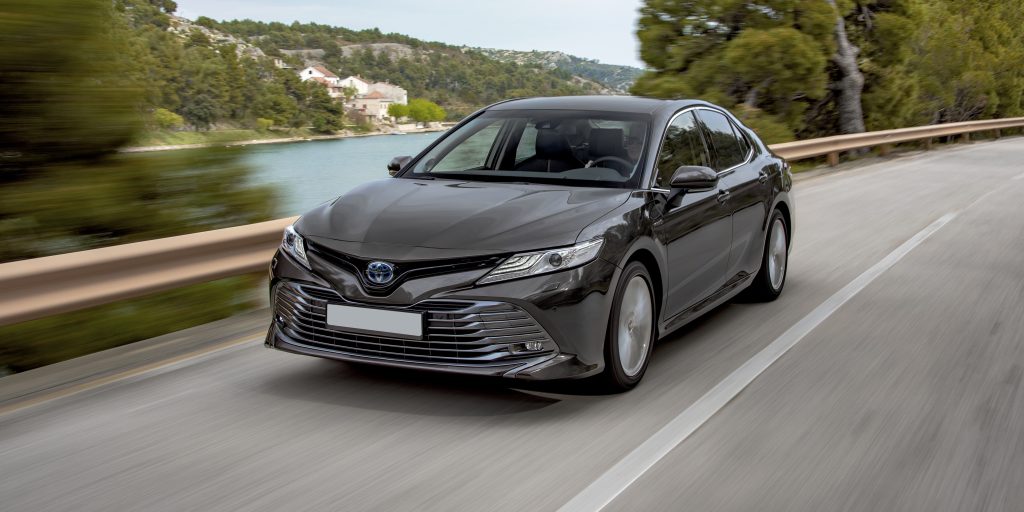
2) Toyota Camry Hybrid
The Toyota Camry Hybrid is a smart choice for traffic comfort because hybrids naturally suit stop-and-go driving. When traffic is crawling, the hybrid system can reduce engine strain and keep power delivery smooth.
It also reduces fuel waste during long idling periods, which brings peace of mind because you are not watching the fuel gauge drop quickly.
Comfort-wise, the Camry is a strong performer. The ride is tuned to absorb bumps and uneven patches without harshness. That matters in traffic because you are constantly moving slowly over patched roads and speed breakers. The seats are supportive, and the cabin feels spacious enough to prevent that “trapped” feeling.
Noise levels are another advantage. The hybrid system often allows quieter operation at low speeds, and that reduces irritation. When traffic is slow, engine noise becomes more noticeable, so a quieter drivetrain improves the cabin environment.
Air conditioning performance is solid, and the controls are simple. That is important because in traffic you do not want to fight with complicated settings. The Camry’s interior ergonomics are generally user-friendly, with comfortable armrests and logical layout.
The Camry Hybrid is included because it delivers comfort with practicality. It is not a luxury car, but in long traffic delays it behaves like one in the ways that matter: smoothness, quietness, efficiency, and ease of driving.
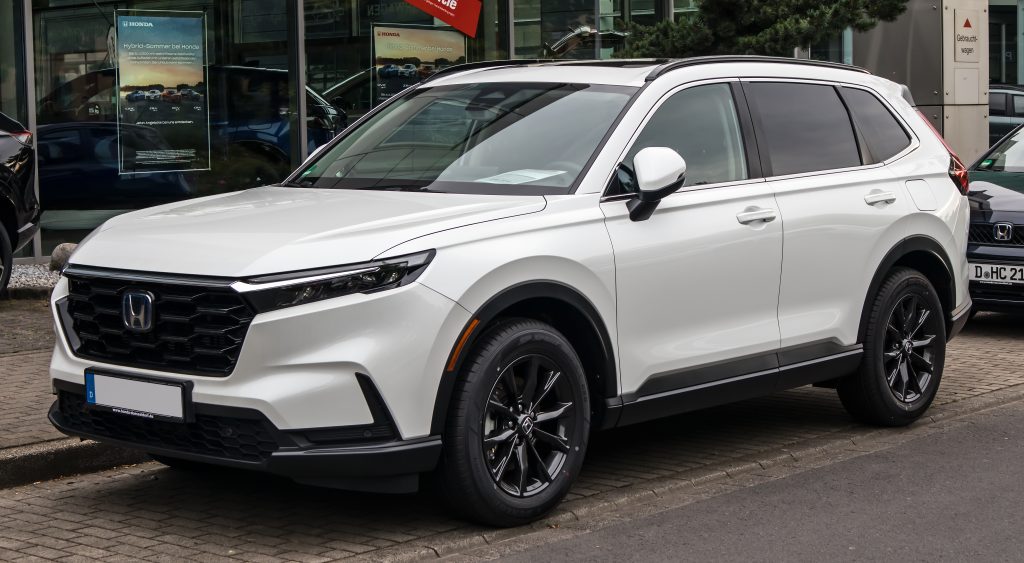
3) Honda CR-V
The Honda CR-V is a traffic-friendly vehicle because it combines comfort, visibility, and easy driving controls. In congestion, a higher seating position reduces stress.
You can see further ahead, anticipate movement in traffic, and feel less boxed in by surrounding vehicles. That visibility alone makes traffic less tiring.
The CR-V’s cabin is designed for everyday comfort. Seats are supportive, and the interior feels airy. In a long delay, space and openness matter because a cramped cabin increases frustration.
The CR-V also offers strong practicality, which matters if traffic delays happen during daily routines with kids and bags. You have space to stretch and store essentials.
Ride quality is another reason it performs well. The CR-V is tuned for comfort, and it handles urban road imperfections smoothly. At low speeds, the suspension does not feel overly stiff, so you do not experience constant jolts.
Air conditioning performance is generally strong, and many models offer rear vents, which keeps passengers comfortable in traffic. The throttle response and transmission tuning are usually smooth and predictable, helping reduce stop-start fatigue.
The CR-V is included because it is a vehicle designed for daily life. It does not punish you in traffic. Instead, it provides calm, visibility, and comfort, turning slow movement into something manageable.
4) Mercedes-Benz E-Class
The Mercedes-Benz E-Class is built around comfort, and it shows clearly during long traffic delays. Its cabin insulation and refinement make it one of the best vehicles for staying calm in congestion. Traffic jams often feel worse because of noise and vibration.
The E-Class filters those out, making the interior feel like a quiet lounge even when the road outside is chaotic.
The seats are excellent. Mercedes seats are designed for long-distance comfort, and that translates well into traffic comfort too. Supportive cushioning reduces fatigue, and features like seat heating, ventilation, and adjustable lumbar support in many trims can help drivers stay physically relaxed.
The air conditioning system is powerful and well distributed, keeping the cabin pleasant even in hot weather. In long jams, you rely entirely on the AC, so quality matters.
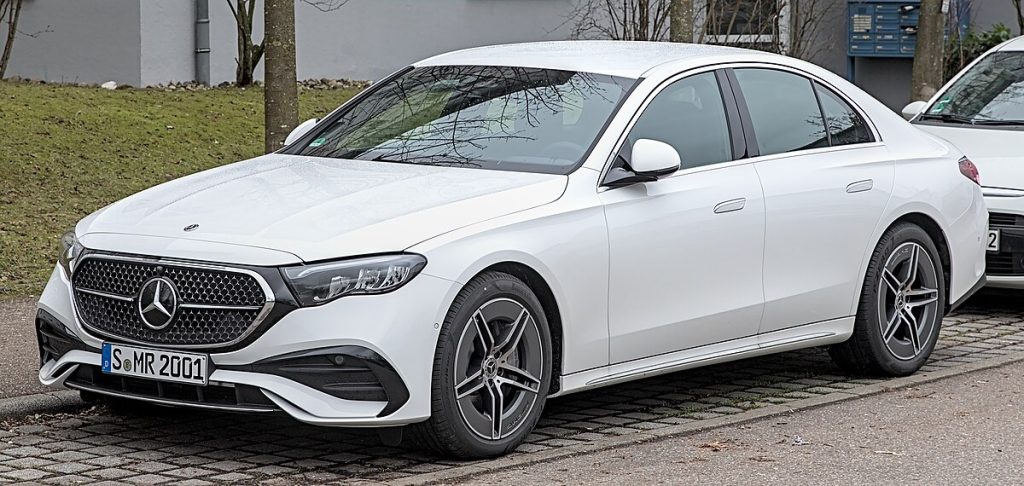
The E-Class also includes smooth driving aids that reduce stress, such as adaptive cruise control for slow crawling, brake hold, and gentle throttle calibration.
Controls are designed to feel premium but also practical. When you want to adjust settings, you can do it without confusion.
The E-Class is included because it represents comfort engineering at a high level. In traffic, it feels like the car is protecting you from the outside world, which is exactly what you need during long delays.
5) Hyundai Tucson
The Hyundai Tucson is included because it delivers strong comfort features at a reasonable level and performs well in traffic. Its cabin feels modern and comfortable, and it is easy to drive in slow congestion. The seating position is slightly higher than a sedan, improving visibility and reducing stress in crowded lanes.
Seat comfort is solid, and the cabin provides enough room for passengers to sit without feeling squeezed. This matters during long delays because physical discomfort builds faster in tight interiors. The Tucson also offers practical touches like comfortable armrests and user-friendly storage.
Air conditioning performance is generally strong, and rear passengers often have access to vents in many trims. That keeps the cabin balanced, especially in hot climates. The suspension is tuned toward comfort, helping absorb city road imperfections without harshness.
The Tucson’s driving behavior suits traffic well. Steering is light, throttle response is smooth, and automatic transmissions are tuned for ease. Many trims include driver assistance features that make crawling forward less tiring.
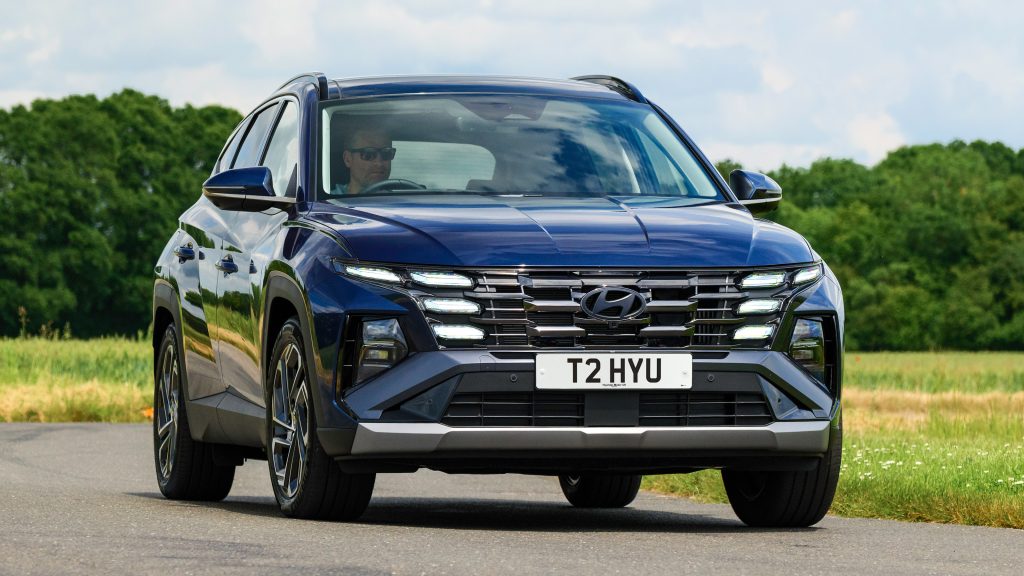
The Tucson is included because it offers traffic comfort without requiring a luxury budget. It is a practical choice for people who spend a lot of time stuck in congestion and want a car that makes the experience less exhausting.
5 That Don’t
Traffic jams expose a car’s weaknesses faster than almost any other situation. When you are barely moving, you cannot “drive around” discomfort. You sit still, you creep forward, you brake again, and you repeat this cycle until your legs feel tired and your mind feels irritated.
In long delays, even small annoyances become big problems. A slightly uncomfortable seat becomes a painful seat. A slightly noisy cabin becomes mentally draining.
Weak air conditioning turns the interior into a stressful space. And a jerky throttle or rough gearbox can make every stop-start movement feel like a mini punishment.
Cars that don’t stay comfortable in traffic usually fail in predictable ways. Some are designed for performance rather than comfort, so the suspension is too stiff and the seats are too firm for long sitting.
Some cars are built to be cheap, so insulation is weak, cabin materials heat up, and road noise pours in. Others have awkward ergonomics that force your arms, legs, or back into tiring positions.
Manual transmissions can also become exhausting in heavy congestion because constant clutch use creates foot fatigue. Even certain SUVs can be unpleasant if their gearboxes hunt for gears or if their throttle response is too sharp at low speed.
Another factor people underestimate is cabin temperature control. In a long delay, the AC has to work while the car is not moving much. If cooling is weak, the discomfort grows fast. A good traffic car keeps the cabin calm and controlled. A bad one adds heat, noise, vibration, and fatigue.
This section includes five cars that often feel uncomfortable during long traffic delays. Again, these are not “bad cars” in every situation.
Some are fun on highways or excellent for certain buyers. But when traffic delays become a daily reality, these models can make you feel more tired, more irritated, and less willing to drive.
1) Ford Mustang
The Ford Mustang is a car built for excitement, and that is exactly why it often feels uncomfortable in long traffic delays. It is meant to deliver a sporty driving feel, and that usually comes with compromises that traffic punishes. The first problem is visibility.
The Mustang’s low seating position and thick pillars can make it harder to see clearly in dense urban congestion. When you are surrounded by SUVs, buses, and trucks, being low increases the sense of being boxed in.
That makes traffic feel mentally heavier because you are constantly adjusting position just to feel aware of what is happening around you.
Seat comfort can be mixed depending on trim. Sport seats can feel supportive during performance driving, but in long jams they can feel firm and restrictive. You are not moving much, so pressure builds in the lower back and thighs.
The cabin can also heat up quickly, especially with dark interiors and large glass areas, which makes strong AC performance essential. While the Mustang’s AC is generally decent, the overall cabin environment is not as calm and insulated as comfort-focused sedans.
The bigger issue is how the car behaves at low speed. Some trims have sharp throttle response, and creeping forward can feel less smooth than in comfort-oriented cars. In traffic, you want gentle, predictable movement.
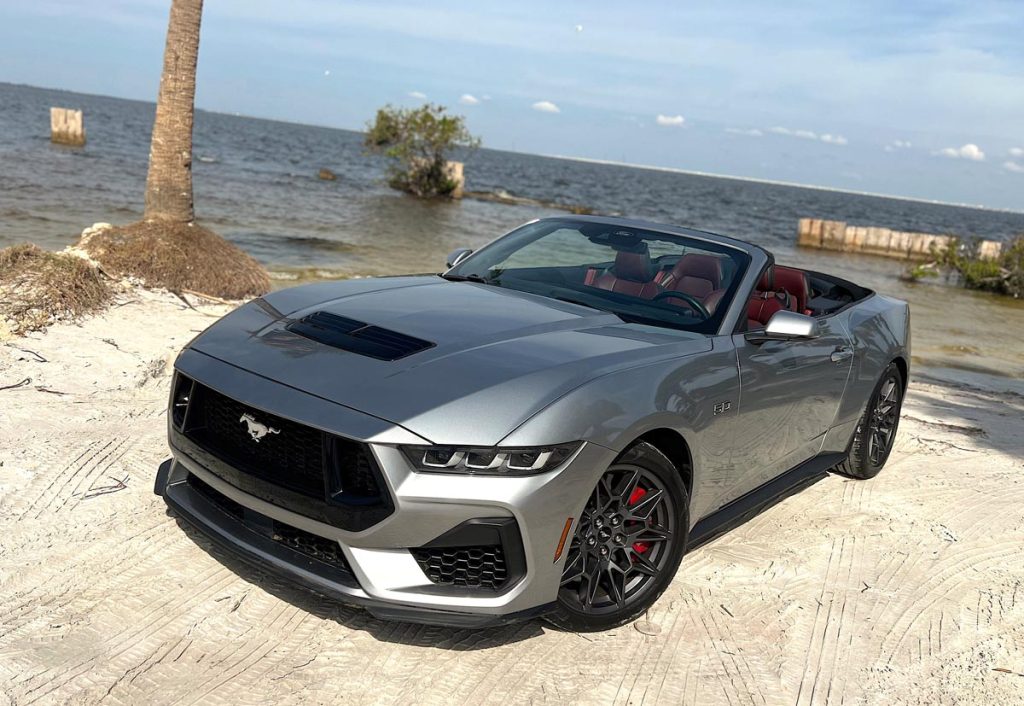
A performance car’s character can make stop-start movement feel jerky and annoying. Noise also adds fatigue. Engine sound that feels thrilling on open roads becomes tiring when you are stuck.
The Mustang is included because it is a classic example of a car designed for fun rather than traffic survival. It delivers emotion, but long traffic delays demand calmness and softness, which is not the Mustang’s priority.
2) Jeep Wrangler
The Jeep Wrangler has an adventurous personality, but traffic delays reveal how little it cares about refinement. The ride quality is one of the first problems. The Wrangler’s suspension and structure are designed for off-road strength, not smooth city crawling.
In long traffic delays, you repeatedly creep forward and stop, and the Wrangler can feel bouncy and unsettled even at very low speeds. That constant motion makes your body feel less relaxed, especially if roads are uneven.
Cabin noise is another major issue. Traffic is already noisy, and a vehicle that adds more noise makes everything worse. The Wrangler often has higher wind noise, tyre noise, and general vibration than most modern SUVs.
On highways, people tolerate it for the lifestyle image. In a jam, that noise becomes irritating because you are trapped in it. Even small rattles or vibrations feel louder when you are sitting still for long periods.
Seats are not always the most plush, and the cabin layout is more rugged than luxurious. That is fine for adventure use, but in daily congestion you want soft support and a calm interior feel.
Air conditioning performance varies depending on model and configuration, and the vehicle’s boxy shape and removable roof designs can sometimes make temperature control less effective than you expect during harsh heat.
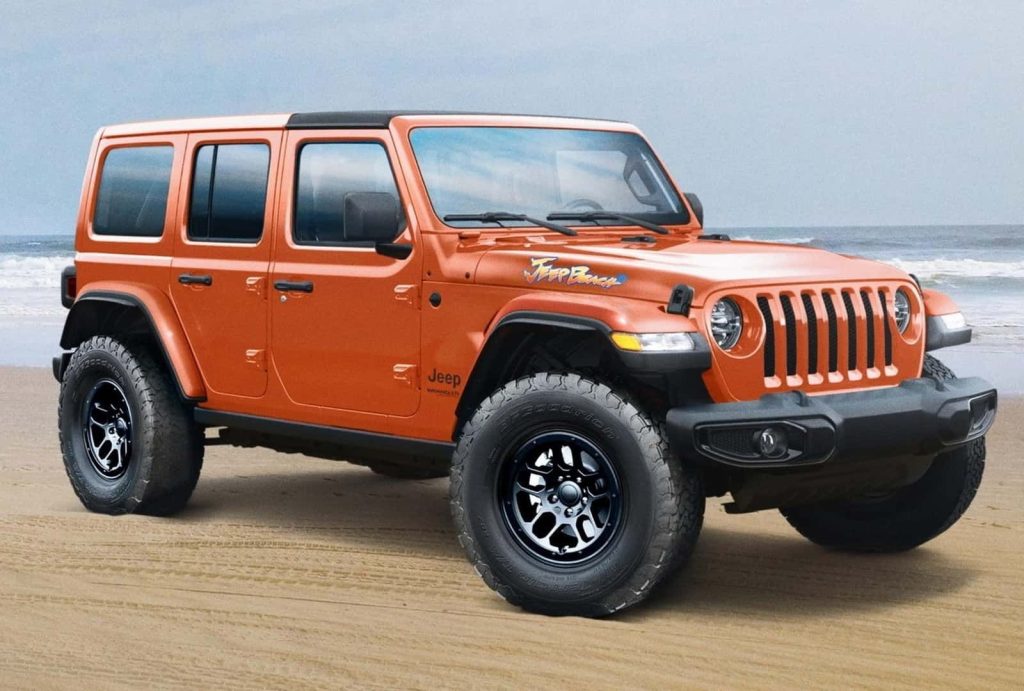
The Wrangler is included because its strengths are not traffic strengths. It is brilliant for outdoor driving and off-road exploration, but long traffic delays highlight its lack of refinement. Instead of making congestion easier, it often adds noise, bounce, and fatigue to an already stressful situation.
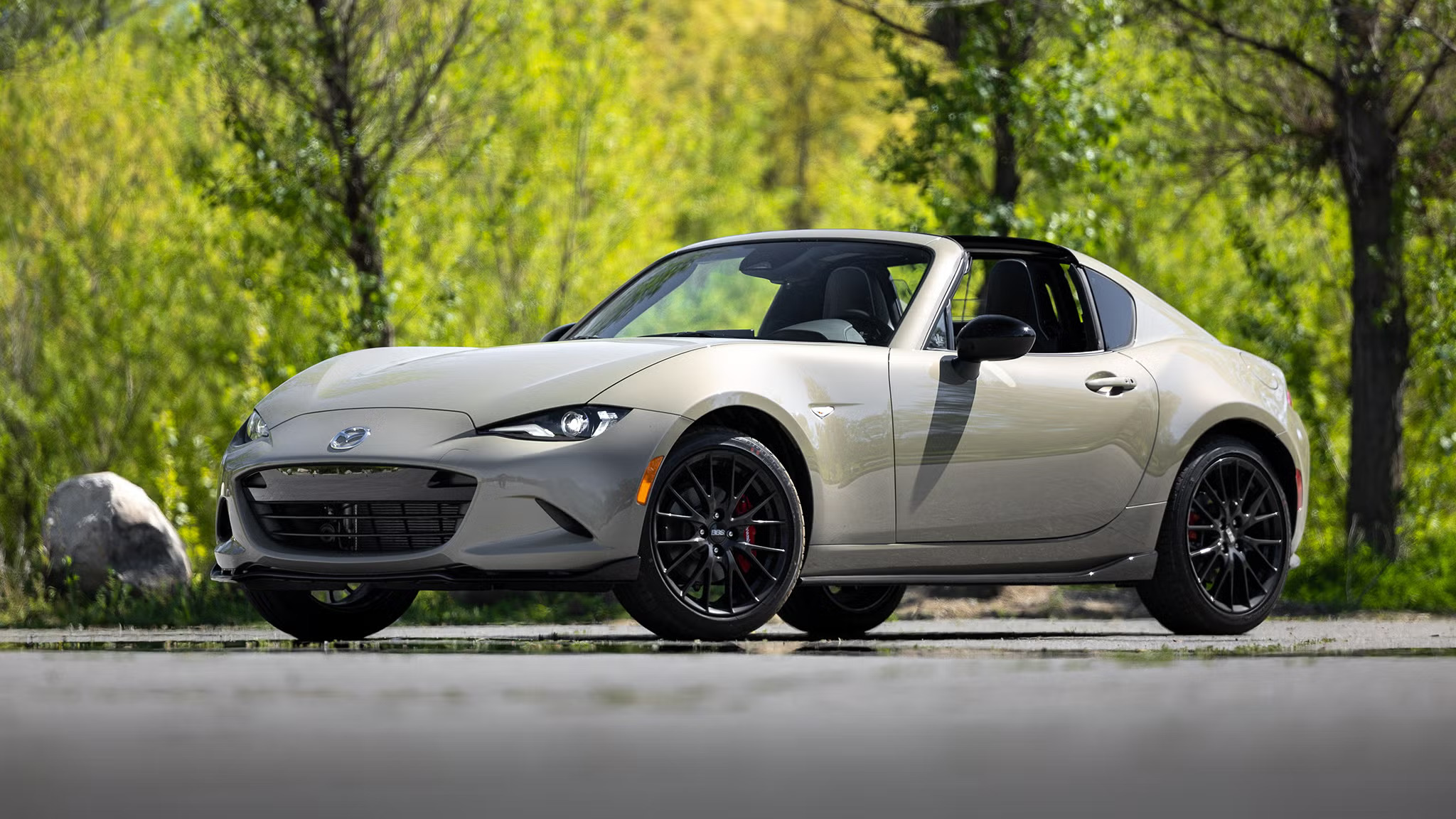
3) Mazda MX-5 Miata
The Mazda MX-5 Miata is one of the most enjoyable cars in the world on an open road, but it is not built for long traffic delays. The first issue is cabin space. The Miata is small, and during a long jam, that tight cabin can feel claustrophobic.
When you cannot stretch your legs or shift your posture easily, fatigue builds faster. A traffic-friendly car needs space to breathe. The Miata’s sporty cockpit is designed for connection, not comfort during long waits.
The seating position is also low. In city congestion, being low means you are surrounded by taller vehicles, which blocks your view and increases stress. You feel like you are constantly watching mirrors and trying to anticipate movement without having a clear look ahead. That tension adds mental fatigue.
Ride quality is another factor. The Miata is lightweight and sporty, so it can feel jittery over imperfect road surfaces. In traffic, the repeated tiny bumps and uneven surfaces become more noticeable.
Also, with many Miatas being manual, traffic delays become physically tiring. Constant clutch work in stop-and-go conditions is exhausting, especially during long jams. That clutch fatigue alone can ruin comfort.
Noise is also higher compared to sedans and crossovers. With the top down it is fun, but in heat or heavy traffic you likely keep it up, and road noise still enters easily due to the lightweight build.
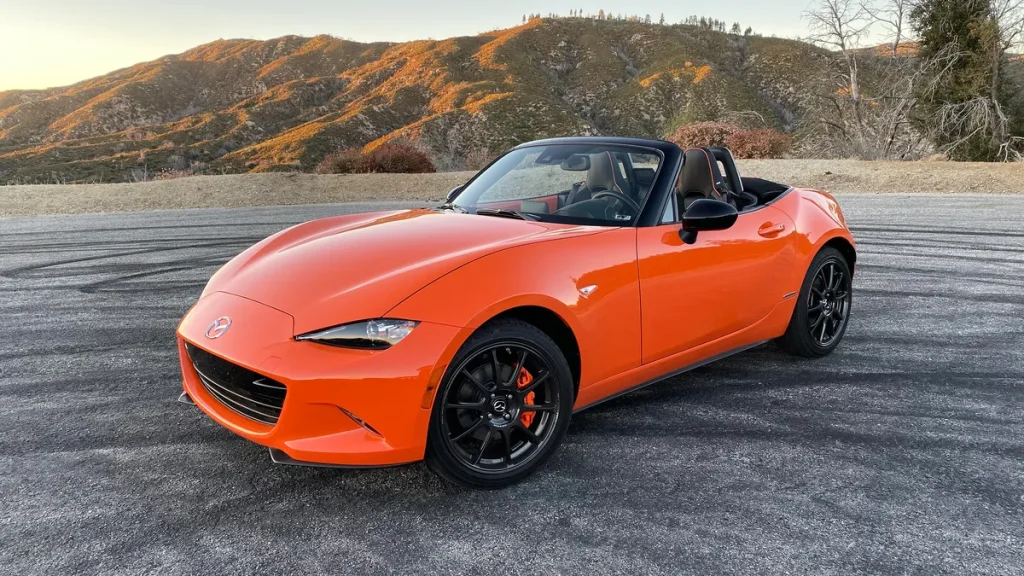
The Miata is included because it is designed for joy, not congestion. In traffic, it gives you low visibility, tight space, and possible clutch fatigue, making long delays feel worse than they need to be.
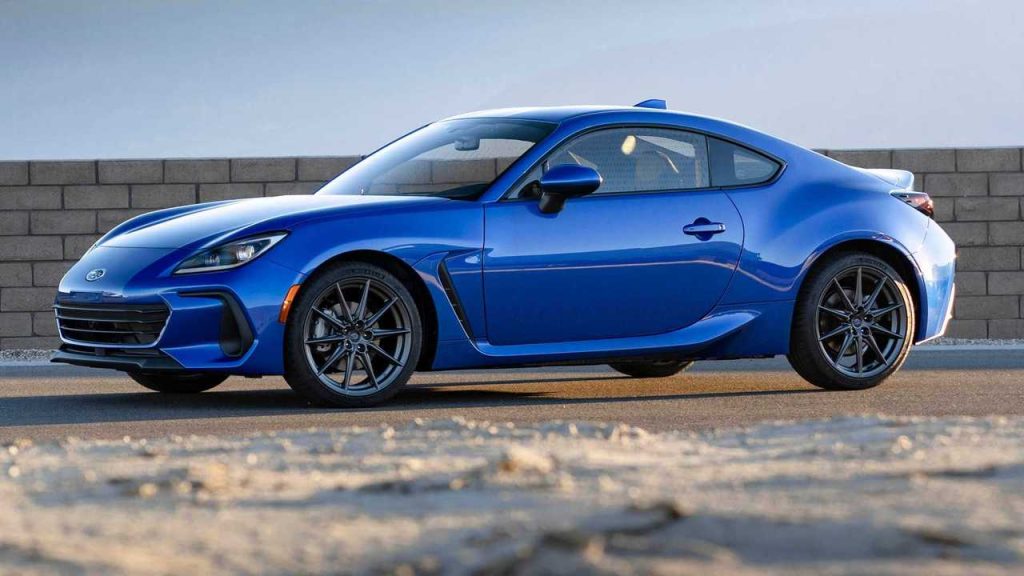
4) Subaru BRZ / Toyota GR86
The Subaru BRZ and Toyota GR86 are fantastic sports coupes, but they are not the kind of cars that keep you comfortable in long traffic delays. These cars are tuned for sharp response. That means firmer suspension, stronger road feel, and a cabin layout built around driving focus. In traffic jams, those features become disadvantages.
Ride quality is the biggest issue. Broken city roads and speed breakers are common in traffic zones. The BRZ/GR86 suspension makes you feel more of the road. At low speeds, the car can feel stiff and bouncy over imperfections. When you repeat stop-start motion for long periods, the stiffness becomes tiring, especially for passengers.
The seating position is low, which reduces visibility. In traffic, visibility equals comfort because it reduces stress. Low sports coupes make you feel surrounded by larger vehicles. Thick pillars and coupe design can also limit sight lines in certain angles. That makes you more alert than you want to be in a jam.
Cabin insulation is also not the strongest point. These cars are designed to be lightweight and engaging, which means road noise and tyre noise can be more noticeable. In a long delay, that noise adds irritation.
If you drive a manual version, traffic becomes even more exhausting because of clutch use. Even in automatic versions, the throttle response can feel sharp.
Instead of gentle creeping, the car can sometimes feel too eager. The BRZ/GR86 is included here because it is a sports car that shines in the right environment, but traffic delays are not that environment.
5) Mitsubishi Mirage
The Mitsubishi Mirage is inexpensive and fuel efficient, but it often feels uncomfortable during long traffic delays because of how basic and lightly built it is. In a jam, you spend a lot of time sitting still. That makes seat quality extremely important.
The Mirage’s seats can feel flat and less supportive, which increases back and shoulder fatigue. Over long periods, you feel the lack of cushioning.
Cabin noise is another major problem. Budget cars usually save cost by reducing insulation. That means engine noise, road noise, and outside traffic sounds enter the cabin easily. In a long delay, noise builds irritation. A more refined car makes you feel separated from traffic chaos. The Mirage keeps you inside it.
Air conditioning can also be a weak point depending on trim and climate. In traffic delays, your comfort depends heavily on the AC maintaining cool air at idle. If cooling is not strong, the cabin becomes unpleasant, especially in heat. A cheap interior can also trap heat, making the car feel warmer and less relaxing.
The Mirage’s driving feel can add stress too. It is light, and in heavy traffic around larger vehicles, it may feel less solid and confidence-inspiring. The overall impression is that it is a car built for affordability first, not comfort.
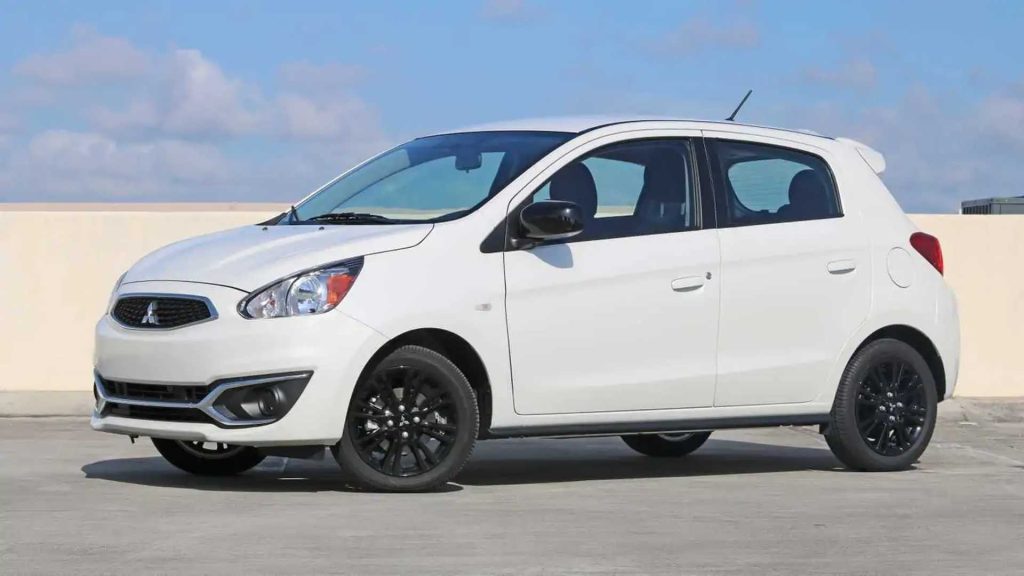
The Mirage is included because it shows how traffic delays punish basic design. Even if it saves fuel and money, long delays highlight its weak seating, noise insulation, and cabin comfort, making congestion feel more exhausting.
