
City life changes the way you experience an SUV. On open highways, almost any SUV feels comfortable and confident. But inside crowded cities, everything becomes a test of size, visibility, and ease of use.
You deal with tight parking spaces, narrow lanes, unpredictable traffic, sudden U-turns, speed breakers, and constant stop-and-go movement. In that environment, the difference between a well-sized compact SUV and a bulky oversized one becomes very clear.
One feels like it fits naturally into the city, while the other feels like you are wrestling your way through daily routines.
That is why compact SUVs have become so popular. They offer the higher seating position that many drivers love, along with more cargo space than a sedan, while still being manageable enough for urban driving. The best compact SUVs make city life easier.
They have light steering, tight turning circles, good visibility, and strong low-speed comfort. They also give you practical features like easy entry and exit, flexible boot space, and cabins that feel airy even in traffic. These vehicles are not just “small SUVs.”
They are designed to handle city conditions smoothly, so you do not feel stressed every time you need to park or squeeze through a narrow street.
On the other hand, some SUVs feel too bulky for city life. They may offer luxury, power, and road presence, but their size can become a daily burden. Parking becomes difficult, turning requires extra space, and narrow lanes feel like obstacles.
In dense urban areas, a bulky SUV can also make you feel constantly worried about scratches, bumps, and tight parking ramps. Even if you can afford it, you may not enjoy living with it.
This article compares both sides clearly. First, five compact SUVs that fit city life because they balance space and practicality with city-friendly size and driving manners.
Then, five SUVs that often feel too bulky, turning simple urban tasks into stressful experiences. The goal is to help you choose an SUV that feels like a helpful tool, not a daily challenge.
Also Read: 5 Cars for Dover Commuters and 5 Highway-Ready Vehicles
5 Compact SUVs That Fit City Life
Compact SUVs are popular for a reason. They give you the benefits of an SUV without making you feel overwhelmed in the city. The perfect city-friendly compact SUV is easy to park, easy to turn, and comfortable in traffic.
It should feel light at low speeds, with steering that does not require effort and a suspension that absorbs potholes and speed breakers smoothly. In cities, comfort is often about how relaxed you feel while dealing with constant obstacles.
This section highlights five compact SUVs that truly match city life. They are chosen because they combine practical cabin space with manageable exterior dimensions. They offer good visibility so you can navigate traffic confidently.
Their boot space works for groceries, bags, and daily errands. They often include features like parking sensors and cameras that reduce stress in tight spaces. Most importantly, they feel “right-sized.” You do not feel like you are driving something that belongs on a highway more than in a busy street.
Another key point is that these SUVs adapt to daily routines. A city SUV is not just about commuting. It is also about weekend shopping trips, dropping kids to school, and navigating crowded marketplaces. A compact SUV that fits city life should make these routines smoother, not harder.
Each SUV listed here is written about because it delivers practical urban value. They are not chosen for hype, but for the real-world ease they provide in city environments.
1) Hyundai Kona
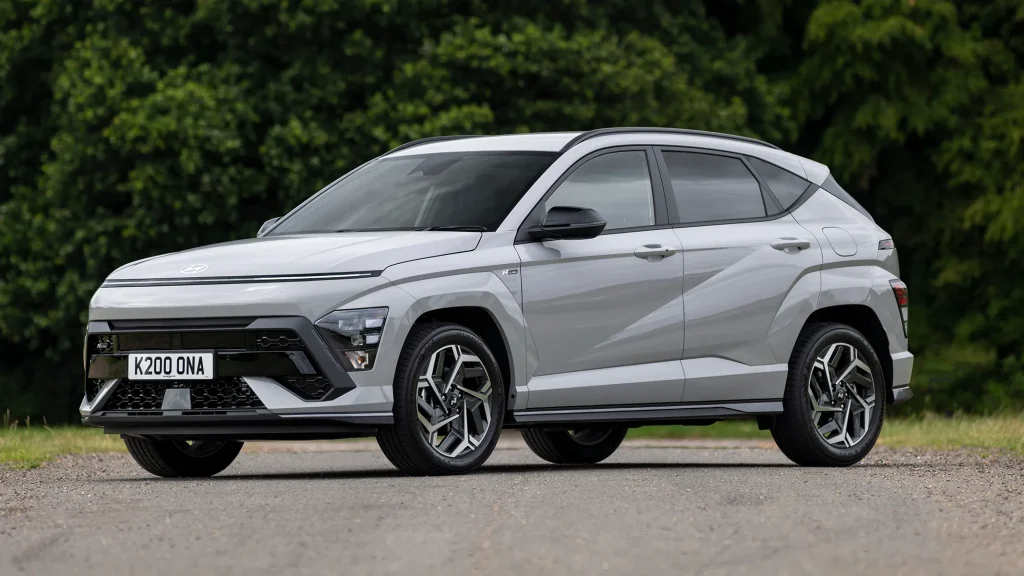
The Hyundai Kona is one of the best examples of a compact SUV that fits city life naturally. It is small enough to feel manageable in crowded streets but still offers the higher seating position and practical cargo space that SUV buyers want.
The Kona’s compact footprint makes it easier to park, especially in tight urban lots where larger SUVs feel stressful. This is exactly why it belongs on this list, because in city life, parking convenience can make or break your ownership experience.
Visibility is strong for its size. The slightly elevated driving position helps you see traffic movement clearly, and the overall body shape is easy to judge while manoeuvring. This makes lane changes, U-turns, and reversing in tight areas much less stressful.
The steering is light at low speeds, which is perfect for urban driving, where you are constantly making small corrections.
Comfort is another advantage. The Kona handles potholes and uneven roads better than many low sedans. Speed breakers feel manageable, and the cabin stays comfortable even during stop-and-go congestion.
The interior also feels modern, with practical storage for daily items like bottles, phone chargers, and small bags. The boot is not huge, but it is efficient enough for grocery runs and everyday luggage.
The Kona is included because it offers the best “city fit” qualities: manageable size, comfort, and easy driving behaviour. It does not feel intimidating, yet still delivers the SUV lifestyle that many people want.
2) Honda HR-V
The Honda HR-V is a compact SUV that feels like it was designed with urban routines in mind. It delivers practicality without being bulky, which is exactly what city drivers need. The HR-V fits comfortably into narrow streets and parking spaces. It offers a stable, confidence-building driving position without being oversized.
One of its standout strengths is interior packaging. Honda often designs cabins that feel bigger than expected, and the HR-V continues that tradition.
Rear passenger space is strong for the segment, and the boot is usable for groceries, backpacks, and everyday errands. This matters because a city SUV needs to handle more than commuting. It becomes an all-purpose vehicle for daily life.
The HR-V’s steering and controls are tuned for ease. In traffic, it feels smooth and predictable. You do not fight the car. The suspension is also tuned toward comfort rather than sportiness, which helps on broken city roads. Even when roads are uneven, the HR-V maintains stability without harshness.
Visibility is generally good, helping drivers feel confident in busy urban environments. When you are surrounded by scooters, pedestrians, and tight traffic, that awareness becomes comfort.
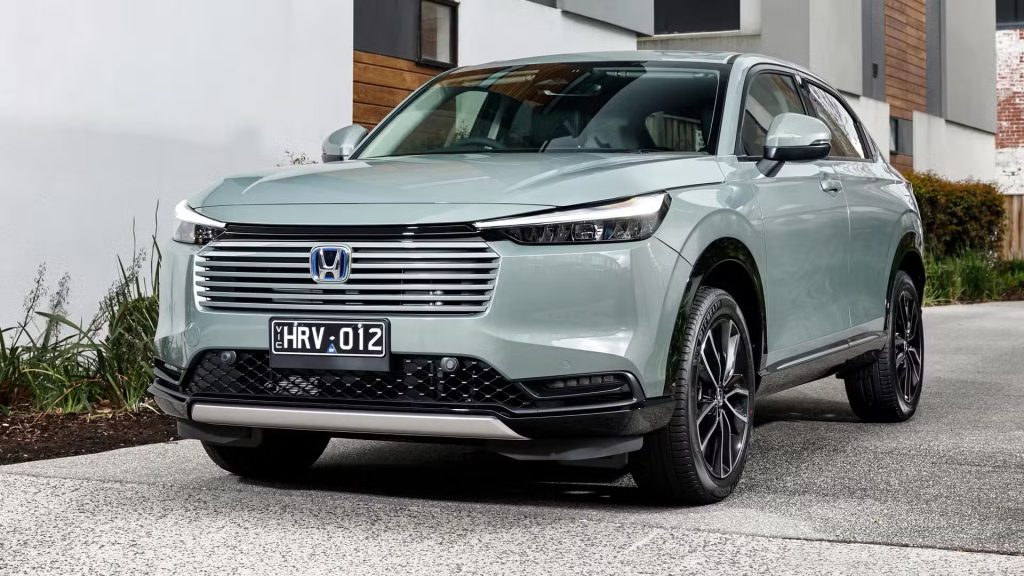
The HR-V is included because it balances city-friendly size with family-friendly practicality. It does not feel oversized, but it still offers enough space for modern urban life.
3) Kia Seltos
The Kia Seltos is a compact SUV that blends city usability with a slightly more “SUV-like” presence. It does not feel tiny, but it also does not feel bulky.
That balance is what makes it a strong city choice. Many people want the elevated feel and road presence of an SUV, but they still need a vehicle that fits comfortably into urban spaces. The Seltos achieves that.
In city driving, the Seltos feels manageable. Steering is light enough for traffic, and it responds well at low speeds. Parking is easier than in mid-size SUVs because the dimensions remain compact. Many trims include parking aids, which makes urban use even simpler.
Ride quality is tuned toward comfort. Speed breakers and potholes are handled decently, and the cabin stays comfortable in everyday conditions. The interior is also designed with modern convenience, offering enough storage and practical layout for daily routines.
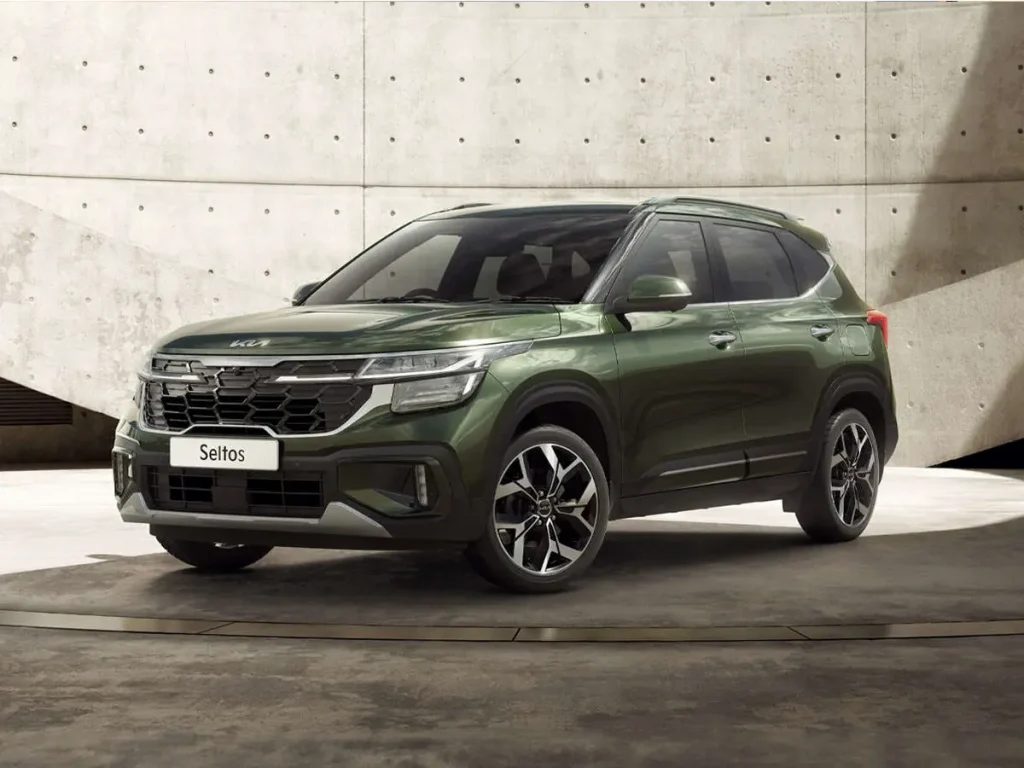
Passenger space is another reason it fits city life. The rear seat is comfortable enough for adults and children alike, which matters for families. The boot space supports daily errands and shopping.
The Seltos is included because it gives city drivers a compact SUV that still feels confident and premium enough, without the bulk and parking stress of larger SUVs.
4) Mazda CX-30
The Mazda CX-30 is a compact SUV that feels refined and easy to live with in a city. It is included because it offers a calm driving experience while still being compact enough for urban life. The CX-30’s design is slightly more upscale than many rivals, and that matters for buyers who want comfort and style without jumping to bulky luxury SUVs.
In city conditions, the CX-30 feels agile. Steering is precise, and the vehicle does not feel heavy. This helps in narrow lanes and tight turns. Parking is relatively easy because the proportions are compact and the visibility is manageable. The cabin is also designed to feel quiet and premium, which reduces stress during urban congestion.
Ride quality is a strong point. The CX-30 absorbs many road imperfections without becoming floaty. This balance is important in city roads where surfaces change constantly. Seats are supportive, and the driving position feels comfortable for long periods.
Cargo space is not the biggest in the segment, but it is practical for daily life. It handles groceries, bags, and weekend luggage without issues.
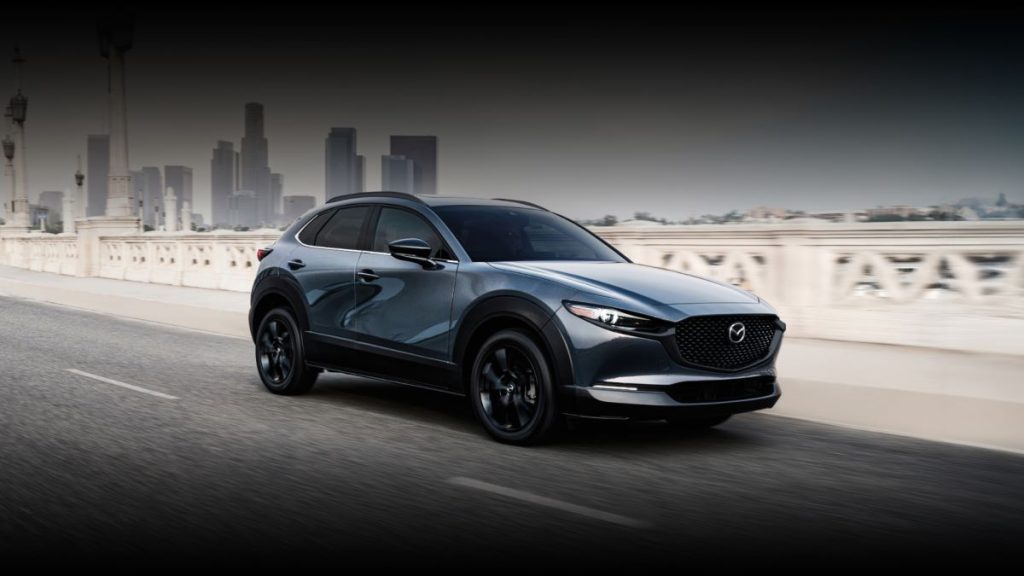
The CX-30 is included because it offers a refined compact SUV experience without becoming too large for the city. It is a smart choice for drivers who want city practicality with premium feel.
5) Toyota Corolla Cross
The Toyota Corolla Cross is a compact SUV that fits city life because it focuses on easy ownership and practical usability.
Toyota vehicles often shine in daily life because they are predictable and stress-free. The Corolla Cross follows that pattern. It is compact enough for city manoeuvres, but still offers enough space for families and daily errands.
The driving experience is smooth and easy. In traffic, the Corolla Cross does not feel demanding. Steering effort is light, and the vehicle behaves predictably during stop-and-go movement. That matters because city driving already requires mental effort, and a car that behaves smoothly reduces fatigue.
The cabin is comfortable and practical. Seats are designed for everyday use, and the interior layout feels logical. Storage spaces are useful, and the boot is suitable for shopping, backpacks, and routine luggage. It is not a huge SUV, but it provides the SUV flexibility that city drivers want.
Visibility is another advantage. The slightly higher seating position helps drivers stay aware of city movement, including pedestrians and scooters. This improves both safety and confidence.
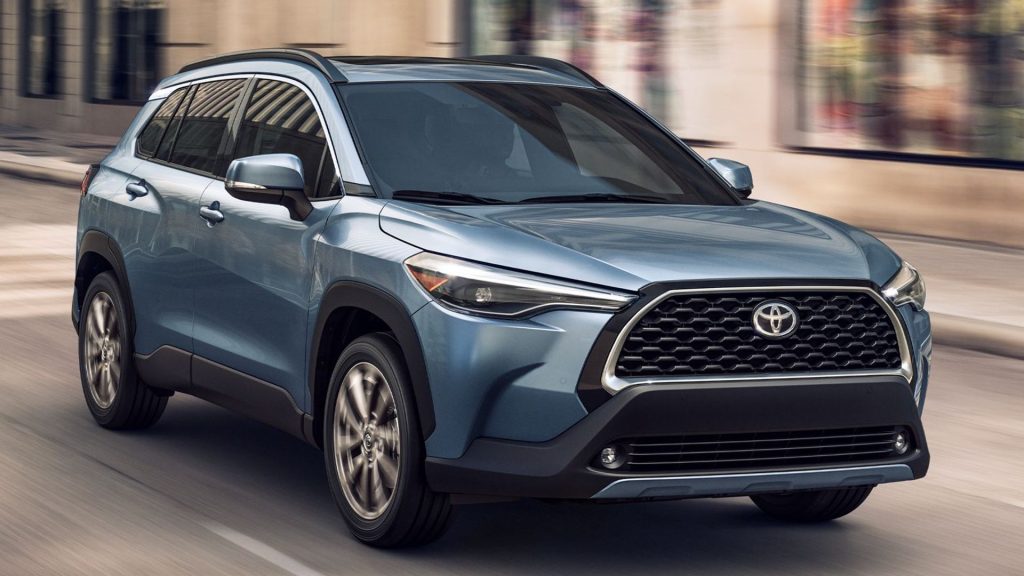
The Corolla Cross is included because it is a sensible compact SUV that fits smoothly into urban life. It does not bring unnecessary bulk, yet still offers SUV practicality and Toyota reliability.
5 That Feel Too Bulky
City driving is not forgiving to oversized vehicles. In an urban environment, your SUV is judged less by how powerful it feels and more by how easily it fits into daily routines. Parking garages, tight ramps, narrow lanes, crowded market streets, and school pickup zones are all designed around limited space.
A bulky SUV turns these everyday moments into stressful tasks. You might be able to drive it well, but you will constantly feel like you are negotiating with the environment rather than moving naturally through it.
The biggest problem with bulky SUVs in the city is physical size. Longer wheelbases and wider bodies reduce manoeuvrability. Turning circles are larger, meaning U-turns and narrow turns often require multiple adjustments.
Parking becomes harder, not only because the SUV may not fit easily, but because leaving enough space around it becomes almost impossible. Even with sensors and cameras, you still feel the pressure because bulky SUVs demand attention.
Another major issue is visibility and confidence. Tall, wide SUVs can have bigger blind spots. Their height feels commanding, but the body shape often blocks view in tight intersections. Add traffic full of scooters, pedestrians, and sudden lane changes, and stress builds quickly.
Then there is the fear factor: bulky SUVs are expensive to repair, and city life is full of small scratches, bumper taps, and careless parking neighbours. Many owners end up driving cautiously all the time, which turns the ownership experience into constant anxiety.
This section highlights five SUVs that often feel too bulky for city life. These vehicles may be excellent for highways, family road trips, and long-distance comfort. But in daily urban routines, they can feel like overkill.
The goal is not to say these SUVs are bad. The goal is to show why “bigger” is not always better when your world is narrow roads, tight parking, and constant traffic.
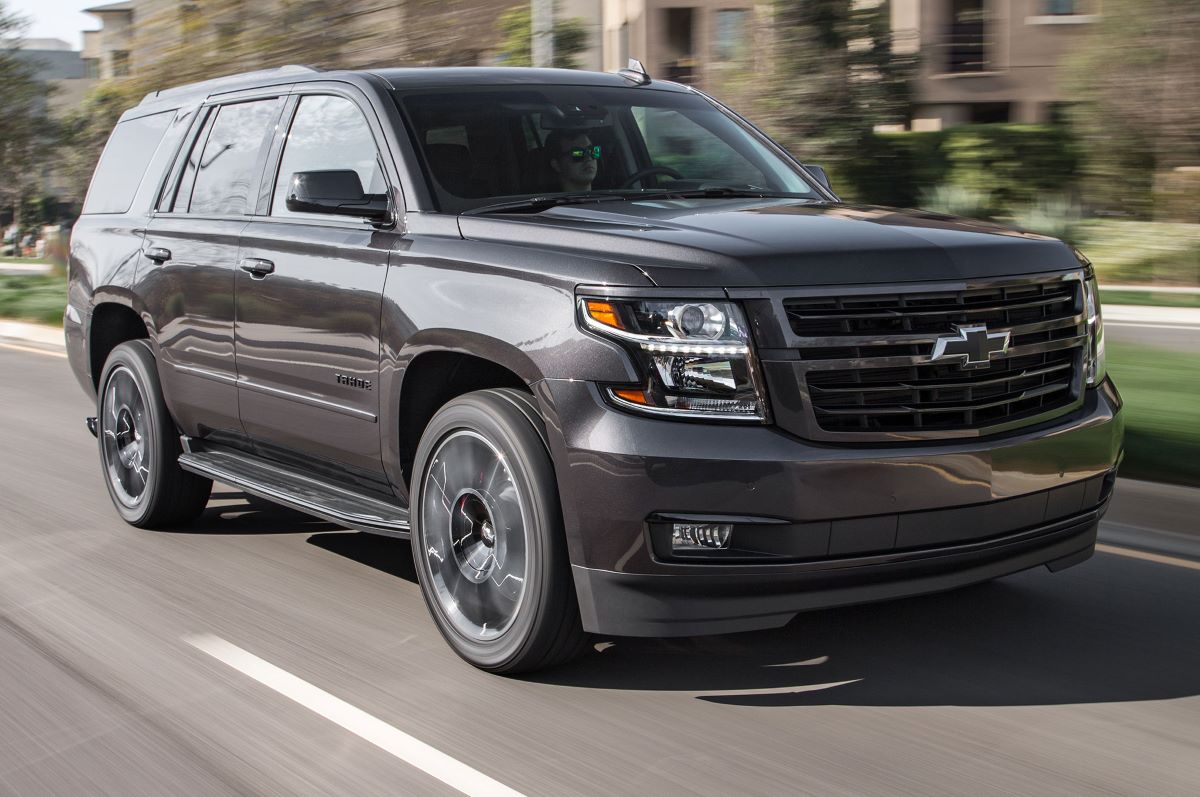
1) Chevrolet Tahoe
The Chevrolet Tahoe is a capable, comfortable full-size SUV, but in city life it can feel like trying to wear hiking boots inside a small apartment. The first issue is sheer size. The Tahoe is long, wide, and tall, which makes it intimidating in tight urban lanes.
When streets narrow, you become constantly aware of how much space you occupy. That extra awareness increases stress because you are always avoiding mirrors, scooters, and parked vehicles that feel too close for comfort.
Parking is where the Tahoe becomes truly inconvenient. Many city parking slots are simply not designed for this footprint. Even when you find a large enough space, the manoeuvre often requires multiple adjustments.
In parking garages, ramps can feel tight, and the Tahoe’s length can make turns tricky. Sensors and cameras help, but they do not remove the fundamental difficulty of fitting a large SUV into compact urban infrastructure.
Fuel consumption adds another layer. City driving involves idling, creeping forward, and constant stop-start movement. That is the worst environment for a heavy full-size SUV. Over time, fuel costs rise, and the Tahoe becomes expensive just to move around the city.
Visibility can be mixed. You sit high, which is good, but the vehicle’s size creates blind spots that matter in dense traffic. You must constantly check mirrors and cameras, especially around pedestrians and small two-wheelers.
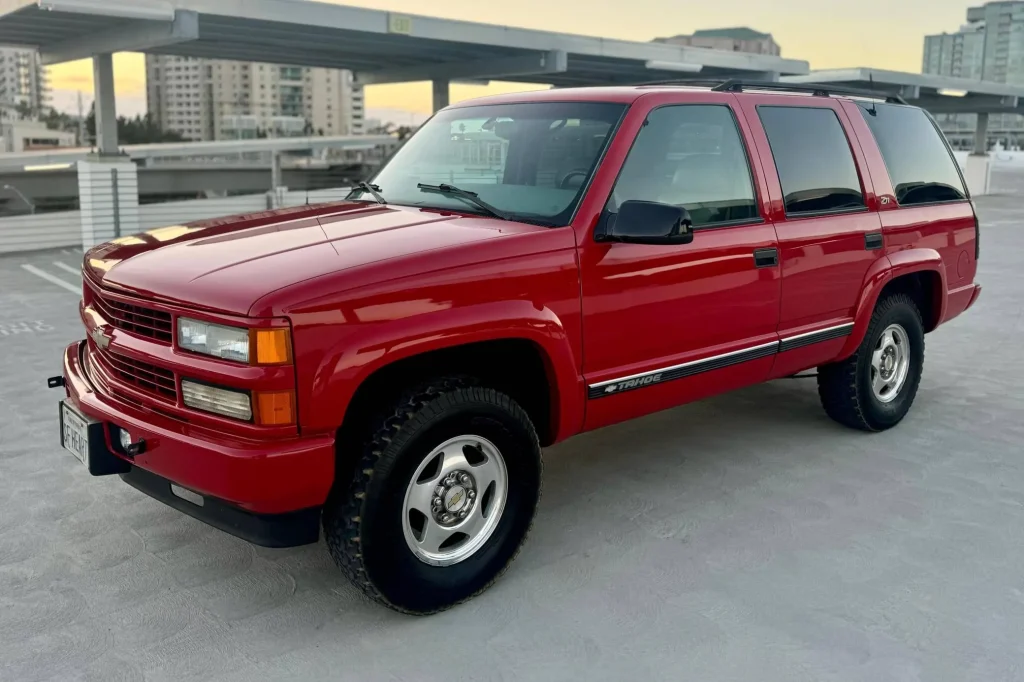
The Tahoe is included because it shows how a great highway family SUV can become a daily urban burden. For people who mainly drive in cities, it can feel too bulky, too costly, and too stressful for everyday use.
2) Ford Expedition
The Ford Expedition offers impressive space and comfort, but in the city it often feels too bulky for practical daily use. Like the Tahoe, its main issue is scale. It is a full-size SUV designed for big families, towing, and long road trips.
In crowded city environments, those strengths do not translate well. Instead, the vehicle’s size becomes the dominant personality. You are not just driving, you are constantly managing space.
The turning radius is a major problem in urban routines. Tight intersections, U-turns, and narrow entry roads often require more space than the Expedition comfortably provides.
That means you make more adjustments, you slow down more often, and you feel more pressure from surrounding traffic. In city driving, a vehicle should feel agile, not demanding.
Parking can feel like a project. Many times, you will avoid certain parking areas simply because the SUV feels too large to fit comfortably. Tight parking garages with pillars and sharp turns become stressful.
Even when you park successfully, leaving the space can be difficult because other cars crowd around. The Expedition becomes less enjoyable not because it is badly designed, but because the city is not built for it.
Running costs also rise quickly in urban use. Fuel consumption is heavy in stop-and-go conditions. Tyres are expensive, brakes wear more due to weight, and general maintenance costs can be higher than compact SUVs.
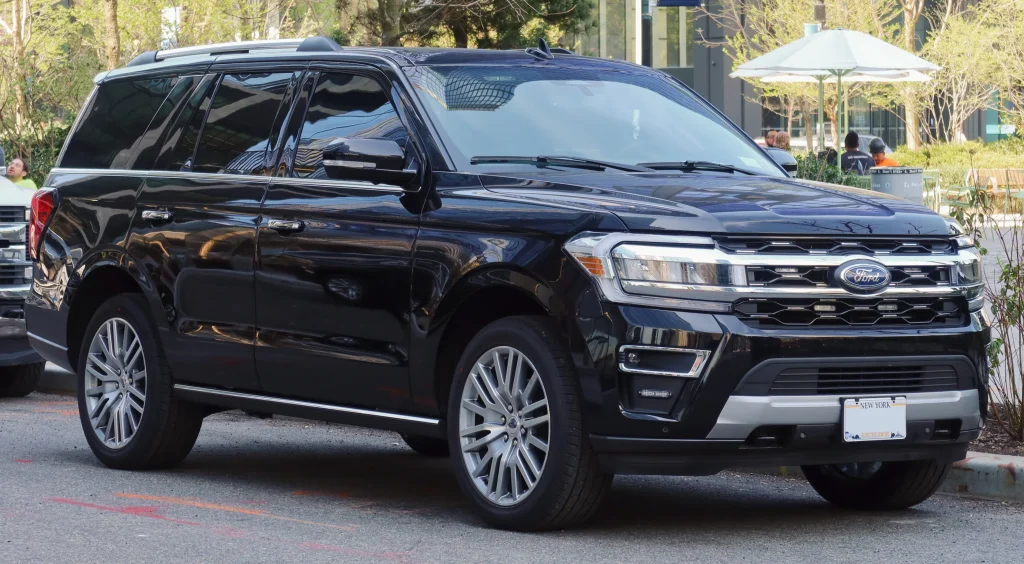
The Expedition is included because it is a powerful, capable SUV that thrives in open spaces. But in dense city life, it often feels like overkill, making daily routines harder than they need to be.
3) Toyota Land Cruiser
The Toyota Land Cruiser is respected worldwide for durability and off-road ability, but in city life it can feel unnecessarily bulky. The Land Cruiser carries a heavy-duty personality.
It is built to survive harsh conditions, carry loads, and handle rough terrain. But when your daily routine is urban commuting, shopping, and parking, the vehicle’s rugged size becomes the main challenge.
The Land Cruiser is tall and wide, and that affects manoeuvrability in crowded streets. In narrow lanes, it can feel like you are constantly squeezing past obstacles.
It also has a larger turning radius than compact SUVs, which makes U-turns and tight corners less convenient. City driving demands easy rotation and agility. The Land Cruiser demands patience.
Parking can be intimidating. The Land Cruiser’s high value also creates anxiety. Many city environments involve tight spaces, careless drivers, and small scratches that happen easily. Owners often become overly cautious because a Land Cruiser is expensive to repair and maintain. That caution becomes mentally exhausting in daily urban driving.
Fuel economy is another downside. It is heavy, and city traffic amplifies fuel usage. Stop-and-go driving is inefficient for such a big vehicle. Over time, it becomes costly to operate in the city.
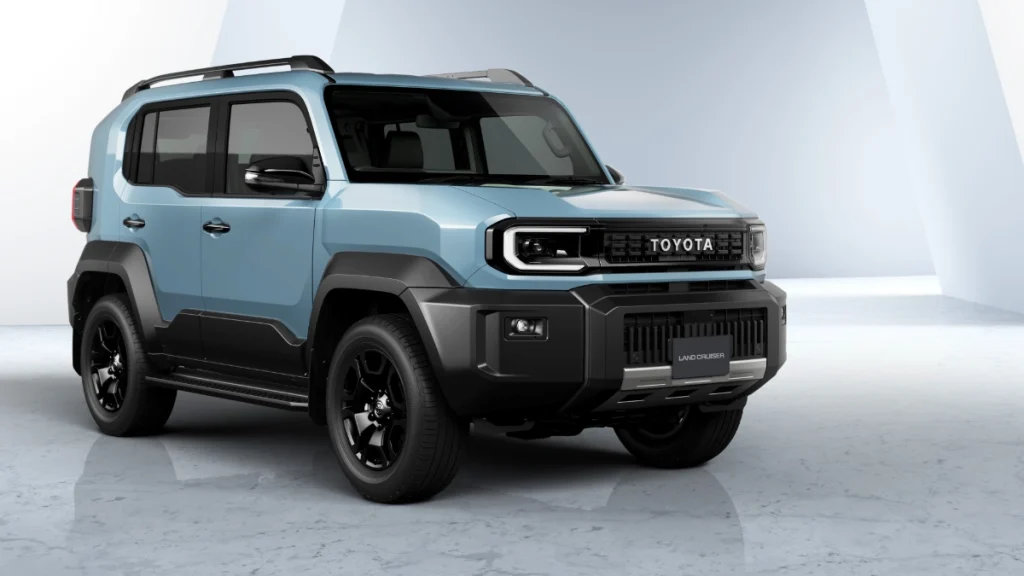
The Land Cruiser is included because it represents a vehicle with massive capability that most urban drivers do not need daily. It is brilliant for long journeys and harsh conditions. But in city life, it often feels bulky and demanding, making simple tasks like parking and tight manoeuvres more stressful than they should be.
4) Mercedes-Benz GLS
The Mercedes-Benz GLS offers luxury and comfort, but in many cities it feels too bulky to truly enjoy. The GLS is a full-size luxury SUV, which means it brings massive presence.
That presence is impressive, but daily urban routines do not reward size. They reward ease. The GLS can feel like driving a large living room through narrow streets, and that becomes mentally tiring.
Parking is a major challenge. Even with cameras, sensors, and automatic parking aids, the GLS requires space. Many city parking structures and ramps feel tight. The GLS’s length and width make it harder to fit into urban spots without stress.
That stress increases because luxury SUVs are expensive to repair. Scratches, wheel scuffs, and bumper marks are common in city life, and the GLS often feels “too precious” for the daily messiness of urban driving.
Visibility is not always ideal. You sit high, but the body is large, and blind spots can feel significant. In heavy traffic with scooters and pedestrians, that adds to driver fatigue.
Cost is another aspect. Fuel usage is high, and running costs are premium-level. Tyres, brakes, and service bills can feel heavy, especially if the car is used mainly for slow city driving where its luxury strengths are underused.
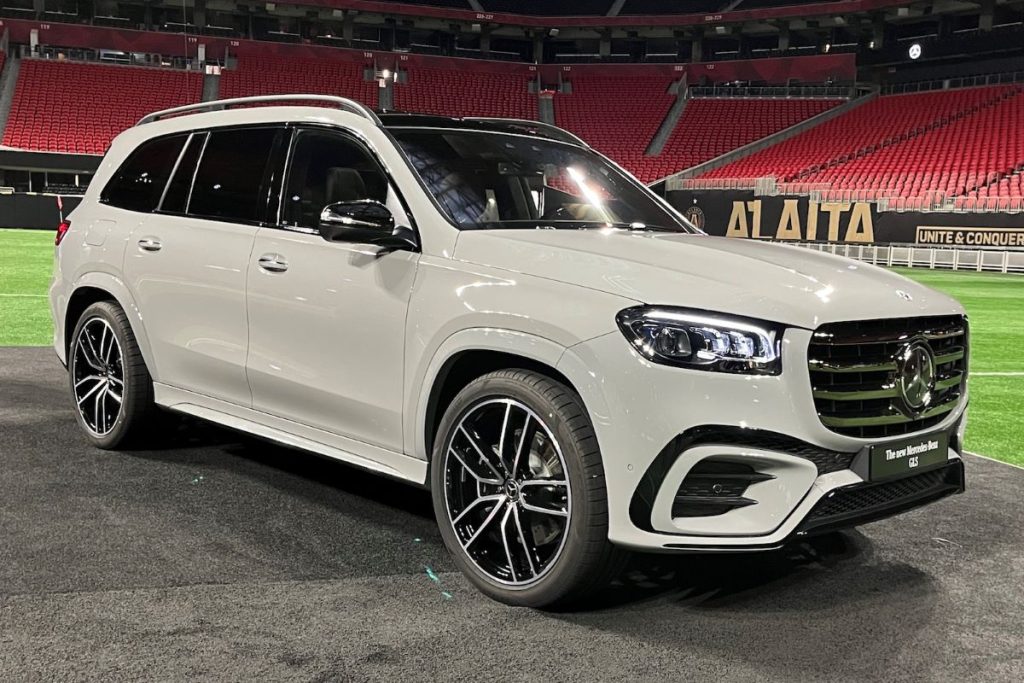
The GLS is included because it highlights a common reality: luxury does not automatically equal practicality. In a city, the GLS can feel bulky, expensive, and stressful, even if it is extremely comfortable on highways.
5) Nissan Armada
The Nissan Armada is another SUV that feels too bulky for city life because it is designed for larger spaces and heavier duties. The Armada offers strong interior room and a powerful driving feel, but in urban environments, it becomes difficult to manage.
Its size makes it harder to manoeuvre in narrow streets and dense traffic. You constantly adjust and slow down, not because you are a bad driver, but because the vehicle demands extra space.
The turning radius is larger than what city driving prefers. Tight corners and U-turns often feel like puzzles, requiring extra corrections. In busy urban lanes, that creates stress because other drivers expect quick movement. The Armada feels like it wants wider roads, and the city rarely gives you that.
Parking is again a major issue. Most city parking spots are not designed for full-size SUVs, and the Armada can feel like it barely fits. Even when it fits, getting in and out can feel stressful due to limited space around you. Urban parking garages and ramps can also feel challenging.
Fuel costs add weight to the inconvenience. The Armada is heavy, and stop-and-go traffic burns fuel aggressively. Over time, this makes city ownership expensive.
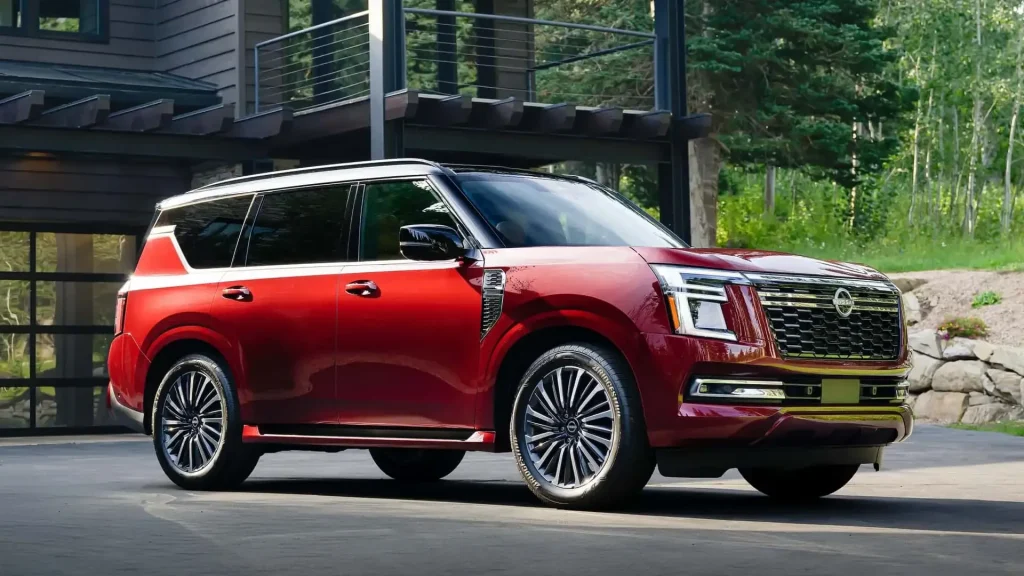
The Armada is included because it represents a full-size SUV that is excellent for highway cruising and family space needs. But in dense city life, its bulk turns daily routines into constant effort. It often feels bigger than necessary, and that makes it less enjoyable as an urban vehicle.
This article compares compact SUVs that fit city life with larger SUVs that often feel too bulky for daily urban routines. City-friendly compact SUVs succeed because they balance space with manoeuvrability.
Models like the Hyundai Kona, Honda HR-V, Kia Seltos, Mazda CX-30, and Toyota Corolla Cross work well in traffic and tight streets due to lighter steering, better visibility, manageable turning circles, and easier parking.
They also provide practical cabin space and boots that suit groceries, errands, and commuting without making the driver feel overwhelmed.
On the other side, bulky SUVs can make city driving stressful even if they are excellent on highways. Full-size models like the Chevrolet Tahoe and Ford Expedition struggle with narrow lanes, wide turns, and parking spaces that were not designed for their size.
Vehicles like the Toyota Land Cruiser, Mercedes-Benz GLS, and Nissan Armada add further pressure due to high running costs, fuel consumption in stop-and-go traffic, and the constant worry of scratches or damage in crowded urban environments.
The key message is simple: in cities, “right-sized” SUVs reduce fatigue and daily stress, while oversized SUVs often turn routine driving into continuous effort.
Also Read: 5 Cars for Diamond Bar City Driving and 5 Compact Daily Choices
