For residents of Dover or anyone tackling daily commutes and long-distance drives, selecting the right vehicle can make all the difference in comfort, efficiency, and peace of mind.
City streets demand cars that are maneuverable, fuel-efficient, and equipped with modern technology to reduce the stress of stop-and-go traffic, while highway journeys call for stability, power, and driver-assistance features to make extended trips effortless.
In this guide, we highlight five standout vehicles ideal for Dover commuters, balancing practicality, economy, and reliability for daily urban driving. From hybrid sedans like the Toyota Prius and Honda Civic to versatile SUVs like the Hyundai Tucson Hybrid and Subaru Impreza, these cars make commuting less tiring and more cost-effective.
We also showcase five highway-ready vehicles designed for longer trips, combining comfort, performance, towing capability, and advanced safety systems, ensuring a smooth and confident experience on interstates, rural roads, and beyond.
5 Cars for Dover Commuters
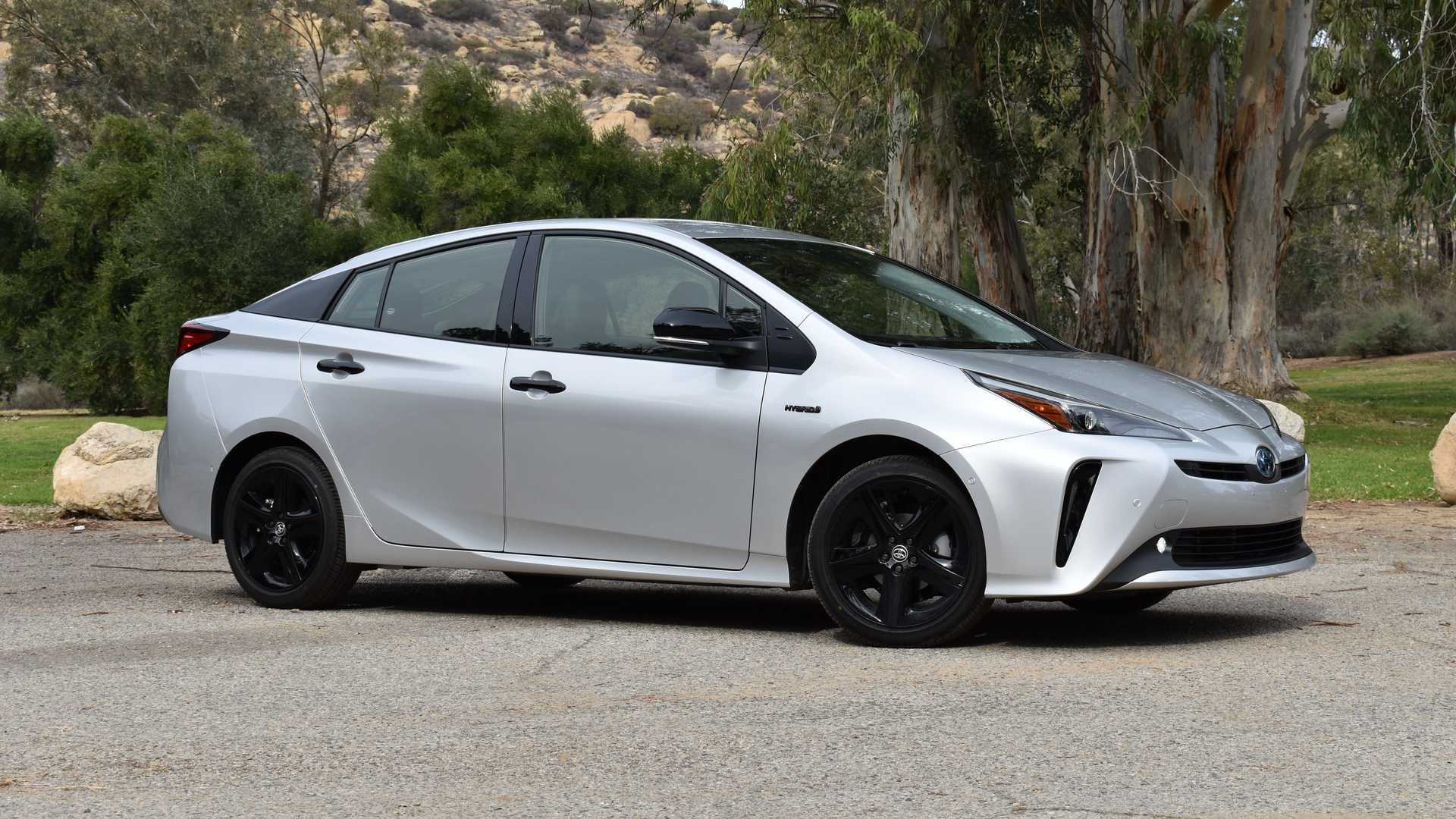
1. Toyota Prius: A Smart, Efficient Choice for Daily Commuters
The Toyota Prius remains one of the most practical and cost-effective commuter vehicles on the market, especially for drivers who spend a lot of time in city traffic.
As a pioneer of hybrid technology, the Prius is designed to excel in stop-and-go conditions, where its hybrid system frequently relies on electric power. This results in outstanding fuel economy, lower emissions, and significant savings at the pump over time.
Fuel efficiency is the Prius’s defining strength. Depending on trim and drivetrain, EPA ratings range from the high 40s to nearly 60 mpg, with front-wheel-drive models delivering the best results.
Real-world testing confirms that the Prius maintains impressive efficiency even at highway speeds. For commuters with short to medium daily drives, particularly those interested in the plug-in Prius Prime, many trips can be completed with little or no gasoline use, further reducing fuel costs.
Comfort is another major advantage. The Prius offers a smooth, quiet ride that makes daily commuting less tiring, even during long or congested drives. Its compact size allows for easy maneuverability on crowded streets and makes parking in tight urban spaces far less stressful.
Despite its relatively small footprint, the hatchback design provides practical cargo space, with up to 23.8 cubic feet available behind the rear seats on lower trims, making it well-suited for groceries, work equipment, or weekend errands.
Performance has also improved with the latest generation. A 2.0-liter four-cylinder engine paired with electric motors and a continuously variable transmission produces 194 horsepower in front-wheel-drive models and 196 horsepower with all-wheel drive.
Acceleration is surprisingly quick for a hybrid, reaching 60 mph in about 7.1 seconds, outperforming several competitors in its class while still prioritizing efficiency.
Inside, the Prius combines a clean, functional layout with modern technology. Standard features include an 8.0-inch touchscreen, wireless Apple CarPlay and Android Auto, Bluetooth connectivity, and advanced voice controls. Safety is a strong point as well, with adaptive cruise control, lane-keeping assist, and blind-spot monitoring included as standard equipment.
Backed by Toyota’s reputation for reliability, low maintenance costs, and a long hybrid-component warranty, the Prius continues to stand out as an eco-friendly, dependable, and economical choice for everyday commuting.
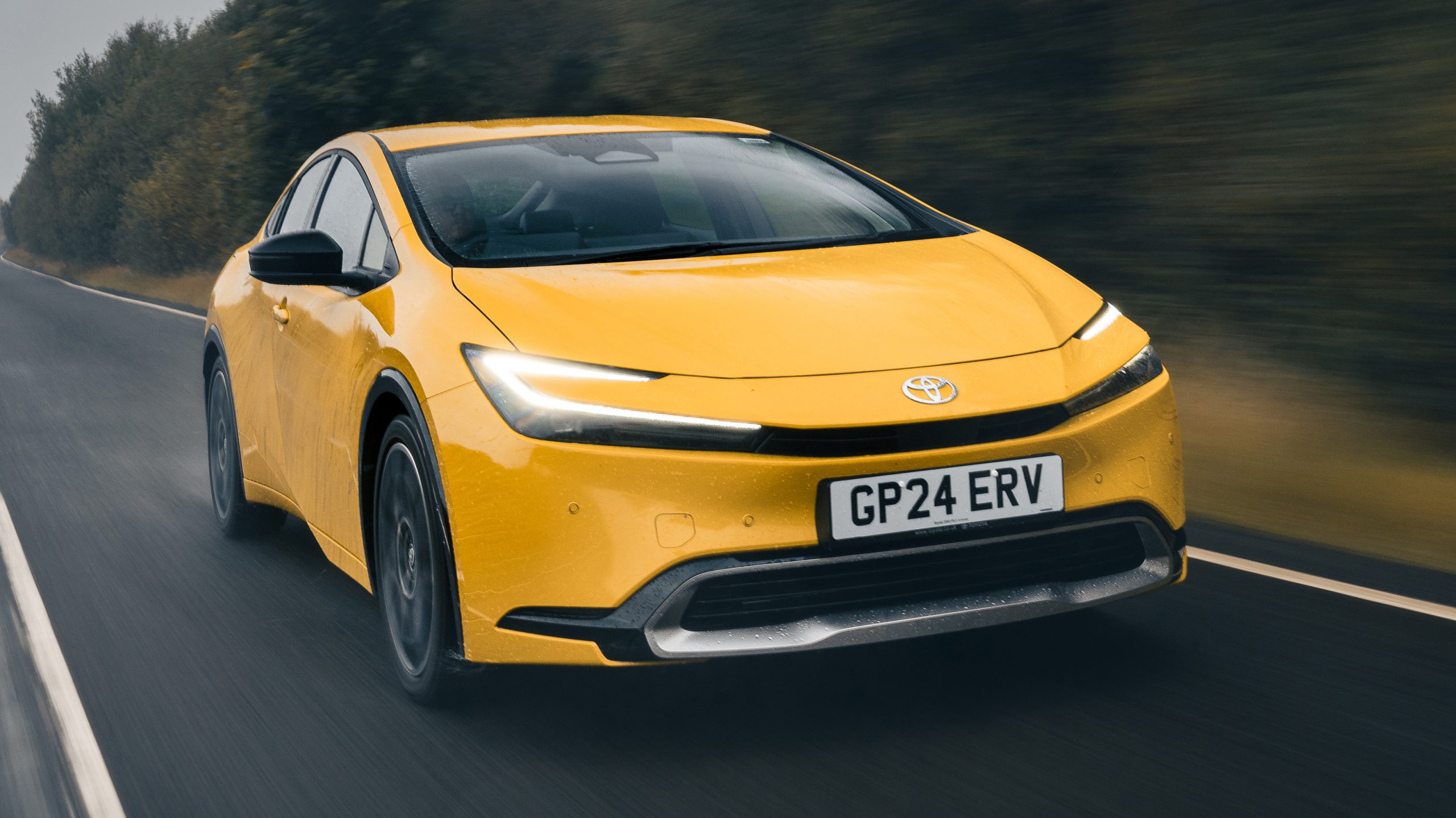
2. Honda Civic: A Reliable, Comfortable, and Efficient Commuter Sedan
The Honda Civic has long been a top choice for commuters, thanks to its strong reputation for reliability, excellent resale value, and well-rounded performance.
It delivers a near-premium driving experience at an accessible price point, making it especially appealing for daily drivers who want comfort, efficiency, and peace of mind. With both gas-only and hybrid options available, the Civic caters to a wide range of commuting needs, from short city trips to longer highway drives.
Fuel efficiency is one of the Civic’s biggest advantages. Nonhybrid models already offer competitive MPG figures, while the Civic Hybrid significantly raises the bar, with EPA ratings reaching up to 50 mpg in city driving.
Real-world testing confirms this efficiency, with the hybrid returning impressive highway mileage as well. Fewer fuel stops translate directly into lower commuting costs, which is a major benefit for budget-conscious drivers.
Comfort and interior quality also stand out. The Civic’s cabin is cleanly designed, spacious, and thoughtfully laid out, with generous front-seat room and a rear bench that comfortably accommodates two adults.
Available features such as heated seats, leather upholstery, automatic climate control, and premium audio systems make daily drives more enjoyable. Cargo space is another strength, whether choosing the sedan or hatchback, both of which can handle groceries, luggage, or work gear with ease.
From a performance standpoint, the Civic balances efficiency with driving enjoyment. The standard 150-horsepower engine feels responsive enough for city traffic, while the Civic Hybrid’s 200-horsepower setup delivers quick, smooth acceleration, reaching 60 mph in just over six seconds. Its precise steering and composed ride quality make merging, lane changes, and tight turns feel confident and controlled.
Technology and safety further enhance the Civic’s commuter appeal. Infotainment options include Apple CarPlay and Android Auto, available wireless connectivity, digital gauge displays, and upgraded sound systems. Honda Sensing comes standard, providing features such as adaptive cruise control, lane-keeping assist, and automated emergency braking, which help reduce stress during busy drives.
Altogether, the Honda Civic offers an ideal blend of efficiency, comfort, safety, and long-term dependability. Whether for solo commuters, small families, or drivers seeking a smart, reliable daily vehicle, the Civic remains one of the strongest all-around choices in its class.
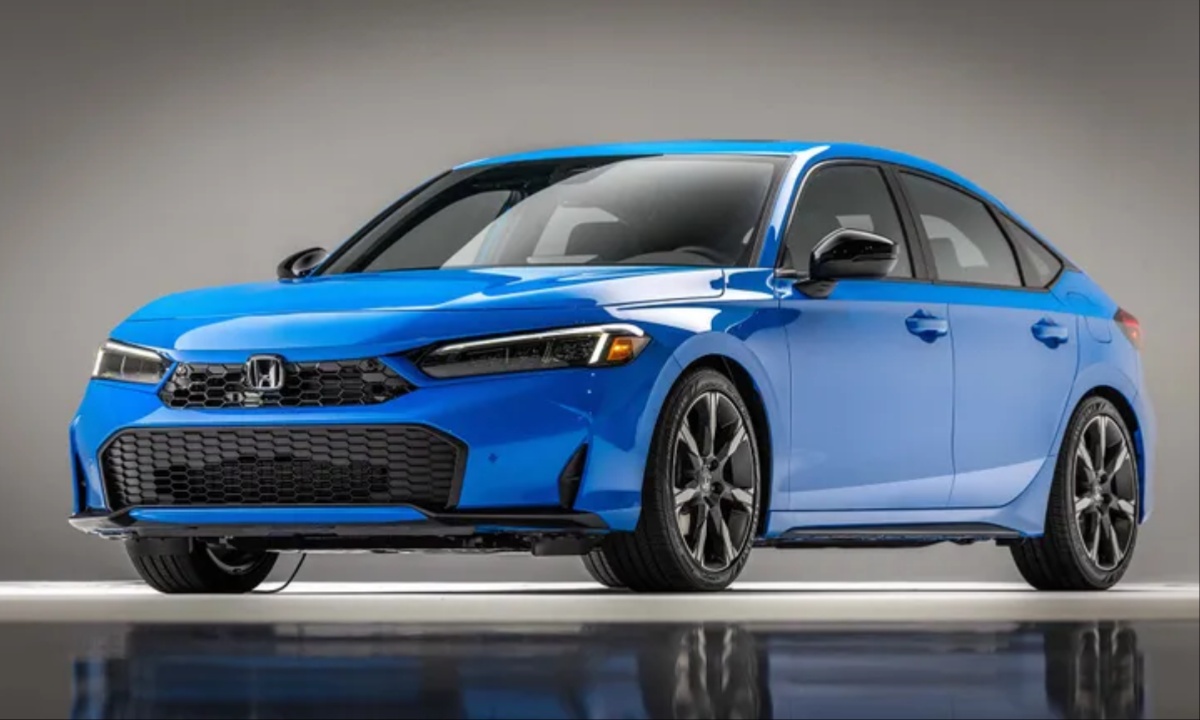
3. Hyundai Tucson Hybrid: Efficient, Comfortable, and Commuter-Friendly
The Hyundai Tucson Hybrid is a standout compact SUV for commuters seeking the higher driving position of an SUV without the fuel costs of a larger vehicle. Its hybrid powertrain delivers smooth, responsive performance in stop-and-go traffic while providing excellent fuel economy, averaging around 38 MPG combined.
With available All-Wheel Drive (AWD), the Tucson Hybrid offers added confidence in diverse weather conditions, making it a practical choice for daily driving in areas like Dover or similar urban and suburban settings.
Fuel efficiency is a key advantage, helping drivers save money on gas over long commutes. The hybrid system blends a turbocharged 1.6-liter four-cylinder engine with an electric motor, producing 231 horsepower in the standard hybrid and 268 in the plug-in hybrid (PHEV).
Acceleration is brisk for its class, with the hybrid sedan achieving 0–60 mph in approximately 7.1 seconds, faster than the nonhybrid Tucson. The hybrid powertrain also provides a quiet, smooth ride, reducing stress during both city and highway driving.
Interior comfort and technology are strong points for the Tucson Hybrid. The cabin accommodates four adults comfortably and provides generous cargo space, fitting nine carry-on suitcases behind the rear seats or up to 22 with the seats folded.
Hyundai’s modern interior design includes a 12.3-inch touchscreen, physical controls for HVAC and audio, wireless Apple CarPlay and Android Auto, and available premium audio. Features like wireless charging and a digital key enhance convenience and connectivity.
Safety and driver-assistance features are comprehensive. Standard systems include automated emergency braking with pedestrian detection, lane-keeping assist, and lane-departure warning. Adaptive cruise control with lane-centering is also available, reducing fatigue during longer drives.
Hyundai further strengthens the Tucson Hybrid’s appeal with a class-leading warranty and maintenance coverage. The SUV offers a five-year/60,000-mile limited warranty, a 10-year/100,000-mile powertrain warranty, and three years/36,000 miles of complimentary maintenance.
The Hyundai Tucson Hybrid combines SUV practicality, hybrid efficiency, and advanced technology to create a comfortable, economical, and safe daily-driving experience. Its spacious interior, smooth power delivery, and generous warranty make it an ideal commuter vehicle for individuals or small families seeking both versatility and peace of mind.
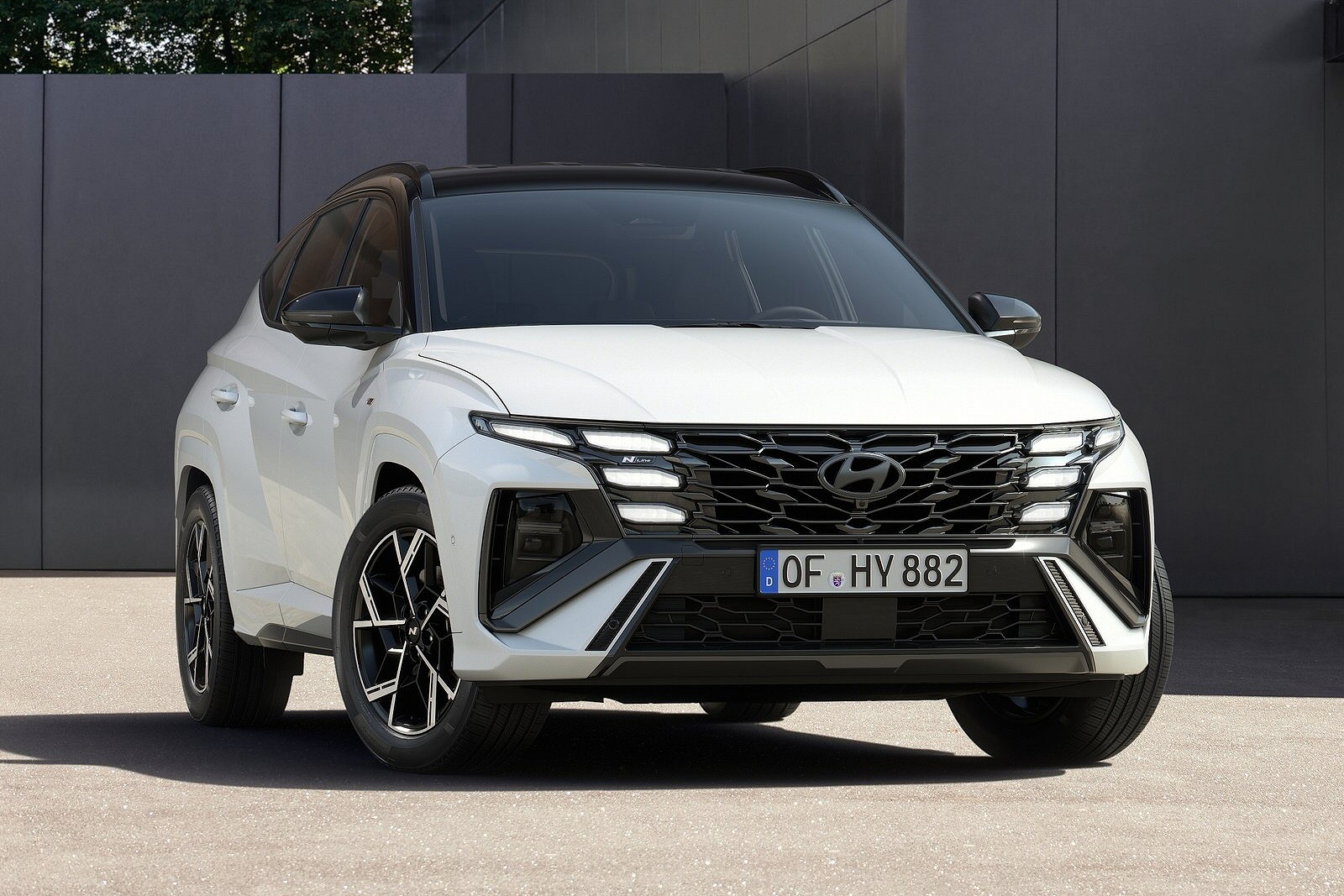
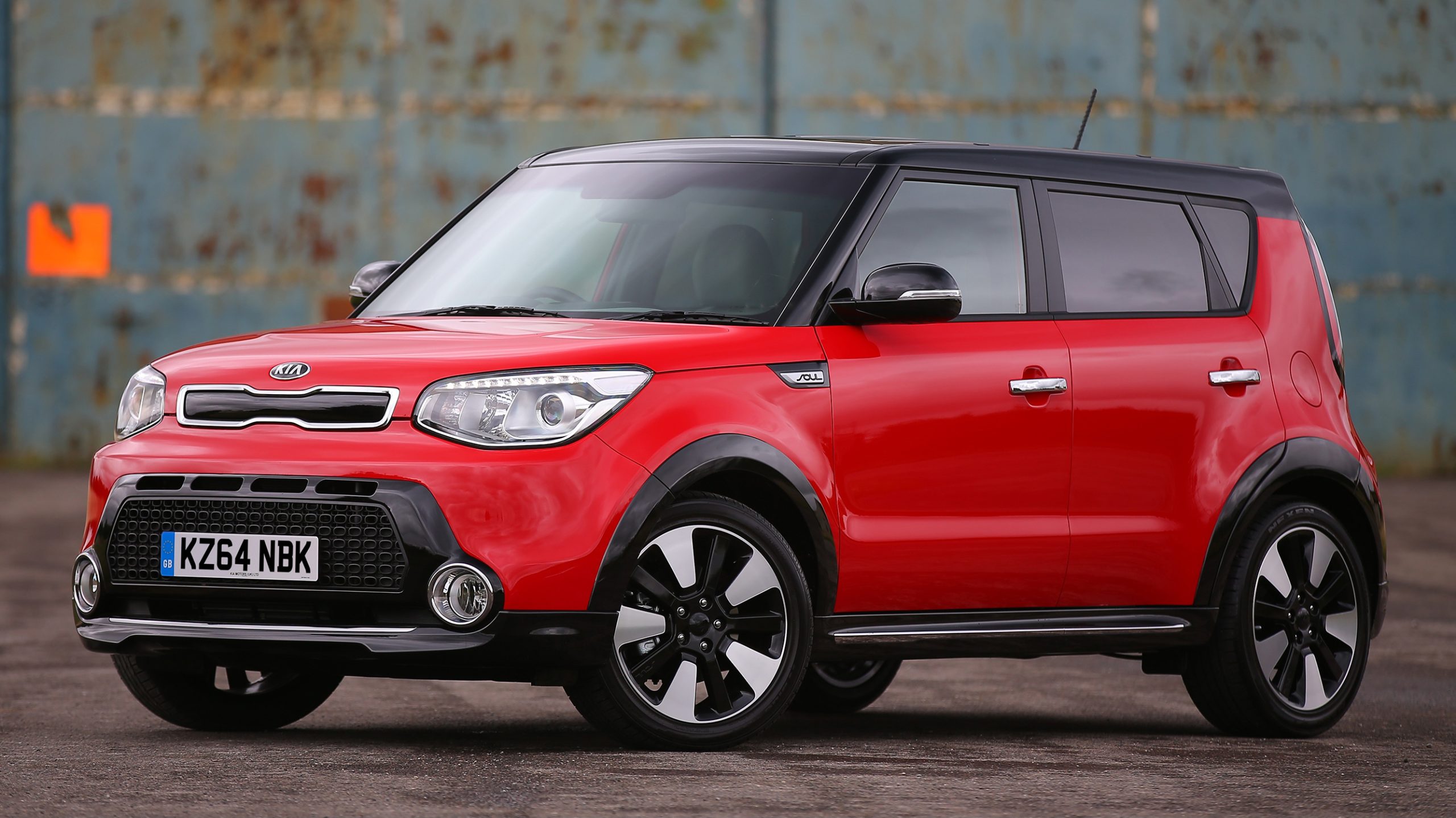
4. Kia Soul: A Practical, Efficient, and Budget-Friendly Commuter
The Kia Soul stands out as a compact, budget-conscious vehicle ideal for daily commuting. Its distinctive boxy design provides excellent visibility and generous headroom, while the small footprint makes it easy to maneuver through tight city streets and congested downtown areas.
Combining practicality, efficiency, and affordability, the Soul is a compelling choice for commuters seeking value without sacrificing comfort or modern features.
Fuel economy is one of the Soul’s strengths, with EPA ratings up to 35 MPG on the highway and real-world tests around 30 MPG at 75 mph. While city mileage is slightly lower at 27 MPG, the vehicle’s hybrid-like efficiency for a compact SUV helps reduce fuel costs for daily drivers.
Its front-wheel-drive layout paired with a 147-hp 2.0-liter four-cylinder engine and continuously variable automatic transmission (CVT) provides adequate acceleration, reaching 60 mph in about 8.0 seconds. The Soul may not be a performance powerhouse, but it offers a peppy, responsive feel for city driving and highway merging.
Interior space and comfort are surprisingly generous for a compact vehicle. The upright design allows for excellent headroom and cargo capacity, accommodating seven carry-on suitcases behind the rear seats and up to 20 with the seats folded.
Kia incorporates practical and stylish touches inside, including ambient lighting, textured trim, heated seats and steering wheel, push-button start, and keyless entry. The infotainment system supports Apple CarPlay and Android Auto, with available 10.3-inch touchscreens, satellite radio, wireless charging, and optional premium Harman/Kardon audio.
Safety is well-covered with standard forward-collision warning, automated emergency braking, lane-departure warning, and lane-keeping assist. Optional features include blind-spot monitoring and automatic high-beam headlights, enhancing peace of mind during urban and highway driving.
Reliability and ownership value are further strengthened by Kia’s industry-leading warranty: a five-year/60,000-mile limited warranty and a 10-year/100,000-mile powertrain warranty, giving commuters confidence in long-term use.
The Kia Soul combines compact efficiency, roomy practicality, modern technology, and affordability, making it an ideal commuter vehicle. Its maneuverability, strong visibility, comfortable interior, and low running costs suit city driving and highway cruising alike, offering an economical, reliable, and enjoyable daily-driving experience for individuals or small families.
5. Subaru Impreza: All-Weather, Practical, and Commuter-Friendly
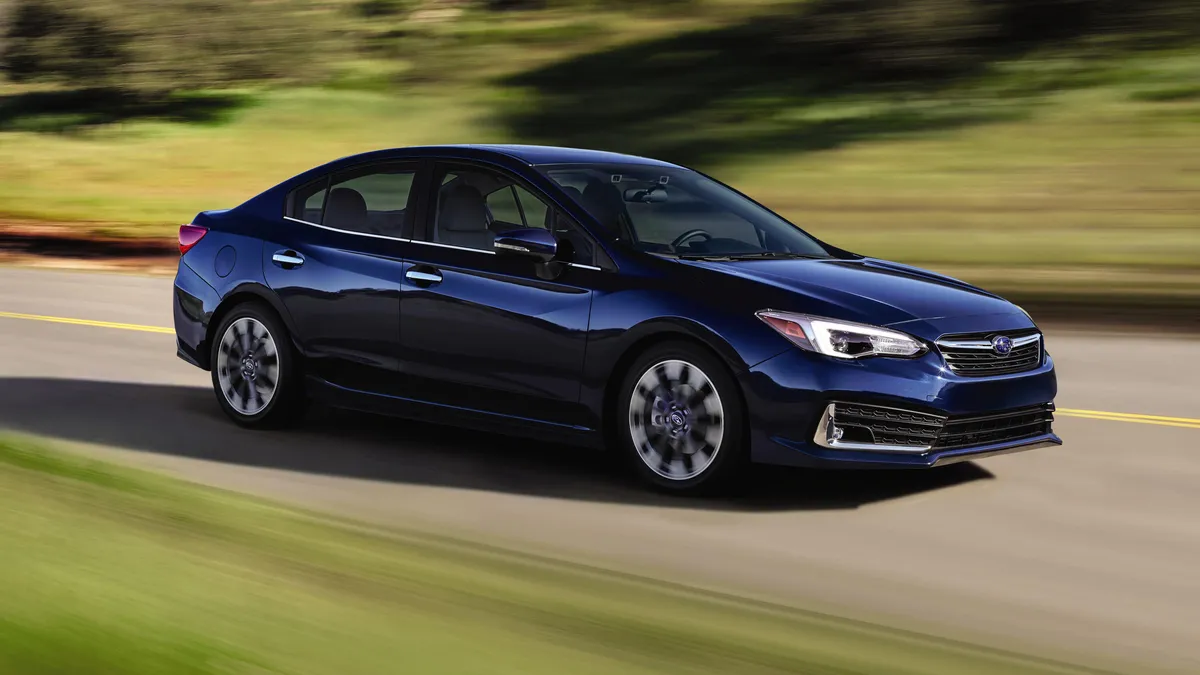
The Subaru Impreza is an ideal compact car for commuters who value safety, all-weather capability, and fuel efficiency without moving up to a larger SUV. Its standard Symmetrical All-Wheel Drive provides consistent traction on wet, icy, or uneven roads, making it particularly well-suited for areas like Dover, Delaware, where winter conditions can be unpredictable.
Coupled with a comfortable ride, good fuel economy, and user-friendly technology, the Impreza offers a practical and reliable option for daily driving.
Fuel efficiency is competitive for a compact AWD vehicle, with highway ratings around 33–34 mpg and real-world testing yielding up to 37 mpg at 75 mph. This efficiency helps reduce commuting costs compared to larger or thirstier vehicles.
The Impreza is available with two naturally aspirated flat-four engines: a 152-hp 2.0-liter four-cylinder in the base Sport model and a 180-hp 2.5-liter engine in the RS trim. Both utilize a continuously variable automatic transmission (CVT) and standard AWD. Acceleration is adequate for daily driving, with the RS reaching 60 mph in about 7.8 seconds, offering sufficient responsiveness for city and highway traffic.
Inside, the Impreza prioritizes practicality over luxury. The cabin is spacious and comfortable, with supportive front seats and a 60/40 split-folding rear bench. Cargo capacity is excellent, particularly in the hatchback model, which accommodates up to 56 cubic feet of luggage with the rear seats folded.
The interior features an 11.6-inch touchscreen infotainment system, wireless Apple CarPlay and Android Auto, Bluetooth, and optional premium 10-speaker Harman/Kardon audio, ensuring connectivity and convenience for daily commutes.
Safety is a standout feature. Subaru’s standard EyeSight driver-assistance suite includes adaptive cruise control, lane-centering assist, and automated emergency braking. Higher trims add blind-spot monitoring, rear-cross-traffic alert, and evasive-steering assist, enhancing driver confidence in traffic or adverse conditions.
With its combination of standard AWD, practical interior, reliable performance, and robust safety technology, the Subaru Impreza delivers a smart and dependable commuting experience.
While acceleration may not match sportier competitors, its comfort, traction, and efficiency make it a compelling choice for budget-conscious drivers who need a versatile and safe daily driver in all seasons. Its moderate pricing and strong resale value further enhance its long-term appeal for everyday use.
Also Read: 5 Cars for Diamond Bar City Driving and 5 Compact Daily Choices
5 Highway-Ready Vehicles
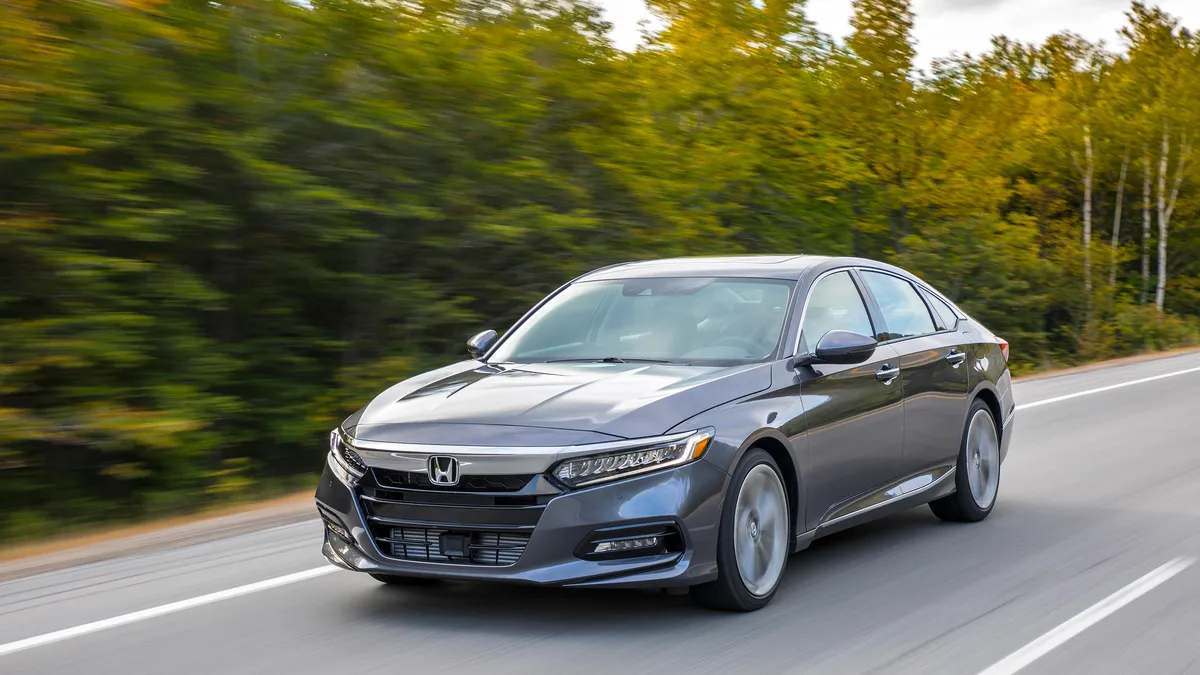
1. Honda Accord: Comfortable, Efficient, and Highway-Ready
The Honda Accord is a standout midsize sedan, especially suited for drivers who spend significant time on highways and longer commutes. Renowned for its refined suspension, the Accord absorbs road imperfections with ease, delivering a smooth, comfortable ride.
Its spacious rear seat, ergonomic driver cockpit, and quiet cabin make it an excellent choice for professionals seeking comfort and control over extended trips.
Performance is a core strength of the Accord. The base nonhybrid trims feature a 192-hp turbocharged 1.5-liter four-cylinder engine paired with a continuously variable automatic transmission (CVT), while hybrid models combine a 2.0-liter four-cylinder engine with two electric motors for a combined 204 horsepower.
Both setups are front-wheel drive and provide effortless acceleration, with 0–60 mph times of 7.3 seconds for the nonhybrid and 6.7 seconds for the hybrid, making merging and passing on highways smooth and confident. The suspension strikes a balance between comfort and handling precision, keeping the sedan stable in corners while absorbing bumps effectively.
The Accord excels in comfort and practicality. The cabin offers generous legroom in the rear, supportive front seats, and a quiet environment conducive to long drives. Trunk capacity measures 16.7 cubic feet, expanding further when rear seats are folded, accommodating up to 20 carry-on suitcases.
Hybrid models enhance efficiency, achieving EPA ratings up to 51 mpg city and 44 mpg highway, reducing fuel stops and costs on extended trips.
Technology and safety features further enhance its appeal. Honda Sensing, standard across the lineup, includes adaptive cruise control, lane-keeping assist, automated emergency braking, and traffic sign recognition, reducing driver fatigue and increasing confidence on long drives.
Infotainment options include 9- or 12.3-inch touchscreens, wireless Apple CarPlay and Android Auto, a digital gauge cluster, wireless charging, and optional premium audio systems.
Known for reliability and durability, the Accord offers low maintenance requirements, one year of complimentary scheduled maintenance, a three-year/36,000-mile limited warranty, and a five-year/60,000-mile powertrain warranty, providing peace of mind for frequent travelers.
The Honda Accord combines powerful yet efficient powertrains, a spacious and serene cabin, advanced safety technology, and a smooth, controlled ride. It is an ideal choice for drivers who value comfort, efficiency, and reliability on long highway commutes, making it one of the most well-rounded midsize sedans in its class.
2. Toyota Camry Hybrid: Efficient, Comfortable, and Safe
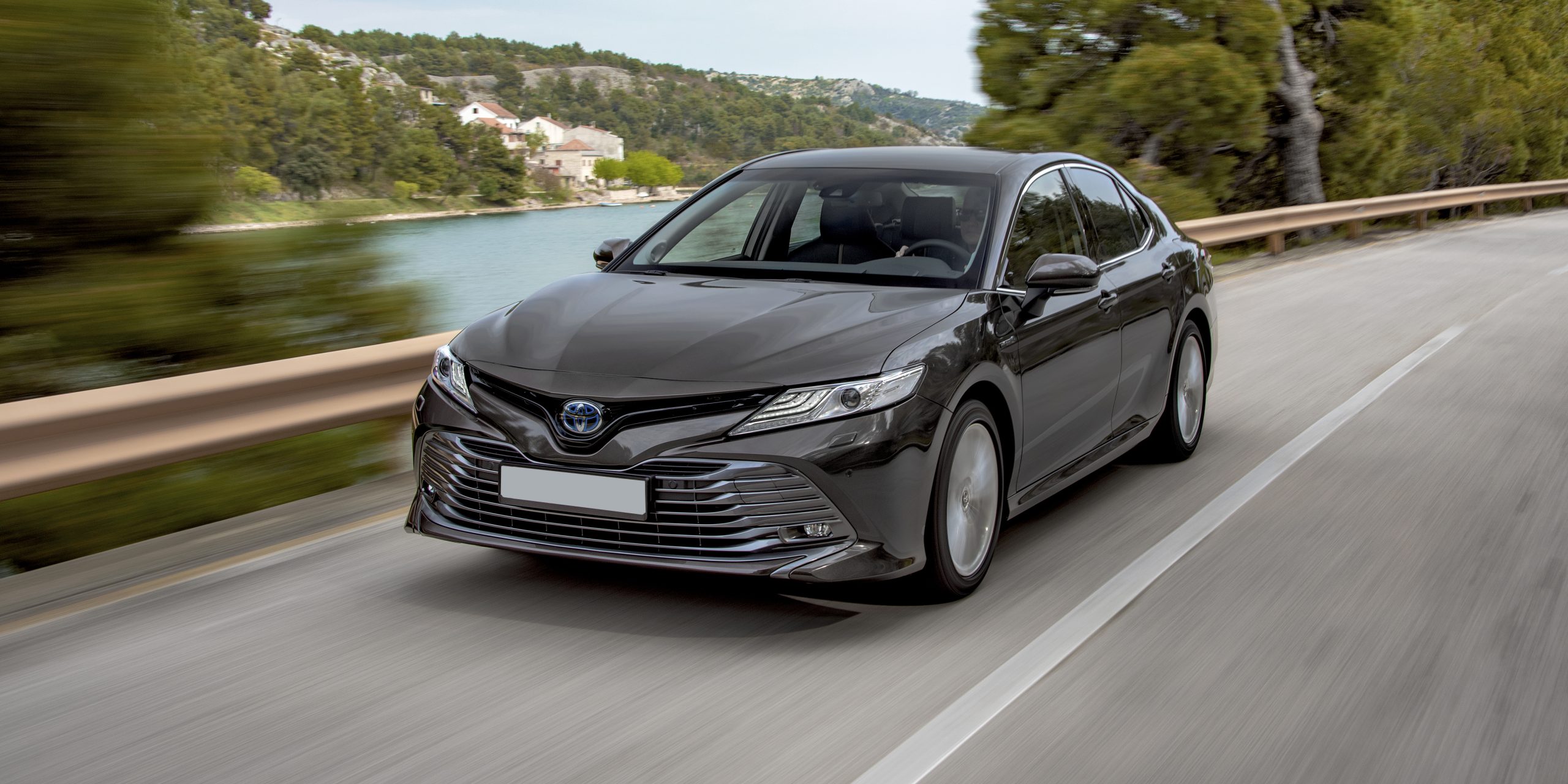
The Toyota Camry Hybrid is a midsize sedan built for highway comfort, stability, and fuel efficiency. Exclusively offered as a hybrid, it delivers impressive MPG, with front-wheel-drive trims rated up to 52 city and 49 highway.
The hybrid powertrain provides responsive acceleration for merging and passing, while the well-tuned suspension and optional All-Wheel Drive ensure stable handling in varied conditions, resulting in a smooth, quiet ride that makes long-distance driving effortless.
The cabin is spacious and serene, with supportive seats and high-quality materials. Dual-zone climate control, heated seats, ambient lighting, and available premium audio enhance comfort during extended drives.
Cargo capacity is practical, holding seven carry-on suitcases in the trunk or 19 with the rear seats folded. Cloth upholstery comes standard, with leather available on higher trims. Acoustic-laminated glass and adjustable rear headrests add to passenger convenience and comfort.
Front-wheel-drive Camry Hybrids use a 2.5-liter four-cylinder engine paired with two electric motors for 225 horsepower, while All-Wheel-Drive models add a rear motor to reach 232 horsepower.
A continuously variable automatic transmission delivers power efficiently, and sport trims like SE and XSE feature stiffer suspension for more controlled handling. Acceleration is strong, with 0–60 mph times between 6.8 and 7.0 seconds. The hybrid system’s instant electric torque provides confidence for passing and merging on highways.
Toyota Safety Sense 3.0 is standard and includes full-speed Dynamic Radar Cruise Control, lane-keeping assist, automated emergency braking with pedestrian and cyclist detection, and curve-speed management. These features reduce driver fatigue and increase confidence on long drives.
Technology includes 8.0- or 12.3-inch infotainment displays, digital gauge clusters, wireless Apple CarPlay and Android Auto, and optional nine-speaker JBL audio. USB-C ports, dual-zone climate control, and intuitive driver interfaces make the vehicle practical for commuting and travel.
Toyota backs the Camry Hybrid with a three-year/36,000-mile limited warranty, five-year/60,000-mile powertrain warranty, a 10-year/150,000-mile hybrid component warranty, and two years of complimentary maintenance. Its combination of fuel efficiency, hybrid performance, spacious cabin, and comprehensive safety features makes the Camry Hybrid a reliable and capable choice for long highway drives.
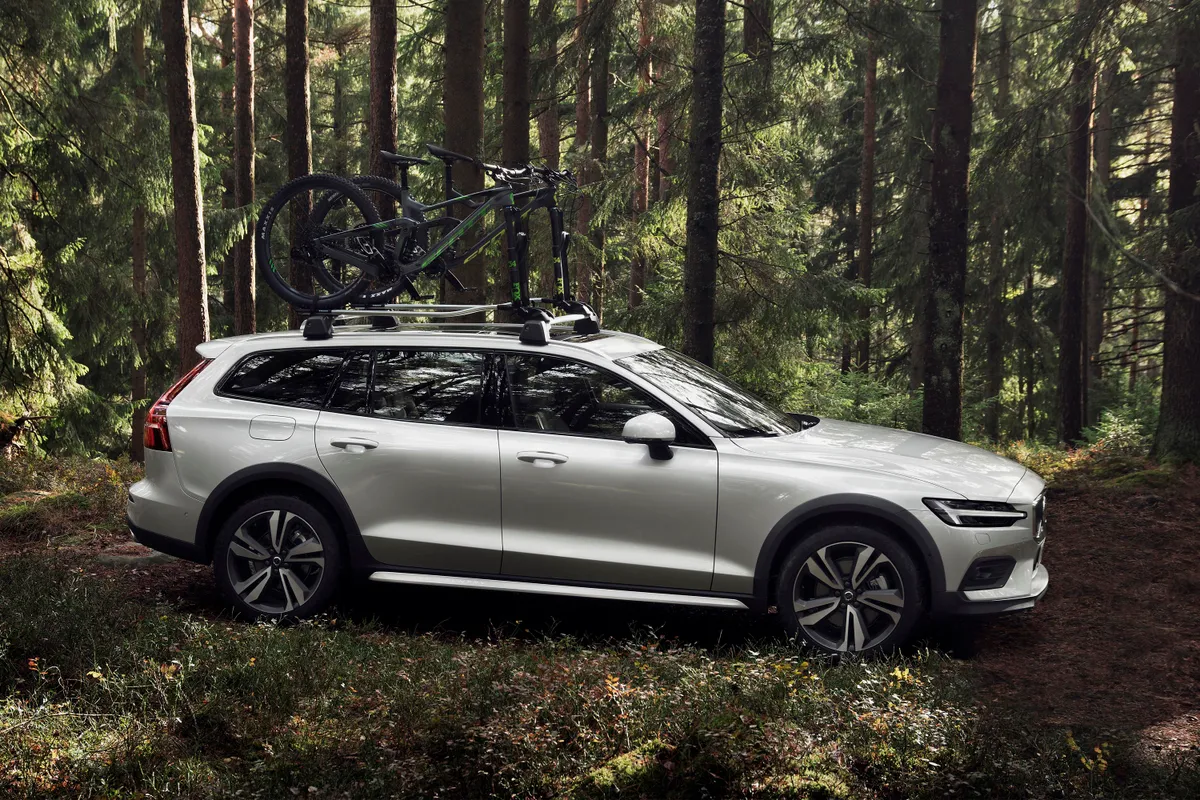
3. Volvo V60 Cross Country: Luxury, Comfort, and Highway Confidence
The Volvo V60 Cross Country is a luxury wagon designed for long-distance comfort, stability, and all-weather capability. Its turbocharged 2.0-liter four-cylinder engine delivers 247 horsepower, paired with an 8-speed automatic transmission and standard all-wheel drive.
This combination provides smooth acceleration, confident highway merging, and traction on wet or slippery roads. The slightly raised suspension adds SUV-like capability without sacrificing car-like dynamics, making it ideal for varied road conditions.
The cabin emphasizes comfort and serenity. Volvo’s orthopedic-grade seats are highly supportive and reduce fatigue on long drives. Sound insulation and a composed chassis ensure a quiet, stable ride, while the ergonomic layout keeps controls intuitive despite some features being integrated into the touchscreen.
The interior features high-quality materials, including soft leather, real wood, and metal trim, giving the wagon a premium feel. Rear seating accommodates two adults comfortably, and the cargo area offers ample space, fitting eight carry-on suitcases behind the seats and 22 with them folded.
Advanced technology and driver-assistance features enhance convenience and safety. Pilot Assist, Volvo’s Level 2 semi-autonomous system, manages steering, acceleration, and braking on highways, helping reduce driver fatigue.
Standard safety systems include adaptive cruise control, lane-keeping assist, and automated emergency braking. The infotainment system features a 9.0-inch touchscreen with Apple CarPlay, Android Auto, Bluetooth, and an onboard Wi-Fi hotspot. Audio options include a 14-speaker Harman/Kardon system for premium sound.
Fuel efficiency is reasonable for a luxury wagon, with EPA ratings of 24 mpg city, 31 mpg highway, and a combined 26 mpg. On highway testing at 75 mph, the V60 achieved 29 mpg. Performance is smooth and composed, with a 0–60 mph time of 7.1 seconds, providing sufficient responsiveness for highway merging and passing.
Volvo offers a four-year/50,000-mile limited and powertrain warranty, complemented by three years or 36,000 miles of complimentary scheduled maintenance. With its blend of luxury comfort, advanced safety technology, all-weather capability, and practical cargo space, the V60 Cross Country is a versatile and reliable choice for long-distance commuters and road-trip enthusiasts.
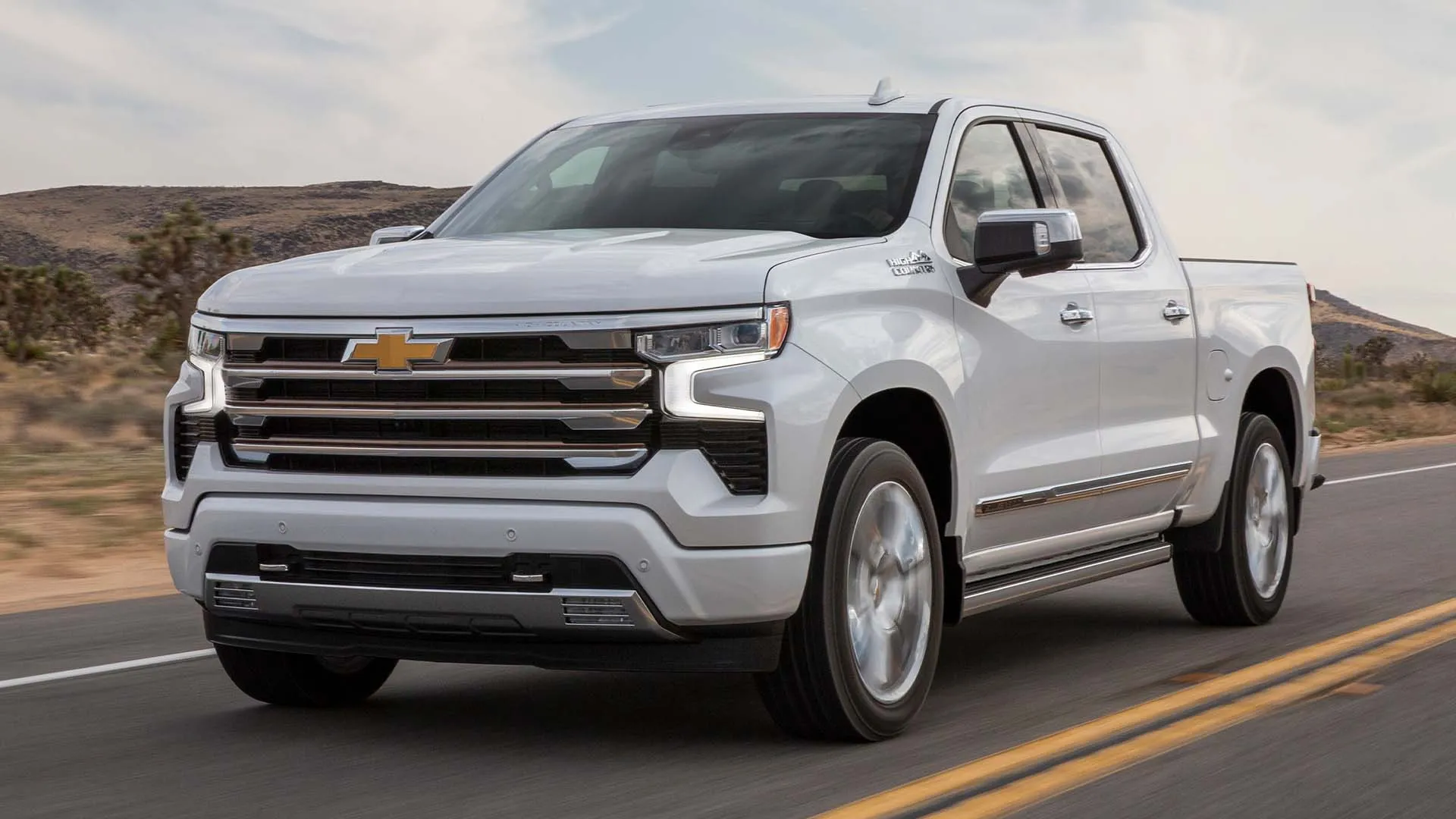
4. Chevrolet Silverado Duramax Diesel: Highway Power, Efficiency, and Towing Confidence
The Chevrolet Silverado equipped with a Duramax Diesel engine is engineered for long-distance driving, combining high torque, fuel efficiency, and comfort. Available in light-duty 1500 and heavy-duty 2500HD/3500HD versions, the Duramax pairs with an Allison 10-speed automatic transmission to deliver smooth power, stable cruising, and optimized engine performance across a wide range of speeds.
The inline-six 3.0L Duramax produces 495 lb-ft of torque, while the 6.6L heavy-duty variant generates 975 lb-ft, offering effortless acceleration, efficient passing, and strong performance on inclines. Fuel economy is excellent for a truck of this size, with RWD 1500 models reaching up to 29 MPG on highways, reducing the frequency of refueling stops.
Stability and towing capability are major strengths. The Silverado’s heavy-duty frames, reinforced suspension, and engine braking ensure a composed ride while towing heavy trailers. The 3.0L Duramax allows the 1500 series to tow up to 13,300 lbs, and the 6.6L HD versions exceed 36,000 lbs.
Advanced trailering technology includes up to 14 camera views and a Transparent Trailer View, enhancing safety and ease of maneuvering. Super Cruise hands-free driving is available on compatible highways, including when towing, reducing fatigue on long stretches. Adaptive cruise control designed for towing further supports relaxed, controlled highway travel.
The cabin is refined and quiet, particularly in the 3.0L model, with minimal vibration and subdued engine noise. Ergonomically designed seats, ample space, and modern technology like a 13.4-inch touchscreen with Google Built-in contribute to driver comfort and convenience. While older models had minor interior quality concerns, higher trims offer a more premium experience.
Durability and reliability are notable features of the Duramax engines, which are designed for heavy, consistent use, often surpassing hundreds of thousands of miles with proper maintenance. Potential considerations include occasional oil leaks on some older engine variants and limited payload when towing with a fully loaded cabin.
The Silverado Duramax Diesel balances highway efficiency, towing power, and driver comfort, making it an ideal choice for long-distance hauls and versatile work-and-play use. Its combination of high torque, smooth diesel performance, and advanced towing technology provides a capable and reliable option for buyers seeking a durable, fuel-efficient truck with strong highway and towing capability.
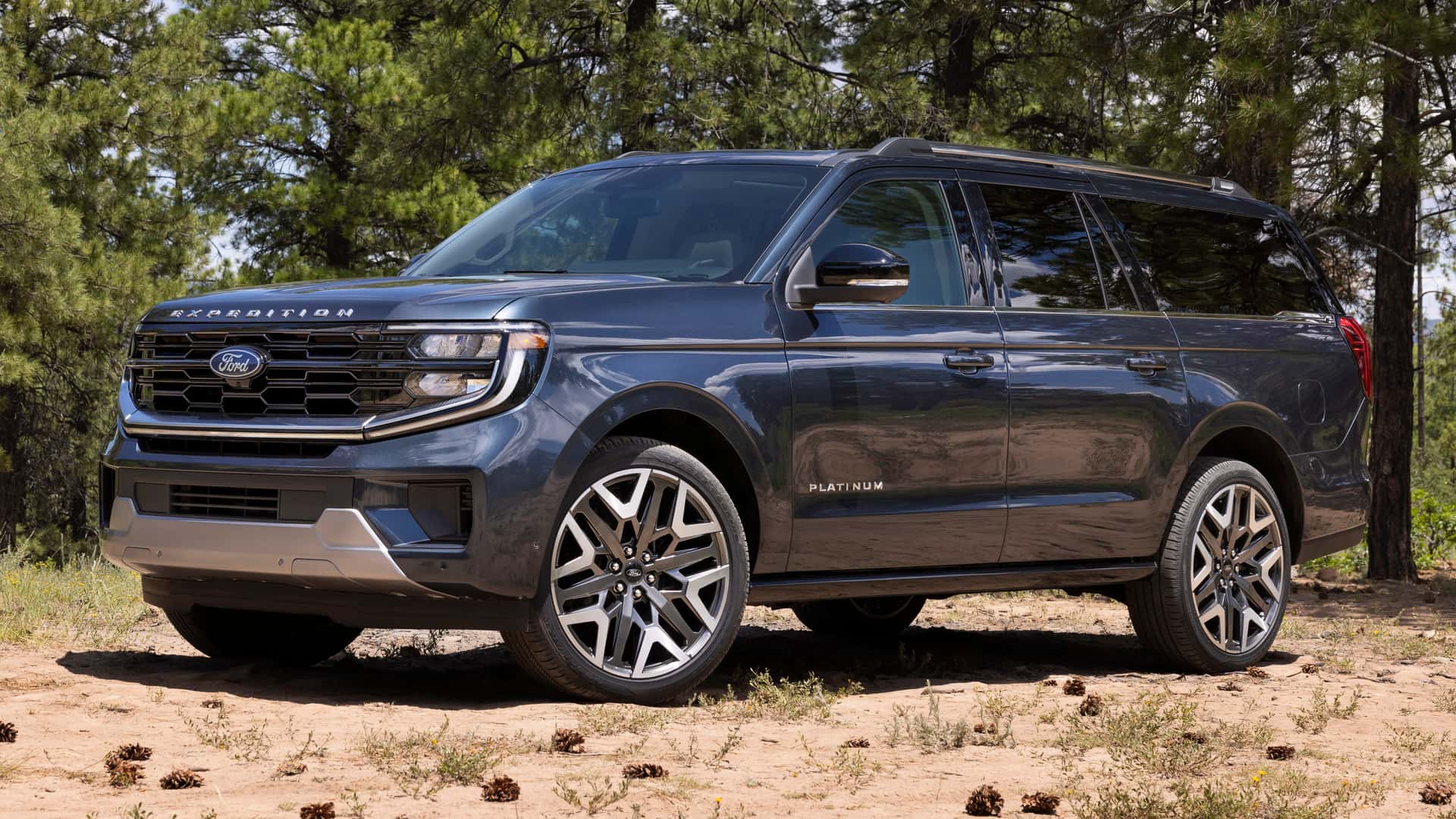
5. Ford Expedition: Spacious, Powerful, and Highway-Ready
The Ford Expedition is designed for families, carpoolers, and anyone who needs maximum interior space combined with long-distance comfort. Its 3.5-liter twin-turbo EcoBoost V6 engines deliver 400 to 440 horsepower and 480 to 510 lb-ft of torque, providing strong acceleration for merging, passing, and highway cruising.
The suspension soaks up bumps efficiently, keeping the ride smooth and stable, while the precise steering and stable chassis ensure confidence at high speeds. The Expedition feels planted and secure, even when towing or carrying passengers and cargo.
Comfort and technology are major strengths. The cabin offers abundant space for seven or eight passengers with true adult-sized third-row seating. The interior is equipped with advanced driver-assist features, including adaptive cruise control, lane-centering, and BlueCruise hands-free highway driving, reducing fatigue on long trips.
A 24-inch dashboard display shows key information such as speed, navigation, and vehicle status in the driver’s line of sight. The 13.2-inch touchscreen manages entertainment, navigation, and smartphone integration.
Thoughtful storage solutions include a sliding center console, split tailgate with seating capability, and cargo floor options for tables or seats. The Max body style provides up to 123.1 cubic feet of cargo space behind the first row, making it one of the roomiest SUVs available.
The Expedition is also capable off the highway. The Tremor model features a two-speed transfer case, low-range gearing, a locking rear differential, and all-terrain tires, allowing it to handle mud, rocks, and steep inclines. A surround-view camera system provides multiple angles, helping drivers navigate challenging trails.
Towing capacity reaches up to 9,600 pounds, supported by redesigned suspension components and improved frame stiffness. Selectable drive modes like Eco, Sport, and Tow/Haul adapt performance to different conditions.
Fuel economy is limited, with four-wheel-drive models rated at 15 mpg city and 22 mpg highway, while rear-wheel-drive models achieve 16/24 mpg. Pricing reflects the added capability, with the base Active model starting at $63,995 and higher trims like the Tremor and King Ranch Max exceeding $83,000.
The 2025 Ford Expedition blends space, power, and advanced technology for families who prioritize towing, off-road capability, and long-haul comfort, though its size and fuel consumption may be excessive for those seeking a more efficient daily driver.
Whether for daily commutes in Dover or longer highway trips, selecting the right vehicle can transform the driving experience. Commuter-focused cars like the Toyota Prius, Honda Civic, Hyundai Tucson Hybrid, Kia Soul, and Subaru Impreza provide fuel efficiency, reliability, and practical interiors that reduce stress and save on fuel costs, making city driving easier and more enjoyable.
Highway-ready vehicles such as the Honda Accord, Toyota Camry Hybrid, Volvo V60 Cross Country, Chevrolet Silverado Duramax Diesel, and Ford Expedition offer powerful performance, spacious cabins, and advanced safety features for long stretches of road.
These vehicles emphasize comfort, control, and confidence, whether passing, merging, or towing. By considering both daily commuting and extended travel needs, drivers can choose a car that balances efficiency and comfort, making every journey, short or long, more pleasant and less demanding.
Also Read: Top 10 Cars Under $20K That Fool Everyone Into Thinking You’re Rich