In much of the United States, owning a car is less about whether you want one and more about whether you can realistically live with it.
While suburban homeowners often enjoy the luxury of driveways and garages, millions of Americans especially in cities like New York, Chicago, Boston, San Francisco, Los Angeles, and Washington, D.C. rely almost entirely on street parking.
In these environments, a car’s size, durability, theft resistance, cold-start reliability, and ability to handle door dings and weather exposure matter just as much as performance or brand prestige.
Not all vehicles are created equal when it comes to surviving life outdoors. Some cars are engineered with practicality, compact dimensions, and durability in mind, making them ideal for daily street parking.
Others, especially luxury or high-performance models, suffer accelerated wear, higher theft risk, or expensive cosmetic damage when left outside overnight.
Understanding this difference before buying can save thousands of dollars in repairs, insurance premiums, and long-term depreciation.
This article breaks down five cars that comfortably handle street-parking life and five cars that realistically need a garage to justify ownership, based on size, reliability, climate exposure, maintenance sensitivity, and real-world ownership experience in U.S. cities.
Cars That Work Well With Street Parking Only
Finding a car that thrives in a city dominated by street parking is trickier than it sounds. Tight curbside spots, parallel parking on narrow streets, and crowded residential areas can turn a daily commute into a headache if your vehicle isn’t suited for the task. Size, maneuverability, visibility, and even smart tech features suddenly matter more than horsepower or flashy interiors.
This article highlights vehicles that excel in environments where curbside parking is the norm. These are cars that make squeezing into tight spaces feel effortless, handling city corners and one-way streets with confidence, and helping drivers avoid scrapes, dings, and endless circling for a spot.
They aren’t just convenient, they’re designed to turn one of urban life’s most frustrating chores into a manageable, even stress-free experience.
1. Toyota Corolla
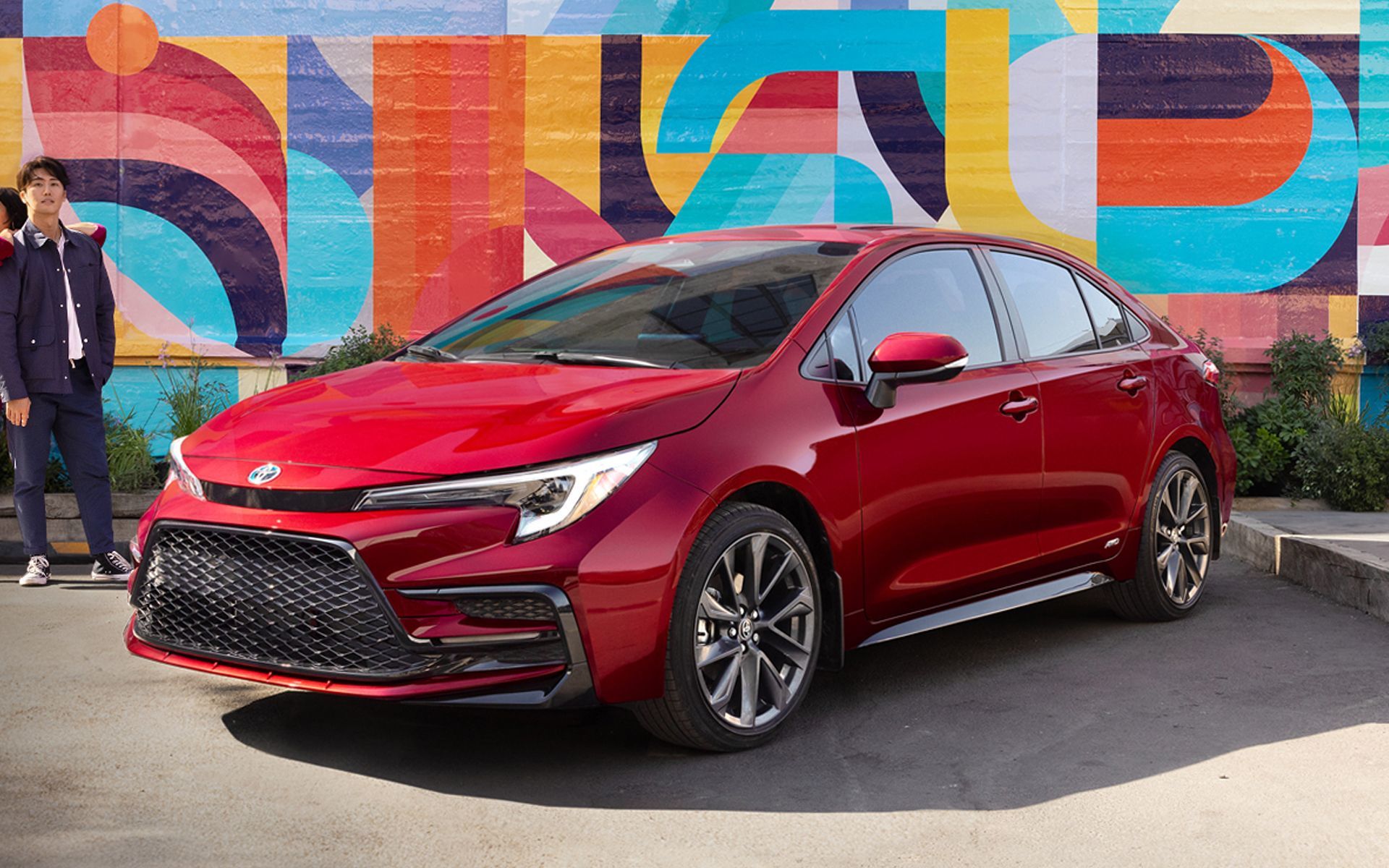
The Toyota Corolla is one of the most street-parking-friendly vehicles ever sold in the U.S. Its compact footprint makes it easy to squeeze into tight curbside spaces, even in older cities where parking spots were never designed for modern SUVs.
Beyond size, the Corolla’s biggest strength is its mechanical simplicity. It doesn’t rely on fragile electronics, complex air suspensions, or exotic materials that degrade quickly when exposed to heat, cold, rain, and snow.
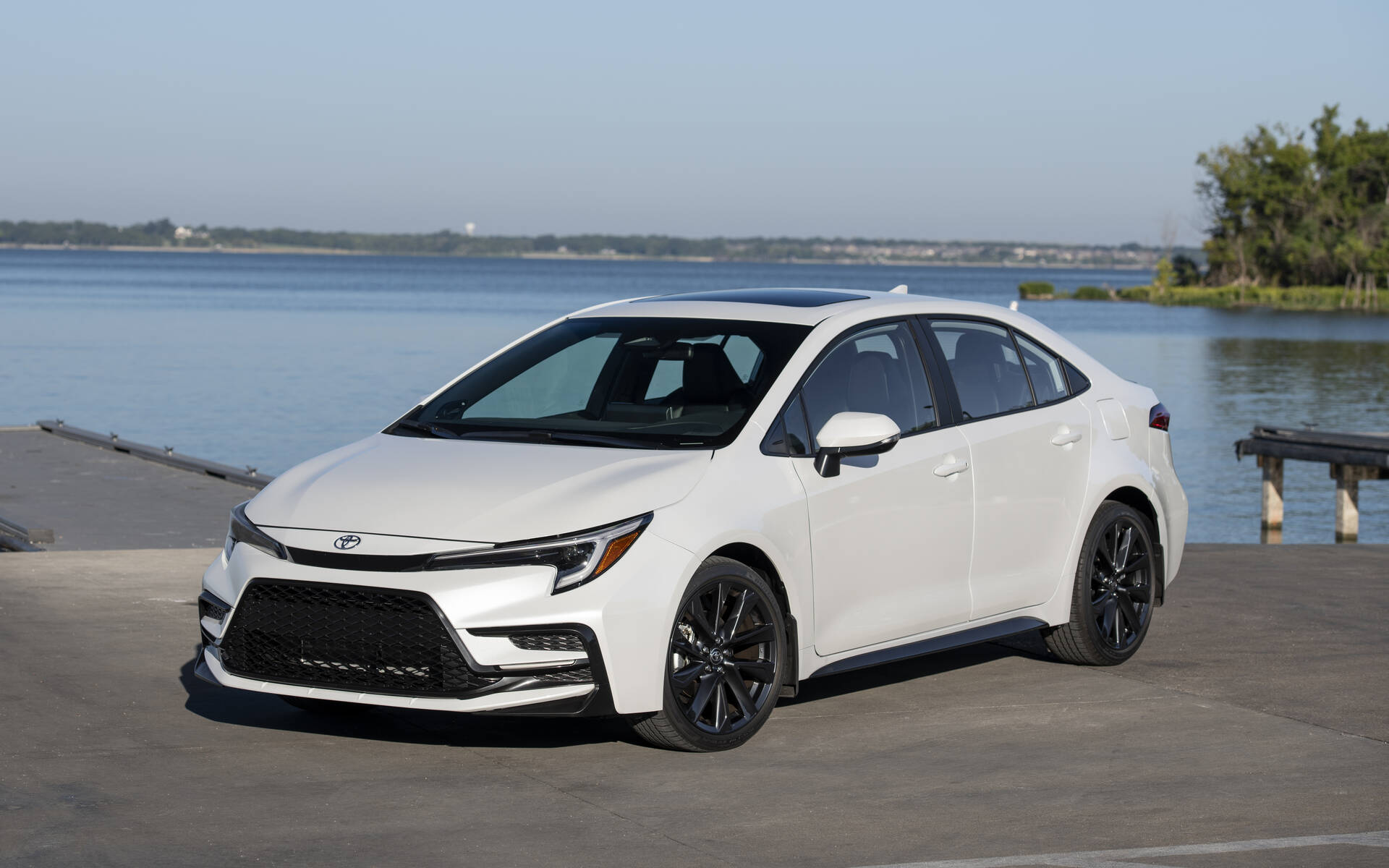
Corollas are also relatively anonymous, which is an underrated advantage for street parking. They are not prime theft targets, and replacement parts are cheap and widely available.
Minor cosmetic damage scratches, bumper scuffs, mirror dings doesn’t dramatically affect resale value because buyers expect wear. For renters, students, and city commuters, the Corolla thrives without a garage.
The Toyota Corolla is powered by a 169-hp 2.0-liter four-cylinder engine that drives the front wheels through a continuously variable automatic transmission (CVT). While all Corolla hatchbacks utilize this same powertrain, the sedan offers an additional hybrid option.
In our evaluations of the Corolla SE hatchback and Corolla XSE sedan, we found that both vehicles were composed and efficient around town and maintained steady performance on the highway. However, accelerating to higher speeds demands patience, and aggressive throttle inputs produced some unrefined engine noises that slightly undermined the refinement.
Ride quality on both the Corolla sedan and hatchback is generally pleasant, effectively absorbing most bumps while maintaining controlled body motions that enhance agility compared with previous models.
The SE and XSE trims stand out further thanks to a stiffer sport-tuned suspension, with the XSE also featuring larger 18-inch wheels, whereas other trims ride on 15- or 16-inch wheels. Despite these improvements, the Corolla’s progressive steering, while adequate, does not match the more engaging feel of athletic competitors like the Mazda 3 or Honda Civic.
In braking tests from 70 mph to a complete stop, neither Corolla body style posted exceptional results, requiring distances between 174 and 183 feet. Still, the brake pedals were reliable and responsive, delivering predictable feedback that allowed drivers to modulate braking inputs naturally.
Also Read: 10 JDM Bargains That Are Perfect for New Collectors
2. Honda Civic
The Honda Civic has long been a favorite among city dwellers for many of the same reasons as the Corolla, but with a slightly sportier personality.
Its low ride height, predictable handling, and good visibility make navigating narrow streets and parallel parking easier. Civics handle year-round outdoor exposure well, particularly newer models with corrosion-resistant body panels and dependable cold-weather starts.
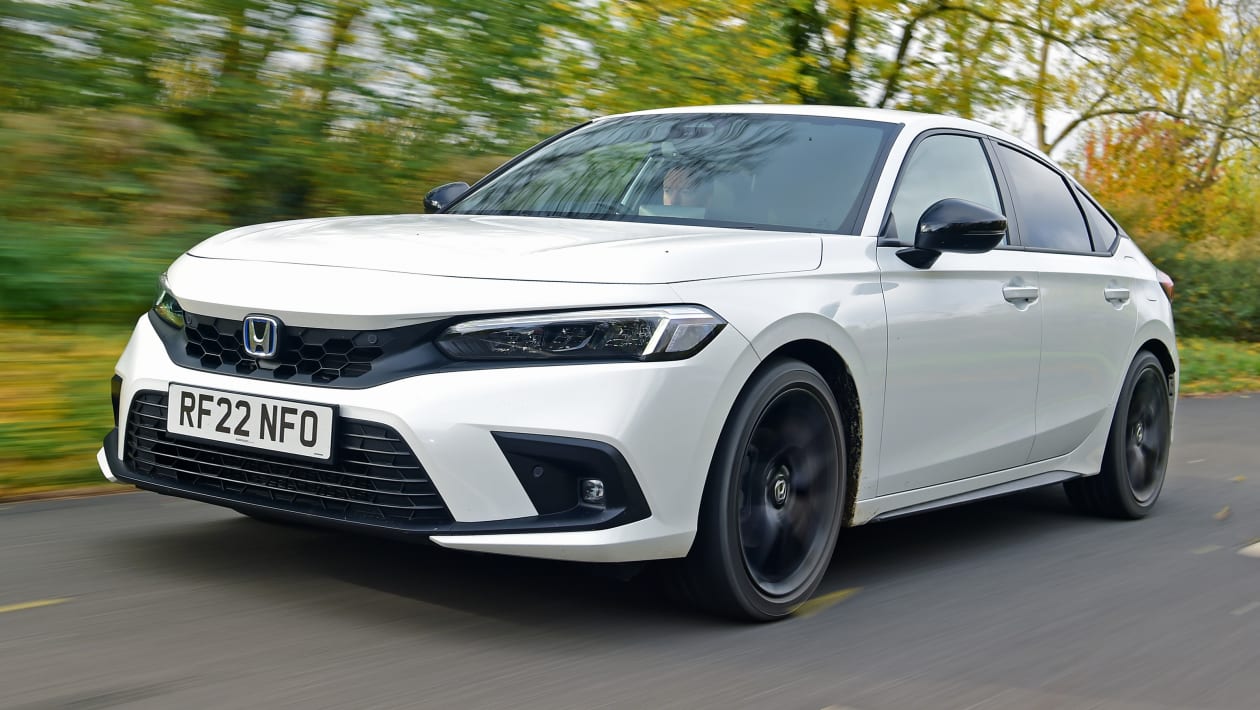
While Civics can be targeted for theft in certain areas, their parts are affordable and insurance rates remain manageable.
Importantly, the Civic’s interior materials hold up better than many competitors when exposed to heat and sun, meaning cracked dashboards and peeling trim are less common. For drivers who must park outdoors every night, the Civic remains one of the safest all-around bets.
3. Subaru Impreza
The Subaru Impreza is uniquely well-suited for street parking in regions that experience snow, rain, and unpredictable weather.
Standard all-wheel drive gives it a clear advantage when pulling away from icy curbs or navigating snow-packed streets after overnight storms.
Unlike performance-oriented AWD systems, Subaru’s setup is designed for constant use and does not require garage pampering.
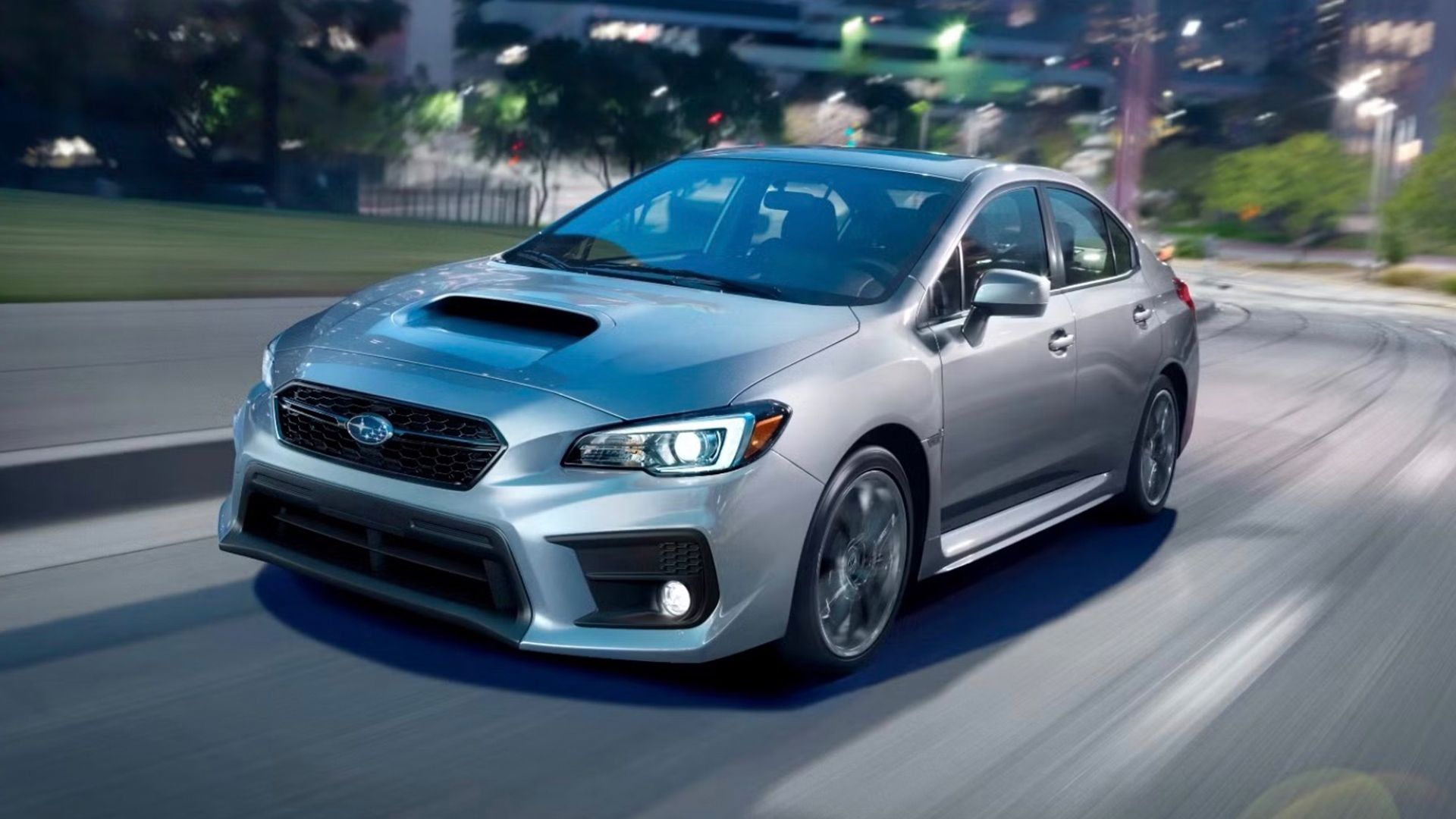
Subarus are also common sights in urban neighborhoods, which reduces theft risk. While paint quality is not luxury-grade, it’s resilient enough for outdoor life.
The Impreza is ideal for street parking in cities like Denver, Minneapolis, Seattle, and Boston, where weather resilience matters more than visual perfection.
The Subaru Impreza ranks among the most comfortable vehicles in its segment, and it also offers excellent visibility thanks to tall windows and a low hood, making it easy to see out of in most driving situations.
Beyond that, the driving experience is fairly average. Even in the Impreza RS trim, which comes exclusively with a more powerful engine, our test car managed 0–60 mph in 8.4 seconds, falling short of competitors like the Honda Civic and Mazda 3.
Lower trims are likely to be even slower. The continuously variable transmission is slow to respond, requiring more anticipation when merging or passing on highways.
On winding roads, the Impreza handles direction changes without excessive body roll, and the light, responsive steering makes city parking straightforward. That said, handling and braking performance still lag behind segment leaders, though we believe upgrading the tires could noticeably improve both areas.
In terms of driver-assistance technology, the Impreza offers a below-average selection. Standard features cover the basics, including an adaptive cruise control system that we found to be among the better implementations in the compact-car class. The lane-centering steering assist system, however, does not perform at the same level.
Also Read: 10 Muscle Cruisers With the Best Power-to-Weight Ratios
4. Mazda3
The Mazda3 strikes an excellent balance between design and durability. It looks more premium than many compact cars, yet it does not come with the maintenance sensitivities of luxury brands.
Its tight steering radius and manageable size make it ideal for curbside parking, while its naturally aspirated engine options avoid the complexity of high-stress turbo systems.
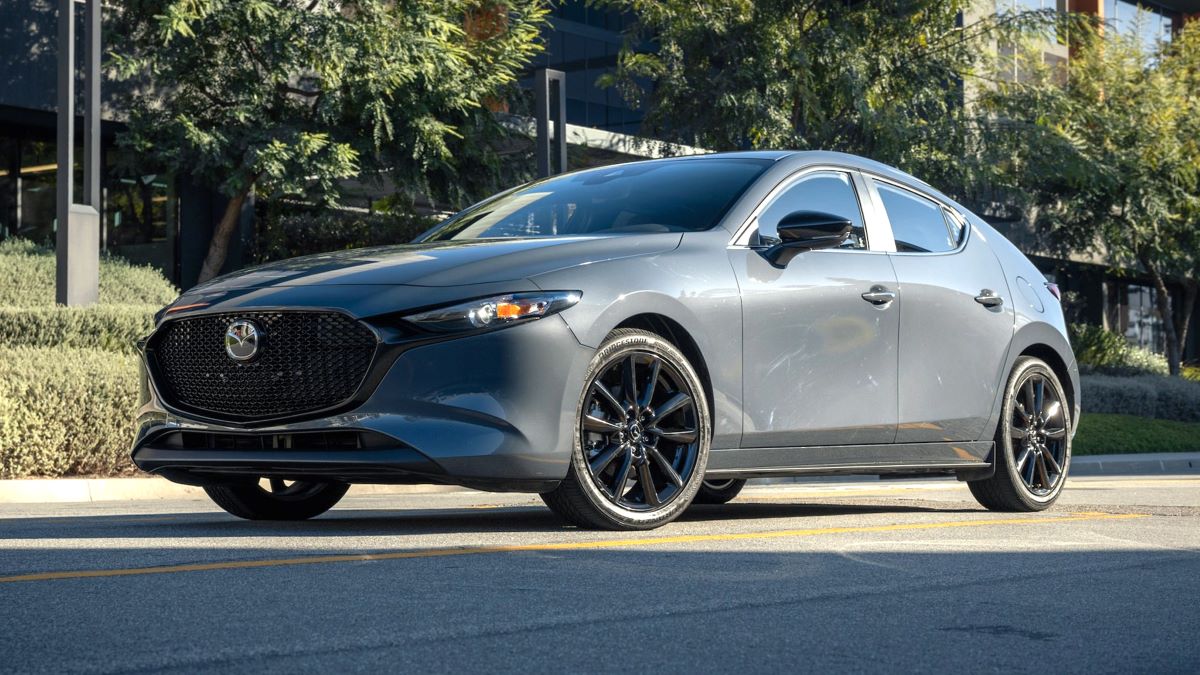
Mazda’s recent focus on improved paint quality and rust prevention has made newer Mazda3 models far better suited for outdoor exposure than older generations.
While it’s not immune to door dings or scratches, the car ages gracefully, making it a smart choice for drivers who want style without garage dependency.
5. Hyundai Elantra
The Hyundai Elantra has become increasingly popular among urban drivers due to its competitive pricing, generous warranty, and simple ownership experience. For street parking, the Elantra’s biggest advantage is cost resilience.
Minor damage doesn’t feel catastrophic because repairs are relatively affordable, and resale value remains stable even with cosmetic wear.
Hyundai’s modern Elantras are fuel-efficient, easy to maneuver, and less intimidating to park in dense neighborhoods.
While earlier models had theft-related concerns, newer versions have improved security systems. For drivers who accept that street parking comes with imperfections, the Elantra handles reality well.
The 2022 Hyundai Elantra turns heads on the road with its bold, sharply creased exterior, but beneath the striking design lies a practical and spacious compact car. Inside, the cabin mirrors the futuristic styling of the exterior, and higher trims offer an array of premium features that elevate the wow factor.
Powering the base Elantra is a somewhat lethargic 147-hp four-cylinder engine paired with a continuously variable automatic transmission (CVT), though buyers can also choose a hybrid powertrain or a 201-hp turbocharged four-cylinder for added performance.
The standard nonhybrid Elantra uses a 147-hp four-cylinder with front-wheel drive and a CVT. The hybrid variant pairs a 1.6-liter four-cylinder with an electric motor to deliver 139 horsepower, managed by a six-speed automatic.
Neither setup delivers exhilarating acceleration, but our test of the nonhybrid model confirmed sufficient pep for everyday city and highway driving, along with a smooth and comfortable ride.
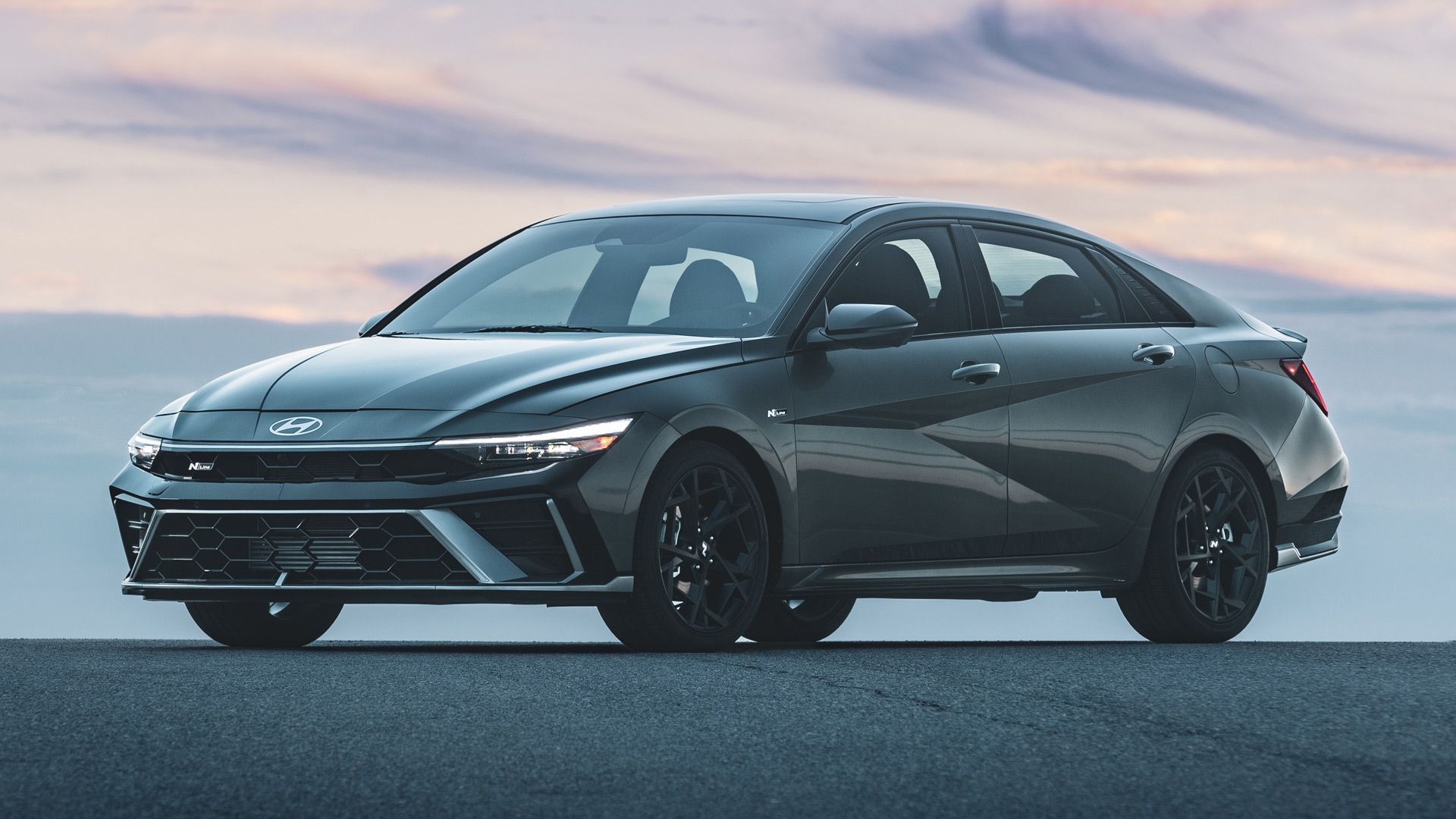
The most thrilling Elantra is the performance-oriented Elantra N, reviewed separately, though the N Line offers a middle ground for those seeking sportier performance without the N’s higher price.
The N Line features a turbocharged 1.6-liter four-cylinder, paired with either a six-speed manual or a seven-speed dual-clutch automatic. After a brief drive, we were impressed by the N Line’s livelier acceleration and nimble handling, which injects athleticism without compromising ride comfort.
Cars That Really Need a Garage
Not every car is built for the street, and some are far too sensitive, or too expensive, to survive the realities of outdoor parking. Rain, snow, heat, dust, and even the occasional stray shopping cart can wreak havoc on vehicles that demand careful upkeep. What looks sleek on the showroom floor can quickly lose its luster when exposed to the elements day after day.
This article highlights cars that really need a garage. These are vehicles that are best protected under a roof, whether due to delicate paint, advanced electronics, specialized tires, or just their overall fragility.
Driving them without proper shelter isn’t impossible, but over time, the consequences can add up in repairs, maintenance, and diminished value. If you own one of these models, a covered space isn’t a luxury, it’s a necessity.
1. Porsche 911
While the Porsche 911 is mechanically robust, it is absolutely not designed for daily street parking. Its low ground clearance, expensive paint, and high theft appeal make it vulnerable when left outdoors.
Environmental exposure accelerates wear on rubber seals, brakes, and suspension components, especially in regions with extreme temperatures.
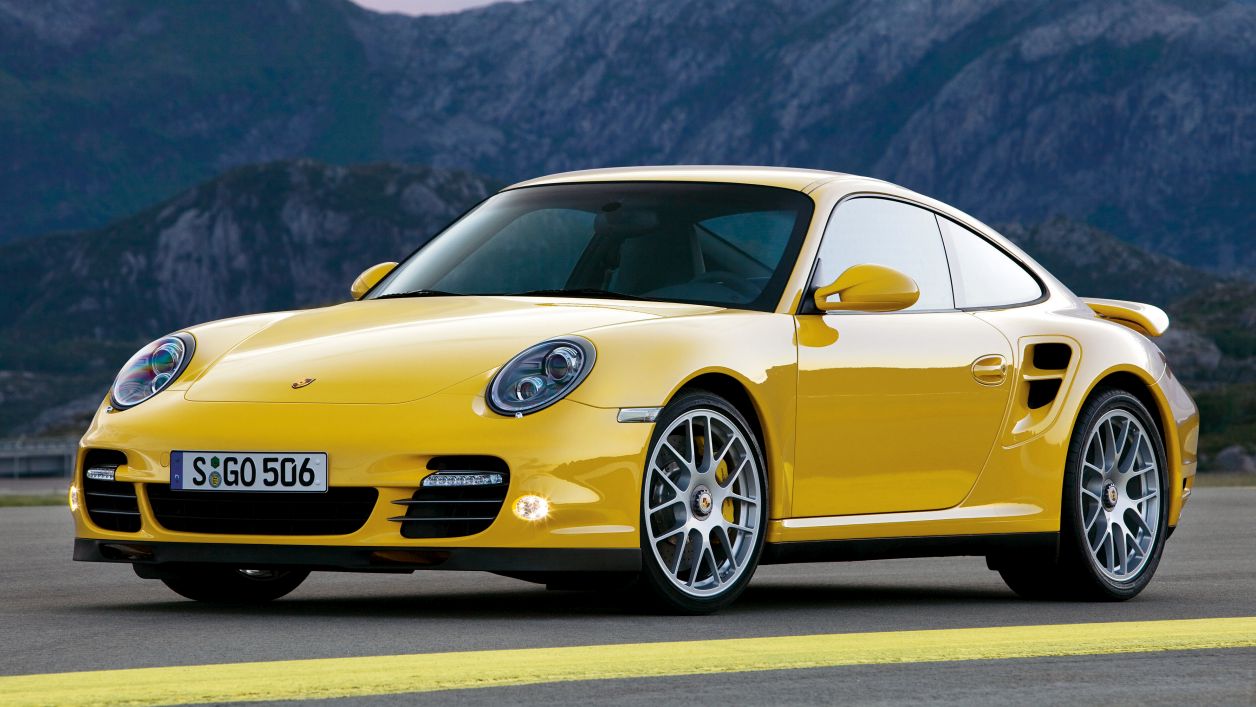
More importantly, insurance costs skyrocket when a high-value sports car is parked on the street. Even minor cosmetic damage can cost thousands to repair. The 911 is best enjoyed as a protected asset, not a curbside commuter.
2. Tesla Model S
The Tesla Model S may look futuristic, but it is surprisingly ill-suited for permanent street parking. Battery thermal management systems are sensitive to extreme cold and heat, and consistent exposure reduces long-term battery health.
Additionally, Tesla’s paint quality has been widely criticized for being thin and prone to chipping.
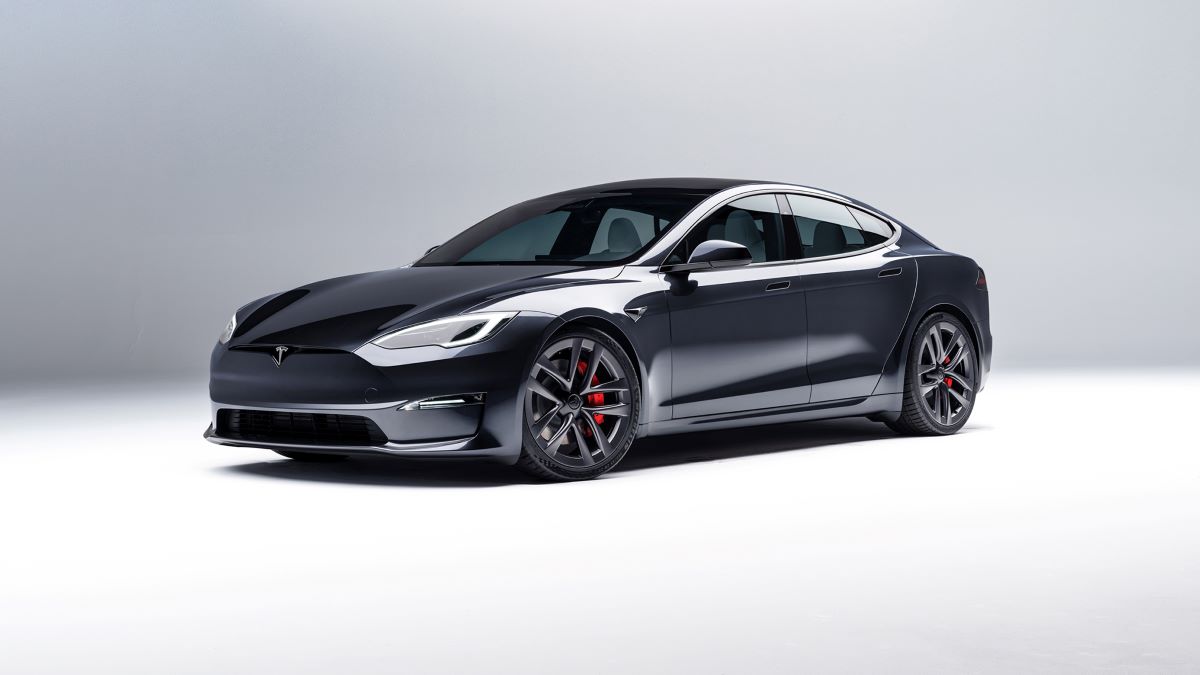
Street parking also increases the risk of vandalism and charging inconvenience. Without access to overnight home charging, ownership becomes less practical and more expensive.
For a vehicle so dependent on software, sensors, and battery conditioning, a garage is almost a necessity. The lineup now includes two tri-motor variants, while both exterior and interior designs have been significantly updated, giving the car a sharper, more modern presence.
Regardless of trim, speed is a defining characteristic of the Model S. The Long Range dual-motor model, despite not being tuned for maximum performance, claims a 0–60 mph time of 3.1 seconds and a top speed of 155 mph.
That’s already impressive, but the new Plaid versions, which employ three high-performance electric motors distributed across the front and rear axles, take performance to an entirely new level.
The Model S Plaid produces an enormous 1,020 hp and 1,050 lb-ft of torque, making it extraordinarily quick. Just how quick has sparked debate: in our initial testing, Tesla insisted the Plaid be measured on a specially prepared drag strip, which differs from our standard procedures. With Tesla’s conditions, we recorded a 0–60 mph sprint in 1.98 seconds.
At our regular testing facility the following day, it still managed an astonishing 2.1 seconds. Either result cements the Model S Plaid as the fastest vehicle we’ve ever tested, though Tesla’s insistence on preferential conditions somewhat tempers the achievement. The full story of our first Tesla Model S test is worth a read.
Tesla originally planned a Plaid+ variant, promising even quicker acceleration and extended range. However, the company determined that the standard Plaid already met performance expectations.
3. Mercedes-Benz S-Class
The S-Class represents peak automotive luxury, but that luxury does not age well on city streets.
Advanced electronics, air suspension systems, and premium interior materials are all sensitive to moisture, temperature swings, and prolonged sun exposure. Even small cosmetic issues drastically reduce resale value.
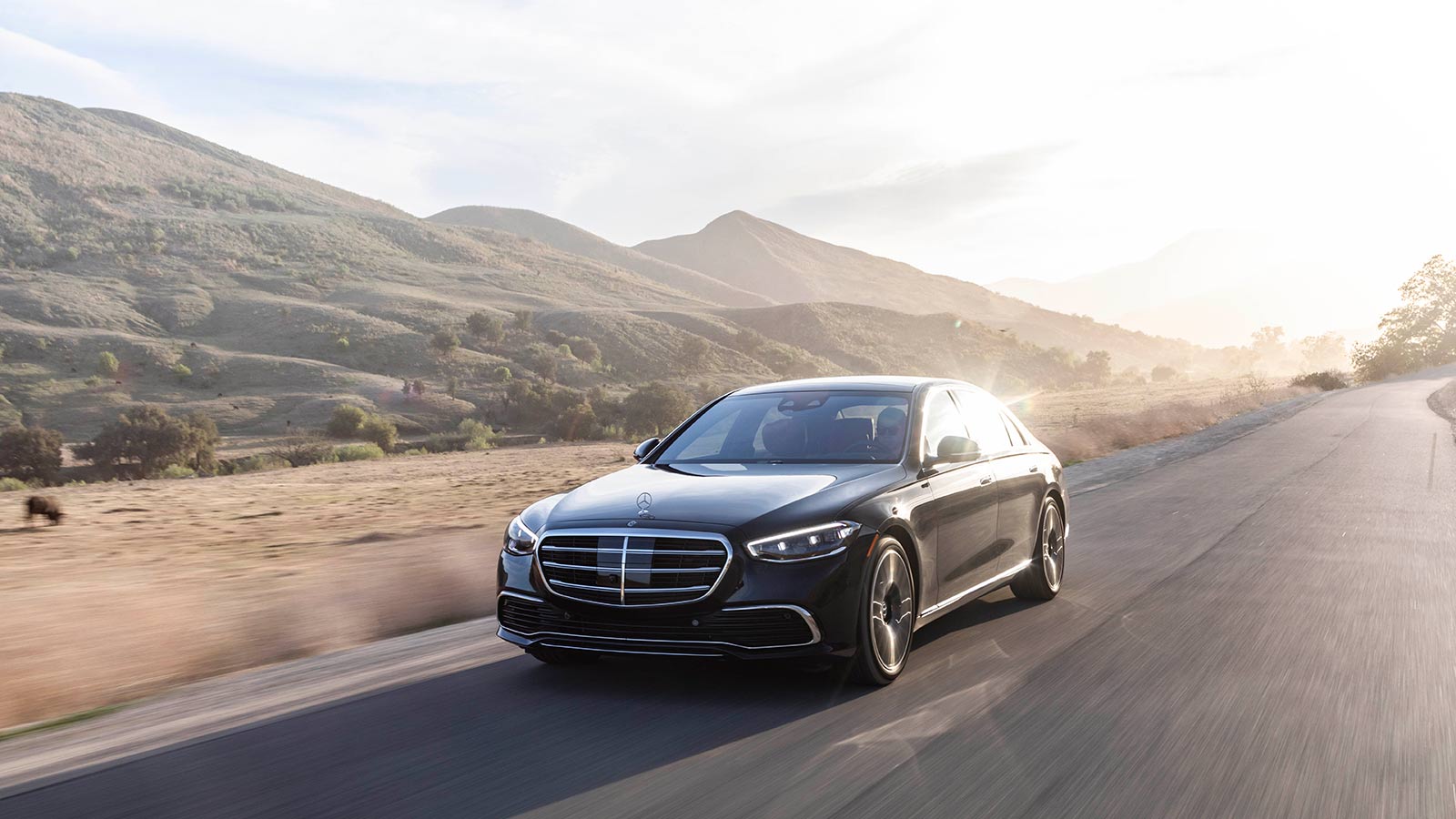
Additionally, the S-Class is physically large, making street parking stressful and increasing the likelihood of bumper damage. Owners who park an S-Class outdoors often find maintenance costs climbing faster than expected.
While its starting price is considerably higher than the 2020 S-Class, the latest model offers a range of updates and enhancements that help justify its six-figure sticker. For us, the ultimate luxury is a potent engine, which makes the 496-hp V-8 in the S580, along with the prestigious S580 trunklid badge, worth the extra cost.
The S-Class is available with two primary powertrains: the S500 features a 429-hp turbocharged 3.0-liter inline-six, while the S580 comes equipped with a 496-hp twin-turbo 4.0-liter V-8.
Both engines are supported by a 48-volt hybrid system, known as EQ Boost, and are paired with a nine-speed automatic transmission and Mercedes’ 4Matic all-wheel-drive system. Additionally, a plug-in-hybrid variant is expected, offering approximately 60 miles of all-electric range.
We’ve tested the gasoline-powered sedan both in Germany and in the U.S., experiencing the variety of suspension and steering modes firsthand. Every model comes with an air suspension, and the E-Active Body Control system includes a “curve” function that subtly leans the car into corners for enhanced composure.
Optional all-wheel steering further improves maneuverability, making the large-bodied S-Class surprisingly easy to handle in tight spaces despite its imposing dimensions.
4. Chevrolet Corvette
The Corvette may be American-made, but it shares the same street-parking vulnerabilities as European supercars.
Its low stance makes it prone to curb damage, while its bold styling attracts unwanted attention. Corvettes are also theft targets, particularly in urban areas.
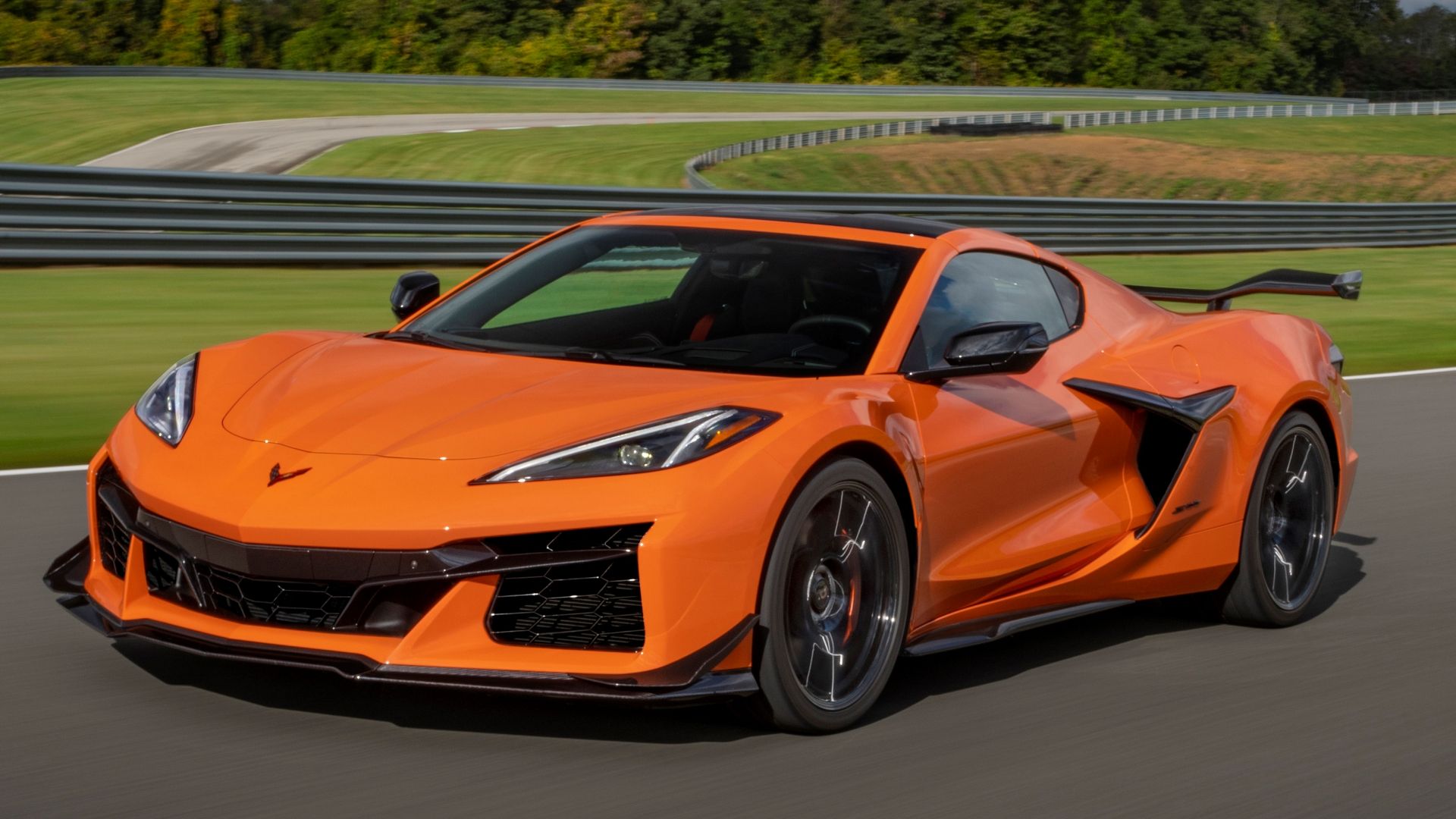
Temperature extremes affect tires, brakes, and interior materials more severely on performance cars designed for spirited driving. A garage isn’t just recommended it’s practically mandatory to protect long-term value.
The 2025 Corvette delivers exceptional handling, thanks in large part to its mid-engine layout and quick, well-weighted steering. It’s a thrill to carve through corners, yet the ride remains composed and smooth over most road surfaces.
Braking performance is equally impressive: whether you stick with the standard Brembo brakes or opt for the available carbon-ceramic setup, the Corvette stops sharply and predictably.
Power comes in several flavors. The base engine is a 490-horsepower V8, which Chevrolet claims can propel the car from 0 to 60 mph in just 2.9 seconds when properly equipped. Performance escalates with the Z06 and E-Ray models, producing 670 horsepower and 655 horsepower, respectively.
The Z06 achieves 0–60 mph in 2.6 seconds, while the E-Ray, a gas-electric hybrid, manages the sprint in a Chevy-estimated 2.5 seconds. The ZR1 tops the range with a monstrous 1,064-horsepower twin-turbo V8, though official 0–60-mph figures are not yet available.
All Corvettes are rear-wheel drive except for the all-wheel-drive E-Ray, which benefits from a front-axle electric motor. Every model is equipped with an eight-speed dual-clutch automatic transmission.
No matter which variant you choose, the Corvette balances exhilarating power with refinement. Acceleration is immediate both from a standstill and through the midrange, yet the car is surprisingly easy to drive slowly, making it civilized enough for city streets.
The 2025 Corvette delivers average fuel economy for a luxury sports car. The Stingray achieves 16 mpg in the city and 25 mpg on the highway.
5. BMW 7 Series
The BMW 7 Series is filled with advanced technology, from adaptive suspension systems to complex infotainment electronics.
While impressive, this complexity makes the car vulnerable to environmental exposure. Cold weather affects battery performance and electronics, while heat accelerates interior wear.
Street parking also increases the risk of costly cosmetic damage, which can severely impact resale value on a luxury sedan that depreciates quickly. The 7 Series shines when protected, not when left curbside.
Choosing a car without considering where it will live is one of the most common and expensive ownership mistakes.
We tested the top-trim 536-hp 760i xDrive, and in our testing it sprinted from 0 to 60 mph in just 3.8 seconds. There’s plenty of power for highway passing, though the 760i can feel slightly sluggish at low speeds.
Even so, stable handling and strong brakes contribute to a sense of sportiness. Steering is light yet never vague or imprecise, and the optional rear-wheel steering reduces the turning radius and makes lane changes feel more agile.
Standard equipment includes an auto-leveling air suspension, paired with a road preview system that scans ahead to prepare for bumps and potholes.
The suspension does tilt slightly backward under hard acceleration and sways briefly before settling, leaving the 7 Series a step behind the exceptionally smooth and isolating ride of the Mercedes S-Class or the electric BMW i7. Large windows provide good visibility in most directions, though the rear window is somewhat short.
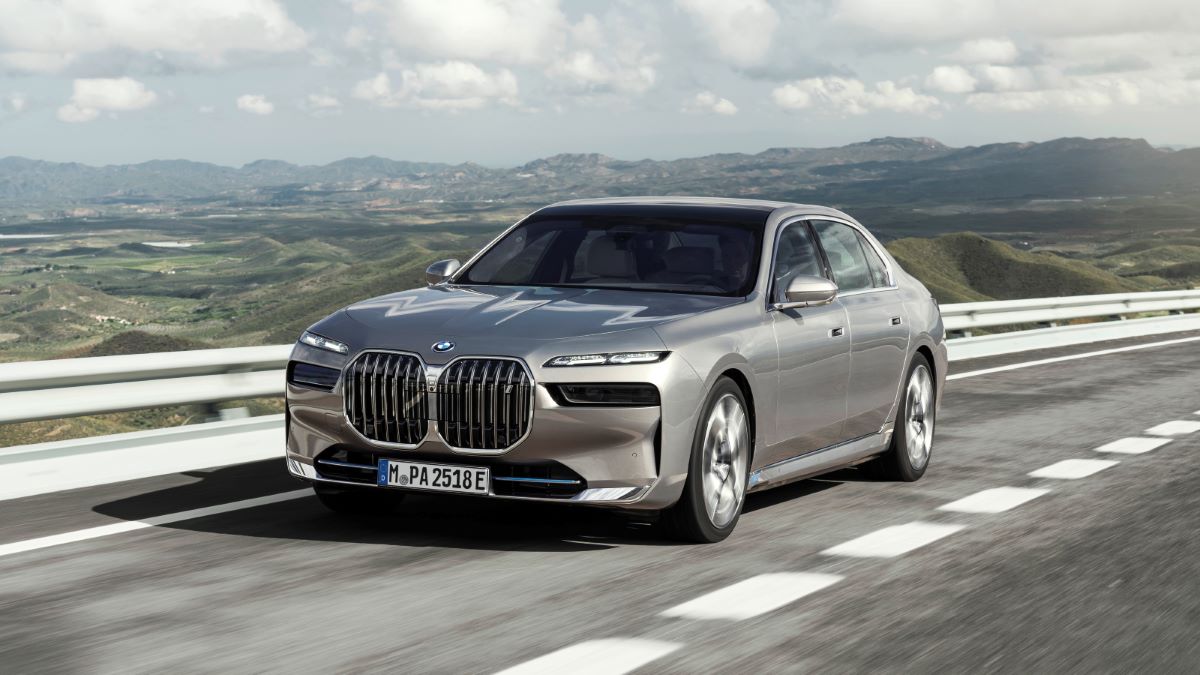
Optional features like the Highway Assistant enable hands-free driving up to 85 mph, keeping the 7 Series centered in its lane while managing acceleration and braking smoothly. A high-resolution surround-view camera system offers multiple viewing angles, which is especially helpful when maneuvering this large sedan in tight spaces.
Comfort is a major strength. The front and rear seats are highly supportive, and the optional Rear Executive Lounge Seating package adds nearly fully reclining rear seats with heating, ventilation, and massage functions.
Rear vents feel slightly underpowered relative to their settings, but the cabin heats and cools quickly, and temperature and fan speed can be adjusted independently for different areas of the car.
The interior, with its array of screens and crystal-accented trim, can feel busy, yet the materials and craftsmanship are impeccable. Optional automatic doors are a neat touch, they open at the push of a button and, from the driver’s seat, a press of the brake pedal closes them automatically. The 12.3-inch digital instrument cluster is easy to view, and finding the perfect driving position is straightforward.
Space is generous throughout, though installing a front-facing child safety seat can be awkward. The rear seating area is enormous, and while lower anchors are easy to reach, attaching straps to the top anchors is challenging due to the tall, wide headrests.
In American cities where street parking is unavoidable, vehicles that prioritize durability, compact size, and cost-efficient repairs simply make more sense. Cars like the Toyota Corolla, Honda Civic, and Subaru Impreza accept outdoor life as part of their design philosophy.
On the other hand, luxury and performance cars are not just transportation they are investments that demand controlled environments. Without a garage, their costs, risks, and depreciation quickly outweigh their appeal.