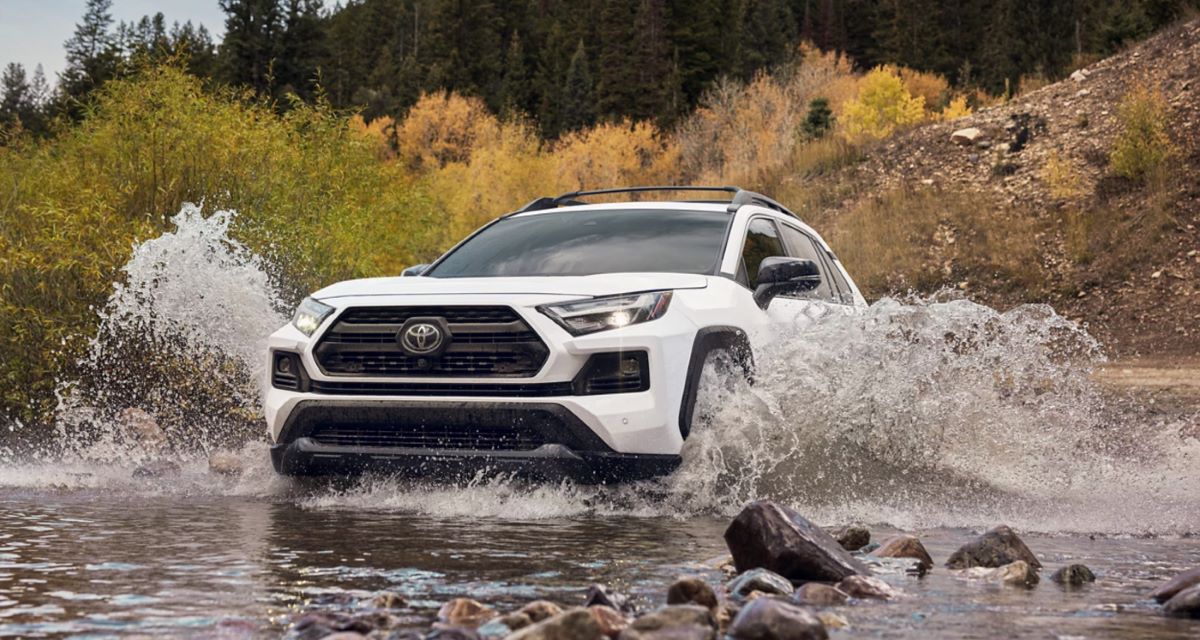
Nashville’s rapid growth has changed how people drive and what they need from their vehicles.
Once known for easy cruising and open roads, the city now combines dense downtown traffic, never-ending construction, aggressive heat and humidity, and long suburban commutes that blend city stop-and-go with highway bursts.
From pothole-riddled side streets in East Nashville to congested corridors near Vanderbilt and downtown event traffic, cars in Music City face a daily stress test.
Vehicles that succeed here tend to be mechanically simple, tolerant of heat, and forgiving in traffic. Those that struggle often share a common trait: complexity that doesn’t age well under frequent short trips, idling, and uneven pavement.
Below are five cars that consistently adapt well to Nashville’s urban lifestyle, followed by five that commonly develop ongoing maintenance issues under similar conditions.
Cars That Handle Nashville City Use Well
Nashville’s streets can be a mixed bag, tight downtown avenues, winding residential roads, and ever-changing traffic patterns put cars through their paces. A vehicle that excels here needs more than just a smooth ride; it needs agility, visibility, and confidence-inspiring handling to navigate crowded intersections, parallel parking, and sudden stops with ease.
This article highlights cars that perform exceptionally well in Nashville’s urban environment. These are vehicles that make city driving less stressful and more enjoyable, offering responsive steering, nimble maneuverability, and a comfortable ride even in stop-and-go traffic.
Whether you’re commuting, running errands, or exploring the city’s neighborhoods, these cars are designed to handle the everyday realities of Music City with skill and poise.
1. Toyota RAV4
The Toyota RAV4 has become one of the most practical vehicles for Nashville drivers who need flexibility without excessive upkeep.
Its drivetrain is designed to handle constant stop-and-go traffic, and its cooling system performs reliably even during long summer idling sessions on Broadway or I-40 backups.
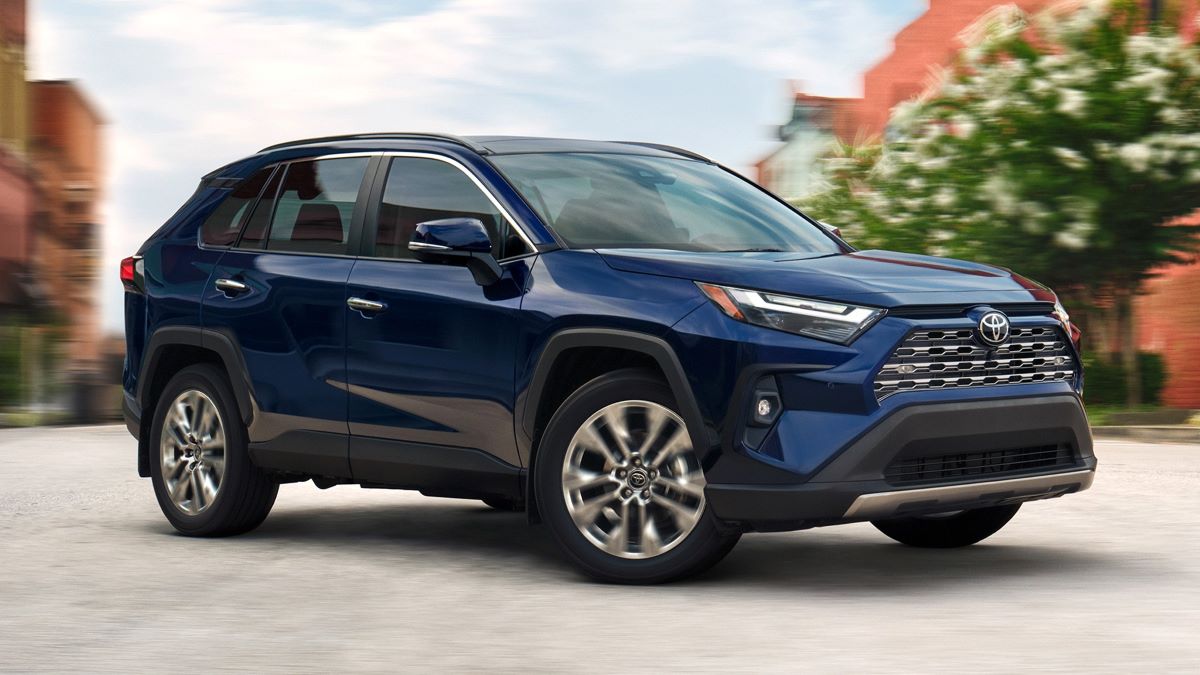
The RAV4’s suspension is tuned for durability rather than sportiness, which helps it absorb rough city streets without prematurely wearing components.
Its ride height also offers peace of mind when dealing with uneven pavement, steep driveways, or flooded roads after heavy storms.
Maintenance costs remain predictable, and the vehicle’s long-term reliability record makes it a strong choice for both city commuters and suburban families.
2. Honda Civic
The Honda Civic continues to be one of the most dependable city cars in the U.S., and Nashville is no exception.
Its compact size makes navigating tight parking garages and crowded neighborhoods easier, while its efficient engines handle frequent short trips with minimal stress.
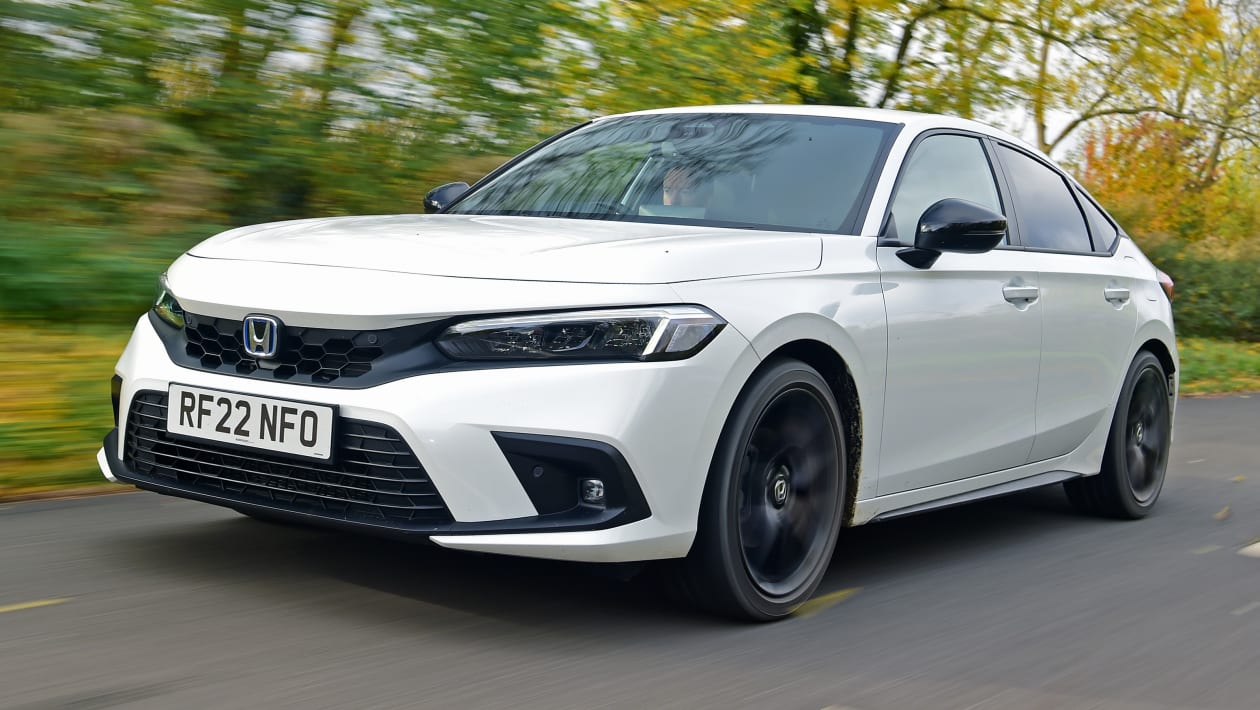
Civics are particularly resilient when it comes to brake and suspension wear, which is crucial in a city filled with traffic lights and sudden stops.
Even with daily commuting, the Civic rarely develops recurring mechanical issues when maintained properly. For Nashville residents who want low fuel costs, easy maneuverability, and long-term dependability, the Civic remains a standout option.
3. Toyota Camry
For drivers who want a midsize sedan that tolerates city life without constant shop visits, the Toyota Camry delivers.
Its engines are engineered for longevity rather than aggressive performance, which suits Nashville’s stop-and-go traffic patterns well.
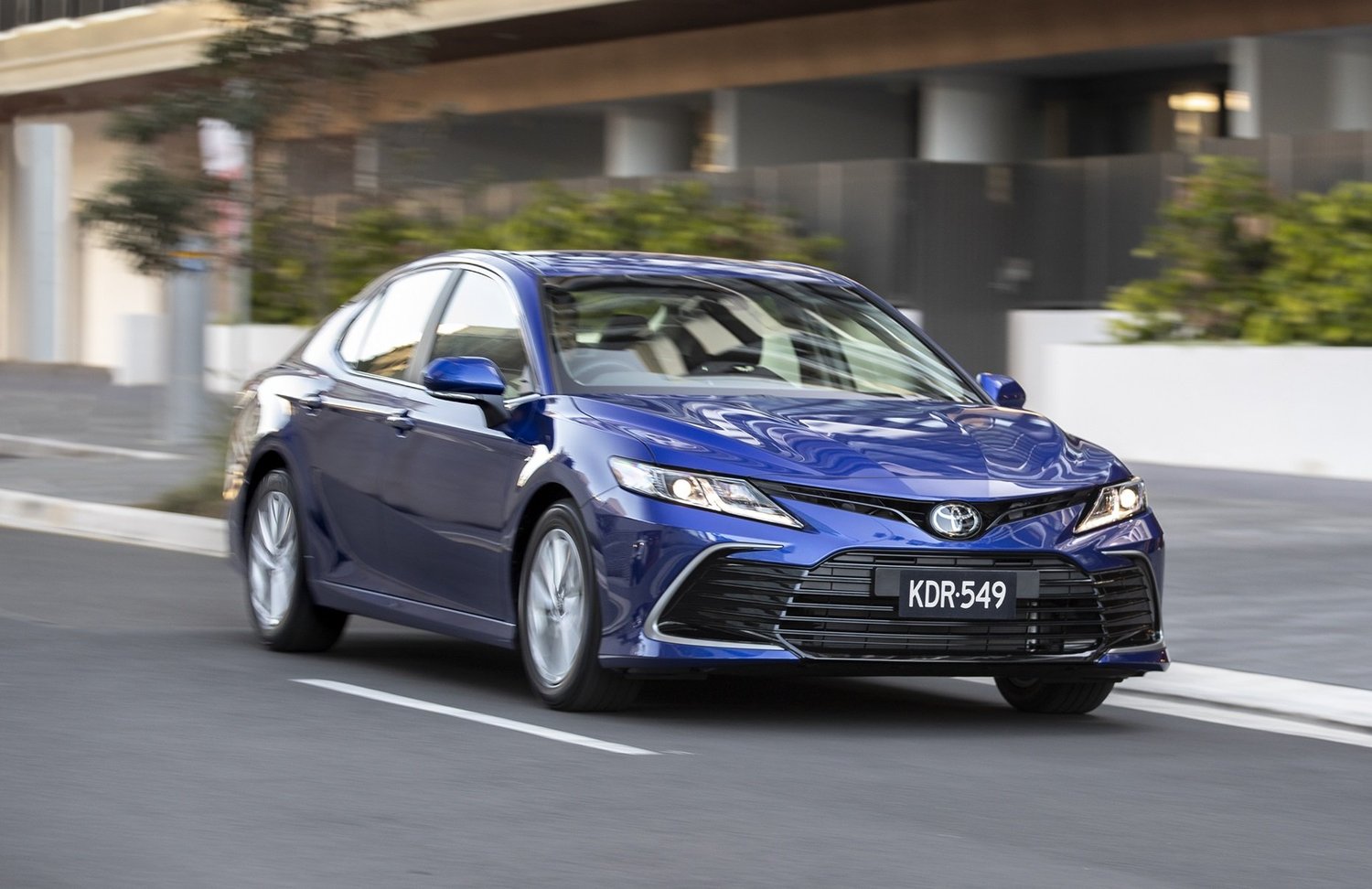
The Camry’s interior materials also tend to hold up better in Tennessee’s heat, avoiding issues like cracking trim or failing electronics that plague some competitors.
Its smooth ride absorbs poor road conditions effectively, and maintenance intervals are forgiving. For commuters spending long hours between downtown and surrounding suburbs, the Camry offers comfort without reliability trade-offs.
4. Kia Soul
The Kia Soul may not look like a traditional city car, but it handles Nashville’s urban environment surprisingly well.
Its upright design provides excellent visibility, which is invaluable in crowded traffic and tight intersections. The short wheelbase makes parking easier in dense areas like Midtown or Germantown.
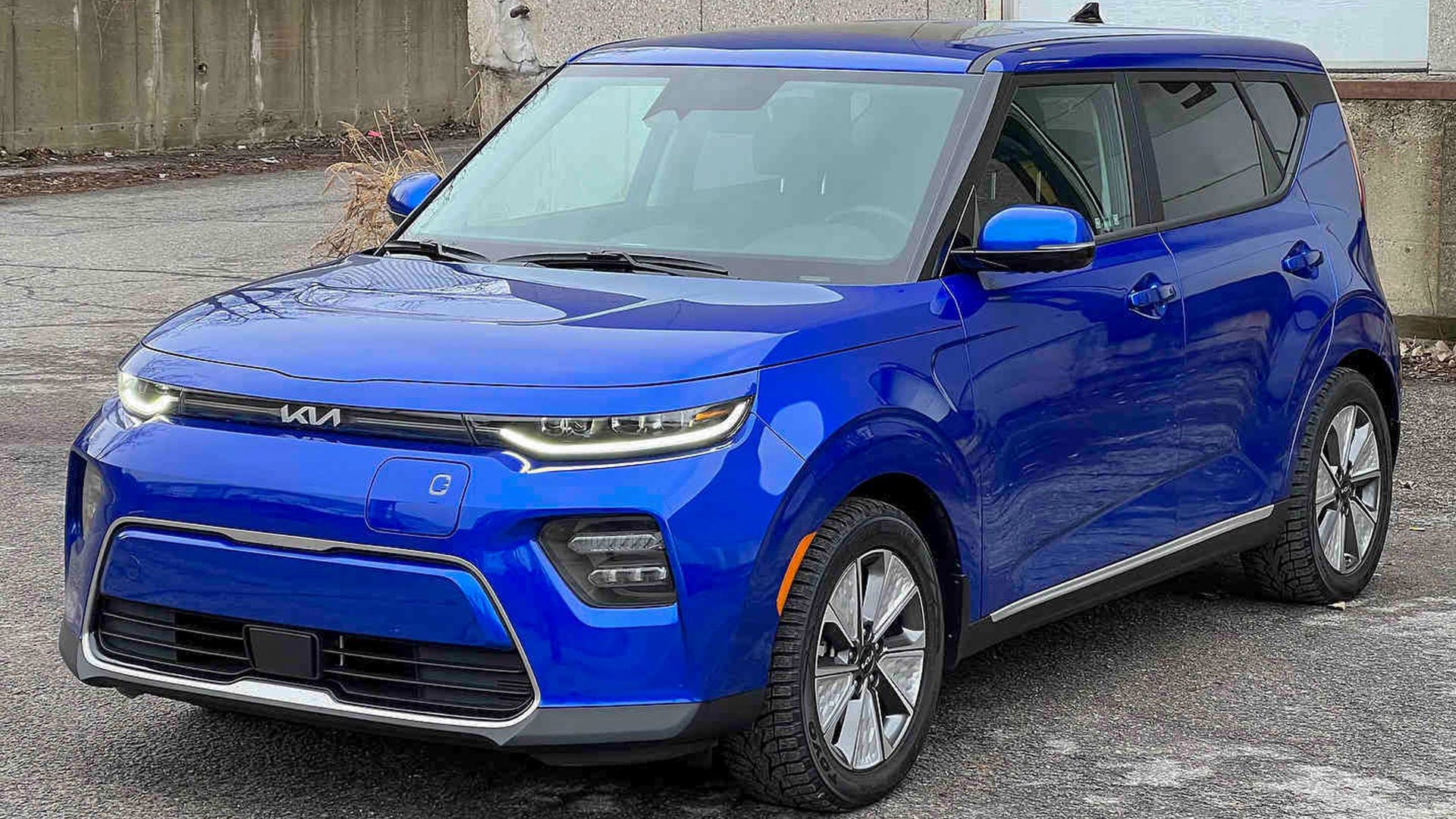
Mechanically, the Soul benefits from a straightforward drivetrain that tolerates frequent starts and stops. When maintained properly, it avoids many of the chronic transmission and cooling issues seen in more complex vehicles.
Its affordability and practical interior space make it especially popular among younger drivers and small households navigating the city daily.
5. Lexus ES
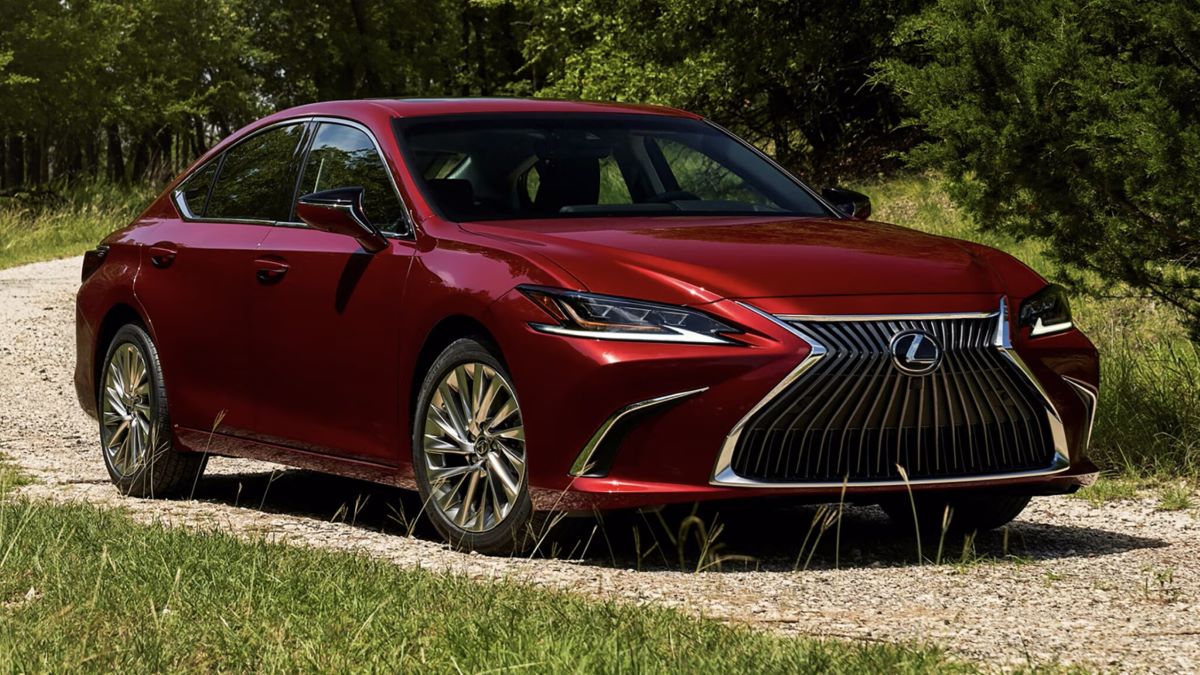
For those seeking comfort without sacrificing reliability, the Lexus ES is one of the safest luxury choices for Nashville driving. Unlike many luxury sedans, the ES prioritizes smoothness and durability over aggressive tuning.
Its naturally aspirated engines are well-suited for city use, handling heat and idling with minimal strain. Suspension components are designed for comfort, which helps them last longer on rough roads.
While maintenance costs are higher than mainstream brands, they are far more predictable than many European luxury vehicles. For Nashville drivers wanting refinement without constant repairs, the ES stands out.
Lexus stirred the conversation this week by referring to its next-generation ES as a “global flagship model” in a teaser announcement, sparking speculation about the future of the LS, the brand’s long-standing full-size luxury sedan.
Even so, the LS is showing its age. The fifth-generation sedan has been on the market since 2017, and its sales have been modest. In 2024, Lexus sold just 2,163 LS sedans in the U.S., trailing rivals such as the Mercedes-Benz S-Class (8,809 units) and the BMW 7 Series (10,714 units). Only the Audi A8 sold fewer vehicles, moving 1,628 units.
The LS has already vanished from the U.K., where Lexus discontinued it in 2024 after selling just three units that year. Since 2020, only 39 units have been sold there. Regulatory hurdles and weak demand contributed to its exit, though the LS continues to be available in other parts of Europe and worldwide.
Internal competition adds another layer of complexity. The Lexus LM, a luxury minivan originally targeted at China but now available in Japan, Australia, India, and select European markets, offers a plush, spacious alternative that some buyers prefer over the traditional sedan format. This shift in consumer preference could be quietly eating into LS sales without any formal announcement from Lexus.
There’s also speculation in Japan that the LS could eventually evolve into something resembling Toyota’s new Century SUV, the company’s ultra-premium flagship. However, with Lexus and Toyota already maintaining an extensive SUV lineup, transforming another sedan into a crossover would feel redundant and, perhaps, a concession to changing market tastes.
Cars With Ongoing Maintenance Issues in Nashville City Use
Navigating Nashville’s city streets day in and day out puts constant strain on a vehicle, and some cars simply aren’t up to the task. Heavy traffic, frequent stop‑and‑go conditions, potholes in older neighborhoods, and short urban trips can expose flaws that rarely show up on open highways.
When a vehicle has persistent maintenance issues, those problems don’t just surface occasionally, they disrupt your routine and drain your wallet.
This article focuses on cars with ongoing maintenance issues in Nashville city use. These are vehicles that, over time, tend to require frequent repairs, suffer from durability problems, or demonstrate quirks that make everyday driving more of a headache than it should be.
If you depend on your car to get you through Trafficway, West End, The Gulch, and beyond without constant trips to the shop, this roundup will help you avoid models that struggle with Nashville’s urban grind.
1. Volkswagen Passat
The Volkswagen Passat offers a comfortable ride and refined interior, but long-term ownership in a city like Nashville often reveals recurring maintenance challenges.
Turbocharged engines require meticulous upkeep, and frequent short trips increase the risk of carbon buildup and sensor failures.
Electrical issues also tend to surface over time, particularly in hot, humid environments. Nashville’s traffic-heavy driving accelerates wear on components that are expensive to repair outside of warranty.
While the Passat performs well on longer highway drives, daily urban use often leads to mounting repair costs.
The Volkswagen Passat comes with a single powertrain option: a 174-hp turbocharged 2.0-liter four-cylinder paired with a six-speed automatic transmission. In our testing, the engine felt smooth and refined throughout its rev range, moving the sedan with ease. The automatic transmission generally operated seamlessly, though it occasionally hesitated at very low speeds in heavy traffic.
Whether cruising on the highway or back roads, the Passat rises to the occasion. It combines a soft, almost luxurious ride with predictable handling, delivering a vehicle that is as comfortable as it is capable. Steering is precise and well-weighted, though, like many competitors in its class, it doesn’t offer as much road feel as we’d like.
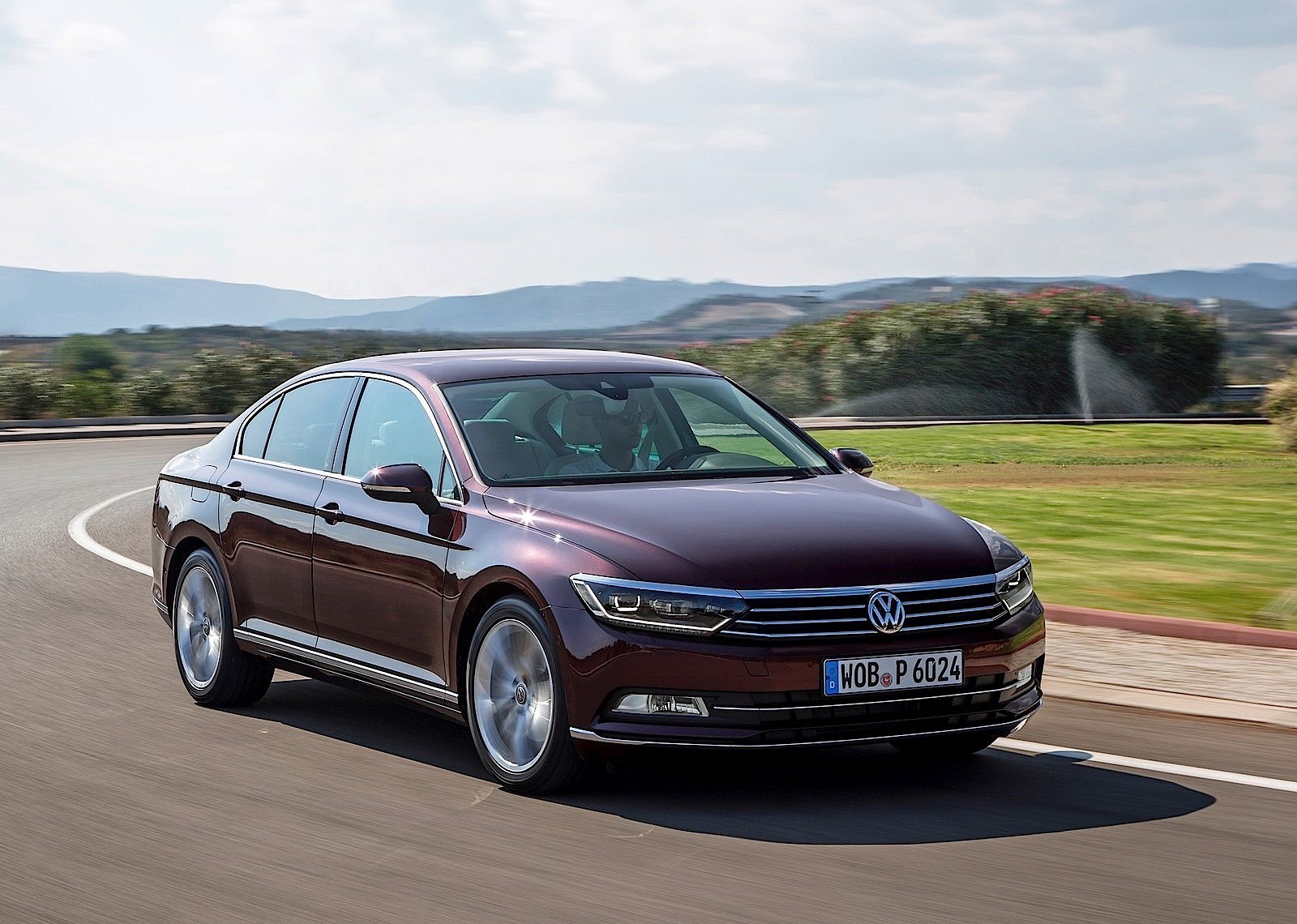
The 2022 Passat doesn’t excite in the way flashier, sportier family sedans do. Parked next to the low-slung Hyundai Sonata or the sleek Kia K5, the Volkswagen appears conservative and understated. Its interior mirrors this unassuming approach, but the cabin is well-crafted and features pleasant materials.
Rear-seat space is generous, making the Passat a practical choice for families, and standard driver-assistance features, such as automated emergency braking and blind-spot monitoring, add to its appeal. While its four-cylinder powertrain operates without issue, it is noticeably slower than rivals like the Honda Accord, and Volkswagen doesn’t offer all-wheel drive or a hybrid variant as many competitors do.
Even so, the 2022 Passat offers a comfortable ride, refined German engineering, and attractive pricing, traits that may appeal to buyers who value composure and practicality over flash and speed.
2. Cadillac ATS
The Cadillac ATS aims to blend luxury with sportiness, but its complex engineering doesn’t always hold up well under constant city driving. Nashville’s rough roads and frequent stop-and-go traffic put stress on its suspension and drivetrain components.

Owners frequently report issues related to electronics, infotainment systems, and transmission behavior during low-speed driving. Repairs are often costly and require specialized service.
While the ATS can be enjoyable on open roads, its ongoing maintenance needs make it less ideal for everyday city use in Nashville.
The Cadillac ATS-V is the brand’s high-performance, muscle-car contender, designed to take on rivals like the BMW M3 and M4. Both the sedan and coupe are powered by a 3.6-liter twin-turbo V-6 producing 464 hp, sent to the rear wheels through either a six-speed manual or an eight-speed automatic transmission.
Standard features include magnetically actuated adaptive dampers, which deliver sharp, responsive handling, alongside Cadillac’s often-frustrating CUE infotainment system. The optional Recaro front seats are highly recommended, they provide exceptional support and are well worth the extra cost.
3. Dodge Charger
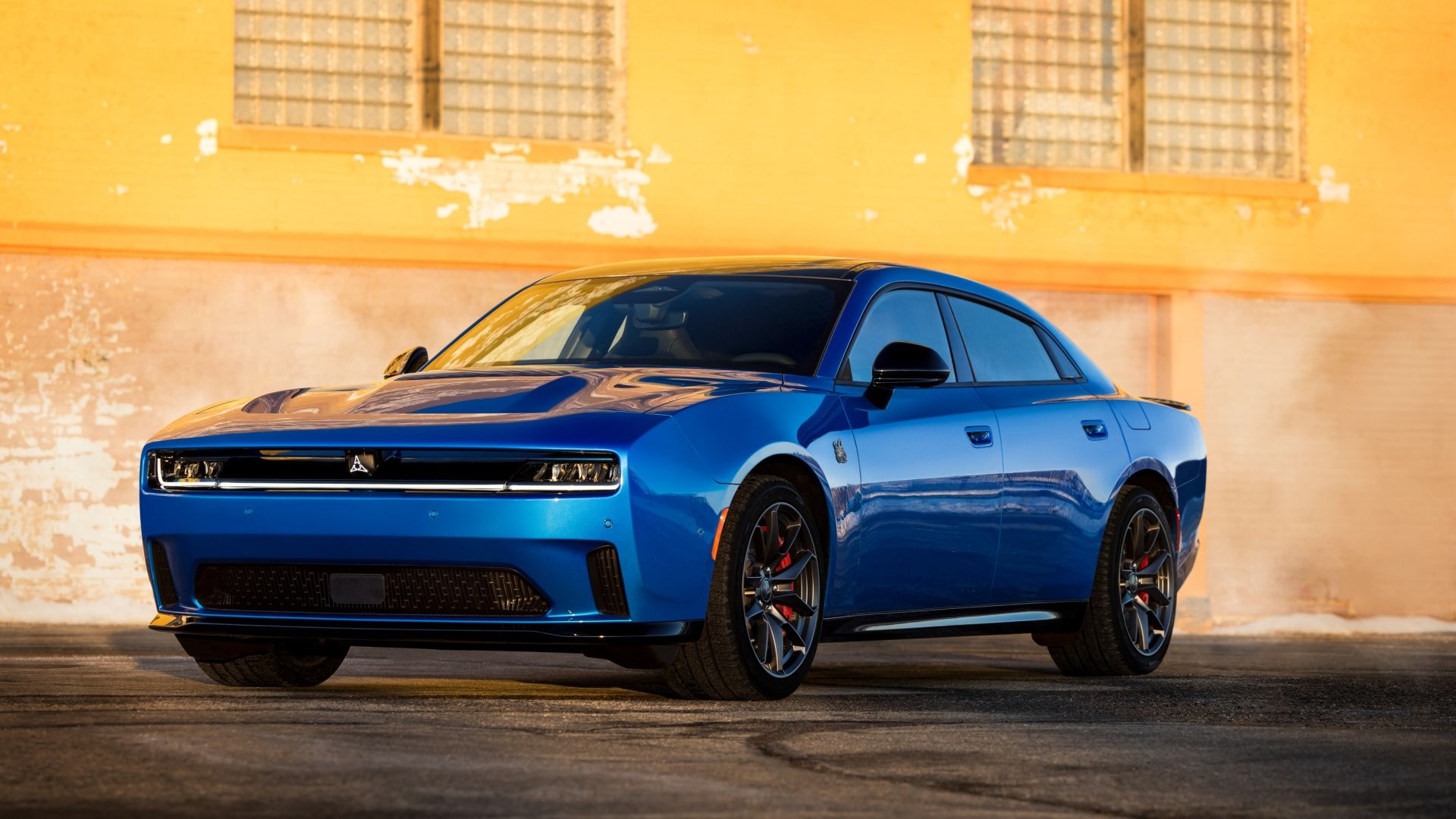
The Dodge Charger’s powerful engines and bold styling attract many buyers, but urban driving exposes its weaknesses.
The car’s size makes navigating tight city streets and parking areas more difficult, and frequent braking accelerates wear on suspension and braking systems.
Transmission and electrical issues are common complaints among city-driven Chargers, particularly as mileage increases.
Nashville’s traffic patterns rarely allow the Charger to operate in the conditions it’s best suited for, resulting in ongoing maintenance headaches for daily commuters.
The Dodge Charger Daytona lineup is expanding with the introduction of the 2026 Daytona sedan, which Dodge proudly markets as the world’s only four-door muscle car. This new model mirrors the coupe’s powertrain and features but adds a second set of doors for easier rear-seat access. Styling remains largely unchanged, retaining the same front and rear fascia as the two-door variant.
The 2026 Dodge Charger Daytona Scat Pack EV and combustion-powered Sixpack sedan are expected to arrive in showrooms during the second half of 2025. Dodge has not yet released pricing for the four-door, though for reference, the 2025 Charger Scat Pack coupe starts at $70,190.
The Charger sedan shares all powertrains and features with the coupe. The Scat Pack model delivers a formidable 670 horsepower and 627 lb-ft of torque, enabling a 0–60 mph time as quick as 3.3 seconds. Electric range reaches up to 241 miles per charge, with a Level 3 charger capable of taking the battery from 20 to 80 percent in just 24 minutes.
It’s a real testament to the Dodge design and engineering teams that apart from two additional doors, the Dodge Charger Daytona sedan embodies the same look and feel as the coupe, with the same widebody exterior, driver-centric interior, muscle car performance and standard all-wheel-drive capability, combined with four-door practicality.
The optional Track Package enhances performance with Brembo 16-inch vented rotors, six-piston front and four-piston rear calipers, 20-inch wheels with Goodyear Eagle F1 Supercar 3 tires (305/35ZR20XL front, 325/35ZR20 rear), a gloss black rear spoiler, dual-valve adaptive suspension, high-backed leather and suede seats, and a Drive Experience Recorder for synchronized audio, video, and vehicle data logging.
The Daytona sedan is also offered in the Scat Pack Plus trim, which adds 64-color adjustable ambient lighting, premium LED headlights, a wireless charging pad, a 360-degree surround-view camera, and a power-operated hatchback.
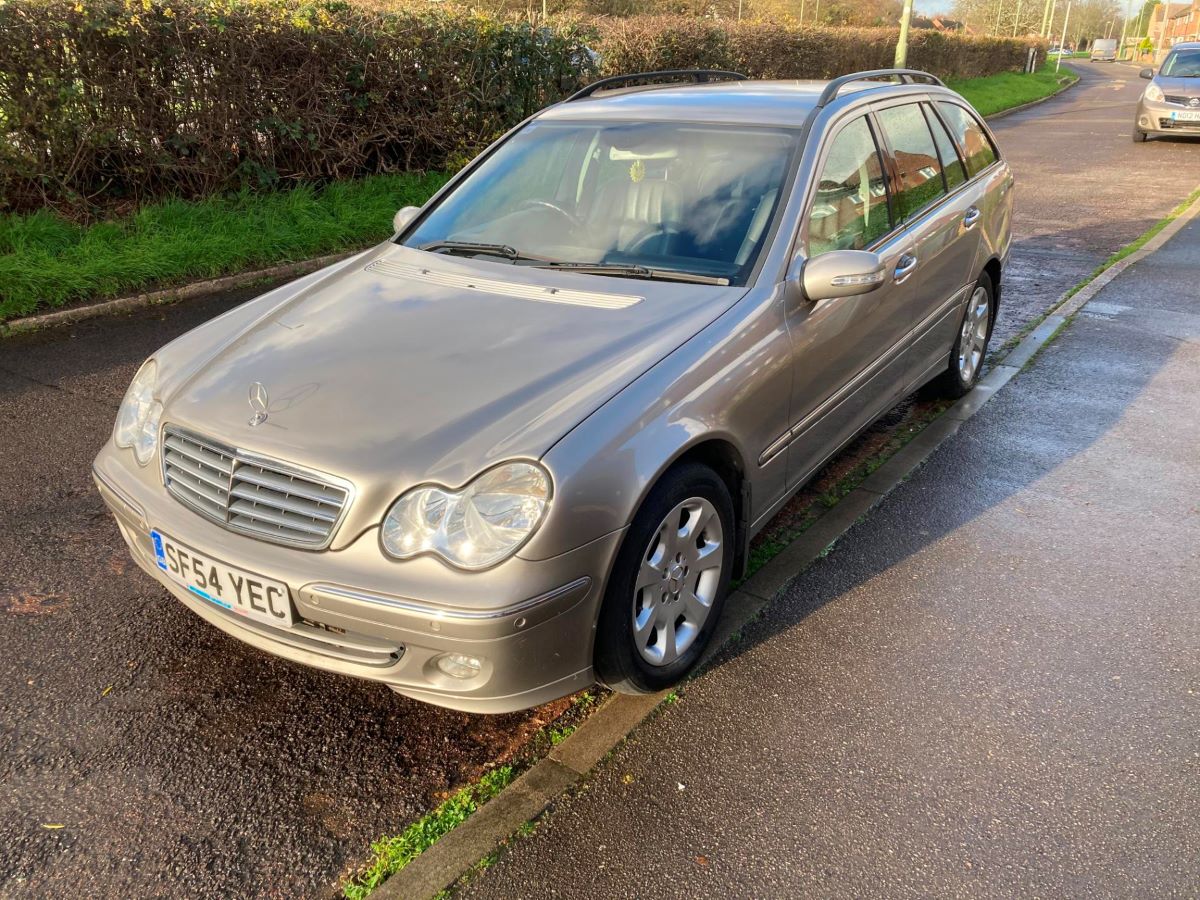
4. Mercedes-Benz C-Class (Older Models)
Older Mercedes-Benz C-Class models offer prestige and comfort, but Nashville’s city environment often highlights their reliability challenges. Heat, humidity, and frequent idling accelerate wear on electronics, cooling systems, and suspension components.
Routine maintenance is expensive, and repairs often cascade fixing one issue reveals another. While newer models have improved in some areas, older C-Class vehicles driven primarily in the city tend to require continuous attention, making them costly to own long-term in Nashville.
It’s difficult to find shortcomings in the C 300’s new turbocharged mild-hybrid four-cylinder engine. The powertrain delivers a robust 255 horsepower and 295 lb-ft of torque, while the mild-hybrid system smooths out what used to be a high-strung experience in previous engines.
This synergy makes the nine-speed automatic transmission’s job effortless, and it consistently selects the right gear. The result is a 0–60 mph time of just 5.8 seconds, more than enough for everyday driving.
Our test vehicle featured the optional AMG Line sport package, which adds a sport-tuned suspension, upgraded brakes, and sharper steering response.
Together, these enhancements sharpen the driving dynamics of the standard C-Class. We were particularly impressed by how confidently the C 300 handles corners and how intuitively it responds to driver input. It leaves us eager to experience the full-blown AMG performance variants.
While the AMG Line sport package enhances handling, it may compromise comfort slightly. The suspension, though not harsh, transmits more road texture than we’d like, benefiting steering precision but detracting from ride smoothness.
The AMG sport seats, while supportive, took some time to adjust comfortably and never felt perfectly natural. Non-perforated upholstery added to the discomfort on longer drives, becoming noticeably warm after an hour behind the wheel.
The climate control system is fully touchscreen-based, with a dedicated panel on the display. While the system cools effectively, we often had to manually adjust the fan speed, as the auto setting didn’t seem to push enough air. The quietness of the cabin is a highlight, isolating road and engine noise exceptionally well.
Mercedes-Benz continues to excel in interior design and material quality, but functionally the C-Class has its limits. Entry and exit can be awkward due to the sedan’s low ride height, and finding the optimal driving position required frequent adjustment.
Door-mounted controls felt less intuitive than conventional seat-mounted options, and the touch-sensitive steering wheel controls were less user-friendly than the previous generation’s thumb pads.
Passenger space is strong, however, with more room than many rivals. While not cavernous, the cabin never feels cramped and accommodates passengers comfortably.
Mercedes remains a leader in automotive technology. The built-in navigation system rivals the clarity and reliability of a connected smartphone, making it invaluable for those who struggle with directions. Apple CarPlay and Android Auto are supported wirelessly or via USB, and the large touchscreen enhances the display for apps, icons, and maps.
Additional tech highlights include an advanced voice recognition system, a high-quality Burmester audio system, and a comprehensive driver-assistance suite. While adaptive cruise control occasionally applies acceleration and braking too aggressively, the 360-degree camera system is precise and highly useful for maneuvering in tight spaces.
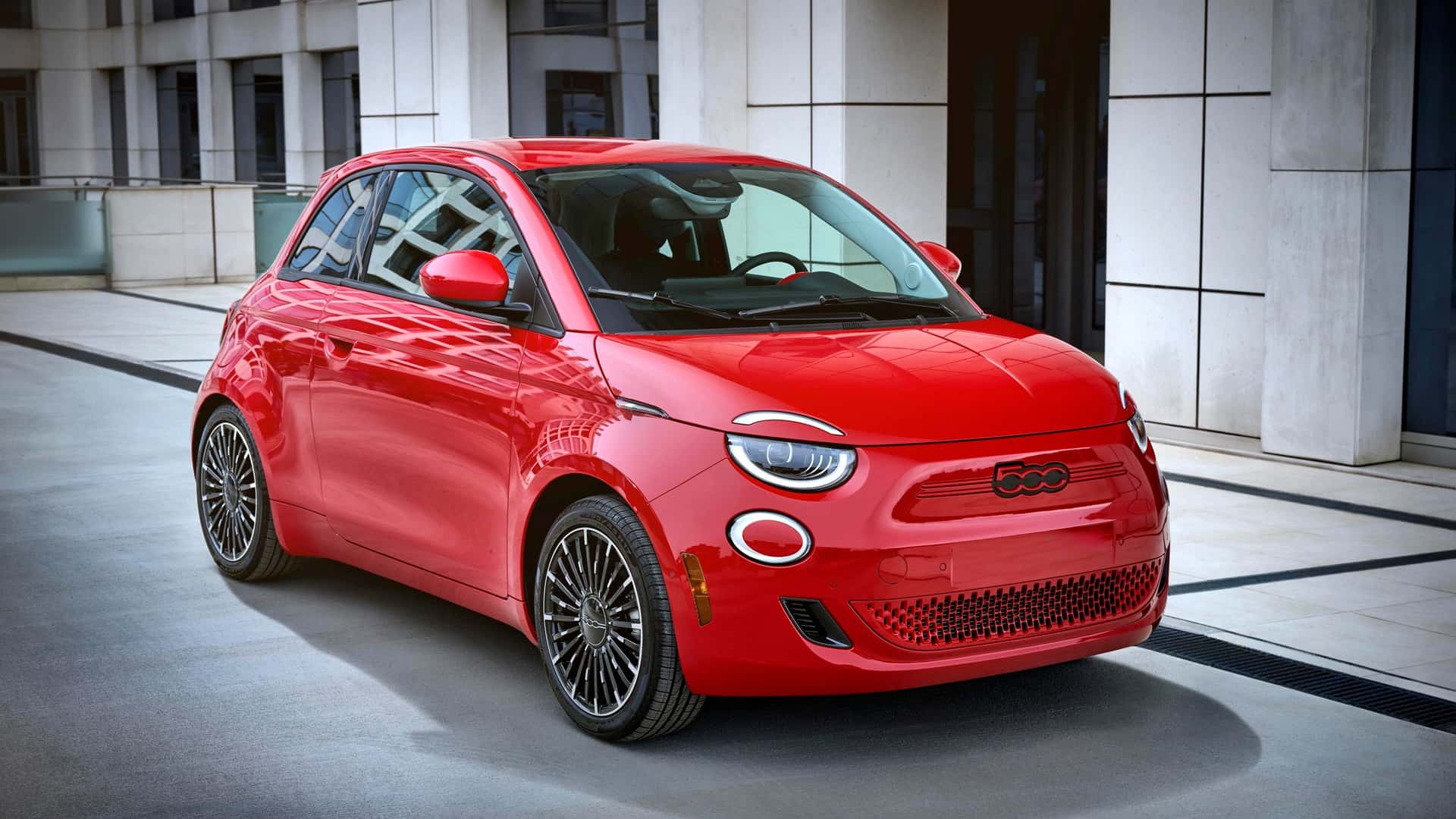
5. Fiat 500
The Fiat 500’s compact size seems tailor-made for city living, but its reliability record tells a different story.
Tight engine packaging leads to heat-related issues, and frequent stop-and-go driving accelerates wear on transmissions and cooling components.
Electrical problems and warning lights are common complaints, especially in humid climates.
Nashville’s summer heat only amplifies these issues, turning what should be a convenient city car into a recurring maintenance project. While charming in appearance, the Fiat 500 often struggles with the realities of daily urban driving.
Nashville may not be the most extreme driving environment in the country, but its blend of traffic congestion, heat, road wear, and rapid growth exposes weaknesses in poorly suited vehicles.
Cars that thrive here tend to favor mechanical simplicity, proven reliability, and durability over performance complexity or luxury branding.
The Fiat 500 is a small car with a big personality, and its charm has endured for decades. First introduced in 1957, the little Italian hatchback captured hearts with its playful styling and urban-friendly size, a recipe that remains potent today.
Fiat has masterfully blended nostalgic design cues with modern features, creating one of the most visually distinctive retro-inspired vehicles on the road. While the 500 has been discontinued in the U.S., it continues to thrive abroad and is set to return to America in an electrified form, proving that style and heritage can transcend market shifts.
With its compact silhouette, rounded headlights, and 1960s-inspired interior touches like the gear lever and dash layout, the Fiat 500 is unmistakably retro.
The Fiat 500 isn’t designed to dominate the stopwatch. Instead, it’s about the joy of driving. Available with either a 1.0-liter mild hybrid or a 1.2-liter gasoline engine, both powertrains prioritize smooth, manageable performance over outright speed.
The hybrid emits fewer CO2s and completes 0–62 mph in 13.4 seconds, while the 1.2-liter version does it in 12.5 seconds. Either way, the focus is on fun, relaxed city driving rather than racing performance.
Inside, the 500 features organic curves and textures reminiscent of its 1957 and 2007 predecessors, combined with modern tech and safety systems in higher trims. While some plastics feel inexpensive, the cabin remains a pleasant, visually appealing space. Base models are spartan, offering only the essentials, a shell, seats, and an engine, but even these retain the car’s charming character.
Despite occasional issues like oil leakage into the coolant system and minor fuel or oil contamination, the Fiat 500 is generally reliable, often outperforming competitors in dependability. Standard safety features include seven airbags, ESC, ABS, and hill assist, helping drivers maintain control in slick conditions. Its small size also keeps repair costs reasonable unless the car sustains major damage.
Vehicles that struggle aren’t necessarily flawed by design but when exposed to constant city use, their weaknesses become expensive patterns rather than isolated incidents.
For Nashville drivers, choosing the right car can mean the difference between predictable ownership and ongoing frustration.
In a city that keeps moving faster every year, the smartest vehicle choice is one that keeps up without constantly demanding attention.