
Urban driving is not the same as normal driving. In cities, roads are tighter, traffic is heavier, parking is scarce, and the driving rhythm is all stop, start, and squeeze.
A vehicle that feels perfect on open roads can feel irritating in a city because cities demand a different kind of intelligence from a car. Urban life rewards vehicles that are compact, easy to park, light to steer at low speeds, and simple to place in narrow lanes.
It also rewards vehicles that have strong visibility, practical storage for daily items, and features that reduce stress like good cameras, sensors, and smooth low-speed response.
That is why some vehicles feel like they were designed specifically for city life. They fit into tight gaps without drama. They turn easily. They do not make you fear every parking lot.
Their cabins are designed for daily convenience, like easy entry and exit, good seating posture, and space that feels useful rather than oversized. Many of them also deliver strong efficiency in stop-and-go conditions. These vehicles become urban tools. You stop thinking about the vehicle and focus on your day.
But there are also vehicles that clearly are not designed for cities. They may be brilliant vehicles in other environments, such as highways, open suburbs, long-distance travel, or off-road routes. Yet in cities, they feel out of place. They are too wide for narrow roads.
Their turning radius makes U-turns painful. Parking becomes a battle. Fuel consumption becomes annoying. Their size forces the driver to plan routes around space. Even daily errands start taking extra time because the vehicle is not cooperating with urban reality.
This contrast matters because many buyers choose vehicles emotionally. They fall in love with size, badge, or power, then later realise their daily driving is mostly city stress. This article is designed to help prevent that mistake. First, we will cover five vehicles that feel designed for urban use, vehicles that naturally fit city life.
Then we will cover five vehicles that clearly are not vehicles that may be excellent machines but feel like the wrong tool for city environments. The goal is simple: match the vehicle to the real lifestyle, not the fantasy lifestyle.
Also Read: 5 SUVs That Balance Space and City Use vs 5 That Are Overkill
5 Vehicles That Feel Designed for Urban Use
A true urban vehicle does not need to be exciting on paper. It needs to be easy in real life. In the city, comfort is not just soft seats. Comfort is being able to turn into a narrow street without fear.
Comfort is finding a parking space and actually fitting into it. Comfort is not constantly worrying about scraping bumpers or wheels. An urban vehicle supports daily life in small ways that add up to a huge difference over time.
Vehicles that feel designed for urban use usually share some key traits. They are compact or cleverly packaged, meaning they may look small outside but still feel roomy inside. They have light steering and good low-speed control, allowing smooth movement through traffic.
They have tight turning circles, so U-turns and sharp corners are easy. They also have strong visibility, either through large windows, upright seating, or smart camera systems.
Another important factor is how they handle stop-and-go. Many urban vehicles have smooth power delivery, responsive acceleration for quick traffic gaps, and braking systems that feel natural. This helps reduce driver fatigue in heavy traffic. Some also offer smart efficiency, including hybrids and EVs, which perform better in cities than on highways.
I am writing about these five vehicles because they represent what many people actually need but do not always buy. These vehicles make city driving easier rather than harder. They reduce stress, reduce parking drama, and reduce the mental load of daily driving.
In a city, your vehicle should feel like an advantage, not an extra challenge. These models are chosen because they deliver that advantage. They feel like city specialists, built around the reality of crowded roads and tight spaces, not around highway bragging rights.
1) Honda Fit (Jazz)
The Honda Fit, also called the Jazz, feels like it was designed with city life as the main purpose. Everything about it is practical. It is compact on the outside, which makes it easy to park and easy to squeeze through narrow streets.
But it is spacious inside, which is exactly what city drivers need. You can carry groceries, bags, and even larger items without needing a bigger car.
The Fit’s steering is light and responsive at low speeds, which makes a huge difference in daily traffic. In cities, you are constantly making small steering corrections. A heavy steering wheel turns every drive into an effort.
The Fit avoids that problem. It feels simple and quick, and the turning radius is tight enough that U-turns and tight corners feel natural rather than difficult.
Visibility is another major advantage. The Fit has large windows and an upright cabin design that helps you see around you. In cities where scooters, pedestrians, and sudden lane changes are normal, visibility is safety. Parking also becomes easier because you can judge corners and distances clearly.
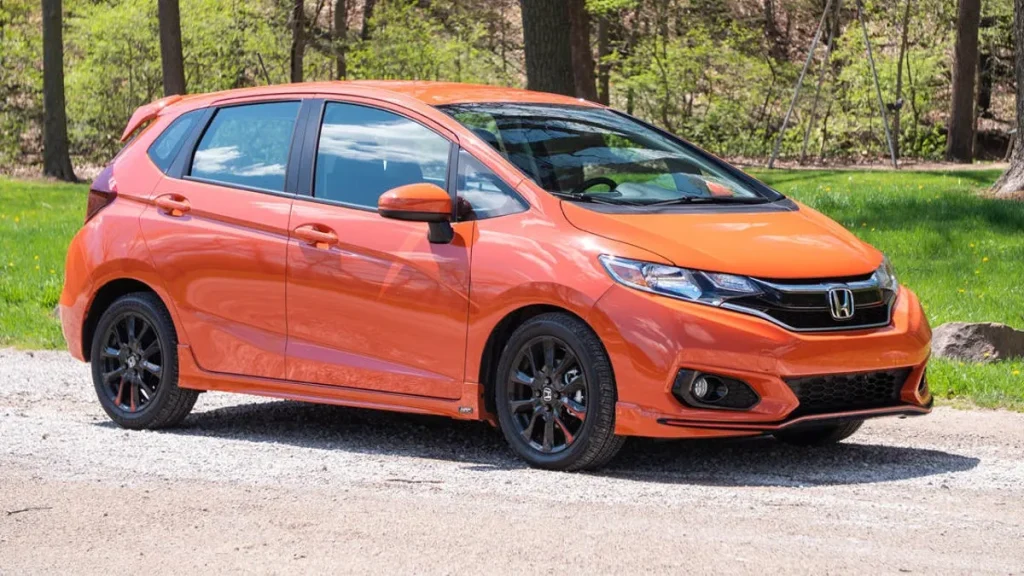
I included the Honda Fit because it is one of the most honest urban vehicles ever made. It does not try to look expensive or aggressive. It tries to be useful. In a city, usefulness wins. The Fit proves that urban perfection is not about size or power. It is about smart design and effortless daily convenience.
2) Toyota Yaris
The Toyota Yaris feels like a city car because it is built around simplicity and manageability. It is small enough to fit into tight parking spaces, yet stable enough that it does not feel nervous on slightly faster roads. In urban life, this balance matters. You want small size without feeling unsafe or weak.
The Yaris has light steering and predictable handling. In traffic, it feels easy to control. That makes it a good match for crowded conditions where constant braking and turning is normal. It also typically offers strong fuel efficiency, which becomes very important in cities where stop-and-go burns fuel quickly.
Another advantage is service and reliability. City ownership includes frequent wear and tear. The Yaris is known for being easy to maintain. Parts are common, repairs are straightforward, and the car does not demand expensive servicing to stay healthy.
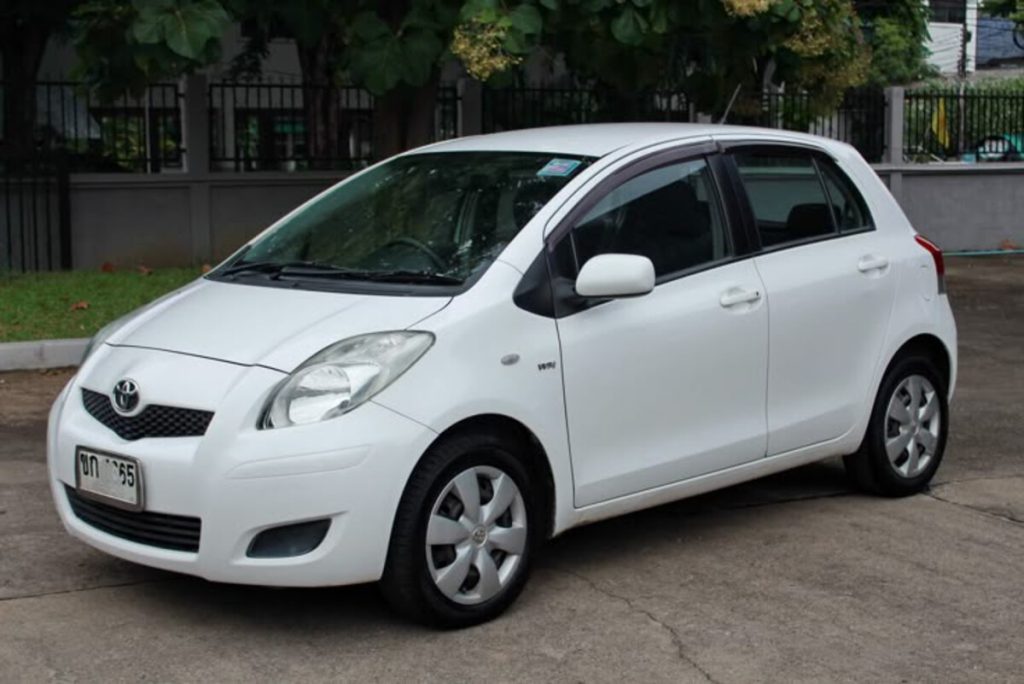
I am writing about the Yaris because it represents what city drivers often forget: reliability is urban comfort. The Yaris does not create drama. It starts every morning, handles traffic, parks easily, and keeps costs low. That is exactly what an urban vehicle should do. It feels designed for city survival.
3) MINI Cooper
The MINI Cooper is a stylish urban car that actually matches city needs, not just city looks. Many cars look “cute and urban” but still feel annoying in tight spaces. The MINI is different. Its compact footprint makes parking extremely easy. In crowded city streets, it fits naturally, and that reduces stress.
The MINI also has a very tight turning circle and quick steering. This makes it excellent for sharp turns, narrow streets, and parking manoeuvres. In cities with complex road layouts, the MINI feels like a shortcut machine. It can slip through gaps and make turns without wide swings.
Another reason it feels urban is how it makes the driver feel. Cities can be stressful, and a small, confident car reduces that stress. The MINI gives a feeling of control. You feel like you can place the car wherever you want. The upright seating also helps visibility, which supports city awareness.
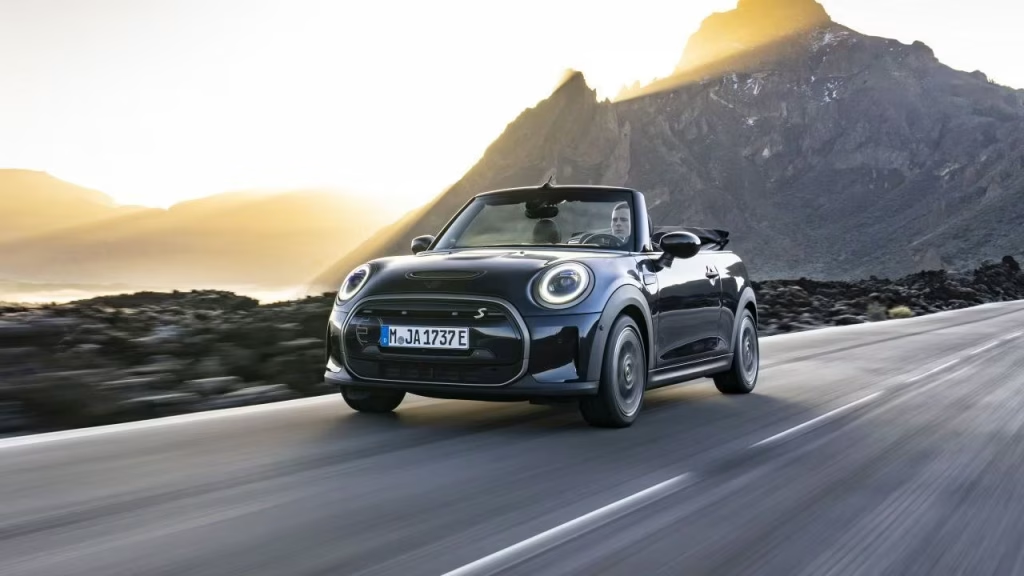
I included the MINI Cooper because it proves that urban vehicles can be both fun and practical. It is not just about being small. It is about being easy. The MINI is one of the few cars that genuinely feels like it belongs in a city environment.
4) Hyundai i10
The Hyundai i10 feels built for city streets because it is compact, light, and easy to manoeuvre. In dense urban environments, this kind of small car is often the smartest choice. The i10 does not waste space. It fits into parking spots that bigger cars cannot even attempt.
The i10’s steering is light and relaxed, making it easy to drive in stop-and-go traffic. It also has a manageable turning radius, so even narrow roads feel less scary. When you are constantly weaving through traffic and making tight turns, these small advantages save energy and make driving feel less tiring.
Another advantage is practicality. The i10 is a small car, but it is designed with daily use in mind. It offers useful cabin space, decent storage, and good visibility. In cities, being able to see corners and judge distance is extremely important.
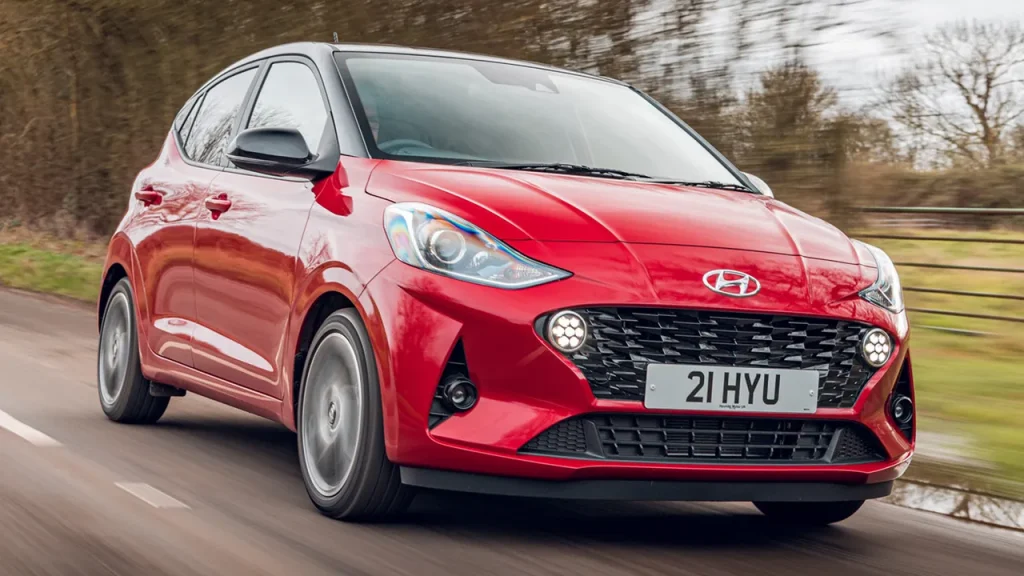
I am writing about the i10 because it represents pure city intelligence. It is not a car you buy for highway dominance. It is a car you buy to survive traffic, parking, and tight streets with ease. That is why it feels designed for urban use.
5) Nissan Kicks
The Nissan Kicks feels like a modern urban crossover because it combines small size with SUV-style comfort. Many city owners want a higher seating position without buying a large SUV. The Kicks fits this need well. It offers city-friendly proportions but still provides that crossover posture people like.
In city conditions, the Kicks is easy to maneuver. It does not feel bulky, and parking is manageable compared to bigger SUVs. The steering is tuned for convenience at low speeds, which helps in heavy traffic. Visibility is also generally good, giving drivers confidence in crowded streets.
The Kicks also feels practical for daily life. It has enough cargo room for city errands, groceries, and small travel needs. It is efficient too, which matters because city fuel consumption can be high.
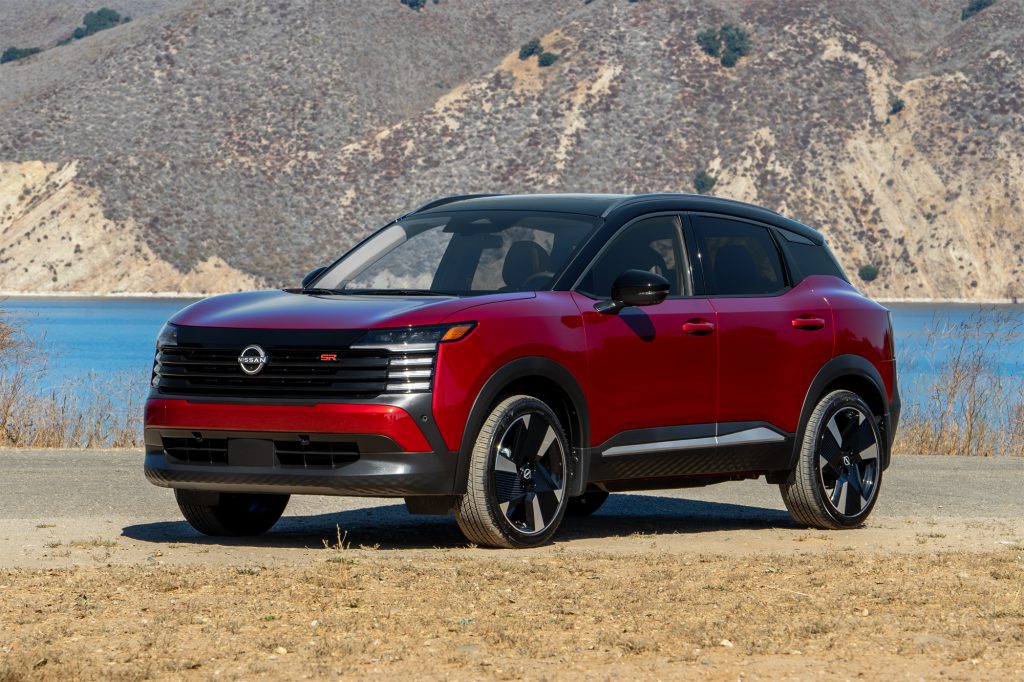
I included the Nissan Kicks because it represents the modern urban SUV idea done right. It gives you the SUV feel without turning daily life into parking stress. In a city that matters. The Kicks feels designed for urban drivers who want comfort, visibility, and easy manoeuvring in one package.
5 That Clearly Aren’t
Some vehicles feel like they were built for a completely different world than a city. They may be excellent on highways, perfect for long-distance road trips, strong for towing, or capable for off-road adventures.
But the moment you bring them into a dense urban environment, their weaknesses show up immediately. The streets feel too narrow.
Parking becomes stressful. Turning feels like moving a ship. Fuel bills start rising. The driver begins thinking more about the vehicle’s size than about the road. That is usually the clearest sign a vehicle is not designed for urban use.
Cities have strict demands. A city vehicle must fit into tight spaces, handle sharp turns, and stay calm in stop-and-go traffic. It should also be easy to park in crowded areas, and it should not force you to plan your entire route around space.
When a vehicle is too long, too wide, or too heavy, it instantly feels out of place. In cities, you need precision. Bigger vehicles reduce precision because they reduce your margin of error.
Another issue is daily fatigue. Driving a large vehicle in the city requires more focus, more cautious speed control, and more patience. Even simple errands feel heavier. Owners often start avoiding certain roads because they feel too tight.
They avoid underground parking because ramps feel too narrow. They avoid crowded marketplaces because parking is impossible. That is not freedom. That is adjusting your life around your vehicle.
I am writing about these five vehicles because they represent common “dream choices” that many people buy for image, power, or space. But in true city life, they feel like a mismatch. These vehicles might still be amazing machines, but they are not urban tools.
For city drivers, this list is a reminder that not every impressive vehicle is practical. The best vehicle is the one that fits your daily reality, not the one that looks biggest in photos.
1) Chevrolet Suburban
The Chevrolet Suburban is one of the most capable family SUVs in the world, but it clearly is not designed for urban use. Its biggest strength is also its biggest weakness: size. The Suburban is long, wide, and heavy, which makes it comfortable and spacious on open roads. But in cities, that same size becomes a daily problem.
Parking is the first major challenge. Most city parking spaces are not designed for a Suburban. Even if you find a space, maneuvering into it can take multiple attempts.
Parallel parking becomes extremely stressful, and tight parking garages feel like obstacle courses. In crowded city areas, this becomes worse because traffic pressure builds quickly when you are trying to park a large vehicle.
Turning and maneuvering also highlight its lack of urban friendliness. The Suburban needs wide turns and plenty of room to rotate. In narrow streets, it can feel uncomfortable and slow. You often feel like you are taking more space than the road allows, which creates stress.
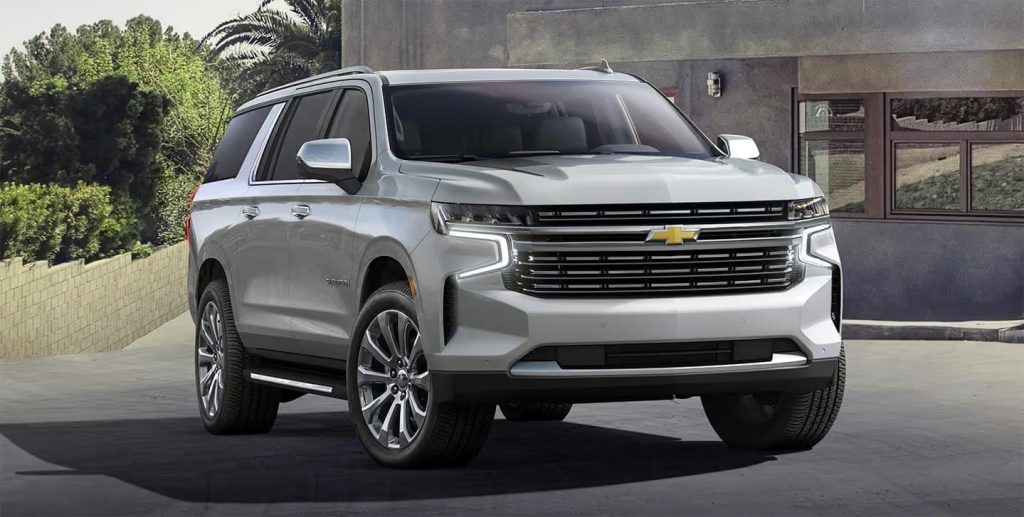
I included the Suburban because it represents the extreme “family haulier” vehicle. It is brilliant if you live in a space-friendly environment or if you truly need a huge interior room.
But in real urban life, it feels like overkill. It forces you to drive more cautiously, search longer for parking, and avoid certain roads. That is the opposite of urban convenience.
2) Ford F-150
The Ford F-150 is a legendary pickup, but in urban environments it feels like the wrong tool. A pickup truck is built for work, towing, hauling, and open-road stability. In the city, those strengths rarely matter daily. What matters is manoeuvrability, parking ease, and comfort in tight spaces, and the F-150 struggles with those demands.
The F-150’s length and width make city driving more stressful. In traffic, it takes up more road space than most cars, which reduces flexibility.
In narrow lanes, the driver feels constantly aware of side clearance. Parking is also difficult. Many city parking spots are too short, meaning the truck often sticks out even when you manage to park.
Another issue is turning radius. Full-size pickups require wider turns, and that makes tight city corners harder. U-turns are often not possible without reversing. In crowded areas, this becomes annoying quickly.

I am writing about the F-150 because many people buy it for lifestyle and image, not work use. If you truly need a truck, it makes sense. But if your life is mostly urban commuting and errands, the F-150 becomes more effort than benefit. It is powerful and capable, but it is not designed to feel easy in city life.
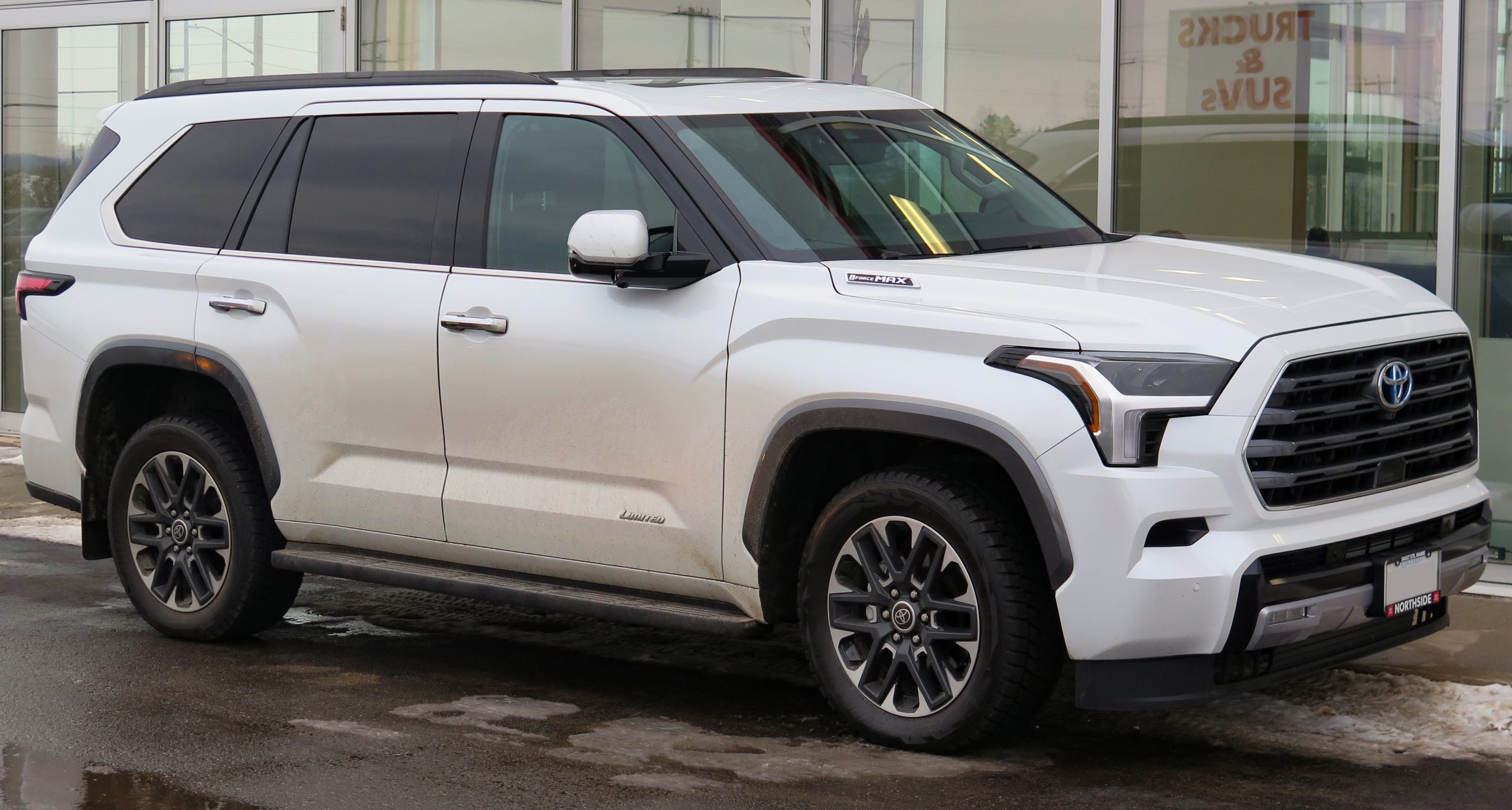
3) Toyota Sequoia
The Toyota Sequoia is a large SUV built for long-distance comfort, large families, and heavy-duty capability. It is a strong machine and can last years, but it clearly is not designed for urban convenience. The Sequoia feels big in every way, and that size becomes exhausting in city conditions.
The main issue is daily maneuvering. The Sequoia is wide, and city lanes feel tighter around it. It requires more careful steering and constant awareness of clearance. Parking is also difficult because the vehicle needs large spaces. Many owners in cities end up wasting time searching for parking that can fit it comfortably.
Fuel consumption is another city problem. Big SUVs burn fuel heavily in stop-and-go traffic. Cities naturally make fuel efficiency worse, so vehicles like the Sequoia feel especially costly to run daily.
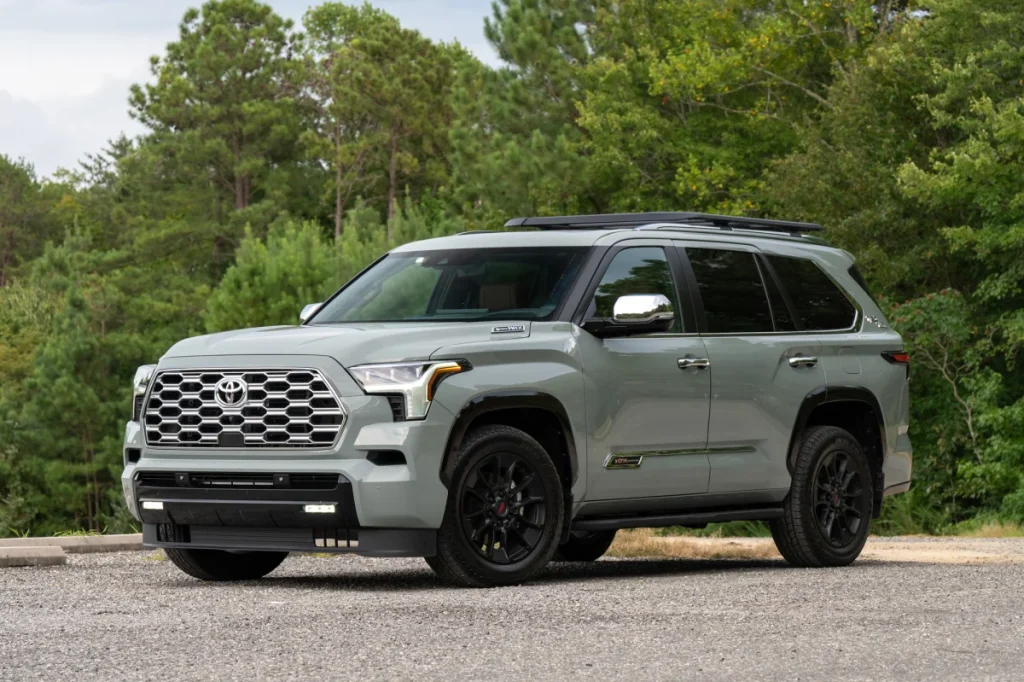
I included the Sequoia because it represents the classic “big SUV dream.” People love the idea of maximum space and power. But in urban reality, that dream often becomes frustration. The Sequoia shines on highways and road trips. In city life, it feels like you are carrying unnecessary bulk every day.
4) Jeep Gladiator
The Jeep Gladiator is a pickup version of the Wrangler, and it clearly is not designed for city ease. It is designed for adventure, off-road trails, and lifestyle excitement. In the city, its long body and truck design create practical problems.
The Gladiator’s length makes parking difficult. In cities, you often need to fit into small spaces, and a long pickup body limits your options.
Even if the truck fits, it might stick out, which can create trouble in busy areas. Maneuvering is also less smooth than in a normal crossover. The steering and ride are not tuned for city comfort.
Another issue is comfort. The Gladiator rides like a rugged vehicle, not a smooth city commuter. On potholes and broken city roads, it can feel bouncy and loud. That makes daily traffic less pleasant.
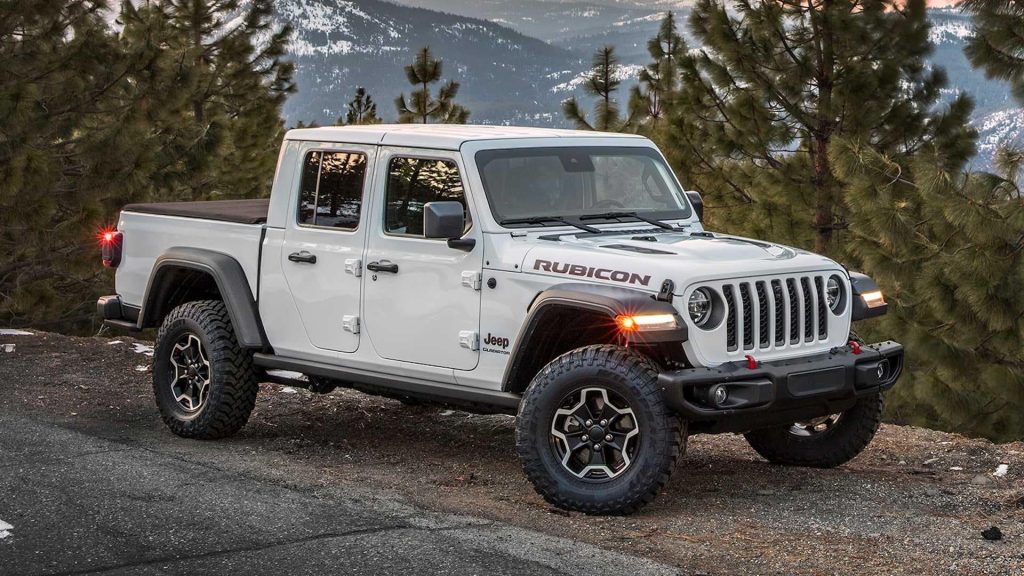
I am writing about the Gladiator because it is one of those vehicles people buy for personality. It looks cool and feels unique.
But it is not urban-friendly. In a dense city, it demands more space, more patience, and more compromise. It belongs better in open environments than crowded streets.
5) Mercedes-Benz G-Class
The Mercedes-Benz G-Class is iconic, but it clearly is not designed for practical urban life despite being seen in cities. Yes, many people drive it in urban areas, but the G-Class is a vehicle that feels heavy, tall, and wide in tight streets. It was built as a rugged military-style SUV, and even in its luxury form, it keeps that bulky personality.
The G-Class is difficult to park and difficult to squeeze into narrow lanes. Its width makes it stressful near tight curbs and traffic. Its high cost also adds anxiety. City life includes scratches, bumps, and careless parking neighbors. In a G-Class, every small mark feels painful.
Another issue is fuel consumption and daily operating cost. The G-Class is expensive to run, especially in traffic. In cities, those costs rise further.
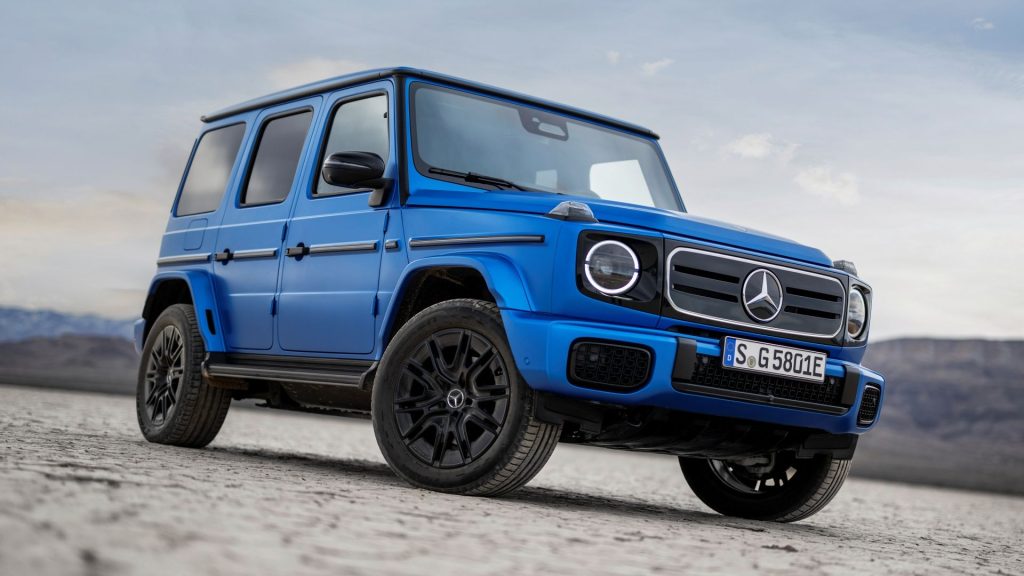
I included the G-Class because it represents a luxury vehicle that is more about statement than convenience. It is impressive and iconic, but in practical terms, it is not an urban tool. It demands space and patience, which is the opposite of what cities reward.
