City car ownership is not only about driving. It is also about servicing. In major cities, people drive in heavy traffic, stop frequently, brake constantly, and deal with heat, dust, pollution, and potholes.
This kind of driving increases wear on parts like brakes, suspension components, tires, and fluids. That means servicing matters more than most people think.
A car that is easy to maintain in a city can save you time, money, and stress. You get faster repairs, cheaper parts, and fewer situations where your vehicle sits at a workshop waiting for something “special” to arrive.
What makes a car easy to service in cities is often practical, not glamorous. It is about how common the vehicle is, how widely available parts are, and how familiar mechanics are with its engine and systems.
Cars that sell in big numbers usually have a huge service ecosystem around them. Workshops know them well, spare parts are stocked everywhere, and even roadside repairs become easier because technicians understand the vehicle immediately.
These cars also often have simpler engineering and fewer complicated electronics, which reduces repair time and reduces chances of long diagnostic delays.
On the other side, some cars are difficult to service in city conditions. This is not always because the cars are unreliable. Many are excellent machines. The problem is service complexity.
Some vehicles require specialized diagnostic tools, expensive parts, or highly trained technicians who are not available in every area.
Some have limited part availability, meaning even a small repair can take days. Others are engineered in a way that makes basic jobs like changing filters or fixing sensors more labour-intensive.
That is why this article compares two categories. First, we will cover five cars that are easy to service in cities, meaning they benefit from strong parts availability, wide workshop support, and straightforward maintenance.
Then we will cover five cars that are not easy to service, meaning they often require more time, higher costs, and more effort to repair in urban environments. The goal is to help buyers choose not just a car they like, but a car they can actually live with comfortably in city ownership.
Also Read: 5 Performance Cars That Handle City Streets vs 5 That Are Miserable
5 Cars That Are Easy to Service in Cities
If you live in a city, a car’s service experience becomes part of your daily life sooner or later. Even if a car is reliable, you still need oil changes, brake servicing, tire replacements, fluid checks, filters, and occasional wear repairs.
In city driving, these needs come faster because of traffic stress and rough road conditions. That is why it is not enough for a car to be “good.” It must also be easy to keep running.
Cars that are easy to service in cities usually share three big advantages. First, they are common. When a car sells in high numbers, parts supply grows naturally. Even smaller workshops keep components in stock, and mechanics learn the vehicle quickly.
Second, these cars often have simple, proven engineering. That reduces the chance of complex failures and makes repairs faster. Third, there is usually a strong dealership and independent workshop network, meaning you have more options.
In city life, options matter. If one workshop is busy, you can go to another. If a part is not available in one place, it can be found in another.
Easy service also means predictable costs. Some cars become expensive not because they break often, but because every job is labor-intensive. In contrast, city-friendly service cars are designed straightforwardly.
They allow mechanics to reach components easily, which reduces labor time. Diagnostics are also simpler when cars have well-known engines and standard systems.
I am writing about these five cars because they represent ownership peace of mind. For city drivers, time is valuable. Nobody wants to lose half a day for a small repair. Nobody wants a situation where the workshop says, “Part will arrive next week.”
These five cars are chosen because they avoid those problems. They are supported by a strong service ecosystem and remain practical to maintain in real city life. They are the kind of cars that keep your routine stable, even when something needs fixing.
1) Toyota Corolla
The Toyota Corolla is one of the easiest cars to service in any major city because it is common, reliable, and supported by a massive parts ecosystem. This is not just a reputation.
In practical ownership, it means you can find parts quickly and easily, and most mechanics already know the Corolla inside out. Even if you do not go to an official service center, independent garages usually have experience with it.
The Corolla’s engineering is also built around long-term simplicity. Routine servicing like oil changes, filters, spark plugs, and brake servicing is straightforward.
Mechanics do not struggle to access basic components, which keeps labor time low and keeps costs predictable. That matters a lot in city life, where you may need quick repairs without spending days in workshops.
Spare parts availability is another major advantage. Corolla parts are widely stocked because demand is always high. That means even when something small fails, you do not face long waiting times. In cities, waiting time is as painful as cost. The Corolla avoids this because its supply chain is strong.
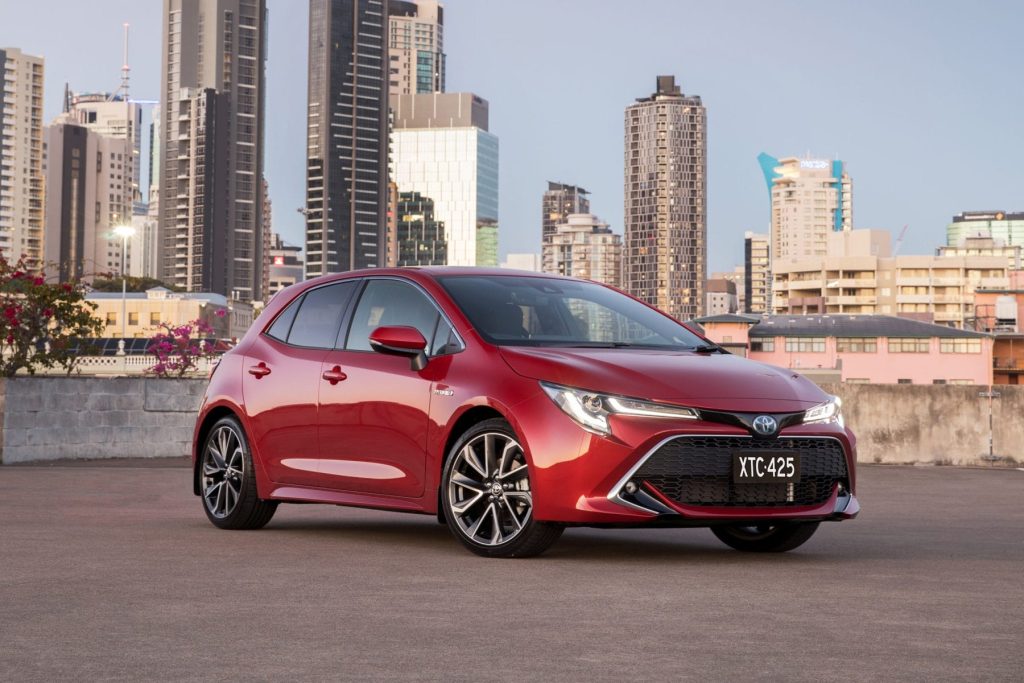
I am writing about the Corolla because it represents stress-free servicing. Many cars offer comfort and features, but if servicing becomes complicated, ownership becomes annoying. The Corolla rarely creates that kind of frustration.
It is the kind of car where maintenance feels routine instead of dramatic. For city owners, that reliability plus service convenience makes it one of the smartest choices.
2) Honda Civic
The Honda Civic is another city servicing champion because it has strong workshop familiarity and dependable parts availability. In major cities, Civics are everywhere, which means service knowledge spreads quickly. Even if you visit a smaller independent garage, chances are the mechanic has already worked on multiple Civics.
Routine maintenance is simple and well understood. Oil changes, filters, brake pads, suspension components, and other common service items are easily available.
This reduces the risk of being stuck waiting for parts or needing special ordering. In city life, where vehicles face traffic and braking stress, brake and suspension work is common. The Civic makes those repairs relatively easy and predictable.
The Civic also benefits from a large support network. Dealer service is widely available, but independent support is also strong. This matters because it gives owners flexibility. If dealership service is expensive or busy, the Civic can still be serviced confidently in other workshops. That flexibility makes the car very practical in cities.

I included the Civic because it is an example of a modern car that still stays service-friendly. Some newer vehicles become complicated with electronics and special systems.
The Civic stays balanced. It has modern features, but it is still easy to maintain. For city owners who want a car that feels modern but does not punish them in servicing, the Civic is a strong choice.
3) Hyundai Elantra
The Hyundai Elantra has become easier to service in cities because Hyundai’s service network and parts availability have grown massively. In many major cities, Hyundai workshops and trained technicians are common. That means owners can find service support quickly without searching too hard.
Spare parts for the Elantra are increasingly accessible, and common wear parts like brake pads, filters, belts, and suspension components are easy to find.
This matters in cities because these are the parts that get used heavily. Stop-and-go traffic wears brakes. Bad roads wear suspension. If parts are easily available, repairs stay faster.
The Elantra also benefits from predictable maintenance schedules. City owners often want cars that do not surprise them. Hyundai vehicles usually have clear servicing requirements and practical designs that do not create labor-heavy jobs for simple repairs. That keeps the servicing cost more reasonable.

I am writing about the Elantra because it shows how modern mainstream cars can be practical to service. Some people assume only Toyota and Honda dominate service convenience, but Hyundai has built a strong ecosystem.
In cities, where you want faster repairs and less downtime, the Elantra offers a servicing experience that feels simple and accessible.
4) Maruti Suzuki Swift
The Maruti Suzuki Swift is one of the easiest cars to service in Indian cities because its service ecosystem is enormous. In almost any major city, you can find multiple service centers and countless independent garages that work on Swifts daily. This means servicing becomes easy, fast, and usually affordable.
Spare part availability is a huge strength. Since the Swift has sold in massive numbers, parts are everywhere. Even small workshops stock Swift-compatible components. This reduces waiting time, which is critical in city life. For daily commuters, downtime is the real enemy.
The Swift also has simple engineering. Many repairs are straightforward, and mechanics can access components easily. That keeps labor cost lower and repair time shorter. In city driving, when you need frequent brake servicing or suspension checks due to potholes, this ease of repair matters.
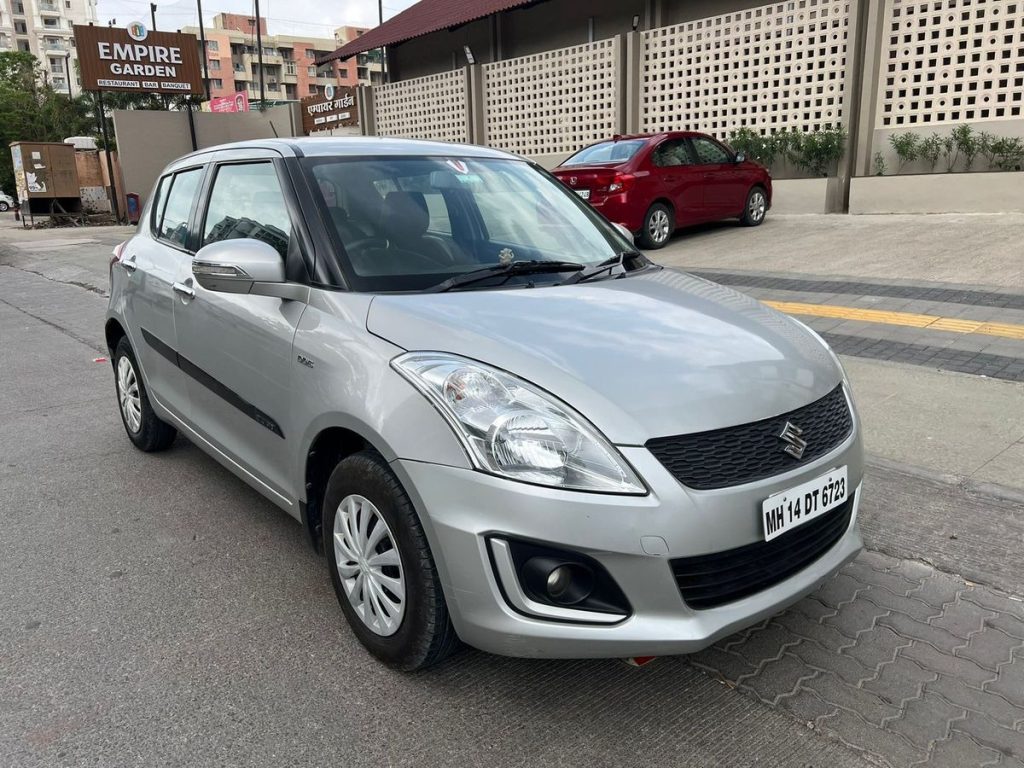
I included the Swift because it represents the perfect “service convenience” city car. It may not be the most luxurious, but it is one of the least stressful cars to own. For city owners who want low-cost servicing and maximum support, the Swift remains a top choice.
5) Toyota Innova Crysta
The Toyota Innova Crysta is easy to service in cities because it is widely used as both a family vehicle and a commercial vehicle. That high usage creates a strong service ecosystem. Mechanics know it well, and parts availability is strong. In many cities, the Innova is one of the most familiar vehicles to workshops.
The Crysta is also engineered for durability. That reduces sudden complex failures, and it makes servicing feel routine rather than complicated. Wear parts are easy to source because the vehicle is so common. Suspension parts, brakes, filters, and other components are widely available.
Another reason it is easy to service is that it is built for heavy use. Cities create heavy use conditions, especially for vehicles carrying people regularly. The Crysta is designed to survive that. Even when repairs are needed, workshops know the process well, which speeds up servicing.
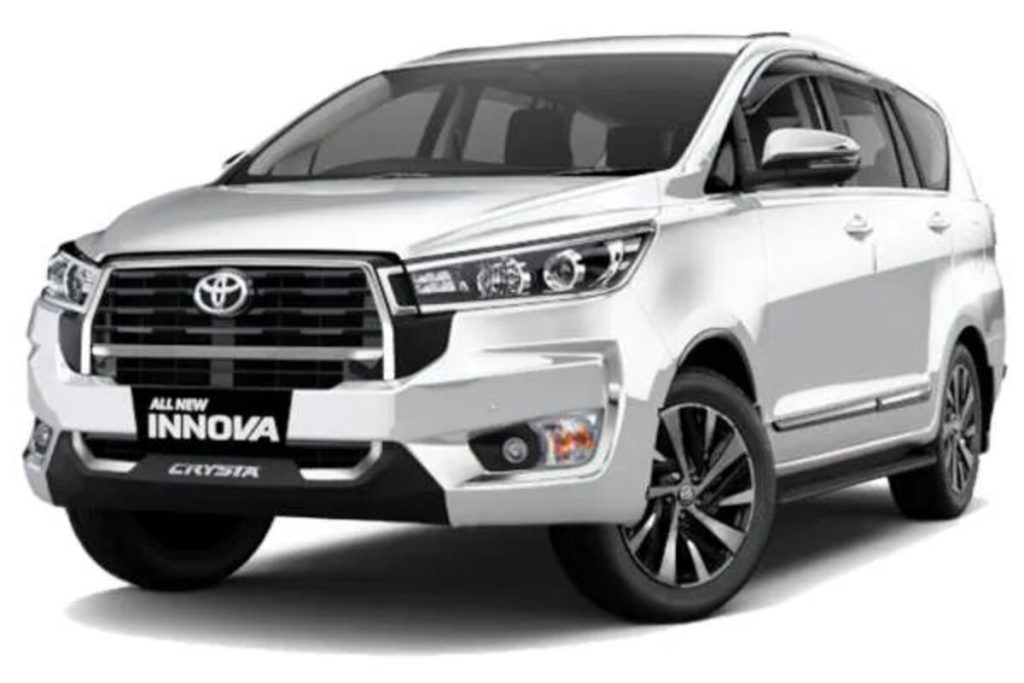
I am writing about the Innova Crysta because it is a great example of a vehicle built for real-world use. Servicing is not just about cost.
It is about confidence. Owners want to know their vehicle can be fixed quickly when needed. The Innova Crysta delivers that comfort, which is why it is so respected in urban ownership.
5 That Aren’t
Some cars are not difficult to service because they are “bad cars.” They are difficult because they are complicated cars. In major cities, most owners want quick service, quick parts availability, and predictable repair costs. But certain vehicles demand the opposite.
They need specialized diagnostic equipment, brand-specific tools, specially trained technicians, and parts that are not always stocked locally. Even small issues can take longer to solve, and what should be a simple repair can turn into a long waiting game.
The biggest reason cars become difficult to service in cities is specialization. Luxury brands and niche models often require unique systems and software. Many independent garages either do not have the equipment or do not want to take the risk.
That forces owners to depend heavily on dealerships. Dealership service may be high-quality, but it can also be expensive and time-consuming, especially if appointments are limited.
Parts availability is another major pain point. Cars that are not common do not have the same spare part ecosystem. For some models, even basic components must be ordered, which increases waiting time. In city life, waiting time feels like punishment.
People need their cars daily. If your vehicle sits in a workshop for several days because one part is unavailable, ownership becomes stressful even if the car drives beautifully.
Complex electronics also contribute. Modern cars have sensors everywhere, and in some vehicles, a small sensor failure can trigger multiple warning lights, forcing long diagnostic sessions.
Some systems are tightly integrated, meaning replacing one part requires recalibration of another. These problems are not always frequent, but when they happen, they are frustrating.
I am writing about these five cars because many buyers ignore service reality while shopping. They focus on looks, badge, or performance. But city ownership is practical. You want a car that can be fixed quickly, cheaply, and confidently.
These cars are not the easiest in that sense. They may be great cars, but their servicing experience in cities often feels slow, expensive, and inconvenient compared to mainstream models.
1) Land Rover Range Rover Evoque
The Range Rover Evoque is a stylish luxury SUV, but it is not easy to service in most cities unless you have strong dealership support. One reason is complexity.
The Evoque is packed with electronics, sensors, and advanced systems that require specialized tools. Independent garages often hesitate with luxury SUVs like this because diagnostics can be tricky, and wrong repairs can create more problems.
Parts availability can also be an issue. Many Range Rover parts are expensive and not always stocked locally, especially in markets where the brand has limited volume compared to Toyota or Hyundai. Even small repairs may involve ordering parts. That increases downtime, which is the biggest pain for city owners who need daily reliability.
The Evoque’s service experience can also be sensitive to proper maintenance schedules. Luxury SUVs like this often demand strict servicing.
If owners skip maintenance or delay it, issues can become more complicated. In cities, where stop-and-go driving increases heat and stress, maintenance becomes even more important, but also more expensive.
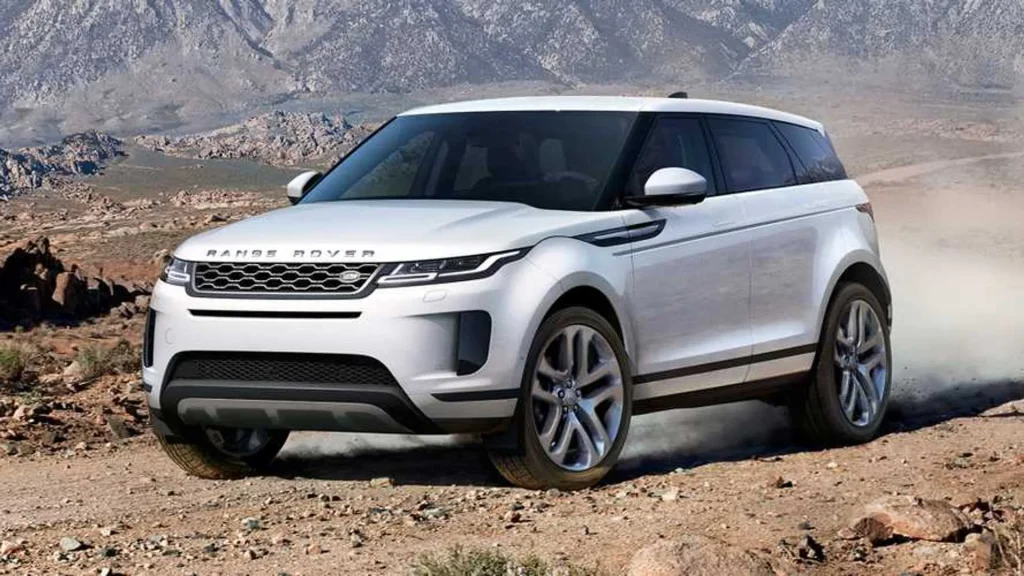
I included the Evoque because it represents the “premium lifestyle” car that can become a service headache. It looks amazing, feels premium, and offers strong comfort.
But in real city ownership, it often demands more money and more patience than mainstream cars. Servicing it can feel less convenient and more dependent on high-end workshops.
2) BMW 7 Series
The BMW 7 Series is a flagship luxury sedan, and that luxury comes with service complexity. Servicing a 7 Series in cities is often difficult because the car is filled with high-end technology, specialized systems, and advanced electronics. Even small failures can require detailed diagnostics and dealership-level tools.
Parts and repairs are also expensive. Many 7 Series components are not common, so they are not widely available in independent parts markets.
That means delays, special ordering, and higher costs. In city ownership, where wear items like brakes and suspension components face stress from potholes and traffic, those expensive parts can make maintenance feel painful.
Another issue is labor intensity. Some repairs on the 7 Series require significant time because of how tightly the car is packaged. Luxury sedans often pack systems tightly for design and performance reasons, but that makes servicing harder. In contrast, mainstream cars are designed for easier access.
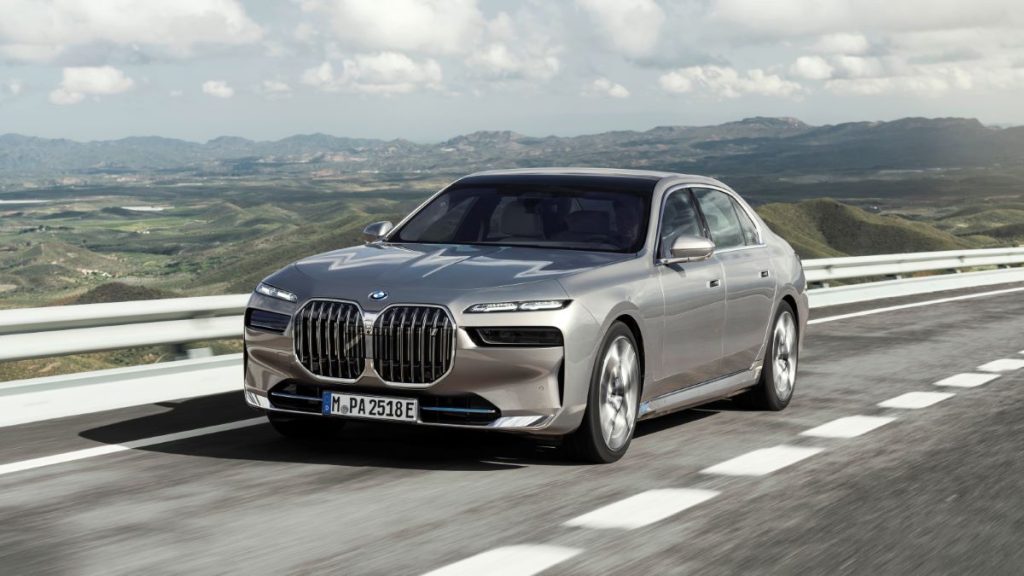
I am writing about the 7 Series because it shows how flagship luxury can be inconvenient. It offers incredible comfort and prestige, but it is not built for easy city servicing.
Owners often need dealership dependence, and even routine repairs can cost significantly more than normal. In a city, that can feel like too much burden for daily life.
3) Jaguar XE
The Jaguar XE is a beautiful sedan and a driver-focused car, but servicing it can be challenging in cities because Jaguar has a smaller ecosystem than brands like Toyota or Honda.
The biggest issue is workshop availability. Not every city has strong Jaguar support, and independent garages may not be experienced with Jaguar-specific systems.
Parts availability is another challenge. Since Jaguar vehicles are not sold in huge volumes, spare parts are not always easy to find quickly. Even routine items may take longer to source than on mainstream sedans. This means longer downtime in workshops, which city owners usually hate.
The XE also has complex electronics, and that can create service frustration. Modern Jaguars are sophisticated, but sophistication often means more diagnostic work when something goes wrong. The need for specialized tools makes it difficult for smaller workshops to service confidently.
I included the Jaguar XE because it is a classic “heart over head” car. People buy it because it feels special and different.

But city ownership rewards service convenience, and the XE does not always deliver that. It can be a wonderful sedan, but owners must accept that servicing may be more complicated, more expensive, and more time-consuming.
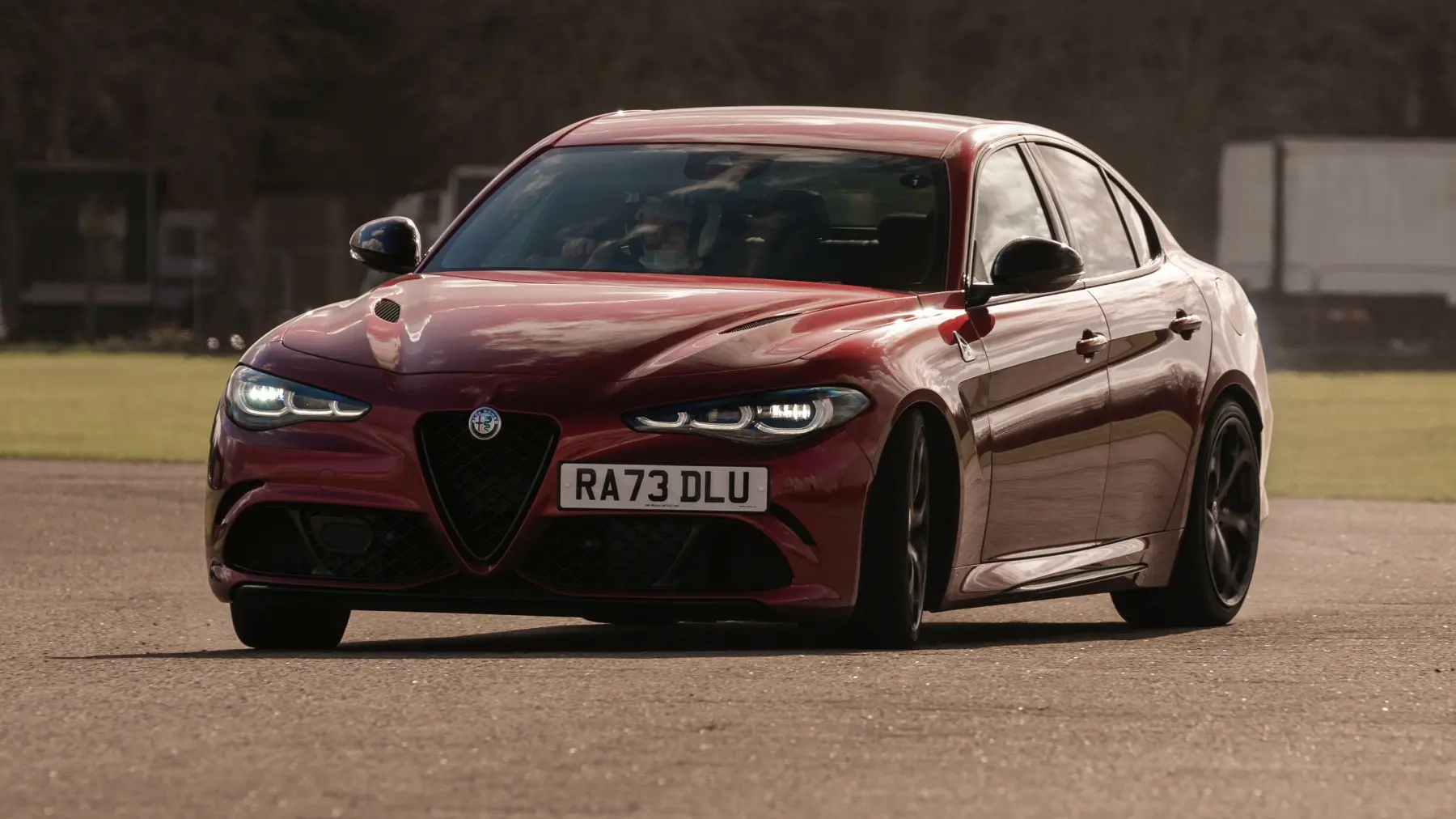
4) Alfa Romeo Giulia
The Alfa Romeo Giulia is famous for driving excitement, but it is also known for being harder to service compared to mainstream sedans.
The primary reason is brand ecosystem. Alfa Romeo service networks are smaller, and parts availability can be less predictable. In cities, this can create frustration when you need quick repairs.
The Giulia is also heavily technology-driven. It has advanced systems that may require specialized diagnostics. Independent garages often do not have the correct tools or training, meaning owners may rely on authorized service centers. That increases cost and reduces flexibility.
Parts cost is another issue. Alfa Romeo parts can be expensive, and since the car is not extremely common, stocking is limited. Even basic servicing may cost more than expected. In city driving, where frequent braking and rough roads increase wear, these higher costs become noticeable.
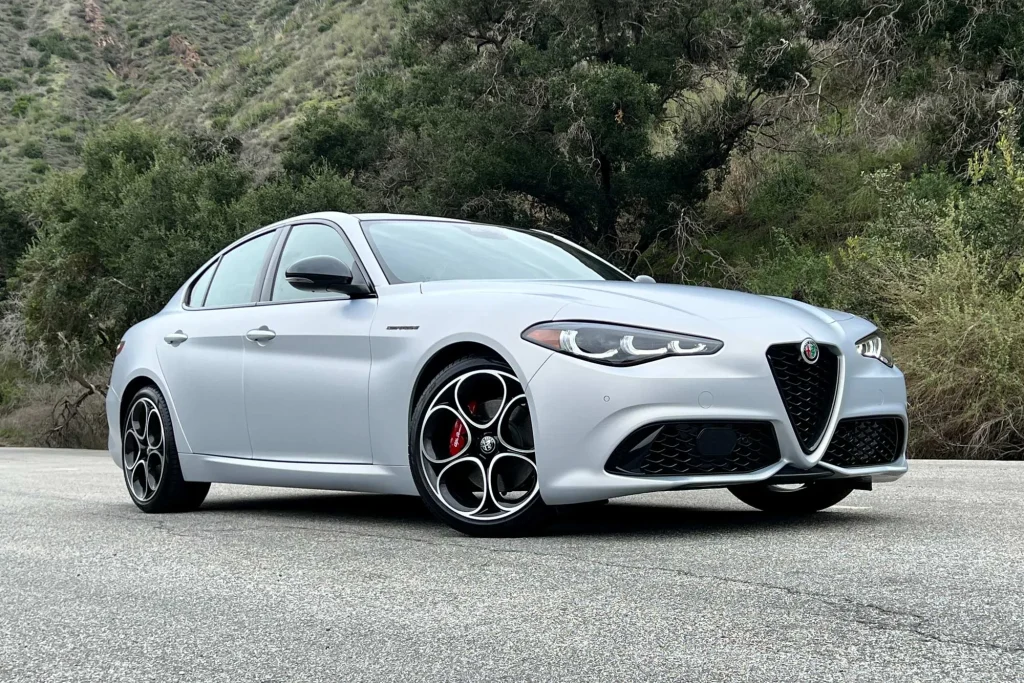
I included the Giulia because it represents the kind of car people buy for emotion and style. It is not a “service convenience” choice. It is a passion choice. In city ownership, passion cars can become frustrating when servicing needs grow, because you lose time and spend more than you expected.
5) Tesla Model S
The Tesla Model S is advanced and fast, but it can be difficult to service in cities depending on service center access. Unlike traditional cars with large independent garage networks, Tesla’s servicing is often limited to Tesla-specific service points. This means your convenience depends heavily on how strong Tesla support is in your city.
Repairs can also involve waiting, because parts availability and scheduling depend on Tesla’s own ecosystem. Even if the car is reliable, when something does go wrong, you may not be able to visit just any workshop. That lack of flexibility is a disadvantage compared to mainstream cars.
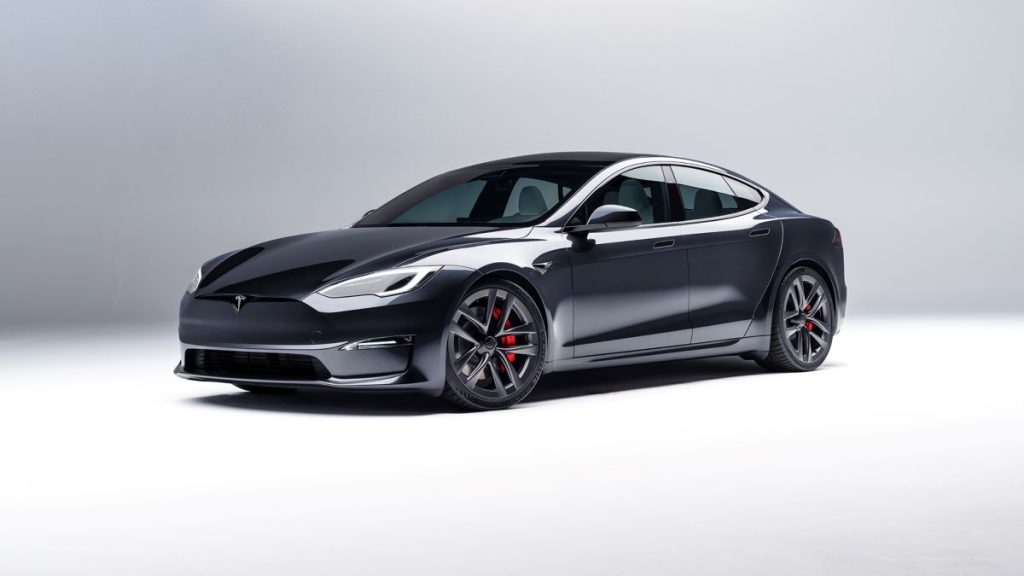
Another complication is the heavy reliance on electronics and software. Many issues may require software checks, sensor recalibration, or specialised repair processes. Traditional mechanics cannot easily handle these tasks. This creates dependence on authorised service.
I am writing about the Model S because it represents modern EV ownership challenges. It offers an amazing driving experience, but servicing is not as open and flexible as that of normal cars. For city owners, that can mean delays and higher inconvenience during repairs, especially if service centers are limited or booked.