Electric vehicles feel like they were invented for cities. They are quiet in traffic, smooth at low speeds, and they do not waste fuel while idling at signals. For many city owners, an EV solves daily problems in a way petrol cars never could.
Charging at home can feel like a superpower. You wake up with a “full tank,” skip petrol pumps, and enjoy cheap running costs in stop-and-go conditions. Add instant torque for quick gaps in traffic and regenerative braking that reduces brake wear, and EVs start looking like the perfect urban machine.
But EV ownership is not automatically easy, especially in major cities. Some EVs are designed to fit city lifestyles with the right size, reliable range, efficient energy use, and practical charging options.
These EVs are the ones that feel natural for daily commuting, errands, and tight parking. They are not stressful to live with. They are simply smart.
On the other hand, some EVs complicate daily use. That does not always mean they are bad vehicles. Many are impressive and powerful. The problem is that certain EVs demand more planning, more charging attention, and more patience than city owners expect.
Some are too large for crowded streets. Some rely heavily on fast charging infrastructure that may not be consistent in every area. Some have massive batteries that increase cost and weight without giving real benefit for normal city driving. Others have odd cabin layouts or complicated technology that becomes annoying in everyday life.
That is why this article compares two groups. First, we will cover five EVs that make sense for city owners, models that deliver smooth city usability without drama.
Then we will move to five EVs that complicate daily use, vehicles that may look exciting but create practical challenges for urban living. The purpose is simple: help city drivers choose an EV that fits their routine rather than forcing their routine to fit the EV.
Also Read: 5 Vehicles That Age Well in Cities vs 5 That Show Wear Too Soon
5 EVs That Make Sense for City Owners
A city-friendly EV does not need to have the biggest battery or the fastest acceleration. What city owners actually need is daily convenience. That means an EV that feels easy to drive in traffic, easy to park, and easy to charge.
It should have enough real-world range for commuting plus errands without creating anxiety. It should also charge efficiently, not just in ideal conditions but in real life situations like apartment parking, shared charging points, or quick top-ups at malls.
The EVs that make sense in cities usually have smart dimensions. A smaller EV reduces the stress of narrow lanes and tight parking spaces. It also tends to be more energy efficient, which increases usable range.
Many city owners also benefit from EVs with strong regenerative braking and smooth low-speed tuning, because stop-and-go driving becomes calmer and less tiring. Another factor is tech that helps daily use: easy-to-use infotainment, reliable range prediction, and clear charging management.
Charging compatibility matters too. City owners often cannot rely on perfect fast-charging access daily.
So the best city EVs are the ones that can be charged easily at home overnight or topped up quickly without needing a complicated plan. They do not force you to think about every kilometer. They simply fit into your life.
I am writing about these five EVs because they represent practical choices, not hype choices. These are EVs that feel like smart city tools. They reduce fuel costs, reduce noise stress, and make commuting smoother.
For urban owners, EV ownership should feel simple and calm. The EVs in this list are chosen because they deliver that calm, while still offering modern features and comfortable daily usability. They are the type of EVs that make you wonder why you did not switch earlier.
1) Nissan Leaf
The Nissan Leaf is one of the most sensible EVs for city ownership because it was designed to be a simple daily electric car, not a complicated tech showcase.
It delivers quiet, smooth city driving with a size that fits urban streets easily. In traffic, the Leaf feels relaxed and predictable. It does not feel bulky, and it does not demand constant attention.
One big advantage is how user-friendly the Leaf is. Many EVs feel like they require learning new habits, but the Leaf behaves like a normal car in the best way. The controls are simple, the cabin layout is straightforward, and daily driving feels stress-free.
Its electric motor is smooth, so moving in stop-and-go traffic feels effortless. Regenerative braking also helps reduce brake wear, which matters in cities where braking is constant.
Another reason it makes sense is that the Leaf is efficient for daily commuting. Many city drivers do not need extreme range. They need enough for the week and easy charging routines.
The Leaf often fits that need well, especially for owners who can charge at home or have reliable city charging access. It also tends to be more affordable than many newer EVs, which makes entry into EV ownership easier.
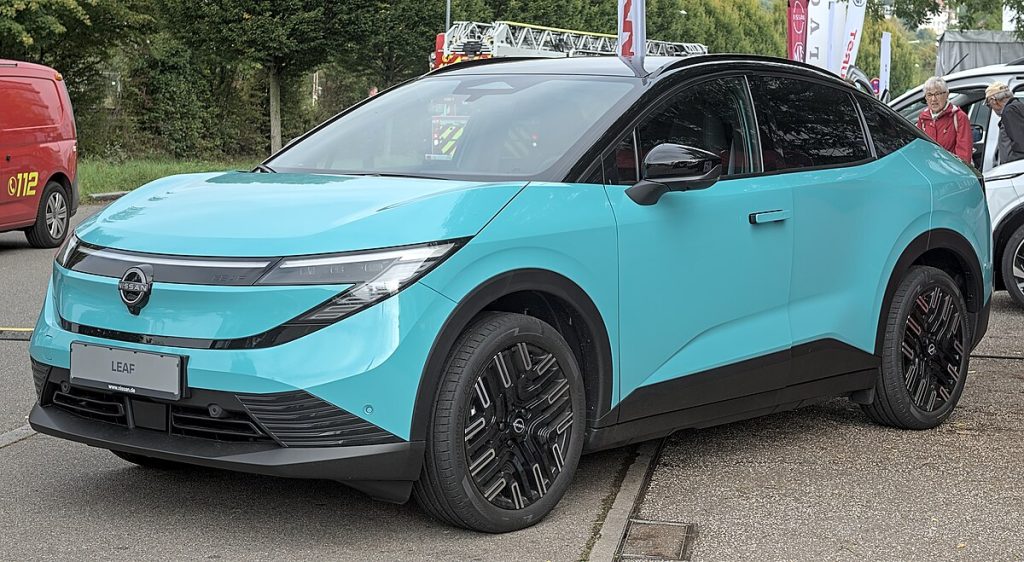
I am writing about the Leaf because it represents a practical EV lifestyle. It is not about status. It is about convenience.
It shows what EVs do best in cities: quiet comfort, cheap running, and smooth traffic behavior. For many city owners, the Leaf is still one of the smartest EV choices because it makes daily electric driving feel simple.
2) Chevrolet Bolt EV
The Chevrolet Bolt EV is a city-friendly EV because it blends compact size with strong real-world practicality. It is easy to park, easy to maneuver, and it offers enough range for daily use without pushing you into the expensive “long range luxury EV” category. In cities, that balance matters more than high performance.
The Bolt’s compact footprint makes it feel comfortable in tight streets and parking lots. This is a major benefit for city owners who deal with narrow lanes and crowded areas daily.
The Bolt also offers a tall hatchback-style design, which improves interior usability. You get decent cargo space without needing a big SUV. That makes it practical for shopping trips and daily errands.
Another strong advantage is cost efficiency. City EV owners often care about running costs, and the Bolt delivers.
It is energy efficient and does not require constant expensive maintenance. Charging is also manageable. For many owners, overnight home charging covers daily needs easily, meaning you rarely have to think about public charging.
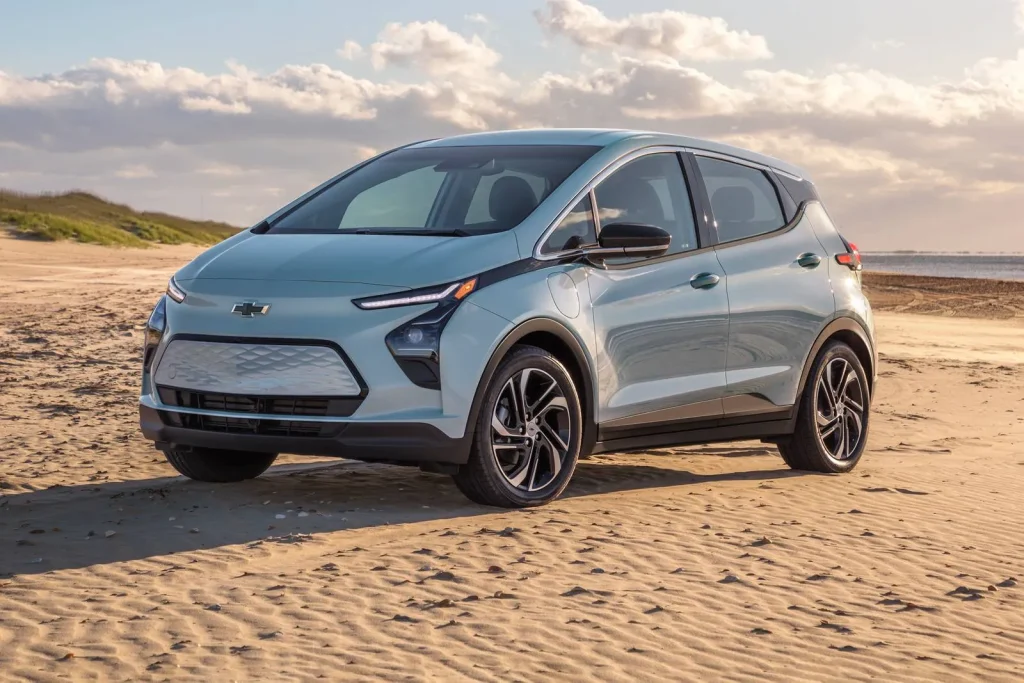
I included the Bolt because it proves you do not need a massive EV to enjoy EV benefits. It is built for everyday life, not for flexing.
In traffic it feels smooth, it handles city stops well, and it offers practical interior space in a compact body. For city owners, that is the perfect recipe. The Bolt is the kind of EV that makes daily driving easier rather than more complicated.
3) Hyundai Kona Electric
The Hyundai Kona Electric makes a lot of sense for city owners because it delivers EV practicality in a small SUV-like package. Many city buyers want a higher seating position and crossover comfort, but they still need compact dimensions. The Kona Electric fits that exact need.
In city conditions, the Kona Electric feels nimble. It is small enough to park easily, but tall enough to provide good visibility. This combination is perfect for cities where you need awareness and confidence in traffic.
Its steering and low-speed behavior are tuned for convenience, and the EV smoothness makes daily driving feel calm. The motor response is immediate, so you can move into gaps quickly without stress.
Range practicality is another benefit. The Kona Electric typically offers enough range for daily commuting without forcing you into charging anxiety.
For city owners who mostly drive short distances, this is important because you are not constantly planning your charging schedule. Charging routines can remain simple and predictable.
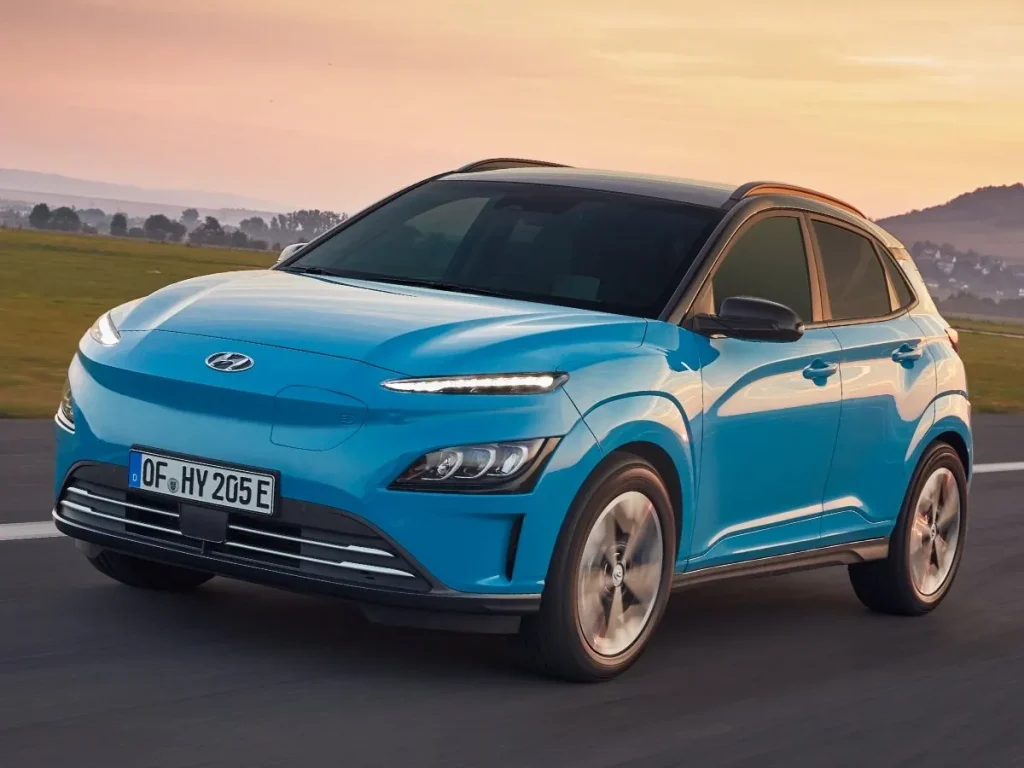
I am writing about the Kona Electric because it is one of those EVs that feels designed for real people. It gives you EV benefits, crossover comfort, and city usability in one package. It does not force you into complicated habits. It simply becomes a daily tool that reduces running costs and makes city driving smoother.
4) Renault Zoe
The Renault Zoe is a strong example of a small EV that fits city life perfectly. It was built for European urban environments, where streets and parking spots can be extremely tight. That design translates well to any major city environment. Its small size makes it easy to park, easy to maneuver, and less stressful to drive in crowded streets.
The Zoe’s biggest advantage is practicality. For city owners, small EVs often make more sense than large ones because they waste less energy and fit into smaller spaces. The Zoe feels light and efficient. You can drive smoothly in traffic without feeling like the car is too big for the environment.
Charging also becomes easier with a smaller battery and efficient system. For daily city use, you usually do not need huge range.
You need predictable range. The Zoe provides that kind of predictable urban usability. Owners who have access to home charging can treat it like a daily appliance, plug in at night, and wake up ready for another day.
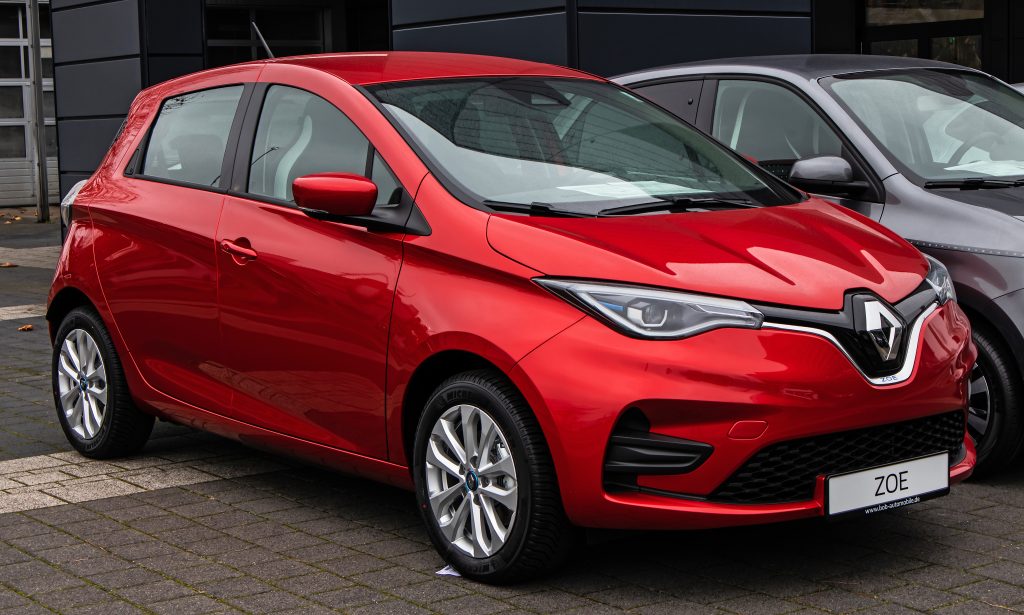
I included the Zoe because it represents the city EV philosophy in its pure form. It is not trying to be a highway monster. It is trying to be the smartest city car possible. For many urban drivers, that is exactly what an EV should be: small, efficient, quiet, and easy.
5) BMW i3
The BMW i3 is one of the most unique EVs ever made, and it makes strong sense for city owners for one reason: it was built specifically for urban driving. From its compact size to its tall seating position, everything about the i3 feels aimed at city convenience.
Its footprint is small, which makes parking extremely easy. But the cabin feels open and airy, giving you comfort without needing a large vehicle. Visibility is also excellent, and that helps in crowded city traffic. The i3’s steering and turning radius make it feel like a city specialist. U-turns and tight corners are easier than in most EVs.
Another city advantage is how the i3 feels in stop-and-go traffic. The EV motor response is instant, so it moves smoothly. Regenerative braking is strong, which makes one-pedal style driving easier in traffic. This reduces fatigue in long city commutes.
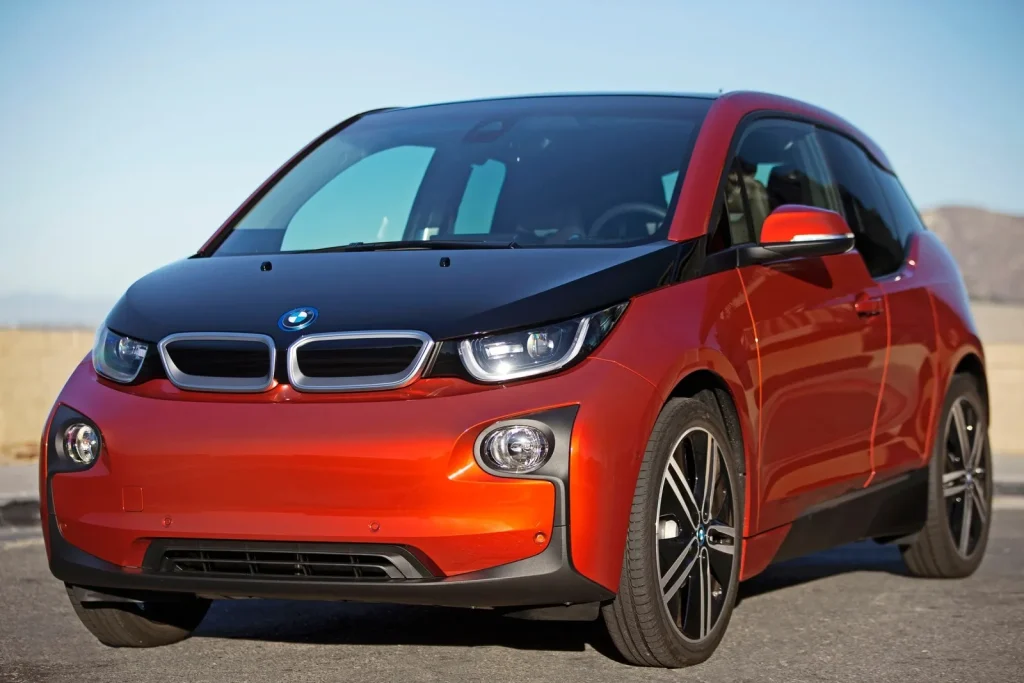
I am writing about the i3 because it represents a rare design philosophy: an EV made for city life rather than for image. It is not about being the fastest or the most luxurious. It is about being clever and practical.
For city owners who want a premium EV that still feels small and easy daily, the i3 remains one of the smartest city-focused EV designs.
5 That Complicate Daily Use
Not every EV is a perfect match for city ownership. Some electric vehicles are built to impress with power, size, luxury, or long-distance performance. On paper, they look like the “best EVs money can buy.” But daily city life is not about peak horsepower or massive range numbers.
It is about convenience. In cities, people deal with tight streets, limited parking, unpredictable traffic, crowded charging stations, apartment living, and short daily trips. When an EV is not designed around that reality, it can turn ownership into extra work.
Certain EVs complicate daily use for very specific reasons. Some are too large and wide, making them exhausting to park and stressful to navigate in narrow lanes.
Others depend heavily on fast charging infrastructure, which may not always be consistent or available when you need it. Some EVs have very large batteries that add weight and cost, making city driving less efficient and more expensive than it needs to be.
And in some cases, overly complicated software and touch-heavy interiors make simple tasks like changing AC settings, checking range, or adjusting driving modes feel annoying.
Another issue is city damage and maintenance. EVs are heavy because batteries add weight. That weight increases wear on tires and suspension when driving over potholes and rough roads.
Some luxury EVs use expensive wheels, special tires, and complex components that make repair costs higher. In a city, where curb hits and bad roads are common, that can become a constant worry.
I am writing about these five EVs because they represent a category many owners do not expect: EVs that are great vehicles but not great city companions. These models can still be fantastic for suburban living, highway travel, or owners with private charging setups.
But in dense city life, they often demand more planning and patience than most people want. If you want an EV that feels effortless daily, it is important to know which ones may complicate your routine.
1) Tesla Model X
The Tesla Model X is an impressive electric SUV, but for many city owners it complicates daily life because it is simply too large and too feature-heavy for normal urban routines. In cities, size is not just a number on paper.
It is something you feel every time you enter a narrow lane, squeeze between parked vehicles, or look for a parking space in a crowded market area. The Model X is wide and bulky, and that makes it stressful in tight environments where a smaller EV would feel natural.
Parking is one of the biggest issues. Even with cameras and sensors, the Model X still demands large spaces because of its physical dimensions. In crowded city parking lots, you may find yourself avoiding tight spots because opening doors and maneuvering into position feels risky.
The famous Falcon Wing doors can also be a problem in certain city situations. They are cool, but in tight indoor parking structures or spaces with low ceilings and close walls, they may not always feel practical. Even when they work, they draw attention, and some owners find that unwanted attention annoying in daily life.
Charging can also complicate ownership depending on where you live. If you have home charging, life is easier. But for many city owners living in apartments, charging is not always simple.
A large battery vehicle like the Model X encourages more driving freedom, but it also means you will need reliable charging access to maintain that freedom. If you rely on public charging, the need to plan charging sessions can become a regular stress.
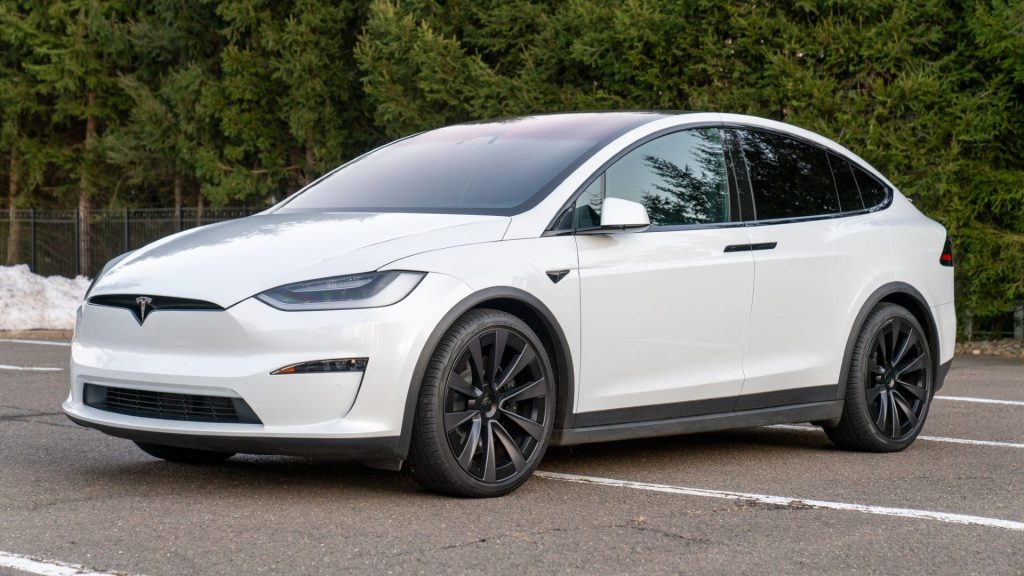
Another problem is the vehicle’s weight and running costs in harsh city conditions. EVs are heavy, and a large SUV EV is even heavier. That weight increases tire wear, and city potholes can punish expensive wheels and tires quickly.
Repairs and replacements are not always cheap. The Model X can be a fantastic EV, but in city use it often feels like too much machine for too little practical benefit. It complicates daily life because it demands space, charging planning, and careful handling in environments that are already stressful.
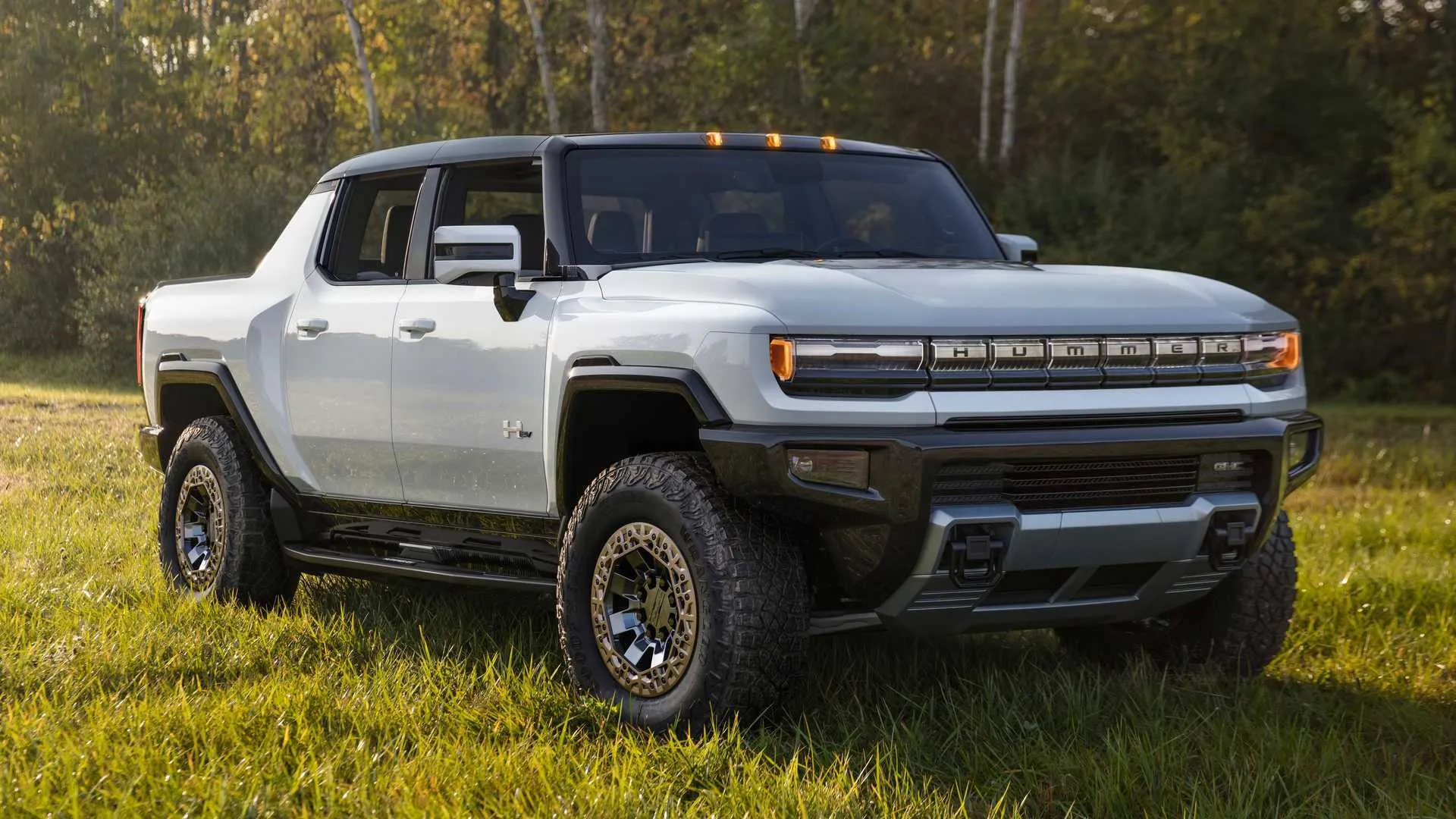
2) GMC Hummer EV
The GMC Hummer EV takes EV excess to a new level. It is powerful, dramatic, and built like an electric tank. But in city life, it can feel like one of the most complicated EVs you could own. The Hummer EV is extremely large and extremely heavy, which creates a long list of urban problems before you even think about charging.
The first problem is simple maneuverability. In a crowded city, the Hummer EV feels like it is always too big. Narrow lanes feel tighter. Parking lots feel smaller.
Many city streets are filled with scooters, pedestrians, and tight turns, and the Hummer EV makes all of that feel more stressful. You may constantly worry about scraping wheels, bumpers, or sides because the vehicle is so wide.
Parking is even worse. Many city parking spots are not designed for something this size, meaning you may have to search longer just to park.
Even when you find a space, you may take up more than one spot or struggle to open doors comfortably. That creates daily inconvenience, especially in busy city areas where parking is already a headache.
The weight also creates practical downsides. Heavy EVs go through tires quickly, and city potholes become more damaging. Suspension components also face higher stress. This turns city driving into a more expensive routine. You may not notice it in the first month, but over time the wear adds up.
Charging can also become a bigger task because the battery is massive. Yes, the range can be strong, but charging such a large battery takes time.
Owners often need reliable fast-charging access to enjoy the vehicle fully. In a city where fast chargers may be occupied or unreliable, that turns into planning, waiting, and adjusting your schedule.
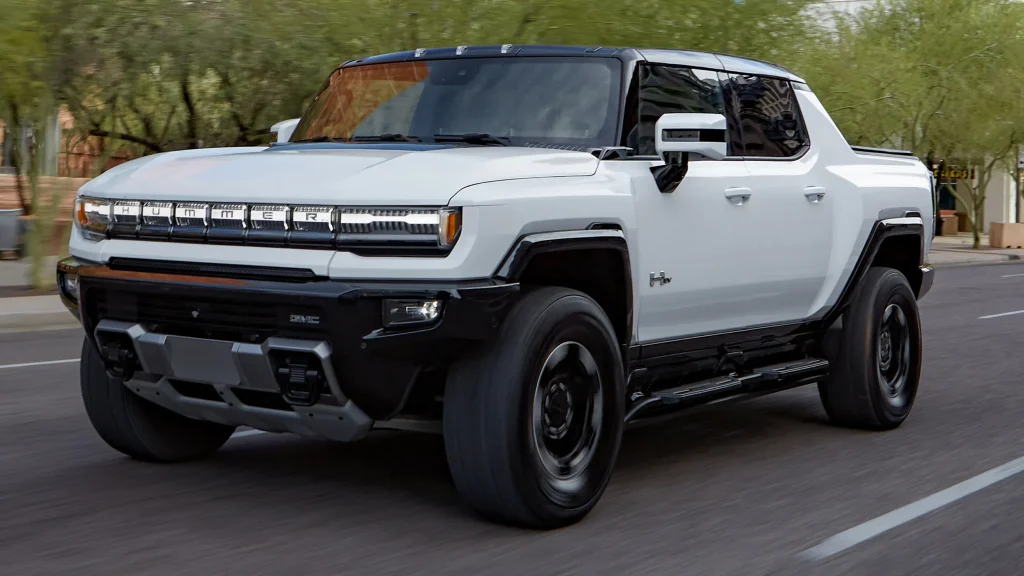
I am writing about the Hummer EV because it shows how “bigger EV” is not always smarter EV.
The Hummer EV is amazing for attention and extreme capability, but for daily city ownership, it complicates everything: space, parking, wear, and charging time. It is the definition of an EV that creates more daily work than daily convenience.
3) Porsche Taycan
The Porsche Taycan is one of the best driving EVs in the world, but city life can expose how demanding it is as a daily vehicle. It is low, wide, and performance-focused, which makes it feel amazing on smooth roads but less comfortable on broken city streets.
In major cities with potholes and speed breakers, the Taycan’s low ground clearance can become a daily concern. Owners often drive cautiously, constantly watching road surfaces to avoid scraping the underside.
Parking and maneuvering can also feel stressful. The Taycan is wider than many sedans, and in tight city lanes it can feel large.
It is not huge like a Hummer EV, but it is still a premium performance car that demands careful handling. Narrow parking spaces become stressful because a small scratch on a Porsche feels far more painful than on an ordinary sedan.
Another issue is the Taycan’s complexity and cost. It uses advanced systems and expensive components. City wear like curb rash, tire damage, and wheel scratches can happen easily in crowded environments.
Replacement tires for performance EVs are not cheap, and the Taycan’s heavy battery adds stress to tires over time. If your city roads are rough, you may find yourself spending more on upkeep than expected.
Charging can also be more complicated than people assume. The Taycan supports very fast charging in the right conditions, but only if infrastructure supports it properly.
In many cities, you may not always have access to chargers that deliver the Taycan’s maximum charging capability. That can turn “fast charging potential” into “normal charging reality,” which means longer waiting times.
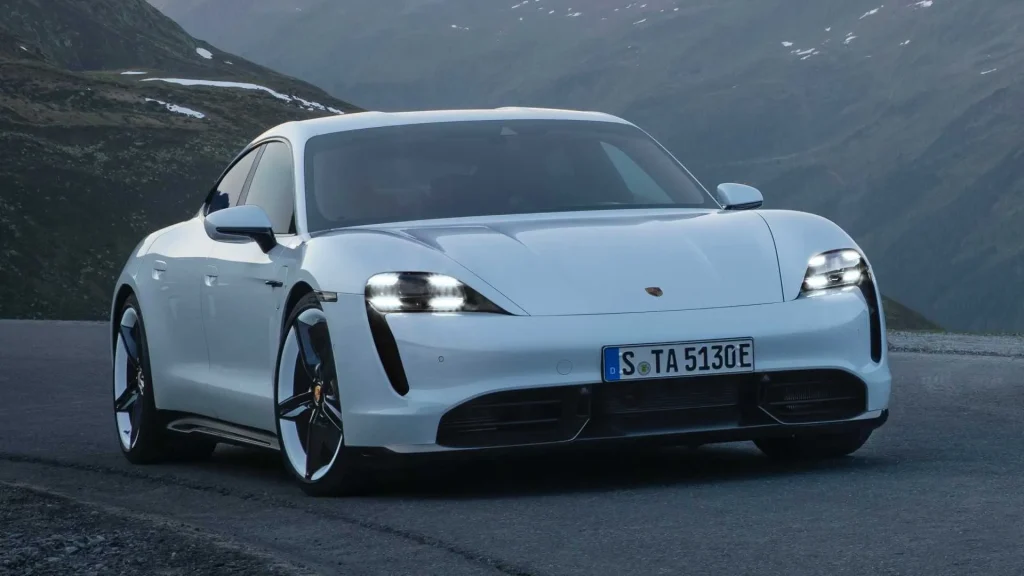
I included the Taycan because it is a brilliant EV, but it is not naturally suited to rough daily city abuse. It rewards owners who have smooth roads, secure parking, and reliable charging. In dense city life, it can feel like too much precision machinery for an environment that is rough and unpredictable.
4) Rivian R1T
The Rivian R1T is a bold electric pickup designed for adventure, but in city ownership it can complicate daily life for several reasons. The first is size. Pickup trucks are already challenging in cities, and an electric pickup adds even more bulk.
The R1T is wide and long, which makes it harder to maneuver in narrow streets and harder to park in tight spots. In dense city traffic, you always feel the vehicle’s footprint.
Parking is one of the biggest issues. City parking lots often have tight turns and narrow lanes, and the R1T demands more room.
You might find yourself avoiding certain parking areas because turning into them feels stressful. Even when you fit, opening doors and getting in and out can feel awkward because of tight spacing.
The second issue is charging planning. A pickup like the R1T often encourages longer drives, but city owners may not have home charging access. If you rely on public chargers, daily ownership can become a routine of charging planning.
The R1T has a large battery, and while that gives good range, it also means charging sessions can be longer when you need a meaningful top-up.
Urban wear is another concern. Electric pickups are heavy. The R1T’s weight increases tire wear, and potholes become more damaging. Curbs also become a risk because bigger vehicles invite more curb hits. Since the R1T is a premium vehicle, repairs and replacements can be expensive.
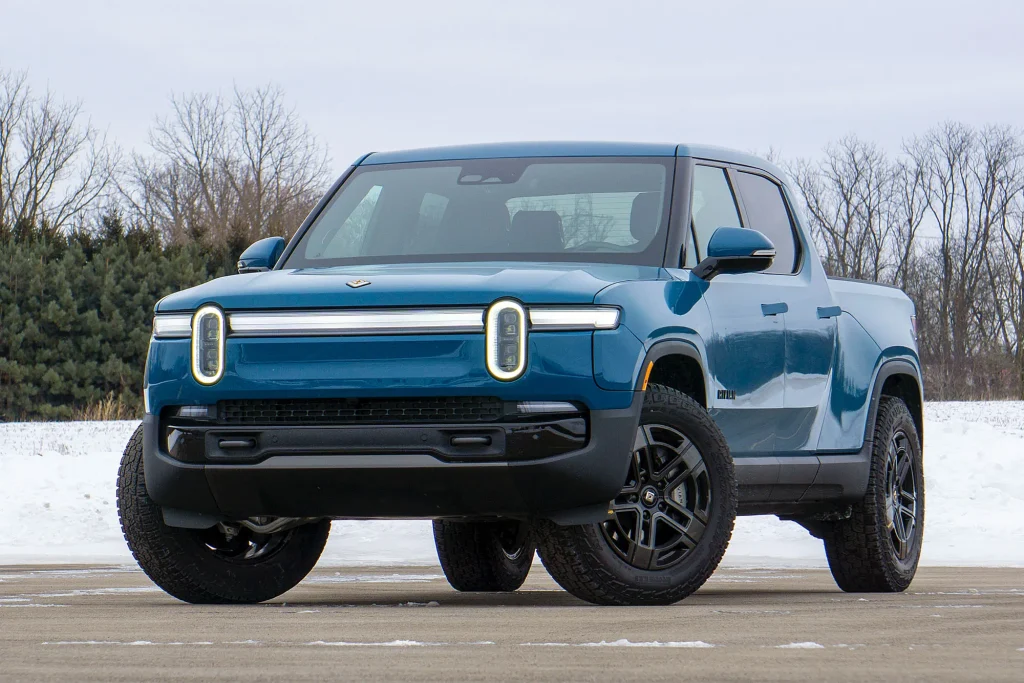
I included the Rivian R1T because it is a great EV in the right lifestyle. If you have space, home charging, and open roads, it is exciting and practical.
But in major city life, it complicates daily routine by making parking harder, maneuvering stressful, charging planning more frequent, and wear costs higher. It is a city-unfriendly type of EV unless the owner’s routine truly matches the vehicle.
5) Lucid Air
The Lucid Air is a futuristic luxury EV sedan with incredible range and performance, but for many city owners it complicates daily use because it is built like a high-end flagship rather than a simple urban tool. In cities, flagship sedans come with everyday stress because they are often long, wide, and expensive to maintain cosmetically.
The Lucid Air’s size is one major issue. It is a big sedan, meaning it demands larger parking spaces than many compact sedans. In narrow city streets, it can feel less manageable than smaller EVs. Even if it fits, the driver feels more cautious, because luxury cars invite anxiety about scratches, dents, and minor bumps.
Technology is another part of the complexity. The Lucid Air is designed around advanced systems and premium digital experiences.
That feels exciting, but in daily life, tech-heavy cabins can sometimes become frustrating. If the software feels complicated or if you need multiple steps for simple actions, the daily routine becomes less smooth than in simpler cars.
Charging can also be a mixed experience. The Lucid Air has strong charging capability, but city charging availability may not always support it perfectly.
Owners might find themselves planning charging sessions carefully, especially if they cannot charge at home. Premium EVs also tend to have larger batteries, which makes full charging sessions longer.
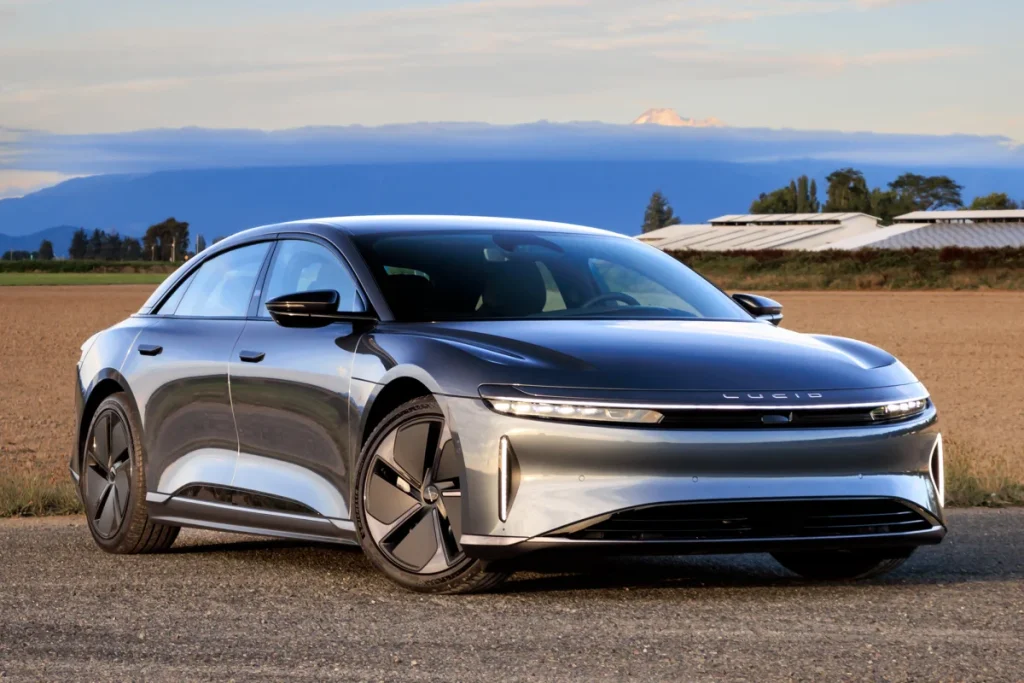
I am writing about the Lucid Air because it is a beautiful EV, but it demands a lifestyle that supports it. If you have secure parking, consistent charging access, and smooth roads, it is incredible.
However, if you live in the heart of city chaos, it can complicate daily use due to size stress, parking anxiety, tech complexity, and heightened sensitivity to urban wear.
Also Read: 5 Cars That Parallel Park Easily vs 5 That Turn It Into a Chore