SUVs have become the new “default” family vehicle because they solve a problem most buyers face: they want space, comfort, and road confidence without feeling limited. In theory, SUVs are perfect for modern life.
They offer higher seating, flexible cargo capacity, and enough room for passengers without forcing you into a huge van. But once you bring an SUV into real city driving, the picture changes. Cities demand a different kind of practicality.
Parking spaces are tight, lanes are narrow, traffic is stressful, and small daily errands happen more often than long highway trips. That is where many SUV owners experience either satisfaction or regret.
The real challenge is balance. Some SUVs manage to offer enough space for family life while still behaving like a city-friendly vehicle.
They feel easy to maneuver, they fit into parking spots without drama, and they do not make you feel like you are carrying a truck everywhere you go. These are the SUVs that make sense for people who live in cities but still need space for kids, luggage, groceries, or weekend trips.
On the other hand, some SUVs are simply too much for daily urban life. They may offer massive third-row space, big engines, and strong road presence, but that comes at a cost.
They feel bulky in traffic, require wider turning space, and make parking a daily challenge. Owners often buy them thinking bigger means better, but in many cases, that extra size is overkill for what they actually do 90 percent of the time.
That is why this article is split into two clear categories. First, we will cover five SUVs that balance space and city use well. These are realistic choices for urban families and daily commuters who want room without sacrificing convenience.
Then we will cover five SUVs that are overkill, vehicles that may be excellent in the right setting but feel unnecessarily large and demanding for city routines. The goal is to help you choose an SUV that fits your real life, not just your imagination.
Also Read: 5 Compact SUVs That Stay City-Friendly vs 5 That Feel Too Large
5 SUVs That Balance Space and City Use
A city-friendly SUV is not the smallest SUV. It is the SUV that feels easiest to live with in daily urban routines while still giving you the space benefits that make SUVs attractive in the first place. That is a very specific balance.
It means you should have enough cargo room for groceries, bags, and strollers. You should have enough rear seat space for adults and kids to feel comfortable. You may even want an occasional third row for emergencies.
But at the same time, you need an SUV that can fit into narrow streets, handle tight parking lots, and move through crowded traffic without constantly making you feel stressed.
The SUVs that succeed at this balance usually have smart proportions. They may be slightly taller and roomier than sedans, but they avoid being excessively long or wide. Their steering is tuned for low-speed ease.
Their turning radius is reasonable. Visibility is strong, and parking support features like cameras and sensors are common. These SUVs also tend to have smooth automatic transmissions and engines tuned for low-speed refinement, which matters in stop-and-go driving.
I am writing about these five SUVs because they represent the best “middle ground” choices. They give you SUV benefits without forcing you into full-size SUV problems. For many people, this middle ground is exactly what they need.
Not everyone needs a massive three-row SUV every day. Many people just need enough space, a confident ride, and a vehicle that handles city reality without making life harder.
So these five SUVs are chosen because they are the kind of vehicles you can enjoy in a city Monday to Friday, while still being spacious enough to support weekend travel, family needs, and daily comfort. They are not just popular, they are practical in the real world.
1) Honda CR-V
The Honda CR-V is one of the best examples of an SUV that balances space and city use without leaning too far in either direction.
It offers generous cabin room and a useful cargo area, yet it does not feel oversized behind the wheel. In the city, this matters because you want space, but you also want a vehicle that does not feel intimidating in traffic.
What makes the CR-V work well in urban areas is how easy it is to drive at low speeds. The steering is light enough for tight turns and parking, and the SUV responds smoothly without sudden movement.
That makes it comfortable in stop-and-go traffic where constant braking and crawling can make bigger SUVs feel exhausting. The CR-V also tends to offer good outward visibility, which helps drivers feel confident on narrow streets.
The rear seat comfort is another reason it balances space so well. You can comfortably carry adults, kids, or even longer passengers without forcing people into a cramped posture. Cargo space is practical enough for city use like grocery runs, shopping trips, or carrying luggage without the vehicle feeling bulky when empty.
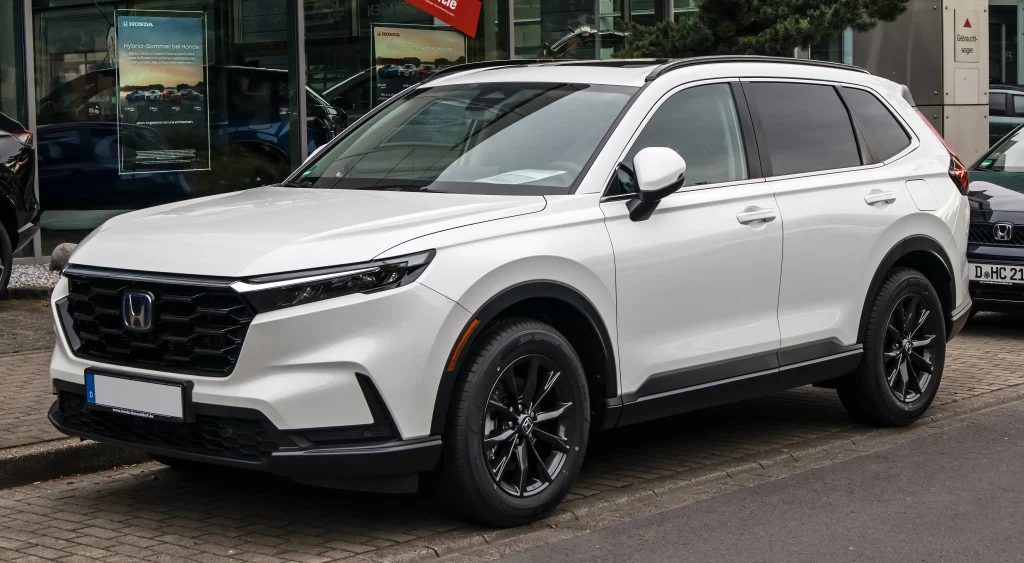
I am writing about the CR-V because it represents the kind of SUV most people actually need, not just what they think they want. It feels roomy, modern, and comfortable, but it still fits city life naturally. If you want one SUV that can do everything without becoming overkill, the CR-V is one of the smartest choices.
2) Toyota RAV4
The Toyota RAV4 is popular for a reason: it offers SUV practicality while staying manageable for city life. It is spacious enough for daily family needs, but it does not cross into “too big” territory. In major cities, this kind of balance is rare, because many SUVs are getting bigger every generation.
The RAV4 feels confident and stable in traffic. The driving position gives you a clear view of the road, which helps in crowded city lanes. It also has a practical body design that feels easy to place in tight spaces. Parking is smoother than people expect, especially in versions with sensors and cameras.
Interior usability is another strong point. The RAV4 is designed for daily convenience. Controls are practical, storage spaces are useful, and cargo capacity supports city errands without forcing you to upgrade to a bigger SUV.
The rear seat space is comfortable enough for families, which is why so many city drivers choose it as a long-term daily vehicle.
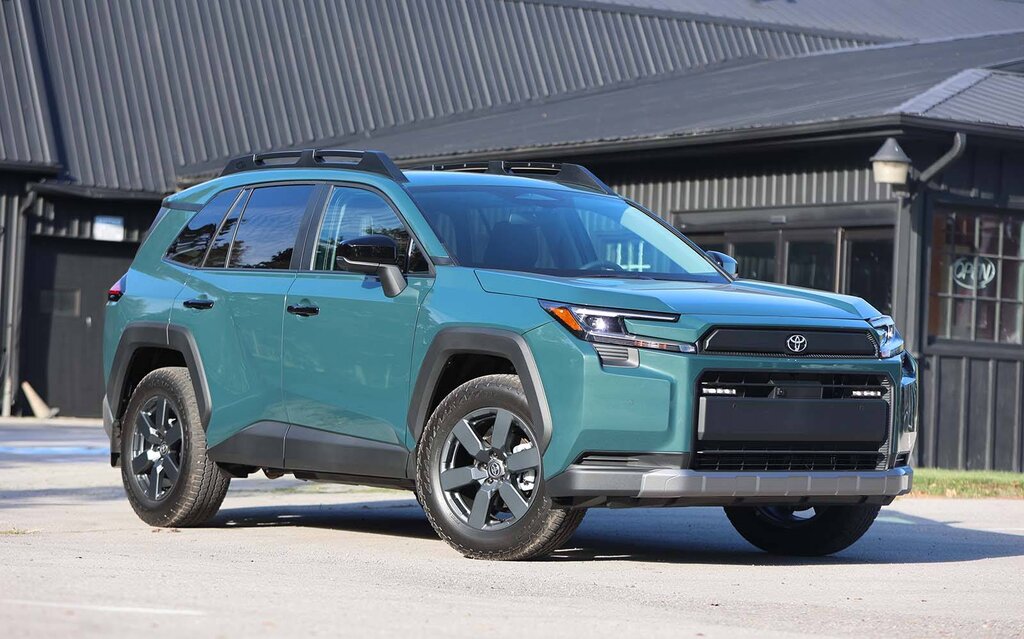
I included the RAV4 because it shows how an SUV can offer real space without making city life harder. It feels modern, reliable, and easy to live with.
In the city, you want an SUV that supports your lifestyle without turning every parking moment into stress, and the RAV4 delivers exactly that kind of confidence.
3) Mazda CX-5
The Mazda CX-5 balances space and city usability by focusing on driving feel. Many SUVs provide space, but they feel dull or heavy in traffic. The CX-5 avoids that by offering a more controlled and refined experience. In city conditions, that makes it feel easier to maneuver even if it is not the smallest SUV in the segment.
One reason the CX-5 works well is its compact but roomy packaging. It gives enough interior comfort for passengers and enough cargo room for daily needs, but it stays manageable on narrow roads. The steering is precise and predictable, which helps when you are weaving through traffic or making tight turns.
Visibility and driver confidence are also strong. The CX-5 feels easy to place on the road, and that reduces stress in crowded environments. It also has a more premium interior feel, which matters in cities because drivers spend a lot of time inside their cars.
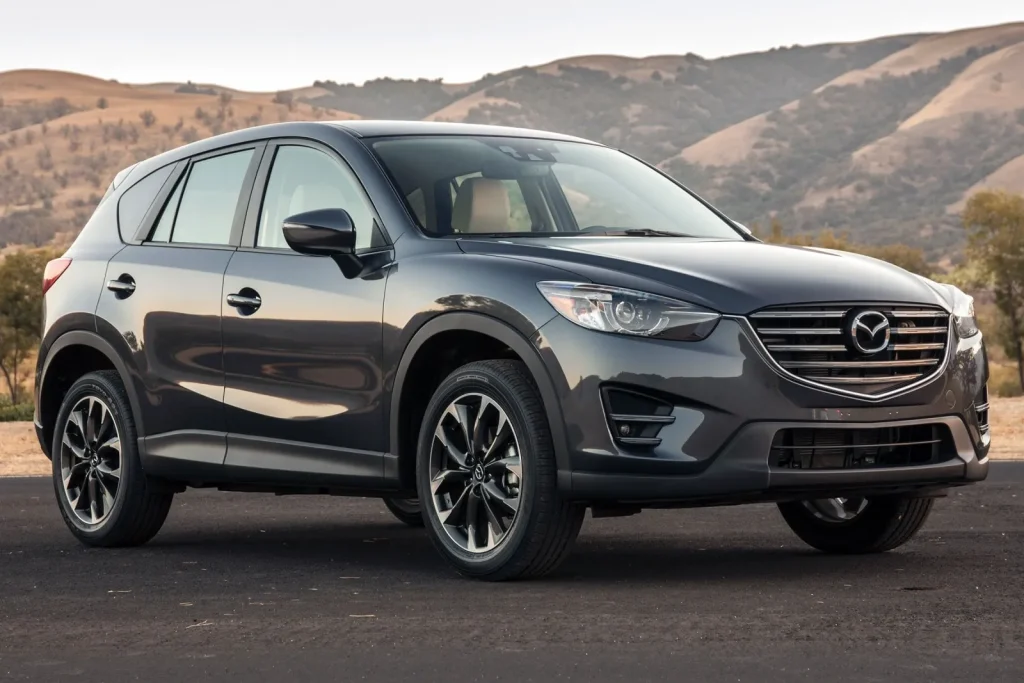
I am writing about the CX-5 because it targets people who want both practicality and enjoyment. City driving can be exhausting, and a well-tuned SUV can make the experience smoother.
The CX-5 offers a balance: enough space for real life, without losing city-friendly behavior. It proves an SUV can feel refined and still remain practical for daily urban routines.
4) Hyundai Tucson
The Hyundai Tucson is a strong example of a modern SUV that offers space but still stays manageable in the city. It provides a roomy cabin, comfortable seating, and solid cargo capacity, but it is not oversized. Many buyers want a “big feeling” SUV without the trouble of a big SUV, and the Tucson fits that need well.
In city traffic, the Tucson feels smooth and easy. The steering is tuned for comfort, and the SUV behaves predictably at low speeds. This matters because urban driving includes a lot of slow crawling and small adjustments. Parking support features, like cameras and sensors, also help make it less stressful in crowded environments.
The Tucson’s interior is also built for daily use. It offers enough space for families, comfortable seats, and modern tech that supports city life like navigation and smartphone connectivity. This kind of convenience is important because city drivers use their vehicles constantly, not occasionally.
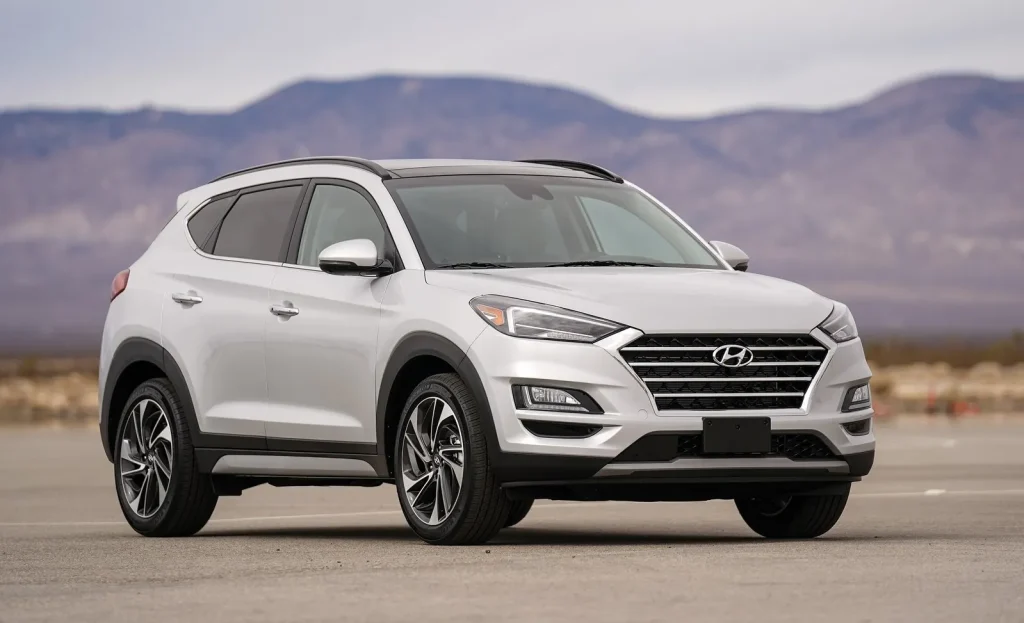
I included Tucson because it provides the space most people want, without becoming too large to handle daily. It feels modern and practical, and in city environments it stays calm rather than demanding.
If you want an SUV that feels like a solid family upgrade but still behaves like a manageable city vehicle, the Tucson fits perfectly.
5) Kia Sportage
The Kia Sportage works well as a balance SUV because it offers a roomy interior and modern features, but it does not feel like a full-size vehicle in the city. In urban life, that balance matters because you want comfort without parking nightmares.
The Sportage usually offers a comfortable cabin with good rear seat space, making it family friendly. Cargo room is practical for shopping, travel, and daily use. But what makes it city friendly is that it still feels easy to maneuver. It does not feel too long or too wide compared to larger SUVs, and it works well in tight streets.
Another advantage is that the Sportage often includes modern technology that supports city driving. Cameras, sensors, and driver assistance features reduce stress in tight parking spaces. In many cities, these features become essential because parking is unpredictable and often crowded.
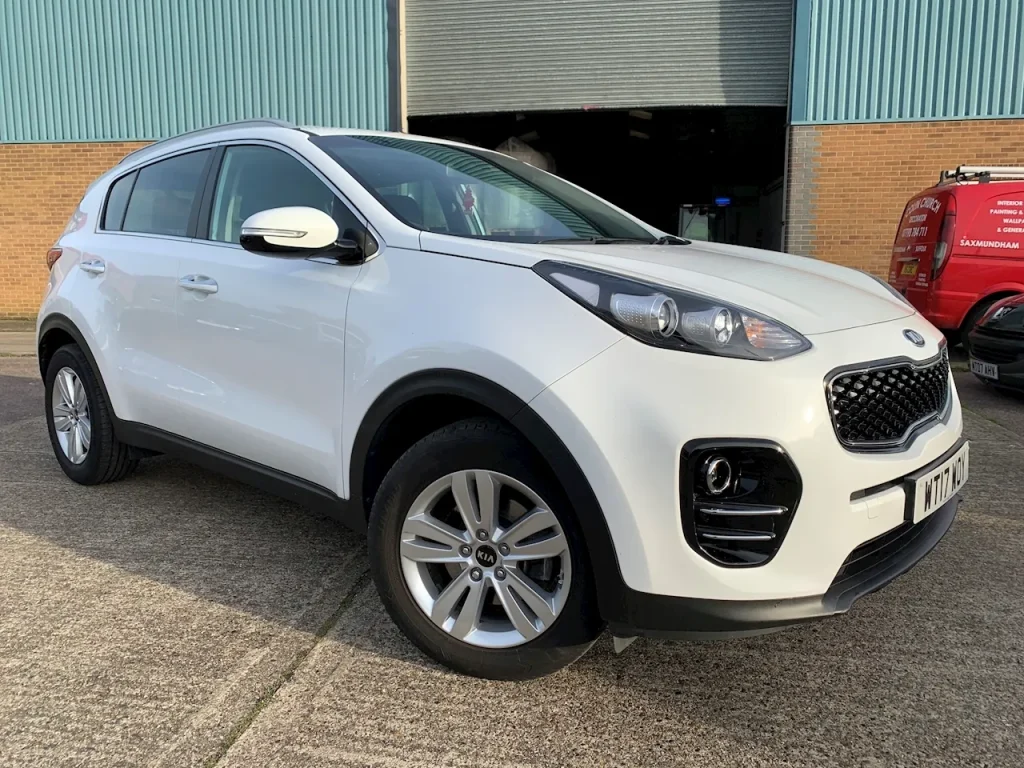
I am writing about the Sportage because it represents a realistic choice for modern urban families. It offers the comfort, features, and space people want, but it still feels manageable in daily city use. It is an SUV that delivers balance, and for most buyers, balance is exactly the point.
5 That Are Overkill
There is nothing wrong with wanting a big SUV. Big SUVs feel powerful, safe, and prestigious. They offer huge cabins, massive cargo capacity, strong engines, and the ability to carry people and luggage like a moving apartment.
The issue is not the vehicle itself. The issue is the environment. In major cities, space is limited, roads are crowded, parking is tight, and daily driving often involves short trips and traffic jams. In that reality, many large SUVs become overkill for what most people actually do every day.
When an SUV is overkill, it does not just mean it is “big.” It means the owner is paying a daily price for capabilities they rarely use. They use more fuel in traffic. They take longer to park. They require wider turns.
They feel stressful in narrow lanes. Even small errands become less convenient because the SUV always feels like it needs room to breathe. This becomes more obvious in dense areas where parking is limited and traffic never truly disappears.
Overkill SUVs often shine on highways, long road trips, and wide suburban roads. They are excellent when you regularly carry a full family, large luggage, or when you tow heavy loads.
But if your week mostly involves office commutes, city shopping trips, school runs, and crowded markets, a huge SUV can become tiring. You start driving more cautiously. You avoid tight streets. You hesitate in busy parking lots. In short, you adjust your life around the SUV rather than the SUV adapting to your life.
I am writing about these five SUVs because many buyers get tempted by size without thinking about daily routine.
These SUVs are impressive, and in the right lifestyle they are perfect. But in major cities, they often feel more like a burden than a benefit. If you want an SUV for city life, these examples show why “bigger” can easily become “too much.”
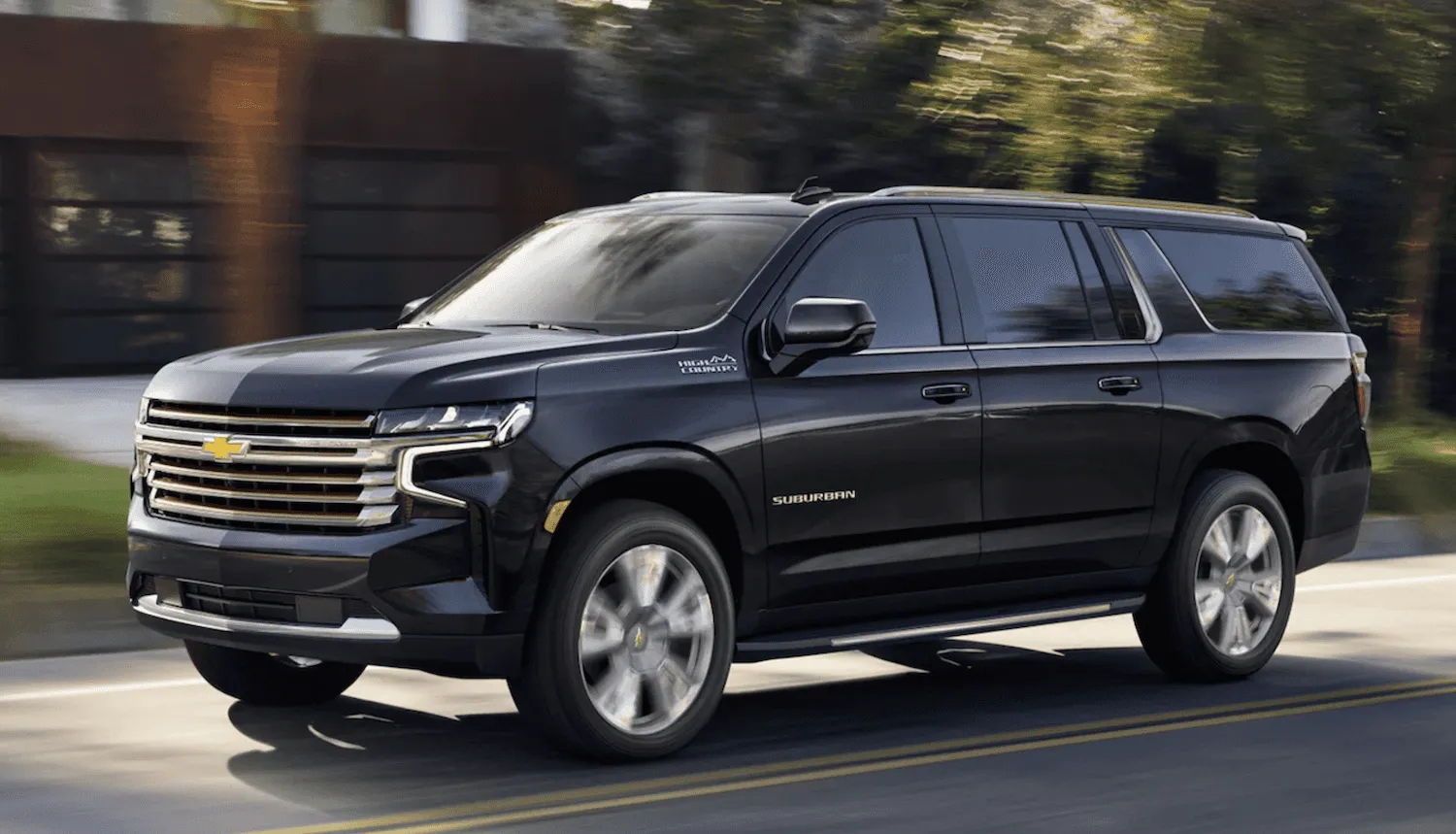
1) Chevrolet Suburban
The Chevrolet Suburban is one of the most famous big SUVs in the world, and it is also one of the clearest examples of overkill for city use.
The Suburban is built for maximum passenger and cargo space. It is the kind of vehicle that can handle large families, long trips, and heavy loads with ease. But in a dense city environment, its size becomes a daily challenge.
The first issue is simple: length. The Suburban is long enough that many city parking spots are not practical. Even if you find a spot, maneuvering into it can take multiple attempts, and you often end up blocking part of the road while parking.
In cities, that creates pressure because traffic behind you becomes impatient quickly. Parallel parking becomes stressful, and even parking lots feel difficult because tight corners demand wide turns.
The second problem is how much space the Suburban needs to move comfortably. In narrow lanes, it feels like the SUV consumes the road. That forces the driver to constantly think about margins and clearance. Even small streets can feel like a challenge, especially if there are bikes, scooters, or pedestrians nearby.
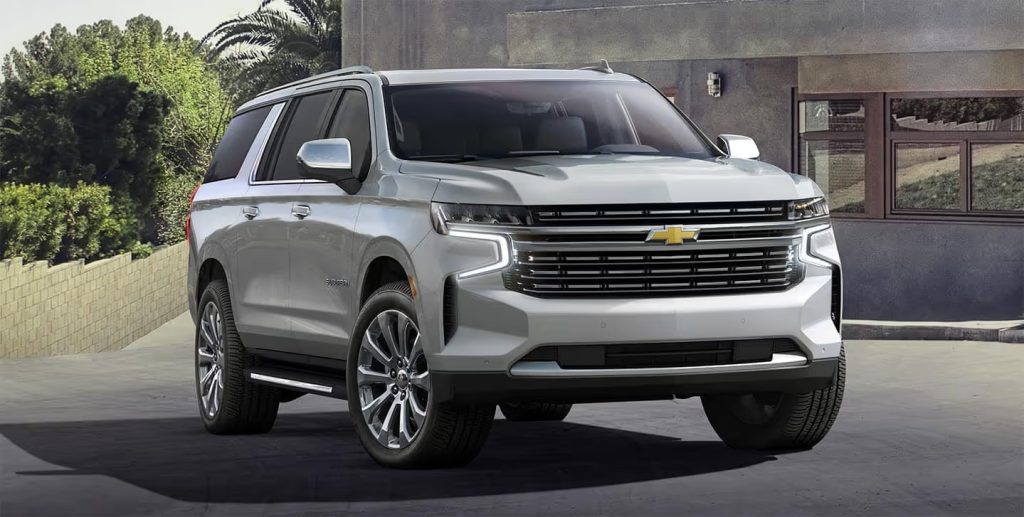
I am writing about the Suburban because it represents the “maximum” approach. If you truly need that space, it is fantastic.
But if your daily routine is urban, it becomes a burden you carry everywhere. It is a powerful, capable SUV, but in city life it is simply too much vehicle for most people.
2) Ford Expedition
The Ford Expedition offers huge cabin space, strong power, and a comfortable highway ride, which makes it a dream SUV for long-distance family travel. But in cities, this size often becomes overkill.
The Expedition is designed to carry many people and luggage while maintaining stability at speed. City driving does not reward those strengths. Instead, it highlights the SUV’s bulk.
One major issue is turning and maneuvering. The Expedition requires wider turns, which can make narrow streets stressful.
U-turns become difficult, and even entering tight parking garages can feel uncomfortable. The driver constantly has to think about clearance, especially when moving through congested areas where other road users are unpredictable.
Fuel consumption is another downside. In stop-and-go traffic, large SUVs like the Expedition burn more fuel, and that adds cost without giving daily benefit. Many owners rarely use the full capability, yet still pay the daily price in fuel and convenience.
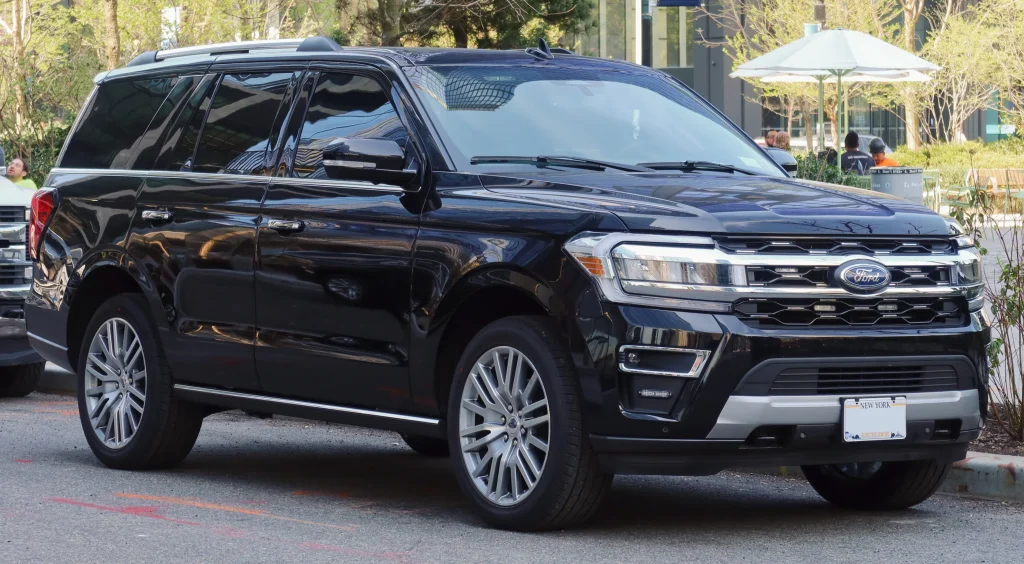
I included the Expedition because it shows how a highly capable SUV can become inconvenient in the wrong setting.
It is excellent for highway travel and family road trips. But if most of your driving happens in crowded city streets, it becomes a vehicle that demands space and patience, making it overkill for the lifestyle.
3) Toyota Sequoia
The Toyota Sequoia is built like a big, strong family SUV meant for long-term durability and heavy-duty comfort. It has serious presence, a large body, and a cabin built for full family travel. But in city conditions, those strengths often turn into daily disadvantages.
The Sequoia’s size makes it hard to live with in tight spaces. It feels wide, and that width becomes stressful in narrow lanes and busy streets.
Parking is also a challenge because the SUV needs large spots. Even when sensors and cameras help, the driver still feels the weight of the vehicle, because it takes more room and more patience to place correctly.
Another issue is that large SUVs often create lifestyle limitations. Owners begin avoiding certain roads, certain parking lots, and certain shortcuts because the SUV feels too large. Instead of driving freely, you start planning routes around space. This is a classic sign that a vehicle has become overkill for the environment.
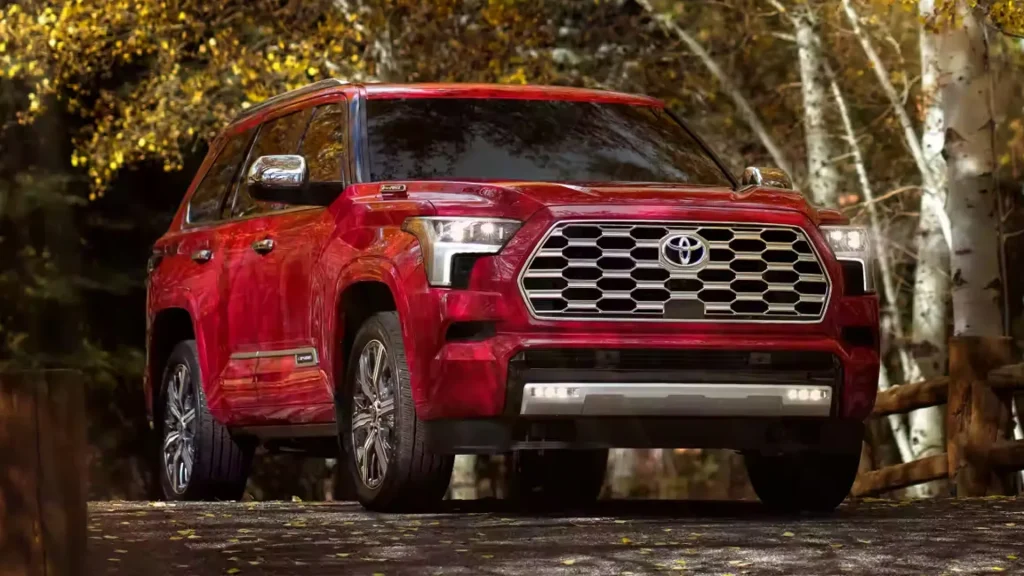
I am writing about the Sequoia because it is a great SUV for the right owner. If you regularly travel long distances with family and luggage, it makes sense. But for major city life, it becomes too much. It is a reminder that size is only useful when you truly need it, not when you are mostly commuting and doing errands.
4) Nissan Armada
The Nissan Armada is a full-size SUV with power, space, and road presence. It is designed for comfort and strength, especially for people who want a commanding vehicle. But in major cities, the Armada often feels like overkill. It brings the big SUV experience into an environment that does not reward big SUVs.
The biggest downside is daily handling. In traffic, the Armada feels heavy. It moves like a large vehicle, because it is one. In narrow city roads, it feels like it takes over the lane.
That makes the driver more cautious and slower, especially around tight corners. Parking is also demanding because the SUV needs large spots and wide movements.
Fuel usage becomes another problem. Big SUVs tend to consume more fuel in slow city driving, meaning the owner pays more daily for capability they may not use often. That overkill cost adds up, especially for people who drive in traffic every day.
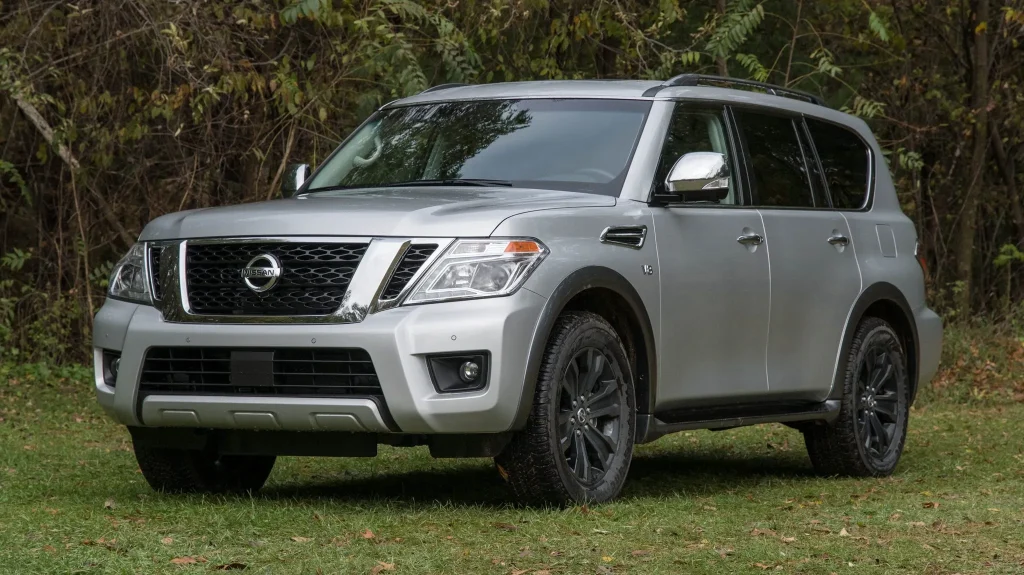
I included the Armada because it shows how “big SUV comfort” often comes with “big city inconvenience.” It is excellent on highways, family travel, and open roads. But in dense city life, it turns simple routines into heavier routines. For most urban drivers, it is far larger than necessary.
5) GMC Yukon XL
The GMC Yukon XL is built for maximum space and luxury comfort, but in city life it becomes overkill very quickly. It offers the kind of interior space that makes road trips effortless. It can carry people, bags, and equipment without compromise. But the Yukon XL is the kind of SUV that wants wide roads, not crowded streets.
Its length is the biggest issue. City parking spaces often cannot handle it comfortably. Even if you find a suitable spot, the effort required to park it can be stressful. Maneuvering in tight parking lots becomes slow, and making tight turns requires patience and planning.
The Yukon XL also changes how you drive in the city. Instead of driving freely, you start thinking about whether roads are too narrow or whether parking is too tight. That is a mental cost that many owners underestimate. It is not just about physical size, it is about daily stress.
I am writing about the Yukon XL because it represents the extreme “family luxury hauler” concept. It is fantastic if you truly need maximum space and comfort. But for most city lives, it is too much vehicle for too little daily benefit.
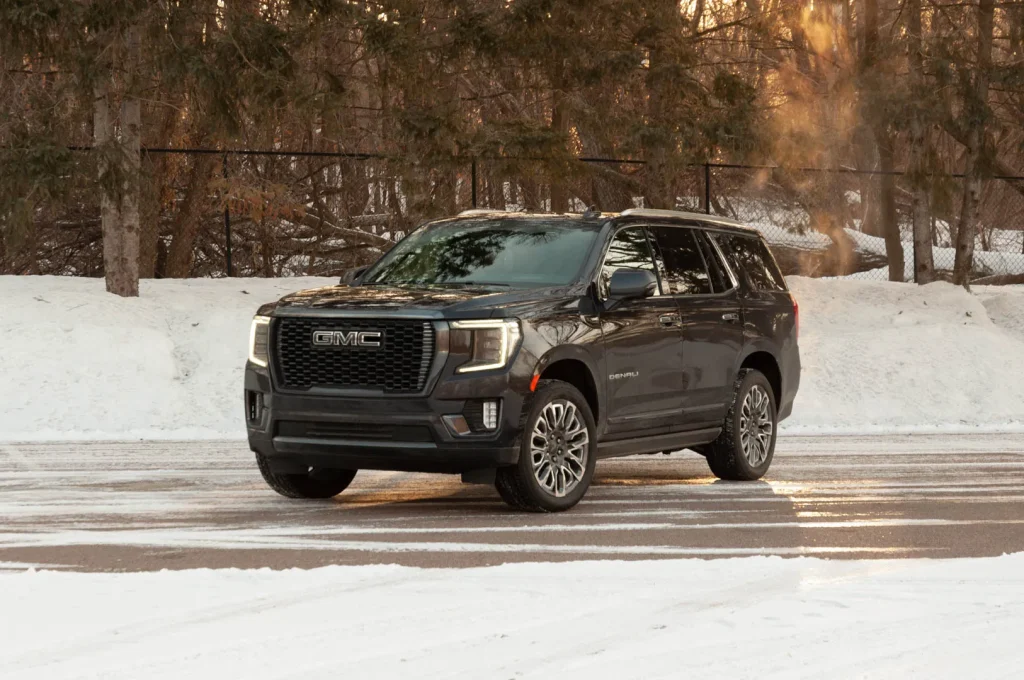
It becomes overkill because urban environments reward smaller, smarter SUVs that offer enough space without dominating the streets.