Sedans are often described as a “dying” category, but that is only true if you look at trends without looking at real life. In major cities, sedans still make a lot of sense. They are easier to place in traffic, more efficient in tight streets, and usually far simpler to park than bulky SUVs.
A good sedan feels like it belongs in an urban environment. It slips into narrow lanes with confidence, fits into smaller parking spaces, and handles stop and go driving without making the driver feel tired. In short, the right sedan can still be one of the smartest city vehicles you can own.
But not every sedan fits modern city life. Some models feel updated, refined, and convenient. Others feel like they have been left behind by time.
A sedan can feel outdated in different ways. It might have an old cabin layout, weak infotainment, and poor smartphone integration.
It might feel heavy and inefficient in traffic, or it may lack the safety and driver assistance features people now expect in daily urban driving. Some sedans also suffer from awkward visibility and outdated steering behavior that makes city driving feel harder than it should be.
That is why this article is split into two clear groups. First, we will cover five sedans that work extremely well in major cities today.
These are modern sedans that feel easy to drive in traffic, easy to park, comfortable in stop and go conditions, and updated enough to fit the fast pace of urban life. They are not just “good cars,” they are good city tools.
Then we will switch to five sedans that feel outdated. This does not mean they are useless or unreliable. Some may still have loyal fans.
But they feel behind in design, technology, efficiency, or overall driving experience, especially when compared to what modern city drivers want. The goal is simple: show what makes a sedan feel modern and city friendly, and what makes another sedan feel like it belongs in a different era.
Also Read: 5 Small Cars That Thrive in Dense Areas vs 5 That Feel Unsafe
5 Sedans That Work Well in Major Cities
A sedan that truly works well in a major city has to do more than just commute. Cities are unpredictable. Roads are crowded, lanes are tight, and driving often involves short trips, frequent stops, and constant lane adjustments.
In that environment, a sedan has an advantage over larger vehicles because it sits lower, feels more stable, and usually takes up less space. But to feel truly city ready in 2026, a sedan must also deliver modern convenience.
The best city sedans share a few key strengths. They have light and responsive steering at low speeds, making it easy to maneuver in traffic. They offer a tight enough turning circle so U turns and tight corners do not become a struggle.
They also provide good visibility, which matters more in cities than on highways. When you are squeezing between auto rickshaws, scooters, and pedestrians, you need a sedan that feels easy to place on the road.
Technology is another big part of the modern city sedan. Parking sensors, reverse cameras, and smart driver assistance features reduce stress. Strong infotainment with smartphone compatibility is now essential because people use navigation constantly in cities.
Also, smooth automatic transmissions or well tuned CVTs make daily stop and go less tiring. Efficiency matters too, because city driving burns fuel faster, and the best sedans keep running costs under control.
I am writing about these five sedans because they represent the sedan category at its best. They are modern, convenient, and realistic. They make city driving feel smoother, not harder.
For drivers who still prefer sedans for their stability, efficiency, and easy parking advantages, these are models that prove sedans are still relevant. In fact, in major cities, the right sedan is not outdated at all. It is still one of the most practical choices.
1) Honda Civic
The Honda Civic remains one of the most city friendly sedans because it balances compact size with modern comfort. In heavy traffic, the Civic feels easy to handle. It does not feel bulky, and it responds quickly to steering input.
This is one of those sedans you can confidently drive through narrow lanes without feeling like the car is too wide for the road.
One of the biggest reasons the Civic works well in major cities is its low speed refinement. The steering is light enough for constant city turning, and the car feels stable even when you are moving slowly through crowded streets.
It also offers good visibility compared to many modern sedans that sacrifice sightlines for style. In a city, visibility is not just convenience, it is safety.
The Civic also feels modern inside. Infotainment systems, smartphone connectivity, and a clean cabin design make it feel updated. That matters because city drivers rely heavily on navigation and audio apps.
The Civic supports that lifestyle without making the driver feel like they are using old tech. Practical cabin space is another advantage. It is comfortable without being oversized, making it perfect for urban commuters who still want interior room.
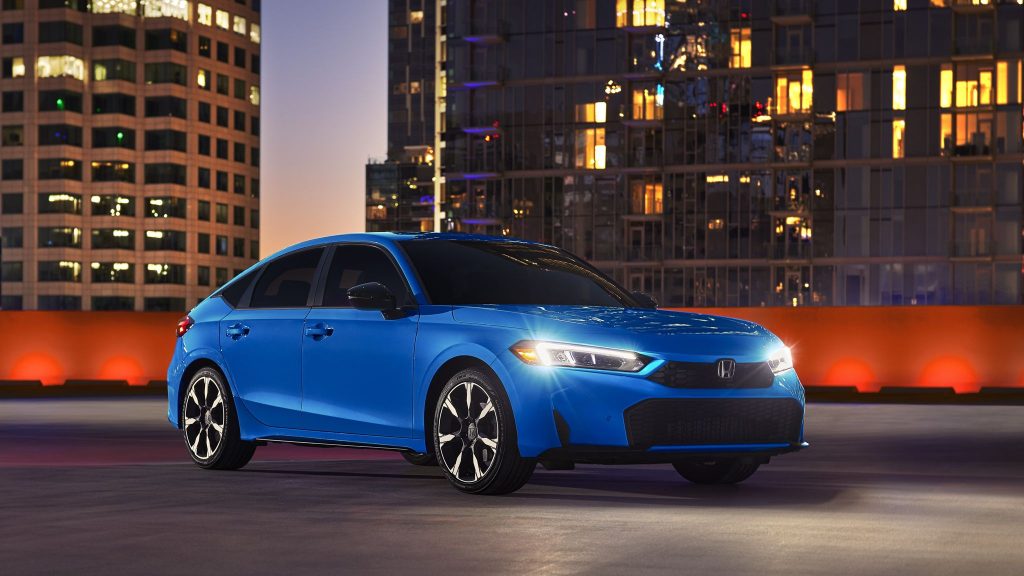
I am writing about the Civic because it is a sedan that has adapted to modern expectations while still keeping the core sedan advantages. It handles city life well, parks easily, and feels modern in the ways people actually use every day. In 2026, that combination makes it a strong sedan choice for major cities.
2) Toyota Corolla
The Toyota Corolla is a sedan that fits city life like a glove. It is not trying to be flashy. It focuses on smoothness, low stress driving, and reliability, which are the exact qualities that city drivers value most. In major cities, where traffic and stops are constant, the Corolla’s calm character becomes a real advantage.
City driving requires easy controls, and Corolla delivers that. The steering is light, the car feels easy to place, and the size is manageable in tight roads. Parking is also simple, because it does not require large spaces. Even drivers who feel nervous in crowded areas tend to feel comfortable in a Corolla because it never feels intimidating.
The Corolla also feels modern where it counts. Many variants offer solid infotainment systems with smartphone integration, plus driver assistance features that help in daily driving.
Safety features like emergency braking and lane assistance are becoming more common, and these matter in cities where sudden movement is common. The Corolla’s efficiency is also important. In city conditions where fuel consumption rises, Corolla stays relatively cost effective.
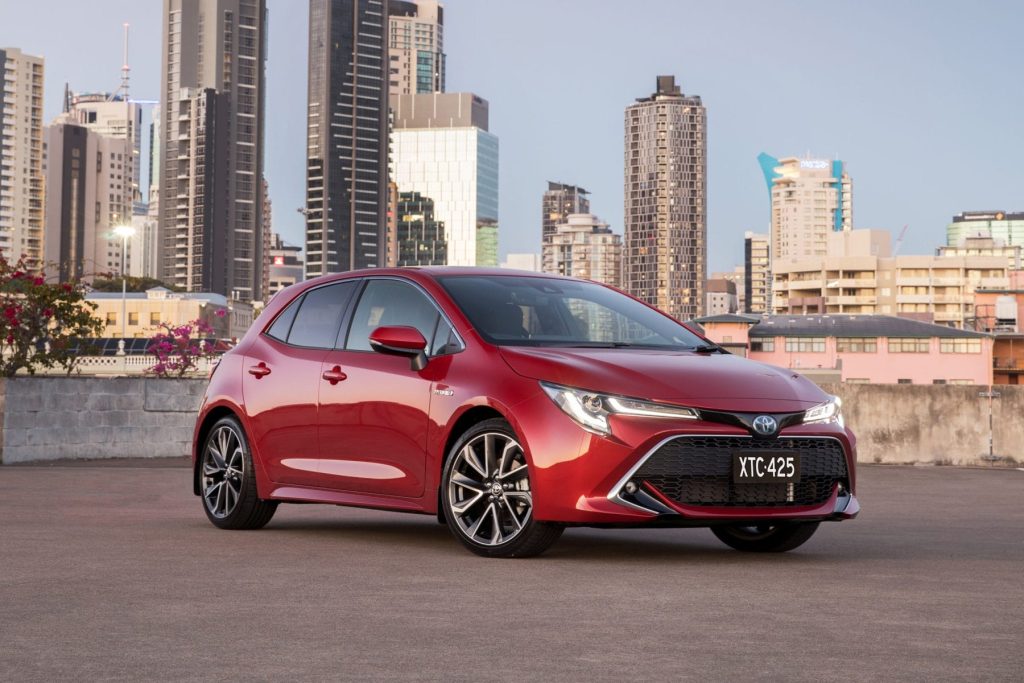
I included the Corolla because it represents city practicality in its purest form. It is an honest sedan. It is easy to maintain, easy to drive, and easy to live with.
When people say sedans still make sense in major cities, the Corolla is one of the strongest examples, because it does not overcomplicate the job. It simply does city life well.
3) Hyundai Elantra
The Hyundai Elantra works well in major cities because it offers modern design, good tech, and easy daily driving manners in a sedan that still feels manageable. Many sedans either focus on comfort or focus on style, but the Elantra tries to combine both, which is why it fits today’s urban drivers so well.
In city conditions, the Elantra feels smooth and light. The steering is tuned to be easy at low speeds, and the car feels stable without feeling heavy.
This matters because city driving includes constant lane changes and turning into tight streets. The Elantra does not fight the driver. It feels cooperative, which reduces fatigue in long traffic sessions.
Technology is also a big reason it feels city friendly. Modern infotainment screens, smartphone compatibility, and updated interiors make it feel current.
For many city drivers, the cabin experience matters as much as the driving experience because they spend hours in traffic. A modern cabin makes that time feel less annoying. Parking sensors and cameras also help in tight parking situations.
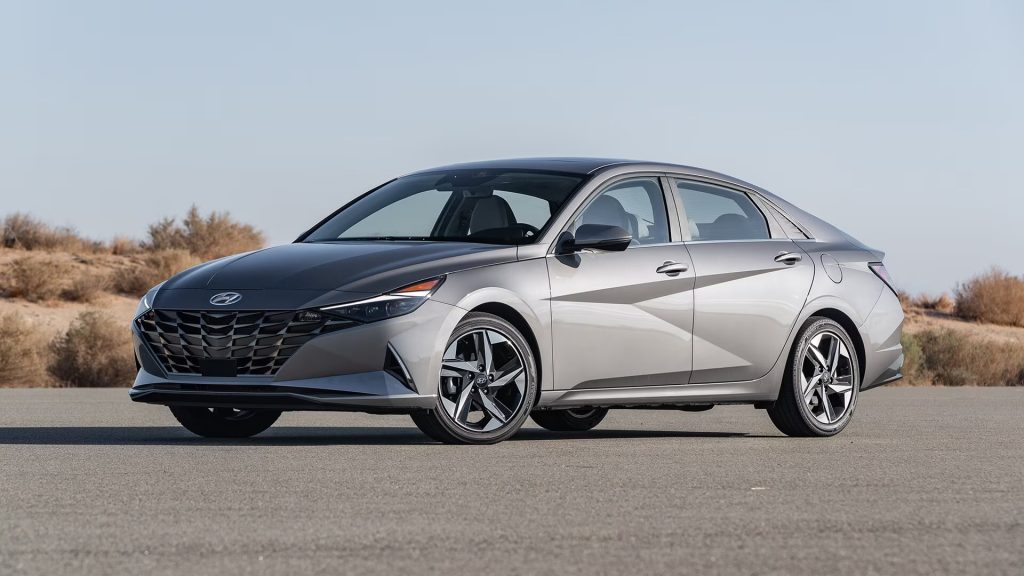
I am writing about the Elantra because it shows how a sedan can feel modern and fresh even in a market dominated by SUVs. It works in cities because it offers what city drivers actually need: low stress control, modern tech, and an efficient daily driving experience that does not feel outdated or boring.
4) Nissan Sentra
The Nissan Sentra earns its place as a city friendly sedan because it focuses on comfort and ease of use. It has a balanced size, so it is not too big for tight roads. In major cities, that balance matters because you want enough cabin comfort without sacrificing maneuverability.
The Sentra drives in a smooth and predictable way, which is perfect for city conditions. The steering is light and calm at lower speeds, which helps in parking lots and crowded streets.
It feels stable, and its braking and throttle response are gentle, making it easier to handle in stop and go traffic. This is important because aggressive driving behavior can make a sedan tiring in traffic.
The Sentra’s interior also feels updated compared to older sedans. The cabin design has improved, and technology features are much better than before.
Navigation support, smartphone integration, and modern displays make it feel like a sedan designed for the present. Comfort is another win. For city commuters who spend long hours inside their car, a comfortable seat and quiet ride make a huge difference.
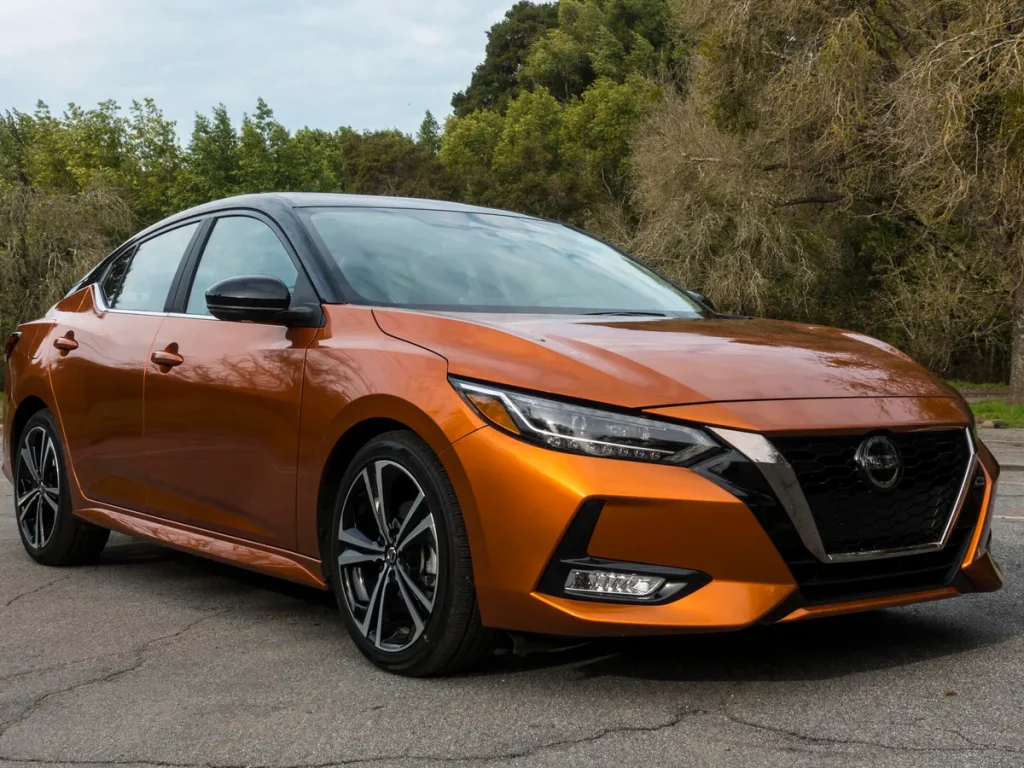
I included the Sentra because it fits a realistic city driver. Not everyone wants sporty handling. Many people want calm comfort and modern convenience. The Sentra offers that in a sedan package that still feels easy to park and easy to maneuver, which is exactly what urban driving demands.
5) Volkswagen Jetta
The Volkswagen Jetta works well in cities because it has a clean, efficient personality with solid driving manners. It feels refined and stable, and it gives drivers a more “European” style sedan experience without being overly large. In crowded areas, this kind of refined control matters a lot.
The Jetta’s steering and handling feel precise enough to give confidence in tight lanes. It is not overly sensitive, but it feels accurate. That helps when you are navigating between buses, bikes, and unpredictable traffic patterns. The car also feels stable and composed, which makes long city commutes less tiring.
The interior is another reason it works well in major cities. The Jetta usually offers a clean cabin layout, modern infotainment, and solid driver focused design.
That makes the daily routine easier because controls feel simple and modern. Fuel efficiency is also important, as city driving consumes more fuel, and the Jetta tends to offer good mileage compared to larger vehicles.
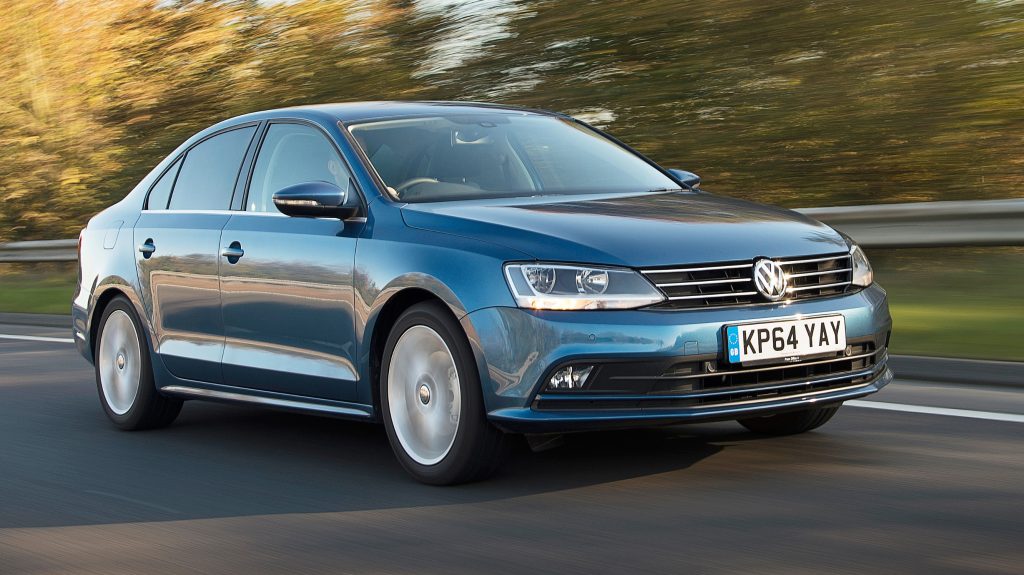
I am writing about the Jetta because it represents a sedan that has grown into a mature city car. It is not trying to be flashy. It is trying to be effective and comfortable. In major cities, that approach works extremely well, making the Jetta a sedan that fits urban life without feeling outdated.
5 That Feel Outdated
A sedan can feel outdated even if it still works mechanically. Outdated does not always mean unreliable. It usually means the car no longer matches the expectations of modern drivers, especially in big cities where convenience and technology matter every day.
Today, people want smooth driving in traffic, strong fuel efficiency, modern infotainment, and features that reduce stress, like good cameras, parking sensors, driver assistance systems, and easy smartphone connectivity. When a sedan lacks these things, it quickly feels old, even if it looks fine from a distance.
Major cities make this gap more noticeable. In cities, you use your car differently. You start and stop constantly. You park in tight spaces. You rely on navigation apps daily. You need quick phone pairing, good sound quality, and an interior that feels comfortable during long traffic hours.
A sedan that feels outdated often has an older cabin layout, small screens, slow touch response, or confusing controls. Some also have hard rides, heavy steering, or inefficient engines that waste fuel in traffic.
There is also the issue of design aging. Some sedans simply have not evolved enough. Their exterior may still look acceptable, but their interiors feel stuck in the past. Materials may feel cheap or old fashioned.
Storage spaces might be poorly planned for modern items like large phones and charging cables. Even safety can feel outdated if the car does not offer modern protection systems that drivers now consider basic.
I am writing about these five sedans because many buyers still choose them due to price, brand name, or old reputation. But in 2026, a sedan has to offer more than just being “a car.” It has to feel current.
These sedans feel behind in important city-friendly areas, and that is why they can feel outdated compared to newer rivals. They may still serve some drivers well, but for major city use, they often feel like they belong to an earlier era.
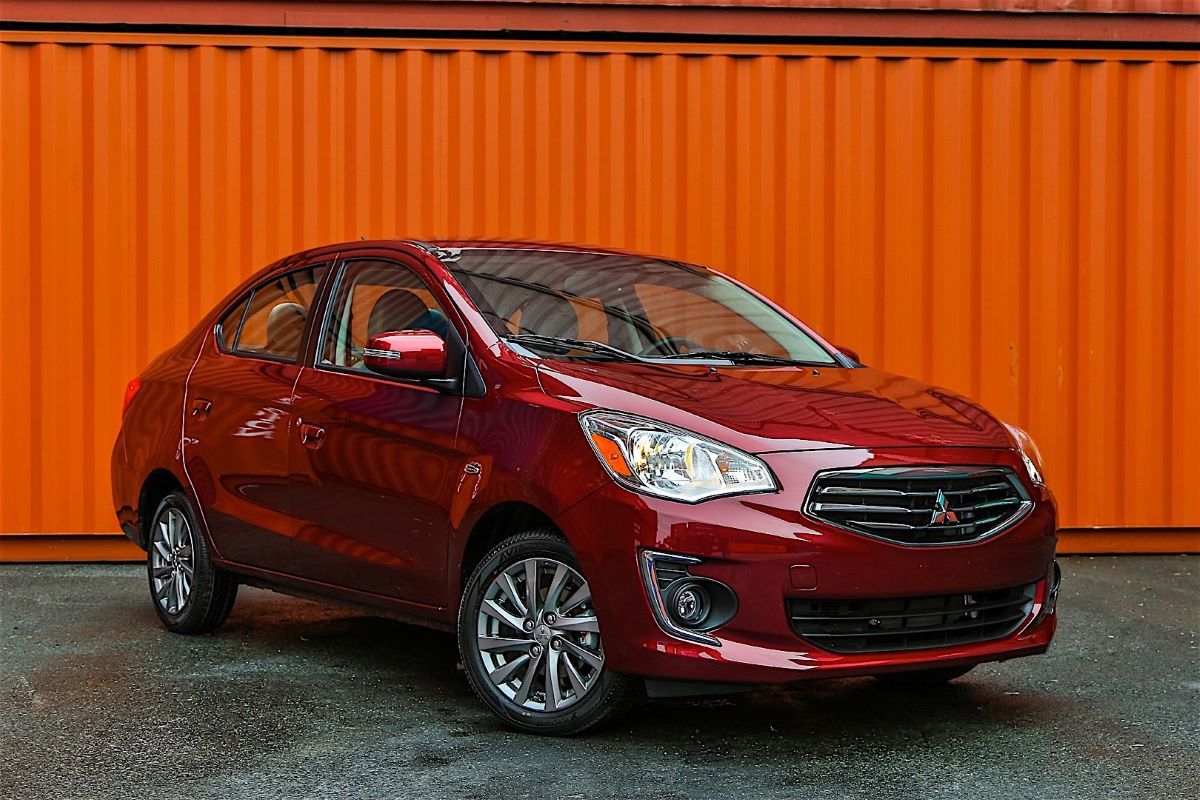
1) Mitsubishi Mirage G4
The Mitsubishi Mirage G4 feels outdated because it delivers a driving experience that reminds you of an older budget-car era. Its biggest weakness is that everything feels basic in a way that modern city drivers no longer accept.
In major cities, you spend long hours in traffic, which means cabin comfort, quietness, and smoothness matter a lot. The Mirage G4 often feels noisy and thin, making daily commuting feel more tiring than it should.
Performance is another reason it feels behind. In city traffic, cars need responsive acceleration to merge, overtake slow vehicles, or quickly move out of uncomfortable situations.
The Mirage G4’s engine feels underpowered, and the driving experience can feel strained when you push it. Instead of feeling confident, you may feel like the car needs extra effort just to keep up with normal traffic flow.
The interior also contributes to the outdated feeling. The materials, layout, and overall cabin atmosphere feel older than many modern rivals. In 2026, even budget sedans are expected to offer decent infotainment and smooth smartphone pairing.
When a car struggles to feel “connected,” it immediately feels behind. Storage and everyday usability also feel limited, especially for city drivers who need practical pockets for phones, chargers, and small items.
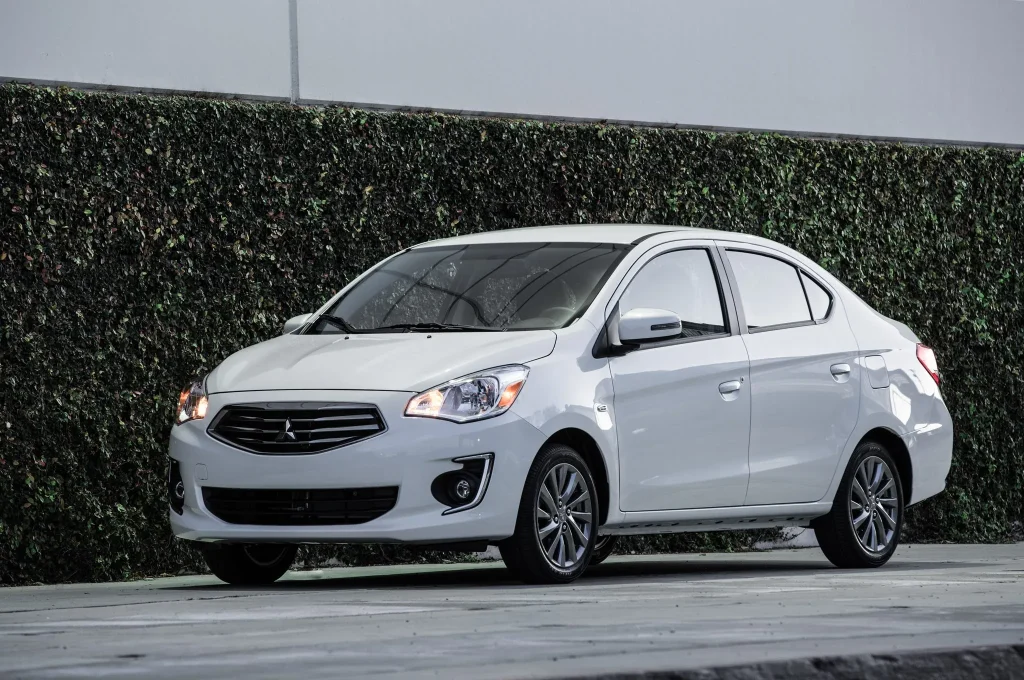
I included the Mirage G4 because it is a sedan many people consider due to low cost and mileage. But city drivers should understand the trade-off.
Yes, it can be cheap and efficient, but it often feels like a sedan from an older time, especially when compared to newer compact sedans that feel far more refined, comfortable, and modern.
2) Nissan Versa (Older Generation / Base Focus)
The Nissan Versa has improved over time, but in its older feeling versions and base-focused setups, it can still feel outdated in major city use. This happens because the Versa’s value strategy has often prioritized affordability over refinement.
In city life, affordability matters, but the daily driving experience matters too, and the Versa sometimes feels behind in the things that make urban driving easier.
One issue is cabin quality. Certain Versa interiors feel plain and low-rent, with materials and design that do not feel modern. In major cities, where people spend hours driving, a cabin that feels cheap or poorly insulated becomes noticeable.
Noise levels in particular can make the car feel tiring, especially when you are stuck in long traffic and surrounded by horns and buses.
Technology also makes the difference. In 2026, drivers expect smooth smartphone integration and a usable infotainment experience even in basic cars. If the screen feels small, slow, or outdated, the entire vehicle feels older.
City drivers rely on maps, music apps, and hands-free calls constantly, so tech weaknesses feel bigger in daily use than they would in occasional driving.
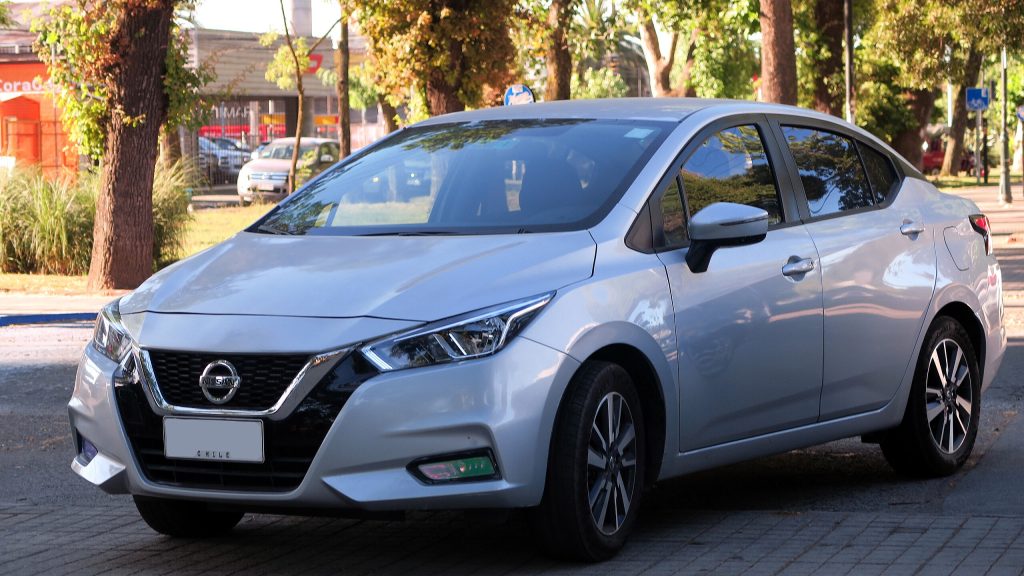
I am writing about the Versa because it is often seen as an easy “budget sedan choice,” but many buyers overlook how much refinement matters in urban living.
When compared to newer rivals that deliver better cabin design, better connectivity, and stronger overall driving feel, the Versa can seem behind, especially in the versions that still carry older design choices.
3) Dodge Charger
The Dodge Charger feels outdated not because it lacks presence, but because its design philosophy belongs to a different era. It is large, heavy, and built around a muscle sedan identity that does not match modern city needs.
In major cities, drivers need efficient space usage, easy maneuvering, and advanced technology support. The Charger instead offers size and power, which can feel excessive and inconvenient in urban environments.
The first problem is physical scale. The Charger is wide and long, making it harder to park and harder to fit into tight lanes. In big cities, that size becomes a daily burden. Even if the car feels powerful and fun in open spaces, city streets punish that kind of bulk. It becomes a car you constantly “manage” rather than drive naturally.
The second issue is running cost and practicality. Large engines and heavy builds often burn more fuel in stop and go traffic.
That instantly makes the Charger feel less modern compared to efficient sedans that are designed for daily commuting. It may have updated infotainment in some trims, but the overall concept still feels less future-ready.
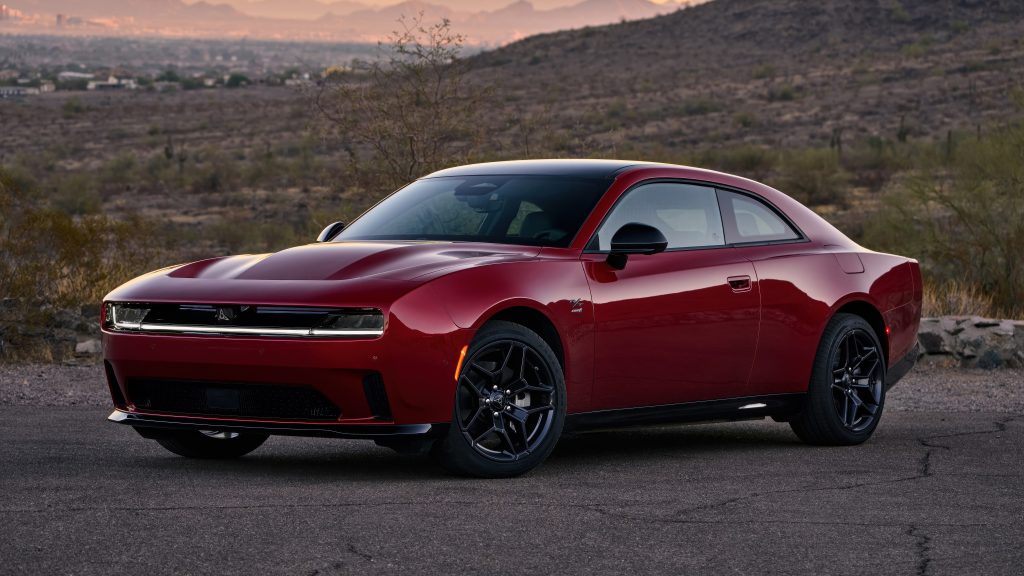
I included the Charger because many people love it emotionally. It looks bold and feels strong.
But when you compare it to modern city-focused sedans, it feels like a sedan from a different time, where size and muscle mattered more than efficiency, tech integration, and compact maneuverability. In 2026 cities, that older identity can feel outdated.
4) Chevrolet Impala
The Chevrolet Impala is another sedan that can feel outdated because it reflects an older idea of what sedans should be. It was built as a large, comfortable sedan for wide roads and long cruising. That sounds good, but in major cities it is not always practical. City life rewards smaller footprints, easier parking, and modern tech-focused interiors.
The Impala’s size makes it less city-friendly. It takes up more space than compact sedans, which means parking requires larger gaps and more effort. In crowded areas, the car can feel like it is always slightly too big. That causes stress in narrow lanes and tight parking lots.
The interior design can also feel behind compared to newer sedans. While it may still be comfortable, it does not always feel modern in layout and technology.
Modern city drivers want quick connectivity, clean digital interfaces, and advanced driver assistance features. Sedans that do not deliver those features consistently start feeling outdated quickly.
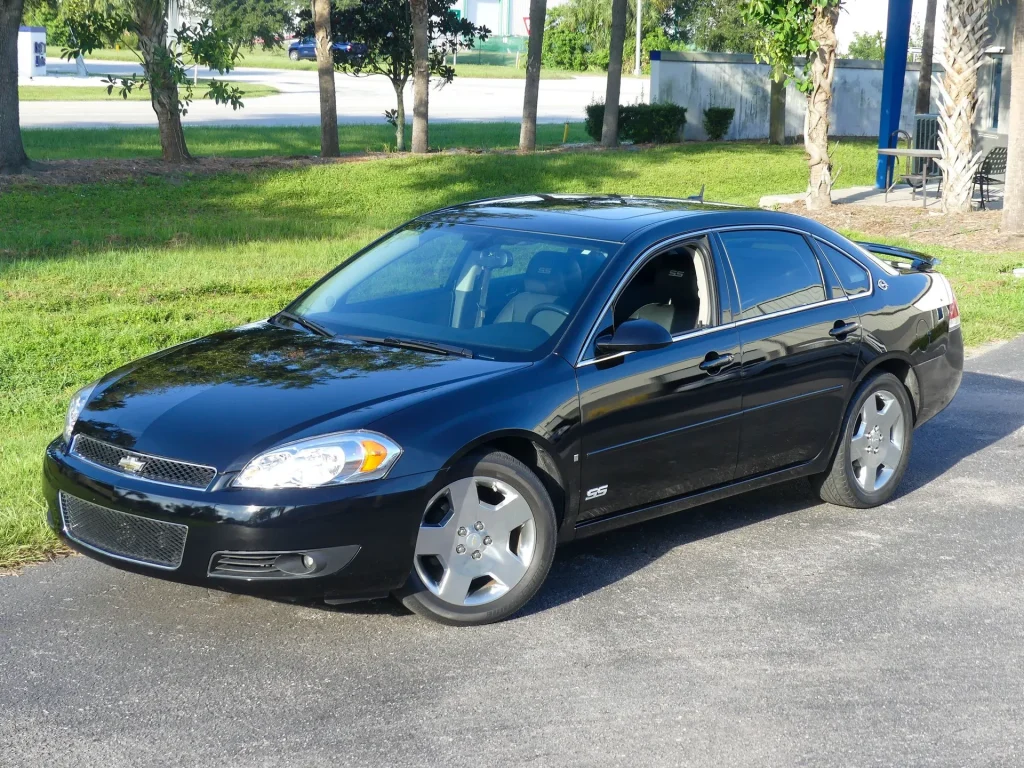
I am writing about the Impala because it represents a sedan that once made perfect sense. In the past, big comfortable sedans were a major segment.
But today, urban driving trends have changed. Practical compact sedans offer enough comfort with far more ease. In that comparison, the Impala can feel like a sedan from yesterday, even if it still drives smoothly.
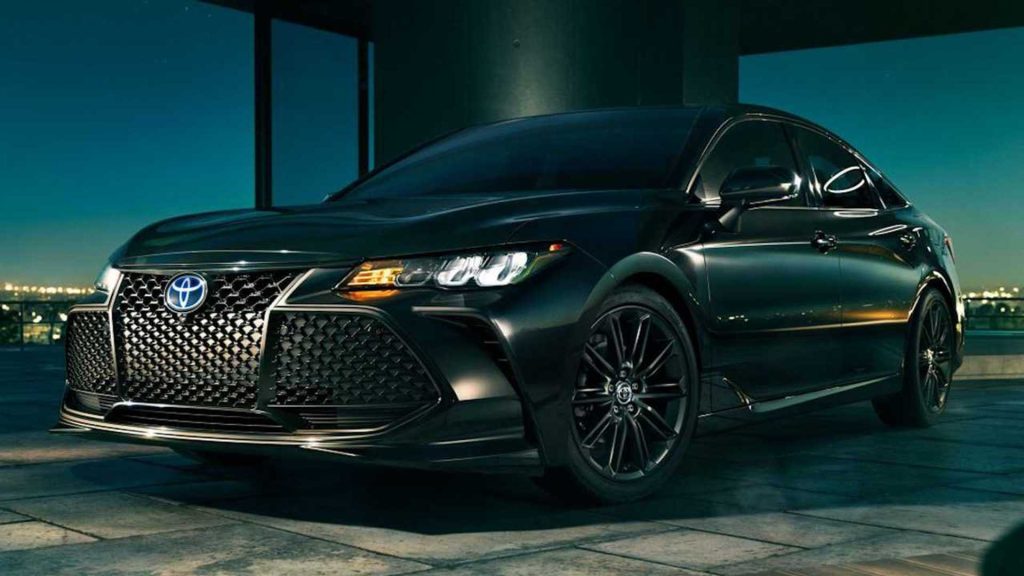
5) Toyota Avalon
The Toyota Avalon has many strengths, but it can still feel outdated in the modern sedan conversation because its identity is rooted in an older luxury-sedan style. It focuses heavily on comfort and smoothness, which is great, but in major city use it can feel too large and too traditional compared to newer, more tech-forward sedans.
One issue is its size. The Avalon is bigger than many people expect, which makes it harder to park and maneuver in dense traffic. In a major city, you feel that extra length and width constantly. Even if the car is comfortable, it demands more space than a modern city driver usually wants to deal with daily.
Another issue is design philosophy. The Avalon often feels like a classic large sedan rather than a modern urban tool. The cabin can be comfortable, but it may not feel as sharp or youthful as newer competitors.
When compared to sedans that emphasize modern digital interiors, sporty compact dimensions, and more efficient city manners, the Avalon can feel like it belongs to a previous era of sedan preferences.
I included the Avalon because it is a respected name and a good car in many ways. But for major city drivers in 2026, it can feel like a sedan designed for a different lifestyle, one based around wide roads and relaxed cruising rather than tight parking, constant navigation use, and urban maneuvering.