
Compact SUVs have become the default choice for people who want a vehicle that feels modern, practical, and ready for anything. They sit higher than sedans, feel safer to many drivers, and offer flexible cargo space without forcing you into a full size SUV.
But there is one thing buyers often underestimate until after purchase: city life. Traffic, narrow lanes, tight parking spots, crowded markets, and constant turns can make even a “compact” SUV feel either perfectly manageable or frustratingly bulky.
That difference is not just about the driver. It comes down to smart design. Some compact SUVs are shaped and engineered for urban use. They have a tighter turning radius, better visibility, lighter steering at low speeds, and dimensions that do not overwhelm small parking spaces. They feel like an upgrade from a hatchback rather than a compromise.
These are the SUVs that let you enjoy the benefits of a crossover while still feeling relaxed in busy areas.
On the other hand, some SUVs are sold as compact but behave like something bigger. They are wider, longer, and heavier than expected. Their hoods feel tall and bulky, the pillars create blind spots, and parking requires more patience than you planned for.
Even when they fit in a city, they can feel tiring because you constantly have to think about space, corners, and clearance.
That is why this article is split into two clear groups. First, we will go through five compact SUVs that genuinely stay city friendly. They are the ones that feel comfortable in daily traffic, slip into parking spots with less stress, and make urban driving feel natural.
Then we will shift to five SUVs that feel too large for city use, not because they are bad vehicles, but because their size and road manners make them harder to live with in tight environments. The goal is simple: help you choose a compact SUV that matches your real daily life, not just your wishlist.
Also Read: 5 Cars That Stay Affordable to Own in Cities vs 5 That Don’t
5 Compact SUVs That Stay City-Friendly
A truly city friendly compact SUV is not just a smaller SUV. It is a vehicle designed with urban reality in mind. That means it should feel easy to drive in traffic, easy to park, and easy to place on narrow streets.
In the city, you are constantly changing lanes, avoiding sudden obstacles, dealing with scooters and pedestrians, and squeezing into spaces that were never planned for modern vehicles. A good city compact SUV makes all of that feel manageable.
The key factors are usually the same across the best models. One is size, but not just length. Width matters even more because narrow lanes and tight gaps are what create real stress. Another is steering feel.
Light steering at low speeds reduces fatigue, especially when you are making constant small corrections. Turning radius is equally important. A compact SUV that can rotate neatly in U turns or tight corners instantly feels more urban friendly than one that needs wide swings.
Visibility is another huge deal. Some crossovers offer excellent sight lines with large windows and a practical seating position, which helps drivers judge corners and distance.
Technology can support this too. Features like rear cameras, parking sensors, and 360 degree systems can turn a tricky parking situation into something simple. But even with tech, the best city compact SUVs still succeed mainly because their proportions are right.
I am writing about these five SUVs because they represent what most city buyers actually need. These are not just “popular” models, they are genuinely easy to live with. They give you SUV practicality, a higher seating position, and decent cargo space while still behaving like a city car when it matters.
If your daily driving involves traffic, small streets, tight parking, and frequent stops, these five SUVs are the kind of choices that will make your routine smoother instead of harder.
1) Honda HR-V
The Honda HR-V is one of the best examples of a compact SUV that feels genuinely built for city living. It is sized in a way that gives you the SUV posture without making the body feel oversized.
In traffic, it feels calm and easy to control, which matters because urban driving is all about constant small decisions rather than long relaxed cruising.
One of the strongest reasons the HR-V stays city friendly is visibility. The seating position is high enough to feel confident, but the body design does not create that “blind corner” feeling that many crossovers do.
You can judge the edges of the vehicle easily, which makes parking and narrow lane driving much less stressful. In a crowded street, this is the kind of SUV where you feel like you know exactly where the car ends.
The HR-V also benefits from light steering and predictable behavior at low speeds. It does not feel heavy or slow to respond. That makes a big difference when you are turning into tight gaps or weaving through slow traffic. The turning circle is also reasonable, so U turns and quick adjustments do not become a multi-step process.
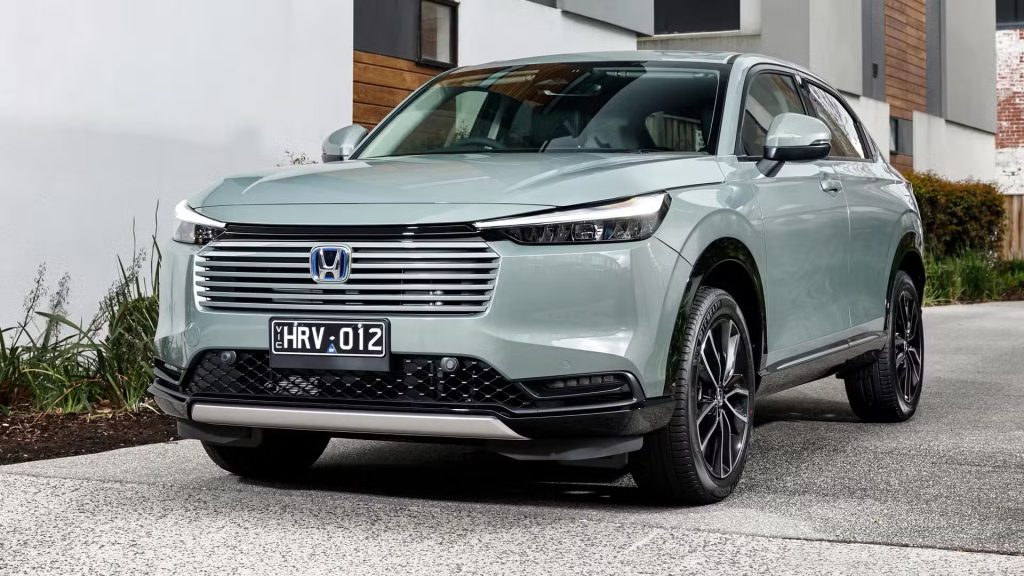
I am writing about the HR-V because many buyers want a practical compact SUV but are scared of losing the “easy” feeling they had in a hatchback.
The HR-V is a strong answer to that fear. It gives you the extra cargo flexibility and crossover feel while still being easy in daily city use, which is exactly what a compact SUV should do.
2) Hyundai Kona
The Hyundai Kona is small, sharp, and clearly designed to suit urban driving. It has the crossover look, but it drives with the attitude of a compact car. That makes it one of those SUVs that feels like it belongs in the city rather than something you are forcing into city life.
The Kona’s biggest advantage is how compact it truly is. Its footprint is small enough that parking feels easy, especially compared to larger “compact” SUVs that are growing every year.
The shorter length helps a lot when you are reversing into tight spots. Width is also manageable, which helps in narrow lanes and crowded market roads where mirrors come close to each other.
Steering feel matters a lot, and the Kona does well here. Low speed steering is light and responsive, which is exactly what city drivers want. You do not feel like you are wrestling the wheel. The car reacts quickly, and that gives you confidence when you need to squeeze into a gap or turn suddenly to avoid obstacles.
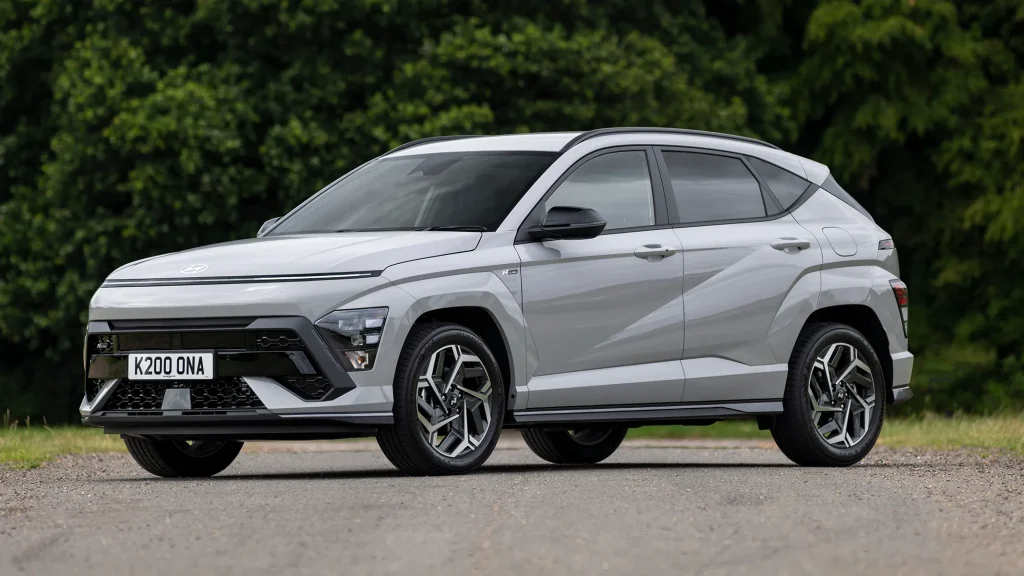
I included the Kona because it shows how a compact SUV can deliver style and practicality without becoming bulky. Many SUVs become “halfway big” and lose city friendliness.
The Kona avoids that trap. If your driving is mostly within city limits, and you still want the SUV vibe, the Kona is the kind of vehicle that fits that lifestyle naturally.
3) Mazda CX-30
The Mazda CX-30 stands out because it feels premium and sporty without becoming oversized. Many people assume that a “nice feeling” SUV has to be larger, but the CX-30 proves the opposite. It delivers a refined driving experience in a compact size, making it highly suitable for city drivers who want comfort without stress.
One reason it stays city friendly is its controlled handling. The CX-30 feels stable but not heavy. You can place it easily on the road, and that makes a big difference in tight city lanes. It also feels predictable at low speeds, which helps in traffic and when parking. The steering is precise, so small adjustments feel natural rather than exaggerated.
Another strong advantage is how well the CX-30 balances height with usability. You get a higher seating position than a sedan, but the body does not feel like a tall wall around you. The design is sleek but still functional enough for city use. Add parking sensors and modern safety features, and it becomes even easier to manage daily.
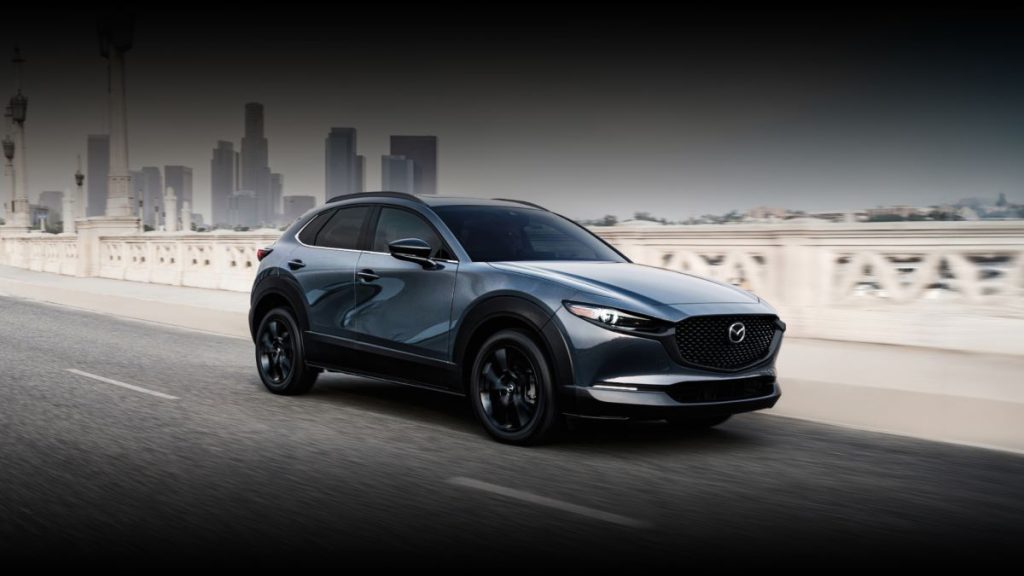
I am writing about the CX-30 because it fits a specific buyer: someone who wants a compact SUV that feels upscale but does not punish them in crowded areas. In the city, it stays calm, confident, and easy to park, and that combination makes it a great example of a city friendly compact SUV.
4) Kia Seltos
The Kia Seltos is a compact SUV that hits a sweet spot between practicality and easy maneuvering. It is not the smallest SUV in the segment, but it feels well packaged. In the city, that packaging matters more than raw numbers because it affects how easy the vehicle feels when you drive it every day.
The Seltos offers good outward visibility and a comfortable driving posture. The windows and seating position help drivers see around them without constant head movement. This is important in heavy traffic where you need quick awareness. The SUV feels confident but not bulky, and that balance helps in narrow lanes.
Steering is also tuned for convenience. At low speeds it feels light enough to reduce effort, which makes it easier to park and handle frequent turns. The Seltos also typically offers parking tech like cameras and sensors that reduce stress in tight areas. This is a big advantage in city life where parking space is often unpredictable.
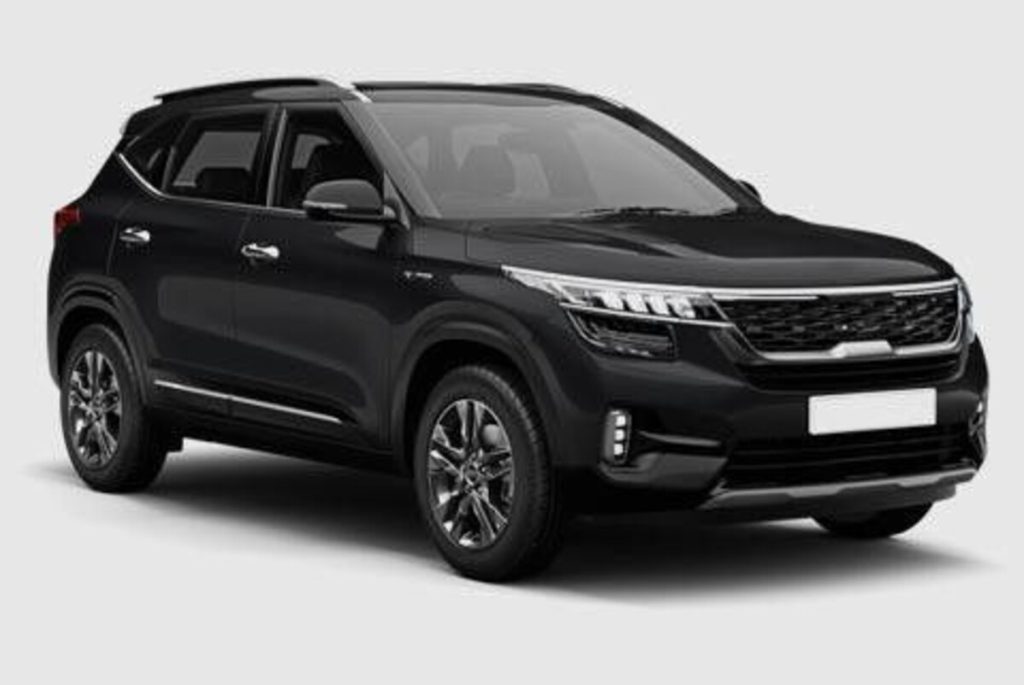
I included the Seltos because many buyers want a compact SUV that feels like a step above entry-level models.
The Seltos gives you the sense of a more grown-up SUV while still being friendly in daily urban driving. If you want space and features but still need easy manoeuvring, it fits that balance well.
5) Toyota Corolla Cross
The Toyota Corolla Cross takes one of the most trusted nameplates in the world and adapts it for SUV buyers, which is exactly why it works so well in cities. It feels like a Corolla in SUV form, meaning it stays sensible, manageable, and easy to use daily.
The Corolla Cross has a compact footprint that does not overwhelm tight streets. It offers decent ground clearance, but it does not feel tall and top heavy. That makes it easier to drive smoothly in city traffic. Many crossovers feel bulky because the hood line is high and wide, but the Corolla Cross avoids that exaggerated SUV feel.
It also benefits from Toyota’s focus on everyday usability. Controls are straightforward, the car behaves predictably, and low speed driving feels smooth. Parking assistance features are commonly available depending on the variant, which makes it easier to fit into tight spaces.
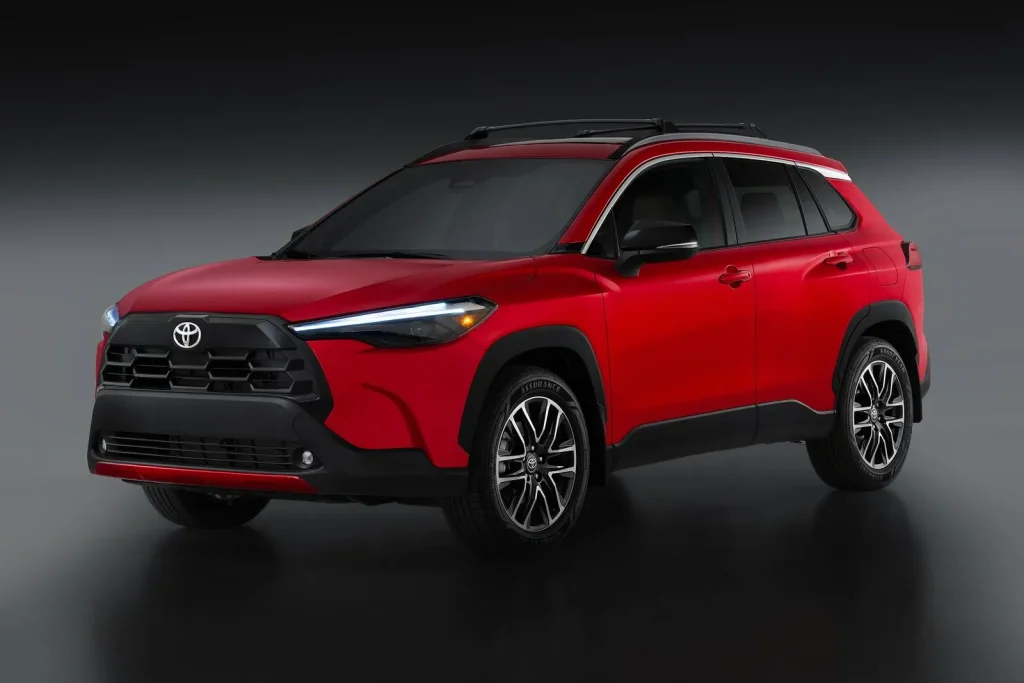
I am writing about the Corolla Cross because it appeals to practical buyers who want SUV style but still want city convenience.
It is a great example of a compact SUV that stays true to the word “compact.” It gives you flexibility without making daily life harder, which is exactly what a city friendly SUV should deliver.
5 That Feel Too Large
Some SUVs are marketed as compact, but the moment you start driving them in crowded areas, they feel like they belong in a different world. They might look stylish in photos and feel impressive on open roads, but city driving exposes their weaknesses quickly.
The lanes feel tighter. The turns feel wider. The parking spaces suddenly seem too small. What should have been an easy daily driver starts demanding extra attention every single time you leave the house.
The problem is not that these SUVs are “bad.” In fact, many of them are excellent vehicles in the right environment. They may offer more power, more cabin space, stronger highway comfort, and a heavier build that feels premium.
But city friendliness is a specific kind of talent. It requires the car to feel manageable, not just comfortable.
Many SUVs lose that manageability when their width increases, their hood becomes too tall, their wheelbase stretches, and their turning circle grows. Even small increases in size can change the experience massively because city gaps are not flexible.
Another major issue is how large SUVs feel from the driver’s seat. Some models have thick pillars, high dashboards, and bulky front ends, making it harder to judge corners. That forces drivers to slow down more, second guess distances, and rely heavily on sensors.
Technology helps, but it also shows how much the car is fighting the environment. If you need constant camera checking and warning beeps in normal parking, it is usually a sign the SUV is pushing the limits of “compact.”
I am writing about these five SUVs because they represent a common mistake buyers make. People choose them thinking they are compact enough for the city, but later realize the size and road behavior make everyday driving more tiring than expected.
If your daily life includes narrow lanes, tight parking, and heavy traffic, these SUVs can feel too large even if their official segment says otherwise.
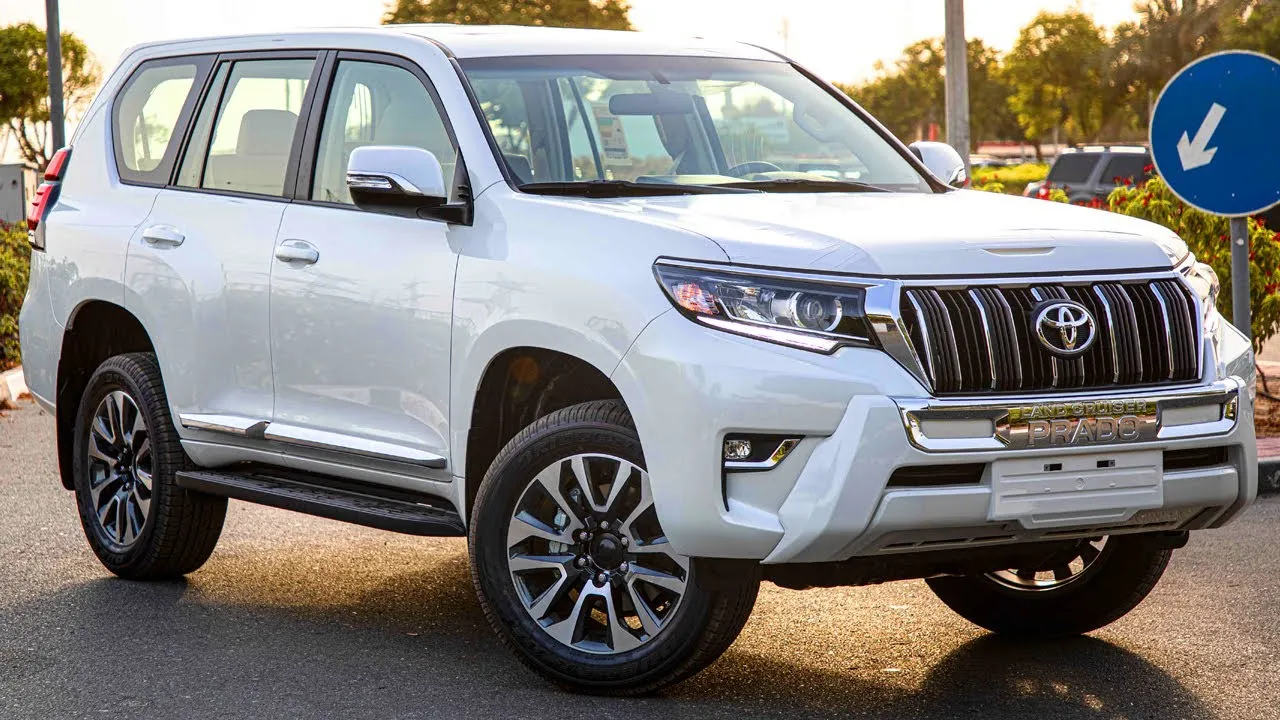
1) Toyota Land Cruiser Prado
The Toyota Land Cruiser Prado is an SUV with a strong reputation, but in the city it often feels like too much vehicle. Even though some markets treat it as a mid size SUV, many buyers compare it to compact SUVs because of brand loyalty or pricing overlap. The moment you try to live with it in tight city streets, its size becomes impossible to ignore.
The Prado’s width and height create constant awareness issues in narrow areas. In crowded lanes, you feel like the vehicle takes up more space than your surroundings allow.
The hood is tall, the body is bulky, and tight turns require careful attention. Parallel parking and reversing into small spots can feel stressful, especially when traffic builds behind you.
The wheelbase and turning behavior make it even harder. This SUV is designed for stability and off road strength, not quick rotation in small spaces.
So while it feels planted on highways, it requires wider swings in the city. Many drivers end up making multiple adjustments in simple parking situations, which turns quick stops into slow processes.
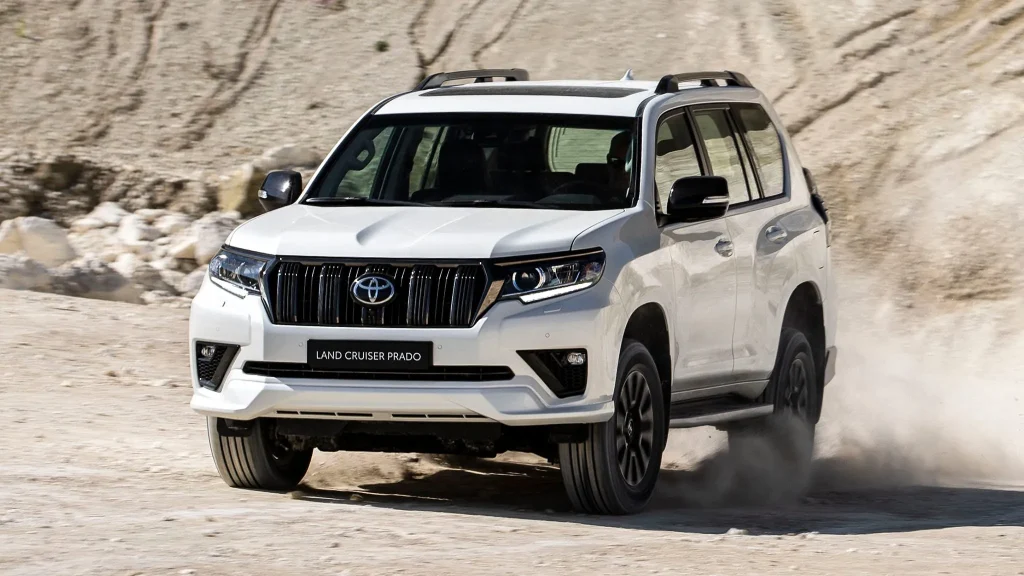
I included the Prado because it represents a real world mismatch. People buy it for durability and prestige, and it is excellent for long trips and rough roads.
But in cities, it can feel like carrying extra weight and size you do not always need. It is a perfect example of how a capable SUV can be a daily burden if the environment is tight and busy.
2) Ford Endeavour (Everest)
The Ford Endeavour, known as the Everest in some markets, looks like the kind of SUV that can handle anything. The problem is that “anything” usually means wide roads and open spaces.
In city conditions, it feels too large to be relaxing. Its size gives you presence, but that same presence becomes pressure when you are navigating tight streets and crowded parking.
The Endeavour feels wide from behind the wheel. Even experienced drivers sometimes feel forced to slow down in narrow lanes, not because the SUV cannot fit, but because it feels risky.
The corners are harder to judge, and the body feels like it needs more breathing room than the city can offer. This is especially noticeable in congested areas where bikes and small cars squeeze past.
Parking is another challenge. The Endeavour’s long body demands more space than most compact SUV owners expect. In busy city areas, finding a suitable parking spot can take longer.
Even if you find one, the turning circle makes it harder to place the SUV smoothly on the first attempt. You often need more back and forth correction.
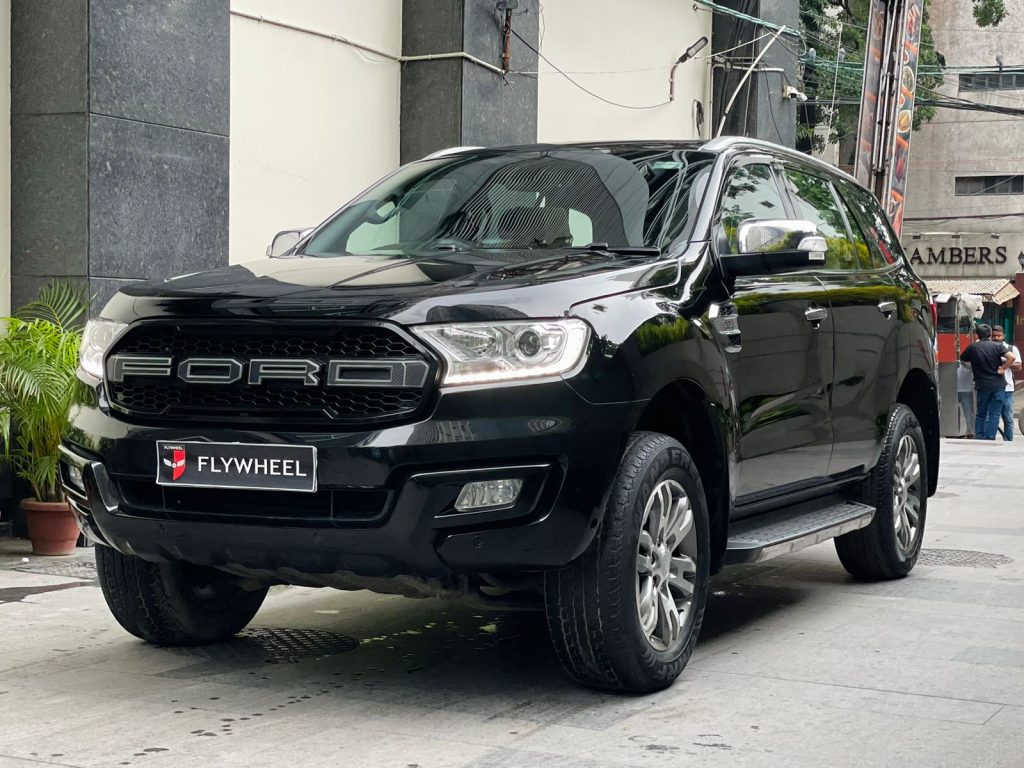
I am writing about the Endeavour because people love it for strength and comfort. It is a fantastic highway SUV. But city buyers sometimes underestimate how tiring it can feel daily. It is an SUV that rewards open roads, but it makes tight urban routines feel heavier than they should.
3) Jeep Grand Cherokee
The Jeep Grand Cherokee is a premium SUV that blends comfort with capability. But despite its quality, it can feel too large for city use. Compared to truly compact SUVs, the Grand Cherokee sits in a bigger class, and its road manners reflect that. You feel its size when you are trying to squeeze into urban gaps or park in tight areas.
The biggest problem is width and body bulk. Even when the vehicle fits, it can feel like it barely fits. That creates stress because city driving is full of unpredictability.
Someone suddenly crosses the road, a scooter passes close, or a car door opens. In a larger SUV, these moments feel more intense because you have less margin.
Turning behavior adds to the issue. The Grand Cherokee can feel less agile in tight turning situations. It wants more space to rotate, and that makes U turns and sharp cornering more difficult. In busy traffic, that lack of quick agility becomes noticeable.
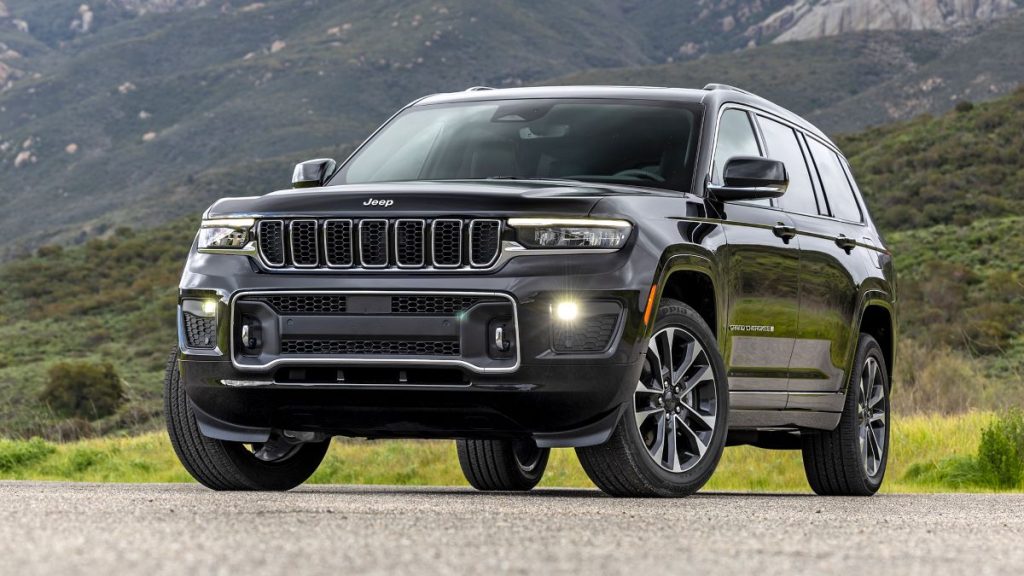
I included the Grand Cherokee because it is a SUV people buy for lifestyle and presence. It is great for highway travel, long comfort drives, and even rough paths.
But in daily city routine, it can feel like you are carrying extra size that does not always help you. It shows how premium SUVs can still be a burden in urban life if they are not built with city convenience as a priority.
4) Volkswagen Atlas (Teramont)
The Volkswagen Atlas, also called the Teramont in several regions, is often chosen for its spacious interior and family practicality. But city driving quickly reveals its weakness: it feels massive. Even if it is not positioned as a full size SUV in every market, it behaves like one in tight urban conditions.
The Atlas is long and wide, and that alone changes everything. Parking becomes difficult because the SUV needs more space, and finding a suitable spot can be frustrating. In narrow streets, the Atlas feels like it dominates the lane.
Drivers often feel forced to slow down because the margins are slim, and the body is big enough that small mistakes become expensive.
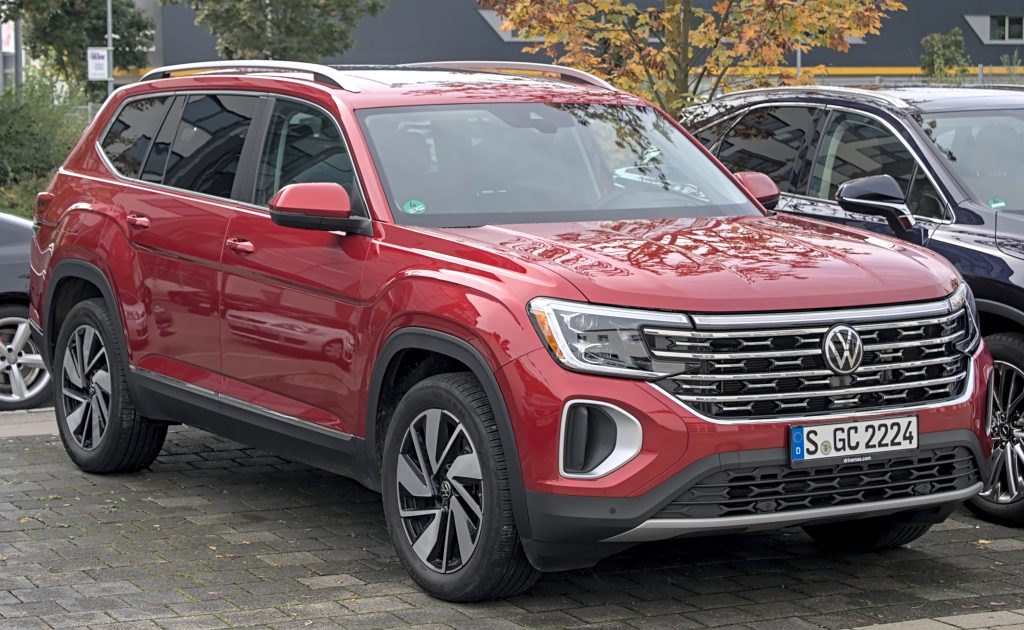
Visibility can also feel challenging. The SUV’s tall build and thick pillars reduce the clean view that smaller crossovers provide. This makes drivers rely more on cameras, sensors, and constant mirror checks. In busy cities, this constant monitoring adds stress and fatigue.
I am writing about the Atlas because many people buy it thinking it is simply a “larger compact SUV,” but in reality it is closer to a family hauler that needs space to breathe.
It is excellent if you regularly travel with family, luggage, and long drives. But in crowded cities, it can feel like too much vehicle for daily errands.
5) Chevrolet Tahoe
The Chevrolet Tahoe is a powerful, comfortable SUV with massive capability, but in the city it feels like a heavyweight. It is the kind of vehicle that fits suburban roads perfectly, but in tight city life it becomes a challenge in almost every practical way.
The Tahoe’s size is the main issue. It is wide, tall, and long enough that normal parking spots can feel inadequate. Even when you manage to fit, the vehicle often takes up more space than is ideal. You might also block part of the road while parking because it requires wide swings. In busy streets, this can create pressure quickly.
The turning radius can make things worse. The Tahoe needs room to rotate, so tight turns become multi step moves. U turns in narrow streets are often not possible without reversing. Even lane changes can feel more demanding because the SUV occupies more road space.
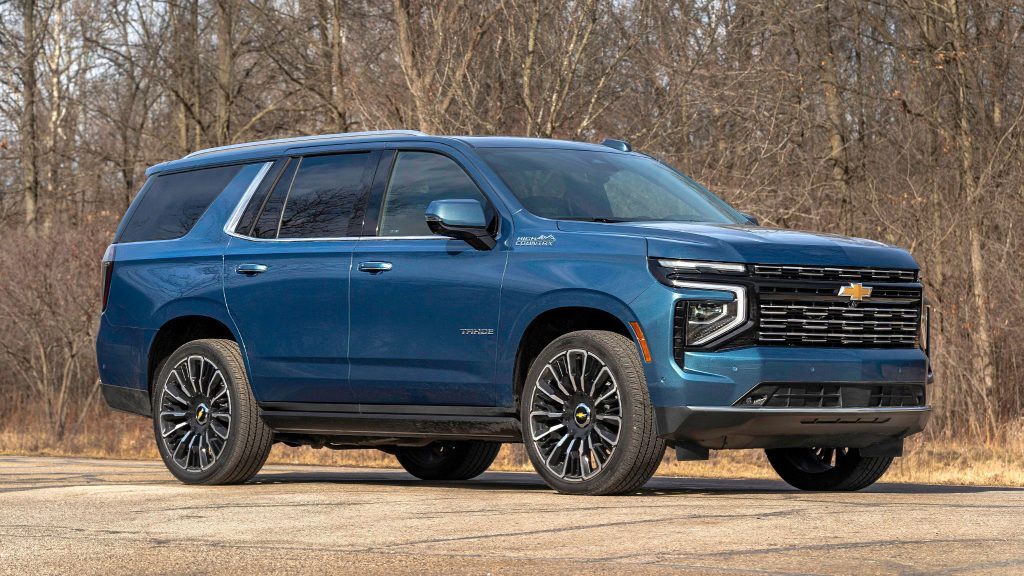
I included the Tahoe because it represents the extreme version of “too large.” It is excellent for comfort, towing, family travel, and highway dominance. But in dense urban environments, it can turn small daily driving tasks into work.
It is a reminder that big SUVs give big benefits, but they also bring big challenges, especially in cities where space is the most valuable resource.
