
Parallel parking is one of those everyday driving skills that feels simple in theory but turns stressful the moment there is traffic behind you and only a tight space available.
Some cars make it feel like a smooth, confident move where you slide in calmly, adjust once, and you are done. Other cars make it feel like a performance where every inch matters, the steering feels heavy, the visibility is awkward, and even after two or three tries you still feel unsure.
That difference is not always about the driver. A lot of it comes down to how the car is designed and how friendly it is for city life.
The truth is, not all cars are built with parking ease in mind. Wheelbase length, turning radius, steering weight, and even how high the hood sits can change the entire parking experience.
Add modern features like parking sensors, rear cameras, and automatic parking systems, and suddenly a difficult maneuver becomes something almost effortless. But if a car is big, wide, and has poor rear visibility, that same maneuver becomes a chore even for experienced drivers.
That is why this article compares two very different sides of the same problem. First, we will look at five cars that are naturally easy to parallel park, thanks to compact dimensions, light steering, excellent visibility, and smart technology.
Then we will switch to five cars that often make parallel parking frustrating, usually because of size, steering limitations, or visibility challenges. The goal is simple: help you understand what makes a car easy or hard to park, and why these differences matter so much for daily driving in crowded areas.
Also Read: 5 Vehicles That Feel Natural in Busy Areas vs 5 That Feel Out of Place
5 Cars That Parallel Park Easily
Some cars feel like they belong in a city. They are sized right, they respond quickly, and they do not fight the driver when it comes to tight spaces. In these cars, parallel parking feels less like a challenge and more like a normal routine.
You spot a space, you line up, you turn in confidently, and within seconds you are settled perfectly between two cars. The reason this happens is not luck. It is a combination of smart dimensions, predictable steering, and driver-friendly design.
When a car has a short wheelbase and a tight turning circle, it can swing its rear end into position without needing endless back-and-forth movement. If the steering is light at low speeds, you do not feel like you are wrestling the wheel just to make small adjustments.
Good visibility helps even more, because knowing exactly where your bumpers are makes the whole process feel controlled. This is where hatchbacks and compact cars often shine, but even some small sedans and mini SUVs manage to deliver an excellent parking experience.
Technology plays a big role as well. Parking sensors remove the guessing game. Rear view cameras help you see what mirrors can miss. Some cars even offer auto park systems that can steer into the spot for you.
Still, tech alone does not guarantee easy parking. If the car is too big or its turning radius is poor, sensors only reduce the stress but do not remove the struggle.
I am writing about these five cars because they represent what most people want in city driving: confidence in tight spaces. They make parking less time consuming, reduce the risk of scratching bumpers, and make daily urban life easier.
If you live in a crowded area, or if parallel parking makes you nervous, these are the kinds of cars that can genuinely make your driving feel lighter, simpler, and more enjoyable.
1) Honda Fit (Jazz)
The Honda Fit, also known as the Jazz in many markets, is one of the best examples of a car that feels built for urban life. It is compact without feeling cramped, and that compact size is exactly what makes parallel parking so easy.
When you are trying to slide into a tight spot between two cars, small exterior dimensions matter more than people realize. The Fit’s short length and upright design help you judge corners and spacing quickly, without second guessing.
One of the biggest reasons the Fit makes parallel parking smooth is visibility. The tall roofline and large windows give you a clean view of what is happening around the car. Many modern cars sacrifice visibility for style, but the Fit keeps things practical.
You can see your surroundings clearly, which is a huge advantage when you are positioning the rear bumper close to another vehicle. That extra visibility alone reduces stress.
The steering is another win. At low speeds the Fit feels light and responsive, allowing small steering corrections without effort. That matters because parallel parking is rarely a one turn move.
Even when you need to adjust, the Fit responds quickly without feeling slow or heavy. The turning circle is tight, so even in narrow streets the car can swing into position without needing multiple attempts.
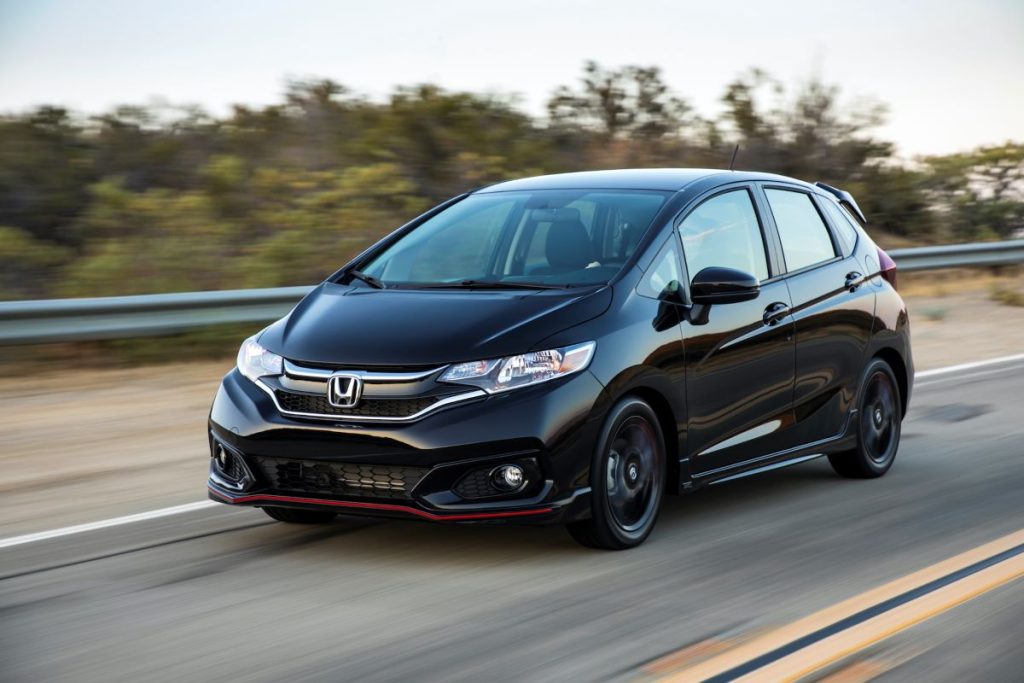
I am including the Honda Fit because it represents a perfect mix of size, visibility, and easy steering. It does not rely on fancy tech to feel easy to park. It simply has the right proportions, and that makes it naturally friendly for city drivers who parallel park often.
2) MINI Cooper
The MINI Cooper is practically designed to make tight space driving feel fun rather than stressful. Its compact body and short wheelbase allow it to fit into spaces that would feel impossible in larger cars.
When you are parallel parking, that short length becomes a major advantage because you do not need as much room to swing the front end and align the rear.
What makes the MINI especially good is how “sharp” it feels in small movements. The steering is quick, and the car responds instantly. This is important because parallel parking is a game of inches.
In some cars, the steering feels slow or requires too many turns. In the MINI, the steering feel is direct, meaning you can place the car exactly where you want it. You can rotate into the spot smoothly without overcorrecting.
Visibility is decent, and the car’s shape makes it easy to judge the corners. The upright seating position gives you confidence, because you are not sitting low like you might in a sporty coupe.
Parking sensors and rear cameras are also common on newer models, which further improves ease in crowded areas. Even without them, the MINI remains easy to park simply because it is small and extremely maneuverable.
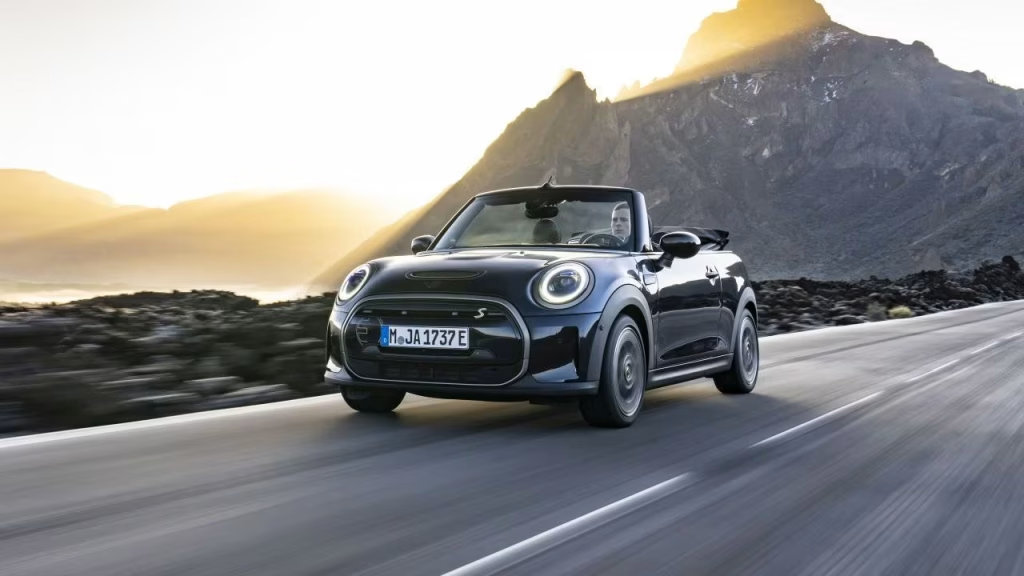
I am writing about the MINI Cooper because it proves that small cars can be both stylish and functional. Many people want something premium and fun, but they also need something easy to live with daily in the city.
The MINI delivers that rare combination, and parallel parking is one of the situations where its design shines the brightest.
3) Toyota Prius
The Toyota Prius might not be the first car people think of when they imagine easy parallel parking, but it actually performs very well in real world city conditions. Its size is manageable, and the design prioritizes everyday usability. It is not oversized, and that alone makes it far easier to park than many modern sedans and SUVs that have grown much larger.
One of the Prius’s biggest strengths for parking is how predictable and calm it feels at low speeds. The steering is light, the car moves smoothly, and the controls feel easy to manage. In parking situations, predictability is everything.
You want a car that does not suddenly jump forward or feel awkward in reverse. The Prius tends to feel gentle, which gives drivers confidence when they are inching into a spot.
Technology plays a major role here as well. Many Prius models include rear cameras, parking sensors, and even advanced driver assistance features that help you avoid obstacles.
That takes away much of the fear that comes from parking near other cars. The Prius also has a hatchback style rear, and this design makes rear visibility more practical than some traditional sedans with tall trunks.
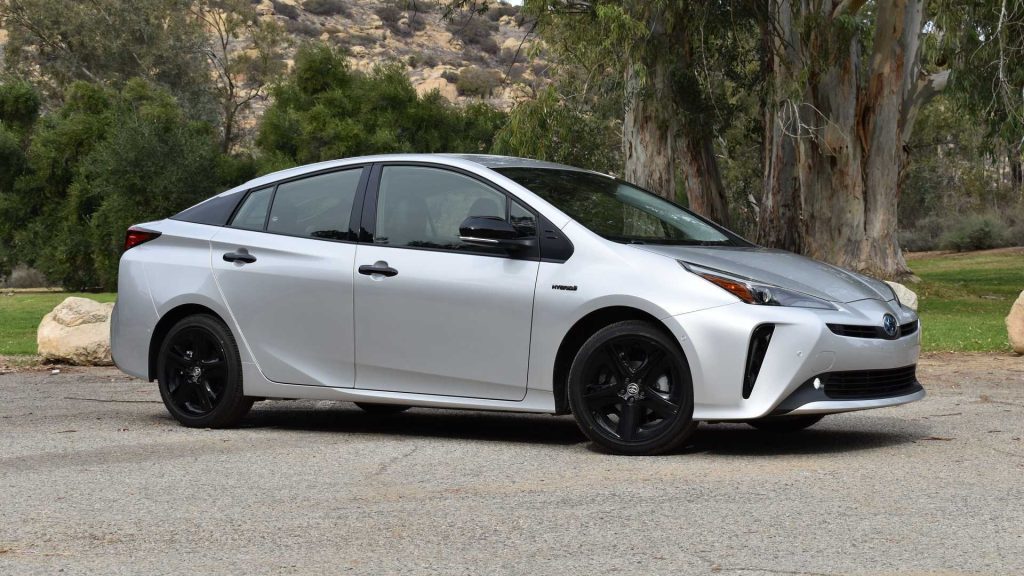
I included the Prius because it is a car people often buy for efficiency, but they end up appreciating its city friendliness too.
It is a great example of a practical daily car that makes parking easier through smart design and supportive technology. For drivers who want low running costs plus easy maneuvering, it stands out as a strong choice.
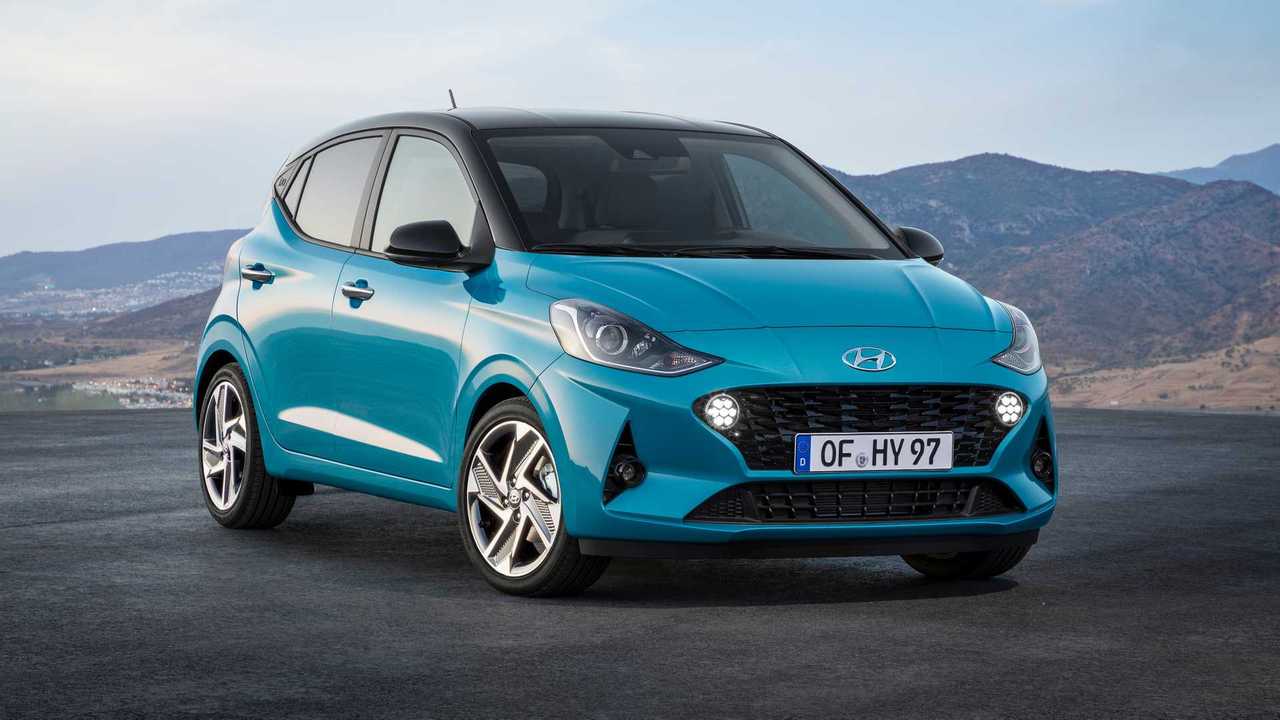
4) Hyundai i10
The Hyundai i10 is a small car with a big advantage: it is made for tight urban spaces. In cities where roads are narrow and parking spots are tiny, the i10 feels like it belongs. Its short length and narrow width make it extremely easy to fit into spaces where larger cars would not even try.
Parallel parking in the i10 feels straightforward because you do not have to overthink the space. The car can slide into a gap smoothly, and the turning radius is impressive.
That tight steering circle allows you to angle in quickly without needing three or four adjustments. Even new drivers tend to find it forgiving, which is exactly what you want in a city car.
Another strong point is the seating position and visibility. The i10 has a tall, upright design that lets you see more of the street. You can judge distances better, and that makes every step of parking easier.
Light steering also helps a lot, especially in repeated parking situations. You can turn the wheel with minimal effort, and that reduces fatigue when you are driving in traffic all day.
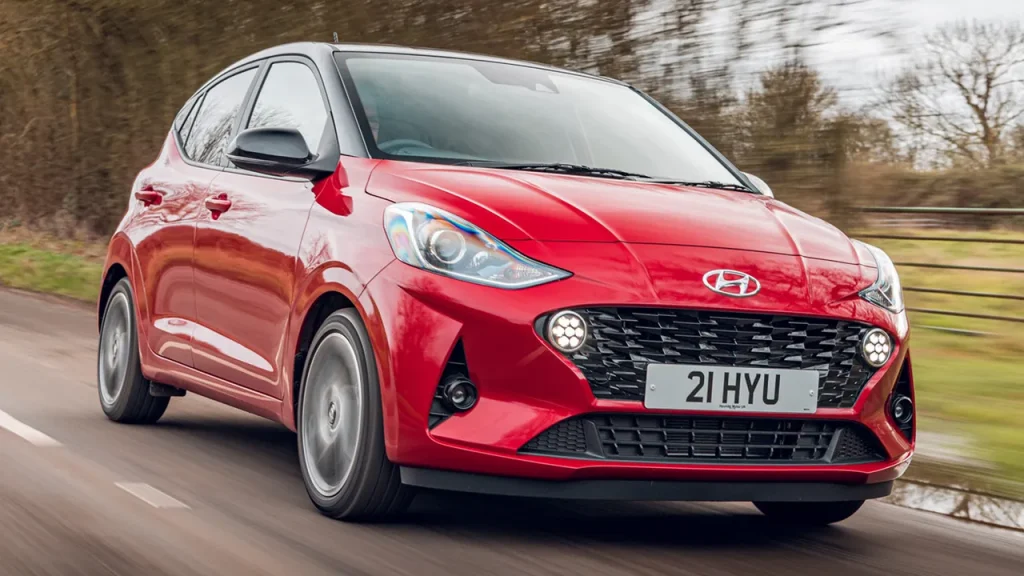
I am writing about the i10 because it highlights an important truth: small cars are still kings of city convenience.
While bigger cars offer road presence and comfort, cars like the i10 deliver stress free maneuvering. If parallel parking is part of your daily routine, this kind of compact city hatchback makes life noticeably easier.
5) Kia Soul
The Kia Soul is interesting because it proves that you do not need to be extremely small to be easy to parallel park.
It is not as short as a MINI or i10, but its boxy shape makes parking much simpler than many cars of similar size. The upright body gives it excellent outward visibility, and that makes judging spaces far easier.
Parallel parking is often more about visibility than raw size. Many cars have sloping roofs and tiny rear windows, which makes the driver unsure about how close the car is to other vehicles. The Soul avoids this problem.
The windows are large, and the rear design is practical. You can see the edges of the car more clearly, and that reduces the fear of clipping a bumper.
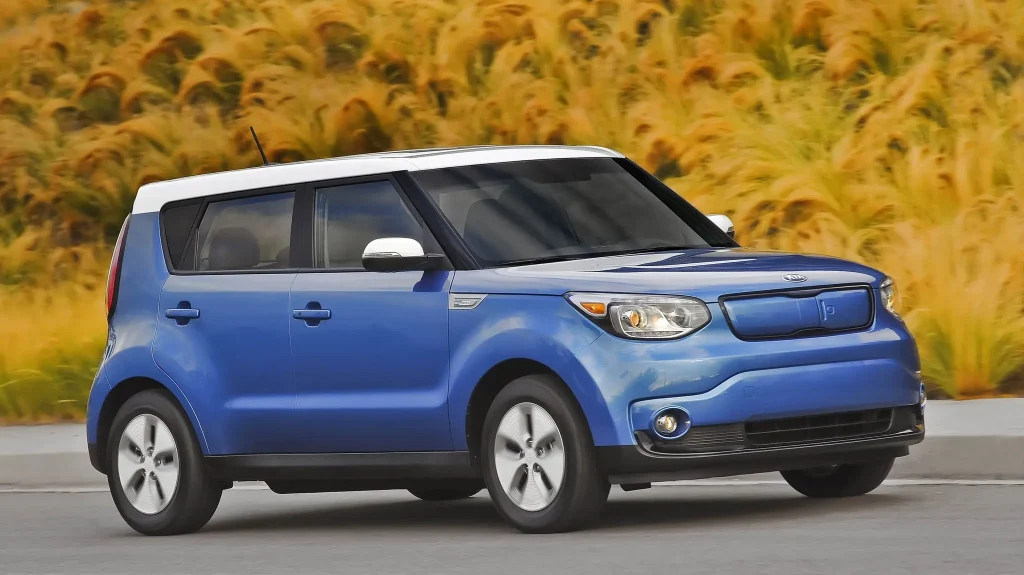
The Soul also has city-friendly steering. It feels light at low speed, and the car turns predictably. The turning circle is good enough that you rarely feel stuck while trying to angle into a tight spot. Many models offer parking sensors and rear cameras, which add even more comfort for drivers.
I included the Kia Soul because it is a real-world, practical car. People buy it for space, comfort, and its unique look, but in daily city use it shines because it is easy to maneuver. It is a perfect option for someone who wants a roomy interior but still wants parallel parking to feel simple and stress-free.
5 That Turn It Into a Chore
Not every car is designed with city parking in mind. Some vehicles feel amazing on highways, smooth on long drives, and powerful in open spaces, but the moment you bring them into a crowded street and try to parallel park, the problems begin.
The space that looked “just enough” suddenly feels too tight. The steering needs more effort than expected. The front end swings wide, the rear visibility feels limited, and you end up doing the same back-and-forth movement again and again.
That is when parallel parking stops feeling like a normal driving task and starts feeling like a chore.
This struggle usually comes from a few predictable reasons. The first is size. Longer vehicles need more room to fit into a spot, and in most cities those ideal large parking gaps are rare.
Even if the car technically fits, the driver has to work harder to angle the car into the space. Second, the turning circle plays a huge role. Some cars simply cannot rotate tightly enough in narrow streets, forcing multiple adjustments.
Third, visibility becomes a problem, especially in vehicles with thick pillars, high trunks, or small rear windows. If you cannot confidently judge where the rear bumper ends, your brain naturally becomes cautious, and parking takes longer.
Technology can help, but it cannot completely fix bad proportions. Sensors might beep loudly, but they cannot shorten the vehicle.
Cameras can show obstacles, but they cannot improve how wide the car swings. That is why certain cars, even expensive ones, can be frustrating in city parking situations.
I am writing about these five cars because they represent a category many drivers face in real life: vehicles that offer comfort, space, or power, but make parking difficult.
Knowing which types of cars turn parking into a struggle can help you choose smarter, especially if parallel parking is something you deal with almost every day.
1) Chevrolet Suburban
The Chevrolet Suburban is legendary for space and road presence, but parallel parking one can feel like trying to dock a boat in a small canal. The main issue is simple: it is huge.
A Suburban’s length makes it difficult to find a spot that truly fits, especially in busy city areas. Many parking spaces that look workable for smaller SUVs are not practical for a vehicle this long.
Even when the space is technically large enough, the Suburban requires careful positioning. The long wheelbase makes the turning movement wider, meaning it cannot rotate quickly into a tight gap.
Drivers often need multiple attempts, and every correction takes time because the vehicle occupies so much space. In narrow streets, the stress increases because the front end can swing outward, forcing you to worry about nearby cars and oncoming traffic at the same time.
Visibility is another challenge. The Suburban is tall and wide, and while the driving position is high, it can still be hard to judge the rear corners.
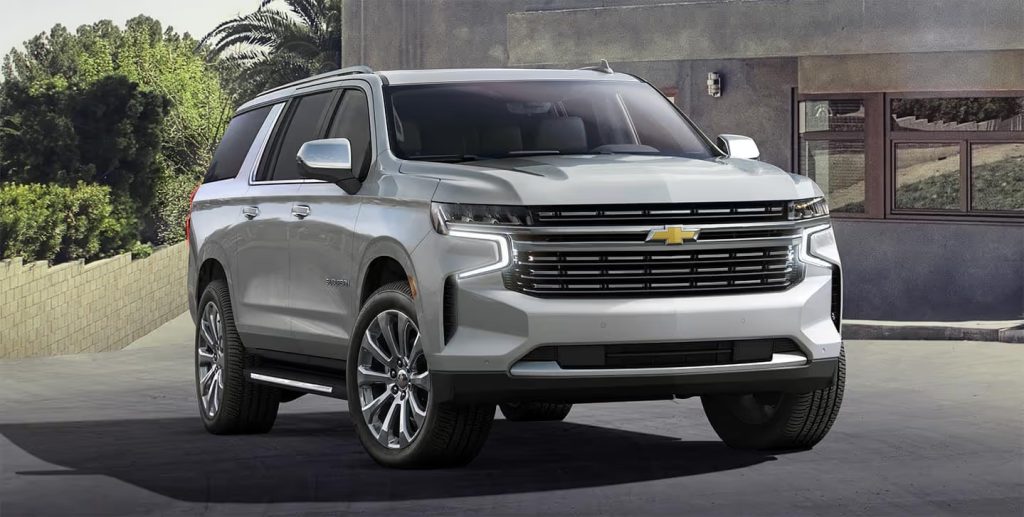
Rear cameras and sensors help, but they do not change the vehicle’s physical size. You still need to be extremely careful about how much room you are taking in the street while maneuvering.
I am including the Suburban because it perfectly represents the “city parking nightmare” category. It is brilliant for families, road trips, and carrying cargo.
But if parallel parking is part of your daily routine, this vehicle can turn every simple stop into an effort. It is a reminder that maximum space often comes with maximum inconvenience in tight city streets.
2) Ford F-150 (Full-Size Pickup)
Full-size pickup trucks like the Ford F-150 are built for capability, not convenience in tiny parking spaces. Parallel parking one can be a challenge even for confident drivers because of the truck’s length and width.
In many cities, a typical parallel parking spot is sized for compact cars and sedans. A full-size truck often sticks out even if you manage to fit most of it in.
One major difficulty is the turning behavior. A truck’s wheelbase is usually long, which makes the turning circle wider. That means you need more room to angle in smoothly, and if you do not have it, you will have to correct repeatedly.
The truck’s size also makes you more cautious, because the consequences of a small mistake are bigger. Scraping another car’s bumper in a pickup feels even worse because the truck’s body is taller and heavier.
Rear visibility is also tricky. The cargo bed design changes how the rear looks, and it can make distance judgment harder compared to a hatchback. Even with a backup camera, the truck’s longer body can still confuse drivers, especially if the parking space is tight and there is little room to adjust.
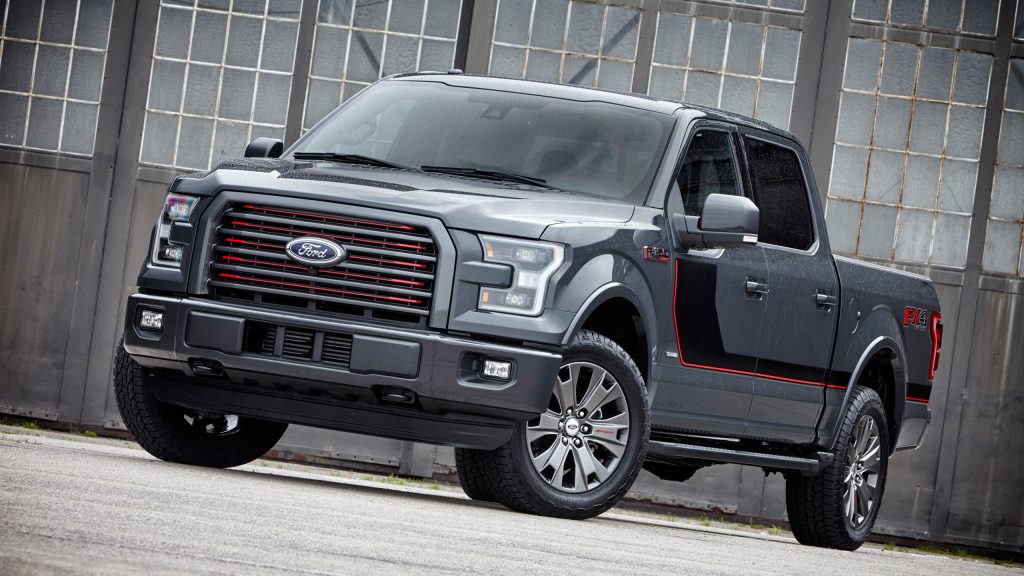
I am writing about the F-150 because it is one of the most popular vehicles on the road, and many people drive it daily. It is amazing for work and versatility, but in parking scenarios, it becomes a chore. The F-150 shows why capable vehicles often struggle in city life when the streets and spaces are not built for them.
3) Dodge Challenger
The Dodge Challenger is the kind of car that looks incredible and feels powerful, but when it comes to parallel parking, its design works against it. The Challenger is wide, long, and has limited rear visibility. Those three qualities combined are basically the opposite of what you want for easy parallel parking.
Length makes it difficult to fit into many city spots, but the real frustration comes from visibility. The Challenger has a high beltline and smaller windows compared to more practical cars.
The rear view can feel blocked, and judging the exact position of the rear bumper becomes stressful. You might feel unsure about how close you are to the car behind you, so you park farther away than necessary, wasting space and creating more difficulty.
Another issue is the turning radius. Muscle cars often prioritize style and performance stance, not tight city maneuvering. The Challenger can feel less agile when making sharp parking movements. You may need extra space to swing the front end, which is not always available.
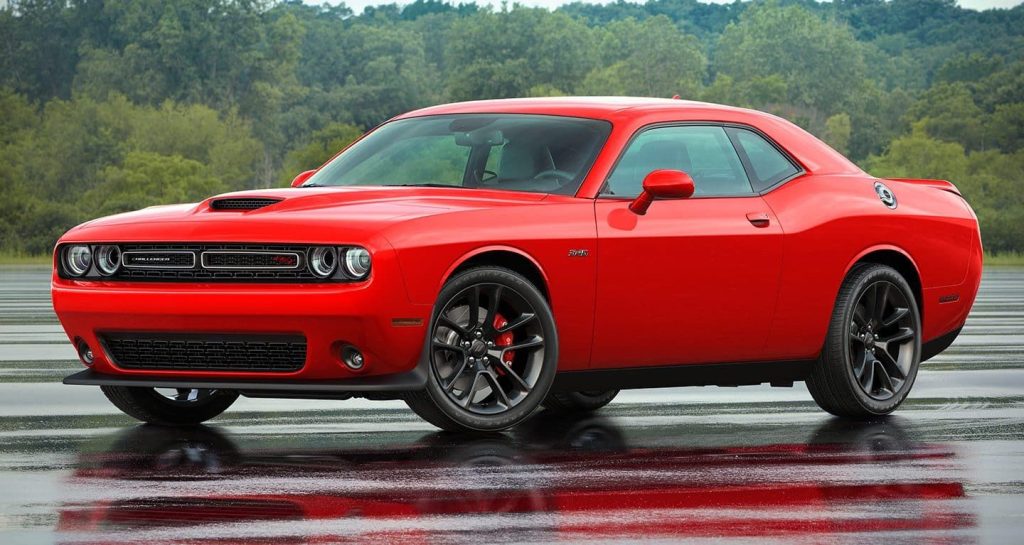
I included the Dodge Challenger because it highlights how sporty looks can come with everyday inconvenience. People buy it because they love the shape, the sound, and the presence.
But those same design choices make it harder to deal with basic city tasks like parallel parking. It is a classic example of a car that makes you enjoy the open road but makes you work harder in tight spaces.
4) Mercedes-Benz S-Class (Long Wheelbase)
The Mercedes-Benz S-Class is one of the most comfortable luxury sedans ever made, but parallel parking it is not always as effortless as the price tag suggests. Luxury sedans tend to be long, wide, and built for smooth cruising more than tight maneuvering.
The long wheelbase version of the S-Class takes that to another level, making it feel like a big executive vehicle that does not want to squeeze into cramped spaces.
The length is a major issue. You need a larger space to fit the vehicle, and city streets rarely offer that kind of room. When parking, the long wheelbase reduces how sharply the car can angle into position. Even with smooth steering, physics still matter. A big sedan cannot rotate like a compact hatchback.
Visibility can also feel restricted because of the car’s design. Modern luxury sedans often have thick pillars and a sleek profile, which can reduce the natural view out the back.
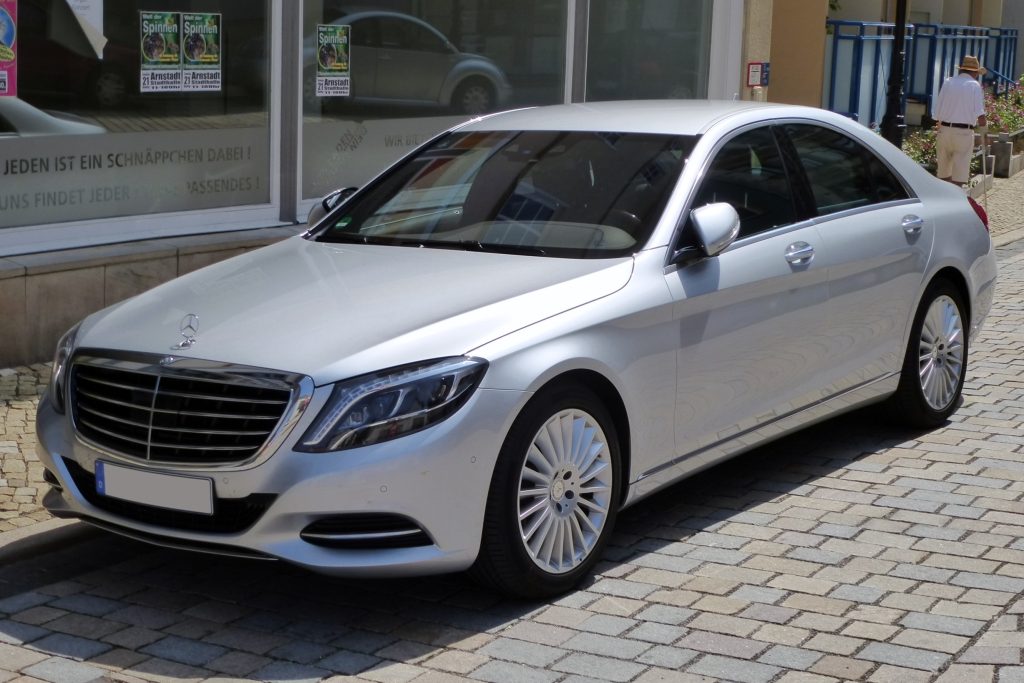
Yes, the S-Class usually comes packed with cameras, sensors, and even parking assistance. But even with the best tech, drivers still feel the pressure because the car is expensive, and nobody wants even a small scratch.
I am writing about the S-Class because it shows that “luxury” does not always mean “easy.” It is unbeatable for comfort and prestige, but parallel parking it regularly can feel like extra work, especially in busy cities with tight spaces and impatient traffic behind you.
5) Jeep Wrangler (4-Door)
The Jeep Wrangler is loved for adventure and personality, but it can easily turn parallel parking into a slow and awkward task. The biggest challenge is its shape and handling.
The Wrangler is tall, boxy, and has a driving feel that is different from standard city cars. That makes small precise movements harder, especially for drivers who are used to smooth sedans or hatchbacks.
The four-door version is longer, which increases the parking difficulty. You need more space to fit it in, and the turning circle is not always as tight as people expect.
While the Wrangler can handle rough terrain, city parallel parking requires finesse rather than toughness. The steering can feel less sharp, and the vehicle might not respond as quickly in small adjustments as a compact car would.
Visibility can also be strange. The upright stance helps in some ways, but the design has blind spots and a rear layout that can make distance judgment tricky.
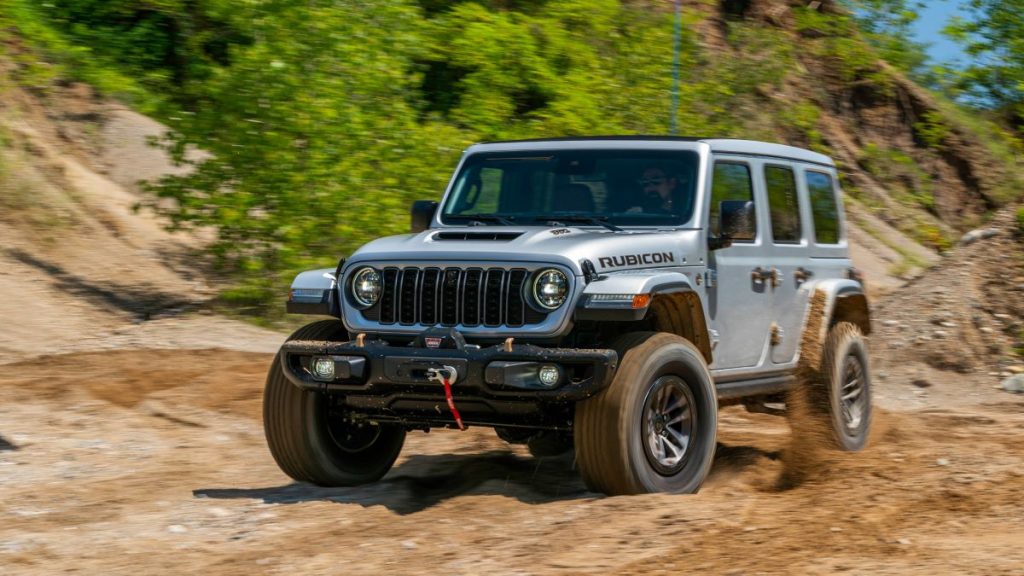
The rear window is not always as open and easy as it looks, and spare tyre mounting at the back can also change the perception of where the vehicle ends. Parking sensors and cameras help, but they do not remove the challenge of the Wrangler’s dimensions and handling style.
I included the Jeep Wrangler because it is a vehicle many people buy as a lifestyle choice. It offers fun, freedom, and a rugged look.
But in city parallel parking situations, it demands patience. It proves that adventure-ready vehicles can sometimes struggle with the small everyday tasks that city drivers deal with constantly.
Also Read: 5 Vehicles That Are Forgiving for City Drivers vs 5 That Aren’t
