
Houston traffic is not just slow, it is punishing. The city’s stop-and-go pattern, long commute distances, and heavy congestion combine with intense heat and humidity, creating one of the toughest daily driving environments in the United States.
In Houston, your car is not only dealing with constant braking and acceleration. It is also fighting heat while idling in traffic. That heat load is what makes Houston different from many other cities. A vehicle that performs fine in cooler regions can start struggling in Houston because cooling systems are under pressure almost every day.
Stop-and-go driving creates a special kind of wear. Engines spend long time periods idling, which reduces airflow through radiators. Temperatures rise, fans work harder, and cooling systems are tested constantly.
Short bursts of acceleration, sudden traffic stops, and long idle time all generate heat cycles. Over time, weak cooling designs, low-quality parts, or sensitive turbo systems can lead to overheating problems, coolant leaks, failing thermostats, weak water pumps, or radiator wear. In Houston heat, these issues become more frequent and more serious.
That is why some cars survive Houston stop-and-go better than others. These cars are built with durable cooling systems, stable transmissions for traffic, and engines that tolerate heat stress.
They also tend to have predictable maintenance patterns and strong long-term reliability. The best Houston traffic cars stay calm. They do not overheat, they do not panic under load, and they do not turn daily commuting into a workshop schedule.
On the other side, some vehicles are known for frequent cooling problems, especially when used in heavy traffic and hot climates. These vehicles may look great and drive well on open roads, but Houston’s heat exposes their weaknesses.
Cooling problems are not only expensive. They are stressful because overheating can damage engines and lead to breakdowns in the worst places, like crowded highways.
This article compares both categories. First, five cars that survive Houston stop-and-go and handle daily traffic heat with strong durability.
Then, five cars with frequent cooling problems make Houston ownership risky. The goal is to help drivers choose vehicles that match Houston’s real driving conditions.
Also Read: 5 Vehicles That Feel Natural in Busy Areas vs 5 That Feel Out of Place
5 Cars That Survive Houston Stop-and-Go
Surviving Houston stop-and-go is about heat management and mechanical calm. In a city where traffic and temperatures combine daily, the most important qualities are not speed or styling. They are cooling strength, reliability under idle heat, and smooth performance in crawling traffic.
Houston commutes often include long stretches of slow movement where engines cannot cool naturally through airflow. That means the radiator, fans, water pump, thermostat, and coolant circulation system become critical. Vehicles with strong engineering in these areas handle Houston far better.
Stop-and-go also punishes transmissions. Many cars shift constantly in traffic, and heat builds inside the transmission system as well. A good Houston traffic car should have a drivetrain that feels smooth in low-speed conditions and does not overheat under constant shifting and creeping.
Vehicles with proven automatic transmissions and stable torque converter setups often do better than sensitive performance-focused gearboxes.
Air conditioning is also a major factor. Houston humidity is heavy, and commuters rely on AC constantly. Cars that handle stop-and-go well usually have robust cooling capacity not only for the engine but for the overall system.
When you are stuck in traffic for long periods, the car must keep cabin comfort stable without pushing the engine temperature into danger.
I am writing this section because many people underestimate how heat changes reliability. A car that feels fine in normal climates might struggle in Houston.
Drivers here need vehicles that can survive long idle times, hot highway exits, and summer commuting without overheating anxiety. A strong cooling system is peace of mind.
The five cars below are selected because they are known for durability in traffic-heavy environments and for cooling stability in hot conditions.
They tend to stay calm when other cars start showing temperature trouble. Now let us get into five cars that survive Houston stop-and-go.
1) Toyota Camry
Toyota Camry survives Houston stop-and-go because it is engineered for long-term daily durability and stable heat management. In heavy traffic, Camry stays calm.
It handles extended idling without overheating panic, and the cooling system is designed for consistency rather than extreme performance. That matters in Houston, where daily commuting is often a heat test.
Camry’s drivetrain is also well-suited for stop-and-go. In crawling traffic, you want smooth, predictable response. A car that jerks or hesitates increases stress and increases heat cycles. Camry tends to remain smooth at low speeds, which helps both driver comfort and mechanical stability.
Another reason Camry works well is maintenance predictability. In Houston, vehicles accumulate heat wear faster, but Camry owners generally face fewer cooling-related surprises. The parts are widely available, and service knowledge is broad. That means if something does need attention, it gets fixed faster.
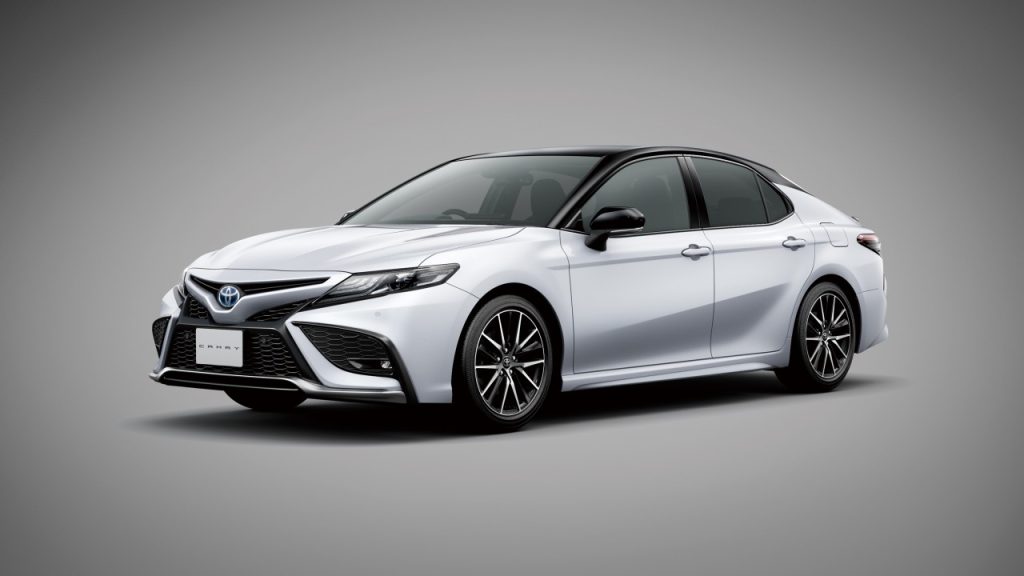
I included Camry because it represents the ideal Houston commuter sedan. It offers comfort, strong air conditioning performance, and long-term reliability.
It does not treat Houston heat as a special enemy. It simply continues working. In a city where overheating issues can become serious, Camry provides one of the safest ownership experiences.
2) Honda Accord
Honda Accord survives Houston stop-and-go because it combines strong engineering with stable cooling performance. In traffic, the Accord tends to maintain smooth behavior and does not easily develop heat-related drama. Houston drivers need cars that can idle long and still stay stable. Accord fits that requirement well.
The drivetrain and transmission behaviour also suit crawling traffic. Accord tends to creep smoothly, reducing the harsh stop-start stress that builds heat quickly. In traffic, smoothness is not only comfort, it is also mechanical safety. Cars that feel strained in traffic often build heat faster.
The Accord is also known for dependable long-term ownership. Cooling system maintenance is still needed like any car, but the Accord generally avoids the repeated overheating patterns seen in more fragile designs. That predictability is valuable.
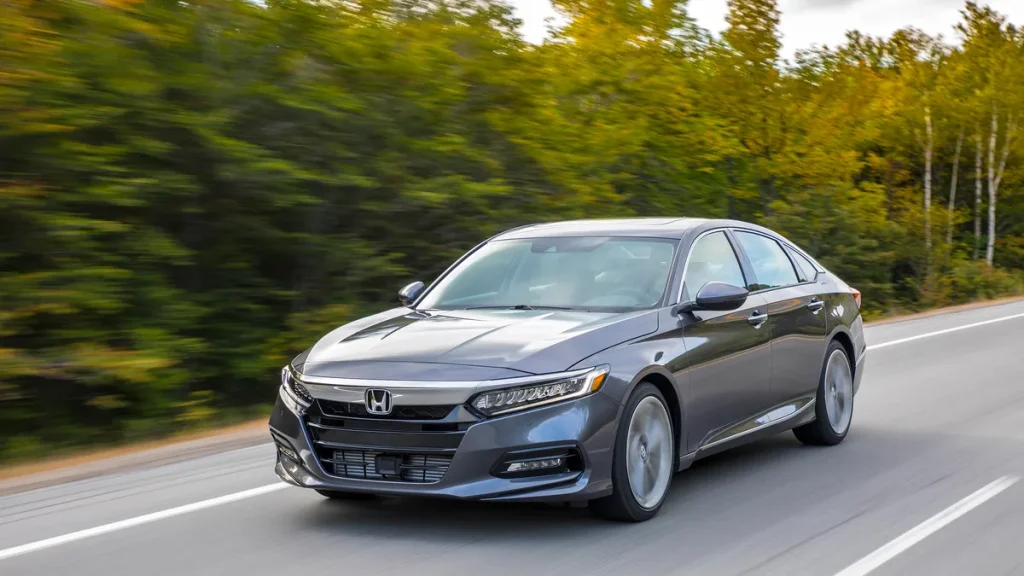
I included the Accord because it is one of the best daily commuter sedans in hot city environments. It gives comfort, smooth traffic behavior, and strong overall reliability. In Houston’s heat, the Accord feels like a car that stays composed even when the city is testing it.
3) Toyota Prius
Toyota Prius survives Houston stop-and-go because hybrids are naturally suited for traffic. In crawling conditions, Prius uses electric power at low speeds, reducing engine load. That means less heat generated through constant low-speed strain. In a city like Houston, where traffic creates heat stress, this design advantage matters.
Prius also benefits from reduced brake wear thanks to regenerative braking. Houston traffic involves endless braking. Reduced brake stress is not directly cooling-related, but it reduces overall wear and makes the vehicle better suited to long-term traffic life.
Another advantage is that the Prius tends to remain efficient in stop-and-go conditions. Houston commuting can consume fuel heavily, but the Prius reduces that cost. Less fuel consumption also means less engine strain.
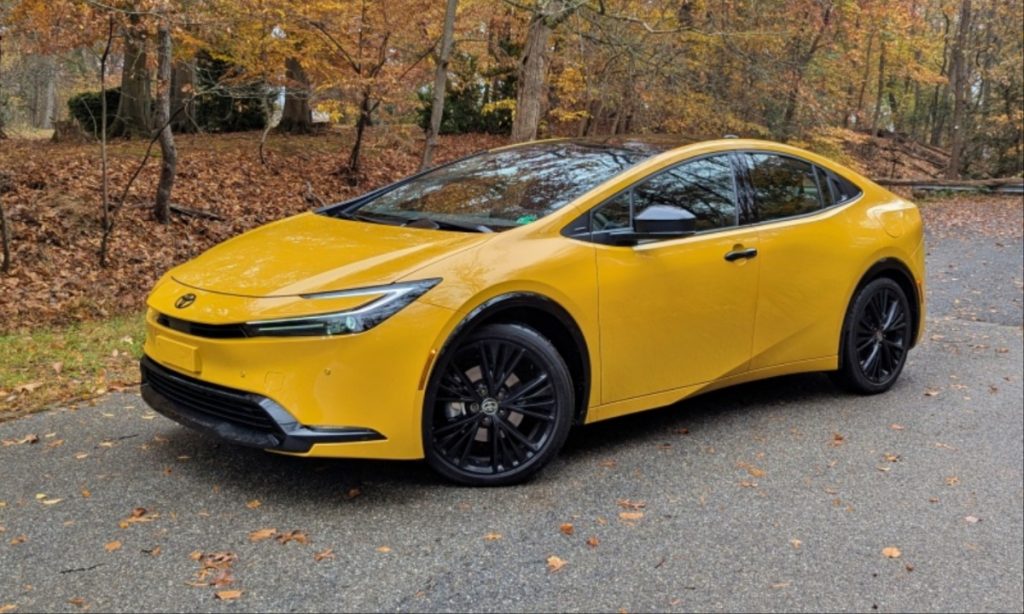
I included the Prius because it matches Houston traffic patterns. It is designed for congestion. While all cars face heat in Houston, the Prius faces it with a drivetrain that reduces stress instead of increasing it. That makes it one of the most durable stop-and-go vehicles available.
4) Lexus ES
The Lexus ES survives Houston stop-and-go because it combines comfort with Toyota-level durability. Many luxury cars struggle in cities because their systems are complex and sensitive. The Lexus ES avoids much of that problem because it is built with reliability-first engineering.
In the Houston heat, ES stays calm. Cooling systems are designed for long-term stability. The ride quality also reduces stress because traffic becomes more bearable when the cabin is quiet and smooth. Commuters who sit in traffic daily benefit from this comfort.
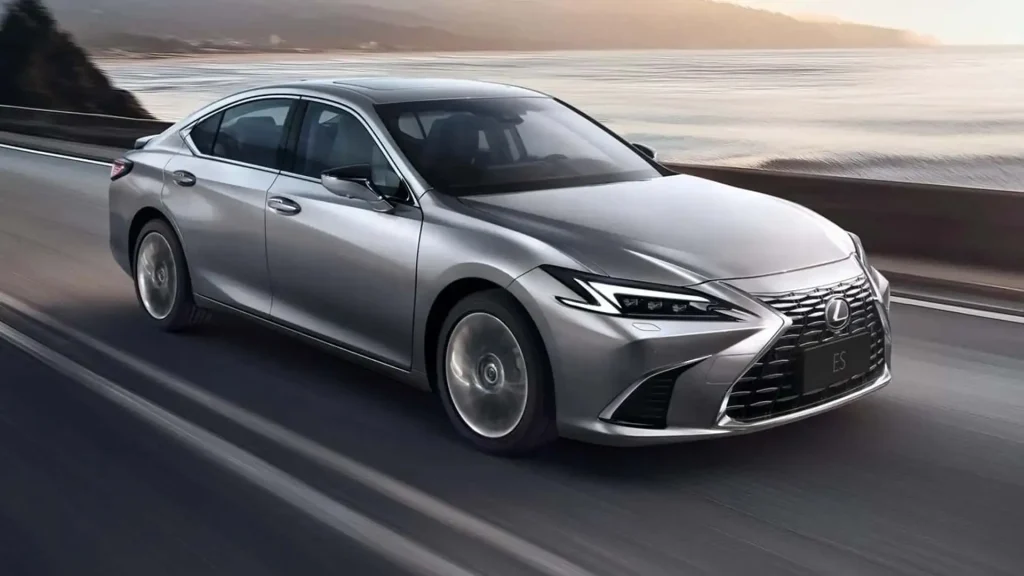
I included Lexus ES because it is one of the few luxury sedans that can handle heat and traffic without becoming a maintenance burden. It is built to stay refined even as it ages. In Houston, that refinement plus cooling stability makes it a strong commuter choice.
5) Mazda CX-5
Mazda CX-5 survives Houston stop-and-go because it offers strong build quality and stable cooling performance for a crossover. Many Houston drivers prefer crossovers for visibility and practicality. CX-5 gives that without turning into a heat-stressed machine.
It stays composed in traffic and does not feel strained easily. The cooling system tends to hold stable in heavy commuting conditions, and the drivetrain is known for its durability. The cabin also remains comfortable, which matters in Houston’s humidity.
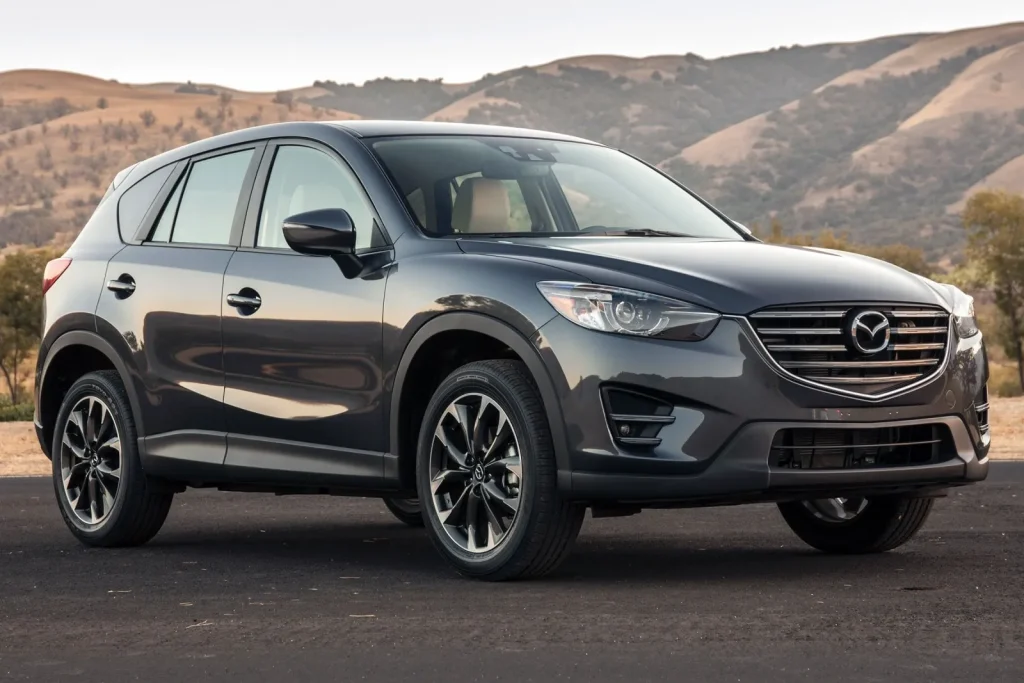
I included CX-5 because it represents one of the better crossovers for hot stop-and-go environments. It gives SUV practicality while keeping mechanical stability. In Houston daily life, that balance makes it a smart choice.
5 With Frequent Cooling Problems
Cooling problems become more common and more serious in Houston because the environment is brutal on vehicles. It is not just hot, it is hot while you are not moving. That matters.
In stop-and-go congestion, radiators get less airflow, engines idle longer, and the cooling system has to work harder than it would on open highways. This is why Houston traffic exposes weaknesses fast.
A marginal cooling system can survive in cooler climates, but in Houston it can turn into repeated overheating warnings, coolant loss, weak AC performance, and even breakdowns on the side of a busy road.
Vehicles with frequent cooling problems are not always poorly designed overall. Many are enjoyable to drive and look attractive. Some are performance cars with turbo engines that create more heat.
Some are older luxury cars with complex cooling systems and aging plastic parts. Some are compact cars where the cooling system is built to a cost. In Houston, these designs become vulnerable because heat is relentless. The cooling system is always under pressure, and the smallest weakness becomes a big problem.
Common cooling issues include thermostat failure, radiator leaks, coolant hose cracks, water pump wear, overheating at idle, and cooling fan trouble. In Houston, these issues feel worse because even a small temperature rise becomes scary.
Drivers cannot ignore it. If the vehicle overheats, engine damage can be expensive. That makes cooling reliability a high-stakes issue, not just a maintenance annoyance.
I am writing this section because many people buy cars based on features, looks, or performance without understanding how Houston changes the ownership experience. Cooling stability is a big part of Houston reliability.
If a car has a history of cooling weakness, it becomes a risky commuter choice in this city. The five vehicles below are included because they are commonly associated with cooling system complaints, overheating risk, or heat-related stress in traffic-heavy driving.
This does not mean every unit fails, but it means the risk is higher than in the cars built to handle heat calmly.
Now let us look at five vehicles that frequently struggle with cooling problems, especially in hot stop-and-go use.
1) BMW 3 Series (Older Models)
Older BMW 3 Series is one of the most common examples of a car that can develop frequent cooling problems as it ages, and Houston makes that weakness louder. BMWs are engineered for performance and refinement, but many older models rely on cooling system components that use plastic parts.
Over time, heat cycles weaken these parts. In a climate like Houston, where heat stress is constant, this wear accelerates. The result can be coolant leaks, thermostat issues, water pump wear, and radiators that begin failing earlier than expected.
The biggest danger in Houston stop-and-go is overheating at idle. When you are moving slowly, airflow is limited and the cooling fan must work hard. If the fan system, thermostat, or pump is not operating at full strength, engine temperature begins climbing quickly.
This can create a frustrating pattern: the car feels fine on open roads but begins running hot in traffic. That is the worst kind of reliability issue because Houston commuters spend most of their time in traffic.
Another reason the BMW 3 Series becomes a cooling headache is how interconnected the systems are. A small part failure can trigger a larger problem. A coolant hose crack may lead to low coolant, which leads to overheating, which can cause bigger engine damage if ignored.
Owners who are not extremely proactive with preventive maintenance often find these cooling issues arriving repeatedly as the car ages. This makes the car feel demanding.
I included older BMW 3 Series because it is a popular used-car choice. Many buyers love the brand feel and driving experience. But in Houston, used premium cars can become heat-sensitive, especially with aging cooling systems.
The owner may end up replacing cooling components not once, but multiple times over years. That creates both financial and emotional stress.
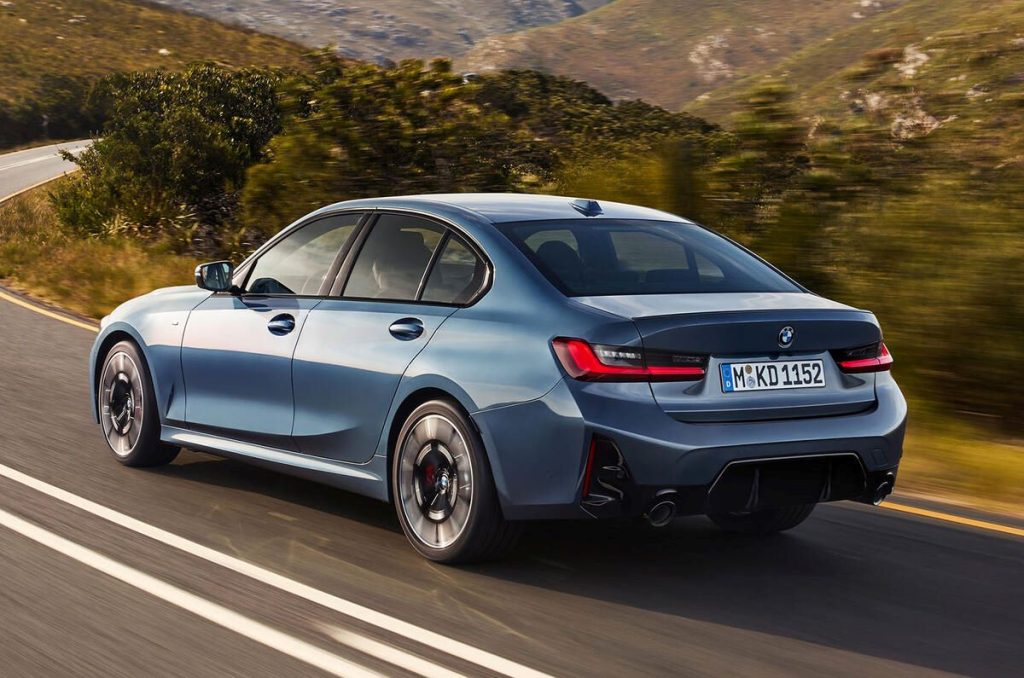
The BMW 3 Series is not automatically a bad car. But if you are driving daily in Houston heat and traffic, an older one requires serious preventive maintenance discipline. Without that, cooling problems can become a recurring storyline, and in a city like Houston that is risky.
2) Mini Cooper (Older Models)
Older Mini Cooper models often face cooling-related problems, and Houston traffic amplifies them. Minis are small cars with premium engineering, which sounds good, but the reality is that compact packaging can make heat management more challenging.
In hot climates, tightly packed engine bays run hotter. Add Houston stop-and-go traffic, and cooling components face constant stress.
Many older Minis have histories of cooling system trouble such as thermostat housing issues, water pump wear, coolant leaks, and temperature-related warning lights. In traffic, any weakness becomes obvious because the engine spends long periods under heat load with limited airflow. Even if the car performs well on open roads, the city test can reveal its limits.
Another factor is maintenance sensitivity. Mini owners often need to follow strict maintenance schedules. In Houston, skipping preventive maintenance becomes dangerous. A small leak or weak pump that might survive a cooler city can turn into overheating risk here.
Once the Mini begins overheating, the repair costs can rise quickly. Cooling problems become more than annoyance. They become fear, because overheating can damage the engine.
I included older Mini Cooper because many people think small cars automatically suit city use. But Houston is not a normal city environment. It is an extreme heat environment. Minis can feel fun and agile, but older units often become vulnerable to heat-related stress. When cooling parts begin aging, the car can feel fragile.
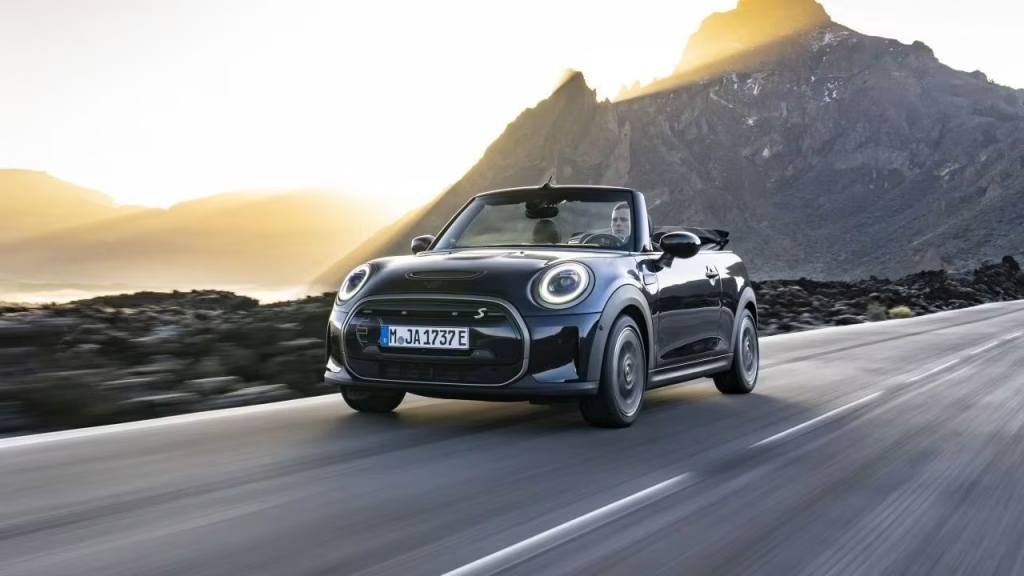
The problem is not only the cooling system itself. It is also the ownership cycle. Mini repairs often cost more than people expect because labor can be complex and parts can be pricey. If you begin chasing cooling issues, you may experience repeated visits to workshops. For a daily commuter, that becomes exhausting.
In Houston stop-and-go, a car must tolerate heat calmly. Older Mini Cooper often cannot do that without high maintenance attention, which is why it belongs in this list.
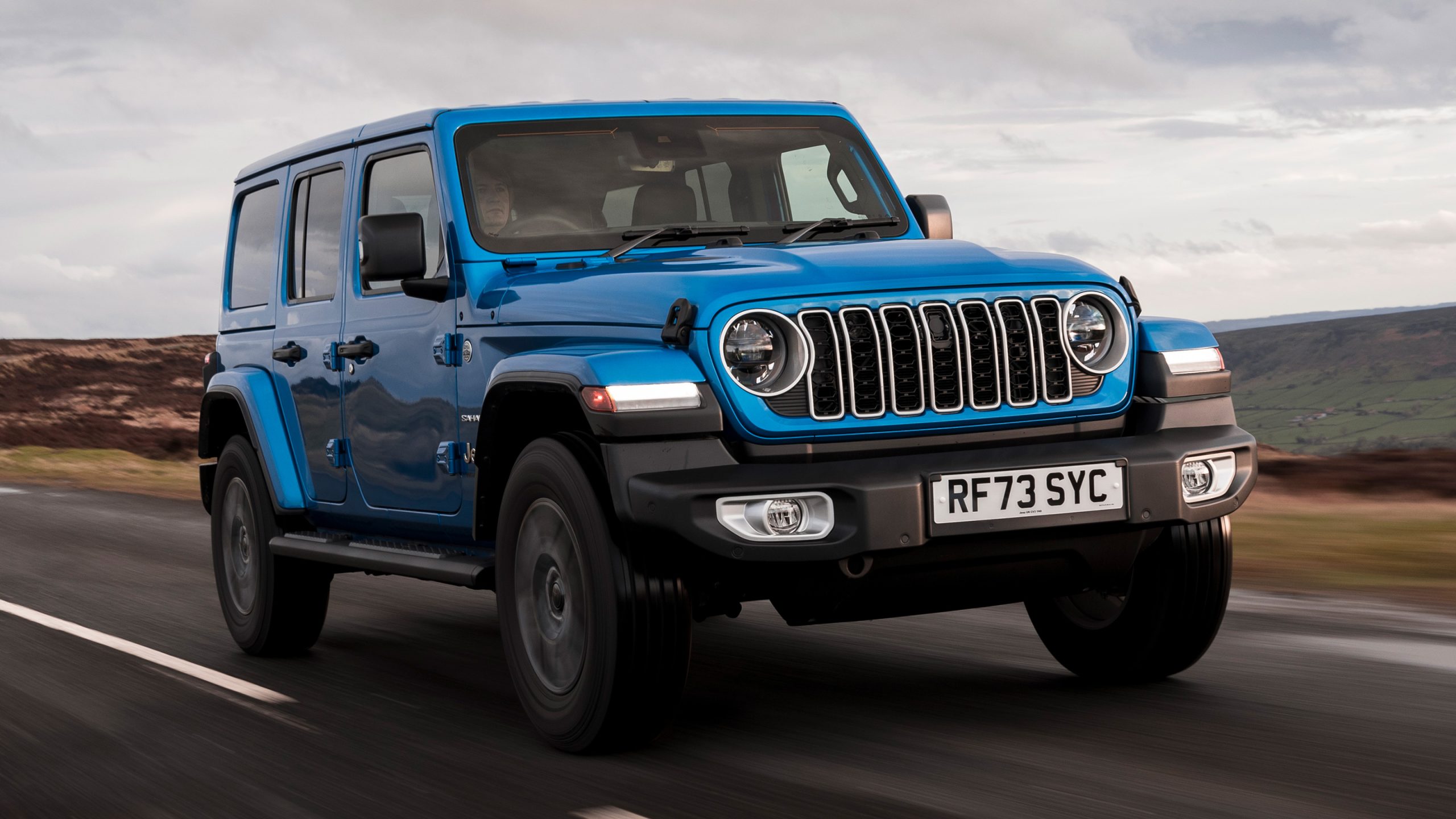
3) Jeep Wrangler
Jeep Wrangler is famous for rugged image, but it can face cooling challenges in hot stop-and-go use, especially older models or heavily used units. Wrangler is built for off-road airflow and adventure conditions, but Houston commuting is a different kind of stress.
Long idling in traffic, extreme heat, and constant AC usage create a heavy cooling load. If the cooling system is even slightly compromised, Wrangler may begin showing overheating symptoms, especially when stuck in congestion.
Wranglers can experience radiator clogging, coolant leaks, thermostat issues, and fan-related trouble depending on model year and maintenance history. In Houston, these issues become more visible because the vehicle is tested daily.
Drivers may notice temperature creeping upward while idling at signals or moving slowly. That creates anxiety, because overheating is not something you can ignore in Houston heat.
Another factor is that Wrangler owners often modify their vehicles. Larger tires, lift kits, heavy bumpers, and accessories can change airflow and increase load. More weight means more engine strain in stop-and-go movement, which can increase heat.
Mods may also alter how the cooling system performs. In Houston traffic, this can become a problem. A Wrangler that looks tough might struggle more than expected.
I included Wrangler because many Houston drivers love its style, but they often underestimate how much heat stress commuting creates. Wrangler may be perfect for weekend trips, but as a daily commuter it can become a cooling management vehicle rather than a simple tool.
The worst part is that overheating is unpredictable. Some days feel fine. Then you hit a long slow traffic jam in peak summer heat and suddenly the car runs hot. That inconsistency is stressful.
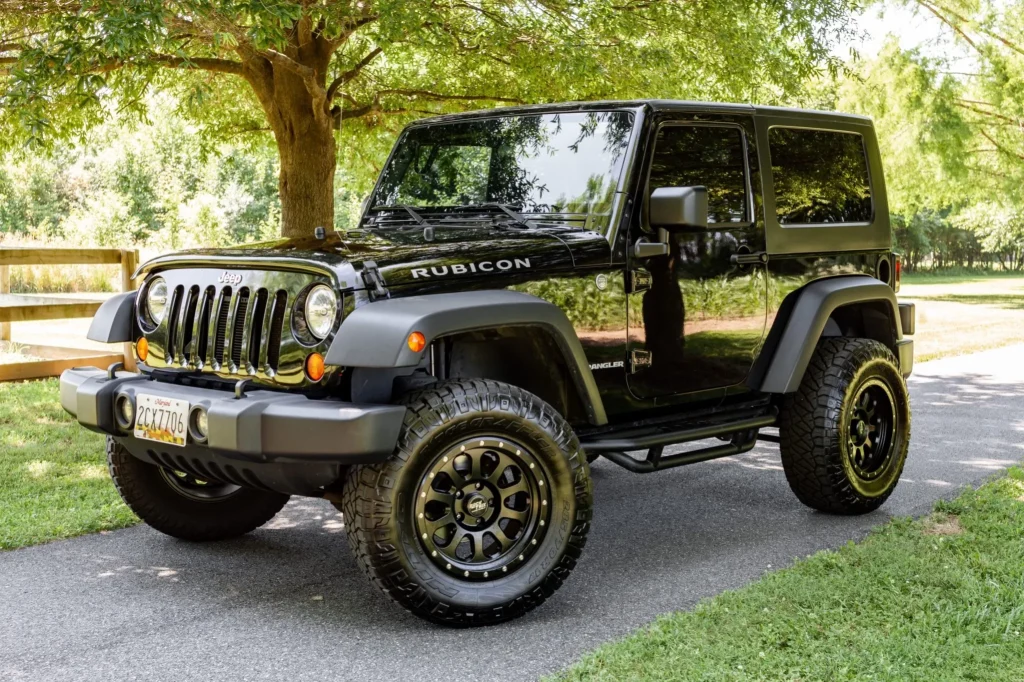
Wrangler is not always a cooling disaster, but the risk is higher in extreme heat, especially if maintenance is not perfect. In Houston, where traffic heat is constant, vehicles with higher cooling vulnerability become risky commuter choices, and Wrangler fits that pattern.
4) Chevrolet Cruze (Older Models)
Older Chevrolet Cruze is often associated with cooling system issues, especially as it ages, and Houston makes those issues harder to ignore.
Cruze is a compact car designed for affordability and efficiency, but some older models have histories of coolant leaks, thermostat housing problems, water pump issues, and overheating symptoms that become worse in hot climates.
In Houston stop-and-go, a vehicle like Cruze is tested constantly. Low-speed crawling means less airflow, and the cooling system must do all the work. If coolant level drops even slightly due to a leak, the engine temperature can rise quickly.
Many Cruze owners report repeated cooling maintenance needs, which creates frustration because the problems can feel recurring.
Another issue is that drivers often notice weak AC performance when cooling systems struggle. In Houston, AC is survival. If a car’s cooling system begins failing, it may not just overheat, it may also struggle to keep cabin temperatures comfortable. That makes commuting miserable.
I included older Cruze because it represents the risk of budget-engineering cooling systems in extreme heat. Many drivers buy Cruze because it is affordable, but in Houston, repeated cooling repairs can wipe out the value advantage. The owner may spend money repeatedly on hoses, thermostats, and coolant system fixes.
The emotional cost is also high. Once you experience even one overheating incident, you start watching the temperature gauge constantly. That anxiety becomes part of daily driving. A commuter vehicle should reduce stress, not add it.
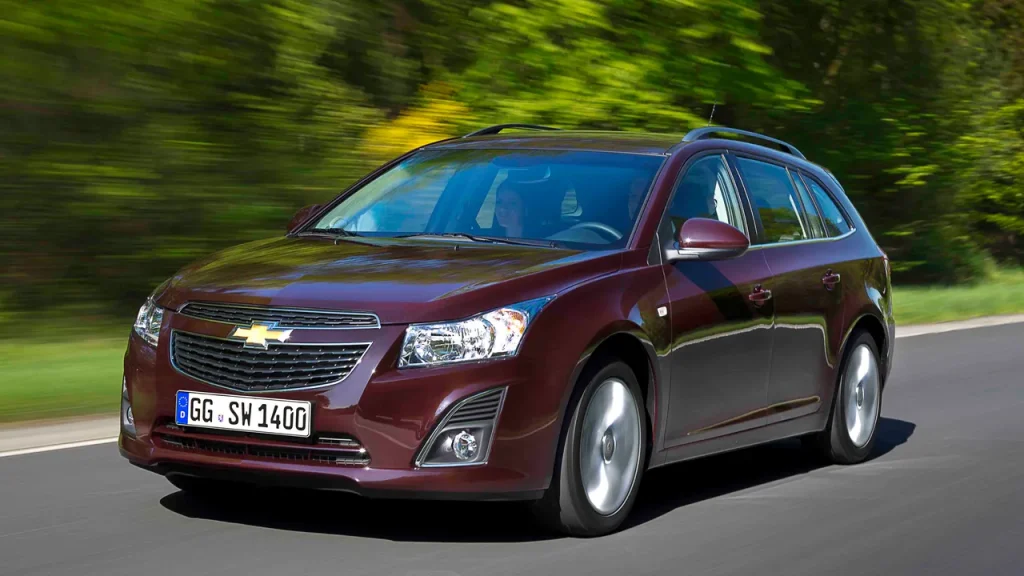
Cruze is not always a failure story, but it has enough cooling-related complaints that in Houston traffic it becomes a risky choice. The constant heat and stop-start pattern expose weaknesses fast, making it one of the more common “cooling headache” commuter vehicles in hot environments.
5) Land Rover Range Rover (Older Models)
Older Land Rover Range Rover models often face cooling system vulnerability, and Houston makes that vulnerability expensive. Range Rover is a luxury SUV built with complex systems.
Complexity becomes a liability in extreme heat because more systems depend on stable cooling. In Houston traffic, the Range Rover must manage engine cooling while also maintaining strong AC output in heavy humidity. This creates a continuous heavy load.
Older Range Rovers can experience coolant leaks, radiator issues, thermostat failure, and water pump wear. The problem is not only frequency, but cost. Cooling repairs on luxury SUVs can be expensive, and in Houston the vehicle is tested so often that issues may occur repeatedly.
Range Rover can also suffer from “warning light fatigue.” A small cooling issue triggers alerts, then owners chase repairs. If the repair is not done perfectly, the problem returns. This cycle makes ownership exhausting.
In Houston heat, owners may also notice overheating during long idles, which is the worst scenario: sitting stuck in traffic while watching the gauge climb.
I included older Range Rover because it is the most dangerous combination for Houston: high heat plus aging luxury complexity. A luxury SUV with cooling issues does not just inconvenience the owner. It threatens the engine, and it drains money fast.
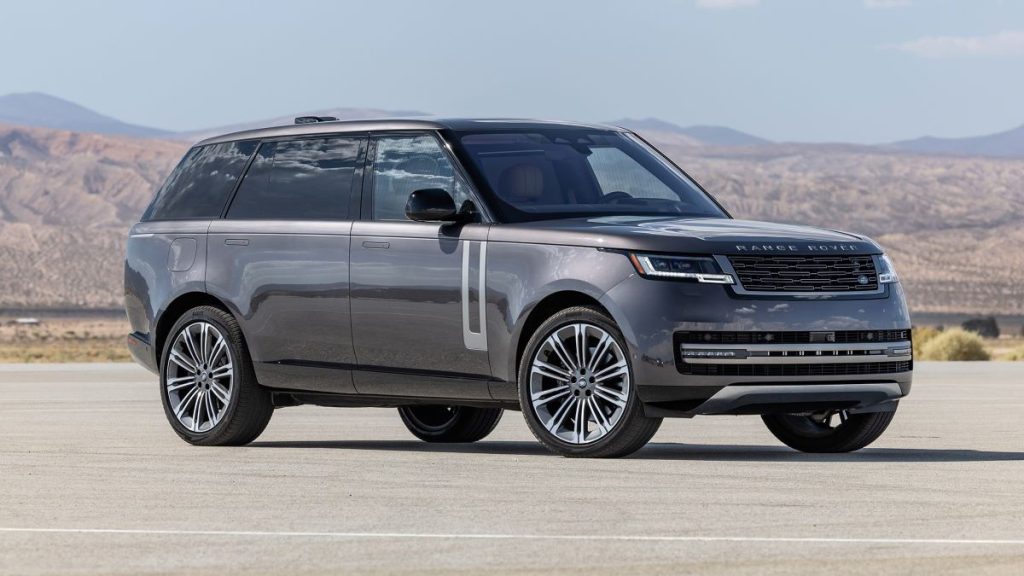
The emotional pressure is huge. Many owners become anxious commuters, constantly worried about the temperature gauge, constantly thinking about the next repair. That is not what a commuter car should do.
Range Rover can be an incredible vehicle when maintained perfectly, but in Houston stop-and-go it becomes a cooling risk machine. That is why older models belong on this list of vehicles with frequent cooling problems.
