
Los Angeles daily commuting is not normal driving. It is a lifestyle. You can travel 12 miles and spend 60 minutes doing it. You can leave home in sunlight, sit in traffic under the same sky, and still feel like the day has moved forward without you.
LA is famous for congestion, long merge lanes, unpredictable slowdowns, and the kind of stop-and-go traffic that turns driving into patience training. In this environment, the best vehicle is not the fastest one. It is the one that makes daily commuting less exhausting and less expensive.
LA commuters need vehicles that perform well in traffic. That means smooth low-speed behavior, comfortable seats, strong air conditioning, and reliability that holds up under constant stop-start movement.
It also means fuel efficiency, because traffic burns fuel faster than people expect. When you sit idling, your car is still consuming fuel. When you crawl forward for two hours a day, you feel every mile per gallon.
Range matters too, because LA commutes pile up mileage quickly. A car that forces you to refuel frequently becomes a problem, not just a cost.
That is why some vehicles feel perfect for LA commuting. They stay efficient even in heavy congestion, remain smooth and quiet, and make the commute feel less stressful. Many hybrids and EVs shine here because their efficiency grows in traffic. They also reduce the frequency of fuel stops, which saves time and mental energy.
On the other side, some vehicles waste hours at the pump in LA. These are the fuel-thirsty vehicles: heavy SUVs, performance cars, and trucks with large engines. In LA, fuel stops are not only expensive, but they are also time-consuming.
You waste time exiting the freeway, waiting, refuelling, and rejoining traffic. Over a year, this can add up to many lost hours. A vehicle that drinks fuel becomes a commuter tax.
This article compares both categories. First, five vehicles that work well for Los Angeles daily commutes, chosen for efficiency, comfort, and calmness in traffic.
Then, five vehicles waste hours at the pump, turning LA commuting into an even bigger burden. The goal is to help commuters choose vehicles that fit the reality of LA life, not the fantasy of open roads.
Also Read: 5 Vehicles That Feel Natural in Busy Areas vs 5 That Feel Out of Place
5 Vehicles That Work for Los Angeles Daily Commutes
In Los Angeles, the commute is the main relationship you have with your car. You do not just “drive to work.” You spend time inside your vehicle like it were a second room. That is why LA commuters need a vehicle that feels comfortable and forgiving.
In stop-and-go traffic, jerky throttle response becomes tiring. A loud cabin becomes draining. Weak air conditioning becomes unbearable. And poor fuel economy becomes expensive and frustrating because you sit burning fuel while barely moving.
Vehicles that work well for LA commuting tend to share certain strengths. They handle traffic smoothly at low speeds, making crawling movement feel natural. They stay efficient in stop-start conditions, which is crucial because LA traffic destroys mpg.
They have comfortable seats and a calm ride that reduces fatigue. They also have reliability, because few things are worse than breaking down in LA congestion. A predictable car gives peace of mind.
Hybrids are a natural match for LA life. They often become more efficient in traffic, and they reduce refueling frequency. EVs can be even better if the driver has access to home charging, because they remove gas station time entirely. But even gas cars can work well if they are efficient, comfortable, and reliable.
I am writing this section because too many commuters choose vehicles based on looks or power, then regret it when LA traffic reality hits. In LA, the best commuter car is the one that protects your time and energy.
When your car is efficient and comfortable, the commute becomes less painful. When it is wasteful or stressful, the commute drains you daily.
The five vehicles below are chosen because they perform well in the exact conditions LA commuters face: long traffic, heat, constant braking, short highway bursts, and daily repetitive miles. Now, let us get into them.
1) Toyota Prius
The Toyota Prius is one of the best vehicles for Los Angeles daily commutes because it is built for traffic. In stop-and-go congestion, the Prius becomes more efficient than many cars do on highways.
The hybrid system uses electric power at low speeds, and that makes crawling traffic smoother and cheaper. LA commuting often means long stretches of crawling, and the Prius turns that into savings.
Another huge advantage is reduced refueling frequency. Prius fuel economy means you can drive more days between gas stops. In LA, every gas stop costs time. You exit traffic, wait, refuel, and rejoin. Prius reduces those interruptions, saving hours over months.
Prius also feels calm in traffic. The power delivery is smooth, and the low-speed response is gentle. That matters because jerky behavior increases fatigue. The Prius also has regenerative braking, which reduces brake wear, which is useful in a city where you brake constantly.
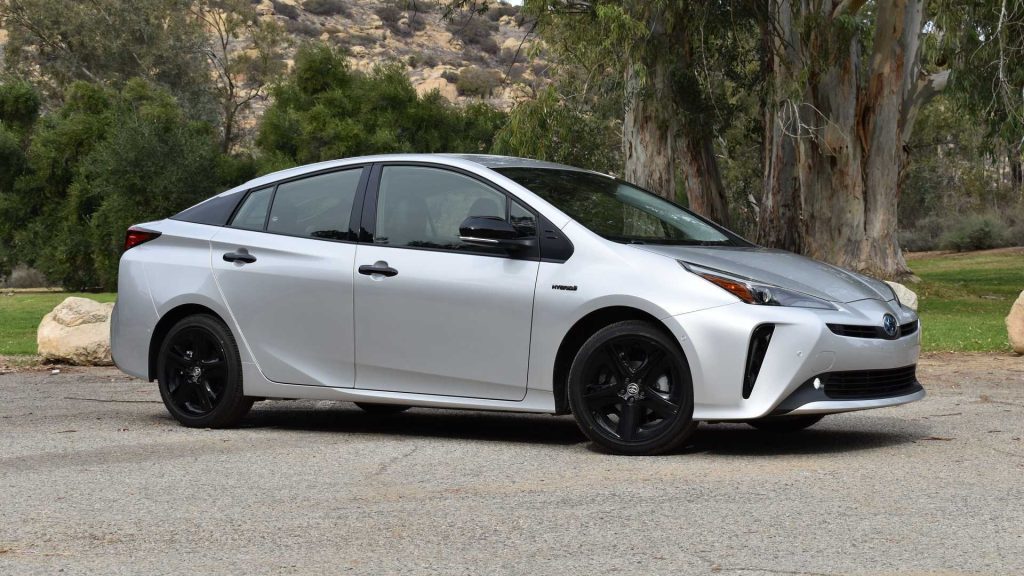
I included the Prius because it is the ultimate LA commuter tool. It is not a flashy car, but it is designed for the exact environment that LA drivers face. It saves fuel, saves time, and reduces stress. For a daily commuter, that is the best combination.
2) Honda Accord Hybrid
Honda Accord Hybrid works well for LA commuting because it adds comfort to efficiency. Many commuters want a car that feels spacious and relaxing. Accord Hybrid delivers a bigger cabin, smoother ride, and still excellent traffic efficiency.
In LA traffic, the hybrid system makes stop-start movement smoother. The car does not feel strained. Instead, it feels calm and quiet, which reduces commute fatigue. The cabin is comfortable enough for long sitting hours, and that matters more than people realize.
Fuel savings are also strong. Accord Hybrid reduces trips to the pump, which saves time. It also handles highway bursts well. LA commuters often shift between crawling traffic and sudden fast movement. Accord Hybrid handles both smoothly.
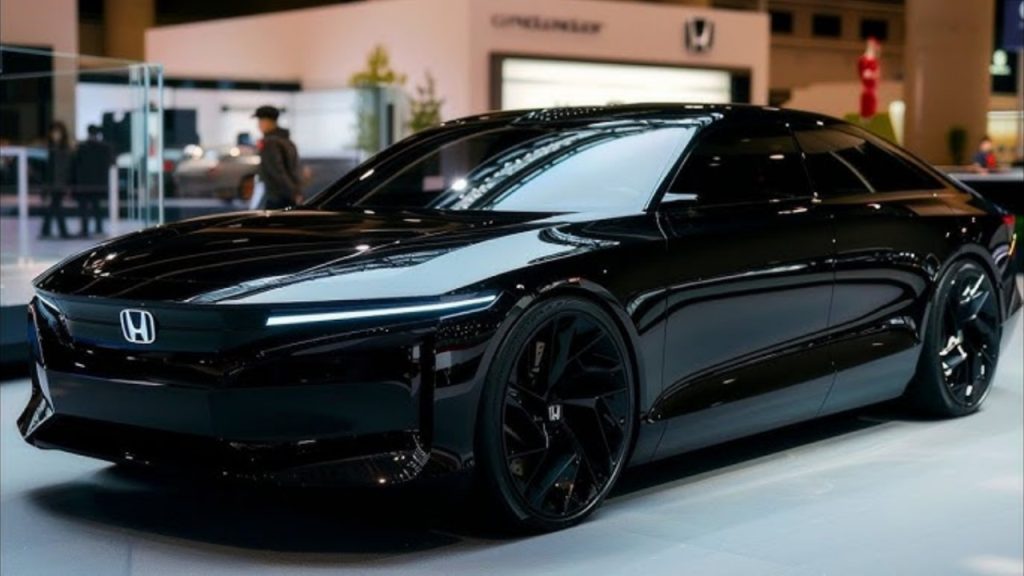
I included Accord Hybrid because it is a commuter upgrade. It gives Prius-level commuting intelligence with more comfort and space. For people who spend hours in traffic daily, comfort is a big part of survival. Accord Hybrid offers efficiency without feeling like a small economy car.
3) Toyota RAV4 Hybrid
Toyota RAV4 Hybrid works for LA commutes because it combines crossover practicality with traffic efficiency. Many LA drivers prefer crossovers because visibility is better and the cabin feels more comfortable. RAV4 Hybrid gives that while still staying efficient.
In congestion, the hybrid system reduces fuel use and improves smoothness. It also makes low-speed traffic less tiring. The higher seating position improves confidence in heavy lane traffic, and LA highways demand constant lane awareness.
RAV4 Hybrid also reduces refueling frequency compared to non-hybrid SUVs. This is huge. Many commuters waste time at gas stations because their SUVs drink fuel. RAV4 Hybrid solves that problem.
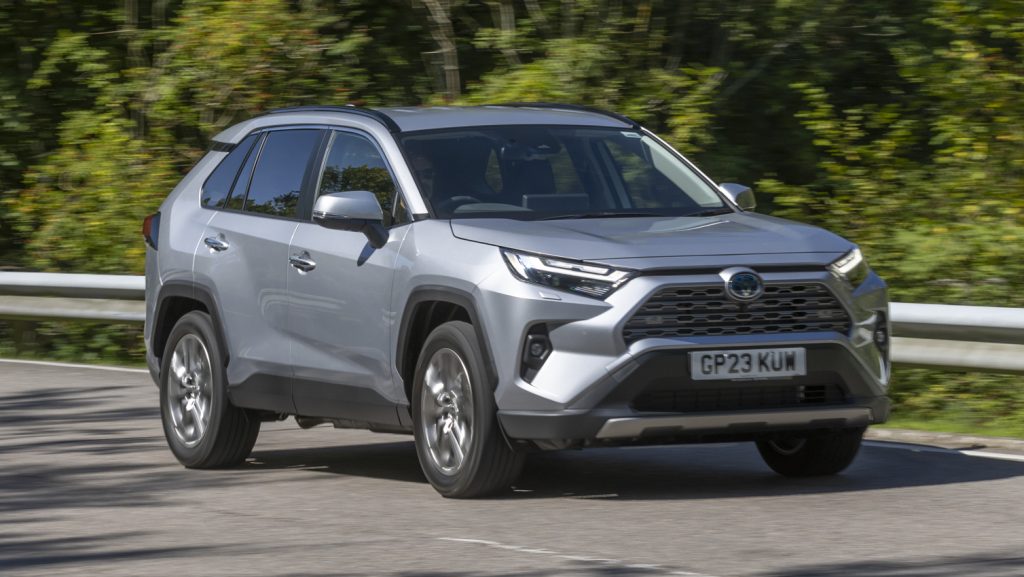
I included RAV4 Hybrid because it fits LA lifestyle. It is practical for errands, comfortable for commuting, and efficient enough to avoid constant pump visits. For commuters who want SUV practicality without SUV fuel pain, this is one of the best choices.
4) Tesla Model 3
Tesla Model 3 works extremely well for LA commuting, especially for drivers with home charging. In heavy traffic, EVs are smooth because they do not shift gears. That makes stop-and-go life feel calmer. The Model 3’s instant electric response also makes merging easier when traffic opens briefly.
The biggest advantage is fuel station time elimination. With home charging, you wake up with a full battery and never waste time at gas stations. In LA, this is huge. Over months, it saves hours.
Model 3 is also efficient and suits LA’s driving rhythm. It handles traffic calmly and freeway bursts confidently. The cabin is quiet, and the driving feel is smooth.
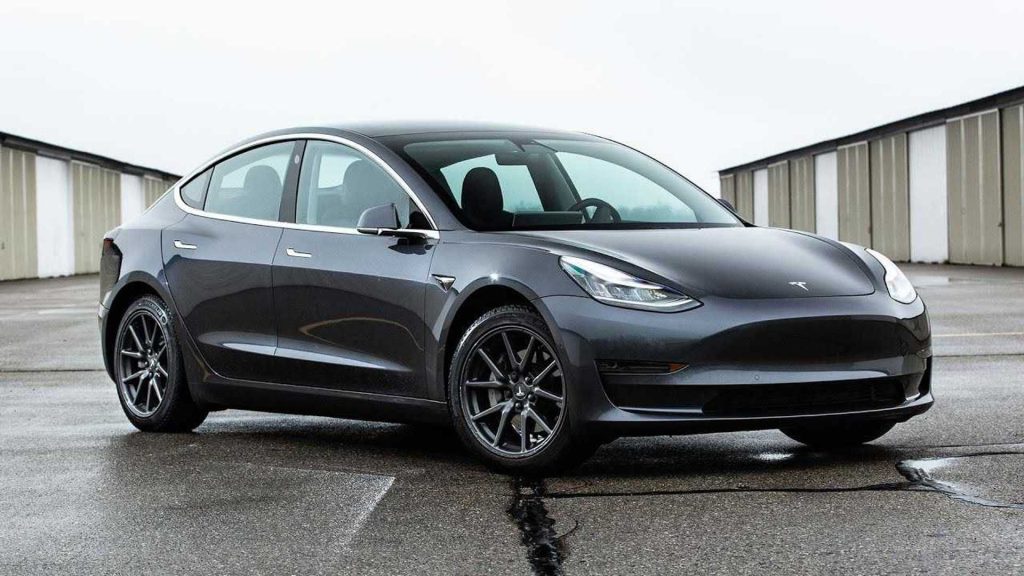
I included Model 3 because it is one of the most commute-friendly vehicles when charging access exists. It turns commuting into a smoother experience and removes pump time completely. That is why many LA commuters love EVs.
5) Hyundai Ioniq Hybrid
Hyundai Ioniq Hybrid works well for LA commuting because it is designed for efficiency and comfort in traffic. Like Prius, it thrives in stop-and-go conditions and stays efficient even when traffic is heavy. That makes it ideal for daily commuting.
The car is smooth at low speeds, which reduces fatigue. It also reduces refueling stops because of strong mileage. Its design focuses on reducing fuel use, which is exactly what LA traffic demands.
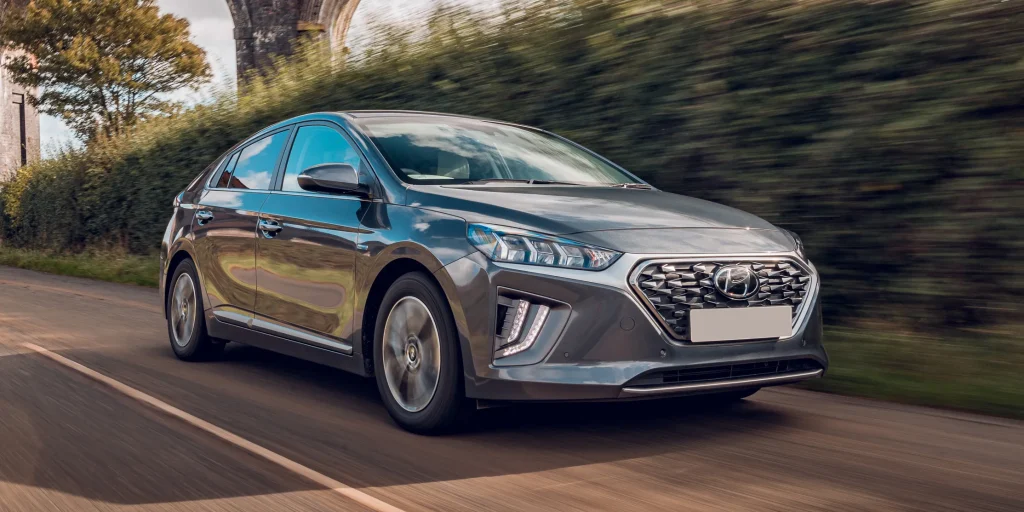
I included Ioniq Hybrid because it is often overlooked. It provides commuter efficiency without drama. For LA drivers who want a practical, affordable, efficient commuter vehicle, it is one of the smartest options.
5 That Waste Hours at the Pump
In Los Angeles, fuel stops are not a small inconvenience. They are time theft. LA commuting already eats hours through congestion, slow freeway crawls, long merge lanes, and constant stop-start traffic.
When you add a vehicle that drinks fuel fast, the pain becomes double. You do not just pay more. You also lose more time.
A thirsty vehicle forces you to refuel more often, which means you must exit the freeway, reach a station, wait your turn, fill up, and then fight traffic again to get back to your route. Over the course of a month, those small fuel stops stack into real lost hours.
Vehicles that waste hours at the pump usually share certain traits. Many are heavy, large, and powerful. They are built for towing, speed, or presence, not for efficient daily crawling. LA traffic is the worst possible environment for them because traffic destroys mileage.
Even vehicles that seem “okay” on highways can become fuel monsters in stop-and-go conditions. Large engines burn fuel even when you are barely moving. The heavier the vehicle, the more energy it needs to restart momentum again and again.
Another major issue is driver behavior. When people buy performance cars or large SUVs, they often drive them in a way that burns more fuel: quick accelerations, heavy braking, sudden lane changes.
LA traffic encourages this frustration-based driving because gaps appear and disappear quickly. That behavior adds fuel burn.
I am writing this section because many LA drivers don’t realize how much time and energy fuel inefficiency costs. You may think a thirsty vehicle is only about money. But time matters too. A commuter who refuels more often has fewer free hours in the week.
Those lost hours affect quality of life. These five vehicles are included because they commonly force LA drivers into frequent gas station stops, turning commuting into an even bigger burden than it already is.
1) Toyota Sequoia (Gas)
Toyota Sequoia is a capable full-size SUV, but in Los Angeles daily commuting it wastes hours at the pump because it is built around size and power, not efficiency. The Sequoia is heavy, tall, and designed to carry families, cargo, and sometimes towing loads.
That strength comes with a fuel bill. In LA traffic, where movement is slow and constant braking is normal, Sequoia’s fuel consumption becomes especially painful. It burns fuel even while creeping. And because LA commuting often involves long minutes of idling, you feel the waste more clearly than in smaller cities.
The biggest time-wasting issue is refueling frequency. A large vehicle with low efficiency drains a tank faster than most drivers expect, especially when daily miles add up. LA commuters can easily rack up hundreds of miles a week just going to work, gym, errands, and family stops.
Sequoia turns that routine into constant gas station visits. And in LA, that is not just a quick stop. It can mean waiting behind other vehicles, maneuvering the large SUV into tight station lanes, and spending extra time re-entering heavy traffic.
Sequoia also encourages a certain driving style simply because of its size. It takes more energy to move, so every acceleration requires more fuel. In stop-and-go conditions, that repeated momentum rebuilding eats fuel rapidly.
This is a classic LA situation: you crawl for a while, then you accelerate quickly to catch a gap, then you brake again. A heavy SUV burns more fuel in this pattern than most commuters realize.
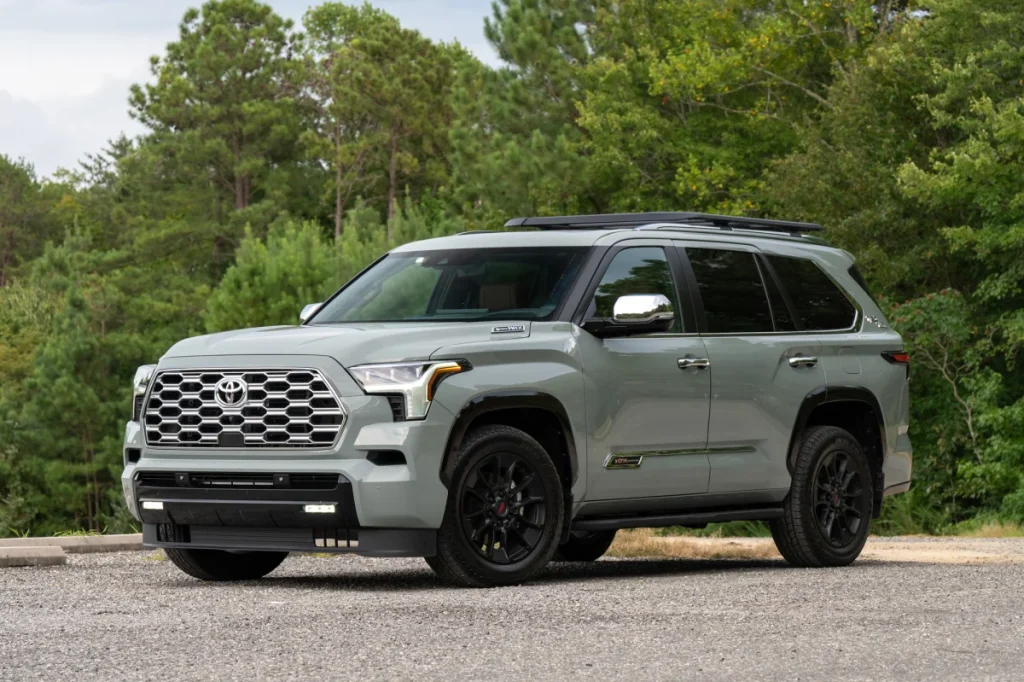
I included Toyota Sequoia because it represents the “great family road trip SUV, terrible commute efficiency machine” reality.
It is comfortable and strong. It can carry everyone. But if you use it as a daily LA commuter, you will spend more time refueling than you want. Over a year, those extra stops become real lost life time, and that is why Sequoia belongs on this list.
2) Ford F-150 (V8)
Ford F-150 V8 is one of the most common vehicles in America, but it is a time-waster in LA commuting because trucks are built for work, not congestion. The F-150’s V8 is strong, but strength is not what LA commuters need.
They need efficiency, smooth low-speed control, and long range per tank. In LA stop-and-go conditions, a V8 pickup can drink fuel fast. And because commuting miles add up, that fuel thirst forces frequent gas station stops.
The truck’s size also increases the time cost of refueling. It is not only the fuel burned. It is the logistics. Many stations have tight turning areas and narrow lanes. Getting a full-size truck in and out of a crowded station during rush hours is annoying.
You often have to wait longer because fewer pumps are easy to access with a large body. Then you must re-enter LA traffic, which can take time and patience.
Another problem is “wasted fuel under stress.” LA traffic creates frustration. Drivers in big trucks often accelerate harder when a gap opens and then brake again. That aggressive stop-start driving burns even more fuel.
Because the F-150 is heavy, each acceleration costs more fuel than a smaller commuter car would require. That makes commuting costly in both money and time.
I included Ford F-150 V8 because it is a classic LA mismatch. It works beautifully for construction, towing, weekend hauling, and open-road driving. But daily commuting turns it into a pump-dependent machine.
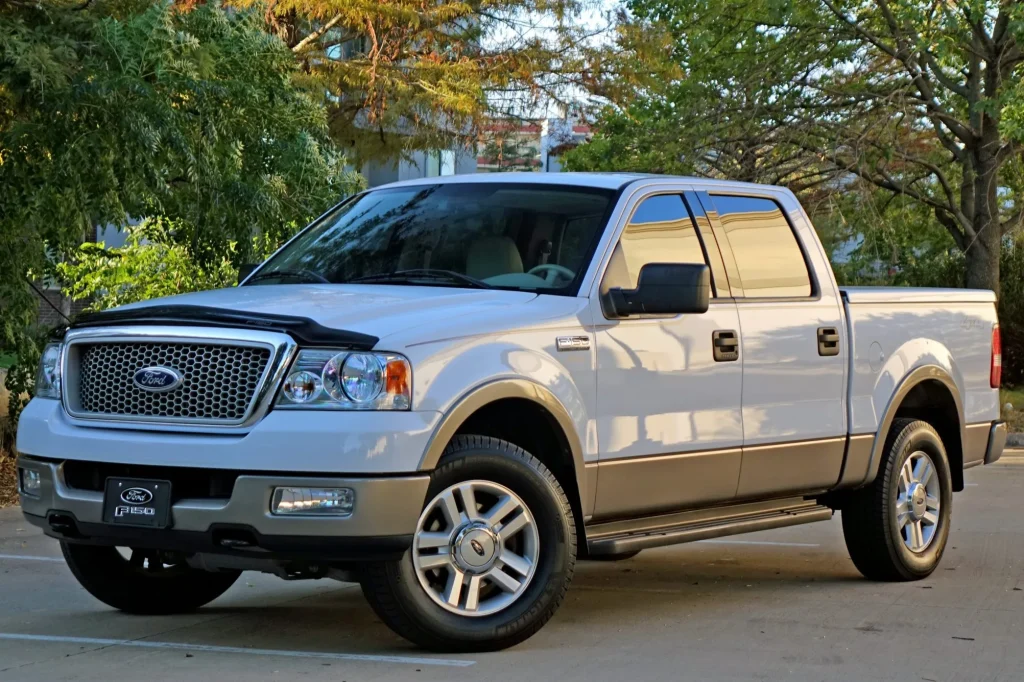
You will see the fuel gauge drop quickly, and you will find yourself planning fuel stops more often than you should. In an environment where commuting already steals hours, a truck that forces extra pump stops feels like adding weight to an already heavy routine. That is the definition of a vehicle that wastes hours at the pump.
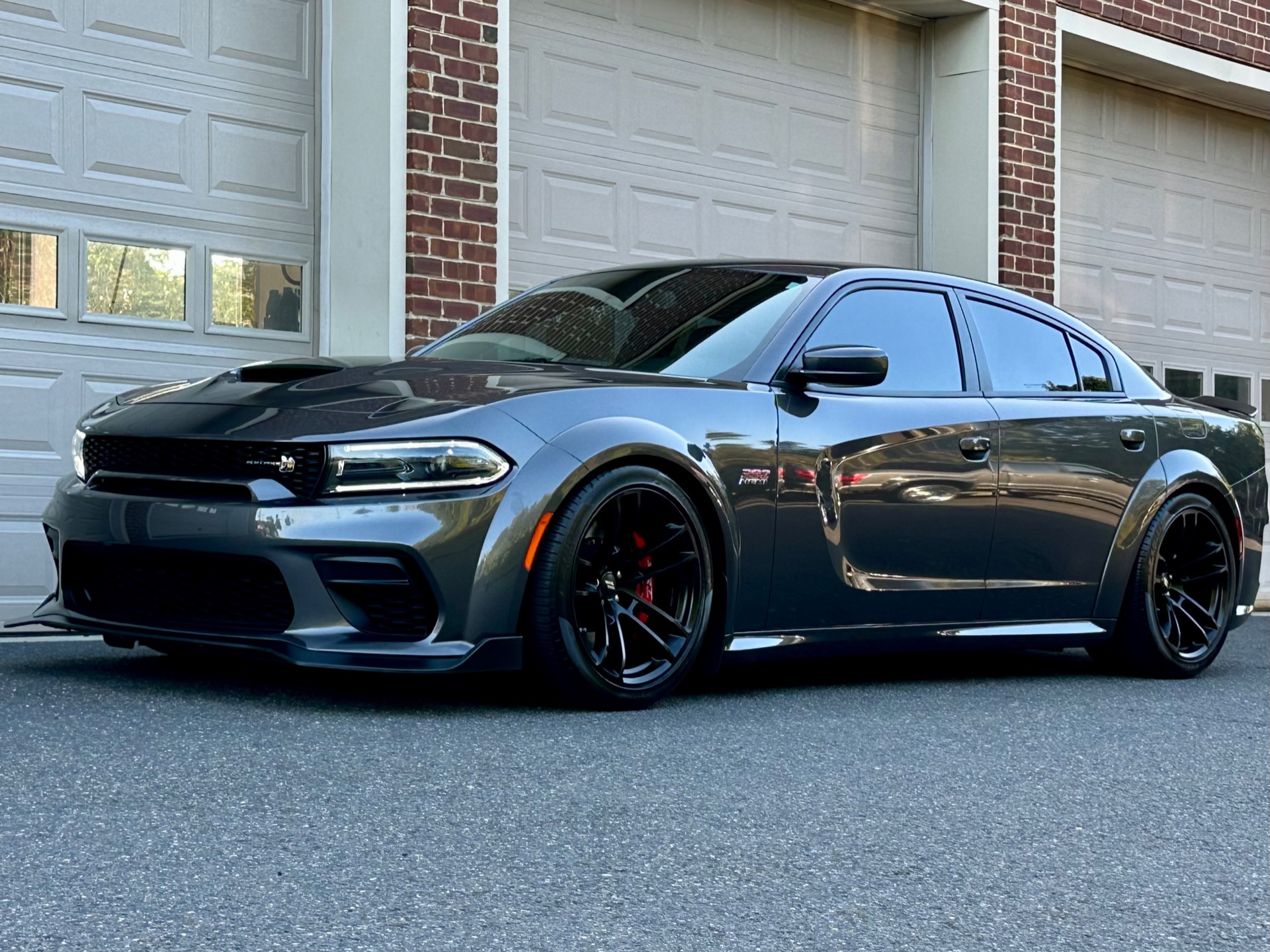
3) Dodge Charger Scat Pack
Dodge Charger Scat Pack wastes hours at the pump in LA because it combines two things that do not belong in commuting: big power and poor traffic efficiency. The Scat Pack’s V8 is designed for speed and sound, not for crawling on the 405.
LA traffic forces repeated low-speed acceleration, which is the least efficient operating pattern for a large performance engine. This means the car burns fuel quickly even though you are barely moving.
The result is frequent refueling. In LA, even when you are not driving “far,” you are often driving “long.” The time spent in traffic still burns fuel.
Charger Scat Pack consumption becomes obvious because idling and crawling eat the tank surprisingly fast. For commuters, that means more stops to refuel, and in LA those stops come with heavy time loss.
The other issue is driving temptation. A performance sedan encourages aggressive bursts when openings appear. This happens constantly in LA traffic. A small gap opens, and drivers accelerate hard to grab it, then brake again when the flow collapses.
That driving rhythm destroys mpg, and it happens more often when you drive a muscle car because the vehicle invites you to use its power. That does not make you a bad driver, it makes you human.
I included Charger Scat Pack because it is the type of car people buy with excitement and then regret as a daily commuter. It is thrilling on open roads, but LA rarely provides open roads.
Instead, the Scat Pack becomes a loud powerful vehicle stuck in crawling lanes, drinking fuel without giving you the fun you paid for. When a car offers high fuel burn but low fun in the environment you drive most, it becomes inefficient in the worst possible way.
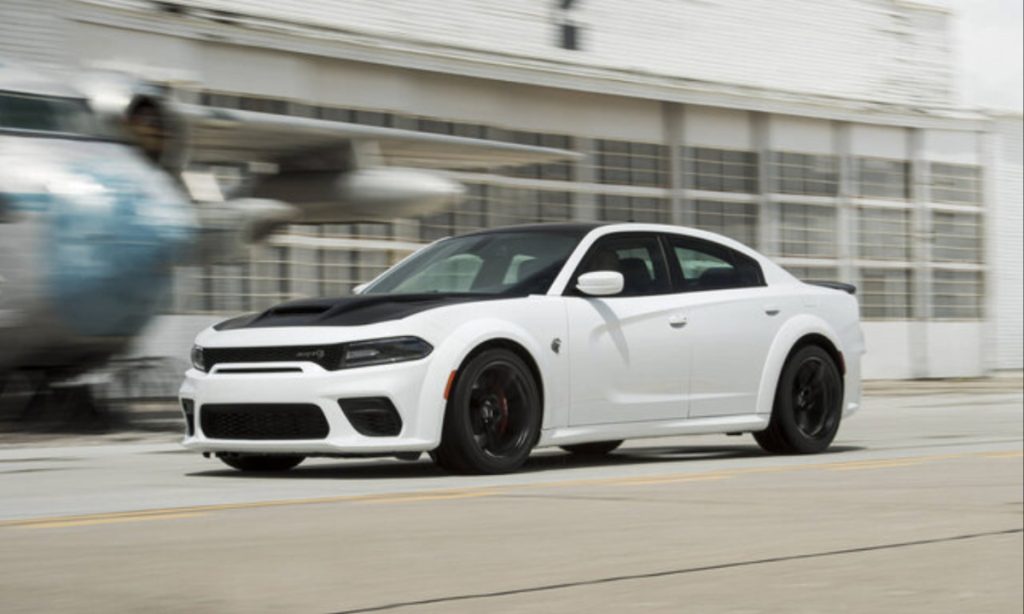
In daily LA commuting, you will spend more time stopping for fuel, more money filling up, and more emotional energy managing fuel usage. That is why Charger Scat Pack belongs in the “waste hours at the pump” category.
4) Mercedes-Benz G-Class (G-Wagon)
Mercedes-Benz G-Class is one of the most iconic SUVs in LA, but it wastes hours at the pump because it is built like a luxury tank. The G-Wagon is heavy, boxy, and designed with presence, not efficiency.
Its shape is not aerodynamic, which matters at freeway speed. Its weight demands constant fuel consumption. In LA traffic, this turns into a vehicle that burns fuel rapidly while crawling, idling, and accelerating repeatedly.
The time cost becomes real because G-Class drivers refuel often. LA commuting already involves many miles over time, and the G-Wagon turns those miles into frequent fuel stops. Even if you can afford the fuel, you cannot buy back the time. Refueling in LA is a routine interruption. It breaks the flow of your day and adds frustration.
Another reason it wastes time is psychological driving behavior. Many G-Class owners drive assertively because the car feels powerful and commanding.
In traffic, this means more sharp accelerations to change lanes and grab openings. That burns fuel faster. Add the vehicle’s natural thirst, and the result is frequent pump visits.
I included the Mercedes G-Class because it represents the LA luxury image vehicle that becomes inefficient in daily function. It is a status SUV that looks perfect in Beverly Hills, but in daily commuting, it behaves like a fuel drain. The driver spends too much time refuelling for the distance travelled.

The biggest irony is that the G-Class is comfortable and feels premium, but as a commuter, it is a constant reminder of inefficiency. You do not get extra convenience for the fuel you burn. You get extra visits to the pump.
In a city where time is already stolen by traffic, that additional pump time makes the G-Wagon one of the clearest examples of “wasting hours at the pump.”
5) Chevrolet Tahoe
Chevrolet Tahoe wastes hours at the pump in LA commuting because it is a large SUV that burns fuel rapidly in stop-and-go traffic. Tahoe is built for family space and American highway cruising.
It can be comfortable, and it can carry a lot. But in LA, where most daily movement is traffic crawling, its fuel economy becomes a daily penalty. Heavy SUVs burn fuel even when they are doing nothing except waiting.
The Tahoe’s size increases refuelling frequency, especially for drivers with daily commutes plus errands. LA drivers often do multiple stops after work: grocery, pickups, gym, friend visits. Tahoe turns that routine into a fuel drain.
You will watch the fuel gauge drop faster than expected because congestion destroys efficiency. That leads to frequent gas station stops, which steal time from your day.
Another issue is city maneuvering. Tahoe drivers often avoid small neighbourhood stations because turning in and out can be annoying.
That pushes them toward big stations, which are often busier, creating more waiting time. Even the act of refueling becomes slower with a large SUV, especially during peak hours when stations are crowded.
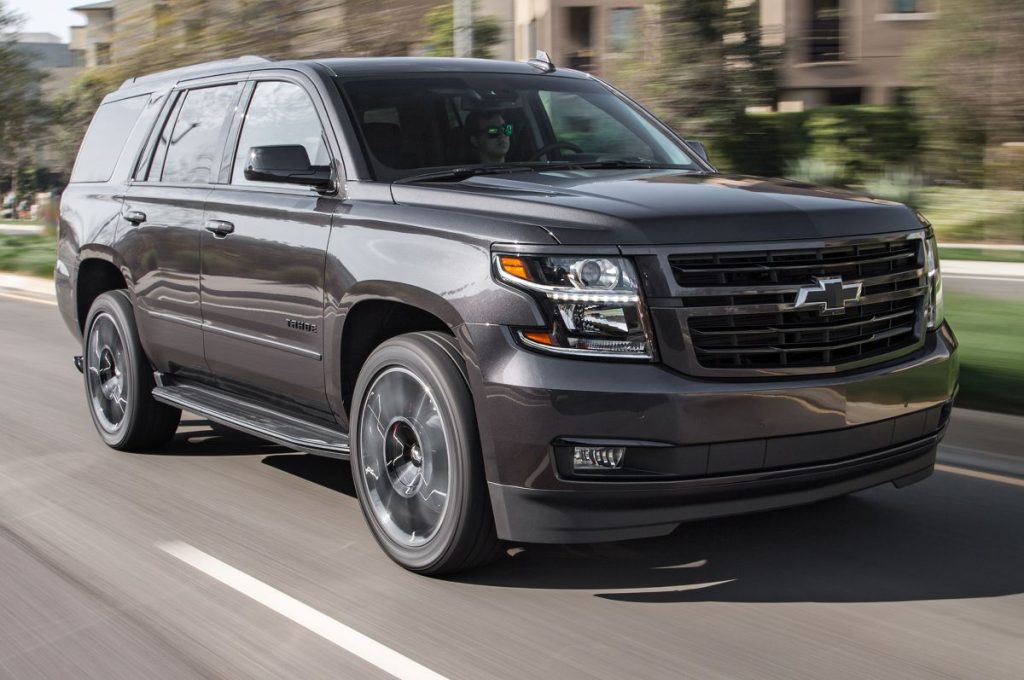
I included Tahoe because it is one of the most common “family SUV” choices in LA. Many people buy it thinking it will handle everything.
It does handle everything, but it also consumes everything: fuel and time. In LA, time matters as much as money. If your vehicle requires frequent refueling, it is stealing hours over the months.
Tahoe is not a bad SUV. It is simply inefficient for daily LA commuting. The commute already drains life. Tahoe adds extra pump stops, extra cost, and extra interruption. That is why it belongs in this list.
Los Angeles commuting rewards efficiency and punishes fuel thirst because traffic burns fuel while barely moving. The best LA commuter vehicles (like Prius, Accord Hybrid, RAV4 Hybrid, Model 3, and Ioniq Hybrid) reduce stress by staying efficient in stop-and-go conditions and cutting down fuel stops.
In contrast, the five vehicles in this section waste hours at the pump because they combine heavy weight, big engines, and poor traffic mpg, forcing frequent refueling interruptions. Toyota Sequoia and Chevrolet Tahoe offer space and comfort but drink fuel quickly in LA congestion.
Ford F-150 V8 adds truck weight plus commuting miles, making the fuel gauge drop fast and refuelling more frequent. Dodge Charger Scat Pack burns fuel aggressively because performance V8S are the worst in crawling traffic.
Mercedes-Benz G-Class is the clearest example of luxury inefficiency: heavy, boxy, and thirsty, turning LA commuting into repeated pump stops.
Also Read: 5 Cars for East Lansing Students and 5 Budget Daily Drivers
