City families live in a different driving reality than suburban families. Space is tight, parking is competitive, traffic is slow, and daily errands happen in crowded places. At the same time, family needs are bigger than most single-driver needs.
You carry school bags, groceries, stroller loads, lunch boxes, sports kits, and sometimes grandparents too. You may be juggling car seats, child safety, and comfort while also dealing with narrow roads and unpredictable traffic.
That is why some cars feel perfect for city families, while others feel limiting the moment family life becomes real.
A car that works for city families has to balance opposite demands. It needs enough interior space to handle kids and cargo, but it cannot be too large or it becomes impossible to park. It must be comfortable in stop-and-go traffic, yet agile enough to handle narrow lanes and tight turns.
It should have strong safety features, but it also needs practical features like easy rear seat access, good visibility, and storage spaces for daily items. City families also care about running costs more than most people think.
With frequent short trips, fuel economy matters. Repairs and downtime are also painful because families depend on the car daily.
On the other side, some cars feel limiting for city families. They may be good cars, but they make family life harder. Some are too small, leaving no space for strollers or bags. Some have cramped rear seats that make car seats uncomfortable.
Others are too low or too stiff for broken city roads. Some are too big and turn parking into a daily struggle. Limiting cars create stress, not only because of space, but because they make common tasks harder: getting children in and out, carrying essentials, driving calmly in traffic, and parking near schools or markets.
This article compares both categories. First, five cars that work for city families and make daily life smoother. Then, five cars that feel limiting and create practical obstacles for family needs.
The goal is simple: help city families choose vehicles that support their lifestyle rather than complicate it. In a city, the best family car is not the biggest car. It is the smartest one.
Also Read: 5 Wagons That Suit City Driving vs 5 That Rarely Do
5 Cars That Work for City Families
For city families, a good car is not defined by horsepower or luxury. It is defined by how well it supports daily life. City family life involves constant short trips: school drop-offs, tuition classes, grocery runs, medical visits, weekend shopping, and visits to relatives.
Many of these trips happen during peak traffic hours. That means comfort in slow traffic matters. Smooth low-speed driving and good cabin cooling make a huge difference in daily fatigue.
The best cars for city families also make entry and exit easy. Children are not calm passengers. They move, they spill, they kick, and they need attention.
A good family car should have doors that open wide enough, rear seats that can handle car seats comfortably, and cabin space that does not feel cramped. Storage matters too. Families carry many small items, and city driving needs these items organized so the cabin does not become messy.
Parking is another major factor. In cities, even a perfect family SUV can feel like a mistake if it cannot fit into parking spots. That is why the best family vehicles for cities balance practicality and compactness. They provide space without becoming oversized.
Safety is non-negotiable. City driving includes sudden braking, unpredictable crossings, and heavy traffic. A city family car should have strong braking stability, good visibility, and modern safety support. Even basic safety features matter because urban environments are full of risk.
I am writing this section because city families often feel pressured into buying big SUVs, thinking size equals family comfort.
But big vehicles can create more stress in the city. The best city family vehicles are those that make daily tasks easy: carrying kids, carrying cargo, handling traffic, and parking near crowded places.
Now let us look at five cars that work for city families by balancing space, comfort, and daily city practicality.
1) Honda CR-V
Honda CR-V works brilliantly for city families because it offers SUV practicality without being unnecessarily bulky. It has enough cabin space for children, car seats, and daily shopping, but it still feels manageable in city streets.
Families need rear seat comfort, and CR-V delivers that with a spacious second row, making it easier to install car seats and still keep passengers comfortable.
The cargo area is another advantage. City families often carry strollers, grocery bags, and school supplies. CR-V’s boot space handles these needs without forcing the cabin into clutter. This improves daily comfort because the interior stays organized.
In city traffic, CR-V feels calm. It is tuned for smoothness rather than aggressive performance. Smooth low-speed driving matters because families spend time in congestion. CR-V’s predictable behavior reduces driver fatigue and makes commuting with children less stressful.
Visibility is also good, and that matters around schools and crowded streets where pedestrians can appear suddenly. Parking is manageable because CR-V is not too long, and many models include helpful camera systems that reduce stress.
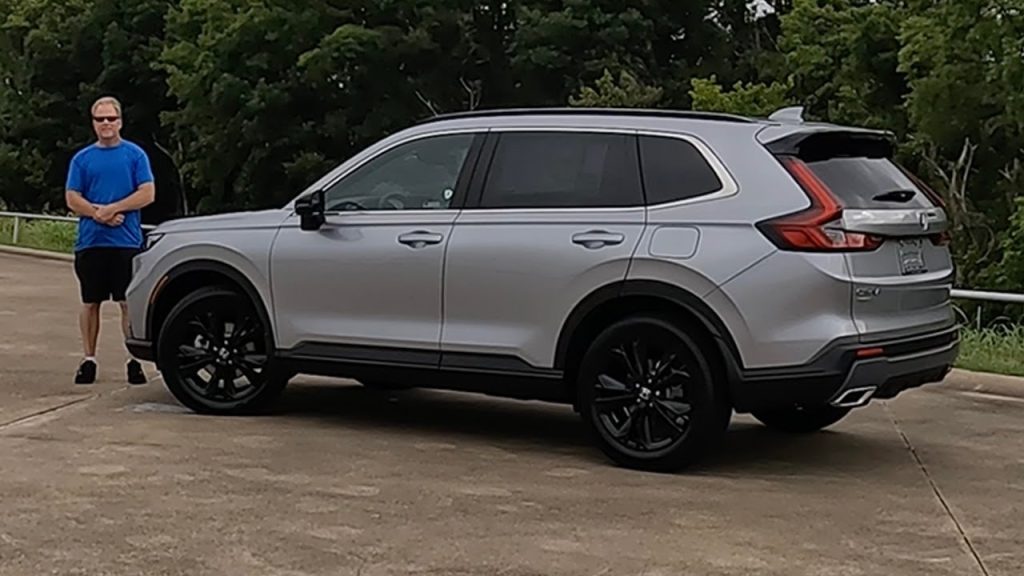
I included Honda CR-V because it represents the ideal city family crossover: spacious but not oversized, comfortable but still maneuverable.
It is a car that supports family needs without turning city driving into a parking nightmare. For city families who want one vehicle that can handle every daily task, CR-V is one of the smartest choices.
2) Toyota RAV4
Toyota RAV4 works for city families because it balances reliability, space, and everyday convenience. For families, reliability matters more than most people admit. A breakdown creates huge disruption. RAV4 is known for being dependable, which makes it a strong family choice.
The cabin layout supports city life. The rear seats provide enough room for kids and car seats without feeling cramped. The cargo area is practical for daily errands and family shopping. For city families, that means less stress because you can carry what you need without planning every item.
RAV4 also handles traffic well. It is not overly heavy, so it feels manageable in slow city conditions. Steering is easy enough, and the overall driving feel stays predictable. That predictability is important for families because sudden jerky behavior in traffic creates discomfort and stress.
Safety and stability are also key reasons. City families drive around schools, busy intersections, and crowded zones. A stable, secure vehicle reduces risk. RAV4’s design supports that family safety need.
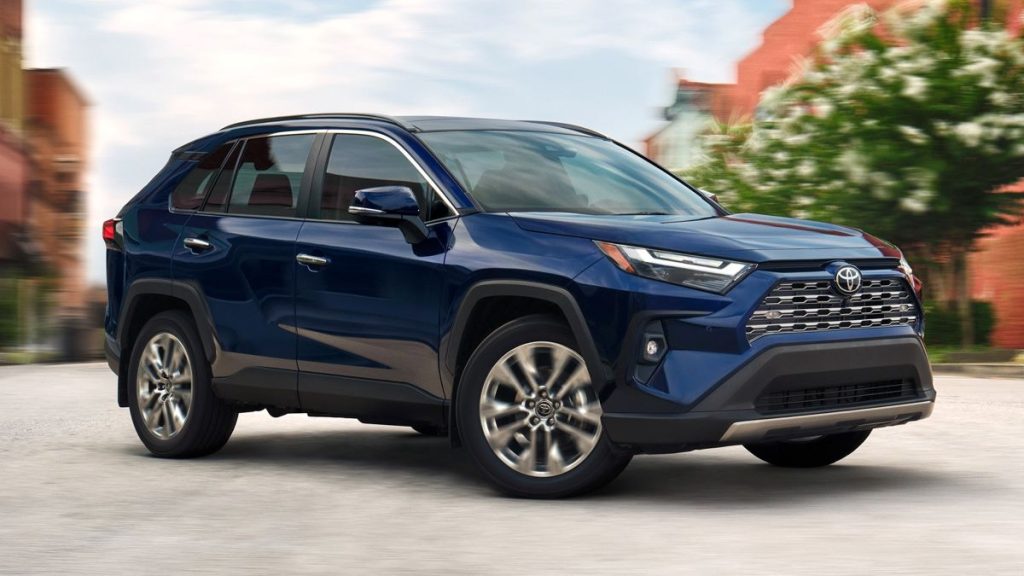
I included RAV4 because it is the vehicle that many city families can rely on without constant maintenance fear. It is practical, manageable, and dependable.
It may not be the most exciting car, but for daily family life, excitement matters less than smooth reliable function. RAV4 supports family routines instead of interrupting them.
3) Kia Carens
Kia Carens is one of the smartest city family vehicles because it offers multi-seat practicality without being as huge as full-size SUVs. City families often need flexible seating. Sometimes it is children. Sometimes it is grandparents. Sometimes it is both. Carens provides that flexibility with its roomy layout.
In city driving, Carens stays manageable. It offers the benefits of a larger family vehicle but still feels easier to drive than big three-row SUVs. Parking is less stressful, and the vehicle does not feel like a giant box in tight lanes.
The cabin also feels family-friendly. The seating arrangement makes it easier to manage kids, and the cargo flexibility helps carry daily items. City families appreciate storage spaces and thoughtful design because daily errands create chaos.
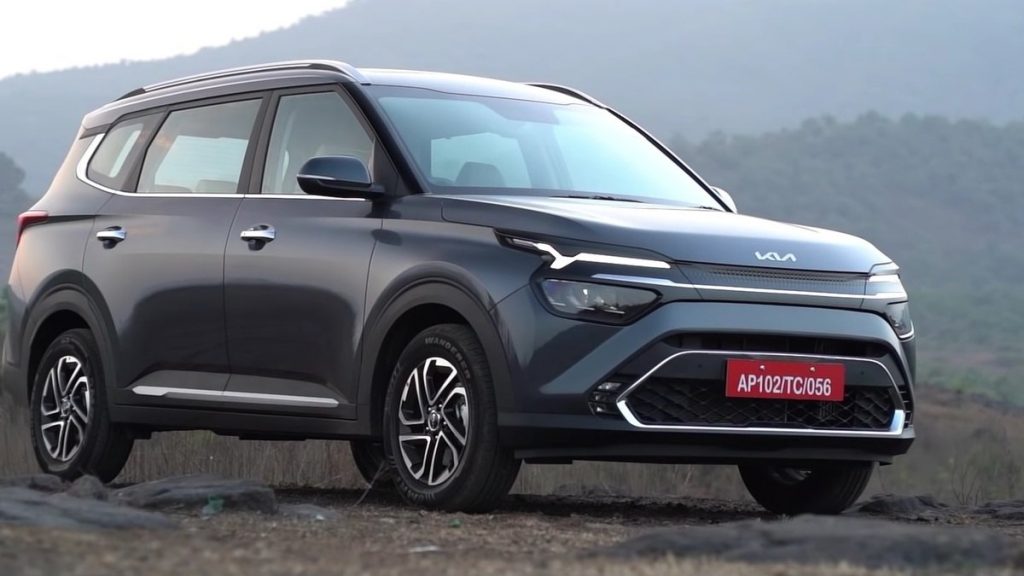
I included Kia Carens because it shows that family practicality does not always require a massive SUV. It gives space and seating flexibility while staying city usable. For families that need more than five seats sometimes, Carens is one of the best balanced choices for urban life.
4) Hyundai Creta
Hyundai Creta is popular for city families because it fits urban life naturally. It is compact enough to park easily, yet spacious enough to handle family needs. That balance is important. Many families buy too big, then regret it in parking situations. Creta stays manageable.
Rear seat space is good enough for kids and car seats. Cargo space is practical for daily shopping and school bags. The higher seating position helps visibility, which improves safety in crowded streets.
Creta also handles traffic comfortably. Its smooth driving behavior suits stop-and-go life. Families spend long hours in congestion, and a comfortable car reduces daily fatigue. It also tends to be easy to service, which matters for city ownership.
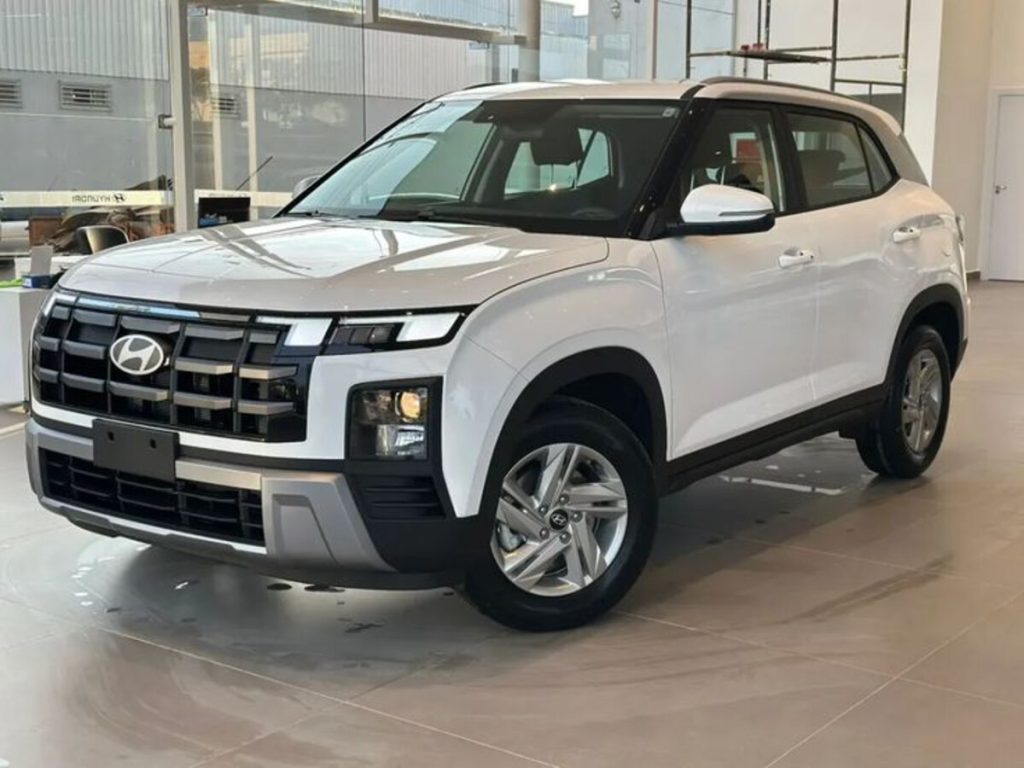
I included Creta because it represents the ideal compact family crossover. It gives enough space without becoming a burden. For city families that want comfort, practicality, and easy daily use, Creta is a strong choice.
5) Maruti Suzuki Ertiga
Maruti Suzuki Ertiga works well for city families because it provides true family practicality in a city-usable package. It offers seating flexibility that helps families with children and occasional extra passengers. In cities, families often travel together, and Ertiga supports that lifestyle.
Despite being a family MPV, Ertiga is not overly difficult to drive in cities. It is designed with urban use in mind. Steering and maneuverability are manageable, and parking is less stressful than with big SUVs.
Fuel efficiency is also a strong advantage. City driving burns fuel fast, and families care about daily running costs. Ertiga’s efficiency helps reduce that burden.
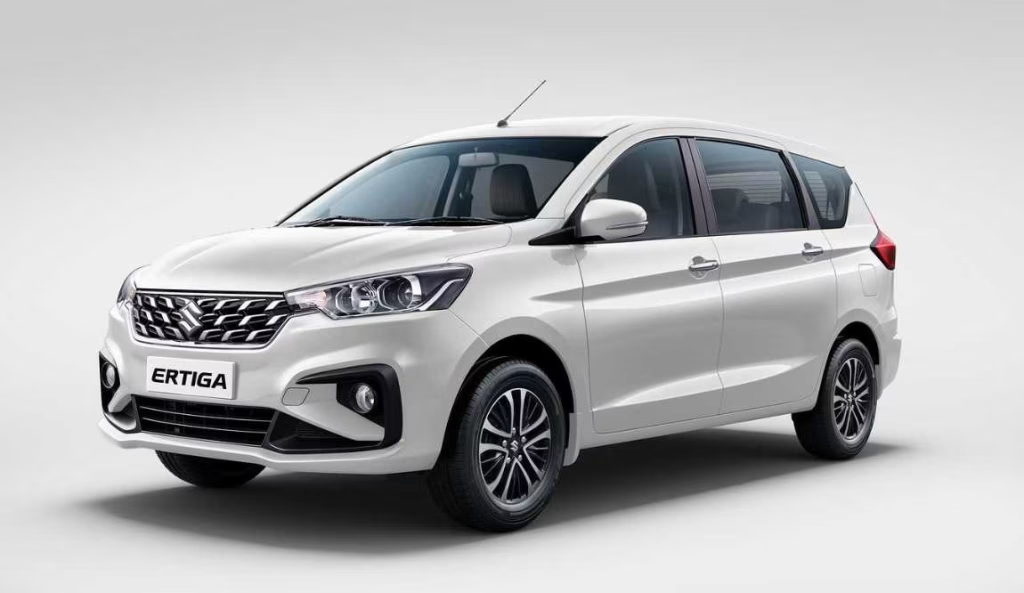
I included Ertiga because it is one of the most practical vehicles for city families. It is not about luxury. It is about daily usefulness. It makes school runs, grocery errands, and family outings smoother. That is why it belongs in the “works for city families” list.
5 That Feel Limiting
A car can be a good car and still feel limiting for city families. The reason is simple: family needs are not occasional, they are daily. City family driving includes school runs, groceries, doctor visits, and packed weekends.
Children bring bags, bottles, snacks, sports kits, and sometimes chaos. Parents want comfort, space, safety, and easy parking at the same time. If a car fails even one of these, it starts to feel like a limitation rather than support.
Limiting cars usually fall into two categories. The first category is too small. These cars might be perfect for single drivers, but once a family is involved, they quickly feel cramped. Car seats take up too much room, and rear passengers feel squeezed. Boot space becomes useless the moment you add a stroller.
In cities, where errands happen constantly, small boot space becomes a daily frustration. It forces families to plan every item they carry. That planning becomes exhausting.
The second category is too large or too awkward. Some cars give space but become limiting because they do not fit city reality. They turn parking into a struggle and narrow streets into stress.
They may have large turning circles, poor visibility, and heavy driving feel in traffic. A city family car should reduce stress, not multiply it. If every school drop-off becomes a parking battle, the vehicle becomes limiting.
Running costs also matter. City mileage destroys brakes and suspension faster. If a vehicle is expensive to maintain or consume fuel heavily in traffic, it limits family budgets. Families already spend on education, groceries, and childcare. A car that burns money in traffic becomes a limitation, not a benefit.
I am writing this section because choosing the wrong vehicle for city family life creates daily frustration. It makes routines harder and increases stress.
The five cars below feel limiting either because they are too cramped for family use, too inconvenient to maneuver in city environments, or too expensive to run as a daily family vehicle. Now let us look at them.
1) Suzuki Alto
Suzuki Alto feels limiting for city families because it is simply too small for real family life. Alto is excellent as a budget city commuter for one or two people, but family needs are different.
The rear seat space is tight, and once you install a child seat, the cabin becomes crowded. Adults in the back feel uncomfortable, which becomes a problem when grandparents or relatives join.
Boot space is another limitation. City families carry daily items: shopping bags, school bags, lunch boxes, and sometimes a stroller. Alto’s boot is not designed for this load. You end up placing items in the cabin, making the interior messy and uncomfortable. That is what makes it limiting: it cannot absorb family life smoothly.
Another issue is stability and comfort. Families spend time in traffic, and a very small lightweight car may feel less stable and less comfortable in heavy congestion. It can also feel less confident on imperfect roads.
City roads are filled with potholes and speed breakers. A small car with limited suspension travel can feel harsh, making kids uncomfortable.
I included Alto because many city families buy it for affordability, but later feel frustrated. It becomes the kind of car that forces compromises: fewer passengers, fewer bags, and constant “what can we carry today?” planning. That planning is the limitation.
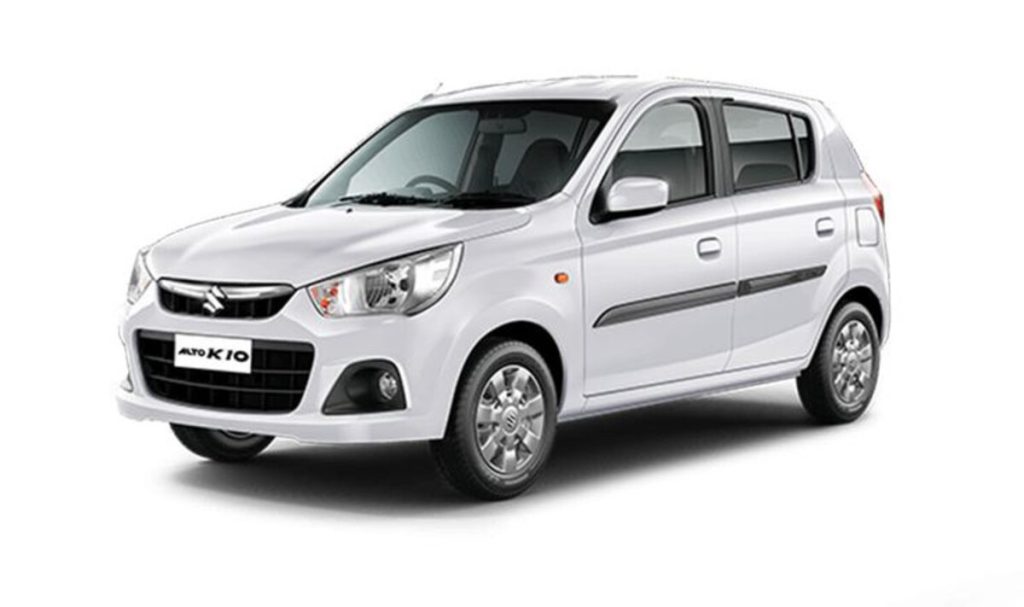
Alto is not a bad car. It is simply designed for a different lifestyle. For a family that needs daily practicality, it often feels like you are trying to live big inside a small box. In city family life, that becomes tiring.
2) Mini Cooper (3-Door)
Mini Cooper 3-door feels limiting for city families because access is inconvenient. It is a stylish city car, but family needs are not just about driving. They are about getting children in and out easily.
With a 3-door layout, rear seat entry becomes a struggle. Installing a child seat is possible, but it is uncomfortable. Every time you strap a child in, you repeat the same awkward movement.
Rear seat space is also limited. Children grow fast, and what feels okay today may feel cramped in two years. Mini’s rear seats are small, and family comfort drops quickly. Boot space is another limitation. City families often carry groceries, bags, and strollers. Mini’s boot can feel tight, forcing daily compromises.
Another limitation is cost sensitivity. Mini is a premium car, and city life often brings scratches, dings, and wheel scuffs. For a family vehicle, you want something forgiving. A premium small car makes owners protective. That protectiveness is tiring because families cannot avoid every tight parking situation.
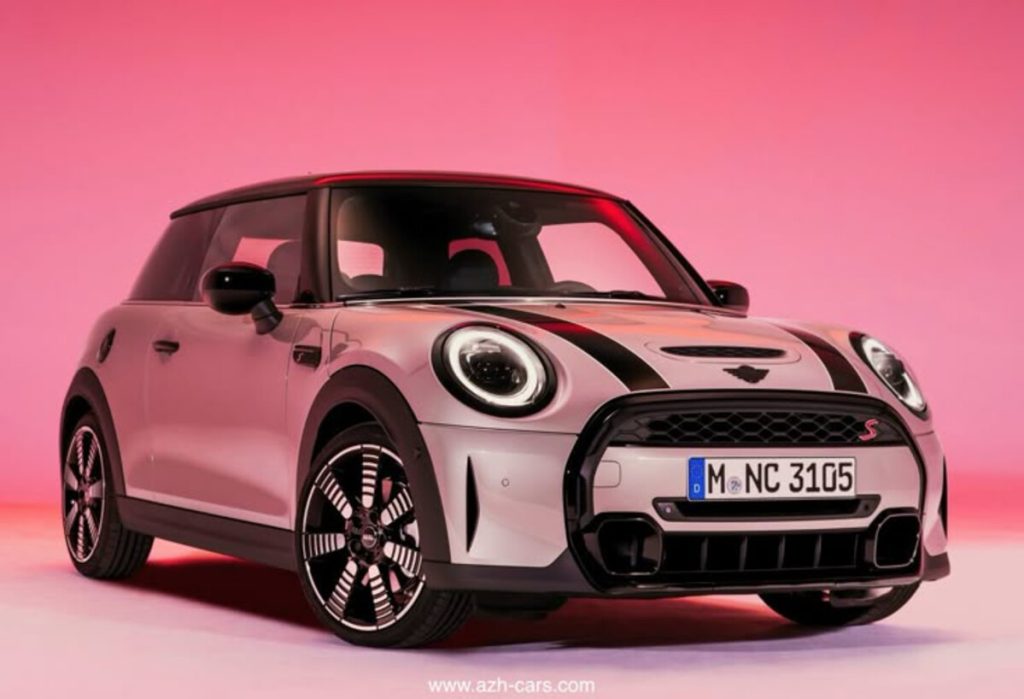
I included Mini Cooper 3-door because people assume “small equals family-friendly in cities.” But access matters more than size. A car can be small and still be inconvenient. Mini is fun for couples or single drivers. For families, it often feels like a car designed for style rather than daily practicality.
In city family life, the Mini can feel limiting because it adds friction to every routine: school drops, grocery runs, and weekend errands. A family car should reduce friction. The 3-door Mini often increases it.
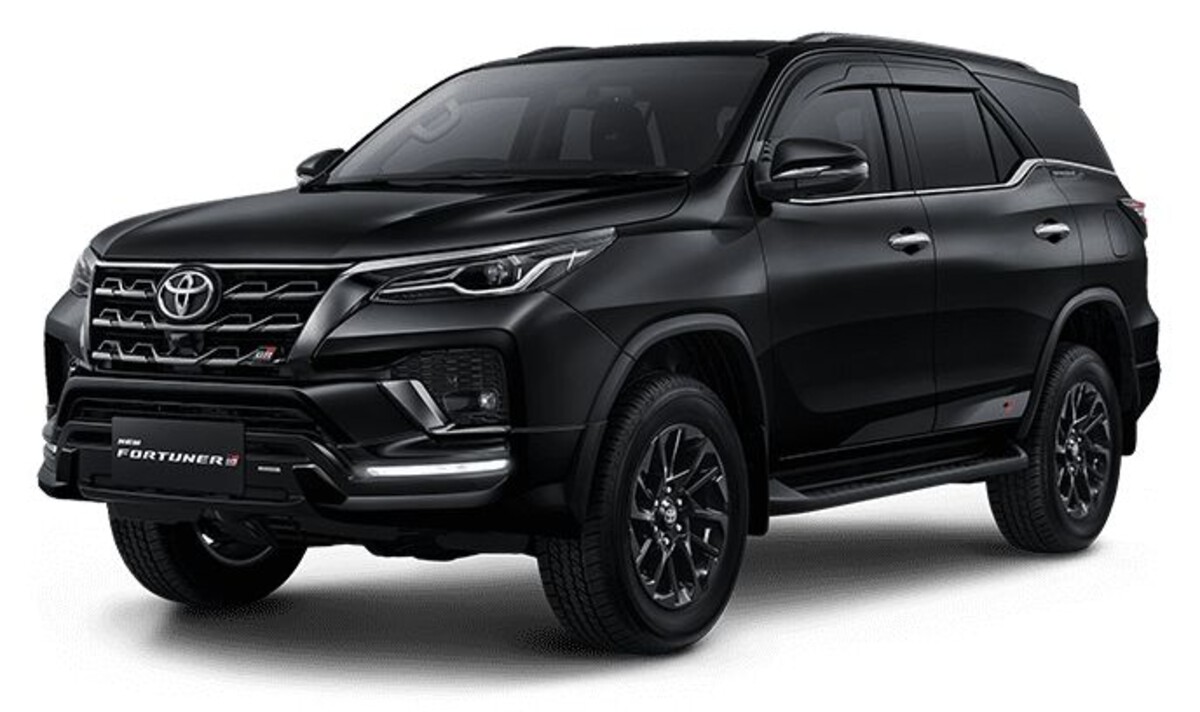
3) Toyota Fortuner
Toyota Fortuner feels limiting for city families in a different way. It offers space, but it demands too much effort. Fortuner is big, tall, and heavy. In cities, parking is tight and roads are narrow.
A large SUV becomes limiting because it does not fit easily into daily routines. School drop-offs become stressful because you struggle to find parking spots. Narrow lanes require constant attention. The driver must always plan.
Turning radius is also an issue. In city streets, U-turns and parking maneuvers require extra space. Fortuner often needs multiple adjustments. That slows everything down and creates pressure from other drivers behind.
Fuel consumption is another city limitation. Heavy SUVs burn more fuel in traffic. Families already have rising monthly costs. A vehicle that consumes fuel heavily becomes a financial burden. It reduces the sense of freedom because every trip feels expensive.
I included Fortuner because many families buy it for status and strength, but city life punishes it daily. It feels like too much vehicle for crowded streets. It becomes limiting not because it lacks space, but because it demands space from the city. The city does not give that space.
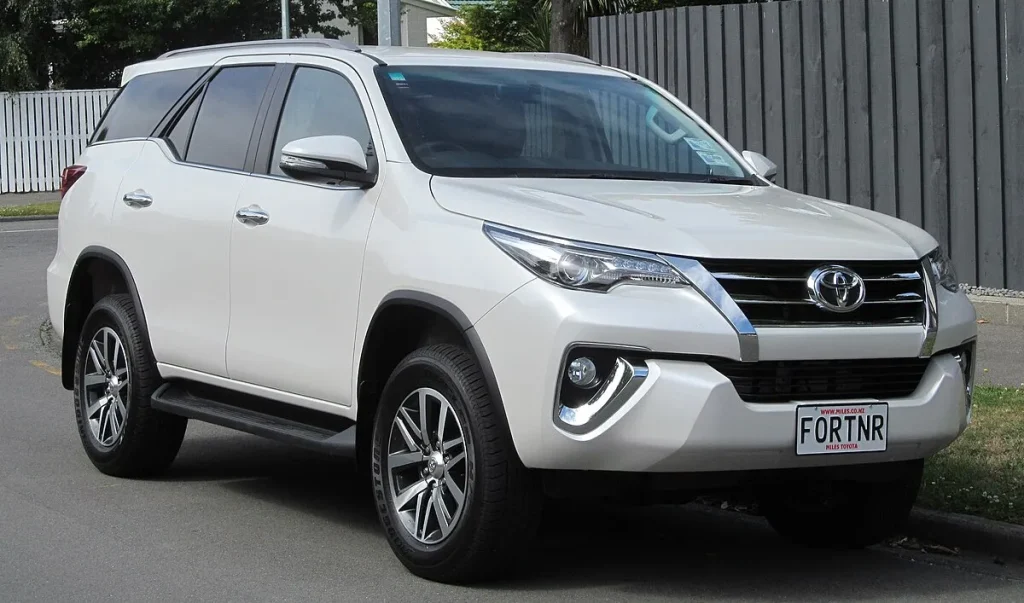
For families living in dense urban areas, Fortuner can feel like carrying a large suitcase in a crowded train. You can do it, but it is exhausting. That is why it feels limiting for city family use.
4) Mahindra Thar
Mahindra Thar feels limiting for city families because it is built for adventure, not daily family routines. It is stylish, rugged, and strong, but city family life requires comfort and practicality. Thar’s rear seat access can be inconvenient, and seating comfort is not the best for family passengers, especially children and elders.
Boot space is also limiting. Family errands require cargo flexibility. A vehicle like Thar may not provide the kind of easy everyday storage families need. You might fit some bags, but it does not feel like a relaxed family machine.
City traffic comfort is another issue. Thar is tuned for rugged conditions. That often means the ride can feel stiff or bouncy on city roads. In traffic, the driving feel may not be as smooth or calm as family-friendly crossovers. Families spend time in traffic daily, and this lack of refinement becomes exhausting.
I included Thar because many people buy it emotionally, then struggle with practicality. It is a fantastic vehicle for weekend travel and adventure. But city families need daily usability: easy child seat handling, smooth ride, and flexible storage. Thar often makes those tasks harder.
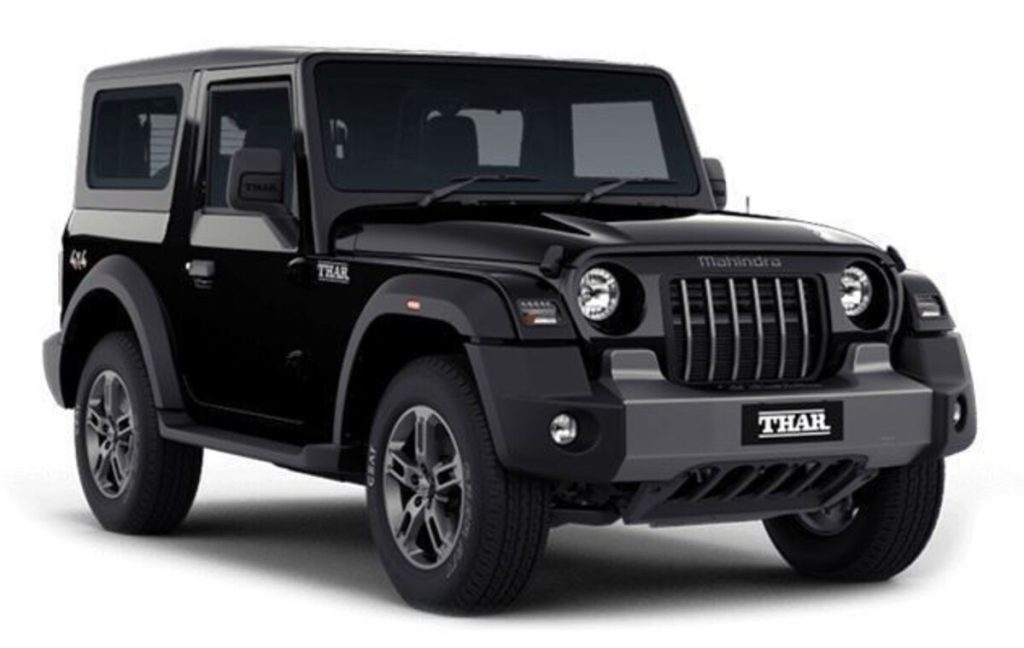
For a city family, the Thar can feel like a fun toy that you are trying to use as a daily tool. It looks exciting, but it limits comfort, storage, and ease of use in everyday family routines.
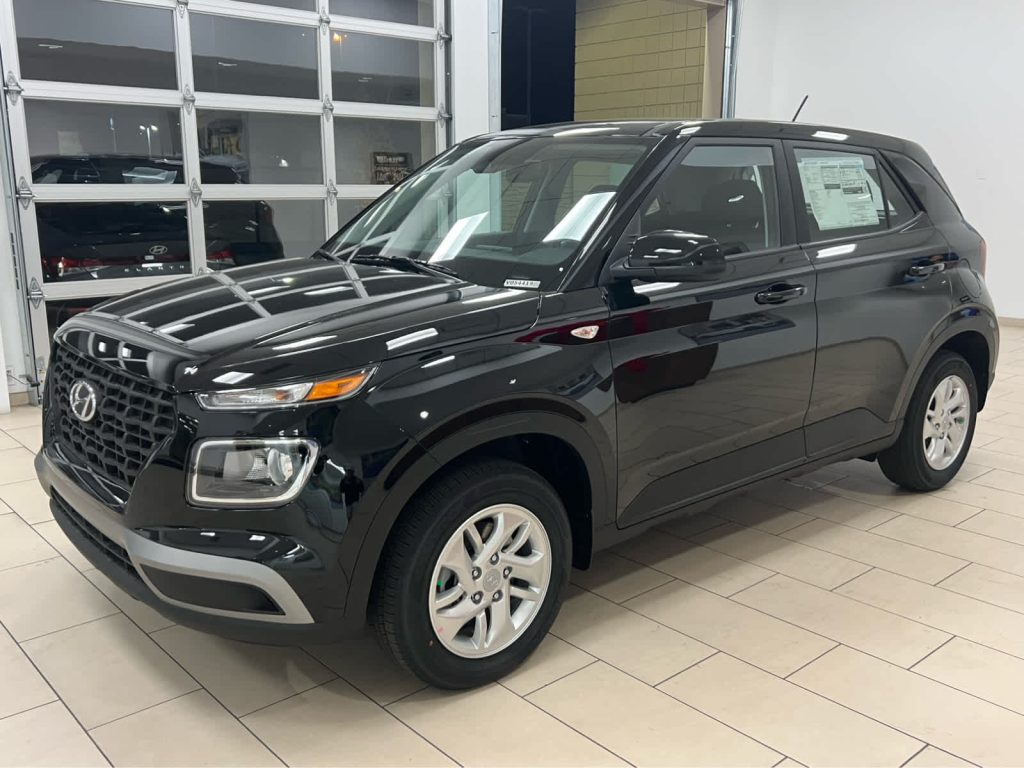
5) Hyundai Venue
Hyundai Venue feels limiting for city families because it sits in an uncomfortable middle zone: not small enough to feel ultra-simple like a hatchback, but not spacious enough to feel fully family-ready like larger crossovers. For small families with one child, it may work. But as needs grow, space becomes limiting.
Rear seat space is one issue. Child seats take up room, and passengers may feel squeezed. For families with two kids or frequent extra passengers, Venue can feel cramped quickly. Boot space also becomes a limitation, especially with strollers or shopping bags.
I included Venue because many people assume compact SUVs are automatically family cars. But family life demands more than height. It demands usable cabin space and cargo flexibility. Venue may feel tight once routines become heavier.
Venue also becomes limiting because it does not provide the “one car does everything” comfort that city families often want. Families do not want to upgrade again quickly. A car that feels small in daily life creates upgrade pressure.
Venue is not a bad vehicle. It is a good compact urban crossover. But for city families with real daily cargo and passenger needs, it can feel limiting, especially as children grow. That is why it belongs in this list.