Wagons are one of the most underrated body styles for city life. In a world obsessed with SUVs, people often forget that wagons can offer the same practicality without the parking stress and fuel waste of larger vehicles.
A good wagon combines the best parts of a hatchback and a sedan. You get a low driving height for stability, a long cargo area for daily errands, and often better handling than tall crossovers. For city drivers, this can be a perfect formula.
The wagon can carry shopping, luggage, pets, and even small furniture items, yet still fit into tight urban spaces better than many SUVs.
But not every wagon suits city driving. Some wagons are simply too long, too low, or too performance-focused for real urban conditions.
Cities demand short turning circles, strong visibility, smooth low-speed response, and durable suspension that can handle potholes and speed bumps. A wagon that is designed mainly for highway comfort may feel clumsy in downtown parking garages.
A wagon with a stiff sporty suspension may feel rough on broken roads. A wagon with a powerful engine may burn fuel heavily in stop-and-go traffic.
Even worse, wagons that are rare can become difficult to maintain, with limited parts availability and expensive repairs. In cities, where you want quick fixes and affordable upkeep, that becomes a major disadvantage.
This article compares two groups. First, five wagons that suit city driving because they offer practicality without stress. These wagons handle tight streets, parking spots, and daily traffic comfortably while still giving you that extra cargo flexibility wagons are loved for.
Then, five wagons that rarely suit city driving, not because wagons are bad, but because these specific models tend to be too large, too sensitive, too expensive, or too demanding for urban use.
I am writing this because wagons can be a city driver’s secret weapon, but only when you choose the right one. The wrong wagon can feel like a long, fragile, expensive vehicle that is constantly at risk on city streets. The right wagon feels like a smart upgrade from a sedan without the compromises of an SUV.
Also Read: 5 Cars for Eagan Suburban Commuting and 5 Winter-Capable Models
5 Wagons That Suit City Driving
City driving is about space management. You manage tight roads, tight parking, and tight time schedules. That is why the best city vehicles are the ones that deliver practicality without demanding extra room.
Wagons can be perfect for this because they offer cargo space without the tall bulk of SUVs. Many wagons are based on sedan platforms, which means they handle like cars.
They feel stable in traffic, easier to steer, and more predictable in lane changes. For city drivers, that matters because urban traffic rewards stability and quick response.
A wagon that suits city driving needs a balanced footprint. It should be long enough to carry cargo, but not so long that parking becomes stressful. It should have light steering, a reasonable turning circle, and good visibility.
It should also have suspension tuning that can tolerate rough city roads. Cities punish low cars, especially those with stiff suspensions. The best wagons for city use avoid being too low or too fragile. They can handle speed bumps and potholes without scraping constantly.
Another important factor is daily usability. City cars are used like tools. You load groceries, school bags, and shopping. You open doors constantly. You squeeze into parking spaces and garages. A wagon has to survive that life.
It should have easy-to-clean interiors, durable trim, and simple maintenance. If a wagon is rare or overly premium, it may become expensive and complicated to repair. In a city, that turns practicality into a headache.
I am writing this section because wagons deserve more attention in urban life. Many people buy SUVs because they want cargo room, but they end up suffering through parking stress, fuel waste, and bulky handling.
A good wagon delivers most of that practicality while staying easier to drive in a city environment. The five wagons below are selected because they balance cargo usefulness, city maneuverability, comfort, and real-world ownership ease. Now let us get into five wagons that genuinely suit city driving.
1) Subaru Outback
Subaru Outback is one of the most city-friendly wagons because it offers wagon practicality with crossover confidence. In city life, roads are not always smooth. Potholes, uneven pavement, and steep driveway angles can punish low vehicles.
Outback’s ground clearance helps it survive city conditions better than many wagons. You get the cargo space and long roofline, but you do not constantly worry about scraping underneath.
Outback is also forgiving in traffic. Its driving position gives good visibility, and that matters in dense city lanes filled with scooters, pedestrians, and sudden movement. A wagon that allows you to see clearly reduces stress. Outback’s steering is not overly heavy, and low-speed maneuvering feels manageable for its size.
Another reason it suits city driving is stability. Wagons generally handle better than SUVs because they sit lower. Outback keeps that wagon stability but adds a rugged feel that works well in rough urban conditions.
If you live in a city with broken roads, Outback can feel like the perfect compromise between car handling and SUV toughness.

I am including Outback because it is one of the few wagons that feels built for daily life rather than niche enjoyment. It can carry errands and luggage easily, handle poor roads, and still remain comfortable in traffic.
It is not the smallest vehicle, but its design makes it practical in a way many SUVs fail to be. For city drivers who want wagon space without feeling fragile, Outback is one of the best choices.
2) Volkswagen Golf SportWagen
Volkswagen Golf SportWagen is one of the most natural city wagons because it feels compact and agile while still giving useful cargo space. It is essentially a Golf hatchback stretched into a wagon form, which means it keeps the maneuverability of a small car.
In city driving, that compact footprint is a major advantage. Parking is easier, and the wagon shape gives practicality without demanding SUV-level space.
The Golf SportWagen also handles city roads well. Its suspension is usually tuned for comfort, and the car feels stable and controlled in traffic. Steering response is quick enough for tight streets, and the car feels easy to place in a lane. This matters because city driving is constant lane adjustment and space judging.
Cargo usefulness is another reason it suits the city. Many city drivers do not need a full SUV. They need enough space for groceries, luggage, or weekend shopping. SportWagen provides that without becoming bulky. It is the kind of vehicle that fits urban parking yet still handles daily practicality needs.
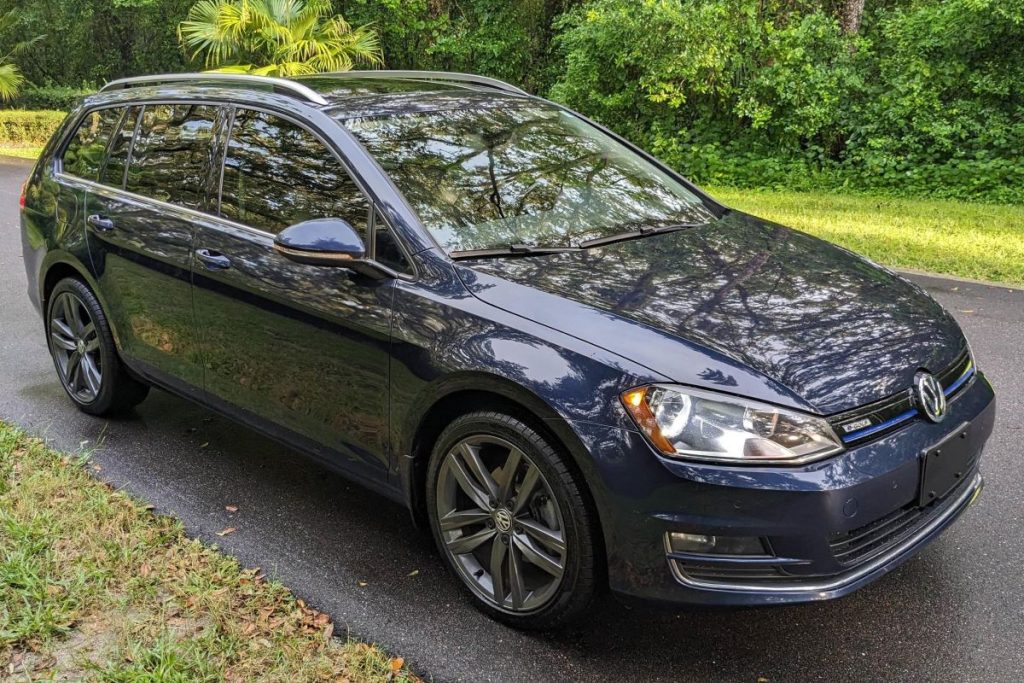
I included Golf SportWagen because it shows why wagons can be better than SUVs for city life. It stays low and efficient, it feels agile, and it still provides more cargo flexibility than a sedan. For people who want city comfort with extra practicality, SportWagen is a smart option that does not punish the driver.
3) Toyota Corolla Wagon (Touring)
Toyota Corolla Wagon (Touring) is city-friendly because it combines wagon practicality with Toyota’s famous reliability and low ownership stress. In cities, reliability matters because you cannot afford downtime.
Corolla-based vehicles are known for predictable maintenance and strong durability in traffic. That makes this wagon especially suitable for daily urban use.
Its size is also well balanced. It offers extra cargo space compared to a standard Corolla, but it still feels compact enough for city parking. Many wagons become too long and awkward. Corolla Wagon keeps the footprint manageable, which helps in parking garages and narrow streets.
The driving feel is smooth. In city stop-and-go traffic, smoothness matters more than speed. Corolla Wagon tends to deliver calm low-speed behavior, making it easy for daily commuting. It does not feel jerky or demanding.
I included Corolla Wagon because it represents practical wagon ownership without luxury complexity. It gives space, reliability, and easy service support.
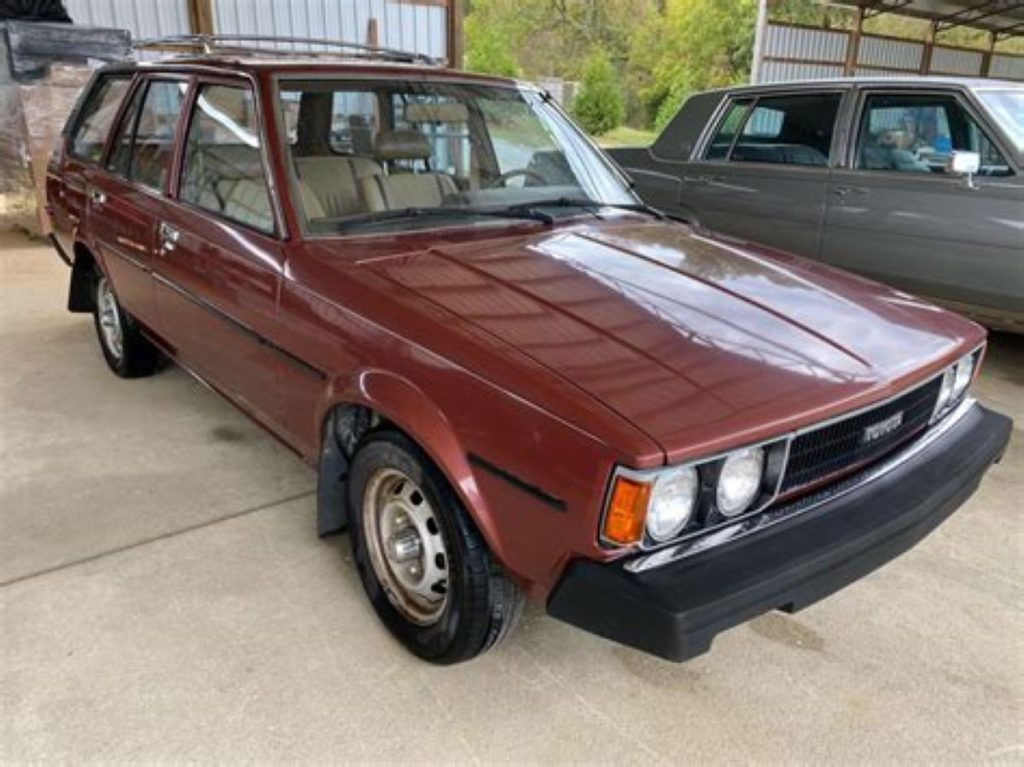
For a city driver, this means fewer headaches and more predictable daily use. It is a wagon that behaves like a simple tool, not a complicated lifestyle product. That simplicity is what makes it perfect for cities.
4) Skoda Octavia Combi
Skoda Octavia Combi suits city driving because it offers wagon practicality in a manageable and well-designed package. It is not tiny, but it is shaped in a way that makes it easier to use daily. It has good visibility and a cabin designed for everyday practicality, which matters in cities where you constantly get in and out of the car.
The Octavia Combi also balances comfort and control. Urban roads can be rough, and a wagon with decent suspension tuning helps reduce daily fatigue. The Octavia usually feels stable over bumps, and it handles traffic smoothly. Parking becomes easier because it is not excessively wide, and the steering response is generally predictable.
Cargo space is excellent, making it useful for city families. Many people buy SUVs for this reason, but Octavia Combi provides similar practicality without tall bulky handling. This makes it easier to park and easier to maneuver through tight areas.
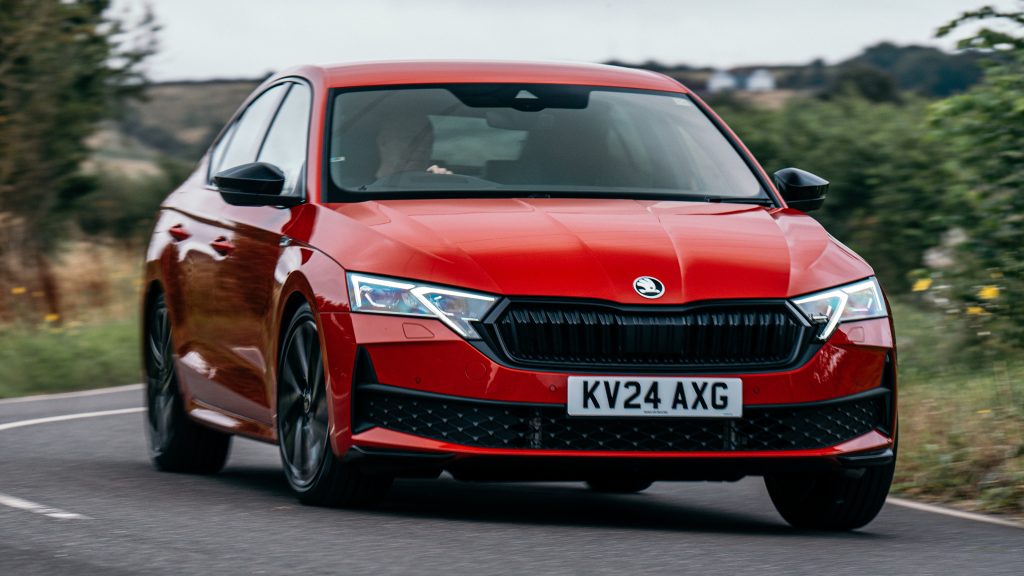
I am writing about Octavia Combi because it represents one of the smartest urban wagon choices for people who want space and comfort without SUV disadvantages. It is practical, efficient, and still feels city-usable. For those who want a wagon that works daily, it fits the environment well.
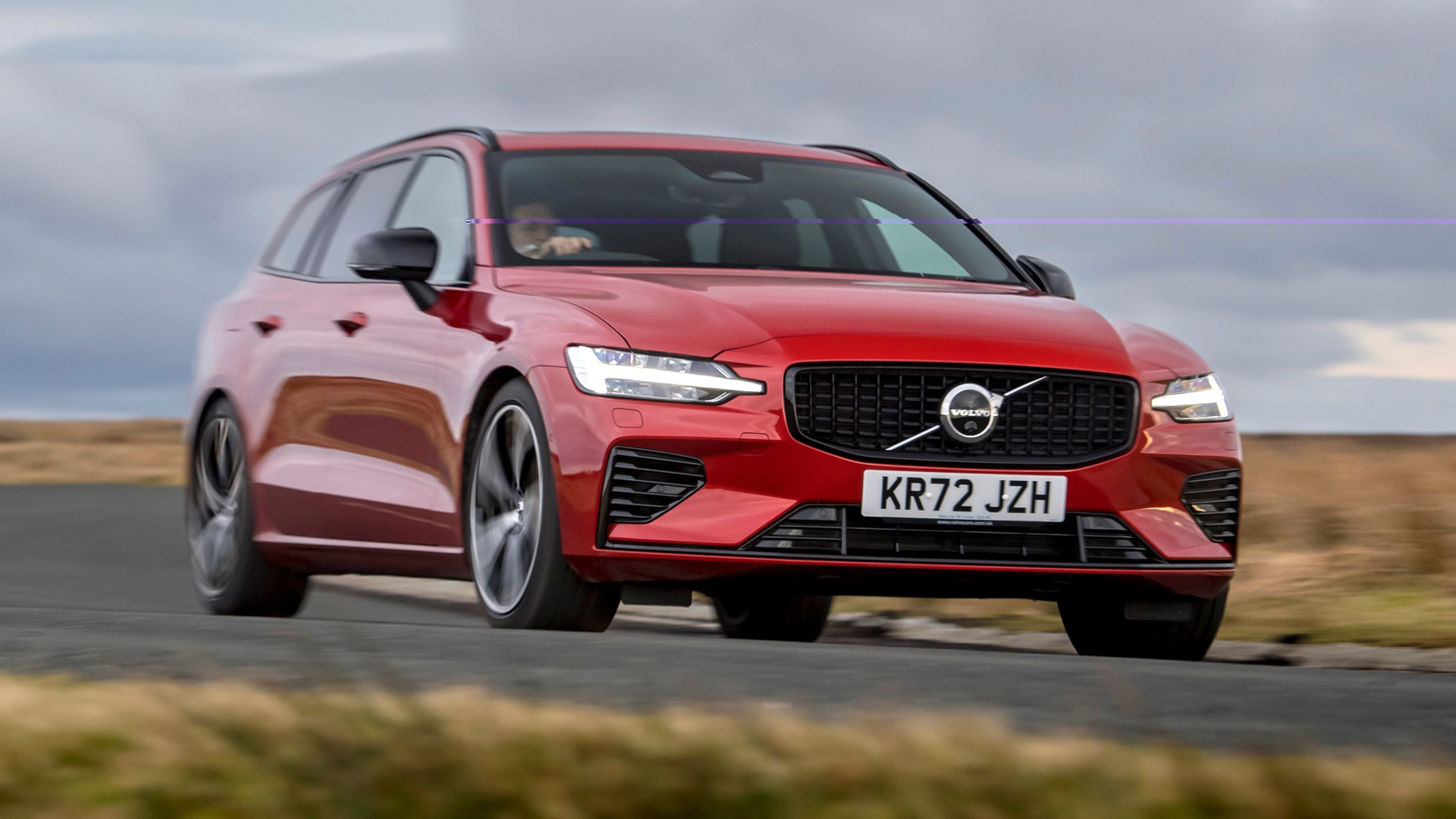
5) Volvo V60
Volvo V60 is a premium wagon that still suits city life because it blends comfort, safety, and reasonable maneuverability. Many premium cars become stressful in cities because repairs are expensive and size is inconvenient.
V60 avoids some of that by being a wagon that is not oversized. It feels practical in a city while still offering premium comfort.
The cabin comfort is a big advantage in urban traffic. City driving is tiring, and V60 makes it calmer with a quiet interior and smooth ride. The wagon layout gives useful cargo space for errands, yet the driving feel stays car-like rather than SUV-like.
Visibility and safety systems also make it forgiving in cities. Volvo is known for strong safety focus, and that helps in an environment filled with unpredictable movement. Parking support features and good seating position reduce stress.
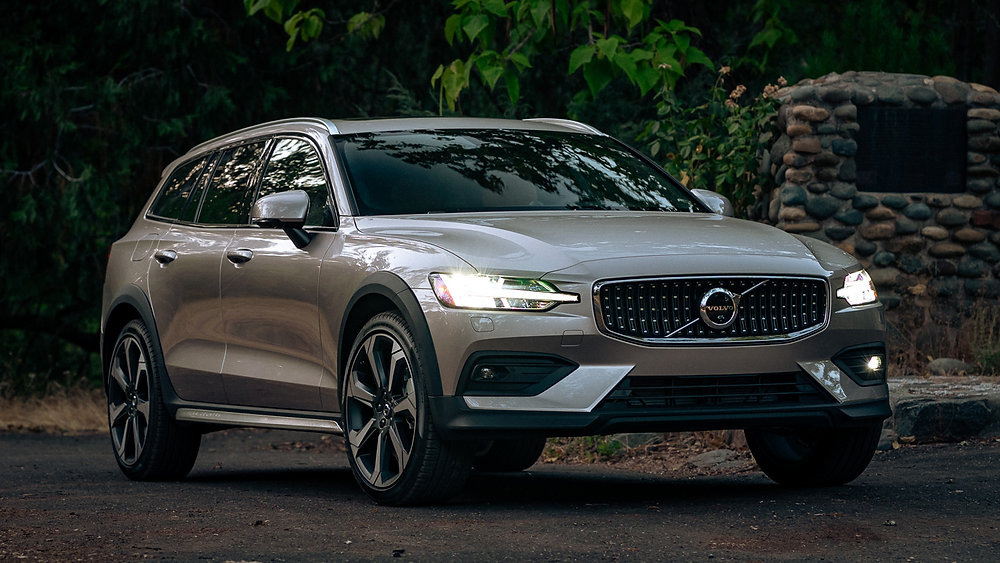
I included Volvo V60 because it shows that a wagon can be premium without becoming urban-unfriendly. It suits city drivers who want comfort and space but still need a vehicle that fits downtown life. It is a smart wagon for city commuters who want the practicality of a wagon with the calmness of a luxury car.