
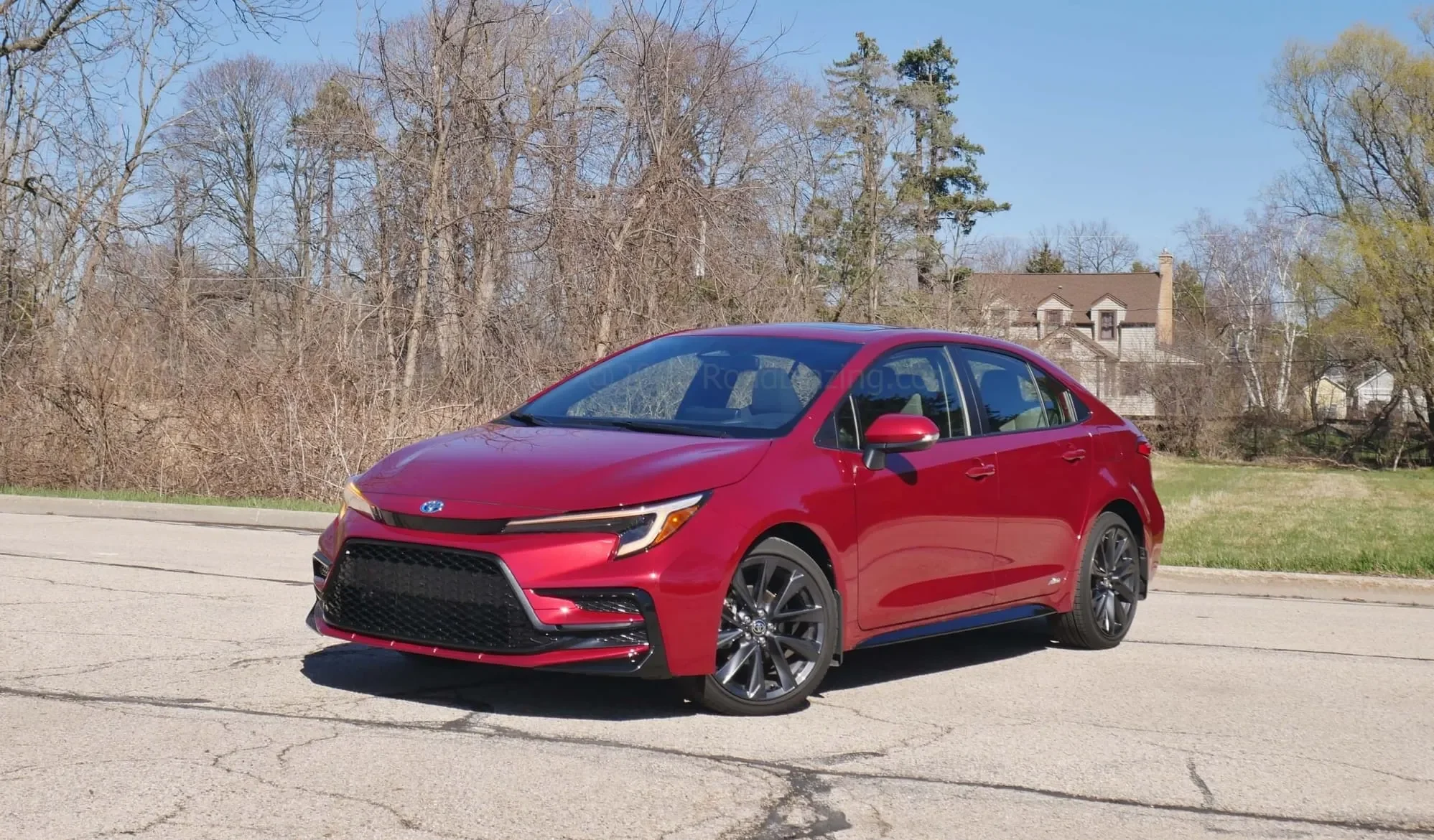
City life moves fast, and money moves even faster. Between rent, food, parking permits, toll roads, and fuel, the cost of owning a car in an urban area can quietly climb higher than expected. That is why picking the right vehicle matters just as much as choosing the right apartment.
A smart car choice can save thousands of dollars every year through lower fuel use, cheaper insurance, easier parking, and fewer repair surprises. Some vehicles are built with city living in mind. They sip fuel, fit into tight parking spaces, cost less to insure, and rarely demand expensive repairs.
Others look affordable at first, but quietly drain your wallet through premium fuel, high service bills, and parts that cost more than your monthly grocery budget. This guide separates the smart choices from the financial traps.
You will see five vehicles that fit comfortably into city budgets, followed later by five that look tempting but cost far more than expected once real-life ownership begins. Each car listed includes its full name and model, with no repeats.
Every section focuses on real ownership costs such as fuel, insurance, service, repairs, depreciation, and daily convenience. No sales talk. No marketing hype. Just clear, honest insight for drivers who want their car to work with their budget instead of against it.
If your goal is to enjoy city driving without feeling stressed every time a warning light turns on, this guide is built for you.
5 Vehicles That Work for City Budgets
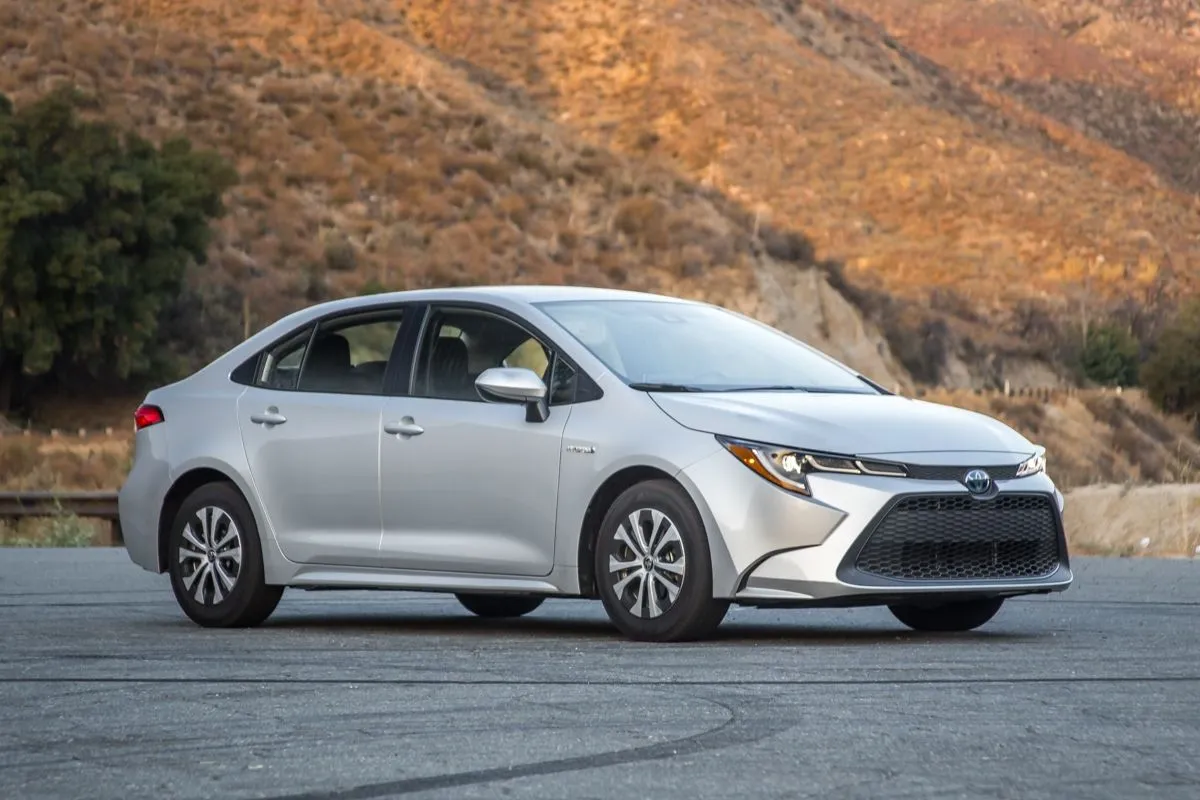
1. Toyota Corolla Hybrid 2024
Affordable city driving starts with fuel economy, and the Toyota Corolla Hybrid 2024 stands near the top of the list. This sedan blends Toyota’s long-standing reliability with a hybrid system that cuts fuel costs without creating repair anxiety. With real-world fuel economy often reaching over 45 miles per gallon in mixed city traffic, weekly fuel stops become a rare event rather than a routine chore.
Ownership costs stay low from day one. Insurance rates remain friendly because the Corolla sits in a low-risk category. Parts are widely available, which keeps service bills predictable. Even hybrid components carry long factory warranties, offering peace of mind for drivers who plan to keep their car for years.
City parking feels easy thanks to the compact size. The Corolla Hybrid fits into tight curb spaces and older parking garages without stress. A tight turning circle makes quick U-turns and narrow alley maneuvers simple. Parallel parking becomes less of a guessing game and more of a smooth routine.
Interior comfort feels thoughtful rather than flashy. Seats provide good support for daily commuting, and visibility remains excellent in traffic. The trunk holds groceries, backpacks, and gym bags without trouble. Rear seats fold down when extra cargo room is needed.
Maintenance costs remain low because the gasoline engine runs under a lighter load thanks to electric assistance. Brake pads also last longer due to regenerative braking. That saves money year after year. Resale value stays strong. Corolla models keep demand high on the used market, which protects your investment if you decide to sell later.
For drivers who want dependable city transportation with minimal financial stress, the Toyota Corolla Hybrid 2024 delivers steady savings with zero drama.
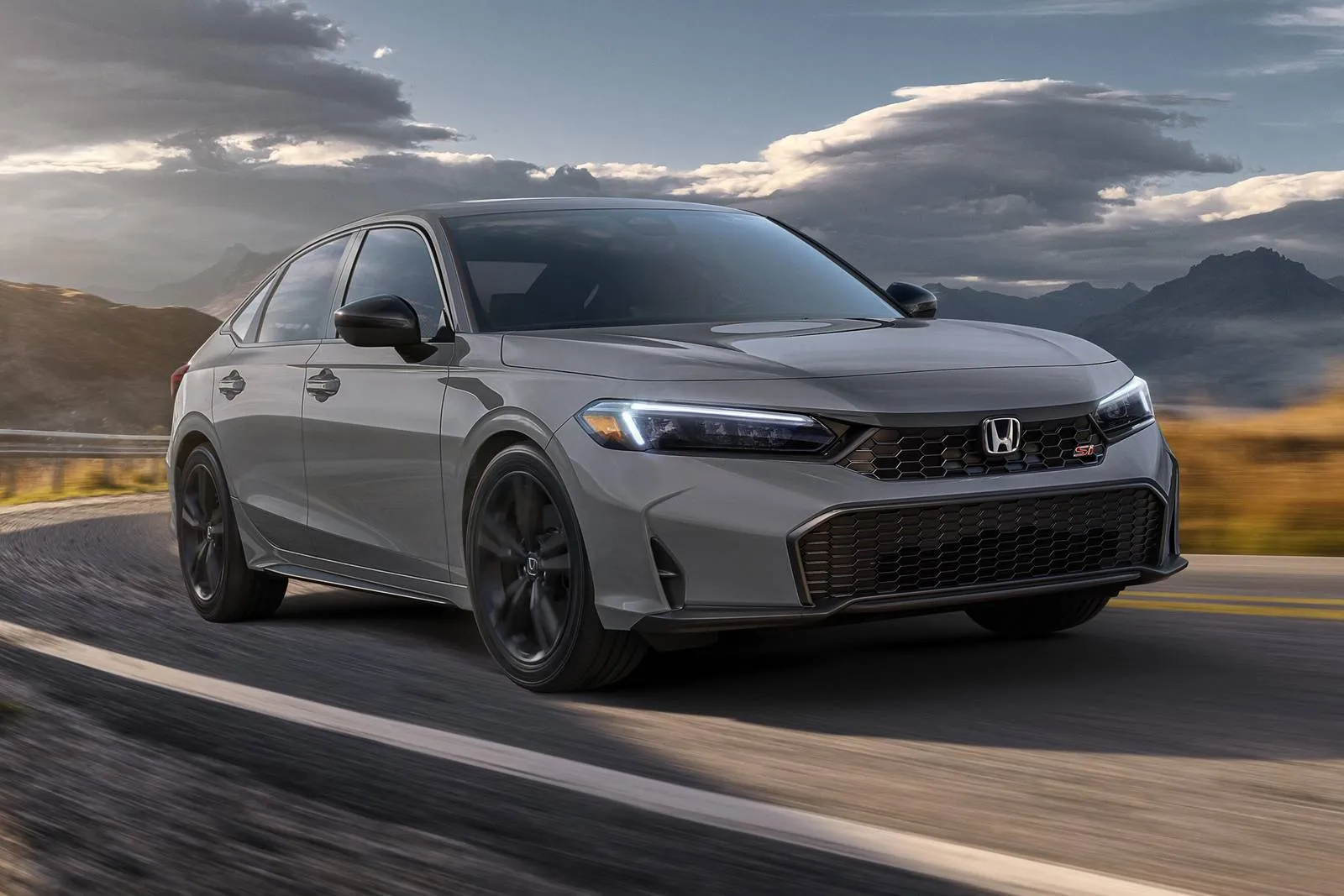
2. Honda Civic LX 2024
Budget-friendly city driving does not require sacrificing style or comfort, and the Honda Civic LX 2024 proves that point daily on busy streets. This compact sedan combines strong fuel efficiency with a reputation for long-term reliability that keeps ownership costs low.
Fuel economy remains excellent for stop-and-go traffic. Drivers often report over 35 miles per gallon in urban driving, with even higher numbers on open roads. That means fewer trips to the gas station and more money left for other priorities.
Insurance companies favor the Civic because of its safety ratings and low theft risk. Monthly premiums stay reasonable, especially compared to sportier models that attract higher rates. Parking stays simple thanks to the Civic’s compact footprint. It slides into narrow curbside spaces without stress. Visibility remains strong from the driver’s seat, making it easier to judge distance when backing into tight spots.
Inside, the cabin feels clean and functional. Controls stay easy to reach. The infotainment screen supports smartphone integration, which helps avoid the cost of built-in navigation updates. Seats stay comfortable even during long commutes.
Service costs remain low because Honda parts are easy to find and affordable. Independent repair shops know the Civic well, which prevents inflated labor charges. Oil changes, brakes, and tires remain priced within reach.
Longevity adds another layer of value. Civics often run well past 200,000 miles with basic care. That kind of durability keeps long-term costs steady and predictable. Resale demand remains strong across all generations. Even older Civics sell quickly, which protects your investment.
For city drivers seeking a balanced mix of low ownership cost, reliability, and daily comfort, the Honda Civic LX 2024 stands as a smart financial decision.
Also Read: 5 Luxury Cars That Still Work in Cities vs 5 That Feel Wasteful
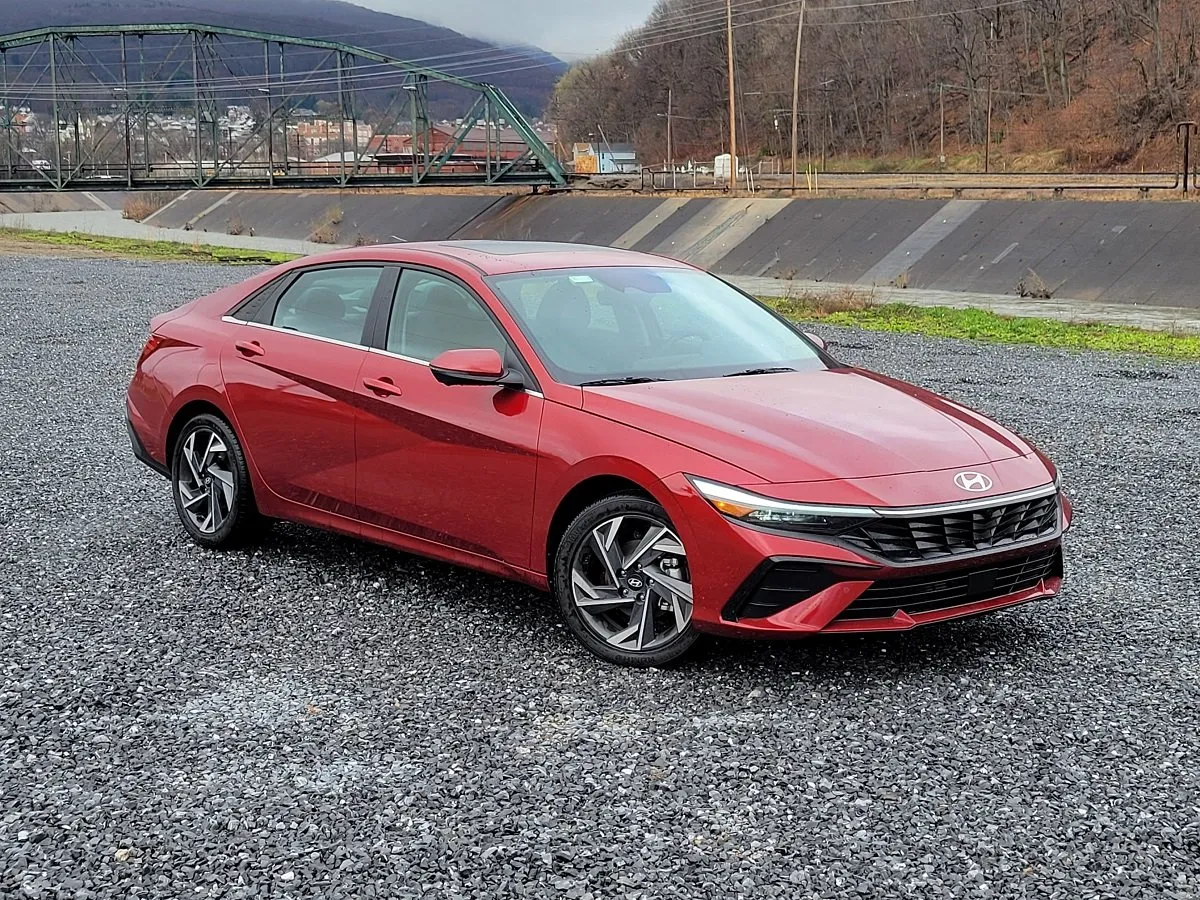
3. Hyundai Elantra SE 2024
Value-focused city drivers often look for a car that stretches every dollar, and the Hyundai Elantra SE 2024 delivers exactly that. With a competitive purchase price and a long factory warranty, it creates a strong case for budget-conscious ownership.
Fuel efficiency stays impressive in city traffic. Drivers commonly reach 33 to 36 miles per gallon during daily commuting. That keeps fuel bills under control even when traffic crawls. Insurance premiums stay friendly because the Elantra falls into a low-risk segment. Replacement parts remain affordable, which helps keep claim costs down.
Parking remains easy due to the car’s slim profile and short length. It fits into tight garage spaces and narrow curbside spots without drama. Rear visibility is strong, which helps when backing into crowded parking areas.
The interior feels modern and comfortable. Seats provide good support, and cabin materials hold up well to daily use. Infotainment comes standard with smartphone integration, which helps drivers avoid spending extra on premium packages.
Maintenance costs stay low thanks to Hyundai’s simple engine design and wide parts availability. Oil changes, filters, brakes, and suspension parts remain affordable at both dealerships and independent shops.
The factory warranty stands as one of the longest in the industry. That coverage protects owners from surprise repair bills during the first several years of ownership. It also boosts resale value by passing remaining coverage to the next owner.
For drivers who want a stylish city sedan that respects their budget from purchase through long-term ownership, the Hyundai Elantra SE 2024 makes a strong case.
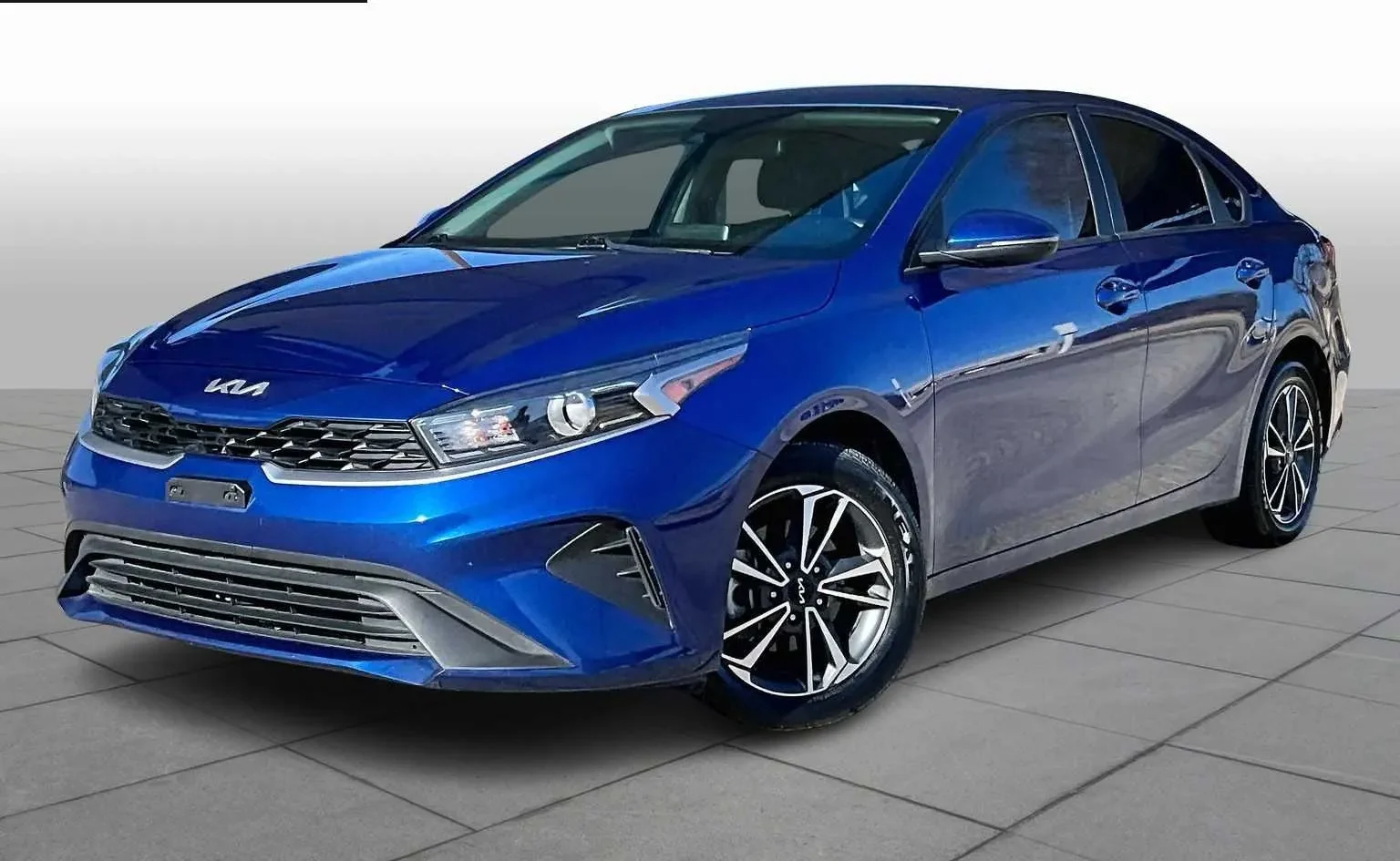
4. Kia Forte LXS 2024
City driving demands efficiency, simplicity, and reliability, and the Kia Forte LXS 2024 checks all three boxes. This compact sedan focuses on affordable ownership without feeling bare or outdated. Fuel economy stays strong in urban conditions. Most drivers average around 32 miles per gallon in stop-and-go traffic. Highway numbers climb even higher, which helps during weekend trips.
Insurance costs remain low thanks to strong safety scores and affordable replacement parts. Monthly premiums stay manageable even for younger drivers. Parking remains stress-free due to the Forte’s compact body and tight turning radius. Narrow city streets and small garages feel far less intimidating behind the wheel.
Inside, the cabin feels clean and practical. Seats remain comfortable for long commutes. Controls stay intuitive. The infotainment system supports Apple CarPlay and Android Auto, which removes the need for expensive built-in navigation systems.
Service costs remain predictable. The Forte uses proven mechanical components that rarely surprise owners with major repair bills. Routine maintenance stays affordable. Kia’s factory warranty adds another layer of financial security. Long powertrain coverage protects owners from large engine and transmission repairs during the most expensive years of ownership.
Depreciation remains slower than many rivals in the same class. That helps preserve resale value when it is time to upgrade. For city drivers who want dependable transportation that does not punish their bank account, the Kia Forte LXS 2024 offers steady value every mile.
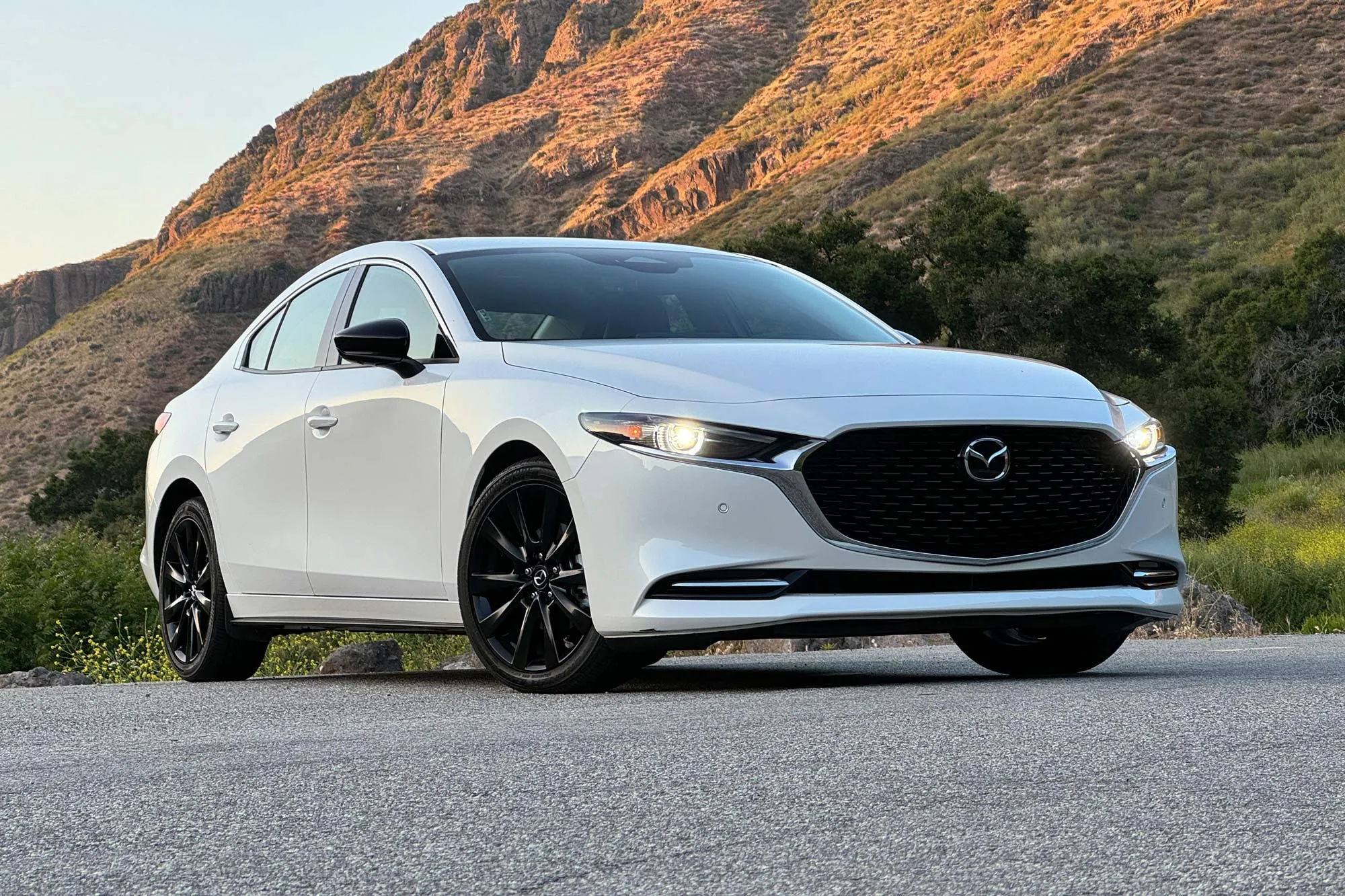
5. Mazda3 Sedan 2.5 S 2024
Style does not have to come with premium ownership costs, and the Mazda3 Sedan 2.5 S 2024 proves that point with confidence. This compact sedan blends upscale design with budget-friendly operation. Fuel economy stays competitive in urban driving. Most owners report around 30 to 33 miles per gallon in daily traffic. That keeps fuel costs reasonable even during long commutes.
Insurance rates remain moderate because the Mazda3 sits in a low-risk segment. Replacement parts cost less than luxury brand alternatives, which keeps claims affordable. Parking stays simple thanks to the Mazda3’s compact dimensions. Tight curbside spaces feel manageable. Rear cameras and sensors help guide drivers into narrow spots with ease.
Inside, the cabin feels refined without being expensive to maintain. Soft-touch materials resist wear, and seats provide good support. The infotainment system stays simple and reliable, reducing the chance of costly electronic failures.
Maintenance costs stay reasonable because Mazda uses straightforward engineering. Oil changes, brake jobs, and suspension repairs stay within reach for most budgets. Reliability continues to improve with each generation. Owners report strong long-term durability with few major mechanical issues.
Resale value remains solid due to steady demand in the used market. That protects your investment if you decide to sell later. For drivers who want a car that feels upscale without draining their finances, the Mazda3 Sedan 2.5 S 2024 delivers smart city value.
5 Vehicles That Cost More Than Expected
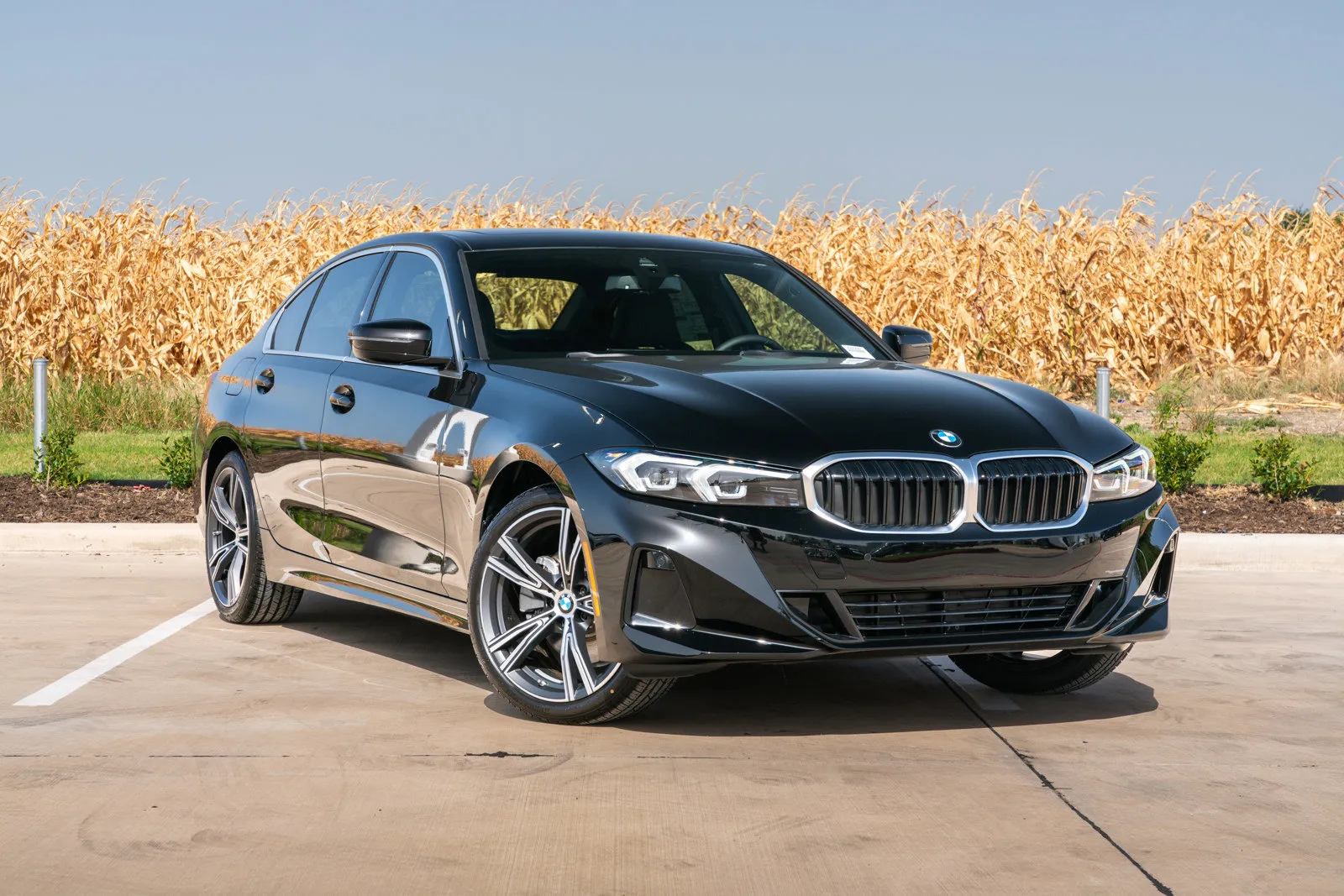
1. BMW 3 Series 330i 2024
Luxury appeal often disguises long-term expenses, and the BMW 3 Series 330i 2024 demonstrates how quickly ownership costs can rise in a city setting. At first glance, this compact luxury sedan appears manageable for urban life with its balanced size and smooth ride. Daily use, however, reveals a very different financial story.
Fuel costs climb faster than many expect. Premium gasoline is required, and stop-and-go traffic pushes real-world mileage lower than advertised numbers. Short city trips prevent the engine from reaching peak efficiency, which increases fuel consumption even more. Weekly fuel stops become common.
Insurance premiums tend to surprise new owners. Luxury branding alone pushes rates higher, even for drivers with clean records. Replacement parts cost far more than mainstream brands, which increases claim values and pushes premiums upward year after year.
Service bills rarely stay modest. Oil changes cost more due to synthetic oil requirements. Brake jobs cost more because BMW uses specialized components. Suspension repairs cost more because of the advanced design. Electronics add another layer of expense once warranty coverage ends.
Parking in dense areas adds risk. Tight garages and curbside spots raise the chances of scratched wheels and bumper damage. BMW wheel designs are especially vulnerable to curb rash, which leads to frequent cosmetic repairs.
Depreciation also hits harder than expected. Luxury sedans lose value faster than many compact economy cars. Selling later often means accepting a lower return than planned. Inside, premium materials feel great but come with higher replacement costs. Damaged trim, torn upholstery, or failed screens cost far more than similar parts in mainstream vehicles.
For drivers who want luxury without financial surprises, the BMW 3 Series 330i 2024 often delivers more cost than comfort. City ownership turns this stylish sedan into a steady drain on monthly budgets.
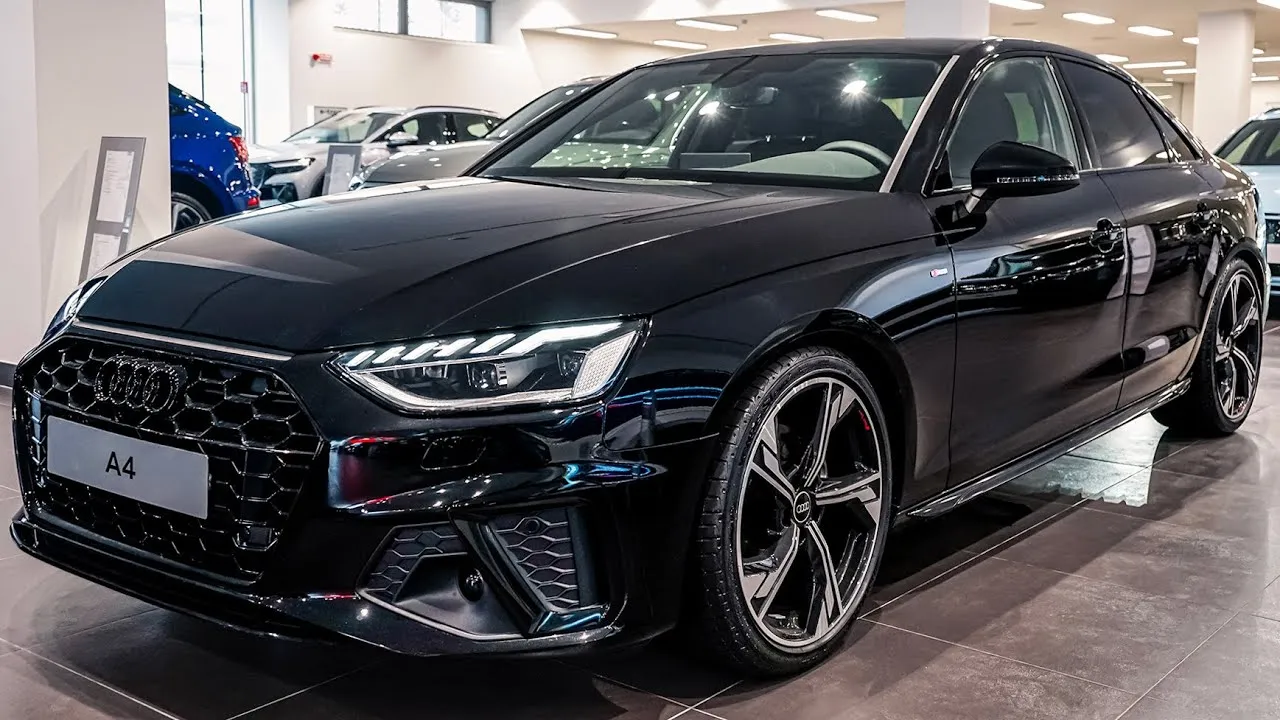
2. Audi A4 Premium Plus 2024
Refined styling and smooth performance make the Audi A4 Premium Plus 2024 appealing to city drivers, yet real ownership reveals expenses that grow faster than expected. This sedan fits urban streets well, but the financial side tells a tougher story.
Fuel costs stay high due to premium gasoline requirements. Traffic congestion pushes mileage down, and short commutes prevent efficient warm-up cycles. Drivers often spend far more on fuel than originally planned. Insurance premiums follow luxury pricing patterns.
Even basic coverage costs more than most compact sedans. Repairs cost more due to aluminum body panels and advanced electronics. Service visits rarely stay inexpensive. Audi engines use specialized oil and filters. Brake components cost more. Transmission servicing requires expert technicians.
Independent shops charge more because of complicated systems. Electronics add another layer of risk. Advanced infotainment systems, digital dashboards, and driver assistance features raise replacement costs once warranty protection expires. A single failed sensor can trigger warning lights and expensive diagnostic sessions.
Parking damage becomes costly. Tight city garages increase the chance of scrapes and dents. Aluminum body repairs cost more than steel panels. Wheel repairs remain common due to low-profile tires. Depreciation also moves quickly. Luxury sedans lose value faster than most economy models.
That reduces trade in value when upgrading later. Interior materials feel upscale but raise replacement costs. Leather repairs, trim replacements, and screen failures cost more than mainstream alternatives. City ownership turns the Audi A4 Premium Plus 2024 into a premium experience with premium bills attached. Buyers often enter with excitement and leave with a lighter wallet.
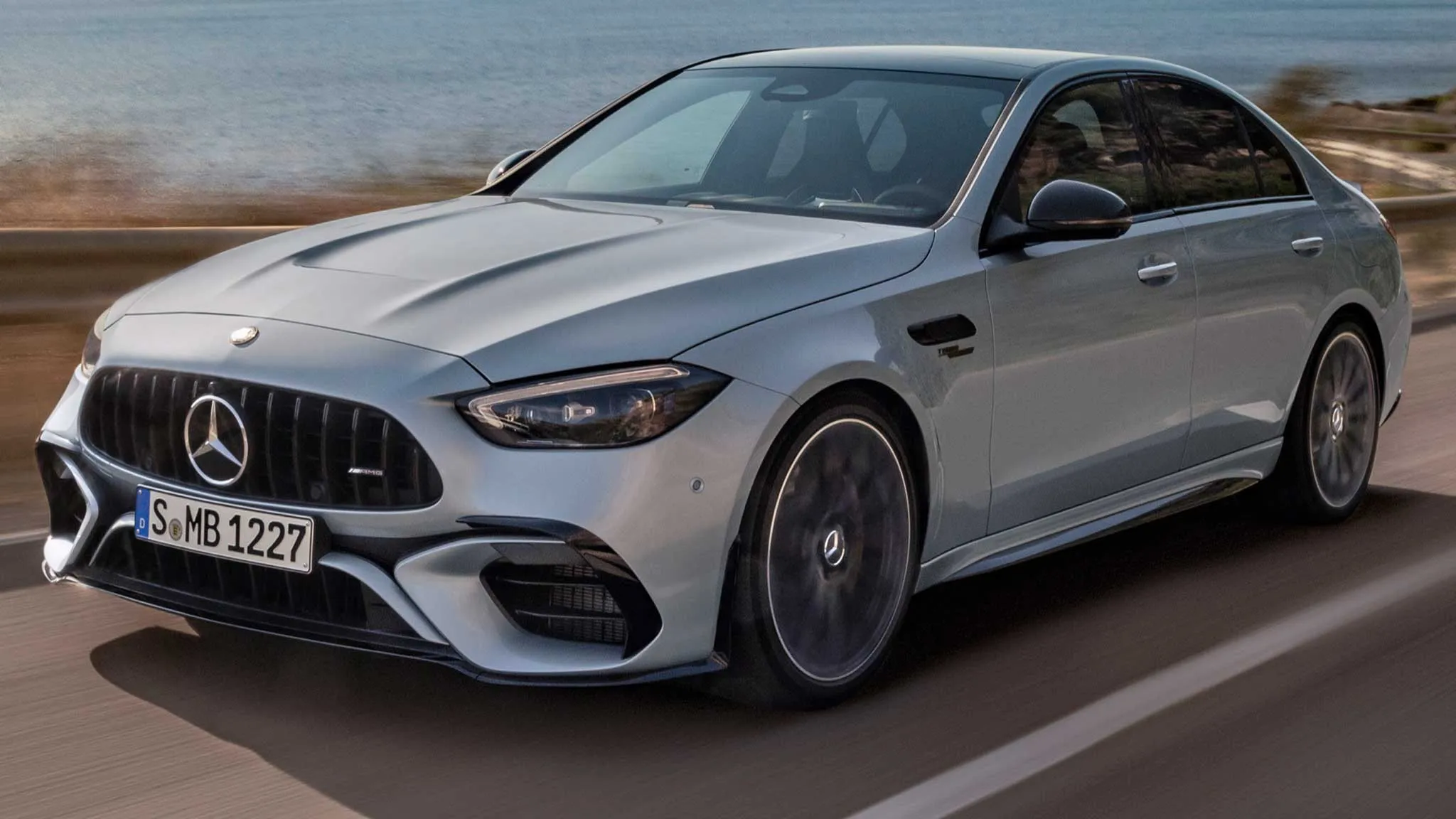
3. Mercedes-Benz C 300 2024
Comfort, quietness, and prestige surround the Mercedes-Benz C 300 2024, yet city ownership brings expenses that surprise many first-time luxury buyers. This compact sedan fits urban streets well, but daily use reveals the real cost of the badge once routine bills begin to arrive.
Fuel bills rise quickly. Premium gasoline remains mandatory, and city traffic reduces mileage far below highway ratings. Short trips keep the engine from reaching peak efficiency, which raises consumption even more. For drivers who commute through congestion every day, weekly fuel stops become normal.
Insurance costs reflect luxury pricing. Even basic policies cost more than comparable sedans from mainstream brands. Repair claims cost more due to specialized parts and labor. A simple fender repair can involve sensors, cameras, and painted panels that drive up claim totals and raise premiums at renewal.
Service visits rarely stay simple. Oil changes require premium synthetic oil and factory filters. Brake systems use high-end components that cost more to replace. Suspension parts rely on an advanced design that demands skilled technicians. Diagnostic work costs more because of electronics tied into nearly every system.
Electronics introduce another risk layer. Digital dashboards, driver assistance systems, and infotainment modules raise replacement costs once warranty coverage ends. Software updates often require dealership visits, adding both time and expense.
Parking damage costs more than expected. Low-profile tires and large wheels suffer from curb damage in tight garages. Bumper repairs cost more due to integrated sensors and cameras. Even small scrapes often lead to large repair bills.
Depreciation also hits hard. Luxury sedans lose value faster than economy models. Trade-in offers often disappoint owners who expected stronger resale numbers after just a few years. Interior quality feels impressive, yet replacement parts cost more. Seat repairs, trim damage, and screen failures carry premium pricing. A cracked display or torn leather panel quickly becomes a major expense.
Daily driving in dense areas adds wear faster. Stop-and-go traffic increases brake and suspension wear. Tight streets increase cosmetic damage risk. City ownership turns the Mercedes-Benz C 300 2024 into a vehicle that feels refined while quietly draining monthly budgets.
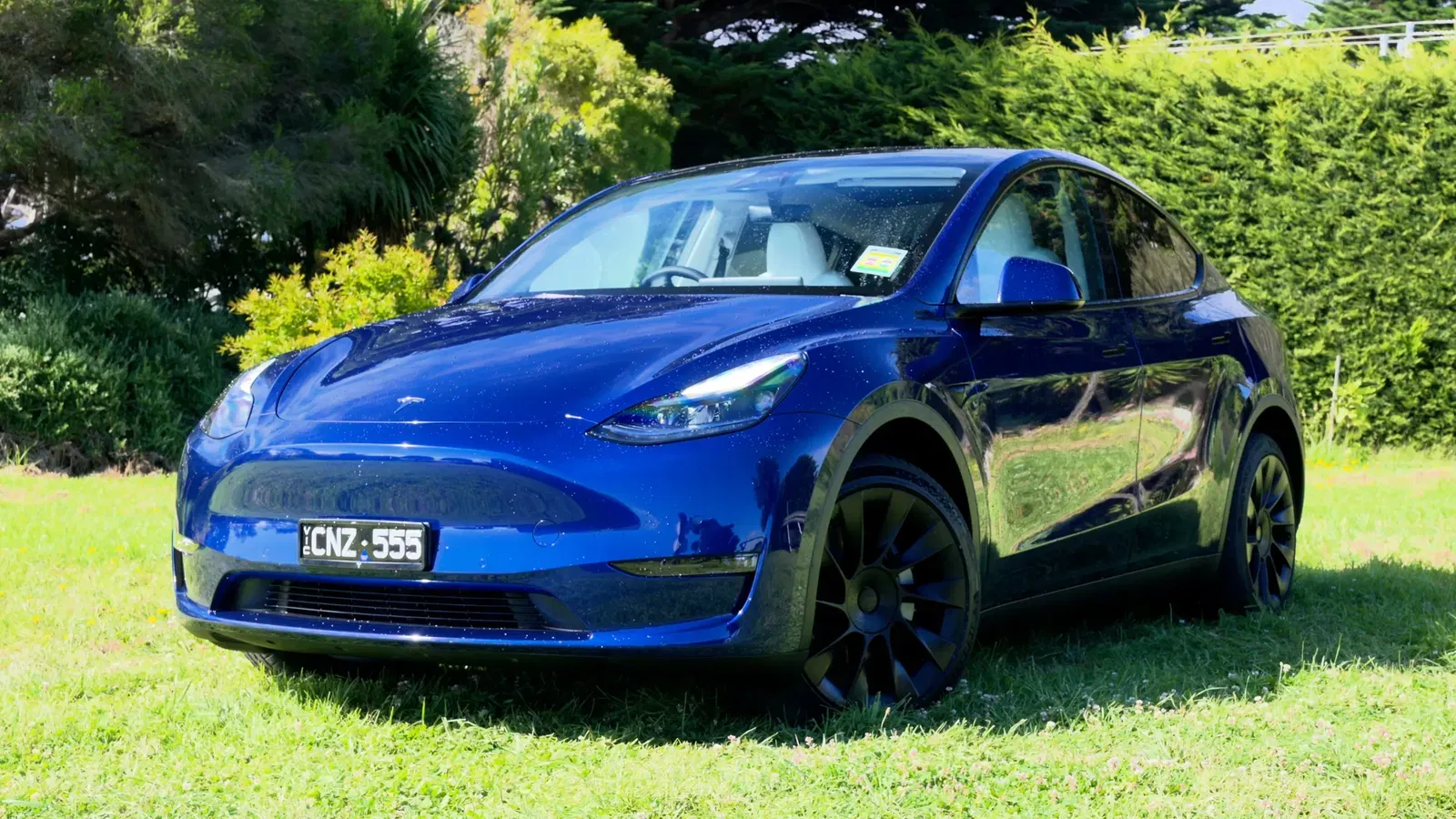
4. Tesla Model Y Long Range 2024
Electric power promises savings, yet the Tesla Model Y Long Range 2024 proves that city ownership can still become expensive. While fuel costs drop, other expenses rise in ways many buyers do not expect.
Insurance premiums often shock new owners. High repair costs push rates far above most compact crossovers. Even minor accidents trigger expensive repairs due to aluminum construction and sensor-heavy panels. Body shops with proper certification charge more for labor.
Tire replacement arrives sooner than expected. Instant torque wears tires quickly, especially in stop-and-go traffic. Low rolling resistance tires cost more and wear faster under aggressive city driving. Many owners replace tires far earlier than on gasoline vehicles.
Body repairs cost more than most drivers expect. Aluminum panels require specialized repair centers. Parking damage, such as door dings and bumper scrapes carry higher repair bills than steel body vehicles.
Charging costs vary by location. Home charging helps, yet apartment dwellers rely on public chargers that charge premium rates. Fast charging sessions can cost nearly as much as gasoline for the same distance.
Service costs appear low at first, yet suspension repairs and electronic fixes add up. Touchscreen failures, camera issues, and sensor faults can become expensive once warranty coverage expires. Software-related glitches often require service visits.
Depreciation also moves faster than many expect due to frequent hardware updates. Newer models with longer range and updated tech reduce resale demand for earlier versions. Interior wear adds another cost factor. Synthetic materials stain easily and show wear faster. Trim repairs cost more due to integrated electronics and hidden fasteners.
Daily city driving increases brake and suspension wear because of constant stops. Rough pavement stresses wheels and alignment. City ownership turns the Tesla Model Y Long Range 2024 into a high-tech vehicle with high-tech expenses attached.
Also Read: 5 Cars for Macon (GA) Practical Driving vs 5 That Rack Up Bills
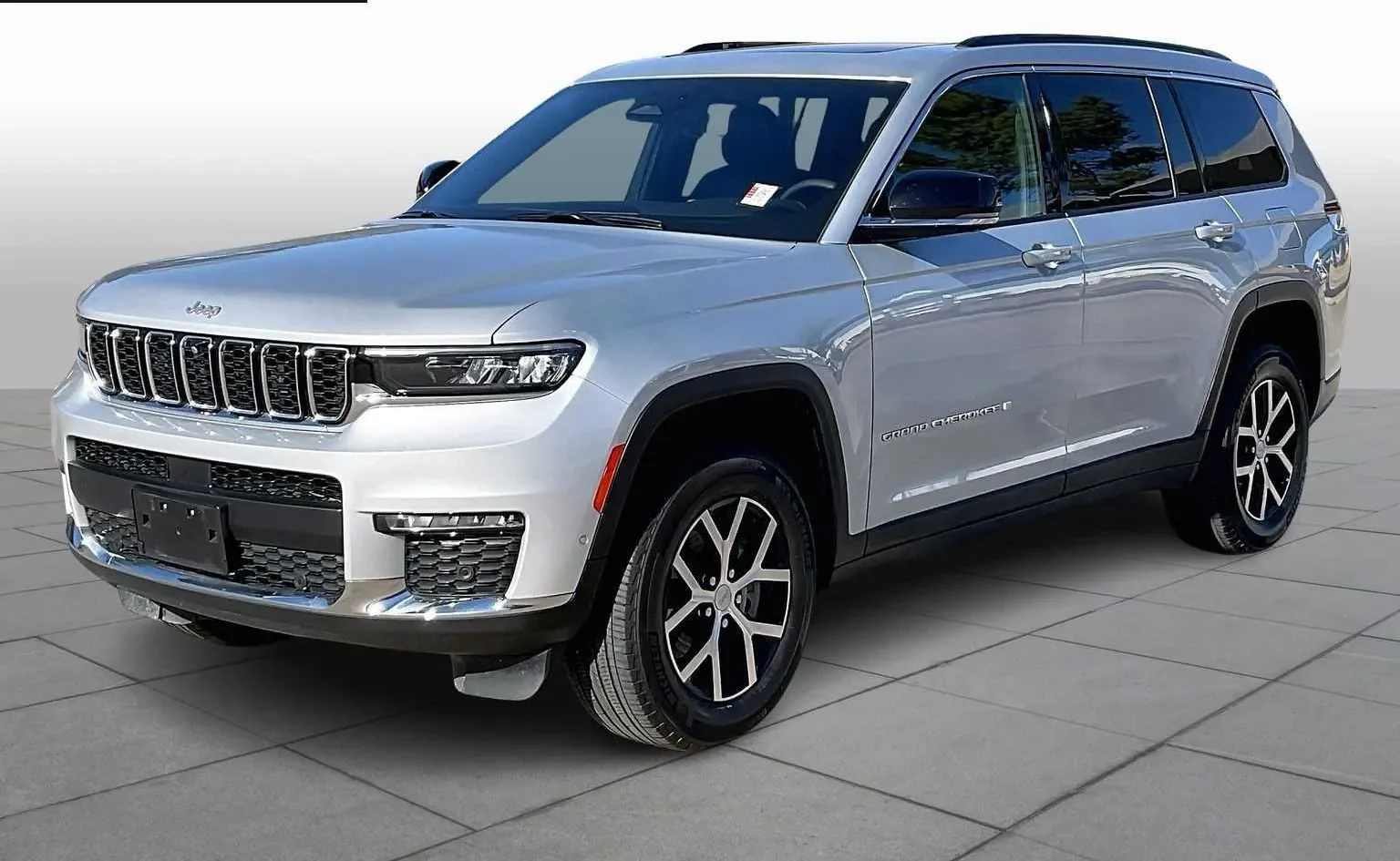
5. Jeep Grand Cherokee L Limited 2024
Large size and luxury features make the Jeep Grand Cherokee L Limited 2024 appealing for families, yet urban ownership reveals a heavy financial footprint. This three-row SUV brings space and comfort, but city budgets feel the weight almost immediately.
Fuel costs climb quickly. A large V6 engine burns more fuel in stop-and-go traffic. Parking lot crawling and congestion reduce efficiency even more. Weekly fill-ups become common for drivers who commute daily.
Insurance premiums stay high due to vehicle size and repair costs. Replacement parts cost more than those of compact vehicles. Collision claims carry higher payouts because of larger panels and advanced safety systems. Service costs add up fast. Larger brakes wear faster in city traffic. Suspension components suffer under potholes and rough pavement. Tire replacement costs more due to size and load ratings.
Parking becomes stressful. Tight garages struggle to fit the Grand Cherokee L. Curbside spaces feel cramped. Minor scrapes become common and costly due to sensor-filled bumpers and painted trim. Depreciation also hits hard. Large SUVs lose value faster than compact crossovers. Rising fuel prices reduce resale demand even more, which lowers trade-in offers.
Interior materials feel upscale, yet repairs cost more. Seat mechanisms, power tailgates, and infotainment systems add repair risk. Power sliding seats and electronic controls increase long-term ownership costs.
Daily driving adds wear quickly. Short trips increase engine stress. Stop-and-go traffic increases brake wear. Heavy-weight places more strain on suspension joints and bushings. Storage convenience brings more use, which adds wear to cargo trim and liftgate hardware.
City families load and unload often, which increases long-term interior repair needs. City ownership turns the Jeep Grand Cherokee L Limited 2024 into a comfortable ride with an expensive lifestyle attached.
