
City traffic, stop signs, school zones, and highway slowdowns all share one thing in common. Brakes work hard every single day. For drivers, that means pad replacements, rotor resurfacing, and service bills that arrive sooner than expected on certain models. Yet some cars manage to stretch brake life much farther, even with daily commuting and busy schedules.
Design choices make the difference. Vehicle weight, suspension tuning, regenerative braking systems, pedal calibration, and even tire grip all play a role in how often those pads grind down. Some cars sip brake material slowly and calmly. Others chew through pads like candy.
Drivers who spend time in traffic know the feeling. That soft scrape sound. The vibration through the pedal. The shop visit arrives sooner than planned. Choosing a car that treats its braking system gently can save thousands of dollars across years of ownership.
This guide breaks down ten modern vehicles with very different braking personalities. Five models stand out for their ability to keep pad wear under control. Five others earn a reputation for burning through friction material faster than most drivers expect.
Each vehicle is analyzed through real driving behavior, weight balance, brake design, and owner experience. No engineering jargon overload. Just straight talk for people who want their next car to stay out of the service bay longer. Let us start with five vehicles that quietly protect your brake budget.
5 Cars That Keep Brake Wear Reasonable
1. Toyota Corolla Hybrid 2024
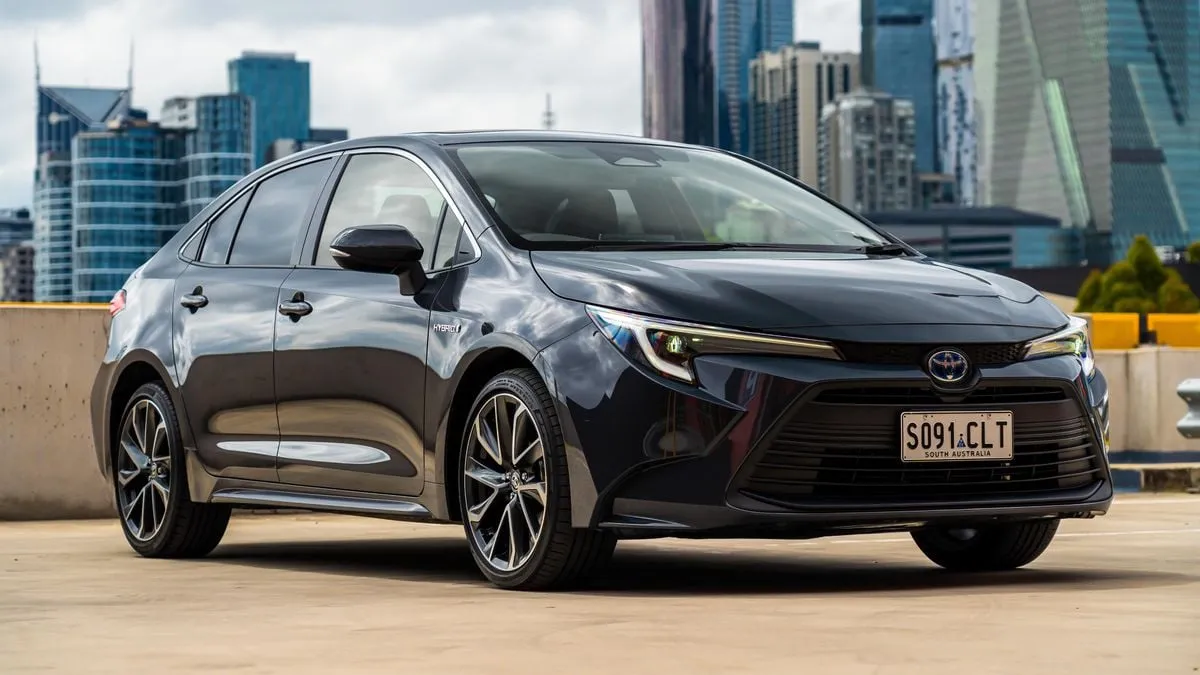
Efficiency defines the Toyota Corolla Hybrid 2024 from the moment the wheels start rolling. Lightweight, balanced suspension tuning and regenerative braking work together to reduce stress on traditional brake components. Each time the driver lifts off the accelerator, the electric motor begins slowing the car before the brake pedal even enters the picture.
That early deceleration saves friction material every day. Stop-and-go traffic becomes a cycle of gentle slowdowns rather than constant braking. Drivers often report reaching well past 70,000 miles on original pads with normal commuting habits.
Weight distribution helps as well. The battery sits low and near the center of the chassis. That layout improves stability and reduces nose-dive during braking. Less forward weight transfer means less demand is placed on the front pads.
Pedal tuning also plays a role. The brake pedal feels progressive rather than aggressive. Light pressure results in mild deceleration, encouraging smooth driving. Panic stops still deliver strong stopping power, but daily use remains calm and predictable.
Suspension tuning keeps the tires planted without excessive grip that would demand harder braking. The Corolla Hybrid rides on eco-focused tires that favor low rolling resistance. That setup promotes gentle deceleration rather than a sharp bite.
Rotor sizing matches the vehicle weight well. Toyota avoided over-sizing the brakes, which prevents excessive heat buildup that can accelerate wear. Cooling airflow flows naturally through the wheel wells, helping keep temperatures steady during long drives.
Urban driving suits this car perfectly. Traffic lights, school zones, parking lots, and delivery stops all become easy on brake hardware. Highway cruising benefits as well, thanks to adaptive cruise control that modulates speed smoothly instead of waiting for hard braking moments.
Owners who track service records consistently report long intervals between brake jobs. When replacements finally happen, rotors often remain within spec and only pads need attention. The Toyota Corolla Hybrid 2024 proves that smart engineering can protect a driver’s wallet just as much as it protects the environment.
2. Honda Accord Hybrid 2024
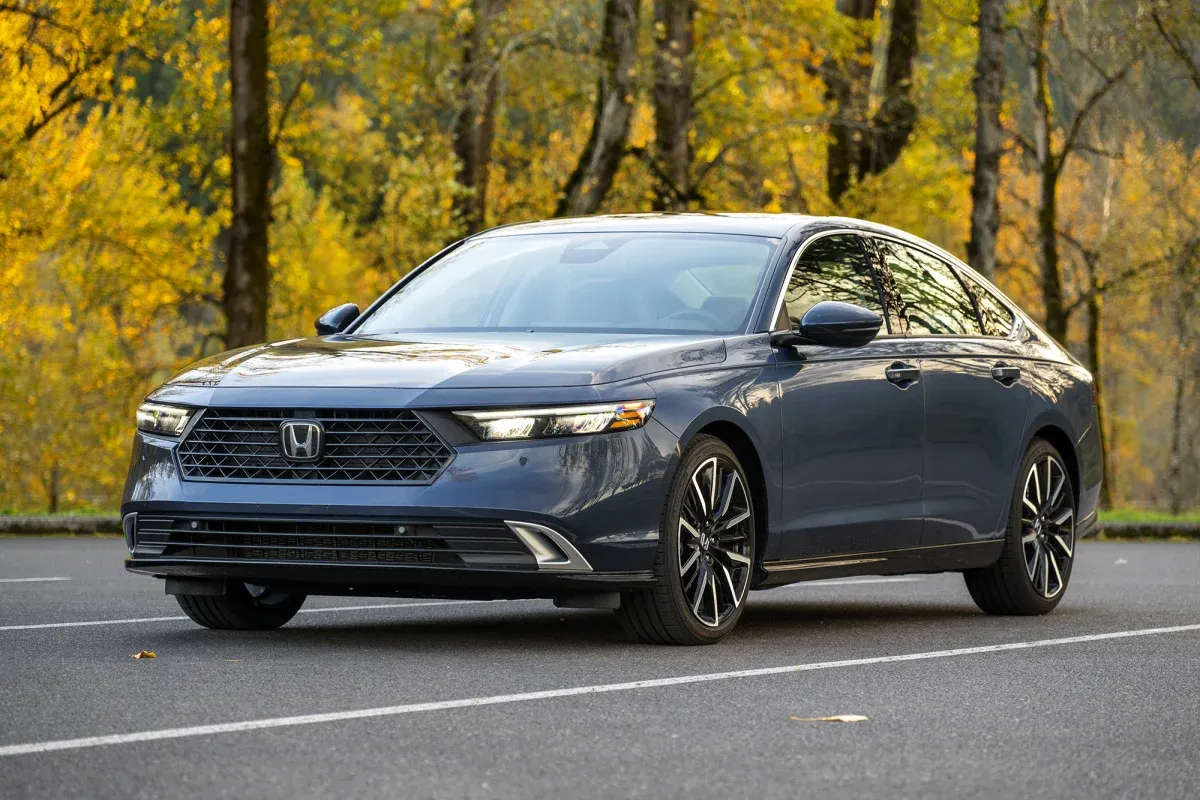
Graceful motion defines the Honda Accord Hybrid 2024 on crowded streets and open highways alike. From the first press of the brake pedal, it becomes clear that this sedan was designed to slow down without wearing through pads.
Regenerative braking leads the charge. Lift off the accelerator, and the electric motors start harvesting energy while gently slowing the car. The mechanical brakes stay on standby until deeper pedal input is needed. That system alone can double pad compared to conventional gasoline sedans.
Vehicle mass remains moderate despite the hybrid system. Honda kept the battery compact and low. That decision improves stability and limits momentum that would otherwise demand harder braking. Pedal mapping encourages smooth behavior. Light foot pressure results in controlled deceleration that feels natural rather than abrupt. That invites drivers to coast toward stops instead of rushing to brake late.
Suspension tuning favors comfort but avoids excessive dive. The front end stays composed when slowing from highway speeds. Even weight transfer keeps pad pressure balanced between front and rear axles. Rotor and caliper sizing matches real-world driving rather than performance theatrics.
The system provides strong emergency stopping power while remaining conservative during everyday commuting. Highway assist features help as well. Adaptive cruise control maintains distance with smooth throttle and gentle braking rather than sharp speed corrections. That automation quietly saves pad material mile after mile.
Tire selection also plays a role. Honda equips the Accord Hybrid with low rolling resistance tires that favor efficiency and progressive grip. That reduces the need for sudden braking when traffic slows. Long-distance commuters notice the benefit most. After tens of thousands of miles, many owners still measure pad thickness well within healthy limits.
Service departments often comment on how rarely Accord Hybrid drivers need brake work compared to conventional sedans. When replacements happen, rotors frequently remain smooth and flat. Honda engineered this car for people who want comfort, efficiency, and fewer trips to the shop. The Accord Hybrid 2024 delivers all three with quiet consistency.
Also Read: 5 Cars That Work With Street Parking Only vs 5 That Really Need a Garage
3. Lexus ES 300h 2024
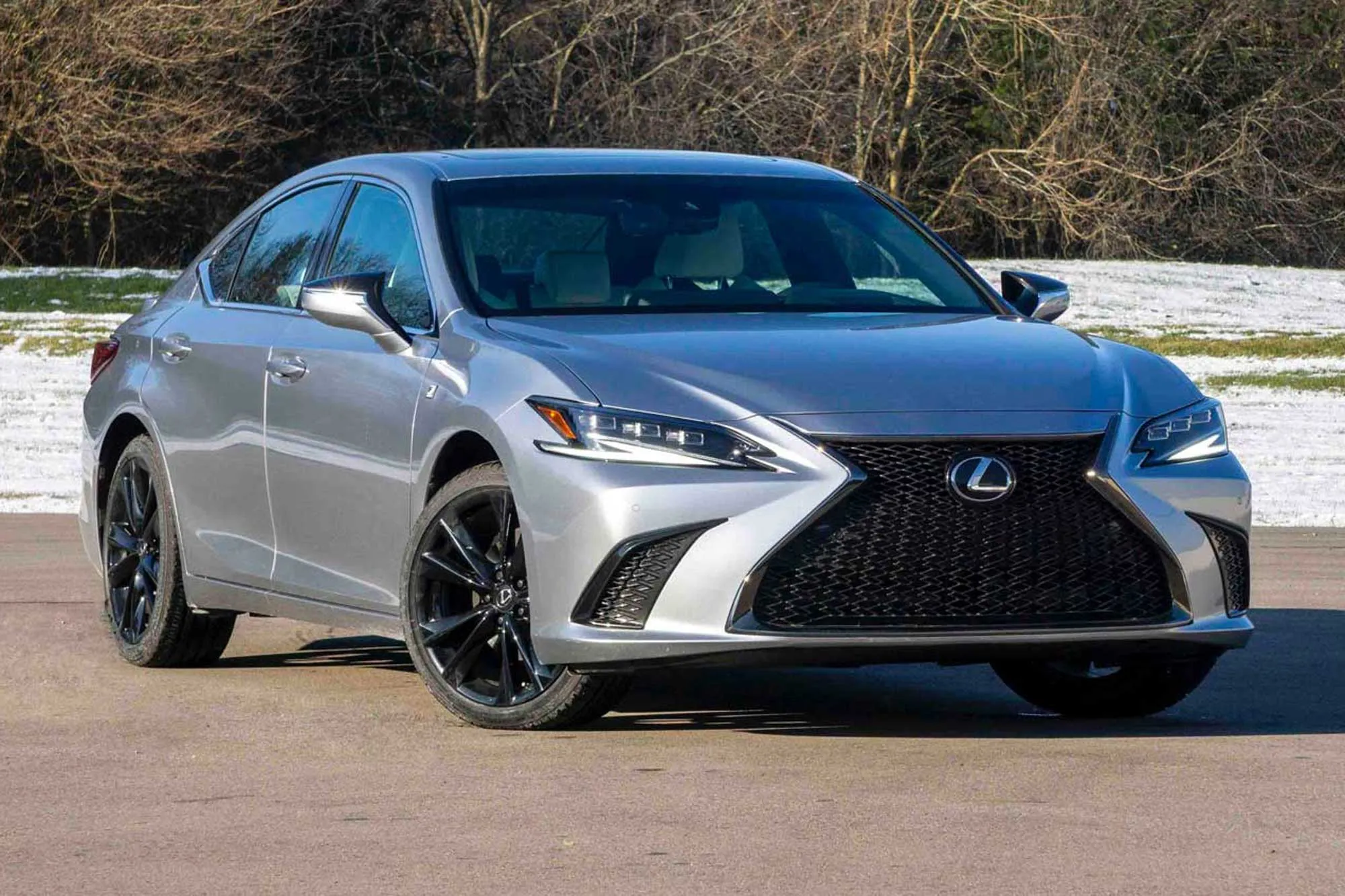
Luxury and longevity rarely meet so gracefully as they do in the Lexus ES 300h 2024. This hybrid sedan blends comfort with mechanical sympathy in a way that keeps brake wear under control year after year. Regenerative braking takes the lead role. The electric motor slows the car gently during coasting and light braking. That reduces how often the friction pads engage. In city traffic, many stops happen with minimal pad contact.
Vehicle balance helps maintain stability under braking. The battery placement lowers the center of gravity and spreads mass evenly across the chassis. That prevents a harsh nose-dive and keeps braking loads evenly distributed. Pedal feel favors refinement. Initial travel delivers mild deceleration that invites smooth driving habits.
Hard stops remain powerful when required, yet daily driving rarely demands aggressive braking. Suspension tuning focuses on comfort while keeping body control in check. The car stays composed when slowing from higher speeds.
That stability limits sudden weight transfer that would otherwise strain front pads. Brake cooling benefits from wide wheel openings and smart airflow routing. Heat escapes quickly after repeated stops, helping prevent glazing and premature wear.
Highway assist systems add another layer of protection. Adaptive cruise control modulates speed with gentle inputs. Lane keeping and traffic assist features reduce sudden braking moments caused by driver fatigue. Tires lean toward touring comfort rather than aggressive grip.
That allows progressive slowing rather than a sharp bite. Long-term ownership tells the real story. Lexus service departments regularly see ES 300h models reach 80,000 miles on original brake hardware with normal use. Rotor replacements often wait until well beyond 100,000 miles.
Drivers appreciate the calm driving experience. The car encourages patience rather than urgency. That mindset extends brake life naturally. The Lexus ES 300h 2024 shows that premium comfort and mechanical longevity can share the same garage.

4. Hyundai Elantra Hybrid 2024
Lightweight, smart aerodynamics, and hybrid efficiency define the Hyundai Elantra Hybrid 2024. Those qualities also translate into excellent brake longevity. Regenerative braking handles most deceleration duties during daily driving. As soon as the driver lifts off the accelerator, the electric motor begins slowing the car. Traditional pads engage only when deeper braking is needed.
Vehicle mass stays low compared to midsize sedans. Less weight means less momentum to scrub away at every stop. Pedal tuning rewards gentle inputs. Drivers can slow smoothly through traffic without slamming on the brakes. That encourages habits that preserve pad material.
Suspension tuning keeps the nose level under braking. That stability reduces uneven pad wear and rotor stress. Rotor sizing remains appropriate for the car’s weight. Hyundai avoided oversized performance brakes that create excess heat. Cooling airflow flows naturally through the wheel wells.
Urban driving suits this model especially well. Stop signs, parking garages, and school pickup lines all become easy on the braking system. Highway cruising benefits from adaptive cruise control that manages speed with gradual inputs.
Tires favor efficiency rather than aggressive cornering grip. That setup promotes smooth deceleration instead of sharp braking. Owners report impressive service intervals. Many reach 70,000 miles before the first pad replacement. Some go even further with gentle driving habits.
Parts pricing remains affordable as well. When brake service finally arrives, costs stay reasonable thanks to a simple hardware design. The Hyundai Elantra Hybrid 2024 proves that budget-friendly cars can still deliver long-term mechanical kindness.
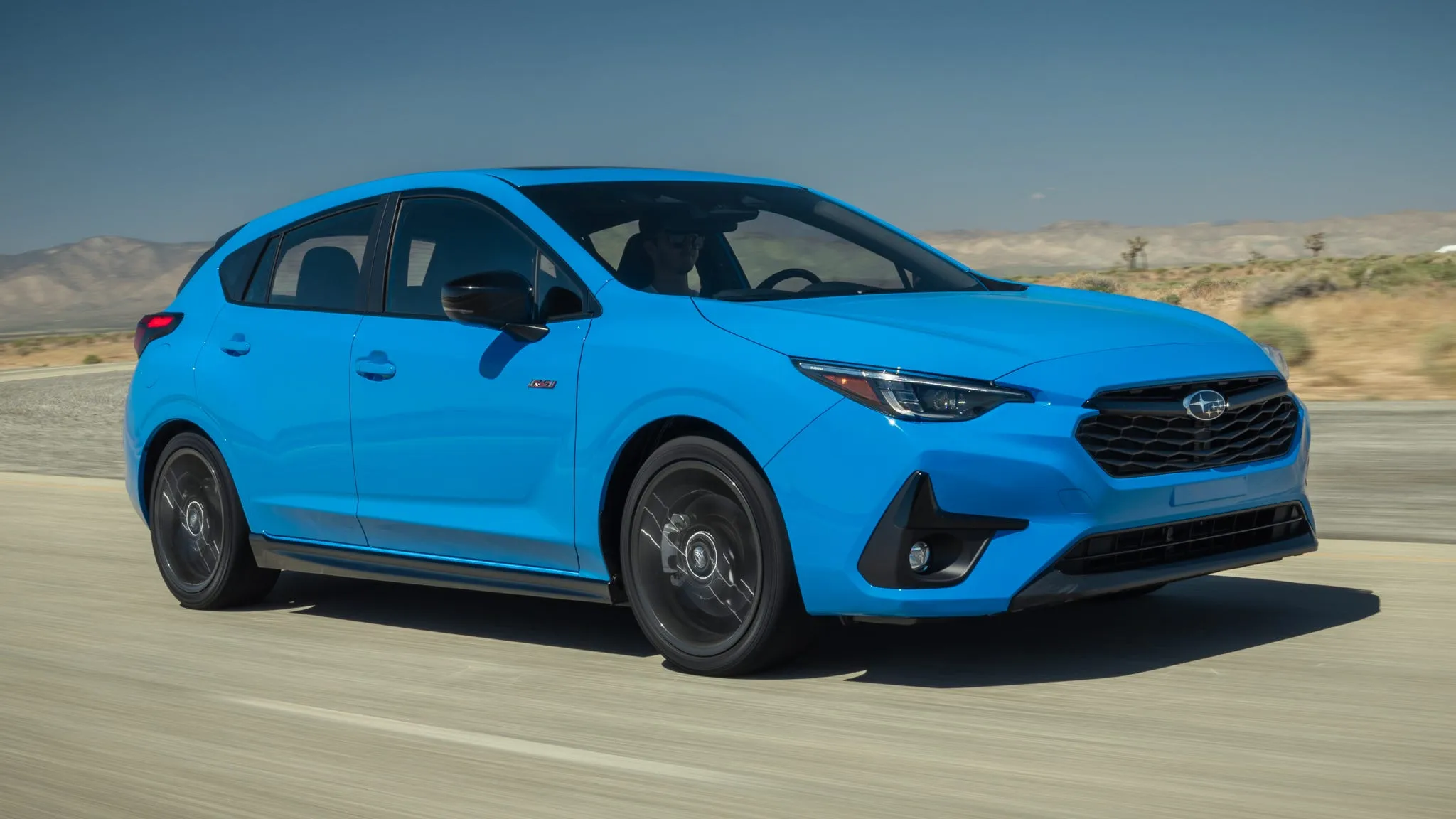
5. Subaru Impreza 2024
All Wheel Drive does not always mean heavy braking wear. The Subaru Impreza 2024 shows how balanced engineering can preserve brake life even with full-time traction. Vehicle weight stays moderate. Subaru kept the Impreza compact and efficient. That limits the energy the brakes must absorb at every stop.
Symmetrical All Wheel Drive improves stability during deceleration. Power distribution remains balanced, which reduces front axle loading and helps spread braking forces evenly. Pedal calibration favors smooth engagement. Light pressure results in progressive slowing rather than an abrupt bite. Drivers can coast into stops comfortably.
Suspension geometry keeps the car level under braking. Reduced nose-dive limits front pad stress and promotes even rotor wear. Tire selection focuses on all-season balance rather than ultra-high grip. That allows gradual deceleration without demanding aggressive braking.
Cooling airflow passes freely through the wheel wells. Heat dissipates quickly after repeated stops, preventing fade and pad glazing. City commuters appreciate the calm nature. Parking lot maneuvers, grocery runs, and school traffic all feel easy on the brakes.
Highway driving benefits from stability control systems that prevent sudden braking corrections during lane changes and emergency maneuvers. Long-term owners frequently report pad replacements at intervals beyond 60,000 miles with mixed driving. Rotors often last through multiple pad sets.
Service technicians often praise the Impreza for predictable brake wear patterns. Even wear means fewer surprises during inspections. The Subaru Impreza 2024 stands as a reminder that smart balance beats brute force when it comes to brake longevity.
5 Cars That Eat Brake Pads Fast
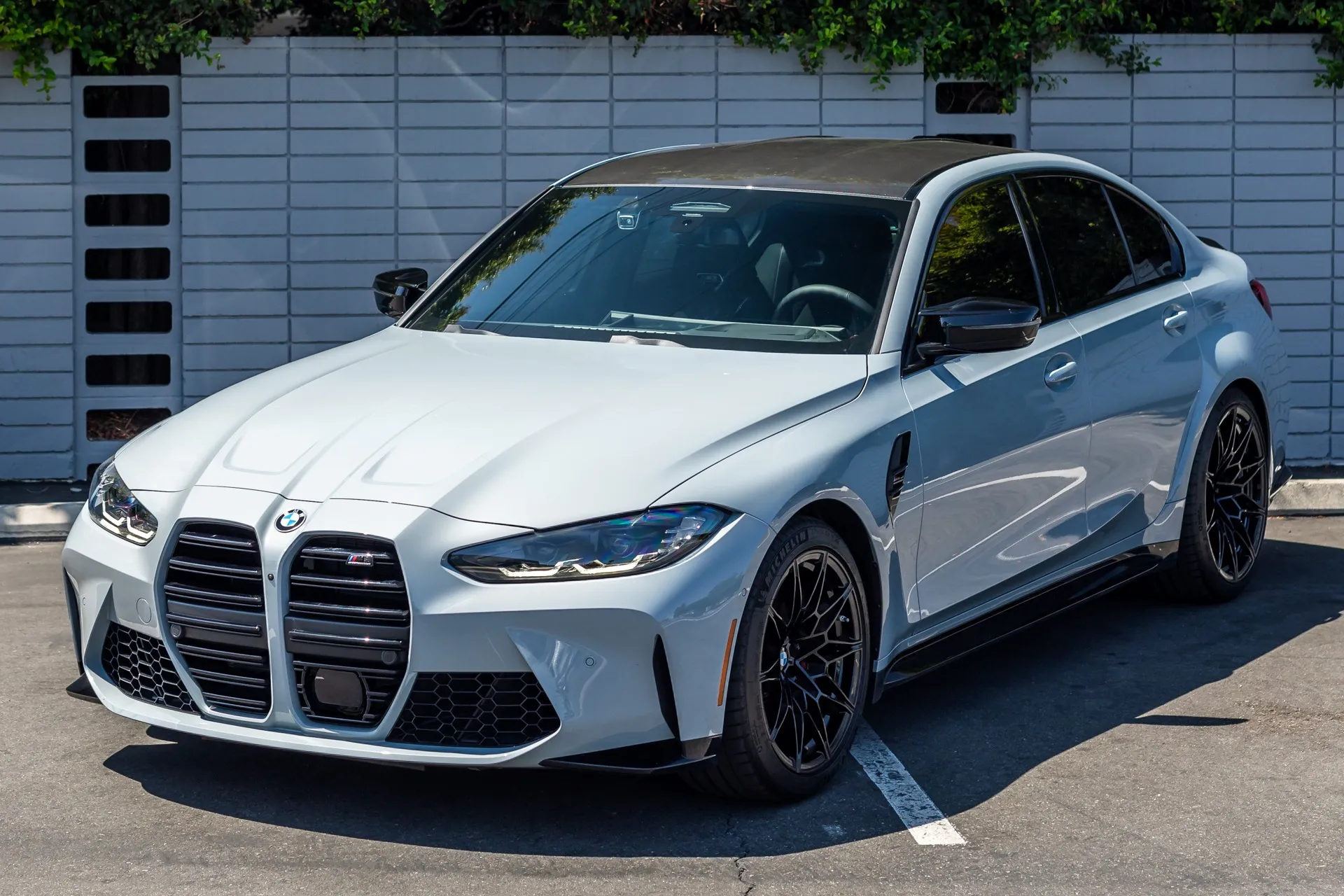
1. BMW M3 Competition 2024
Power invites speed, and speed demands braking. The BMW M3 Competition 2024 lives in a performance category that makes brake wear part of daily life rather than an occasional expense. With a twin-turbocharged six-cylinder engine pushing well beyond 500 horsepower, this sedan builds momentum fast. That momentum has to be scrubbed away repeatedly, whether on highways, winding roads, or city streets.
Aggressive throttle response encourages spirited driving. Even relaxed owners find themselves accelerating harder than intended. Each burst of speed ends with a firm press on the brake pedal. Pads engage hard, and heat builds quickly.
Weight adds another layer. The M3 carries wide tires, reinforced chassis bracing, and heavy performance hardware. That mass increases the stopping energy. The brakes work harder every time the car slows.
BMW equips the M3 Competition with massive rotors and multi-piston calipers. Those parts deliver incredible stopping power, yet they generate heat quickly. High temperatures wear pads faster, especially in traffic where cooling airflow remains limited.
Pedal tuning favors immediacy. Light pressure produces a sharp bite. That responsiveness feels great on open roads, but in daily commuting, it leads to constant micro braking that eats friction material steadily. Tire grip also plays a role. The factory performance tires create tremendous traction. A strong grip allows drivers to push deeper into corners and brake later. That habit builds heat and stress in the braking system.
Urban driving becomes expensive. Stoplight sprints, highway merges, and short freeway exits demand repeated heavy braking. Many owners report pad replacements between 20,000 and 30,000 miles, sometimes sooner with spirited habits.
Track days accelerate wear even faster. One weekend of performance driving can consume a meaningful portion of pad thickness. Service costs reflect the hardware. Replacement pads and rotors command premium prices. Labor adds another layer due to the complication of the braking system.
The BMW M3 Competition 2024 delivers thrilling performance. It also demands a steady brake budget. Anyone choosing this sedan should expect frequent pad replacements as part of the ownership experience.
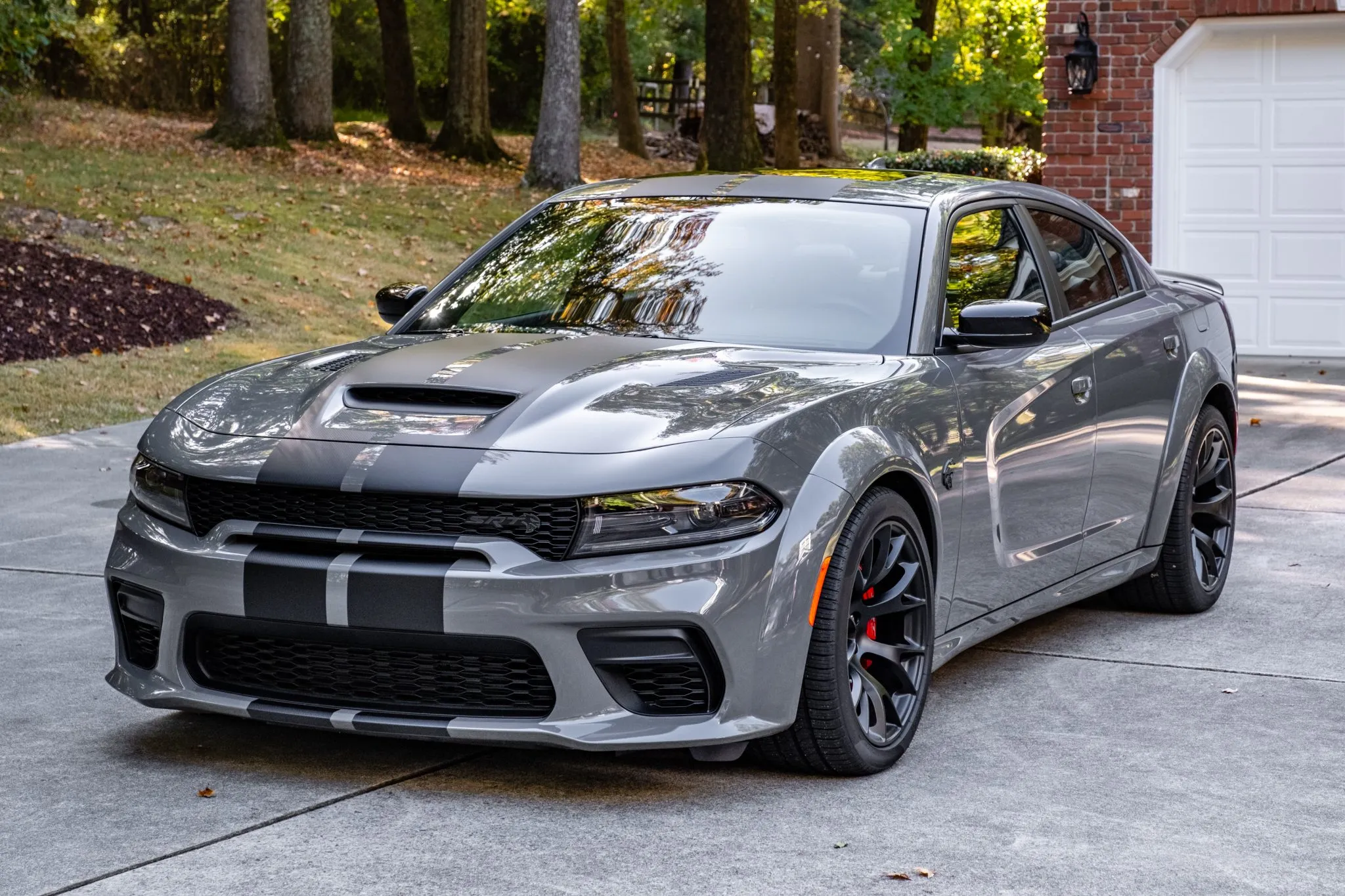
2. Dodge Charger SRT Hellcat 2023
Muscle cars bring drama to every drive, and the Dodge Charger SRT Hellcat 2023 embraces that attitude fully. Supercharged power, thunderous acceleration, and towering torque turn every on-ramp into a launch pad. All that energy must be tamed by the brakes.
With more than 700 horsepower on tap, the Hellcat builds speed instantly. Even casual throttle inputs send the car surging forward. Each surge ends with heavy braking. Pads clamp hard, and heat rises fast. Vehicle mass adds another challenge. The Charger is a large sedan with a wide body and heavy reinforcements. That weight increases the stopping distance and demands more friction force at every slowdown.
Factory Brembo brakes provide serious stopping power. Large rotors and multi-piston calipers handle high-speed deceleration well, yet they pay the price in wear. Heat cycles break down pad material quickly, especially in traffic where airflow stays low.
Throttle temptation proves hard to resist. The engine sound alone encourages spirited bursts. Every green light becomes a potential sprint. That driving style chews through pads far faster than calm commuting. Tire grip supports aggressive behavior. Wide performance tires provide excellent traction, allowing for later braking and harder stops. That grip transfers massive forces into the braking system.
City driving becomes a workout. Stop signs, red lights, and congested intersections create constant braking demands. Owners often report pad replacement intervals around 20,000 miles, sometimes less with enthusiastic driving. Highway cruising brings little relief. Sudden slowdowns at high speeds generate huge heat loads. Even short braking events can cook pad surfaces.
Replacement parts cost reflects the size of the hardware. Large rotors and performance pads come with premium pricing. Labor time adds to the bill due to wheel and caliper size. The Dodge Charger SRT Hellcat 2023 offers unmatched straight-line excitement. That excitement comes with frequent brake service. Drivers who enjoy full throttle fun should budget accordingly.
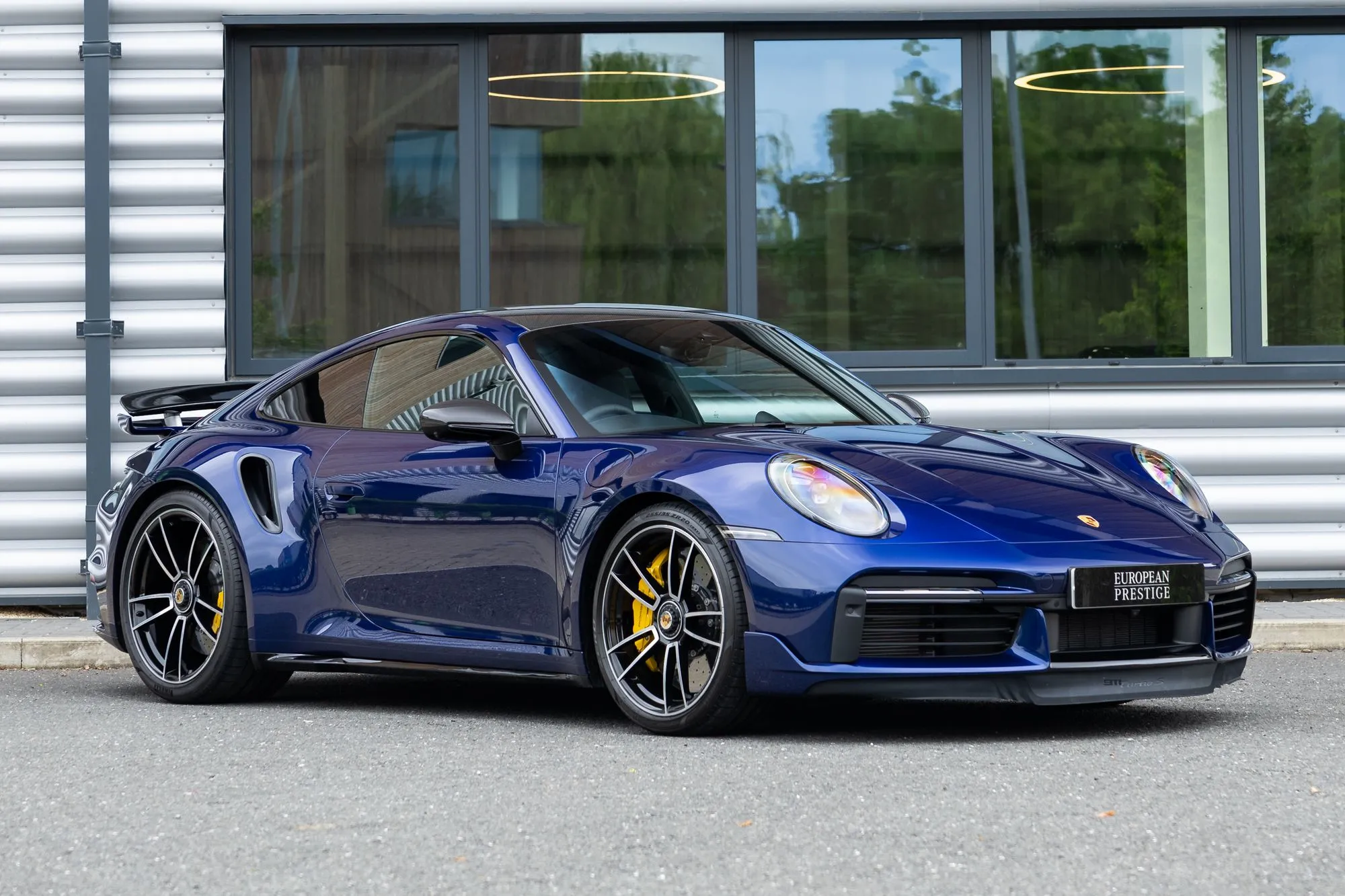
3. Porsche 911 Turbo S 2024
Precision engineering meets explosive performance in the Porsche 911 Turbo S 2024. This supercar-level machine rockets from a standstill with shocking speed. That speed demands serious braking force. Twin turbochargers push power past 600 horsepower. Acceleration happens instantly. Even moderate throttle produces rapid speed increases. Every burst ends with strong braking.
Weight distribution plays a role. Rear engine placement creates massive rear traction. That allows drivers to launch harder and carry more speed into braking zones. The brakes must absorb that energy. Carbon ceramic brake options deliver incredible stopping power. They also cost a fortune to replace. Steel brakes fare little better in longevity when driven enthusiastically.
Pedal tuning favors a sharp response. A small input produces a strong deceleration. That responsiveness suits track driving but leads to constant pad engagement in daily traffic. Tire grip remains extreme. Porsche equips the Turbo S with ultra-high-performance rubber that encourages late braking and aggressive corner entry. That habit increases pad wear rapidly.
Urban driving still feels like a racetrack. Quick bursts between traffic lights invite heavy braking. Parking garages require frequent slow-speed stops that glaze pad surfaces. Highway driving brings short braking windows at very high speeds. Even brief deceleration events generate massive heat.
Owners often report pad replacement near 25,000 miles under mixed driving. Track use shortens that distance dramatically. Service costs reflect the engineering. Porsche brake parts rank among the most expensive in the industry. Ceramic replacements can approach five-figure totals.
The Porsche 911 Turbo S 2024 offers breathtaking performance. That performance demands respect for brake service schedules. Anyone choosing this machine should expect frequent visits to the service bay.
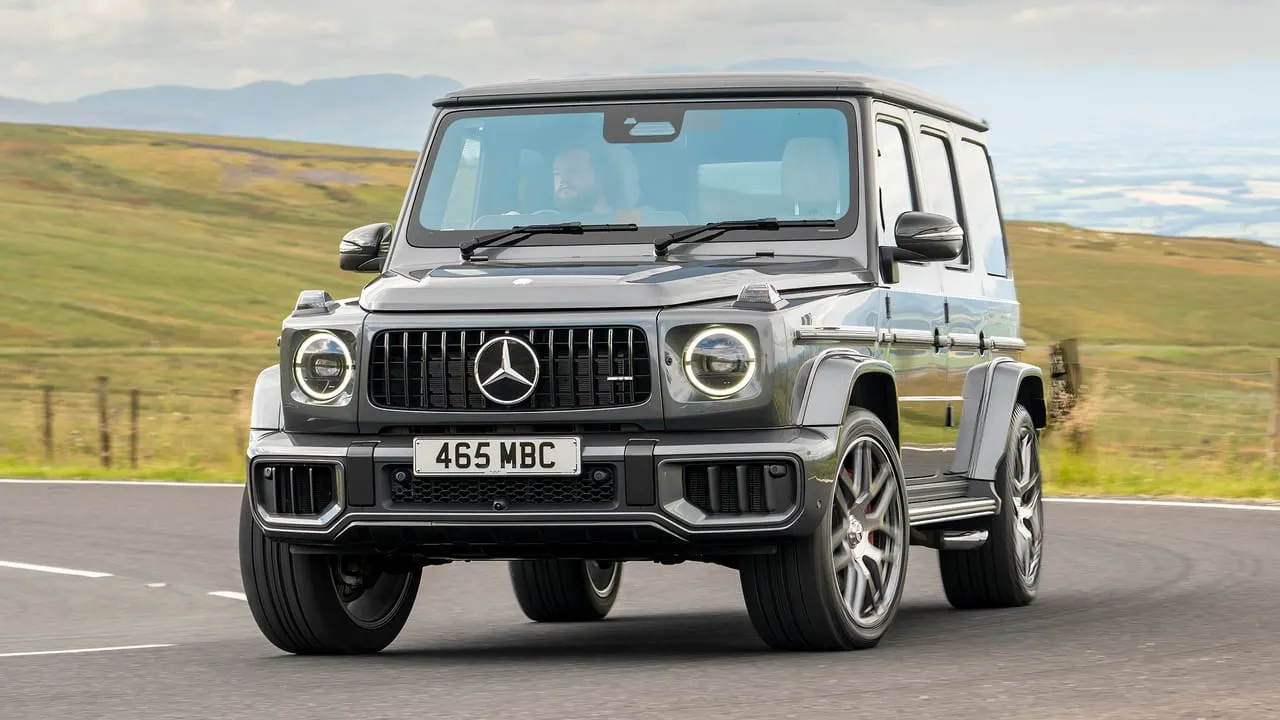
4. Mercedes AMG G63 2024
Luxury meets brute force in the Mercedes AMG G63 2024. This towering performance SUV blends off-road heritage with supercar-level power. That combination puts enormous strain on the braking system. A hand-built twin-turbo V8 produces more than 570 horsepower. Acceleration feels shocking for a vehicle of this size. Speed builds rapidly, and stops must be equally dramatic.
Weight presents the biggest challenge. The G63 carries massive body panels, reinforced frame rails, and heavy luxury equipment. All that mass must be slowed repeatedly. AMG installs huge brakes to manage the load. Multi-piston calipers clamp oversized rotors. That hardware delivers strong stopping power but wears pads quickly under daily driving.
A high seating position invites confident driving. Many drivers underestimate how fast the G63 accelerates. That leads to harder braking moments. Urban traffic proves demanding. Stop signs, parking ramps, and city congestion require constant pedal input. Heavy mass and a tall stance increase brake workload at every stop.
Highway driving brings sudden slowdowns at speed. A large frontal area creates aerodynamic drag that requires more throttle to maintain speed. That extra speed demands more braking when traffic changes. Tire selection favors grip over efficiency. Wide performance tires add traction but increase braking force demands.
Owners often report pad replacements around 25,000 to 30,000 miles. Rotors may need resurfacing or replacement sooner than expected due to heat stress. Service pricing remains steep. Large wheels and heavy components require longer labor time. Parts cost reflects the premium branding.
The Mercedes AMG G63 2024 delivers a bold driving experience. That boldness extends to brake wear. Buyers should prepare for frequent service visits.
Also Read: 5 Cars for El Centro Daily Use and 5 Desert-Ready Vehicles
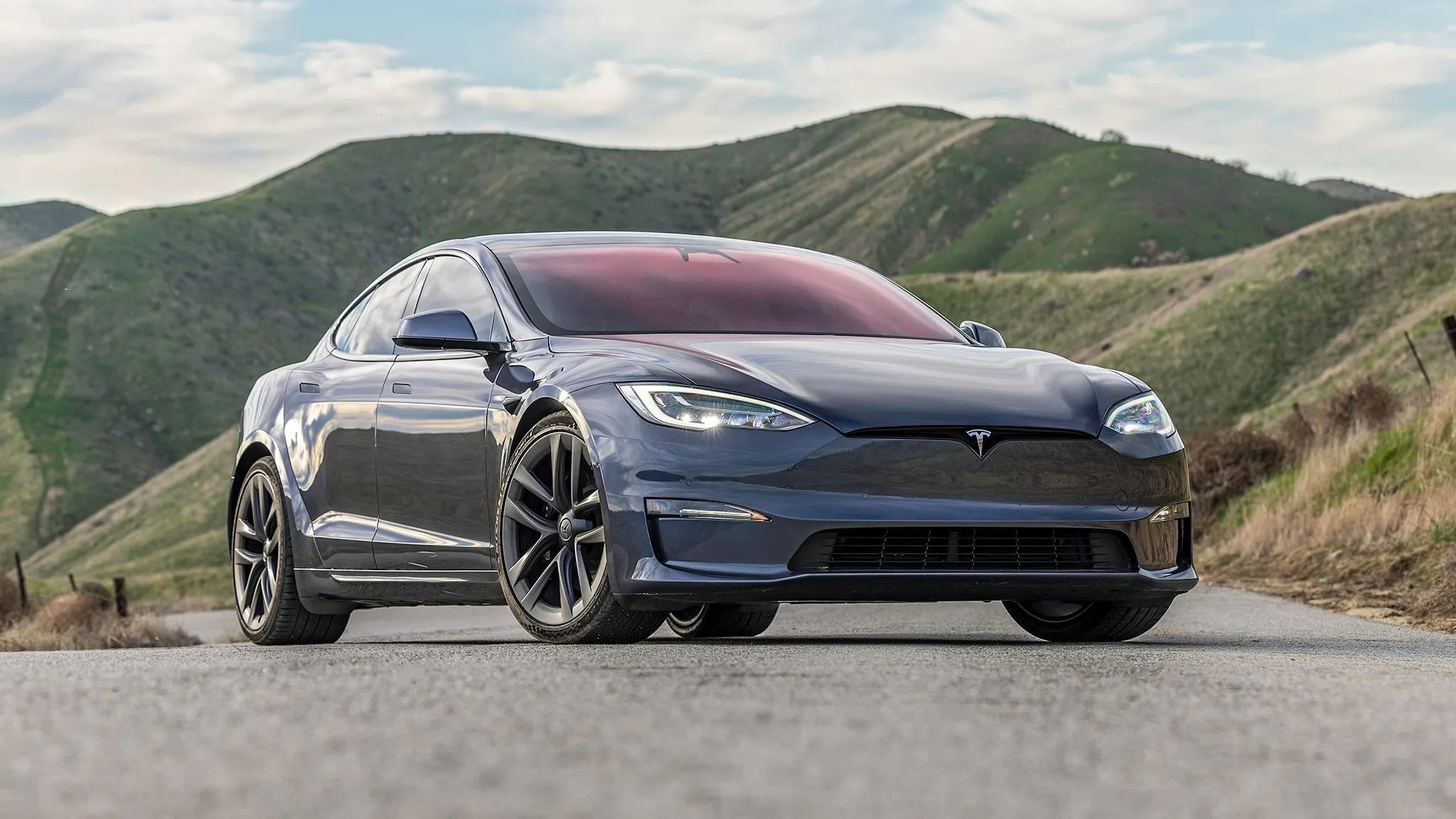
5. Tesla Model S Plaid 2024
Electric speed rewrites expectations, and the Tesla Model S Plaid 2024 proves just how fast modern EVs can be. Instant torque launches this sedan harder than most supercars. That torque also places a serious demand on the brakes.
Three electric motors deliver explosive acceleration. Speed builds with no delay. Even gentle pedal inputs produce rapid forward motion. Vehicle weight remains high due to battery mass. That weight increases the stopping energy at every slowdown.
Regenerative braking helps during light deceleration, but hard stops rely entirely on friction brakes. At high speeds, regen alone cannot manage the load. Performance-oriented drivers love the Plaid acceleration. Repeated launches lead to repeated hard braking. Pads heat quickly, and wear follows.
Tire grip supports the madness. Wide performance tires allow full torque delivery. That traction enables late braking and aggressive driving habits. Urban driving still invites temptation. Quiet power makes it easy to forget how fast the car accelerates. Short sprints between traffic lights demand strong braking.
Highway driving brings massive speed potential. Sudden slowdowns require heavy pedal input to control momentum. Owners often report pad replacements at around 30,000 miles, especially with spirited driving. Track use shortens that interval.
Brake hardware is large and capable, yet heat remains the enemy. Heavy battery weight builds thermal stress quickly. Service costs remain moderate compared to those of exotic cars, yet the frequency adds up over time. The Tesla Model S Plaid 2024 delivers unmatched electric speed. That speed carries a price in brake wear. Anyone enjoying full performance should plan for regular pad replacements.
