
City life moves fast, and so do car-buying decisions. Parking rules, tight streets, stop-and-go traffic, and constant wear all play a role in how well a vehicle keeps its value once it becomes part of daily urban life. Some cars seem built for city ownership and hold their price year after year. Others look great on the showroom floor but lose value faster once the miles start piling up.
Urban drivers care about more than style. Resale value matters because leases end, life changes, and trade-ins happen sooner than expected. A car that keeps its worth makes moving to the next vehicle easier. A car that drops in value quickly turns into an expensive lesson.
This guide compares five vehicles known for strong resale performance in cities with five that tend to depreciate faster. Each model reflects real-world ownership patterns, buyer demand, reliability records, and repair costs that influence what shoppers are willing to pay years later.
City driving creates a unique market. Compact size, fuel efficiency, durability, and brand trust all shape resale prices. Buyers want vehicles that survive parking scrapes, traffic jams, potholes, and daily short trips without draining wallets.
The vehicles that follow show how smart engineering, dependable reputations, and urban-friendly designs protect resale value. Each one has earned a reputation for holding its worth even after years of dense city use.
5 Vehicles That Hold Value in Cities
1. Toyota Corolla Hybrid 2024
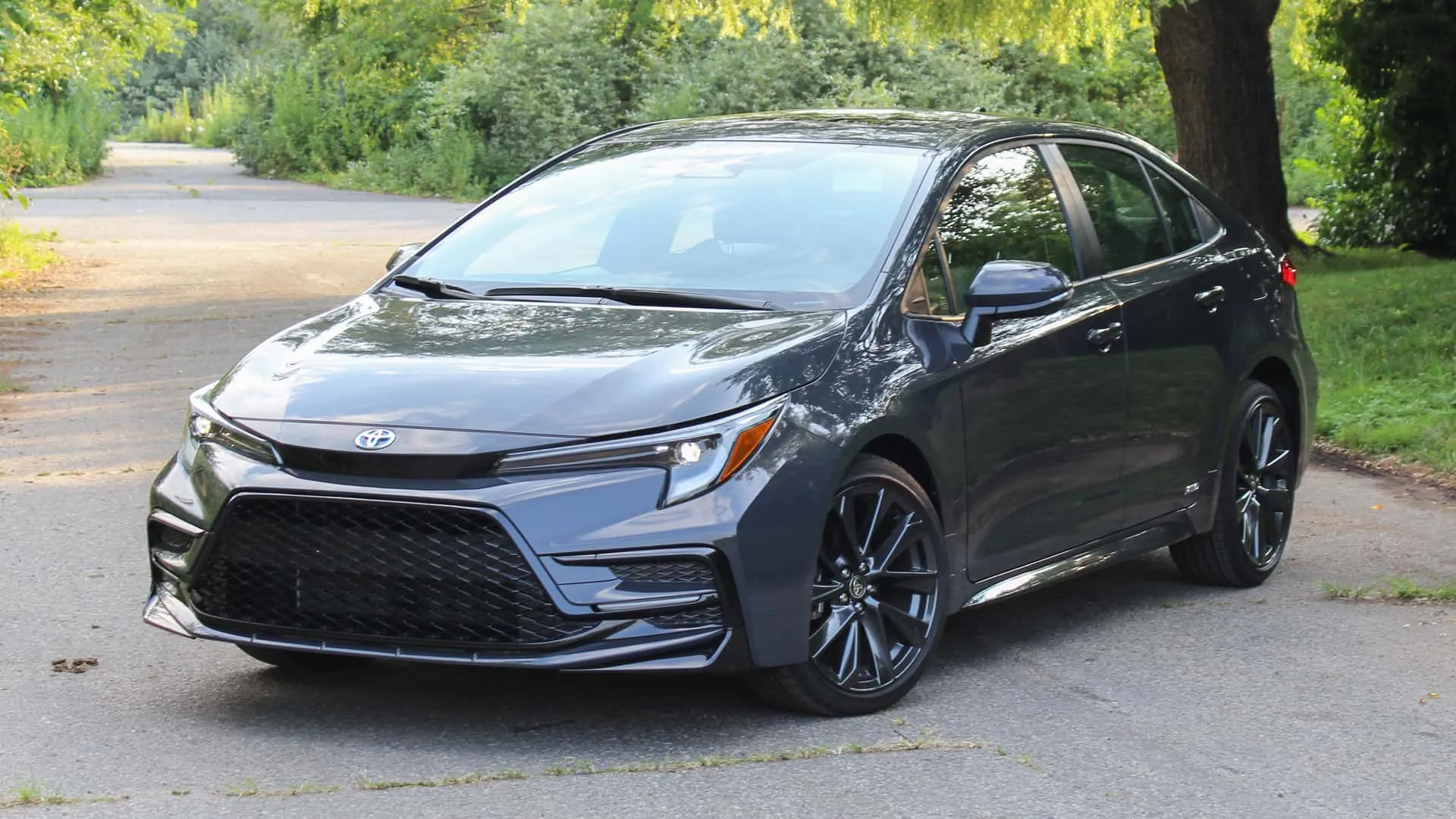
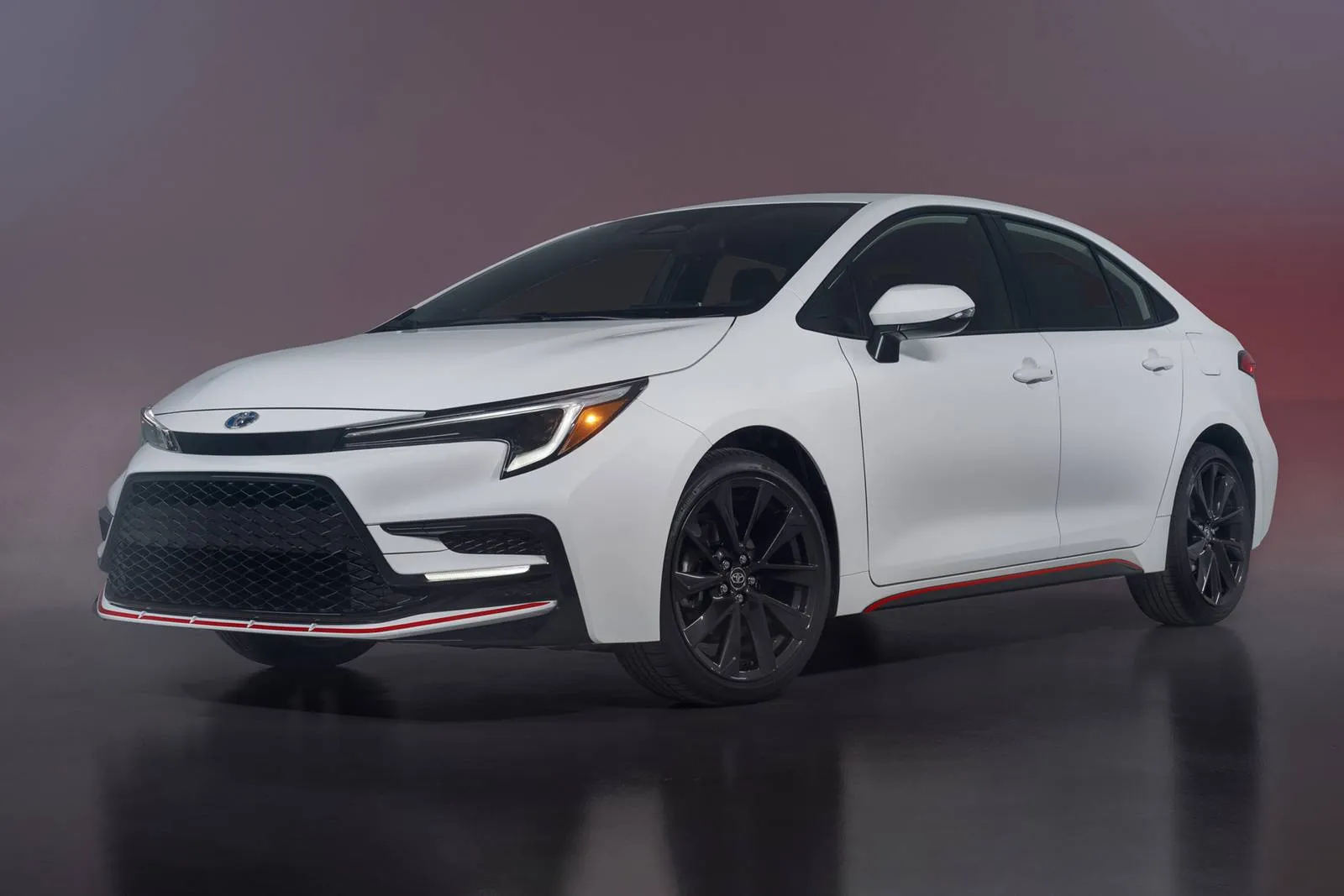
Quiet streets and crowded avenues both suit the Toyota Corolla Hybrid 2024. This compact sedan has become one of the strongest value holders in urban markets because it delivers exactly what city drivers want without drama or surprises.
Fuel efficiency plays a major role in resale strength. City drivers face high fuel costs, and the Corolla Hybrid keeps those bills low. Owners enjoy long driving ranges between fill-ups, which keeps demand high among commuters, delivery drivers, and rideshare operators. Buyers shopping used models know they can expect years of low running costs.
Reliability reputation protects resale value. Toyota has built decades of trust with urban drivers who depend on their cars daily. Corolla owners report few major mechanical issues, even at high mileage. Used buyers seek this dependability, which pushes resale prices higher than many competitors.
Maintenance costs stay reasonable. Oil changes, brakes, tires, and routine service cost less than most compact sedans. Hybrid battery systems come with strong warranties and proven track records. Fear of expensive hybrid repairs has faded, which strengthens used market demand.
Size works perfectly for city streets. Parking garages, curbside spaces, and narrow roads all suit the Corolla Hybrid well. Easy maneuvering makes it popular with new drivers and longtime commuters alike. Demand stays high because the car fits urban life so well.
Interior durability helps long-term value. Seats resist wear, controls remain responsive, and dashboards hold up under years of sun exposure and daily use. Buyers see cars that still feel solid after heavy city driving.
Insurance costs stay manageable. Compact size and strong safety records keep premiums lower than many rivals. That matters to used buyers calculating the total ownership cost. Resale data shows consistent strength. Even older Corolla Hybrids sell quickly in dense cities. Dealers often struggle to keep them on lots for long.
Strong fuel savings, proven reliability, easy ownership, and trusted branding combine to protect the Corolla Hybrid from steep depreciation. City buyers know what they are getting, and that confidence keeps prices strong year after year.
2. Honda Civic 2024
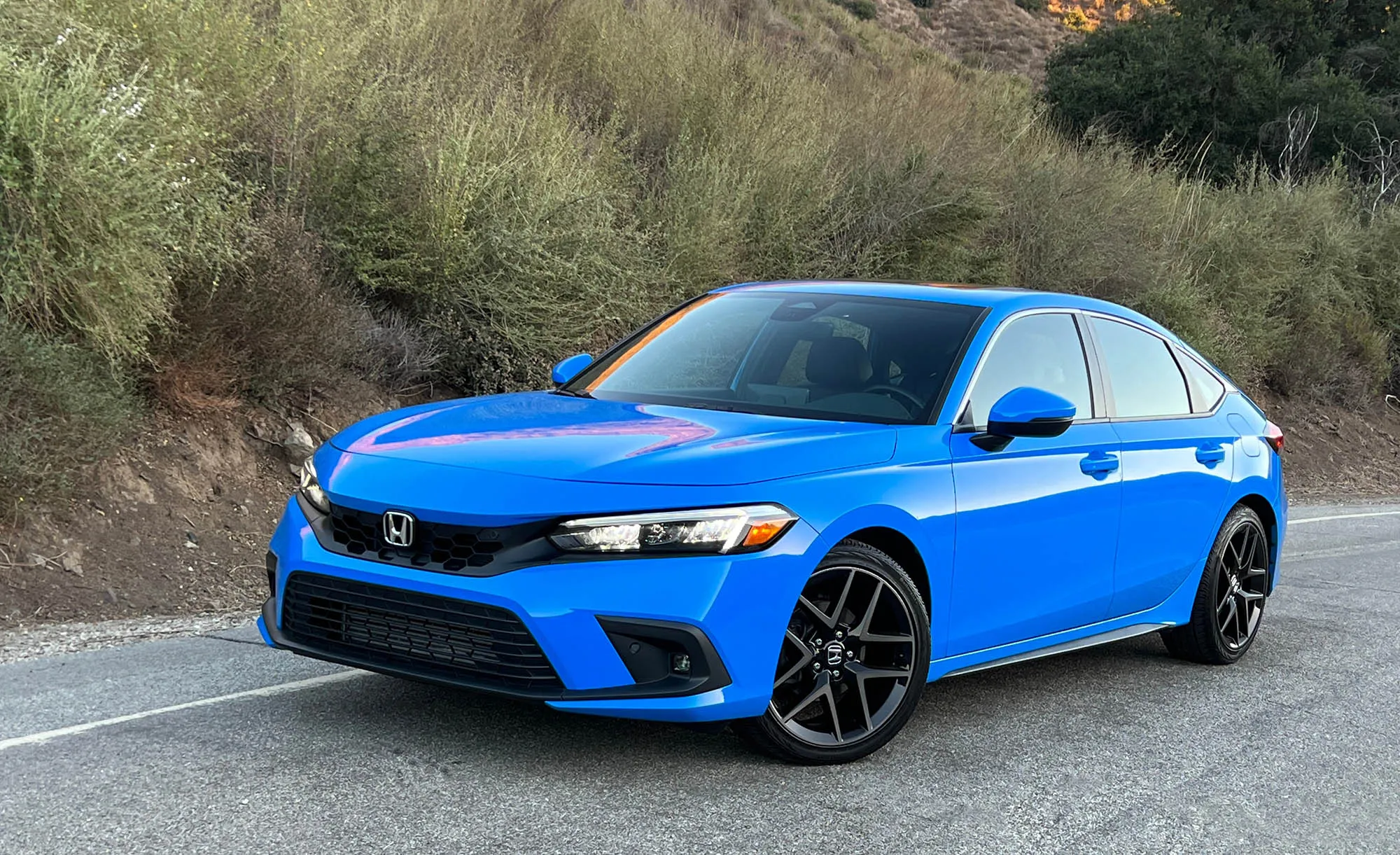
Street corners filled with Civics tell a simple story. Honda Civic 2024 models dominate city roads because they hold value better than almost any compact sedan.
Dependability sits at the heart of Civic resale success. Owners rack up miles with few major repairs. Engines run smoothly, transmissions last, and suspensions survive potholes and rough pavement. Used buyers want a car they can trust, and the Civic delivers that reputation.
Fuel economy supports strong demand. Daily commuters save money at the pump, which makes the Civic appealing in used listings. City drivers know they can drive all week on one tank while avoiding high fuel bills.
Maintenance costs stay predictable. Independent shops know Civics well. Parts remain affordable and easy to source. Repairs stay simple. Buyers look for cars that do not surprise them with sudden expenses, and the Civic meets that expectation.
Size fits urban living. Parking garages welcome it. Parallel parking stays easy. Tight streets feel less stressful. New drivers and seasoned commuters both appreciate its manageable footprint. Interior quality holds up under daily wear. Cloth seats resist tearing. Touchscreens remain responsive. Switchgear stays solid. Buyers see used Civics that still feel fresh after years of traffic duty.
Insurance premiums remain reasonable. Safety scores stay high. Repair costs remain moderate. That combination keeps ownership budgets under control and strengthens resale appeal. Resale data confirms Civic strength. Even older models command strong prices. Dealers sell them quickly. Private sellers find buyers without long waits.
Strong brand trust keeps demand steady. Honda buyers return for their next Civic because the first one treated them well. The Honda Civic 2024 stands as one of the safest purchases for city drivers who care about long-term value. It delivers comfort, reliability, and low ownership costs while protecting resale prices in a crowded urban market.
Also Read: 5 Vehicles That Make City Ownership Easier vs 5 That Complicate It
3. Subaru Crosstrek 2024
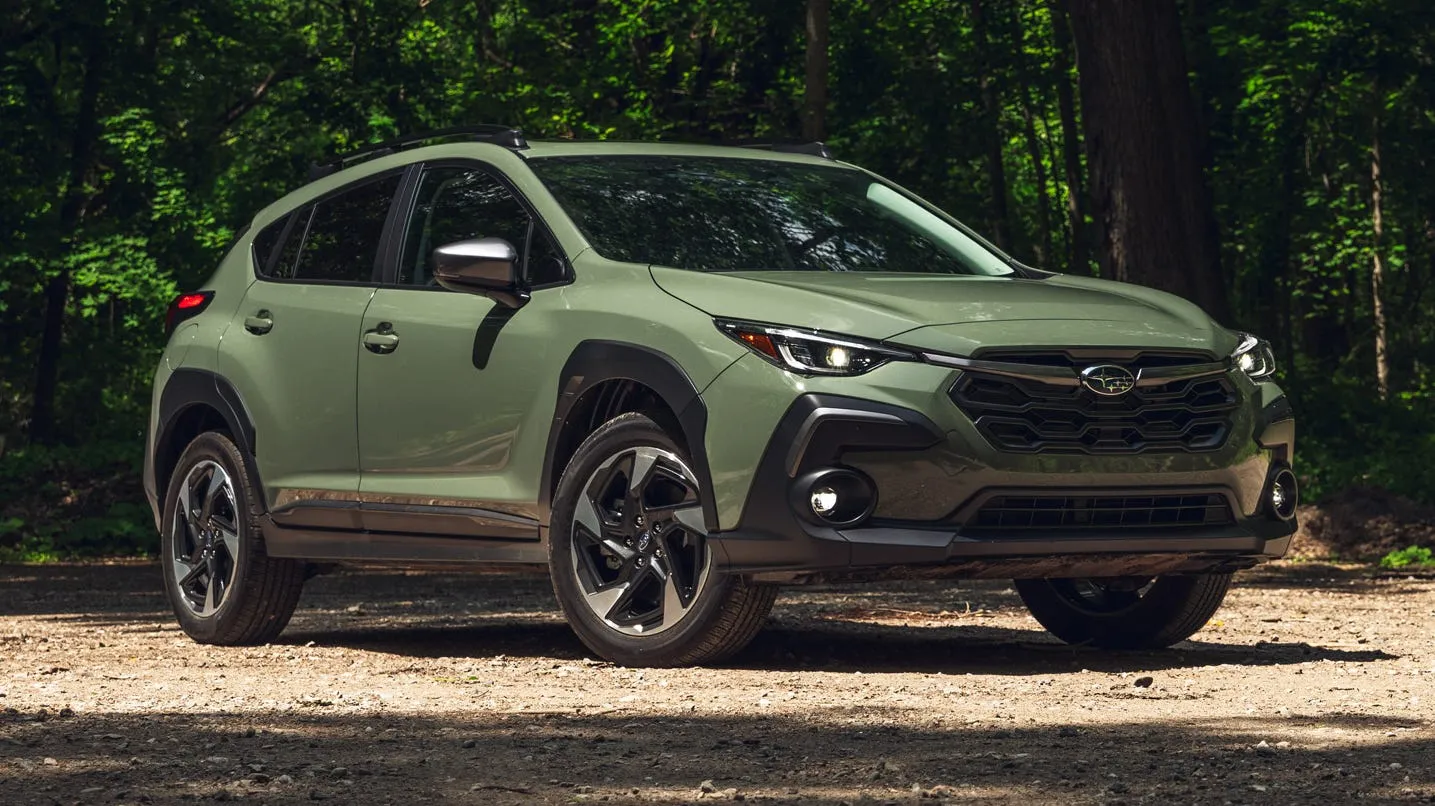
Snow-covered streets, rainy avenues, and cracked pavement all meet their match in the Subaru Crosstrek 2024. This compact crossover holds its value in cities thanks to durability, versatility, and loyal buyers who return year after year.
All Wheel Drive gives the Crosstrek a major advantage. Urban drivers deal with slick roads, icy winters, and sudden storms. Used buyers actively search for AWD models, which boosts resale prices and shortens selling times.
Ride height suits rough streets. Potholes, curbs, and speed bumps cause less damage than in low sedans. Owners feel confident driving through construction zones and uneven pavement. Reliability supports long-term ownership. Subaru engines and drivetrains hold up under heavy city use.
Owners report solid performance even past 100,000 miles. Buyers trust that reputation and pay more for used examples. Fuel economy remains competitive for a crossover. City drivers enjoy reasonable efficiency while gaining the benefits of higher seating and extra cargo room.
Interior durability plays a role. Seats resist wear from daily commuting. Cargo areas handle bikes, groceries, and gear without damage. Families and pet owners value that toughness. Maintenance stays affordable. Parts remain accessible. Independent repair shops understand Subaru systems well.
Service costs stay lower than those of many European competitors. Safety ratings stay high. Insurance costs remain manageable. That helps resale value by keeping ownership budgets predictable. Urban buyers appreciate versatility. Folding seats handle weekend trips.
Compact dimensions handle weekday parking. That balance keeps demand strong. Resale numbers reflect that loyalty. Used Crosstreks sell quickly in dense cities. Buyers know what they are getting and trust the platform.
The Subaru Crosstrek 2024 succeeds by fitting urban life perfectly. It survives tough streets, handles bad weather, and keeps running strong for years, which protects resale prices long after the first owner moves on.

4. Toyota RAV4 Hybrid 2024
Rush hour traffic meets its match in the Toyota RAV4 Hybrid 2024. This compact SUV holds value in cities thanks to efficiency, reliability, and unmatched buyer demand. Fuel savings lead the story. Hybrid power delivers excellent mileage for a vehicle of its size. City drivers save money daily, and used buyers search specifically for hybrid versions. Demand keeps resale prices strong.
Toyota reliability protects long-term value. Engines, hybrid systems, and transmissions show strong durability records. Buyers trust the badge and pay more for that peace of mind. Size works well for city life. Cargo space handles groceries and strollers. Parking stays manageable. Ride height improves visibility in traffic.
Maintenance costs stay controlled. Hybrid systems require little extra care. Brake wear stays low due to regenerative braking. Service schedules remain simple. Interior materials resist wear. Seats stay firm. Controls remain responsive. Touchscreens age well. Buyers see used RAV4 Hybrids that still feel modern.
Safety features attract families and commuters. High ratings reduce insurance costs and support resale demand. Strong supply chain keeps parts affordable. Repairs stay simple. Independent shops handle routine service with ease.
Resale history proves strength. Older RAV4 Hybrids still sell for impressive prices. Dealers move them quickly. Urban buyers want one vehicle that does everything. The RAV4 Hybrid meets that goal. The Toyota RAV4 Hybrid 2024 earns its value by delivering efficiency, space, and long-term dependability. In city markets, it remains one of the safest bets for protecting resale dollars.
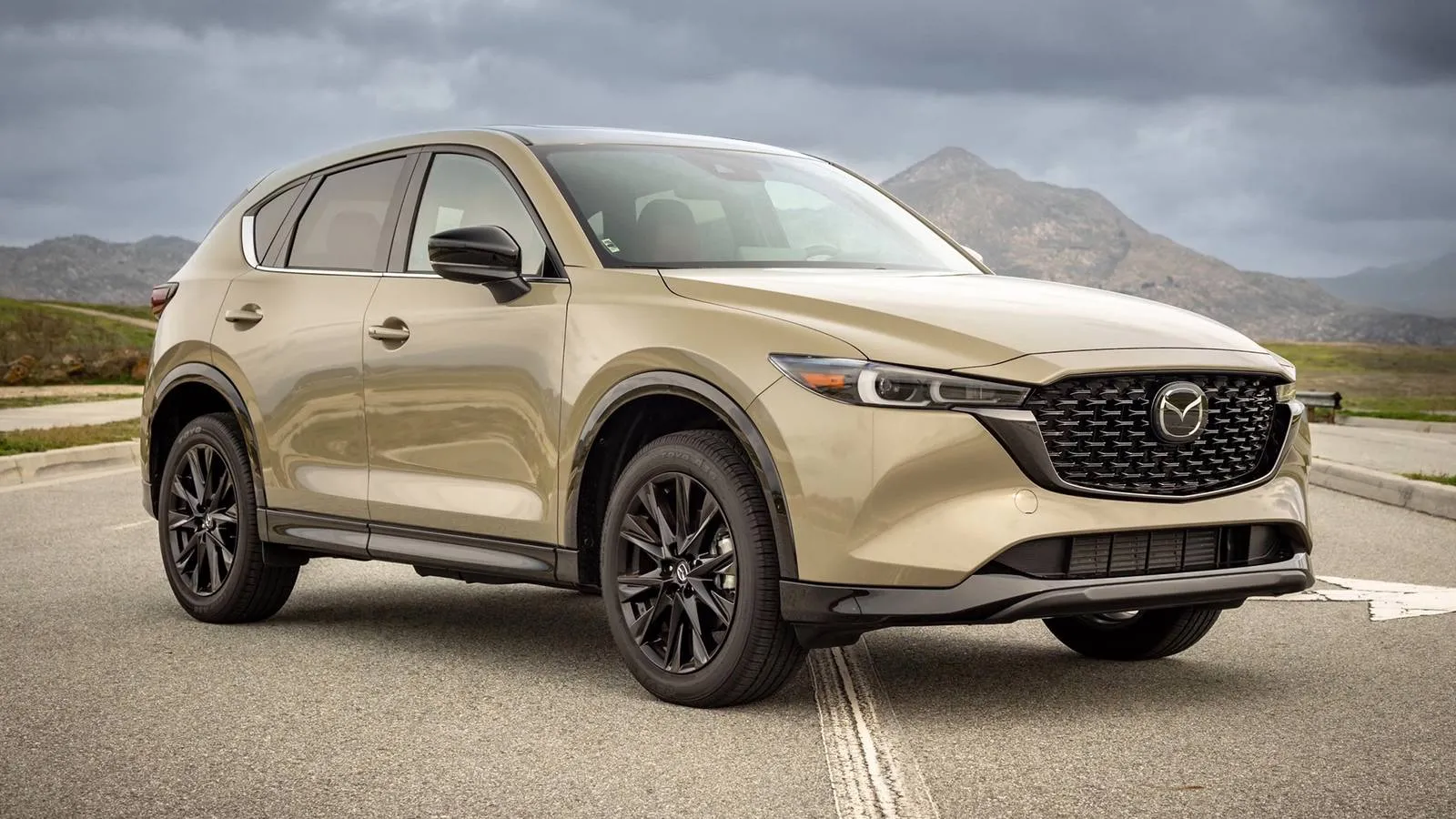
5. Mazda CX 5 2024
The 2024 Mazda CX-5 exemplifies a balance between style and practicality, making it a compelling choice for urban drivers. This compact SUV continues to hold its appeal years after its release due to a design that combines elegance with timeless proportions.
Its clean lines and refined profile age gracefully, ensuring that even pre-owned models retain a modern and attractive presence. This enduring aesthetic contributes to strong resale values, as buyers are willing to pay a premium for a vehicle that maintains both visual appeal and perceived quality.
Driving the CX-5 is a distinctly enjoyable experience, setting it apart from many competitors in its class. Steering is responsive and precise, allowing confident manoeuvring through tight streets and crowded city avenues. The suspension effectively absorbs uneven surfaces and potholes, delivering a smooth ride that turns daily commutes into a comfortable and engaging activity rather than a chore.
Mazda’s engineering ensures that both the engines and transmissions exhibit high levels of reliability, with owners reporting minimal mechanical issues even after several years of use. This dependability further enhances the vehicle’s market desirability and resale performance.
Fuel efficiency is another advantage, particularly for city commuters. The CX-5’s engines provide competitive mileage, helping to reduce running costs and making it easier for owners to plan monthly budgets. Interior quality surpasses expectations for its price segment.
Materials feel premium, and seats maintain comfort even after prolonged use. Controls remain intuitive, allowing drivers to focus on the road without distraction. Ownership costs remain manageable. Replacement parts are readily available, and servicing procedures are straightforward, keeping maintenance expenses reasonable.
Safety ratings are consistently high, and insurance premiums are moderate, reflecting the car’s reliability and strong build standards. Its compact dimensions make parking in urban garages and negotiating narrow streets stress-free.
Resale performance continues to demonstrate the CX-5’s appeal. Models sell quickly in the used market, often commanding strong prices relative to other vehicles in the segment. The 2024 Mazda CX-5 shows that a combination of sophisticated design, proven reliability, and thoughtful engineering can preserve value while delivering a comfortable, practical, and enjoyable driving experience in urban environments.
5 Vehicles That Depreciate Faster
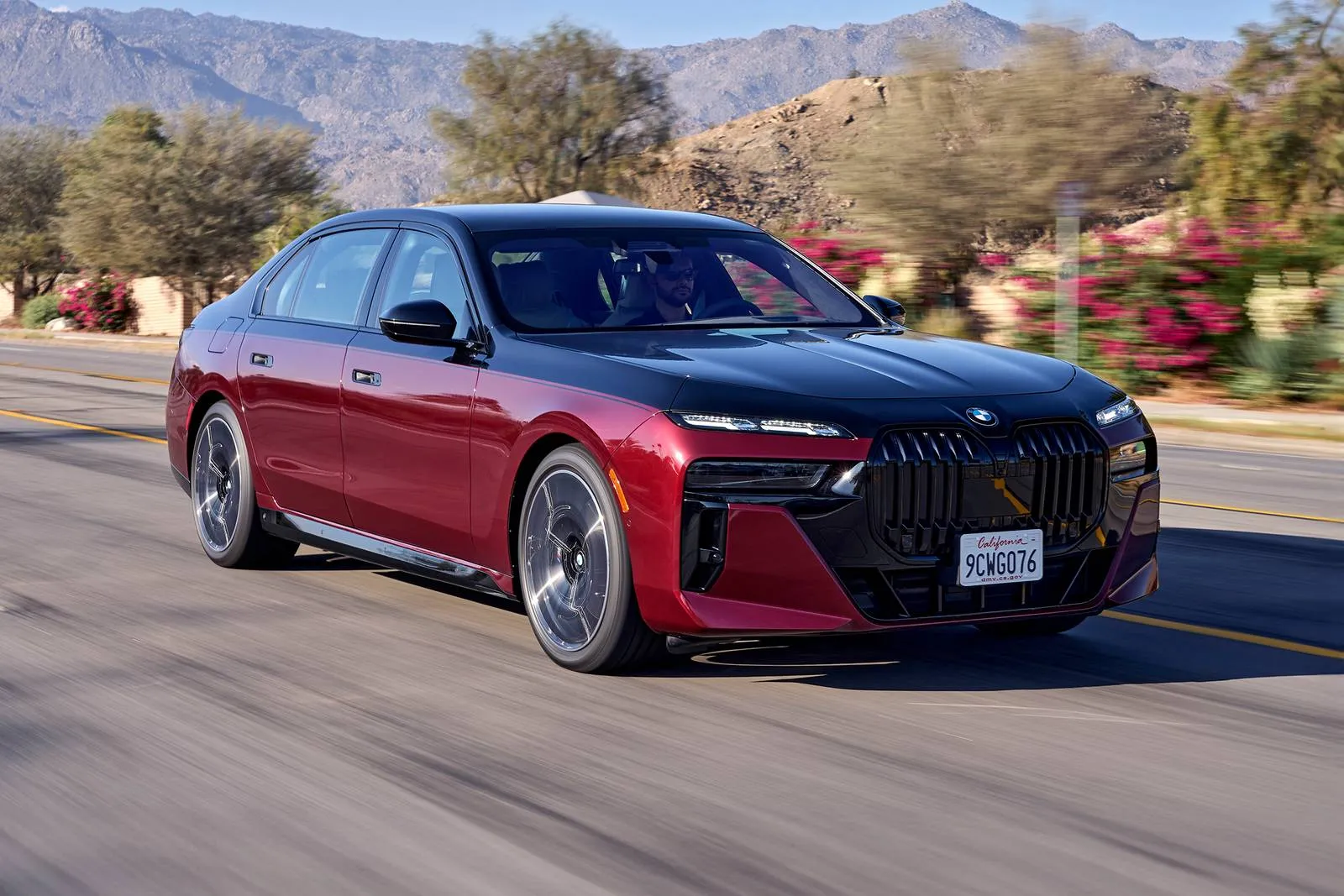
1. BMW 7 Series 2024
Luxury and prestige define the BMW 7 Series 2024, but city ownership often comes with a heavy depreciation curve. While impressive on paper, owning a flagship sedan in urban environments reveals a range of hidden costs that affect long-term value.
Fuel consumption rises quickly in stop-and-go traffic. Large turbocharged engines demand premium gasoline, and short city trips reduce efficiency far below advertised highway figures. Owners feel the impact at the pump week after week.
Insurance costs remain high. With advanced safety technology, expensive body panels, and electronic complications, even minor accidents generate claims that push premiums upward. Repairs require specialized parts and certified technicians, further inflating costs.
Maintenance visits often exceed expectations. Brake replacements, suspension work, and oil services for twin-turbo engines use high-end components. Each service appointment reminds owners that luxury convenience comes with a price tag.
Electronics also contribute to depreciation. Touchscreens, driver-assistance modules, and digital dashboards can be costly to repair once warranty coverage ends. Software updates may require dealership intervention, adding to the financial strain.
Parking and street hazards challenge the 7 Series. Its long body and low stance make tight city garages a constant source of stress. Scrapes, minor dents, and wheel damage occur more frequently than owners anticipate.
Interior wear becomes another factor. High-quality materials age gracefully when cared for, but replacement or repair costs for leather, trim, or infotainment components are steep. Daily ingress and egress in crowded urban streets accelerate cosmetic wear.
Depreciation hits hard compared to mid-tier sedans. High initial purchase prices mean that even slight reductions in market demand translate into thousands of lost dollars.
Despite its technological sophistication, the BMW 7 Series 2024 demonstrates that flagship vehicles can lose value quickly in dense cities. Luxury prestige carries costs that often outweigh convenience for urban drivers focused on resale protection. Buyers should factor in insurance, maintenance, and city driving challenges when considering ownership.
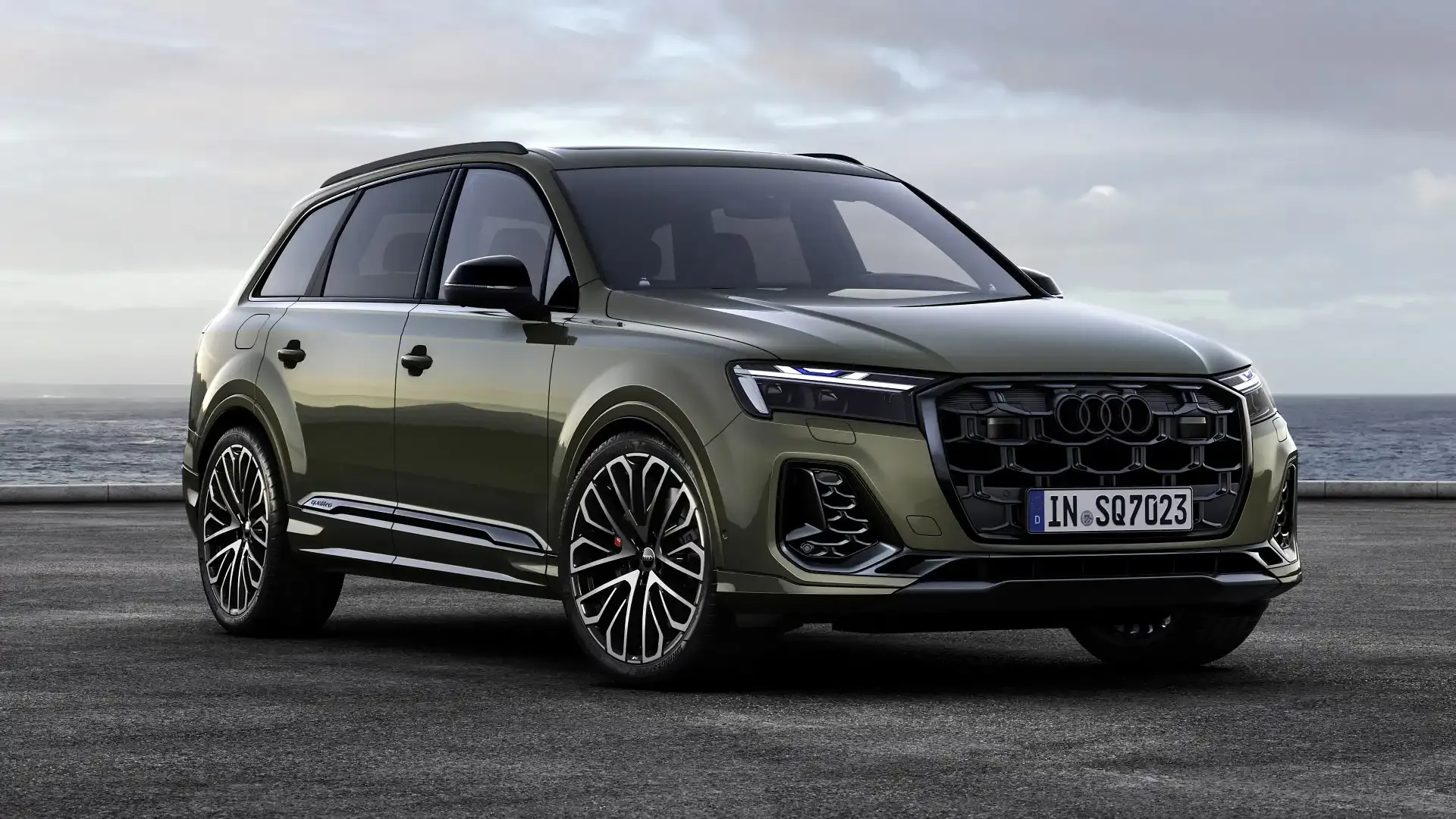
2. Audi Q7 2024
The Audi Q7 2024 offers a spacious interior and high-tech features, but city ownership can rapidly erode its value. Size and complication make urban life expensive and influence depreciation more than enthusiasts anticipate.
Fuel efficiency suffers in stop-and-go traffic. A turbocharged V6 or V8 burns more fuel at low speeds than on highways. High-octane gasoline requirements increase operating costs even further, impacting the total cost of ownership.
Insurance premiums remain substantial. Larger luxury SUVs attract higher rates due to expensive bodywork and repair costs. Alloy wheels, aluminum body panels, and advanced driver-assistance sensors mean minor accidents carry large bills.
Maintenance is another contributor to depreciation. Air suspension, adaptive dampers, and complicated drivetrain components require specialized servicing. Brakes, tires, and transmission repairs are expensive, particularly in congested city traffic where wear accelerates.
Parking challenges add indirect costs. With a length exceeding 200 inches, garage entrances and curbside spaces create constant risk for scratches or minor collisions. Repairs to sensors, cameras, or bumpers are more expensive than those in standard SUVs.
Interior components increase financial vulnerability. Infotainment systems, leather seating, and premium trim pieces are costly to maintain. Even cosmetic damage reduces perceived value in the resale market.
Technology-heavy features influence depreciation. Advanced navigation, semi-autonomous driving aids, and electronic steering modules are expensive to repair or replace, causing buyers to anticipate higher ownership costs.
Resale numbers reflect these pressures. High initial cost and maintenance demands mean Q7s lose market value faster than compact luxury SUVs. Buyers often face steep drops in trade-in or private sale pricing after a few years.
Despite its luxury and comfort, the Audi Q7 2024 proves that large, tech-laden SUVs struggle to retain value in cities. Urban driving stresses the vehicle mechanically and financially, making resale a major consideration for potential owners.
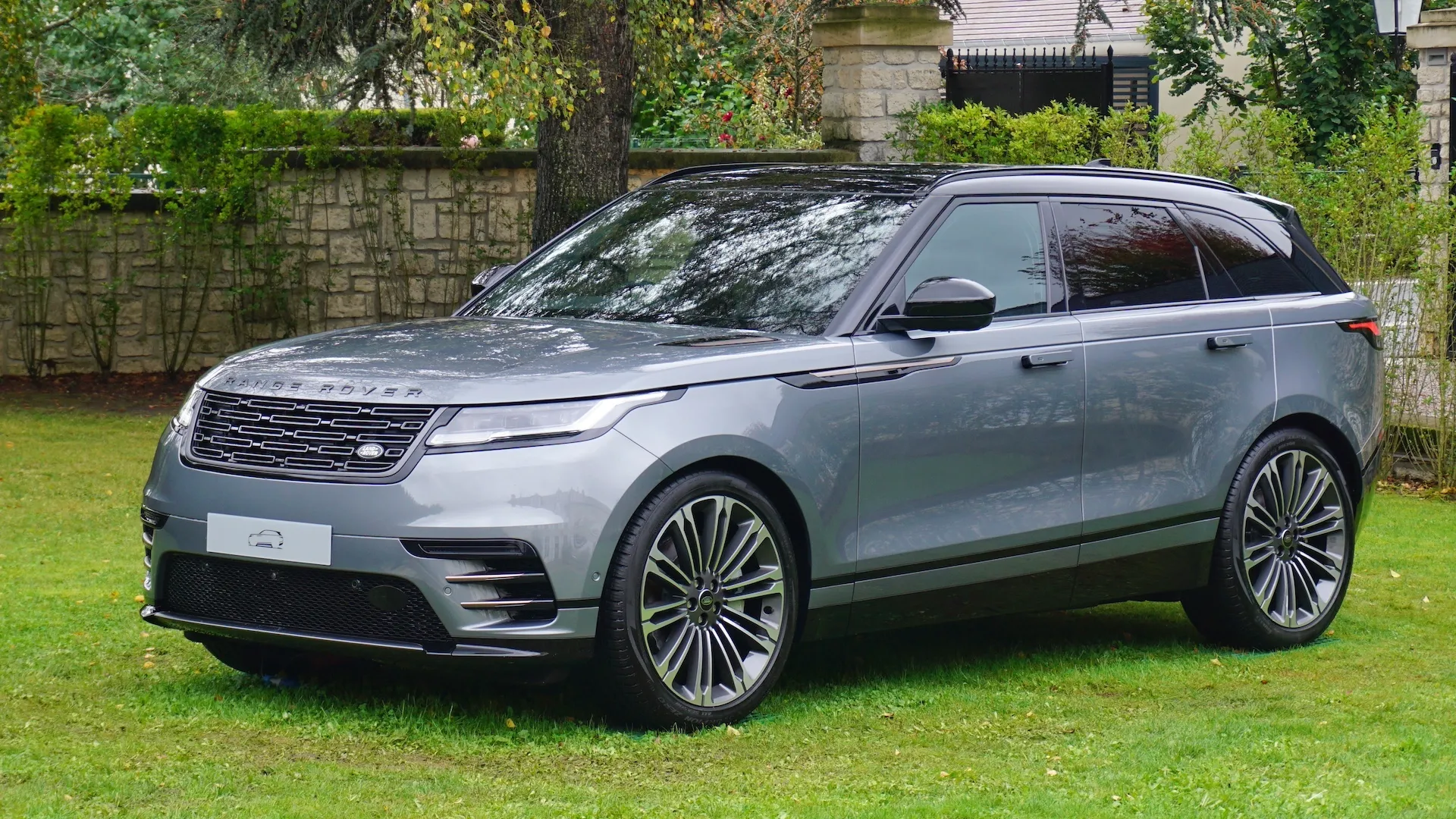
3. Land Rover Range Rover Velar 2024
Urban living meets complications in the Land Rover Range Rover Velar 2024. Its combination of premium styling, off-road capability, and technology-heavy engineering contributes to accelerated depreciation in city environments.
Fuel economy declines rapidly in stop-and-go traffic. Even mild commuting quickly consumes the 2.0-liter or 3.0-liter engines. Drivers face elevated fuel costs compared to compact SUVs, increasing the total cost of ownership and affecting resale.
Insurance premiums are higher than average. The Velar’s lightweight aluminum construction, advanced electronics, and luxury trim drive repair costs upward. Even minor accidents result in expensive claims, pushing insurance costs above the city norm.
Routine maintenance is costly. Air suspension systems, adaptive chassis, and advanced braking assemblies require specialist service. City streets increase wear on tires, brakes, and suspension, compounding repair needs.
Parking introduces constant risk. With a width of nearly 78 inches, narrow city garages and parallel spaces challenge drivers. Minor scratches and dents accumulate quickly, affecting both aesthetics and resale.
Electronics create another factor. Infotainment systems, driver-assist modules, and heads-up displays are expensive to replace or repair. Warranty coverage may not cover all components, leaving owners responsible for large bills.
Interior wear further impacts value. Premium leather, delicate trim, and touch-sensitive controls require careful handling. Daily urban use accelerates aging, reducing perceived quality in the resale market. Depreciation curves steepen rapidly. High initial cost combined with elevated operating expenses and high repair risks means Velars drop in value faster than smaller or simpler luxury SUVs.
The Range Rover Velar 2024 illustrates that a visually stunning, technologically advanced SUV can struggle in cities. Owners must account for fuel, insurance, maintenance, and repair realities, which collectively reduce resale strength.

4. Cadillac Escalade ESV 2024
City streets magnify the costs of large luxury vehicles like the Cadillac Escalade ESV 2024. While commanding attention with size and presence, the full-size SUV faces steep depreciation pressures due to operating costs and urban limitations.
Fuel consumption spikes in traffic. Its massive V8 requires frequent refueling, particularly in congested streets. Fuel costs exceed those of midsize competitors, directly affecting city ownership budgets. Insurance is costly. The Escalade ESV’s height, width, and luxury components mean repair claims carry large price tags. Minor collisions result in expensive fixes, driving premiums upward.
Maintenance demands are high. Air suspension, electronic stability systems, and massive braking setups need specialized service. Routine parts like tires and brake pads cost more due to size and weight, adding financial stress as time goes on.
Parking proves challenging. With a length exceeding 220 inches, curbside spaces are tight. Garages often feel cramped, increasing the likelihood of cosmetic damage. Scratches, dents, and sensor replacements add to ownership costs.
Technology adds complications. Infotainment systems, camera arrays, and driver-assist sensors can fail outside warranty coverage. Repairs are expensive and reduce resale appeal. Interior materials, though luxurious, require careful upkeep. Leather seating, wood trim, and electronic controls degrade faster in heavy urban use. Wear reduces perceived value in the used market.
Resale value suffers. Even with strong branding, Escalades drop faster than smaller SUVs. Buyers weigh fuel, insurance, and maintenance expenses when considering a purchase, creating downward pressure on resale.
The Cadillac Escalade ESV 2024 demonstrates that size, luxury, and advanced tech can increase depreciation risks in dense urban environments. City ownership often comes with costs that surpass expectations, affecting long-term value.
Also Read: 5 Vehicles That Handle City Chaos Well vs 5 That Fall Apart
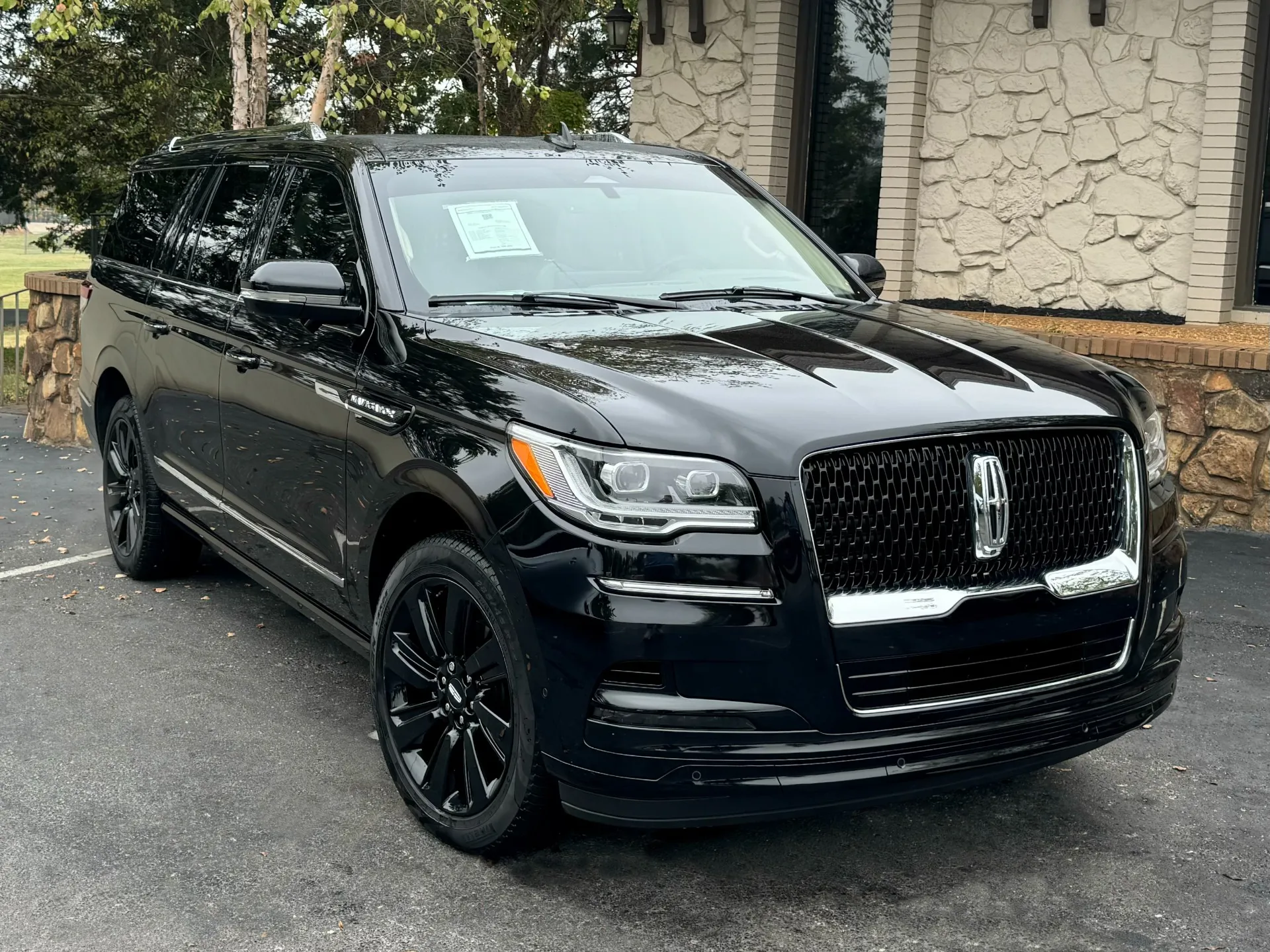
5. Lincoln Navigator L 2024
Commanding attention and space, the Lincoln Navigator L 2024 impresses with luxury but struggles with city value retention. Large SUVs face challenges that accelerate depreciation compared to smaller or more efficient urban vehicles.
Fuel bills climb rapidly in traffic. A large V6 or twin-turbo engine consumes more fuel in stop-and-go city driving than expected. Premium fuel requirements further increase ownership costs. Insurance rates remain high. Expensive body panels, wide footprint, and electronics drive premiums.
Collision claims are costly, contributing to depreciation as time goes on. Routine service is expensive. Suspension, brakes, and electronic systems require specialized attention. Tire replacements, particularly oversized versions, add unexpected expenses.
Parking introduces a constant challenge. Tight city streets and garages push the Navigator’s dimensions to their limit. Minor curb or bumper damage occurs more frequently, adding financial strain. Technology affects resale. Infotainment, cameras, and driver-assistance modules can be expensive to repair outside warranty. Electronics-heavy interiors raise ownership risk for used buyers.
Interior wear compounds depreciation. Luxury materials are beautiful but fragile. Seats, trim, and controls show age faster under urban conditions, reducing resale appeal. Depreciation curves accelerate. The combination of high initial cost, fuel consumption, and maintenance expectations reduces value faster than more compact or efficient SUVs.
The Lincoln Navigator L 2024 proves that even a top-tier, luxury SUV faces real challenges in cities. Its size, fuel requirements, and maintenance costs make resale less favorable for urban owners who expect strong value retention.
