
Electric and hybrid vehicles promise a cleaner drive, quieter cabins, and fewer trips to the gas station. For many shoppers, that promise also comes with a big question. Will owning one be easy, or will it feel like learning a new language just to get from point A to point B?
Some electrified vehicles make the transition feel natural. You charge, you drive, and life goes on. Others bring layers of apps, settings, learning curves, and service requirements that can turn daily driving into a chore. The difference often comes down to how the vehicle is designed, how well the brand supports owners, and how much thinking the car demands from the driver.
A simple-to-own electrified vehicle blends into your routine. Charging fits into your schedule. Controls feel familiar. Service visits stay predictable. Range anxiety stays low. You drive without feeling like a beta tester.
A complicated electrified vehicle can still be impressive, fast, and futuristic. Yet it may demand constant attention, software updates, planning around charging access, or specialized service centers that feel far away when something goes wrong.
This guide breaks down ten electrified vehicles into two clear groups. Five that feel refreshingly easy to live with and five that tend to feel demanding, layered, and sometimes frustrating. Each vehicle earns its spot based on daily ownership experience, not just specs on paper.
If you want an electrified car that fits your lifestyle, rather than reshaping it, this list will help you choose with confidence.
5 Electrified Vehicles That Feel Simple to Own
1. Toyota RAV4 Hybrid
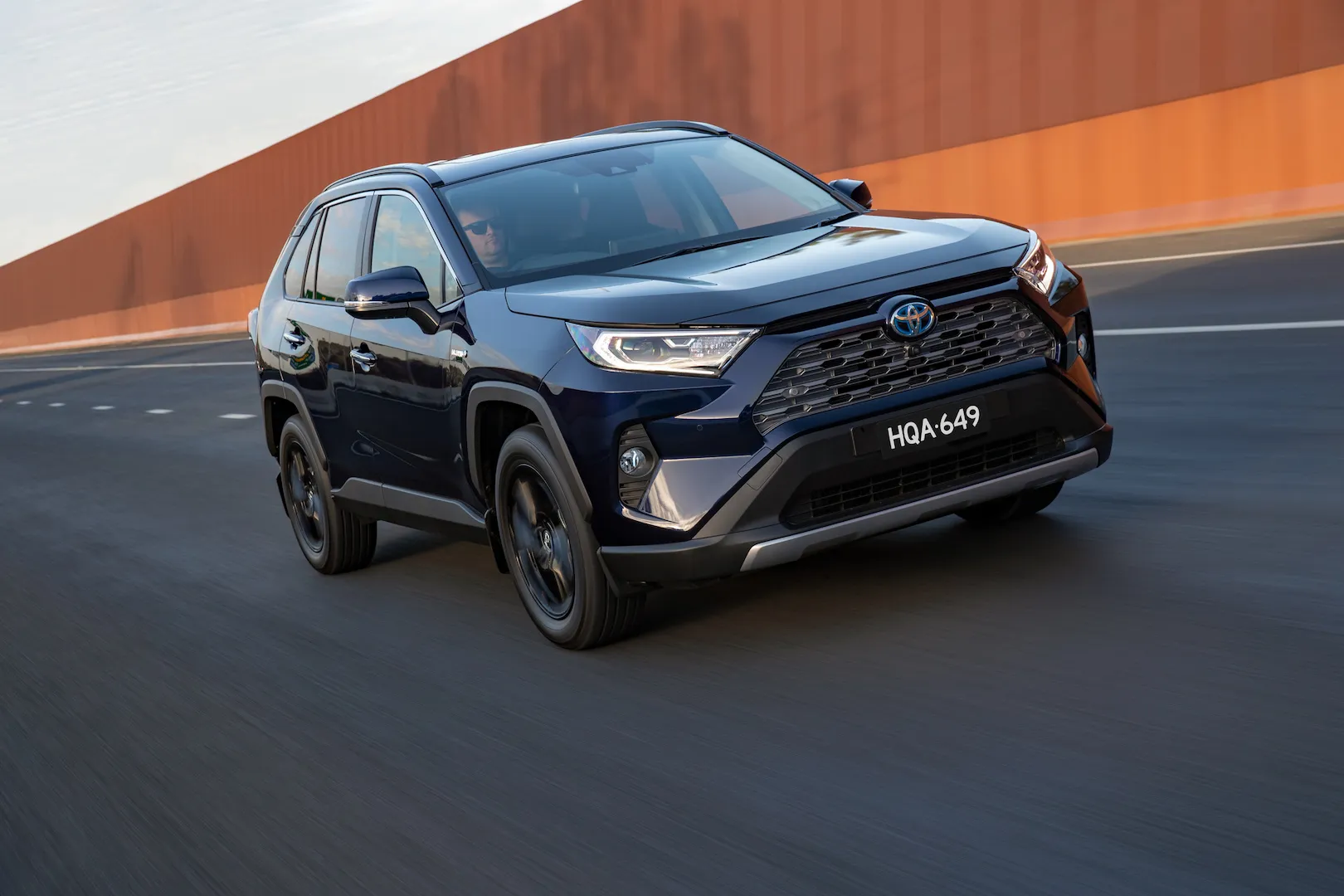
Reliability has always been part of Toyota’s identity, and the Toyota RAV4 Hybrid carries that reputation straight into electrified ownership. From the first drive, everything about this crossover feels familiar, approachable, and unintimidating.
A startup feels like any gas-powered SUV. You press the button, shift into drive, and go. There is no special ritual, no learning curve, and no anxiety about whether the car is ready. The hybrid system works quietly in the background, switching between electric and gas power without asking for your attention.
Fuel economy lands in the low forties for most drivers. That means fewer trips to the pump without forcing a lifestyle change around charging. Owners never worry about finding public chargers or installing special equipment at home.
Maintenance follows a normal schedule. Oil changes, tire rotations, brake inspections, and fluid checks feel familiar to any driver who has owned a gasoline vehicle. Hybrid components rarely need attention, and Toyota’s hybrid systems have proven durability stretching back decades.
Service centers exist everywhere. Toyota dealerships blanket the country, and independent shops are comfortable working on hybrid RAV4 models. Parts availability remains strong, which keeps repair costs predictable.
Driving behavior feels normal. Acceleration stays smooth. Braking feels natural thanks to well-tuned regenerative braking that blends seamlessly with traditional friction brakes. Steering remains light and easy for city driving.
Interior controls avoid unnecessary layers. Physical buttons still handle climate control and audio volume. The infotainment system feels simple to understand without reading a manual. Resale value stays strong. Used buyers trust Toyota hybrids, which keeps long-term ownership costs lower. Charging never becomes a concern because there is no plug. You simply drive.
The Toyota RAV4 Hybrid succeeds because it does not try to reinvent daily transportation. It adds efficiency without adding stress. For buyers who want electrification without disruption, it remains one of the easiest choices on the road.
2. Honda Accord Hybrid
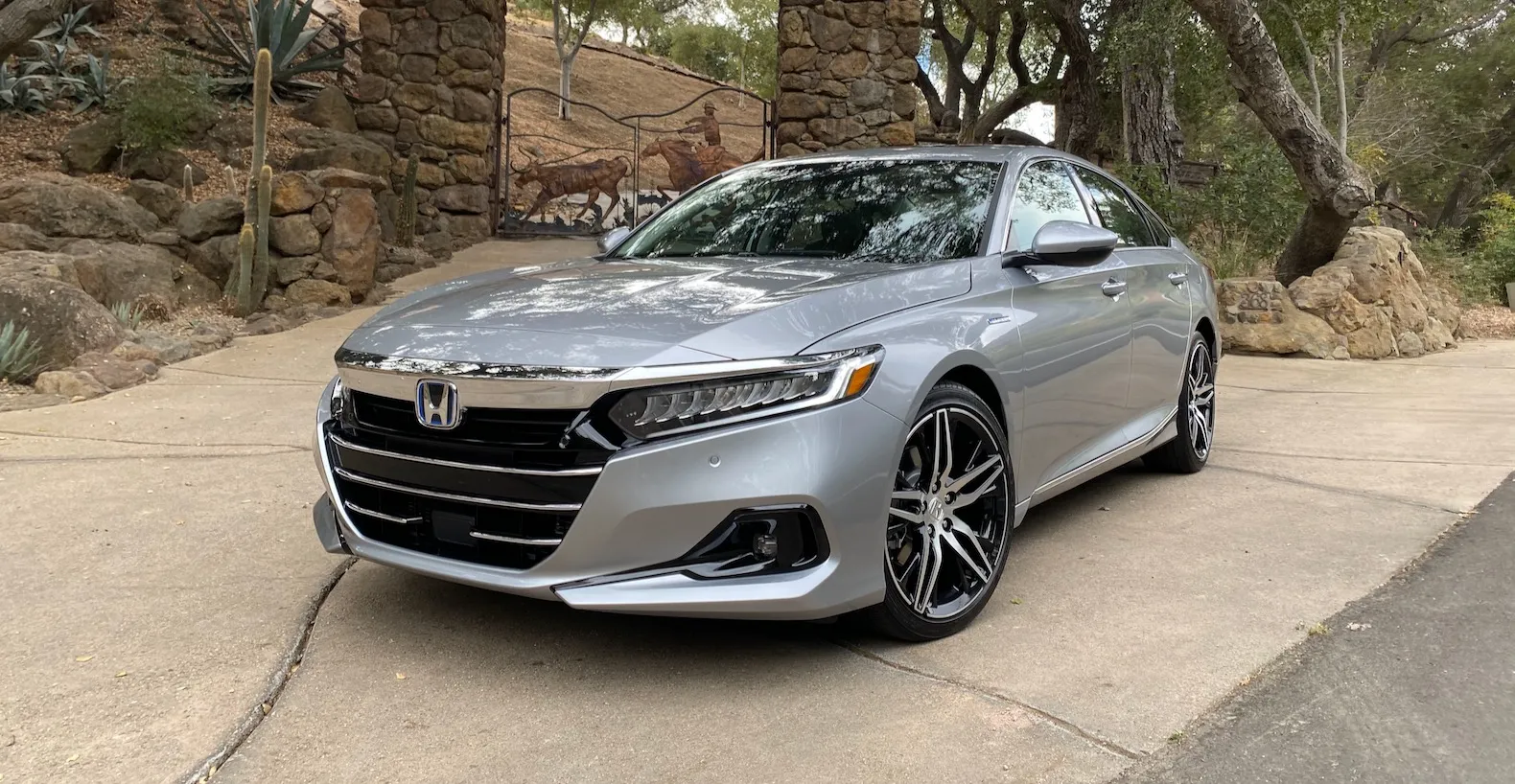
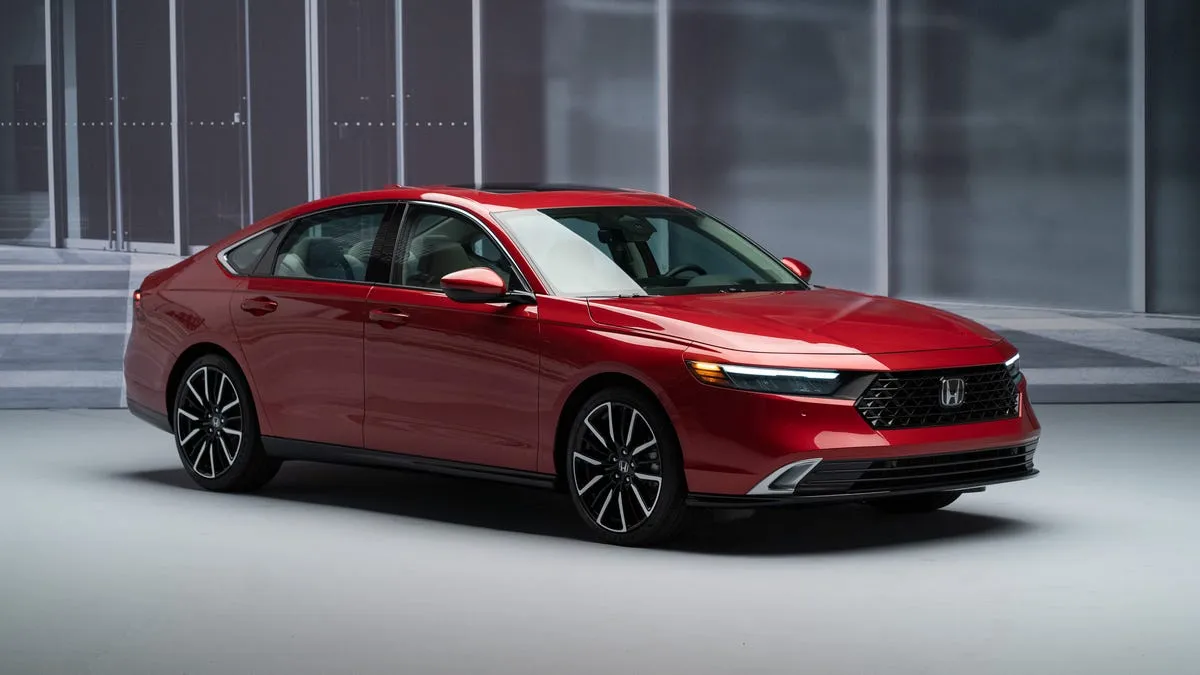
The Honda Accord Hybrid transforms conventional midsize sedans into an electrified experience that feels remarkably familiar. Driving begins with a simple push of the start button, and the engine’s silence at low speeds is almost imperceptible, giving the impression of a conventional Accord.
Honda’s hybrid system manages power distribution automatically, requiring no intervention from the driver. Acceleration remains smooth and responsive, thanks to the instant torque provided by the electric motor, making city stop-and-go driving both effortless and efficient.
Fuel efficiency in the Accord Hybrid reaches the upper forties on average, reducing trips to the gas station compared to older midsize vehicles. This contributes to long-term savings without imposing the need for home charging or careful energy planning.
Maintenance schedules remain straightforward, as Honda employs hybrid components with proven durability. Dealerships and independent workshops across the United States are well-versed in servicing these systems, ensuring that routine care does not become a burden.
Regenerative braking helps reduce wear on brake pads and rotors, extending their lifespan and lowering replacement costs over the life of the vehicle. Interior ergonomics emphasize familiarity over gimmicks.
Controls are logically placed, and the touchscreen interface remains intuitive, avoiding the complication sometimes found in newer hybrid interfaces. Ride quality remains smooth, with precise steering that enhances confidence when driving through congested streets or tight parking spots.
Performance remains consistent in varying climates, from cold winters to hot summers, without requiring special attention or modifications. Insurance premiums are moderate, reflecting the vehicle’s mainstream status, and parts availability is widespread, simplifying repairs and service.
Long-term reliability is a hallmark of the Accord, with many owners reporting trouble-free operation well beyond 150,000 miles. Resale values remain strong, reinforcing the practical economics of ownership. By eliminating the need for charging infrastructure and minimizing additional learning curves, the Honda Accord Hybrid demonstrates that electrification can integrate seamlessly into everyday life.
Drivers enjoy the benefits of reduced fuel costs, lower brake wear, and smooth, responsive driving without ever feeling as though they are adapting to a new technology. It combines efficiency with practicality in a way that keeps ownership simple and predictable.
Also Read: 5 Cars for Dover Commuters and 5 Highway-Ready Vehicles
3. Hyundai Tucson Hybrid
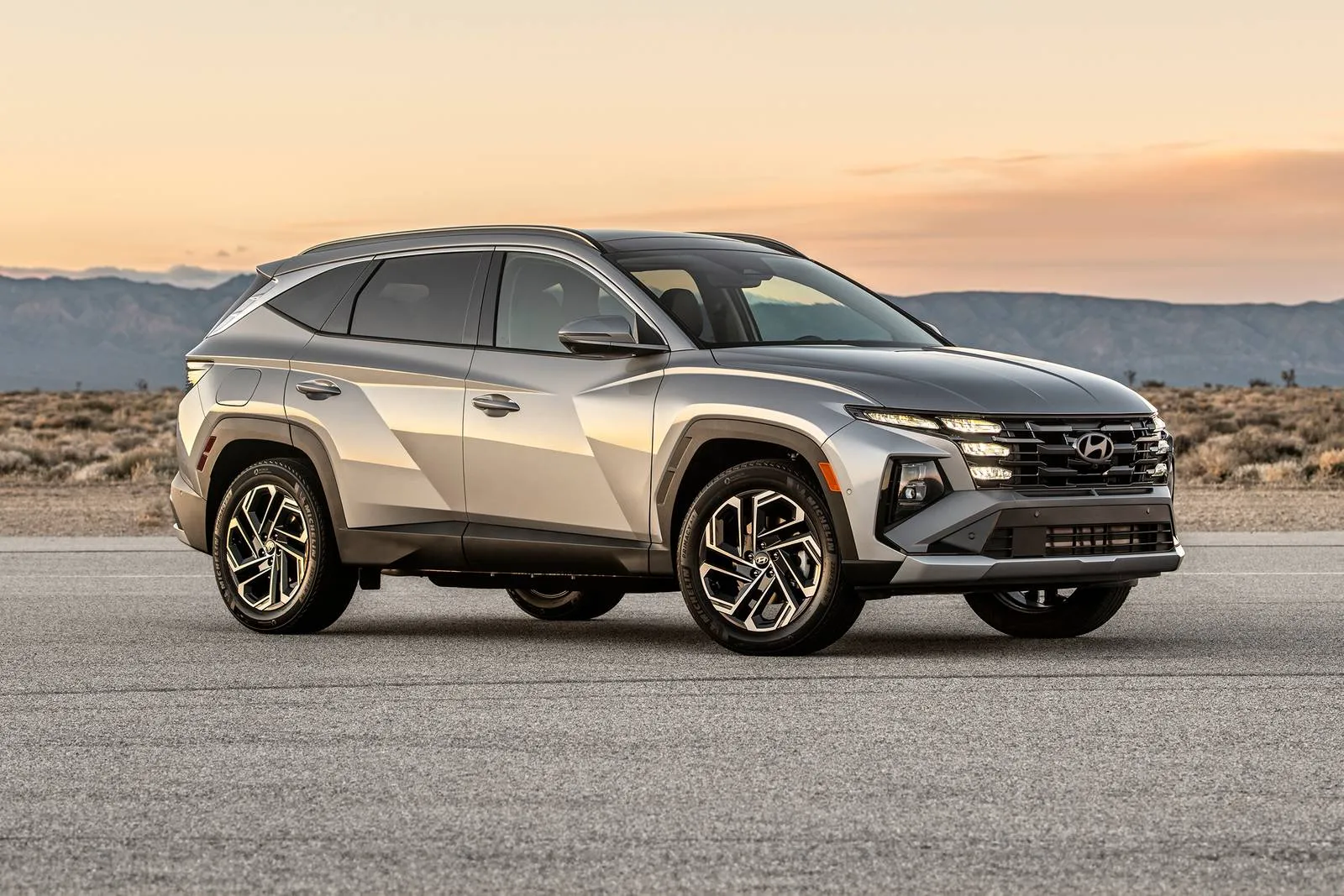
The Hyundai Tucson Hybrid delivers a compact SUV experience that combines comfort, utility, and electrified efficiency while remaining remarkably uncomplicated. Starting the vehicle requires only pressing the ignition button, and the hybrid system operates seamlessly in the background.
The transition between electric and gasoline power is imperceptible, allowing drivers to focus on the road rather than the technology managing power delivery. Acceleration remains smooth, with electric torque providing immediate responsiveness in urban settings and merging situations.
Fuel economy averages around 38 miles per gallon combined, translating into tangible savings without requiring specialized charging infrastructure. Drivers can travel longer distances with fewer stops at the gas station, making the Tucson Hybrid convenient for both daily commuting and longer trips.
Hyundai backs its hybrid system with an extensive warranty, covering the battery and hybrid components for several years, offering additional reassurance regarding long-term reliability and cost management.
Maintenance follows conventional schedules. Oil changes, tire rotations, and periodic inspections remain familiar, while hybrid components demand minimal attention. Regenerative braking reduces wear on pads and rotors, contributing to lower service costs.
The Tucson Hybrid’s cabin is thoughtfully designed, with intuitive climate controls, straightforward infotainment menus, and logical button placement. Physical controls remain accessible, preventing the sense of technological complication often associated with electrified vehicles.
Rear seats fold easily to accommodate cargo, and the available storage space can handle groceries, sports equipment, or luggage without difficulty. Ride comfort is strong, with suspension tuned to smooth uneven roads and steering light enough for city parking.
Cold-weather operation does not hinder performance, and the system reaches optimal temperature quickly to provide consistent power delivery. Insurance remains affordable for this mainstream compact SUV, while Hyundai’s expanding dealer network ensures service availability across the country.
The Tucson Hybrid proves that hybrid ownership can feel natural and accessible. Charging is never a consideration, and the vehicle behaves like a conventional SUV with the added benefit of lower fuel costs. It delivers reliability, comfort, and simplicity, allowing drivers to enjoy efficiency without compromise or additional learning curves.
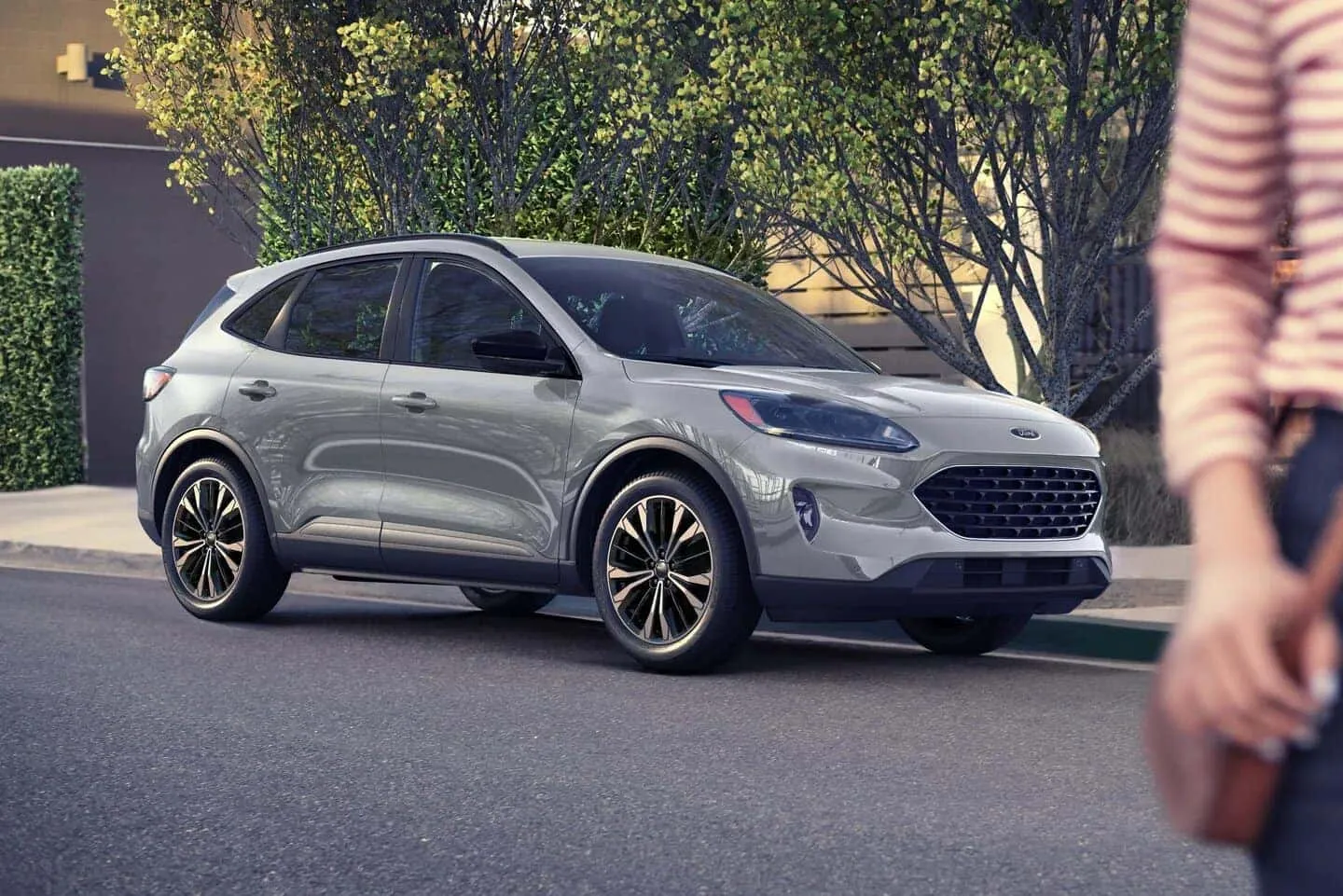
4. Ford Escape Hybrid
The Ford Escape Hybrid offers a compact SUV option that integrates hybrid efficiency with straightforward ownership, making electrified driving feel natural. Pressing the ignition button initiates operation, and the hybrid system immediately manages power delivery without requiring manual input.
Electric assistance provides smooth acceleration at low speeds, enhancing city driving without altering familiar vehicle dynamics. Drivers experience predictable handling and responsive steering, even in congested areas.
Fuel efficiency reaches the low forties in miles per gallon combined, allowing for reduced fuel consumption without introducing the need for home charging infrastructure. Maintenance remains uncomplicated, as the Escape Hybrid relies on established Ford hybrid technology.
Technicians across the United States are familiar with servicing these systems, and parts are widely available. Routine service, such as oil changes, tire rotations, and inspections, follows conventional schedules, keeping upkeep straightforward.
Regenerative braking plays a vital role in extending brake life, reducing wear on pads and rotors, and lowering long-term service expenses. Interior controls are logically arranged, with climate knobs and physical buttons that remain intuitive to operate.
Infotainment systems are approachable and simple, avoiding unnecessary difficulty or steep learning curves. Cargo capacity and rear-seat flexibility make the Escape Hybrid practical for daily errands, family use, or road trips, accommodating a range of items with ease.
The suspension provides comfort over rough surfaces, while steering remains light enough for easy parking and urban manoeuvring. The hybrid system performs consistently in varying temperatures, ensuring predictable behaviour during both cold winters and hot summers. Insurance rates remain moderate, and the resale value stays solid relative to other compact hybrids.
By combining familiar driving characteristics, low fuel costs, and minimal maintenance complications, the Ford Escape Hybrid integrates efficiently into daily routines. Charging is unnecessary, allowing drivers to operate the vehicle like a conventional SUV while benefiting from hybrid technology.
This model demonstrates that electrification can enhance fuel economy and brake life without adding complications or demanding a change in daily driving habits.
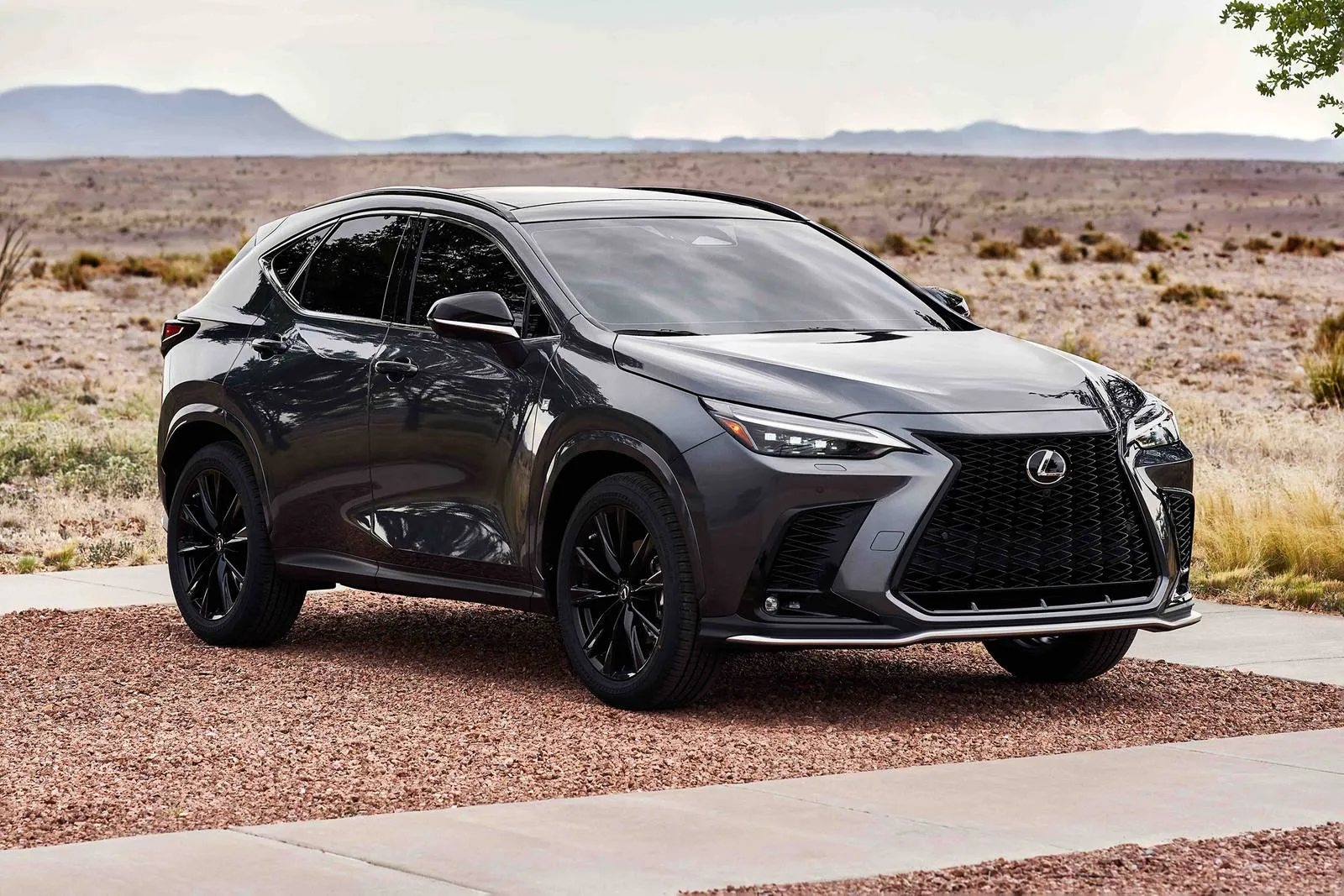
5. Lexus NX 350h
The Lexus NX 350h delivers a premium hybrid SUV experience while remaining approachable and easy to maintain. Start-up occurs with a simple push of the button, and the hybrid system operates silently when conditions allow.
Drivers encounter no unusual processes or learning curves, as the vehicle functions like a conventional gasoline-powered SUV. The combination of electric and gasoline power delivers smooth acceleration, enhancing urban driving and highway merging without abrupt transitions or surprises.
Fuel economy averages in the high thirties miles per gallon combined, reducing the frequency of refuelling stops while requiring no charging infrastructure. Lexus service schedules remain straightforward, and hybrid components demand minimal maintenance.
The brand’s reputation for durability ensures owners can expect reliable performance over the vehicle’s lifetime. Regenerative braking reduces wear on pads and rotors, lowering maintenance costs and extending component life. The interior exemplifies luxury with logically placed controls, intuitive infotainment, and premium, durable materials that retain their quality over years of use.
Ride comfort is refined, with minimal road noise and smooth suspension travel even on uneven surfaces. Dealer support remains among the best in the industry, providing consistent service and high levels of customer care. Cold and hot weather performance is consistent, demonstrating the system’s reliability across a range of conditions.
Insurance reflects luxury pricing, yet it remains reasonable relative to vehicles in this class. Cargo space is functional, rear seats fold easily, and the cabin layout supports both everyday commuting and extended trips. Resale value continues to benefit from Lexus’s strong brand reputation and the hybrid system’s proven durability.
By combining premium comfort, fuel efficiency, and simplified operation, the Lexus NX 350h offers a hybrid experience that feels entirely familiar to drivers. Ownership avoids added complications, allowing owners to enjoy the benefits of electrification without altering established routines. It demonstrates that efficiency and refinement can coexist without compromising ease of use or reliability.
5 Vehicles That Feel Complicated
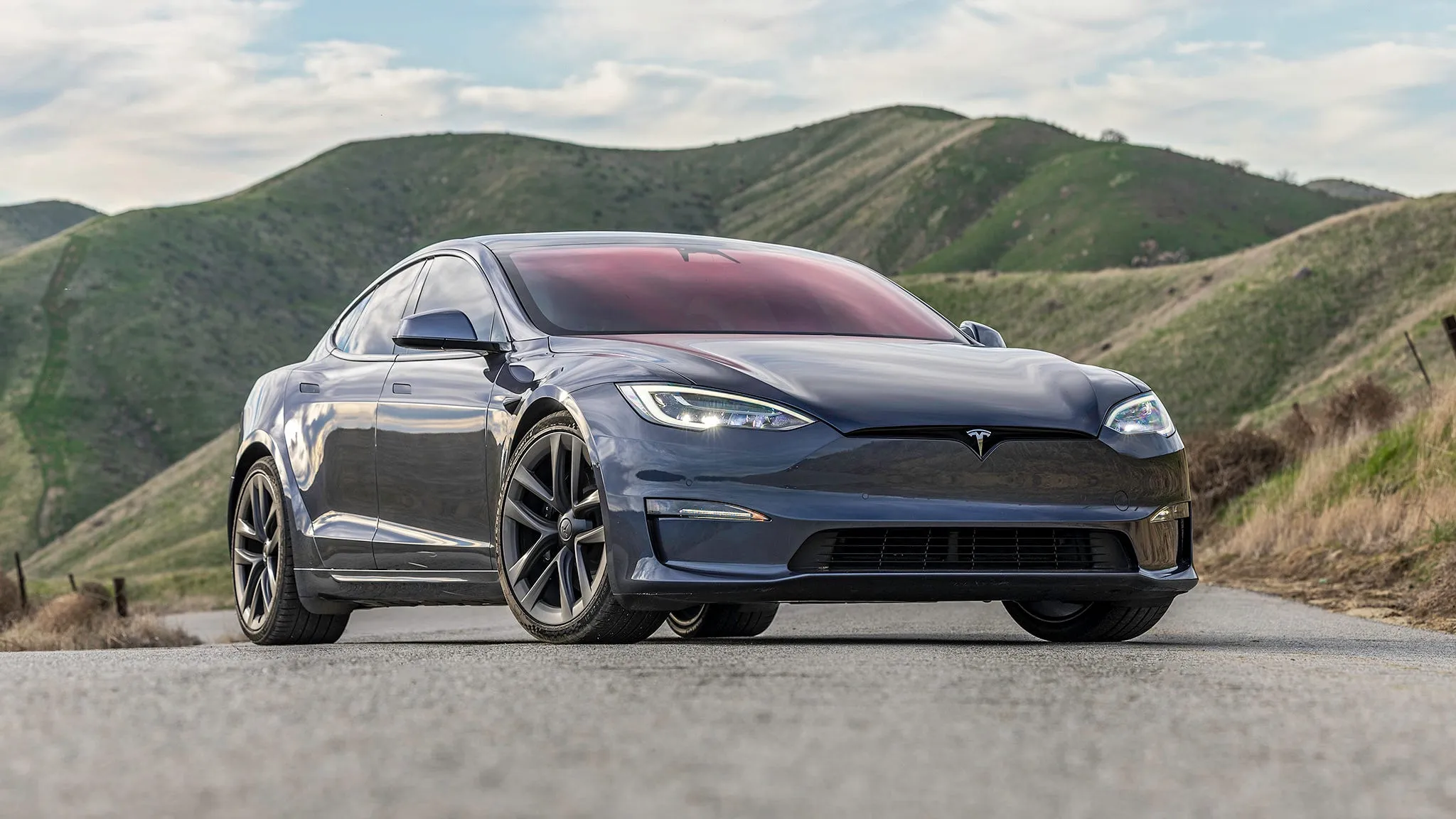
1. Tesla Model S
The Tesla Model S offers impressive performance and cutting-edge technology, but ownership can feel complicated for some drivers. At first glance, the electric driving experience feels straightforward. You plug in, select the drive, and accelerate with instant torque. However, layers of software, updates, and app-based controls introduce complications beyond traditional vehicles.
Many functions are controlled through a large central touchscreen. Basic operations like adjusting climate settings, controlling mirrors, or changing suspension height often require menu navigation rather than physical buttons. Owners must learn the interface to operate everything efficiently, which can feel overwhelming for new users or those accustomed to conventional controls.
Charging is convenient at Tesla Superchargers, yet managing home charging setups, adapter compatibility, and software updates requires planning. Trips longer than the local range require route planning through the Tesla navigation system, which integrates charging stops but can add mental load compared to traditional gas refueling.
Frequent over-the-air updates can alter features, handling, or display layouts unexpectedly. Some drivers appreciate the continuous improvement, but others feel they must relearn elements of their car regularly. Certain software updates have historically caused temporary glitches, which can be unsettling.
Service can also be less familiar. Tesla service centers are concentrated in urban areas, and repairs often require mobile service visits. Body and panel work may need scheduling weeks in advance, making maintenance less convenient than traditional vehicles with widespread dealerships.
Resale values remain strong, yet buyers must consider the technology learning curve as part of ownership. Insurance costs can also be higher due to repair difficulties and repair times. Despite these hurdles, performance, acceleration, and futuristic features remain unmatched in many ways.
Drivers who embrace the digital-first interface enjoy autopilot, over-the-air updates, and advanced connectivity. Yet for individuals seeking simplicity, Tesla ownership demands attention, adaptation, and a willingness to manage a tech-forward vehicle rather than a plug-in replacement for a traditional car.
The Model S is for those who appreciate innovation and do not mind occasional learning curves or digital management. Its complications can be part of the thrill, but it is not a hands-off ownership experience.
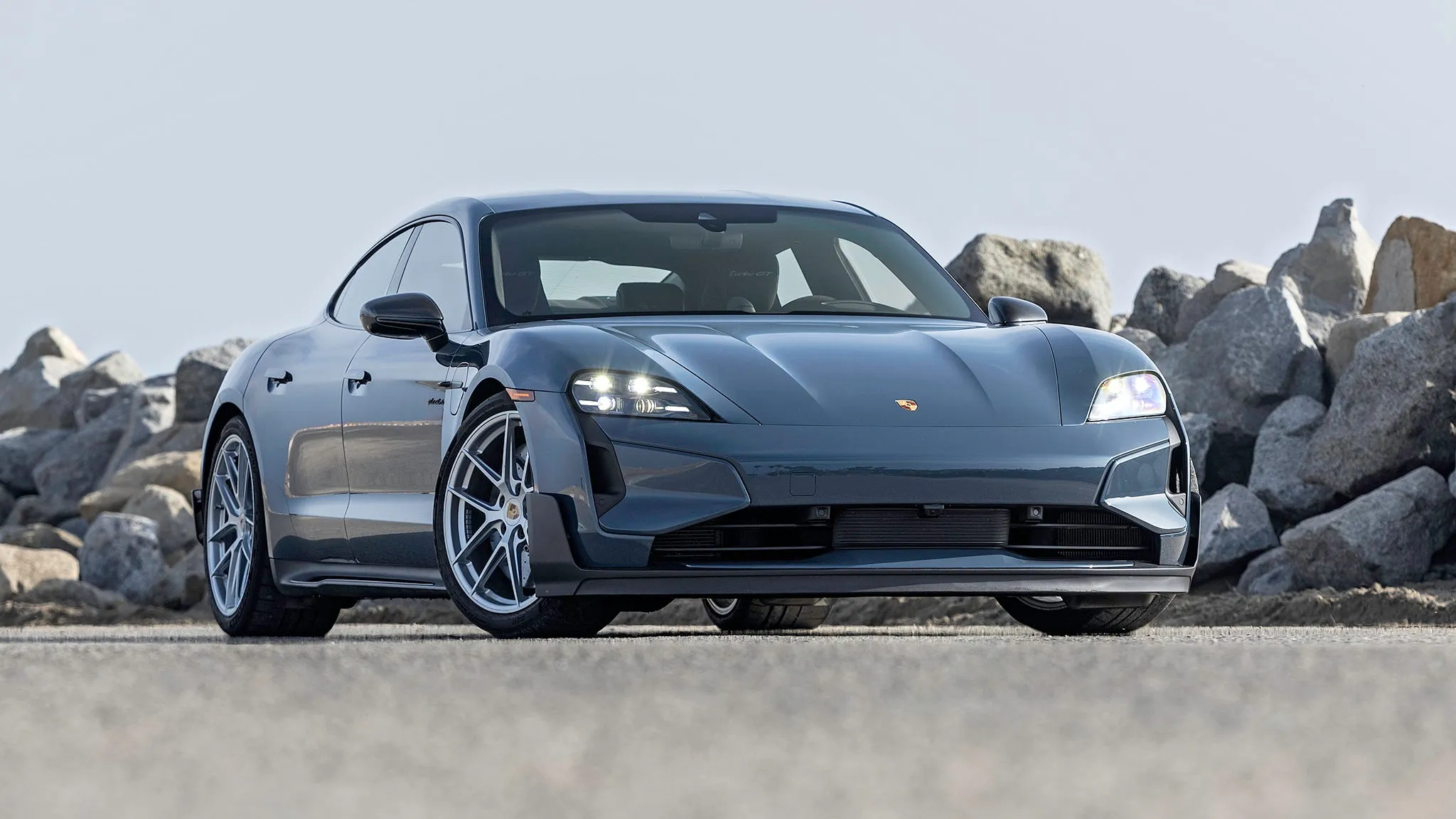
2. Porsche Taycan
Porsche Taycan delivers high-voltage thrills, yet owning one can feel intricate compared to simpler electric vehicles. The driving experience is exhilarating, with instant acceleration and finely tuned chassis dynamics, but several systems add layers that require attention.
Interior controls combine physical buttons with multiple touchscreens, some of which overlap in functionality. Adjusting drive modes, energy settings, and infotainment often involves driving through several menus, which can be less intuitive for drivers used to a single interface. Learning the locations of critical settings like regenerative braking or adaptive cruise, takes time.
Charging management introduces further complications. Taycan supports high-speed charging, but infrastructure remains less widespread than gasoline or hybrid networks. Owners need to monitor compatible DC fast chargers, account for cable types, and plan trips carefully to avoid low battery situations.
Software updates improve performance but occasionally modify controls or add features that take time to understand. Regenerative braking is adjustable in multiple stages, offering energy recovery efficiency but also requiring trial-and-error to feel natural in urban driving.
Maintenance also requires expertise. Porsche-trained technicians are necessary for electrical system work, and service centers are concentrated in larger cities. Parts for high-performance EV components can take longer to obtain than standard hybrids, leading to potential scheduling challenges.
The driving experience justifies the learning curve. Taycan feels precise, stable, and fast, making it rewarding for enthusiasts. Cabin materials, build quality, and quiet operation reinforce its premium character. However, unlike simpler electronics, drivers cannot just plug in and forget about planning energy management, charging strategy, or system settings.
Insurance and repairs reflect the vehicle’s high-performance status. Tires, brakes, and battery care require vigilance, especially for those driving enthusiastically. For drivers who enjoy high-end EV technology and are comfortable with multiple screens, adjustable settings, and charging strategies, the Taycan delivers.
For individuals seeking uncomplicated daily ownership, the Taycan’s systems demand attention, planning, and learning, making it more sophisticated than seamless.
3. BMW iX
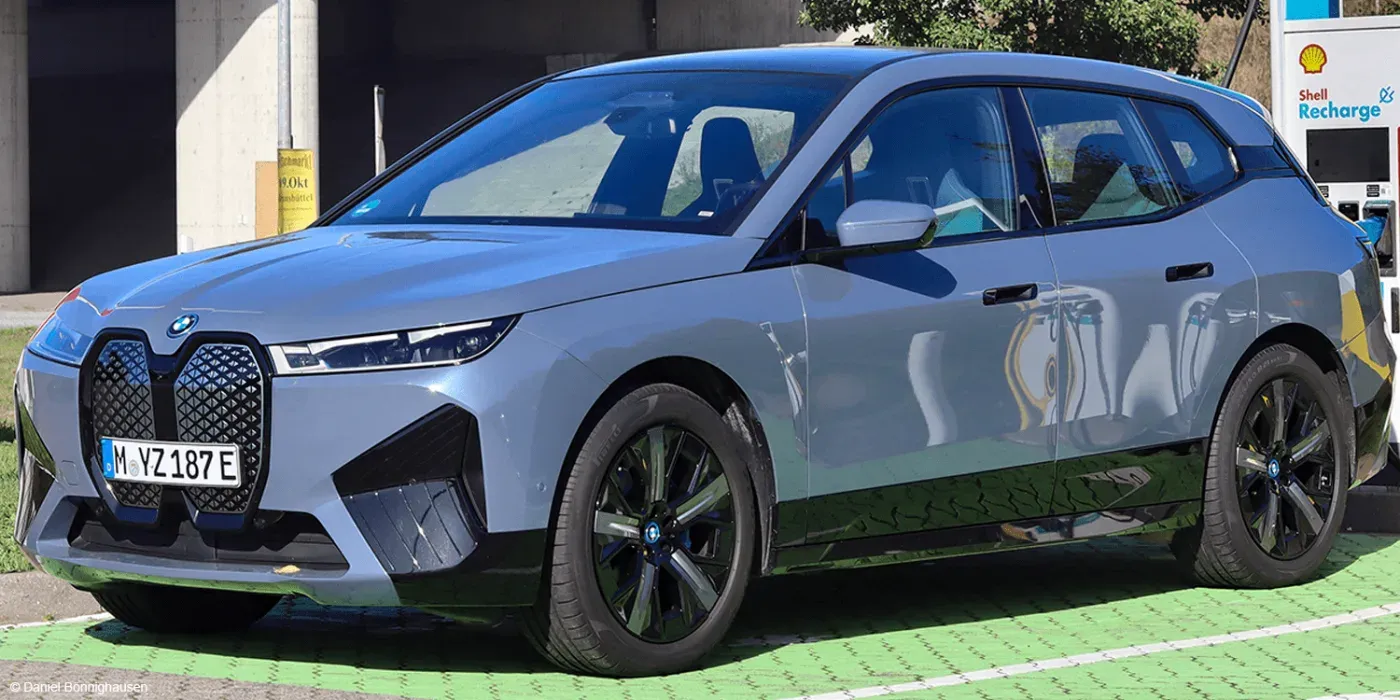
BMW iX offers advanced luxury and high-tech features, yet some owners find it complicated compared to simpler electrified SUVs. The futuristic interior relies heavily on touch controls, gestures, and digital dashboards that can feel unintuitive at first. Basic adjustments often require navigating menus rather than tactile buttons, adding cognitive load during daily drives.
Energy management requires awareness. While the iX offers an impressive range, drivers must monitor charging options, schedule stops for long trips, and understand the effects of climate settings and driving modes on battery consumption. Not all public chargers are compatible with the vehicle’s high-voltage system, so route planning becomes an ongoing consideration.
Regenerative braking can be customized in multiple ways, and while that flexibility improves efficiency, it also demands learning and adaptation to achieve optimal results. Unlike plug-in hybrids, which behave more like conventional vehicles, full EV operation relies on understanding how speed, energy consumption, and climate control affect range.
Maintenance can feel unfamiliar. High-voltage systems require specialized technicians. Certain features, like advanced driver assistance or digital integration, require software familiarity. Over-the-air updates occasionally change settings or introduce features that need time to master.
Driving the iX is luxurious and engaging. Acceleration is smooth and powerful, and the interior is quiet with premium materials. Cabin tech offers gesture recognition, digital displays, and infotainment integration, but these features can overwhelm new users.
Insurance can be expensive due to replacement part costs, and battery longevity requires careful monitoring. Tesla-style app integration provides convenience but introduces more digital layers to learn.
For technology enthusiasts who enjoy control and customization, iX ownership is rewarding. For those seeking a simple plug-in and drive experience, the multiple layers of controls, charging awareness, and system management make it more complicated than expected.
4. Lucid Air
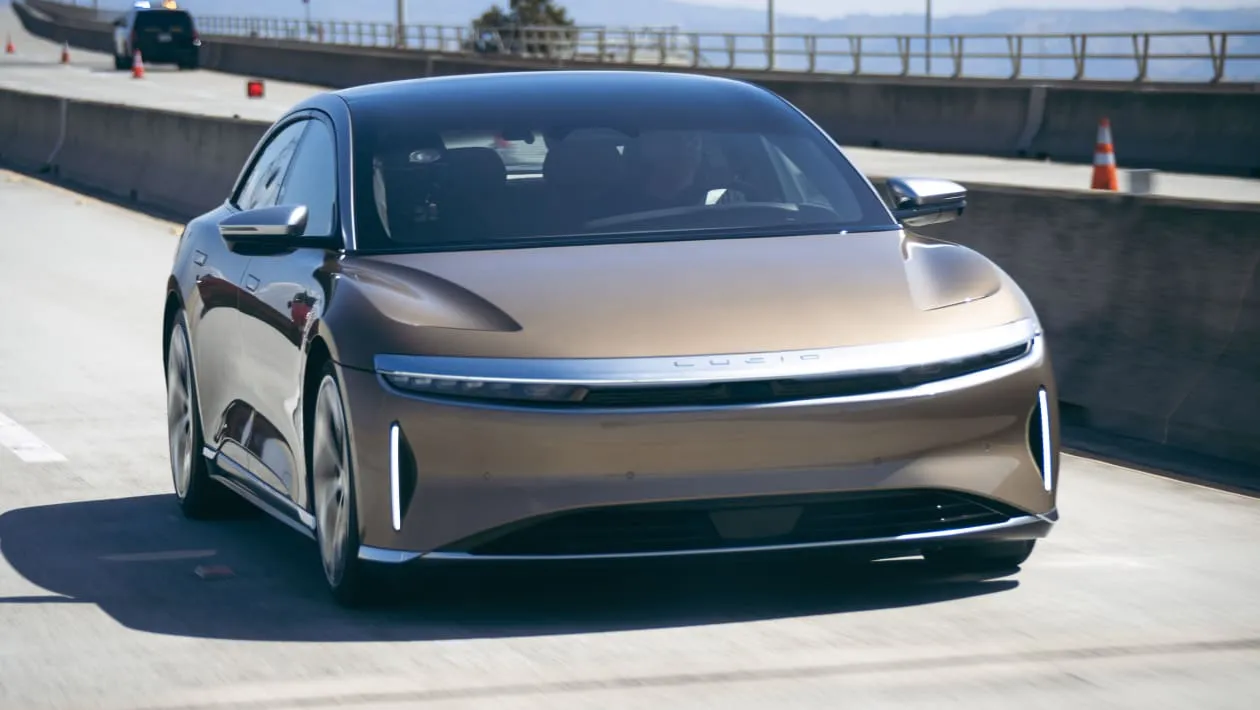
The Lucid Air impresses with long-range capability, high power output, and a premium interior. Yet the experience of owning one feels intricate for everyday drivers. Unlike traditional electronics, the Air integrates numerous touch surfaces and digital controls, many of which replace conventional buttons. Climate, seat settings, and even lighting adjustments often require screen navigation, which can slow daily interactions.
Charging requires attention. While long-range capability reduces frequency, trip planning still involves finding compatible high-speed chargers. The proprietary charging system adds convenience in some areas but limits flexibility outside the supported network.
Software updates alter features and layouts, sometimes requiring owners to relearn control positions. Regenerative braking modes are adjustable but demand experimentation to find settings that feel natural.
Maintenance is highly specialized. Lucid-trained technicians handle battery health, high-voltage systems, and drivetrain components. Service centers are limited to larger cities, which can delay repairs or routine inspections.
Driving is exhilarating. Instant torque, quiet operation, and refined suspension deliver a premium experience. Interior materials and design create a futuristic ambiance, yet interacting with multiple screens and modes adds mental load for basic tasks.
Insurance and repair costs reflect the vehicle’s advanced systems. Tires, brakes, and high-voltage battery components require careful attention. Owners report that initial excitement may give way to the realization that the car demands awareness, planning, and digital interaction for efficient and safe operation.
Lucid Air is perfect for drivers who embrace technology and enjoy customizing every aspect of their vehicle. Those seeking simple, predictable ownership will need patience to master its layered systems.
Also Read: 5 Cars for Covina Daily Driving and 5 Low-Maintenance Vehicles
5. Rivian R1T
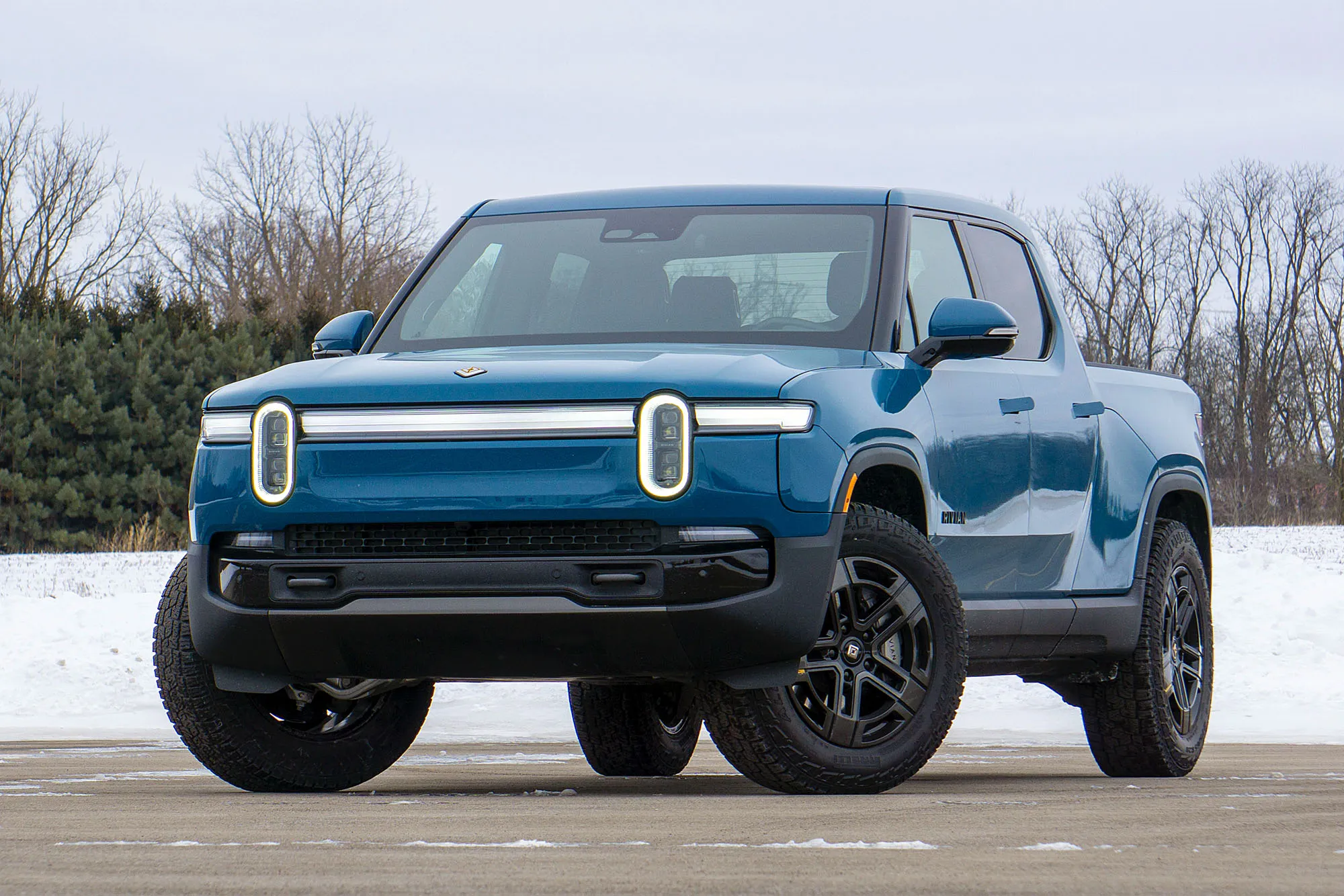
Rivian R1T provides rugged capability with electric performance, but its ownership experience can be demanding. From the start, drivers encounter a mix of physical and digital controls that require learning. Vehicle settings, driving modes, and bed operation often rely on touchscreen inputs rather than intuitive switches.
Charging adds complexity. While range is impressive, the electric truck requires compatible fast chargers, planning long trips around availability, and understanding battery management. Off-road features, adjustable suspension, and drive modes provide versatility, yet require awareness for optimal use.
Service remains limited. Rivian service centers are concentrated in select cities, and roadside assistance for complex EV components is less widespread. Repairs can take longer than conventional pickups, adding planning to routine maintenance.
Regenerative braking requires experimentation to achieve a comfortable pedal feel. Tire wear and brake integration must be monitored closely because of the vehicle’s weight and torque.
Interior tech feels futuristic. Touchscreens, digital instrument clusters, and app integration offer customization but increase the learning curve. Features like gear selection, truck bed adjustments, and towing systems are electronically managed, requiring interaction to operate effectively.
R1T’s performance and capability remain impressive. Instant torque, adaptive suspension, and off-road readiness provide a premium driving experience. Yet the multiple layers of electronic management mean the vehicle demands attention that conventional trucks or simpler EVs do not.
Owners who enjoy experimenting with software, exploring terrain modes, and embracing technology will find the R1T rewarding. Drivers who want straightforward plug-in-and-go ownership may find its digital, multi-system setup adds stress rather than convenience.
