
For many American drivers, the workweek and the weekend demand very different things from a car. Monday through Friday often means short city trips, traffic lights, tight parking spaces, potholes, and stop-and-go congestion.
Come Saturday morning, that same vehicle might be expected to cruise effortlessly at highway speeds for two or three hours, carry luggage, remain comfortable, and still return respectable fuel economy. Not every car handles that transition well.
Some vehicles are genuinely versatile, engineered to feel relaxed in the city while staying planted, quiet, and efficient on the open road.
Others, however, reveal their weaknesses the moment the driving environment changes. A car that feels nimble in urban traffic may become tiring at 75 mph, while a highway cruiser can feel oversized, inefficient, or frustrating downtown.
This list looks at five cars that strike the right balance for weekend city-to-highway use and five that struggle to adapt, often for reasons buyers don’t anticipate until they live with them.
Cars That Handle Weekend City-to-Highway Use Well
Weekend drives often demand a unique blend of versatility: cars need to be nimble enough for city streets yet composed and comfortable at highway speeds. Vehicles that excel in this dual environment make running errands, commuting, or heading out for a weekend getaway feel effortless.
From smooth acceleration and precise steering to comfortable cabins and stable handling, the best city-to-highway performers strike a balance between practicality and driving enjoyment. This article highlights the cars that manage that balance exceptionally well, giving drivers confidence whether they’re weaving through traffic or cruising on the open road.
1. Toyota Camry
The Toyota Camry has quietly mastered the art of being good at everything without drawing attention to itself. In the city, its steering is light, visibility is solid, and the suspension filters out rough pavement better than many competitors.
You don’t feel like you’re wrestling the car through tight streets or crowded parking lots. Acceleration is smooth rather than aggressive, which makes stop-and-go traffic less stressful.
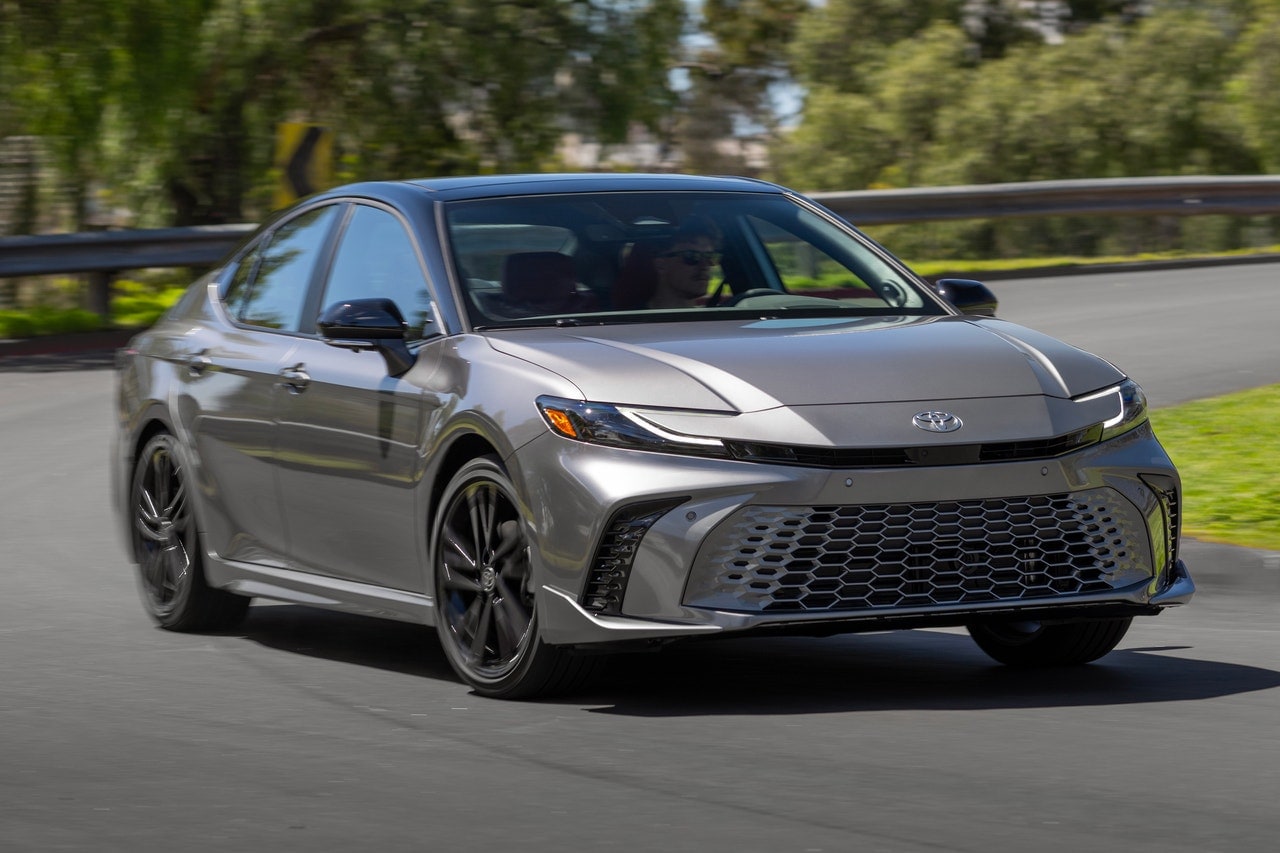
On the highway, the Camry settles into a calm, stable cruiser. Road noise is well controlled, the ride remains composed over expansion joints, and fuel economy stays strong even at sustained speeds.
The Camry’s powertrain doesn’t need to work hard to maintain momentum, which translates into a relaxed driving experience over long distances.
It’s not exciting, but that’s exactly why it works so well for people who want one car that handles weekday errands and weekend escapes equally well.
2. Honda CR-V
The Honda CR-V is a prime example of how a compact crossover can outperform expectations in mixed driving. In the city, its upright seating position provides excellent outward visibility, making lane changes and parking easier than in many sedans.
The steering is predictable, the turning radius is manageable, and the ride height helps absorb poor road surfaces common in urban areas.
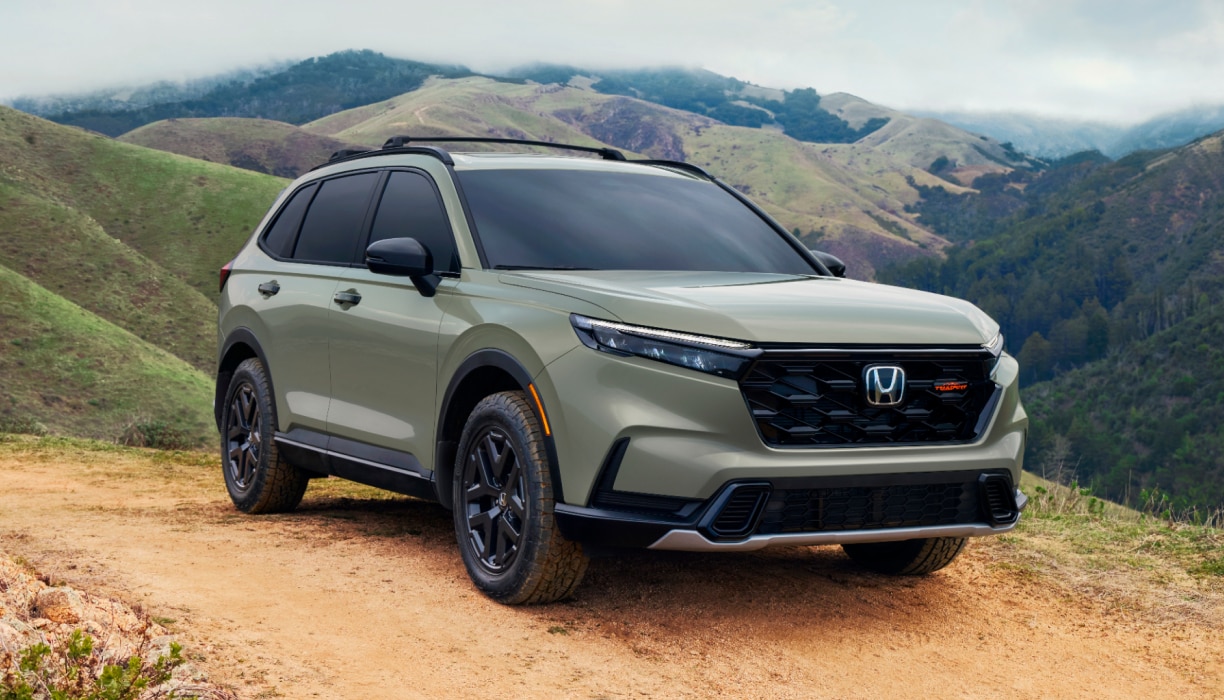
Where the CR-V really shines is on weekend highway trips. It remains stable at speed, resists crosswinds better than older compact SUVs, and offers enough cabin space to comfortably carry passengers and cargo.
The engine is tuned for efficiency rather than speed, but it delivers power smoothly and consistently. For drivers who want one vehicle that feels just as natural in downtown traffic as it does cruising between cities, the CR-V hits a sweet spot.
The 2023 Honda CR-V arrives with a complete redesign, both inside and out, aimed squarely at dominating the fiercely competitive compact-SUV segment.
Under the hood, a 190-hp turbocharged four-cylinder engine comes standard, while a 204-hp hybrid powertrain is offered as an option, reviewed separately. The turbo-four can be paired with either front- or all-wheel drive, delivering a ride that’s comfortable and composed, if not particularly sporty.
The sixth-generation CR-V brings a host of improvements: larger overall dimensions, updated exterior styling, a roomier and more refined interior, and upgraded features. Honda retuned the standard turbo-four engine for better responsiveness and efficiency, while the CVT and all-wheel-drive system have also been enhanced compared with the previous generation.
The 2023 Honda CR-V ranges from $29,760 to $35,060, depending on trim and options. The LX, EX, and EX-L trims are gas-only, while higher trims are hybrid-exclusive. While the CR-V Hybrid impresses with stronger performance and fuel efficiency, the EX-L stands out among the nonhybrid models thanks to leather upholstery, a power tailgate, and a larger touchscreen.
All 2023 CR-V models feature a 190-hp turbocharged 1.5-liter four-cylinder paired with a CVT and either front- or all-wheel drive. In our testing, the nonhybrid EX-L sprinted from 0 to 60 mph in 8.1 seconds, slightly slower than the hybrid and modest for its class.
Under heavy acceleration, the engine can drone noticeably, though hill-descent control provides added security on steep or slippery declines. Most CR-Vs roll on 18-inch wheels. While it doesn’t deliver the handling excitement of competitors like the Mazda CX-50 or Volkswagen Tiguan, the CR-V provides a smooth, confident ride with enough pep to keep daily driving far from boring.
3. Mazda3
The Mazda3 is often overlooked because of its compact size, but it punches well above its weight for mixed city-to-highway use. Around town, it feels agile and easy to place, making narrow streets and tight parking garages less intimidating.
The controls are responsive without being twitchy, which gives the car a refined, confidence-inspiring feel even at low speeds.
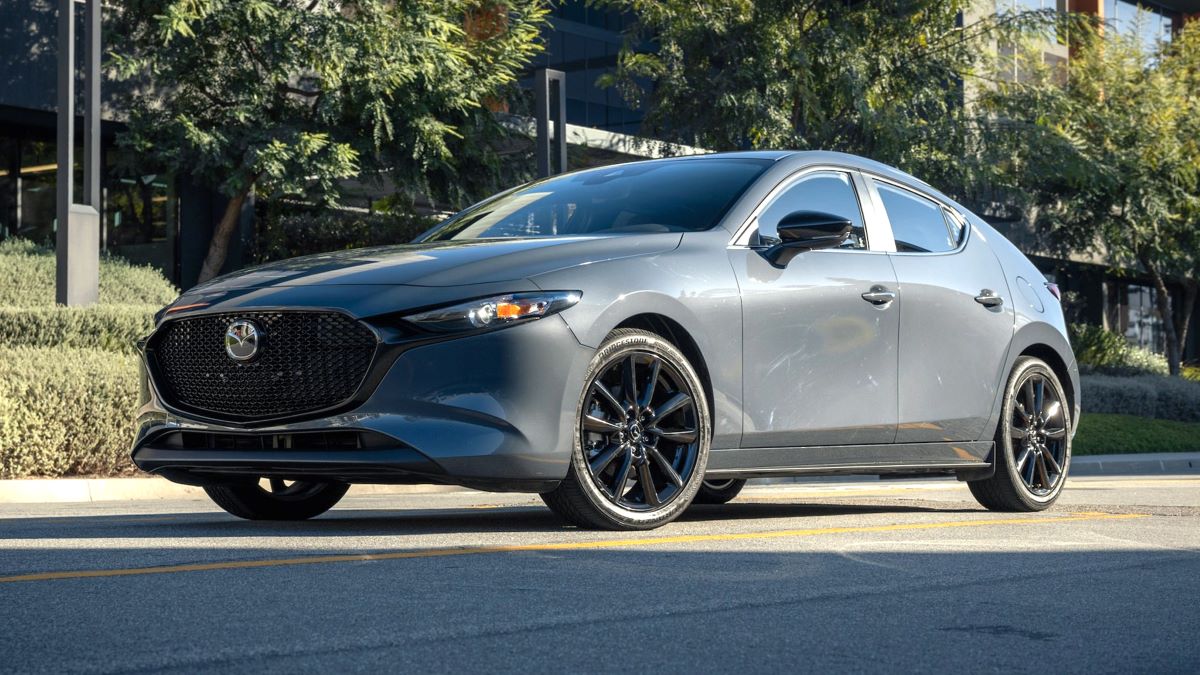
On the highway, the Mazda3 surprises many drivers. The cabin is quieter than expected, the suspension remains composed over long stretches, and the steering maintains a solid, planted feel at higher speeds.
It doesn’t feel like a small car straining to keep up with traffic. For solo drivers or couples who want a car that feels premium without being large or expensive, the Mazda3 adapts seamlessly to both environments.
Mazda has long emphasized exceptional driving dynamics, and the Mazda 3 continues that tradition. When the road curves, the 3 remains composed, offering handling that is both confidence-inspiring and comfortable. The car feels balanced, responds readily to directional changes, and maintains control through corners, while the steering is quick, precise, and communicative.
Under the hood, the standard 2.5-liter four-cylinder engine delivers smooth and eager power from the outset, really coming alive in the midrange. Freeway merges are effortless, and in Edmunds’ testing, our all-wheel-drive Mazda 3 sedan accelerated from 0 to 60 mph in a respectable 8.3 seconds.
For those seeking more performance, the optional turbocharged 2.5-liter engine significantly ups the ante. In our track test of the hatchback, it slashed the 0-60 mph time to 6.1 seconds. The engine is refined, with plentiful, readily available thrust—just a light nudge of the throttle allows effortless passing and smooth freeway merging.
Mazda has achieved a sporty, premium driving experience without sacrificing comfort. Supportive front seats and a quiet cabin make highway cruising pleasant. That said, our test car’s air-conditioning seemed underpowered, and some drivers noted the seat’s head restraint as slightly intrusive.
Designed with sportiness in mind, the Mazda 3 features a well-controlled suspension that limits body roll. While this results in a slightly firmer ride than some competitors, the suspension remains compliant enough to absorb bumps and irregularities in the pavement effectively, keeping the ride composed without compromising on engagement.
4. Subaru Outback
The Subaru Outback is built for versatility, and that shows clearly in weekend driving scenarios. In city settings, it doesn’t feel as bulky as its wagon-SUV styling might suggest.
The ride is compliant, the controls are intuitive, and the higher ground clearance helps navigate uneven streets, steep driveways, and winter-damaged pavement common in many US cities.
Once on the highway, the Outback becomes a confident long-distance companion. Its stable chassis and comfortable seats reduce fatigue, while its all-wheel-drive system provides added confidence in changing weather conditions.
Whether the weekend involves visiting family in another state or heading toward rural areas, the Outback maintains comfort and control without demanding constant attention from the driver.
The Subaru Outback has long built its reputation as a practical, go-anywhere wagon with SUV styling, standard all-wheel drive, and a flat-four engine under the hood.
The model shakes up that formula with a new mid-size SUV body style, which from some angles still hints at its station-wagon roots. While the familiar sloped-roof design is gone, the new squared-off silhouette comes with benefits: Subaru says the raised, flatter roofline creates more interior space for passengers and cargo.
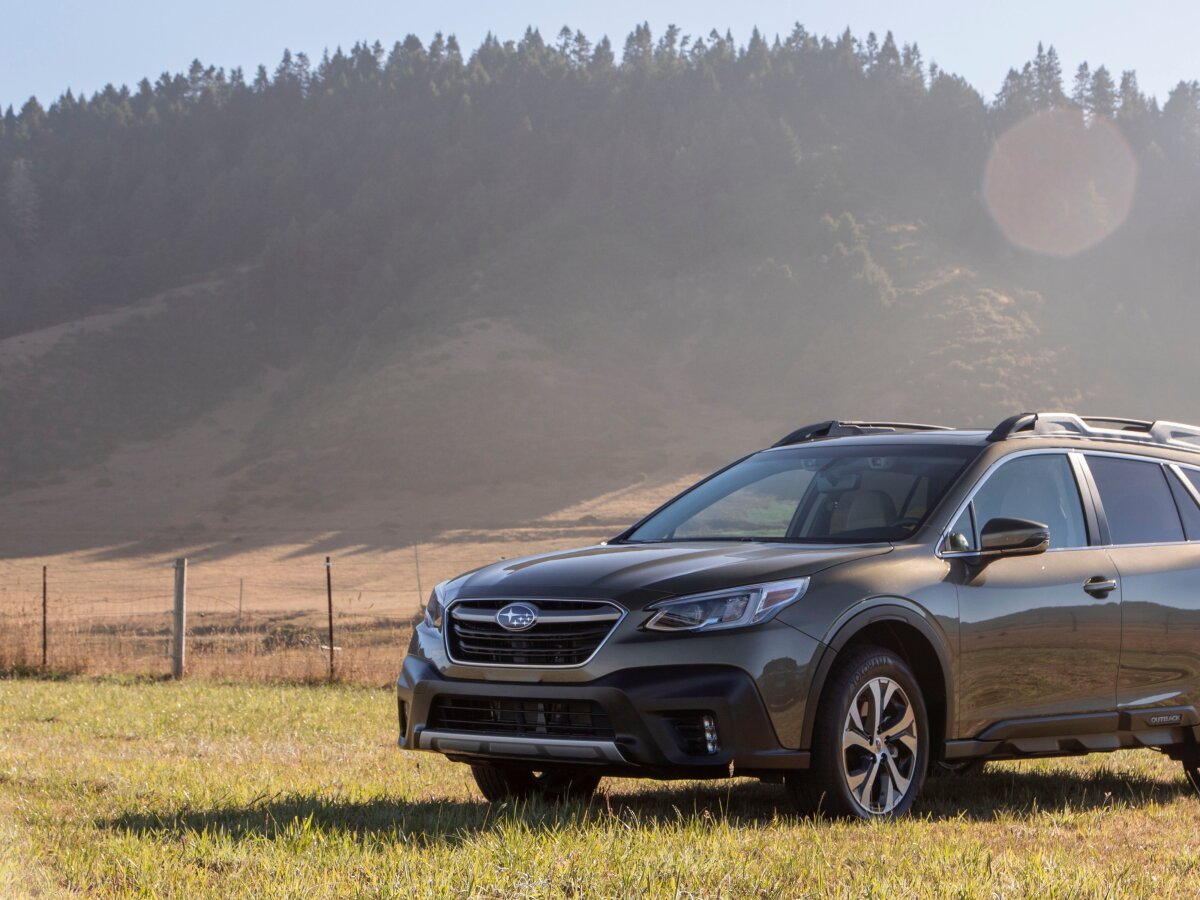
The cabin has also been refreshed with modern styling and updated tech, giving it a contemporary feel while retaining the practicality that made the Outback an enduring favorite. Only time will tell if this redesigned, boxier Outback proves as resilient and appealing as its predecessors.
The Outback features a full redesign, introducing a two-row mid-size SUV body along with a reworked interior that incorporates sleeker styling and updated infotainment options.
The base Outback starts at $36,445, with trims extending up to $49,445. Our pick is the Limited XT, which offers in-dash navigation, a Harman/Kardon stereo, heated steering wheel, wireless smartphone charging, and a sunroof, along with the more powerful turbocharged 2.4-liter engine found in the XT trims.
The Outback comes with two four-cylinder engines: a standard 180-hp 2.5-liter and an optional 260-hp turbocharged 2.4-liter, the latter standard on the Wilderness trim. Both engines use a continuously variable automatic transmission (CVT) and come with standard all-wheel drive, 8.7 inches of ground clearance, and selectable variable-terrain modes.
The Wilderness trim adds extra clearance, rugged all-terrain tires, and off-road exterior styling for serious trail use. In our drives, the standard Outback felt comfortable and quiet but suffered from numb steering and loose handling. The base engine feels sluggish, while the turbo adds responsiveness, though the CVT can be jerky under heavy acceleration.
5. Hyundai Elantra
The Hyundai Elantra has evolved into a smart choice for drivers who split time between urban commutes and highway travel.
In the city, it feels light and manageable, with good fuel efficiency that minimizes frequent fill-ups. Its steering and braking are tuned for predictability, making daily driving easy rather than demanding.
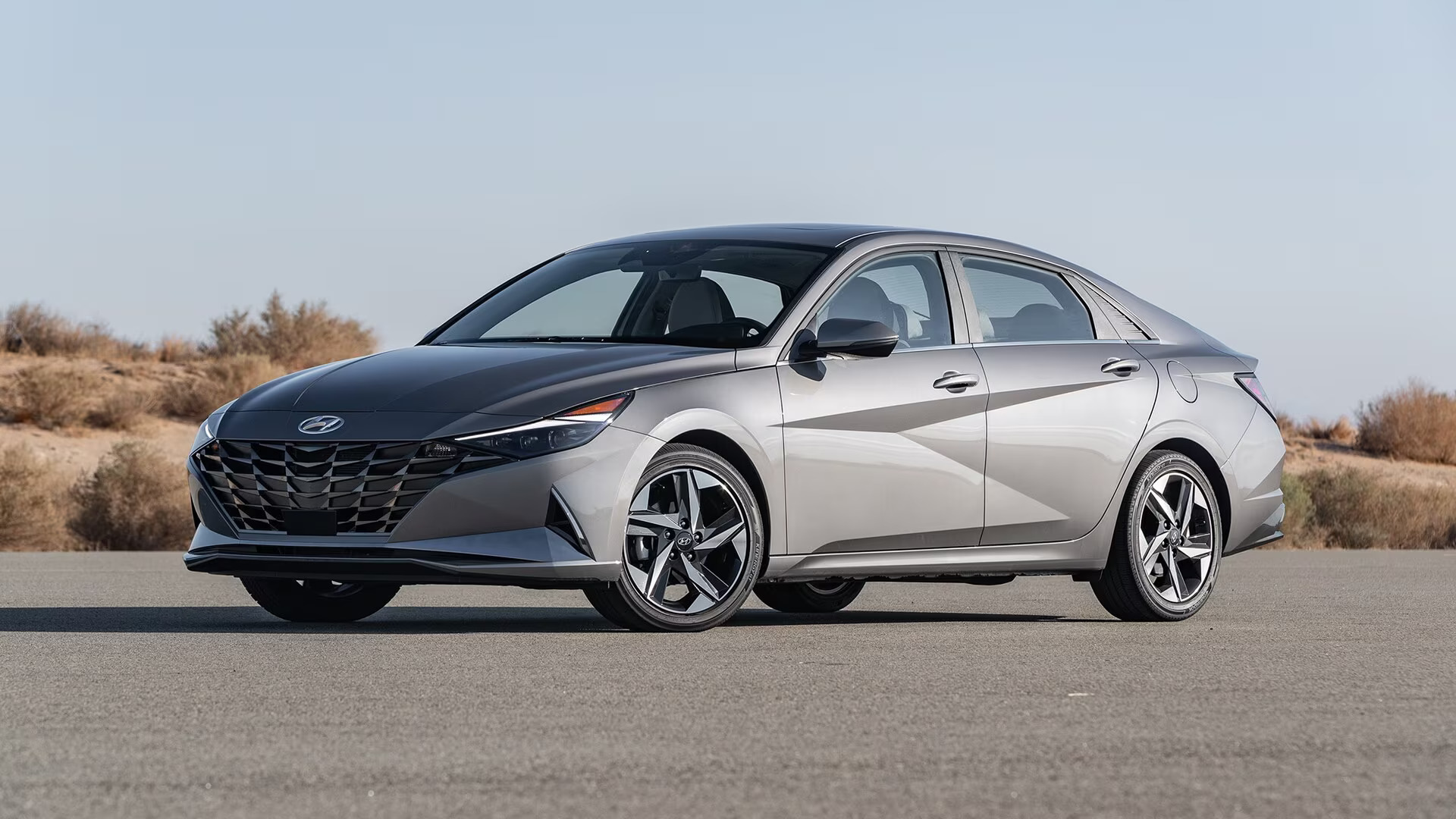
On the highway, the Elantra remains composed and stable, with enough sound insulation to prevent fatigue during longer trips. The car doesn’t feel overwhelmed by sustained speeds, and its fuel economy often improves during highway cruising.
For budget-conscious buyers who still want a car that doesn’t feel out of its depth on weekend road trips, the Elantra delivers consistent, stress-free performance.
The base four-cylinder engine in the Elantra is underwhelming in terms of power. Our Elantra took 9.4 seconds to reach 60 mph, a pace that falls below the average for small sedans. While not disastrous, accelerating for highway merges or passing other vehicles can feel laborious.
Power is routed through a continuously variable automatic transmission (CVT) tuned by Hyundai for fuel efficiency. This setup isn’t particularly thrilling for spirited driving, but under normal conditions it delivers a smooth experience with only a touch of the droning noise often associated with CVTs.
In other areas, the Elantra is fairly average. Cornering is handled competently for a small sedan, with predictable behavior and stability over bumps. However, drivers seeking a sportier experience will want the N Line, which features a sport-tuned suspension designed to elevate handling dynamics.
Cars That Struggle With Weekend City-to-Highway Use
Weekend drives often demand a balance of city agility and highway composure, but not every car is up to the task. Some vehicles feel sluggish merging onto fast-moving roads, transmit every bump through the suspension, or simply lack the responsiveness needed for a confident drive.
In this article, we highlight cars that struggle to deliver a smooth, engaging experience when your weekend plans take you from stop-and-go streets to open highways, helping you know which models may leave you frustrated behind the wheel.
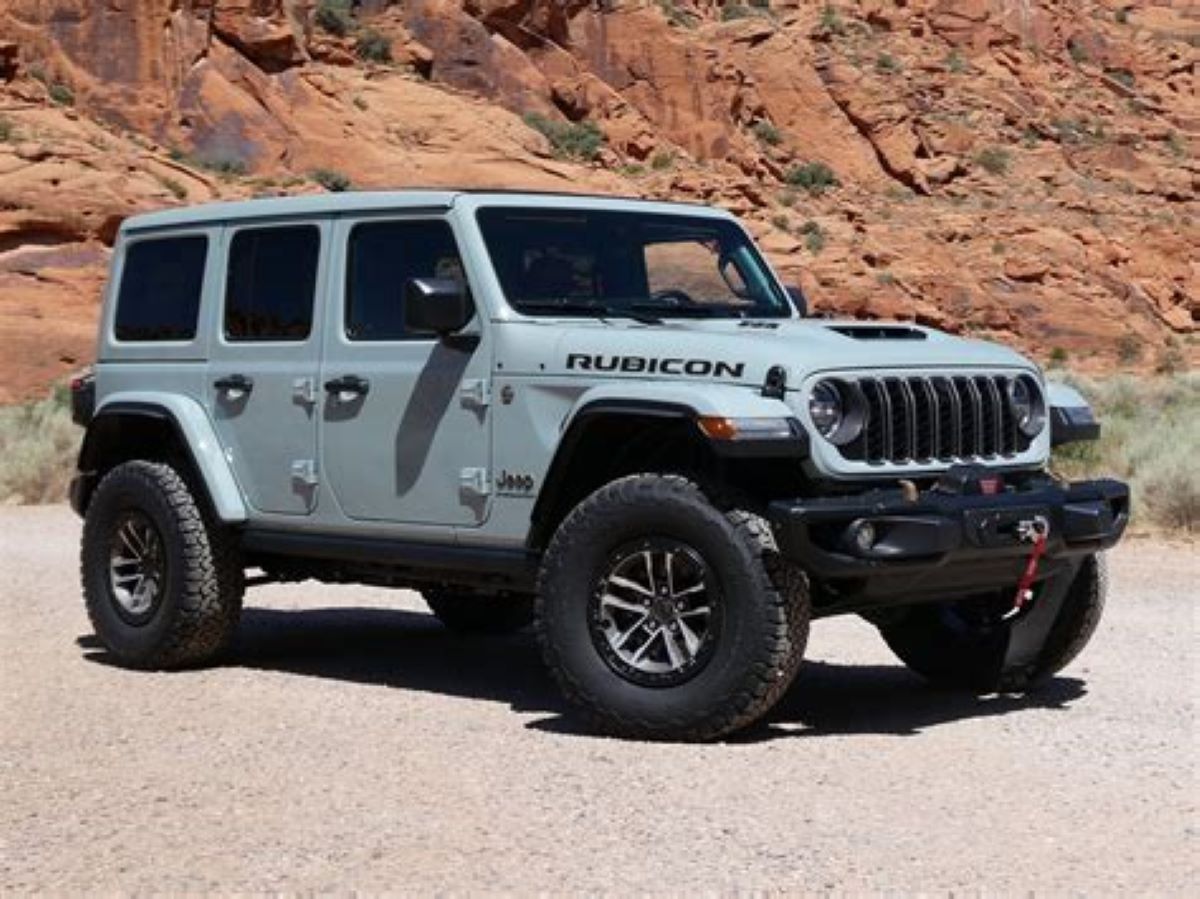
1. Jeep Wrangler
The Jeep Wrangler excels off-road, but that specialization comes at a cost when used as a daily city-to-highway vehicle.
In urban environments, its boxy shape, wide turning circle, and stiff suspension make tight streets and parking lots more challenging than they need to be. Visibility can be awkward, and ride comfort over broken pavement is limited.
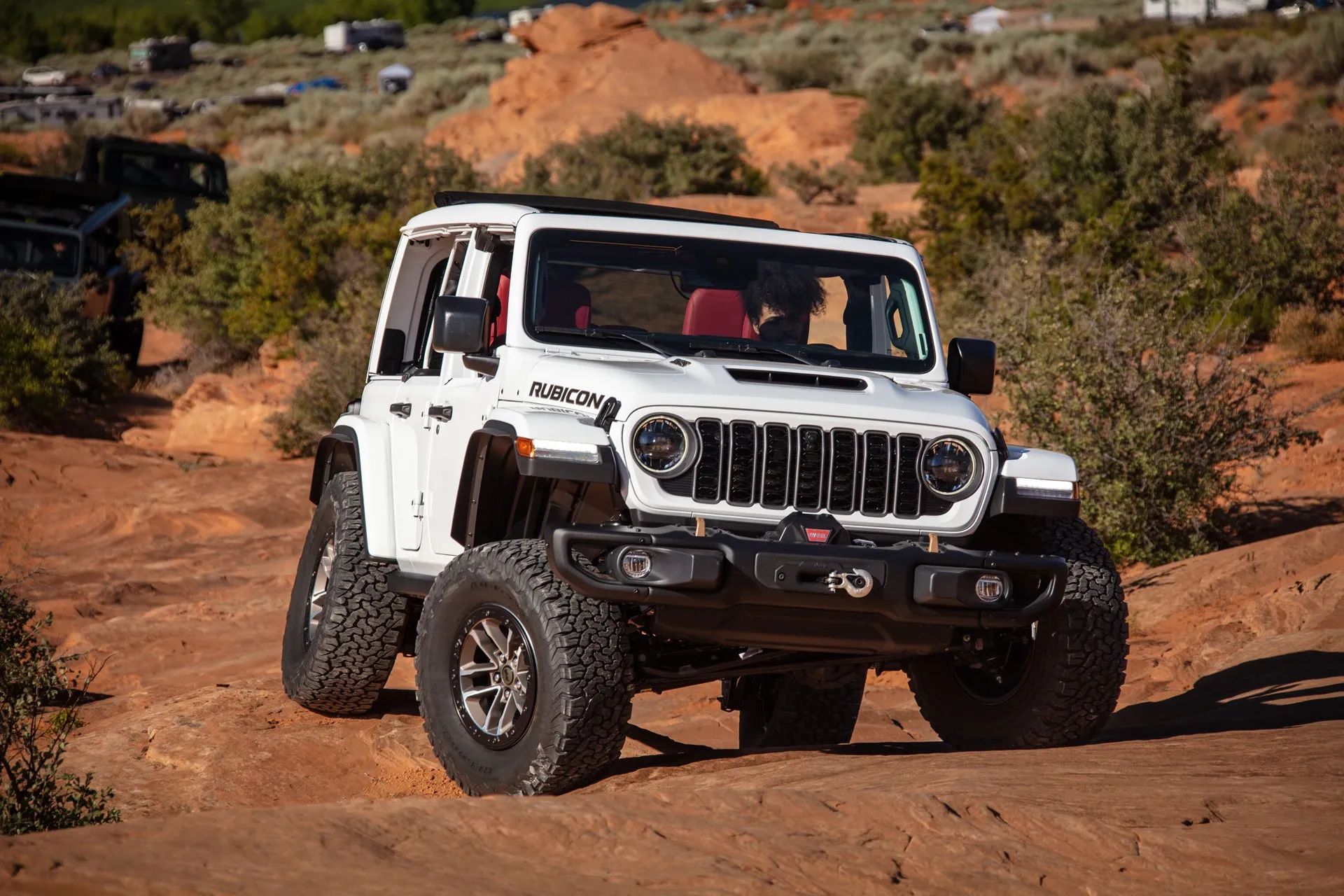
On the highway, the Wrangler’s shortcomings become more pronounced. Wind noise is significant, steering feels vague at speed, and the suspension constantly reminds you that this vehicle was designed for trails, not interstates.
Weekend trips that involve long highway stretches often feel tiring rather than relaxing, making the Wrangler a poor match for drivers who prioritize comfort and efficiency outside of off-road adventures.
The Jeep Wrangler is undeniably a master of off-road capability, especially in the Rubicon trim with its 33-inch tires and lockable differentials. Yet that same rugged setup comes at a cost for everyday driving.
Its traditional body-on-frame construction, solid-axle suspension, and old-school steering make city streets and highways feel less composed. The long brake pedal travel, ideal for precision off-road, doesn’t translate as well to stop-and-go traffic.
Under the hood, the 3.6-liter V6 provides ample power, our four-door Sahara test Wrangler reached 60 mph in a solid 7.6 seconds. The eight-speed automatic transmission is smooth and intuitive, always seeming to be in the right gear.
Passenger comfort isn’t the Wrangler’s top priority, but it has some redeeming features. The front seats are well-shaped and comfortable for long trips, while the rear bench is flatter and firmer, though it reclines slightly. The climate system is effective, with rear vents adding to passenger comfort.
That off-road-ready body-on-frame design contributes to a stiff ride on anything but smooth pavement. The boxy silhouette and large tires generate noticeable wind and road noise, though the cabin is quieter than in previous models. A hardtop adds significantly more quiet than the soft top, making highway travel less grating but still not truly refined.
2. Mini Cooper (Hardtop)
The Mini Cooper feels perfectly at home in dense urban settings. Its compact size, quick steering, and playful handling make city driving genuinely fun. Parking is effortless, and weaving through traffic feels natural rather than stressful.
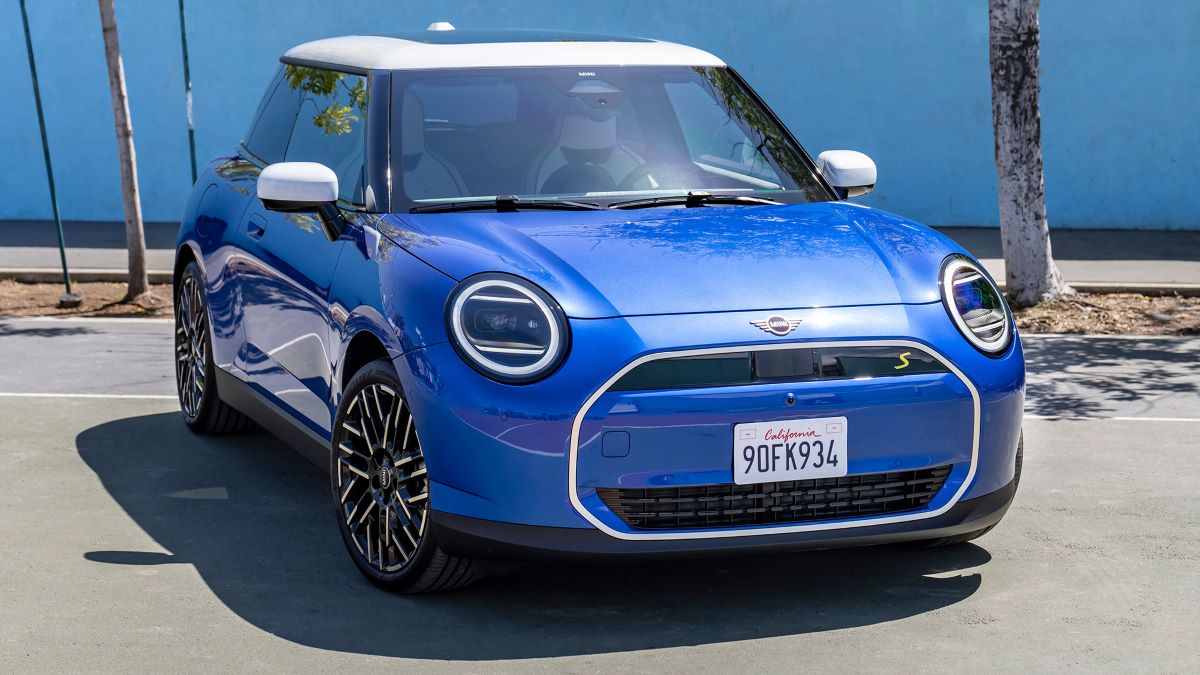
Unfortunately, that charm fades on the highway. The short wheelbase and firm suspension amplify road imperfections, while cabin noise increases noticeably at higher speeds.
Over longer distances, the ride can feel busy and tiring. While it excels as a city car, the Mini Cooper often feels like it’s working harder than it should once weekend highway trips enter the equation.
3. Chevrolet Spark
The Chevrolet Spark is designed primarily for affordability and city efficiency, and that focus limits its versatility. In urban settings, its small footprint and light steering make it easy to maneuver and park, especially in crowded areas.
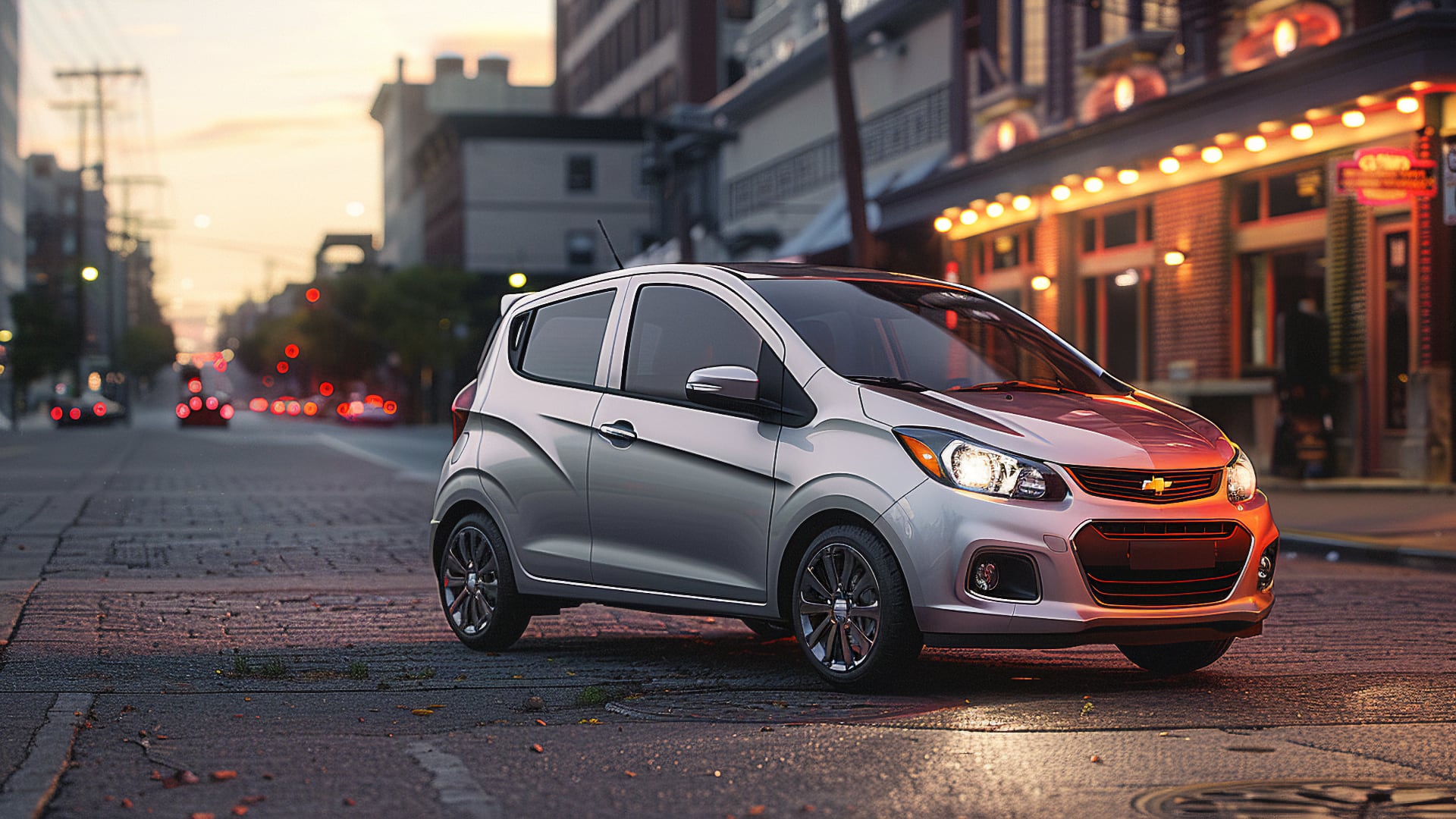
However, highway driving exposes its limitations quickly. The engine struggles to maintain speed on inclines, wind noise becomes intrusive, and passing at highway speeds requires planning.
The Spark can technically handle weekend trips, but it rarely feels comfortable or confident doing so, especially on longer routes.
The 2013 Chevrolet Spark manages to make a strong impression despite its subcompact dimensions. Measuring 144.7 inches in length and 62.9 inches in width, the Spark is longer than both the Fiat 500 and Scion iQ, though slightly narrower. For context, the 500 is 5.1 inches shorter and 1.2 inches wider, while the iQ is roughly 2 feet shorter but about 4 inches wider.
The Spark’s design has been subtly refreshed for this market, borrowing cues from the larger Chevrolet Sonic hatchback. Its front end is dominated by oversized headlights and a bold black grille bisected by the Chevy bow tie, while the rear features large circular brake lights and a small roof spoiler.
Though it has four doors, the rear handles are cleverly tucked into the C-pillars, giving it the appearance of a sportier two-door hatchback. Overall, the Spark’s styling is fresh and distinctive, even if it’s not the most elegant Chevrolet ever made.
Inside, the Spark’s cabin is designed to maximize space for a vehicle of its size. There’s 86.3 cubic feet for four occupants and 11.4 cubic feet of cargo space behind the rear seats, both figures surpass those of the Fiat 500 and Scion iQ.
The dashboard features Chevrolet’s motorcycle-inspired instrument cluster, pairing a large analog speedometer with a rectangular digital display for engine revs, fuel level, and other information. Ice-blue ambient lighting and colored dash and door-panel inserts add personality to what might otherwise be a plain cabin, making the interior feel modern and fun while still fitting a budget-conscious price point.
4. Dodge Challenger
The Dodge Challenger delivers presence and power, but that muscle-car identity creates compromises in mixed driving.
In the city, its large dimensions make parking and tight maneuvers more difficult, while fuel consumption in stop-and-go traffic can be discouraging.
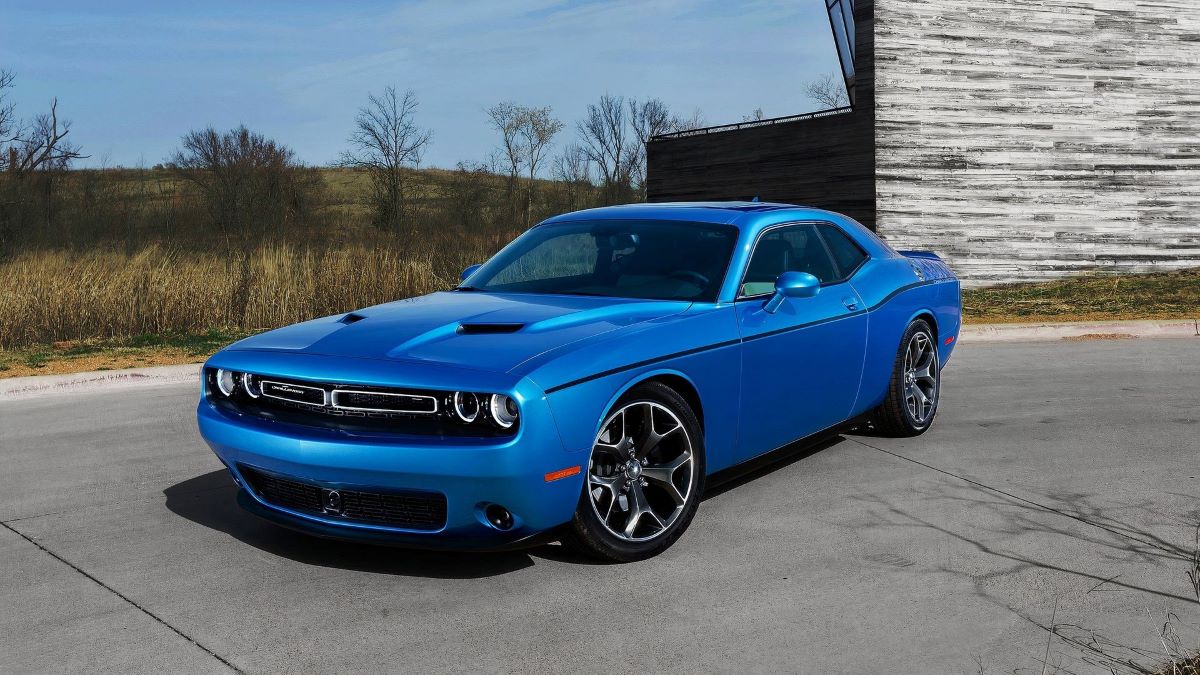
On the highway, the Challenger is more comfortable, but its size and weight still work against it. While it cruises well in a straight line, it doesn’t offer the efficiency or ease that many weekend travelers want.
For drivers who need one car to do everything, the Challenger often feels like a specialty vehicle rather than a balanced daily companion.
5. Nissan Versa (Older Models)
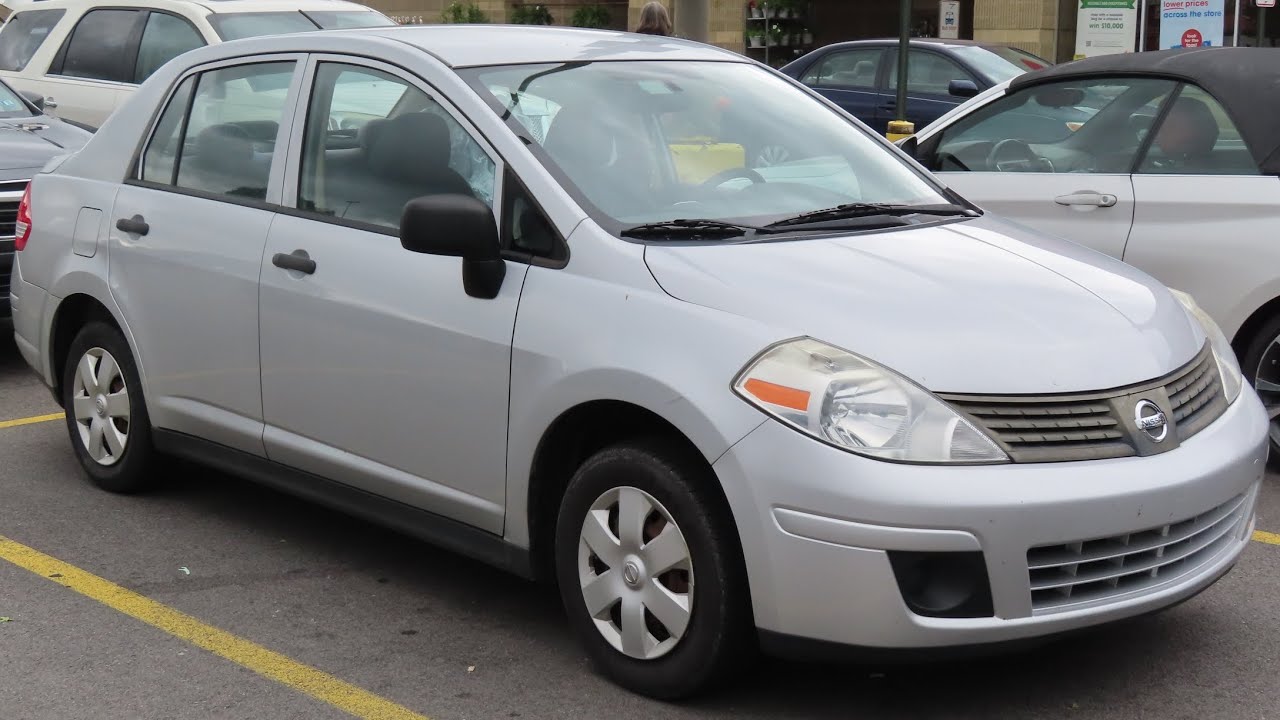
Older versions of the Nissan Versa prioritize low cost over refinement. In city driving, the car feels basic but manageable, with simple controls and decent visibility.
The problem arises on the highway, where limited power, minimal sound insulation, and a light overall feel reduce confidence.
At higher speeds, the car can feel unsettled, especially in strong winds or heavy traffic. Weekend trips quickly highlight the Versa’s budget-focused compromises, making it less appealing for drivers who regularly transition between city streets and highways.
Choosing a car that can comfortably handle both weekday city driving and weekend highway travel requires looking beyond horsepower numbers or styling trends.
The most successful vehicles in this category share a few key traits: balanced suspension tuning, predictable handling, reasonable fuel efficiency, and cabins designed to reduce fatigue over longer distances.
Cars that fail usually do so because they lean too heavily toward one extreme either city maneuverability or specialized performance at the expense of everyday versatility.
For US drivers who want one vehicle to cover errands, commutes, and weekend escapes without compromise, understanding these strengths and weaknesses can make the difference between a car that fits seamlessly into life and one that constantly feels out of place.
