Choosing the right vehicle for daily commuting in Edmond requires balancing comfort, efficiency, reliability, and practicality. Whether dealing with busy streets, unpredictable weather, or long highway drives, the ideal commuter car should make every trip smooth, safe, and cost-effective.
This guide highlights five standout options for Edmond drivers seeking dependable daily transportation, from versatile SUVs to compact sedans. Vehicles such as the Toyota RAV4 and Subaru Crosstrek offer all-weather confidence and spacious interiors, while the Mazda3 AWD and Hyundai Kona provide refined handling and modern technology in smaller footprints.
Fuel efficiency is also an important factor for keeping commuting affordable. To address this, we present five dependable mileage-focused vehicles, including the Toyota Corolla Hybrid AWD, Honda Civic Hybrid, and Toyota Camry Hybrid, each offering exceptional fuel economy, proven hybrid systems, and long-term reliability. Together, these ten cars deliver choices that balance performance, comfort, and savings for everyday driving.
5 Cars for Edmond Daily Commuting
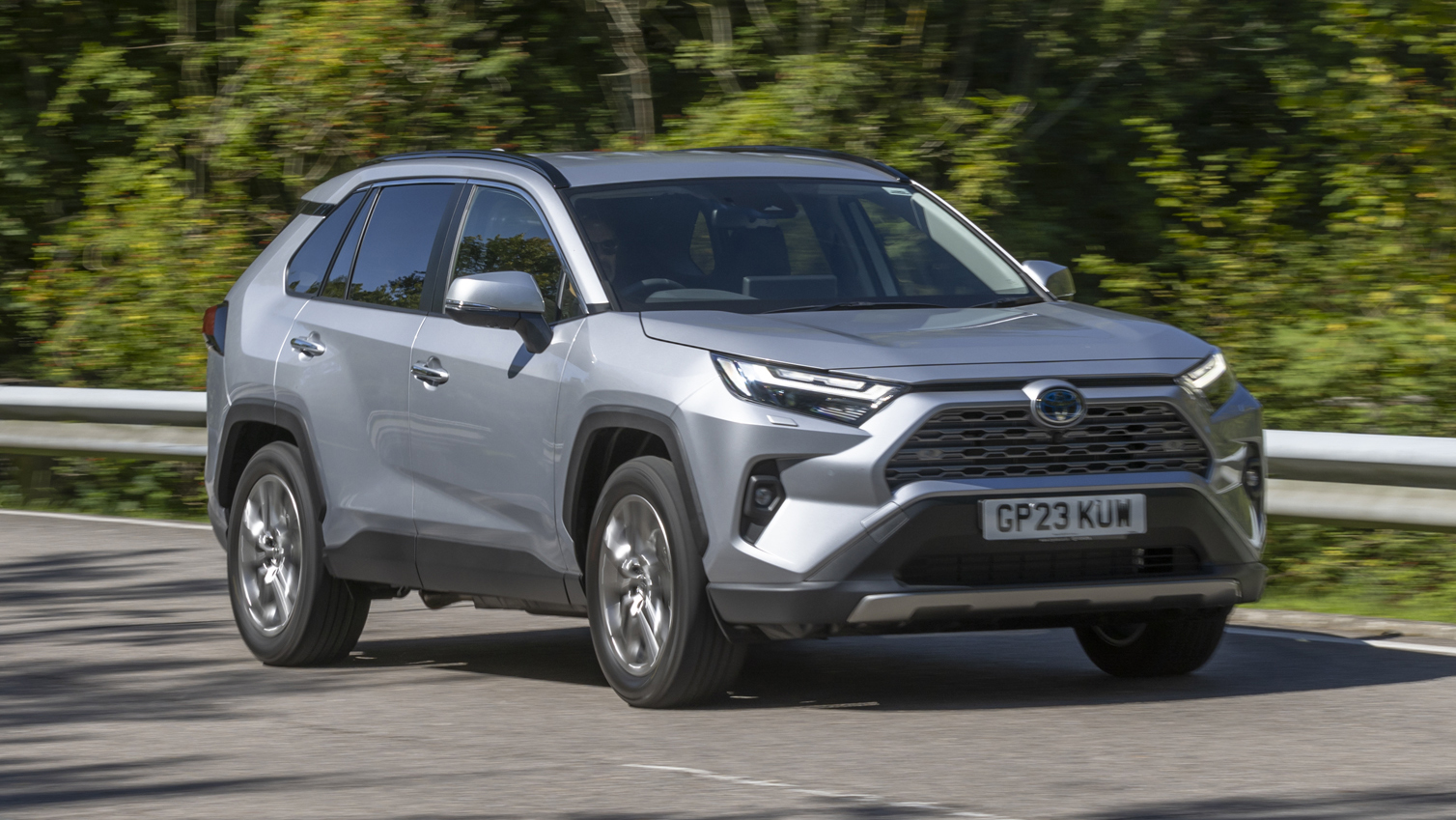
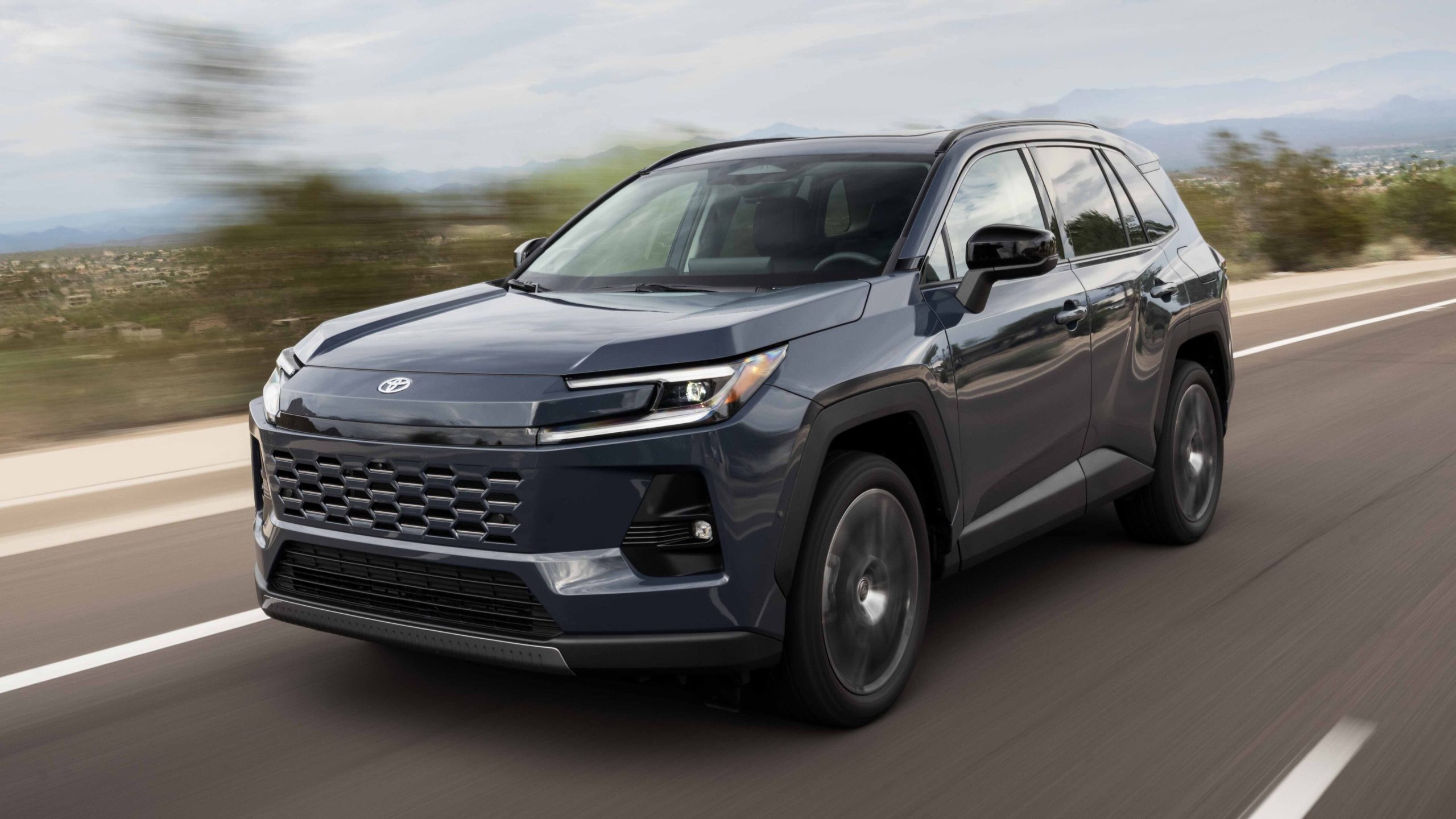
1. Toyota RAV4 (Hybrid or AWD Gas): A Practical Benchmark for Everyday Driving
The Toyota RAV4 continues to set the standard in the compact SUV segment by combining reliability, efficiency, and all-weather capability, making it a strong choice for a wide range of daily driving needs. Available as both a fuel-efficient Hybrid and a capable AWD gas model, the RAV4 appeals to drivers who prioritize long-term value, comfort, and confidence in varied conditions.
One of the RAV4’s biggest strengths is its versatility. Its available mechanical all-wheel-drive system reacts quickly to slippery or uneven surfaces, while the generous ground clearance helps drivers navigate rough roads, heavy rain, or winter conditions with ease. Practical details, such as large, glove-friendly interior controls and a well-laid-out cabin, further enhance everyday usability.
For those focused on minimizing fuel costs, the RAV4 Hybrid stands out. With a combined fuel economy close to 39–40 mpg, it significantly reduces fuel expenses compared to traditional gas models.
The hybrid system also benefits from regenerative braking, which reduces brake wear and can lower long-term maintenance costs. In city driving, the electric motors provide smooth, quiet acceleration that is especially well-suited to stop-and-go traffic. Performance is also improved, with the Hybrid reaching 0–60 mph faster than the gas-only versions.
The AWD gas-powered RAV4 remains a solid alternative for buyers who prefer a traditional powertrain or a potentially lower upfront cost. Its 2.5-liter four-cylinder engine produces 203 horsepower and delivers dependable, if unexciting, performance.
While acceleration and handling are average for the class, the RAV4 is stable at highway speeds and confident enough for everyday driving. Fuel economy remains competitive, particularly for front-wheel-drive models.
Inside, the RAV4 emphasizes comfort and functionality. Higher trims offer upgraded materials, larger infotainment screens, and advanced digital displays. Cargo capacity is generous, with a flat-folding rear seat that makes hauling gear or groceries easy. Standard safety features such as adaptive cruise control, lane-keeping assist, and automatic emergency braking add further peace of mind.
The Toyota RAV4 excels as a dependable, well-rounded compact SUV. Choose the Hybrid for maximum fuel savings and smoother urban driving, or the AWD gas model for proven simplicity and traction. Either way, the RAV4 delivers practicality, strong resale value, and Toyota’s trusted reliability.
2. Subaru Crosstrek: A Versatile, Weather-Ready Compact SUV for Everyday Driving
The Subaru Crosstrek continues to stand out as a dependable and practical choice for daily commuting, particularly for drivers who value confidence in changing road and weather conditions. One of its defining strengths is Subaru’s standard Symmetrical All-Wheel Drive, widely regarded as among the best in its class.
This system provides consistent traction on slick pavement, heavy rain, snow, slush, or dusty roads, making the Crosstrek especially reassuring in unpredictable climates. Paired with a rugged suspension, the Crosstrek absorbs potholes and uneven surfaces better than many sedans, delivering a smooth and compliant ride during everyday travel.
For 2026, the Crosstrek lineup simplifies performance by offering a 180-horsepower 2.5-liter four-cylinder engine across all trims, paired with a continuously variable transmission (CVT). While acceleration is not sporty, with 0–60 mph times just over eight seconds, the Crosstrek prioritizes relaxed, stable driving rather than sharp handling.
Drivers seeking outright performance may find rivals more engaging, but the Crosstrek compensates with light off-road capability. With 8.7 inches of ground clearance, hill-descent control, and hill-start assist, it can handle trails and rough terrain better than most subcompact crossovers. The Wilderness trim enhances this further with 9.3 inches of clearance, all-terrain tires, and a higher towing capacity.
Fuel efficiency remains a strong point. Based on recent EPA estimates, the Crosstrek delivers up to the high-20s mpg in the city and low-30s mpg on the highway, balancing SUV practicality with reasonable running costs. Its compact dimensions make it easy to maneuver through traffic and park in tight urban areas, while still offering generous interior space.
Inside, the Crosstrek emphasizes comfort and usability. The front seats provide ample legroom and headroom, controls are intuitive, and visibility is excellent.
Rear-seat space is average for the segment, but cargo capacity is a highlight, with up to 55 cubic feet available when the seats are folded. Infotainment ranges from a basic 7-inch screen to a large 11.6-inch touchscreen, with Apple CarPlay and Android Auto available across trims.
Safety is a major strength, as every Crosstrek comes standard with Subaru’s EyeSight driver-assistance suite, including adaptive cruise control, lane-keeping assist, and automated emergency braking. The Subaru Crosstrek delivers a balanced mix of safety, efficiency, comfort, and all-weather capability, making it a smart and versatile choice for everyday life.

3. Mazda3 AWD: Premium Comfort and All-Weather Confidence in a Compact Car
For commuters who prefer a refined car over a crossover, the Mazda3 AWD stands out as one of the most polished options in the compact segment. It blends upscale interior quality, engaging driving dynamics, and advanced all-wheel-drive technology, making it especially well-suited for daily driving in areas with changing road and weather conditions.
At the core of the Mazda3’s appeal is its i-Activ all-wheel-drive system. Unlike reactive systems, i-Activ AWD continuously monitors factors such as wheel slip, steering input, and outside temperature to proactively distribute power to the wheels with the most grip.
This provides added confidence on wet roads, icy patches, or uneven pavement. Mazda’s G-Vectoring Control Plus further enhances stability by subtly adjusting engine torque during cornering, helping the car feel balanced and predictable in everyday driving.
The Mazda3 also excels in comfort and cabin refinement. Its interior is among the most premium in the compact car class, with high-quality materials, supportive sport seats, and excellent sound insulation that keeps road and wind noise to a minimum during highway commutes.
Technology is thoughtfully integrated, with standard Apple CarPlay and Android Auto, an intuitive infotainment interface, and an available Bose audio system that elevates the in-car experience. A full suite of driver-assistance features, including Smart Brake Support, lane-keeping assist, blind-spot monitoring, and adaptive cruise control, adds reassurance on busy roads.
Performance is another strong point. Most models use a 186-horsepower 2.5-liter four-cylinder engine that delivers smooth, responsive acceleration well suited to daily driving.
For those wanting more excitement, the available turbocharged 2.5-liter engine produces up to 250 horsepower and pairs standard all-wheel drive with brisk acceleration, reaching 60 mph in as little as 5.6 seconds. Regardless of engine choice, the Mazda3 maintains composed handling, precise steering, and a firm yet comfortable ride.
Fuel economy remains competitive, with all-wheel-drive models achieving solid real-world efficiency on the highway. Despite its compact size, the Mazda3 offers usable rear seating and practical cargo space in both sedan and hatchback forms.
The Mazda3 AWD is an excellent choice for drivers seeking a stylish, comfortable, and capable compact car. Its blend of premium refinement, all-weather traction, engaging performance, and modern technology makes everyday commuting both confident and enjoyable.

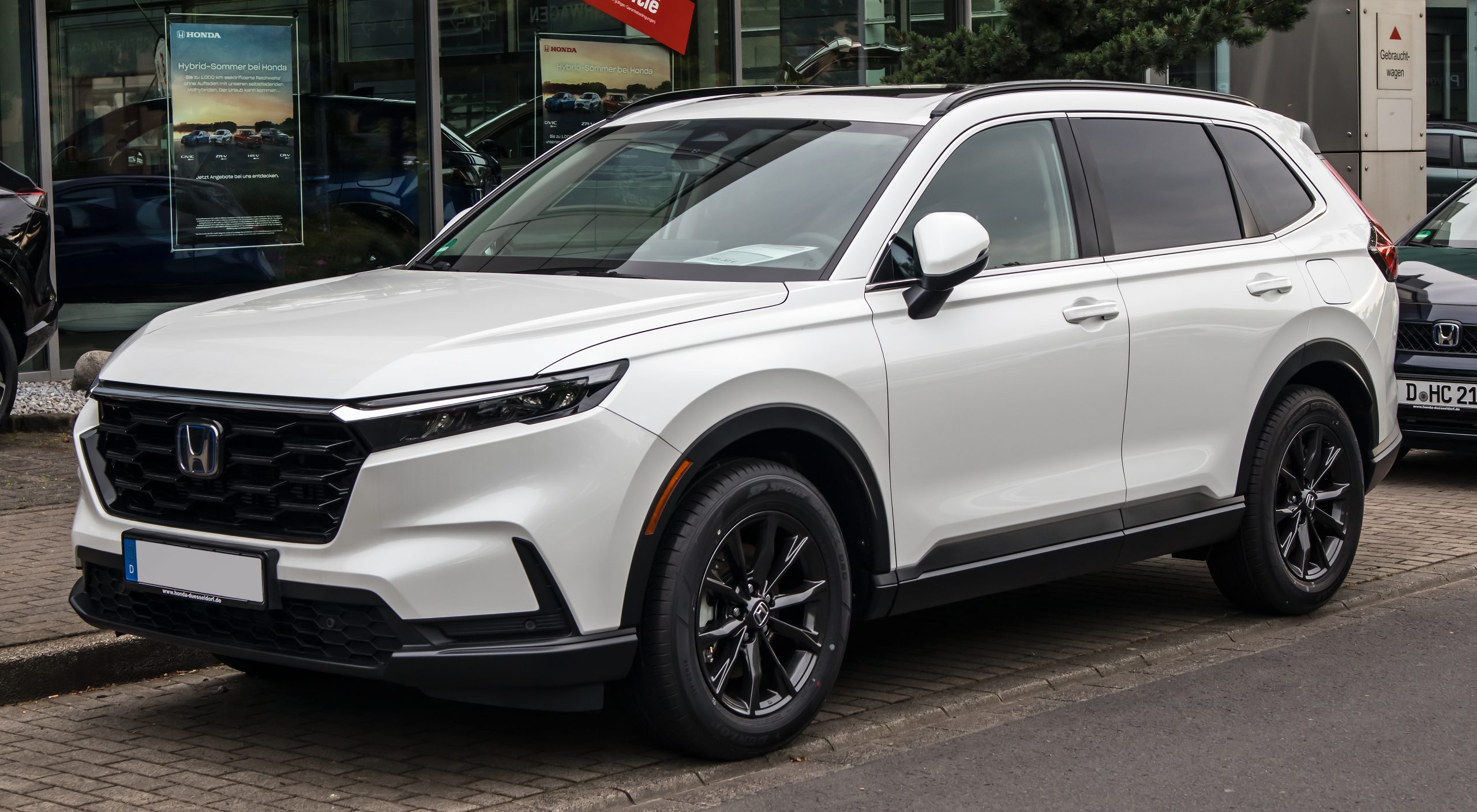
4. Honda CR-V: A Practical, Spacious, and Efficient Choice for Daily Commuting
The Honda CR-V continues to be one of the most dependable and user-friendly compact SUVs, making it an excellent option for daily commuting and year-round driving. Known for its excellent visibility, generous cargo capacity, and comfortable interior, the CR-V is designed to handle both weekday routines and weekend errands with ease.
The 2026 models introduce a more refined Real Time All Wheel Drive system and improved cold-weather comfort, including a cabin that warms quickly, which adds to its everyday practicality.
Fuel efficiency is one of the CR-V’s strongest advantages. Both the gas and hybrid versions deliver competitive mileage, helping drivers save money on fuel during regular commutes.
The standard 1.5-liter turbocharged four-cylinder engine produces 190 horsepower and provides smooth, predictable acceleration for city traffic and highway merging. While not designed for sporty driving, the CR-V focuses on ride comfort and stability. Drive modes such as ECON help maximize fuel savings on longer trips.
Inside, the CR-V offers a thoughtfully designed cabin that emphasizes comfort and usability. The front seats are engineered to reduce fatigue, making them well-suited for longer drives. Large windows and upright seating provide excellent outward visibility, while ample legroom ensures passengers remain comfortable.
Storage solutions are another highlight, with a large center console, practical door pockets, and flexible cargo space. With nearly 39 cubic feet of cargo room behind the rear seats, the CR-V easily accommodates groceries, luggage, or everyday gear.
Technology is straightforward and easy to use. A 9-inch touchscreen with standard Apple CarPlay and Android Auto allows for seamless smartphone integration. Additional features such as wireless charging, rear seat USB-C ports, and available navigation enhance daily convenience.
Safety is also a priority, as every CR-V includes Honda Sensing. This advanced driver assistance suite features adaptive cruise control, lane keeping assist, forward collision warning, and automatic emergency braking.
The Honda CR-V stands out for its reliability, comfort, and practicality. Its combination of fuel efficiency, spaciousness, modern technology, and strong safety features makes it a smart and stress-free choice for everyday commuting and family use.
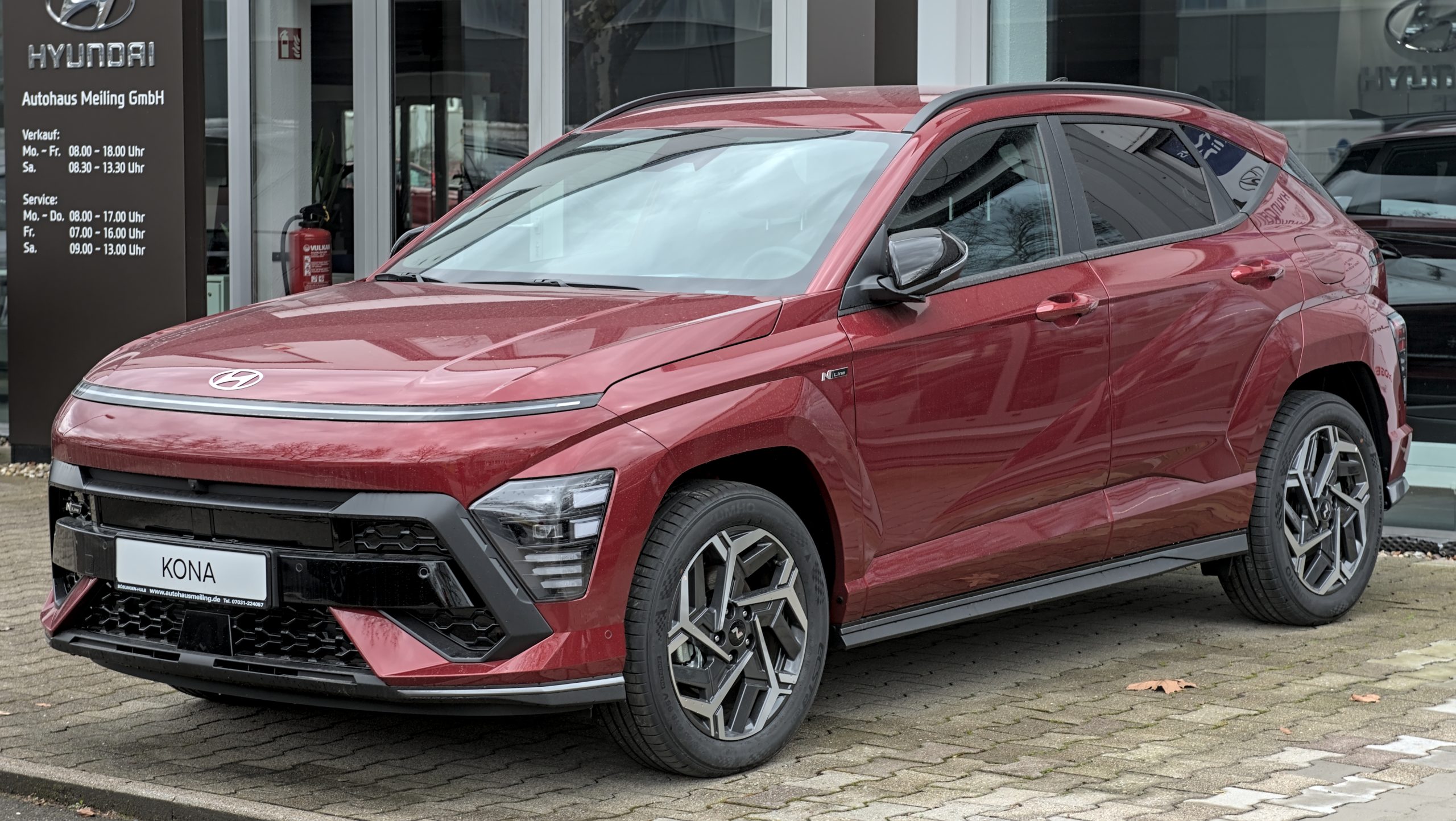
5. Hyundai Kona: Compact, Tech-Savvy, and Easy to Live With for Daily Commuting
The Hyundai Kona is a strong choice for commuters who want a small, easy-to-drive SUV that still delivers comfort, technology, and practicality. Its subcompact size makes it especially well-suited for city driving, tight parking spaces, and busy downtown areas, while its modern features and comfortable ride make daily trips more enjoyable.
For drivers balancing urban traffic with occasional highway travel, the Kona offers a smart mix of agility and convenience.
One of the Kona’s biggest advantages is its maneuverability. The compact footprint allows drivers to navigate crowded streets and parking lots with ease, building confidence in high traffic areas.
Despite its size, the suspension is tuned for comfort, soaking up bumps and rough pavement effectively. This makes the Kona feel relaxed and composed on everyday roads rather than stiff or jittery, which is especially helpful during longer commutes.
The Kona also stands out for its technology. Every model comes with a large 12.3-inch touchscreen and standard wireless Apple CarPlay and Android Auto, making smartphone integration seamless.
Higher trims add features such as a Bose premium audio system, wireless charging, heated seats, and even a heated steering wheel in some markets, which enhances comfort during colder months. Available Smart Cruise Control with Stop and Go is particularly useful for highway traffic, reducing fatigue in stop-and-go conditions.
Buyers can choose from multiple powertrain options depending on their needs. The standard 2.0-liter engine focuses on efficiency and everyday reliability, while the available turbocharged 1.6-liter engine provides noticeably stronger acceleration for highway merging.
All Wheel Drive is available across the lineup for added traction in poor weather. Fuel economy remains competitive, especially in Front Wheel Drive models, helping keep running costs low.
Inside, the Kona feels spacious for a subcompact SUV. The front seats are comfortable, the rear seat offers good room for adults, and cargo space is practical for groceries, backpacks, or weekend errands. Safety is another highlight, with a full suite of standard driver assistance features such as adaptive cruise control, lane keeping assist, blind spot monitoring, and automatic emergency braking.
Combined with Hyundai’s class-leading warranty and complimentary maintenance, the Kona delivers excellent value. It is a well-rounded, tech-forward, and commuter-friendly SUV that fits easily into everyday life.
Also Read: 5 Cars That Handle Chicago Winters Well vs 5 That Suffer Every Cold Start
5 Dependable Mileage Options
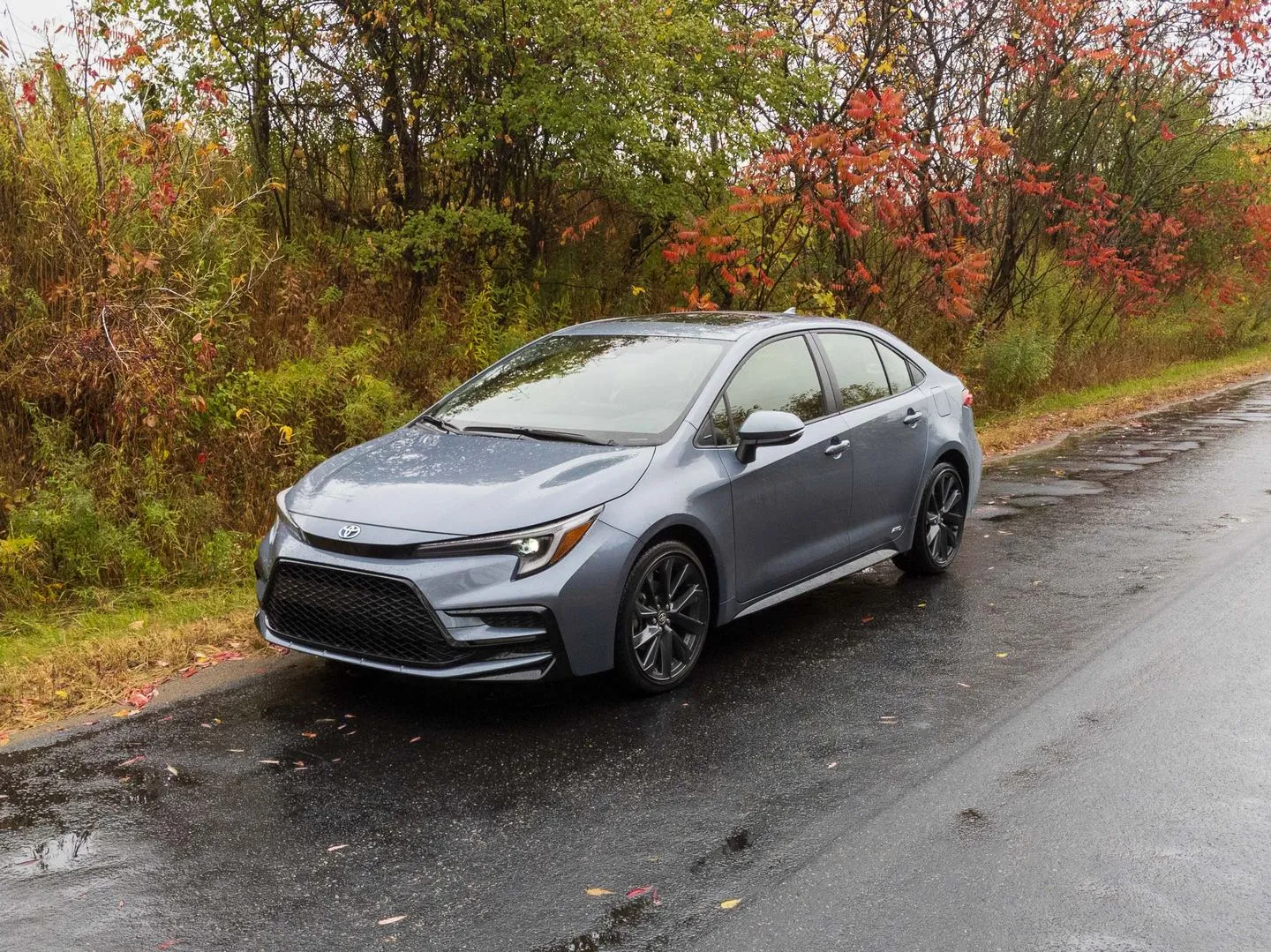
1. Toyota Corolla Hybrid AWD: Exceptional Efficiency, Proven Reliability, and Year-Round Confidence
The Toyota Corolla Hybrid AWD stands out as one of the most sensible and dependable compact cars available, especially for drivers who prioritize fuel efficiency, long-term reliability, and all-weather capability.
Combining Toyota’s proven hybrid technology with an electric All Wheel Drive system, it delivers outstanding mileage while adding extra traction for rain, snow, and slippery starts. This balance makes it an ideal daily driver for varied driving conditions without sacrificing affordability or dependability.
At the heart of the Corolla Hybrid AWD is a 1.8-liter Atkinson cycle four-cylinder engine paired with electric motors and a continuously variable transmission. One electric motor assists the front wheels while another powers the rear wheels when additional grip is needed.
Combined output is modest at 138 horsepower, but the system is tuned for efficiency rather than speed. Around town, the Corolla feels responsive and smooth, often running on electric power alone at low speeds. On the highway, acceleration is adequate, though clearly secondary to fuel savings.
Fuel economy is the Corolla Hybrid AWD’s defining strength. While Front Wheel Drive versions achieve even higher numbers, the AWD model still returns impressive real-world results, often around 44 to 47 mpg combined.
In metric terms, consumption as low as 4.7 to 5.3 L per 100 km is achievable, which is exceptional for a car with All Wheel Drive. Eco mode and Toyota’s driving assist systems encourage efficient habits, turning daily commuting into a game of maximizing electric-only driving.
Beyond efficiency, reliability is a major selling point. The Corolla nameplate has a long history of durability, and Toyota’s hybrid systems are among the most proven in the industry.
Many examples reach extremely high mileage with only routine maintenance, making this car a strong long-term investment. Safety is also well covered, with Toyota Safety Sense 3.0 included as standard, offering adaptive cruise control, lane tracing assist, collision mitigation, and blind spot monitoring.
In higher trims like the XSE, the Corolla Hybrid AWD adds a sporty appearance and modern technology, including a large touchscreen, premium audio, heated seats, and a well-finished interior. While rear seat space and trunk volume are not class-leading, they are sufficient for daily use.
The Toyota Corolla Hybrid AWD excels as a practical, fuel-sipping, and trustworthy compact car. It is not built for thrills, but for drivers who value efficiency, security, and longevity; it remains one of the smartest choices on the road.
2. Honda Civic Hybrid: High Efficiency, Strong Performance, and Trusted Reliability
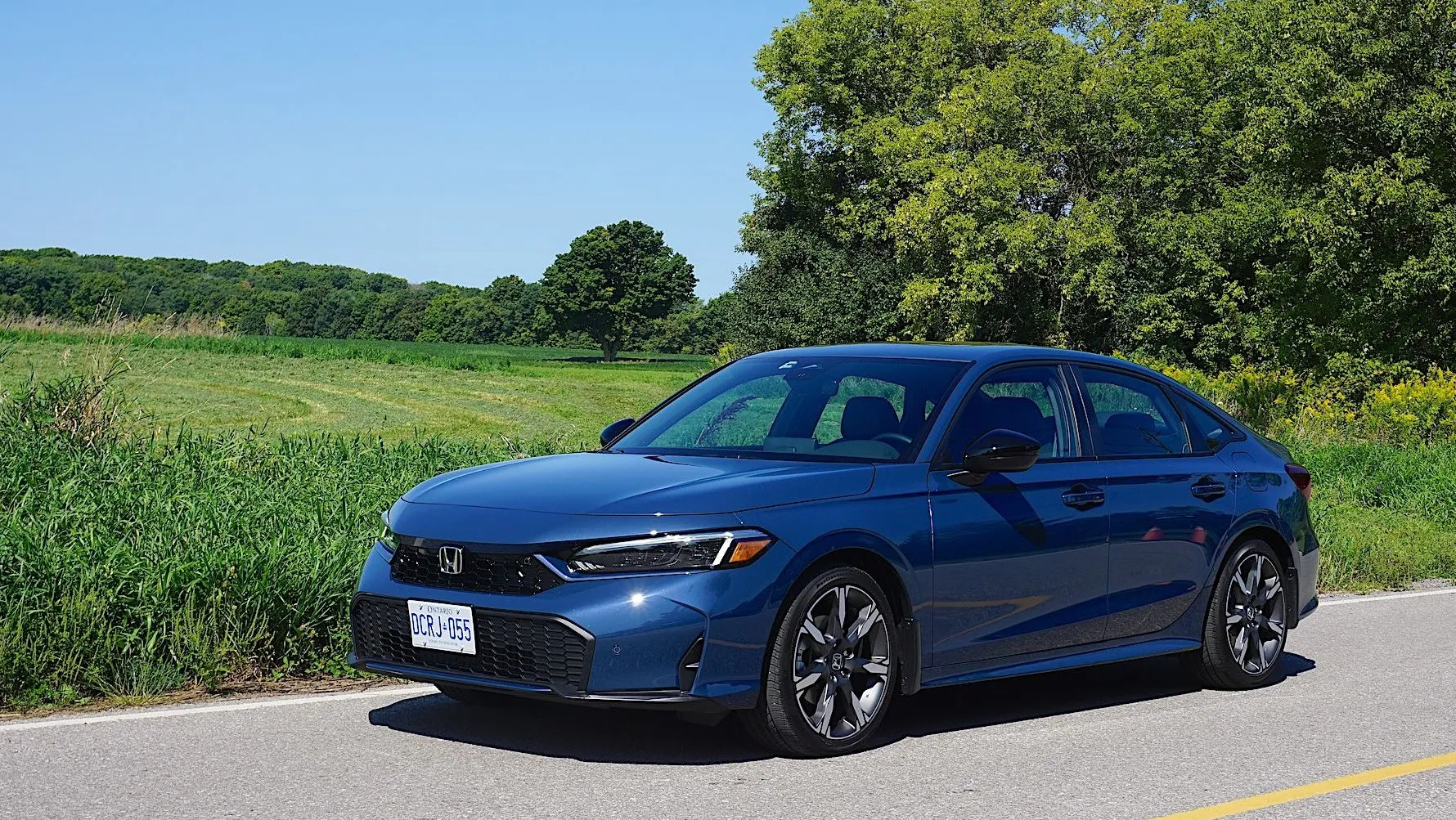
The Honda Civic Hybrid for 2026 delivers an impressive balance of fuel efficiency, performance, and long-term dependability, making it one of the most sensible mileage-focused compact cars available.
By combining Honda’s proven engineering with an advanced hybrid system, the Civic Hybrid achieves outstanding fuel economy while retaining the engaging driving character that has long defined the Civic name.
At the core of the Civic Hybrid is Honda’s e:HEV powertrain, which pairs a 2.0-liter Atkinson cycle four-cylinder engine with two electric motors for a combined output of 200 horsepower. Unlike traditional hybrids, the electric motors handle most propulsion duties in city driving, while the gas engine often acts as a generator or assists at higher speeds.
This setup allows the Civic Hybrid to deliver smooth, responsive acceleration while keeping fuel consumption extremely low. In real-world driving, it frequently returns fuel economy in the mid 40s to low 50s mpg range, translating to roughly 4.8 to 5.0 L per 100 km.
Performance is another standout benefit. The Civic Hybrid accelerates from 0 to 60 mph in just over six seconds, making it significantly quicker than the non-hybrid Civic and competitive with sport-oriented compact sedans.
Despite this added power, the driving experience remains refined and comfortable, with seamless transitions between electric and gas operation and a quiet, composed ride during daily commutes.
Lower running costs are a major advantage of the hybrid system. Reduced fuel consumption leads to meaningful savings at the pump, while less frequent use of the gas engine in city driving can reduce wear on traditional components. Honda’s reputation for reliability further strengthens the Civic Hybrid’s appeal, supported by an eight-year or 100,000-mile warranty on hybrid components.
Beyond efficiency, the Civic Hybrid remains highly practical. The interior is spacious for a compact car, with comfortable seating for adults in both rows and useful cargo space in sedan and hatchback forms.
Technology features such as available wireless Apple CarPlay and Android Auto, digital gauges, and premium audio enhance everyday usability. Standard safety features include adaptive cruise control, lane keeping assist, and automatic emergency braking.
The Honda Civic Hybrid offers an excellent combination of exceptional fuel economy, lively performance, everyday comfort, and proven reliability. It stands out as a smart choice for drivers who want to save on fuel without giving up driving enjoyment or long-term peace of mind.
3. Toyota Prius AWD-e: Maximum Efficiency with Added All-Weather Capability
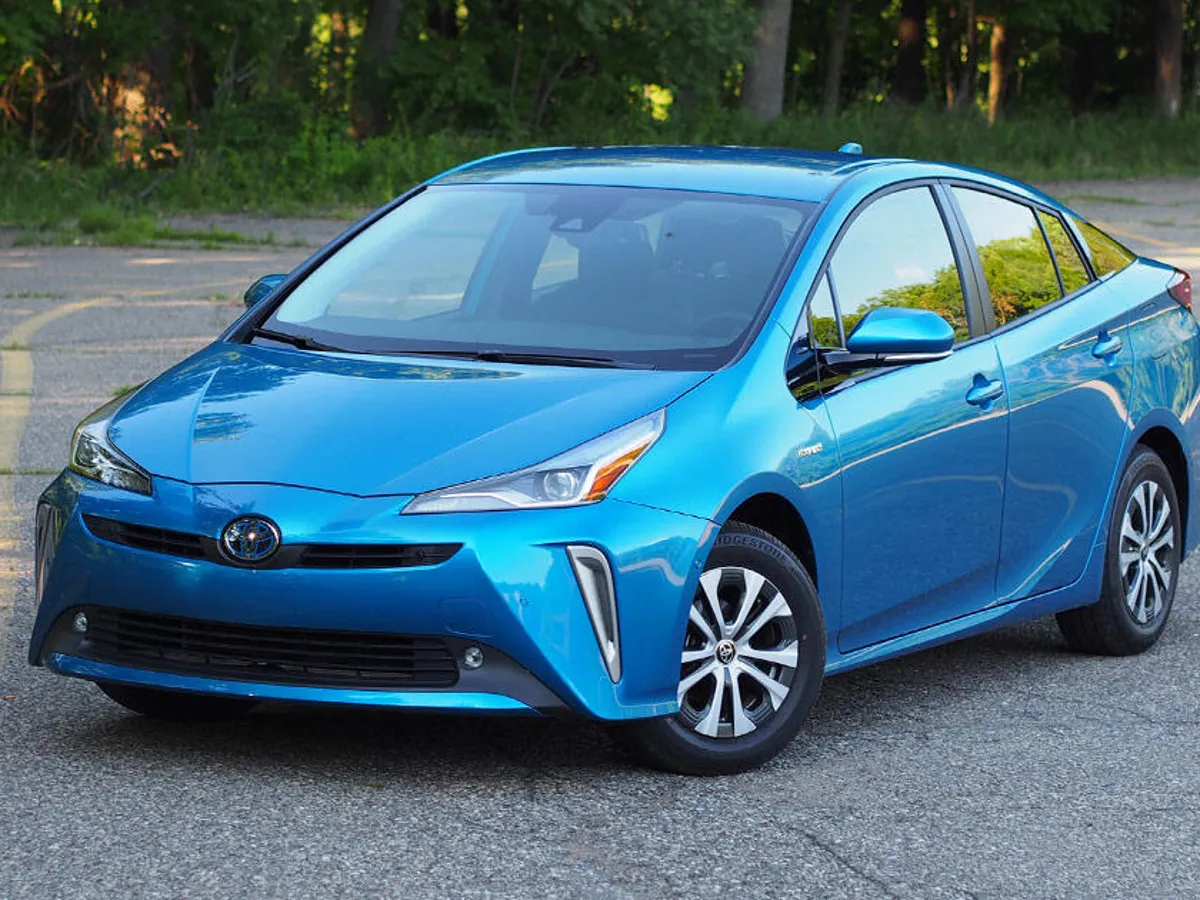
The Toyota Prius AWD-e combines the legendary fuel efficiency of the Prius with a clever all-wheel-drive system, making it an ideal choice for drivers who want excellent mileage and extra traction for varying weather conditions.
With a combined fuel consumption of roughly 4.8 L/100 km (around 50 MPG), the Prius AWD-e is designed to maximize efficiency while providing stability in slippery conditions, such as rain or light snow. Its hybrid system allows for electric-only propulsion at low speeds and captures energy through regenerative braking, reducing fuel consumption in urban stop-and-go traffic.
At the core of the AWD-e system is a small, lightweight rear electric motor that engages only when additional traction is required, such as during launches or on low-traction surfaces up to 43 mph. Under normal driving, the car operates in front-wheel drive to preserve fuel economy.
This design allows the Prius AWD-e to deliver nearly the same efficiency as front-wheel-drive models, without the weight or drag penalties of a traditional mechanical AWD system. The hybrid synergy drive integrates gasoline and electric propulsion seamlessly, ensuring smooth acceleration and energy recovery during braking.
Real-world driving highlights the Prius AWD-e’s strengths. The rear electric motor provides confident starts on slippery roads, while the ride remains smooth and composed with light, precise steering. Its compact turning radius aids city maneuvering, and the vehicle feels stable and planted at low to moderate speeds.
Toyota’s proven hybrid technology ensures long-term reliability, with the Prius maintaining its reputation for durability and minimal maintenance costs. Standard Toyota Safety Sense features, including adaptive cruise control and collision mitigation, further enhance peace of mind for daily commuting.
While the Prius AWD-e excels in efficiency and traction, it is not a performance vehicle. Acceleration can feel modest on highways, and road and wind noise are noticeable compared with more refined vehicles.
The rear seating area is slightly compromised by the battery and roofline, limiting headroom and cargo flexibility. Older models had infotainment limitations, such as missing Apple CarPlay and Android Auto, though newer generations address these issues.
The Toyota Prius AWD-e is a highly practical, reliable, and fuel-efficient hybrid that offers additional all-weather capability. It is best suited for drivers who value economy, daily comfort, and winter traction, making it a smart choice for northern climates or regions with unpredictable road conditions.
4. Hyundai Elantra Hybrid: Efficient, Comfortable, and Tech-Focused
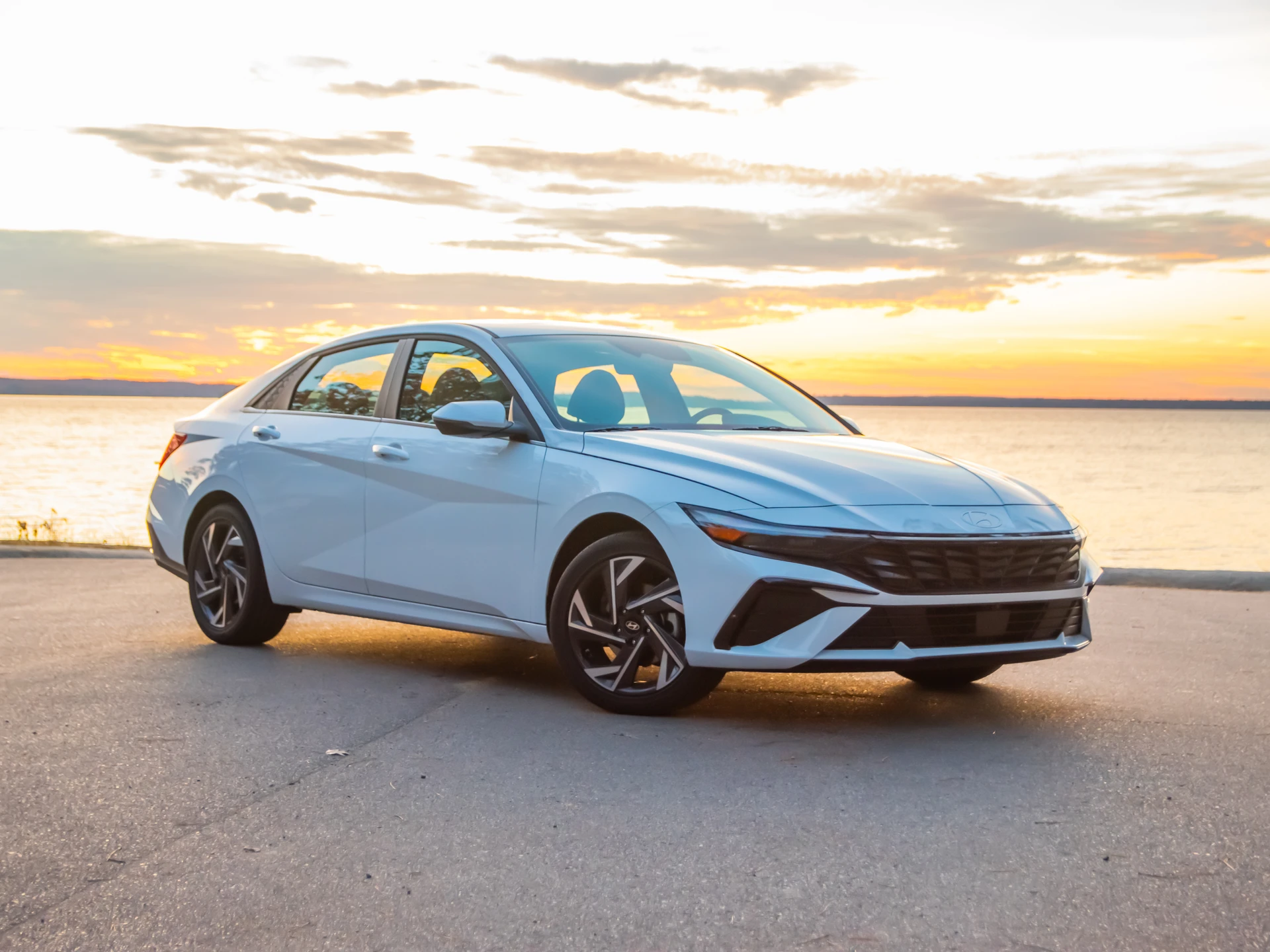
The Hyundai Elantra Hybrid stands out as a fuel-efficient, technologically advanced compact sedan, ideal for drivers seeking low running costs without sacrificing comfort or practicality. Powered by a 1.6-liter Atkinson-cycle four-cylinder engine paired with an electric motor, the Elantra Hybrid delivers a combined output of 139 horsepower.
Its hybrid system intelligently blends gasoline and electric power, maximizing efficiency during city stop-and-go driving and capturing energy through regenerative braking. This setup allows the Elantra Hybrid to achieve over 50 MPG in real-world driving, rivaling the most efficient competitors in its class.
Unlike most hybrids that use continuously variable transmissions, the Elantra Hybrid employs a six-speed dual-clutch automatic transmission, providing smoother shifts and reducing engine droning under acceleration. This results in a more engaging and refined driving experience, particularly in urban traffic.
The hybrid model accelerates from 0 to 60 mph in approximately 8.4 seconds, slightly slower than turbocharged variants but adequate for everyday commuting. Its fuel economy remains impressive on highways and city streets, maintaining high efficiency without requiring drivers to alter their habits or plug in.
Inside, the Elantra Hybrid combines a functional and driver-focused design with modern technology. The cabin offers generous front and rear passenger space, with a well-laid-out dashboard and ample storage. Cargo capacity is practical, easily accommodating six carry-on suitcases behind the rear seats.
Infotainment includes an 8.0-inch touchscreen on base trims, while higher trims feature dual 10.3-inch screens for instruments and infotainment. Apple CarPlay and Android Auto are standard, with wireless connectivity available on some trims, and audio systems range from six-speaker setups to premium eight-speaker Bose systems on higher trims.
Safety and driver assistance are strong points. Standard features include automated emergency braking, lane-departure warning, and lane-keeping assist, with optional adaptive cruise control and lane-centering assist available on higher trims.
The Elantra Hybrid is backed by Hyundai’s industry-leading warranties, including a 10-year/100,000-mile powertrain warranty and three years of complimentary scheduled maintenance, providing long-term peace of mind.
The Hyundai Elantra Hybrid offers a compelling combination of fuel efficiency, modern technology, comfort, and reliability. Its smart hybrid powertrain, smooth driving experience, and comprehensive warranty make it a cost-effective and dependable choice for daily commuting, long-distance drives, and city traffic alike.
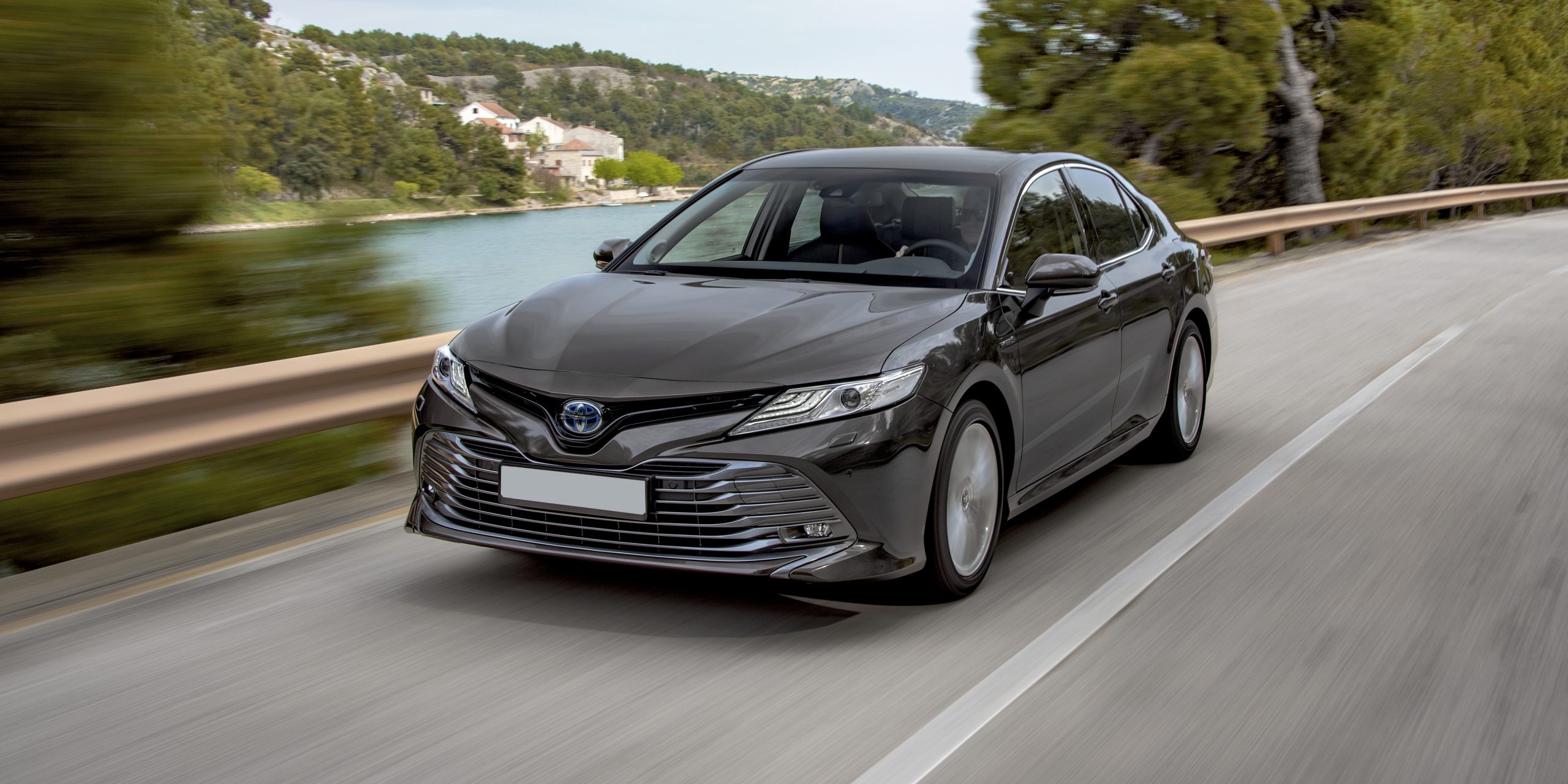
5. Toyota Camry Hybrid: Comfortable, Efficient, and Long-Lasting
The 2025 Toyota Camry Hybrid remains a top choice for drivers seeking comfort, efficiency, and reliability, particularly for high-mileage commuters and fleet operators. Equipped with Toyota’s fifth-generation hybrid system, the Camry blends a 2.5-litre four-cylinder petrol engine with a permanent-magnet electric motor, delivering up to 170 kW of combined power.
The series-parallel hybrid system allows the car to drive on gasoline, electric power, or both, seamlessly switching between modes for optimal efficiency. This results in outstanding fuel economy, with real-world consumption averaging around 4.6–5.1 L/100 km and a combined range of over 1,000 km from its 50-litre tank.
The Camry Hybrid is particularly appealing for long-distance drivers due to its smooth and compliant ride. The TNGA-K platform provides stability on highways while maintaining agility in urban driving. The CVT can be noisy under heavy acceleration, but energy regeneration during braking reduces wear on the brakes and further improves efficiency.
The hybrid also eliminates the need for a timing belt, reducing long-term maintenance requirements. Servicing is capped-price for the first five years at $255 per visit, and Toyota offers a five-year unlimited kilometre vehicle warranty and a 10-year unlimited kilometre battery warranty, with conditions tied to logbook servicing.
Inside, the Camry Hybrid Ascent Sport features a practical and ergonomic layout. The cabin offers ample front and rear legroom, a 524-litre boot, foldable rear seats, and thoughtful storage solutions including USB-C ports and a Qi wireless charging pad.
The dashboard integrates a 12.3-inch touchscreen with Toyota’s upgraded operating system, built-in maps, and hybrid status display, alongside a 7.0-inch driver instrument panel. While the interior materials are mostly functional, with fabric trims and some gloss-black accents, the cabin is comfortable and user-friendly, with dual-zone climate control and well-placed physical buttons.
Safety is a standout aspect of the Camry Hybrid, with standard features including front automatic emergency braking, lane-keeping assist, blind-spot monitoring, rear cross-traffic alert, and a 360-degree camera system.
Adaptive cruise control with lane-centering assists in highway driving, and high-grade LED headlights improve visibility. ANCAP awards the Camry a full five-star safety rating with strong occupant and vulnerable road user protection.
Priced from AUD 39,990 for the Ascent, up to AUD 53,990 for the SL variant, the Toyota Camry Hybrid balances efficiency, comfort, and technology. Its reliable hybrid system, long warranties, spacious interior, and low running costs make it a practical and stress-free option for both daily commuting and long-distance travel, cementing its reputation as a durable and economical medium sedan.
For Edmond commuters, selecting the right vehicle is about ensuring reliable performance, safety, and efficiency every day. The recommended daily commuting options, from the spacious Toyota RAV4 to the compact Hyundai Kona, provide confidence and practicality in city traffic, on highways, and in changing weather conditions.
The mileage-focused vehicles, including the Toyota Prius AWD-e, Hyundai Elantra Hybrid, and Toyota Camry Hybrid, show that fuel efficiency can be combined with comfort, technology, and reliability. Whether you value all-wheel-drive capability, a premium driving experience, or maximum fuel savings, these ten cars offer long-term value and dependability.
For drivers covering high mileage or facing busy daily routes, choosing a vehicle that delivers efficiency, comfort, and safety ensures each commute is stress-free, economical, and enjoyable, making daily travel in Edmond a more reliable and practical experience.
Also Read: 10 Cars Engineered Beyond Reason, In the Best (and Worst) Ways