In the United States, heavy traffic isn’t an occasional inconvenience it’s a daily reality. From bumper-to-bumper interstates around Washington, D.C., to gridlocked surface streets in Miami, Houston, and Seattle, traffic shapes how people experience their cars far more than open highways ever do.
Yet many buyers still choose vehicles based on horsepower figures, styling, or weekend driving fantasies, only to realize later that their car feels exhausting during the daily crawl.
Traffic-friendly vehicles share common traits: smooth low-speed behavior, intuitive controls, strong visibility, and driver-assist systems that reduce workload instead of adding alerts and interruptions.
Stress-inducing vehicles often do the opposite, demanding constant attention, amplifying noise, or making simple maneuvers feel harder than necessary.
This list looks at cars through the lens that matters most to American commuters how they feel when traffic refuses to move.
Cars That Feel Calm in Heavy Traffic
Traffic is where good cars reveal their true character, or completely fall apart. Anyone can build something fast for open roads; far fewer manage to build a car that keeps you relaxed when you’re boxed in by brake lights, horns, and stop-and-go frustration. In heavy traffic, calm is the real luxury.
This article looks past horsepower numbers and flashy features to focus on what actually matters when congestion is unavoidable. We’re talking about cars that smooth out jerky commutes, reduce mental fatigue, and make crawling along at 12 miles per hour feel almost tolerable. If your daily drive involves more gridlock than green lights, these are the vehicles that quietly work in your favor rather than against you.
1. Toyota Corolla Hybrid
The Toyota Corolla is one of the most underrated traffic companions on U.S. roads. At low speeds, it often runs on electric power alone, which immediately removes engine vibration and noise two of the biggest contributors to traffic fatigue.
The transition between electric and gas power is nearly seamless, making creeping forward feel smooth rather than mechanical.
Steering is light and predictable, ideal for constant lane adjustments and tight gaps. Toyota’s adaptive cruise control performs especially well in stop-and-go situations, smoothly modulating speed without abrupt braking.
The Corolla doesn’t ask the driver to “manage” it; instead, it quietly handles the repetitive parts of traffic, allowing the driver to stay relaxed and alert.
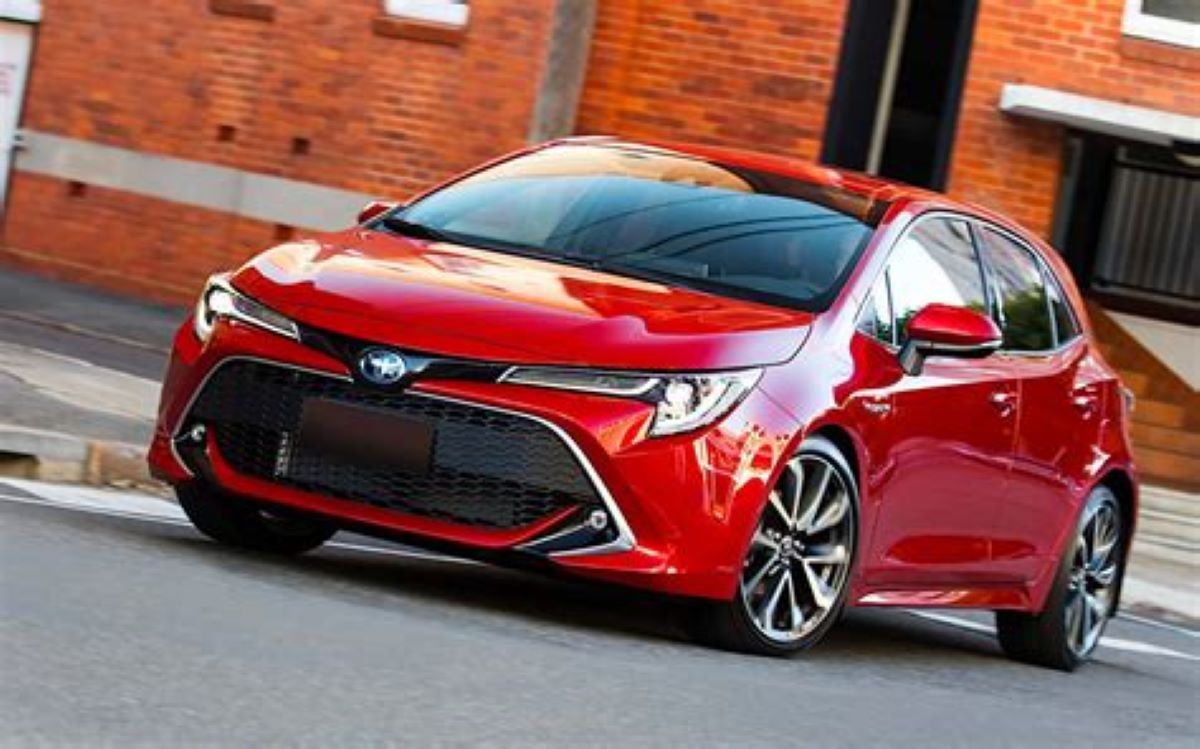
The Toyota Corolla Hybrid is powered by the automaker’s earlier-generation 1.8-liter four-cylinder 2ZR-FXE engine, which operates on the Atkinson cycle. This engine shares identical bore and stroke measurements with the standard non-hybrid Corolla.
Toyota modifies it with a higher 13.0:1 compression ratio and employs a delayed intake valve closing strategy. On its own, the internal combustion engine produces 98 horsepower and 105 pound-feet of torque.
This gasoline engine is paired with Toyota’s triple-permanent-magnet Hybrid Synergy Drive system, which raises total system output to 138 horsepower and 152 pound-feet of torque. Within the hybrid setup, the larger electric motor contributes 93 horsepower, while the smaller motor adds 40 horsepower.
Toyota does not publish output figures for the third motor, nor does it provide individual torque ratings. Total system output remains the same regardless of whether the Corolla Hybrid is equipped with front-wheel drive or all-wheel drive. An Electronically Controlled Continuously Variable Transmission is standard and the sole transmission offered.
Toyota does not release official acceleration data, but third-party testing shows the all-wheel drive version reaches 60 MPH from a standstill in 9.0 seconds. The front-wheel drive variant is slightly slower, recording a 0–60 MPH time of 9.6 seconds. Across the lineup, Toyota electronically caps the top speed at 114 MPH.
2. Buick Encore GX
Buick has quietly built a reputation for comfort-focused tuning, and the Encore GX benefits greatly from that philosophy.
In traffic, the suspension absorbs broken pavement and expansion joints without sharp jolts, which reduces physical fatigue over time. The steering is intentionally light, making low-speed maneuvering effortless even in tight urban settings.
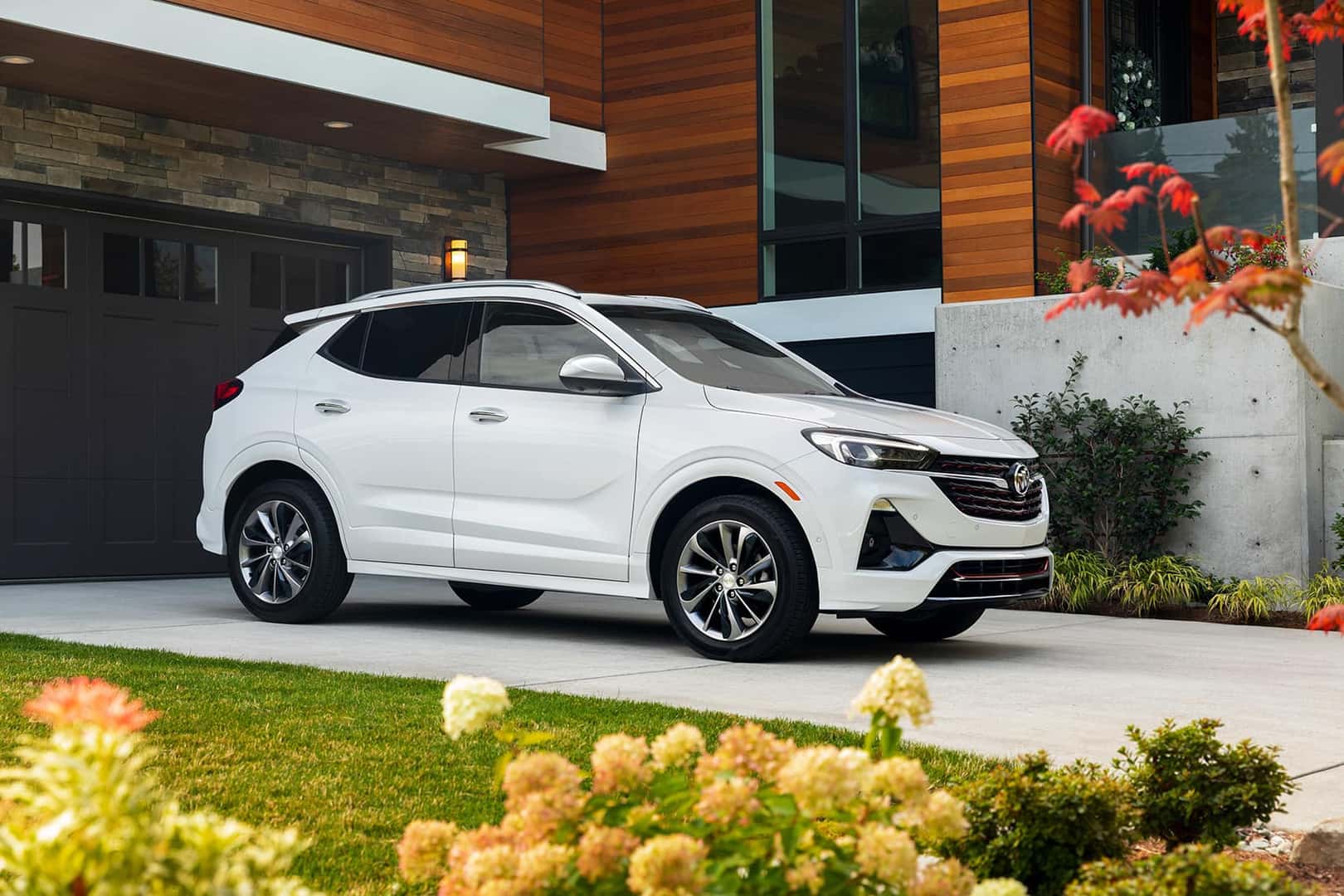
Visibility is another strength. The Encore GX offers a clear view in all directions, minimizing blind-spot anxiety when traffic compresses around you.
Buick’s driver-assist features are tuned conservatively, providing helpful nudges rather than constant warnings. For drivers who value calm over excitement, the Encore GX feels soothing in environments that usually test patience.
Also Read: Top 10 Toyota 4Runners That Hold Value Like a Savings Account
3. Toyota Highlander Hybrid
Large vehicles often increase stress in traffic, but the Toyota Highlander Hybrid is an exception.
Its hybrid system delivers torque smoothly and instantly at low speeds, avoiding the lag or surging common in large gas-powered SUVs. The result is steady, predictable motion in stop-and-go conditions.
The Highlander’s cabin is well insulated, keeping road noise and outside chaos at bay. Seating position is high, offering commanding visibility that helps drivers anticipate traffic flow instead of reacting late.
Despite its size, the steering and braking are well-calibrated for urban driving, making it far less tiring than many three-row SUVs in dense congestion.
The three-row Highlander uses the same hybrid powertrain found in the RAV4 Hybrid, although Toyota has tuned it for slightly higher output to better manage the vehicle’s additional mass.
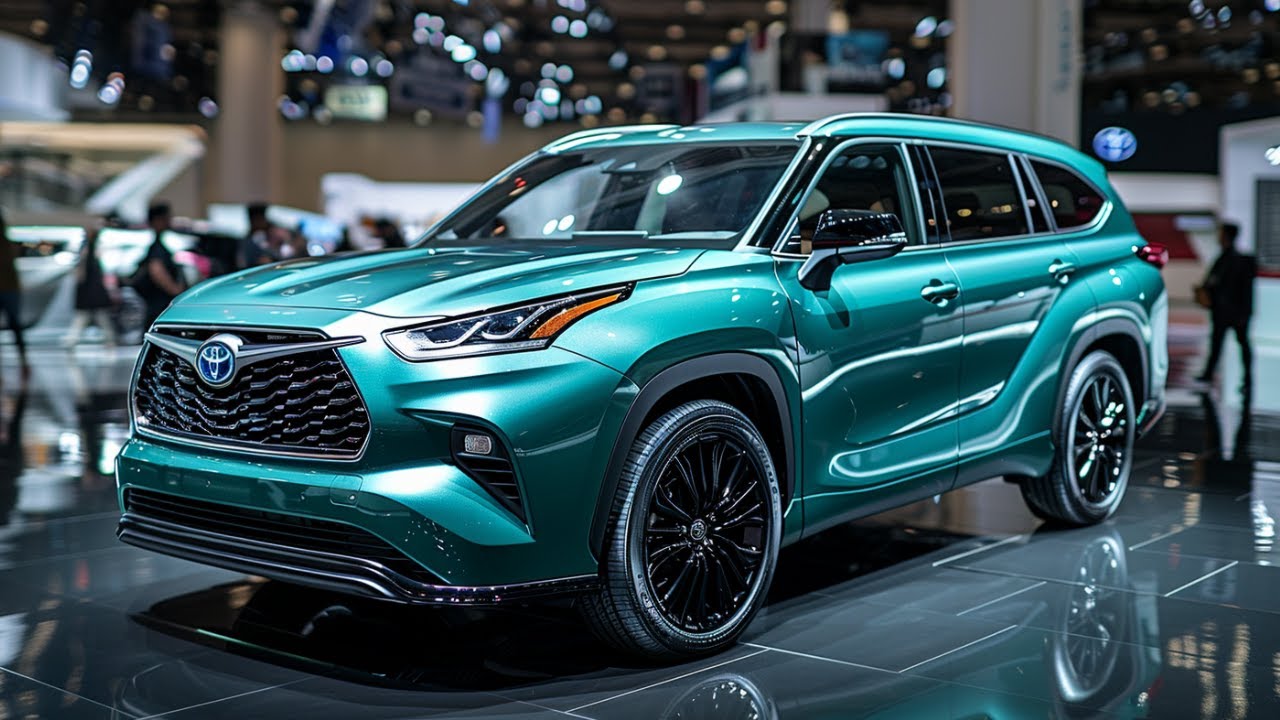
In our testing, the Highlander reached 60 mph from a standstill in 8.2 seconds. That result is genuinely solid, especially when you consider that some V6-powered SUVs require similar acceleration times while delivering significantly worse fuel economy. Emergency braking performance is equally competitive for the segment.
When the road starts to bend, this hybrid setup remains more composed than you might expect. The Highlander Hybrid doesn’t match the athleticism of the Ford Explorer Hybrid, but sharp handling is rarely a priority for buyers in the three-row SUV category.
What matters far more is overall drivability, and here the Highlander Hybrid excels. Throttle response is smooth and immediate, power delivery feels predictable, and the braking system operates cleanly without the abrupt or grabby behavior that can plague other hybrid models.
Comfort is one of the Highlander Hybrid’s stronger attributes. The suspension delivers a cushioned ride that absorbs most road flaws while still maintaining control at higher speeds, avoiding excessive body float.
The broad front seats remain supportive during long-distance driving, and the optional second-row captain’s chairs offer nearly the same comfort level. Unfortunately, the third row continues to be a weak point. Minimal padding, a low-mounted seat base, and tight legroom make it unsuitable for most adult passengers.
The Highlander’s climate control system is a standout feature. It’s intuitive to operate and capable of quickly warming or cooling the cabin as needed. At highway speeds, the interior remains well isolated from wind and road noise. While the gasoline engine can sound coarse under heavy throttle, it generally fades into the background during normal driving and doesn’t detract from overall refinement.
4. Kia Forte
The Kia Forte excels in traffic because of its simplicity. Controls are intuitive, physical buttons are easy to reach, and nothing about the driving experience feels overcomplicated. In heavy traffic, this matters more than flashy features.
Throttle response is tuned for gradual acceleration, which helps maintain smooth spacing between vehicles.
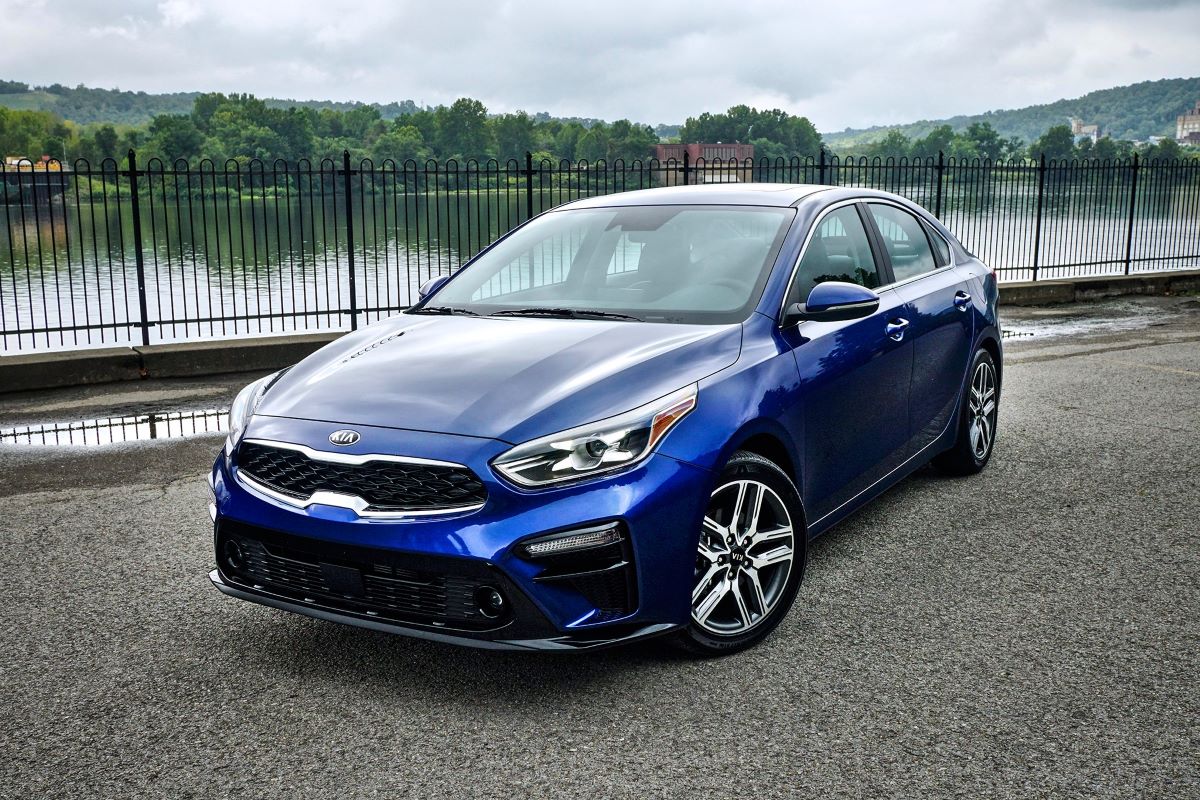
The Forte’s suspension favors comfort over sportiness, absorbing small bumps without transmitting harshness into the cabin.
Kia’s safety systems work quietly in the background, providing reassurance without overwhelming the driver. For commuters who want stress-free reliability, the Forte punches above its weight.
5. Volvo XC60
Volvo’s design philosophy prioritizes reducing driver stress, and the XC60 reflects that clearly in traffic.
Its Pilot Assist system handles stop-and-go congestion with exceptional smoothness, maintaining lane position and following distance in a way that feels natural rather than robotic.
The XC60’s interior plays a major role in its calming effect. Materials are soft, noise levels are low, and seats are designed for long periods of sitting without discomfort.
Steering is light and controlled, allowing drivers to guide the vehicle effortlessly through congested lanes. In traffic, the XC60 feels less like a machine and more like a buffer between the driver and the chaos outside.
The compact luxury SUV class is crowded with strong offerings from established premium brands, yet the lone Scandinavian entry manages to stand apart rather than blend in.
Since its redesign in 2018, the Volvo XC60 has distinguished itself through distinctive headlight and taillight signatures, clean and restrained exterior surfacing, and a refined interior that emphasizes high-quality materials and a minimalist aesthetic. That said, the Swedish SUV doesn’t quite match some competitors when it comes to sharp handling or delivering the softest ride in the segment.
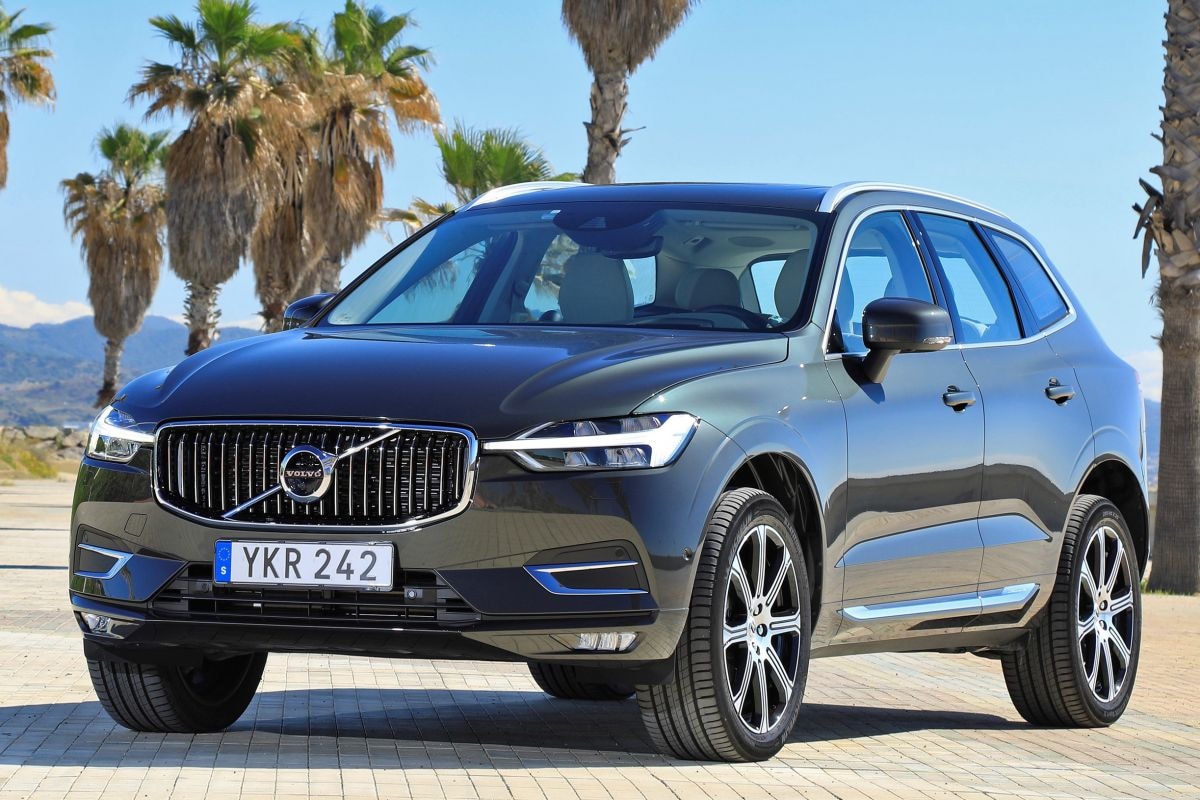
Like most luxury SUVs, the XC60 is well suited to family duty. It offers a comfortable cabin, a practical amount of cargo space, and a comprehensive suite of standard driver-assistance technologies, including automatic emergency braking and evasive steering assist.
In terms of size, it fits neatly between Volvo’s smaller XC40 and larger XC90. The XC60 also mirrors its German rivals, the BMW X3, Mercedes-Benz GLC, and Audi Q5, by offering a higher-performance variant. In Volvo’s case, that role is filled by the Polestar Engineered model, which is based on the plug-in hybrid Recharge T8.
For the 2022 model year, Volvo introduced a refresh that brought revised front and rear styling along with updates to the powertrain lineup. A new Google-based infotainment system also debuted, integrating Google Assistant, Google Maps, and Google Play directly into the vehicle.
Across the engine range, Volvo added mild-hybrid technology designed to modestly boost fuel efficiency, by roughly 1 to 2 mpg compared with the prior year, and to make the automatic stop-start system feel smoother when idling at traffic lights.
The plug-in hybrid XC60 Recharge received a midyear update as well. Improvements include a higher-capacity battery and a more powerful rear electric motor.
Together, these upgrades increase total output to an impressive 455 horsepower and allow the XC60 Recharge to travel approximately 36 miles on a full electric charge, which is a strong showing for a plug-in hybrid. Regular charging can significantly reduce gasoline consumption during daily driving.
At the top of the lineup sits the Polestar Engineered trim, which adds performance-oriented upgrades to complement the Recharge T8 powertrain.
Most shoppers will find the Momentum trim more than sufficient, as it delivers a generous feature set for the price. The R-Design is also worth considering thanks to its additional equipment and sportier appearance. Regardless of trim choice, opting for the available Advance package is advisable if traffic-adaptive cruise control is a priority. As for powertrains, the B5 engine provides ample performance for the needs of most drivers.
Also Read: 10 Small Cars That Deliver Big-Time Performance
Cars That Increase Stress in Heavy Traffic
Some cars are impressive on paper and miserable in real life, and nowhere is that more obvious than in heavy traffic. When you’re inching forward, surrounded by noise and impatience, the wrong vehicle doesn’t just fail to help, it actively raises your blood pressure. In congestion, every design flaw gets amplified.
This article focuses on cars that make traffic worse than it already is. Think twitchy throttles, awkward visibility, punishing suspensions, and tech that demands attention when you have none to spare. These vehicles may shine on empty roads or in marketing photos, but in stop-and-go reality, they turn an already stressful commute into a daily endurance test.
1. Ford Mustang (Non-Mach-E)
The Ford Mustang is built for emotional appeal and performance, but those strengths work against it in traffic. Visibility is limited, especially over the shoulder, making lane changes more stressful than necessary.
The low seating position amplifies the feeling of being surrounded by larger vehicles.
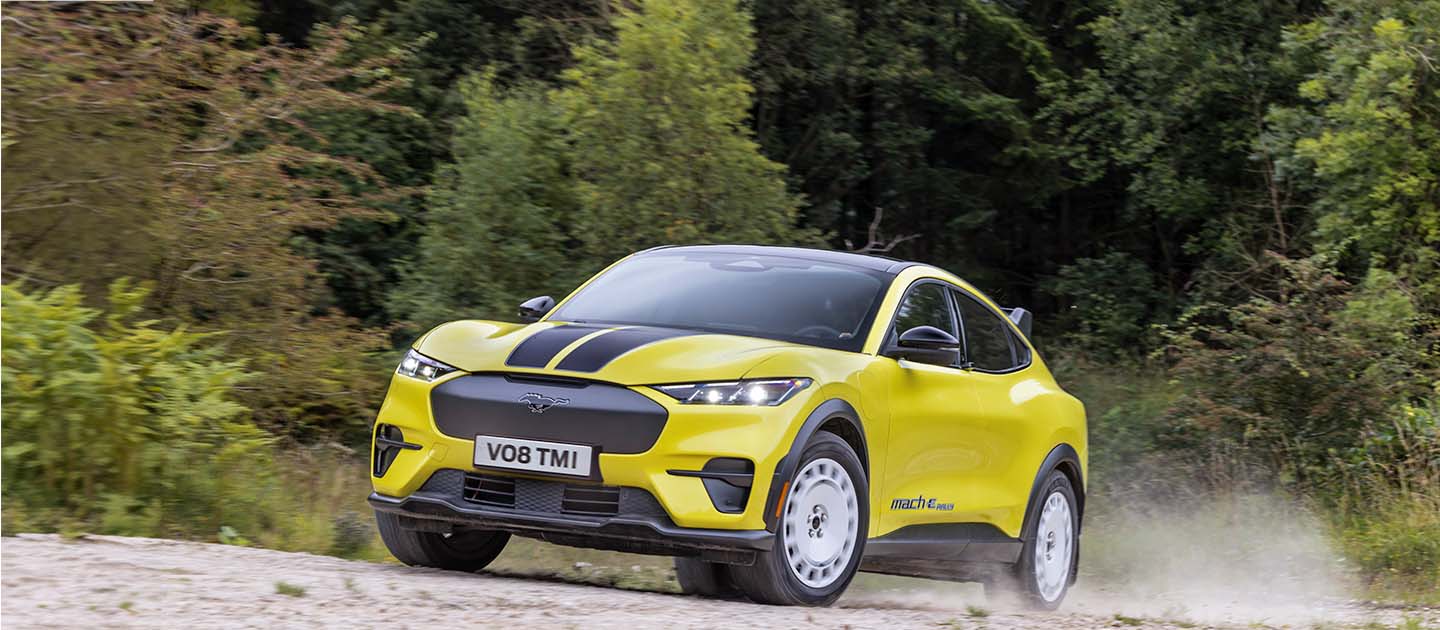
Throttle response is often aggressive, particularly in performance trims, which makes smooth progress in stop-and-go situations difficult. Firm suspension tuning transmits road imperfections directly into the cabin, increasing physical fatigue.
While thrilling on open roads, the Mustang demands too much attention when traffic slows to a crawl.
2. Ram 2500
In traffic-heavy urban environments, the Ram 2500’s sheer size becomes its biggest drawback. Maneuvering such a large vehicle through narrow lanes and tight gaps requires constant vigilance.
Even experienced drivers may feel mentally drained after navigating congestion in a heavy-duty pickup.
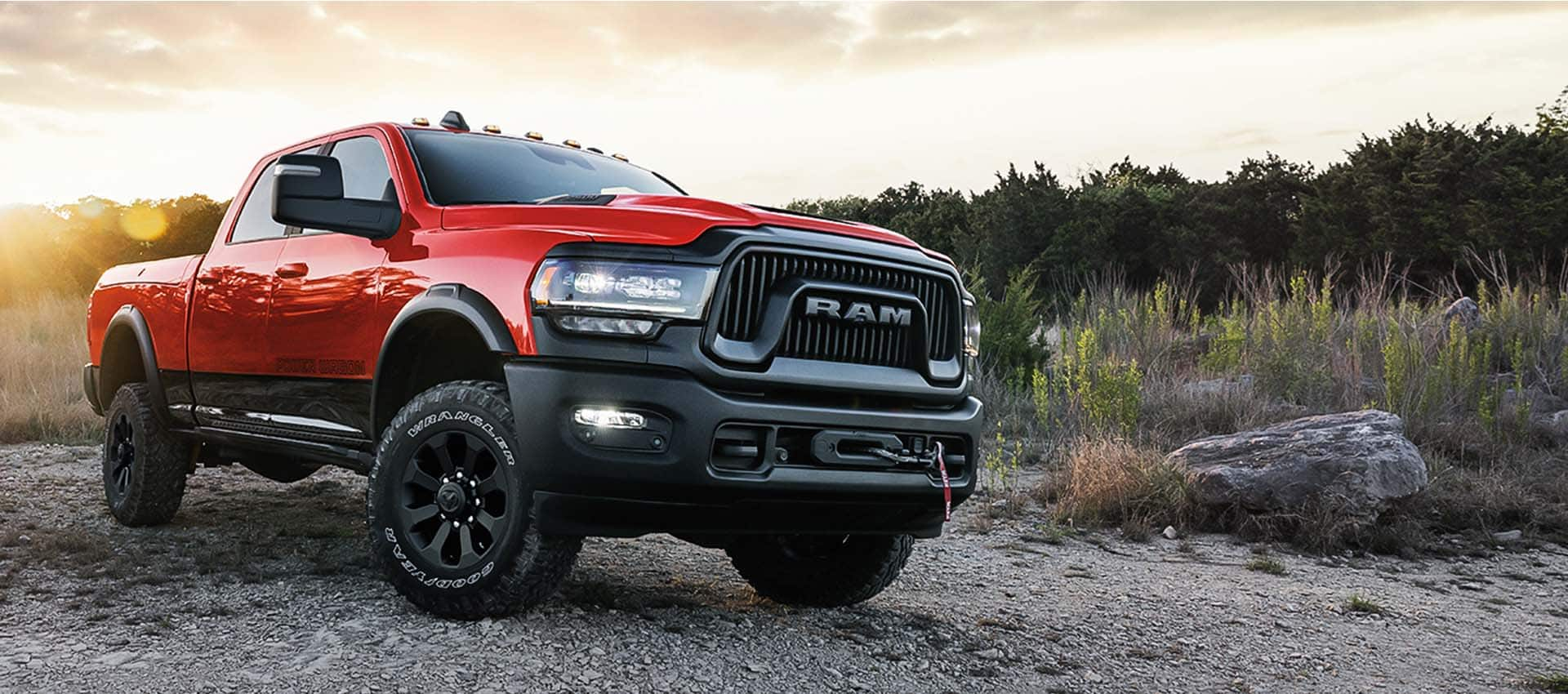
Steering effort is higher than in lighter vehicles, and braking requires careful modulation at low speeds.
The elevated hood limits forward visibility in close quarters, making stop-and-go traffic feel tense rather than manageable. While excellent for towing and work duties, the Ram 2500 is ill-suited for daily traffic battles.
The standard gasoline V-8 stays squarely in its powerband thanks to a smart, quick-shifting eight-speed automatic transmission, while the available diesel engine delivers an almost absurd amount of low-end torque, enough to invite comparisons to Bentley-level thrust.
Ram has also succeeded in making its heavy-duty pickup genuinely attractive, bordering on elegant. The 2500 features a class-leading interior, with upscale materials, thoughtful and functional design, and a level of modern technology that sets the benchmark in the segment.
Ride quality is impressively composed, and overall cabin comfort is exceptional, making the Ram 2500 a surprisingly pleasant long-distance cruiser whether you’re towing a 15,000-pound boat or driving unladen. For buyers with off-road priorities, the Power Wagon stands out as a more suitable choice than the supercharged Ram TRX.
Ram offers both gasoline and diesel powertrains for the 2500. The standard option is a 6.4-liter naturally aspirated V-8 that produces 410 horsepower and 429 lb-ft of torque.
Rear-wheel drive comes standard, with four-wheel drive available, and the gas V-8 is paired with an eight-speed automatic transmission. Buyers seeking maximum payload capability should opt for the gas engine in regular-cab, rear-wheel-drive form with the 8-foot bed, a configuration capable of carrying up to 3,910 pounds.
For those prioritizing towing muscle, the available 6.7-liter turbodiesel inline-six is the clear choice. While it makes slightly less horsepower at 370 hp, it delivers a massive 850 lb-ft of torque.
This engine is matched with a six-speed automatic transmission and can be configured with either rear- or four-wheel drive. When properly equipped, rear-wheel-drive diesel models can tow as much as 19,990 pounds.
3. Subaru WRX
The Subaru WRX thrives on engagement, but heavy traffic exposes its compromises. The clutch and throttle pairing in manual versions can be tiring in stop-and-go driving, while automatic versions still retain aggressive tuning that feels restless at low speeds.
Stiff suspension tuning makes uneven pavement more noticeable, and road noise intrudes constantly during slow movement.
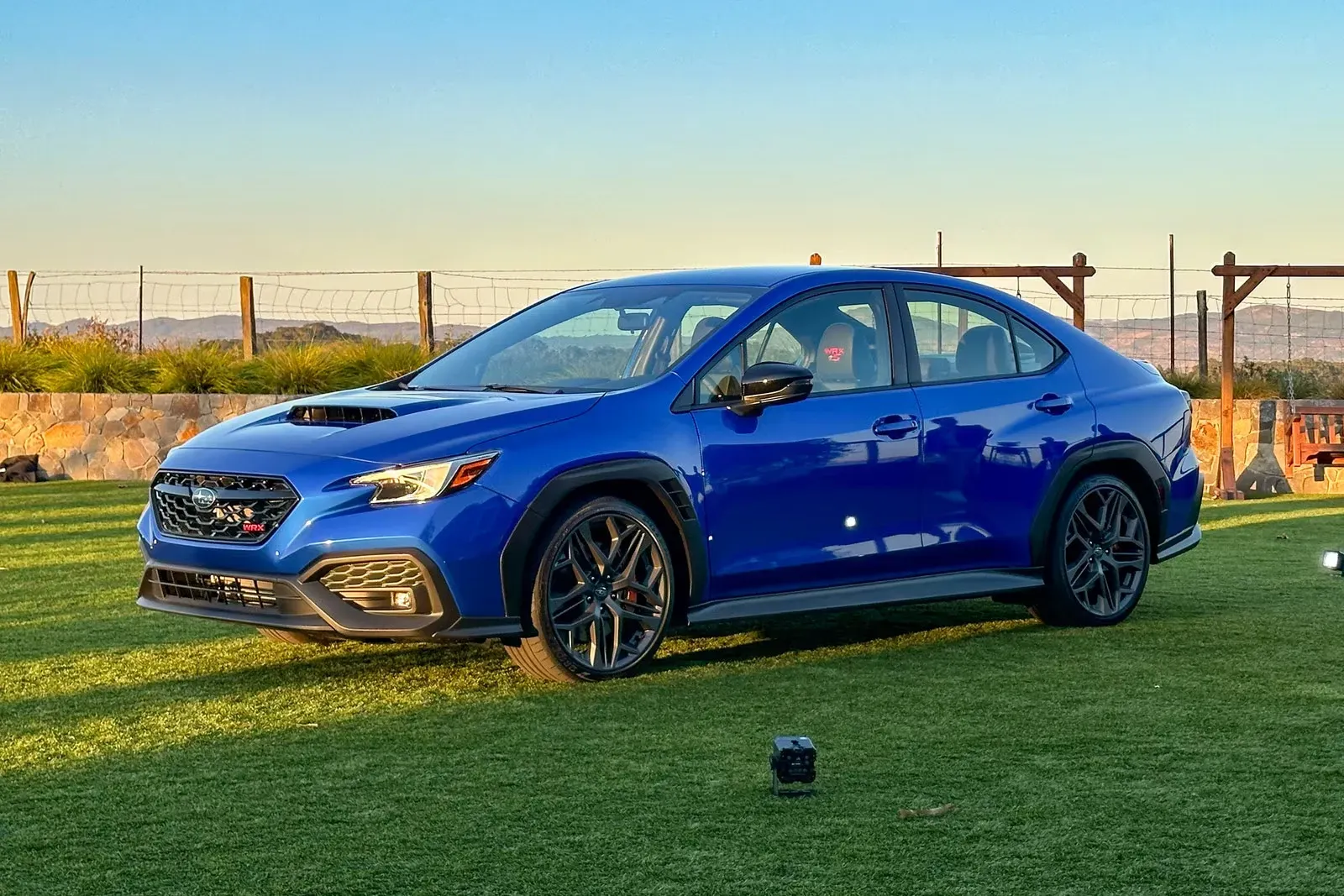
Steering is quick and demanding, requiring frequent corrections that add mental strain. The WRX feels like it’s always asking to be driven harder an uncomfortable trait when traffic demands patience.
Powering the WRX is a turbocharged 2.4-liter flat four-cylinder engine that produces 271 horsepower and 258 pound-feet of torque. Output is sent to the wheels through either a standard six-speed manual transmission or an available continuously variable automatic transmission (CVT).
Staying true to its roots, every WRX comes standard with all-wheel drive. Models equipped with the automatic transmission, complete with steering-wheel-mounted paddle shifters, also offer three selectable drive modes. The CVT-exclusive GT trim adds adaptive dampers to the mix, and buyers can choose between 17- or 18-inch wheels wrapped in summer performance tires.
After spending time behind the wheel of the latest WRX, we found that it delivers a noticeably smoother ride and improved overall refinement. More importantly, it retains the engaging, fun-to-drive character the nameplate is known for.
At our test facility, the six-speed manual WRX accelerated from zero to 60 mph in 5.5 seconds and ran the quarter-mile in 13.9 seconds at 101 mph. The GT model, which comes standard with the CVT, edged out the manual to 60 mph with a 5.4-second run but trailed slightly in the quarter-mile, crossing the line in 14.1 seconds at the same 101 mph trap speed.
4. Tesla Model Y (Early Software Versions)
While electric vehicles often excel in traffic, early versions of the Tesla Model Y can increase stress due to inconsistent software behavior.
Sudden braking, unexpected steering corrections, or overly cautious reactions from driver-assist systems can catch drivers off guard.
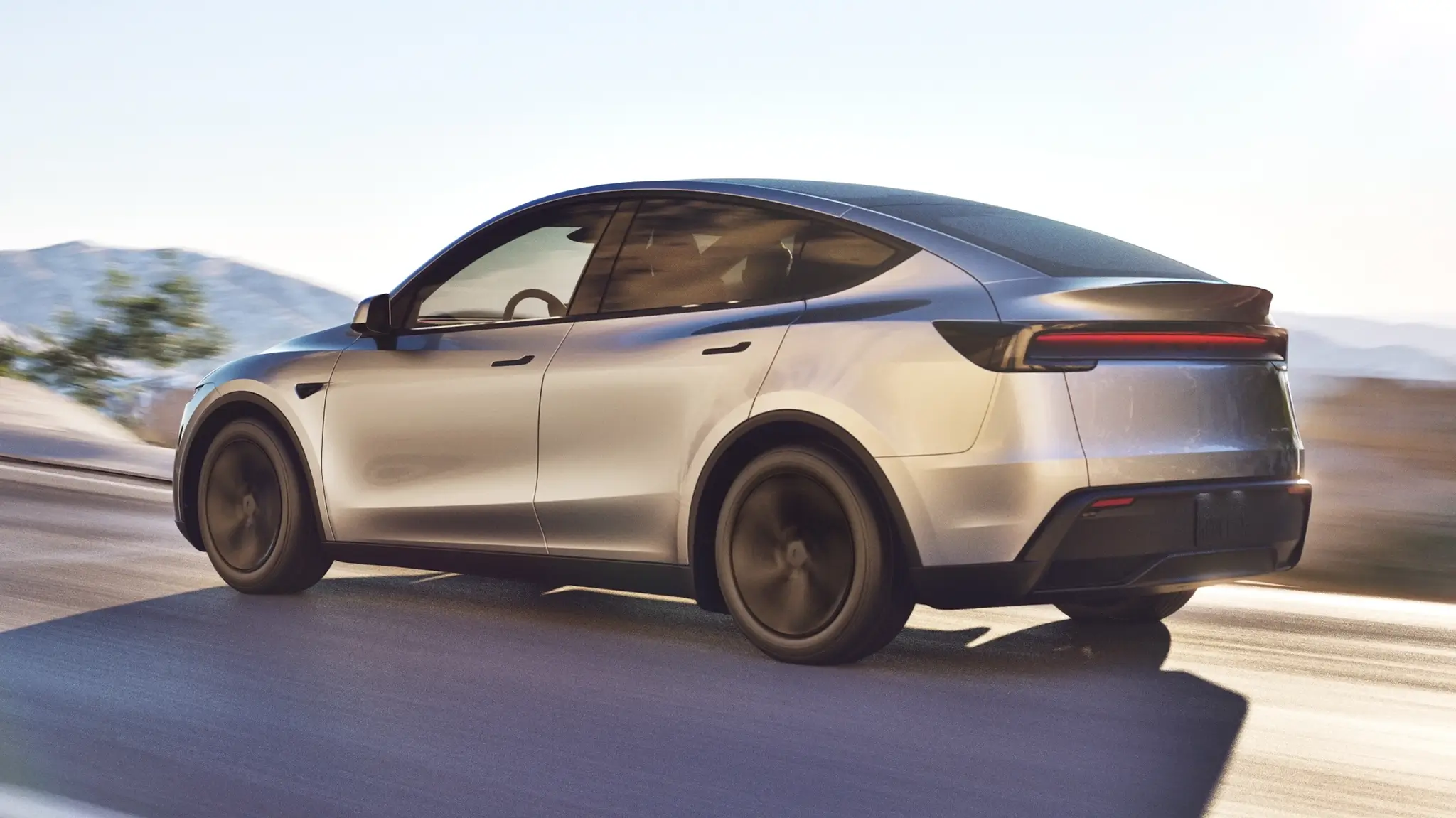
The minimalist interior removes physical controls, forcing drivers to interact with the touchscreen for simple tasks an annoyance in heavy traffic where attention should stay on the road.
When systems work perfectly, the Model Y can feel relaxing, but unpredictability turns congestion into a mentally demanding experience.
5. Chevrolet Suburban
Despite its comfortable ride, the Chevrolet Suburban struggles in traffic due to its massive footprint. Lane positioning requires constant awareness, and parking or merging in dense environments can feel stressful even for seasoned drivers.
The long wheelbase limits agility, making quick adjustments more difficult. While the Suburban shines on highways and family road trips, traffic-heavy urban driving highlights the downsides of excessive size, turning routine commutes into exercises in patience and concentration.
In modern American driving, calm is not a luxury it’s a necessity. Cars that feel composed, quiet, and cooperative in traffic protect drivers from the cumulative stress that builds over daily commutes.
The 2022 Suburban is a solid choice on the used SUV market. With a comfortable, compliant ride, seating for as many as nine passengers, and cargo capacity that leads the large SUV segment, the Suburban stands out as a compelling option.
Its strengths earned it our 2022 Best Cars for Families award. Chevrolet also equips the Suburban with a user-friendly infotainment system, a range of capable engine options, and strong towing capability. Projected ownership costs over five years fall right around the segment average for the 2022 model.
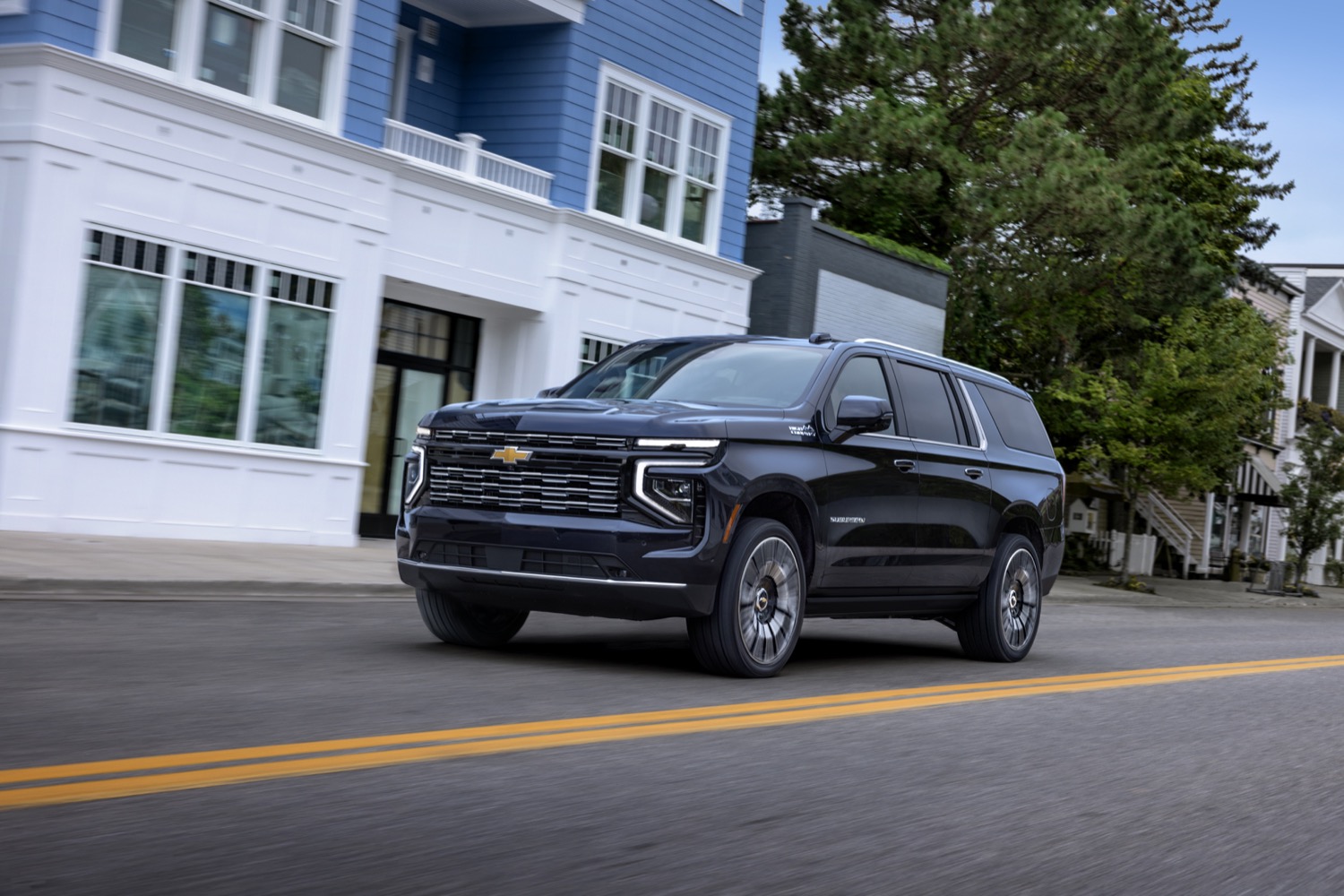
The Suburban’s closest competitors are its platform mates from General Motors, including the GMC Yukon and the Chevrolet Tahoe. The Tahoe is essentially a shorter version of the Suburban and shares many of the same features and design elements.
The Yukon and its extended-length Yukon XL counterparts represent the GMC interpretations of the Tahoe and Suburban, offering more standard features and a slightly more upscale presentation. Opting for the Tahoe or Yukon can make city driving and parking a bit easier, but that convenience comes at the expense of some cargo capacity.
Vehicles like the Corolla Hybrid, XC60, and Highlander Hybrid succeed because they reduce effort, filter noise, and support the driver instead of demanding constant correction.
On the flip side, vehicles built for excitement, size, or capability often struggle when traffic removes the opportunity to enjoy those strengths. In congestion, simplicity, predictability, and comfort matter far more than raw performance.
For drivers navigating America’s increasingly crowded roads, choosing a car that feels calm in traffic can make the difference between arriving drained or arriving ready for the rest of the day.