Buying a new car in the United States has become less about excitement and more about confidence.
With average transaction prices remaining high, interest rates fluctuating, and many buyers keeping vehicles longer than ever, long-term predictability now matters just as much as horsepower, tech features, or styling.
For most American households, a car is no longer something you trade in every three or four years it’s a long-term investment expected to remain dependable well past the warranty period.
This is where reliability trends matter. Some vehicles earn a reputation for staying mechanically consistent year after year, delivering steady ownership costs and few unpleasant surprises even as mileage climbs.
Others, however, tend to feel solid at first but develop known issues over time often related to complex powertrains, electronics, or cost-cutting decisions that only reveal themselves after years of daily use.
Below, we look at five cars that have proven to stay predictable over the long haul, followed by five vehicles known for noticeable reliability drops as they age.
These assessments focus on real-world ownership patterns in the US, factoring in maintenance records, repair trends, and long-term durability rather than short-term reviews or marketing claims.
Cars That Stay Predictable Long-Term
Some cars impress early and unravel quietly over time. Others never chase headlines, yet year after year they behave exactly the way you expect—and that consistency is worth more than any spec-sheet bragging rights. Long-term predictability is what turns a car from a short-term win into a dependable companion.
This article focuses on vehicles that age without surprises. The kinds of cars that start the same way in year five as they did in year one, deliver familiar performance in all conditions, and avoid the slow creep of quirks, glitches, and “character.” If you value trust over novelty and want a car that settles into your life rather than disrupting it, these are the models that prove reliability is still a virtue.
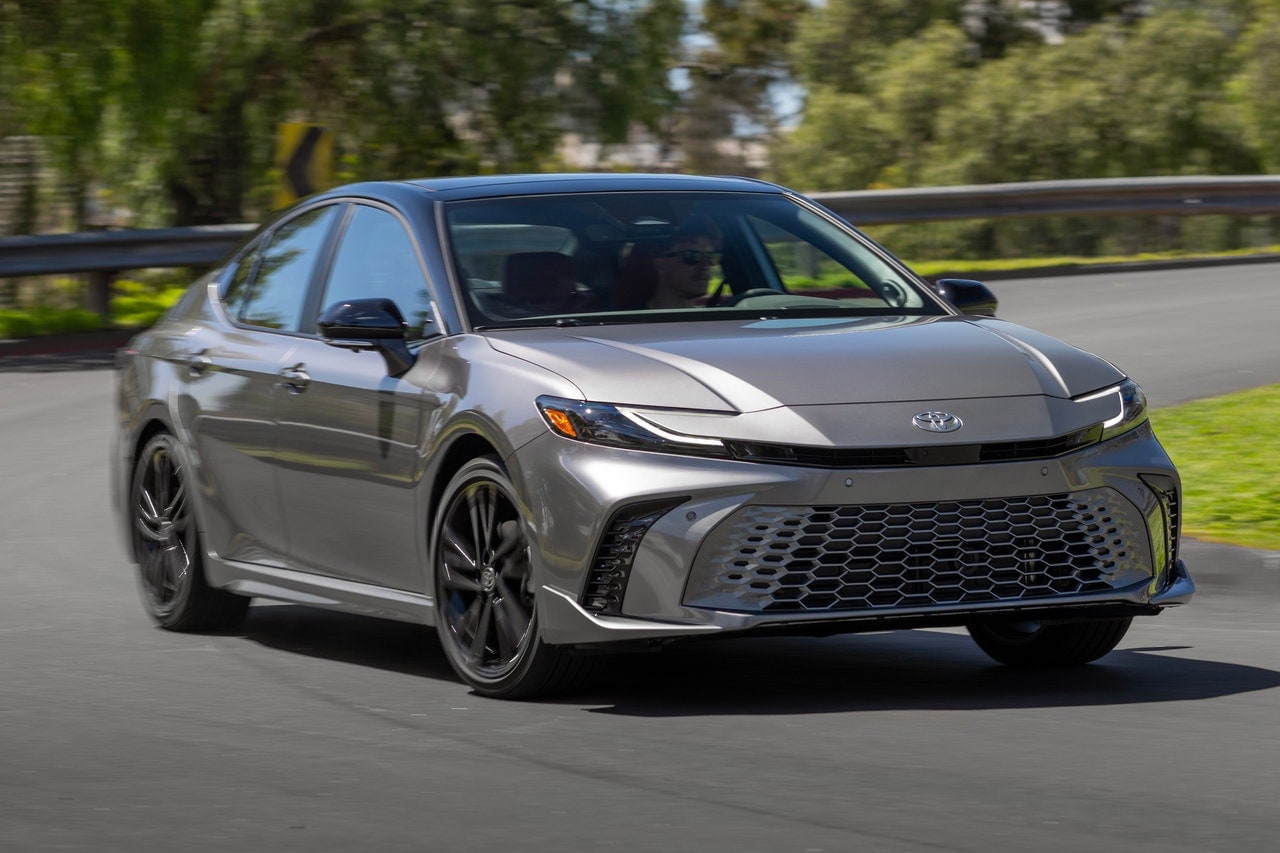
1. Toyota Camry
Few vehicles in America have built a reputation for consistency quite like the Toyota Camry. For decades, the Camry has been the default choice for buyers who value reliability over novelty, and that reputation has held up remarkably well over time.
Whether equipped with the naturally aspirated four-cylinder or the optional V6, the Camry’s powertrains are known for longevity and mechanical simplicity.
What makes the Camry predictable long-term is not just the engine but the overall engineering philosophy. Toyota tends to introduce technology slowly, refining systems across multiple generations before widespread adoption.
Transmissions, suspension components, and electrical systems are rarely pushed to their limits. As a result, owners often experience fewer mid-life surprises around the 80,000- to 120,000-mile mark compared to many competitors.
Routine maintenance costs also remain stable, parts availability is excellent across the US, and independent mechanics are intimately familiar with the platform.
While the Camry may not excite enthusiasts, it consistently delivers on its promise of dependable transportation well into high mileage.
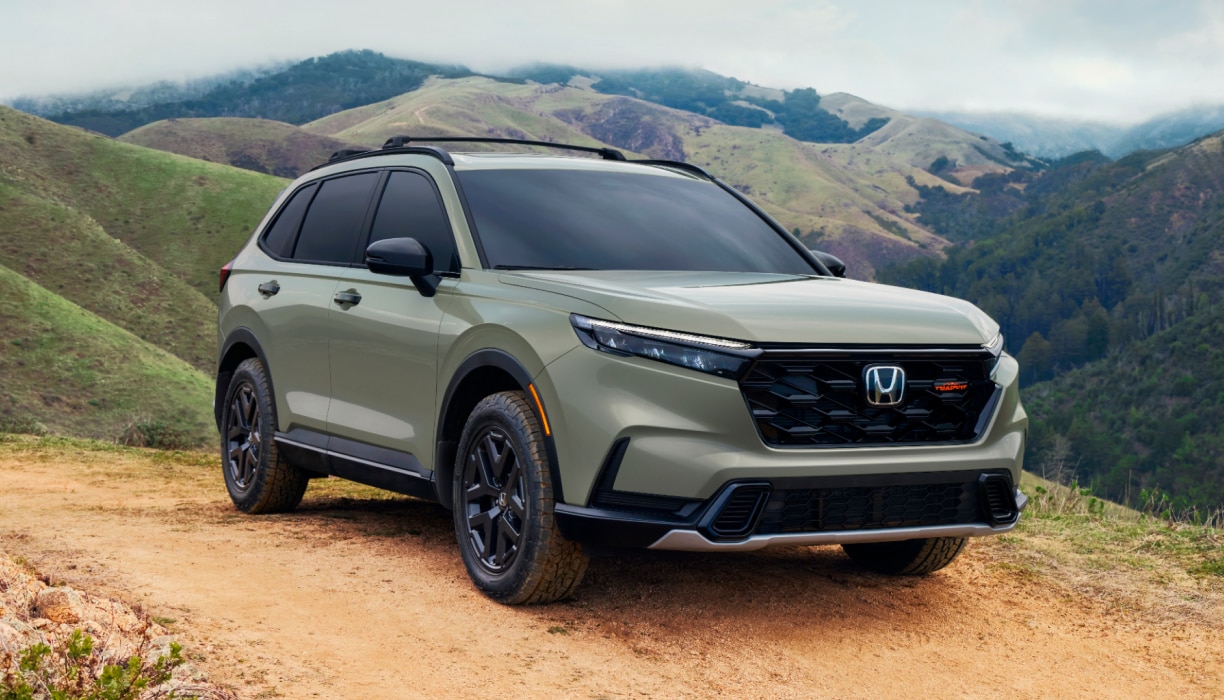
2. Honda CR-V
The Honda CR-V has become one of the best-selling vehicles in the country for a reason: it balances practicality with long-term reliability.
Particularly in non-turbo or earlier naturally aspirated configurations, the CR-V’s drivetrain has proven durable under a wide range of driving conditions, from suburban commuting to highway road trips.
Honda’s engineering strengths show up in the CR-V’s predictable ownership curve. Suspension wear, brake service, and basic engine components tend to age gradually rather than failing suddenly.
Even CVT-equipped models, when maintained properly, generally avoid catastrophic issues compared to early CVTs from other manufacturers.
Interior quality also contributes to predictability. Materials tend to hold up better than expected for a mainstream compact SUV, reducing long-term annoyance and resale value drops.
For families planning to keep a vehicle for 10 years or more, the CR-V remains one of the safest bets on the US market.
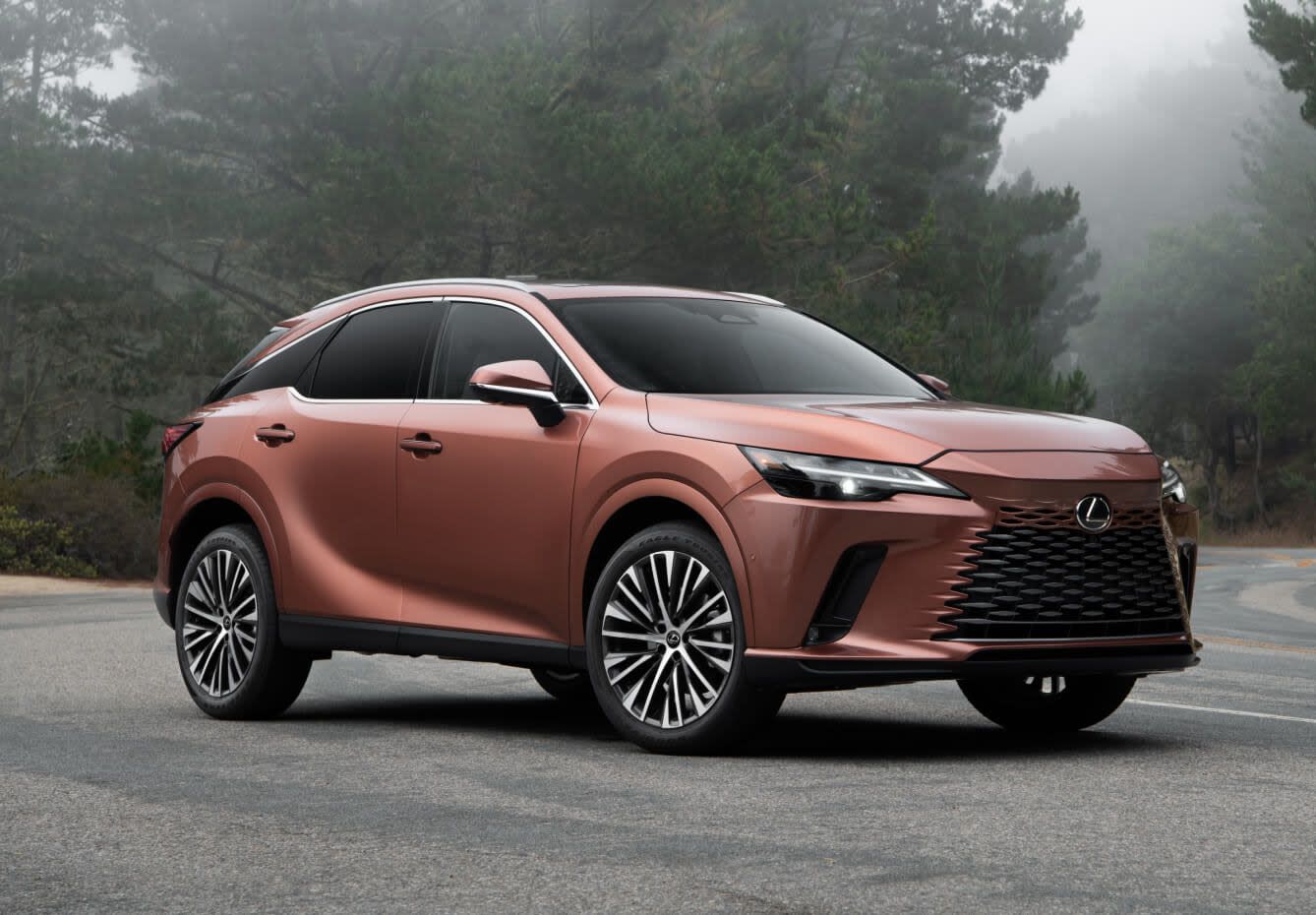
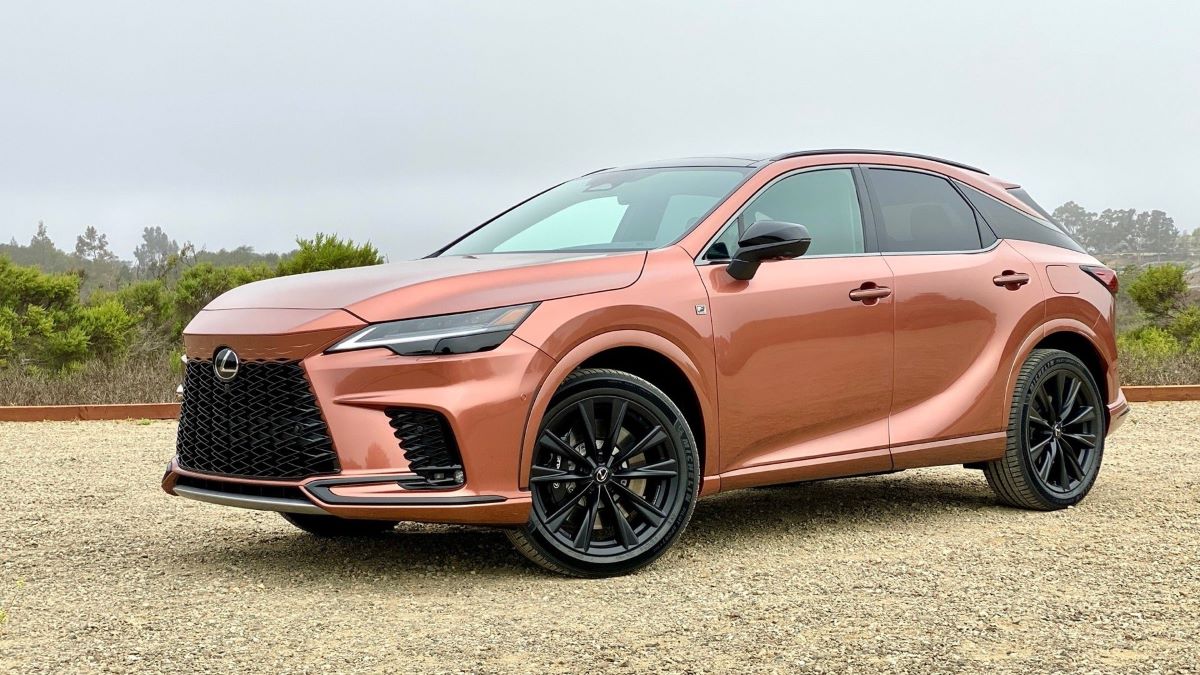
3. Lexus RX
For buyers who want luxury without the usual long-term headaches, the Lexus RX stands out. Built on Toyota platforms but tuned for comfort, the RX has established itself as one of the most reliable luxury SUVs available in America.
Owners routinely report minimal unscheduled repairs even as mileage exceeds six figures.
The key to the RX’s predictability lies in conservative design. Lexus avoids cutting-edge experimental features in favor of proven components.
Engines and transmissions are often shared or derived from Toyota’s most durable offerings, and hybrid versions in particular have shown impressive long-term stability.
While maintenance costs are higher than mainstream Toyota models, they remain far more predictable than many European luxury alternatives.
For buyers who prioritize peace of mind over performance credentials, the RX delivers a rare combination of refinement and durability.
Buyers have two distinct RX options: the RX350, which comes with a 3.5-liter V-6 engine, and the RX450h, which pairs the same V-6 with two electric motors. Our test unit, the RX350 F Sport with all-wheel drive, recorded a 0-to-60 mph time of 6.7 seconds, adequate but somewhat sluggish compared with competitors in its class.
The RX450h, one of the few hybrids available in this segment, also takes longer than average to accelerate from a standstill to 60 mph. Where the RX truly excels is in ride quality; it smooths out rough patches effortlessly and provides a supple, comfortable driving experience. The cabin is well insulated and quiet, making the RX a top choice for long-distance cruising.
4. Subaru Outback
The Subaru Outback has carved out a loyal following among American drivers who value all-weather capability and long-term dependability.
While early Subaru models had well-documented head gasket issues, more recent generations have shown marked improvement in overall reliability.
Modern Outbacks benefit from refined boxer engines, improved CVT tuning, and a robust all-wheel-drive system that rarely requires major service when properly maintained.
The vehicle’s moderate power output and practical design reduce stress on mechanical components, contributing to predictable aging. Additionally, Subaru owners tend to follow maintenance schedules closely, which further enhances long-term outcomes.
For drivers in snowy or rural regions of the US, the Outback offers consistent performance and reliability without the complexity of larger SUVs.
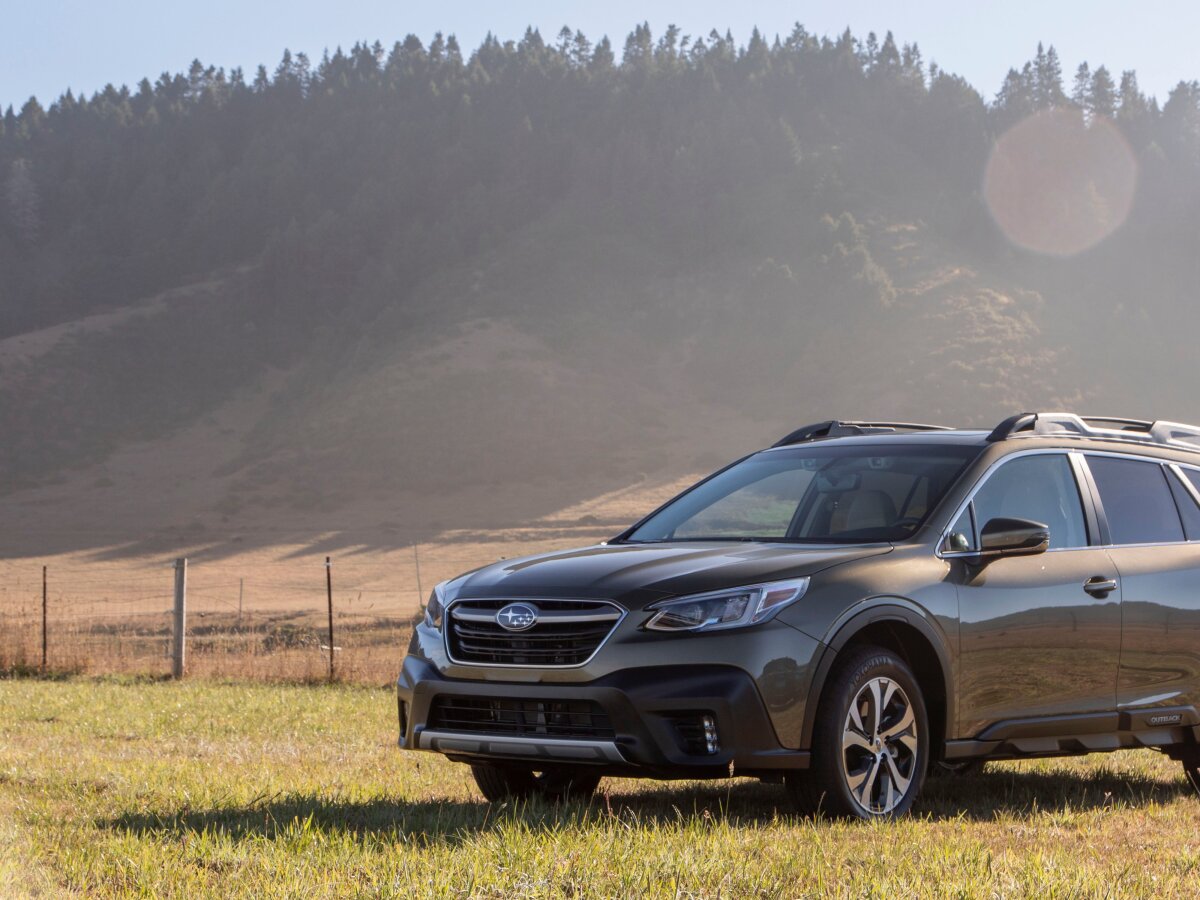
We tested an Outback Touring XT, which comes equipped with the more powerful turbocharged engine. On our test track, this Outback accelerated from 0 to 60 mph in 6.5 seconds, notably faster than its rival, the Honda Passport, which takes 7.9 seconds. The Outback with its base engine, however, still feels sluggish. If you’re after performance, the turbocharged option is the way to go.
On the road, the latest Outback feels composed and stable through corners. Its steering is more precise and responsive than previous models, giving you confidence that it will go exactly where you aim it. Advanced driver-assistance features, including adaptive cruise control and lane-keeping assistance, operate smoothly, making driving easier without overwhelming you with alerts.
The Outback also handles uneven city streets with ease. You can drive over potholes and manhole covers without worrying about discomfort. Combined with excellent visibility, it becomes a versatile vehicle, capable of handling city life while ready to tackle off-road adventures and bring you back comfortably.
5. Toyota Corolla
The Toyota Corolla may not be flashy, but it remains one of the most reliable cars ever sold in the US. Its simplicity is its greatest strength.
Small displacement engines, conservative tuning, and lightweight construction mean less strain on components over time.
Corollas routinely surpass 200,000 miles with basic maintenance, and ownership costs remain among the lowest in the country.
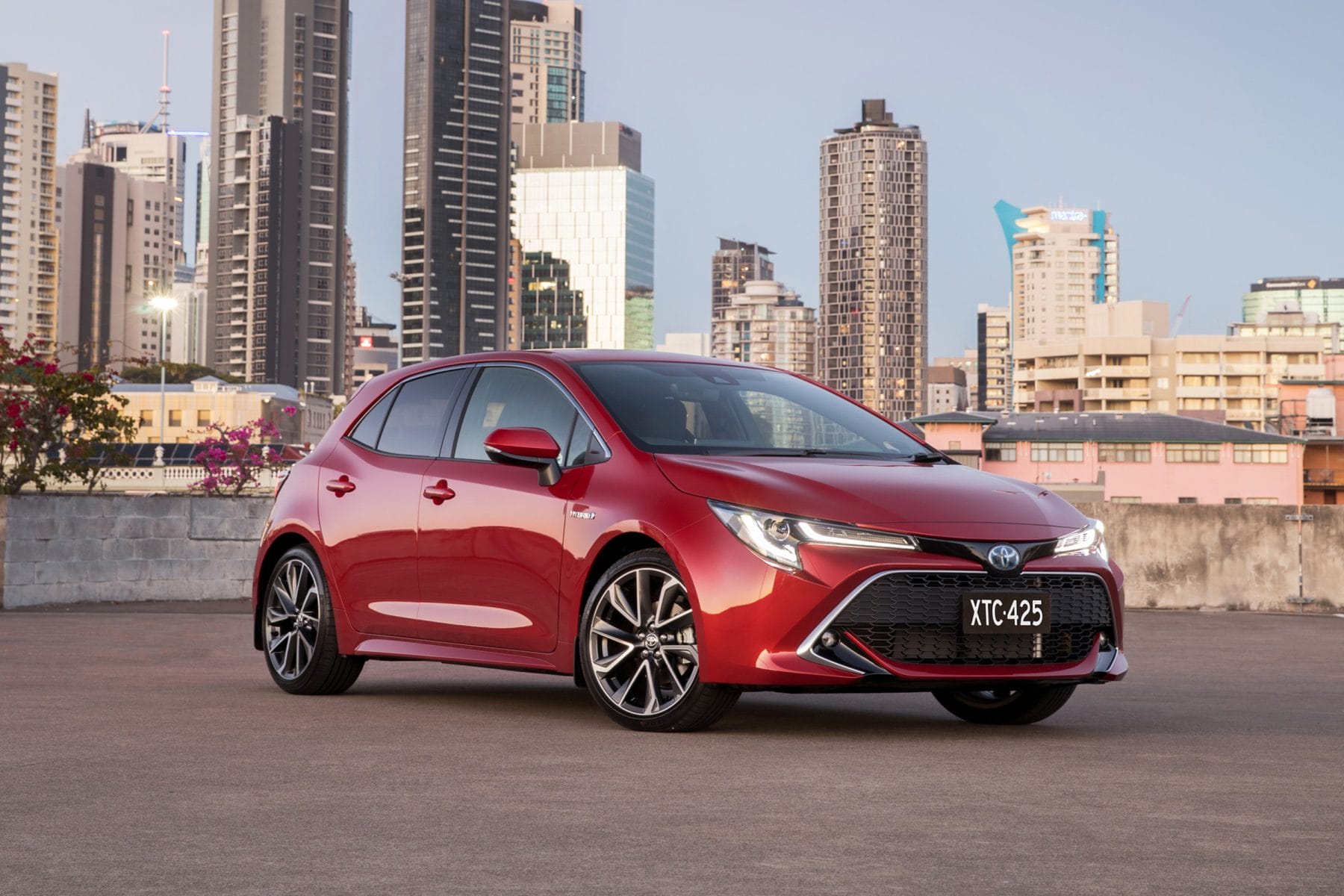
Electrical systems are straightforward, transmissions are proven, and parts are inexpensive and readily available.
For buyers focused purely on long-term predictability rather than luxury or performance, the Corolla continues to set the benchmark for worry-free ownership.
Cars With Known Reliability Drops
Even the most well-regarded cars aren’t immune to trouble. Some models, once praised for their performance or comfort, have experienced noticeable drops in reliability over the years.
Whether it’s recurring engine issues, electronics that fail prematurely, or transmission headaches, these problems can turn a promising vehicle into a source of constant frustration, and expensive repairs. In this article, we’ll take a close look at cars with known reliability declines, helping you navigate which models to approach with caution and which ones might still be worth considering.
1. Ford Focus (Certain Model Years)
The Ford Focus, particularly models equipped with the dual-clutch automatic transmission, serves as a cautionary tale in long-term reliability.
While the car often feels solid and enjoyable when new, many US owners experience transmission shuddering, hesitation, and eventual failure as mileage increases.
These issues often appear outside the warranty window, leading to costly repairs and diminished resale value.
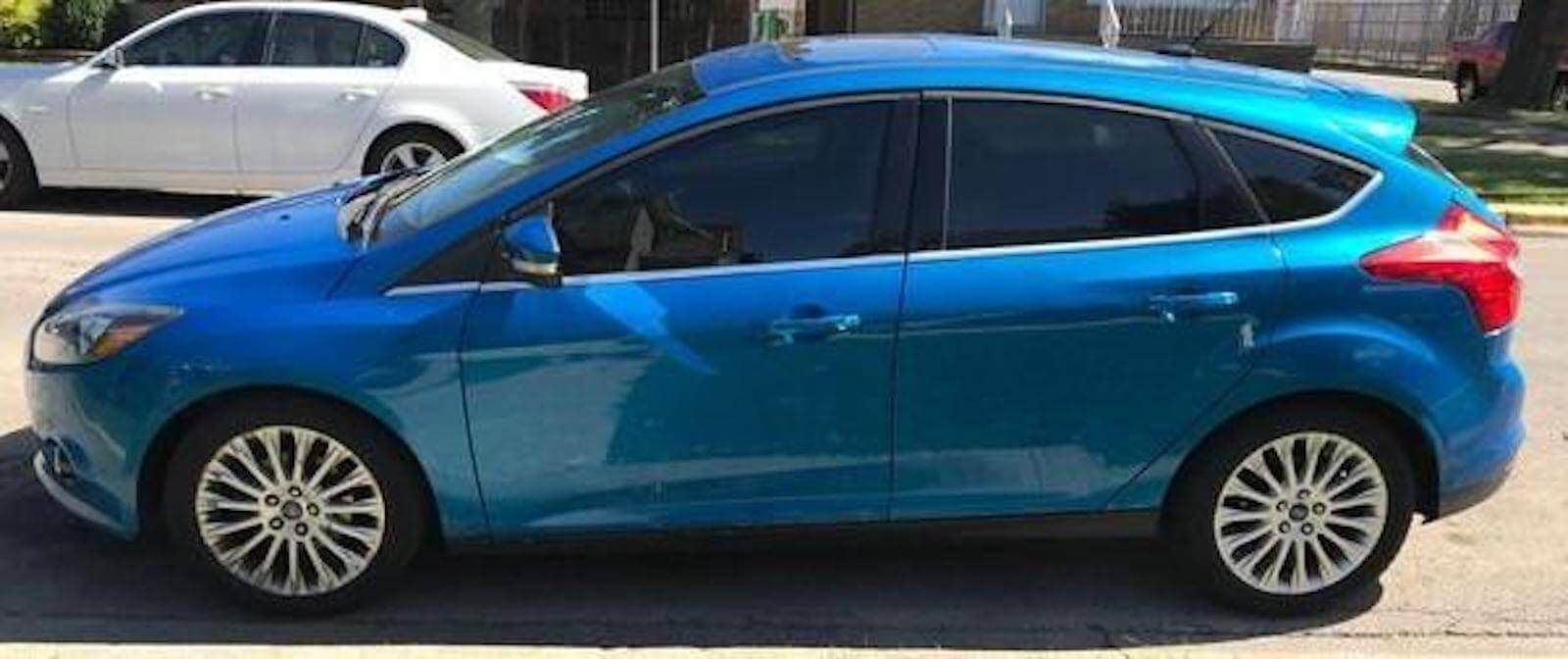
Even otherwise reliable components cannot offset the long-term uncertainty introduced by a problematic transmission design.
Manual transmission Focus models tend to fare better, but the reputation damage from widespread automatic transmission issues has made the Focus a risky long-term proposition for many buyers.
2. Jeep Grand Cherokee
The Jeep Grand Cherokee offers strong styling, off-road capability, and a comfortable interior, but long-term reliability has been inconsistent. Many owners report a noticeable increase in electrical and suspension issues as the vehicle ages.
Air suspension systems, infotainment electronics, and complex drivetrain components can become expensive liabilities after several years of ownership.
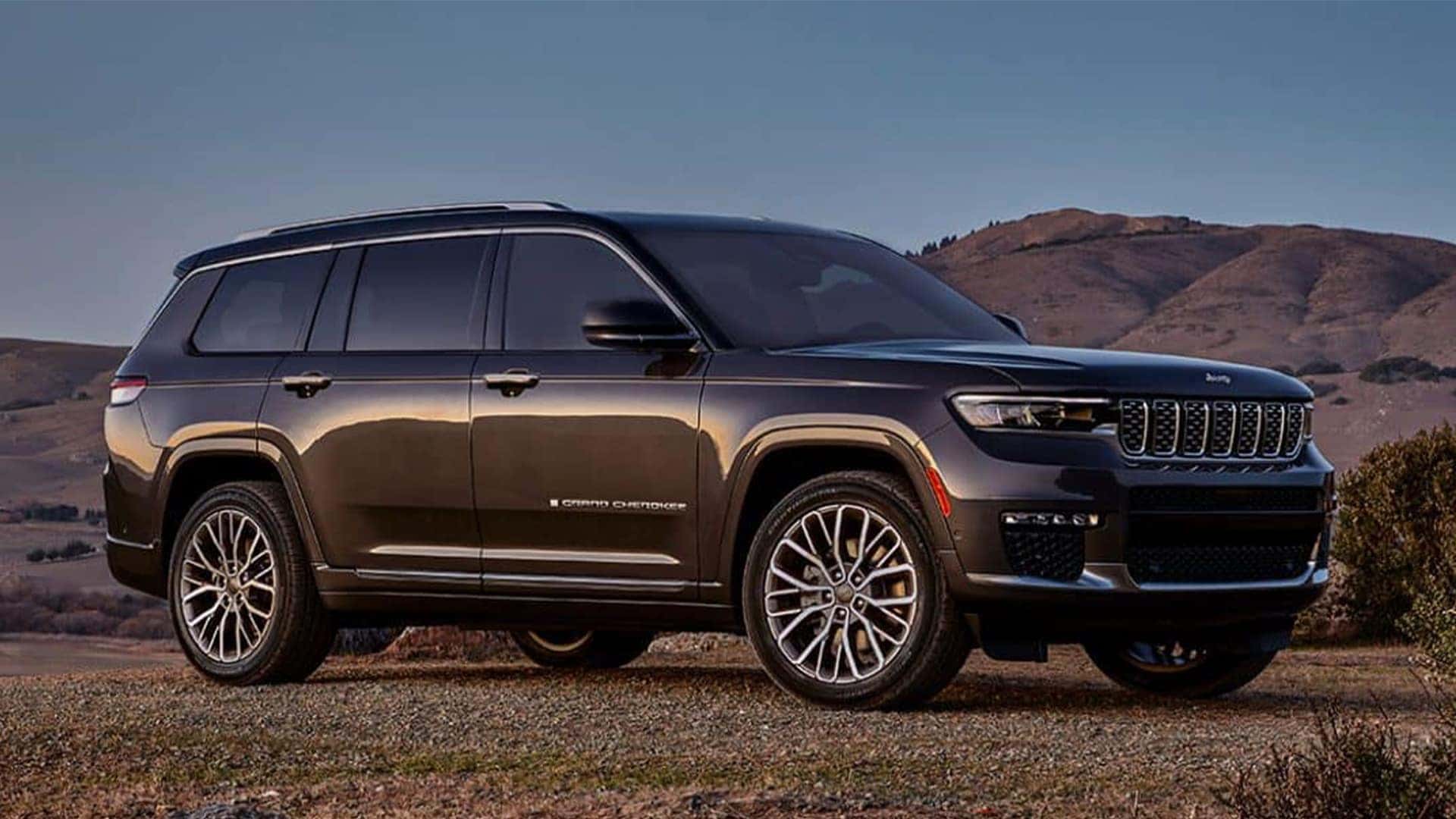
While some Grand Cherokees perform reliably, variability between individual vehicles makes long-term predictability less certain.
For buyers planning to lease or trade in early, these issues may be manageable. For long-term ownership, however, the Grand Cherokee often carries higher risk than its competitors.
It’s easy to see why the 2024 Grand Cherokee L carries a premium price. Both powertrains offer plenty of usable power, routed through a smart eight-speed automatic transmission that delivers it smoothly.
Ride quality is excellent, especially with the available air suspension, and off-road, it handles with the sure-footed confidence you expect from a Jeep. This refinement continues inside the cabin, which is quiet, well-appointed, and genuinely upscale. On higher trim levels, the Grand Cherokee L even approaches true luxury.
There are some drawbacks, including a somewhat cramped third row and driver-assistance systems that could use updated logic. And, of course, the price is steep. Even so, finding a better three-row off-roader than the Grand Cherokee L is a challenge.
Every 2024 Grand Cherokee L comes with an eight-speed automatic transmission. Rear-wheel drive models are paired only with the 3.6-liter naturally aspirated V-6, which is also the standard engine for all-wheel-drive models and the smaller standard Grand Cherokee. This engine produces 293 horsepower and 260 lb-ft of torque.
For those seeking more power, there’s an available 5.6-liter non-turbo V-8 paired with AWD, delivering 357 horsepower and 390 lb-ft of torque. Towing capacity is 6,200 pounds with the V-6 and 7,200 pounds with the V-8.
Fuel economy is competitive with non-hybrid rivals. The V-6 Grand Cherokee L returns 18–19 mpg in the city and 25–26 mpg on the highway, while the V-8 version earns 14 mpg city and 22 mpg highway.
3. BMW 5 Series
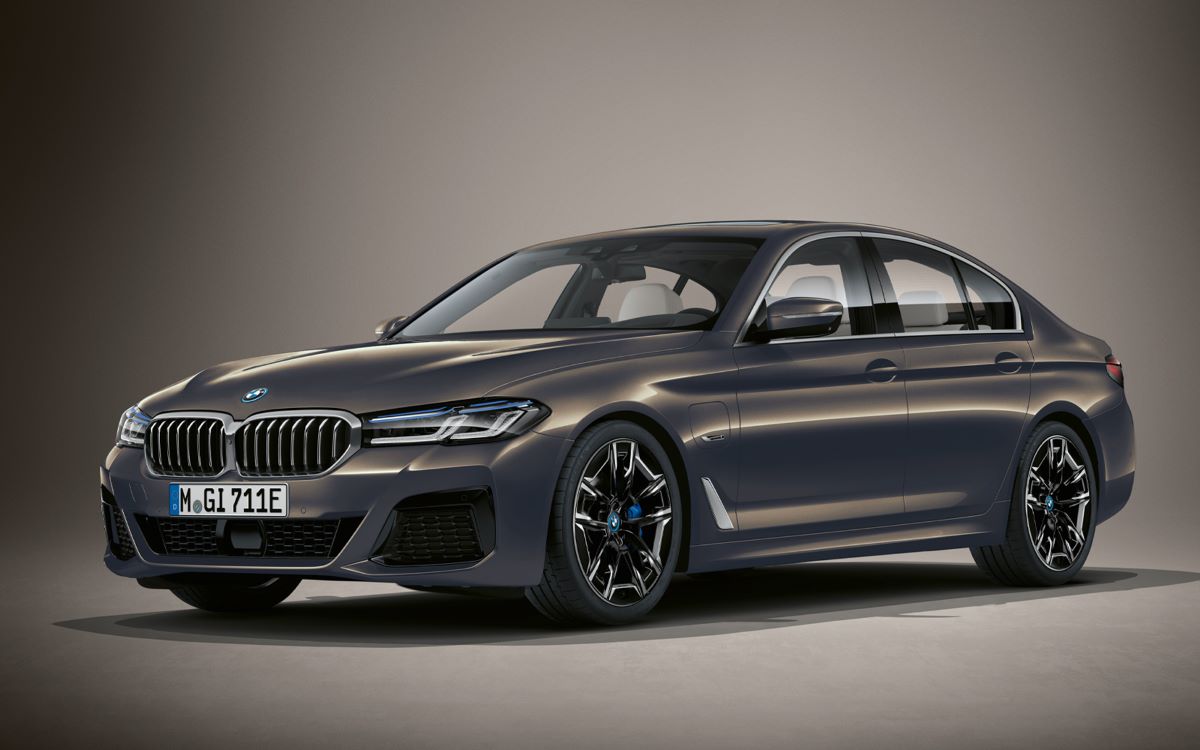
The BMW 5 Series delivers an exceptional driving experience when new, but ownership dynamics change significantly as the car ages. Advanced engines, turbocharging systems, and sophisticated electronics introduce multiple potential failure points.
In the US, repair costs for out-of-warranty BMWs can escalate quickly. Issues with cooling systems, oil leaks, and electronic modules often emerge between 70,000 and 100,000 miles.
While not every vehicle experiences major failures, the likelihood increases compared to more conservative designs.
For enthusiasts who prioritize performance and luxury, these risks may be acceptable. For buyers seeking predictability, the 5 Series often disappoints over the long term.
BMW launched the seventh generation of its 5 Series in late 2016, with deliveries beginning in 2017, and introduced a refresh in 2020.
Known as the G30, this seventh-generation 5 Series marked a significant step forward for buyers seeking a mid-size executive sedan. While it shared much of its technology and features with BMW’s flagship 7 Series, it remained more affordable.
It also offered inline-four, fuel-efficient engines that the longer, pricier 7 Series could not. The 2020 refresh added updates that enhanced both the car’s looks and overall appeal.
BMW preferred the term “Life Cycle Impulse” over “facelift,” since some refreshed models received only minor changes that could be hard to spot. In the case of the G30, however, the upgrades were noticeable.
The new LED headlights were slimmer and featured updated daytime running lights. Optional laser technology added distinctive L-shaped DRLs. The kidney grille came with black slats and either chrome or dark surrounds, while the lower bumper offered variations depending on trim, either a slimmer or wider apron with slim LED fog lamps.
From the side, the changes were subtle. The fatter front bumper increased length by 27 millimeters (1.1 inches), but the wheelbase remained unchanged.
Small details, like the side vents on the front doors, were available in chrome or dark finishes depending on options. At the rear, new OLED taillights enhanced the car’s width visually. BMW also offered an M-Package that included a sportier rear bumper design.
Inside, updates were incremental but notable. A 10.2-inch touchscreen controlled the iDrive infotainment system, with a 12.3-inch display available for the optional BMW Live Cockpit Professional.
Front seat coverings could be fabric, Alcantara, or suede, and a 40/20/40 split-folding rear bench was optional. Buyers could also choose from various sound system configurations and USB port setups, and four-seat heating with front ventilation was available.
Under the hood, engine options varied by market. The base 520i produced 184 PS (181 hp) sent to the rear wheels through an eight-speed automatic transmission. In Europe and select markets, BMW offered a fuel-efficient 2.0-liter inline-four turbodiesel. Mild-hybrid and plug-in hybrid variants were also available, as were all-wheel-drive xDrive versions for most models.
Optional rear-wheel steering and adaptive dampers further enhanced handling. With this range of options, the G30 5 Series could serve as a practical substitute for the entry-level 7 Series models, but at a more accessible price.
4. Nissan Altima
The Nissan Altima has struggled with long-term reliability, largely due to ongoing concerns surrounding Nissan’s CVT transmissions.
While the car may perform adequately during the first few years, many US owners report transmission issues as mileage accumulates.
Failures often occur suddenly and can be costly to repair or replace. Combined with average interior durability and declining resale values, these issues make long-term ownership less predictable than rivals like the Camry or Accord.
Despite competitive pricing and features, the Altima’s reliability trajectory remains a concern for buyers planning extended ownership.
The Altima won’t impress with blazing acceleration or sharp braking. Our test all-wheel-drive Altima, equipped with the 2.5-liter engine, reached 0-60 mph in a modest 8.4 seconds. The CVT automatic transmission is well-tuned, though, helping the Altima feel composed and almost effortless during everyday driving.
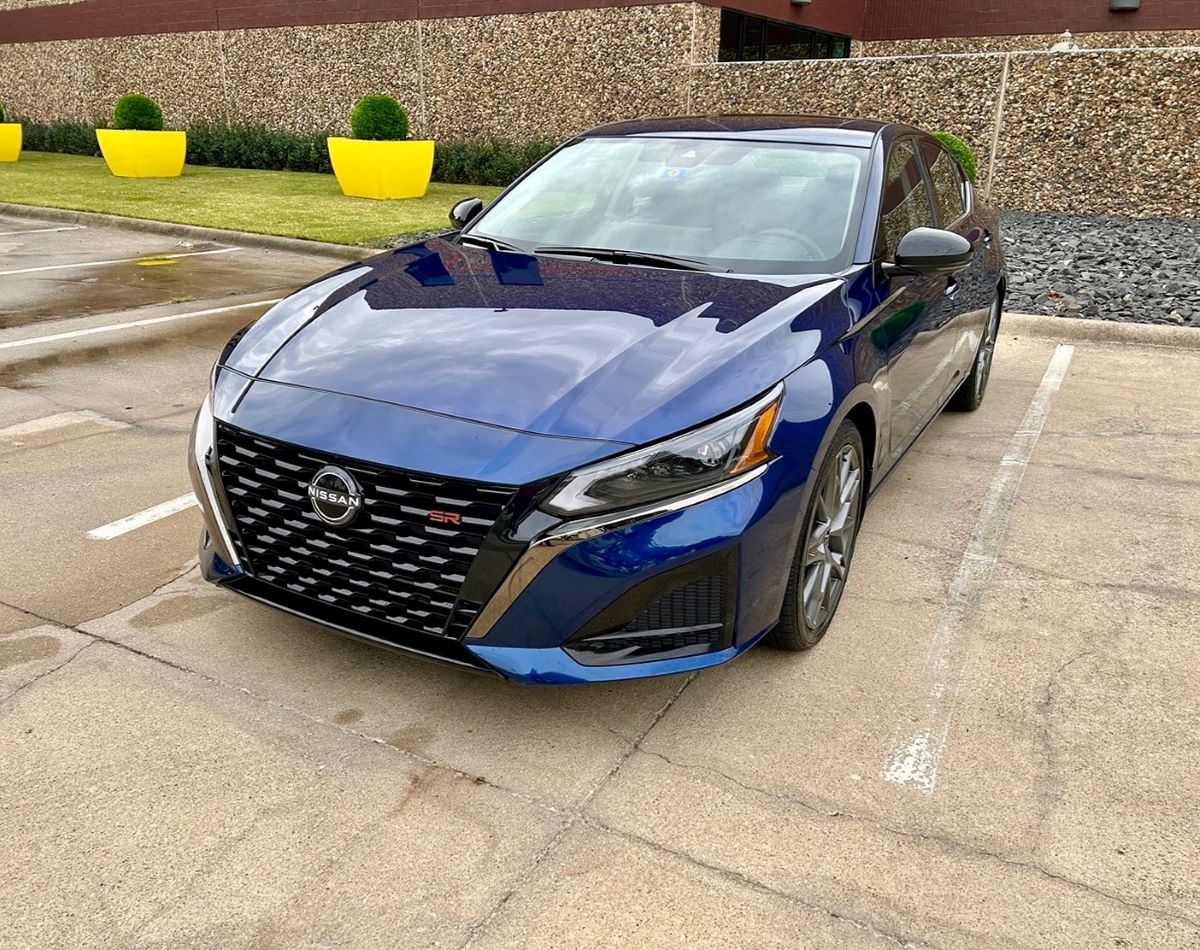
Handling is another strong point. The car feels stable through fast, sweeping curves, instilling confidence behind the wheel. However, this capability highlights one of its weaknesses: the steering is light and somewhat vague.
Inside, the Altima provides a calm environment for navigating daily traffic. The front seats are generally comfortable, though some drivers may desire more thigh support. Engine noise is well controlled, even under hard acceleration.
The ride quality, however, is less consistent. Small bumps and rough patches are constantly felt, giving the Altima a busy, unsettled feel. Larger impacts can be jarring, detracting from comfort on uneven roads.
5. Volkswagen Tiguan
The Volkswagen Tiguan offers European styling and a refined driving feel, but long-term reliability has been mixed. Turbocharged engines, complex electronics, and higher maintenance requirements contribute to a noticeable increase in ownership costs over time.
US owners frequently report sensor failures, electrical glitches, and transmission concerns as mileage climbs. While not inherently unreliable, the Tiguan requires more attentive and often expensive maintenance than many competitors.
For buyers willing to stay on top of service schedules, the Tiguan can be rewarding. For those expecting low-effort long-term predictability, it may fall short.
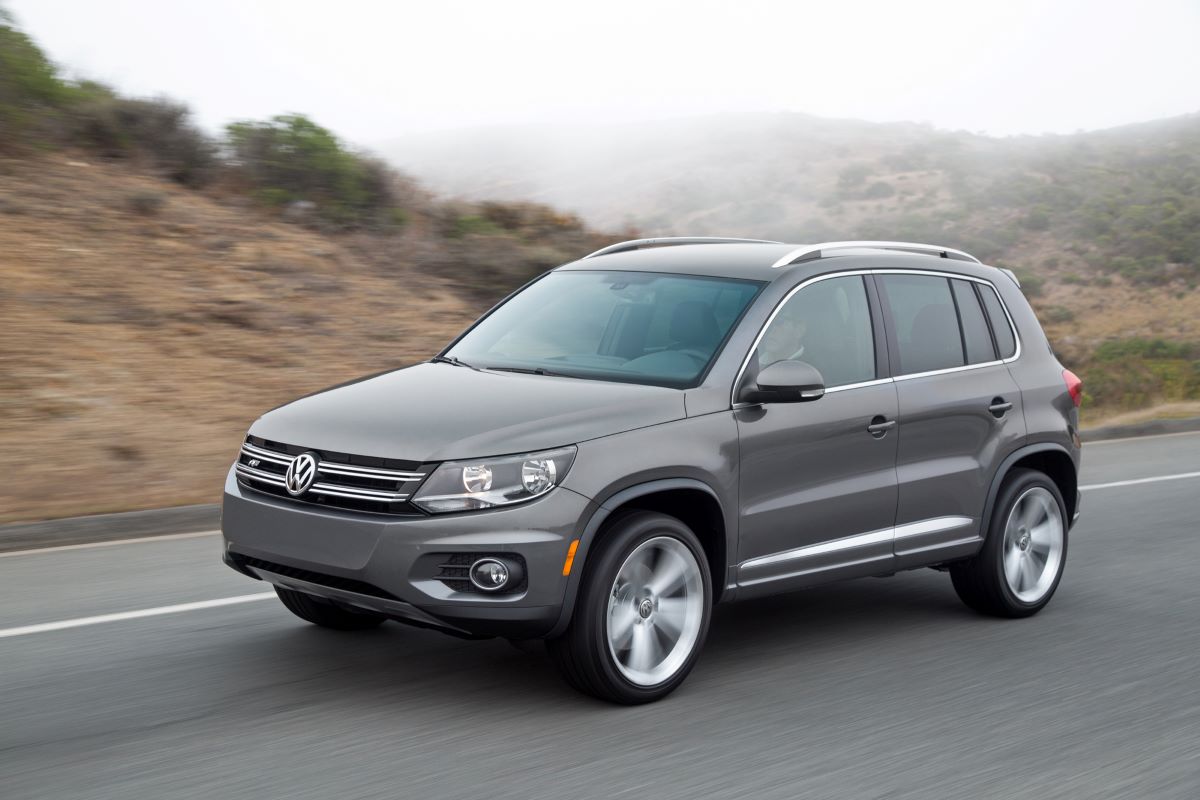
In today’s US car market, long-term predictability is often more valuable than short-term excitement. The SEL R-Line Turbo, which replaces the SEL R-Line, comes with a turbocharged 2.0-liter four-cylinder engine producing 268 horsepower and 258 pound-feet of torque.
This trim also features larger rear brakes and paddle shifters. In addition, Volkswagen’s IQ.Drive semi-automated driving system, which is standard on the base S trim, now includes the ability to change lanes automatically when you engage your turn signal.
The 2026 Tiguan is offered with either a 201-horsepower turbo-four engine or the 268-horsepower turbo-four found in the SEL R-Line Turbo. The more powerful engine comes exclusively with all-wheel drive, while lower trims are front-wheel drive with all-wheel-drive optional.
All Tiguans use an eight-speed automatic transmission. Among the four trims, the S ($30,805, excluding destination) is a solid budget-friendly choice, while the SEL R-Line Turbo ($43,085) is worth considering if your budget allows.
I spent roughly two hours driving the Tiguan Turbo around Ann Arbor. The name is slightly misleading, as all Tiguans are turbocharged, but the top trim’s four-cylinder produces 268 horsepower and 258 pound-feet of torque.
It comes paired with all-wheel drive and the same eight-speed automatic transmission used across all trims. By comparison, the base engine delivers 201 horsepower and 207 pound-feet of torque with front-wheel drive, increasing to 221 pound-feet if all-wheel drive is selected.
This powertrain gives the Tiguan an effortless feel. Acceleration is smooth off the line, responsive in the midrange, and composed at highway speeds, while the nearly invisible transmission consistently selects the appropriate gear. For more insight on the standard engine, see our 2025 model first drive.
Though the 2026 Tiguan wears slightly more muscular sheet metal, Volkswagen clearly did not intend for it to drive like a GTI or even a GLI. Beyond more power, the only other notable change is the larger rear brakes. The vehicle isn’t lowered, the suspension is unchanged, and the all-season tires are the same as those on the SE R-Line Black trim. This aligns with the Tiguan’s family-oriented mission.
Even so, the Tiguan handles better than most competitors in its class, aside from a few Mazdas and the CR-V. Steering is light and provides only mild feedback, so road connection is limited, but the vehicle follows your inputs and remains remarkably composed through up-and-down sweeping curves.
There is some understeer, but otherwise, it feels planted. Rough pavement sends minor vibrations through the cabin, but never enough to feel jostled, and the progressive brakes reinforce the vehicle’s composed nature.
Vehicles that age gracefully, maintain stable repair costs, and avoid major surprises offer peace of mind that becomes increasingly important as ownership horizons stretch longer.
Cars like the Toyota Camry, Honda CR-V, and Lexus RX continue to earn trust by prioritizing durability over novelty. Meanwhile, vehicles with complex systems or known design flaws may impress initially but introduce uncertainty as years pass.
For buyers planning to keep their next vehicle well beyond the warranty period, understanding these long-term trends can make the difference between stress-free ownership and ongoing frustration.