
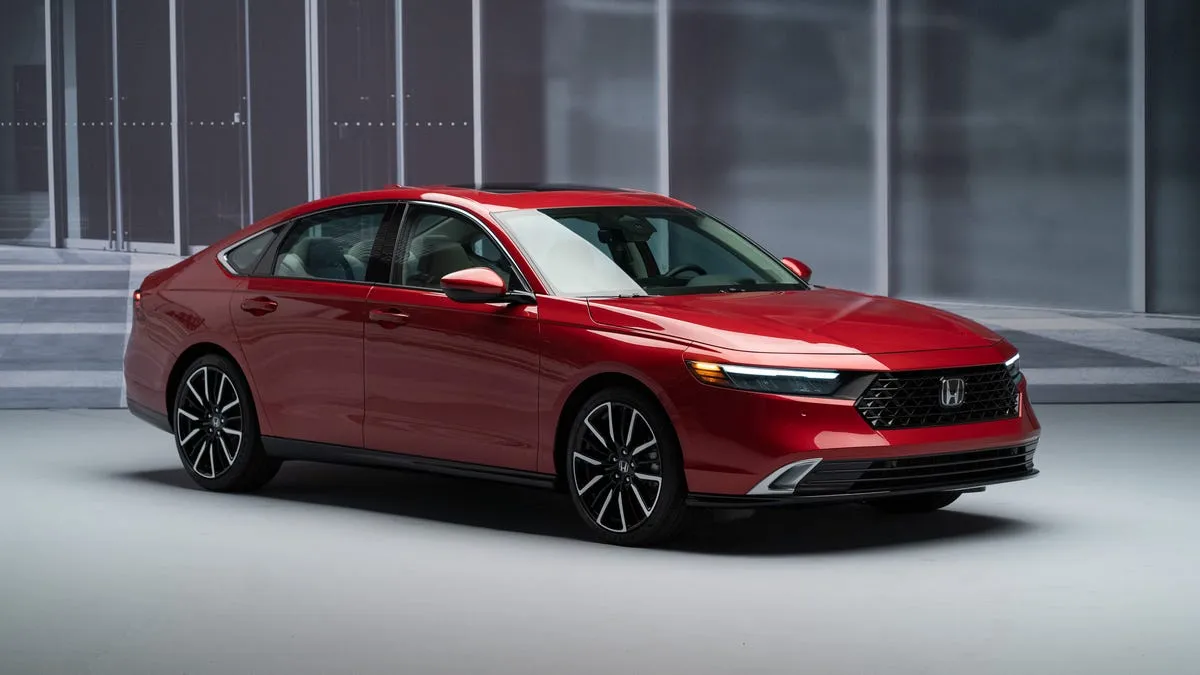
Detroit mornings move with purpose. Long stretches of freeway, sudden traffic slowdowns, rough pavement, winter salt, and summer heat all demand a vehicle that can handle repetition without complaint. A work commute here is not a casual cruise. It is a daily test of comfort, durability, fuel economy, and mechanical stamina.
A dependable car turns a forty-minute drive into a calm routine. A fragile one turns it into a running worry. Choosing the right vehicle for a Detroit work commute means thinking about more than horsepower or design. Cold starts in winter, pothole-lined side streets, construction zones, stop-and-go traffic, and highway merges all shape the driving experience.
Some vehicles settle into this rhythm easily and keep going for years. Others begin to show fatigue far sooner than expected. This guide focuses on ten vehicles split into two clear groups. Five that fit Detroit work commutes with strength and consistency. Five that tend to wear out early under daily pressure.
Each vehicle is listed by full name and model, with practical reasons behind its placement. The goal is simple. Help commuters choose a vehicle that supports their routine instead of fighting against it. If your drive starts before sunrise, ends after sunset, and repeats five days a week, the right car becomes a partner.
The wrong one becomes an expense. The difference shows up at the gas pump, the repair shop, and the start of every workday.
5 Vehicles That Fit Detroit Work Commutes
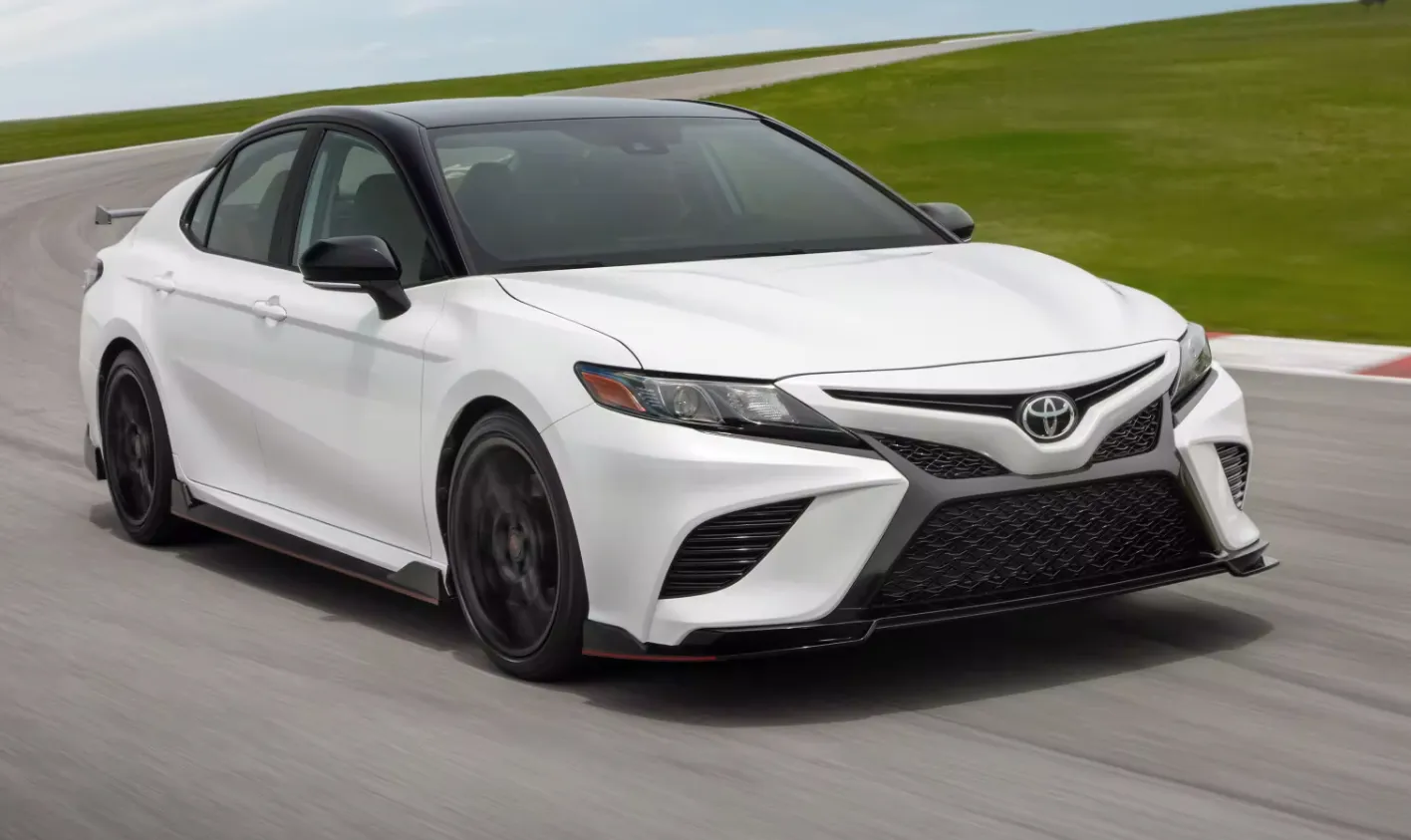
1. Toyota Camry 2023
Reliability remains the foundation of a strong work commuter, and the Toyota Camry 2023 delivers that quality with quiet confidence. This midsize sedan has long earned respect for durability, and the current model continues that tradition with refined engineering and smart design choices.
A 2.5-liter four-cylinder engine produces 203 horsepower, giving enough power for highway merges and passing without stressing the drivetrain. Acceleration feels smooth and predictable, which helps in stop-and-go traffic during peak hours. The eight-speed automatic transmission moves cleanly and avoids unnecessary strain, a benefit for drivers who rack up serious mileage.
Ride comfort plays a big role in daily commuting. The Camry suspension absorbs broken pavement and road seams without harsh impact. Long freeway stretches feel steady and controlled, reducing fatigue on extended drives. Steering remains light but precise, making lane changes easy even during heavy traffic.
Interior space offers a calm place to spend an hour each day. Seats support the lower back well and stay comfortable on long drives. Climate control reaches full strength quickly, a major advantage during Michigan winters. Heated seats and steering wheel options add comfort on freezing mornings.
Fuel economy reaches up to 39 miles per gallon on the highway, keeping weekly fuel costs reasonable. That matters for drivers who log hundreds of miles each week. Toyota safety systems, such as adaptive cruise control and lane keeping assist, reduce stress during rush hour congestion.
Camry’s build quality shows in long-term ownership. Engines commonly reach high mileage with basic service. Suspension components and brakes last well when maintained on schedule. Electrical systems stay stable year after year.
Toyota Camry 2023 fits Detroit work commutes because it treats daily driving as its primary mission. It starts every morning, runs smoothly through every season, and keeps going long after many competitors begin to show age.
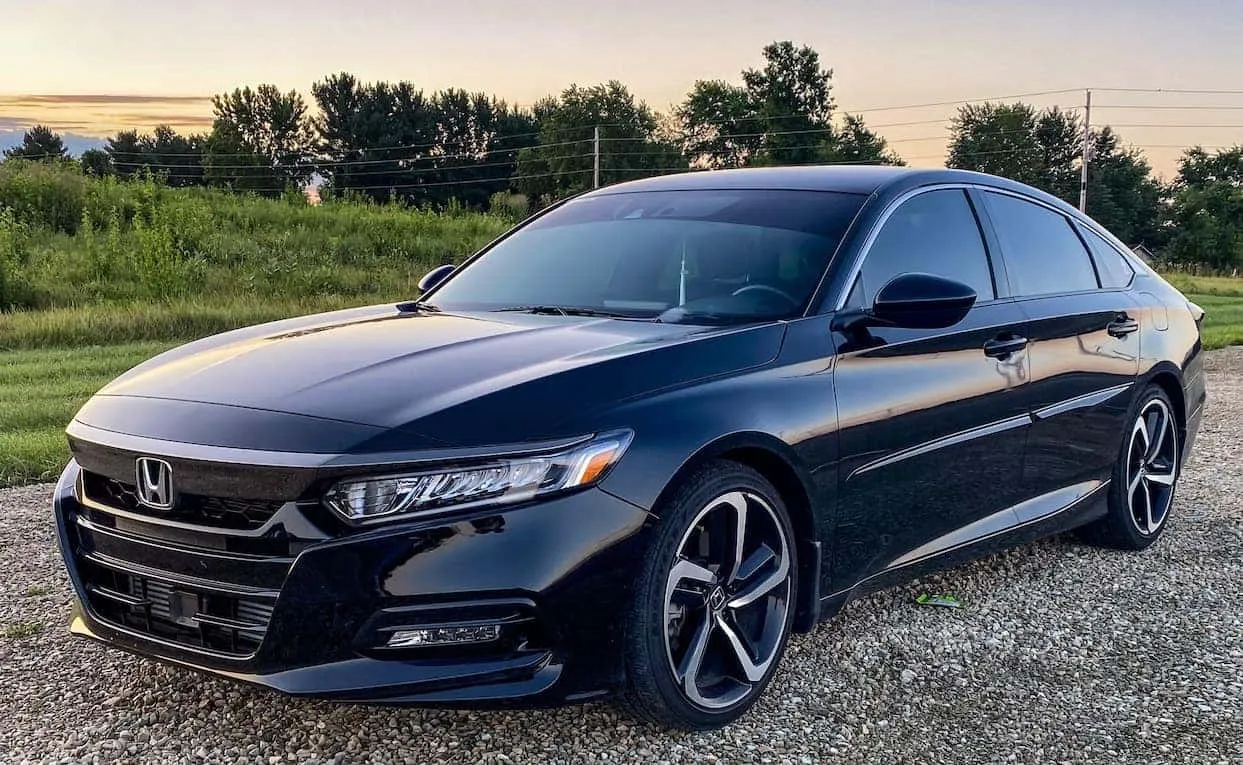
2. Honda Accord 2023
Few sedans balance comfort, performance, and durability as well as the Honda Accord 2023. Built for drivers who demand consistency, this midsize sedan handles long commutes with calm confidence. A 1.5-liter turbocharged engine delivers 192 horsepower, offering brisk acceleration without heavy fuel consumption.
Power comes on smoothly, making highway merges stress-free. The continuously variable transmission stays responsive while keeping engine noise low during steady cruising. Suspension tuning leans toward comfort, yet still feels composed on rough pavement.
Potholes and expansion joints do not upset the ride, which helps drivers stay relaxed during long freeway runs. Steering response feels natural and predictable, even during quick lane changes. Inside the cabin, Accord focuses on driver comfort. Front seats support long hours behind the wheel without stiffness. Rear seat space allows adult passengers to ride comfortably when carpooling.
Sound insulation keeps road noise low, especially on freshly paved freeway sections. Cold weather performance remains strong. Remote start, heated seats, and rapid cabin warm-up make winter mornings easier. Honda climate systems hold steady temperatures even during long drives through changing weather conditions.
Fuel economy reaches up to 37 miles per gallon on the highway, keeping fuel stops less frequent. Low operating costs and strong resale value make the Accord a practical long-term commuter. Honda’s build quality shows in the way components age. Engines maintain strong compression as time goes on. Transmission systems stay reliable with proper service. Interior materials resist wear from daily use.
Honda Accord 2023 fits Detroit work commutes because it blends reliability with comfort. It turns daily driving into a smooth routine instead of a chore.
Also Read: 5 Vehicles That Handle City Chaos Well vs 5 That Fall Apart
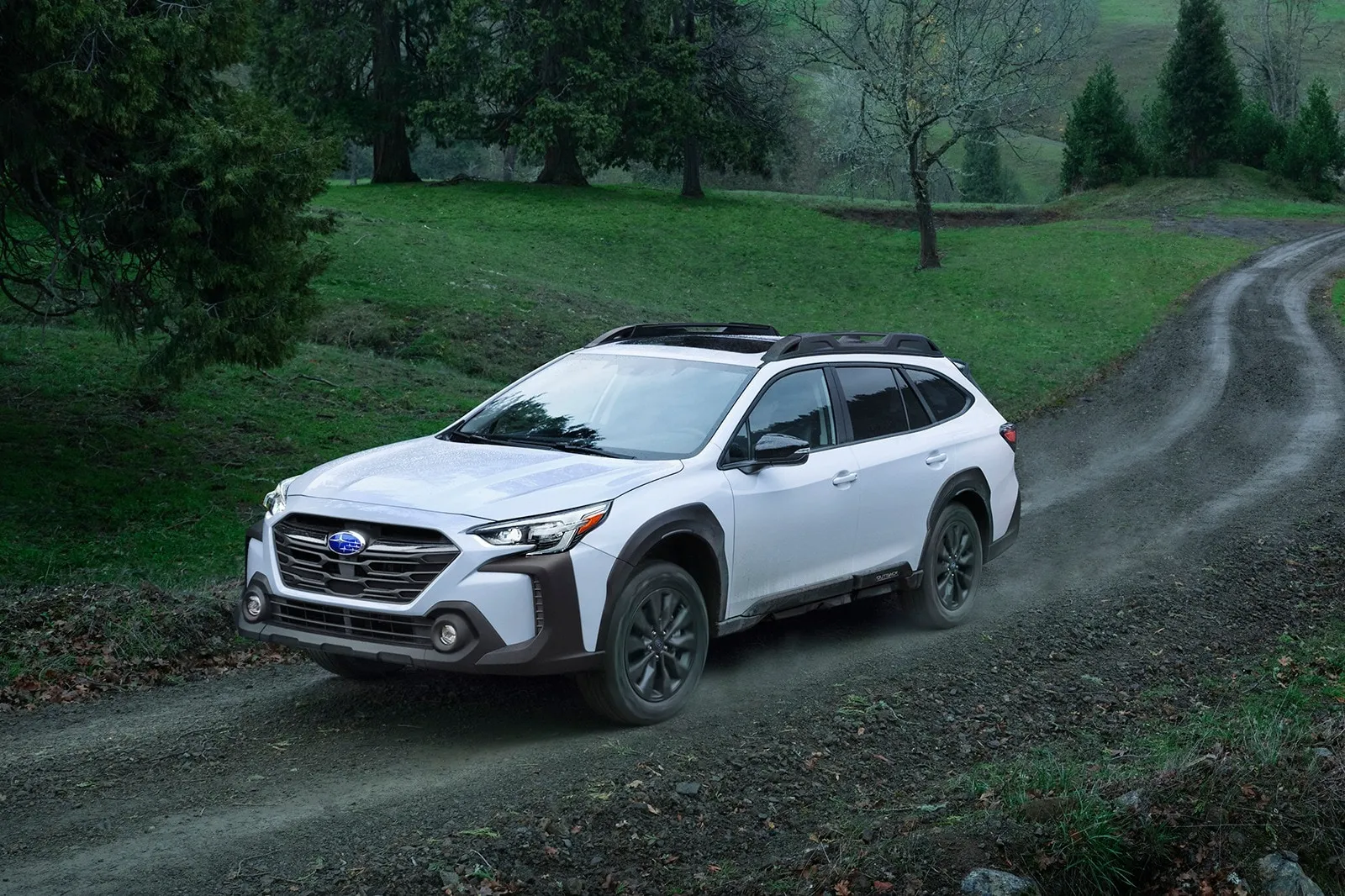
3. Subaru Outback 2023
Winter commuting places unique demands on a vehicle, and the Subaru Outback 2023 meets those demands with confidence that few wagons can rival. Standard All Wheel Drive forms the foundation of its performance, giving drivers steady traction on snow-covered streets, slushy intersections, and icy freeway ramps.
This system distributes power efficiently to all four wheels, helping the car remain planted even when road conditions change suddenly. Power comes from a 2.5-liter boxer engine producing 182 horsepower. Its horizontally opposed layout lowers the center of gravity, improving balance and stability when roads turn slick.
Acceleration remains smooth and predictable, making it easier to pull away from traffic lights on frozen pavement. The continuously variable transmission keeps engine output steady without abrupt movements, which helps maintain control during winter driving.
Ground clearance stands at 8.7 inches, a valuable advantage when plows leave deep ridges of snow along curbs and intersections. This height allows the Outback to pass through snow buildup without scraping the underbody or getting stuck in rutted lanes. Uneven pavement, potholes, and frost heaves become less intimidating with this level of clearance.
Suspension tuning plays a major role in ride quality. Broken pavement and rough side roads are absorbed with ease, preventing harsh jolts from reaching the cabin. Freeway ramps and surface streets feel stable and composed. Steering response remains confident, especially during quick lane changes on wet or icy pavement.
Inside the cabin, comfort supports long workdays. Seats offer strong lower back support and remain comfortable during extended drives. Rear seating provides ample room for coworkers or family members. Cargo space accommodates work gear, winter coats, and weekend equipment without forcing passengers to sacrifice legroom.
Fuel economy reaches up to 32 miles per gallon on the highway, impressive for a vehicle equipped with All Wheel Drive. Subaru safety technology includes adaptive cruise control and lane centering, reducing fatigue during heavy traffic.
Cold climate durability remains one of Subaru’s strongest qualities. Drivetrain components handle winter stress well, and rust protection has improved to combat salt-treated roads. Subaru Outback 2023 fits Detroit work commutes for drivers who want year-round confidence, comfort, and practical space without stepping into a full-size sport utility vehicle.
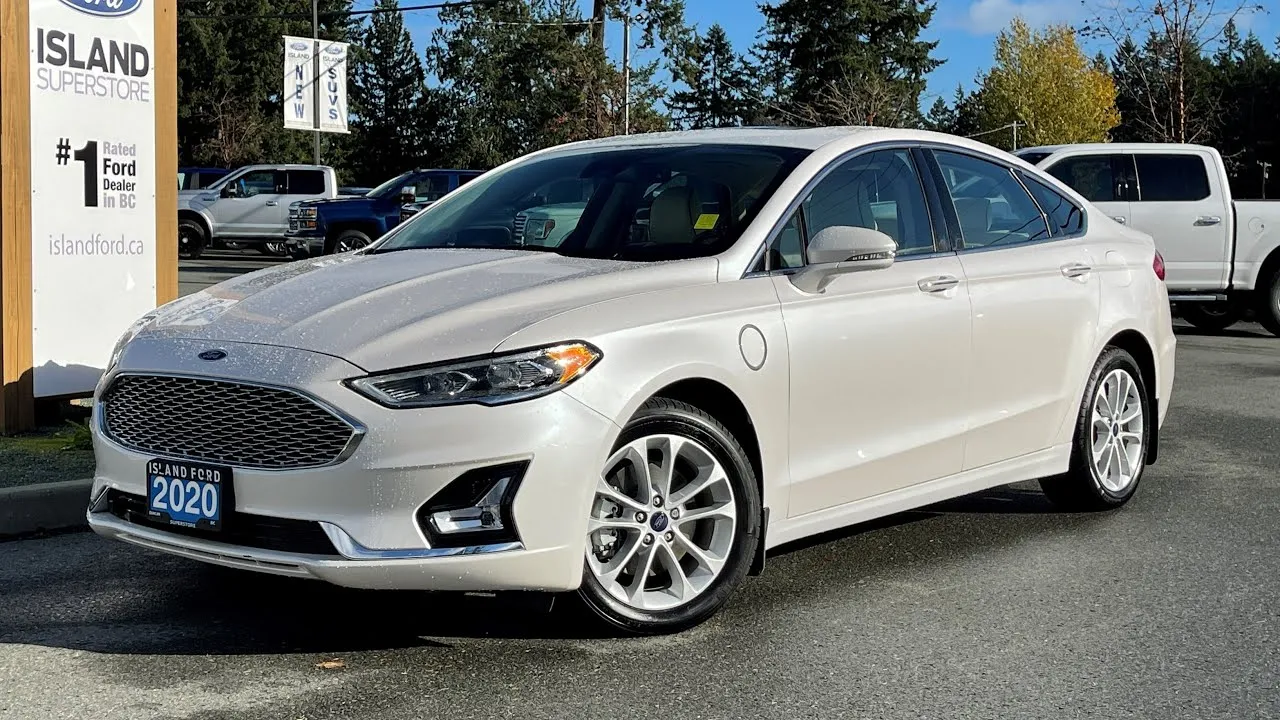
4. Ford Fusion Hybrid 2020
Hybrid power brings major advantages to daily commuters, and the Ford Fusion Hybrid 2020 stands as one of the most efficient options for long urban drives. Its powertrain blends gasoline and electric energy to deliver smooth performance while keeping fuel consumption low. A 2.0-liter hybrid system produces a combined 188 horsepower, providing steady acceleration that feels refined in city traffic.
Electric assist plays a major role during low-speed movement. In stop-and-go traffic, the Fusion Hybrid can operate on electric power alone for short distances, reducing fuel use and engine wear. When extra power is required, the gasoline engine joins in seamlessly, creating a smooth transition that feels natural to the driver.
Fuel economy reaches up to 43 miles per gallon in city driving and 41 on the highway. For commuters who spend hours each week in traffic, this level of efficiency translates into fewer fuel stops and lower monthly expenses. Rising fuel prices become less stressful with a hybrid system doing much of the work.
Ride quality remains calm over broken pavement. Suspension tuning absorbs bumps without feeling soft or floaty. Steering stays predictable and easy to control, helping drivers thread through tight traffic patterns and narrow lanes with confidence.
Interior comfort suits long workdays. Seats provide consistent support during extended drives. Cabin insulation keeps engine and road noise low, creating a quiet environment even at highway speeds. Climate control responds quickly, maintaining a comfortable temperature during winter and summer commutes alike.
Hybrid reliability has proven strong in the Fusion lineup. Battery systems hold up well with proper care, and regenerative braking reduces wear on traditional brake components, extending service life. Maintenance costs often remain lower than those of conventional gasoline sedans.
Cold weather performance remains dependable. Hybrid systems warm quickly and maintain efficiency during the winter months. Cabin heating reaches comfortable levels without delay. Ford Fusion Hybrid 2020 fits Detroit work commutes for drivers who want strong fuel savings, smooth performance, and long-term dependability without sacrificing comfort or driving enjoyment.
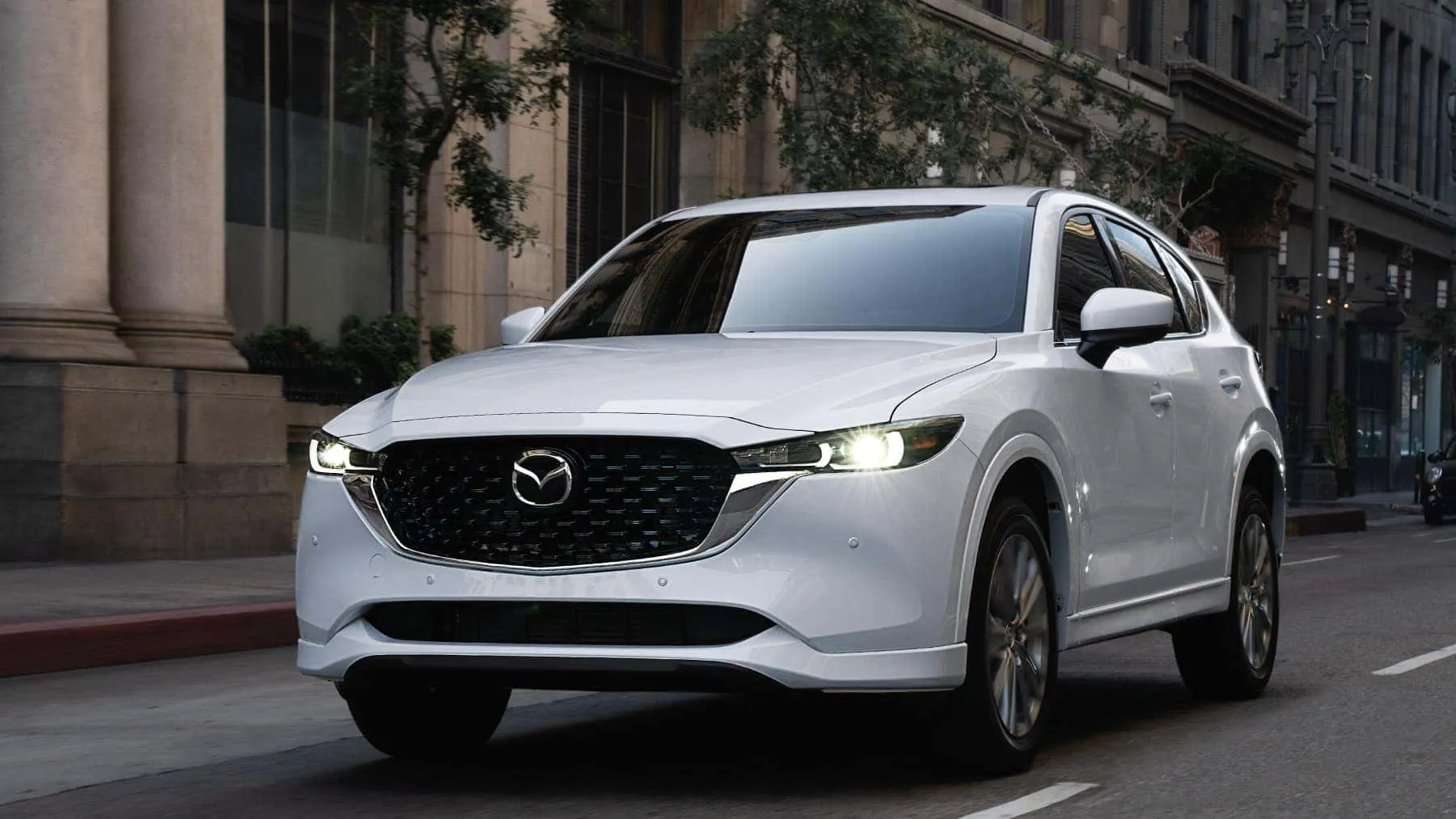
5. Mazda CX-5 2023
Modern commuters continue to gravitate toward compact crossovers, and the Mazda CX-5 2023 earns its reputation through balance, comfort, and long-term dependability. Designed to drive more like a sedan than a bulky utility vehicle, it blends smooth handling with everyday practicality.
Power comes from a 2.5-liter four-cylinder engine producing 187 horsepower. Acceleration feels responsive and refined, making highway merges easy and confident. Throttle response remains smooth without aggressive tuning that can strain mechanical components during long mileage schedules.
Suspension tuning leans toward comfort while retaining enough firmness for control on rough pavement. Construction zones, cracked asphalt, and uneven road surfaces are handled with poise. The vehicle remains composed through potholes and bridge joints, reducing fatigue during long drives.
All Wheel Drive availability adds confidence during the winter months. Snow-packed streets and icy ramps become less intimidating with power sent to all four wheels. Ground clearance helps the CX-5 handle snow buildup and broken pavement without scraping the underbody.
Interior design places emphasis on driver comfort and durability. Seats provide strong support for long hours behind the wheel. Cabin materials resist wear from daily use and frequent entry and exit. Controls feel solid and intuitive, reducing distraction during traffic congestion.
Fuel economy reaches up to 31 miles per gallon on the highway, keeping running costs reasonable for a crossover. Mazda safety technology includes adaptive cruise control, blind spot monitoring, and lane keeping assistance, easing stress during busy commuting hours.
Mazda’s reliability has improved steadily in recent years. Engines and transmissions show strong durability under long mileage schedules. Build quality suits demanding daily use, making the CX-5 a dependable partner for work travel.
Mazda CX-5 2023 fits Detroit work commutes for drivers who want crossover versatility paired with sedan-like driving comfort and dependable long-term performance.
5 Vehicles That Wear Out Early
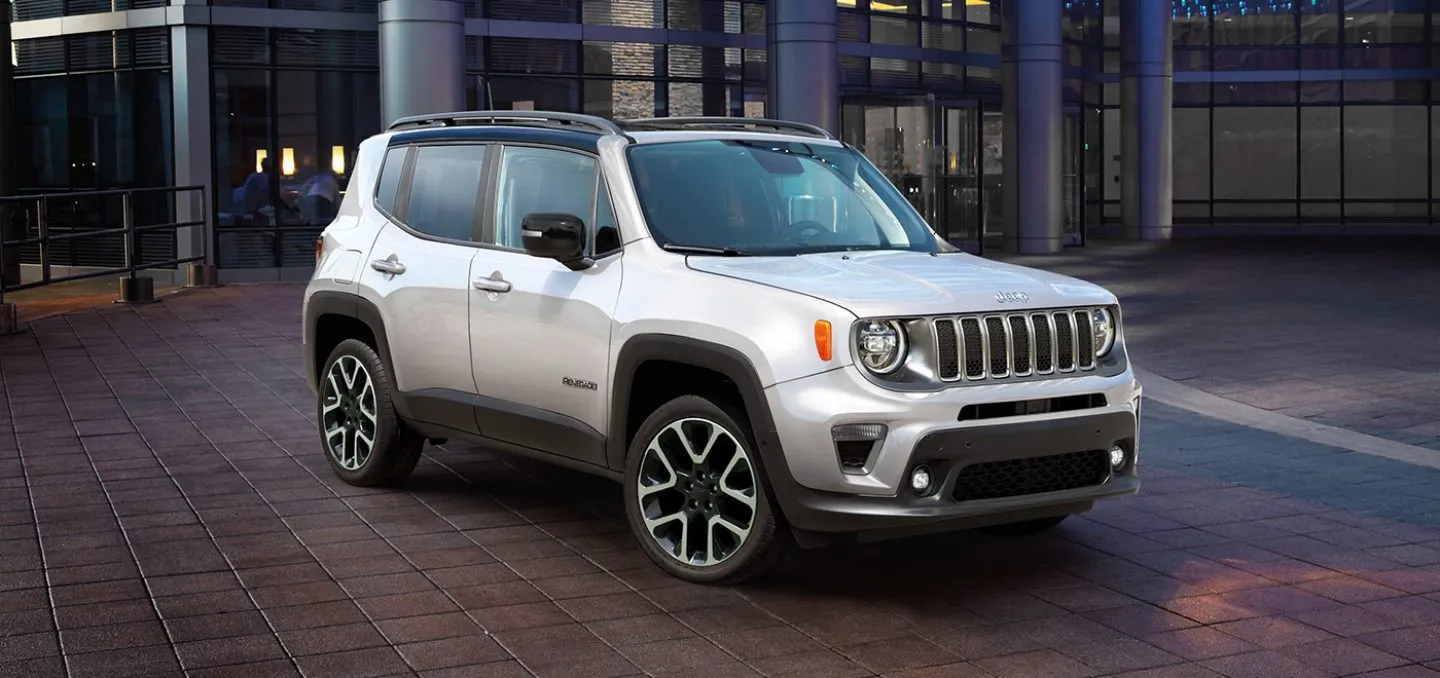
1. Jeep Renegade 2022
Compact proportions and boxy styling give the Jeep Renegade 2022 a rugged presence that appeals to drivers who want a tough look in a small footprint. Daily work commuting, however, reveals a very different side of this crossover. The 1.3-liter turbocharged engine must push a body that carries more weight than its size suggests.
That constant demand places steady pressure on internal components, especially during highway merges and long stretches of stop-and-go traffic. As time goes on, that strain shows through increased oil consumption, rising engine noise, and declining throttle response.
Transmission behavior presents another challenge for commuters. Gear changes often arrive late, especially when traffic flow requires frequent acceleration and deceleration. Sudden engagement during low-speed movement puts extra stress on internal clutches and torque converter components. Drivers who face long traffic backups on a regular basis may notice rough shifting sooner than expected.
Suspension tuning struggles on Detroit pavement. Broken asphalt, frost heaves, and deep potholes transmit sharp impacts into the cabin. Repeated jolts wear down bushings, struts, and wheel bearings faster than on better-damped competitors. After some time, that leads to increased road noise, vibration through the steering wheel, and looseness in handling.
Interior materials also show early fatigue. Seat cushions lose firmness after extended daily use. Plastic trim panels tend to loosen, creating squeaks and rattles that become noticeable during longer drives. Controls feel light and less durable than those found in vehicles built with higher mileage demands in mind.
Fuel economy falls short of expectations for a small crossover. Turbocharged power comes at a cost when the engine remains under constant load. Weekly fuel stops become more frequent, adding expense to an already demanding commute.
Long-term ownership records reflect these realities. Electrical faults, drivetrain complaints, and suspension repairs appear earlier than many drivers expect. The Jeep Renegade 2022 carries visual appeal, yet heavy commuting exposes its limitations. For drivers who depend on a vehicle every weekday, this model often proves less durable than its rugged image suggests.
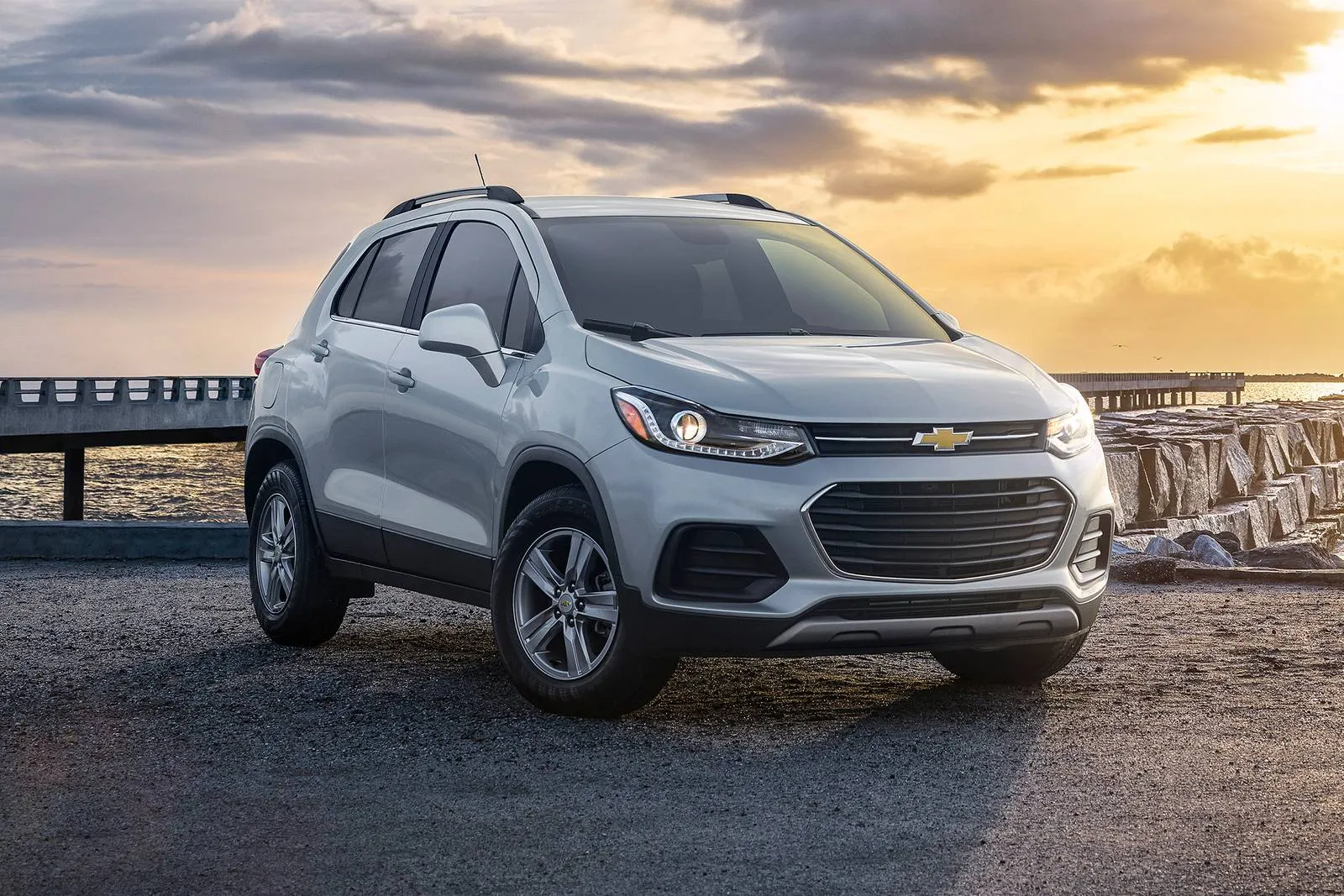
2. Chevrolet Trax 2021
Chevrolet Trax 2021 presents itself as a practical entry-level crossover with urban-friendly dimensions and a comfortable cabin. On paper, it looks like a sensible commuter. Daily work driving, however, brings its weaknesses into focus very quickly.
The 1.4-liter turbocharged engine produces modest output, which means it must work hard during highway merges, long uphill stretches, and constant traffic flow changes. That steady workload accelerates wear on internal components.
Acceleration feels labored when merging onto busy freeways. Drivers often need full throttle just to keep pace, forcing the turbocharger to operate under big boost more often than ideal. As time goes on, that increases heat stress and contributes to early component fatigue.
Transmission tuning favors fuel savings over durability. Gear changes feel soft and delayed, which creates unnecessary heat during repeated stop-and-go movement. Heat remains one of the biggest enemies of long-term transmission life. Under daily commuting pressure, this system tends to age faster than expected.
Suspension tuning lacks refinement for rough pavement. Deep potholes and uneven road surfaces send sharp impacts directly into the cabin. That constant punishment shortens the lifespan of struts, ball joints, and control arm bushings. Steering components also develop play sooner than drivers would prefer.
Interior quality presents another challenge. Seat cushioning compresses quickly under daily use. Plastic surfaces scratch easily and feel thin to the touch. Switches and knobs lack the solid feel that long-term commuters depend on. Reliability data reflects these design limits.
Owners report frequent engine sensor faults, cooling system problems, and electrical issues. While the Trax can serve well for short trips and light use, heavy commuting exposes its weaknesses. Chevrolet Trax 2021 wears down faster than many rivals when pressed into full-time work duty. Drivers seeking a long-term commuting partner often find themselves facing repairs earlier than planned.
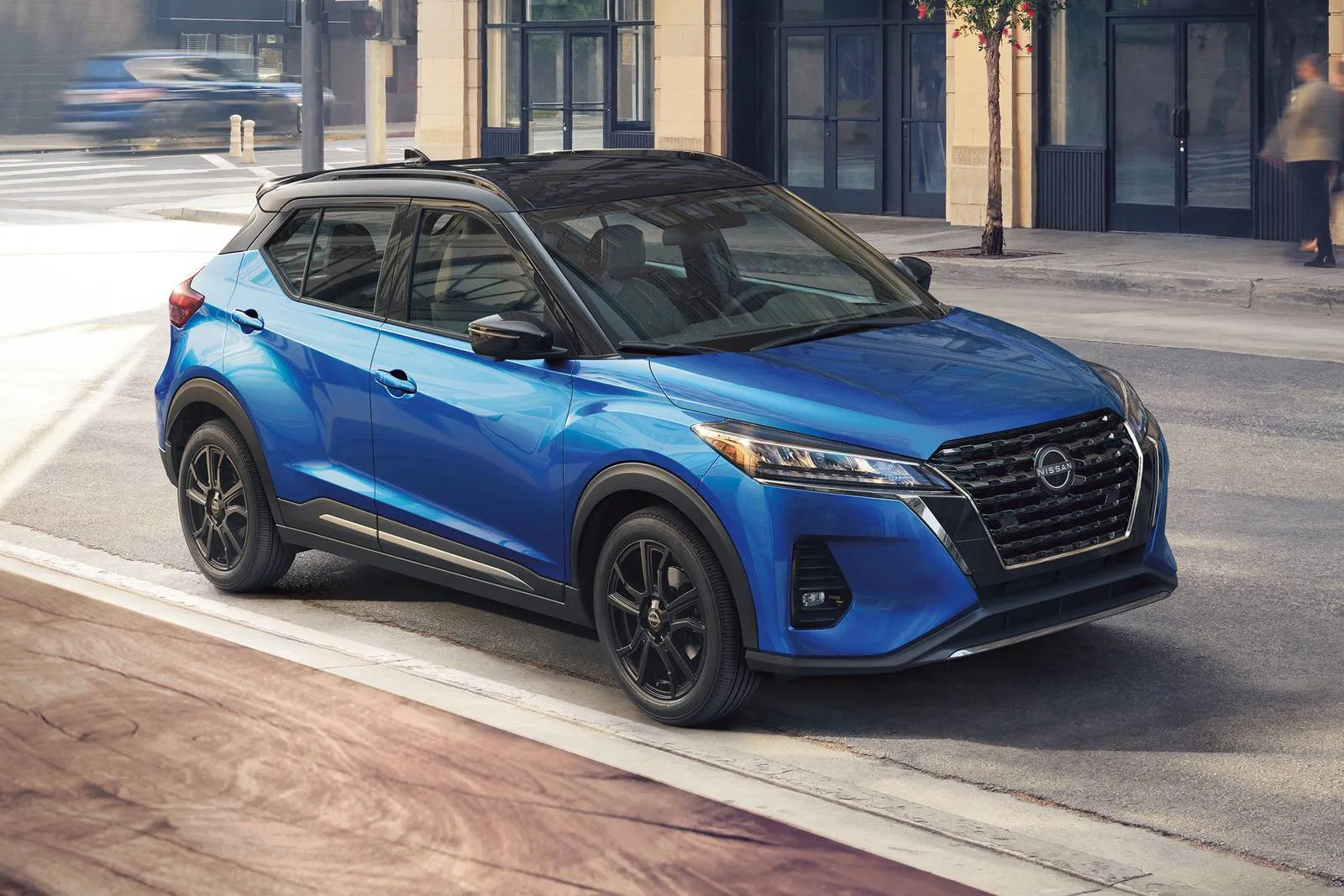
3. Nissan Kicks 2022
Nissan Kicks 2022 targets urban drivers who want easy parking and low fuel costs. Its lightweight body and compact dimensions suit short trips well, yet daily highway commuting brings out clear limitations. The 1.6-liter engine produces just 122 horsepower, which forces it to operate near its upper range during long freeway drives. That constant demand raises engine temperatures and accelerates wear on internal components.
Power delivery feels strained during highway merges. Drivers must press deep into the throttle to keep pace with traffic. That repeated high-load operation shortens engine life when compared with larger powertrains designed for sustained cruising.
The CVT transmission represents one of the biggest concerns for commuters. While smooth at low speeds, it struggles under constant highway stress. Heat buildup becomes a serious issue during long drives. After some time, that heat degrades internal belts and pulleys, leading to slipping, delayed response, and eventual failure.
Ride quality also suffers on rough pavement. The short wheelbase magnifies road imperfections. Potholes and expansion joints send sharp jolts through the chassis. Suspension components face heavy punishment, leading to early strut wear and increased cabin noise.
Interior insulation remains thin. Road noise rises quickly once speeds increase. Long drives become tiring as wind and tire noise dominate the cabin. Seat cushioning offers limited long-term support, which adds to driver fatigue during extended commutes.
Build quality reflects the vehicle’s budget focus. Trim pieces loosen, door seals harden, and interior plastics show wear quickly. While the Kicks performs well for short city trips, extended daily driving pushes it beyond its comfort zone.
Reliability concerns center on transmission longevity and cooling system performance. Owners who rack up high mileage often report early service visits. Nissan Kicks 2022 functions best as a city runabout. Heavy commuting duties cause it to age faster than many alternatives.
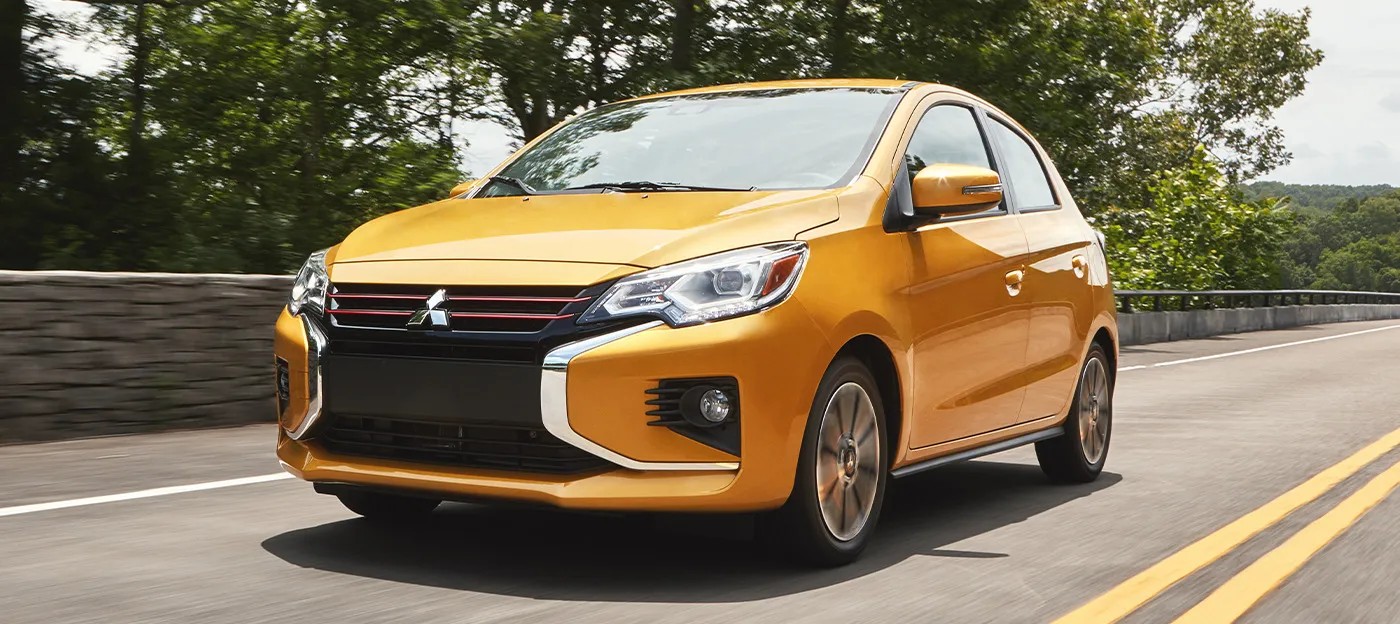
4. Mitsubishi Mirage 2023
Mitsubishi Mirage 2023 appeals to budget buyers who want a low purchase price and excellent fuel economy. That affordability comes with tradeoffs that become clear under daily commuting pressure. The 1.2-liter three-cylinder engine delivers minimal power, which forces drivers to keep revs high just to maintain highway speed. Constant high rpm operation accelerates engine wear and increases internal heat.
Acceleration feels sluggish even in light traffic. Highway merges require careful planning. Drivers often find themselves holding full throttle longer than ideal. That steady load shortens engine life when compared with more powerful competitors.
Transmission tuning struggles with sustained high-speed driving. The CVT keeps engine revs elevated for long periods, increasing heat stress. Cooling systems work harder, yet still struggle to maintain ideal operating temperatures during summer commutes.
Suspension tuning feels overwhelmed by broken pavement. Deep potholes and uneven surfaces transmit sharp impacts into the cabin. Repeated jolts shorten the lifespan of struts, mounts, and wheel bearings. Handling also feels unsettled at freeway speeds, adding to driver fatigue.
Interior quality reflects the vehicle’s low price point. Seat cushioning compresses quickly. Upholstery shows wear after months of daily use. Plastic trim panels flex and develop noise after a long period of time. Controls lack the solid feel expected in a long-term commuter.
Crash safety and structural rigidity trail behind competitors. Thin body panels and light construction do little to isolate occupants from road noise or vibration. Wind noise rises sharply at highway speeds. While fuel economy remains strong, repair costs can erase those savings.
Owners report early suspension repairs, cooling system issues, and transmission complaints. Mitsubishi Mirage 2023 serves well as a short-distance city car. Heavy highway commuting exposes its limits and shortens its service life.
Also Read: 5 Cars for El Centro Daily Use and 5 Desert-Ready Vehicles
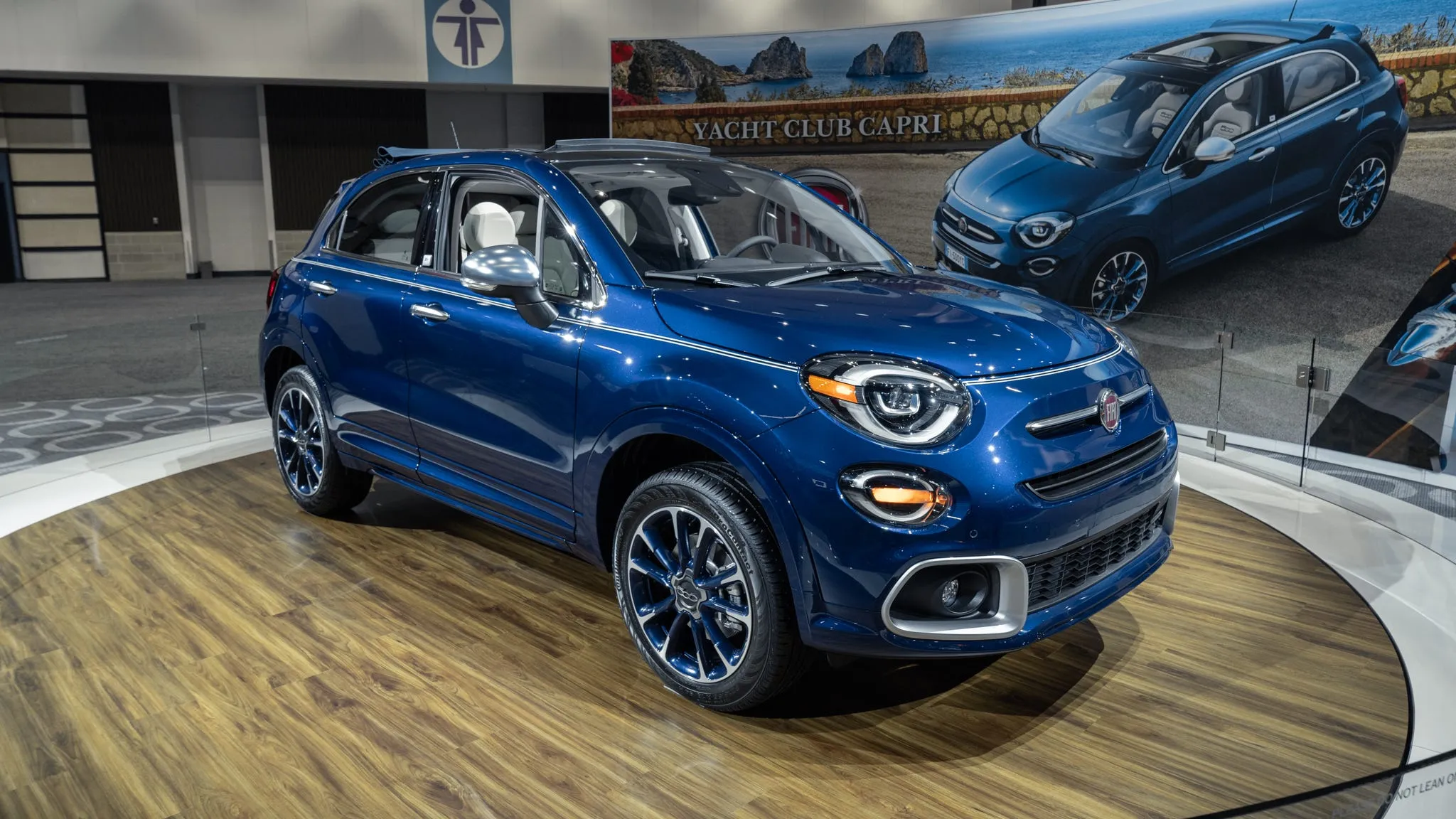
5. Fiat 500X 2022
Fiat 500X 2022 draws attention with Italian styling and a premium-looking cabin. Daily commuting, however, reveals durability challenges that many owners do not expect. The 1.3-liter turbocharged engine delivers respectable power, yet it must work hard to move the vehicle’s weight during constant highway driving. That sustained load increases heat and accelerates wear on internal components.
Transmission behavior lacks consistency in traffic. Gear changes can feel abrupt at low speeds and hesitant during acceleration. That uneven operation places added stress on drivetrain parts during repeated stop-and-go conditions.
Suspension tuning struggles with rough pavement. Detroit roads punish struts and bushings quickly. Steering components also develop play sooner than expected. After some time, handling loses its original precision.
Interior electronics represent another concern. Infotainment systems experience glitches, screen freezes, and connectivity problems. Climate control modules sometimes fail to regulate cabin temperature properly, creating discomfort during long drives.
Material quality looks appealing at first glance, yet daily use reveals weaknesses. Seat stitching loosens, trim panels develop squeaks, and door seals lose effectiveness. Wind noise increases as seals age, making long highway drives more tiring.
Reliability records show frequent service visits for electrical faults, transmission complaints, and suspension repairs. Parts availability can also become an issue, leading to longer repair times. Fuel economy falls short of expectations for a small crossover. Turbocharged power requires premium fuel for best performance, adding cost to daily commuting.
Fiat 500X 2022 offers personality and style, yet struggles to handle demanding commuter schedules. For drivers who depend on their vehicle every weekday, this model often proves more charming than durable.
