Owning a vehicle in a city is rarely a neutral experience. Every car becomes part of a daily negotiation between limited space, constant movement, unpredictable traffic, and the practical realities of urban life.
Parking availability, fuel consumption, maneuverability, maintenance demands, and even how much stress a vehicle adds to routine tasks all shape whether ownership feels manageable or exhausting.
A vehicle that feels perfect on an open highway or suburban driveway can quickly turn into a burden when faced with narrow streets, tight parking garages, and stop and go congestion. City ownership is not about power or prestige alone, but about how well a machine adapts to dense environments built for people rather than metal.
Urban living forces compromises that are easy to underestimate. Short trips dominate usage patterns, meaning engines rarely warm fully and efficiency matters more than top speed. Parking situations require precision rather than presence, while visibility and turning radius often outweigh horsepower.
Noise, emissions, and size affect not just the owner but neighbors, pedestrians, and cyclists sharing limited space. A city friendly vehicle reduces friction between driver and environment, while a poorly suited one amplifies every inconvenience into a recurring problem.
Another overlooked factor is psychological load. Vehicles that are easy to place, easy to exit, and easy to maintain reduce daily decision fatigue. When a driver does not have to calculate whether a street is wide enough or whether a parking structure will clear the roofline, the city feels smaller and more navigable.
On the other hand, oversized or impractical vehicles turn routine errands into planning exercises that drain time and patience. City ownership success often comes down to how invisible the vehicle becomes in daily life.
Cost also behaves differently in urban settings. Insurance, fuel waste in traffic, accelerated wear on brakes, and minor cosmetic damage all scale faster in cities. Vehicles designed with simplicity, efficiency, and resilience handle these realities better.
Others, especially those built around excess or niche performance, accumulate expenses that feel disproportionate to their actual utility. Over time, this imbalance becomes hard to ignore.
This article contrasts five vehicles that simplify city ownership with five that make it harder. The comparison is not about judging taste or lifestyle, but about fit. Each vehicle is examined through the lens of urban practicality, focusing on how its design interacts with city constraints. The goal is to clarify why some vehicles quietly support city life while others constantly push against it.
5 Vehicles That Make City Ownership Easier
Honda Fit
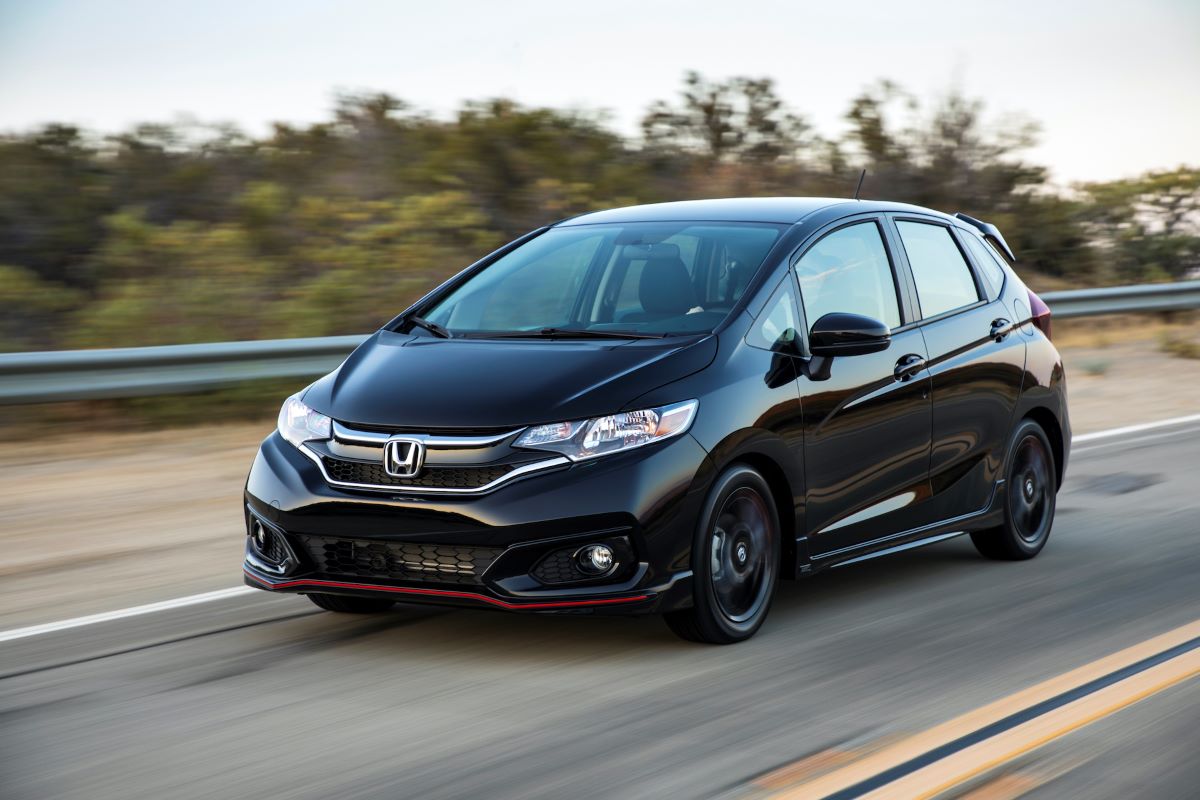
The Honda Fit excels in cities because it was engineered with compact efficiency as a priority rather than an afterthought. Its small footprint allows it to slide into parking spaces that larger vehicles cannot realistically use, reducing stress during rush hours.
Tight streets and narrow lanes feel less intimidating due to its short length and responsive steering, which makes maneuvers feel natural. Drivers often find that their confidence grows as the Fit turns crowded urban areas into navigable zones without excessive effort.
Interior packaging is where the Fit quietly outperforms expectations. Despite its size, the cabin feels open and adaptable, offering surprising comfort for passengers and cargo alike. Fold flat seating allows quick transitions between transporting groceries, luggage, or larger household items, giving city owners flexibility for errands.
Storage compartments are well thought out, making small items like phones, bags, and water bottles easily accessible. Every trip feels optimized for convenience rather than compromise.
Fuel efficiency is another advantage that aligns well with stop and go traffic. The engine is tuned for low speed responsiveness rather than aggressive acceleration, making city streets less punishing on the wallet. Short trips do not feel wasteful, and refueling becomes a less frequent task that fits easily into busy routines. Over time, the savings on fuel add up, making the Fit both practical and economical for daily commuting.
Maintenance demands remain modest, which matters in environments where minor wear accumulates quickly. Regular servicing is straightforward, and parts are widely available, reducing downtime and cost. Reliability means fewer unexpected repairs and a smoother ownership experience. Drivers enjoy the peace of mind knowing their vehicle is less likely to disrupt the flow of urban life.
The Fit also avoids attracting unwanted attention, which is an underrated urban benefit. Its design blends into traffic rather than standing out, minimizing risks of minor accidents or parking scrapes.
Security concerns are naturally lower, as the vehicle does not invite theft or vandalism compared to high-end sports cars. Ownership feels calm and practical rather than stressful, allowing drivers to focus on navigating the city rather than managing the car itself.
Toyota Corolla
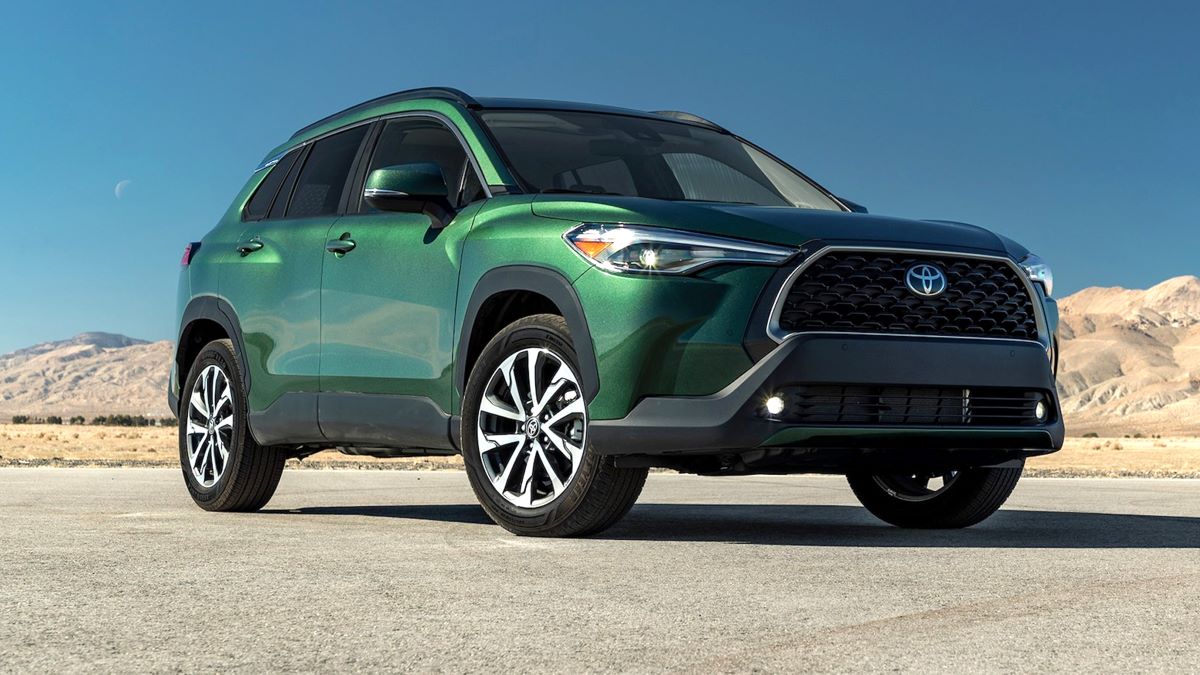
The Toyota Corolla has long been associated with dependability, and that reputation carries strong value in cities. Urban driving places constant strain on braking systems, transmissions, and suspension components, yet the Corolla absorbs this punishment quietly without demanding constant intervention.
City ownership becomes predictable rather than reactive, allowing owners to plan their routines with confidence. The familiarity of controls and handling makes it easier for new and experienced drivers alike to navigate dense streets efficiently.
Its size strikes a balance between comfort and manageability. While larger than microcars, it remains easy to place on crowded streets and fits into tight parking spaces with minimal effort.
Drivers can feel comfortable during longer trips while still enjoying maneuverability in city blocks. This balance ensures versatility, making the Corolla a vehicle that performs reliably whether commuting, shopping, or running errands.
Fuel economy remains steady even in congested conditions. The drivetrain is optimized for consistency rather than excitement, keeping consumption reasonable despite frequent stops.
Short urban trips and weekend errands do not lead to excessive fuel spending, which makes monthly costs predictable. This efficiency also aligns with environmental concerns, reducing emissions compared to larger or high-performance vehicles.
Visibility from the driver seat supports stress-free maneuvering. Clear sightlines reduce anxiety during lane changes, intersections, and parallel parking. Urban traffic rewards drivers who can anticipate movements of pedestrians, cyclists, and other vehicles. The Corolla’s design helps owners maintain awareness, improving safety without requiring specialized skill or extensive training.
Resale value also matters more in cities where ownership cycles can be shorter. The Corolla retains value due to its reputation, reliability, and broad market demand, giving owners flexibility for trade-ins or upgrades.
This is especially important for urban dwellers who may change residences or lifestyles frequently. City ownership often benefits from vehicles that remain practical and liquid, reducing the long-term cost of living with the car.
Mini Cooper
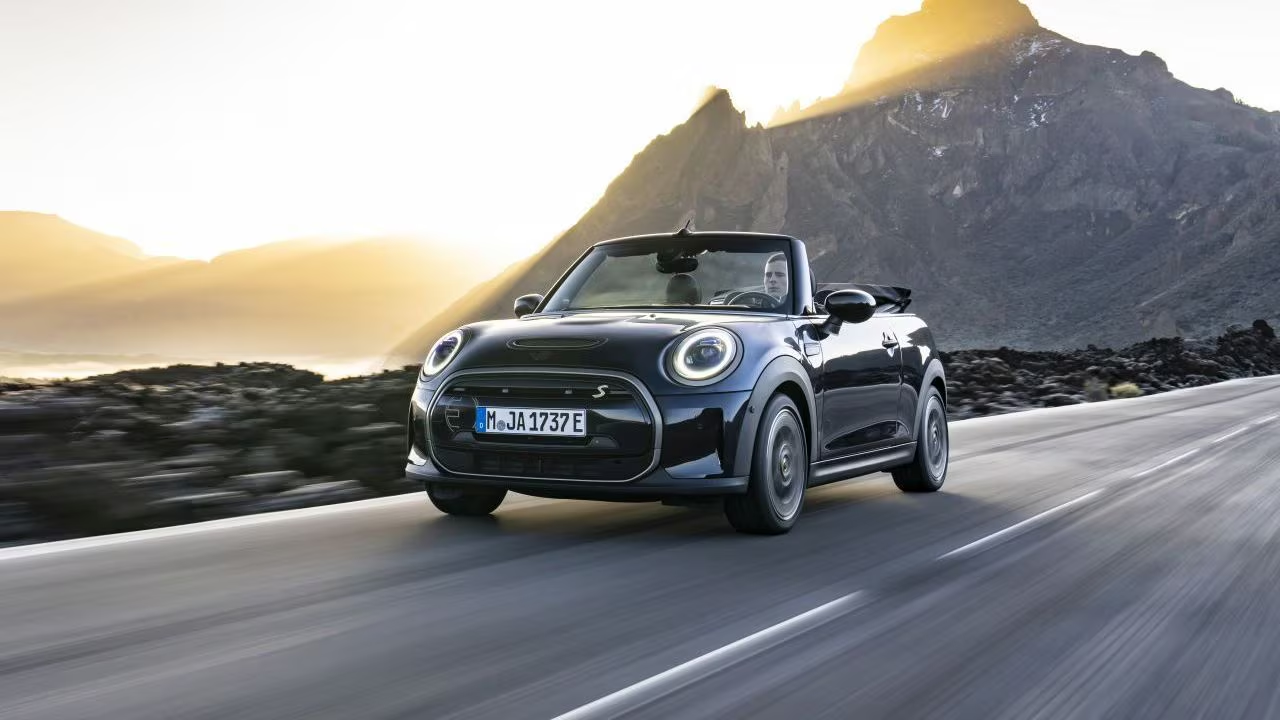
The Mini Cooper thrives in cities because its dimensions align naturally with dense environments. Its short wheelbase and tight turning radius allow quick adjustments in traffic, making U-turns and lane changes less intimidating.
Narrow streets, crowded intersections, and sudden obstacles feel manageable rather than overwhelming, giving drivers more control over their daily commute. This agility transforms urban driving from a chore into a smoother, more confident experience.
Parking is one of the Mini’s strongest advantages. Spaces that intimidate larger sedans feel accessible, and parallel parking becomes a brief action instead of a prolonged struggle. Its compact design often allows it to fit into unconventional spots, which is invaluable in high-density neighborhoods. The convenience of reduced parking stress encourages drivers to use the vehicle for short errands and daily trips without hesitation.
The vehicle’s weight and size also help with low-speed control. Acceleration feels immediate without being excessive, which is ideal for stop-and-go traffic where smooth responsiveness matters. Quick maneuvers at intersections or merging into traffic lanes become easier and less stressful. This combination of power and control supports safer driving in tight, unpredictable conditions.
Interior design emphasizes upright seating and visibility. Drivers feel connected to their surroundings rather than isolated, making it easier to monitor traffic, pedestrians, and cyclists. This awareness is especially useful in cities where interactions with other road users are frequent and sometimes unpredictable. Enhanced visibility reduces the risk of minor collisions and improves confidence.
While maintenance costs can be higher than those of economy cars, the tradeoff remains favorable for city use. Engine and mechanical components are durable, and the small size reduces wear in many scenarios.
The enjoyment factor from its responsive handling and compact charm helps offset minor costs. For drivers who value engagement without sacrificing practicality, the Mini continues to support efficient city living.
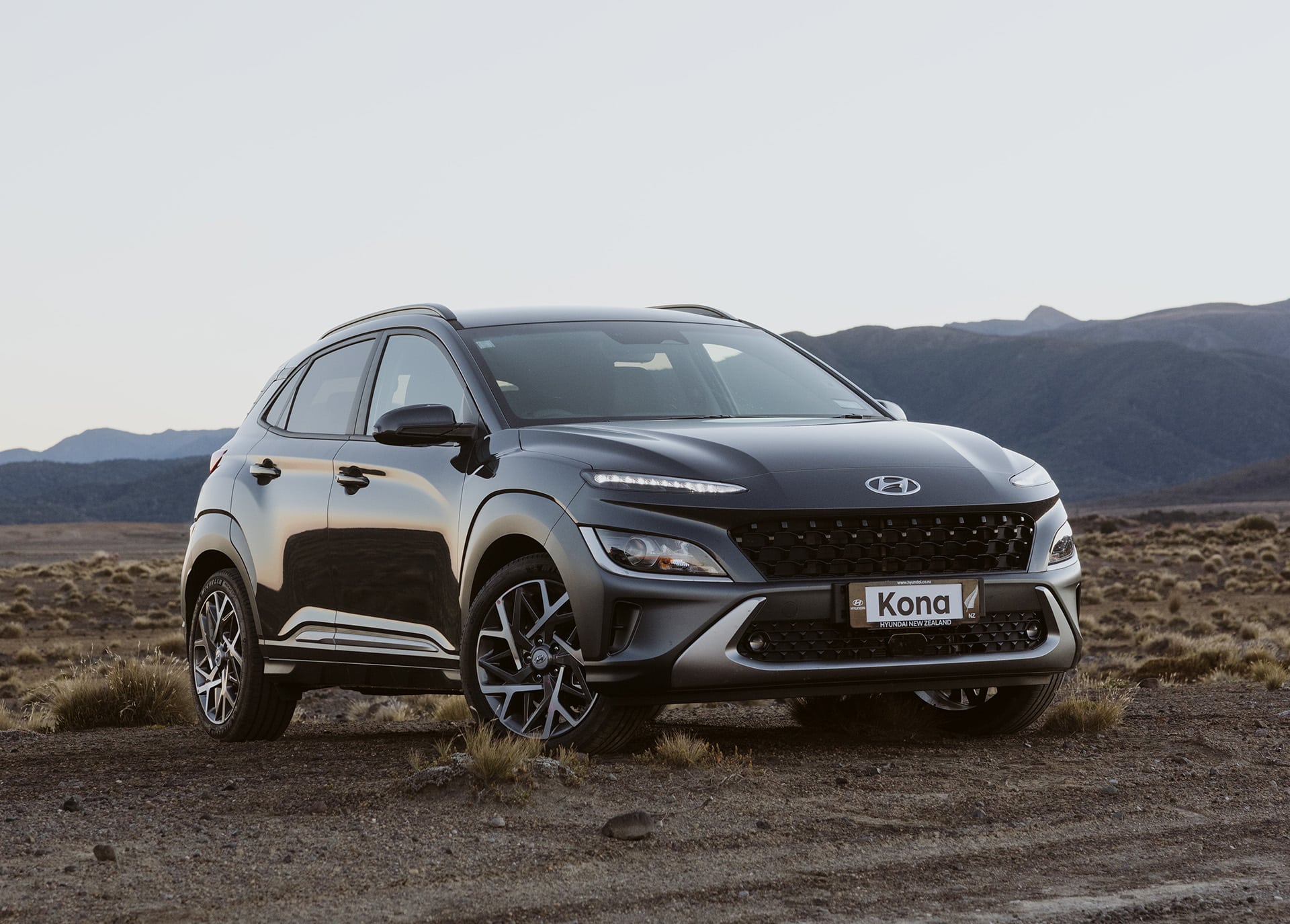
Hyundai Kona
The Hyundai Kona offers a compact crossover format that fits urban needs better than larger SUVs. Its raised seating position improves visibility without adding excessive bulk, giving drivers confidence to spot pedestrians, cyclists, and sudden obstacles.
Maneuverability in city streets is enhanced by a thoughtful chassis design, which makes turns, lane changes, and parking less intimidating. This balance of size and perspective makes city driving safer and more controlled.
Size management remains one of the Kona’s strengths. It fits comfortably in parking structures and curbside spots without feeling cramped. Drivers are not forced to compromise on lifestyle, carrying groceries, pets, or luggage without difficulty. Its dimensions also reduce the likelihood of minor dings and scrapes, which are common in high-density areas. Daily use feels practical and intentional rather than constrained.
Efficiency remains reasonable despite the crossover profile. The engine is tuned for urban responsiveness, making acceleration smooth in stop-and-go traffic. Short city trips do not feel costly, and fuel efficiency reduces the financial burden of commuting. This balance supports both cost-conscious and environmentally aware urban drivers.
Interior space supports varied urban lifestyles. Small families, pets, and cargo all fit without overcommitting to size or sacrificing maneuverability. Storage compartments and configurable seating make it easier to adapt to changing needs, from shopping trips to moving small furniture. Flexibility reduces friction in daily urban life.
Technology features such as driver assistance systems reduce fatigue. Lane-keeping, parking sensors, and adaptive braking systems help manage dense traffic and crowded streets. These features reduce the cognitive load of driving in complex urban environments. The Kona works with the driver, creating a more stress-free city ownership experience.
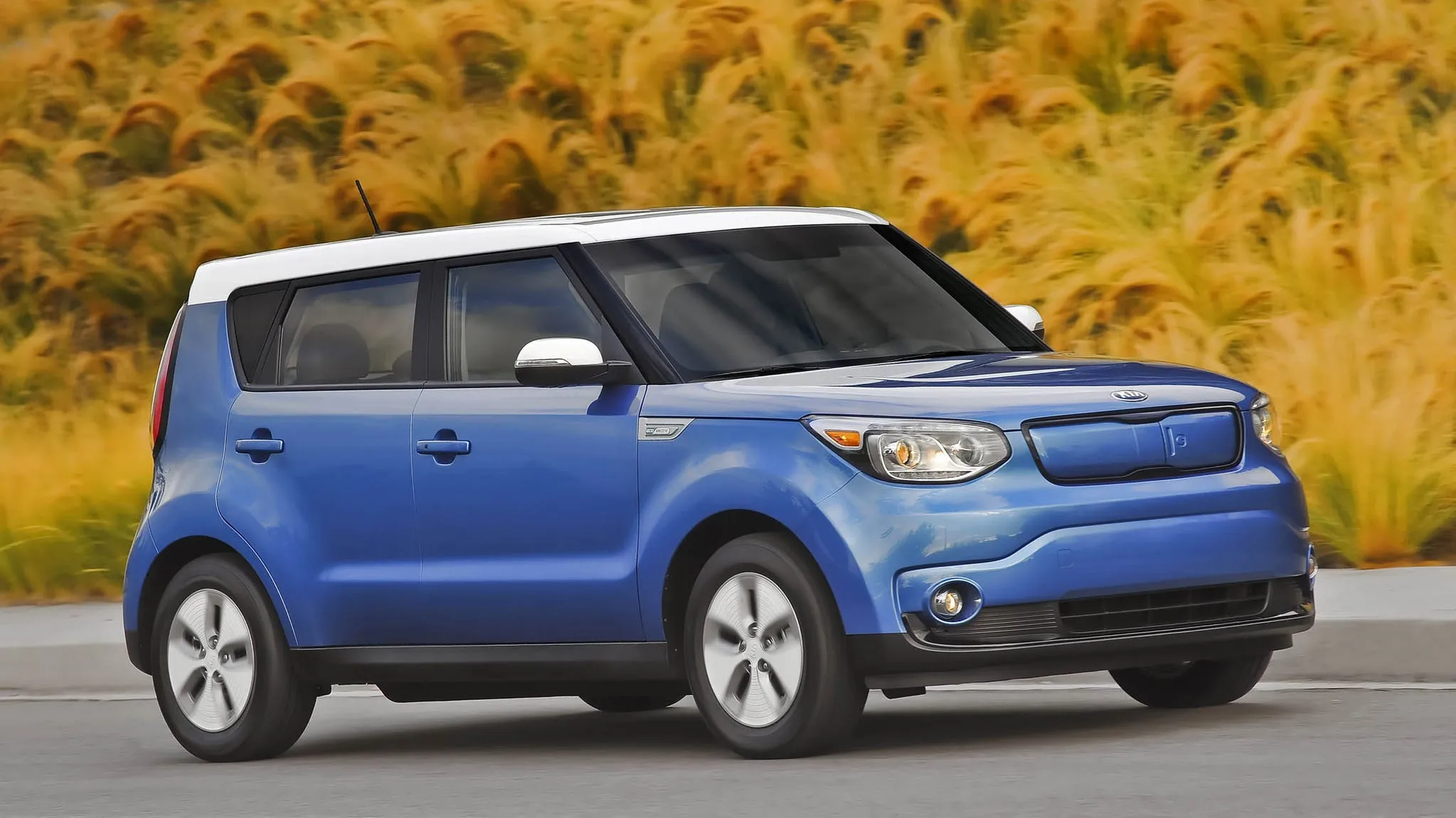
Kia Soul
The Kia Soul approaches city ownership from a practical packaging perspective rather than traditional styling priorities. Its boxy shape maximizes interior volume while keeping the footprint small enough for narrow streets. The vehicle allows urban owners to carry passengers, groceries, or gear without sacrificing parking ease or maneuverability. Space is optimized, making it a versatile choice for daily commuting and errands.
Ingress and egress are easier due to the upright design and wide doors. Frequent stops in urban traffic become less tiring and more efficient. Loading and unloading items or helping passengers in crowded streets is simplified. This contributes to comfort and convenience for city life.
Visibility remains excellent thanks to large windows and a high seating position. Drivers can judge distances accurately, reducing minor collisions and scrapes. Navigating intersections, tight parking spaces, or congested streets becomes less stressful. Awareness becomes an automatic advantage, supporting safer urban driving.
Fuel economy stays competitive even in dense traffic. The Soul does not rely on excessive horsepower, making short trips and repeated stops less costly. Owners experience lower operational expenses while maintaining confidence that their vehicle can handle daily city demands. Cost efficiency supports stress-free ownership.
The Soul also avoids appearing oversized or aggressive, which is a subtle but important urban benefit. Its approachable design integrates smoothly into neighborhoods, reducing friction with pedestrians and other drivers. Ownership feels practical, manageable, and low-stress rather than attention-demanding. Daily commuting becomes more predictable and pleasant.
5 That Complicate It
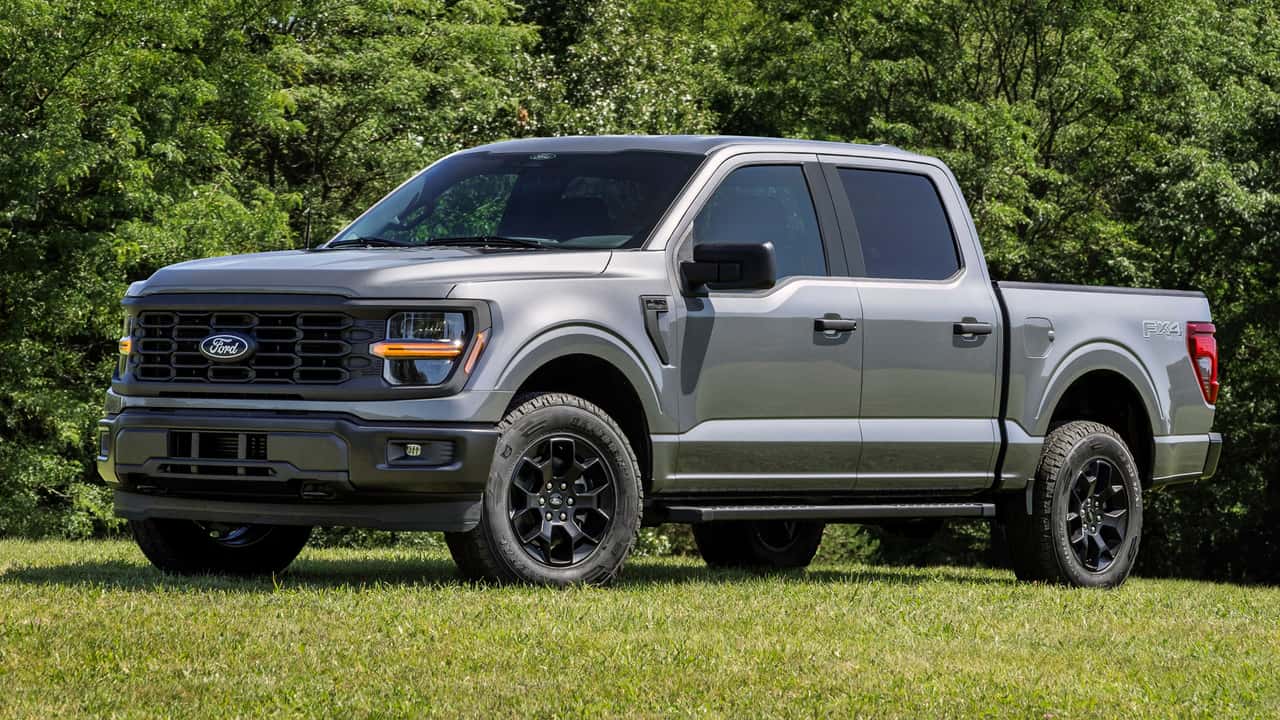
Ford F-150
The Ford F 150 presents immediate challenges in dense urban environments. Its length and width exceed what many city streets were designed to accommodate, making even small maneuvers require constant calculation.
Turning around, changing lanes, or squeezing into intersections often becomes a multi-step process, which increases driver fatigue. Every drive demands heightened awareness, as misjudgments can lead to accidents or blocked traffic.
Parking becomes a persistent issue rather than an occasional inconvenience. Many garages, curbside spots, and apartment complexes cannot accommodate its size, forcing owners to spend extra time hunting for suitable spaces.
This limitation restricts spontaneity, as some destinations simply cannot accommodate the vehicle. The effort required to find parking turns routine errands into strategic planning.
Fuel consumption rises sharply in stop-and-go traffic, as the F 150 is optimized for towing and heavy hauling rather than urban efficiency. Short trips feel wasteful, and frequent refueling adds cost and inconvenience. Traffic lights and congestion magnify the inefficiency, creating a persistent financial burden. Over time, this becomes a significant factor for city dwellers who rely on daily commuting.
Visibility can be deceptive despite the elevated seating position. Blind spots increase the risk of hitting pedestrians, cyclists, or smaller vehicles in narrow lanes. While the height provides some advantage, it does not eliminate the challenges of maneuvering in crowded streets. Stress builds as drivers must constantly compensate for the vehicle’s physical limitations.
Maintenance and cosmetic wear accumulate faster in cities due to the combination of tight spaces and high traffic density. Minor bumps and scratches become more frequent, adding both cost and frustration. Repairs take time and sometimes require specialized service. Ownership feels demanding rather than supportive, with more attention required for routine operation.
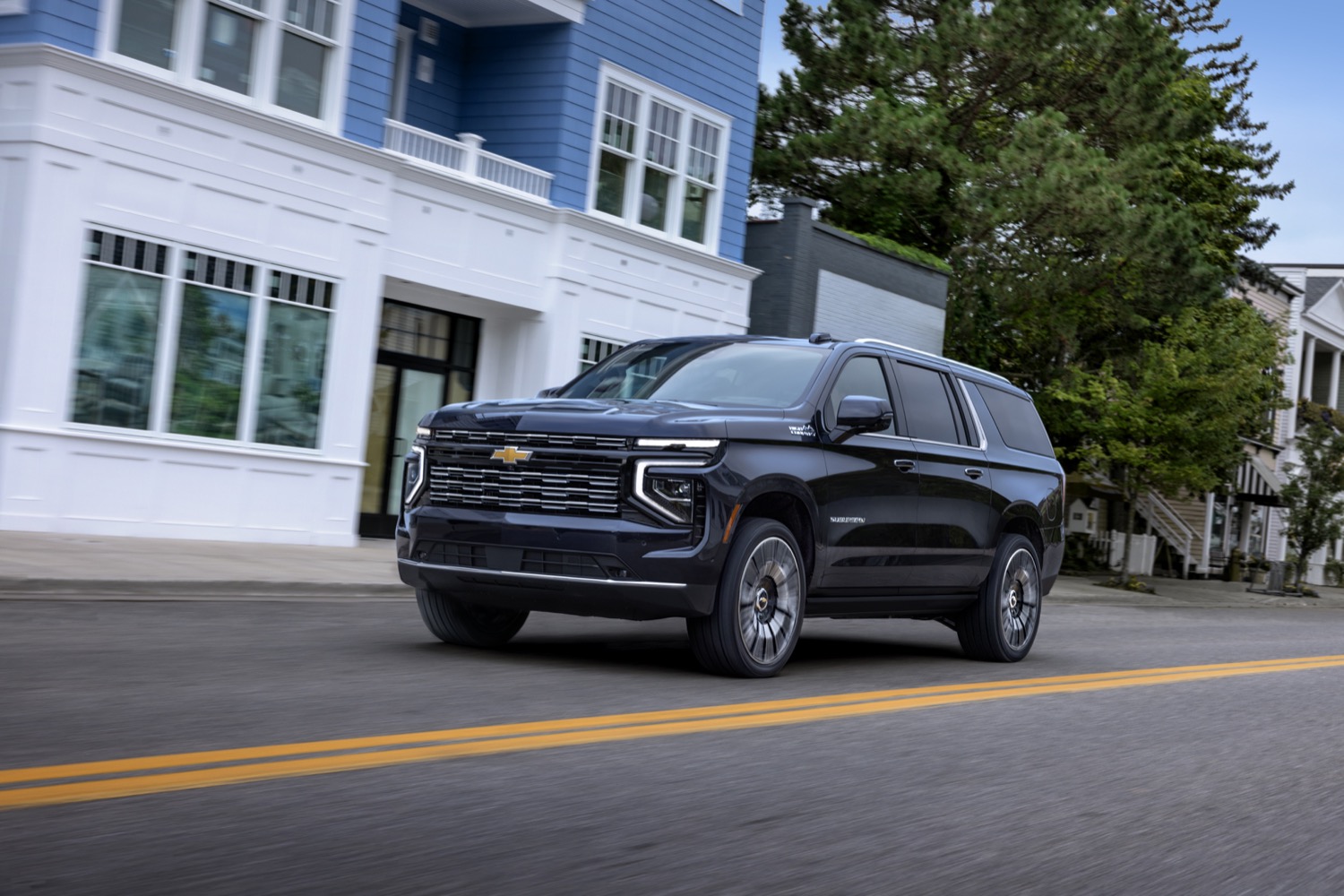
Chevrolet Suburban
The Chevrolet Suburban embodies excess capacity that rarely aligns with city needs. Its extreme length and width make basic driving tasks complicated, requiring careful measurement and repeated adjustments. Many intersections and one-way streets feel cramped, increasing the potential for accidents. Everyday driving in dense areas becomes a constant test of patience and spatial awareness.
Parking infrastructure often cannot accommodate its size. Garage entrances, curbside spaces, and multi-level parking lots frequently prove too tight, forcing owners to compromise location or risk damage. Searching for viable parking consumes extra time and energy. The vehicle’s sheer size makes it less spontaneous and more of a planning burden.
Fuel efficiency suffers severely in congested conditions. The Suburban’s heavy mass and powerful engine are designed for hauling and long trips, not frequent stops. Urban driving magnifies inefficiency, resulting in higher operational costs. For city dwellers, this makes ownership financially draining rather than convenient.
Urban visibility challenges intensify with the vehicle’s scale. Blind spots expand, limiting awareness of nearby pedestrians, cyclists, and smaller cars. Maneuvering in tight streets or parking lots requires extreme caution. Drivers must constantly compensate for the vehicle’s size to avoid minor collisions, adding stress.
The Suburban’s advantages remain largely underused in city settings. Its towing capacity, cargo space, and long-distance comfort rarely come into play in urban errands. The mismatch between design and environment highlights its impracticality. City ownership becomes more about managing challenges than enjoying convenience.
Dodge Challenger
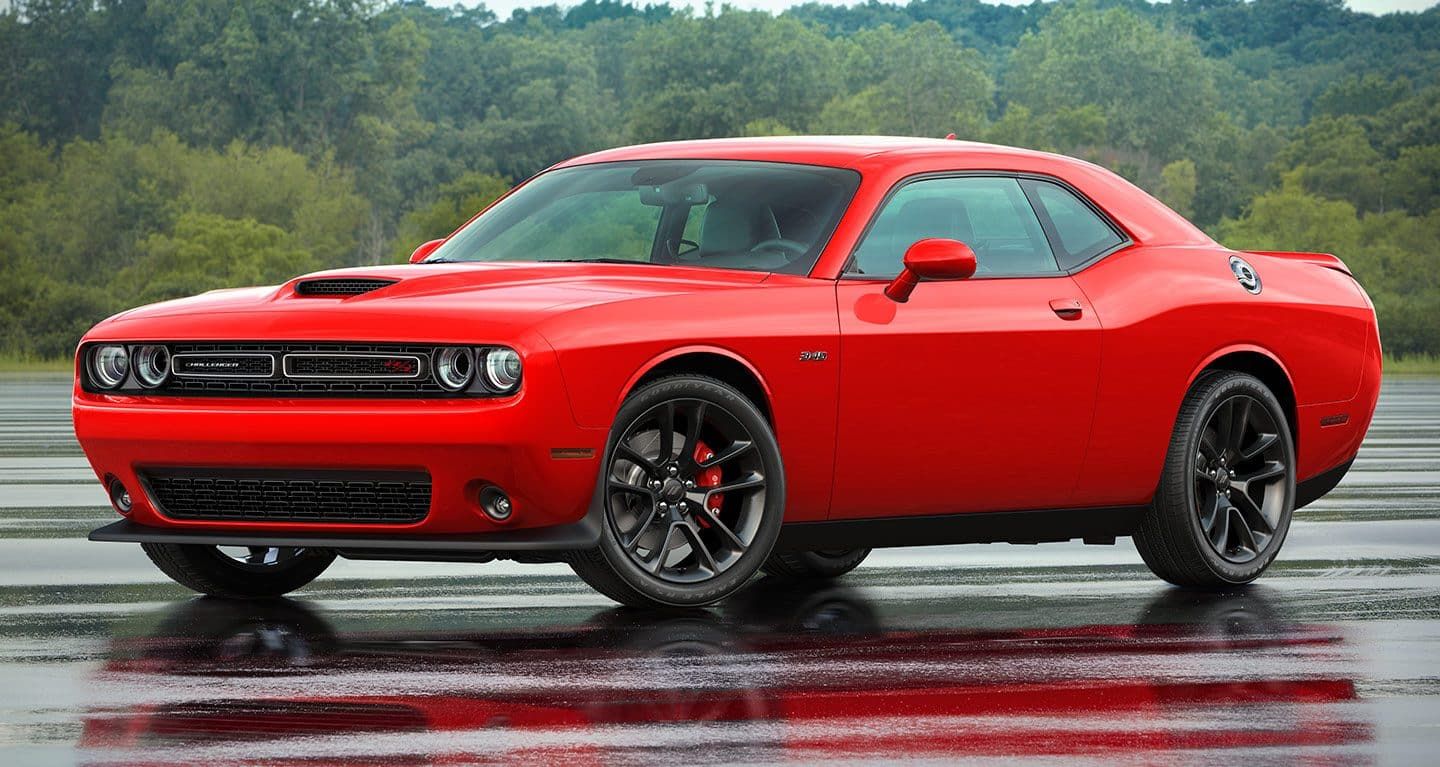
The Dodge Challenger prioritizes performance and style over urban adaptability, creating unique complications for city driving. Its wide body and long doors make parking in narrow spaces difficult. Entry and exit become awkward when curbside room is limited, which is a frequent occurrence in cities. These design choices increase friction during everyday use rather than reducing it.
Visibility suffers due to the vehicle’s low, sloped roofline. Blind spots around pillars and the rear make parallel parking, lane changes, and tight corners riskier. Urban driving demands awareness, and the Challenger’s design does not naturally support it. Drivers are forced to compensate constantly, which raises stress levels.
Fuel consumption escalates quickly in stop-and-go traffic, as the engine is tuned for acceleration rather than efficiency. Short trips feel disproportionately expensive, especially in congested areas where idling is frequent. Gasoline costs and environmental impact make it a less sustainable choice for city residents.
Suspension tuning, designed for stability at speed, often feels stiff on uneven city roads. Potholes, curbs, and speed bumps transmit directly into the cabin, creating discomfort for both driver and passengers. This reduces the vehicle’s usability for frequent urban errands. Comfort and practicality are sacrificed for performance aesthetics.
The Challenger attracts attention that may be unwelcome in urban neighborhoods. Its aggressive styling increases the risk of theft or vandalism, and drawing attention while parking can cause stress. Owners may feel defensive rather than relaxed, turning city driving into a constant mental challenge.
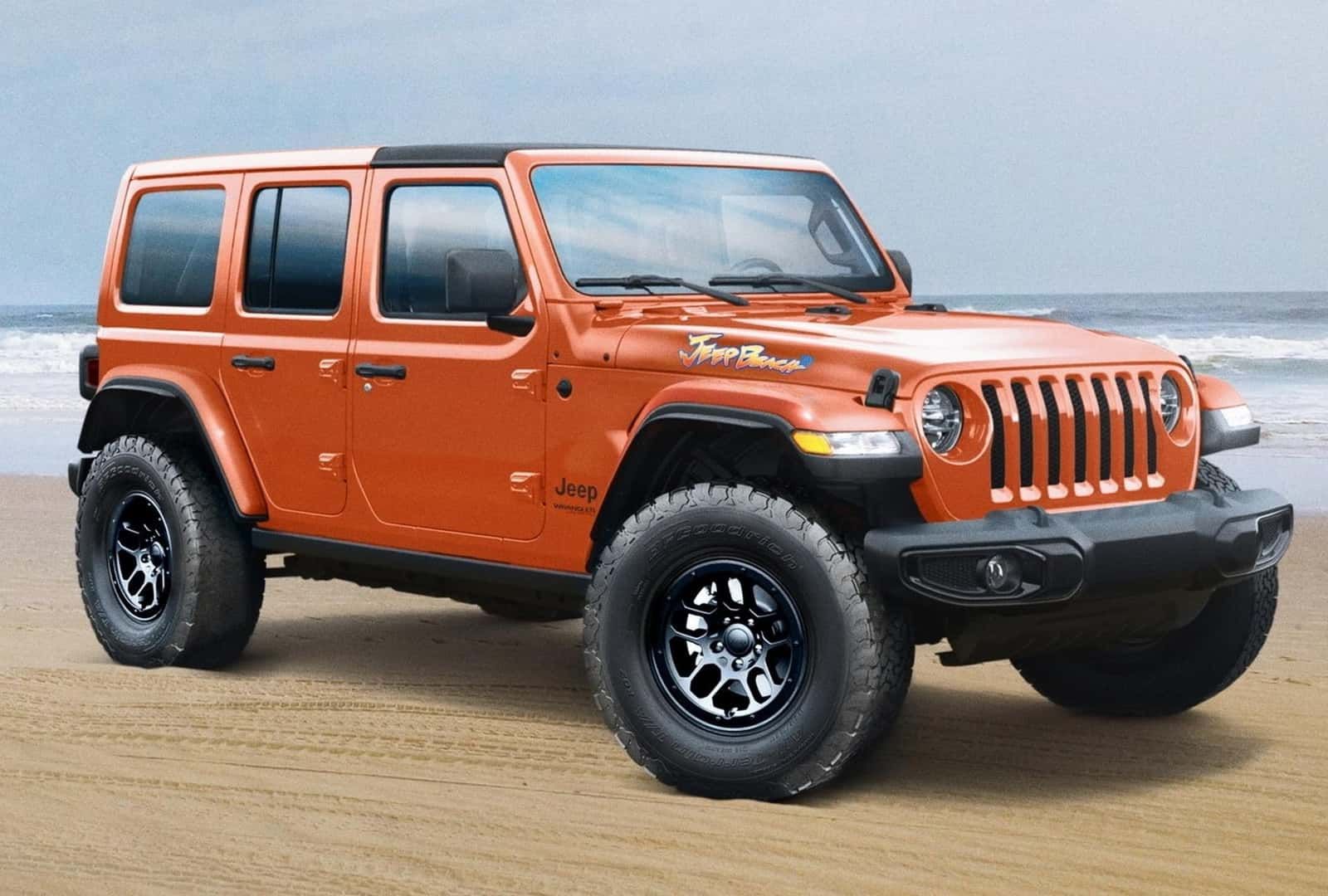
Jeep Wrangler
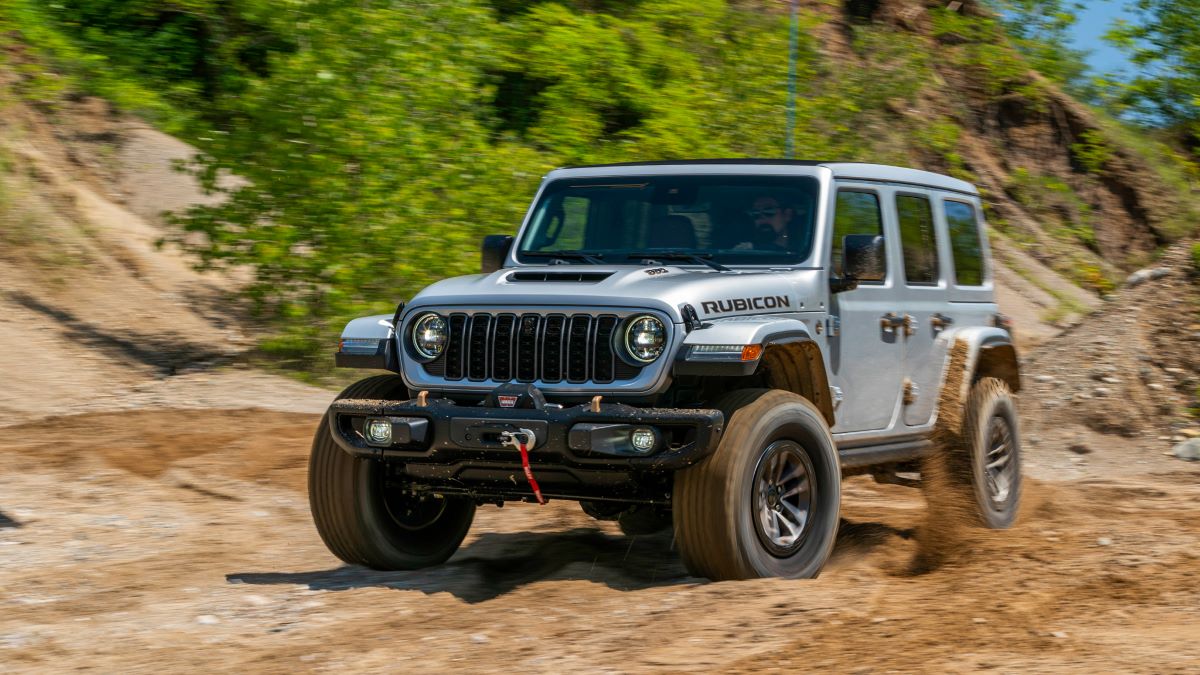
The Jeep Wrangler is optimized for off-road environments, which makes it ill-suited for city life. Its upright shape, short wheelbase, and rugged suspension provide advantages on rough terrain but translate poorly to congested streets.
Handling feels heavy and imprecise in traffic, turning routine navigation into a repeated adjustment exercise. Urban driving requires more patience and skill to manage its quirks.
Fuel efficiency remains poor in city conditions. The Wrangler’s engine is designed for torque and low-speed power rather than smooth, efficient operation. Frequent stops amplify fuel consumption, which adds cost and inconvenience. Owners may find themselves refueling more often than with a smaller, urban-focused vehicle.
Noise levels are higher than average, particularly at low speeds where engine vibrations and wind noise are more noticeable. This can make short commutes tiring and less enjoyable. City streets magnify these effects, especially during extended idling at intersections or traffic jams.
Parking challenges arise from both width and external accessories. Mirrors, spare tires, and bumpers protrude, making garages, parking lots, and curbside spaces more difficult to access. Drivers must constantly calculate clearance, increasing stress. Wranglers require more planning and care for daily use.
While the Wrangler excels in specific off-road scenarios, cities rarely reward these strengths. Features designed for trails are mostly irrelevant in urban life. The compromises of fuel efficiency, comfort, and parking make the vehicle more burdensome than beneficial. City ownership often becomes an exercise in adaptation rather than convenience.

Mercedes-Benz G-Class
The Mercedes-Benz G-Class combines extreme proportions with luxury, creating significant challenges for urban ownership. Its width and height dominate city lanes, making maneuvering through tight intersections difficult. Other drivers react defensively, and passing through traffic can feel awkward and tense. The G Class imposes itself physically on the environment, requiring constant spatial awareness.
Parking limitations are severe due to size and value. Many urban garages cannot accommodate the height or width, and leaving it on the street can feel risky. Owners must expend extra effort finding safe, suitable spots, which adds mental and logistical strain. Convenience is compromised by design, making even short errands more complicated.
Fuel consumption remains high even with modern engine updates. Stop-and-go traffic magnifies inefficiency, turning short city drives into costly operations. Fuel costs, coupled with maintenance and insurance for a luxury vehicle, make urban ownership expensive. Efficiency and practicality are sacrificed for prestige.
Visibility challenges persist despite technological aids. The vehicle’s shape creates large blind spots, and sensors only partially compensate. Drivers must remain vigilant at all times, especially near pedestrians, cyclists, or smaller vehicles. The mental load of navigating safely increases significantly in dense areas.
The G Class performs best where space is abundant, such as on highways or rural environments. In cities, its strengths are rarely utilized, while its weaknesses are amplified. Ownership becomes more about managing complications than enjoying utility or comfort. Urban driving feels labor-intensive rather than liberating.