
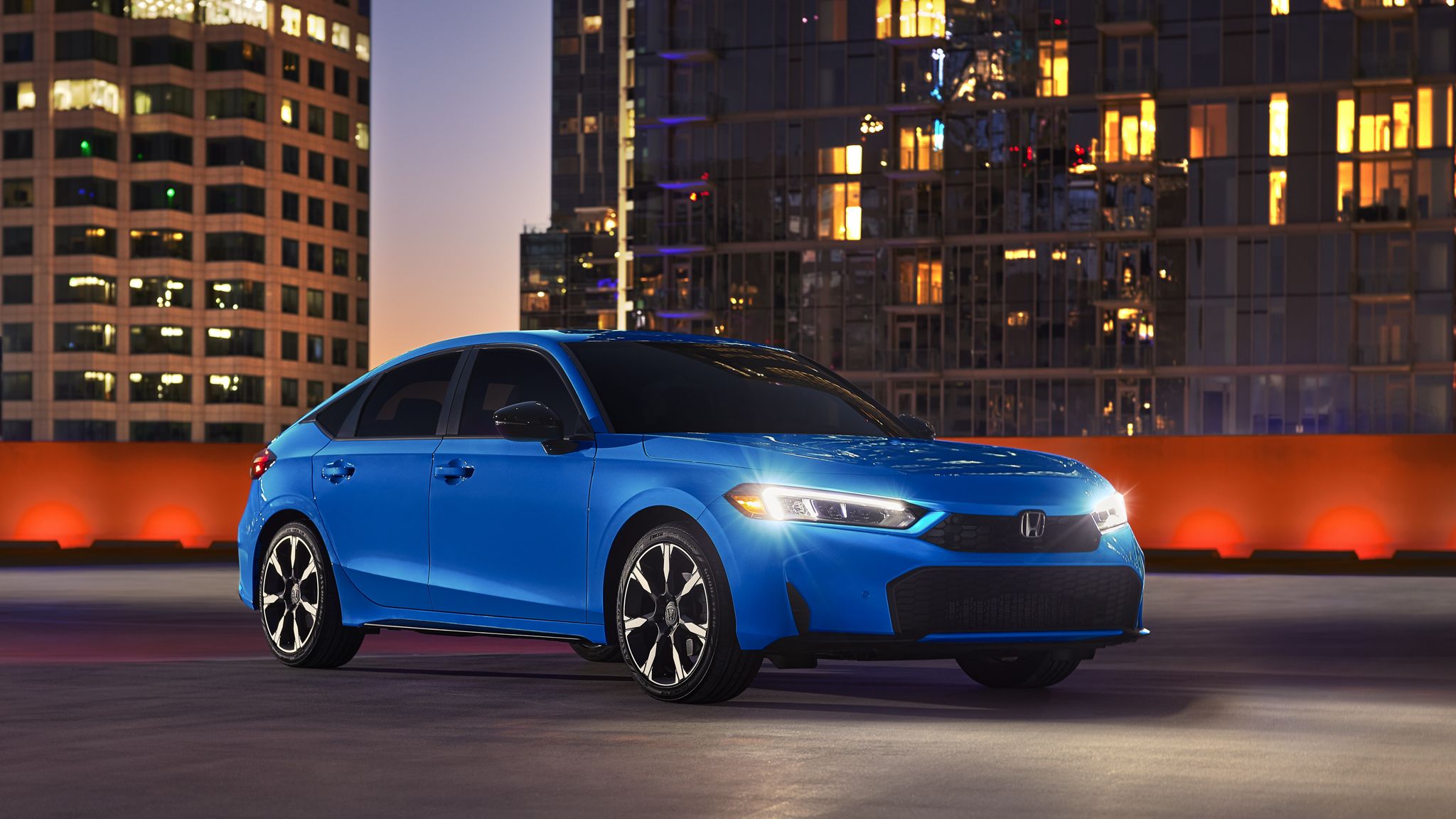
City living changes the way people experience cars. Tight parking spaces, stop-and-go traffic, narrow streets, rising fuel costs, and frequent short trips all put unique demands on a vehicle.
While many cars seem perfectly acceptable at first, long-term ownership in an urban environment often reveals hidden flaws or unexpected strengths.
In the United States, where urban centers like New York, Chicago, San Francisco, Boston, and Seattle combine aging infrastructure with modern congestion, choosing the wrong car can become an ongoing source of stress and expense.
A car that excels on highways or suburban roads may struggle with parking, fuel efficiency, or reliability when used primarily in the city. On the flip side, some vehicles are engineered in ways that quietly make daily urban life easier year after year.
This list focuses on long-term city ownership, not just initial appeal. These selections consider reliability history, maintenance costs, visibility, size, fuel economy, and how well the vehicle adapts to years of urban wear and tear.
Cars That Fit City Living Long-Term
City living can be exciting, but it comes with unique demands on a vehicle. Tight streets, limited parking, stop-and-go traffic, and daily errands mean that not every car is built to thrive long-term in an urban environment.
Choosing the right vehicle isn’t just about style or speed, it’s about reliability, comfort, efficiency, and ease of maneuvering day after day. In this article, we highlight cars that are built to handle the realities of city life, helping you find options that won’t just survive but actually make your urban experience smoother for years to come.
1. Toyota Corolla
The Toyota Corolla has quietly become one of the most dependable city cars in America, not because it is exciting, but because it simply works.
Its compact footprint makes parallel parking manageable even in older cities with tight street layouts, while its excellent outward visibility reduces stress in dense traffic.
Over the long term, the Corolla’s biggest advantage is predictability. Maintenance costs are consistently low, parts are widely available, and the drivetrain is known for lasting well beyond 200,000 miles when properly maintained.
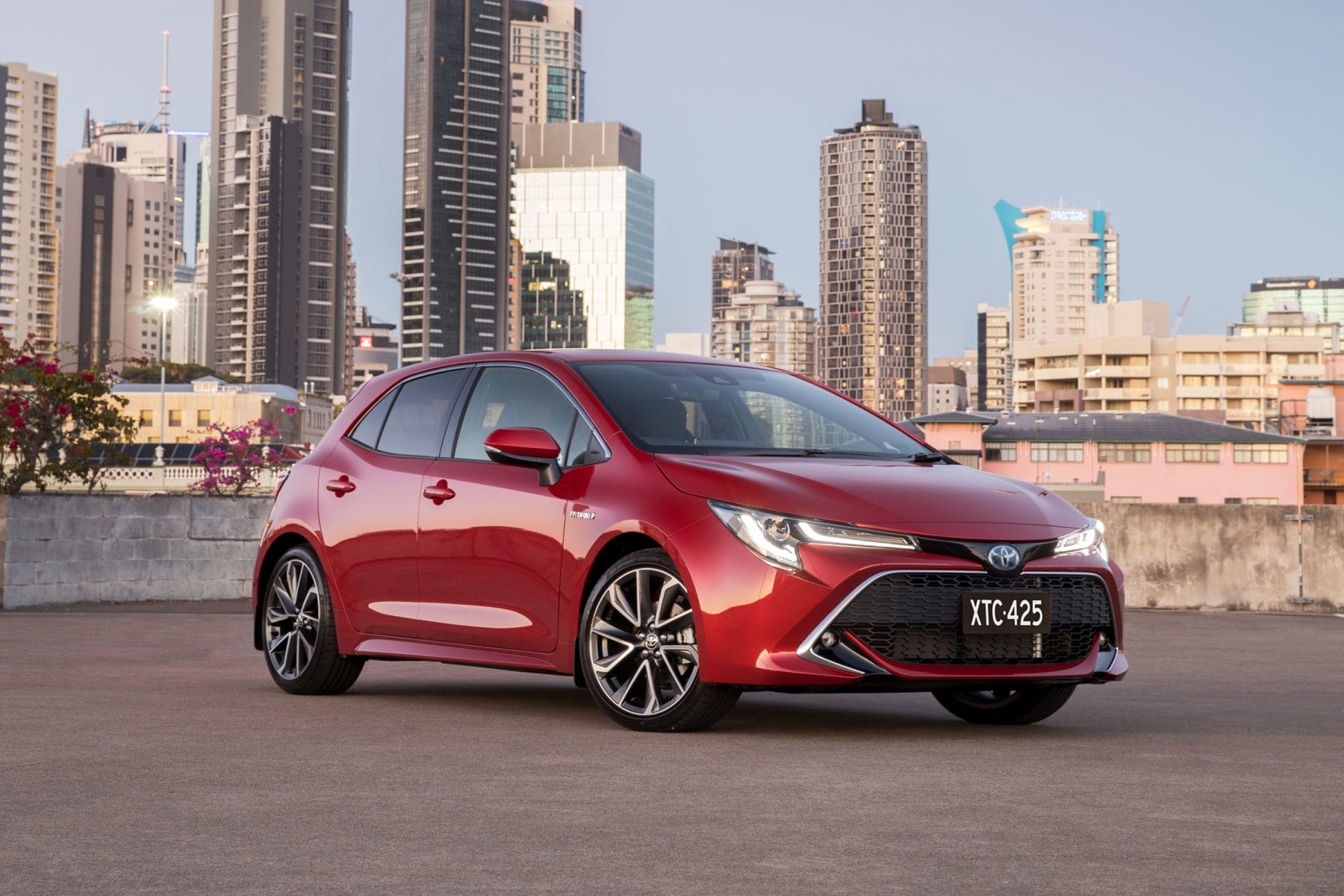
In stop-and-go traffic, the Corolla’s fuel efficiency remains impressive, especially compared to larger sedans or crossovers.
For city drivers who plan to keep a car for many years, the Corolla’s simplicity is an asset.
It avoids complicated suspension setups or performance-focused components that tend to wear faster in urban environments. It may not feel special, but that’s exactly why it fits city life so well.
2. Honda Civic
The Honda Civic has evolved significantly over the years, but its city-friendly DNA remains intact.
Its steering is light and responsive, making quick lane changes and tight turns easy, while the suspension strikes a balance between comfort and control on uneven pavement.
Long-term ownership in the city favors the Civic because of its efficient engines, proven reliability, and excellent resale value.
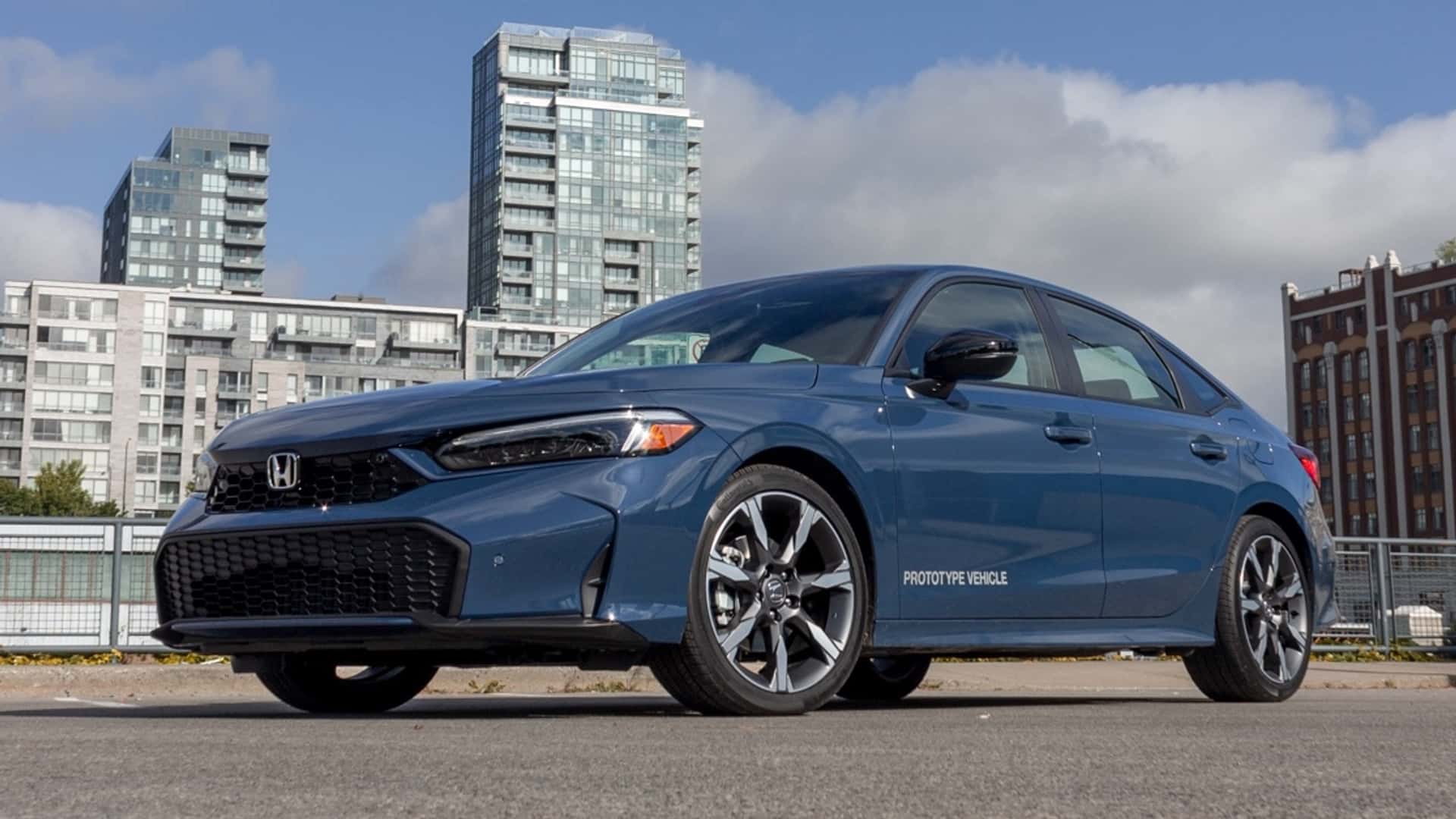
Even as mileage accumulates, Civics tend to maintain consistent performance without developing the rattles and drivetrain issues that plague many competitors.
Another advantage is interior space efficiency. Despite being compact, the Civic offers enough room for passengers and cargo without becoming cumbersome in parking garages or crowded neighborhoods.
For urban commuters who need a daily driver that won’t feel worn out after years of use, the Civic remains a standout.
Also Read: 10 Quickest Electric Cars You Can Buy for Under $50,000
3. Toyota Prius
The Toyota Prius is often stereotyped, but from a city-living perspective, it is one of the most logical long-term choices available in the U.S. Hybrid technology shines in urban conditions, where regenerative braking and low-speed electric driving dramatically reduce fuel consumption.
Over time, the Prius saves owners thousands of dollars in fuel costs compared to traditional gasoline vehicles.
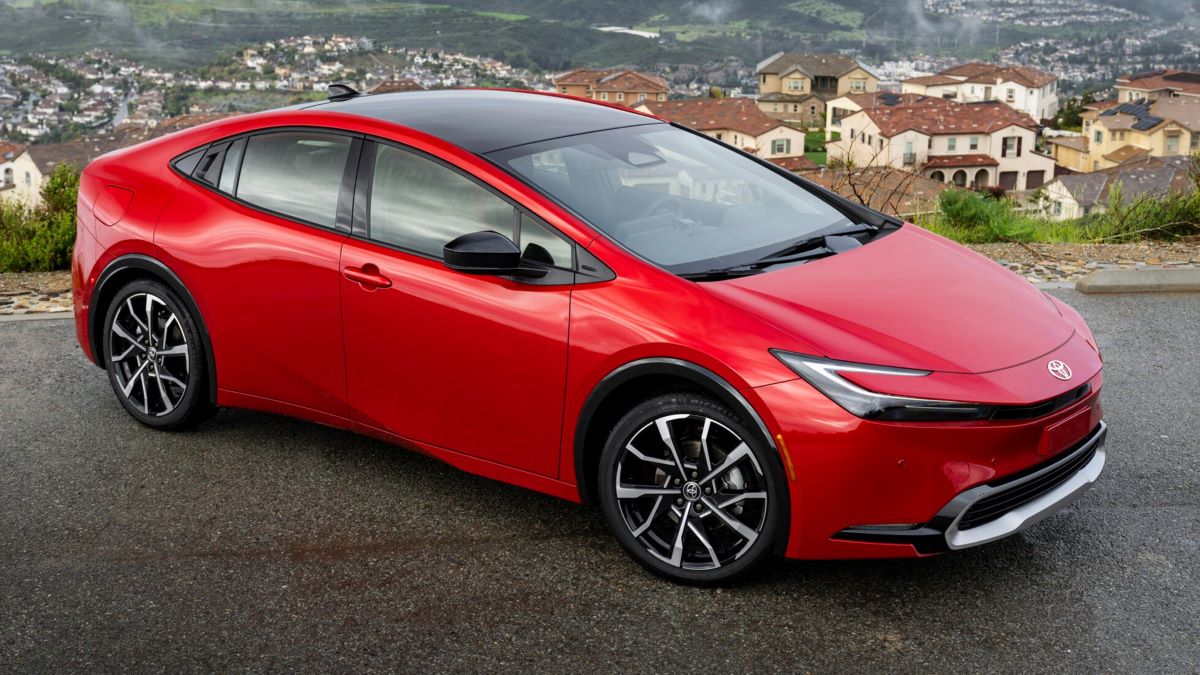
Its reliability record is strong, and despite early skepticism, hybrid battery longevity has proven better than expected, with many lasting well over a decade.
The Prius is also easy to maneuver, has excellent visibility, and requires fewer brake replacements due to regenerative braking. In congested cities where fuel prices fluctuate and traffic is unavoidable, the Prius becomes more valuable the longer you own it.
The Prius delivers confident acceleration from a standstill and handles highway merges or uphill climbs with ease. Our front-wheel-drive Prius reached 0 to 60 mph in 7.7 seconds, faster than the Kia Niro (9.7 seconds) but a touch slower than the Honda Civic Hybrid (6.6 seconds). Through corners, the Prius remains stable and secure. Its economy-focused tires don’t offer much grip, but it’s easy to imagine the Prius being more engaging on stickier rubber.
Driving the Prius is smooth and effortless. The transition between the electric motor and gas engine is nearly seamless, and the ride absorbs bumps and uneven pavement comfortably.
Rear visibility is limited due to the sharply angled rear window and thick roof pillars. Safety and driver-assistance systems perform well: lane-keeping assistance is reliable, and adaptive cruise control works smoothly.
The Proactive Driving Assist feature offers helpful cues in everyday driving, for instance, if traffic slows ahead, the Prius will gently begin braking as you lift off the accelerator, signaling it’s time to slow down. It also flashes an LED strip on the dash when traffic in front starts moving. During our testing, these systems never felt intrusive or overbearing.
4. Mazda3
The Mazda3 offers a rare blend of driving enjoyment and city practicality. Its compact size makes it easy to park, while its sharp steering and controlled suspension make urban driving feel more engaging without becoming uncomfortable.
Long-term city ownership benefits from Mazda’s focus on naturally aspirated engines and traditional automatic transmissions, which tend to age better than turbocharged or dual-clutch alternatives in stop-and-go conditions.
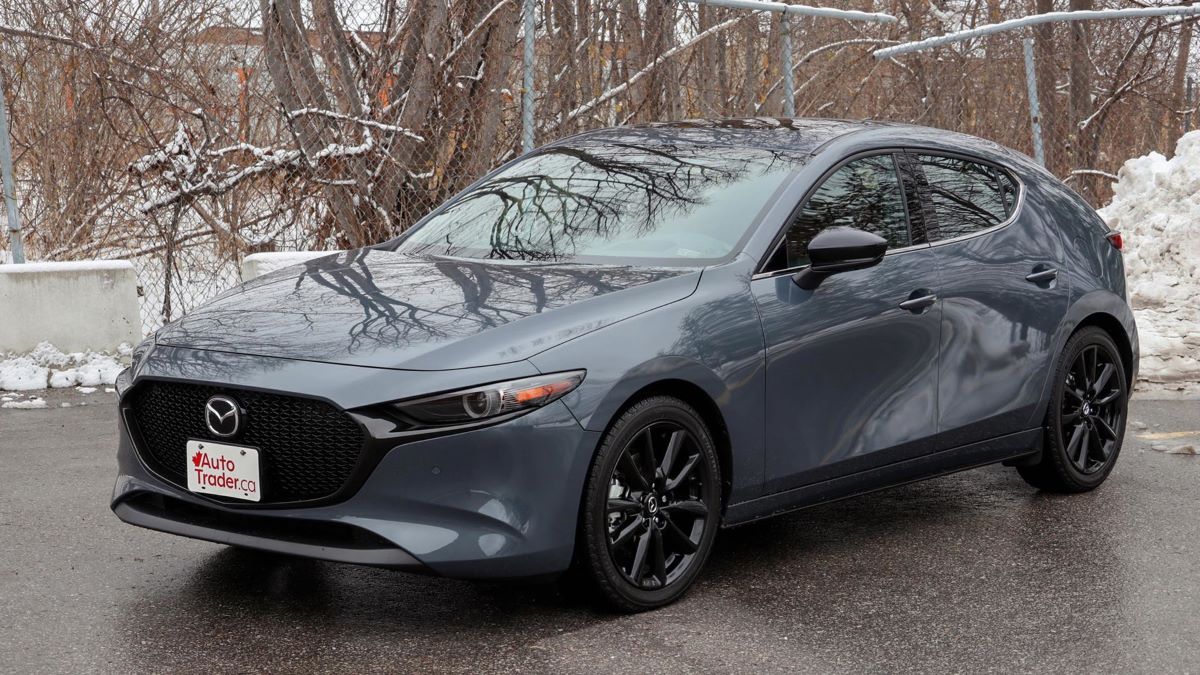
Maintenance costs remain reasonable, and the interior quality often exceeds expectations for the class.
For city drivers who want something more refined than basic economy cars but still manageable and durable, the Mazda3 strikes a compelling balance. It proves that urban-friendly cars don’t have to feel disposable or dull.
5. Subaru Impreza
The Subaru Impreza stands out in cities that experience harsh winters, uneven roads, or unpredictable weather. Its standard all-wheel drive provides added confidence in rain, snow, and slush, which can be a major advantage in northern U.S. cities.
Despite having AWD, the Impreza remains compact and easy to navigate in dense traffic.
Over time, owners appreciate its stable handling, solid build quality, and consistent performance in poor conditions that often accelerate wear on lesser vehicles.
While fuel economy is slightly lower than front-wheel-drive rivals, the trade-off is long-term usability in real-world city conditions. For urban drivers who prioritize year-round reliability over maximum efficiency, the Impreza is a smart long-term fit.
The 2022 Impreza remains a strong choice on the used-car market. It offers a spacious and comfortable cabin with an interior that feels more upscale than its price might suggest. The Impreza comes loaded with standard safety and technology features, all presented through user-friendly interfaces that make them easy to operate.
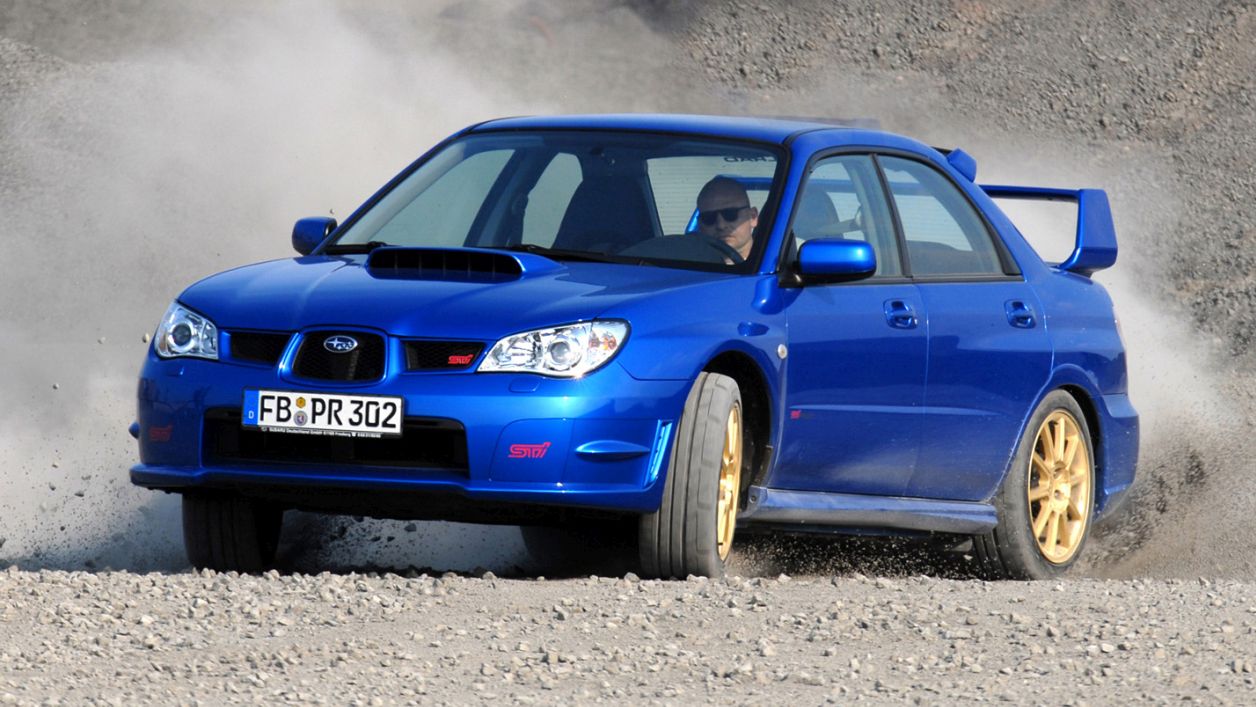
On dry roads, the car is nimble, and its standard all-wheel-drive system keeps it sure-footed in rain and snow. The main drawback is its engine, which feels underpowered and somewhat unrefined. Still, Subaru’s projected five-year ownership costs are the lowest in the compact car segment, making the Impreza an economical choice over time.
All-wheel drive is a hallmark of Subaru, but shoppers may be surprised to find that the Mazda3 is also available with AWD. Like the Impreza, the Mazda comes in both sedan and hatchback body styles.
Its interior is one of the few in the compact class that feels even more upscale than the Impreza’s, though rear-seat space is limited. If a roomier back seat is a priority, the Honda Civic is worth a look. While it doesn’t offer all-wheel drive, the Civic remains an excellent all-around compact sedan or hatchback, with impressive fuel economy to match.
Cars That Don’t Fit City Living Long-Term
Not every car is built to handle the daily grind of city life. Tight streets, constant stop-and-go traffic, cramped parking, and the wear and tear of urban roads can quickly expose a vehicle’s weaknesses.
Some cars may look appealing on the surface but prove frustrating, or even costly, over time in an urban environment. In this article, we examine cars that aren’t ideal for long-term city living, helping you avoid models that might struggle with the demands of everyday urban driving.
1. Chevrolet Camaro
The Chevrolet Camaro may look thrilling on paper, but city living exposes its biggest weaknesses. Poor visibility, long doors, and a wide body make parking and maneuvering a constant challenge in tight urban spaces.
Over the long term, the Camaro’s stiff suspension and low ride height take a toll on both comfort and components when navigating potholes, speed bumps, and uneven pavement.
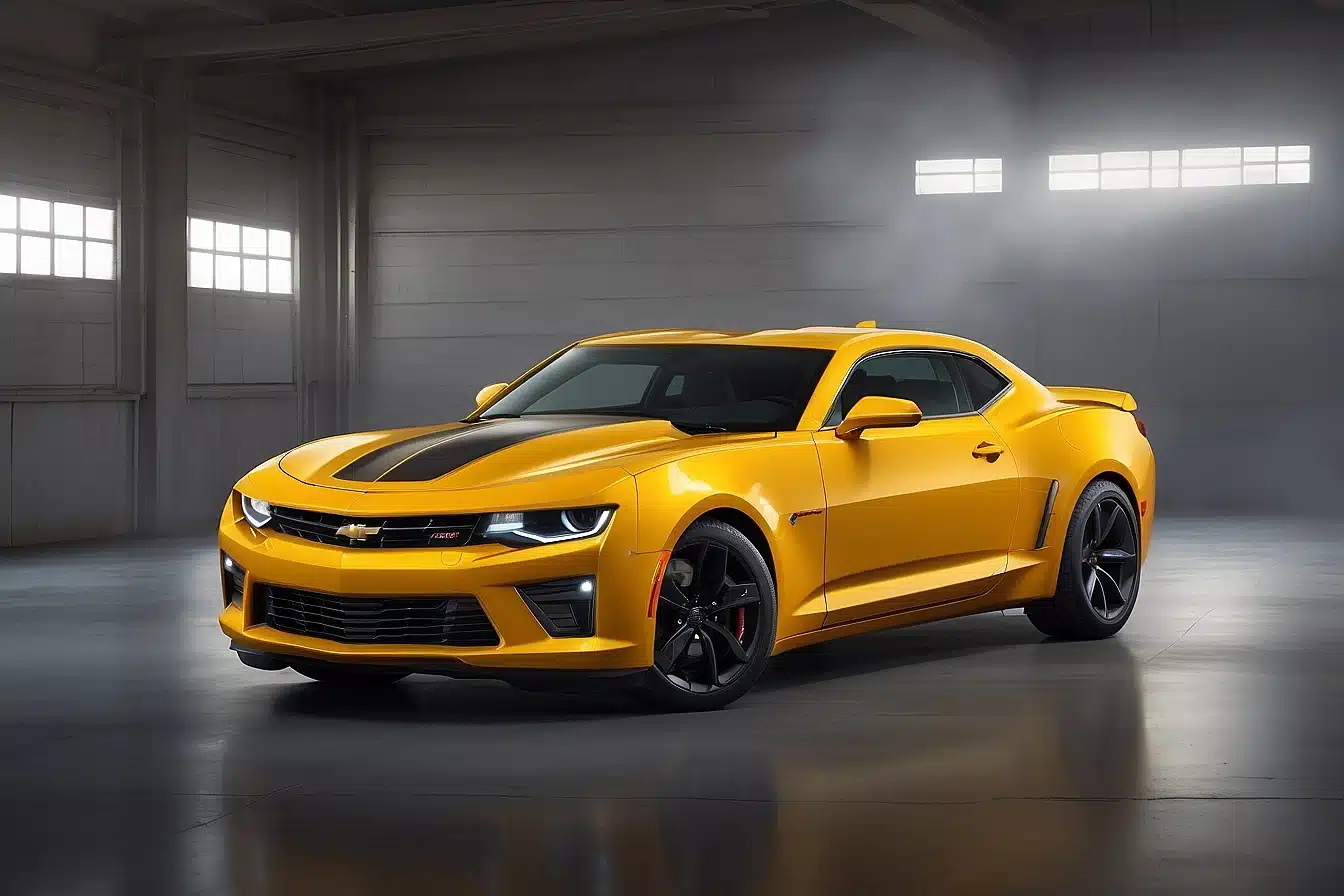
Fuel consumption in stop-and-go traffic is high, and insurance costs often remain elevated.
While the Camaro excels on open roads, daily urban use turns its strengths into liabilities. For city dwellers planning long-term ownership, the Camaro becomes more frustrating with time rather than more enjoyable.
The Camaro delivers strong performance, blending speed, precision, and driving enjoyment in a way that previous generations never quite achieved.
The V8 is robust and our pick for those seeking the full muscle-car experience, but even the V6 and four-cylinder engines pack a punch. Most Camaros will slightly out-drag an equivalent Mustang, and the brakes are more than capable of bringing the car to a quick stop when needed.
Handling is sharper with the smaller, lighter engines, though the V8 equipped with stickier tires reaches higher performance limits. The manual transmissions have satisfying, positive gates, and rev-matching ensures downshifts that feel as precise as a professional racer’s.
The base suspension delivers a relatively supple ride, while the optional Magnetic Ride Control (available on V8 models) handles a variety of surfaces with greater competence. Ride quality is very good considering the Camaro’s performance-oriented mission. All engines are quiet during relaxed cruising, though only the V8 delivers a satisfying roar when driven hard.
Front seatbacks are well-shaped, providing solid lateral support without feeling restrictive, though the bottom cushion may feel tight for some drivers.
Door and center armrests are effectively padded, adding to cabin comfort. As expected, the rear seat is cramped, even for short trips. A quirky downside is the placement of the climate control vents in front of the shift lever, which can overheat or overcool your hand during driving.
2. Ford Explorer
The Ford Explorer represents a common city ownership mistake: choosing size over practicality. While it offers space and presence, its large footprint makes parking garages, narrow streets, and crowded neighborhoods significantly more stressful.
Long-term urban use also highlights higher fuel costs and increased wear on brakes and suspension components due to the vehicle’s weight.
Repairs and maintenance tend to be more expensive than smaller alternatives, especially as mileage accumulates.
For suburban families, the Explorer can make sense. In dense cities, however, its size becomes a daily burden that rarely justifies itself over time.
The Explorer is the three-row SUV to choose if your priorities include balanced handling and strong acceleration. Unlike many competitors in this class, it feels light and eager when navigating turns, with plenty of grip to inspire confidence.
The latest Explorer can handle substantial power, and Ford makes the most of it. The sturdy turbocharged four-cylinder base engine easily outpaces the competition, while the Explorer ST offers a turbo V6 for those who feel there’s no such thing as too much power.
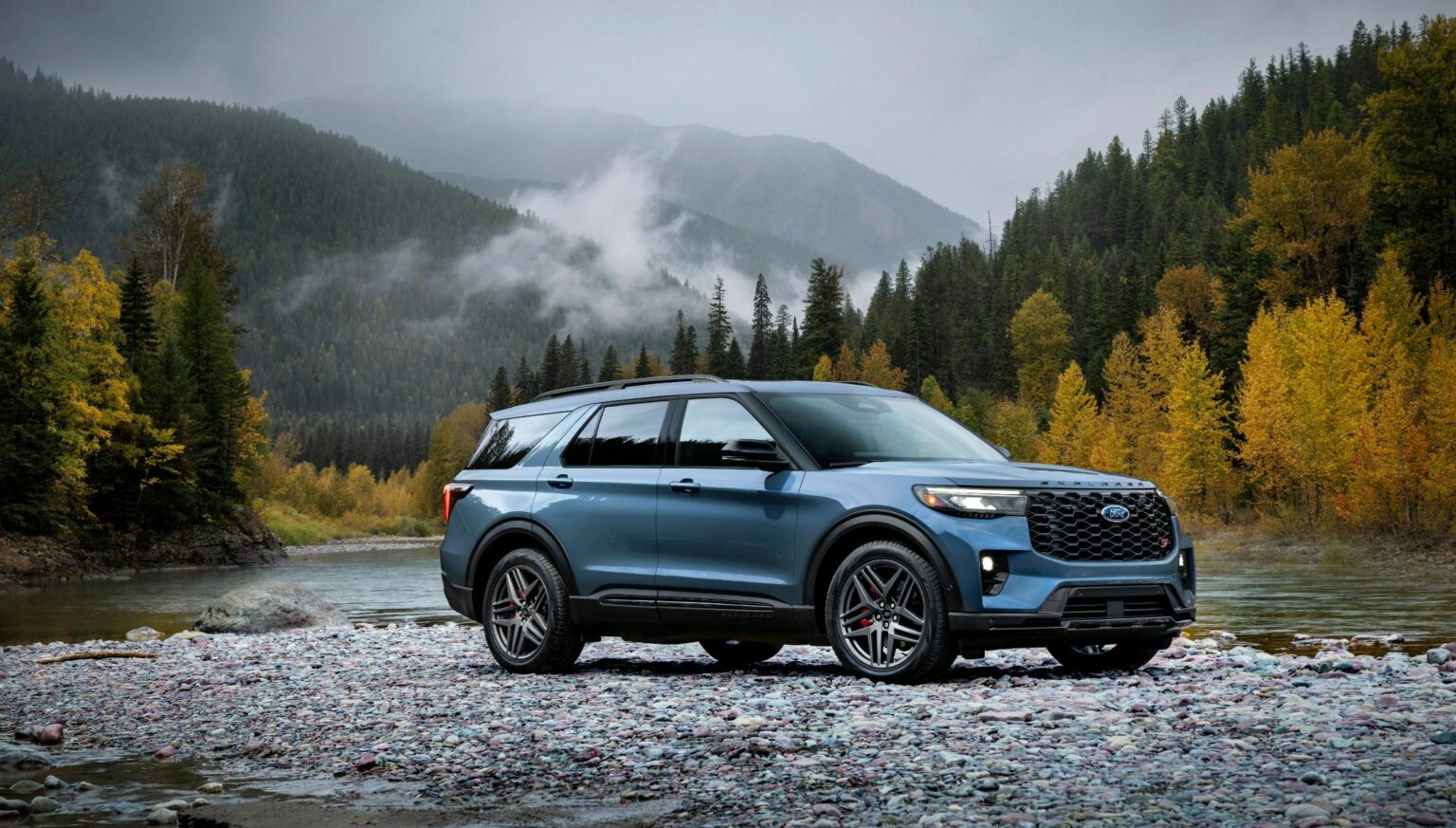
Both engines are paired with a 10-speed automatic transmission. It downshifts reliably when you demand it, but in stop-and-go city traffic, light throttle inputs can result in indecisive shifting.
The front seats are well-shaped and comfortable, though we recommend skipping the optional massaging feature, the mechanism can make the seats feel lumpy when not in use. Seat comfort diminishes further back in the second and third rows. Our Explorer Limited test vehicle delivered a mostly smooth ride, though smaller road imperfections were more noticeable than in some rival SUVs.
The automatic climate control system can require more manual intervention than expected; for example, the air vents may not provide enough airflow when you lower the temperature. Another downside is cabin noise: engine sounds aren’t fully masked, and gusty wind becomes noticeable even at moderate highway speeds.
Also Read: 5 Cars for Coppell Suburban Commuting and 5 Smooth Highway Picks
3. Jeep Wrangler
The Jeep Wrangler is iconic, but city life is one of the environments where it struggles the most. Its boxy shape, poor aerodynamics, and solid axles are designed for off-road use, not stop-and-go traffic or tight parking situations.
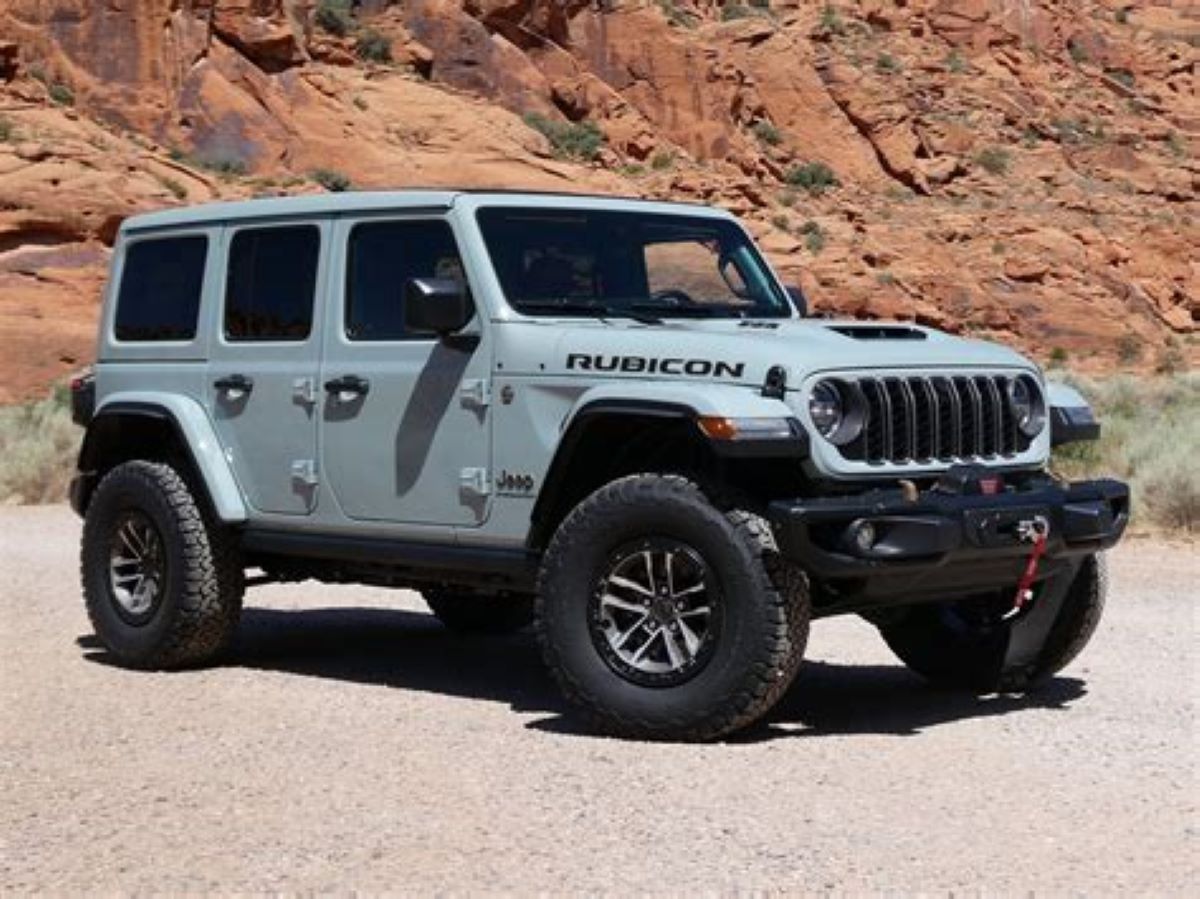
Over years of urban driving, the Wrangler’s rough ride and imprecise handling wear on drivers. Fuel economy remains poor, and road noise becomes more noticeable as expectations shift from novelty to daily comfort.
While Wranglers hold their value well, city-focused owners often realize too late that they’re paying for capabilities they never use, while sacrificing long-term comfort and efficiency.
4. BMW 7 Series
Luxury sedans like the BMW 7 Series may seem appealing, but city living exposes their downsides quickly. Their large size makes parking difficult, and repair costs escalate rapidly as the vehicle ages.
In urban environments, where short trips are common, complex engines and advanced electronics are more likely to develop issues.
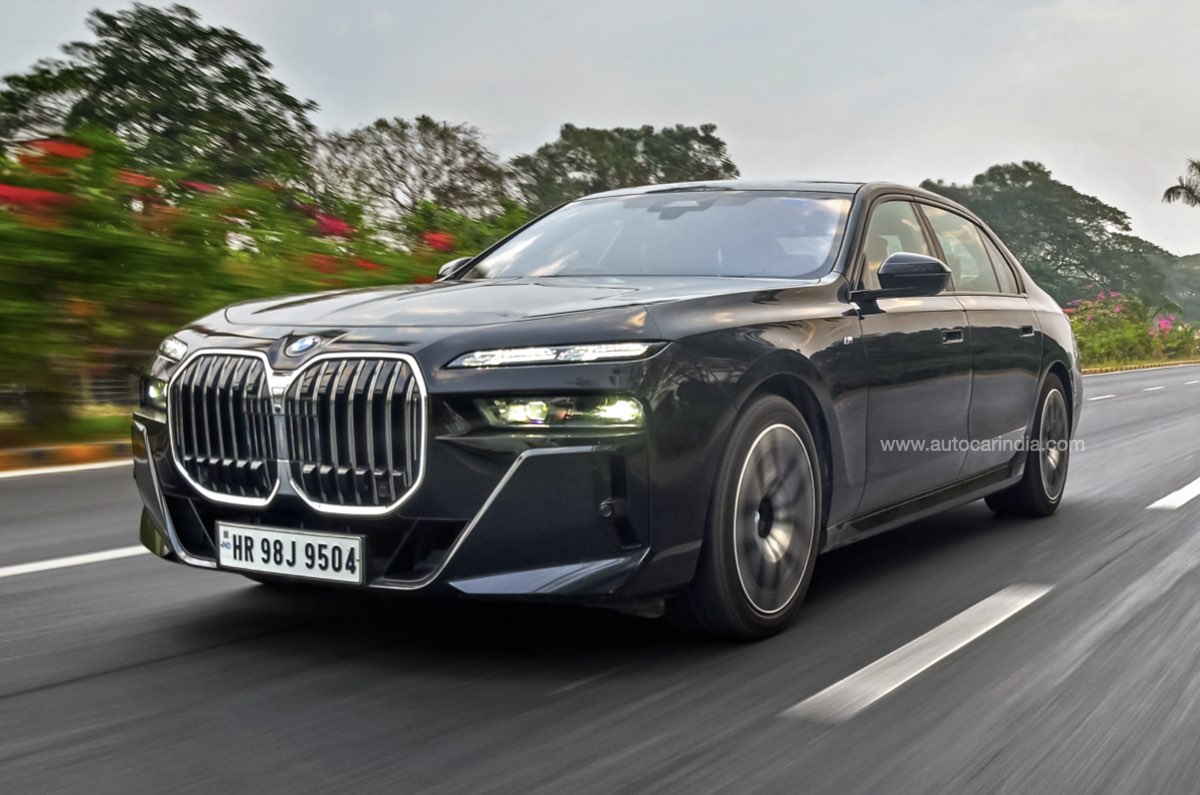
Over time, maintenance and repair costs can far exceed initial expectations, turning ownership into a financial strain.
The 7 Series shines on highways and long-distance travel, but for long-term city ownership, it becomes impractical and expensive.
We tested the top-trim 536-hp 760i xDrive, and it proved seriously quick, accelerating from 0 to 60 mph in just 3.8 seconds. There’s plenty of power for highway passing, though the 760i can feel a bit sluggish at low speeds.
Even so, stable handling and strong brakes contribute to a sporty feel. The light steering effort never sacrifices precision, and optional rear-wheel steering improves agility, shrinking the turning radius and making lane changes smoother.
Standard features include an auto-leveling air suspension, and a road preview system scans the road ahead to help absorb bumps and potholes.
The suspension does tilt slightly backward under hard acceleration and sways briefly before settling, which makes the 7 Series feel just a step behind the silky, isolating ride of the Mercedes S-Class or even the electric BMW i7. Large windows provide good visibility in most directions, though the rear window is somewhat short.
Optional Highway Assistant enables hands-free driving at speeds up to 85 mph, keeping the 7 Series centered in its lane while smoothly adjusting speed. The high-resolution surround-view camera system adds extra confidence when maneuvering this large sedan in tight spaces.
5. Tesla Model X
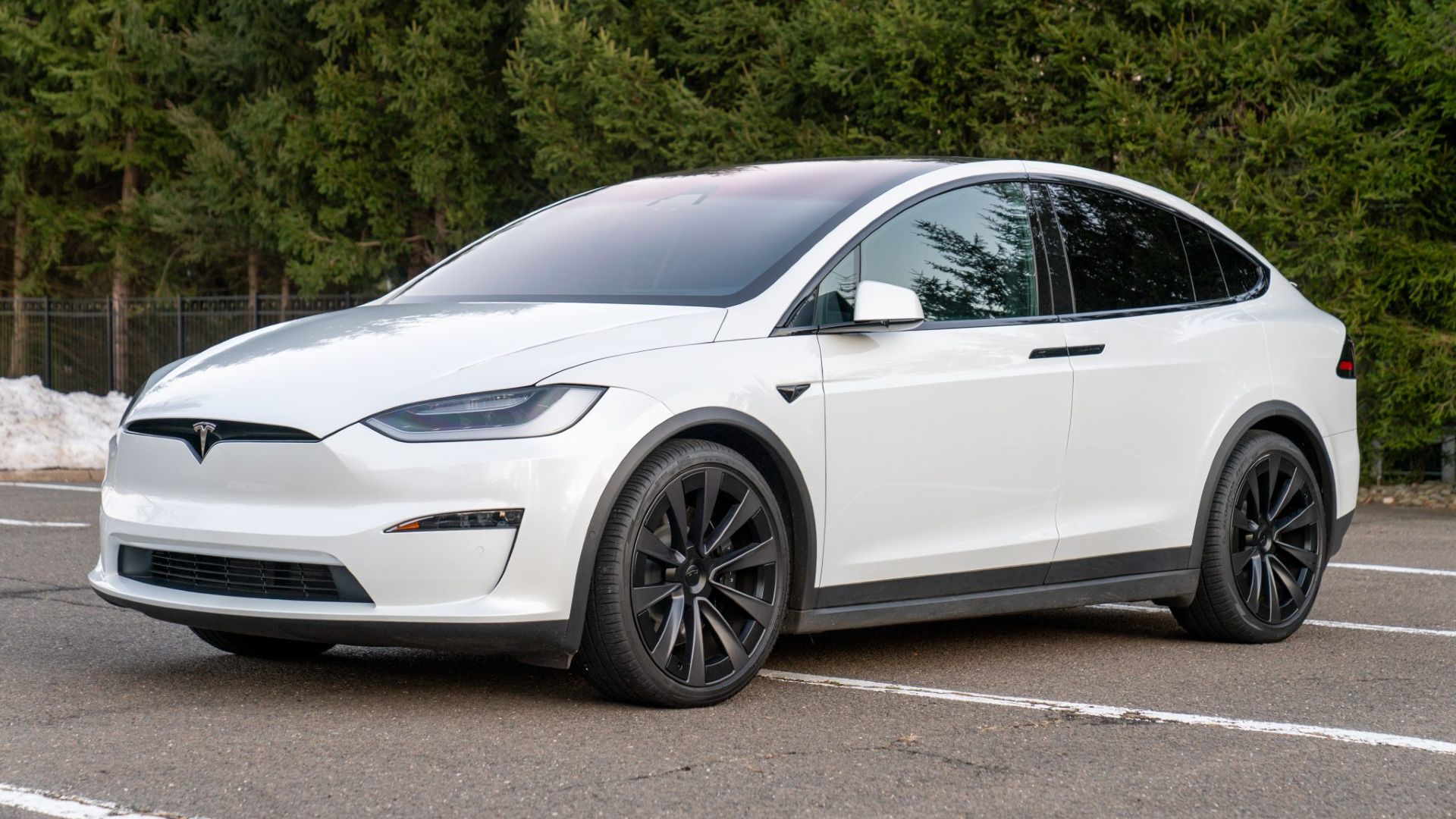
The Tesla Model X brings cutting-edge technology, but its size and complexity work against it in dense urban settings. The large dimensions make parking challenging, and features like falcon-wing doors can be inconvenient in tight garages or crowded streets.
Long-term ownership also raises concerns about repair accessibility and costs, especially in cities without robust Tesla service infrastructure. Minor body damage or sensor issues can lead to long wait times and high repair bills.
While electric vehicles are excellent for city use in general, the Model X’s scale and complexity make it less suitable for long-term urban living than smaller, simpler EVs.
City living rewards cars that are efficient, manageable, reliable, and forgiving over time. Vehicles that prioritize simplicity, visibility, and proven engineering tend to age gracefully in urban environments.
One of the first electric luxury SUVs on the market is poised to make waves once again. The Tesla Model X, which we first drove in 2016, is receiving a major midcycle update, including refreshed exterior and interior styling and a three-motor Plaid variant boasting over 1,000 horsepower.
With this significant refresh for the 2021.5 or 2022 model year, Tesla doesn’t strictly follow traditional model years, the Model X is positioned to compete with newer electric SUVs such as the Rivian R1S and Lucid Gravity.
The base Model X Long Range is no slouch. Tesla claims it can accelerate from 0-60 mph in 3.8 seconds and reach a top speed of 155 mph. But it’s the new 1,020-hp tri-motor Plaid variant that really grabs attention. Manufacturer estimates suggest this SUV can sprint to 60 mph in just 2.5 seconds, topping out at 163 mph.
Even the entry-level Model X is expensive. The Long Range version has risen $10,000 compared with last year and now starts at $91,190. The top-of-the-line Plaid is even pricier, starting at $121,190. Tesla’s pricing changes frequently, so it’s wise to check the latest figures.
No, despite common misconceptions, the Model X is not fully autonomous. Even with Tesla’s Full Self-Driving system, the driver must remain attentive and ready to take control.
Standard safety and driver-assistance features include adaptive cruise control, lane-keep assist, blind-spot monitoring, and automatic emergency braking via the Autopilot suite. Available Enhanced Autopilot adds automatic lane changing and semi-autonomous parking capabilities.
Range anxiety is minimal with the Model X. Both dual-motor and tri-motor variants deliver over 300 miles per charge. The Long Range version offers an EPA-certified 348 miles, while the Plaid provides 333 miles with 20-inch wheels or 311 miles with 22-inch wheels.
Tesla continues to push boundaries with acceleration, but this update is also about the cabin. The old three-spoke steering wheel has been replaced by a yoke-style control reminiscent of a Star Wars TIE fighter. The center touchscreen now sits in a landscape orientation, similar to the Model 3 and Model Y, while a fully digital instrument cluster remains in front of the driver.
Meanwhile, cars designed for performance, size, or luxury often struggle when subjected to years of tight parking, rough roads, and constant traffic.
For U.S. drivers planning long-term city ownership, the smartest choices are rarely the most exciting ones but they are the ones that make daily life easier, cheaper, and far less stressful year after year.
