Pickup trucks have traditionally been associated with open highways, job sites, and wide rural roads, yet modern life has pushed many of them into dense urban environments. Cities demand a very different set of qualities from a vehicle, including manageable size, good visibility, predictable handling, and comfort during stop-and-go traffic.
Parking constraints, narrow streets, frequent turns, and fuel costs all play a role in determining whether a pickup feels like a helpful tool or a daily frustration. As cities continue to expand and commuting patterns shift, the pickup truck market has quietly split into two very different camps.
Some pickups adapt surprisingly well to city living, blending utility with manners that suit crowded streets. These trucks focus on reasonable dimensions, lighter steering effort, efficient powertrains, and cabins that feel more like modern crossovers than work machines.
For many owners, these city-friendly pickups become versatile companions that handle weekday commuting and weekend hauling without constant compromise. They prove that a truck does not have to feel bulky or intimidating to remain useful.
On the other end of the spectrum are pickups that struggle to fit into urban routines. These models often prioritize extreme towing capacity, aggressive styling, or sheer physical presence over everyday usability.
While they may shine in open environments or specialized work settings, their size and design can make simple city tasks exhausting. Tight parking garages, narrow residential streets, and congested traffic amplify their weaknesses rather than their strengths.
This difference matters more than ever as buyers increasingly expect one vehicle to do everything. A pickup that feels out of place in the city can quickly turn ownership into a chore, even if it excels elsewhere.
Daily stress from parking, fuel consumption, and maneuvering can outweigh the benefits of owning a capable truck. Understanding how certain pickups behave in urban conditions helps buyers make more realistic choices.
This article compares five pickups that function well in cities with five that struggle during daily urban use. Each vehicle is examined through the lens of real-world city driving rather than marketing promises. The goal is not to label any truck as good or bad, but to highlight how design choices translate into everyday experiences. For anyone considering a pickup as a primary vehicle in a city environment, these distinctions can make a meaningful difference.
5 Pickups That Can Function in Cities

Toyota Tacoma
The Toyota Tacoma has long been appreciated for its balance between utility and manageability, which becomes especially clear in city driving. Its relatively compact footprint allows it to navigate narrow streets, tight corners, and older neighborhoods without constant concern about scraping mirrors or bumpers.
The Tacoma’s steering feels predictable and weighted just right, allowing drivers to confidently handle quick lane changes or sharp turns during rush hour. Even in heavy traffic, the vehicle’s visibility and control inspire a sense of calm that is rare for pickups of this class.
One of the Tacoma’s biggest advantages in urban use is its restrained width compared to full size pickups, which makes parking far less intimidating. Drivers can fit into standard city parking spaces and maneuver through tight garages with fewer adjustments than larger trucks demand.
The truck’s height provides a clear view over smaller cars, helping drivers anticipate traffic movement, pedestrians, and cyclists. At the same time, it doesn’t feel top heavy when navigating curbs or inclined streets, which adds to its confidence-inspiring presence.
Ride quality also plays a critical role in Tacoma’s city friendliness. While still a truck capable of handling rugged terrain, its suspension absorbs bumps, potholes, and uneven pavement without constant jolts to the cabin.
This makes urban commuting on imperfect roads much more tolerable, especially for drivers facing stop and go traffic daily. Passengers also benefit from this smoother ride, which turns short errands or longer drives into a less fatiguing experience compared to heavier pickups.
Fuel efficiency, though not exceptional, is reasonable for a midsize truck and helps keep operating costs manageable in city conditions. Frequent stops and idling in traffic do not drain fuel as drastically as in full size trucks, giving drivers a practical balance between capability and cost. This efficiency also allows the Tacoma to remain a dependable daily driver, especially for commuters who need a versatile vehicle for both work and personal errands.
The Tacoma’s interior design further supports urban use with a combination of practicality and straightforward usability. Controls are intuitively placed, reducing distraction during traffic or congested city streets, and materials feel durable enough to withstand everyday wear.
Technology integration is functional rather than flashy, giving drivers access to navigation, safety, and infotainment features without overwhelming the cabin. All of these elements together make the Tacoma a strong contender for anyone seeking a pickup that fits into a busy city environment without feeling like a compromise.
Ford Maverick
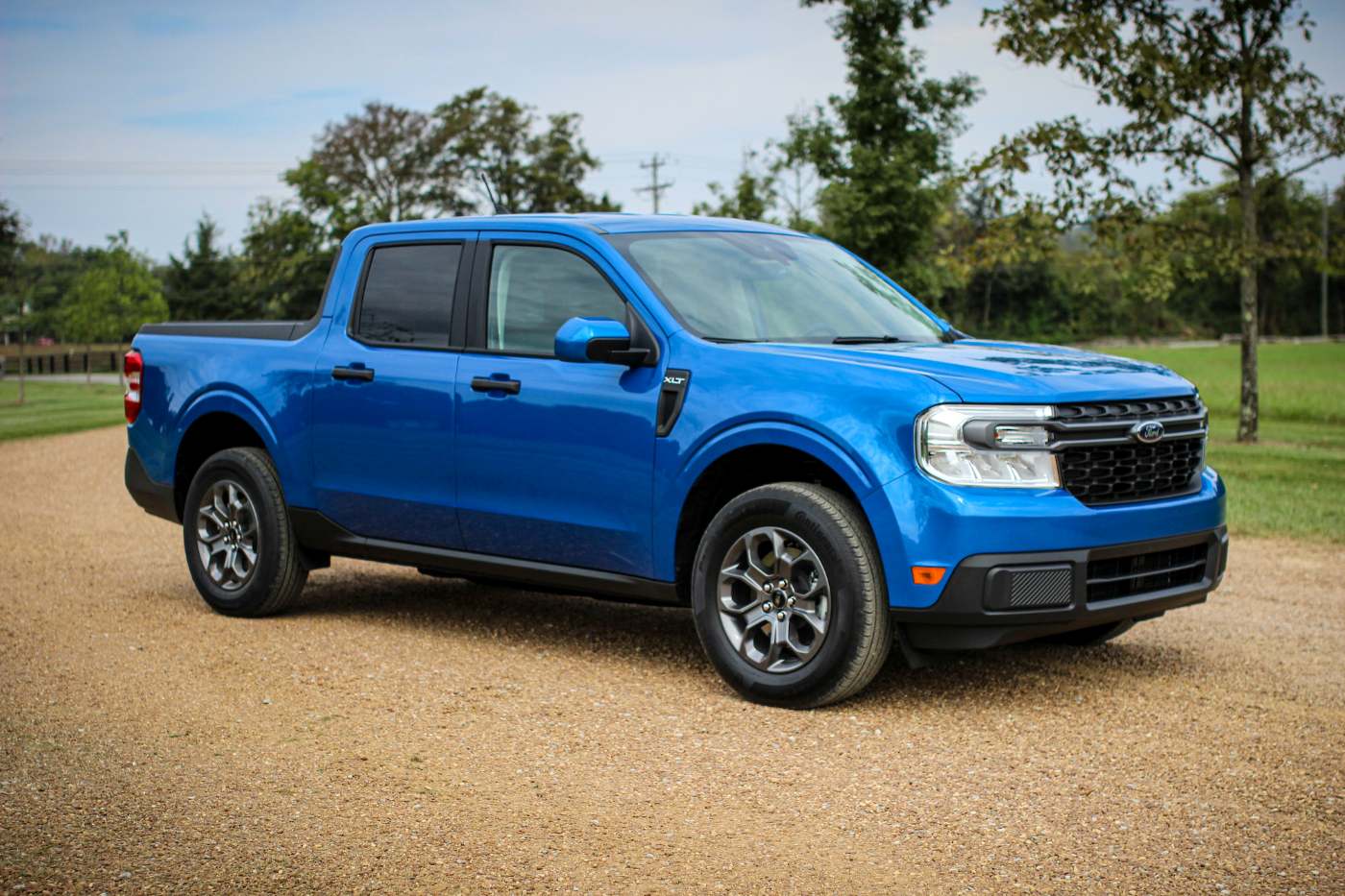
The Ford Maverick represents a modern interpretation of a city oriented pickup, designed to combine utility with everyday comfort. Its compact dimensions immediately set it apart from traditional trucks, allowing it to slip through tight intersections and narrow streets that would intimidate larger pickups.
Parking is far less stressful because the Maverick fits into standard spaces, including those that would typically be reserved for sedans. This small size advantage allows urban drivers to approach truck ownership with confidence rather than apprehension.
The Maverick’s steering is light, precise, and responsive, which makes it especially suited to busy urban streets with frequent turns and lane changes. Drivers can maneuver quickly without overcompensating for heavy steering, a common frustration in larger pickups.
Its lower ride height compared to full size trucks improves stability during stop and go traffic, while simultaneously providing a clear view of the road ahead. Together, these traits make daily driving easier and less physically demanding for the operator.
Fuel efficiency is one of the Maverick’s strongest urban assets. Its powertrain prioritizes economy over raw power, making city driving more affordable and convenient. The truck handles short trips, traffic congestion, and idle periods without burning excessive fuel, which reduces both operational costs and stress for urban drivers.
This also makes it appealing for environmentally conscious buyers who need a truck without the penalty of large fuel consumption.
Interior comfort and functionality are integral to the Maverick’s urban appeal. Its cabin provides a modern, crossover-like feel with ample storage solutions for phones, bags, or groceries.
The seats are supportive enough for daily commutes but do not feel stiff or overly rugged, which can be a problem in traditional trucks. Noise suppression within the cabin is effective, reducing fatigue during longer drives or time spent idling in traffic jams.
Despite its smaller size, the Maverick retains practicality with sufficient bed space to handle everyday hauling needs. Urban dwellers can transport furniture, tools, or recreational gear without needing a larger, less manageable vehicle. This combination of maneuverability, efficiency, and utility makes the Maverick a compelling choice for city drivers who want a truck that is capable without being overwhelming or cumbersome.
Honda Ridgeline
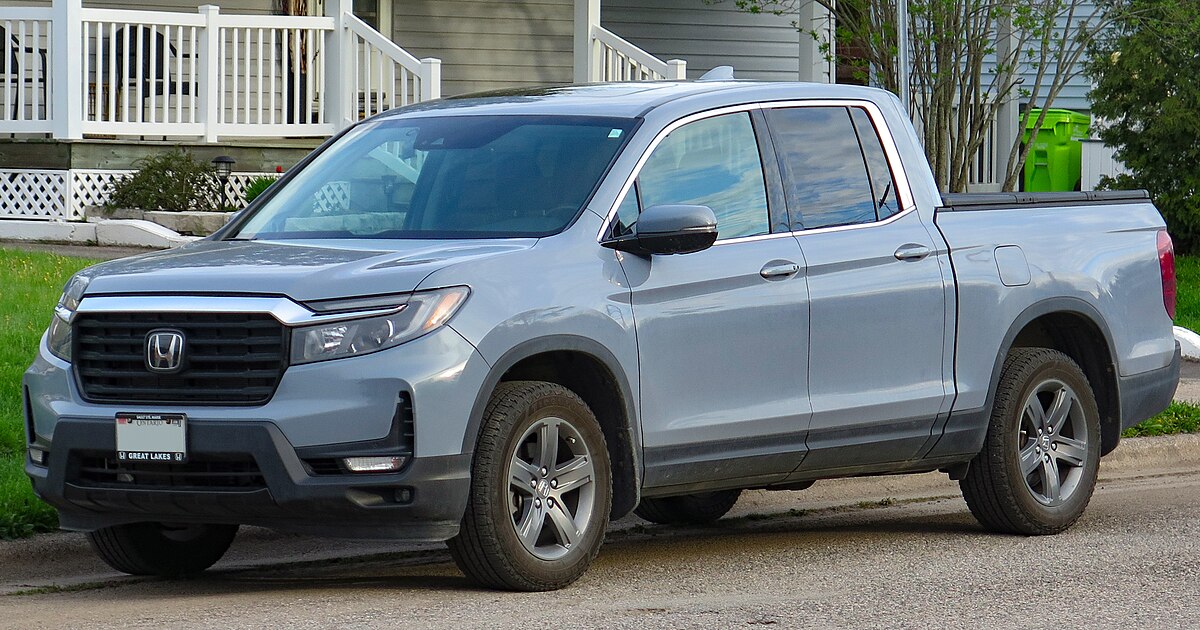
The Honda Ridgeline is known among pickups for its car-like behavior, which makes it extremely user friendly in city driving situations. Built with a unibody frame rather than the traditional body-on-frame construction, it feels more refined and predictable at low speeds.
Its handling is controlled, and the steering response is consistent, providing confidence when navigating narrow streets or crowded intersections. For drivers who spend significant time in stop and go traffic, the Ridgeline offers a comfort level that rivals many sedans or crossovers.
One of the Ridgeline’s key city advantages is its excellent visibility. Large windows, a well-positioned driver seat, and thoughtfully designed mirrors all contribute to a clear view of the road and surrounding vehicles.
This improves awareness of both traffic and pedestrians, which is especially valuable in dense urban environments. The truck’s turning radius is manageable, allowing it to negotiate tight corners without requiring multiple corrections or complex maneuvers.
Ride comfort is another area where the Ridgeline excels. Its suspension is tuned for smoothness, absorbing bumps, potholes, and uneven road surfaces without transmitting excessive jolts to the cabin. Passengers feel more comfortable during longer drives or daily commutes, reducing fatigue from frequent stops and starts. This quality is particularly beneficial in cities with older roads or inconsistent pavement conditions.
Fuel efficiency is competitive among midsize pickups, making the Ridgeline practical for urban use. The powertrain operates efficiently in short trips and heavy traffic, so drivers do not face the high fuel costs associated with larger trucks. This efficiency, combined with its easy handling and smooth ride, makes the Ridgeline a sensible choice for city dwellers who need a pickup for errands, weekend trips, or occasional light towing.
The interior of the Ridgeline balances practicality with comfort, enhancing its urban usability. Storage compartments are convenient for small items, and controls are straightforward to reach. The cabin is well insulated, minimizing road and engine noise for a quieter driving experience.
All of these features make it possible for drivers to operate a capable pickup without sacrificing comfort or manageability, a rare combination in the truck segment.
Hyundai Santa Cruz
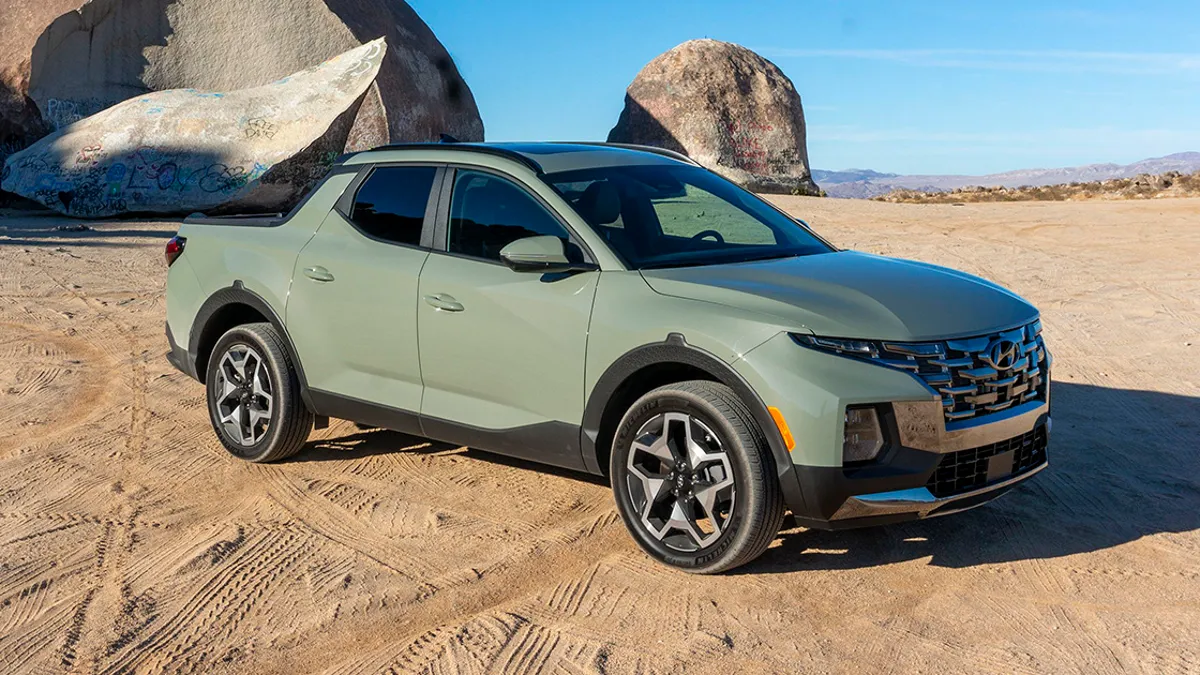
The Hyundai Santa Cruz occupies a niche between crossover and pickup, which makes it particularly suited to urban environments. Its compact dimensions make maneuvering through tight traffic or residential streets easier than a traditional truck, and parking is significantly less stressful.
The Santa Cruz feels approachable for drivers who might otherwise avoid pickups in crowded city settings. Its small footprint does not compromise its ability to transport items or handle occasional hauling needs, which adds versatility.
Handling is precise and responsive, with a suspension tuned for comfort and control at low speeds. Quick lane changes, sharp corners, and abrupt stops do not feel overwhelming, and the vehicle feels stable even on uneven roads.
Drivers appreciate the confidence the Santa Cruz inspires during city commutes, where unpredictable conditions demand agility and composure from a vehicle. It blends pickup capability with daily usability effectively.
Fuel efficiency is a strong point, particularly for stop and go city traffic. The engine and transmission work together to optimize fuel consumption during short trips, idle periods, and slow traffic. This reduces running costs while retaining enough power for light hauling or weekend activities. It positions the Santa Cruz as both a practical daily driver and a versatile utility vehicle.
The interior emphasizes comfort and modern usability. Controls are intuitively laid out, and seating is supportive without being overly stiff. The cabin is quiet, insulating passengers from engine and traffic noise during extended commutes. Thoughtful storage compartments for small personal items make errands easier, reinforcing the vehicle’s practicality for city life.
The bed of the Santa Cruz, though smaller than traditional pickups, still accommodates many common urban hauling needs. Transporting groceries, sports equipment, or small furniture items is feasible without feeling cumbersome. Its balance of size, comfort, and utility makes it a natural fit for urban living, giving drivers a practical pickup without being a burden in traffic or parking situations.
Chevrolet Colorado
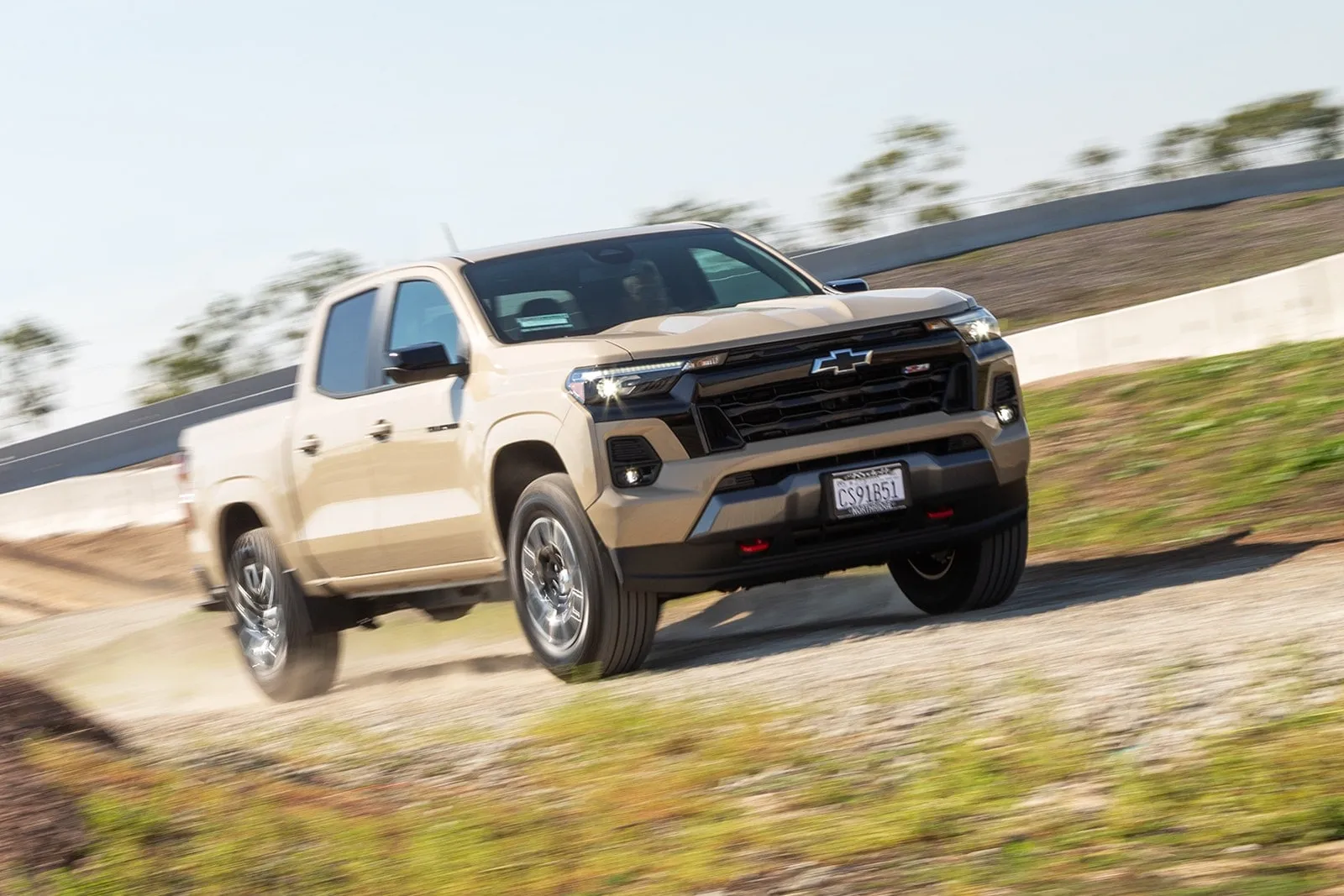
The Chevrolet Colorado fits neatly into the category of pickups that remain manageable in city settings. Its size is moderate, which allows drivers to navigate narrow streets and parking spaces with less stress than full-size trucks.
The driving position provides good visibility without feeling intimidating, and its dimensions strike a balance between capability and maneuverability. City drivers often report that it feels less cumbersome than other trucks in its class.
Steering response is smooth and predictable, helping drivers handle tight corners and frequent traffic adjustments. The Colorado feels well-balanced at low speeds, which reduces fatigue during stop-and-go commutes. Parking remains reasonable, even if some patience is required in crowded spaces. This predictability in urban driving situations adds confidence for drivers who need a truck that won’t dominate the road in inconvenient ways.
Ride quality is firm but comfortable, absorbing typical urban road imperfections without overly jarring passengers. Potholes, cracks, and uneven pavement are handled with composure, which makes daily commuting less stressful. This controlled ride enhances comfort for both driver and passengers, improving the experience in congested city environments.
Fuel efficiency is within acceptable limits for a midsize truck, which makes the Colorado suitable for frequent short trips. Stop and go traffic does not result in extreme fuel penalties, keeping operating costs manageable. This allows drivers to enjoy the benefits of a pickup without the constant concern of excessive fuel consumption.
The interior combines practicality and usability, further supporting city friendliness. Controls are easy to access, the cabin feels organized, and materials are durable enough for frequent urban use.
Technology is integrated in a way that aids rather than distracts, and storage compartments are thoughtfully placed for personal items or work materials. Together, these features make the Colorado a reliable and capable pickup that blends well with daily urban life.
5 That Struggle Daily
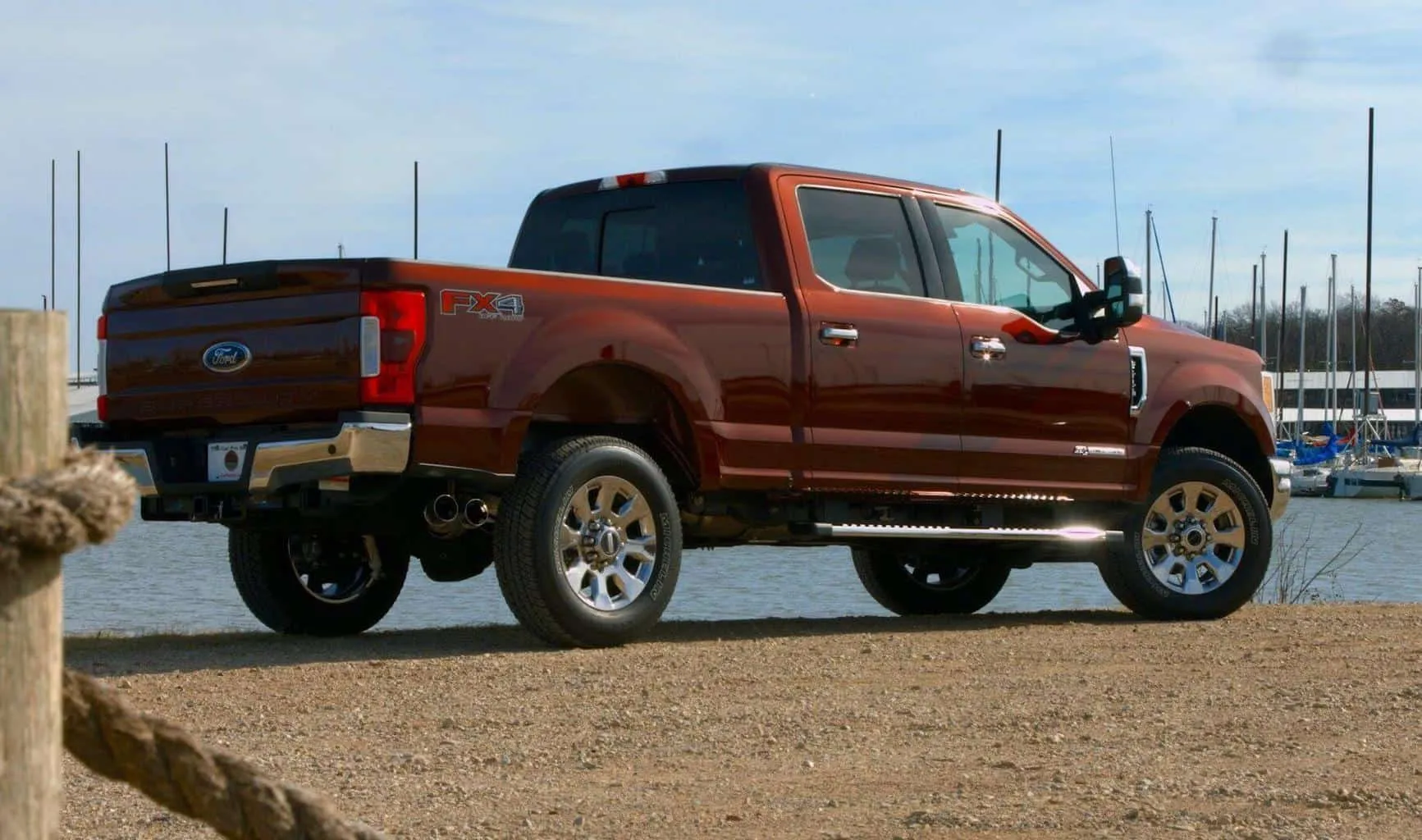
Ford F-250 Super Duty
The Ford F 250 Super Duty is engineered primarily for heavy work, which creates challenges in city environments. Its sheer size makes navigating narrow streets, tight intersections, and dense traffic a constant concern for drivers.
While it performs exceptionally on highways or work sites, urban roads amplify its weaknesses. Drivers often need to plan every turn and lane change carefully, which can turn short commutes into a mentally exhausting task.
Parking is one of the most significant problems for the F-250 in urban areas. Standard city parking spaces are usually too small, and even larger parking lots require extra effort to position the truck safely. Parallel parking or garage use may become impossible without special consideration. This limits spontaneity in daily life, forcing drivers to plan errands around where they can fit the vehicle rather than what they need to do.
Steering effort feels heavier at low speeds, further complicating maneuvering in tight urban conditions. Drivers must constantly correct the steering, especially during sharp turns, roundabouts, or crowded streets.
This can make traffic jams and slow-moving vehicles exhausting to navigate. For city dwellers accustomed to lighter vehicles, the F 250 often feels overly demanding and less intuitive than smaller pickups.
Fuel consumption works against this truck in stop-and-go traffic. Its large engine and heavy frame consume significant amounts of fuel during city commutes, which drives up operating costs. Short trips and frequent idling exacerbate inefficiency, making everyday use more expensive than drivers might anticipate. For individuals prioritizing economy or practicality, this can outweigh the benefits of the truck’s capability.
While the interior is spacious and comfortable, the experience in the city feels mismatched with the F 250’s strengths. Its power and durability remain underutilized in dense urban areas, emphasizing limitations rather than advantages. Daily driving focuses attention on bulk, handling challenges, and fuel costs, which can quickly turn ownership into a chore rather than a pleasure.
Ram 3500
The Ram 3500 is built for extreme towing and heavy duty performance, and that focus makes it highly impractical for city use. Its massive size dominates tight streets, narrow lanes, and crowded intersections.
Drivers must constantly account for its width and length to avoid collisions or scraping obstacles. Urban traffic, with its frequent stops and unpredictable behavior, amplifies the challenges of handling a vehicle designed for long-distance hauling or construction tasks.
Parking is a constant source of frustration for Ram 3500 owners in urban environments. Parallel parking, multi-level garages, and even standard lot spaces often feel inadequate or impossible. Searching for suitable spaces can consume significant time, turning short errands into stressful endeavors. Urban mobility is limited, and drivers must adapt routes and parking strategies to accommodate the truck’s enormous footprint.
The suspension, designed for carrying extremely heavy loads, feels stiff and unrefined when the truck is empty. On normal city roads, potholes and uneven pavement result in a harsh ride, causing discomfort for both driver and passengers. Unlike lighter trucks or crossover-style pickups, the Ram 3500 does not absorb imperfections gracefully, making everyday commutes a physically taxing experience.
Fuel consumption further hinders the truck’s practicality in cities. Frequent idling, stop-and-go traffic, and short trips highlight the inefficiency of its massive engine. The truck burns more fuel than is necessary for most urban tasks, increasing ownership costs and reducing convenience. Many drivers find themselves refueling more often than anticipated, which is particularly frustrating in congested areas.
Although the interior may be spacious and well-appointed, the truck’s scale overshadows comfort and convenience. Daily driving emphasizes logistical challenges, such as maneuvering, parking, and fuel management, rather than the Ram 3500’s heavy-duty strengths.
For city residents, it often feels more like a burden than a practical choice, showing that capability in open environments does not translate into urban usability.
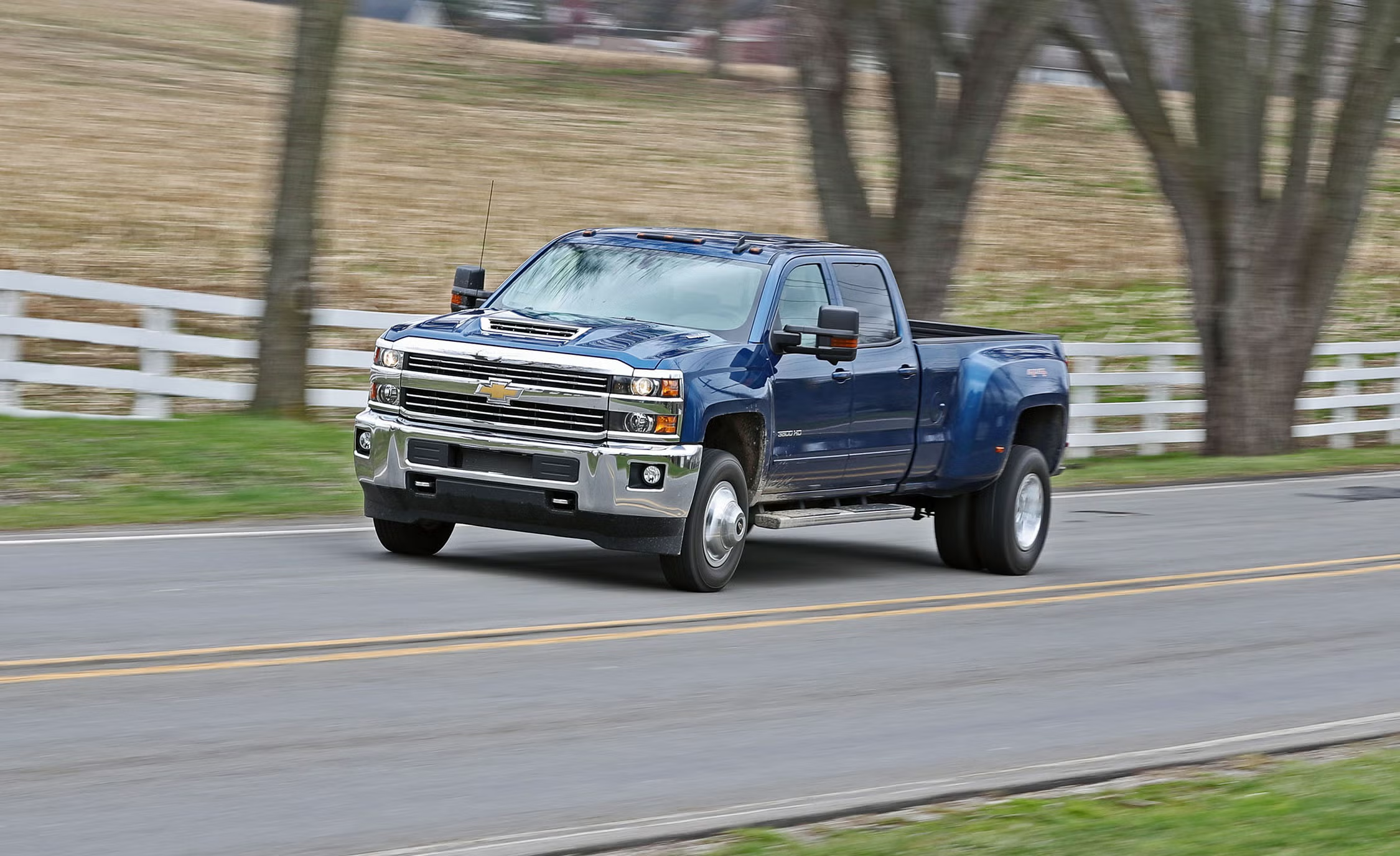
Chevrolet Silverado HD
The Chevrolet Silverado HD is designed for durability and extreme capability, but those same qualities make city driving challenging. Its wide stance, tall profile, and long wheelbase demand constant attention in urban traffic, making navigation feel cumbersome.
Tight corners, narrow streets, and busy intersections require slow, deliberate maneuvers, which are exhausting during daily commutes. Drivers often feel like they are constantly adjusting to the truck rather than moving fluidly with traffic.
Parking is another consistent issue for the Silverado HD. Many city parking garages, spaces, and lots cannot accommodate its dimensions. Finding a suitable spot may require significant time and effort, creating frustration for routine errands. Even when a space is technically large enough, careful positioning and attention are necessary to avoid scratches or collisions, making the simplest task feel complex.
Low speed handling and steering precision are also compromised by the truck’s size and weight. Tight turns demand multiple corrections, and heavy steering at low speeds increases fatigue for the driver. Unlike smaller pickups that feel agile in urban conditions, the Silverado HD requires constant planning and awareness. Everyday traffic stops and lane changes can feel like significant physical and mental work.
Fuel efficiency further underscores its urban limitations. Stop-and-go traffic, short trips, and idling drastically increase consumption, making ownership more costly and environmentally taxing. The truck’s power and engine capabilities are rarely utilized in city conditions, highlighting inefficiency rather than performance. For most city drivers, these fuel demands create additional stress and expense.
While the Silverado HD excels in heavy work and off-road or open road situations, urban driving exposes its weaknesses. Daily routines emphasize bulk, maneuvering challenges, fuel inefficiency, and parking constraints rather than its strengths. For city dwellers, these drawbacks make it less practical and more cumbersome than other pickups, highlighting the gap between capability and usability in dense environments.
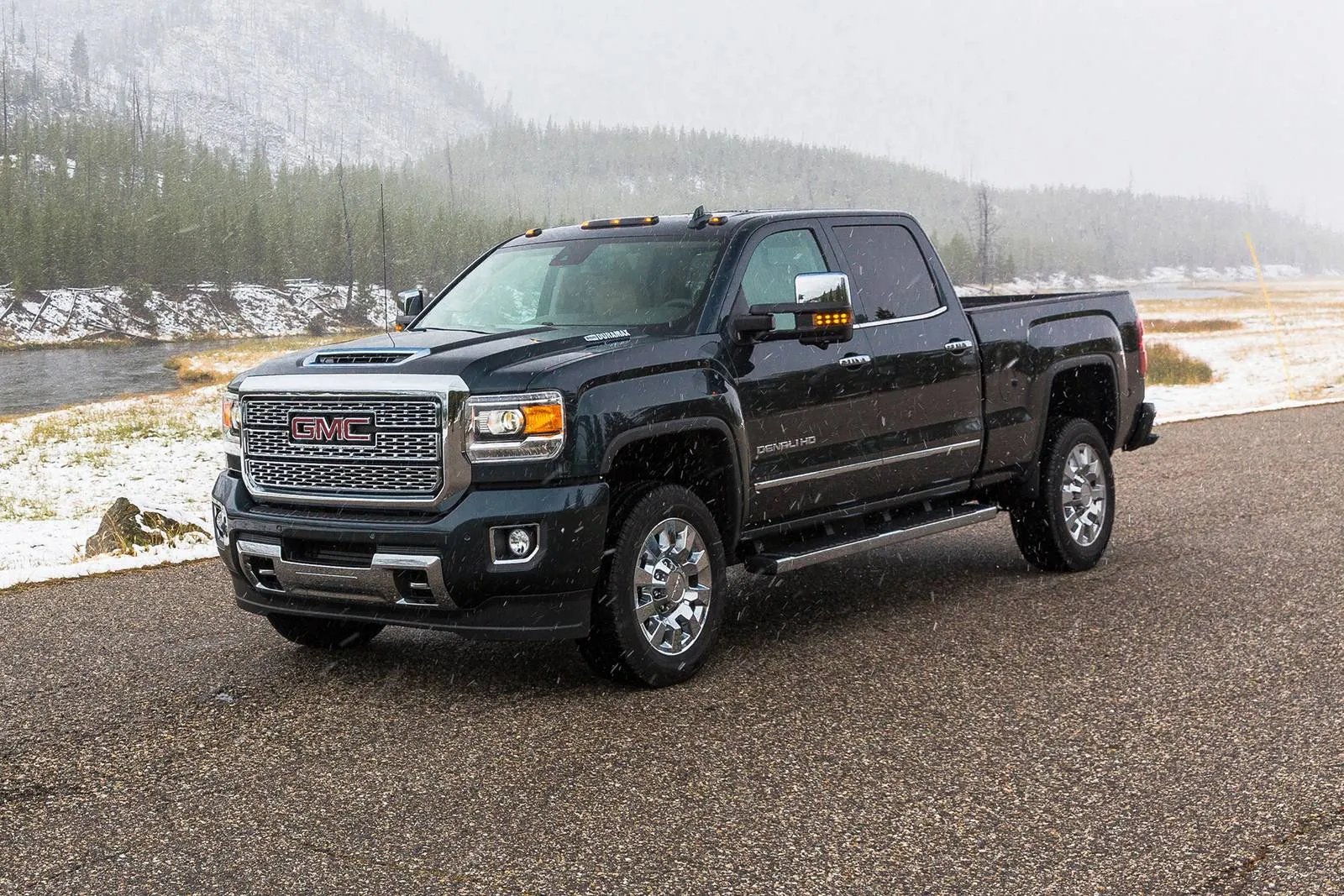
GMC Sierra 2500 HD
The GMC Sierra 2500 HD focuses on strength and heavy duty performance, which can be a disadvantage in city environments. Its large size overwhelms tight streets, narrow lanes, and crowded intersections. Urban driving requires constant attention to avoid curbs, parked cars, and obstacles.
Unlike midsize pickups, which feel manageable in these conditions, the Sierra 2500 HD requires more planning and mental effort, making everyday commutes more stressful.
Parking poses ongoing difficulties due to its length, width, and high profile. Many urban garages, lots, and street spaces are simply inadequate, forcing drivers to search extensively or avoid certain locations altogether.
Maneuvering into a suitable space often requires multiple attempts, which increases frustration and adds time to daily tasks. City living highlights the practical limits of heavy duty trucks like this model.
Ride quality suffers when the truck is unloaded, as the suspension is tuned for carrying large payloads. City streets with bumps, potholes, and uneven pavement transmit more harshness into the cabin, causing discomfort during everyday trips. Unlike lighter pickups designed for daily driving, the Sierra 2500 HD does not provide a smooth, forgiving ride in urban settings, making routine errands less pleasant.
Fuel efficiency is low, especially in stop-and-go traffic. The truck’s large engine and weight mean frequent short trips are costly and inefficient. Operating costs rise quickly, and city drivers rarely benefit from the truck’s full capability. For daily urban commuting, this inefficiency makes it less attractive than smaller, more manageable pickups.
Although the interior may offer luxury and comfort features, the driving experience in cities emphasizes the truck’s limitations rather than its advantages.
Maneuvering, parking, ride quality, and fuel consumption all become challenges. For city dwellers, the Sierra 2500 HD feels cumbersome, highlighting that heavy duty capability often comes at the expense of practicality in dense environments.
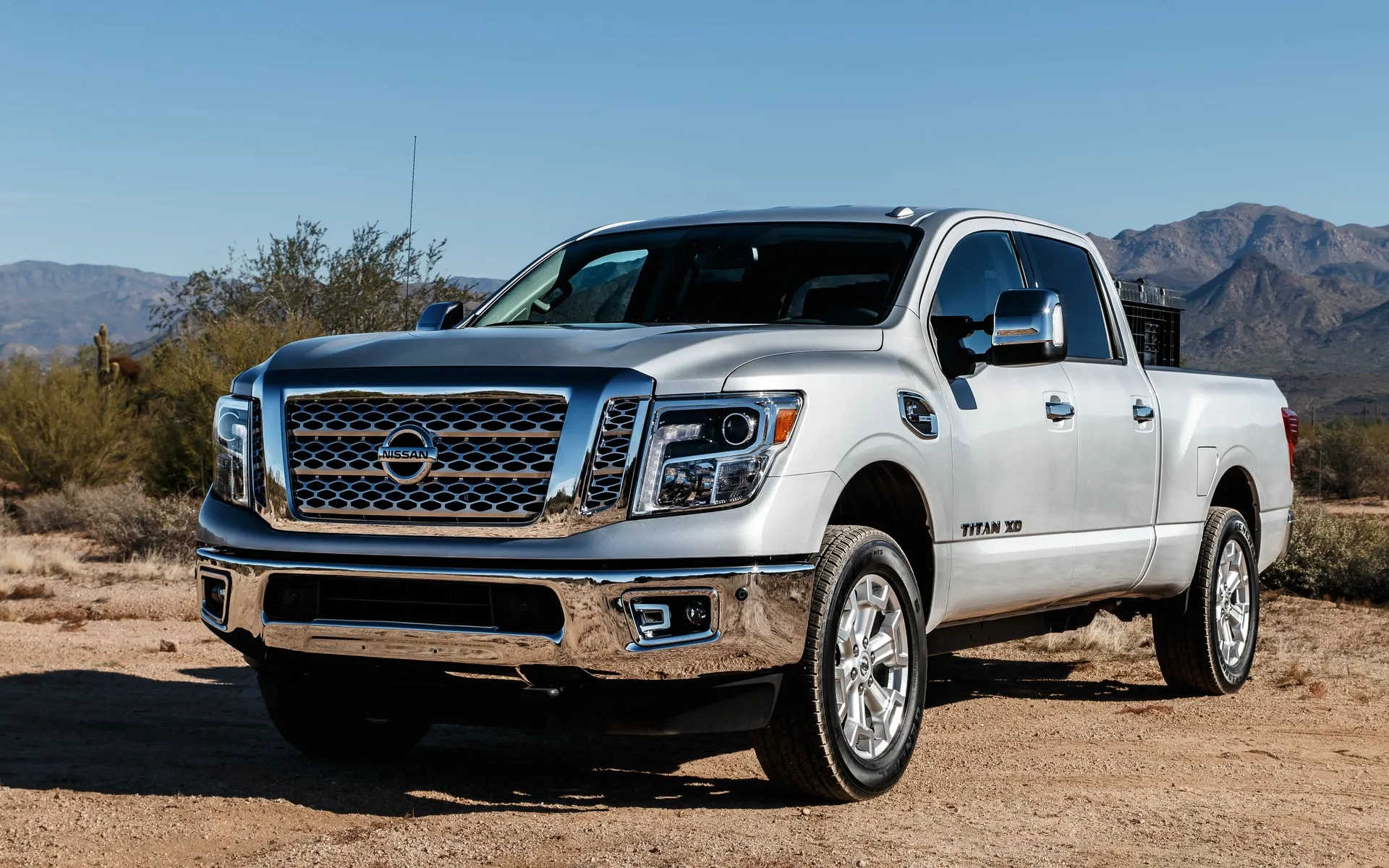
Nissan Titan XD
The Nissan Titan XD sits in a unique position between light duty and heavy duty pickups, but its urban usability remains limited. Its larger dimensions make navigating city streets, traffic, and narrow lanes challenging.
Drivers must constantly account for its length, width, and height, which can lead to stress during daily commutes. Unlike smaller pickups, which feel nimble and manageable, the Titan XD feels imposing in dense urban environments.
Steering response at low speeds is heavier than desired for city driving. Tight turns, lane changes, and traffic stops require more effort than in smaller pickups, creating fatigue during frequent stop-and-go conditions. Maneuvering through crowded intersections demands increased concentration, which can make short trips feel more taxing than they should be. Urban driving highlights the truck’s unwieldy handling characteristics.
Parking remains a consistent problem due to the Titan XD’s size. Standard spaces are often too short or narrow, and garages may have clearance issues. Drivers may need to avoid certain locations entirely or spend extra time searching for adequate parking. This logistical challenge reduces convenience, making daily use more difficult than it would be in smaller pickups.
Fuel consumption further reduces the truck’s practicality in city environments. Stop-and-go traffic, frequent idling, and short trips exacerbate inefficiency, increasing operating costs. The truck’s engine capacity and power are rarely utilized in these situations, leaving city drivers paying for performance they rarely need. This inefficiency is a constant reminder that the Titan XD is better suited to open roads or heavy workloads.
Although comfortable and capable, the Titan XD feels misaligned with urban demands. Daily driving emphasizes maneuvering difficulties, parking challenges, and fuel inefficiency rather than its strengths. Its design priorities favor capability over practicality, making it a less appealing choice for city life. For many urban drivers, it proves more cumbersome than functional.