Living in Phoenix means dealing with some of the most extreme temperatures in the U.S. Summers frequently surpass 110°F, pavement can exceed 150°F, and vehicles are constantly exposed to relentless sun.
Heat isn’t just uncomfortable it actively accelerates wear on engines, transmissions, batteries, interiors, and electronics. Cars that thrive here are engineered to handle these conditions, while others can degrade surprisingly quickly.
Heat affects more than air conditioning performance. Rubber hoses harden, plastics become brittle, fluids degrade faster, and electronics are stressed.
Phoenix drivers also tend to idle in traffic more often, rely heavily on A/C, and face faster evaporation of fuel and coolant. Over time, these conditions separate vehicles built for desert durability from those that simply aren’t.
Here are five vehicles that thrive in Phoenix heat, followed by five that often show accelerated aging under desert conditions, based on real-world ownership data and engineering reliability.
Vehicles Built for Phoenix Heat
Driving in Phoenix comes with its own set of challenges. Blistering summer temperatures, relentless sun, and long stretches of asphalt can push a vehicle’s cooling system, air conditioning, and interior materials to their limits.
Not every car is designed to handle this kind of heat day after day, so choosing the right vehicle is about more than just looks or performance, it’s about reliability, comfort, and resilience under extreme conditions. In this article, we highlight vehicles built to thrive in Phoenix’s intense heat, keeping you cool, safe, and confident on the road no matter how high the mercury climbs.
1. Jeep Grand Cherokee (V6 or Naturally Aspirated V8)
The Jeep Grand Cherokee stands out as a midsize SUV that can handle Phoenix’s high temperatures when equipped with V6 or naturally aspirated V8 engines.
Its cooling system is robust, engine bays have adequate airflow, and transmission coolers are overbuilt compared to many SUVs.
Grand Cherokees also use interior materials that resist cracking in intense sun, and replacement parts are widely available for long-term maintenance.
Older models with simpler electronics tend to outperform luxury SUVs in desert conditions. For Arizona drivers seeking capability and comfort, the Grand Cherokee is a reliable choice.
The 2023 Grand Cherokee is a versatile SUV that strikes a balance between rugged capability and refined luxury. While the base Grand model remains fairly mainstream, not overly fancy, the midrange and high-end trims feature premium materials and luxury amenities that position it as a clear upmarket contender.
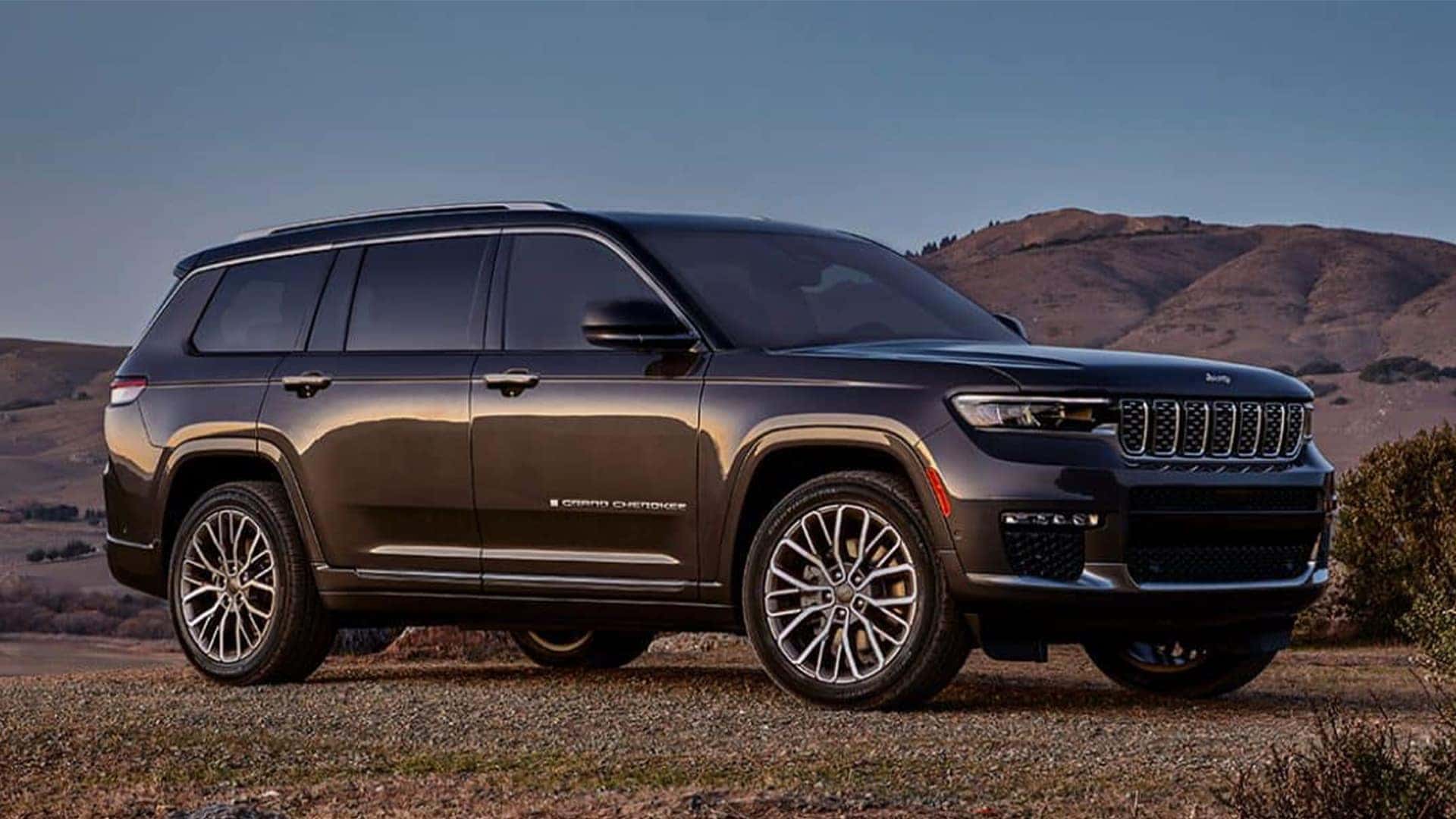
Despite this sophistication, the Grand Cherokee retains its off-road credentials, it is, after all, a Jeep. The standard powertrain is anchored by a 3.6-liter V-6, while a plug-in hybrid variant, the Jeep Grand Cherokee 4xe, is available.
The Grand Cherokee is a two-row SUV, making it equally suited for suburban family life and weekend off-road adventures.The Grand Cherokee carries a higher starting price than competitors such as the Kia Telluride and Hyundai Palisade, reflecting what some call the “Jeep-brand tax.” Upper trims approach the cost of some luxury SUVs.
The Grand Cherokee is powered by a 293-hp 3.6-liter V-6, with rear-wheel drive standard. Multiple all-wheel-drive systems are available, including an electronically locking limited-slip differential.
For buyers seeking maximum acceleration, the plug-in hybrid Grand Cherokee 4xe is worth a look, it reaches 60 mph in 5.3 seconds and completes the quarter-mile in 13.9 seconds at 100 mph, 0.3 second quicker than the discontinued V-8 from 2022.
At our test track, a Summit model with the V-6 recorded a respectable 0-to-60 time of 7.4 seconds. The Grand Cherokee feels composed on the road and offers an exceptionally smooth ride.
Also Read: 10 Classic Muscle Cars With the Highest Torque Output
2. Honda Accord
The Honda Accord remains a top sedan for desert climates thanks to its efficient, low-stress engines. Naturally aspirated powertrains generate less heat than turbocharged alternatives, reducing strain on the cooling system.
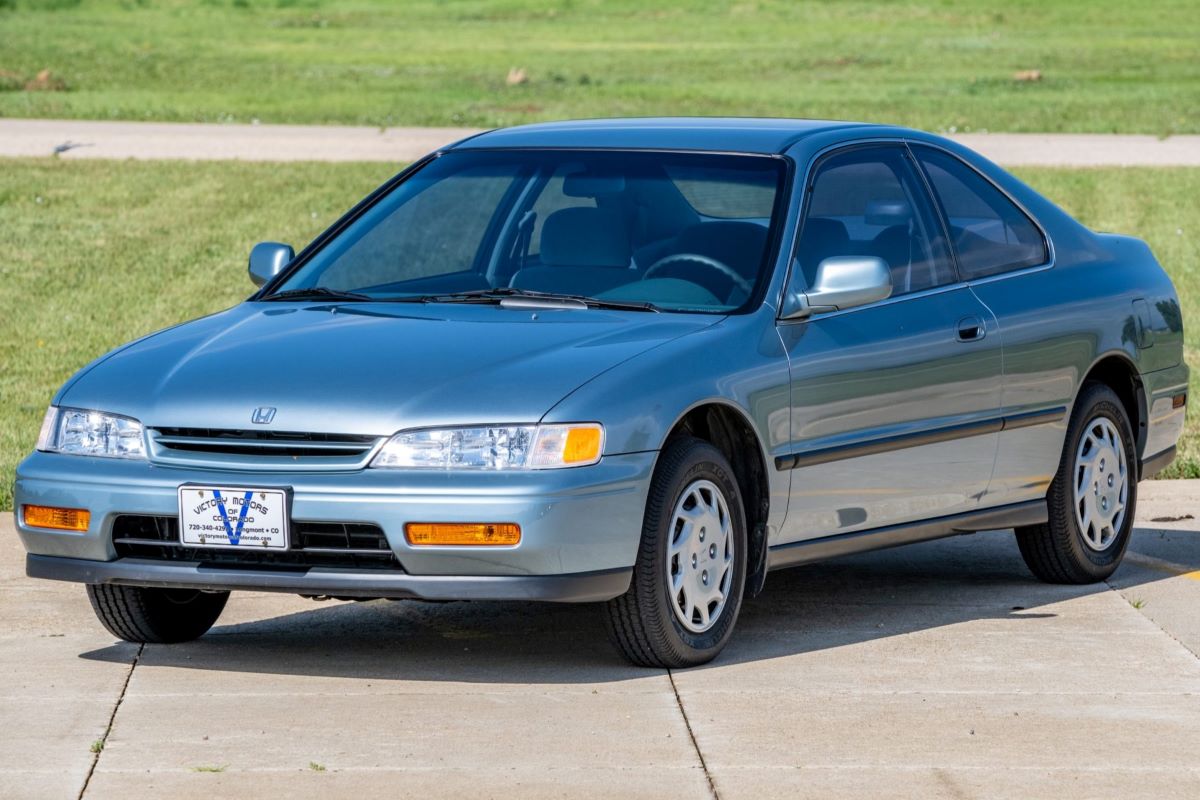
Accords also have durable A/C systems and basic yet heat-resistant interior materials. Many Phoenix-based Accords exceed 200,000 miles with minimal heat-related issues.
Its combination of reliability, comfort, and affordability makes it a perennial favorite for desert commuting.
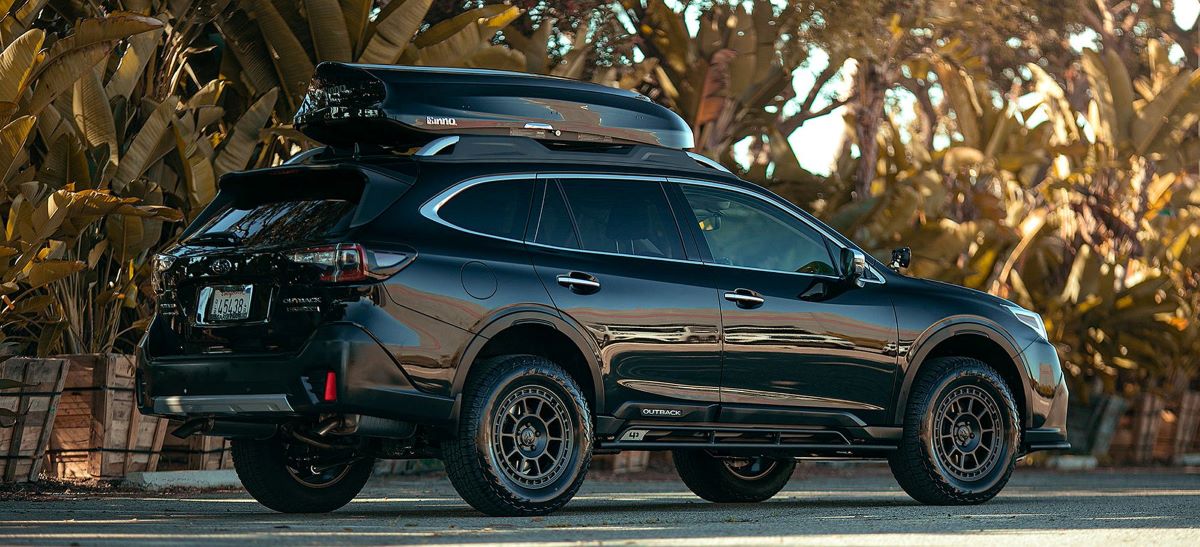
3. Subaru Outback
The Subaru Outback is surprisingly well-suited for Phoenix heat. Its horizontally opposed engines (boxer engines) maintain more even temperatures, reducing thermal hotspots that can accelerate wear.
AWD components are robust, and Subaru engineers generally overbuild cooling systems for diverse climates.
Interior materials in newer Outbacks resist UV fading, and their air conditioning systems perform well even under constant load. For drivers who need versatility, reliability, and desert durability, the Outback is a solid all-weather option.
The Outback comes with two flat-four-cylinder engine options: a standard 182-hp 2.5-liter and an optional 260-hp turbocharged 2.4-liter. Both engines pair with a continuously variable automatic transmission (CVT) that simulates an eight-speed gearbox to reduce the typical drone of a CVT. As with most Subarus, all Outbacks come standard with all-wheel drive, except for the rear-wheel-drive BRZ sports coupe.
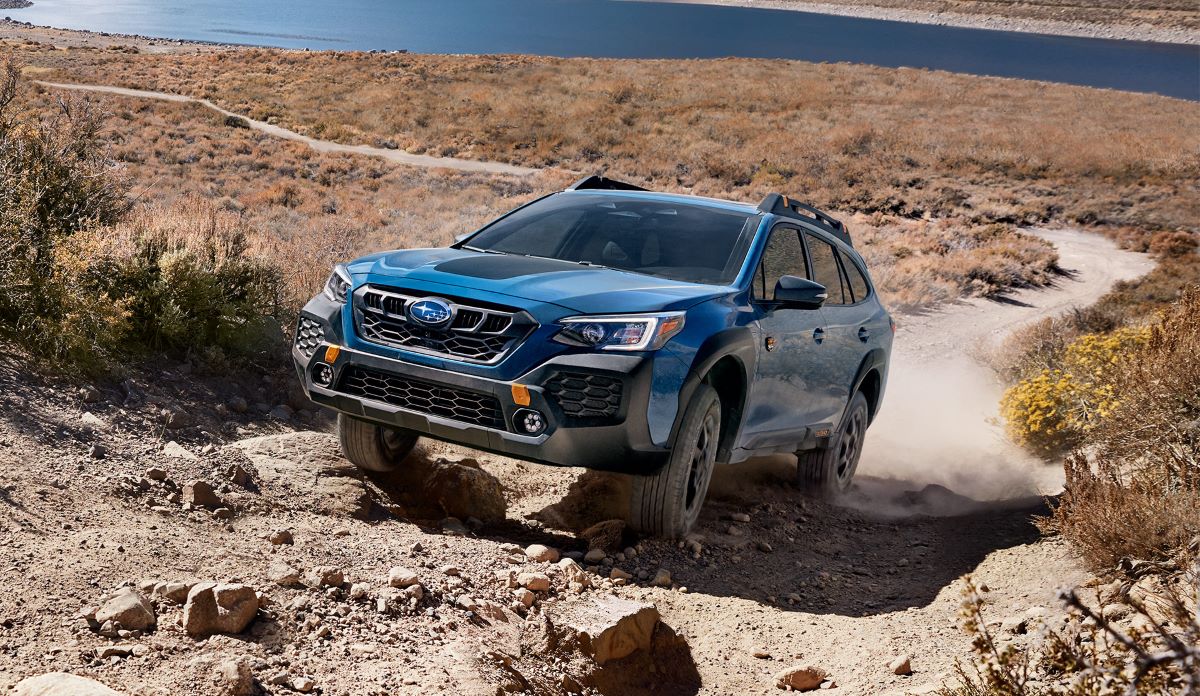
Our test vehicle with the standard engine delivered modest acceleration and a sluggish transmission feel. The turbocharged version was noticeably quicker, but it suffered from the same hesitant CVT behavior. Despite this, most Outback buyers prioritize ride comfort and light off-road capability over outright speed.
With 8.7 inches of ground clearance and standard all-wheel drive, the Outback easily handles inclement weather and muddy, rutted roads. For even more off-road prowess, the Wilderness model boosts ground clearance to 9.5 inches and adds a reinforced suspension, skid plates for underbody protection, and a drive mode selector with Snow and Mud settings.
The Outback’s suspension provides a smooth, composed ride, and the steering is accurate and easy to manage on the highway. However, it lacks sporty agility, which may come as a surprise to WRX enthusiasts transitioning to this more practical wagon. Towing capacity is 2,700 pounds for the standard engine and 3,500 pounds for the turbocharged model.
4. Toyota Tacoma
The Toyota Tacoma has long been praised for durability in extreme environments. Its simple yet rugged engines, oversized radiators, and heavy-duty cooling systems make it ideal for Phoenix conditions.
Interior plastics and upholstery are resilient to sun exposure, and the truck’s conservative suspension and drivetrain design mean fewer heat-related failures over time.
Tacomas regularly reach 200,000+ miles in desert climates, making them a top choice for long-term desert ownership.
The 2026 Tacoma offers a broad spectrum of options when it comes to drivetrain and power. At the entry level, you get rear-wheel drive with 228 horsepower, while the top trims feature four-wheel drive paired with a hybrid engine producing 326 horsepower and an impressive 465 pound-feet of torque.
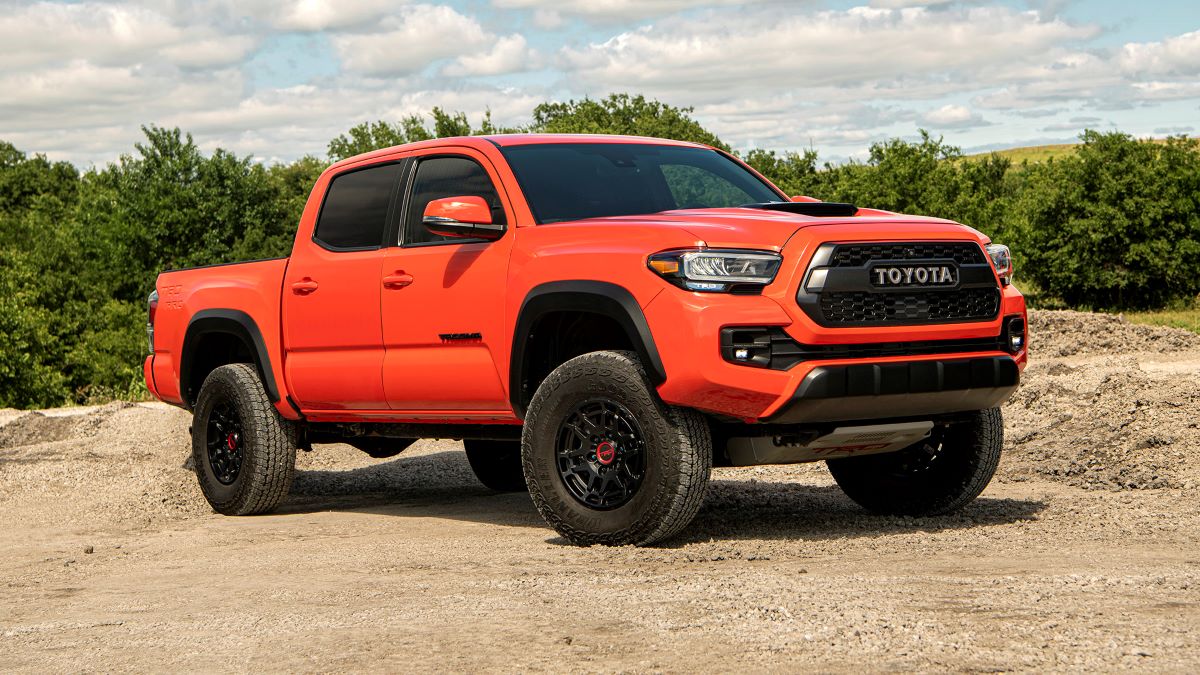
This hybrid setup comes standard on the Trailhunter and TRD Pro trims and is also available on the TRD Sport, TRD Off-Road, and Limited models.
Transmission choices vary as well. The SR, SR5, TRD Sport, and TRD Off-Road can be equipped with a six-speed manual, though don’t expect a sporty, Miata-like feel, the gearbox is trucklike and only available with non-hybrid powertrains. All other trims come with an eight-speed automatic, which is the choice most buyers make.
I’ve driven both the gas-only TRD Off-Road and the hybrid-only TRD Pro. The base engine isn’t bad: SR models make 228 horsepower and 243 pound-feet of torque, while the gas-only four-cylinder in other trims delivers 278 horsepower and 317 pound-feet of torque, which is more than adequate.
On an off-road course in the TRD Off-Road, that torque, peaking at a low 1,700 rpm, proved ideal for slow, controlled sections that still required some muscle behind the wheels.
Comparing the TRD Off-Road to the TRD Pro shows a significant jump in capability. The Pro’s 48 extra horsepower and 148 additional pound-feet of torque, also peaking at 1,700 rpm, are immediately noticeable.
The TRD Pro joins the new wave of off-road-focused midsize pickups, such as the GMC Canyon AT4X AEV and Ford Ranger Raptor. While it’s arguably the ultimate off-road Tacoma, it also handles well on pavement. The 33-inch all-terrain tires with tall sidewalls contribute to a surprisingly smooth ride on the road.
5. Chevrolet Tahoe (V8 Models)
The Chevrolet Tahoe, particularly V8 models, handles desert conditions better than most large SUVs. Its engine bays are roomy, cooling systems are strong, and transmissions are built to manage high temperatures.
Tahoe interiors feature heat-resistant materials, and the vehicle’s size allows for excellent airflow around critical engine components. Though fuel economy is modest, the Tahoe is a dependable, long-term performer in Phoenix’s punishing climate.
Considering its size, the Tahoe performs reasonably well in both acceleration and braking. In testing a 4WD Tahoe with the 5.3-liter V8, we recorded a 0-to-60 mph sprint of 7.7 seconds, about average for a full-size SUV.
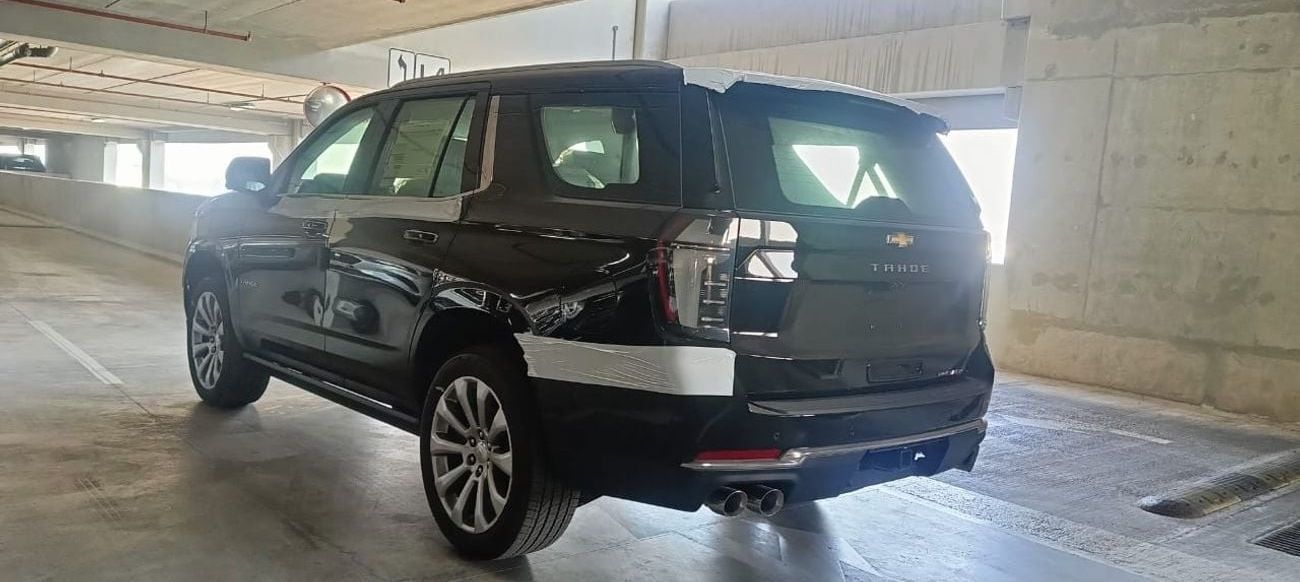
Higher-speed passing, however, requires significant throttle and patience, as the smaller V8 begins to run out of steam beyond roughly 65 mph. The braking system is smooth and capable, though the somewhat soft brake pedal is a minor drawback.
City driving is straightforward thanks to a tight turning circle and light steering, while the 10-speed automatic transmission shifts quickly and unobtrusively. That said, the steering feels vague at higher speeds, and the Tahoe clearly communicates that you’re piloting a large SUV, so cautious cornering is advised.
Equipped with the optional Z71 package, the Tahoe gains a height-adjustable air suspension along with improved approach and departure angles, making it quite capable for moderate off-road excursions.
Also Read: 5 Cars That Owners Keep Long-Term vs 5 That Are Sold Early
Vehicles That Age Too Fast in Phoenix Heat
Phoenix heat can be brutal on vehicles, and not every car is built to withstand it long-term. Scorching temperatures, relentless sun exposure, and high-heat asphalt can accelerate wear on engines, interiors, electronics, and even paint.
Some cars may look fine when new but show their vulnerabilities sooner than expected under these extreme conditions. In this article, we’ll take a close look at vehicles that tend to age faster in Phoenix heat, helping you avoid models that could leave you facing costly repairs and premature wear in the desert sun.
1. Mercedes-Benz GLC
The GLC is a refined luxury SUV, but its tightly packed engine bay and turbocharged engines make it prone to heat-related wear in Phoenix. Electrical components, sensors, and plastics degrade faster under extreme sun.
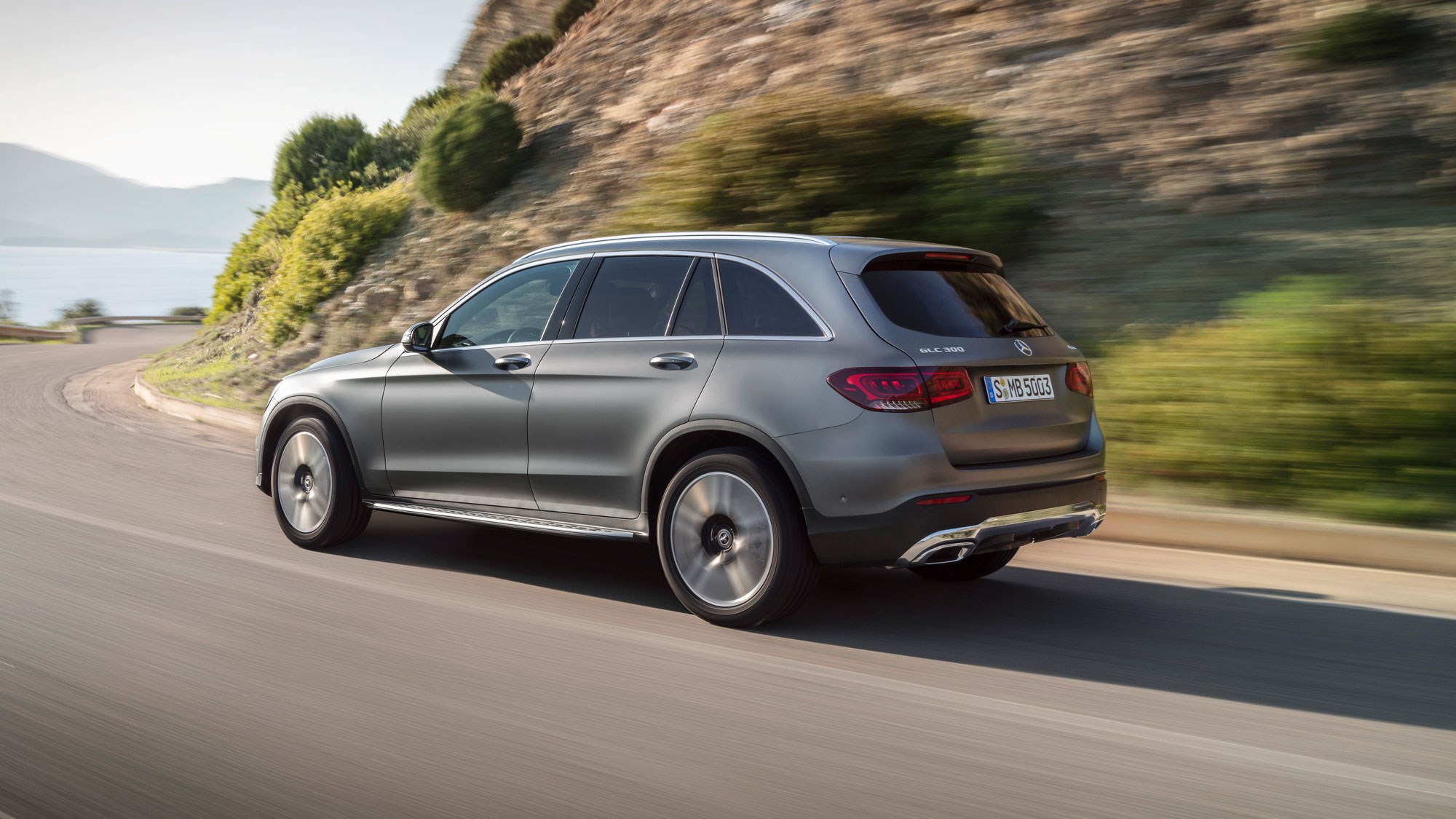
Owners report cooling system repairs and A/C inefficiency after just a few years. While the GLC is fun to drive and visually appealing, long-term desert durability is a concern.
We tested the GLC 300 equipped with a four-cylinder engine and a mild-hybrid system, and it delivers impressively smooth acceleration. The automatic transmission shifts quickly and responsively, making everyday driving effortless. Our GLC accelerated from 0 to 60 mph in 6.1 seconds, about average for a small luxury SUV with a base engine.
Stopping that speed is equally satisfying, thanks to strong, confident brakes that perform flawlessly under maximum effort while remaining smooth and easy to modulate during normal driving.
Our test vehicle came with optional summer tires, which played a key role in the GLC’s excellent braking and cornering grip. Even without that added traction, the GLC is a well-tuned SUV, maintaining composure through turns with natural athleticism. Steering strikes a nice balance: it’s light enough to be effortless, yet provides enough feedback to keep you connected to the road. We may wax poetic here, but one test drive is all it takes to understand what we mean.
2. Volkswagen Jetta
The Jetta is a compact sedan that often struggles under Arizona heat. Turbocharged engines and high-performance electronics increase thermal load, accelerating wear on hoses, seals, and the cooling system.
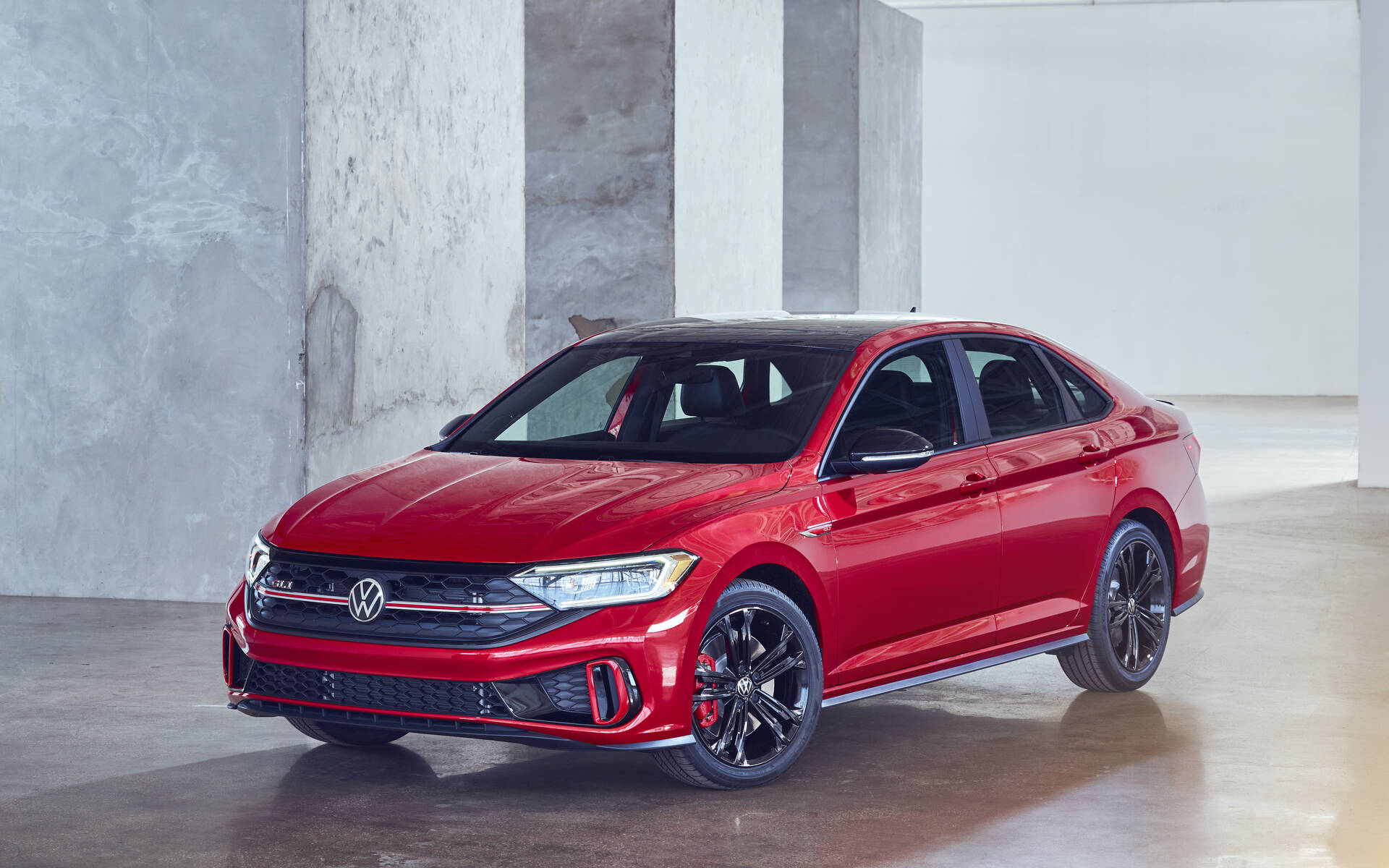
Interiors can fade and crack quickly under intense sunlight, and A/C units may struggle to maintain performance over the years. While affordable initially, long-term ownership in Phoenix can be surprisingly expensive.
Every Jetta drives the front wheels using a turbocharged 1.5-liter four-cylinder engine that produces 158 horsepower and 184 pound-feet of torque. The base model comes with a six-speed manual transmission, while an eight-speed automatic is optional. At our test track, the automatic SEL we tested reached 60 mph in 7.1 seconds, 0.6 seconds quicker than the previous automatic Jetta we evaluated.
The sedan delivers a comfortable and quiet ride, and the steering is light and effortless, though it lacks precision. Compared with rivals like the Mazda 3, the Jetta rarely feels engaging when navigating roundabouts and leans noticeably in sharper corners at speeds above the posted limit. That said, its calm and serene demeanor will appeal to drivers who prioritize relaxed, low-stress transportation.
3. Nissan Rogue
The Nissan Rogue is popular for its size and efficiency, but many models age faster than expected in desert climates. Turbocharged engines and compact engine bays create heat concentration, increasing the risk of premature component failure.
Interior plastics and trim are susceptible to warping and cracking, and long-term owners often report air conditioning strain. It’s a convenient SUV, but desert durability is limited compared to competitors.
All 2023 Rogue models are powered by a turbocharged 1.5-liter three-cylinder engine producing 201 horsepower. The inline-three pairs with a continuously variable automatic transmission (CVT) and front-wheel drive, with all-wheel drive available as an option.
When the Rogue was redesigned in 2021, it carried over the nonturbo 2.5-liter four-cylinder from the previous generation, which we criticized for its sluggish acceleration. During our brief test drive of the new turbo three, the compact crossover felt more responsive, but at our test track, its performance wasn’t dramatically improved.
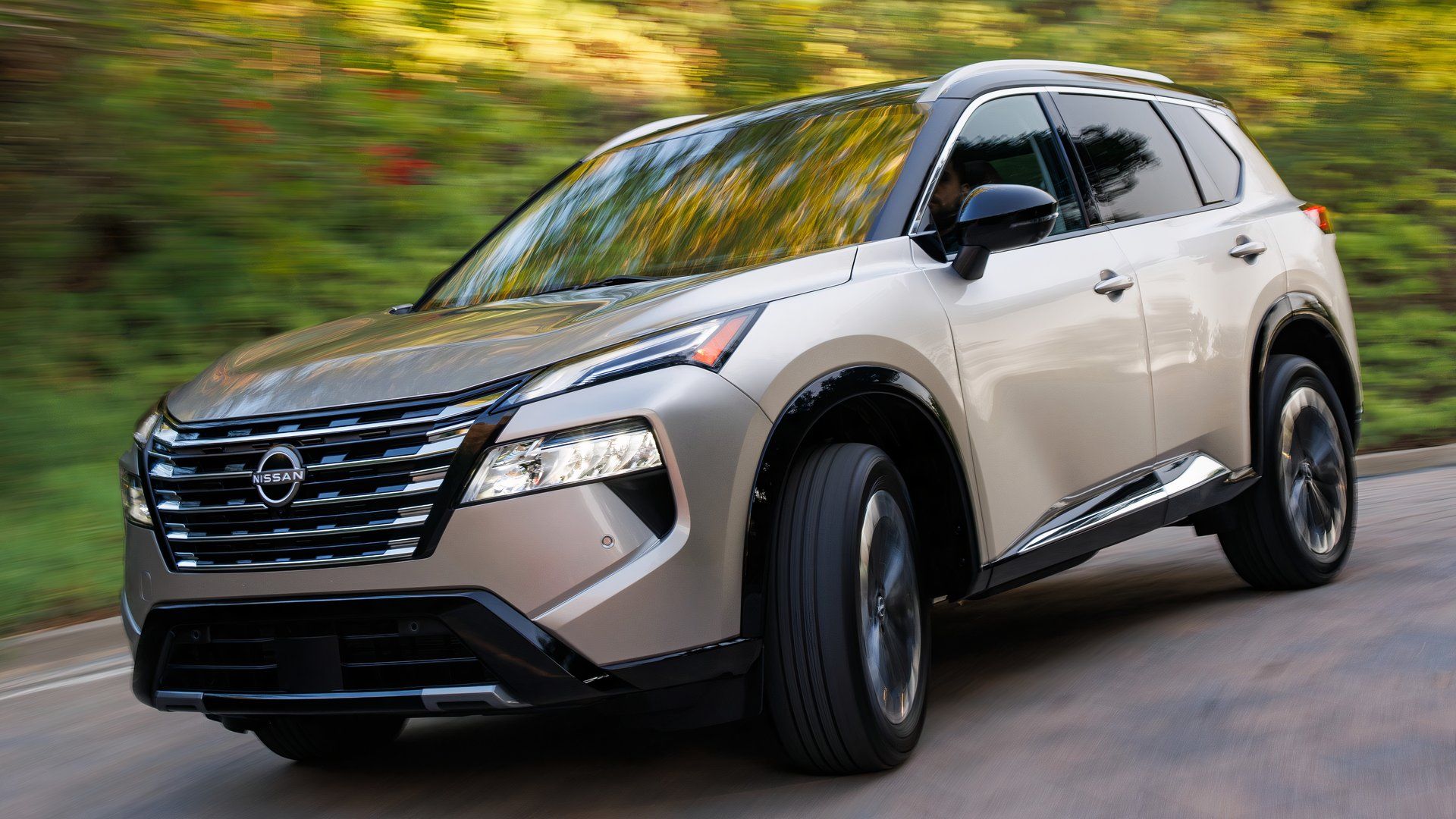
The turbocharged engine reached 60 mph in 7.8 seconds, just 0.4 seconds faster than the 2021 model. On the road, the Rogue delivers a smooth and compliant ride that’s pleasant for commuting and road trips, but its uninspired handling around corners has not won over our staff.
Despite its adventurous name and rugged, stylish exterior, the 2023 Rogue is really a gentle-natured crossover, better suited for errands and road trips than off-road exploits. Its contemporary cabin offers passenger space comparable to rivals like the Mazda CX-5 and Volkswagen Tiguan.
Unlike the conventional four-cylinder engines in those competitors, the Rogue’s unique turbocharged three-cylinder powers the SUV, though we find its road manners less engaging.
On the plus side, the Rogue comes with a generous list of standard technology and convenience features, and its fuel economy estimates are above average for the segment. While the Rogue provides two spacious rows of seating, families needing more room may prefer the mechanically similar Mitsubishi Outlander, which offers third-row jump seats.
4. Mini Countryman
The Mini Countryman faces challenges similar to other small, turbocharged European vehicles. Its compact engine bay retains heat, electrical systems are sensitive, and cooling components are easily stressed.
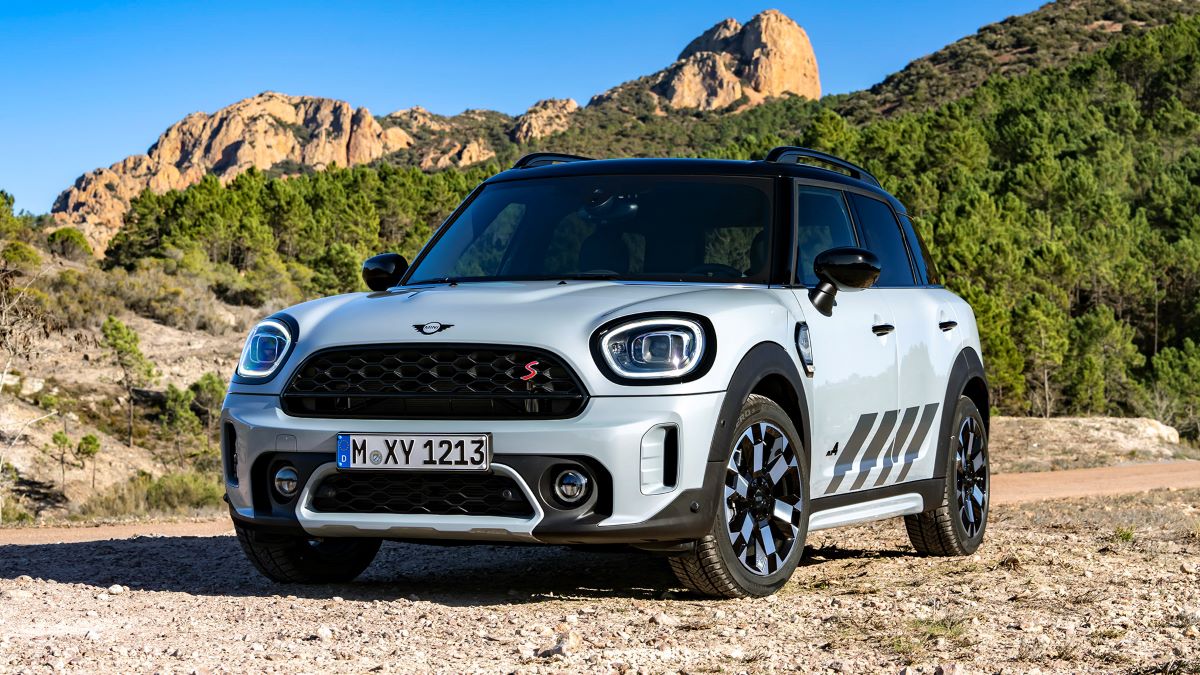
Interior finishes deteriorate rapidly under Phoenix sun, and owners may face costly repairs for seemingly minor heat-related issues. While stylish, the Countryman is not engineered for extreme desert longevity.
The Mini Countryman raises a playful yet serious question: can a big Mini still feel like a Mini? The answer is both yes and no. While it retains the brand’s signature quirks inside and out, the Countryman’s larger dimensions and high-quality interior put it squarely in the subcompact luxury SUV category, rather than among the small hatchbacks.
With standard all-wheel drive and a lively 241-hp turbocharged inline-four borrowed from BMW’s X1, the Countryman delivers driving dynamics that are as spirited as its eye-catching exterior.
After a full redesign last year, the 2026 Countryman sees minor updates. A new entry-level Oxford Edition trim joins the lineup, along with a $1,200 John Cooper Works (JCW) Style package that bridges the gap between the standard Countryman S and the performance-focused Countryman JCW.
This package includes a JCW body kit, new wheels, and adaptive suspension. All models can now be ordered with black racing stripes, and a new set of black 18-inch wheels is available at no additional cost. Models built from July onward feature digital key compatibility, allowing drivers to unlock and start the vehicle using a smartphone.
Currently, the Countryman is offered only in the S ALL4 configuration, available as Signature Plus or Iconic trims. All models include a 9.4-inch round OLED infotainment display, ambient interior lighting, and 19-inch wheels. The Iconic trim is our pick, adding luxuries like a Harman/Kardon stereo, augmented-reality navigation, a parking assistant, wireless smartphone charging, and power-adjustable front seats with a driver’s massage function.
The Countryman S ALL4 uses a turbocharged 2.0-liter four-cylinder engine producing 241 horsepower. Power is sent through a seven-speed dual-clutch automatic, the same transmission found in the BMW X1 and Countryman JCW, though without paddle shifters here. All-wheel drive is standard.
Handling is lively, with precise, well-weighted steering. While it doesn’t corner as tightly as the JCW, the S ALL4’s more compliant ride makes it feel like a well-balanced, everyday-capable machine. Maximum towing capacity is 3,500 pounds.
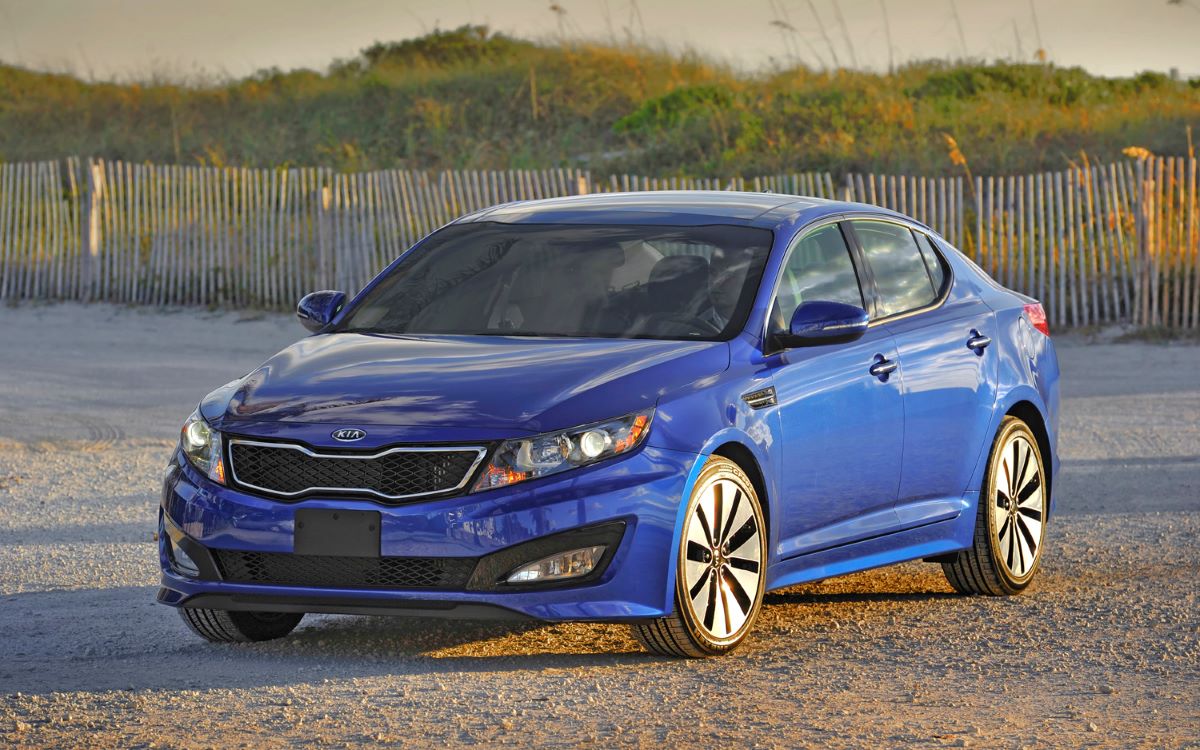
5. Kia Optima
The Kia Optima is a midsize sedan that tends to show wear faster in high-heat environments. Turbocharged engines (in later trims) and tightly packed components accelerate mechanical stress.
Interior plastics, dashboard materials, and upholstery degrade more quickly in constant sun exposure. Cooling systems may also lose efficiency over time, making long-term ownership in Phoenix more challenging than its competitors.
Phoenix is a relentless test for vehicles. Cars that withstand desert heat typically feature conservative engine designs, robust cooling systems, and heat-resistant materials.
The Kia Optima has long been a standout in the midsize sedan segment, earning admiration for its stylish design, well-equipped trims, and value. From 2012 to 2015, it was the brand’s most popular model in the U.S., and the 2020 iteration adds even more appeal with safety-focused updates, likely the last tweaks before a fully redesigned 2021 model arrives.
The midsize sedan segment remains fiercely competitive, with stalwarts like the Honda Accord and Toyota Camry keeping the Optima in check. Still, with five trims and three engine options, from a 185-hp 2.4-liter naturally aspirated four-cylinder to a 245-hp 2.0-liter turbocharged four-cylinder, plus two transmission choices, the Optima offers something for nearly every buyer.
The Optima delivers strong value, with pricing that sits slightly below the midsize sedan average. The base LX model starts at $23,190, followed by the S at $24,690. The EX is priced at $26,990, with the EX Premium at $29,990. At the top of the lineup, the SX carries an MSRP of $31,990.
Most Optima trims feature a suspension tuned for comfort, and the ride is composed and smooth, absorbing typical suburban and highway imperfections with ease. Even the SX, with its sport-tuned suspension, manages rough surfaces admirably while maintaining a hint of sporty character.
The Optima’s handling is impressive for a family sedan. Steering is accurate and responsive without feeling overly twitchy at higher speeds. While feedback is light, the steering’s weighting gives a satisfying sense of solidity.
The car does exhibit mild understeer when pushed hard through corners, but it remains planted, instilling driver confidence. Braking performance is strong and consistent, striking a balance between firmness and ease of modulation, making stop-and-go traffic manageable without feeling overly aggressive.
Those that age too fast are often performance-oriented, tightly packaged, or luxury-focused without thermal durability in mind.
When selecting a vehicle for Arizona, think beyond comfort and performance consider longevity under constant heat. Vehicles engineered for extreme conditions don’t just survive they thrive.