Performance cars often carry a reputation for being extreme, thrilling, and sometimes impractical. Many people imagine them tearing down open highways or winding mountain roads at breakneck speeds, but few consider how they behave in the everyday environment of a city.
Urban driving presents a very different set of challenges compared to the open road. Stop-and-go traffic, tight corners, narrow parking spaces, speed bumps, and unpredictable pedestrians all test the versatility of a vehicle. Some performance cars, despite being engineered for speed and precision, struggle with these constraints, while others surprise drivers with a balance of agility, comfort, and responsiveness.
A car that thrives in city streets needs more than raw power. It must offer controlled handling at low speeds, predictable braking, smooth steering, and suspension that absorbs imperfections without compromising driving enjoyment. Luxury features, interior comfort, and maneuverability also play a significant role in whether a car feels at home in a dense urban environment.
City-friendly performance cars combine everyday usability with dynamic driving capabilities. Their engines deliver power without making low-speed navigation stressful, and their chassis design ensures stability in corners, even at modest speeds. In contrast, some high-performance machines are designed almost exclusively for track or highway performance.
They often have stiff suspensions, wide tires, low ground clearance, and aggressive aerodynamics that make city driving uncomfortable or even inconvenient. The difference between a car that excels in urban conditions and one that struggles may come down to a few subtle engineering choices. Tires, ride height, transmission behavior, and steering calibration can all make a car feel like it belongs in the city or like it is fighting the streets.
Understanding which cars handle city streets well and which do not can save drivers from frustration and frequent scratches. Those who purchase a performance car purely for the thrill on open roads might overlook the impact of urban obstacles. The reality is that performance and practicality do not always conflict.
There are vehicles capable of delivering high horsepower and acceleration while remaining nimble and composed in tight city blocks. Conversely, cars that seem perfect on paper may prove miserable when navigating crowded intersections, parking in limited spaces, or riding over uneven surfaces.
This guide compares five performance cars that are well-suited for city streets with five that struggle in these conditions. Each selection reflects a combination of factors, including handling, comfort, maneuverability, and usability. The goal is not only to evaluate specifications but also to give insight into the everyday experience of driving these machines in an urban environment.
By highlighting both ends of the spectrum, drivers can make informed choices, appreciating that not all high-performance vehicles are designed equally for city life. Understanding these distinctions helps enthusiasts balance excitement with practicality.
5 Performance Cars That Handle City Streets Well
1. Porsche 911 Carrera
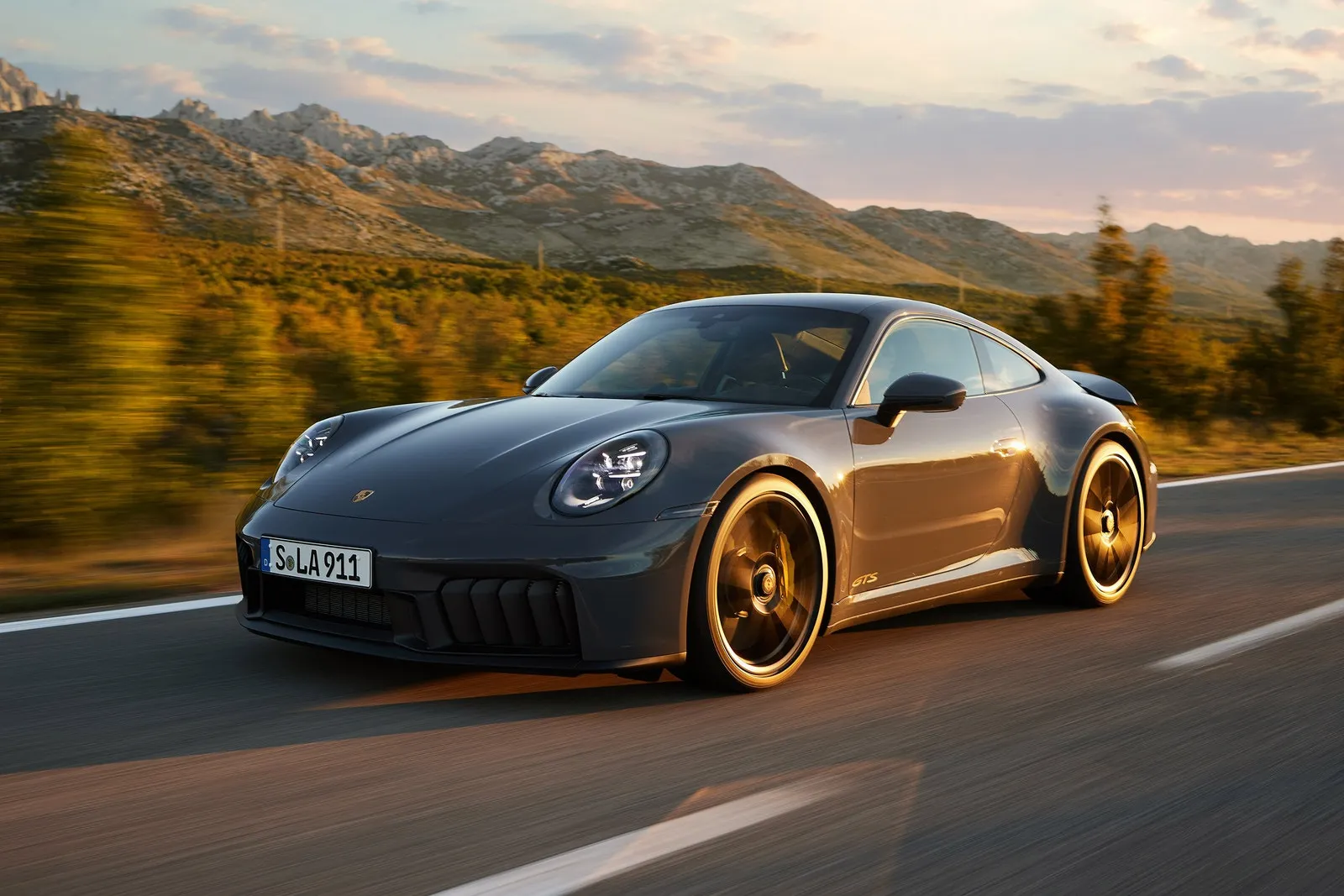
The Porsche 911 Carrera is widely recognized for its balance between raw performance and everyday usability. Its rear-engine layout is optimized for stability, giving drivers confidence even on tight corners and narrow city streets.
The car’s compact dimensions make navigating traffic easier than in larger sports cars. Steering is precise, allowing controlled lane changes and smooth transitions in congested areas. Its braking system responds quickly and predictably, ensuring safety without feeling abrupt or harsh.
Unlike many high-performance vehicles, the 911 Carrera’s suspension is firm but forgiving, striking a rare balance between sportiness and comfort. It absorbs bumps, potholes, and uneven road surfaces gracefully.
This allows for a composed ride even on streets that would shake less adaptable sports cars. Its relatively low weight contributes to nimble handling, giving drivers a sense of command in dense traffic. Parking is simplified thanks to clever engineering and a manageable turning radius.
The engine delivers strong acceleration without overwhelming low-speed driving. Turbocharged variants provide immediate throttle response while maintaining control, allowing effortless merging onto highways from city streets.
The smooth manual gearbox or optional PDK dual-clutch transmission enhances the driving experience, providing rapid, precise gear changes without requiring excessive effort. Drivers can enjoy the thrill of speed without sacrificing practicality.
Inside, the Porsche’s interior is designed with driver focus in mind. Controls are intuitive, infotainment systems are straightforward, and seats provide excellent support for daily commutes. Visibility is excellent for maneuvering, while quality materials and refined craftsmanship make the cabin comfortable for longer drives. Practical storage options, though limited, are intelligently placed to maximize convenience.
The 911 Carrera demonstrates that performance cars can be exciting without being impractical. Its engineering balances dynamic driving with everyday usability, making it a rare sports car capable of thriving in urban environments. The combination of precise steering, agile chassis, and responsive power delivery makes it an ideal choice for city drivers who refuse to sacrifice excitement.
2. Audi RS5
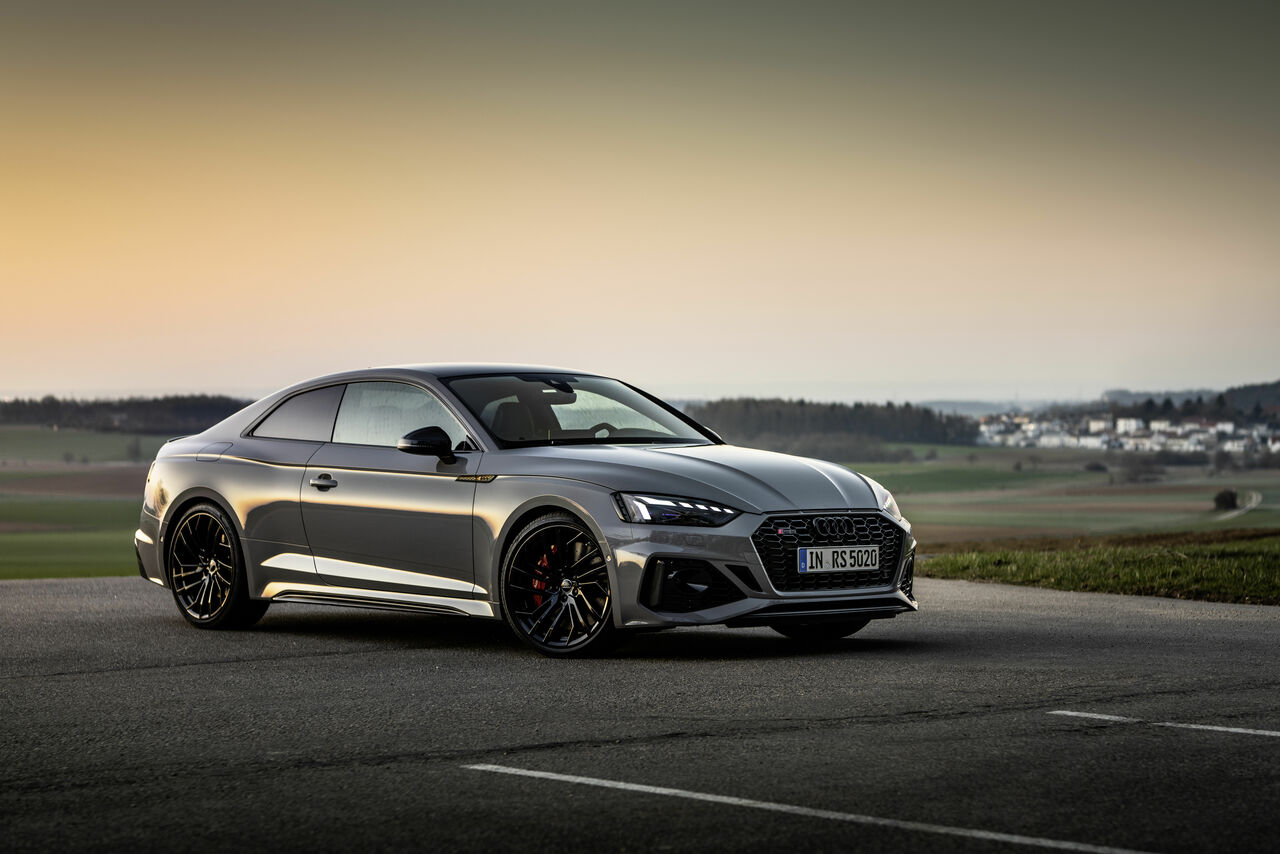
The Audi RS5 delivers high performance while remaining refined enough for city conditions. Its quattro all-wheel-drive system ensures excellent traction, even on slippery or uneven urban surfaces. The car’s chassis provides confidence-inspiring stability, and the steering delivers clear, consistent feedback. Sharp turns and sudden maneuvers are handled with predictability, making it one of the most manageable high-powered coupes for city streets.
Its suspension is versatile, combining sportiness with comfort. Adaptive dampers allow drivers to choose a softer setup for daily commuting, absorbing bumps and uneven pavement efficiently. Unlike many aggressive sports cars, the RS5 maintains composure over potholes and speed bumps, creating a smoother, less jarring ride for both driver and passengers. This flexibility enhances the usability of the car.
The engine provides a potent blend of power and refinement. The twin-turbo V6 produces instant torque while remaining controllable at lower speeds, avoiding the jerky acceleration typical of some high-performance vehicles. The automatic transmission delivers seamless, rapid gear changes, allowing effortless driving in stop-and-go traffic while retaining responsiveness when needed.
Inside, the RS5’s cabin is spacious, comfortable, and highly functional. Seats offer excellent support for daily commuting or longer drives. Visibility is sufficient for navigating tight intersections, and intuitive controls make operating the car straightforward. Driver-assistance systems, including parking sensors and lane-keeping aids, reduce stress in busy urban environments.
The RS5 shows that immense performance does not need to compromise comfort or practicality. Its combination of traction, adaptable suspension, and driver-focused design allows it to excel in city conditions. The car maintains its excitement and sporty nature without making daily commuting uncomfortable or stressful, a balance few performance cars achieve.
3. BMW M340i
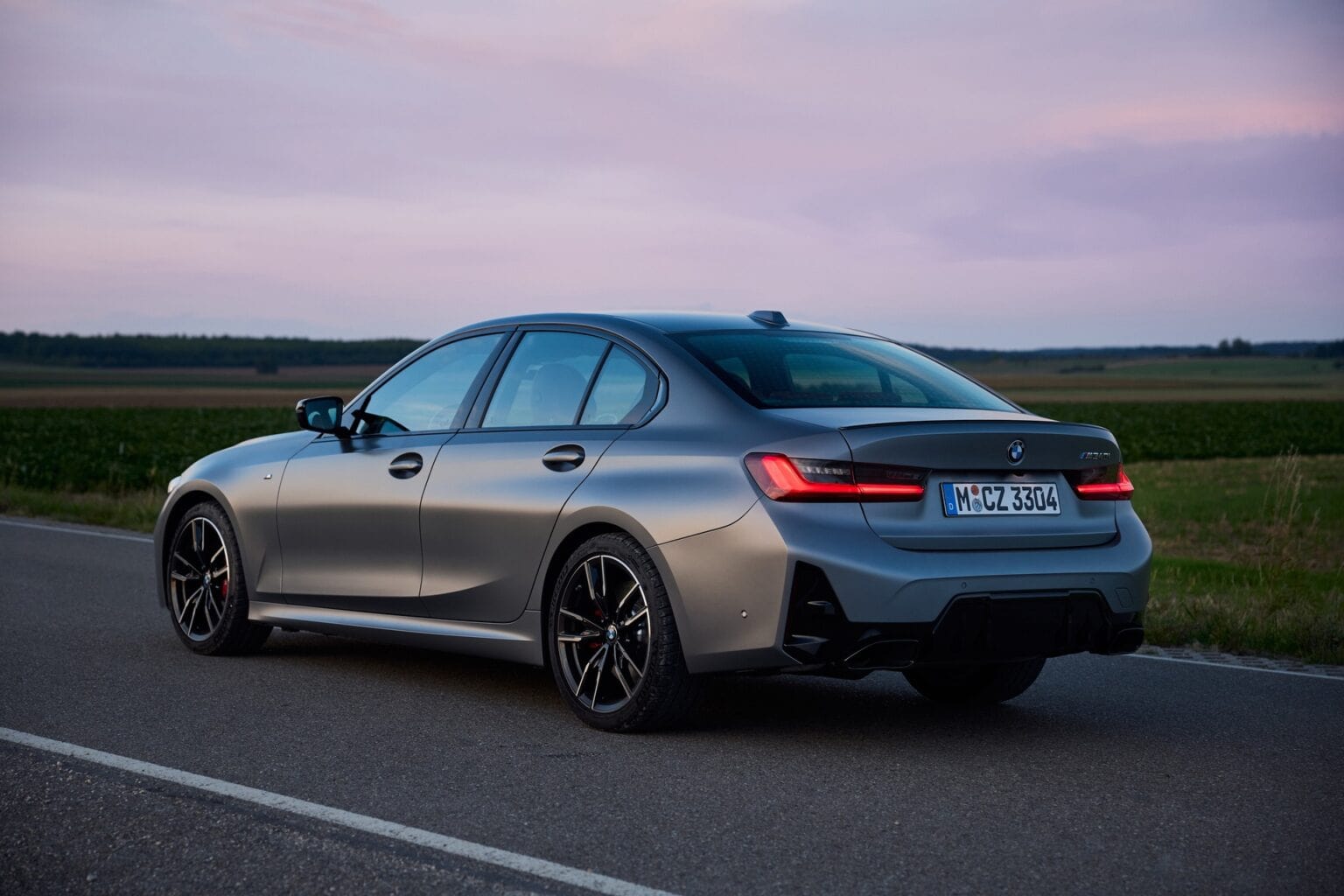
The BMW M340i is built to offer agility and driver engagement without sacrificing everyday comfort. Rear-wheel-drive dynamics combined with optional all-wheel drive give the car precise handling. Turns and lane changes feel controlled and stable, even when navigating tight streets or traffic-heavy city roads. Its chassis responds predictably, making drivers feel in control at all times.
The suspension is tuned for a firm yet comfortable ride, capable of absorbing bumps, potholes, and irregular urban road surfaces. This ensures stability and confidence without transmitting excessive vibration to the cabin. Unlike many track-focused vehicles, the M340i avoids harsh feedback, making longer commutes or short trips alike more enjoyable. Its suspension strikes a rare balance between performance-oriented dynamics and everyday usability.
Under the hood, the turbocharged inline-six engine delivers smooth, linear power at all speeds. Acceleration is immediate yet manageable, providing confidence without overwhelming drivers in stop-and-go city traffic. The automatic transmission executes gear shifts precisely, enhancing the driving experience while minimizing effort during daily commuting.
The interior is thoughtfully designed for practicality. Ergonomic seating, high-quality materials, and well-positioned controls make city driving less taxing. Visibility is sufficient for maneuvering through tight spots, while infotainment and driver-assistance technologies enhance safety and convenience. The M340i’s cabin provides a supportive environment for both driver and passengers.
The BMW M340i exemplifies a performance car that works in real-world urban conditions. It offers responsive handling, comfortable suspension, and controlled power delivery. Drivers enjoy the thrill of a high-performance sedan while navigating city streets without frustration or compromise. Its combination of agility and practicality is a major selling point.
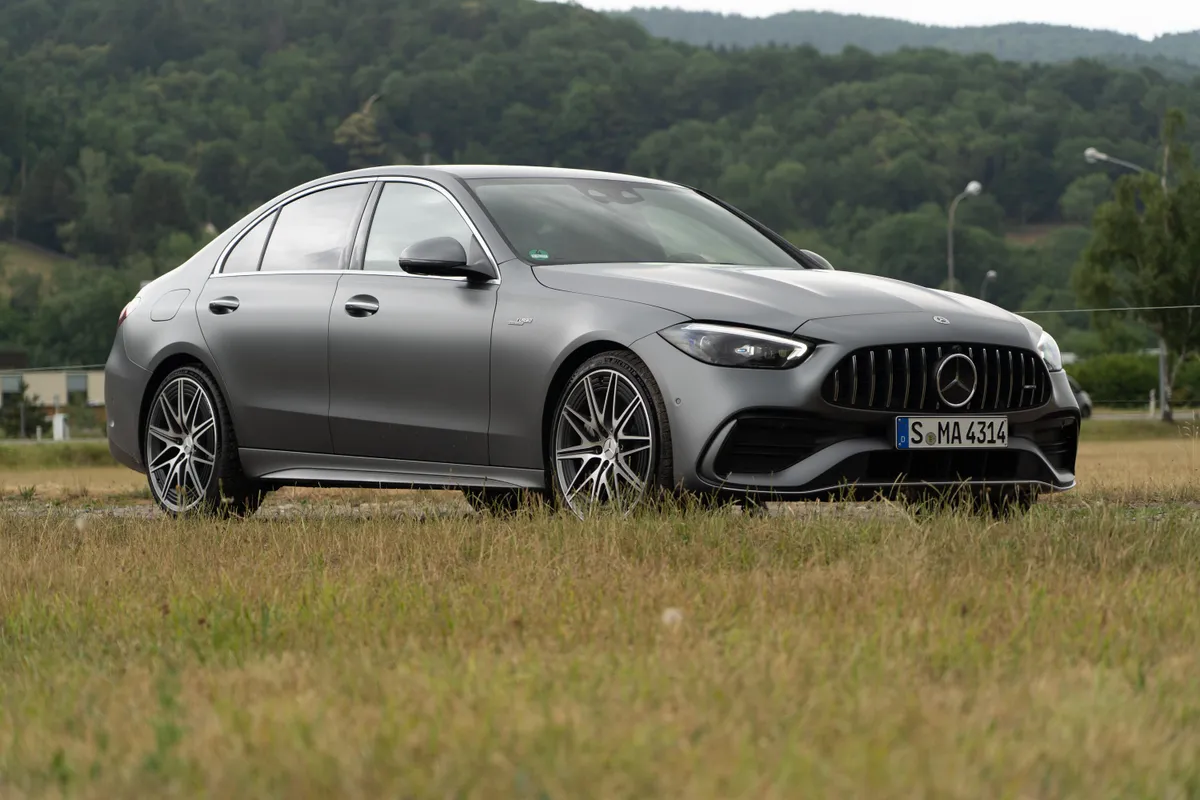
4. Mercedes-AMG C43
The Mercedes-AMG C43 is a performance sedan that combines dynamic driving with refined urban usability. Its all-wheel-drive system improves grip on slippery or uneven city roads. Steering is sharp and precise, giving confidence during sudden maneuvers or parking. The car’s balance ensures predictable handling, making it approachable even for those new to high-performance vehicles.
The suspension delivers an effective compromise between sporty handling and comfort. Potholes and minor road imperfections are absorbed without harsh feedback, and adaptive settings allow customization for daily commutes. Drivers benefit from a smooth, stable ride in congested conditions, avoiding fatigue that can result from excessively stiff suspensions. This adaptability makes the C43 a versatile urban performer.
The engine produces strong acceleration while remaining controllable at low speeds. The twin-turbo V6 provides plenty of torque for city driving without jerky responses. The transmission shifts seamlessly, allowing effortless transitions through traffic and enhancing confidence in tight scenarios. Power is always available but never difficult to manage.
Inside, the C43 prioritizes convenience and comfort alongside performance. Supportive seats, intuitive controls, and ample visibility aid in daily commuting. Technology features like infotainment and driver-assistance systems reduce stress while navigating city streets, offering tools that enhance safety and ease of operation.
The AMG C43 illustrates that a performance sedan can deliver excitement and usability simultaneously. Its combination of responsive steering, adaptable suspension, and smooth engine performance ensures enjoyable driving in urban environments. City streets become manageable and even pleasurable without sacrificing sporty characteristics.
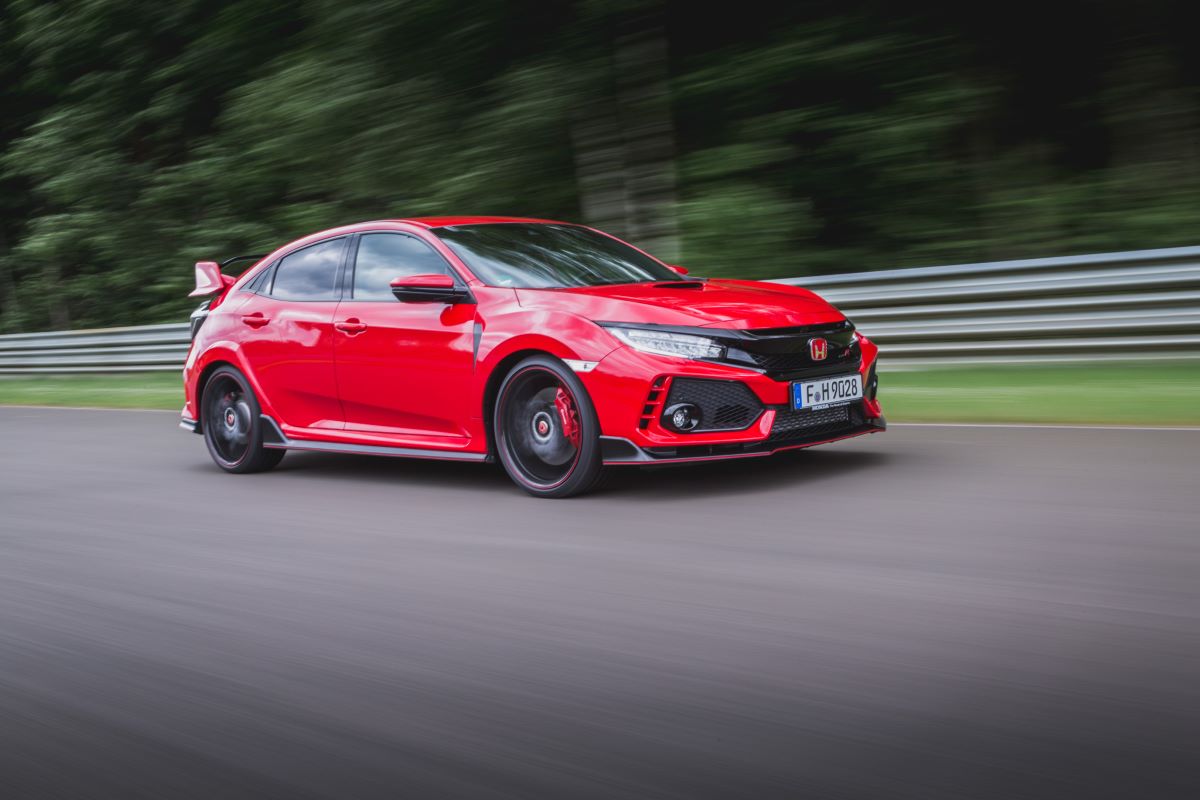
5. Honda Civic Type R
The Honda Civic Type R surprises many with its city-friendly capabilities despite aggressive styling and performance focus. Its compact hatchback form allows nimble navigation through tight streets and intersections. Steering is direct, making lane changes, cornering, and urban parking feel controlled and precise. Its responsiveness adds confidence in busy city conditions.
The suspension is firm but not punishing, absorbing minor bumps and uneven pavement efficiently. Ride quality remains smooth for daily commutes, which is uncommon for a car with its sporty intentions. The chassis is rigid yet forgiving, ensuring that the car feels stable without being uncomfortable on city roads.
The turbocharged four-cylinder engine delivers lively acceleration while remaining manageable at low speeds. Gear shifts are precise and responsive, which allows drivers to maintain control in stop-and-go traffic. Despite its sporty character, the Type R is predictable, giving drivers confidence in crowded urban conditions.
Interior ergonomics are designed with both performance and usability in mind. Seats are supportive, cabin layout is intuitive, and visibility is adequate for parking in tight areas. Driver-assistance technologies further enhance urban usability, reducing the risk of minor collisions in dense traffic.
The Civic Type R proves that a performance-oriented vehicle can also be practical in city environments. Its combination of nimble handling, controlled power delivery, responsive suspension, and compact size makes it an urban-friendly sports car. Drivers can enjoy spirited driving without feeling overwhelmed by city conditions.
5 Performance Cars That Are Miserable in City Streets
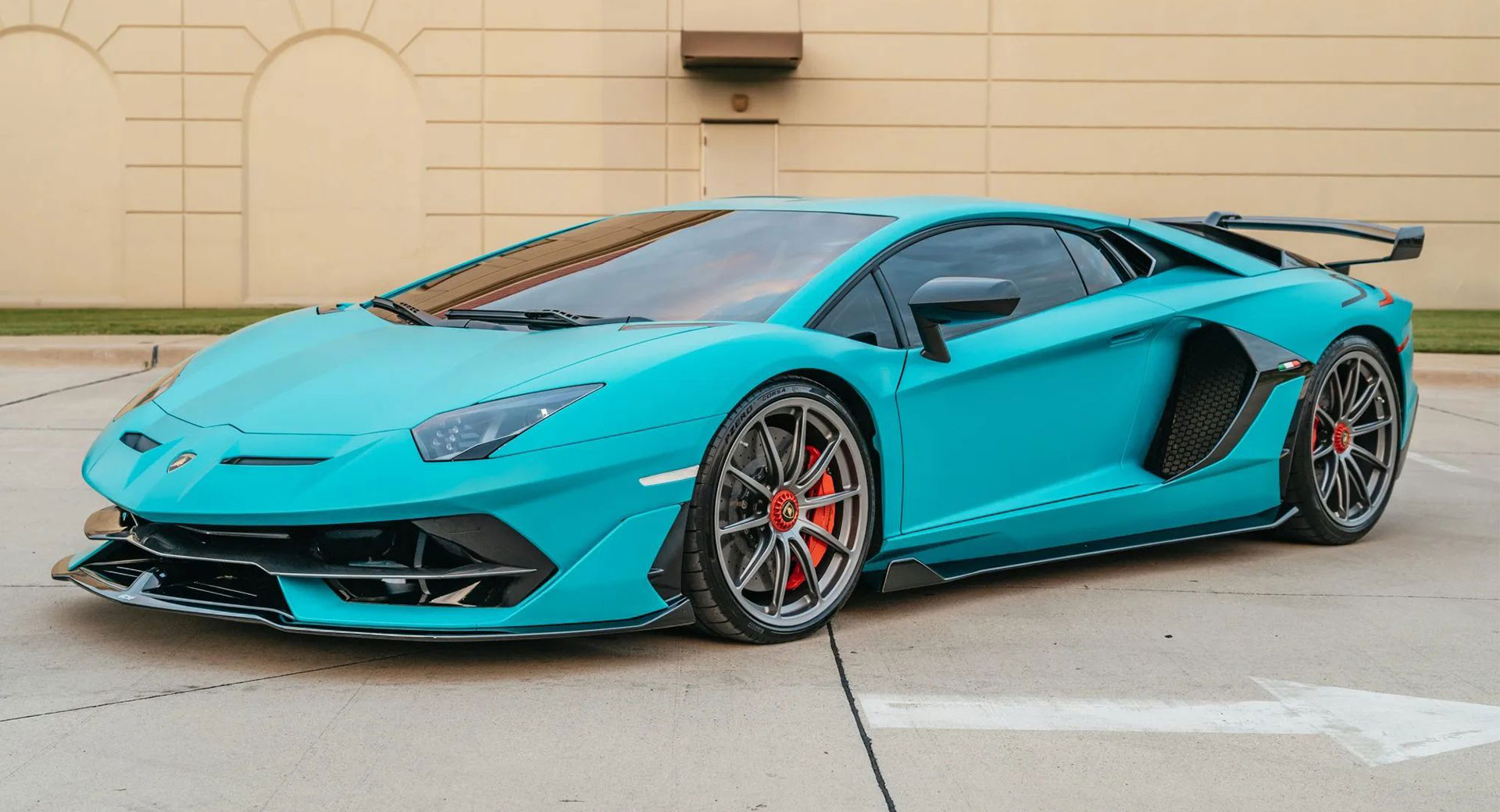
1. Lamborghini Aventador
The Lamborghini Aventador is an extraordinary supercar designed primarily for high-speed performance, but it struggles significantly in city environments. Its extremely low ground clearance makes navigating speed bumps, potholes, or uneven pavement a constant challenge.
Drivers must take care to avoid scraping the front splitter, which limits flexibility on daily streets. The wide, sticky tires provide excellent grip at high speed but are cumbersome in tight turns and make the car feel heavy during slow, careful maneuvers.
The Aventador’s massive V12 engine delivers incredible power, but at low speeds in urban traffic, it can feel unpredictable and difficult to control. The throttle is highly sensitive, and even slight inputs can produce sudden surges of acceleration. The exhaust is loud and aggressive, which, while thrilling on open roads, draws unwanted attention and can be overwhelming in dense traffic. Constant gear changes are required to keep the car smooth, and the dual-clutch transmission, though fast, sometimes feels jerky at low speeds.
The suspension, optimized for performance and track stability, is unforgiving on city streets. Bumps, potholes, and uneven surfaces are transmitted directly into the cabin, creating an uncomfortable and sometimes jarring ride.
There is minimal body compliance, meaning even small road imperfections feel magnified, which can be exhausting during longer commutes or frequent urban driving. Its aggressive chassis setup prioritizes cornering at high speed over comfort.
Visibility is limited, and the car’s long, low body makes judging distances difficult in urban situations. Maneuvering in parking lots, tight streets, and intersections requires extreme caution. The Aventador’s large turning radius compounds the difficulty, making U-turns, parking, or parallel maneuvers slow and stressful. Drivers must constantly be aware of obstacles, curbs, and pedestrians.
The interior, while luxurious, does little to alleviate city-related challenges. Seats are snug and designed for performance-oriented support rather than comfort in stop-and-go traffic. Controls are optimized for track performance, and the cabin can feel overwhelming when surrounded by pedestrians, parked cars, and traffic lights. The Aventador excels on highways or tracks but becomes impractical and demanding when confined to urban streets.
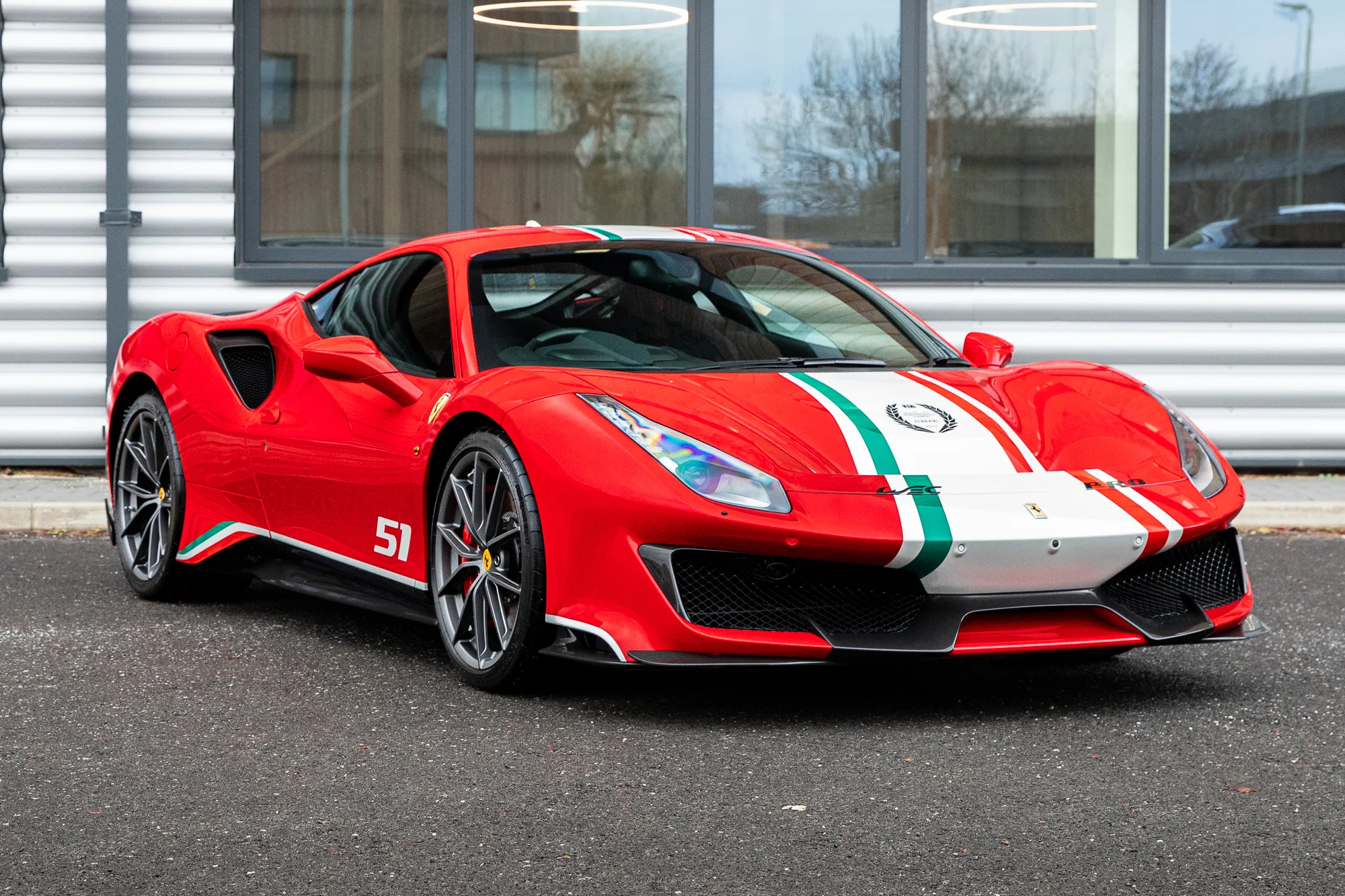
2. Ferrari 488 Pista
The Ferrari 488 Pista is a finely tuned supercar built for speed, yet it proves extremely difficult to manage in city traffic. Its low stance and stiff suspension mean that even minor imperfections in the road are amplified in the cabin, producing a harsh and uncomfortable ride.
Speed bumps, potholes, and curb cuts require careful navigation to avoid damage, limiting the car’s usability in everyday urban environments. The wide tires increase road grip but make the car harder to steer at low speeds, especially in narrow lanes or tight corners.
Its turbocharged V8 engine delivers immense acceleration, but it is difficult to modulate in stop-and-go traffic. Throttle inputs are extremely sensitive, and small adjustments can produce sudden, unwanted bursts of speed.
Coupled with a dual-clutch transmission that is designed for high-speed shifts rather than smooth urban performance, the car can feel jerky or overly responsive in tight city conditions. Drivers quickly notice that the 488 Pista is more suited to open roads than congested streets.
The suspension is designed for track precision, with minimal compliance for everyday irregularities. Small bumps, potholes, and uneven pavement feel jarring, and the car lacks the cushioning expected in a daily driver. Driving at low speeds can feel like a constant balancing act to avoid discomfort, scraping, or excessive vibration. The chassis and aerodynamic design work well at speed but make city driving tedious and physically demanding.
Visibility is another significant problem. The low seating position, long hood, and design-oriented curves reduce sightlines in tight urban scenarios. Parking becomes a difficult challenge, and tight corners or narrow streets require extreme care. The car’s wide body further compounds the issue, leaving minimal room for error in congested areas.
Even though the cabin is luxurious, the Ferrari 488 Pista is optimized for speed and engagement, not practicality. The seats are tight and performance-focused, and the low ride height can make getting in and out challenging. While an incredible machine on open roads or racetracks, the 488 Pista’s aggressive setup and lack of urban flexibility make it miserable for everyday city driving.
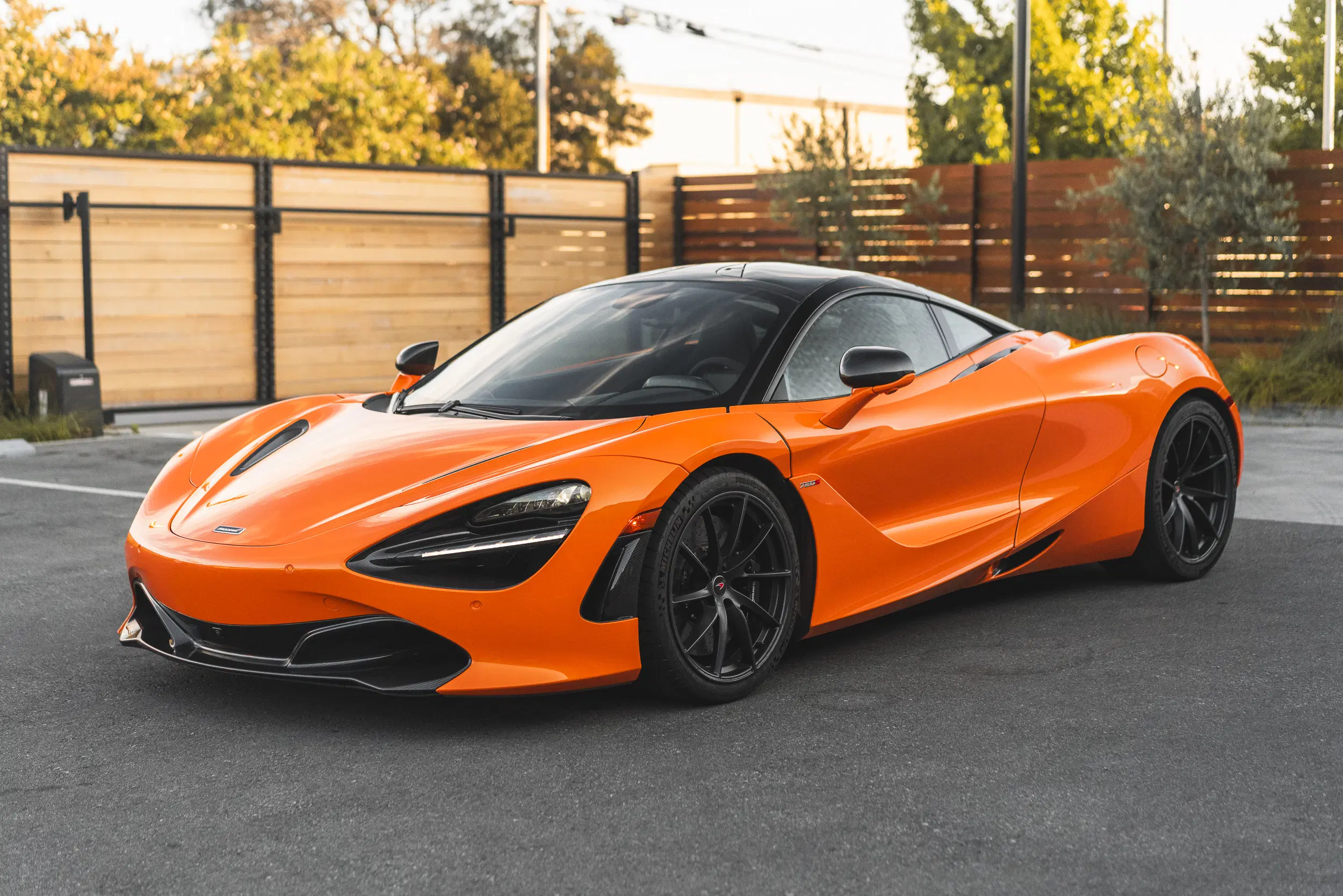
3. McLaren 720S
The McLaren 720S is engineered for precision and track-level performance, but it struggles with the realities of city streets. Its extremely low ground clearance and stiff suspension are major drawbacks on urban roads. Every bump, pothole, and road crack is felt in the cabin, making stop-and-go commuting uncomfortable.
Curbs, speed bumps, and uneven pavement pose constant threats of damage, forcing drivers to maneuver slowly and carefully. The wide performance tires are excellent for grip at high speeds but feel cumbersome in tight city turns.
The car’s twin-turbo V8 engine delivers enormous power with lightning-fast throttle response. While thrilling on highways, this power is difficult to control at lower speeds. Small inputs can cause sudden bursts of acceleration, requiring constant attention in heavy traffic.
The dual-clutch transmission is designed for fast, high-speed shifts and sometimes produces jerky behavior during stop-and-go driving, which adds to the difficulty of urban use.
Handling and chassis tuning make the 720S feel like a track car at all times. Its suspension is optimized for stability and aerodynamics at speed, not comfort over city surfaces. Drivers must carefully select roads and avoid uneven streets to maintain comfort and prevent damage. The low-slung design magnifies every imperfection, and even moderate road irregularities can be jarring.
Visibility is limited, with a long hood and low seating making it challenging to judge distances in tight traffic or crowded parking situations. The car’s wide stance and large body further reduce maneuverability in narrow lanes and intersections. Parking and urban navigation require extreme caution, making driving slower and more stressful than in vehicles designed for city streets.
The interior, though luxurious and driver-focused, is not intended for everyday usability. Seats are performance-oriented and may become uncomfortable during frequent low-speed stops. Controls are optimized for high-speed engagement, making them less intuitive during city driving. The McLaren 720S is a masterpiece of engineering but is almost impractical when confined to the limitations of urban environments.
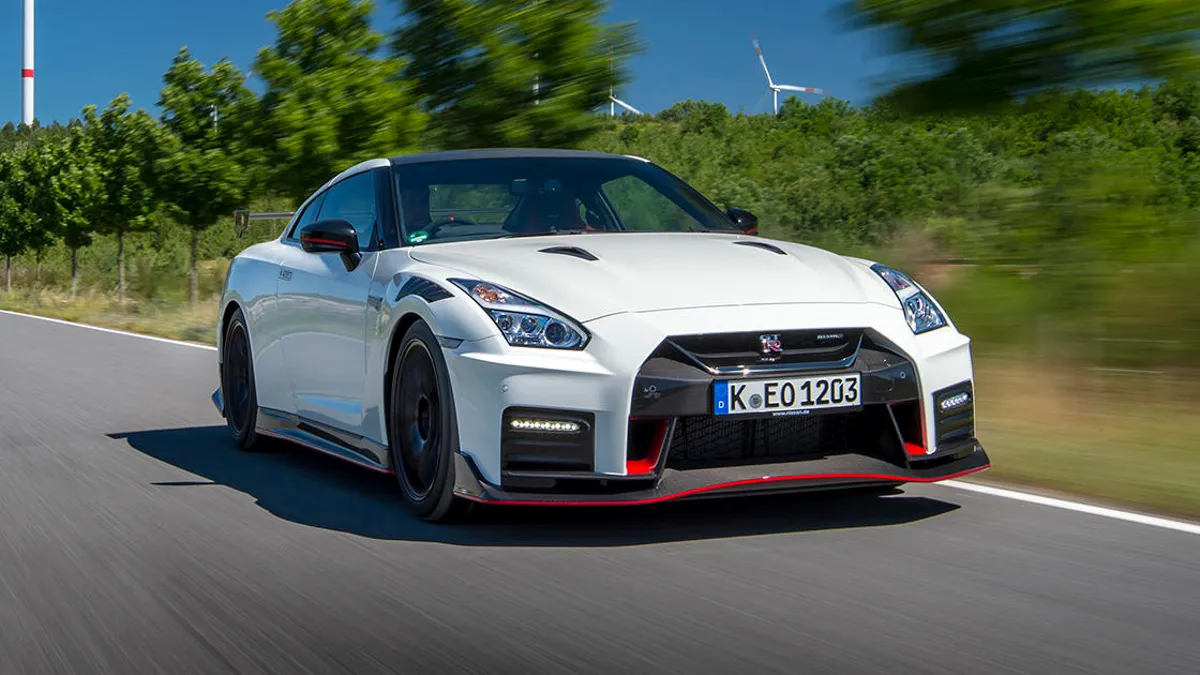
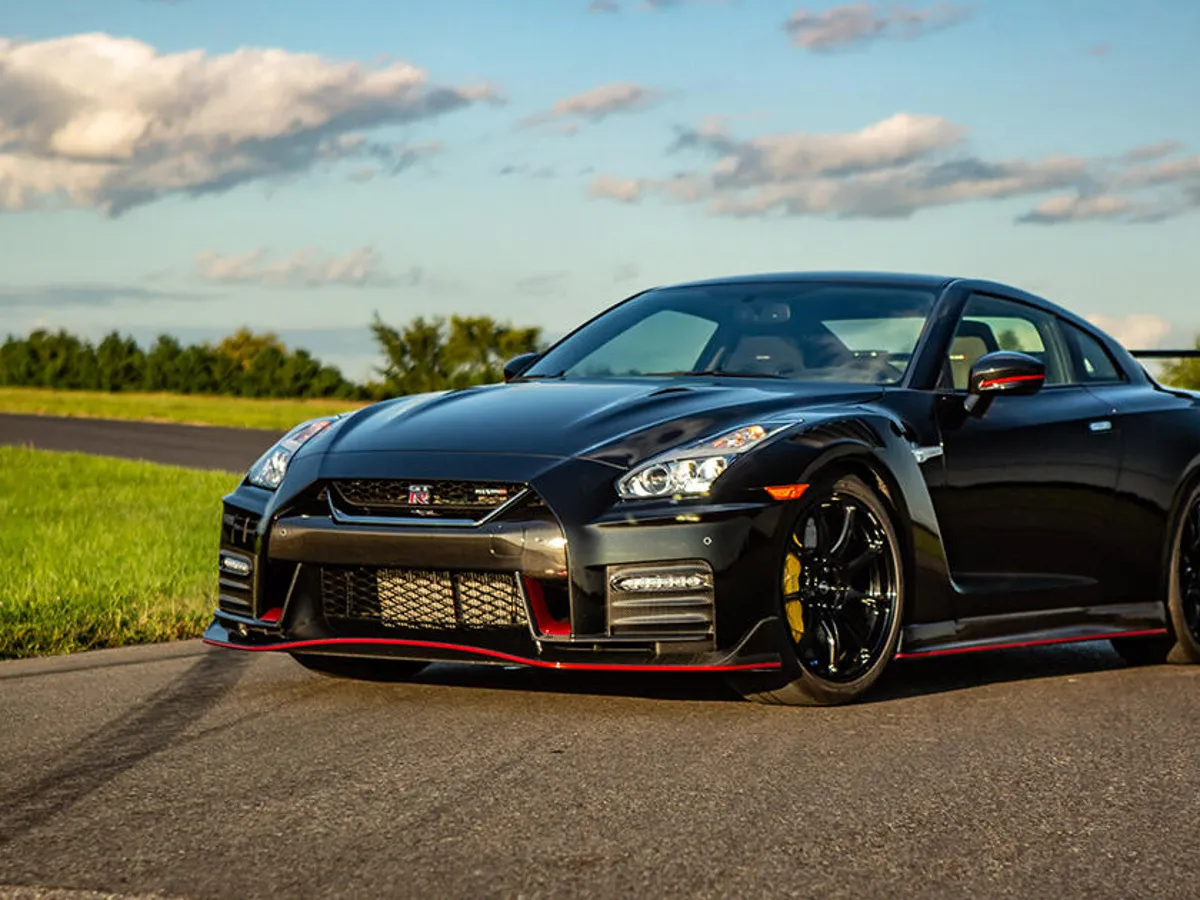
4. Nissan GT-R Nismo
The Nissan GT-R Nismo is a high-performance machine that demonstrates exceptional capability on open roads but struggles in urban conditions. Its heavy weight combined with stiff suspension makes navigating potholes, speed bumps, or uneven streets uncomfortable.
The wide tires, which provide tremendous traction at high speeds, create difficulties when steering at low speeds or maneuvering through narrow lanes. The car can feel awkward in city traffic, especially for drivers not accustomed to its size and sensitivity.
The twin-turbo V6 engine produces massive power, but this can be challenging in stop-and-go conditions. Throttle inputs are aggressive, and even minor adjustments can create unexpected acceleration. Coupled with a firm transmission and clutch system optimized for performance, driving in traffic requires extreme care and attention to avoid jerky or uncomfortable motion. Low-speed driving is a constant balancing act.
The GT-R Nismo’s suspension prioritizes stability and cornering precision over comfort. Every irregularity in road surfaces is transmitted to the cabin, creating fatigue and discomfort during long urban commutes. While perfect for highways or racetracks, this setup is unforgiving in everyday city streets. Maneuvering over uneven or poorly maintained roads can be stressful and physically taxing.
Visibility is limited due to the car’s design, low seating, and sloping roofline. Tight corners, parking lots, and intersections require constant vigilance. The car’s large width and length further complicate maneuvering, especially in dense traffic or narrow streets. Parking and reversing become demanding tasks that require care and patience.
The interior, while filled with technology and performance-focused features, does little to improve city usability. Seats are designed to hold the driver in place during aggressive maneuvers, not to provide comfort during low-speed driving.
Controls are optimized for performance, not convenience, and the low ride height makes entering and exiting the vehicle challenging. The GT-R Nismo is thrilling on open roads but a struggle in everyday urban conditions.
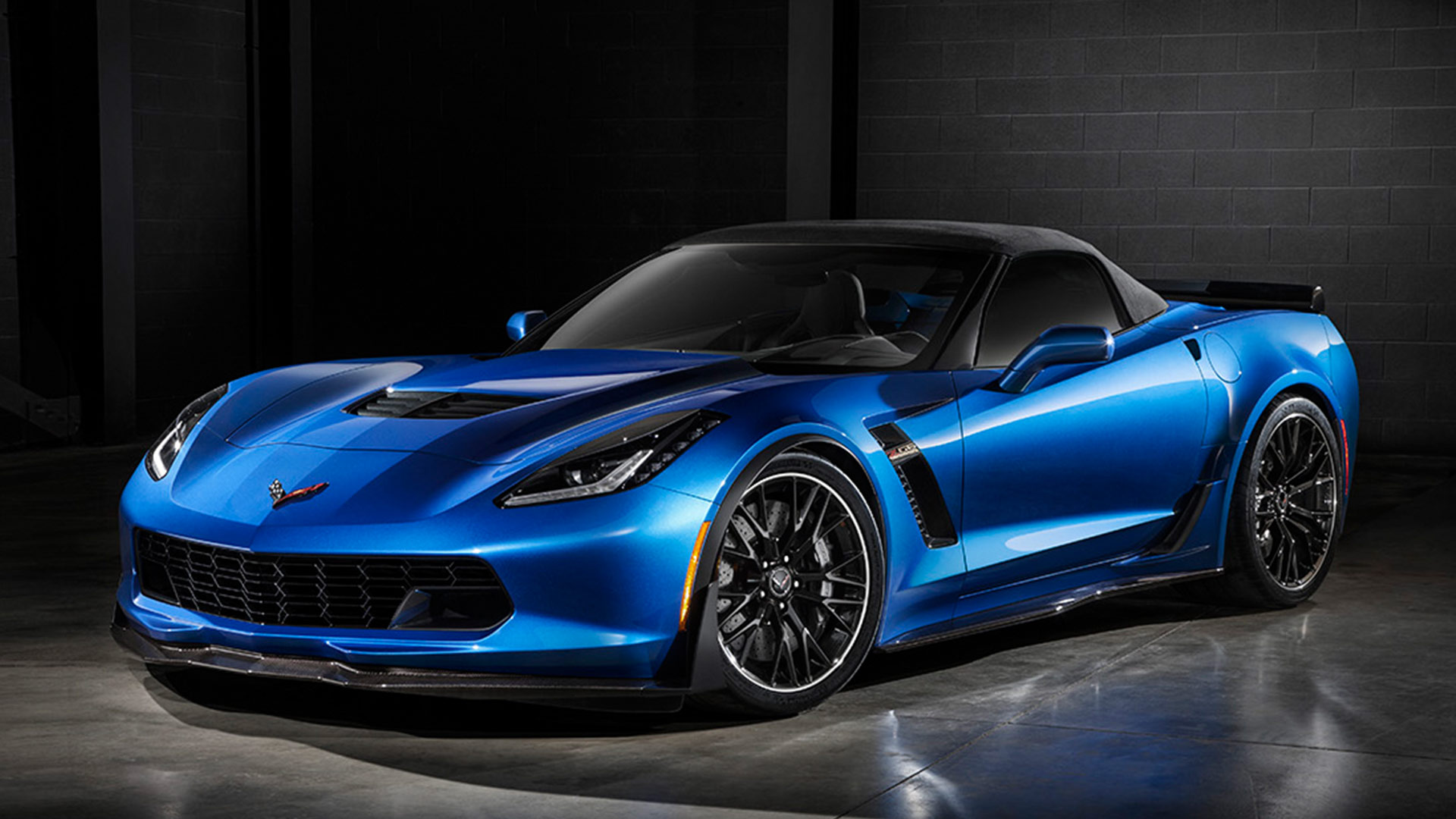
5. Chevrolet Corvette Z06 (C8)
The Chevrolet Corvette Z06 is a track-oriented supercar that struggles with city usability despite its impressive performance. Its mid-engine layout and low clearance make negotiating potholes, speed bumps, and uneven pavement difficult. Even slight misjudgments can result in scraping the undercarriage.
The wide rear tires enhance stability at high speeds but make tight urban turns and narrow streets feel cumbersome. Its aggressive setup prioritizes track performance over comfort, making it challenging to drive in daily city scenarios.
The naturally aspirated V8 engine delivers massive torque, which is difficult to control in stop-and-go traffic. Throttle response is sharp, and small pedal inputs can result in sudden bursts of power, requiring constant attention. The transmission, optimized for high-speed driving, sometimes feels too direct or sensitive at low speeds, adding to the difficulty of maneuvering through tight streets.
Suspension tuning is stiff, with minimal compliance to absorb bumps or irregularities. Driving over urban potholes or uneven surfaces results in harsh feedback through the chassis and cabin. Comfort is sacrificed entirely for performance, making city driving tiring and stressful. The car’s suspension excels at handling corners at high speed but punishes everyday use.
Visibility is restricted due to the long hood, low seating, and sloping roofline. Tight turns, intersections, and parking spaces require extreme caution. The car’s wide body and low ride height make urban maneuvering a challenge, limiting practical usability. Drivers must constantly monitor surroundings to avoid damage.
The interior, although sporty and high-tech, is focused on performance. Seats provide excellent lateral support but are not ideal for frequent stops or slow driving. The cabin lacks features that ease city driving, such as high seating positions or better visibility. The Corvette Z06 excels on highways and tracks but is clearly a poor choice for daily urban commuting.