Electric vehicles have changed the way people think about daily travel and mobility in cities, suburbs, and towns. For many drivers, short trips are the most common use case for a vehicle because errands, school runs, grocery shopping, and quick visits make up the bulk of driving patterns.
An EV that handles these short trips with ease can transform everyday life, cutting running costs, reducing environmental footprint, and simplifying ownership compared to traditional vehicles. At the same time, not all EVs are designed with short journeys in mind.
Some electric cars shine on the highway or long distances but show limitations when used primarily for short hops around town. These limitations may come from battery management, cabin comfort during frequent stops, slow charging response, or even low efficiency when repeatedly starting and stopping.
Everyday drivers who want an EV need to be thoughtful about their choice, especially if most of their mileage is under ten miles per segment. When the vehicle’s strengths match routine needs, owners feel a sense of ease rather than frustration every time they step inside.
On the other hand, if an EV feels clumsy, inefficient, or awkward with short local trips, it can lead to buyer’s remorse and stress about range or performance. In this article, we take a close look at ten electric vehicles with varied reputations for short trip behavior. Five of them handle brief travels gracefully, supporting smooth starts, efficient energy use, and amenable cabin environments.
The other five often leave owners feeling annoyed or disappointed when used in mostly short distance contexts. Some of the cars on the second list still have admirable qualities, but their design or tuning makes them less than ideal for frequent short hauls.
We discuss each vehicle in depth, describing why it succeeds or where it struggles for brief daily uses, touching on acceleration response, regenerative braking feel, interior comfort when heating or cooling runs often, and how the battery reacts to quick starts and stops.
By the time you finish this article, you should have a clear sense of which electric cars to strongly consider if short trips are your priority, and which to reconsider, especially if you want peace of mind, low running costs, and a smooth driving experience around town. This framing will help you make a confident choice that aligns with your everyday travel demands and lifestyle needs.
5 EVs That Handle Short Trips Gracefully
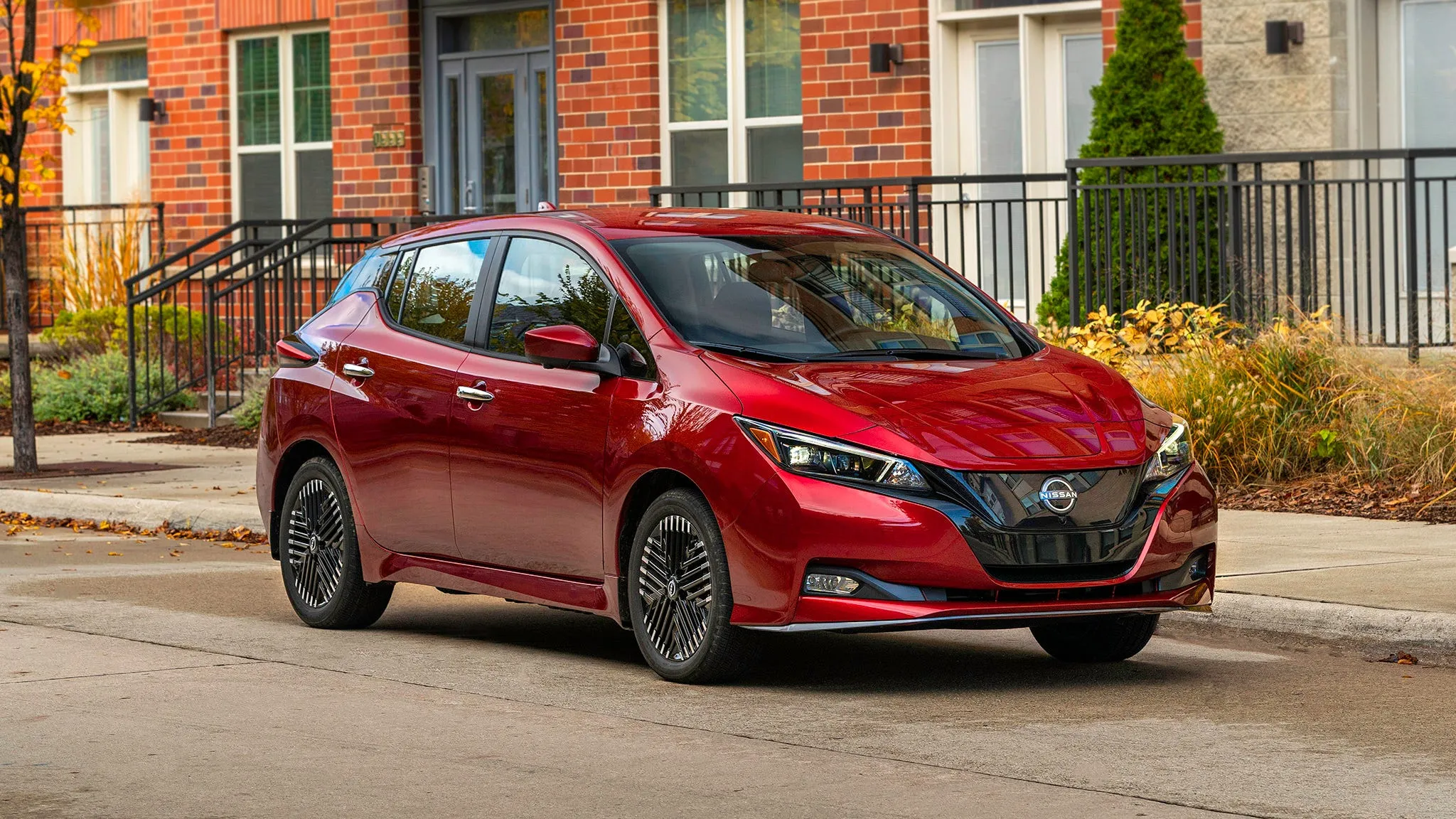
1. Nissan Leaf
The Nissan Leaf has earned a reputation as a practical and friendly electric car for individuals and families who spend most of their time on local drives. It delivers a predictable and smooth driving experience that suits brief errands and urban traffic alike.
Its modest battery size, while not ideal for long highway stretches, allows fast warming up of cabin systems and quick recovery from stops. Because of its efficiency and simple layout, Leaf owners rarely find themselves frustrated on short outings.
In typical city conditions, the Leaf’s regenerative braking system does an admirable job of capturing energy while slowing down, feeding it back into the battery.
Drivers quickly learn how to modulate the single-pedal feel so that braking effort and energy recapture match their expectations. On trips where stops are frequent, the behavior feels intuitive rather than jerky or abrupt. Furthermore, the Leaf’s compact size and turning circle make parking and weaving through traffic easy, adding to the sense that daily errands are less of a chore.
Many drivers comment on how the Leaf’s cabin warms up or cools down quickly during short trips, which is essential when the driver and passengers are only in the car for a few minutes at a time. The smaller battery means it draws less power to heat the interior, helping maintain range even with the heater running.
Range anxiety is far less of a concern with the Leaf when used for short distances because its range sufficiently exceeds typical local needs. The car’s 100-plus miles of range in most versions offers a buffer that keeps stress low for everyday travel. Owners appreciate the peace of mind that comes from knowing they can run errands without needing to charge midday, and when charging is needed, the Leaf’s accessible charging points make it convenient.
From a cost perspective, the Leaf is often more affordable upfront and cheaper to maintain compared to many competitors. These financial benefits become even clearer when the car spends most of its life on short journeys that avoid heavy battery strain.
For any driver whose pattern consists of brief hops, the Nissan Leaf remains a compelling choice that earns loyalty through reliable, uncomplicated performance and satisfying daily use.
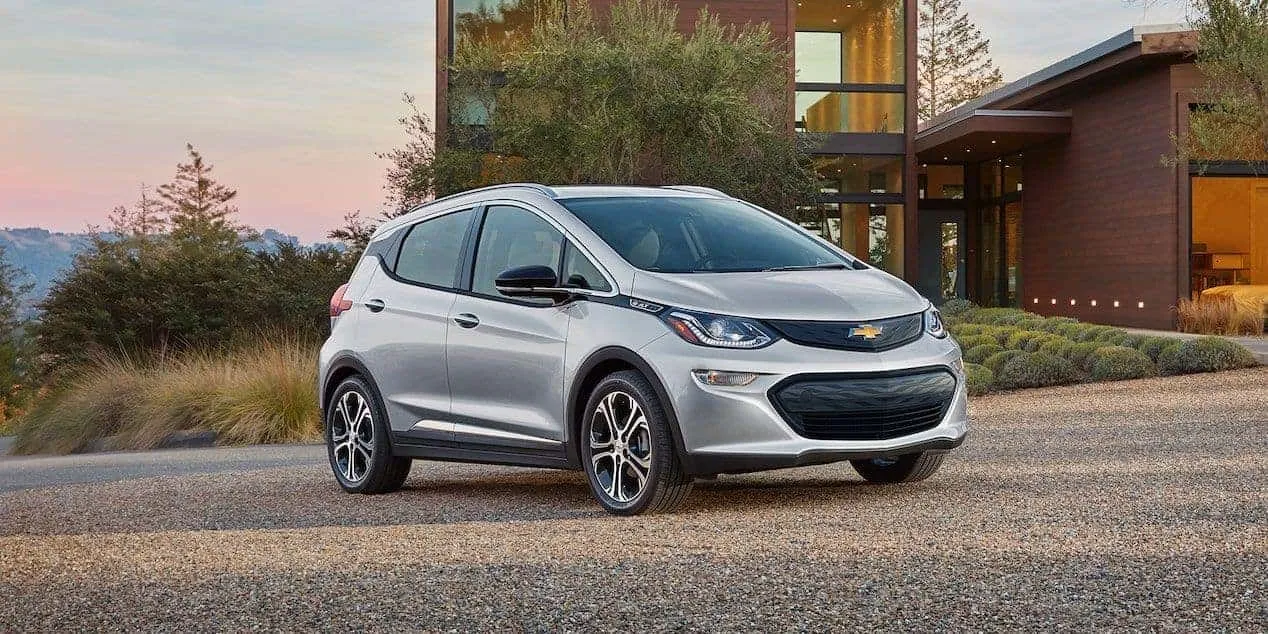
2. Chevrolet Bolt EV
The Chevrolet Bolt EV has strong appeal for drivers seeking an electric vehicle that feels energetic yet composed during frequent short drives. Its brisk electric motor launch and responsive throttle make it easy to get moving from stoplights and curbside parking without fuss.
This characteristic is especially appreciated by commuters who encounter a lot of traffic and need smooth acceleration on demand. The balance between performance and practicality gives it an edge in daily urban routines.
Inside the cabin, the Bolt provides intuitive controls and a driver-centric layout that reduce stress when hopping between errands.
Visibility out of the windows and mirrors is solid, giving confidence when navigating tight spaces. Short trips often involve quick decisions, and the Bolt’s handling dynamics support that without feeling oversized or cumbersome. This ease of use is a quality that drivers mention again and again as a reason they enjoy daily operation.
The regenerative braking system in the Bolt is adjustable, allowing drivers to set how strong the deceleration feels when lifting off the accelerator. For short stop-and-go trips, many owners prefer a higher regen setting, which helps slow the car and recapture energy more effectively.
This creates a satisfying rhythm to local driving, reducing reliance on the physical brake pedal. The result is a driving experience that feels purposeful without dragging or feeling artificial.
Comfort during short-distance travel also benefits from the Bolt’s efficient climate control. Heating and cooling systems operate in a way that quickly brings the cabin to a pleasant temperature, even when the trip is only a few minutes long. Combined with supportive seats that stay comfortable during repeated use, the experience remains positive regardless of weather conditions or time of year. Drivers often say they appreciate this responsiveness when making frequent quick journeys.
Finally, the Bolt’s electric range, while generous enough for longer trips, feels more than sufficient for shorter ones, thus keeping range management simple. Many owners report going several days between charges when their usage pattern consists mainly of brief local driving.
In total, the Chevrolet Bolt EV’s combination of energetic drive, adaptive feedback, and thoughtful interior design make it a strong choice for anyone focused on short trip convenience and enjoyment.
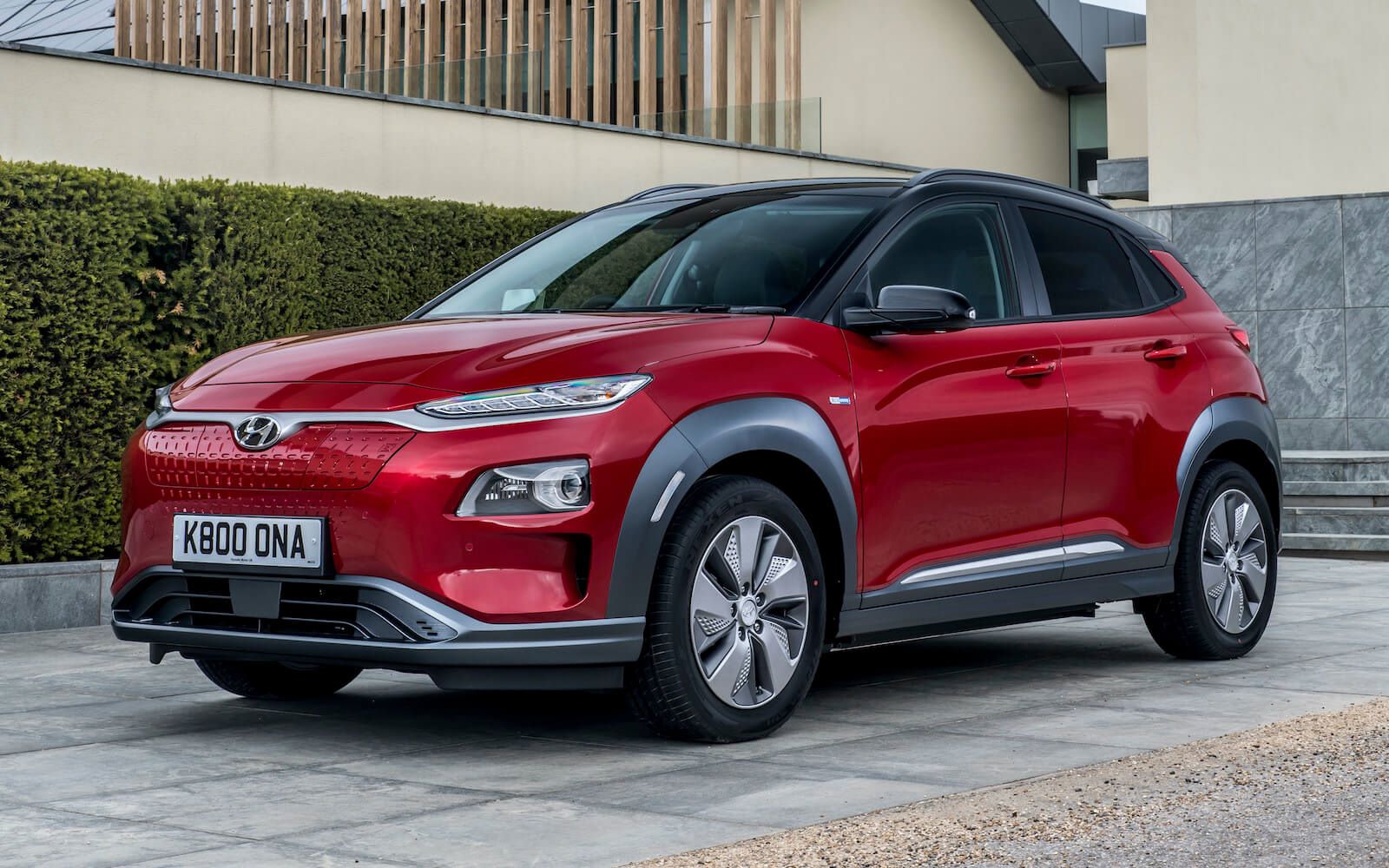
3. Hyundai Kona Electric
The Hyundai Kona Electric pairs the practicality of a compact SUV form with an electric powertrain that suits short daily trips exceptionally well. Its elevated driving position gives drivers a commanding view of the road, which is helpful for navigating urban streets and tight parking spots. This sense of visibility and control contributes to confidence when running errands and moving in slow-speed environments.
On brief journeys, the Kona Electric delivers immediate throttle response, which is pleasant when merging into local traffic or pulling out at intersections.
The weight distribution and chassis tuning help create a composed ride, even when roads are uneven or full of stops. Drivers who frequently travel short distances find that the Kona Electric’s stability and smooth power delivery reduce stress and make every trip feel effortless.
The regenerative braking system in the Kona Electric is tuned to be effective yet subtle, capturing energy without making the car’s behavior feel unpredictable around town. Many owners find that the balance between regen and conventional braking hits a sweet spot, enabling them to anticipate stops without constant pedal adjustments. This quality becomes especially important in short trip driving where frequent slowing and stopping are normal.
Interior comfort is another area where the Kona Electric shines for short drives. The seating materials and cushion design support passengers well, even during multiple short hops back to back. Climate control reacts quickly to temperature changes, so drivers and passengers don’t sit in a cold or hot cabin for long. This responsiveness contributes to a feeling of comfort that enhances everyday usability.
Another advantage for brief trips is the Kona Electric’s efficient battery and thermal management system. It helps preserve range when the car is started and stopped repeatedly, which could otherwise drain energy more quickly.
This efficiency means owners can focus less on monitoring their battery level and more on getting things done. For anyone with a routine of short local drives, the Kona Electric provides a harmonious blend of comfort, capability, and ease.
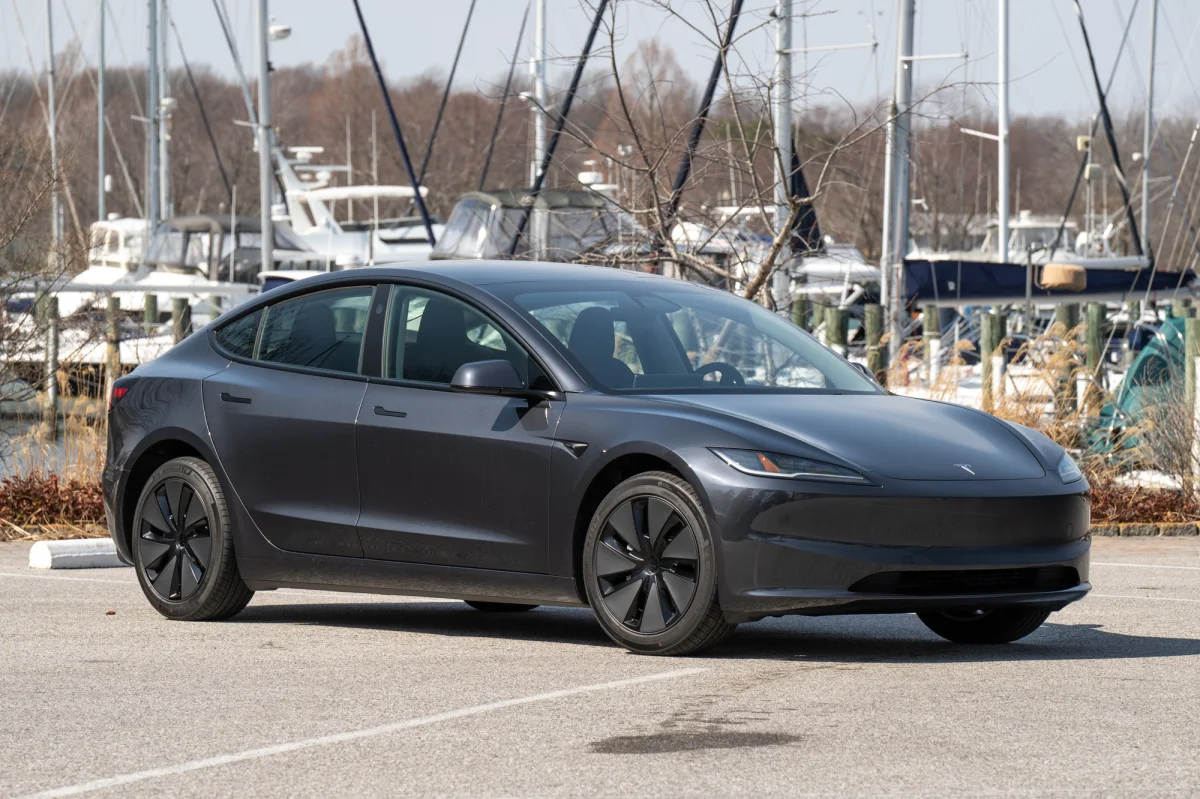
4. Tesla Model 3 Standard Range
The Tesla Model 3 Standard Range offers a compelling mix of technology and performance that suits short distance travel with flair and comfort. Its agile acceleration and seamless throttle response make it feel eager and alive on city streets. Drivers who make frequent short trips appreciate how effortlessly it reacts to throttle inputs, making starts and stops feel engaging rather than dull or strained.
Inside, the minimalist cabin and large touchscreen create an uncluttered environment that simplifies control and reduces distraction. When taking short trips, drivers find it easy to adjust settings, navigation destinations, and climate without fumbling through complex menus. The calm of the interior space helps focus attention on the road and makes local travel feel less taxing at the end of a long day.
Regenerative braking in the Model 3 is strong and customizable, letting drivers choose a level that suits their style. For many, the highest regen setting means slowing down feels efficient and smooth, capturing more energy and reducing use of the brake pads. On short trips with frequent deceleration, this results in a satisfying rhythm that enhances confidence rather than inducing frustration.
Another quality that makes the Model 3 suitable for shorter journeys is how quickly its cabin systems achieve comfortable temperatures. Whether it’s a chilly morning or a hot afternoon, the climate control responds swiftly, so neither driver nor passengers endure discomfort. This responsiveness matters when the car is used for quick errands or brief school runs, where only a few minutes can make a difference to comfort.
Range sufficiency for short trips is also in the Model 3 Standard Range. The vehicle offers more than enough capacity to handle multiple days of local driving without the need to recharge. Owners often comment that they only plug in overnight or on weekends, which makes operation feel convenient and stress-free.
For those whose daily driving consists largely of brief hops, the Model 3 Standard Range delivers performance, efficiency, and comfort that keep each outing enjoyable.
5. Kia Niro EV
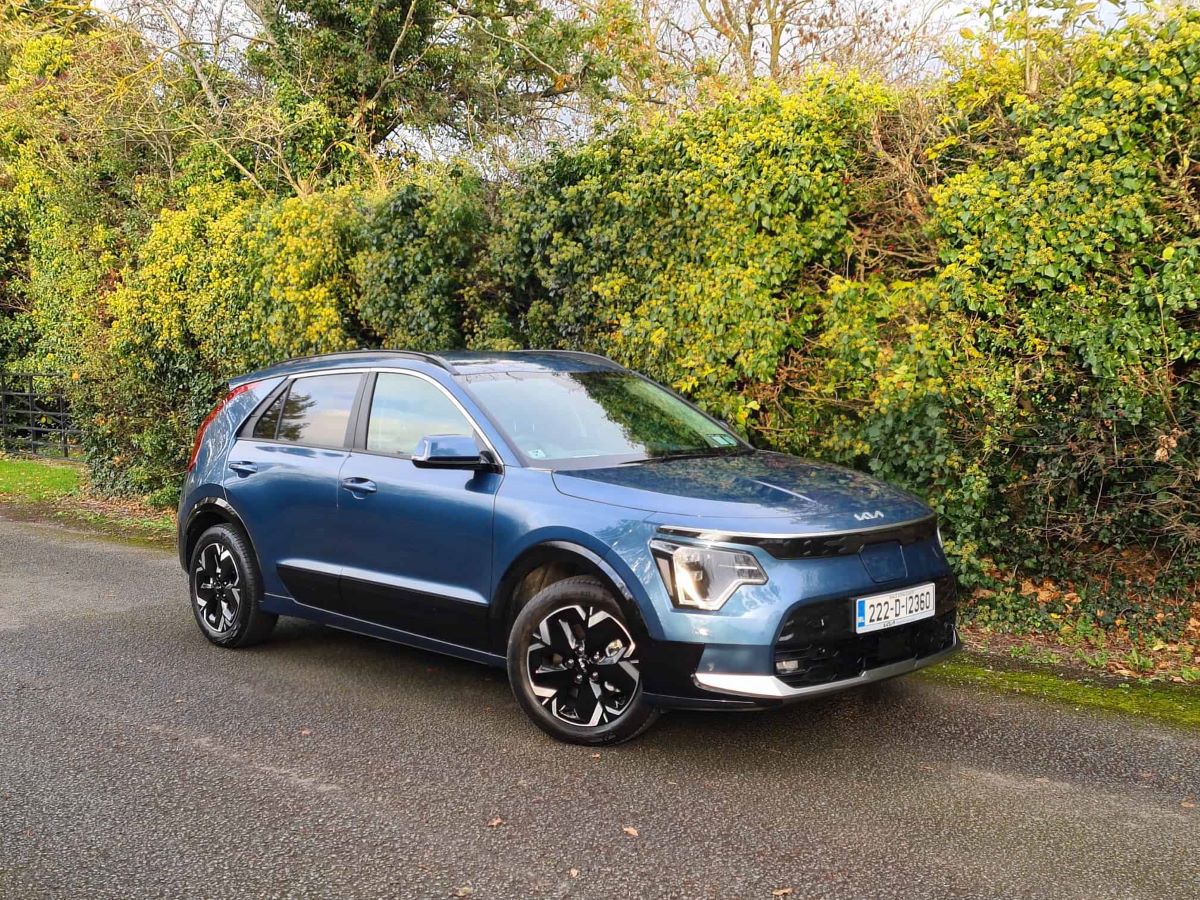
The Kia Niro EV integrates roomy interior space with electric performance that feels particularly well-suited to short errands, family pickups, and neighborhood drives.
It has a relaxed acceleration feel that nevertheless responds quickly enough for safe merging and turning in town traffic. Drivers enjoy a sense of control that feels natural on short distance travel, avoiding the twitchy nature that some sportier EVs can have at low speeds.
Comfort is a major strength of the Niro EV, with supportive seating and thoughtful ergonomics that make even repeated short trips pleasant. Families and commuters alike notice how easy it is to get in and out of the vehicle throughout the day, which is a quality often underappreciated until you experience it during regular use. The cabin’s layout and material quality make frequent driving feel less tiring.
The regenerative braking system in the Niro EV strikes a good balance between capturing energy and maintaining smooth deceleration. This helps drivers find a predictable pattern when slowing down for traffic lights or stop signs. For short journeys, this predictability means fewer jerky moments or abrupt stops that can make local driving feel frustrating rather than smooth.
Climate control efficiency is another area where the Niro EV holds up well under short-trip conditions. Quick cabin warm-up or cooling helps occupants feel comfortable right away, even if the drive only lasts a few minutes. This is especially helpful when running errands in varied weather, as the system doesn’t need prolonged operation to bring the cabin to a pleasant temperature.
Finally, the Niro EV’s practical range and efficient power management mean that owners can easily handle multiple short drives without frequent recharging. The battery’s performance stays stable when handling repeated starts and stops, which helps maintain peace of mind for drivers who rely on the car for daily local journeys. The Kia Niro EV combines comfort, capability, and usability that make it a solid choice for short-distance needs.
5 That Don’t
6. Jaguar I-PACE
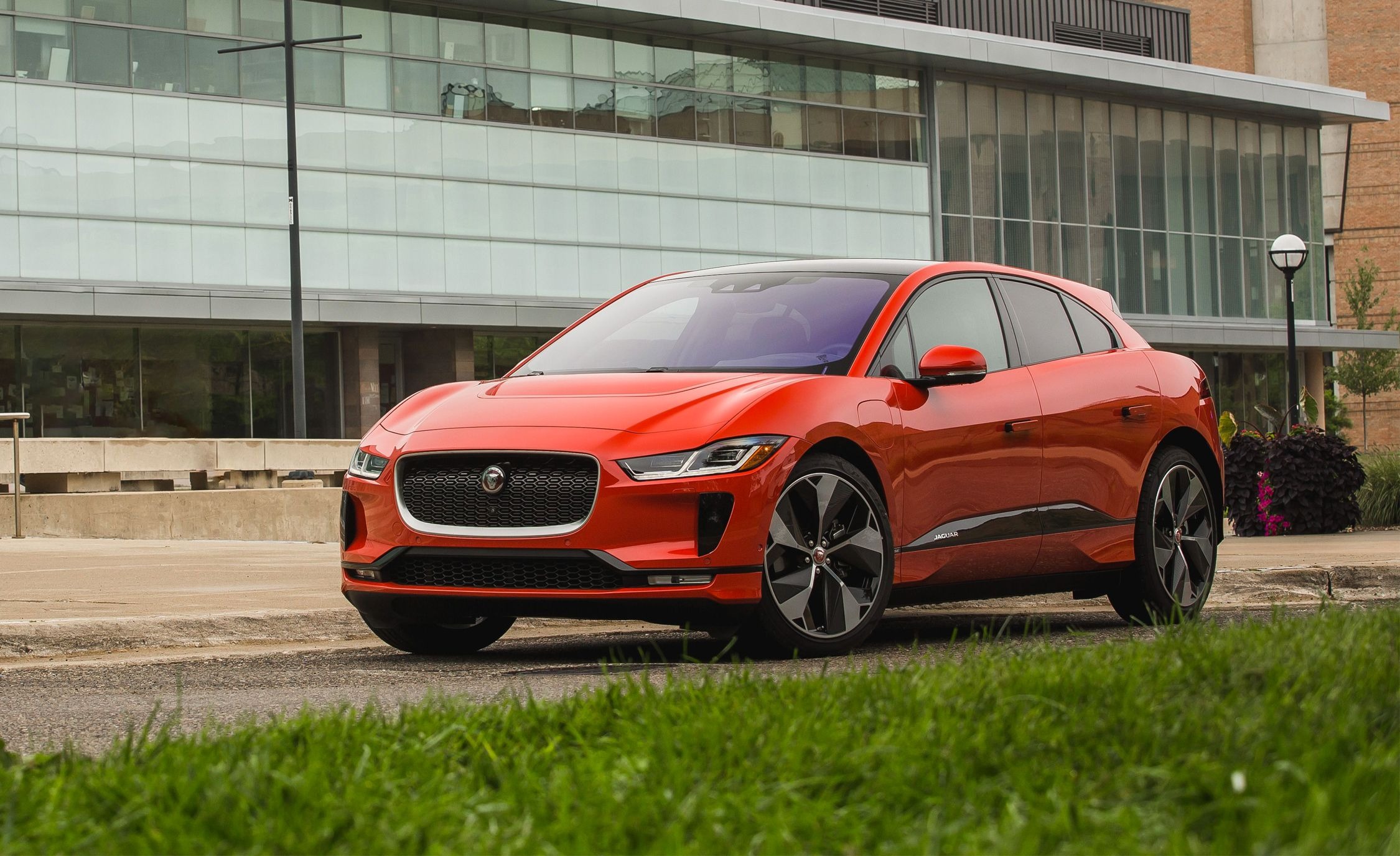
The Jaguar I-PACE is an impressive performance-oriented EV with strong highway manners, but its character can make it less than perfect for short urban journeys. The vehicle’s suspension and steering are tuned for athletic driving at higher speeds, which can feel overly firm and slightly overdone in stop-and-go city traffic. Drivers may find that what feels engaging on a highway feels busy and restless around town.
Because the I-PACE draws higher power levels even at low speeds, its energy usage during frequent short trips is not as efficient as many competitors.
Running multiple brief errands means the battery’s output cycles through heating, cooling, and propulsion demands without much recovery time. This contributes to a perception of reduced range and higher energy draw than expected for small distance use.
The cabin of the I-PACE, while luxurious, can also demand a lot from climate systems due to its high-end insulation and thermal mass. On short trips where the heater or air conditioner engages quickly, the battery sees a heavier load that could be better conserved. Owners who prioritize brief local use might feel that this system works against the goal of efficiency more often than it adds comfort.
Regenerative braking behavior in the I-PACE is strong, but the decision to tune it toward one-pedal driving can catch drivers off guard when navigating frequent stops. Some users report an abrupt or grabby feel that requires adaptation, which can be tiring in heavy traffic. This characteristic, while an advantage on open roads, becomes a point of friction on city streets with repeated stopping and starting.
Despite its many strengths at higher speeds and long distances, the Jaguar I-PACE’s combination of performance tuning, energy usage, and brake feel make it less intuitive for short trip drivers. Those whose routine is dominated by brief local journeys may find themselves wishing for a more relaxed, efficient setup. The I-PACE excels in many contexts, but local use is where its limitations become most noticeable.
7. Audi e-tron
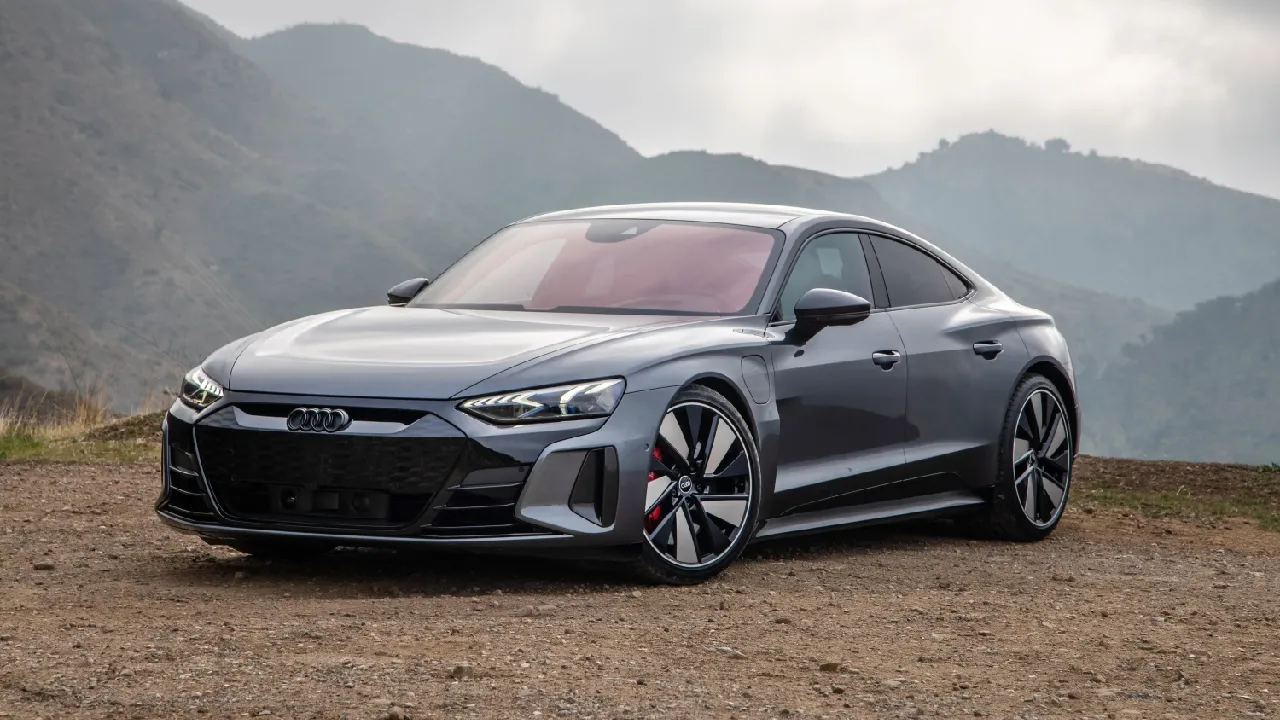
The Audi e-tron is a refined and comfortable electric SUV that feels composed at highway speeds, but it shows drawbacks when used primarily for short local travels.
The vehicle’s mass and luxury features require more energy to propel and maintain comfort during stop-and-go driving. When trips are consistently short, this additional energy demand can make efficiency suffer compared to lighter and more urban-oriented EVs.
In urban streets, the e-tron’s steering and suspension tune toward a planted feeling that is admirable at speed but can feel heavy in tight corners and congested traffic. Drivers who make frequent short journeys often mention that maneuvering the SUV in crowded environments requires more effort than they expected. This is not a deal breaker, but it does contrast with vehicles that feel nimble and light around town.
The climate control system in the Audi e-tron is powerful, but its energy draw is noticeable during short bursts of travel. Repeated starts and stops, combined with heating or cooling demands, mean the battery is working hard to maintain cabin comfort even when the trip distance is minimal. For drivers prioritizing efficiency on brief errands, this can feel like wasted energy that reduces actual driving range.
Regenerative braking in the e-tron is effective but does not always deliver a smooth or intuitive feel at lower speeds. In situations where drivers want to slow down gradually, the system can feel sudden or inconsistent, requiring frequent pedal inputs to maintain desired deceleration. This makes city driving feel more taxing than it needs to be for people who prefer a relaxed approach to local travel.
While it remains spacious, luxurious, and enjoyable on long drives, its behavior in frequent brief usage patterns can lead to less satisfaction. Drivers who spend most of their time on short urban journeys might want an electric vehicle that feels lighter on its feet and more efficient in everyday conditions.
8. Ford Mustang Mach-E Extended Range
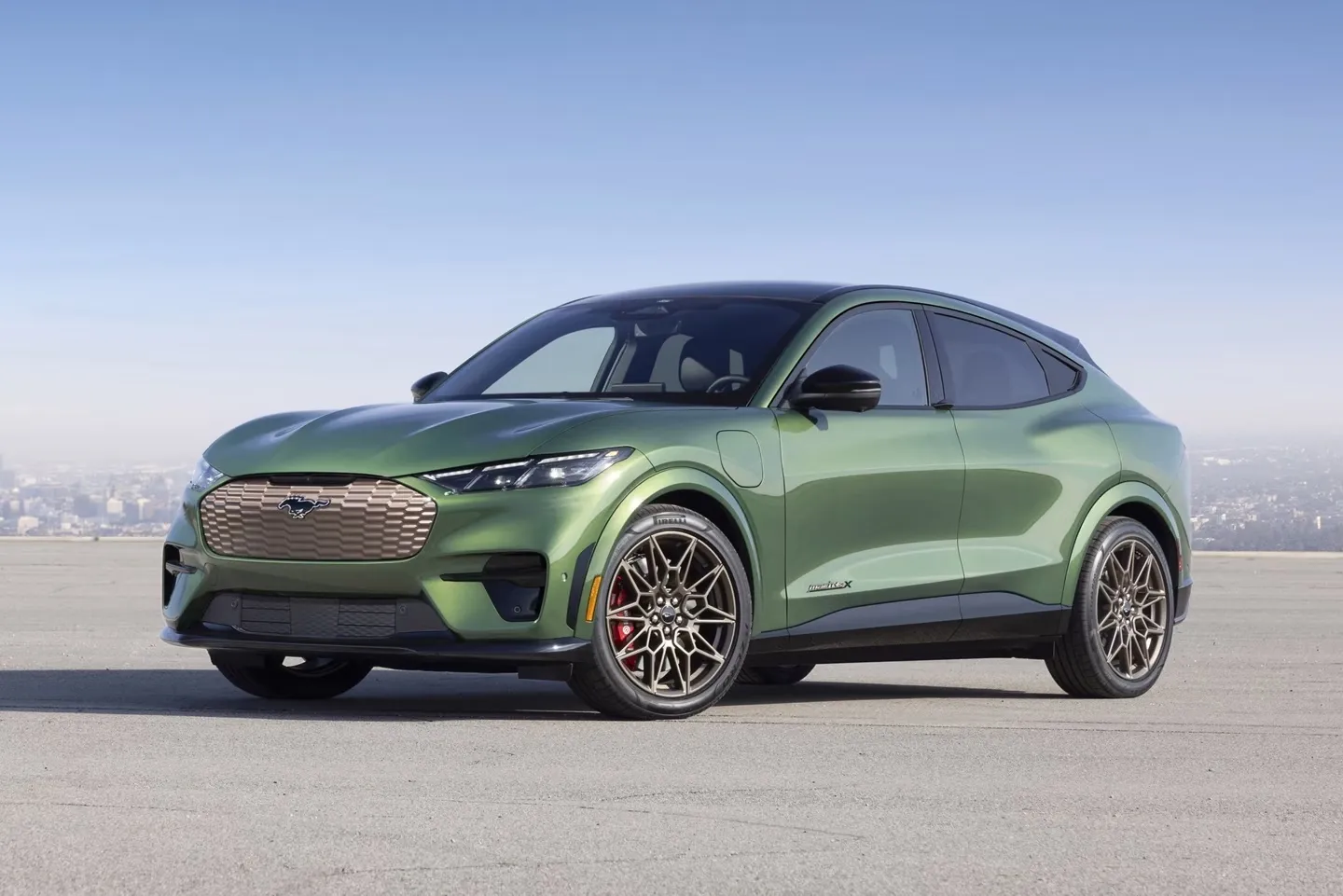
The Ford Mustang Mach-E with the Extended Range battery offers long-distance capability and spirited performance, but its configuration can be less suited for short local travel.
The larger battery and performance-biased setup mean that the car feels heavier and less agile at city speeds. Drivers who make consistent short trips may notice that the Mach-E’s responses feel overpowered for low-speed needs, creating a disconnect between intent and delivery.
In daily stop-and-go traffic, the Mach-E’s throttle mapping can feel abrupt, especially in sportier drive modes that favor sharper response. While this trait may be thrilling on open roads, it can feel out of place in neighborhood streets or parking lot maneuvers. Adjusting to a calmer drive mode helps, but the inherent tuning still favors performance over relaxed city operation.
Interior climate demands also draw significantly on the battery during short drives, particularly when heating or cooling is required. Because the Mach-E’s comfortable cabin quickly reaches set temperatures, the initial energy usage spikes and then stabilizes, which can feel inefficient for brief journeys. Over multiple short trips in a day, this pattern may contribute to a perception of reduced range versus expectation.
The regenerative braking setup in the Mach-E is strong, but some drivers find its one-pedal feel inconsistent when slowing for repeated stops. This leads to frequent adjustments on the brake pedal to achieve smooth deceleration in dense traffic. For drivers who want a predictable and relaxed feel around town, this dynamic can be a source of irritation rather than ease.
While the Mustang Mach-E Extended Range is an appealing electric SUV for many reasons, its tuning and energy demands make it less than optimal for those whose primary use is short daily travel.
Its strengths lie in range and performance, which shine most on longer drives, whereas frequent brief trips expose traits that may feel less efficient, less refined, and somewhat misaligned with local driving needs.
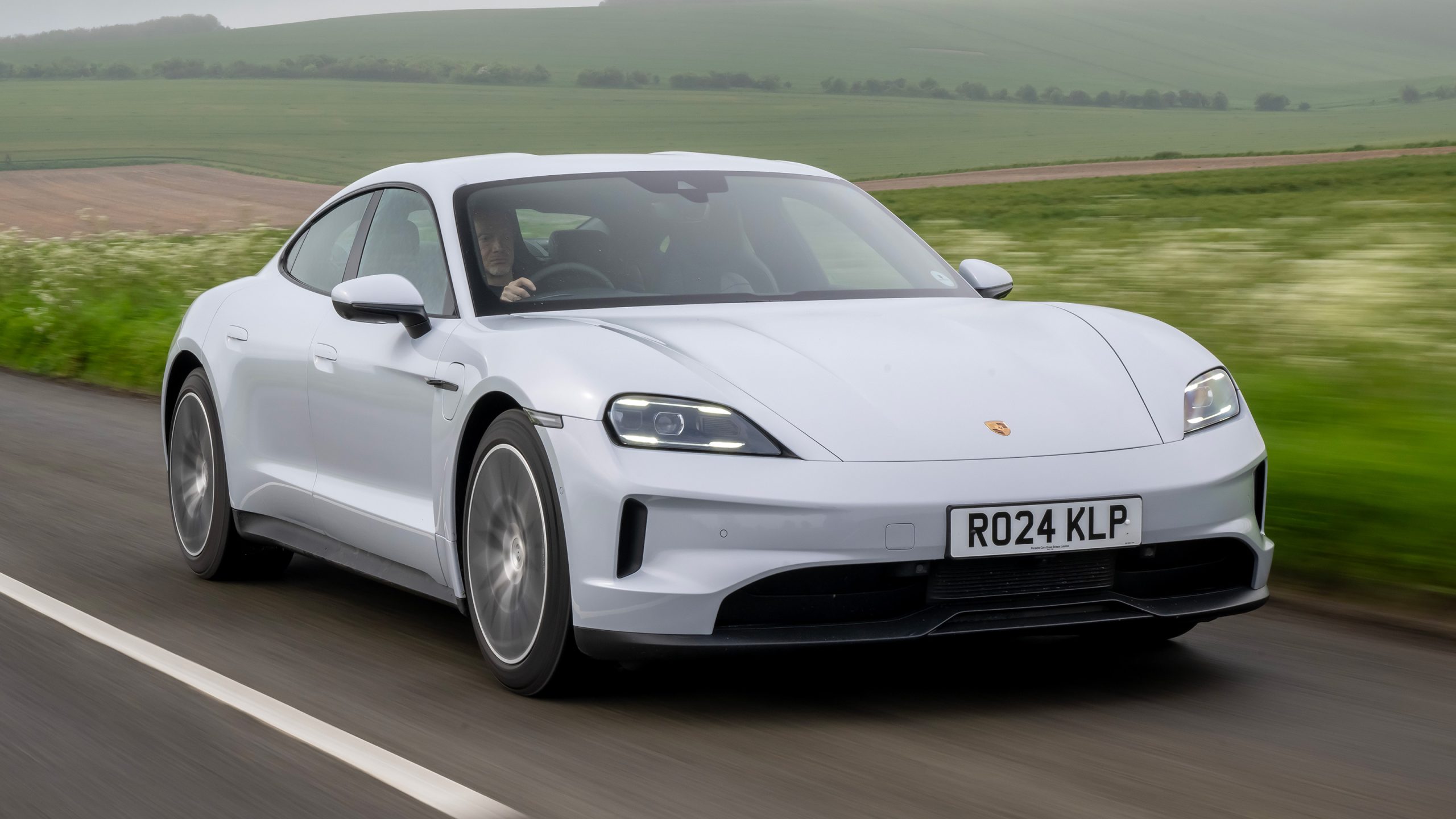
9. Porsche Taycan
The Porsche Taycan is an electric car designed with performance at its core, offering exhilarating acceleration and sharp handling that appeals to driving enthusiasts. Unfortunately for drivers focused on short daily journeys, these performance characteristics can work against it in city conditions.
The firm suspension that enhances road feel at speed can transmit every bump and crack during slow maneuvers, making local driving feel less comfortable.
The Taycan’s powerful battery and cooling systems are calibrated for sustained performance, which means energy is consumed readily even at lower speeds. On multiple short trips throughout the day, this can seem wasteful compared to EVs that prioritize efficiency over output. Drivers quickly notice that range numbers drop faster than expected when city travel is heavy with starts and stops.
Climate control in the Taycan is extremely capable, but its energy draw is significant, especially when set to quickly adjust cabin temperatures. In short distance use, this upfront consumption eats into available energy reserves before the actual driving even begins. For people who run errands or commute short distances, this situation can feel frustrating because the battery appears to deplete at an unnatural pace for the trip length.
The regenerative braking system in the Taycan is configured to complement its dynamic character, which can feel aggressive when used around town. Slowing down from moderate city speeds may produce stronger-than-expected deceleration feedback, requiring careful foot modulation. While this is acceptable on winding roads or highways, it becomes a nuisance when repeated often in urban environments.
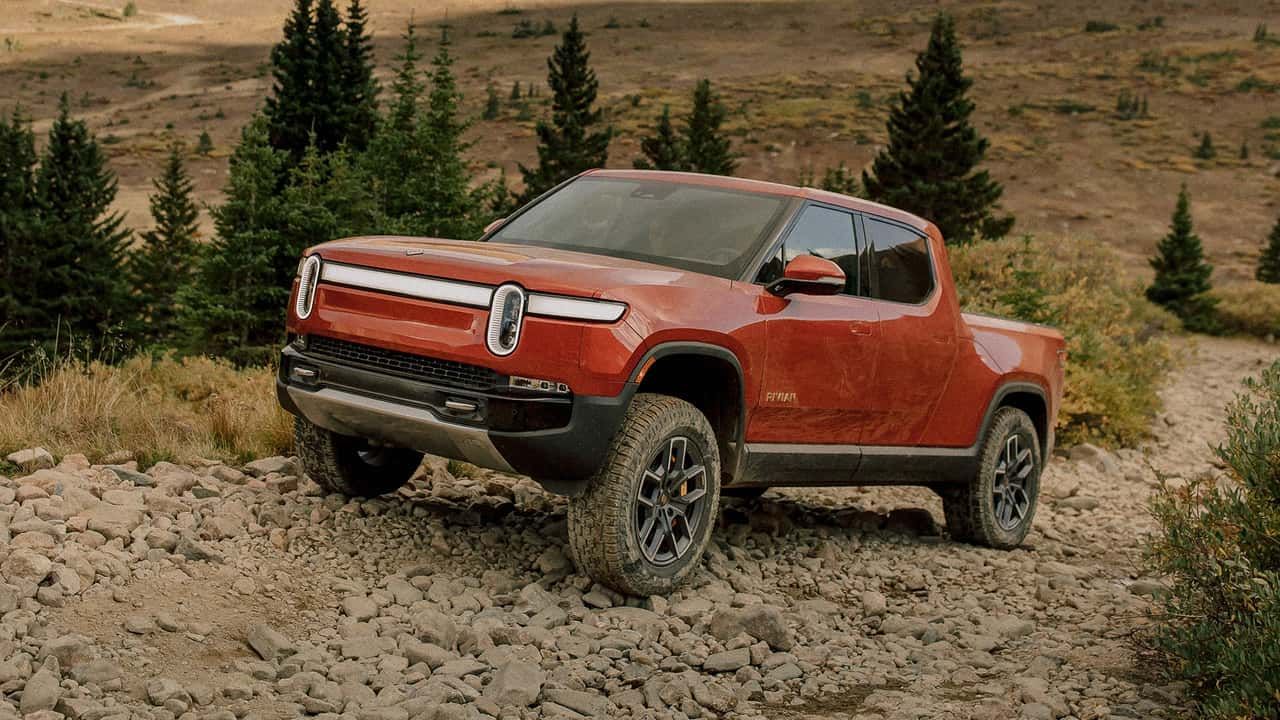
10. Rivian R1T
The Rivian R1T is an innovative electric truck with rugged capability and serious off-road potential, but its size and design priorities make it less than ideal for short, frequent local drives. The sheer mass of the vehicle means that even small movements require considerable energy, which becomes apparent in stop-and-go traffic. Drivers may feel that the R1T demands more effort and energy just to get started than smaller, lighter EVs.
Its suspension system is designed to handle uneven terrain and heavy loads, which is commendable off the beaten path. However, on city streets and tight parking areas, this setup can feel overly soft or floaty, making precise maneuvers more difficult than they need to be. Frequent low-speed driving reveals this trait clearly, and some drivers report an uneasy feeling when navigating crowded urban areas.
The truck’s climate systems, built to condition a larger cabin and potential cargo area, draw moderately high energy even on short trips. Repeated heating or cooling cycles can detract from the available range, especially when only covering a few miles at a time. For those whose priority is daily errands or brief commutes, this pattern of energy use can feel disproportionately high.
Regenerative braking in the R1T is strong, but its feel is tuned more for capturing energy on longer declines rather than gentle city deceleration. As a result, slowing from moderate local speeds may feel abrupt or require frequent pedal adjustments. This dynamic detracts from the relaxed feel that many drivers prefer during short distance use.