Seattle driving has its own personality, and much of that personality comes from water. Wet pavement is not an occasional issue here. It is a routine part of daily commuting.
Intersections in particular become a traction test because that is where you combine the worst conditions at once: polished road surfaces, painted lane markings, metal plates, puddles, and constant stop-and-go movement.
Add in Seattle’s hills, turning lanes, and frequent rain, and you get a city where traction confidence matters more than many drivers realize. A car that feels fine in dry weather can suddenly feel nervous and slippery when pulling away from a wet intersection or turning through a slick junction.
Cars that handle Seattle’s wet intersections well usually share a few key strengths. They deliver smooth throttle control so power doesn’t overwhelm the tires when the road is wet. They have strong traction control systems that step in gently without shocking the driver.
They also tend to have stable chassis balance and predictable steering, which matters when you’re turning through an intersection that feels glossy from rainfall. In many cases, all-wheel drive helps, but it’s not the only factor. Tire choice, weight distribution, and power delivery are just as important.
On the other side are cars with traction complaints. These vehicles often feel twitchy or unstable on wet pavement. Some struggle because of strong torque hitting the front wheels, causing wheelspin at stops.
Others have less refined traction control tuning, making the car surge or hesitate awkwardly. Some are simply too light in the wrong areas, leading to less tire grip on slick surfaces. In Seattle, those weaknesses become obvious quickly because wet roads are frequent.
This article compares two groups: five cars that handle Seattle’s wet intersections with confidence and five that commonly receive traction complaints in wet conditions. The goal is practical.
A car that feels secure at wet intersections improves safety, reduces stress, and makes Seattle driving feel normal instead of tense. If you commute in Seattle, traction confidence is not a luxury. It is a daily need.
Also Read: 5 Vehicles That Make Sense in Downtown Chicago vs 5 That Wear Out Faster
5 Cars That Handle Seattle’s Wet Intersections
Seattle’s wet intersections are a real-world traction test. Rain doesn’t just make roads wet, it changes how drivers feel at every stop sign, red light, and turning lane. The most slippery moments often happen at intersections because water mixes with oil residue and creates a surface that feels polished.
Painted crosswalk stripes, lane markings, and reflective road paint reduce grip further. When you combine this with hills and frequent turns, Seattle intersections can surprise even experienced drivers. That’s why some cars feel calm and confident here while others feel nervous and unpredictable.
Cars that handle these intersections well are not always the most powerful. In fact, too much power delivered too quickly can make traction worse. What matters more is control.
A great Seattle wet-intersection car delivers smooth torque, predictable throttle response, and traction systems that help without feeling intrusive.
It should also feel stable during turning, because wet traction is not only about going straight. It is also about turning safely through junctions, especially when puddles are present and road markings are slick.
All-wheel drive is an advantage in Seattle, but it is not magic. Some front-wheel drive cars handle wet intersections well because their power delivery is gentle and their weight distribution helps grip.
Still, AWD often provides extra confidence when pulling away from stops on wet hills. Another key factor is braking stability. In wet intersections, sudden braking can cause slip. Cars that feel stable under braking reduce anxiety and improve safety.
I’m writing about these five cars because they represent vehicles that typically provide strong traction confidence in wet conditions, especially in the kind of stop-and-go city driving Seattle drivers experience daily.
These cars don’t make wet intersections feel like a gamble. They make them feel manageable. The models below offer a mix of AWD capability, stable road behavior, refined traction control, and smooth low-speed power delivery.
If you live in Seattle and want less stress on rainy commutes, these are the kinds of cars that make wet intersections feel predictable instead of slippery.
1. Subaru Outback
The Subaru Outback is almost tailor-made for Seattle wet driving, and intersections are where it proves its value. The Outback’s all-wheel drive system gives it strong traction when pulling away from wet stops, especially on hills.
In Seattle, that matters because many intersections combine incline, turning, and slick paint markings. The Outback feels steady in those situations, reducing wheelspin and helping the driver move smoothly into traffic.
I’m writing about the Outback here because it represents confidence, not drama. The Outback doesn’t shoot forward aggressively.
It delivers power in a controlled way, which is ideal on wet pavement. Throttle response is predictable, so you don’t accidentally overwhelm the tires. When the road is glossy and slippery, predictable response is worth more than raw speed.
Stability during turns is another key strength. Wet intersections often involve turning while crossing paint strips or metal plates. The Outback stays composed, and the AWD system helps maintain grip.
Traction control tuning is also refined enough that it supports the driver without feeling jerky. You don’t feel sudden power cuts that create awkward movement. Instead, the vehicle keeps traction quietly in the background.
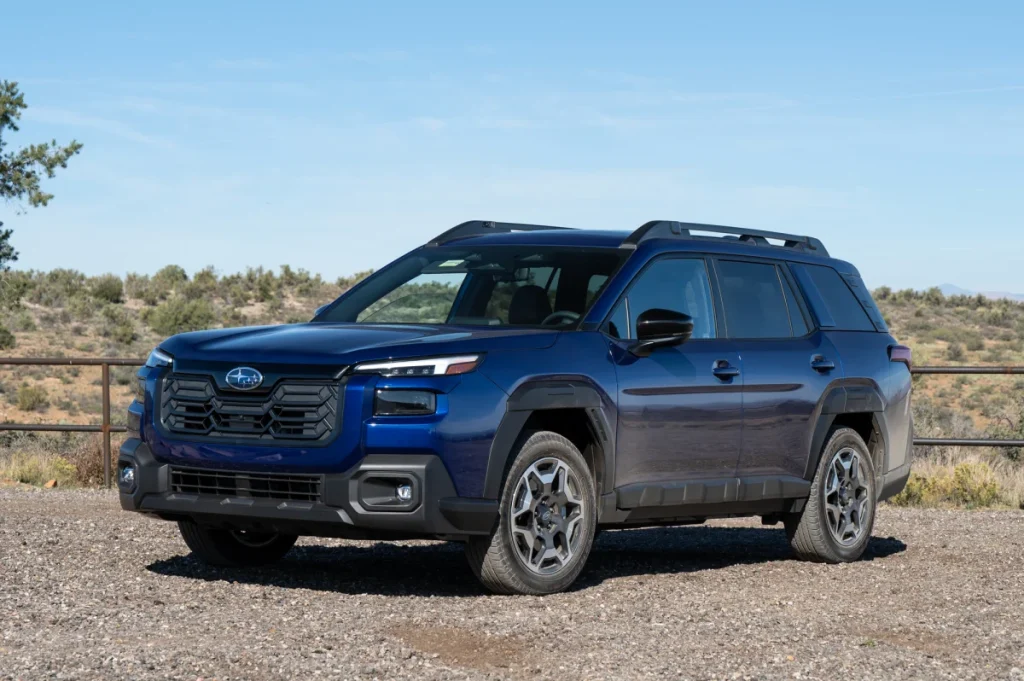
Ride height and visibility also help. In heavy rain, seeing road conditions clearly matters. The Outback’s seating position makes it easier to judge puddles and slippery spots.
It feels like a vehicle built for wet environments, which is why it consistently earns trust in places like Seattle. Overall, the Outback handles wet intersections with calm authority. It doesn’t make you tense. It makes you feel prepared.
2. Subaru Crosstrek
The Subaru Crosstrek is another Seattle-friendly option because it combines compact city size with strong wet traction.
Its AWD system helps it pull away smoothly at wet intersections, and its smaller footprint makes it easy to maneuver on crowded city streets. This balance is valuable in Seattle where roads can be narrow and traffic patterns change quickly.
I’m writing about the Crosstrek because wet intersection confidence should not require a large vehicle. Many Seattle drivers want something manageable for city life. The Crosstrek delivers that while still giving AWD traction. When the road is wet and slick, it helps prevent front wheel spin and gives smoother launches.
The Crosstrek’s controlled power delivery also matters. It does not overwhelm the tires, which is important on wet painted lines and slippery road patches. The vehicle feels predictable when you press the accelerator. This predictability makes merging through wet junctions safer and less stressful.
Another reason it handles wet intersections well is its stability. The Crosstrek feels planted at lower speeds, and steering response is steady rather than twitchy.
That helps when you turn through wet intersections and the road surface changes. The Crosstrek also benefits from good visibility, which helps drivers see slippery patterns and water pooling areas earlier.
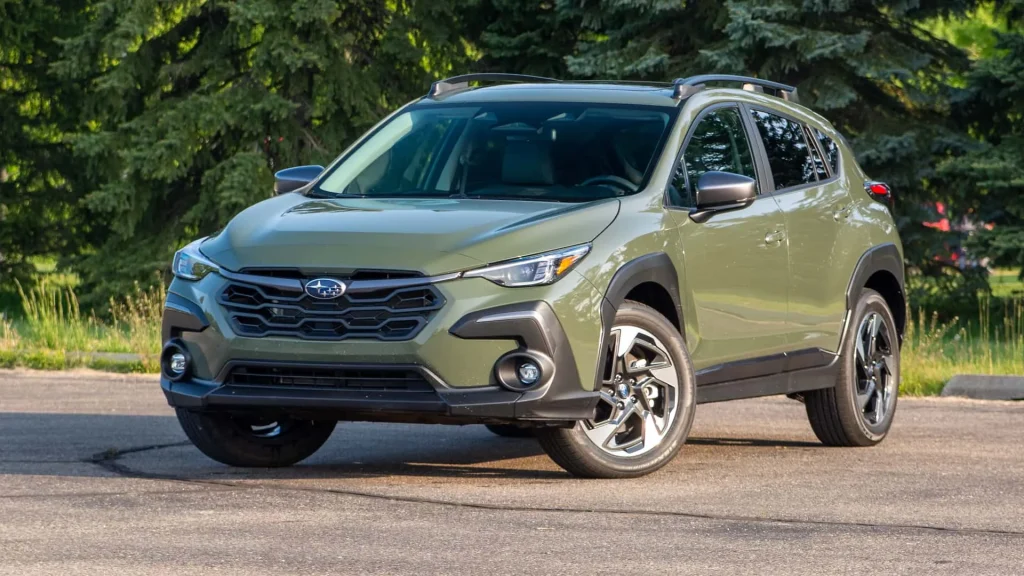
The Crosstrek belongs in this list because it gives Seattle commuters a strong combination: compact urban size plus AWD confidence. It reduces the worry of wheelspin, slipping, and nervous turning, turning wet intersections into something you handle calmly rather than fear.
3. Toyota RAV4 AWD
The Toyota RAV4 with AWD handles Seattle wet intersections well because it offers stable traction, a confident driving position, and predictable control. Many Seattle drivers choose crossovers for visibility and everyday practicality, but traction performance is where the RAV4 earns its place in wet city driving.
I’m writing about the RAV4 AWD because intersections in rain are about smooth launching and stable turning. The RAV4’s AWD system helps reduce wheelspin when pulling away, particularly on wet hills.
That matters because front-wheel spin at intersections can cause hesitation and unsafe merging. With the RAV4 AWD, movement feels calmer and more controlled.
The RAV4 also delivers predictable throttle response. Some vehicles feel jumpy when you apply power, which makes wet driving harder. The RAV4 feels manageable, allowing drivers to apply power gradually. Traction control behavior also tends to be smooth, helping the vehicle maintain grip without creating sudden jerks.
Stability during braking and turning is another advantage. Wet Seattle intersections often require quick braking for pedestrians. The RAV4 remains composed during these moments, which improves driver confidence. It also handles puddles and uneven wet pavement without feeling unstable.
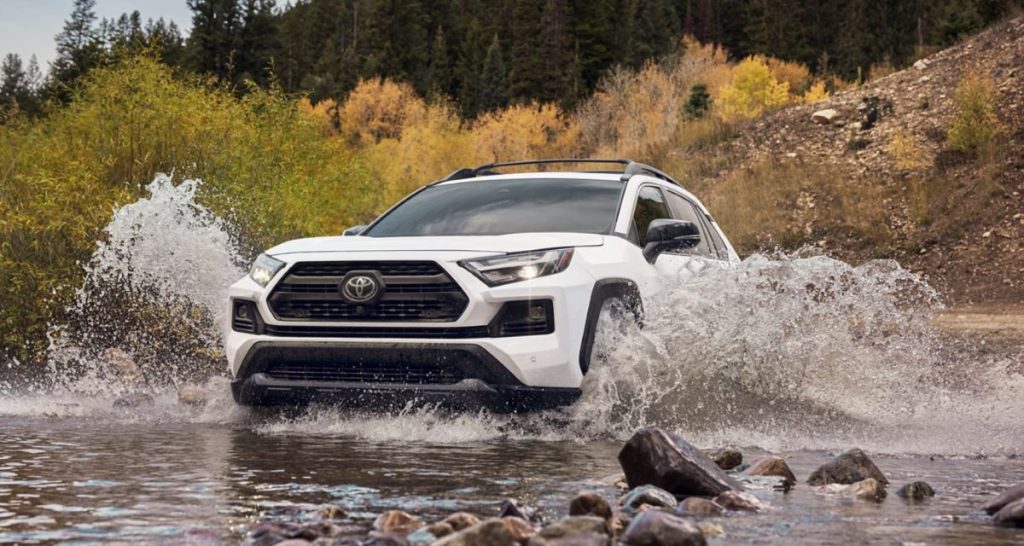
The RAV4 AWD belongs on this list because it fits Seattle daily life. It combines practical crossover usefulness with a traction setup that performs well in wet stop-and-go conditions. For commuters crossing slick junctions daily, it offers calm predictability, which is exactly what wet intersection driving demands.
4. Honda CR-V AWD
The Honda CR-V with AWD handles Seattle wet intersections well because it delivers balanced traction and smooth daily driving behavior. It’s not designed to be aggressive. It’s designed to be controlled. That controlled nature is exactly what Seattle wet intersections require.
I’m writing about the CR-V AWD because confidence in rain comes from smoothness. The CR-V’s throttle response feels refined, reducing sudden wheelspin when pulling away. AWD adds extra grip support, especially on uphill intersections. In Seattle, that grip can make the difference between a smooth launch and a nervous slip.
The CR-V’s stability during turns is also strong. Wet intersections often involve turning while crossing painted lines, which can reduce grip.
The CR-V stays composed and predictable, which helps drivers turn with confidence. Traction control doesn’t feel harsh. It feels supportive, keeping the car steady without making movement awkward.
Another important factor is visibility. In heavy rain, seeing clearly matters. The CR-V’s seating position helps drivers monitor cross traffic, pedestrians, and puddle areas. This improves safety because the driver has more awareness.
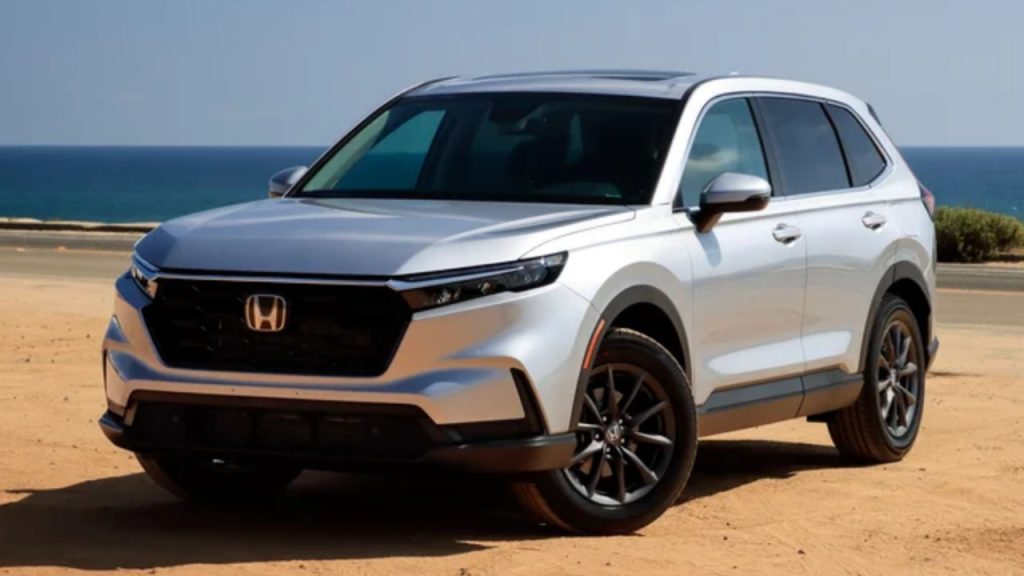
The CR-V AWD belongs here because it feels like a natural Seattle commuter vehicle. It handles wet intersections without drama, reduces stress in rain, and offers smooth low-speed behavior. For drivers who want a practical crossover that performs confidently in Seattle wet conditions, the CR-V is a strong choice.
5. Mazda CX-5 AWD
The Mazda CX-5 with AWD is a strong choice for Seattle wet intersections because it combines stable handling with refined control.
In wet conditions, the CX-5 feels planted and composed, which makes it easier to manage slick road surfaces at intersections. It also delivers a driving feel that encourages smoothness, which naturally improves wet traction.
I’m writing about the CX-5 because wet traction is not only about AWD, it’s about control and stability. The CX-5 has steering and chassis tuning that feels confident. When you turn through wet intersections, it doesn’t feel floaty or uncertain. It feels solid. That solidity helps drivers feel calm in rain.
The AWD system provides extra grip support for launching from wet stops, especially on slight hills. But the CX-5’s real strength is balance. It doesn’t feel like it surges or hesitates awkwardly when traction control activates. The intervention feels smooth, which keeps the driving experience predictable.
Visibility and ride comfort also help. Seattle roads can be wet and uneven. The CX-5 absorbs those conditions well without feeling unstable. That stability becomes valuable at intersections, where puddles and road markings can create sudden traction changes.
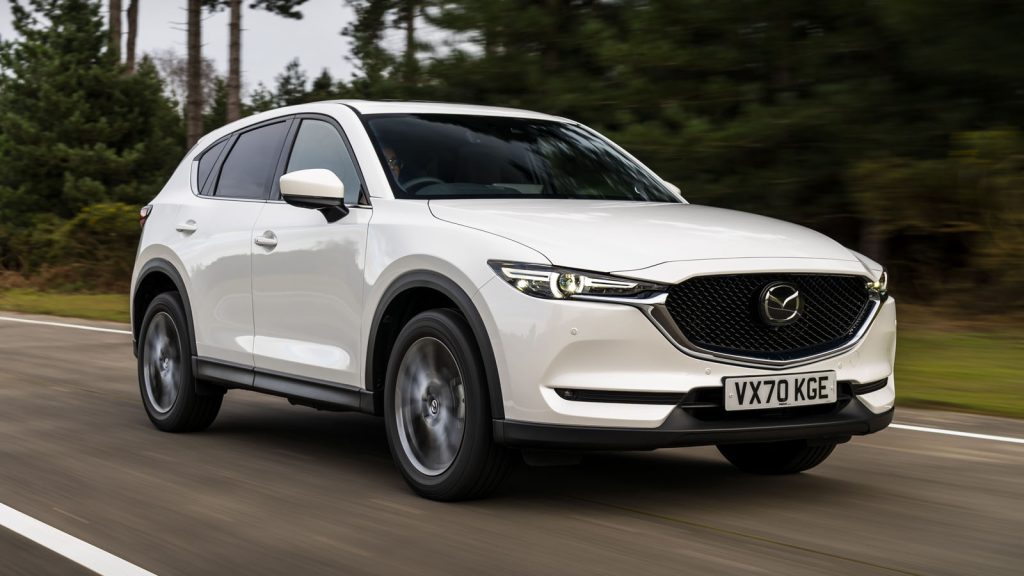
The CX-5 AWD earns a place because it feels confident and controlled in rain-heavy daily driving. It handles Seattle’s wet intersections as a routine challenge, not a stressful one. For drivers who want a crossover that feels stable, refined, and secure in slick conditions, it fits perfectly.
5 Cars With Traction Complaints
In Seattle, traction complaints don’t usually come from dramatic snowstorms. They come from everyday rain. Wet intersections are where many drivers notice problems first, because those spots combine slick pavement, oil residue, painted markings, puddles, and constant stop-and-go movement.
In this setting, traction confidence matters more than raw horsepower. A car can be fast, stylish, or efficient, but still receive traction complaints if it struggles to launch smoothly from wet stops or feels unstable when turning across slippery markings.
Seattle drivers often describe these issues as wheelspin, fishtailing, nervous acceleration, or a car that feels like it “hunts for grip” when the road is wet.
Traction complaints often come from predictable design traits. One common cause is strong torque delivered through the front wheels. Front-wheel drive cars can be excellent in many conditions, but when torque is high and the road is wet, the front tires can spin easily at intersections.
Another cause is traction control tuning that feels abrupt. Instead of helping smoothly, it may cut power harshly, making the vehicle surge or hesitate. Light cars can also struggle because they don’t press tires into the road as strongly, reducing grip.
Tire choice matters too. Some vehicles come with sporty low-profile tyres that prioritize dry handling but perform poorly in rain. Seattle’s wet pavement punishes that.
I’m writing about these five cars because they reflect common traction complaint patterns in rain-heavy areas. This doesn’t mean every owner will experience problems, and it doesn’t mean these cars are unsafe.
Many are perfectly capable when driven carefully and equipped with good tires. But as vehicles, they are more likely to feel nervous at wet intersections compared to cars that are built around traction confidence.
For Seattle commuters, this matters because the problem repeats daily. If the car feels slippery every time you stop at a wet light, it becomes stressful.
This list highlights models that commonly receive traction complaints in wet conditions, so buyers can make more informed decisions and avoid daily frustration on Seattle’s rain-soaked streets.
1. Nissan Leaf (older models, front-wheel traction limits)
Older Nissan Leaf models often receive traction complaints in wet conditions, particularly at intersections, because they combine front-wheel drive with instant electric torque.
EV torque is great for responsiveness, but on wet pavement it can overwhelm the front tires quickly, especially when the driver accelerates from a stop. In Seattle, where wet intersections are common, this behavior becomes noticeable.
I’m writing about the older Leaf here because it demonstrates how EV torque can create traction problems if control systems and tire grip aren’t perfectly matched.
When the road is slick and the driver pulls away from a red light, the Leaf can spin the front tires more easily than expected. This doesn’t mean it is dangerous by design, but it can feel unsettling and cause drivers to hesitate.
Another issue is weight distribution. Many front-wheel drive cars rely on front weight for traction, which helps. But in wet Seattle conditions, the Leaf’s immediate torque delivery can still break grip.
Drivers may describe this as a sudden chirp, a spin, or a moment where the car feels like it “scrambles.” If traction control responds abruptly, it can create a jerky launch rather than a smooth one, which adds to the complaint pattern.
Tire choice plays a major role here. Many traction complaints become worse when tires are worn or not optimized for wet grip. Seattle’s constant moisture punishes tires quickly. A Leaf with average tires may feel more slippery than drivers expect.
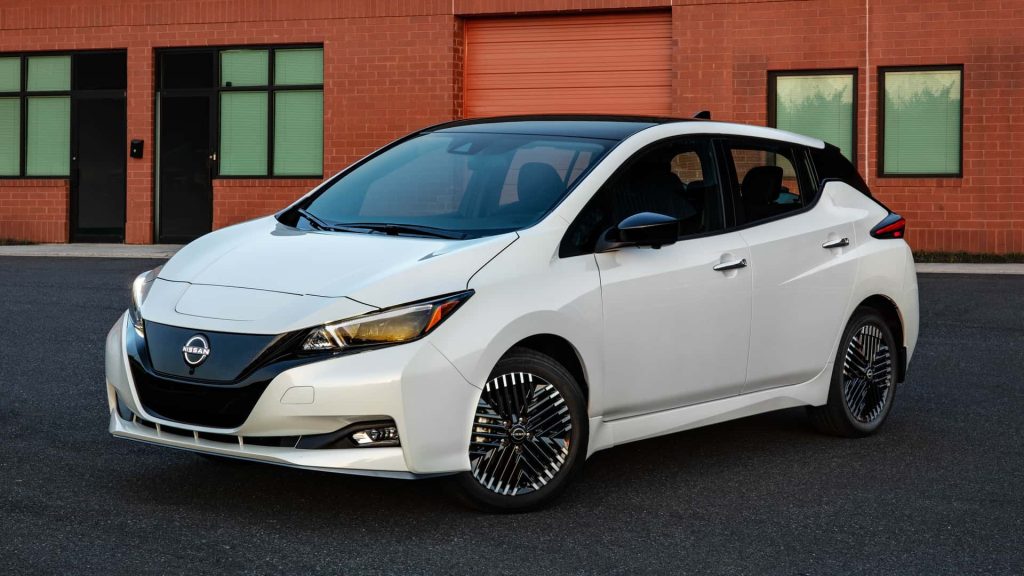
The Leaf belongs on this list not because EVs are bad in rain, but because older Leaf models can be more likely to feel front-wheel traction limits in wet intersection launches. With careful driving and proper tires, the issue improves, but Seattle drivers often notice the traction weakness more than they expected.
2. Chevrolet Bolt EV (wheelspin complaints in wet starts)
The Chevrolet Bolt EV is a strong city EV, but it has a known tendency to receive traction complaints in wet conditions because it is front-wheel drive with strong instant torque.
Like many EVs, it responds immediately when you press the pedal. On dry pavement, that feels great. On Seattle wet intersections, it can lead to wheelspin and a sense that traction is easy to break.
I’m writing about the Bolt EV here because it highlights a common EV city problem: too much torque at the front wheels in rain. When you pull away from a light, the front tires can spin if you accelerate normally. Drivers may feel the car tug slightly or hear the tires slip. This creates the impression of low grip, even though the car is stable once moving.
Another factor is that Seattle intersections often include painted lines and crosswalk stripes, which are slippery in rain. The Bolt’s torque hitting those stripes can cause momentary spin.
Traction control steps in, but depending on the surface, it may feel slightly abrupt. That abruptness can make the launch feel less smooth, which leads to more complaints.
The Bolt EV is lightweight compared to many EVs, which helps agility but can reduce tire loading in certain situations. Less tire loading can mean easier wheelspin on wet surfaces. Again, tire selection matters hugely. A Bolt with better wet-grip tires can behave far more confidently.
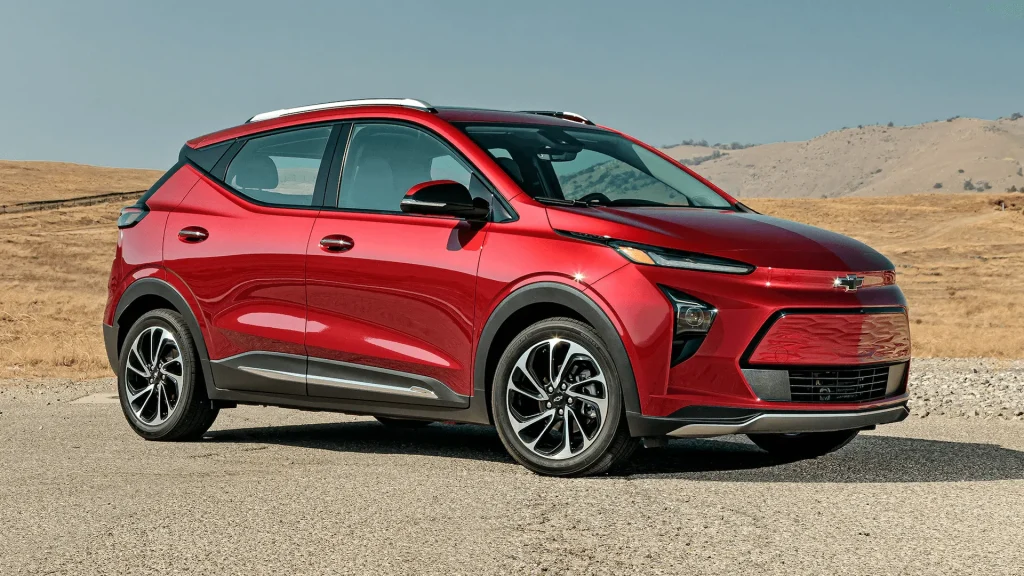
The Bolt EV belongs in this category because many drivers notice traction limits on wet starts. It is still an excellent urban EV, but in Seattle rain, it can feel like it needs gentler throttle control and good tires to avoid wheelspin complaints.
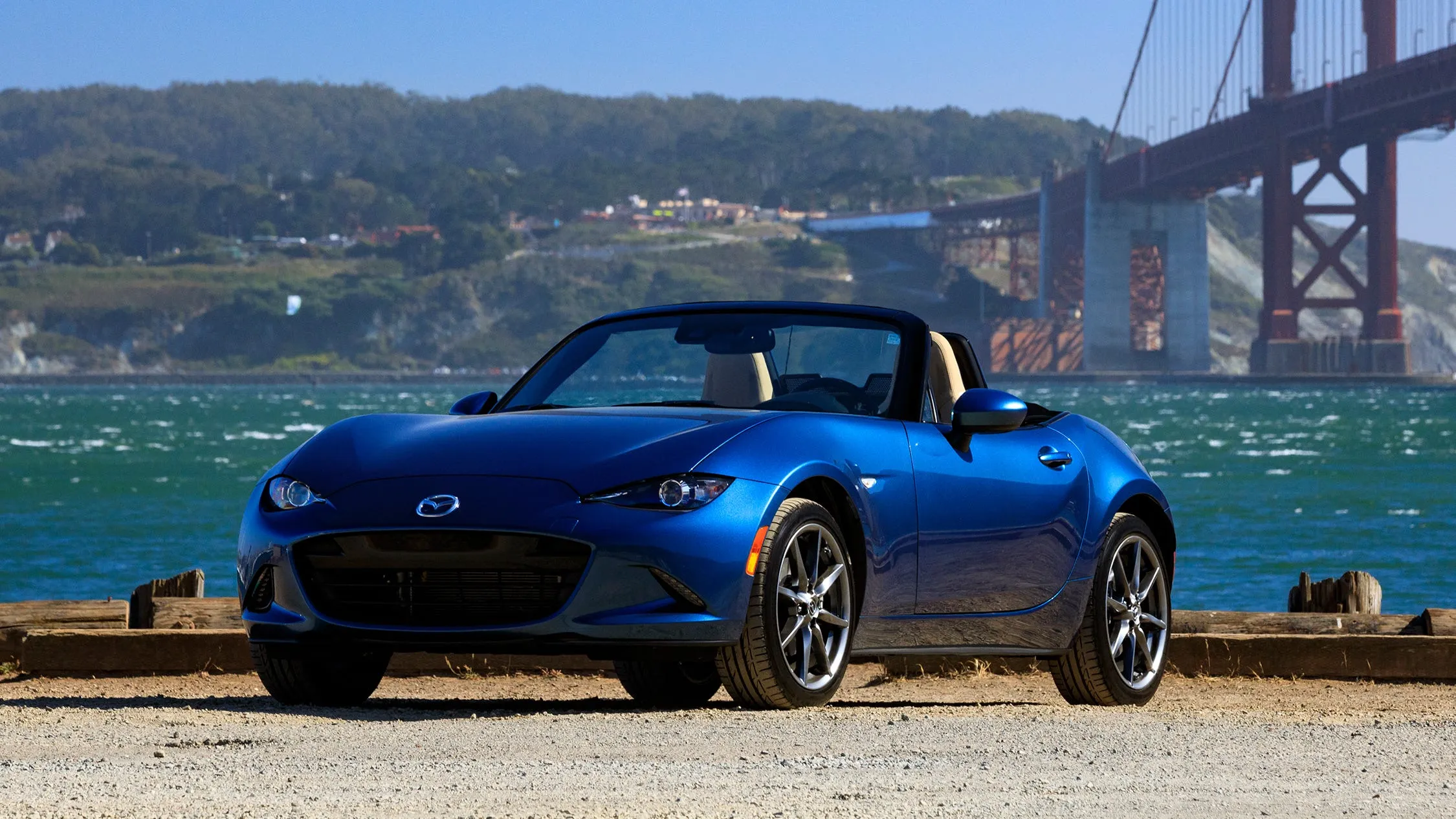
3. Mazda MX-5 Miata (lightweight rear-drive traction limits)
The Mazda MX-5 Miata is loved for driving joy, but it often receives traction complaints in wet conditions because it is rear-wheel drive and very lightweight. In Seattle rain, a lightweight rear-drive sports car can feel nervous at intersections, especially when starting from a stop or turning through a wet junction.
I’m writing about the Miata here because it represents a different type of traction complaint. It’s not about front-wheel wheelspin. It’s about rear grip and lightness.
The Miata’s low weight is what makes it fun, but it also means the tires have less downward force. On wet pavement, that reduced tire loading can make grip easier to break.
At wet intersections, especially those with glossy surfaces or painted lines, the Miata can slip if the driver accelerates too quickly.
Even normal acceleration can feel more delicate than in heavier cars. Drivers may experience small rear movement, which can feel exciting to enthusiasts but alarming to commuters who want calm traction.
Tire choice is also a big factor. Many Miatas are equipped with performance tires that prioritize dry grip. In Seattle rain, performance tires can struggle more than all-season tires designed for wet traction. That mismatch increases complaint potential.
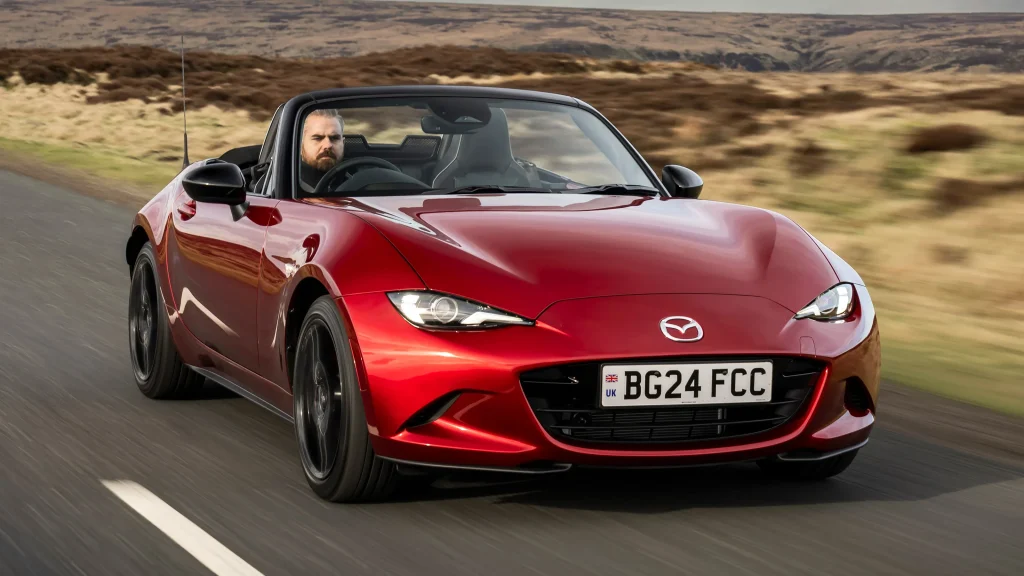
The Miata is included here because it can feel traction-limited in Seattle rain unless driven gently and fitted with the right tires. It’s a brilliant car, but wet intersection traction confidence is not its strongest advantage, and Seattle conditions amplify that weakness.
4. Dodge Charger (rear-drive power traction complaints)
The Dodge Charger often receives wet traction complaints because many versions deliver strong power through rear-wheel drive.
In Seattle rain, powerful rear-drive cars can struggle at wet intersections, especially when accelerating from a stop. The Charger’s torque can break rear grip easily, creating wheelspin and a feeling of instability.
I’m writing about the Charger here because it shows how power and traction can clash in rainy cities. In dry conditions, rear-wheel drive feels balanced.
In wet conditions, especially at intersections with slick paint and oil residue, the Charger can feel like it needs careful throttle control. Drivers who accelerate normally may experience wheelspin, and that can feel unsettling in traffic.
The Charger is also a heavier car, which helps traction in some ways, but power output can still overwhelm available grip. If traction control intervention is noticeable, the launch can feel jerky. That jerky behavior often becomes part of traction complaints because it makes the car feel less predictable.
Tires play a huge role here too. Chargers with performance-focused tires may struggle more in wet conditions. In Seattle, all-season wet grip becomes essential, but many drivers prioritize style or dry performance. That mismatch increases the likelihood of complaints.
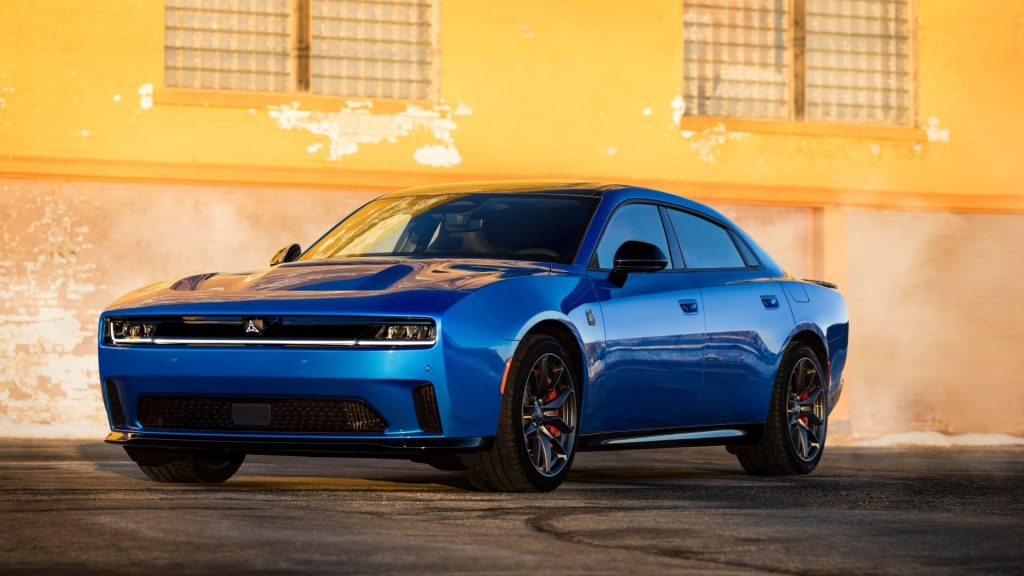
The Charger belongs on this list because it can feel traction-limited on wet starts, especially with powerful trims. For Seattle drivers, it may require more careful driving than they want in daily rain-heavy commuting.
5. Kia Rio (economy tire and traction limits)
The Kia Rio can receive traction complaints in wet Seattle conditions because it is a lightweight economy car that often comes with basic tires and a simple traction setup. It is practical and efficient, but on wet intersections, it may feel less planted than larger, more traction-focused vehicles.
I’m writing about the Rio here because traction complaints are not only about power. They can also be about grip and stability. The Rio’s lightweight nature can make it feel less secure on slick pavement. When you pull away from a wet stop, the tires may spin briefly, especially if they are worn or lower quality.
Another reason is road markings. Seattle intersections often have heavy paint, crosswalk stripes, and reflective lane lines. Budget tires can struggle on these surfaces when wet. The Rio may feel like it slips slightly when crossing painted areas, which can make the driver tense.
The Rio is not a performance car. It doesn’t have huge torque. But traction complaints come from the feeling of limited grip and less planted stability. In heavy rain, this becomes more obvious. Drivers may describe the car as feeling “light” or “sketchy” on wet starts.
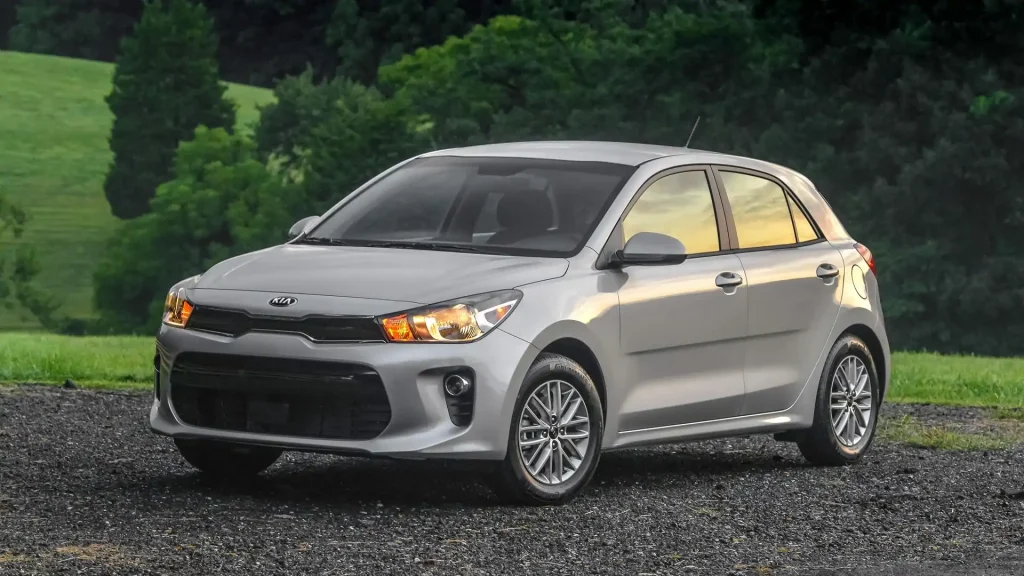
The Rio belongs here because it represents how economy cars can struggle in rain-heavy environments when tire quality and weight combine. With strong wet tires, the Rio improves significantly, but many traction complaints come from the fact that it is often driven on basic tires in wet cities like Seattle.
Also Read: 5 Vehicles That Make Sense in Washington D.C. vs 5 That Are Costly to Own