
Owning a vehicle while living in an apartment comes with challenges that many garage owners never think about. It’s not only about driving.
It’s about the daily reality of parking, weather exposure, security concerns, charging access, and how easy it is to maintain the vehicle when you don’t have private space.
Apartment living often means street parking or shared parking lots where spots are tight and unpredictable. It can mean walking far to your car, dealing with dents from careless doors, and worrying about theft or vandalism more than you would in a private driveway.
It can also mean limited access to basic maintenance tasks like washing, checking fluids, or even keeping the vehicle clean and protected from harsh sunlight, heavy rain, or winter snow.
Because of these factors, some vehicles fit apartment life naturally, while others become stressful and inconvenient. Vehicles that work for apartment living tend to be compact, easy to park, and less expensive to repair if small damages happen.
They also tend to be lower-risk targets for theft, and their ownership needs don’t rely on having extra space. These vehicles also thrive when they are parked outdoors regularly, meaning they can handle weather exposure without the owner constantly worrying about paint, batteries, or sensitive parts.
On the other hand, some vehicles become difficult to own without a garage. These may include oversized vehicles that are hard to park in tight lots, premium cars that attract unwanted attention, or high-performance models that are more vulnerable to weather and road damage.
Electric vehicles can also be difficult for apartment owners if home charging is not available. Without a reliable charging setup, an EV can turn into constant planning and inconvenience. Certain vehicles also demand more maintenance attention or have expensive parts that make outdoor parking risks feel more serious.
This article compares two groups: five vehicles that work well for apartment living and five vehicles that are hard to own without a garage. The goal is practical. If your home does not include private parking or protected storage, choosing the right vehicle can reduce stress, save money, and make daily life easier.
Also Read: 5 Vehicles That Handle Washington DC Parking Rules vs 5 That Don’t
5 Vehicles That Work for Apartment Living
Apartment living changes the definition of a “good car.” In many cases, you need a vehicle that works well when parked outdoors, fits in tight shared parking lots, and doesn’t create daily stress.
A garage owner can buy a large SUV, a flashy sports car, or a high-maintenance luxury sedan without thinking too much about where it sleeps at night. Apartment owners don’t have that luxury.
Your vehicle is often exposed to weather, dust, sun, rain, and unexpected parking damage. Security can also be a bigger concern because the vehicle is visible, often parked in public areas, and may be left unattended for long hours.
That’s why the best apartment-friendly vehicles share certain traits. They are compact or easy to park, because apartment lots and street parking require quick maneuvering and tight spacing.
They are durable and don’t feel fragile, so minor door dings or scratches don’t create financial panic. They are affordable enough that the owner doesn’t constantly worry about theft, vandalism, or high repair costs.
They also have practical interior space, because apartment residents often use their cars as an extension of home life, carrying groceries, furniture, and everyday items.
I’m writing about these five vehicles because they represent smart ownership choices for people without garage access. This is not about buying the most exciting car. It’s about buying a car that makes your life easier.
You want something that starts reliably after being parked outdoors, handles daily errands without drama, and doesn’t require special storage or constant cosmetic care.
You also want something that is easy to maintain, because apartment living usually means you can’t do repairs or detailing at home the way homeowners can.
The five vehicles below fit that reality. They are easy to park, easy to live with, and less stressful to own when your vehicle lives outside. If you’re an apartment resident, these models are the kind of choices that protect your comfort and wallet.
1. Toyota Corolla
The Toyota Corolla is one of the best vehicles for apartment living because it is simple, durable, and easy to manage in tight parking situations. Apartment lots often involve narrow spots, awkward angles, and limited turning space.
The Corolla’s manageable dimensions make it easy to park without stress. That daily convenience matters because apartment residents often park in crowded spaces every single day.
I’m writing about the Corolla here because apartment living demands reliability. When your car sits outdoors through heat, rain, or cold, you need a vehicle that starts easily and doesn’t punish you with constant maintenance drama.
The Corolla has a long reputation for dependable ownership, making it an ideal choice for people who want low stress.
Another advantage is repair practicality. Outdoor parking increases chances of door dings and minor scratches. With a Corolla, these issues feel less financially painful than they would on a premium vehicle.
Apartment owners benefit from vehicles that are not overly expensive to repair or maintain. Insurance costs can also remain more manageable than luxury cars.
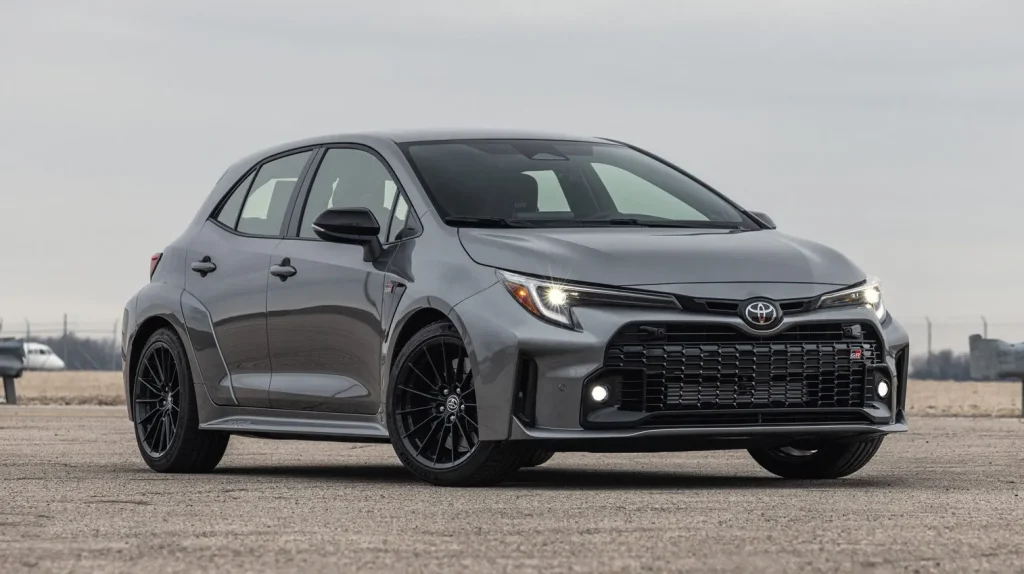
The Corolla is also practical for daily life. Apartment residents often carry groceries, laundry loads, and small furniture items. The Corolla’s trunk space and interior layout handle this comfortably. It’s not flashy, which also helps.
Flashy cars attract attention. The Corolla blends in, which reduces theft risk and lowers ownership anxiety. Overall, the Corolla fits apartment life because it is easy to park, easy to maintain, and dependable under outdoor living conditions.
2. Honda Civic
The Honda Civic works well for apartment living because it combines compact parking convenience with a stronger sense of refinement. Apartment residents often drive in urban areas with tight parking and heavy traffic.
The Civic fits naturally into those environments. Its size makes it easier to park in crowded lots, and it doesn’t feel bulky when navigating narrow streets.
I’m writing about the Civic here because it offers a balance that many apartment owners want. It is reliable enough to handle outdoor parking and daily commuting without constant worry, but it also feels modern and comfortable.
If your vehicle is part of your daily routine, comfort matters. The Civic’s cabin is pleasant, and it handles commuting smoothly.
Another reason it suits apartment living is durability. Outdoor exposure can be tough on vehicles. The Civic is built for daily use and tends to hold up well over time. It also has strong resale value, which matters because apartment residents often move and may change vehicles more frequently based on life changes.
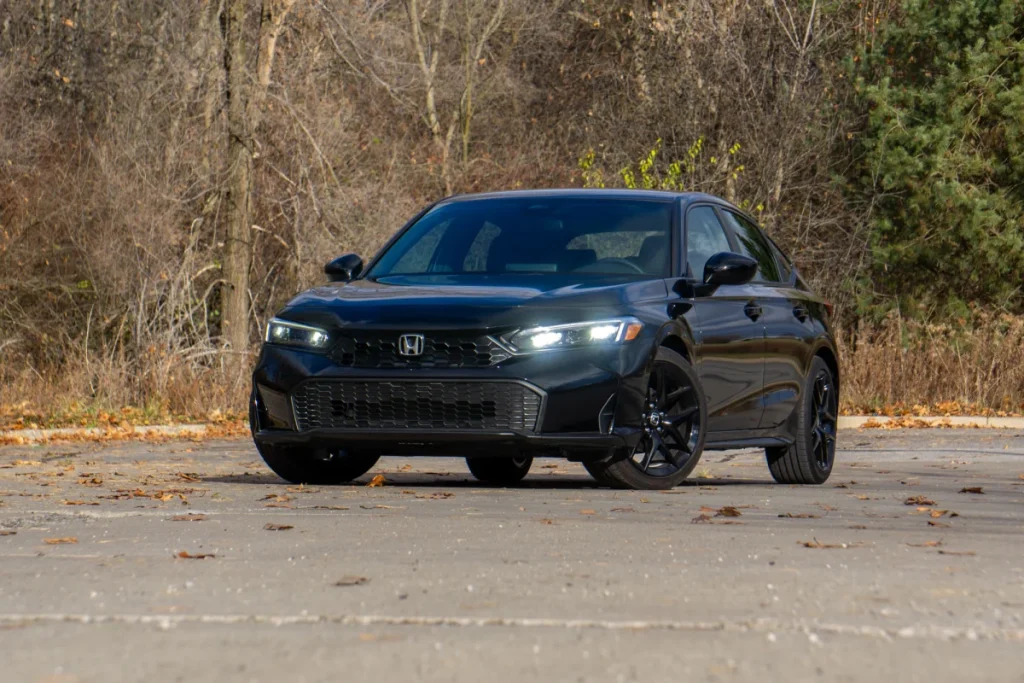
The Civic also offers practical versatility. Even in sedan form, it can carry everyday items easily. For apartment living, you want a car that can handle errands without needing extra space. The Civic delivers that.
It’s also less risky than owning a premium or high-performance model without a garage. It provides everyday ease without the stress of high-end ownership. That’s why it belongs in the apartment-friendly category.
3. Honda Fit
The Honda Fit is a perfect apartment-living vehicle because it maximizes space while staying compact. For apartment residents, this is a major advantage.
Parking is often limited, but you still need a vehicle that can handle everyday hauling, like groceries, boxes, or small furniture. The Fit gives you hatchback practicality without taking up extra parking space.
I’m writing about the Fit here because apartment living often involves moving items. People move apartments more often than homeowners. The Fit’s flexible cargo space makes those moves easier. It can carry surprising amounts of cargo for its size. That makes it a smart tool for apartment life.
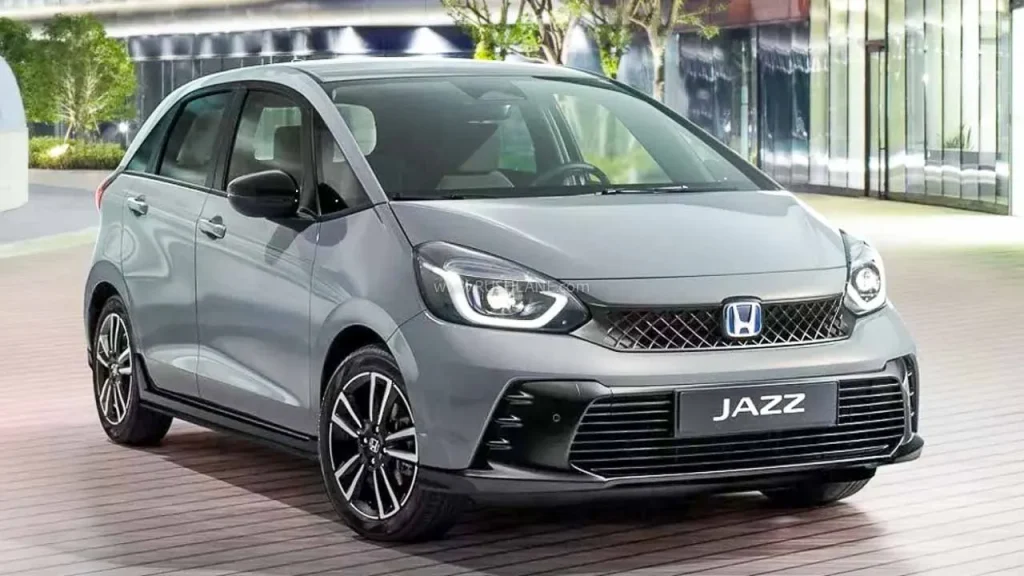
Another key advantage is maneuverability. The Fit feels agile in tight lots and narrow streets. It has a city-friendly turning circle, which makes parking and U-turns simpler. In apartment settings where parking spots are cramped, this agility reduces stress daily.
The Fit is also affordable to maintain. When a vehicle sits outdoors, you may deal with cosmetic wear. A Fit is practical enough that these issues don’t feel financially devastating. It’s also less likely to attract theft attention compared to premium vehicles.
The Fit belongs here because it represents the ideal apartment-friendly formula: small footprint, excellent cargo flexibility, low ownership stress, and easy parking. It feels like a vehicle designed for people who live in tight spaces but still need practical mobility.
4. Mazda3 Hatchback
The Mazda3 Hatchback works well for apartment living because it offers compact practicality with a more upscale feel. Apartment residents often want a vehicle that looks and feels good, but still fits in crowded parking lots. The Mazda3 Hatchback delivers that combination.
I’m writing about it here because it gives apartment owners a sense of quality without the stress of owning a luxury badge. In shared parking lots, flashy luxury cars can attract attention. The Mazda3 feels premium inside but stays subtle outside, reducing worry.
Parking is easier because it’s compact, and the hatchback shape adds versatility. Apartment residents often need to carry bulky items without owning a large SUV. The Mazda3 Hatchback handles that well. It fits into tight spots but still works for daily errands and moving tasks.
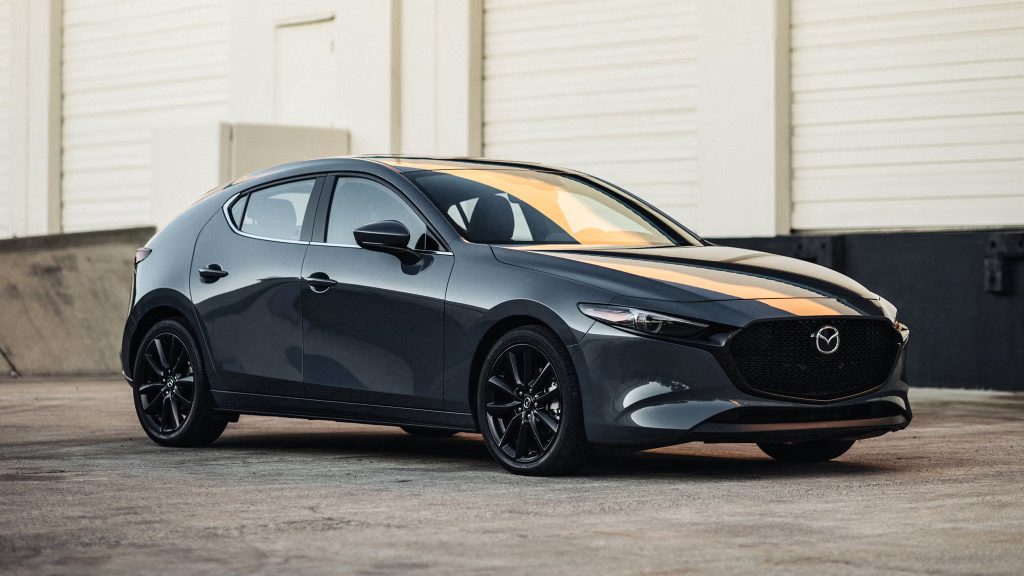
Another advantage is driving refinement. Apartment life often means city commuting. The Mazda3’s calm ride and solid feel make commuting less tiring. It also holds value reasonably well, which helps apartment owners who may relocate or change vehicles.
Outdoor parking can create minor cosmetic issues, but the Mazda3 is not so expensive that every scratch becomes panic. It strikes a middle ground: stylish enough to enjoy, practical enough to live with. That balance makes it a smart apartment-living vehicle.
5. Subaru Impreza Hatchback
The Subaru Impreza Hatchback is a strong apartment-friendly option because it adds all-weather confidence, which helps outdoor parkers.
Apartment residents often park outside, meaning they face rain, snow, and icy mornings more directly than garage owners. The Impreza’s all-wheel drive helps in those conditions.
I’m writing about it here because apartment life often involves unpredictable weather exposure. When your car is parked outside overnight, you may face slippery roads in the morning. The Impreza provides extra traction and confidence. That reduces stress during bad weather.
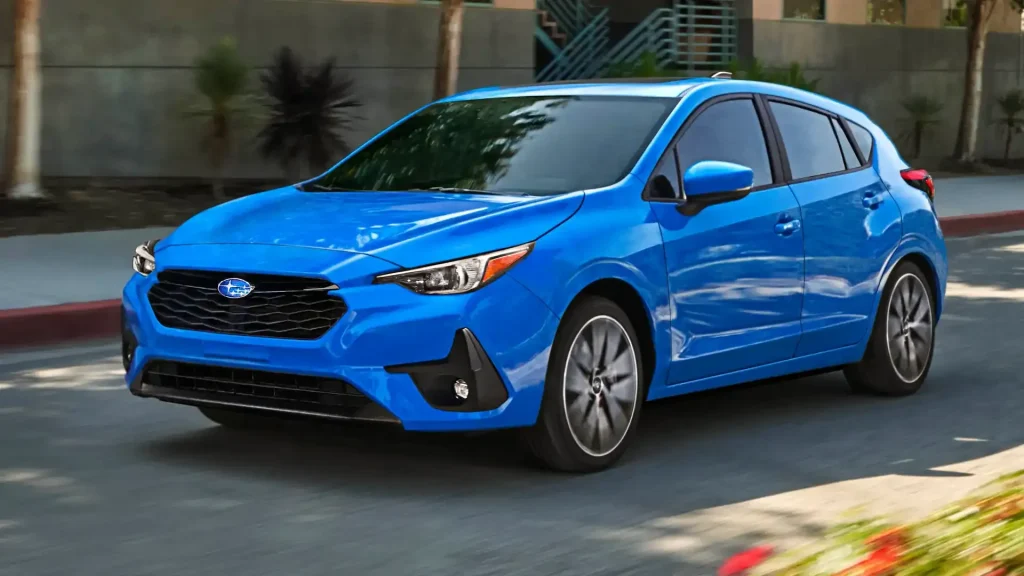
It’s also compact enough for tight parking lots. Many AWD vehicles are larger crossovers, which can make parking harder. The Impreza keeps AWD benefits in a manageable size. The hatchback format also adds cargo flexibility, making it useful for errands and moving items.
Reliability and durability also help. The Impreza is designed for daily use, and with proper maintenance, it handles high-mile commuting well. Outdoor parking may bring minor wear, but the Impreza’s practical nature makes it easier to accept.
The Impreza Hatchback belongs in this list because it combines compact parking convenience with weather confidence and practical cargo space. For apartment residents without a garage, that mix makes daily life easier.
5 Vehicles That Are Hard to Own Without a Garage
Owning a vehicle without a garage changes everything. When your car lives outside, you don’t just “own” it, you constantly manage it. You manage weather exposure, tight parking risk, security risk, and convenience.
This is why some vehicles become hard to live with when you don’t have protected parking. A car that feels exciting in a showroom can become stressful in daily apartment life.
Without a garage, you’re exposed to sun that fades paint, rain that increases moisture damage risk, snow and ice that add morning frustration, and dirt that builds quickly.
Even worse, outdoor parking increases the odds of door dings, bumper scrapes, and minor dents, especially in shared lots where people park close and rush.
Vehicles that are hard to own without a garage usually fall into specific categories. The first group is large vehicles that are difficult to park. Apartment parking lots are not designed for full-size trucks or oversized SUVs. These vehicles turn daily parking into a headache.
The second group is high-end luxury cars. They attract attention, raise theft risk, and make every small scratch feel expensive. Outdoor parking turns ownership into constant worry.
The third group is vehicles that need special living conditions, such as EVs that rely on home charging. If you live in an apartment without dedicated charging, an EV can become a daily charging hunt.
High-performance vehicles also become difficult. They often have low ride height and wide tires that are more vulnerable to potholes, curb rash, and winter conditions.
Some use expensive specialty tires, and outdoor parking exposure can accelerate wear. Convertibles and soft-top cars add another layer of concern because weather exposure and security issues are greater.
I’m writing about these five vehicles because they represent “garage-dependent ownership.” They may be great vehicles for homeowners, but apartment living changes the equation. Without protected space, these vehicles often create stress, inconvenience, and higher costs.
If your lifestyle involves street parking or shared lots, choosing one of these vehicles can mean you spend more time worrying than enjoying. This list highlights models that tend to be hard to own without garage access.
1. Tesla Model S
The Tesla Model S can be hard to own without a garage because it benefits heavily from home charging and protected storage. While it is a fantastic EV, apartment living can turn ownership into constant charging planning.
Without a dedicated charging spot, the Model S owner may depend on public charging, which can be inconvenient in busy areas.
I’m writing about the Model S here because the biggest EV convenience comes from waking up to a full battery. Apartment residents often don’t have that.
That means the driver must plan charging sessions like errands, sometimes waiting in line or driving out of the way. Over time, this feels like extra work. Instead of the EV being effortless, it becomes something you manage.
Outdoor parking also adds stress. The Model S is a premium vehicle, and in apartment lots, premium vehicles attract attention. This increases anxiety about theft, vandalism, or minor damage. Even small scratches feel expensive.
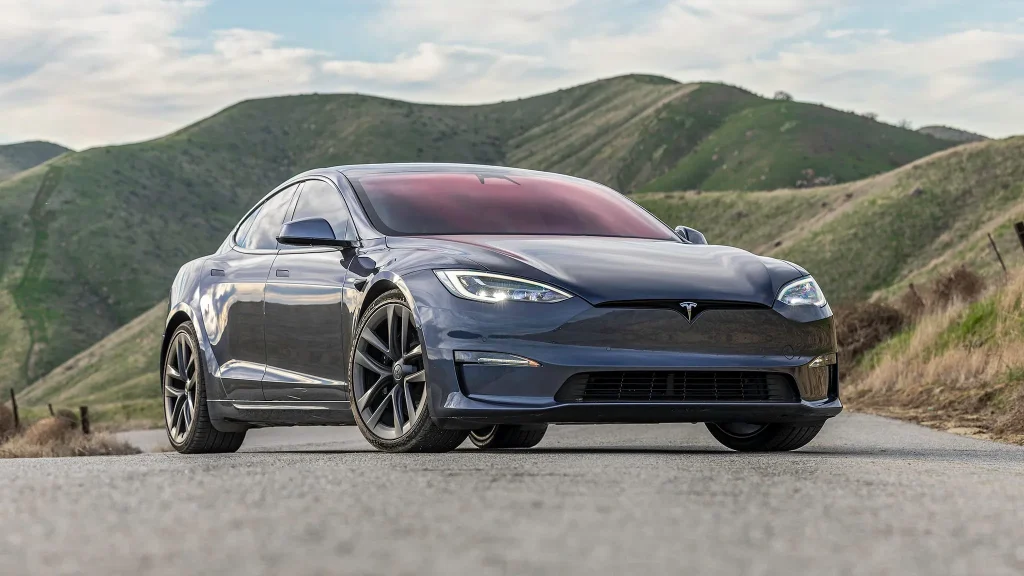
Without a garage, you may also deal with weather exposure more directly, which can affect cosmetics and general peace of mind.
Another issue is that large, expensive wheels and tires can be vulnerable to curb rash in tight parking areas. Apartment parking often forces close positioning, and mistakes happen. For a premium EV, those mistakes feel more painful financially.
The Model S belongs on this list because it is at its best when paired with home charging and protected parking. Without those, ownership becomes less smooth.
It’s not that the car can’t be owned in an apartment. It’s that it becomes harder, requiring more planning, more caution, and more worry than many apartment drivers want.
2. Ford F-150
The Ford F-150 is hard to own without a garage because of its size. In many apartment settings, parking is tight and shared. Full-size trucks like the F-150 can feel out of place. They are long, wide, and require more room to park. This creates daily inconvenience because you spend more time searching for spots that fit.
I’m writing about the F-150 here because apartment living turns parking into the number one issue. A truck that fits easily in a driveway becomes a problem in cramped lots.
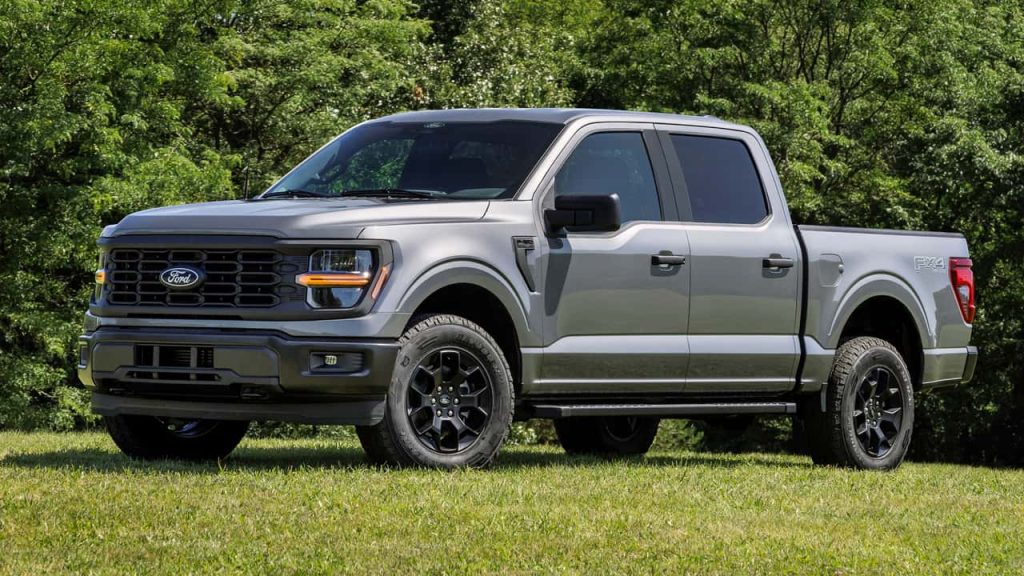
Even if you find a spot, the truck may stick out or make it difficult for others to pass. That increases tension with neighbors and raises the risk of damage.
Outdoor parking also increases theft risk, especially for trucks. Trucks are common targets for tailgate theft, wheel theft, or tool theft from the bed. Without a garage, security becomes a constant concern. Apartment residents may not have a secure area to store tools or accessories, making theft more likely.
The F-150 also suffers from daily wear issues in apartment environments. Tight parking increases door ding risk. The truck’s size makes it harder to avoid curbs, which damages wheels and tires over time.
The F-150 belongs in this list because it is simply not apartment-friendly. It may be an excellent vehicle for homeowners with a driveway, but apartment living turns it into a constant parking and security challenge.
3. Porsche 911
The Porsche 911 is one of the most loved sports cars in the world, but it is hard to own without a garage because it is premium, low, and sensitive to urban living risks. Outdoor parking creates constant anxiety for owners of high-end performance cars.
I’m writing about the 911 here because it represents a vehicle that needs protection. Apartment lots increase risk of scratches, dents, and careless door swings.
For a 911 owner, even minor damage becomes expensive and emotionally painful. That stress reduces enjoyment. Instead of loving the car, you start fearing the parking lot.
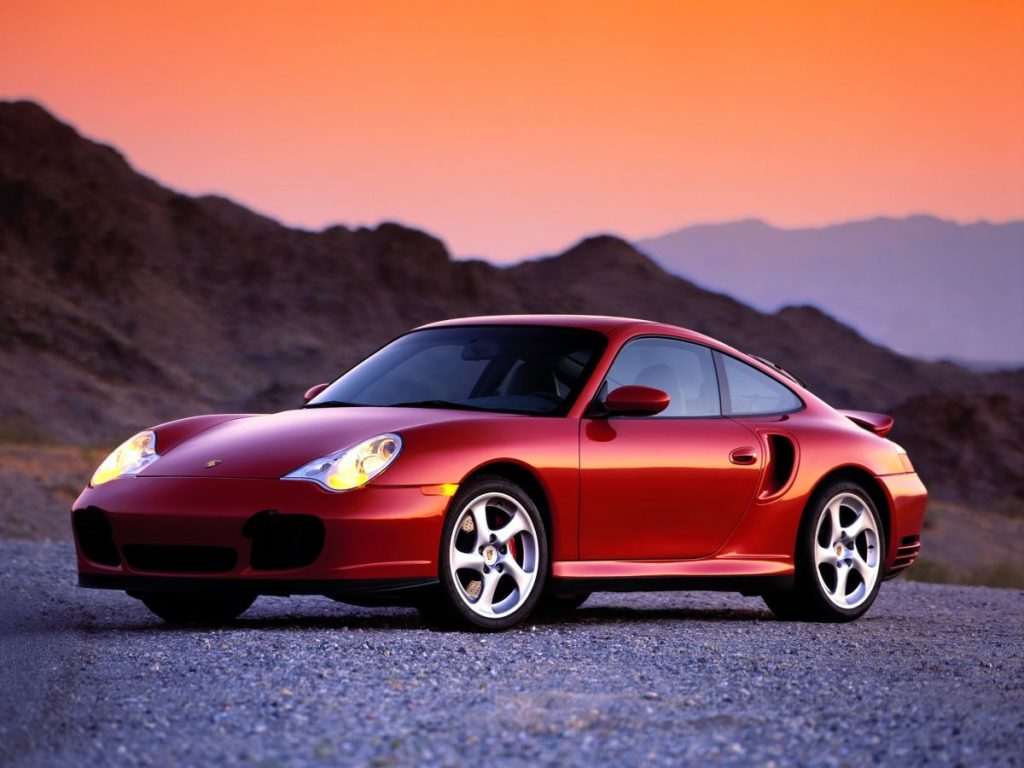
Another issue is low ride height. Sports cars require careful driving over speed breakers, potholes, and steep ramps. Apartment environments often include speed bumps and uneven parking entrances. Without a garage, you face these challenges daily. Winter or rain exposure also adds concerns, especially for tires and surface protection.
Security is another factor. A car like the 911 attracts attention. Outdoor parking increases vandalism risk and theft risk. Even if nothing happens, the constant worry becomes part of ownership.
The 911 belongs here because it’s a car that deserves protected storage. Owning it without a garage can feel like living with constant stress. It’s not impossible, but it becomes harder than most people expect.
4. Jeep Wrangler (soft top versions)
A soft-top Jeep Wrangler can be hard to own without a garage because it combines weather exposure issues with security risk. Apartment living often means outdoor parking, and a soft-top vehicle is naturally more vulnerable to both environmental damage and break-ins.
I’m writing about the soft-top Wrangler here because many people love the open-air lifestyle, but apartment parking reality can ruin it. Soft tops can be damaged by weather over time, especially with constant sun exposure. Rain and moisture can also create long-term wear issues. Without a garage, the top is always exposed.
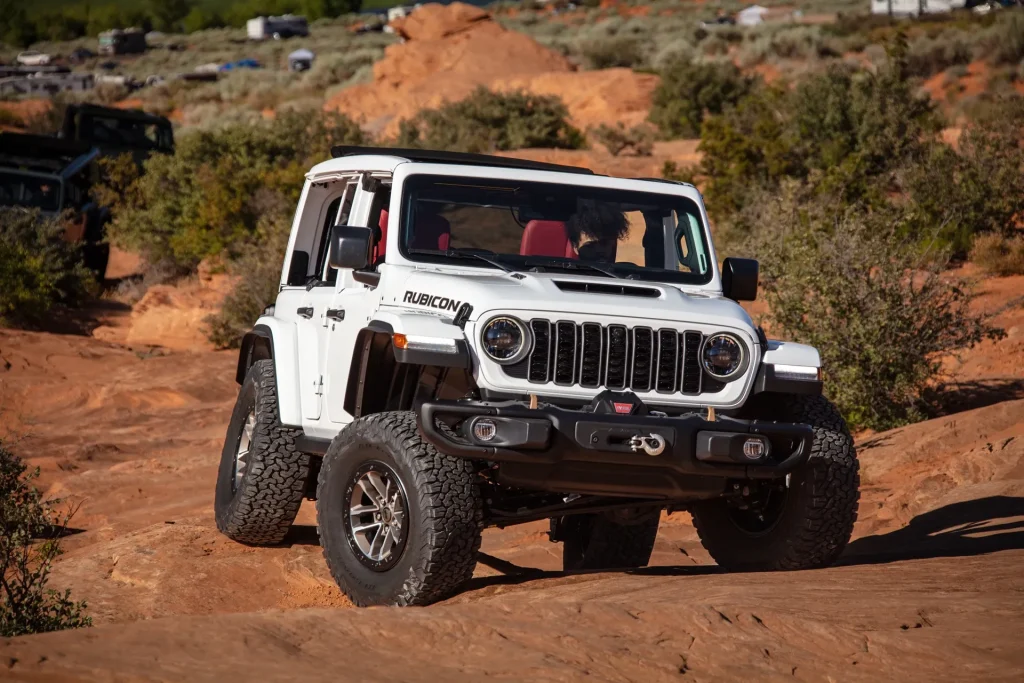
Security is another major issue. Soft tops are easier to break into than hard roofs. In apartment lots or street parking, this increases theft risk. Even if the thief doesn’t steal the car, they can slash the top or damage the interior. That makes ownership stressful.
The Wrangler is also a high-interest vehicle, meaning it attracts attention. In an apartment lot, that attention can be negative. Owners often worry about vandalism or stolen accessories.
The soft-top Wrangler belongs on this list because it is not naturally suited to outdoor parking for long periods. A garage adds protection and security. Without one, the Wrangler lifestyle can turn into constant worry.
5. BMW M3
The BMW M3 is hard to own without a garage because it is a high-performance premium vehicle that suffers in tight parking and outdoor exposure. The M3 often comes with performance tires and wheels that are vulnerable to damage, and apartment parking makes curb rash and door dings more likely.
I’m writing about the M3 here because performance ownership becomes stressful when the environment is not friendly.
Apartment lots are filled with small risks. Someone opens a door too wide, someone parks too close, someone clips your bumper. For an M3 owner, these risks create constant anxiety because repairs are expensive.
Outdoor parking also exposes the car to weather. Sun exposure can damage interior surfaces, and rain increases grime buildup. Premium paint and detailing become harder to maintain. Without a garage, keeping an M3 looking perfect becomes almost impossible, and this reduces satisfaction.
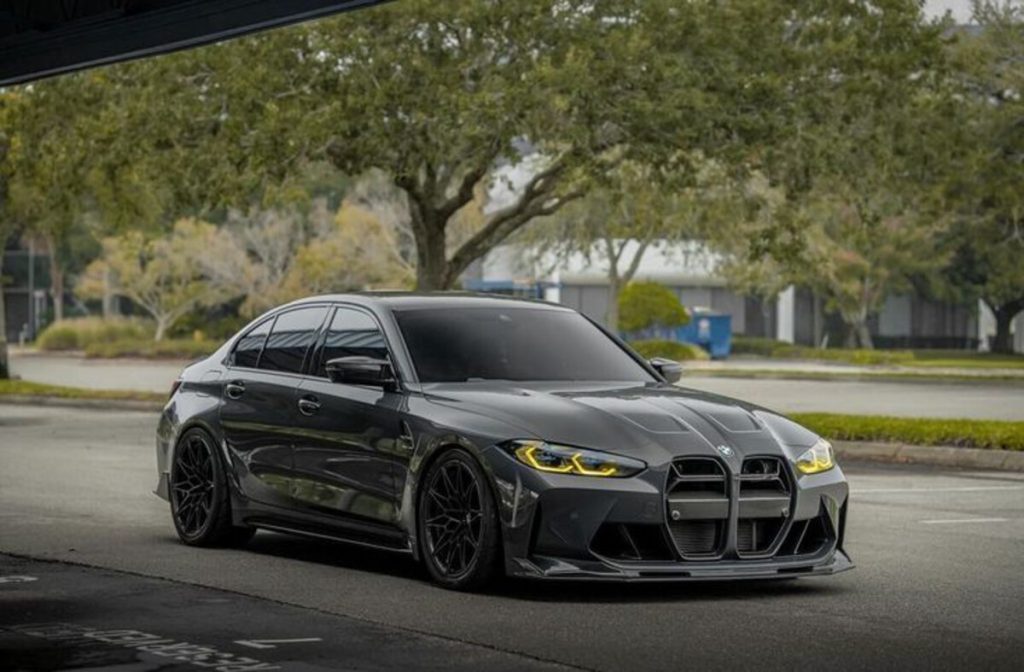
Security concerns also rise. A flashy performance sedan attracts attention. Apartment parking can increase vandalism risk and theft risk, especially for wheels.
The M3 belongs in this list because it is a vehicle that many owners want to protect. Without a garage, daily ownership feels like protecting something fragile in an environment that constantly threatens it. That mismatch makes it hard to enjoy the car fully.
