The true cost of owning a vehicle is not what you pay on the day you buy it. The real story starts after that, when the vehicle becomes part of your daily routine year after year. Some vehicles blend into life in the best way possible.
They start every morning, handle commuting and errands without drama, and require only basic maintenance. They don’t constantly demand attention, money, or special planning. These are the vehicles that feel easy to own.
Not because they are boring, but because they are dependable, predictable, and affordable to keep running. They allow the owner to focus on life instead of repairs.
Other vehicles start out exciting but slowly become burdens. At first, the design, badge, performance, or features feel worth it. But over time, the burden grows. Repair costs rise, parts wear faster, and issues become more frequent.
The vehicle begins to interrupt your schedule. Instead of simple oil changes and tires, you face sensors, leaks, electrical problems, transmission issues, or expensive maintenance that feels never-ending.
Some vehicles also become burdens because they depreciate quickly, making the owner feel trapped. Others require premium fuel, expensive tires, or specialized servicing that makes ownership stressful.
Easy ownership usually comes from a combination of solid engineering and smart design. A good long-term vehicle has proven reliability, simple service needs, widely available parts, and a strong support network.
It also tends to hold value well, which reduces the financial pain when you eventually sell it. Vehicles that become burdens often have complexity, expensive components, or known weak points that show up after a few years. They may also have high running costs that continue no matter how carefully you drive.
This article compares two groups: five vehicles that are easy to own year after year and five vehicles that often become burdens over time. The goal is practical. Many buyers focus on the first year of ownership, but long-term ownership is what shapes your experience. Choosing an easy vehicle saves money and stress.
Avoiding a burden vehicle protects your time, energy, and confidence. These lists highlight vehicles that tend to make ownership feel smooth and vehicles that can gradually turn into a constant responsibility.
Also Read: 5 Vehicles That Make Sense in Washington D.C. vs 5 That Are Costly to Own
5 Vehicles That Are Easy to Own Year After Year
An easy vehicle to own year after year is one that quietly supports your life instead of demanding constant attention. It starts reliably in every season, handles daily driving without unexpected problems, and asks only for routine maintenance.
This kind of vehicle doesn’t create anxiety. The owner doesn’t worry about warning lights, surprise breakdowns, or repair bills that feel like emergencies. Instead, ownership feels predictable. That predictability becomes one of the biggest luxuries in modern life.
Vehicles that are easy to own often share a few traits. They are engineered with durability in mind, meaning the powertrain and major components are known to last. Their maintenance schedules are straightforward, and service parts are easily available.
This reduces downtime and cost. These vehicles also tend to have strong resale value, which is an important part of ownership ease. When a vehicle holds value, it protects the owner financially.
I’m writing about these five vehicles because they represent the best long-term ownership experience. Many people underestimate how exhausting it is to own a vehicle that constantly needs repairs. Even small issues add up.
Time in workshops, waiting on parts, arguing about costs, and worrying about reliability changes how you feel about your vehicle. A truly easy vehicle reduces all of that. It becomes a background tool, which is exactly what a daily vehicle should be.
The vehicles below are not necessarily the most exciting or the most luxurious. But they tend to be the most comfortable in a deeper way: they deliver peace of mind. They also suit a wide range of lifestyles, from commuting to family use.
They are vehicles that owners often keep for many years because they simply work. That is the strongest compliment a vehicle can receive. If you want a car that feels like an ally rather than a constant expense, these are the kinds of choices that make ownership smooth year after year.
1. Toyota Corolla
The Toyota Corolla is one of the clearest examples of a vehicle that stays easy to own year after year. It is built with simplicity and durability in mind, which means it rarely surprises owners with expensive problems.
The Corolla is designed to handle daily commuting, stop-and-go traffic, and long highway drives without demanding special attention.
I’m writing about the Corolla because long-term ownership is about trust. The Corolla builds trust by being consistent. It starts reliably, runs smoothly, and doesn’t constantly produce new issues. Maintenance is simple: oil changes, brakes, tires, and routine inspections.
Parts are widely available, and almost every mechanic understands this vehicle. That keeps service costs reasonable and reduces downtime.
Another reason it is easy to own is that it holds value well. Many vehicles lose value quickly, which makes owners feel like they are losing money every year. The Corolla tends to protect the owner better. When you sell it, you often find strong demand, which reduces financial stress.
Fuel efficiency also supports ease. A vehicle that consumes less fuel saves money without the owner needing to “try.” Insurance costs also tend to be reasonable, especially compared to premium or performance vehicles.
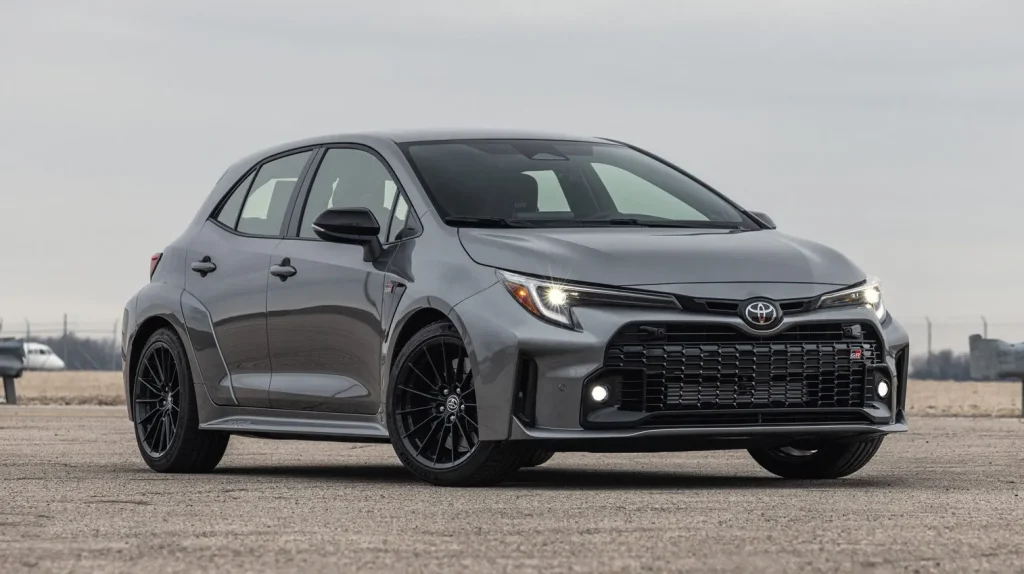
The Corolla belongs at the top of this list because it represents the ideal long-term daily vehicle. It doesn’t create drama. It doesn’t demand constant repairs. It simply stays reliable. That makes it easy to own year after year, which is exactly what most drivers want.
2. Honda Civic
The Honda Civic is easy to own long term because it delivers reliability with a slightly more engaging daily feel. It is one of those vehicles that feels modern and pleasant, but still keeps maintenance and ownership stress low.
I’m writing about the Civic because it strikes a rare balance. Many cars that feel enjoyable become costly as they age. Many reliable cars feel dull. The Civic tends to avoid both extremes. Owners often keep Civics for years because they continue to behave well over time.
Maintenance remains manageable. Routine service is straightforward, parts are widely available, and mechanics are familiar with the platform. That reduces cost.
The Civic also tends to avoid the kind of complicated failures that make vehicles burdensome. It’s not that problems never happen. It’s that the pattern is usually predictable and affordable compared to more complex vehicles.
Another reason the Civic is easy to own is resale value. Civics hold demand strongly, and that means the owner has flexibility. If you want to sell after years of use, the car still retains value. That reduces financial stress.
Fuel economy is also an advantage. Year after year, it keeps costs down. It also handles commuting comfortably. A vehicle can be reliable but still unpleasant. The Civic remains comfortable enough that owners don’t feel desperate to replace it.
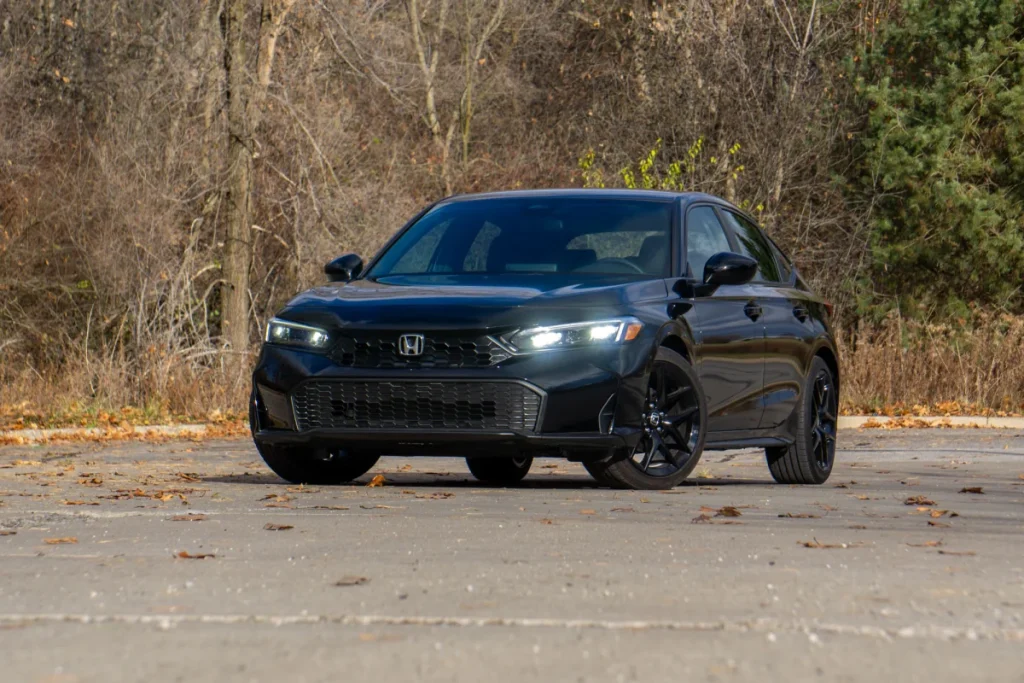
The Civic belongs here because it stays reliable while still feeling like a well-designed everyday car. It’s the kind of vehicle that makes ownership feel easy because it keeps your time, money, and stress under control.
3. Toyota Camry
The Toyota Camry is easy to own year after year because it combines durability with comfort. Many owners keep Camrys for long periods because the vehicle continues to behave reliably without constant repairs.
It also provides a smoother, quieter commuting experience compared to smaller cars, which helps owners stay satisfied long term.
I’m writing about the Camry because long-term ownership involves more than reliability. It involves comfort. A car that is reliable but uncomfortable becomes a burden in a different way. The Camry tends to avoid that. It stays comfortable on daily commutes and long trips.
Maintenance is straightforward and predictable. Like the Corolla, parts are widely available and service knowledge is everywhere. That keeps costs reasonable. The Camry also tends to have strong long-term durability, which means it can handle high mileage without major breakdown patterns.
Resale value remains solid, helping owners financially. Many Camry buyers appreciate that the vehicle is not just cheap to run, it also holds value better than many competitors.
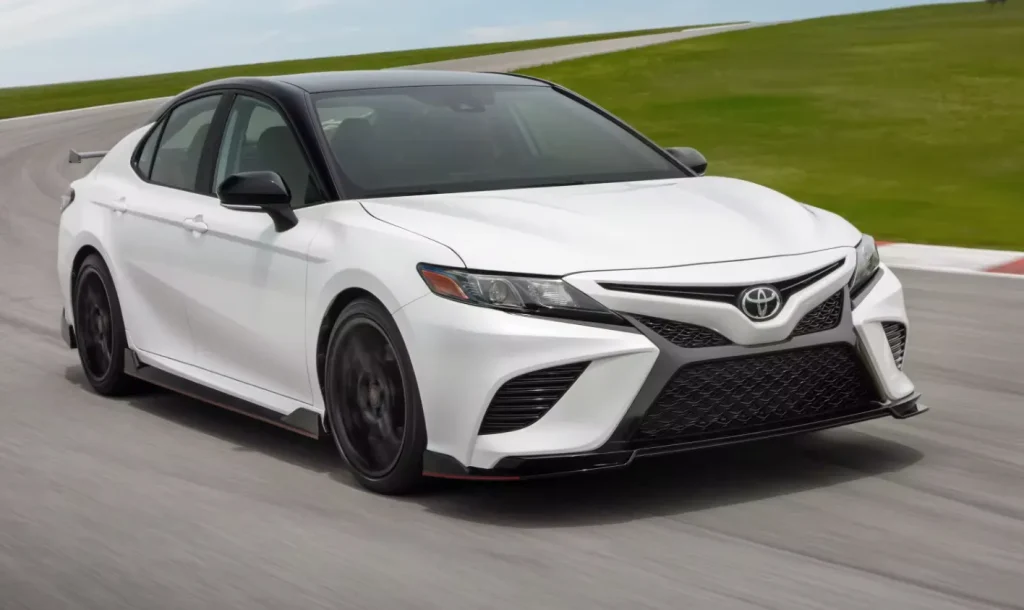
The Camry belongs in this list because it stays dependable while offering comfort that encourages people to keep it for many years. It becomes the kind of car you trust and forget, which is what easy ownership truly means.
4. Mazda CX-5
The Mazda CX-5 is easy to own year after year because it offers crossover practicality without the high burden that some SUVs bring. It is a vehicle that feels refined and enjoyable but still stays reliable and manageable long term.
I’m writing about the CX-5 because many people want a crossover, but crossovers can become expensive burdens if they are complex or unreliable. The CX-5 tends to avoid that. It has a reputation for solid build quality and predictable service needs.
Maintenance costs remain reasonable compared to luxury SUVs. The vehicle is designed as a mainstream crossover, meaning parts and servicing are accessible. Owners also appreciate that the CX-5 is comfortable and quiet enough to remain satisfying as the years pass. This reduces the urge to trade it quickly.
Resale value is also generally strong, especially because the CX-5 has a good reputation. This reduces financial risk. It also handles daily life well, from commuting to errands to weekend driving.
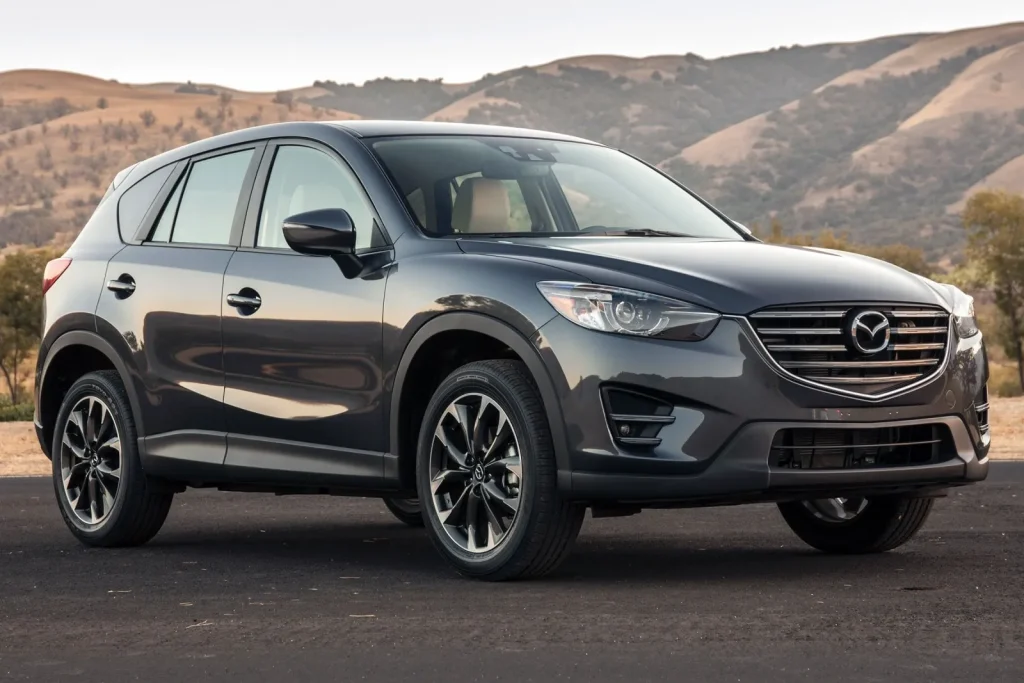
The CX-5 belongs on this list because it represents a modern vehicle that doesn’t sacrifice reliability for style. It gives owners the feeling of a premium drive without premium burden. Year after year, that balance makes it an easy vehicle to keep.
5. Subaru Forester
The Subaru Forester is easy to own year after year because it combines practical design with all-weather confidence and strong long-term usefulness. It is one of those vehicles that owners keep for years because it continues to fit lifestyle needs while staying dependable.
I’m writing about the Forester because many people need year-round capability. Bad weather, rain, snow, and uneven roads can create stress if you drive a low-grip vehicle. The Forester’s AWD system gives confidence in those conditions, reducing stress year after year.
It’s also practical. Cargo space, visibility, and interior usability stay valuable long term. Owners don’t outgrow it quickly, which is a key part of easy ownership. A vehicle that continues to meet your needs remains satisfying.
Maintenance is generally manageable for mainstream ownership. It’s not a luxury vehicle requiring specialized service. Parts and service support are widely available.
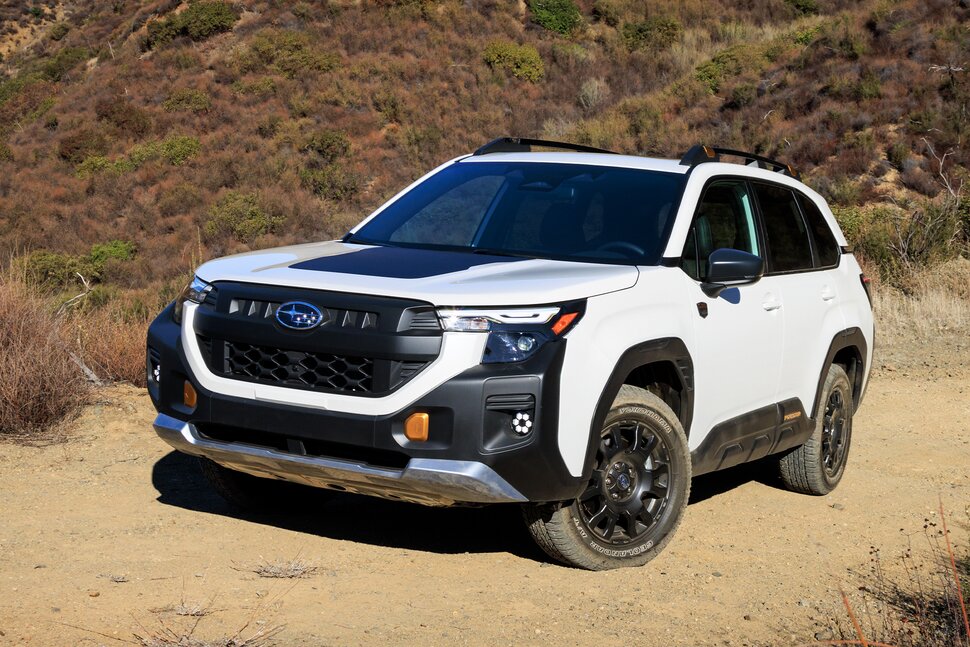
The Forester belongs on this list because it provides long-term usefulness. It stays reliable enough, practical enough, and capable enough that owners don’t feel burdened by it. Instead, they feel supported by it.
5 Vehicles That Become Burdens
Some vehicles begin ownership with excitement and pride, but over time they become burdens. The burden doesn’t always arrive suddenly. It often builds slowly, year after year, as repairs become more frequent, costs rise, and reliability declines.
A vehicle becomes a burden when it interrupts your life. You start planning around it. You keep money aside for surprises. You hesitate before long trips because you don’t fully trust it. And every new warning light feels like a threat instead of a small inconvenience.
There are a few reasons this happens. One major cause is complexity. Many modern vehicles are loaded with features, sensors, turbocharged engines, and electronics. When these systems work, they feel amazing. When they age, they create expensive problems.
Another cause is weak engineering in key areas such as cooling systems, transmissions, electrical components, or suspension parts. These issues might not show up in the first year, which is why many owners feel tricked. But once the vehicle passes a certain mileage, the repair pattern becomes persistent.
Vehicles can also become burdens because of cost structure. Some require premium fuel, expensive tires, or specialized repairs. Some depreciate quickly, making owners feel financially trapped.
Even if the vehicle runs fine, the ownership cost can feel heavy year after year. In other cases, the vehicle’s design creates daily inconvenience, like constant maintenance needs, fragile parts, or poor reliability in harsh weather.
I’m writing about these five vehicles because they represent models that often turn into ownership headaches as years pass, particularly when mileage rises and warranties expire. This does not mean every example will be bad.
Some owners have great experiences. But these vehicles have enough patterns of expensive repairs or long-term wear issues that they often become burdens, especially for drivers who want simple, predictable ownership.
This list is meant to protect buyers from long-term stress. The goal is not to criticize these vehicles blindly. It is to show how ownership reality can differ from first impressions.
Some cars are easy allies for years. Others become constant responsibilities. The vehicles below often fall into the second category.
1. Land Rover Range Rover (older models)
Older Land Rover Range Rover models are often described as burdens because long-term ownership can become a constant cycle of expensive repairs. The Range Rover is designed as a premium luxury SUV with advanced technology and strong road presence.
When everything is working, it feels incredible. But over time, the complexity that makes it luxurious can become the exact reason ownership turns stressful.
I’m writing about the Range Rover here because it represents the classic “high luxury, high burden” pattern. As the vehicle ages, repair frequency often increases. Electrical issues, suspension problems, cooling system repairs, and sensor failures can appear.
These are not always small or cheap fixes. The vehicle is expensive to service, and parts cost more than mainstream vehicles. That means even minor issues can become large bills.
Another reason it becomes a burden is downtime. When a vehicle needs frequent repairs, you lose time. You may need to wait on specialized parts or find a service center with experience.
That turns the car into a scheduling problem, not just a transport tool. Many owners also report that small issues tend to stack. Instead of one repair every few years, it becomes multiple repairs in one year. That is where burden grows.
The Range Rover also depreciates heavily. When repair costs rise and the vehicle’s value drops, owners can feel trapped. The car is too costly to keep repairing, but selling it feels like taking a big loss.
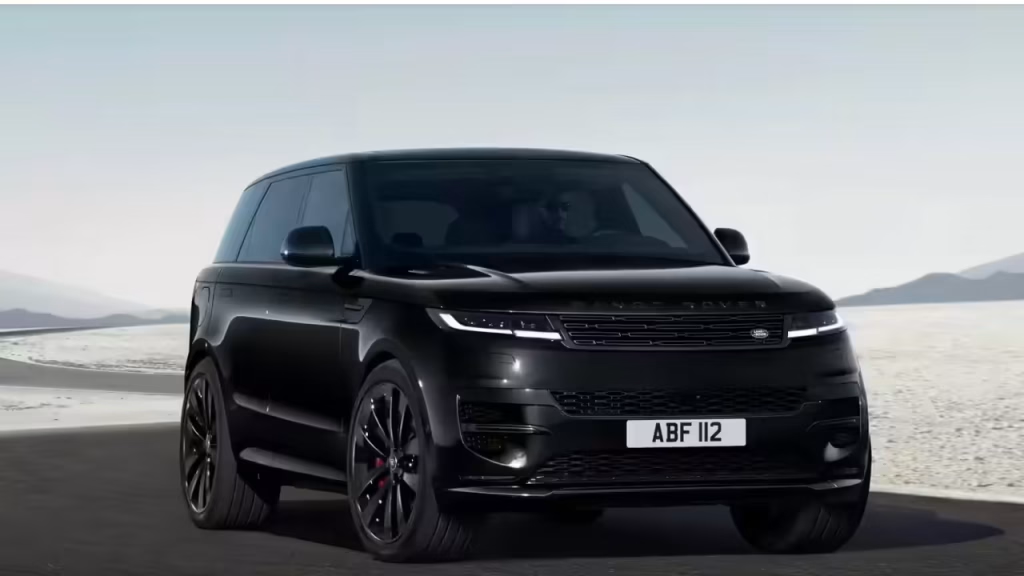
The Range Rover is included because it is an amazing vehicle to experience, but long-term ownership often demands money, patience, and tolerance for unexpected repairs. Without those, it can become an exhausting burden.
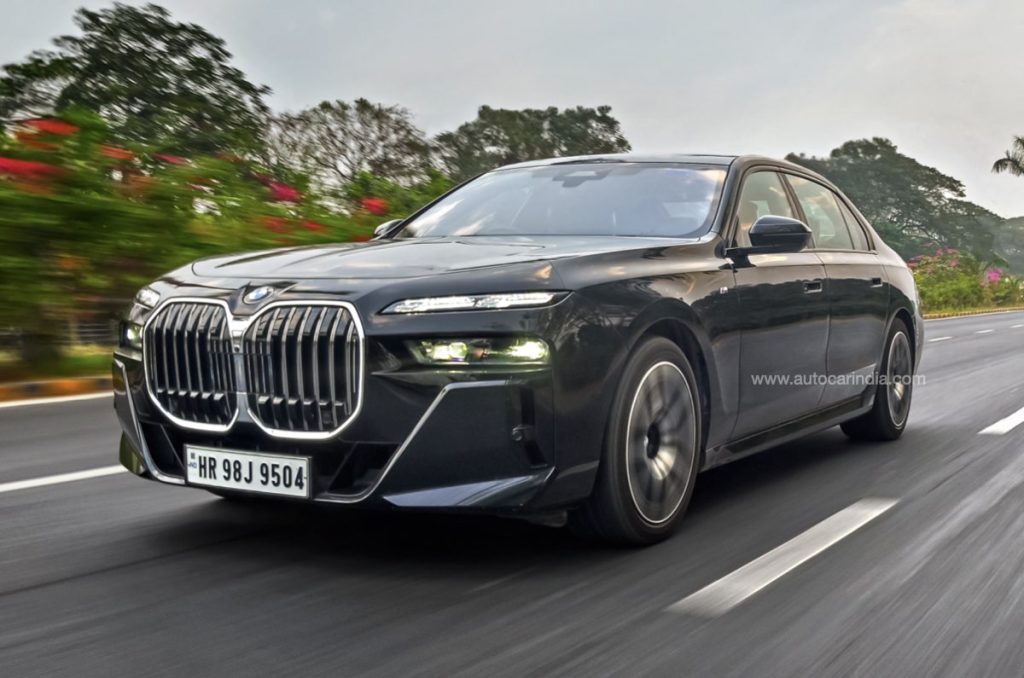
2. BMW 7 Series (older generations)
Older BMW 7 Series models often become burdens because they combine luxury complexity with aging-related repair patterns. The 7 Series is engineered as a flagship sedan packed with features, advanced electronics, and high-end comfort systems. But as years pass, those systems can become expensive liabilities.
I’m writing about the 7 Series here because it’s a perfect example of why long-term luxury ownership can hurt. Repairs are rarely simple.
When something fails, it often involves complex diagnostics and expensive parts. Electronic systems, air suspension components, cooling systems, and engine-related repairs can become increasingly common as mileage rises.
Another reason it becomes a burden is that older flagship sedans often require premium servicing. Even routine maintenance can be costly. And when issues appear, owners may feel pressure to fix them properly because ignoring them can reduce drivability quickly. This creates a constant money drain.
The 7 Series also depreciates heavily. Many people buy older 7 Series cars because the used price looks like a bargain. But the bargain disappears when repairs start. The burden comes from the gap between purchase price and ownership cost. You may buy the car cheaply, but you maintain it like a flagship.
It also becomes stressful in daily life. A vehicle that should feel relaxing starts to feel unreliable. Owners may hesitate to take long drives because they fear breakdowns or warning lights.
The BMW 7 Series belongs here because it often turns into a high-maintenance responsibility. It’s luxurious, but the long-term burden can be heavy for owners who want predictable, low-stress ownership.
3. Chrysler 200
The Chrysler 200 often becomes a burden because long-term ownership can involve reliability issues and frustrating maintenance patterns.
At first, it feels like a comfortable mid-size sedan, often purchased at an attractive price. But as years pass, some owners experience issues that make the vehicle feel less dependable and more expensive to keep running.
I’m writing about the Chrysler 200 here because it represents a common “looks fine at first, burdens later” story. As mileage increases, problems such as transmission behavior, electrical issues, and general durability complaints can appear.
These issues create unpredictability, which is the real burden. Even if repairs are not always extremely expensive, the repeated need for fixes creates stress.
Another reason it becomes burdensome is depreciation. The Chrysler 200 tends to lose value quickly. That means owners often feel stuck.
If repairs begin, selling the vehicle may not bring enough money to justify moving on. This creates a situation where the owner keeps repairing a car they no longer trust because financially it feels hard to exit.
Comfort and driving feel may remain decent, but reliability anxiety grows. A vehicle that you don’t fully trust becomes mentally exhausting. It changes how you plan. You avoid long trips. You worry about warning lights.
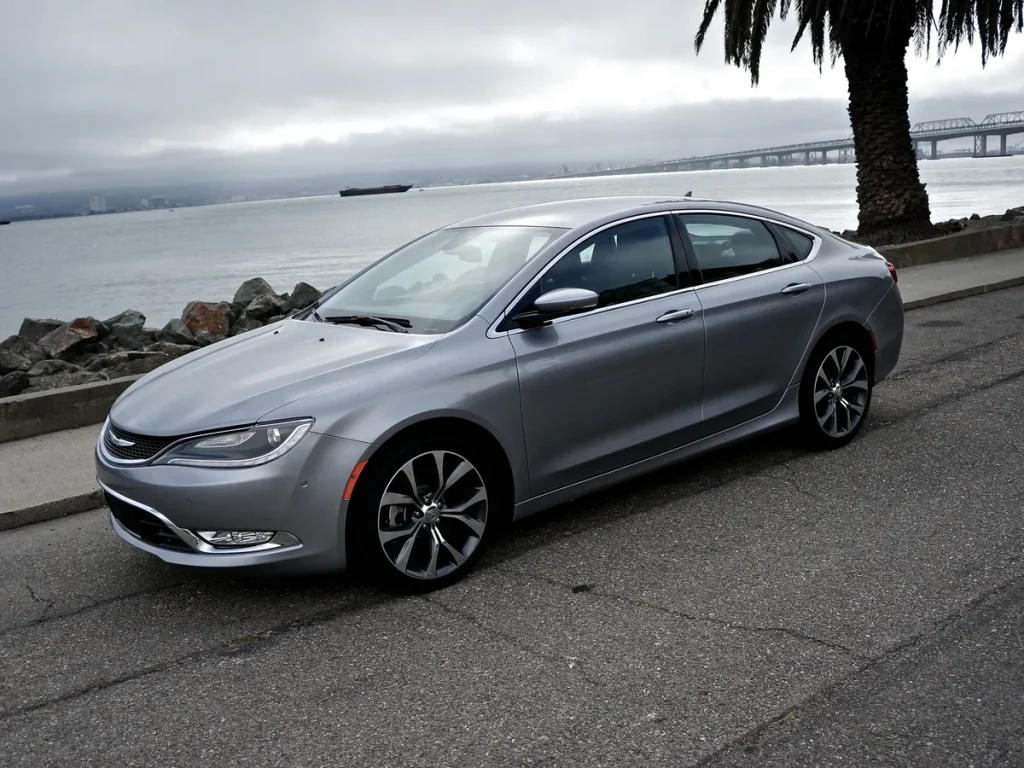
The Chrysler 200 belongs in this list because it often fails the long-term ownership test. It can look like a great deal initially, but over time, repeated issues and weak resale value can turn it into a burden rather than a simple daily tool.
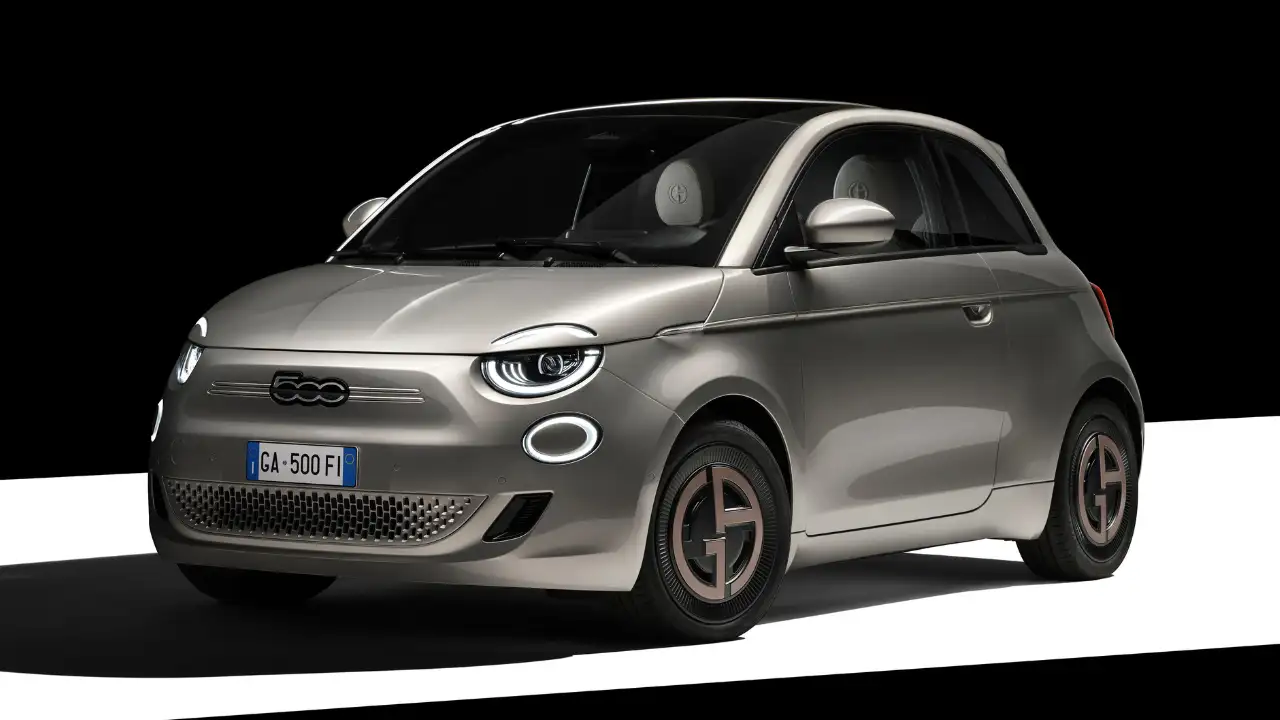
4. Fiat 500
The Fiat 500 is charming and fun, but it can become a burden because long-term ownership often involves more repairs and less durability than owners expect. Many buyers choose it for style and city friendliness. But as it ages, it may demand more attention than a typical small commuter car.
I’m writing about the Fiat 500 here because small cars should be easy to own. The Fiat 500 often breaks that expectation. Issues can appear in electrical systems, interior durability, and general reliability.
Even small problems become tiring when they happen repeatedly. Instead of being a cute city companion, the car begins to feel like a maintenance project.
Another factor is parts and support. In some areas, parts availability and service expertise may be less convenient compared to major brands. That can increase downtime and frustration. When a vehicle is difficult to service, it becomes a burden regardless of cost.
Resale value can also be weak. Once owners experience reliability stress, selling the car may be difficult or financially disappointing. That adds to the sense of burden because you feel trapped between repairing and losing money.
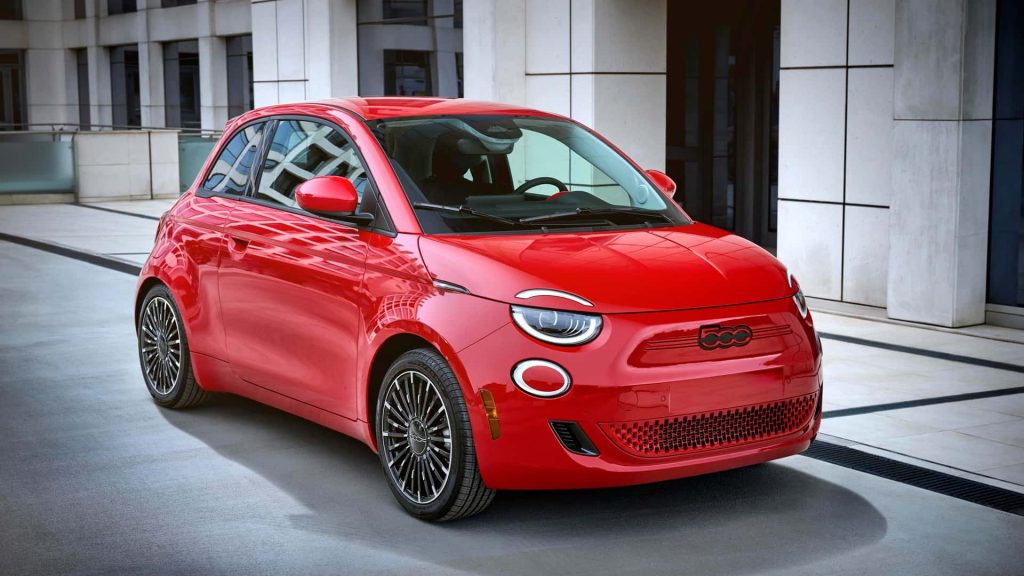
The Fiat 500 belongs here because it represents how lifestyle appeal does not always translate into long-term ease. It can be enjoyable early, but ownership over many years can become more stressful than most buyers want.
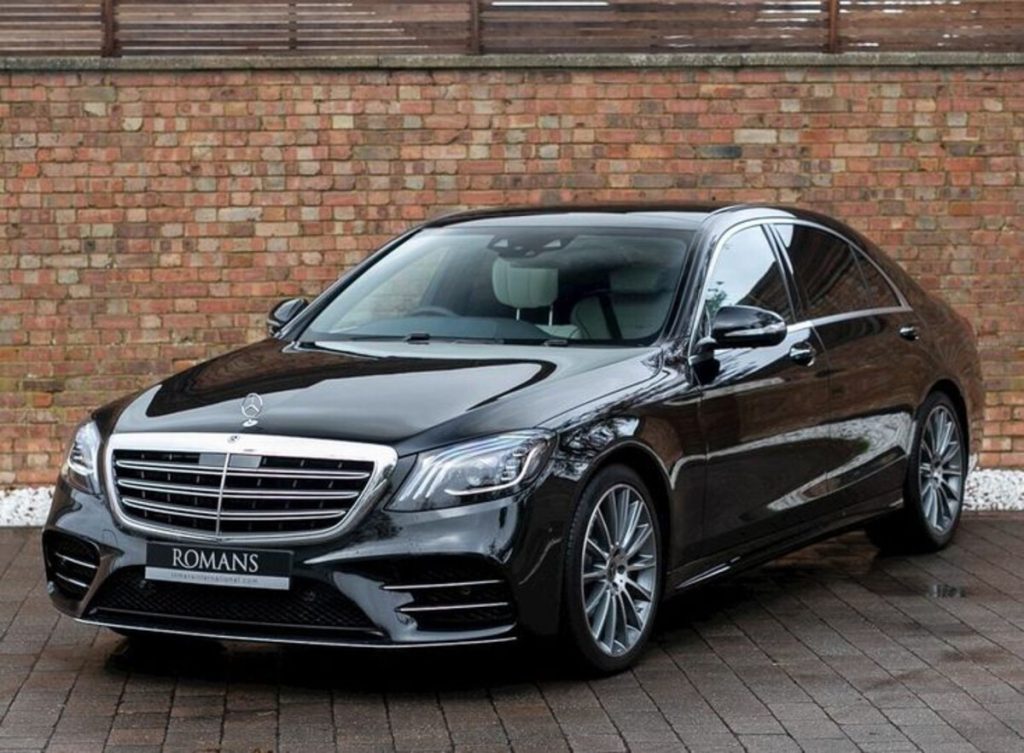
5. Mercedes-Benz S-Class (older models)
Older Mercedes-Benz S-Class models often become burdens because they carry flagship complexity and flagship repair costs. The S-Class is built to deliver luxury perfection. But when that perfection ages, keeping it perfect can be financially and emotionally draining.
I’m writing about the older S-Class here because it is one of the most tempting used luxury purchases. People see a low used price and think they are getting a bargain. But ownership costs remain high because the vehicle still requires premium maintenance, premium parts, and specialized servicing.
Common burden areas include suspension systems, electronics, sensors, and engine-related components. These are not cheap to fix. When issues stack, owners can face repair bills that exceed the value of the car. That is the definition of burden.
Another problem is psychological stress. A car that once felt prestigious becomes a constant worry. Owners may fear taking long trips, worry about warning lights, and feel like the car controls their schedule.
The older S-Class is included because it often becomes the ultimate example of luxury burden. It can be incredible when healthy, but keeping it healthy over years can feel like a commitment. For most drivers seeking simple long-term ownership, it becomes too heavy to justify.