
City ownership is different from general car ownership. In a city, your vehicle is not only transportation, it is a daily companion that must survive tight parking, heavy traffic, narrow lanes, unpredictable pedestrians, sudden lane closures, and rough pavement.
In these conditions, the best vehicles feel worth owning because they make city life easier. They reduce stress, handle congestion calmly, fit into small parking spaces, and keep costs manageable. They become tools that support your routine.
The wrong vehicles do the opposite. They feel like burdens. They are difficult to park, frustrating in stop-and-go traffic, expensive to maintain, and constantly threatened by city risks like scratches, dents, and theft.
A vehicle that feels worth owning in a city has a specific personality. It should feel compact enough to maneuver but stable enough to feel safe around buses and trucks. It should have smooth low-speed behavior so traffic crawls do not feel jerky or tiring.
It should have good visibility so you can react quickly to cyclists and pedestrians. It should also be durable, because city roads and parking lots are tough environments. Scratches happen. Small bumps happen. A city vehicle should be one you can live with without panic.
At the same time, ownership costs matter more in cities. Fuel waste in traffic becomes expensive. Parking fees add up. Insurance can be higher. Repairs can be costly.
Vehicles that are efficient, reliable, and affordable to maintain feel more valuable because they reduce these long-term costs. In contrast, some vehicles simply don’t make sense in city life. Large trucks and oversized SUVs often feel awkward and stressful in tight streets.
Performance cars can feel wasted in traffic and uncomfortable on broken pavement. High-end luxury cars may create constant anxiety because city damage is expensive. Some EVs also feel inconvenient if charging access is limited.
This article compares two groups: five vehicles that feel worth owning in cities and five that don’t. The goal is practical. A city vehicle should improve your daily life. It should make commuting easier, parking simpler, and costs more predictable.
These lists highlight which vehicles deliver that value and which ones often feel like the wrong match for urban living.
Also Read: 5 Vehicles That Make Sense in Washington D.C. vs 5 That Are Costly to Own
5 Vehicles That Feel Worth Owning in Cities
A city is one of the toughest environments for any vehicle. You deal with constant braking, tight turns, narrow streets, crowded intersections, potholes, and parking situations where every inch matters.
In this environment, a vehicle feels worth owning when it reduces effort. It should be easy to maneuver, comfortable in traffic, and practical enough for daily errands. It should also feel financially sensible.
Cities already have extra costs like parking, tolls, and higher insurance. The vehicle should not add another layer of stress through constant maintenance or wasteful fuel use.
Vehicles that truly feel worth owning in a city share a few major traits. First is manageability. They have the right size for urban streets and parking, so the driver doesn’t feel intimidated. Second is smooth traffic behavior.
In city life, most driving happens at low speeds, so the vehicle should be easy and refined during crawling movement. Third is practicality. City life includes grocery runs, family errands, and moving things.
A good city vehicle should carry real items without being bulky. Fourth is durability. City living increases the chance of door dings, curb rash, and small scratches. A worth-owning city vehicle can take that reality without breaking the owner’s wallet or peace of mind.
I’m writing about these five vehicles because they represent the kind of urban ownership that feels rewarding rather than frustrating.
These are models that tend to match city life, not fight it. They are often efficient in traffic, easy to park, and reliable over time. They also feel like vehicles you can keep for years without constantly worrying about costs or inconvenience.
The five vehicles below are not chosen for luxury status or road presence. They are chosen because they make urban living smoother. They deliver value daily, not only on weekends. In a city, value is not just resale value.
It is the daily feeling that your vehicle fits your environment. That is what “worth owning” means here, and these vehicles tend to deliver that feeling consistently.
1. Toyota Prius
The Toyota Prius feels worth owning in a city because it turns city traffic into an advantage. In stop-and-go driving, the Prius remains extremely efficient, saving fuel where city drivers waste the most.
That matters because city traffic can double commute time and increase fuel costs sharply. The Prius reduces that burden, which is one of the biggest reasons it feels valuable in urban life.
I’m writing about the Prius here because it represents smart city ownership. It is smooth in traffic, quiet at low speeds, and easy to drive in congestion. Regenerative braking also makes city driving easier by reducing brake wear. In urban areas where you stop constantly, that adds long-term savings.
The Prius is also manageable in size. It fits into tight parking spaces better than large sedans or SUVs, making it less stressful to own in areas where parking is limited. Visibility is decent, and the car’s calm driving character helps drivers stay relaxed even in heavy traffic.
Another major city advantage is reliability and ownership predictability. The Prius has a long reputation for durability, which reduces stress.
City ownership often includes small bumps and parking dings. The Prius is practical enough that these issues don’t create financial panic. It’s a vehicle that can live in the city without making the owner nervous.
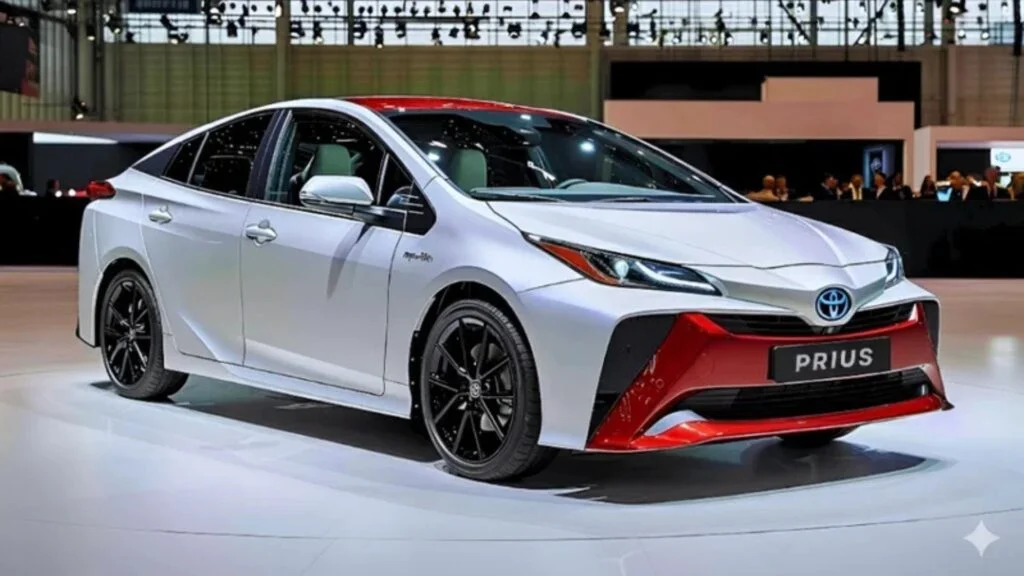
Overall, the Prius feels worth owning because it solves city problems. It saves fuel in traffic, stays easy to park, remains reliable year after year, and reduces maintenance stress. In city life, that combination feels like real value every day.
2. Honda Civic Hatchback
The Honda Civic Hatchback feels worth owning in cities because it combines urban-friendly size with real practicality. Cities demand maneuverability, and the Civic fits easily in crowded streets.
At the same time, the hatchback design makes it extremely useful for city errands, grocery runs, and even moving small furniture. That daily usefulness is what makes it feel worth owning.
I’m writing about the Civic Hatchback here because it’s a city vehicle that doesn’t feel like a compromise. Some small cars feel cramped or weak. The Civic Hatchback feels solid, stable, and responsive enough to keep up with traffic easily. That makes merges and quick lane changes less stressful.
The Civic’s steering and low-speed control help with parking. It feels easy to place, which matters in tight urban lots. The ride is balanced enough that potholes don’t feel brutal, but the handling remains controlled. That mix works well in real city streets where roads are rarely perfect.
Ownership costs also support city value. The Civic is generally efficient and holds resale value well, meaning it protects the owner financially. Maintenance is manageable because the platform is common and service support is widely available.
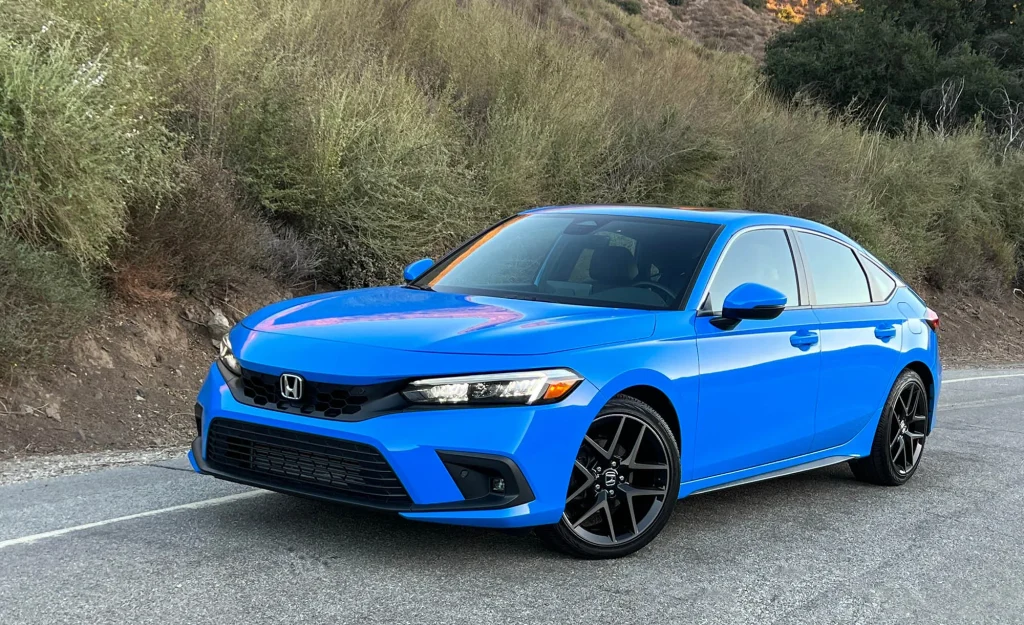
The Civic Hatchback feels worth owning because it delivers the exact blend a city driver needs: compact maneuverability, practical cargo flexibility, stable traffic behavior, and long-term ownership sense. It’s a car you can rely on daily without feeling like city life is beating it up.
3. Toyota Corolla Cross
The Toyota Corolla Cross feels worth owning in cities because it offers crossover comfort without city-unfriendly bulk. Many city drivers want the higher seating position of an SUV because visibility matters in traffic. But full-size SUVs are stressful to park and expensive to run. The Corolla Cross gives city drivers a smarter middle ground.
I’m writing about the Corolla Cross here because it fits modern urban needs. The seating position helps drivers see traffic movement better, which improves confidence around buses, cyclists, and pedestrians. Yet the vehicle stays compact enough to fit in tight parking spaces. That makes it easier to live with daily.
The Corolla Cross is also comfortable in rough city conditions. Potholes and uneven pavement are less harsh than in low sedans. At the same time, it doesn’t feel overly heavy or clumsy. It stays easy to drive at low speeds, which is where city drivers spend most time.
Fuel economy and reliability also support ownership value. City drivers face high costs already. The Corolla Cross avoids adding major running costs. It is built for mainstream durability, and service support is easy to find.
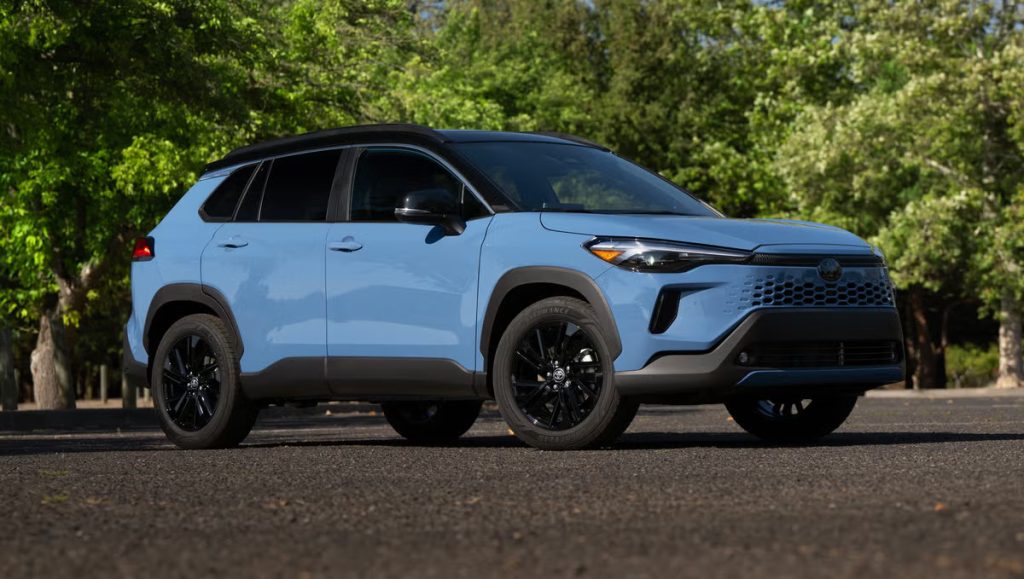
The Corolla Cross belongs here because it matches city reality. It is practical, comfortable, easy to park, and reliable. It feels worth owning because it improves daily urban life instead of creating more stress.
4. Mini Cooper
The Mini Cooper feels worth owning in cities because it is built around the main city advantage: size. In urban environments, small size equals freedom. The Mini can fit into parking spots many vehicles cannot use. That transforms daily life in tight neighborhoods.
I’m writing about the Mini Cooper here because it shows how city driving can feel easier when a vehicle is truly compact.
It is easy to maneuver, quick to turn, and fun even at low speeds. In city streets where you rarely drive fast, low-speed enjoyment matters. The Mini makes city driving more enjoyable rather than just tolerable.
Parking is the Mini’s biggest advantage. Parallel parking becomes simpler, and tight street spaces become usable. This reduces daily stress dramatically. In a city, this alone can make a car feel worth owning.
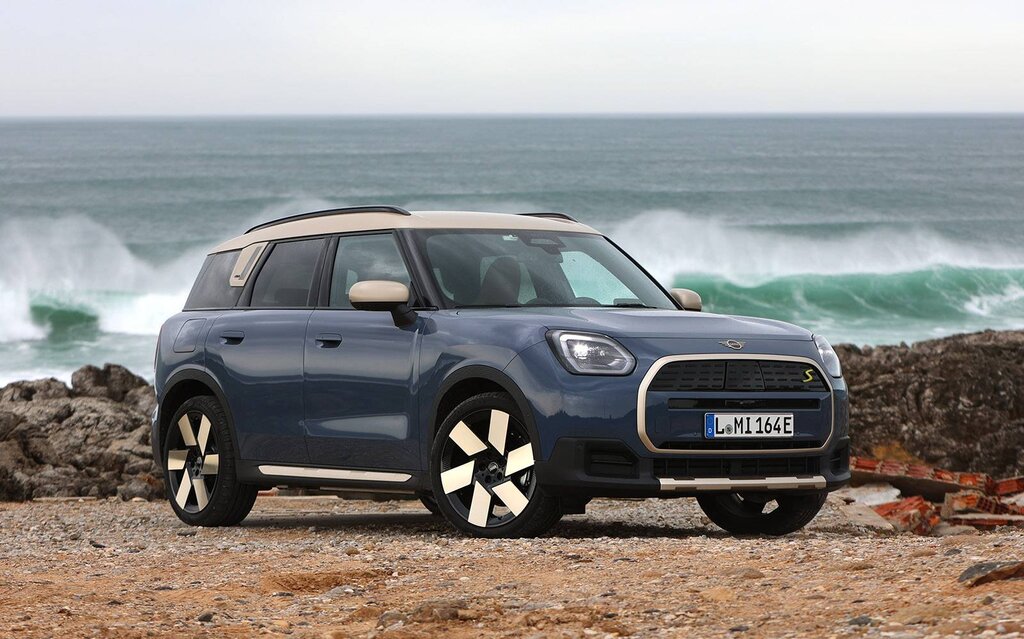
The Mini also feels confident in traffic because it is responsive. It moves into gaps quickly and doesn’t feel sluggish. That helps in aggressive urban traffic patterns.
The Mini Cooper belongs on this list because it offers a rare city ownership experience: it reduces parking frustration and makes driving feel playful. For city drivers who value maneuverability and daily convenience, it feels truly worth owning.
5. Hyundai Kona
The Hyundai Kona feels worth owning in cities because it offers a compact crossover shape that suits urban life well. It is small enough to park without drama but provides a higher seating position for visibility. This is a strong city combination because drivers want confidence without bulk.
I’m writing about the Kona because it represents a practical urban crossover. It handles traffic smoothly, fits in tight lanes, and absorbs rough pavement reasonably well. In cities with potholes and uneven patches, this comfort matters.
The Kona also provides useful cargo space for errands. City drivers often need flexibility without owning a large vehicle. The Kona delivers that. It’s easy to load groceries and daily items while staying compact.
Ownership costs also support value. The Kona is efficient for its size and generally manageable in maintenance. It doesn’t feel like a high-risk vehicle to own in an environment where parking dents and scratches happen. It can handle city life without making the owner constantly worry.
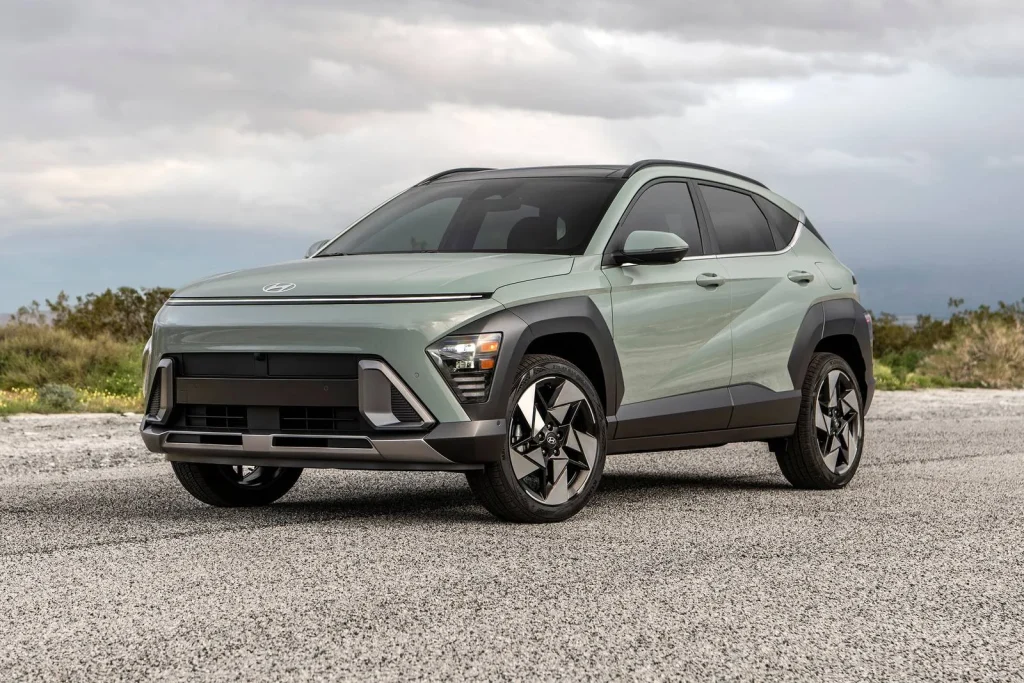
The Kona belongs here because it offers the city-friendly benefits of compact size and visibility, plus the practicality of a crossover. It feels worth owning because it fits the daily needs of urban life.
5 Vehicles That Don’t Feel Worth Owning in Cities
Some vehicles are great in theory but don’t feel worth owning once they face real city life. Cities expose weaknesses faster than anywhere else. Parking is tight, streets are narrow, traffic is constant, and road surfaces are often rough.
In that environment, a vehicle should feel like it reduces problems, not creates new ones. When a vehicle feels unworthy in the city, it usually means the owner spends too much time fighting the vehicle instead of using it.
You fight the size while parking, fight the fuel consumption in traffic, fight the stiffness over potholes, or fight the anxiety of expensive damage in crowded streets.
A city environment also changes value. A powerful engine means little when you crawl at 10 mph. A massive body becomes a disadvantage when you need to parallel park.
A sports suspension that feels sharp on smooth roads becomes harsh and tiring on broken pavement. And premium luxury features become risky when every parking lot includes the possibility of scratches, dents, and careless drivers.
Many city owners also face high insurance, high parking costs, and frequent stop-and-go driving. A vehicle that adds expensive tires, premium fuel, or high depreciation begins to feel like a bad deal.
I’m writing about these five vehicles because they represent common city ownership regrets. They might be impressive on open highways, comfortable on long trips, or exciting on weekends.
But in daily urban reality, they often feel inconvenient, wasteful, or stressful. The issue is not that these vehicles are “bad.” It is that they are mismatched to city life.
Vehicles that don’t feel worth owning in cities usually demand more space than cities provide. They also tend to require more care, higher running costs, or more cautious driving. In a city, a vehicle should be easy, practical, and resilient.
If it makes you worry about parking damage every day, or if it turns every commute into an expensive fuel burn, it stops feeling worth it. The five vehicles below often fall into that category, especially for drivers who live and commute in dense urban environments.
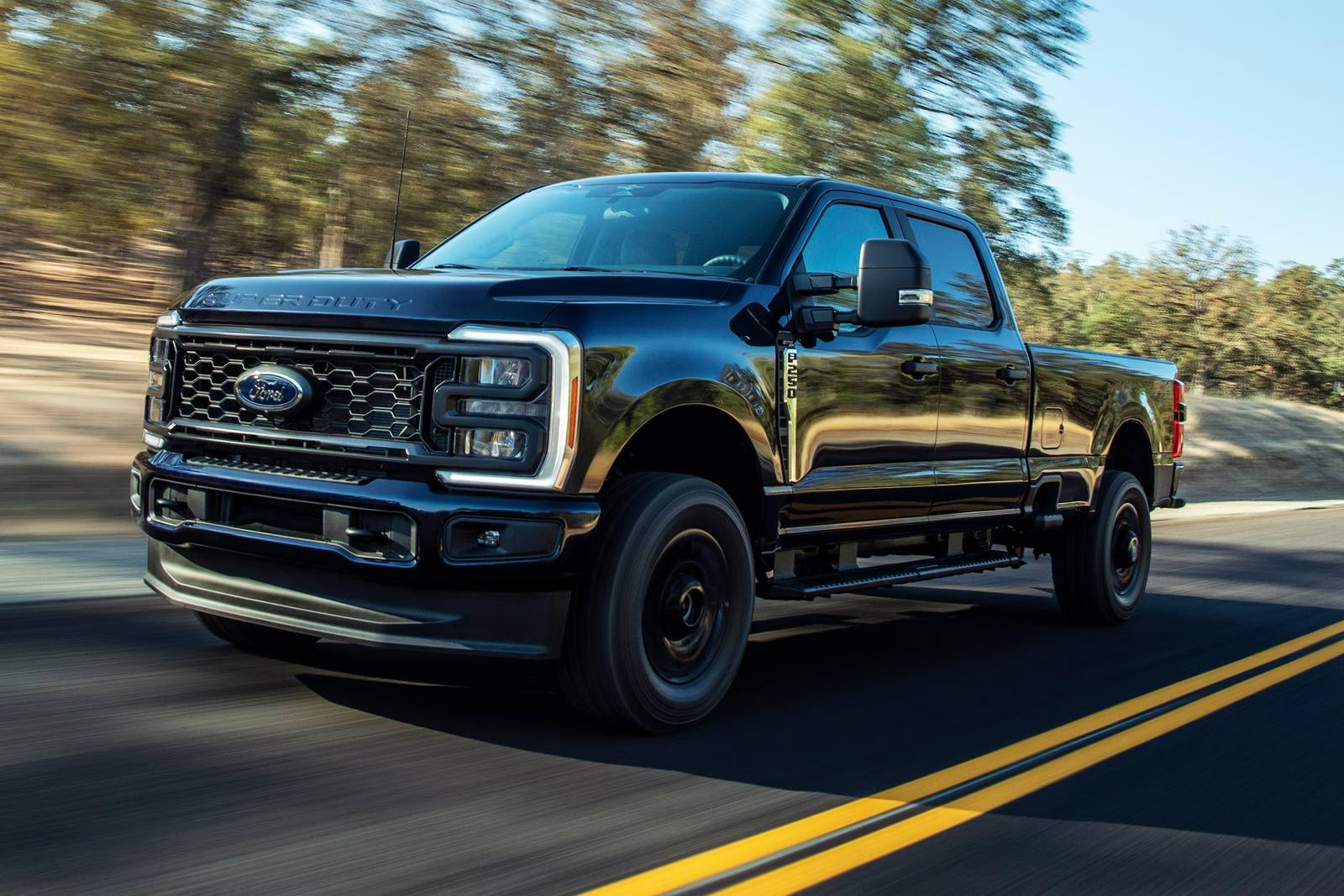
1. Ford F-250 Super Duty
The Ford F-250 Super Duty is an impressive truck, but in a city it often does not feel worth owning. The problem is not capability. It is mismatch. Cities don’t reward extreme towing power. They reward maneuverability, efficiency, and ease of parking. The F-250 is large, wide, and heavy, which makes daily urban life harder.
I’m writing about the F-250 here because in dense city streets, size becomes a daily penalty. Parking becomes stressful. Many spots are not designed for trucks of this size, so you either struggle to fit or park far away. Tight turns also become awkward, especially in narrow lanes. This makes every city trip feel like work.
Fuel consumption is another major drawback. In stop-and-go traffic, large heavy trucks burn fuel aggressively. That can become financially painful in a city where traffic delays are common. You end up paying for capability you rarely use.
Repair risk is also higher. City driving increases the chance of minor scrapes and dents. Repairing a large truck is often not cheap, and scratches become common. The truck can also attract theft interest, especially for parts or tools.
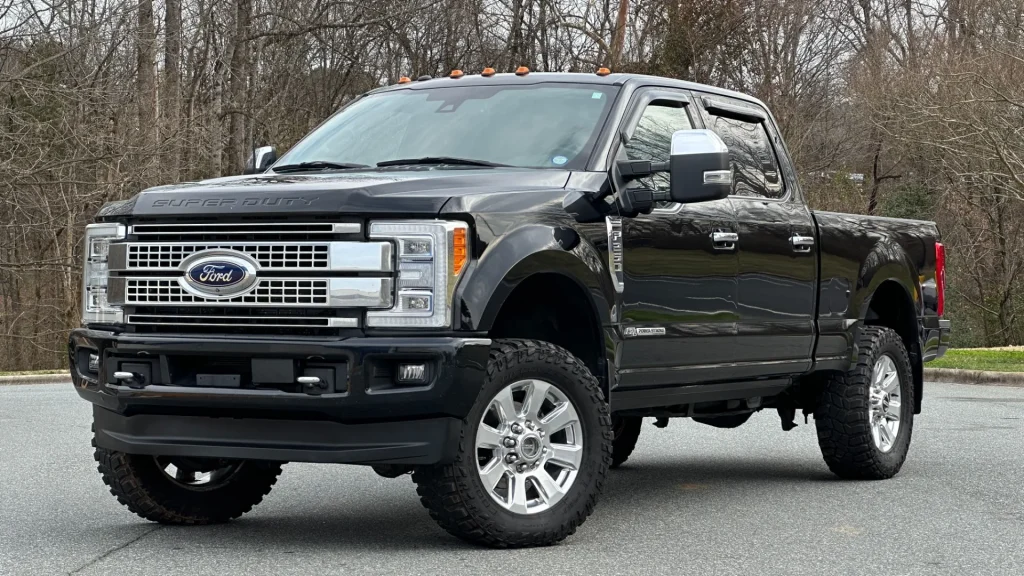
The F-250 belongs here because it is built for a lifestyle that doesn’t match city reality. Without regular towing or hauling work, city ownership feels like carrying a burden.
The truck takes space, burns fuel, and makes parking a daily challenge, which is why it often doesn’t feel worth owning in cities.
2. Chevrolet Suburban
The Chevrolet Suburban is one of the biggest SUVs on the road, and in cities it often feels more like a burden than a benefit. It offers space, comfort, and highway presence, but dense urban environments punish its size.
I’m writing about the Suburban here because many buyers love the idea of maximum space. But city ownership is not about space. It is about usability.
The Suburban is long and wide, making parking extremely difficult. In tight city lots, it feels oversized. Parallel parking can become almost impossible in many neighborhoods. This makes daily errands frustrating.
The Suburban also wastes fuel in city traffic. Stop-and-go driving is where large SUVs become expensive. The vehicle is heavy, and it requires energy to move. Over time, the fuel cost becomes a constant penalty, especially in traffic-heavy cities.
Another city problem is psychological stress. When you drive something this large, you constantly worry about scraping it or hitting curbs. You may avoid certain streets or avoid certain areas. That means the vehicle controls you rather than serving you.
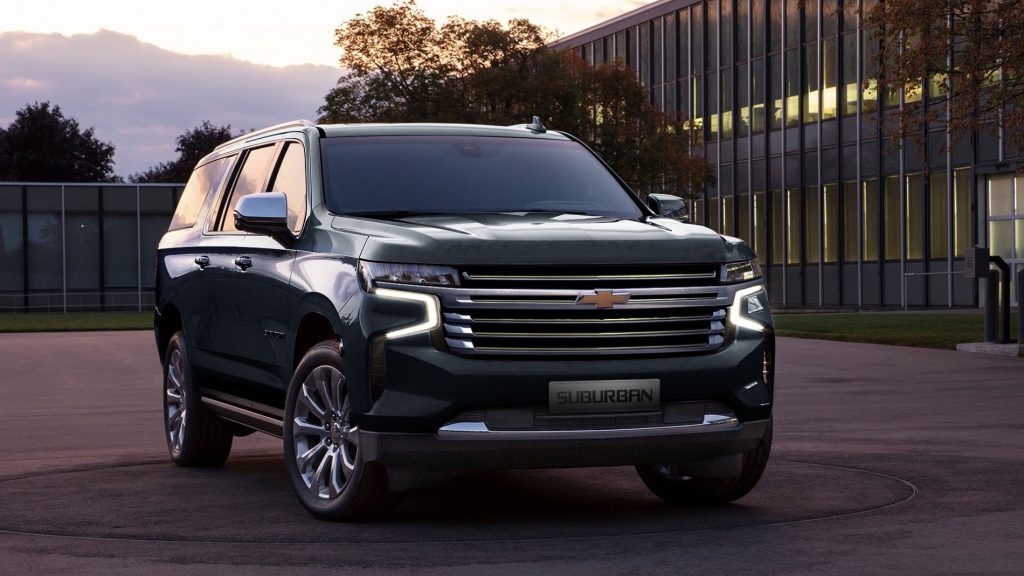
The Suburban belongs here because it’s excellent for long highway trips and large families in suburban settings. But in a dense city, it feels like too much vehicle, too much fuel, and too much parking stress. For most city residents, it doesn’t feel worth the daily struggle.
3. Dodge Challenger
The Dodge Challenger often does not feel worth owning in cities because city driving does not match its strengths. The Challenger is built for style, presence, and power. But city life is mostly traffic, parking, and rough pavement. In that environment, the Challenger feels wide, long, and impractical.
I’m writing about the Challenger here because it represents the “cool car, wrong environment” story. In a city, the Challenger’s wide body creates clearance anxiety on narrow streets.
Its long doors make tight parking annoying because you need room to open them. Many city parking spots are too tight for this kind of coupe.
The Challenger also wastes fuel in traffic. Power is not useful when you crawl. You end up paying for a performance identity you rarely use. That makes ownership feel less rewarding over time.
Road conditions also matter. Cities often have potholes, uneven patches, and speed breakers. Large coupes with performance vibes can feel less forgiving. Instead of enjoying the drive, you feel like you’re navigating obstacles carefully.
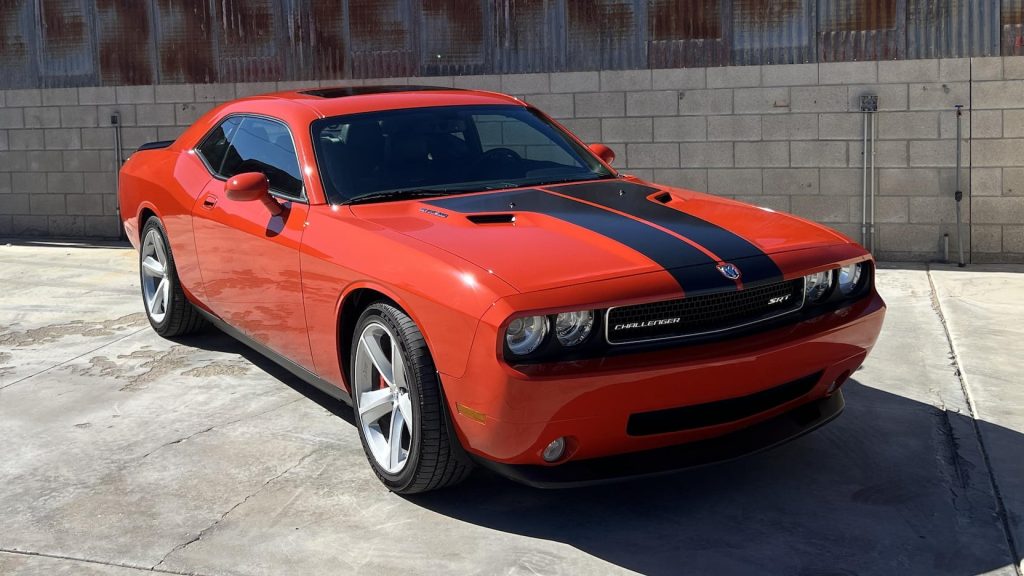
The Challenger belongs on this list because in cities, it turns into a vehicle that looks better than it functions. The owner pays for image, but daily use becomes inconvenient. That’s why it often doesn’t feel worth owning in dense city life.
4. Mercedes-Benz S-Class
The Mercedes-Benz S-Class is an incredible luxury sedan, but in cities it often does not feel worth owning because the environment increases stress. Dense city driving includes tight parking, bumper-to-bumper traffic, and constant risk of minor damage. For an S-Class owner, those risks feel expensive.
I’m writing about the S-Class here because city ownership is harsh on premium cars. Minor scratches and dents happen more often. In a high-end luxury vehicle, those small incidents can be costly. That creates anxiety. Instead of enjoying the car, you protect it constantly.
The S-Class is also large. Parking in dense areas can be difficult, and narrow streets create clearance stress. Even with cameras, size still matters. City driving becomes slow and careful, which reduces enjoyment.
Maintenance and repair costs are also high. A city owner already pays more for insurance and parking. Add luxury servicing, and ownership becomes financially heavy. City traffic also increases wear on brakes and components, raising long-term cost.
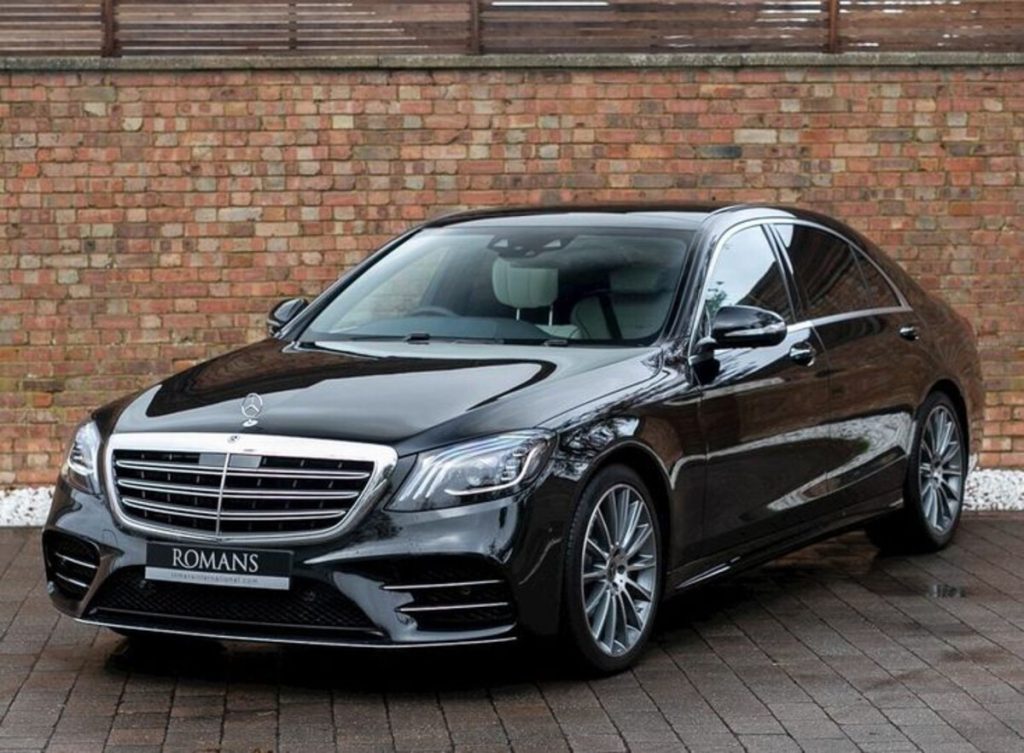
The S-Class belongs in this list because it’s a vehicle that shines on open highways and smooth roads. In cities, it becomes a stress magnet. It attracts attention, requires care, and turns daily parking into a financial worry. That makes it less worth owning in urban environments.
5. Jeep Wrangler (lifted or modified versions)
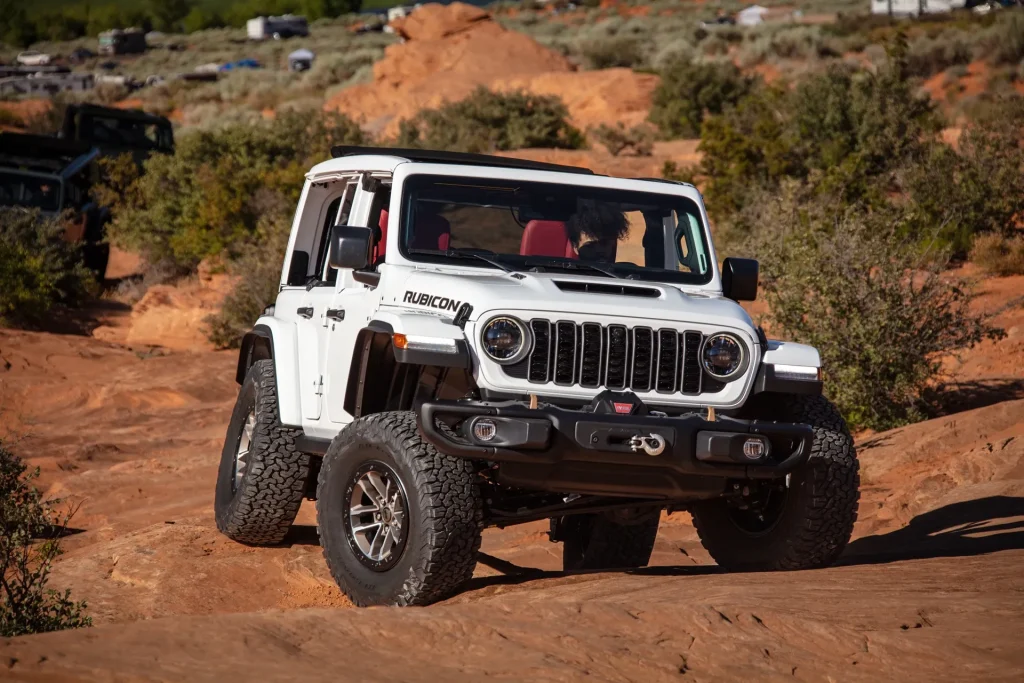
A lifted or heavily modified Jeep Wrangler often does not feel worth owning in cities because modifications that help off-road life often make city life worse. The Wrangler is iconic, but city driving rewards comfort, efficiency, and parking ease. Modified Wranglers often feel noisy, rough, and inconvenient in dense streets.
I’m writing about modified Wranglers here because they create daily drawbacks. Larger tires and lift kits can worsen ride comfort, making potholes and uneven pavement feel harsh. In traffic, the vehicle can feel tiring because noise levels are high and the ride is less smooth.
Fuel efficiency also becomes worse, especially with larger tires. City traffic already burns fuel. A modified Wrangler can become expensive to run. The boxy shape increases wind noise and reduces highway efficiency, making short highway bursts less pleasant too.
Parking can also become stressful because modifications often increase width and change turning behavior. In tight city lots, that matters. Security can be another issue because Wranglers and their accessories are often theft targets.
The modified Wrangler belongs on this list because it is built for a lifestyle that cities rarely allow. Unless the owner regularly uses off-road capability, city driving turns it into a noisy, inefficient, inconvenient vehicle that feels less worth owning daily.
This article compares vehicles that feel truly worth owning in city life with vehicles that often feel like poor matches for dense urban environments. City-friendly vehicles succeed because they reduce daily stress.
They are easy to maneuver in narrow streets, simple to park, smooth in stop-and-go traffic, and cost-efficient to run. Models like the Toyota Prius stand out because they turn traffic into fuel savings and stay calm in congestion.
The Honda Civic Hatchback adds compact agility with practical cargo space for errands, making it useful without being bulky. The Toyota Corolla Cross offers crossover visibility and comfort while still fitting into tight parking spaces.
The Mini Cooper shines in cities because its small size makes parking and tight street driving dramatically easier. The Hyundai Kona completes the list by offering a compact crossover footprint with good visibility, comfort, and everyday usefulness.
On the other side are vehicles that don’t feel worth owning in cities because they create constant inconvenience, expense, or anxiety.
The Ford F-250 Super Duty and Chevrolet Suburban are simply too large for dense streets and parking, while also burning fuel heavily in traffic. The Dodge Challenger feels wide and impractical in tight city spaces.
The Mercedes-Benz S-Class adds stress due to expensive repair risk and high running costs in crowded environments. A lifted or modified Jeep Wrangler often becomes noisy, inefficient, and uncomfortable on city roads, making daily ownership feel like a burden.
Also Read: 5 Electric Cars That Suit Apartment Living vs 5 That Don’t
