
Atlanta commutes are famous for one thing: heavy traffic that can turn short distances into long, slow crawls. Between I-285, I-75, I-85, the Downtown Connector congestion, and constant road work, driving in Atlanta demands more than just fuel efficiency.
It demands patience and a vehicle that stays comfortable, reliable, and steady under long stop-and-go conditions. That’s why choosing the right commuting vehicle in Atlanta is less about style and more about how the vehicle behaves when the road refuses to move.
A vehicle that truly works for Atlanta commutes needs a few important strengths. It should be easy to drive in tight traffic with smooth low-speed response, predictable braking, and steering that doesn’t feel heavy after an hour of crawling.
It should also have good cooling performance, because Atlanta summers bring heat and humidity that punish vehicles in slow traffic. Cabin comfort matters too. You spend a lot of time inside the car, so quietness, good air conditioning, supportive seats, and a calm ride make a big difference.
Practicality matters as well. Atlanta is not only commuting. It also includes errands, highway merging, and sudden downpours, so all-weather stability is valuable.
The second half of this article focuses on a problem that becomes very real in the South: vehicles that are more likely to overheat in traffic. Overheating is often linked to certain older designs, known weak cooling systems, high heat output engines, or vehicles that struggle when idling for long periods.
This doesn’t mean every example of these vehicles will overheat, but it means they are known to be more vulnerable in heavy stop-and-go heat conditions if maintenance slips or cooling systems age. Atlanta traffic, with long idle time and high temperatures, is the perfect environment for those weaknesses to show.
This article compares five vehicles that handle Atlanta commuting well and five vehicles that are more likely to struggle with overheating in traffic. The goal is simple: help drivers choose something that survives Atlanta’s daily grind without turning every commute into a mechanical worry.
Also Read: 5 Vehicles That Make Sense in Downtown Chicago vs 5 That Wear Out Faster
5 Vehicles That Work for Atlanta Commutes
Atlanta commutes are not ordinary daily drives. They are long, unpredictable stretches of stop-and-go movement mixed with sudden bursts of highway speed, all happening under heat, humidity, and frequent construction.
Between I-285 loops, I-75 and I-85 choke points, and the Downtown Connector’s constant slowdowns, Atlanta driving demands a vehicle that can handle traffic stress without draining the driver.
This is why the “right” commuter vehicle in Atlanta is not just the one that looks good, but the one that stays comfortable and reliable when the road refuses to cooperate.
A vehicle that works well for Atlanta commutes needs to excel in a few specific areas. First, it must behave smoothly at low speeds. Jerky acceleration, rough transmissions, or heavy steering will turn daily congestion into a tiring experience.
Second, it needs dependable cooling and air conditioning. Atlanta summers push vehicles hard, especially when they are idling for long periods with the AC running at full power.
A commuter car here has to stay cool, both mechanically and inside the cabin, because overheating issues or weak cooling performance can ruin your day quickly.
Comfort is another major requirement. In Atlanta, many commuters spend more time sitting than driving. Supportive seats, controlled ride quality, and quiet cabin insulation make a real difference when you are stuck behind endless brake lights.
Road noise, harsh suspension impacts, and cabin vibration can create fatigue even on short routes, and that fatigue adds up across weeks and months.
Practicality matters too. Atlanta weather can switch quickly, rain is common, and traffic merges can be aggressive, so stability and predictable handling help a driver feel more confident.
This section focuses on five vehicles that fit Atlanta’s commuting reality. These are models that handle stop-and-go flow smoothly, stay comfortable in heat, hold up well under heavy mileage, and reduce stress rather than adding to it.
If you commute daily in Atlanta, these are the kinds of vehicles that make the city’s toughest driving conditions feel more manageable.
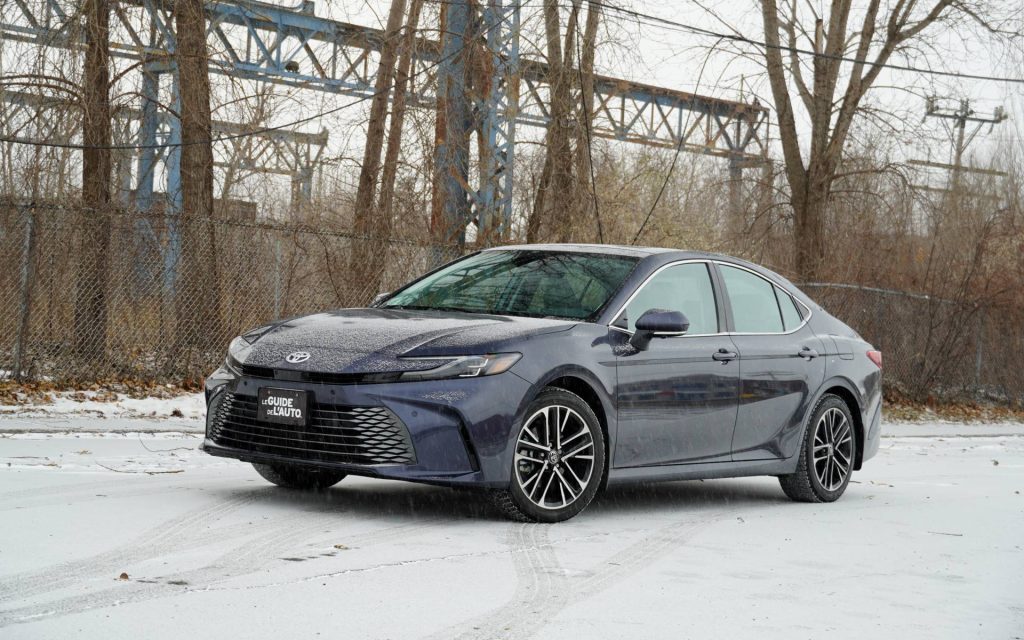
1. Toyota Camry Hybrid
The Toyota Camry Hybrid is one of the best vehicles for Atlanta commutes because it thrives in exactly the conditions Atlanta drivers face daily: long traffic crawls mixed with short bursts of highway speed. In stop-and-go congestion, the hybrid system shines because it reduces engine load at low speeds.
That matters because idling and creeping are where fuel economy usually collapses. With the Camry Hybrid, the vehicle can glide and restart smoothly, which keeps commuting costs down and reduces the feeling of strain in traffic.
I’m writing about the Camry Hybrid because Atlanta commuting is not just about gas mileage, it’s about reducing stress. The Camry’s ride quality is smooth, and the cabin feels quiet enough that traffic noise doesn’t become exhausting.
That calmness makes a big difference when you’re stuck on the Downtown Connector or creeping along I-285 for long stretches. The seats are supportive enough for long sitting time, and visibility is good for crowded lane changes.
Cooling performance is another reason it works well. Atlanta summers push air conditioning systems hard, especially during idle-heavy traffic. The Camry Hybrid has a reputation for solid reliability and consistent cooling capability, which is exactly what commuters need.
If a vehicle struggles to stay cool in traffic, the commute becomes uncomfortable quickly. The Camry avoids that problem by being engineered for everyday use.
Finally, the Camry Hybrid has a balanced mix of practicality and confidence. It handles sudden rain well, feels stable at highway speeds, and doesn’t demand special attention from the driver.
In Atlanta, where traffic can be unpredictable and weather shifts quickly, this predictability becomes a major strength.
The Camry Hybrid is included because it offers the best combination of fuel savings, reliability, comfort, and calm behavior in traffic, which makes it a true Atlanta commuter tool.
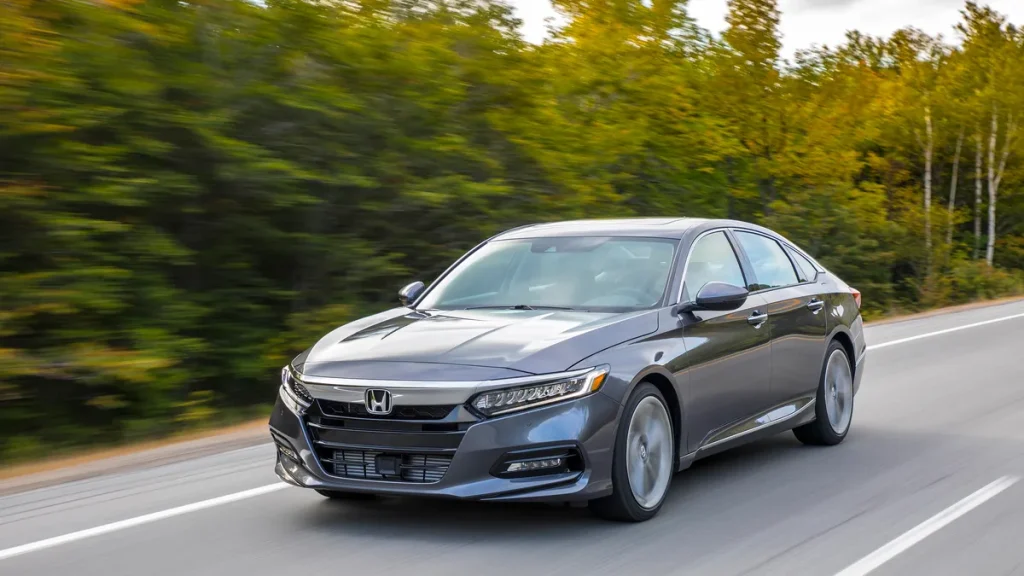
2. Honda Accord
The Honda Accord works for Atlanta commutes because it delivers the kind of balanced comfort and smooth behavior that matters when you’re spending long periods in traffic. It is not overly large, but it offers enough space that drivers don’t feel cramped during long commute hours.
That space matters more than people realize. When you are sitting for long periods in slow traffic, cabin comfort becomes part of your daily quality of life.
I’m writing about the Accord because it handles the traffic grind with less fatigue. Its steering is light enough to feel easy during repeated lane changes, but stable enough that highway driving remains confident.
That’s important in Atlanta where you may creep in traffic one moment and then suddenly speed up to merge the next. The Accord’s power delivery feels smooth, so it doesn’t feel jerky in stop-and-go flow.
Cooling and comfort are also major strengths. Atlanta heat can make vehicles feel unpleasant quickly if air conditioning isn’t strong and consistent.
The Accord generally handles summer commuting well, keeping the cabin comfortable even in slow-moving traffic. Road noise is controlled better than many mainstream sedans, so your commute doesn’t feel loud or harsh.
Another reason the Accord is a strong commuter is reliability and ownership practicality. Atlanta drivers often stack miles quickly. A vehicle that ages well under high mileage becomes a smart decision.
The Accord is included here because it balances fuel efficiency, comfort, smooth traffic behavior, and long-term dependability. It doesn’t try to be dramatic. It tries to make daily commuting easier, and that is exactly what Atlanta driving demands.
3. Hyundai Ioniq 5
The Hyundai Ioniq 5 is an excellent Atlanta commuter vehicle because electric driving naturally suits traffic-heavy environments. Stop-and-go movement is where EVs feel at their best.
There is no traditional engine idling, no gear shifting, and no delay in low-speed response. In Atlanta congestion, that smoothness makes the driving experience calmer and less tiring.
I’m writing about the Ioniq 5 because many Atlanta drivers spend huge chunks of time crawling rather than cruising. In those moments, quietness becomes valuable.
The Ioniq 5’s cabin stays calm, and outside stress feels reduced. Even small daily frustrations, like constant brake tapping, become easier because EVs tend to provide smoother control at low speeds.
Another big advantage is cooling confidence. EVs don’t generate heat the same way traditional engines do. That reduces the risk of overheating issues caused by long idle periods.
While any vehicle can have mechanical issues, EV commuting avoids many classic traffic heat problems. That makes the Ioniq 5 feel well-suited to Atlanta summers, especially when traffic refuses to move.
The cabin space and seating comfort also matter. Atlanta commuters often carry bags, groceries, or work equipment.
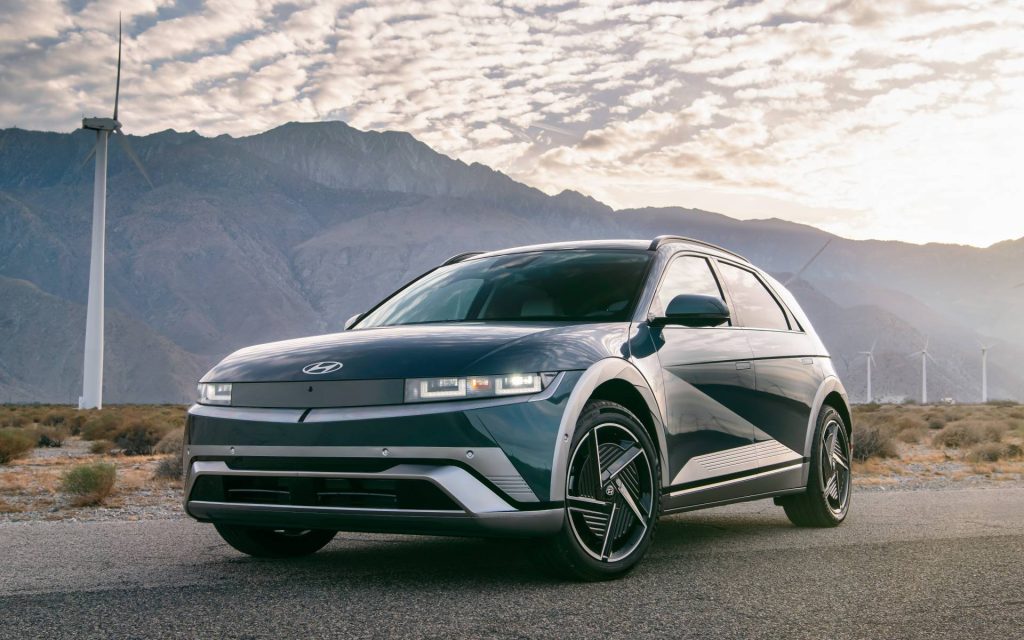
The Ioniq 5 offers crossover-like practicality while staying easy to maneuver. It also feels stable on highways, which matters when Atlanta traffic suddenly clears and speeds rise quickly.
The Ioniq 5 is included because it offers traffic-friendly smoothness, strong daily comfort, and a drivetrain that naturally performs well in congestion, which is exactly what an Atlanta commuter needs.
4. Subaru Outback
The Subaru Outback is a strong Atlanta commuter choice because Atlanta driving is not only about traffic, it’s also about weather and road conditions.
Sudden thunderstorms, slick roads, and unpredictable traffic behavior make stability important. The Outback’s all-weather confidence helps commuters feel more secure when conditions shift quickly.
I’m writing about the Outback because it offers a unique combination of comfort and capability. Its ride quality is soft enough to handle rough pavement and highway expansion joints without tiring passengers.
In stop-and-go traffic, the Outback feels relaxed. The cabin is quiet enough that commuting doesn’t feel chaotic, and the seating position helps with visibility in dense traffic.
Atlanta also includes long highway stretches where traffic can move fast one moment and then collapse the next. The Outback handles that transition well, staying stable at higher speeds while still being easy to manage in crawling lanes.
Cargo space is another advantage. Many commuters need practicality for errands, work equipment, or weekend trips. The Outback provides that without feeling like an oversized SUV.
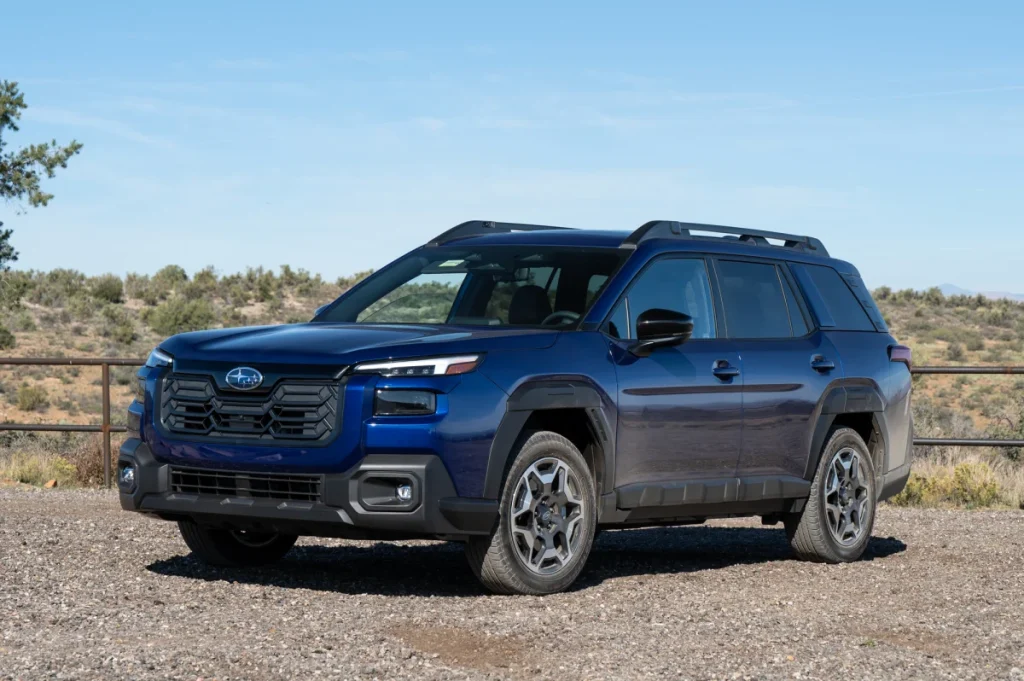
Cooling performance is also important. Vehicles that struggle with heat become risky in Atlanta’s summer traffic. The Outback is generally built for long-term daily use, and when maintained properly it handles commuting demands well.
The Outback is included because it is comfortable, stable in changing conditions, practical for daily life, and confident in weather shifts, which makes it a smarter commuter tool than many people expect.
5. Toyota RAV4 Hybrid
The Toyota RAV4 Hybrid works for Atlanta commutes because it combines crossover practicality with traffic-friendly efficiency. Atlanta drivers often choose crossovers for comfort, seating height, and cargo flexibility.
The RAV4 Hybrid gives those benefits without destroying fuel economy in long traffic crawls. That is a major advantage when congestion becomes routine.
I’m writing about the RAV4 Hybrid because it fits Atlanta life. It’s comfortable enough for long sitting time, high enough to give a strong view of traffic, and practical enough for errands and family needs.
In stop-and-go movement, the hybrid system reduces strain and improves efficiency. Instead of burning fuel aggressively while crawling, it behaves more calmly.
Cooling and reliability are also key reasons it makes the list. Atlanta heat punishes vehicles in traffic, and drivers need confidence that the car will handle hot conditions without drama. The RAV4 Hybrid has a reputation for dependable daily use, which is valuable when commuting daily on crowded highways.
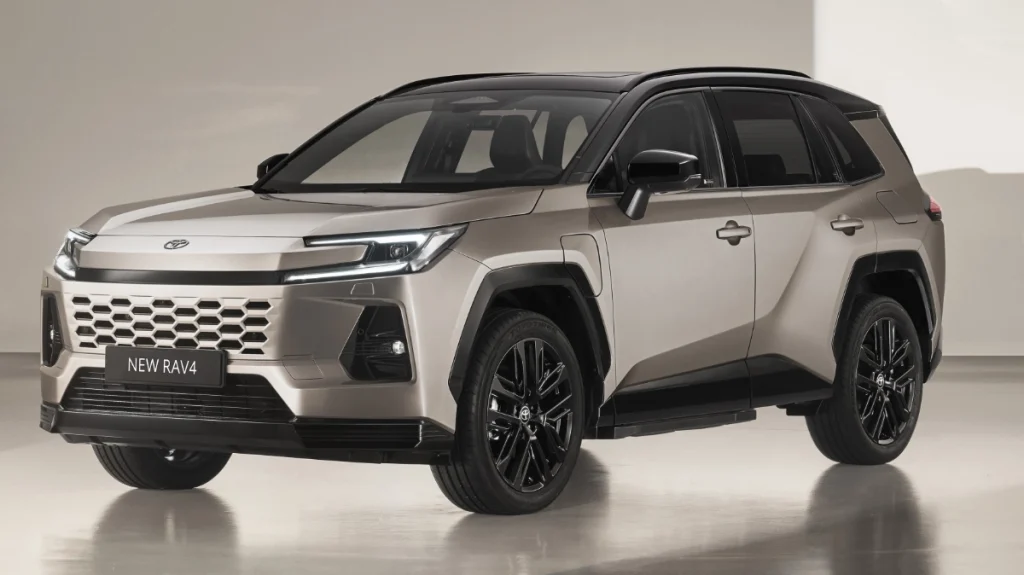
The RAV4 Hybrid also gives flexibility. It handles highway merging with ease, stays stable in rain, and offers space that suits weekend trips as well as weekday commuting.
It’s included because it delivers a strong commuter combination: efficiency under traffic conditions, reliable cooling, comfortable cabin experience, and practical crossover utility for everyday Atlanta life.
5 Vehicles That Overheat in Traffic
Overheating in traffic is one of the most frustrating problems a driver can face, especially in a city like Atlanta where summer heat and long congestion stretches are common. When a vehicle overheats, it turns an ordinary commute into an emergency.
The temperature gauge climbs, warning lights appear, and the driver is forced to pull over while the cabin fills with heat and stress.
Atlanta traffic makes this problem more likely because vehicles can spend long periods idling with minimal airflow through the radiator. The cooling system is working hard, but the environment is working against it.
It’s important to be clear: overheating is not guaranteed, and any vehicle can overheat if maintenance is neglected. Low coolant, old hoses, clogged radiators, failing fans, worn thermostats, and water pump issues can affect nearly any model over time.
However, some vehicles are known to be more vulnerable, either because of cooling system design, high heat output engines, tight engine bays, or patterns of aging issues that show up more often in hot stop-and-go use.
Atlanta conditions amplify these weaknesses. Long idling time, high ambient heat, and constant air conditioning load increase thermal stress.
I’m writing about these five vehicles because they represent models that owners and mechanics have often associated with higher risk of overheating in heavy traffic, especially as they age. This list is not meant to shame anyone’s choice.
Many of these vehicles have strong appeal, such as performance, rugged ability, or a luxury feel. But commuters should know where weaknesses may appear so they can either avoid the risk or maintain the vehicle more carefully.
For Atlanta drivers, understanding overheating risk is practical planning. If your daily route includes long congestion zones, choosing a vehicle with strong cooling reliability matters.
And if you already own one of these models, this section can serve as a reminder that cooling system maintenance is not optional in Atlanta. Heat plus traffic is the toughest test.
1. BMW 335i (E90 generation)
The BMW 335i from the E90 generation is a strong performance sedan, but it is also one of the models often associated with cooling system vulnerability as it ages, which makes it more likely to overheat in heavy traffic if maintenance slips.
In Atlanta’s stop-and-go heat, that risk becomes more noticeable because the car spends long periods idling while generating significant engine heat.
I’m writing about the E90 335i because it represents a common Atlanta commuting issue: performance cars that run hot. Turbocharged engines produce more heat, and in slow-moving traffic there is less airflow to help cooling.
The 335i can handle heat when everything in the cooling system is healthy, but once components start aging, the margin of safety shrinks quickly. When the radiator, water pump, thermostat, or hoses weaken, traffic becomes the perfect situation for overheating.
Another reason it shows up here is that downtown congestion encourages constant braking and acceleration.
That repeated load builds heat in the engine bay, and if the cooling fan system is not performing perfectly, temperatures can climb. Many owners don’t notice the problem until the conditions become extreme, like an Atlanta afternoon stuck on I-85.
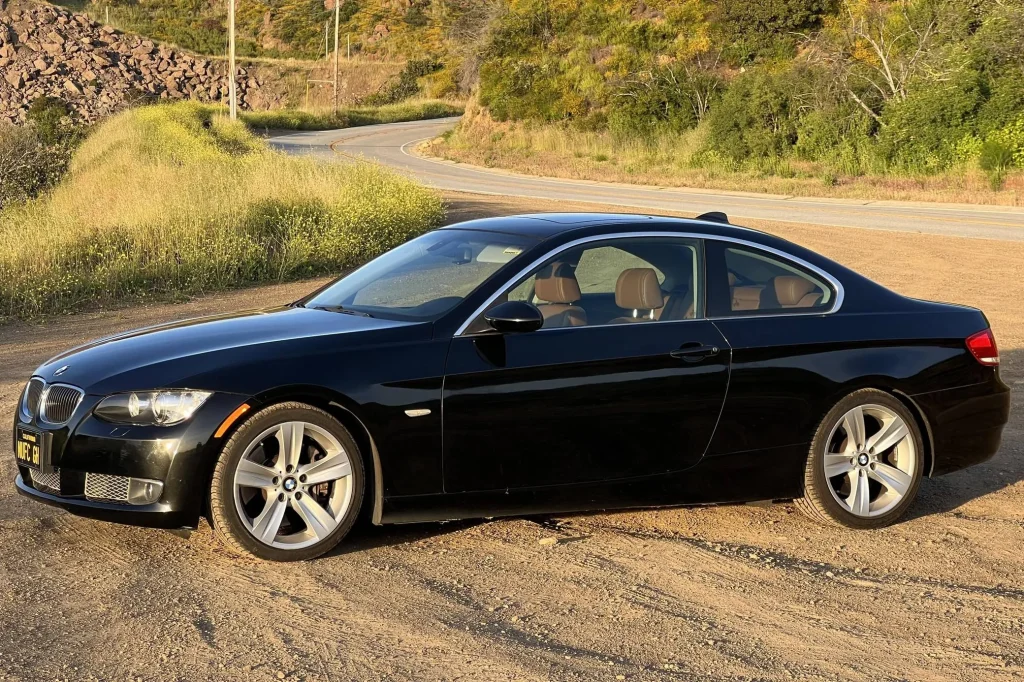
The key issue isn’t that the car is “bad.” It is that it demands strong maintenance discipline. A commuter vehicle in Atlanta should not punish you for being stuck in traffic. But the E90 335i can do exactly that if the cooling system is not refreshed properly.
That’s why it falls into this group. It’s powerful, enjoyable, and refined, but in Atlanta heat and traffic, it can become a thermal risk if it is not maintained aggressively. For a commuter, that risk matters.
2. Land Rover Range Rover Sport (older models)
Older Land Rover Range Rover Sport models are known for luxury and strong road presence, but they can also be vulnerable to overheating issues as they age, especially in traffic-heavy heat conditions. Atlanta is exactly the kind of environment where these weaknesses get exposed because long idling time puts constant pressure on the cooling system.
I’m writing about this model because it represents a real commuting problem: a heavy vehicle with a complex cooling setup. Large engines, tight engine bays, and high heat output can make cooling systems work harder than normal.
In stop-and-go traffic, airflow is reduced, and when cooling components wear out, the system can struggle to keep temperatures stable.
Another reason older Range Rover Sport models show up here is that they often rely on a variety of cooling system parts that must all work correctly together.
If any weak link appears, such as fan problems, coolant leaks, thermostat issues, or aging hoses, heat builds quickly. Atlanta traffic makes it worse because the vehicle cannot rely on open-road airflow to help the radiator do its job.
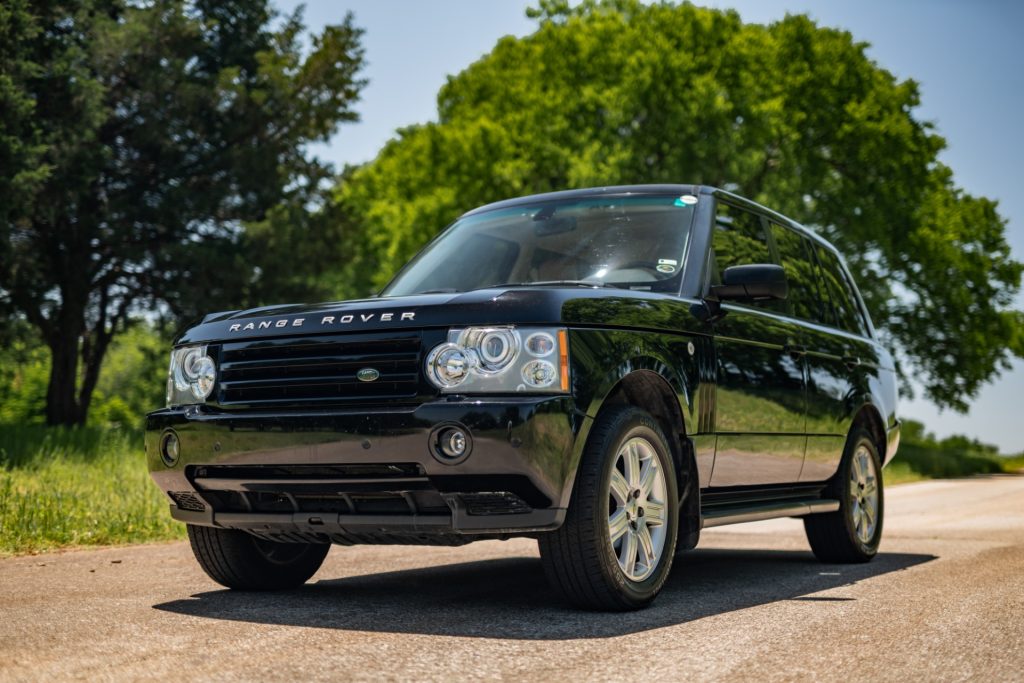
The risk becomes more serious because overheating in heavy SUVs can escalate quickly. Once the temperature rises beyond a safe range, damage can happen faster than drivers expect. For Atlanta commuters, this means the vehicle demands consistent preventive maintenance.
It is not the kind of car you can ignore for long periods and expect it to survive the heat without drama.
The Range Rover Sport can be a great luxury vehicle, but it is included in this list because traffic heat exposes its cooling system vulnerability more often than most commuters want to deal with.
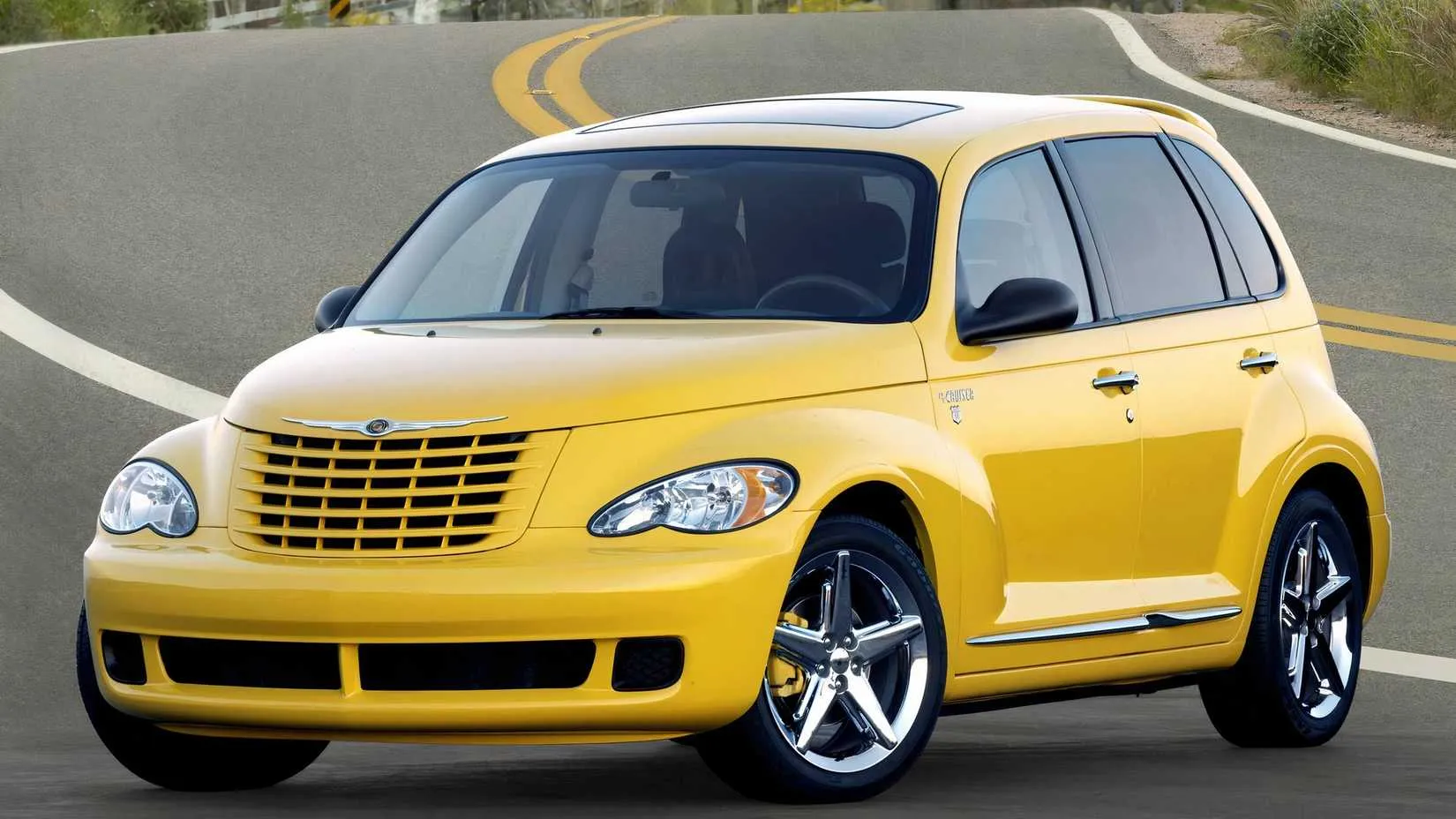
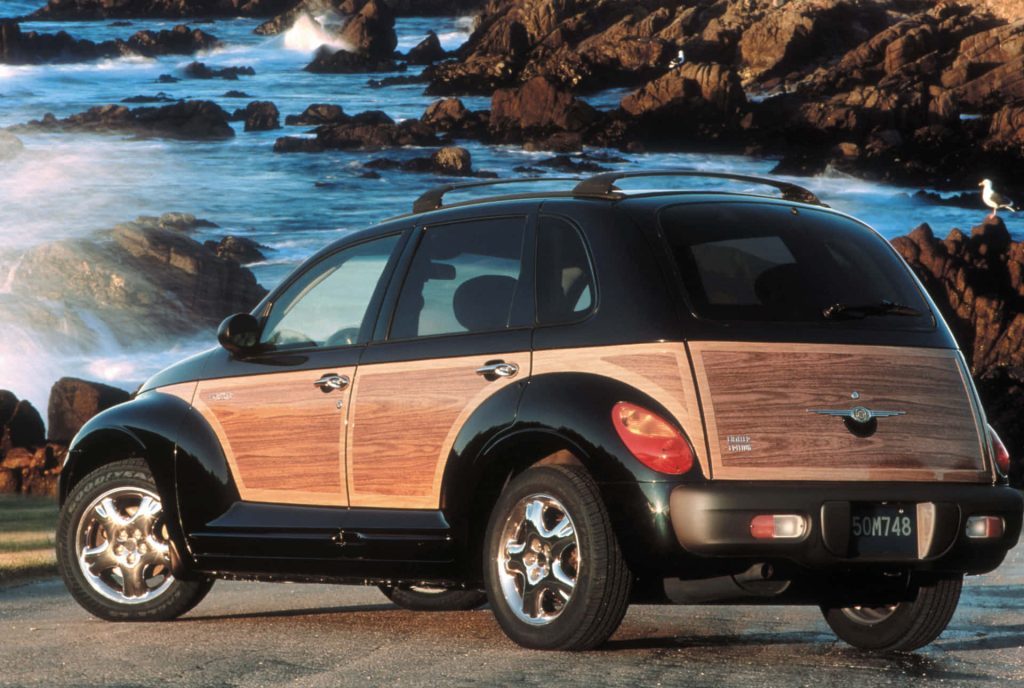
3. Chrysler PT Cruiser (older models)
The Chrysler PT Cruiser is a unique and practical vehicle, but older models are often associated with cooling system weakness that can lead to overheating, especially in hot traffic conditions.
In Atlanta summers, the combination of heat, humidity, and long idle time makes these vulnerabilities more noticeable.
I’m writing about the PT Cruiser because it represents a category of vehicles that can struggle as they age: older, compact vehicles where cooling components may not hold up well over long time periods.
Many PT Cruisers are now older vehicles, meaning hoses, radiators, thermostats, and fans are no longer fresh. In traffic, where there is less airflow and more constant heat load, those aging parts can create overheating risk quickly.
Another reason it belongs in this list is the way commuting works in Atlanta. Long stretches of crawling traffic push the cooling system into a constant battle. Vehicles with stronger cooling margins can handle this.
Vehicles with weaker systems or aging parts often cannot. The PT Cruiser can run fine for years with careful maintenance, but many examples are not maintained at that level, increasing the likelihood of temperature problems in summer traffic.
The biggest problem with overheating is that it rarely announces itself calmly. It often appears suddenly, with rising temperature and warning lights, forcing drivers to stop. That can be dangerous in fast-moving highways or crowded routes.
The PT Cruiser is included here because it is not the most heat-resilient vehicle in stop-and-go conditions, and for Atlanta commuters, that matters. Cooling system upkeep becomes a survival requirement, not an optional expense.
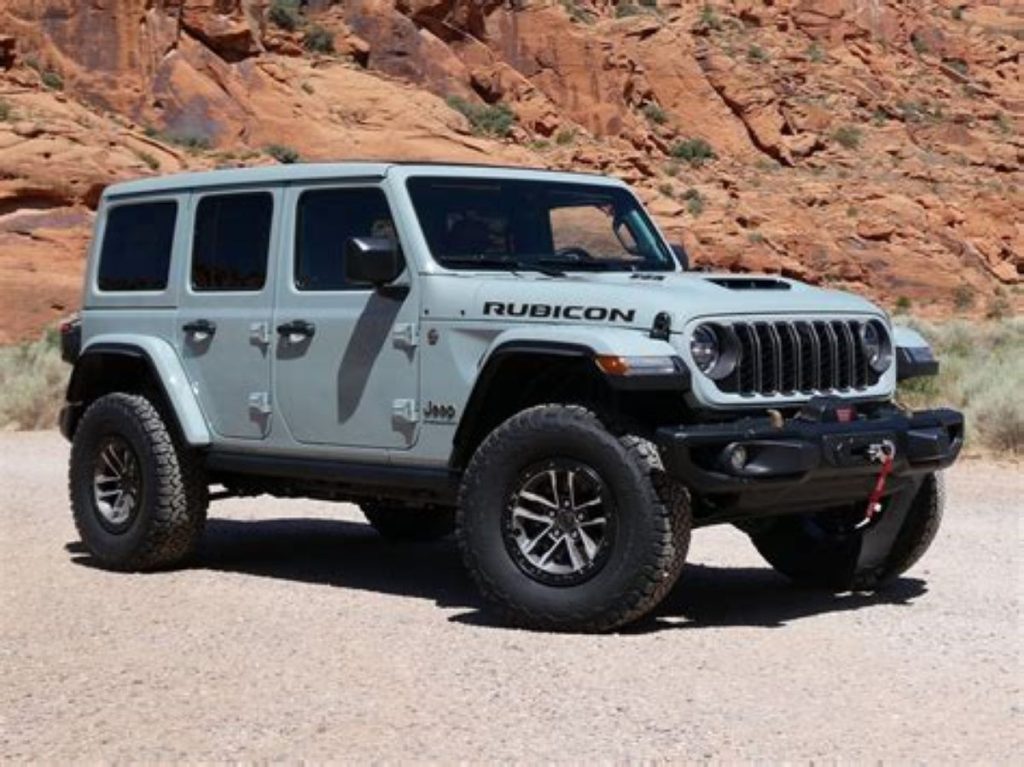
4. Jeep Wrangler (older JK models)
Older Jeep Wrangler JK models can be more likely to experience overheating issues in heavy traffic, particularly in hot climates. While Wranglers are built for rugged use, they are not always optimized for long idling periods in high heat.
Atlanta traffic, especially during summer, creates exactly that environment: long idle time, little airflow, and high thermal stress.
I’m writing about the Wrangler JK here because people often assume rugged equals heat-proof. But off-road capability and traffic cooling are not the same thing.
The Wrangler’s cooling system may handle typical driving fine, yet in long stop-and-go conditions, especially with added factors like larger tires, aftermarket modifications, or heavy accessory load, the heat stress can rise.
Another issue is that many Wrangler owners modify their vehicles, adding bumpers, lights, winches, or grille changes that can reduce airflow. In traffic, reduced airflow is already a problem. When airflow gets even worse, the cooling system loses efficiency. This makes overheating more likely during long Atlanta congestion periods.
The Wrangler’s appeal is strong: style, off-road ability, and presence. But commuters should understand the risk. If the cooling fan, thermostat, radiator, or coolant flow system is not operating perfectly, traffic can push temperature into dangerous zones.
The Wrangler JK is included because in hot traffic conditions it has a higher vulnerability than many commuter-friendly sedans or hybrids. For Atlanta commuters, that means either choose carefully, maintain aggressively, or expect that traffic plus heat may become an issue.
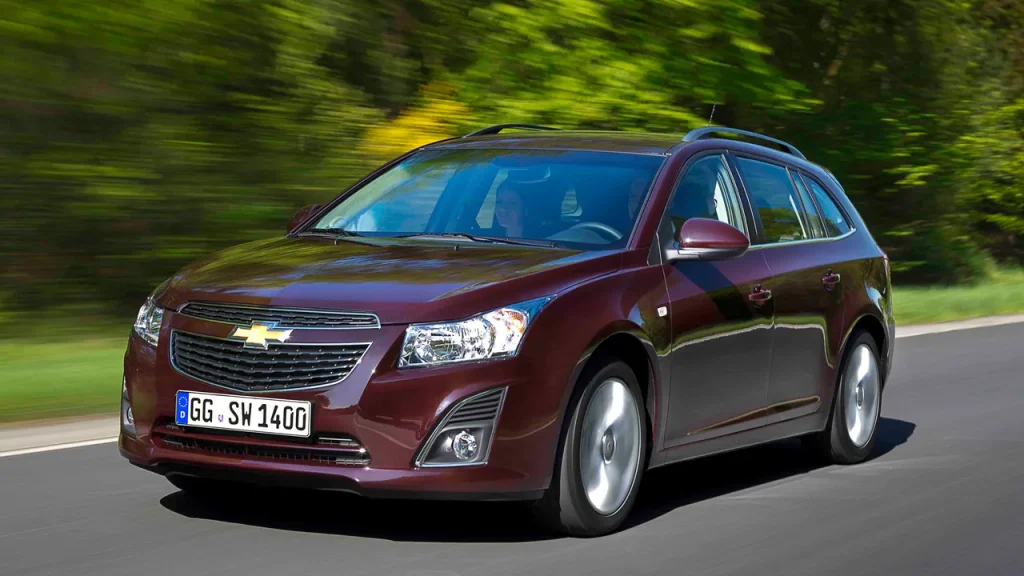
5. Chevrolet Cruze (1st generation)
The first-generation Chevrolet Cruze is another vehicle often mentioned in overheating discussions, especially as it ages and cooling system components wear. In Atlanta traffic, where long idling time and high air conditioning load are normal, a vehicle with any cooling weakness becomes more likely to run into problems.
I’m writing about the Cruze because it reflects how compact cars can become overheating risks when certain design vulnerabilities combine with time.
Many first-generation Cruzes are older now, and if cooling system maintenance is delayed, problems like coolant leaks, thermostat issues, or radiator problems can appear. In stop-and-go traffic, those weaknesses become immediate threats.
Another factor is that many commuters drive these vehicles heavily. High mileage combined with heat stress increases wear. If a driver is stuck in Atlanta congestion daily, the cooling system is under constant pressure.
Overheating can happen when a fan fails, coolant level drops, or the system loses efficiency. Often, drivers notice too late because traffic distractions delay response.
The Cruze can be a decent commuter when it is healthy, but it requires attention. The reason it belongs on this list is that it doesn’t have the strongest reputation for cooling system durability over long years of use.
In Atlanta heat, even small cooling issues can snowball into overheating in traffic. That makes it a commuter risk unless maintained carefully.
Also Read: 5 EVs That Handle City Winters vs 5 That Lose Range Fast
