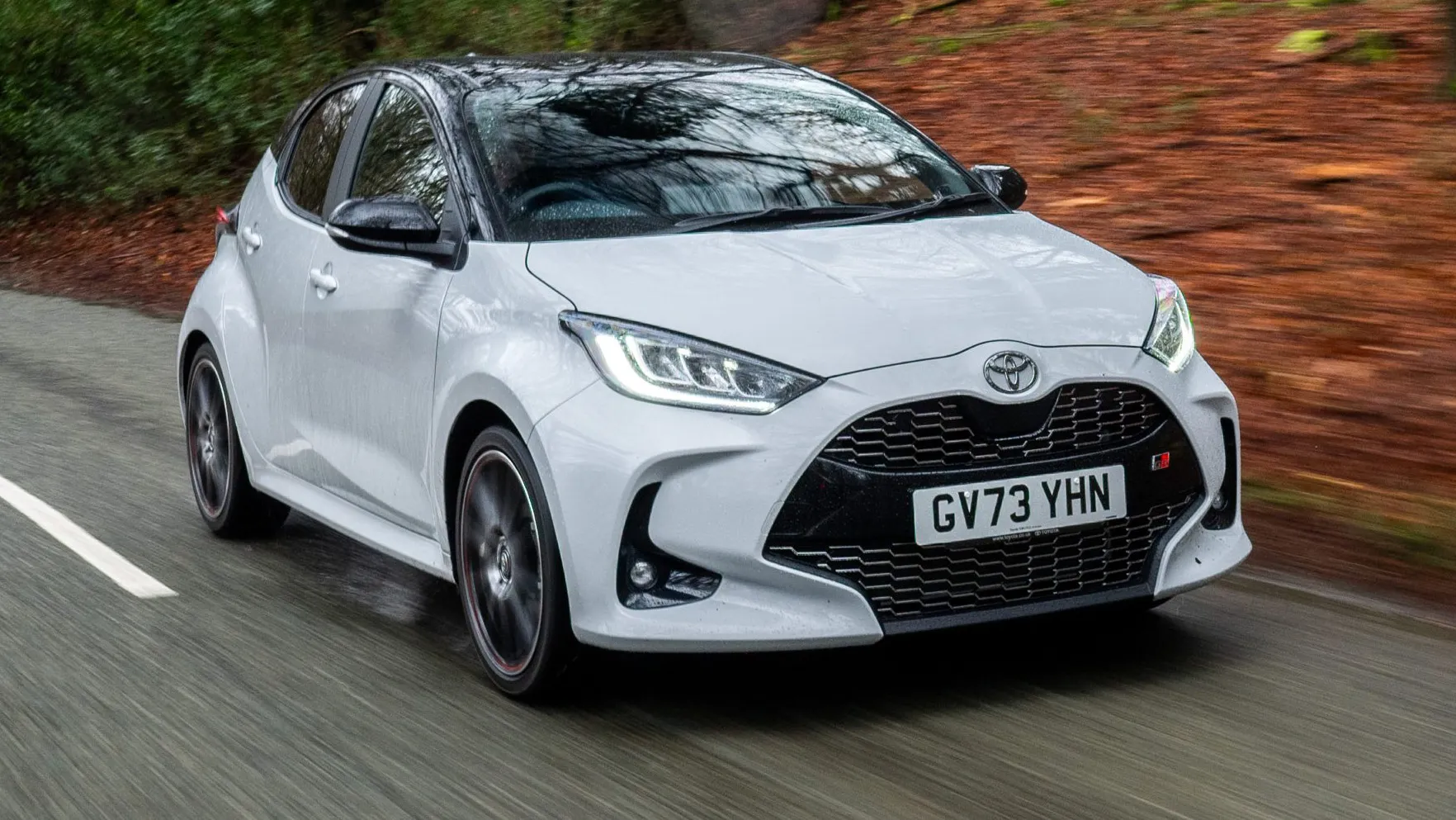
Narrow one-way streets create a unique kind of driving pressure. You don’t just deal with traffic, you deal with limited space, tight corners, parked cars on both sides, delivery vehicles blocking lanes, pedestrians stepping out suddenly, and cyclists moving unpredictably.
In many older city areas, these streets were never designed for today’s larger vehicles. That means the difference between a comfortable drive and a stressful one often comes down to one factor: width and maneuverability.
A vehicle that feels perfectly fine on highways can suddenly feel oversized and awkward when the road squeezes down to one tight lane lined with parked cars.
Vehicles that work well on narrow one-way streets share a few city-smart traits. They tend to be compact in width, have tight turning circles, and provide good visibility so the driver can judge corners and gaps confidently.
They also feel light and easy at low speeds, which matters when you’re creeping forward past a double-parked car. Another key point is confidence in parking.
On narrow one-way streets, you may need to parallel park quickly while cars wait behind you. A vehicle that is short, narrow, and easy to place makes that task far less stressful.
On the other side are vehicles that feel too wide. These may be strong, luxurious, or powerful, but narrow streets expose their weaknesses. Wider vehicles often make drivers feel boxed in, especially when passing close to parked cars.
The steering corrections become constant, and even a simple drive can feel tense. Wider vehicles also reduce margin for error. When the road is tight, there is less room to avoid potholes, more risk of scraping wheels, and more fear of clipping mirrors.
This article compares two groups: five vehicles that truly work on narrow one-way streets and five that feel too wide in the same environment.
The goal is practical and simple: help drivers choose vehicles that match tight city realities rather than vehicles that look impressive but struggle in the spaces where many people actually drive every day.
Also Read: 5 Vehicles That Handle Washington DC Parking Rules vs 5 That Don’t
5 Vehicles That Work on Narrow One-Way Streets
Driving on narrow one-way streets requires a specific kind of vehicle confidence. It is not about horsepower, towing power, or aggressive styling. It is about being able to fit, move, and stop comfortably when space is limited.
Narrow one-way streets often include parked cars lining the road, sharp corners, blind intersections, and unpredictable pedestrians. In those moments, you want a vehicle that feels easy to place, easy to slow down, and easy to maneuver without constant stress.
The best vehicles for these streets are typically compact. They have narrower bodies and shorter lengths, so the driver feels less fear of scraping, bumping, or getting stuck in tight gaps. Turning circle is important too.
Many narrow one-way streets have sudden tight turns or require U-turn-like movement in limited space. A vehicle that can rotate easily without wide swings makes these streets far easier. Visibility also becomes critical.
Thick pillars and long hoods can create blind spots, which is dangerous on narrow roads with bikes and pedestrians. A city-smart vehicle should feel open and clear in what the driver can see.
I’m writing about these five vehicles because they represent a practical response to real city streets. Many buyers choose cars based on looks or highway comfort, but city life demands different priorities.
A good narrow-street vehicle reduces stress. It allows quick parking, easy squeezing past delivery vans, and safer navigation through crowded spaces. It also makes the driver feel calmer because the car’s size matches the road.
This list focuses on vehicles that feel almost tailor-made for narrow one-way conditions. They aren’t just “small.” They are balanced, usable, and easy to drive in the places where space is limited and mistakes are expensive.
If your daily driving involves older city areas, downtown blocks, or neighborhoods with narrow streets and tight parking, these five vehicles are the kind of choices that make driving feel manageable rather than exhausting.
1. Honda Fit
The Honda Fit is one of the best vehicles for narrow one-way streets because it feels like it was built for tight urban life. Its biggest advantage is its compact width and short length. On narrow streets lined with parked cars, the Fit fits naturally.
You don’t feel like you are squeezing a large vehicle into a space that wasn’t designed for it. Instead, it feels normal and comfortable, which reduces tension immediately.
I’m writing about the Fit because narrow one-way driving often becomes stressful due to constant fear of scraping mirrors or wheels. The Fit reduces that fear. You have more margin in tight lanes, and that margin makes you calmer.
Its steering is light and responsive, so you can make quick adjustments when passing delivery trucks or cyclists. The Fit’s turning circle also makes it easier to handle sudden tight corners. That’s essential in older city blocks where streets turn sharply without much warning.
Visibility is another reason it shines. The Fit gives a clear view out of the cabin, helping drivers judge gaps and corners confidently. That matters on narrow streets where pedestrians step out between parked cars or scooters appear unexpectedly.
The Fit also makes parking far easier than larger vehicles. When you need to parallel park quickly, a small hatchback like this feels like a cheat code.
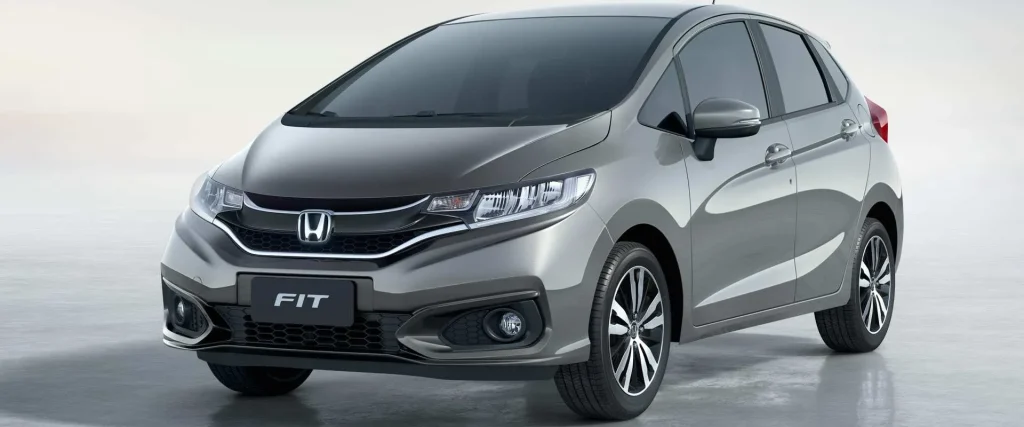
Beyond size, the Fit is practical. Its hatchback design allows cargo flexibility without adding width. That means you can carry groceries, bags, or even small furniture while still staying city-friendly.
The Fit is included because it represents the perfect mix of narrow-street dimensions, excellent maneuverability, visibility, and real-world practicality.
2. Mini Cooper
The Mini Cooper is almost purpose-built for narrow one-way streets. It is short, narrow, and extremely easy to maneuver. In tight city lanes, the Mini feels like it can move through spaces that would make larger cars hesitate. That’s a huge advantage when streets are lined with parked cars and drivers must squeeze through with precision.
I’m writing about the Mini because it shows how size transforms the driving experience. On narrow streets, you don’t want to constantly worry about your mirror clearance. The Mini reduces that worry.
Its steering is quick and responsive, which allows confident movement around obstacles. The compact wheelbase helps it turn sharply and handle sudden corners without wide swings.
Another strength is parking. Narrow one-way streets often require fast parallel parking. The Mini makes that easier because it fits into smaller gaps. You can park where larger sedans would never attempt it. This changes daily life in dense neighborhoods, making errands faster and less stressful.
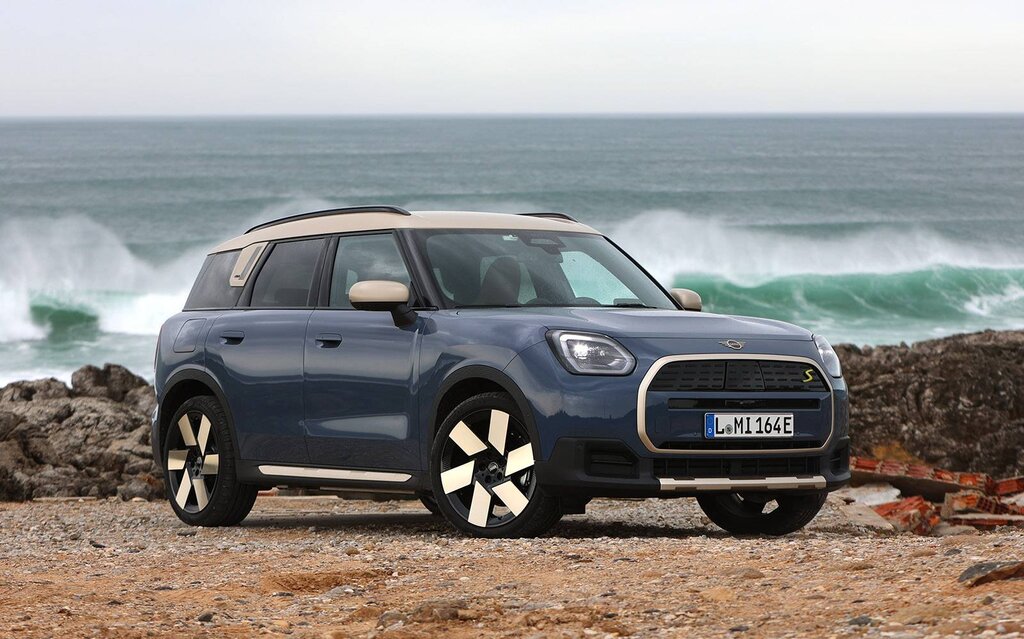
The Mini also feels stable at low speeds, which matters when you crawl past parked cars or navigate tight gaps. Even though it is small, it doesn’t feel weak or nervous. It feels planted and ready. This balance is what makes it so effective.
The Mini Cooper belongs on this list because narrow one-way streets reward compact dimensions, sharp turning ability, and easy parking, and the Mini delivers all three in a way few vehicles can match.
3. Toyota Yaris Hatchback
The Toyota Yaris Hatchback works well on narrow one-way streets because it combines compact size with easy daily driving behavior. It is narrow enough that you feel comfortable passing parked cars without stress, and its small footprint makes tight urban movement far easier than in wider sedans or SUVs.
I’m writing about the Yaris because one-way street driving is often about confidence. When roads are narrow, drivers hesitate if they feel unsure about clearance.
The Yaris gives you enough space and control that you don’t feel boxed in. Steering is light, which helps with constant small corrections. That matters because narrow streets require careful positioning.
The Yaris also does parking well. If you live in a neighborhood with tight street parking, the Yaris reduces daily frustration. It fits into smaller spots, making it easier to park quickly without blocking traffic behind you. That practical advantage is huge in downtown or older city areas.
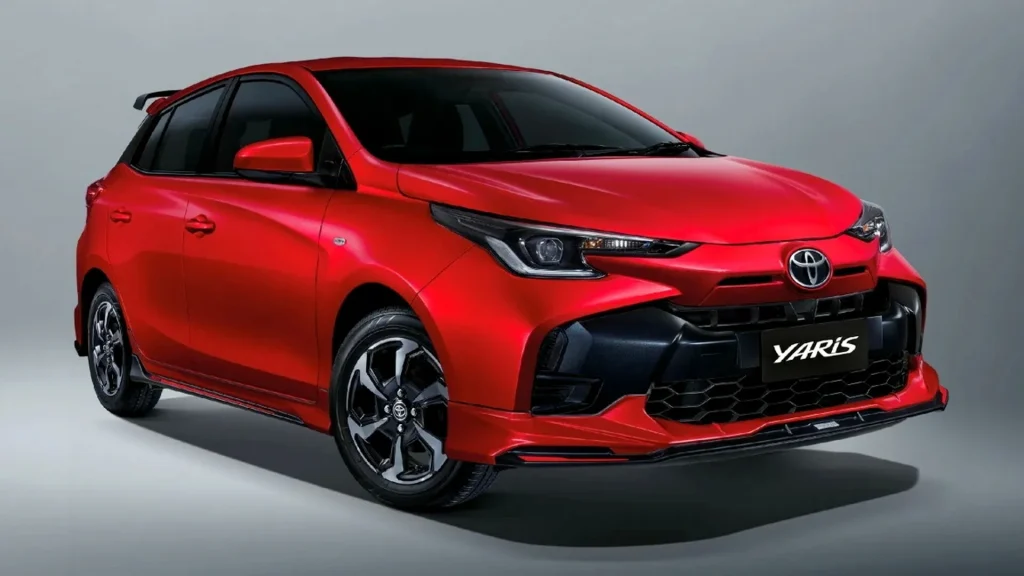
Visibility and ease are also strong points. Hatchbacks like the Yaris often provide good outward viewing angles, which helps when pedestrians step out unexpectedly. The Yaris doesn’t demand extra attention from the driver.
It feels simple and manageable, which is the exact driving character you want when the streets are narrow and crowded. The Yaris Hatchback belongs here because it offers city-smart dimensions, smooth maneuverability, and low-stress control in tight one-way conditions.
4. Kia Soul
The Kia Soul is a surprisingly effective vehicle for narrow one-way streets because its shape gives you a city advantage.
It has a compact footprint, and its upright design improves visibility. On narrow streets, visibility is as important as width. You need to see corners, parked cars, cyclists, and pedestrians clearly, and the Soul’s design helps drivers do that.
I’m writing about the Soul because it provides a unique mix: it feels small enough for narrow streets but roomy enough for real daily life.
You get the confidence of a compact car with the practicality of a larger cabin. The Soul’s steering is easy at low speeds, which helps in tight gaps and parking maneuvers.
Another reason it fits one-way streets well is how easy it is to place. The upright seating position makes it easier to judge the car’s corners. That reduces the fear of scraping parked vehicles. Its compact length also makes parallel parking far less stressful.
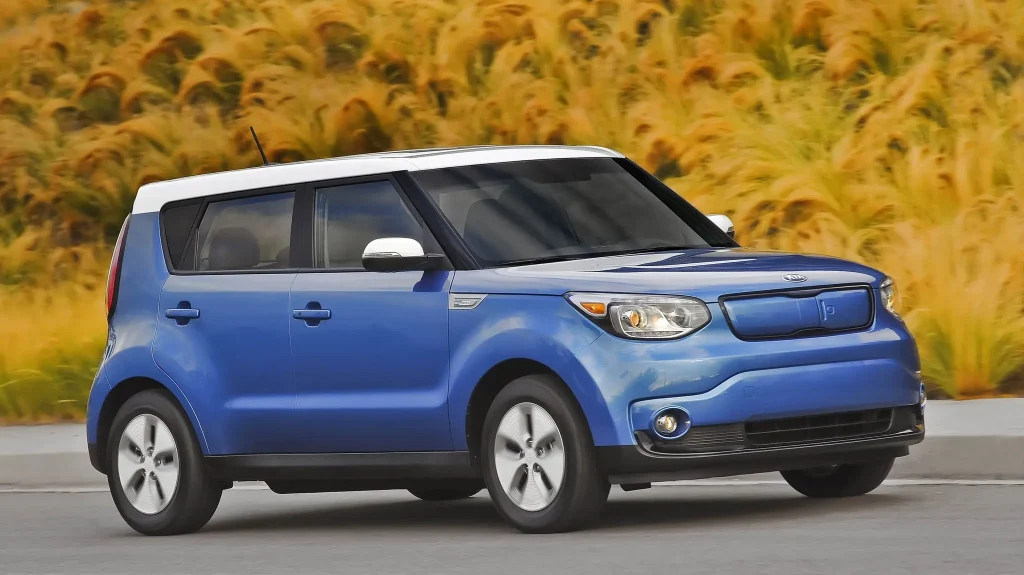
The Soul feels stable in slow movement, and it doesn’t feel like a large SUV trying to squeeze into a small space. It feels like a city-friendly box shape designed for urban life.
That’s why it earns a spot. Narrow one-way streets punish long, wide vehicles. The Soul avoids that trap by being compact, visible, and practical in a way that suits daily city movement.
5. Hyundai Venue
The Hyundai Venue works well on narrow one-way streets because it offers crossover style without crossover bulk. Many drivers want the higher seating position of an SUV, but SUVs often feel too wide. The Venue gives you the city advantage of a small footprint while still providing that elevated view.
I’m writing about the Venue because narrow streets require both control and confidence. The Venue’s compact dimensions allow easy navigation past parked cars, and its light steering helps with constant adjustments. It feels easy to drive slowly, which is exactly what narrow one-way streets require.
Parking is another key strength. The Venue fits into spots that larger crossovers cannot. That matters when street parking is the only option. Its shorter length reduces the stress of parallel parking while other cars wait behind.
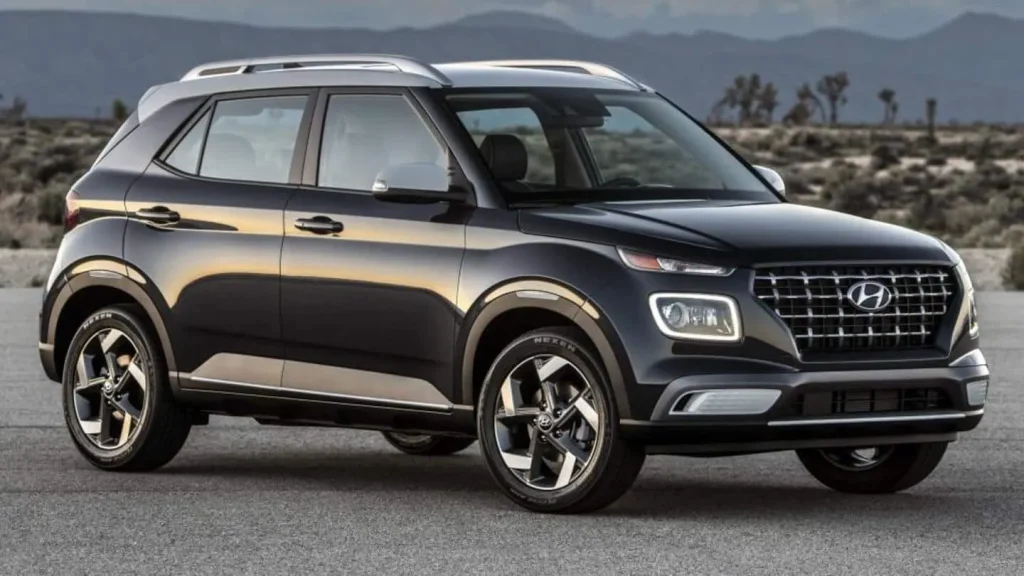
Visibility is strong due to the upright design. You can see more clearly around corners and obstacles. The Venue also feels calm at low speed, with a driving character that suits city life. It doesn’t feel oversized or intimidating.
It feels like a smart choice for people who navigate tight streets daily but still want crossover practicality. The Venue belongs here because it combines compact width, city visibility, and easy maneuverability, which is exactly what narrow one-way streets demand.
5 Vehicles That Feel Too Wide
On narrow one-way streets, width matters more than most drivers expect. Even a difference of a few inches can change the entire driving experience. When the road is tight and parked cars line both sides, a wide vehicle reduces the margin for error.
That small margin becomes mental pressure. Drivers feel boxed in, make constant steering corrections, and slow down more than necessary because they are afraid of clipping mirrors, scraping wheels, or brushing close to parked cars.
The result is stress, not because the driver lacks skill, but because the vehicle’s dimensions simply don’t match the street.
Vehicles that feel too wide are not always bad. Many are excellent on highways, where wide lanes and open space allow them to feel stable and comfortable. Some are designed for power and road presence. Others are designed for family comfort and space.
But narrow one-way streets expose their weaknesses instantly. Wide vehicles often struggle with tight corners, especially when the turn is sharp and visibility is limited. They can also feel intimidating in narrow spaces because drivers must constantly judge clearance on both sides.
Another issue is that wide vehicles tend to have larger turning circles and longer lengths, which makes downtown maneuvers harder. If a delivery van blocks part of the street, smaller cars can slip through. Wider vehicles may not have enough clearance.
Parking becomes a bigger headache too. On one-way streets, parallel parking is already stressful because traffic stacks behind you. A wide or long vehicle makes that process slower and more difficult, increasing pressure.
I’m writing about these five vehicles because they represent common “size mismatch” problems in urban environments. People often buy vehicles based on highway comfort, interior space, or bold appearance.
But if your daily reality involves narrow city streets, width becomes a serious practicality issue. These vehicles can feel awkward and stressful not because they are low quality, but because they are physically too wide for many narrow one-way street conditions.
1. Ford F-150
The Ford F-150 is one of the most popular vehicles in America, but on narrow one-way streets it can feel far too wide.
The F-150 is designed as a full-size pickup, which means it carries wide proportions, a large turning radius, and a long body. On open roads that size can feel comfortable and stable, but in narrow city streets it becomes a daily challenge.
I’m writing about the F-150 here because narrow one-way streets demand precision, and a full-size truck reduces the margin for error dramatically. When parked cars line both sides, the driver may feel like the truck barely fits.
Even if it technically does, it often feels mentally exhausting because you must constantly watch mirror clearance. In tight sections, you may slow to a crawl and still feel unsure. That’s what “too wide” really means: the vehicle forces caution at all times.
Turns can also become awkward. Many narrow one-way streets have tight corners that require careful steering. The F-150 often needs wider swings to complete turns cleanly, which can create anxiety when cars are parked close to the corner. You may feel like you are taking up too much road space, and that makes the driver more stressed.
Parking is another major problem. Parallel parking a full-size pickup on a narrow street can feel like a negotiation rather than a normal action.
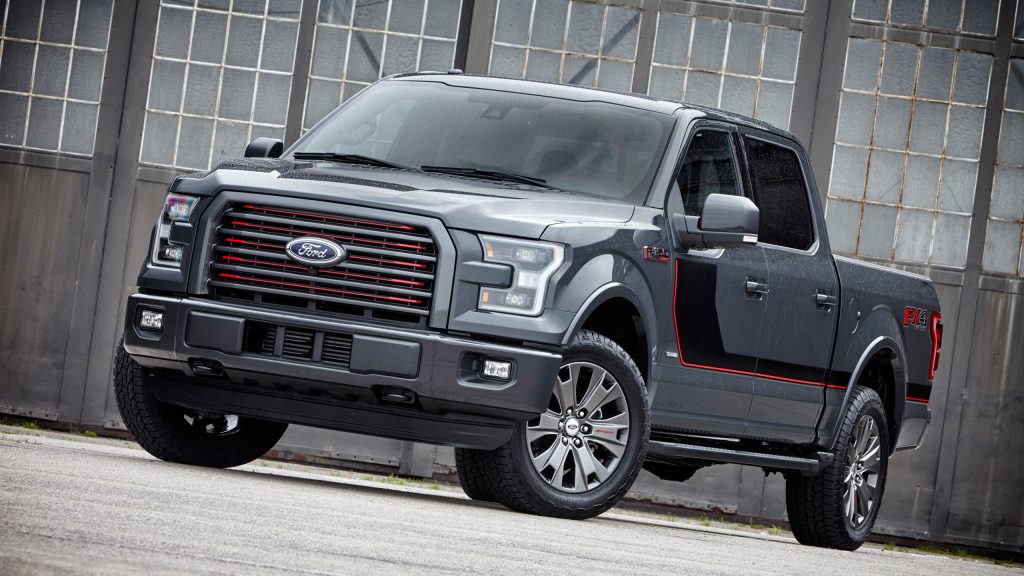
The truck’s width and length make it harder to fit into gaps, and the long doors make entry and exit difficult when other cars park close. The F-150 is excellent for hauling and highway cruising, but on narrow one-way streets it feels oversized, wide, and inconvenient. That’s why it earns a clear spot in this group.
2. Chevrolet Tahoe
The Chevrolet Tahoe is a large SUV built for space, comfort, and highway stability. But on narrow one-way streets, it often feels too wide and too bulky to move naturally. The Tahoe is designed for families and long trips, not for squeezing through tight urban lanes lined with parked cars.
I’m writing about the Tahoe here because it shows how big SUVs can feel intimidating downtown. In narrow one-way conditions, you’re constantly watching both sides of the vehicle.
You may worry about scraping wheels against curbs or clipping mirrors against parked cars. Even when everything is fine, the stress remains because the margins are tight. That stress makes city driving tiring.
The Tahoe’s turning circle is another issue. Narrow streets often require quick tight turns around corners or obstacles. Larger SUVs need more space to rotate, and that creates awkward moments in city streets.
If a delivery truck blocks part of the lane, smaller vehicles can slip past. The Tahoe may struggle, forcing the driver to wait or take awkward positioning.
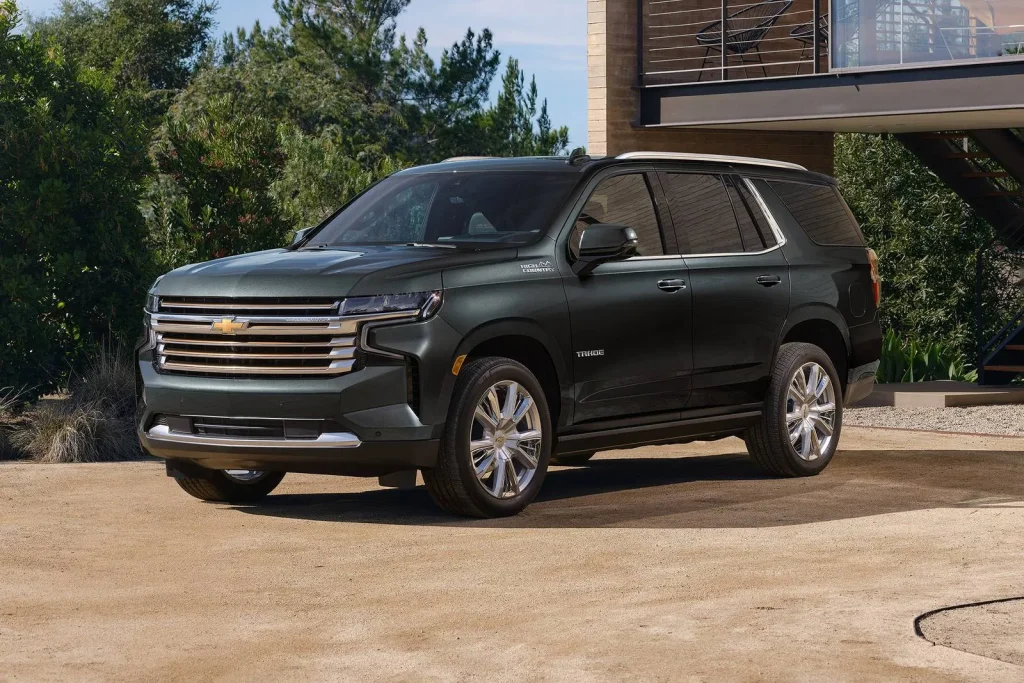
Parking becomes a major inconvenience. Parallel parking a Tahoe on a narrow street is difficult. Even if you find a spot long enough, the width makes it hard to park cleanly without being too close to the curb or too far out.
Doors are large, so getting in and out becomes hard when other cars park close. The Tahoe is a strong highway machine, but on narrow one-way streets it feels too wide to be truly comfortable.
3. Dodge Challenger
The Dodge Challenger is a muscle car with a wide stance, and that wide body can make it feel awkward on narrow one-way streets. The Challenger is built for presence and straight-line stability, not for tight urban maneuvering. Its width becomes a constant factor on narrow roads lined with parked cars.
I’m writing about the Challenger here because it represents a different type of “too wide.” Unlike SUVs, it’s not tall, but it is broad and long. That means clearance feels tight on narrow streets, and turning into small spaces can feel stressful.
The wide body also increases the fear of scratching wheels or sides on curbs. This makes drivers overly cautious, which can create frustration behind them in traffic.
Visibility can also be a city disadvantage. The Challenger’s design is bold but not open. On narrow streets, you want to see corners, cyclists, and pedestrians clearly. In a wide coupe with limited visibility, the driver can feel less confident.
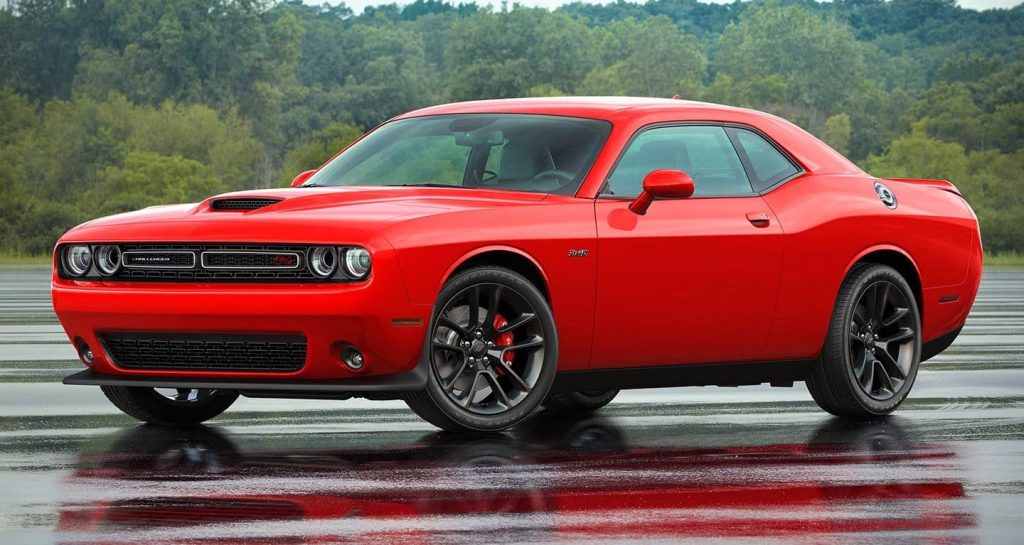
Parking is another daily issue. The Challenger’s width and long doors make street parking harder. Even if the spot fits, opening the door in a narrow street can be uncomfortable.
The Challenger is fun and powerful on open roads, but narrow one-way streets expose its size mismatch. It can feel like trying to fit a highway cruiser into small city lanes, which is why it belongs here.
4. Mercedes-Benz G-Class
The Mercedes-Benz G-Class is luxurious and iconic, but it can feel too wide and too boxy for narrow one-way streets. It has strong road presence, but that presence comes with bulk. On a narrow lane lined with parked vehicles, the G-Class can feel like it fills the entire street.
I’m writing about the G-Class because it highlights how luxury does not equal urban practicality. In a tight one-way street, the G-Class can feel intimidating to drive.
You may feel forced to slow down significantly, watching both sides constantly. Its boxy shape does give some visibility advantages forward, but the overall width makes clearance feel tight.
Turning can also feel awkward because of its shape and size. Narrow corners become stressful, especially when you need to avoid parked cars close to intersections. Even a small misjudgment feels expensive, and that adds pressure.
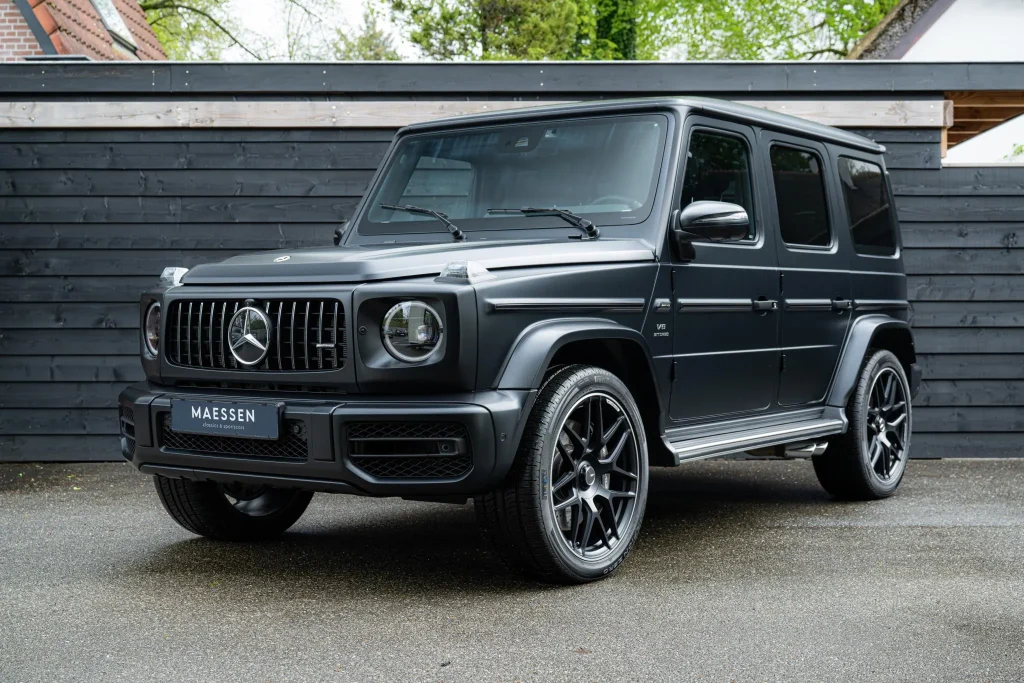
Parking is also challenging. The G-Class is not easy to parallel park in narrow street environments. Even if you have cameras, the vehicle’s size makes it harder to fit cleanly into small spaces.
The G-Class is built for prestige and capability, not for urban narrow roads. In a city with tight streets, it can feel like a vehicle that dominates space rather than adapts to it.
5. RAM 1500
The RAM 1500 is another full-size pickup that can feel too wide on narrow one-way streets. Like the F-150, it is designed for hauling and highway comfort, and those goals naturally create a wide, large-bodied vehicle. On narrow streets, that width becomes the central problem.
I’m writing about the RAM 1500 because it shows how full-size trucks create daily stress in urban areas. When the street narrows, the truck’s width reduces your breathing room. You feel constantly close to parked cars. You may hesitate when passing tight sections, even at slow speeds. That hesitation can slow traffic and increase driver fatigue.
The RAM’s turning circle also makes tight streets harder. If you need to avoid an obstacle or navigate a tight corner, the truck demands more room than the street can comfortably provide. That creates awkward positioning and more steering correction.
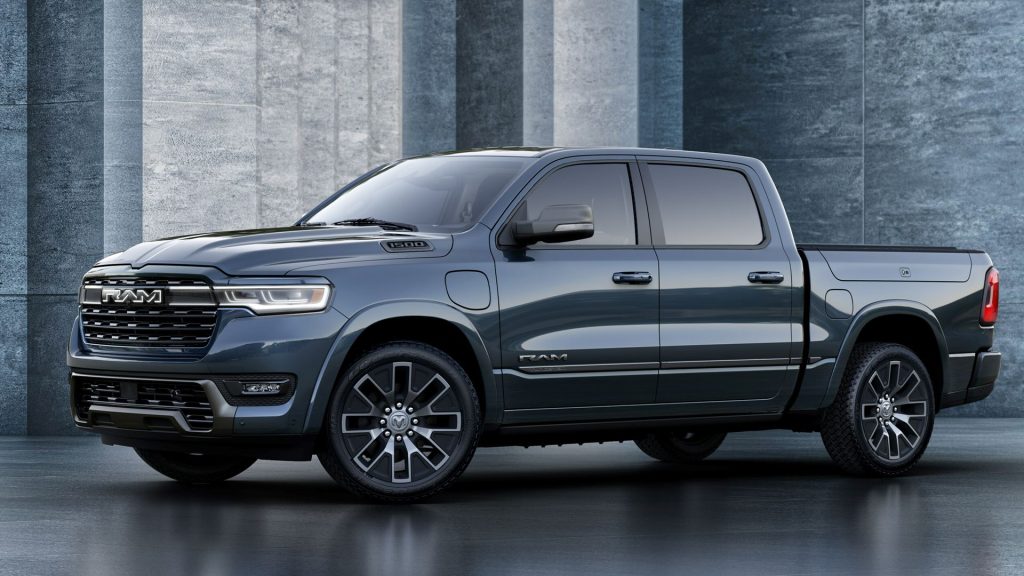
Parking is perhaps the biggest inconvenience. Parallel parking a full-size truck on a narrow street is hard enough, but the RAM’s width and length make it worse. It’s not just about fitting the truck.
It’s about fitting it while still allowing traffic flow and safe door opening. The RAM 1500 is a strong and capable vehicle, but on narrow one-way streets it can feel too wide for comfort, which is exactly why it belongs in this group.
This article compares vehicles that feel comfortable on narrow one-way streets with vehicles that feel too wide for tight urban lanes. Narrow streets demand compact width, easy low-speed steering, strong visibility, and quick parking ability.
Vehicles like the Honda Fit, Mini Cooper, Toyota Yaris Hatchback, Kia Soul, and Hyundai Venue work well because they are small enough to fit naturally between parked cars, turn easily around tight corners, and reduce the stress of mirror clearance. They also make parallel parking simpler, which matters when traffic stacks behind you.
On the other side, wide vehicles can feel exhausting in narrow spaces because they reduce margin for error and force constant caution.
The Ford F-150, Chevrolet Tahoe, Dodge Challenger, Mercedes-Benz G-Class, and RAM 1500 often feel too wide due to their bulky dimensions and larger turning needs. They can struggle with tight corners, blocked lanes, and street parking, making urban driving more stressful.
Also Read: 5 Cars for Flagstaff Mountain Driving and 5 Cold-Weather Performers