Traffic is where a small car’s real personality shows. On paper, most compact cars look similar. They promise fuel efficiency, easy parking, and low running costs. But once you place them in real traffic, the differences become obvious. Some small cars feel confident and capable.
They flow smoothly with traffic, respond quickly when gaps open, and stay calm even when surrounded by larger vehicles.
Others feel nervous, underpowered, or unstable, making the driver feel tense even during routine commuting. That difference matters because traffic is where many people spend most of their driving time.
A small car that feels confident in traffic isn’t only about having more horsepower. Confidence comes from a full package: responsive throttle at low speeds, predictable brakes, stable steering, strong visibility, and a suspension that doesn’t get pushed around by bumps or heavy vehicles nearby.
It also comes from refinement. If the transmission is jerky or delayed, traffic becomes stressful. If the cabin is too loud, the driver feels worn out. If the steering feels vague, lane changes feel risky. Confident small cars reduce that daily stress by making traffic movement feel natural instead of demanding.
On the other side are small cars that don’t feel confident in traffic. They might still be reliable and affordable, but their driving character can feel weak in busy conditions. Some are slow off the line, so merging becomes stressful.
Some feel too light and get pushed around by crosswinds or large trucks. Some have poor visibility, so you feel unsure about surrounding vehicles. Some have brakes or steering that feel inconsistent, which ruins trust. Traffic amplifies these flaws because you constantly accelerate, stop, and adjust position.
This article compares two groups: five small cars that feel confident in traffic and five that don’t. The goal is practical. If you’re choosing a small car for commuting, you shouldn’t only think about price and mileage.
You should think about how the car makes you feel every day in traffic. A small car should reduce stress and increase control, not create anxiety. These lists highlight which small cars deliver confidence and which ones may leave drivers wanting something stronger and steadier.
Also Read: 5 EVs That Handle City Winters vs 5 That Lose Range Fast
5 Small Cars That Feel Confident in Traffic
Traffic is where confidence becomes more important than speed. In dense stop-and-go conditions, a small car needs to feel sharp, stable, and responsive. You don’t want to press the accelerator and wait for something to happen.
You don’t want to feel like the car is struggling when you merge into a faster lane. You don’t want to feel nervous when a larger SUV sits beside you. Instead, you want a small car that behaves like it belongs there, even when surrounded by bigger, heavier vehicles.
Small cars that feel confident in traffic usually have a few key qualities. First is low-speed response. The engine and transmission need to deliver quick movement without hesitation. Second is stability.
A confident small car feels planted at city speeds, even on rough pavement or uneven lane surfaces. Third is steering and braking feel. Traffic involves constant small steering corrections and repeated braking.
If steering feels vague or brakes feel grabby, confidence disappears. Good visibility also matters. A driver who can see clearly around the car feels calmer and makes better decisions.
I’m writing about these five small cars because they represent what city commuters actually need. These models feel capable, not fragile. They accelerate cleanly into gaps, stay composed during lane changes, and make daily traffic feel manageable.
They also reduce fatigue, because confidence is not only physical control. It is mental comfort. When a small car feels stable and responsive, the driver stays relaxed rather than tense.
This list is focused on small cars that feel strong in traffic, not just small cars that are cheap to run. They deliver a sense of “I can handle this” even during heavy congestion.
If your daily driving involves crowded streets, highway merging, and unpredictable traffic movement, these are the kinds of small cars that make commuting feel smoother, safer, and less stressful.
1. Honda Civic
The Honda Civic feels confident in traffic because it combines quick responsiveness with stable control. In stop-and-go conditions, the Civic moves when you ask it to.
That matters because hesitation is what makes small cars feel weak. When a gap opens and you need to move, the Civic responds cleanly, reducing stress and keeping you in control.
I’m writing about the Civic here because it proves that confidence is not about being loud or aggressive. It is about being predictable and capable. The Civic’s steering feels precise enough that lane changes feel natural instead of nervous.
This becomes valuable when you’re surrounded by larger vehicles that shift lanes quickly. A confident car should not make you second guess simple actions like merging or turning.
Stability is another key reason the Civic belongs on this list. Some small cars feel too light and get pushed around. The Civic tends to feel planted, even on rough pavement, so the driver feels secure. Braking is consistent, which matters in traffic where you brake constantly. If brakes feel unpredictable, you lose trust quickly.
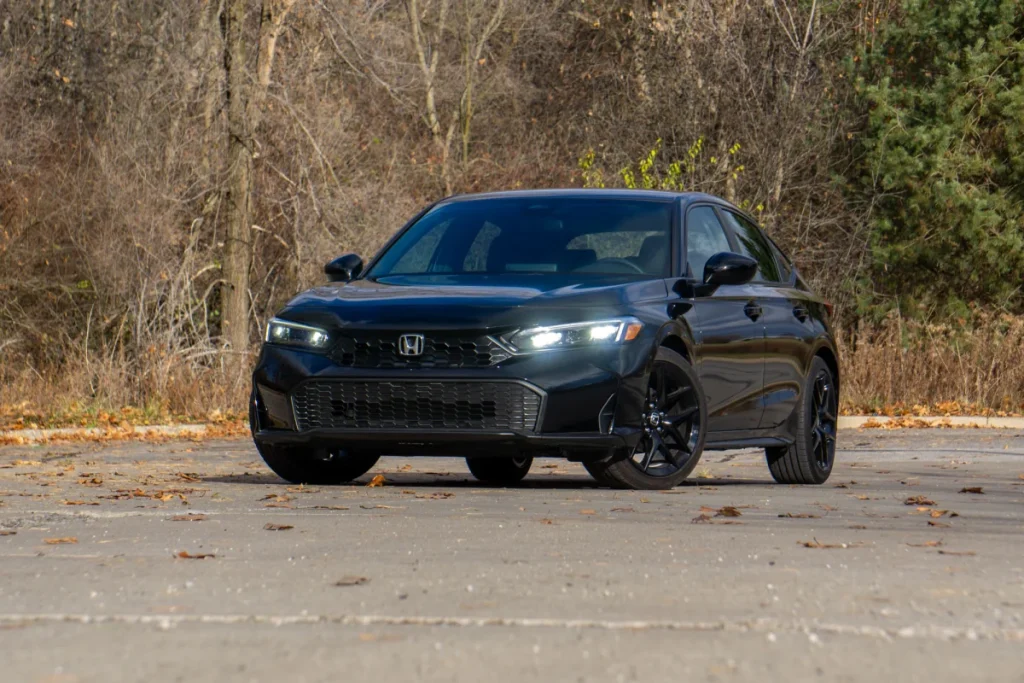
Visibility is also good, helping drivers stay aware of surrounding movement. When traffic is dense, awareness equals confidence. The Civic helps because it feels easy to place on the road.
It’s not only a compact car that saves fuel, it’s a compact car that behaves like it can handle daily commuting pressure. That is why it remains one of the best small cars for confidence in traffic.
2. Mazda3
The Mazda3 feels confident in traffic because it delivers a more connected driving feel than many small cars. It reacts quickly, holds its line well, and feels solid when surrounded by larger vehicles. That solid feeling is one of the biggest confidence boosters in traffic. It makes the car feel bigger than it is, in a good way.
I’m writing about the Mazda3 here because city commuters need control. The Mazda3 gives that control through steering precision. When you move through tight lanes or shift into gaps, the car behaves predictably. It doesn’t feel floaty or vague. It feels planted, which reduces stress.
The Mazda3 also has strong low-speed refinement. In stop-and-go conditions, it moves smoothly without constant jerks. That matters because many small cars feel rough when crawling. Smoothness creates confidence because it feels like the car is always under control.
Another advantage is its cabin refinement. In heavy traffic, noise becomes tiring. A quieter cabin makes the driver feel calmer, and calm drivers make better decisions. The Mazda3 tends to feel more refined than many in its class, which improves daily commuting comfort.
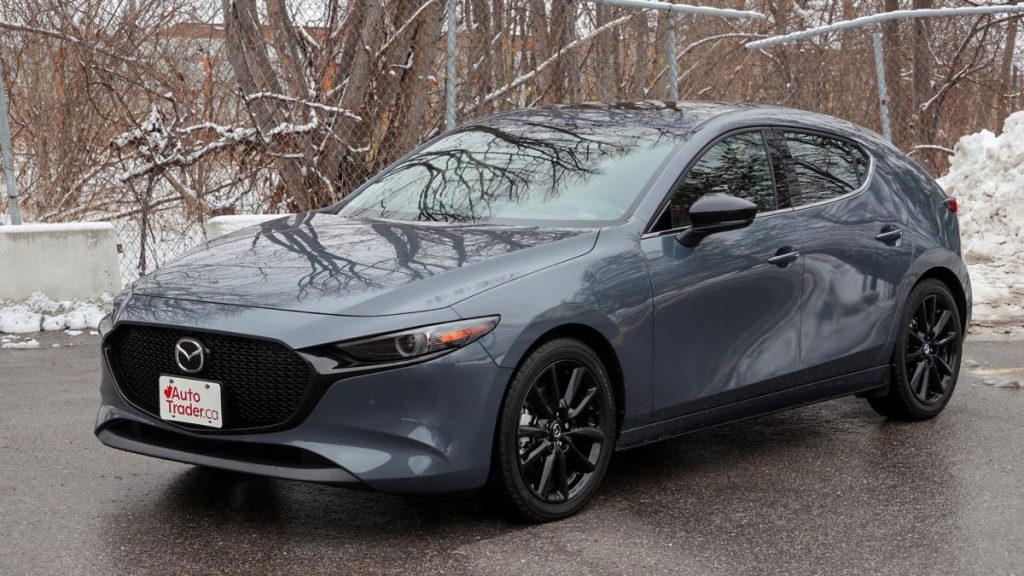
The Mazda3 belongs on this list because it makes traffic feel manageable. It’s compact enough for city use but solid enough to feel safe and confident in crowded lanes. That blend of agility and stability is what defines traffic confidence.
3. Toyota Corolla
The Toyota Corolla feels confident in traffic because it is predictable. In commuting life, predictability is a form of strength. The Corolla starts smoothly, stops smoothly, and behaves consistently. That reduces driver stress, especially in crowded urban lanes.
I’m writing about the Corolla because many small cars feel nervous in traffic when pushed. The Corolla does not. Its controls feel calm and easy. Steering is light enough for daily maneuvering but stable enough at speed changes. That matters when traffic suddenly clears and then slows again.
Another reason is braking control. Traffic involves constant braking. If a vehicle’s brakes feel too grabby, it creates discomfort and anxiety. The Corolla’s braking tends to feel controlled and natural, which helps the driver stay relaxed.
The Corolla also has good visibility and compact dimensions. Those traits increase confidence because you can judge gaps and corners more easily. When you feel confident about where your car sits on the road, you drive better.
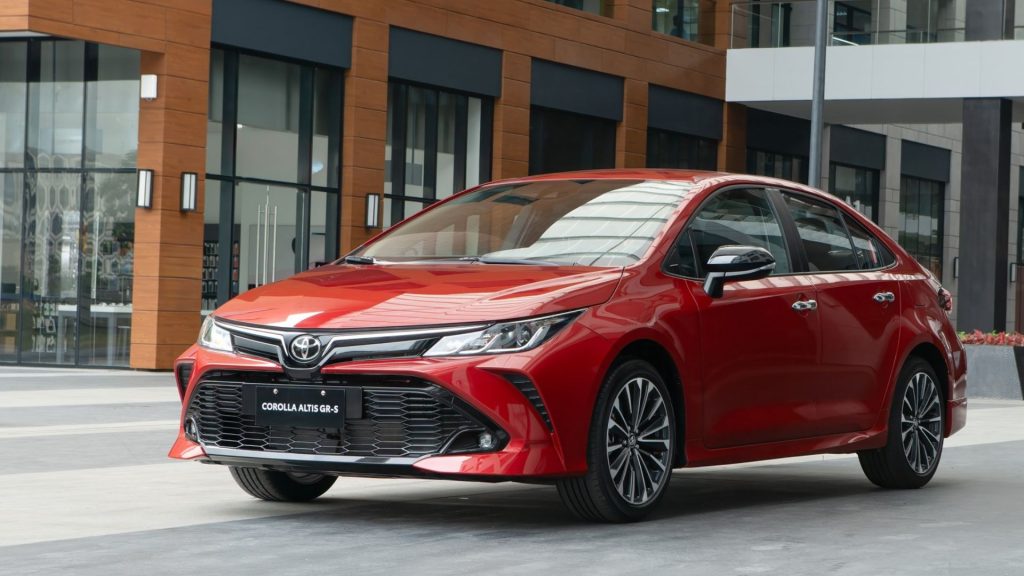
The Corolla earns a spot because it represents quiet capability. It may not feel sporty, but it feels competent. It doesn’t create drama in traffic. It simply handles the routine with calm reliability, which is exactly what most commuters want.
4. Volkswagen Golf
The Volkswagen Golf feels confident in traffic because it combines compact practicality with stable road behavior. Many small cars feel light and thin in traffic. The Golf often feels more solid and composed. That extra sense of stability makes the driver feel more confident when surrounded by larger vehicles.
I’m writing about the Golf because it shows how refinement builds confidence. In traffic, smooth movement matters more than speed. The Golf tends to deliver smooth responses at low speeds, helping stop-and-go driving feel controlled rather than jerky.
Steering also helps. The Golf feels accurate in lane changes, which makes merging less stressful. The car’s compact size helps in crowded streets, but it doesn’t feel weak. It feels balanced.
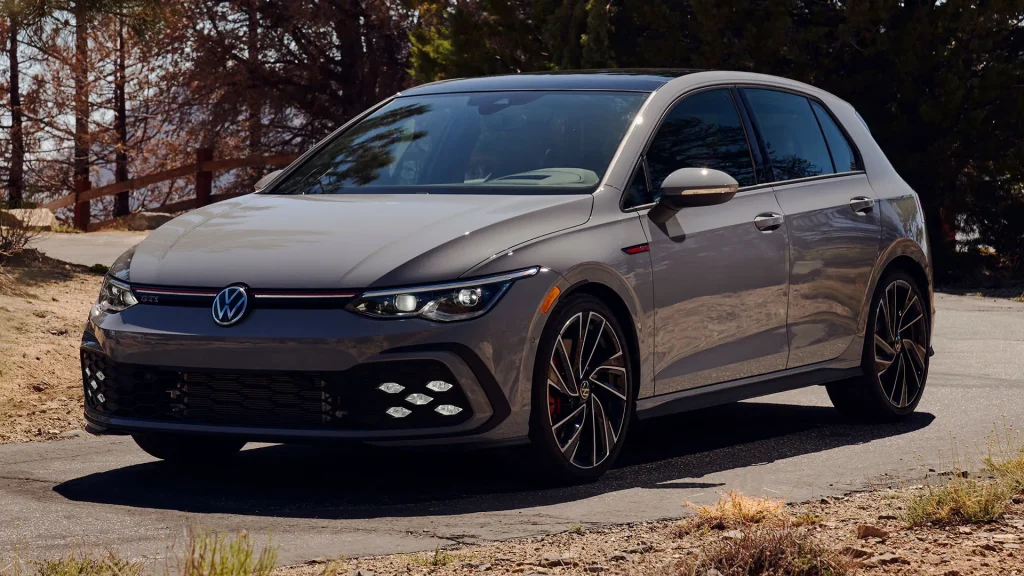
Another reason it belongs on this list is visibility and daily usability. Hatchback design offers practicality without sacrificing city maneuverability. You get easy parking and strong cargo flexibility, but still maintain traffic confidence because the car is easy to place on the road.
The Golf earns its spot because it feels like a grown-up small car. It stays calm, stable, and refined in busy traffic environments, which is exactly what city drivers need.
5. Hyundai Elantra
The Hyundai Elantra feels confident in traffic because it delivers smooth commuting behavior with a stable road feel. It doesn’t feel overly light or weak when surrounded by larger cars, and it handles daily commuting situations without making the driver work hard.
I’m writing about the Elantra here because traffic confidence is often about ease. The Elantra is easy to drive in crowded conditions. Steering is light for parking and low-speed movement, while still feeling stable enough for highway merging.
Ride comfort also helps. Some small cars feel harsh over bumps, and that harshness increases stress. The Elantra tends to be comfortable enough that rough pavement doesn’t shake confidence. Braking behavior is predictable too, which is critical in stop-and-go traffic.
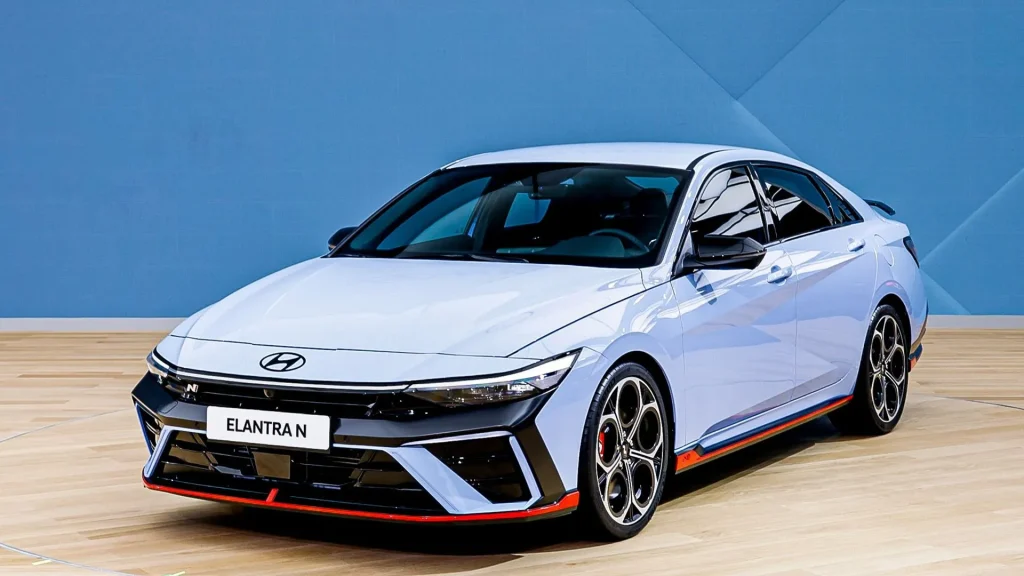
The Elantra’s calm character makes it a good commuter car. It doesn’t demand aggressive driving to keep up. It simply fits into traffic flow smoothly.
That ability to blend into the traffic rhythm is what makes a small car feel confident. The Elantra is included because it gives drivers the feeling that the car can handle daily city pressure without strain.
5 Small Cars That Don’t Feel Confident in Traffic
Not every small car feels comfortable in heavy traffic. Some may be efficient and affordable, but when placed in busy city lanes or crowded highways, they can leave the driver feeling unsure. This lack of confidence is not always about safety.
Many of these cars are perfectly safe. The issue is driving character. In traffic, a confident small car should feel ready to move when you need it to, stable when larger vehicles pass beside you, and predictable when you brake repeatedly.
If a car feels slow to respond, too light, too noisy, or unstable over rough pavement, the driver starts doubting it. That doubt becomes stress, and stress makes commuting harder.
Small cars that don’t feel confident in traffic usually struggle in the same few areas. The first is power delivery. If acceleration feels weak or delayed, drivers hesitate when merging into gaps. The second is stability and weight.
Some very light cars feel like they get pushed around by wind, trucks, or uneven pavement, which makes the driver tense. The third is refinement. A loud engine that strains during normal movement, a transmission that feels jerky, or brakes that don’t feel smooth can make traffic feel exhausting.
Finally, visibility and road presence matter. If the car’s seating position or window design makes it hard to judge surrounding vehicles, the driver feels more nervous.
I’m writing about these five small cars because buyers often assume that any small car will be easy in traffic. But traffic is where a car’s weaknesses show up quickly.
A small car that feels uncertain does not match real commuting life. It forces the driver to over-plan lane changes, hesitate at merges, and constantly worry about being pushed around by larger vehicles.
This list is not meant to insult these cars or the people who own them. Many are economical and practical in the right setting.
But if your daily routine includes crowded roads, aggressive traffic flow, or frequent merging, these models may feel like they don’t offer the stability and response most commuters want. This section highlights why that feeling happens, so drivers can make smarter choices.
1. Mitsubishi Mirage
The Mitsubishi Mirage is one of the clearest examples of a small car that can feel unconfident in traffic. It is designed mainly for affordability and fuel savings, and it can be a smart low-cost ownership vehicle. But in busy traffic, especially on highways or crowded multi-lane roads, it often feels like it struggles to keep up with the pace.
I’m writing about the Mirage here because traffic confidence depends heavily on low-speed and mid-range response. When you’re merging into a fast lane or trying to take a small gap, you need immediate movement.
The Mirage can feel slow to react, and that hesitation makes drivers nervous. Instead of feeling like you can flow with traffic, you feel like you have to plan every merge early. That can be stressful in real city commuting.
Another factor is refinement. When the Mirage is pushed for acceleration, the engine often sounds strained. In traffic, you don’t want to hear the vehicle working hard just to do normal tasks. Noise and strain create the feeling that the car is being pushed beyond its comfort zone, even if it technically can do the job.
Stability is also a concern for some drivers. Very light cars can feel less planted when larger vehicles pass beside them. In dense traffic with trucks and SUVs, this matters. The Mirage can feel more sensitive to road conditions, which reduces driver comfort.
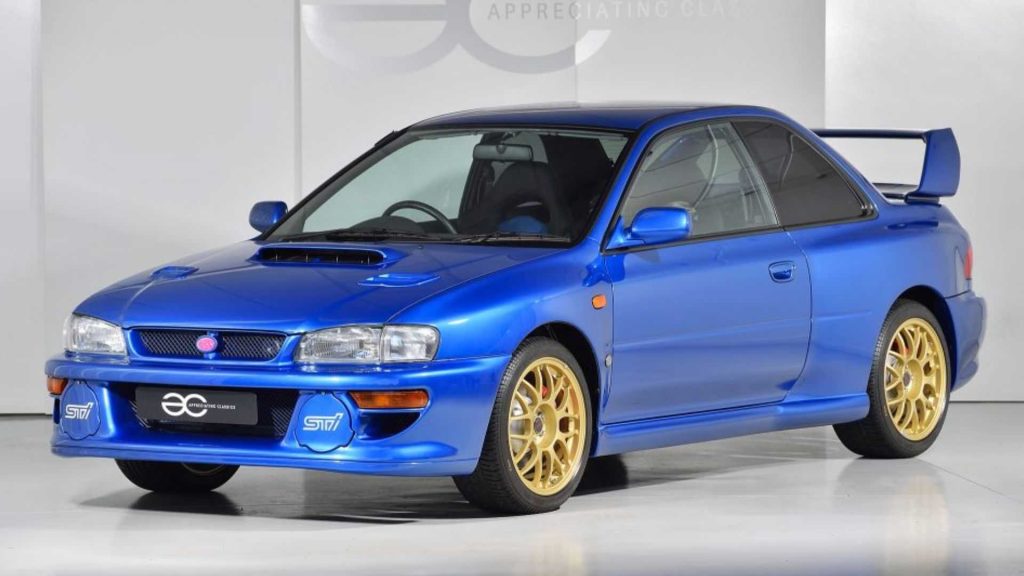
The Mirage is included because it shows the difference between affordability and confidence. It is small and easy to park, but in busy traffic, its slow response and light feel can make drivers feel less secure and less relaxed.
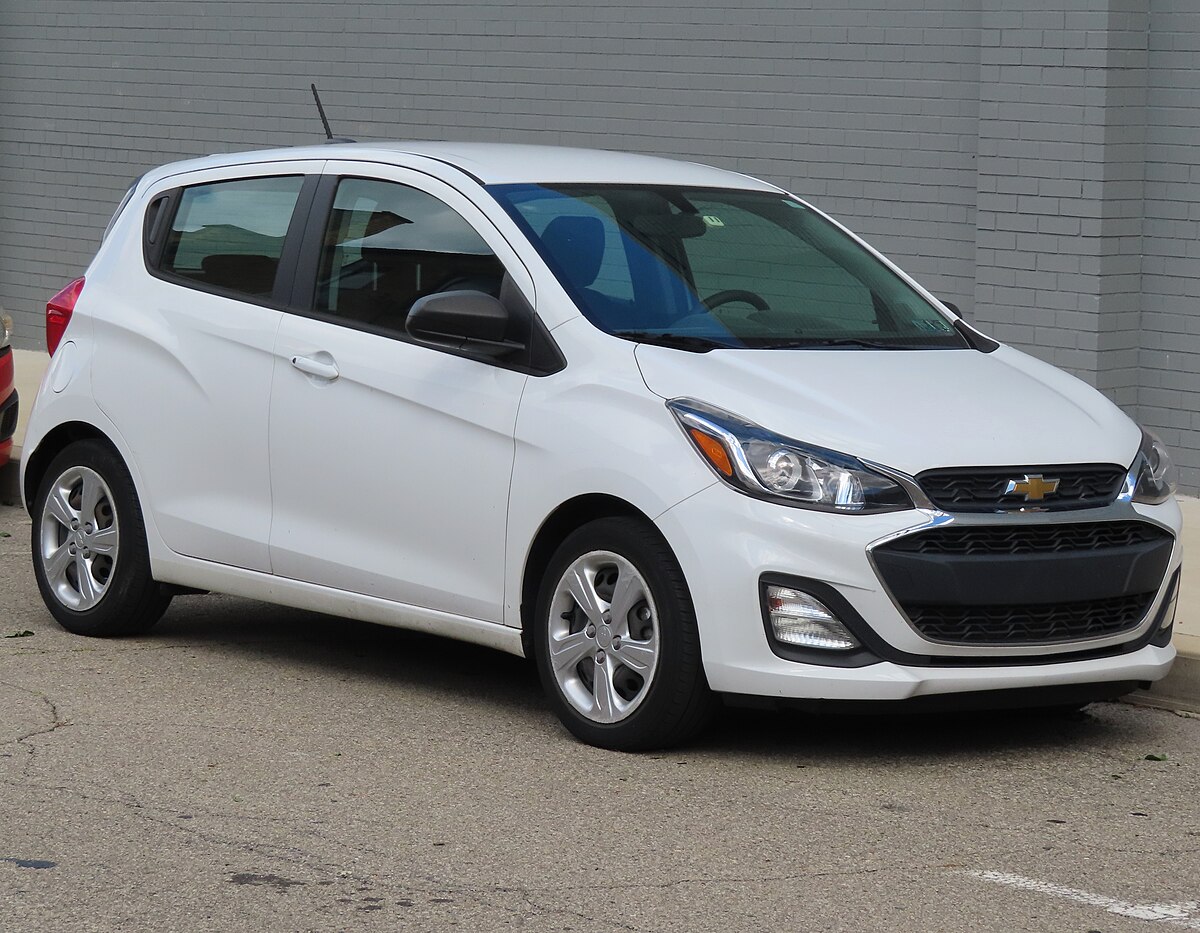
2. Chevrolet Spark
The Chevrolet Spark is a compact city car that looks like it should feel perfect in traffic, but it can feel less confident than expected. It has the size advantage for parking and narrow streets, but traffic confidence requires more than size. It requires response and stability, and the Spark can feel limited in those areas.
I’m writing about the Spark because urban traffic often involves sudden gaps and quick lane changes. In those moments, the Spark’s acceleration can feel weak. Drivers may press the pedal and feel a delay, which creates hesitation.
That hesitation is what makes a car feel nervous in traffic. You don’t want to worry about whether the car will move quickly enough.
The Spark can also feel more affected by rough pavement. Some drivers notice that it feels light and bouncy compared to heavier compact cars. In traffic, where you’re constantly changing speed, a bouncy or unsettled feel can reduce confidence. It makes the car feel less planted.
Noise is another issue. When pushed, small engines can get loud, and the Spark can feel noisier than commuters want. In heavy traffic, noise becomes tiring because you spend so much time at low speeds listening to the engine work.
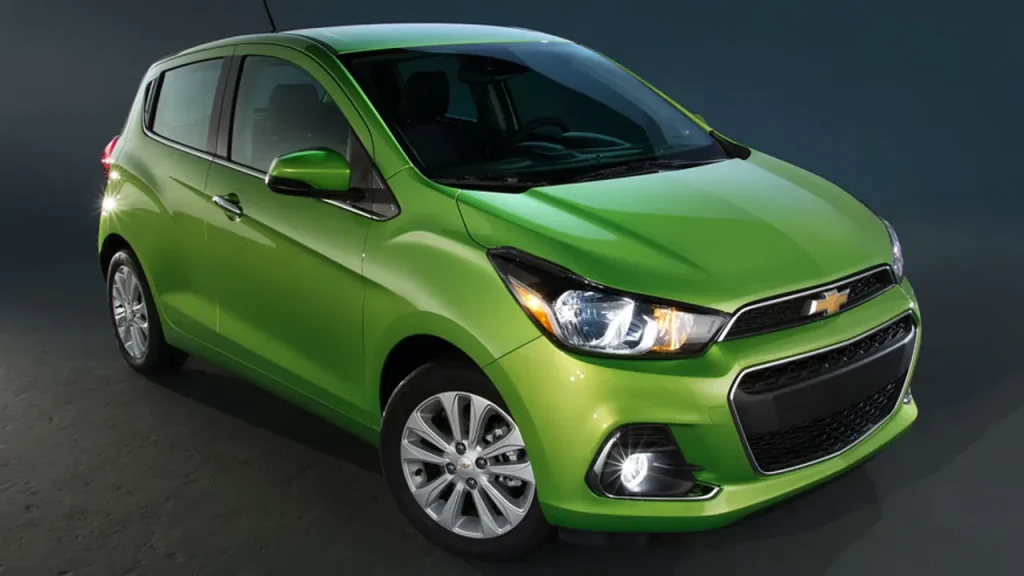
The Spark is included here because it highlights a key truth: not every small car feels confident simply because it is small. The Spark can be practical and affordable, but in fast-moving traffic situations, it may feel like it needs more strength and stability to keep up comfortably.
3. Nissan Versa (base engine trims)
The Nissan Versa in base engine trims can feel less confident in traffic because it often delivers a soft, slow response. It is a sensible budget car, and it can be comfortable for daily use, but traffic confidence depends on quick reaction. In busy lanes, slow acceleration can turn simple actions into stressful moments.
I’m writing about the Versa because many commuters buy it expecting easy city driving. But in heavier traffic, especially on highways where speeds change quickly, it may feel underpowered. When you need to merge or pass, you may feel like the car takes too long to build speed. That causes hesitation, which is the enemy of confidence.
Another issue can be transmission behavior. In stop-and-go traffic, some budget vehicles feel jerky or delayed. If acceleration feels disconnected, drivers feel less in control. That doesn’t mean the Versa is unsafe. It means it feels less immediate, and in traffic, immediacy matters.
Stability is decent, but the overall driving personality is more calm than capable. Calm can be good, but if it becomes slow, it becomes stressful. Drivers often feel like they must plan earlier and accept smaller gaps instead of moving naturally with traffic.
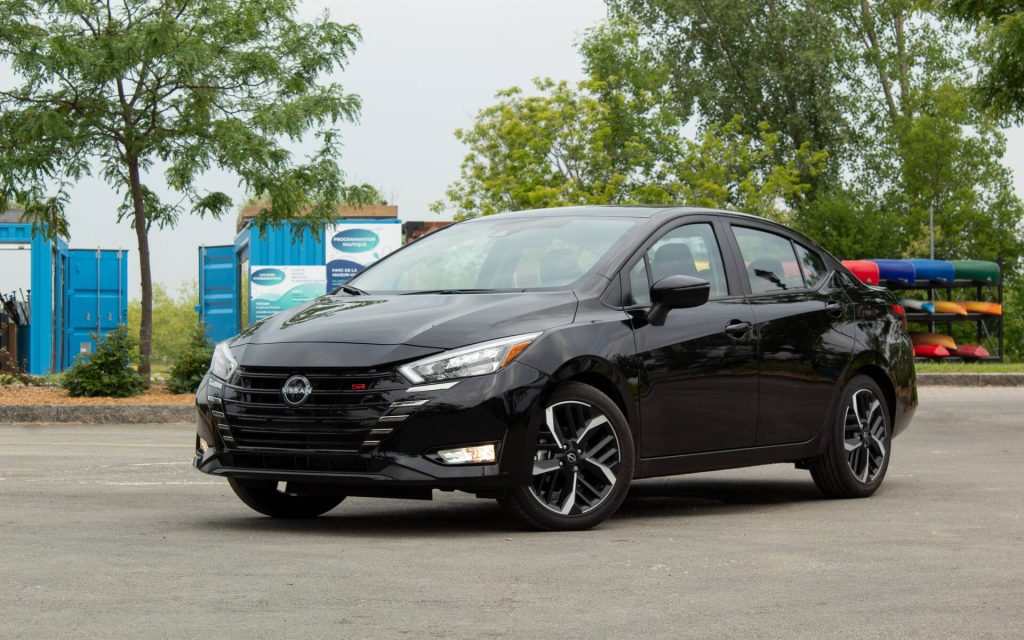
The Versa is included because it is a realistic commuter choice for many people, but drivers should know that base versions may not deliver the confidence and quick response that traffic-heavy commuting often demands.
4. Hyundai Accent (older models)
Older Hyundai Accent models can feel less confident in traffic because of weaker power delivery and less refined road behavior compared to newer compact cars. Many older Accents are reliable and economical, but in today’s traffic, where surrounding vehicles accelerate quickly, these older models can feel behind the pace.
I’m writing about the Accent because traffic today is more aggressive than it used to be. Drivers accelerate hard between gaps, and small windows of opportunity disappear quickly. If a car feels slow or hesitant, the driver feels pressured. Older Accents often require more throttle input to keep up, and that can create engine noise and strain.
Ride quality is also not always ideal. Older compacts can feel less stable over rough pavement. When the road surface is uneven, the car may feel lighter and less planted. In traffic, that instability becomes more noticeable because you’re constantly adjusting speed and direction.
Cabin noise is another factor. In commuting, noise drains energy. Older vehicles often have less insulation, and when you combine that with engine strain during acceleration, the experience can feel tiring.
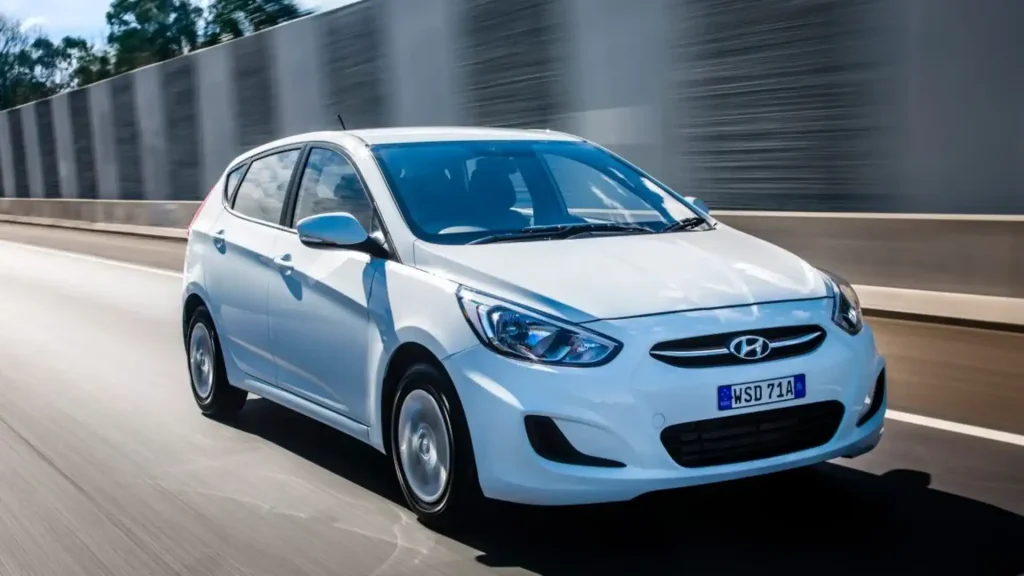
The Accent is included here because it is a common budget commuter, but in heavy traffic, it can feel like it demands extra effort from the driver. Instead of giving confidence, it asks for patience, which is why it belongs in this list.
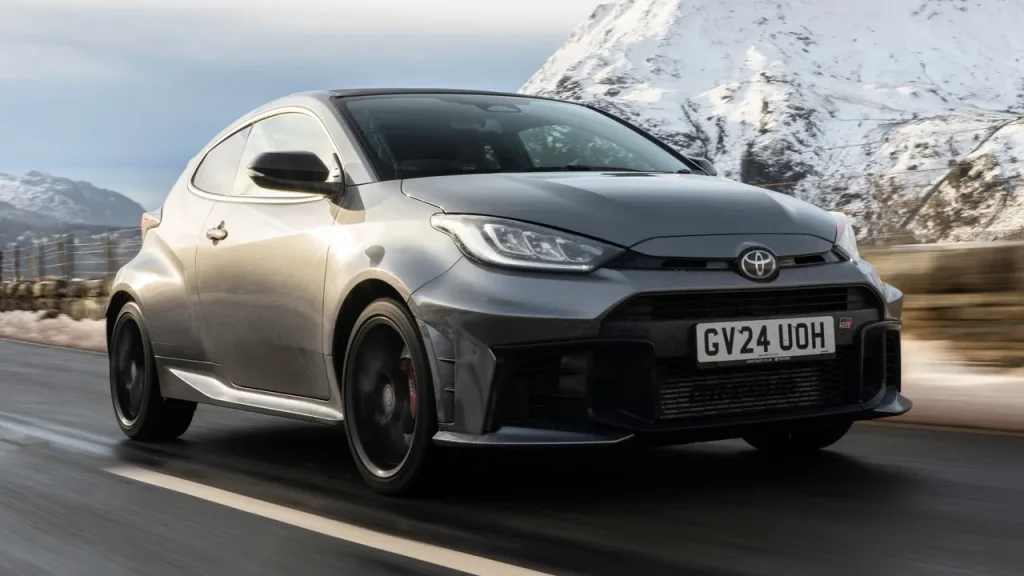
5. Toyota Yaris (older sedan versions)
Older Toyota Yaris sedan versions are known for reliability and low ownership costs, but they can feel less confident in traffic due to limited power and basic refinement.
In light city use, that may not matter much. But in heavy commuting traffic, especially when merging onto faster roads, the lack of response becomes more noticeable.
I’m writing about the Yaris because it represents a car that is dependable but not always confidence-inspiring. Drivers may find that acceleration feels weak when trying to move quickly into gaps. That can create nervousness because instead of flowing naturally with traffic, you feel like you must wait for safer, larger gaps.
Another factor is noise. Older Yaris models often become louder when pushed. In traffic, you may press the accelerator repeatedly, and if the car sounds strained each time, the driver feels less relaxed. Noise makes the vehicle feel weaker than it may actually be, which affects confidence.
Stability can also feel basic. Lightweight sedans can feel less planted in busy lanes filled with larger vehicles. While the Yaris is perfectly usable, it may not give drivers the solid, stable feeling that makes commuting comfortable.
The Yaris is included because it is often purchased as an affordable daily car, but if traffic confidence is your top priority, it may not satisfy. It rewards patience and calm driving, but in aggressive traffic environments, it can feel outmatched.
This article compares small cars that feel confident in traffic with small cars that can feel nervous or outmatched in busy commuting conditions.
Confidence in traffic is not only about horsepower. It comes from smooth low-speed response, stable steering, predictable braking, good visibility, and a planted feeling when surrounded by larger vehicles.
Cars that feel confident make lane changes easier, merging less stressful, and stop-and-go movement smoother, which reduces daily commuting fatigue.
In the confident group, the Honda Civic stands out for its responsive acceleration, stable handling, and easy control in crowded lanes. The Mazda3 adds a more solid and refined feel, helping drivers stay calm during dense traffic.
The Toyota Corolla earns confidence through predictable, smooth behavior and low-stress commuting control. The Volkswagen Golf combines compact size with stability and refined low-speed movement, making it comfortable in tight city lanes.
The Hyundai Elantra rounds out the list with relaxed steering, comfortable ride tuning, and calm daily drivability.
In the group that doesn’t feel confident, the Mitsubishi Mirage often feels slow to react and too light, making merging and highway gaps stressful. The Chevrolet Spark can feel underpowered and less planted, especially when traffic speeds change quickly.
The Nissan Versa (base trims) may feel soft and hesitant, forcing drivers to plan merges earlier. Older Hyundai Accent models can feel noisy and strained when pushed, reducing confidence.
Older Toyota Yaris sedan versions remain reliable, but limited acceleration and basic refinement can make them feel less capable in aggressive traffic.
Also Read: 5 Cars That Stay Quiet in Traffic vs 5 That Don’t