Hybrid vehicles are often marketed as the perfect solution for modern driving, especially for commuters who face heavy stop-and-go traffic. In theory, a hybrid should reduce fuel use by letting the electric motor handle low-speed movement, limiting engine idling, and recovering energy through regenerative braking.
But real-world results are not always equal. Some hybrids truly shine in traffic, delivering noticeable fuel savings, smoother low-speed driving, and a calmer commuting experience. Others, however, deliver surprisingly little benefit compared to their non-hybrid versions, leaving drivers wondering if the extra cost was worth it.
Traffic is where hybrids should perform their best. Traditional gas vehicles waste fuel while idling, crawling forward, and braking repeatedly.
A strong hybrid system can reduce this waste by shutting off the engine more often, running on electric power at low speeds, and using regeneration to recharge the battery without plugging in.
The best hybrids also feel more refined in congestion because electric torque makes acceleration smoother and more immediate. This can make daily traffic less tiring because the car responds cleanly without constant engine noise.
However, not all hybrids are equally effective. Some use mild-hybrid systems that only provide a small boost and limited electric driving. Others have small batteries that can’t support meaningful low-speed electric movement.
Some hybrids are paired with heavier vehicles where the weight cancels out much of the efficiency gain. In these cases, drivers may see only small improvements in fuel economy, especially if they drive mostly on highways or at steady speeds where hybrid advantages are less dramatic.
This article compares two groups: five hybrids that truly shine in traffic and deliver real benefits, and five hybrids that deliver little benefit relative to expectations.
The goal is practical. If you’re buying a hybrid mainly for commuting, you should know which systems actually help in congestion and which ones feel like they exist more for marketing than meaningful savings.
Understanding this difference can help drivers spend money wisely and choose a hybrid that truly improves daily driving.
Also Read: 5 Vehicles That Make Sense in Downtown Chicago vs 5 That Wear Out Faster
5 Hybrids That Shine in Traffic
Stop-and-go traffic is where a hybrid vehicle can feel like a superpower. In heavy congestion, most gas cars waste fuel because they idle constantly, move in short bursts, and brake repeatedly.
A strong hybrid system changes that experience. Instead of running the engine all the time, hybrids can glide on electric power at low speeds, shut the engine off more frequently, and recover energy every time the driver slows down. The result is real fuel savings and a smoother commuting feel.
Hybrids that shine in traffic usually have a few specific traits. First, they have a hybrid system designed for meaningful electric involvement, not just a tiny assist. That means a battery and motor setup capable of moving the car smoothly at low speeds.
Second, they have refined regenerative braking. Traffic involves endless braking, and when regeneration is smooth, the driver feels more control and comfort. Third, they have smart engine management.
Strong hybrids switch between gas and electric seamlessly, reducing noise and vibration. This makes traffic feel calmer because you’re not constantly hearing an engine rev just to move a short distance.
I’m writing about these five hybrids because they represent the real value of hybrid ownership. These are vehicles where traffic is not a weakness. It is an advantage.
Drivers typically experience the most fuel savings in urban commuting, which is exactly where these hybrids perform best. They also reduce stress because electric torque makes movement smoother, and cabin refinement improves because the engine runs less.
For commuters, this matters deeply. Fuel economy savings add up fast when traffic is daily life. But beyond savings, these hybrids improve daily comfort. They feel less tired, less noisy, and more cooperative in crawling lanes.
The five models below represent hybrids that don’t just carry a badge. They deliver real traffic benefits in a way that drivers can feel every day.
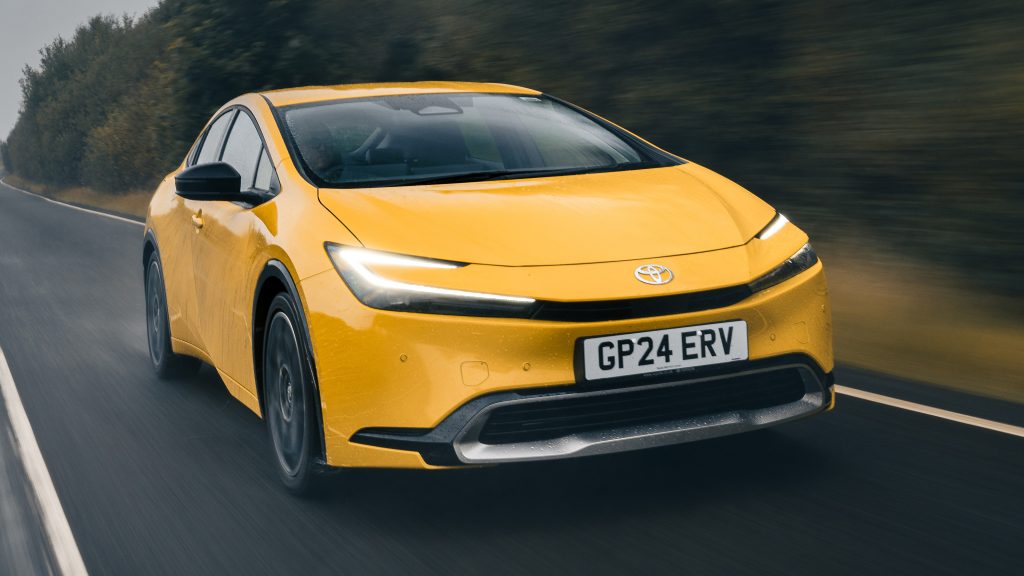
1. Toyota Prius
The Toyota Prius remains one of the clearest examples of a hybrid that shines in traffic. It was engineered around hybrid driving, not adapted as an afterthought.
In heavy congestion, the Prius can run on electric power at low speeds more often, and it transitions between electric and gas smoothly. That means less fuel waste, less engine idling, and a calmer overall commuting experience.
I’m writing about the Prius because traffic is exactly where its design philosophy pays off. When you creep forward in stop-and-go lanes, the Prius often feels like it is barely working.
It glides smoothly, and the engine stays quiet more often than in most hybrids. That smoothness matters because traffic is mentally exhausting. A quiet, refined low-speed experience reduces stress.
Regenerative braking is another big reason the Prius shines. In traffic, you brake constantly. The Prius captures more energy during braking than many hybrids, turning wasted slowing into usable battery charge.
Over time, this creates noticeable fuel savings. The Prius doesn’t just save fuel on paper. It saves fuel in the situations where most commuters actually drive.
The Prius also has a practical factor: its efficiency does not depend on aggressive driving habits. Many vehicles require careful driving to see gains. The Prius delivers savings naturally because it is designed to do so.
That makes it ideal for commuters who want results without constantly thinking about it. The Prius belongs on this list because it makes traffic cheaper, quieter, and smoother. It turns stop-and-go into a place where the hybrid system feels genuinely valuable.
2. Toyota Camry Hybrid
The Toyota Camry Hybrid shines in traffic because it combines hybrid efficiency with mainstream comfort. It is not a small specialty car like the Prius. It is a full-size commuter sedan that makes congestion easier to tolerate.
In traffic, it benefits from hybrid low-speed operation, reducing engine idling and improving real-world fuel economy where commuters need it most.
I’m writing about the Camry Hybrid because it represents a hybrid that feels normal and comfortable, while still delivering noticeable savings. Many buyers want hybrid advantages without sacrificing sedan refinement.
In stop-and-go traffic, the Camry Hybrid feels smooth because the electric motor helps with low-speed movement. Instead of rough engine revving, it moves forward calmly, which improves comfort.
Another major benefit is the quiet cabin feel. When the engine shuts off more often, the commuting experience becomes calmer. In heavy traffic, that quietness matters. It reduces fatigue and makes the cabin feel more relaxing.
Regenerative braking and engine management also contribute. The Camry Hybrid captures energy during braking, and its hybrid system is mature and well-integrated. It doesn’t feel like the car is constantly switching modes. It feels like a smooth commuter that happens to be very efficient.
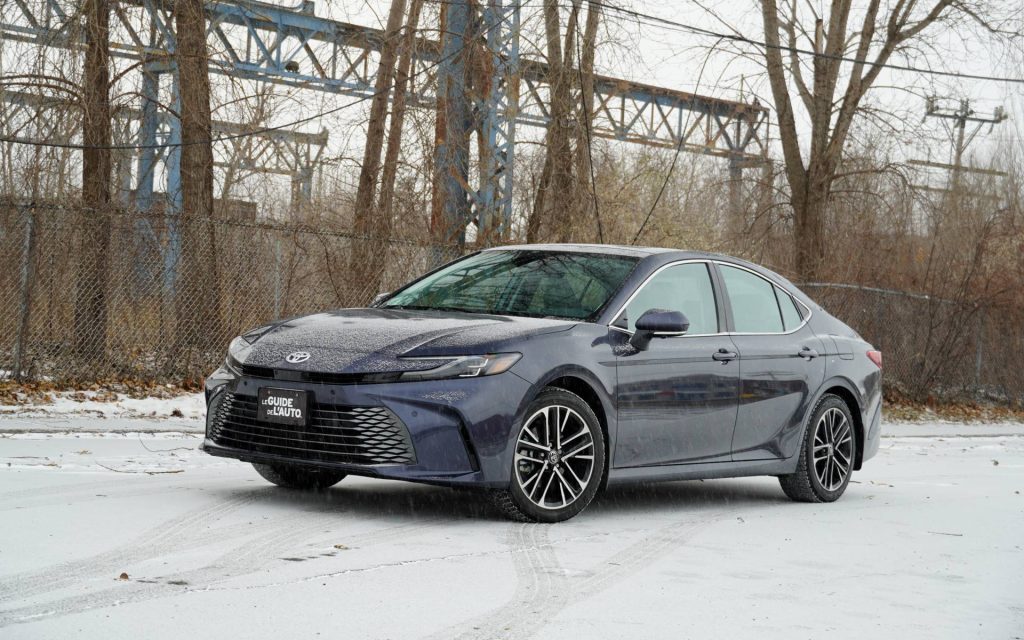
The Camry Hybrid belongs here because it delivers practical hybrid benefits without demanding compromises.
It’s ideal for traffic-heavy commuters who want an easy daily driving experience and consistent fuel savings. In city congestion, it behaves like a vehicle built for the real world, which is why it shines.
3. Honda Accord Hybrid
The Honda Accord Hybrid is another strong traffic hybrid because it uses electric power in a way that feels natural and valuable in stop-and-go conditions. In traffic, it delivers smooth low-speed response and reduced fuel use, making commuting less expensive and less tiring.
I’m writing about the Accord Hybrid because it’s a hybrid that feels confident in daily life. It doesn’t feel slow or awkward. Instead, it feels responsive and stable, with electric torque making low-speed movement smooth.
This matters in traffic, where drivers constantly accelerate in small bursts. Electric assistance helps the Accord Hybrid move without harshness.
The system also rewards braking. In congestion, regenerative braking becomes a major advantage. Instead of wasting energy, the Accord Hybrid captures it, supporting electric movement later. This cycle is what makes hybrids shine in traffic.
Another advantage is refinement. Stop-and-go traffic makes noise and vibration more noticeable. The Accord Hybrid often feels calmer than many non-hybrid sedans because the engine runs less in crawling conditions. That improves comfort and makes long commutes more tolerable.
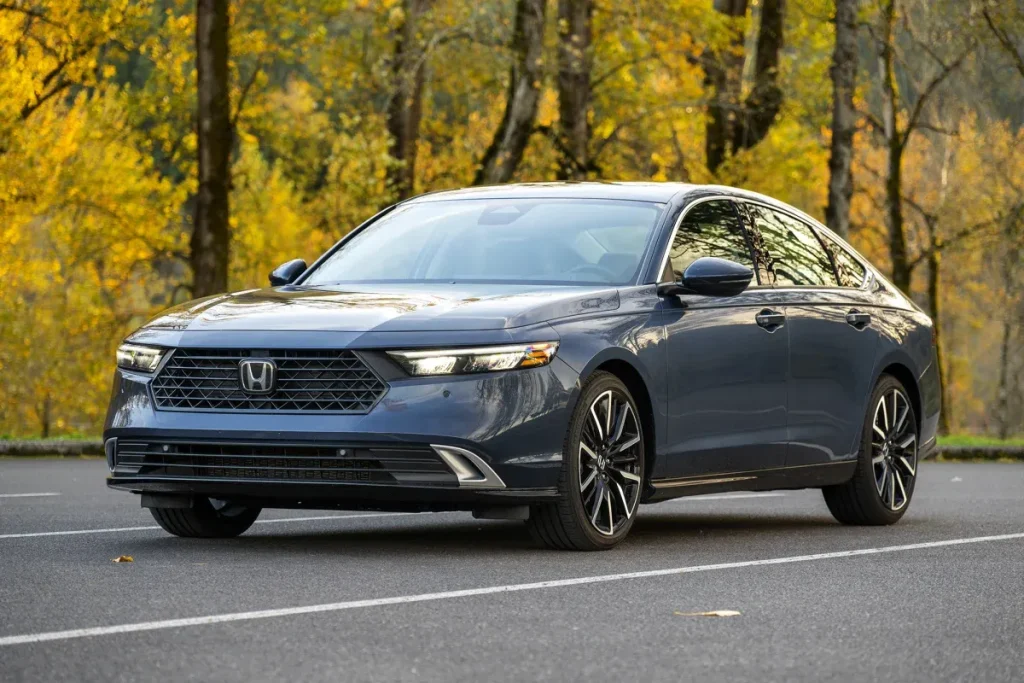
The Accord Hybrid belongs in this list because it delivers what commuters actually want: smoothness, quietness, and real fuel savings in traffic. It’s a mainstream sedan that uses hybrid technology in a way that feels beneficial every single day.
4. Hyundai Elantra Hybrid
The Hyundai Elantra Hybrid shines in traffic because it delivers noticeable efficiency and smooth commuting behavior in a compact package.
In stop-and-go lanes, it reduces fuel waste by supporting low-speed movement through electric assistance. This makes it a strong choice for commuters who want maximum efficiency without moving into a larger vehicle.
I’m writing about the Elantra Hybrid because compact commuters often face the worst traffic conditions. They need fuel savings the most. The Elantra Hybrid provides that by reducing engine load in congestion. It also feels smooth at low speeds, which reduces frustration in crawling traffic.
Another reason it shines is that its hybrid design feels practical. It doesn’t demand special attention. You drive normally and benefit naturally. In traffic, it can shut the engine off more often, making the cabin quieter and calmer. That quietness becomes valuable during long daily congestion.
The Elantra Hybrid also benefits from regenerative braking. City driving involves constant slowing, which becomes energy recovery. That helps the hybrid system stay useful throughout a commute.
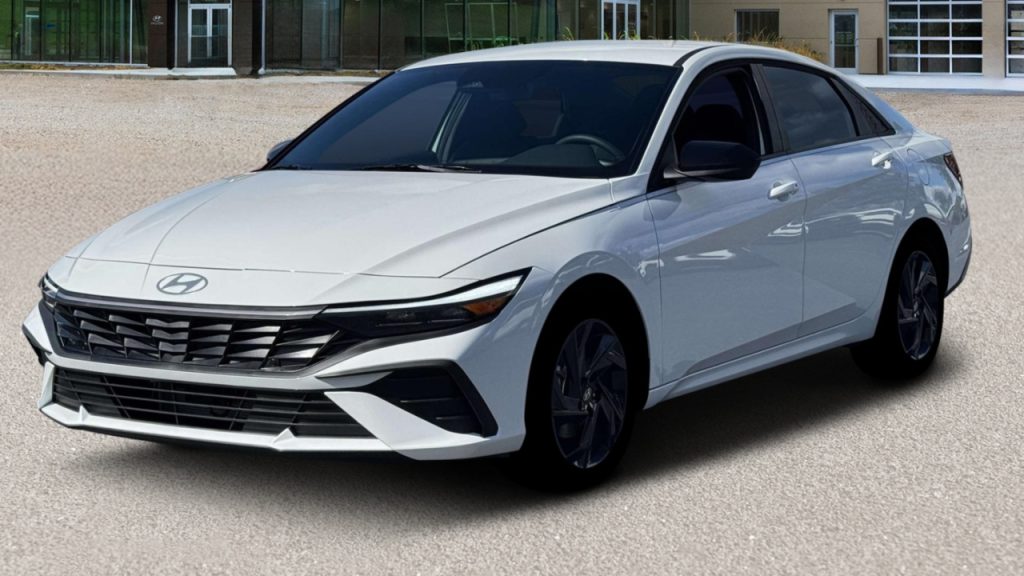
The Elantra Hybrid belongs on this list because it delivers strong real-world commuting benefits. It turns traffic into an efficiency advantage, offering savings and smoothness in a compact car that is easy to park and easy to manage.
5. Ford Escape Hybrid
The Ford Escape Hybrid is a standout because it brings hybrid benefits into the crossover category, where many commuters live.
Many people want hybrid efficiency but still need SUV practicality. The Escape Hybrid shines in traffic by reducing fuel consumption during slow movement and making stop-and-go driving smoother.
I’m writing about the Escape Hybrid because it shows how a well-designed hybrid can work beyond sedans. In heavy traffic, it can use electric assistance for low-speed movement, reducing engine strain and fuel waste. That matters because crossovers usually burn more fuel than sedans in congestion.
The Escape Hybrid also feels comfortable and calm in traffic. It doesn’t behave like a heavy SUV fighting congestion. It feels smooth and cooperative. The hybrid system helps with gentle acceleration, which improves daily drivability.
Regenerative braking also plays a role. Each time you slow down in traffic, the system recovers energy. Over time, this helps deliver real-world gains. For commuters, these gains matter because traffic is frequent.
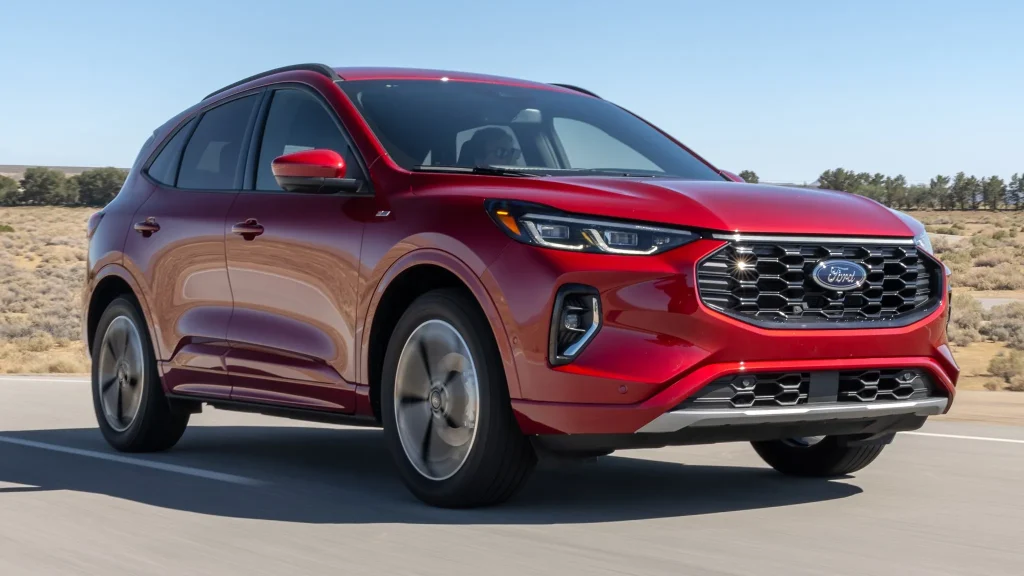
The Escape Hybrid earns a spot here because it gives crossover drivers a true hybrid advantage. It doesn’t just add a badge. It brings measurable traffic savings and smoother commuting, making it a genuine hybrid that shines where it matters most.
5 Hybrids That Deliver Little Benefit
Hybrid badges can create big expectations. Many buyers assume that if a vehicle is labeled “hybrid,” it will automatically deliver major fuel savings, especially in city traffic. But the reality is more complicated. Some hybrids are designed to be highly electric-driven at low speeds, while others are built mainly to assist the engine lightly.
In traffic, that difference matters. A hybrid that delivers little benefit is usually one where the electric motor has limited influence, the battery is small, or the system is tuned more for smoothness than for real efficiency gains.
Another reason some hybrids feel less rewarding is weight and purpose. Large vehicles require more energy to move, and if the hybrid system is not strong enough to offset that weight, the result is only a small improvement.
In these cases, buyers may pay a premium for a hybrid system but see only modest fuel savings, especially if most driving happens on highways where the engine runs steadily. Mild-hybrid systems are also a common cause of disappointment.
They are often marketed as hybrids, but they mainly provide start-stop assistance and a small boost, not meaningful electric driving. That means in real commuting, the gain can feel too small to justify the price difference.
I’m writing about these five hybrids because they represent models where the hybrid system often feels less impactful than drivers expect. This doesn’t mean these vehicles are bad. Some are luxurious, powerful, or very smooth.
The hybrid system may improve refinement, reduce vibration, or support accessories. But if a buyer’s main goal is noticeable fuel savings in traffic, these hybrids can feel like they deliver little benefit.
This list is meant to protect commuters from disappointment. If you choose a hybrid, it should match your goal. If you want maximum traffic efficiency, you want a hybrid designed to spend real time in electric mode.
If the system is mild or the vehicle is heavy, the experience may not feel meaningfully different from a normal gas vehicle. The models below demonstrate how that happens.
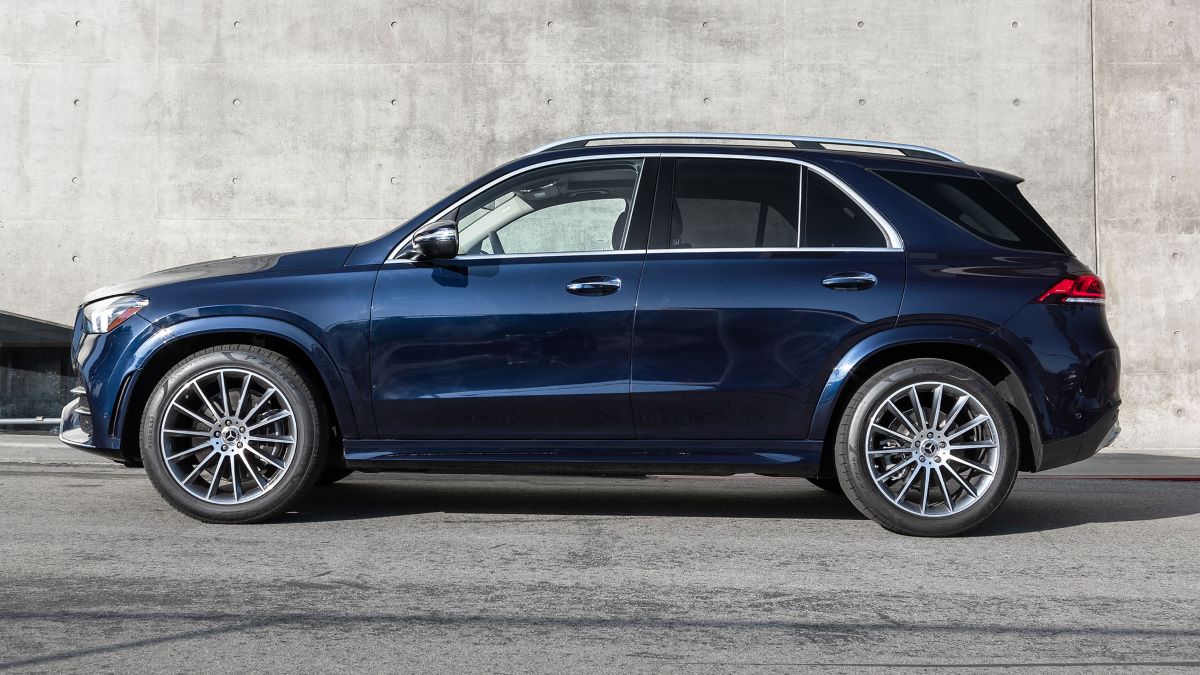
1. Mercedes-Benz GLE 450 (Mild Hybrid)
The Mercedes-Benz GLE 450 is often called a hybrid, but the mild-hybrid system delivers relatively little benefit for commuters seeking strong fuel savings.
The vehicle is large and heavy, and while the mild-hybrid system helps smoothness and responsiveness, it does not significantly reduce fuel use the way strong full hybrids do.
I’m writing about the GLE 450 here because it represents a growing category: luxury mild hybrids marketed as high-tech efficiency solutions. In reality, the system is mainly designed to support start-stop and provide small electric boosts.
It cannot drive the vehicle on electric power for meaningful time in stop-and-go traffic. That means the engine still runs most of the time, and the fuel savings remain modest.
In traffic, the GLE 450 may feel refined because the mild hybrid smooths transitions and reduces some engine strain. But if you compare fuel economy to what you might expect from a hybrid badge, the gains can feel disappointing.
A vehicle of this size still consumes significant fuel, especially in urban congestion. The hybrid system does not overcome the fundamental energy demand of moving a large luxury SUV.
Another reason the benefit feels limited is the purpose of the design. Luxury mild hybrids often focus on performance feel and smoothness more than efficiency. That means the driver experiences a refined commute, but not dramatic fuel savings.
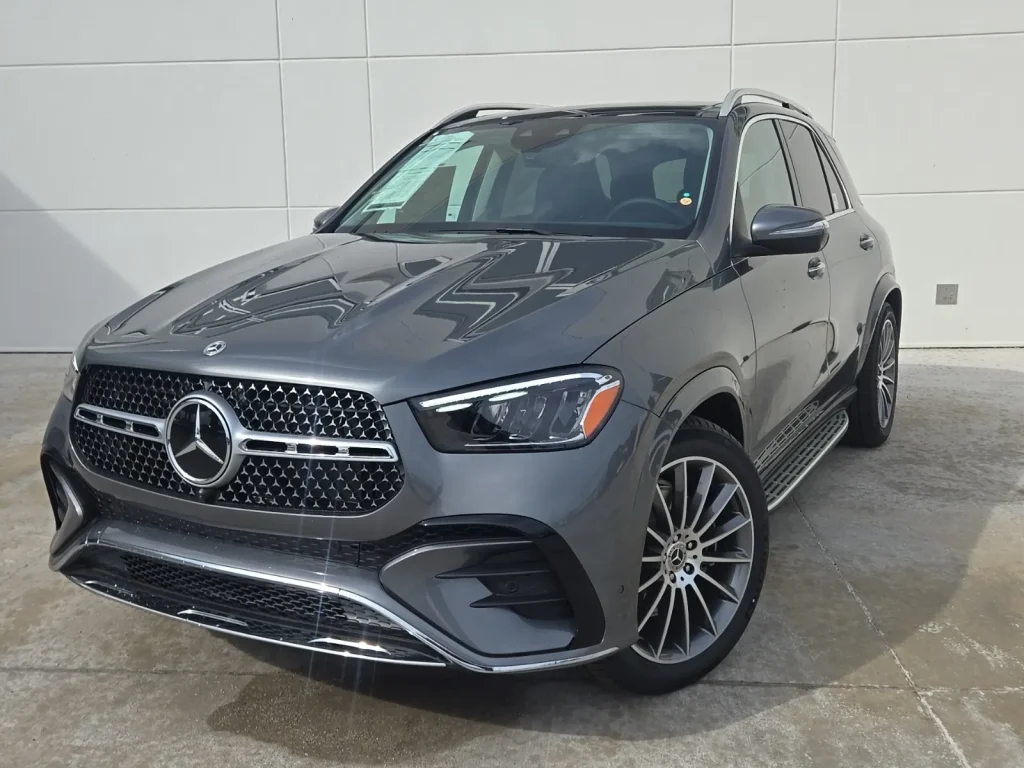
The GLE 450 belongs on this list because it shows how hybrid labeling can create false expectations. It may be advanced and premium, but as a traffic-saving hybrid, it delivers little benefit compared to true full hybrid systems designed around efficiency.
2. Audi Q8 (Mild Hybrid)
The Audi Q8 is another example of a mild hybrid that delivers little benefit for commuters focused on fuel savings. It is a stylish, large luxury SUV, and its mild-hybrid system mainly supports smoother start-stop operation and small assistance.
It does not provide meaningful electric-only driving, which is where the biggest traffic savings usually come from.
I’m writing about the Q8 here because many buyers assume any hybrid system will cut fuel costs dramatically in city traffic. But the Q8’s mild hybrid is not built that way. In stop-and-go commuting, the engine still does the majority of the work.
The hybrid system reduces some inefficiency, but not enough to create the clear “hybrid advantage” drivers associate with vehicles like the Prius.
Weight is another factor. The Q8 is heavy and wide, and that requires energy. Mild hybrids cannot offset that demand much. The result is that fuel economy improvement feels modest, and drivers may not notice a large difference compared to a standard luxury SUV in the same category.
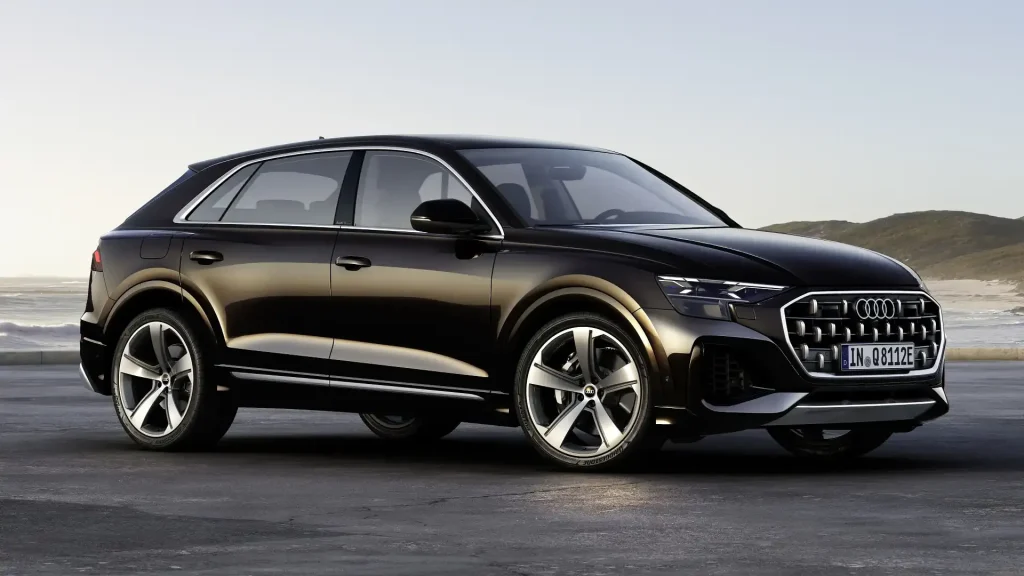
The Q8 may still feel smoother in traffic because start-stop transitions are refined, and the mild hybrid can reduce roughness. But this is comfort benefit, not strong efficiency benefit.
I’m including it because it’s a perfect case of hybrid tech being used for refinement more than meaningful fuel savings. If the buyer’s goal is dramatic traffic efficiency, the Q8 hybrid approach will likely feel like it delivers little benefit.
3. Jeep Wrangler 4xe
The Jeep Wrangler 4xe is a plug-in hybrid with strong technology, but many drivers find that it delivers less traffic efficiency benefit than expected because the Wrangler’s design and purpose fight efficiency. Even with electric driving capability, the vehicle’s shape, weight, tires, and rugged setup reduce how far that hybrid advantage can go.
I’m writing about the Wrangler 4xe here because it’s a hybrid that creates huge expectations. Many buyers assume plug-in hybrid equals major fuel savings. In certain short trips with regular charging, the Wrangler 4xe can absolutely save fuel.
But in real commuting traffic, especially if charging isn’t consistent or trips are longer, the benefit can shrink dramatically. Once the battery is depleted, the Wrangler is still a heavy, boxy vehicle that consumes fuel.
Another factor is that the Wrangler is designed for adventure, not commuting. Off-road tires, higher ride height, and aerodynamic drag all reduce efficiency. In traffic, the vehicle still requires significant energy to move, and that reduces the benefit compared to more efficiency-focused plug-in hybrids.

The Wrangler 4xe can deliver meaningful savings in a very specific lifestyle: short daily drives, frequent charging, and light commuting. But without that, it can feel like the hybrid system is not delivering enough advantage to justify cost and complexity.
That’s why it belongs in this list. It’s exciting and capable, but as a traffic hybrid benefit vehicle, it may deliver less than many buyers expect.
4. Chevrolet Tahoe Hybrid (older generation)
Older Chevrolet Tahoe Hybrid models are another example of hybrid systems delivering limited benefit because the vehicle’s size and weight dominate the equation. The Tahoe is a large SUV built for space and capability, and while hybrid tech can help, it cannot fully counter the fuel demands of such a heavy platform.
I’m writing about the Tahoe Hybrid here because it shows the reality of hybrids in large SUVs. Many people expect big improvements, but the hybrid system often delivers only modest gains. In traffic, the vehicle still needs considerable energy to move, and once you add passengers and cargo, the benefit feels even smaller.
Older hybrid systems also tend to be less advanced than modern designs. They may not transition as seamlessly, and they may not use electric power as effectively in stop-and-go conditions. That reduces the sense of “shining in traffic” that modern hybrids can offer.
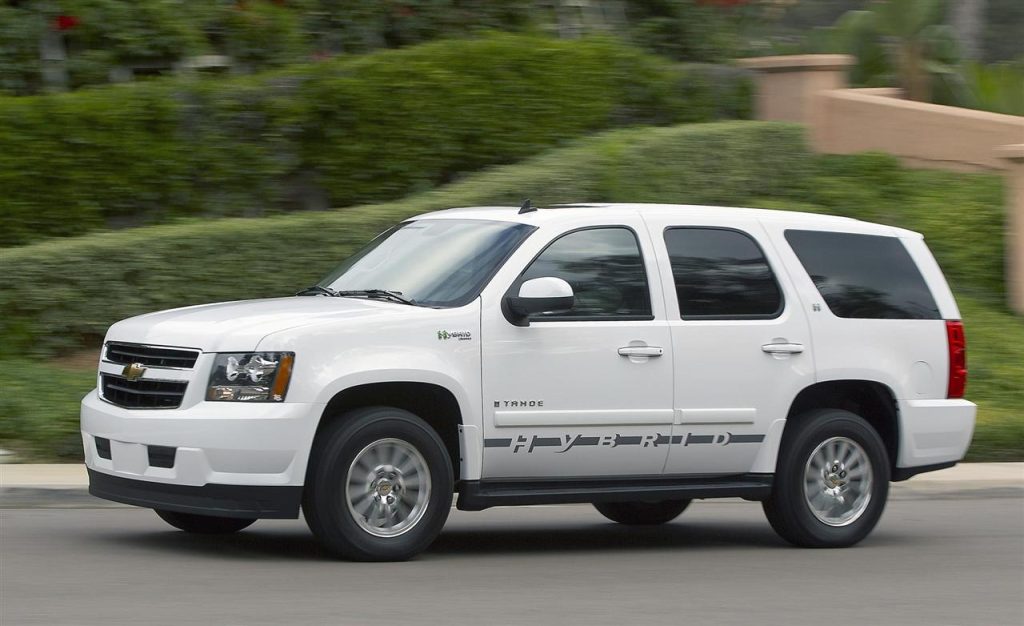
The Tahoe Hybrid can still feel smoother than a traditional Tahoe, and it may reduce fuel use somewhat. But the improvement is often not dramatic enough to justify the hybrid label in the mind of a commuter expecting big savings.
It belongs here because it highlights how hybrid technology works best when paired with efficiency-focused designs, not heavy full-size SUVs.
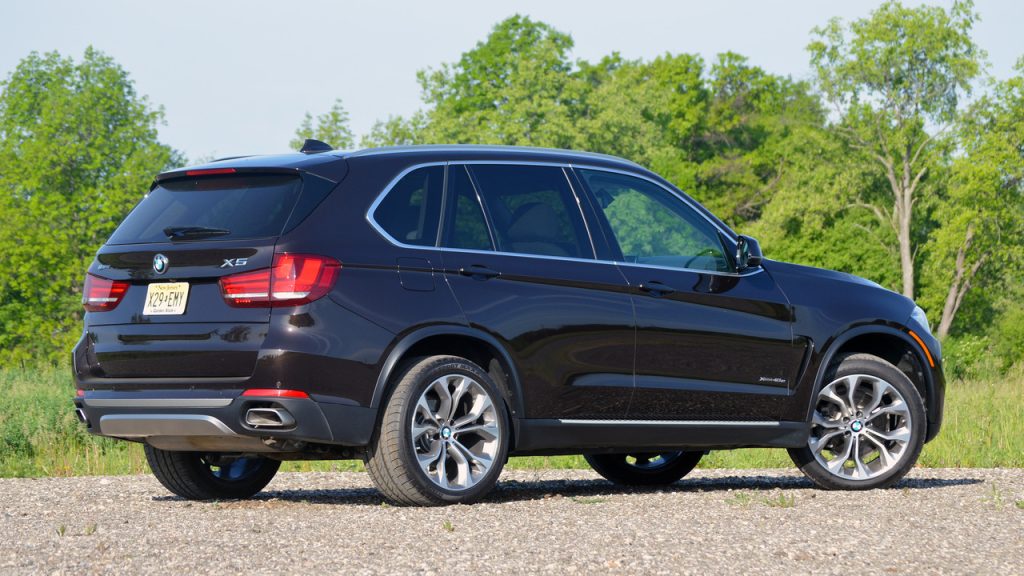
5. BMW X5 xDrive40e (early plug-in hybrid)
The early BMW X5 xDrive40e plug-in hybrid is another case where the hybrid system can feel like it delivers little benefit in daily traffic unless the owner’s lifestyle matches it perfectly.
As a plug-in hybrid, it can run on electric power for limited distances. But once the electric range is used up, the vehicle behaves like a heavy SUV, and fuel savings drop sharply.
I’m writing about this model because early plug-in hybrids often had smaller ranges and heavier packaging. In traffic, it can feel efficient only when the battery is charged.
If the driver forgets to plug in or commutes longer distances, the hybrid benefit becomes less noticeable. Instead of saving major fuel, the driver may simply carry extra weight from the hybrid system while relying on the engine.
Another issue is that the X5 is a luxury SUV. It is not designed primarily for maximum efficiency. It is designed for comfort and performance. That means the hybrid system adds smoothness and electric torque, but not always strong commuting fuel savings compared to dedicated full hybrids.
The X5 xDrive40e belongs on this list because it can be great under the right usage pattern, but many drivers do not see big real-world benefits. Without frequent charging and short commutes, the hybrid label can feel less meaningful. It becomes a hybrid that delivers limited advantage for traffic-focused fuel savings.