Dense cities demand a different kind of vehicle thinking. Streets are tighter, traffic is slower, parking is harder, and every trip includes more stopping than cruising. In this environment, electric cars can be a perfect match because they are naturally smooth at low speeds, quiet in congestion, and efficient in stop-and-go driving.
Instant torque helps with small traffic gaps, regenerative braking reduces brake wear, and the absence of engine vibration makes daily commuting calmer. But while EVs are often seen as the future of city mobility, not all electric cars suit dense cities equally.
Some feel built for city life and make urban driving easier. Others, despite being advanced and exciting, can feel inconvenient because their size, charging needs, visibility, or driving character doesn’t match crowded urban realities.
A city-suited EV is not just about range. It is about usability. A dense city EV should be easy to maneuver, have a tight turning radius, and fit into small parking spaces. It should also have strong outward visibility for scooters, pedestrians, and cyclists.
Charging practicality matters too. If the car relies heavily on home charging but the driver lives in an apartment, the EV can quickly become inconvenient. Likewise, if the car’s real-world range drops sharply in traffic AC use or if charging takes too long on the go, it can create daily stress.
In contrast, some EVs feel inconvenient in dense cities because they are too large or too heavy, making parking stressful. Some have complicated charging requirements or inconsistent fast-charging performance.
Some are tuned for performance more than smooth city comfort, making them less relaxing on rough urban roads. Others have high running costs, like expensive tyres, or they encourage careful driving because repairs are costly.
This article compares two groups: five electric cars that genuinely suit dense cities and five that feel inconvenient in urban life. The goal is practical: helping drivers choose EVs that make city living easier, not harder, and avoid models that may become frustrating daily companions in crowded streets.
Also Read: 5 Vehicles That Make Sense in Downtown Chicago vs 5 That Wear Out Faster
5 Electric Cars That Suit Dense Cities
Dense city driving rewards vehicles that are compact, smooth, easy to park, and stress-free in stop-and-go traffic. Electric cars already have a natural advantage here because they deliver instant response without engine noise, and they handle crawling traffic without wasting fuel. But the EVs that truly suit dense cities go beyond electric power.
They are designed with urban reality in mind. They fit comfortably in narrow streets, they turn easily at tight corners, and they make parking less dramatic.
Their visibility is strong for urban hazards like scooters cutting lanes or pedestrians crossing suddenly. They also offer charging solutions that don’t punish city residents who may not have private garages.
I’m writing about these five electric cars because city life is not about maximum range or extreme acceleration. It is about daily ease. In dense areas, drivers often travel short distances, making charging frequency less of a problem. But they need convenience.
A city EV should feel like a smart tool, not a complicated lifestyle challenge. This includes things like compact body size, simple controls for city use, smooth regeneration that doesn’t jerk passengers, and strong efficiency so range remains reliable.
Another factor is “quiet confidence.” City driving can be mentally exhausting. A good city EV should reduce stress by being predictable and easy to place on the road. It should not feel bulky, fragile, or intimidating. It should feel like it belongs in tight spaces.
The five models below represent EVs that tend to feel natural in dense cities. They offer a combination of manageable size, smooth traffic behavior, comfortable ride tuning for broken urban pavement, and charging practicality. Some are small and playful.
Some are more practical and roomy. But all of them work well in dense environments because they fit the reality of urban streets rather than fighting against it.
If your daily driving includes tight parking, narrow lanes, slow traffic, and constant stops, these EVs are the kind that can make city living smoother and more enjoyable.
1. Nissan Leaf
The Nissan Leaf suits dense cities because it is one of the most straightforward and practical electric cars for daily urban use. It is compact enough to fit into small parking spaces and narrow city streets, yet roomy enough inside for everyday errands.
Its size makes it easy to maneuver in crowded traffic, which is one of the biggest advantages in a dense city environment.
I’m writing about the Leaf here because dense city driving is usually about simplicity, not extremes. Many urban drivers don’t need huge range numbers. They need an EV that can handle short trips reliably, charge easily, and remain comfortable in traffic.
The Leaf’s smooth low-speed operation makes stop-and-go movement calm. You creep forward quietly, and the car feels like it was built for this environment.
Another reason the Leaf works well is its gentle driving character. Some EVs feel overly aggressive with instant torque, which can make slow city movement feel jumpy.
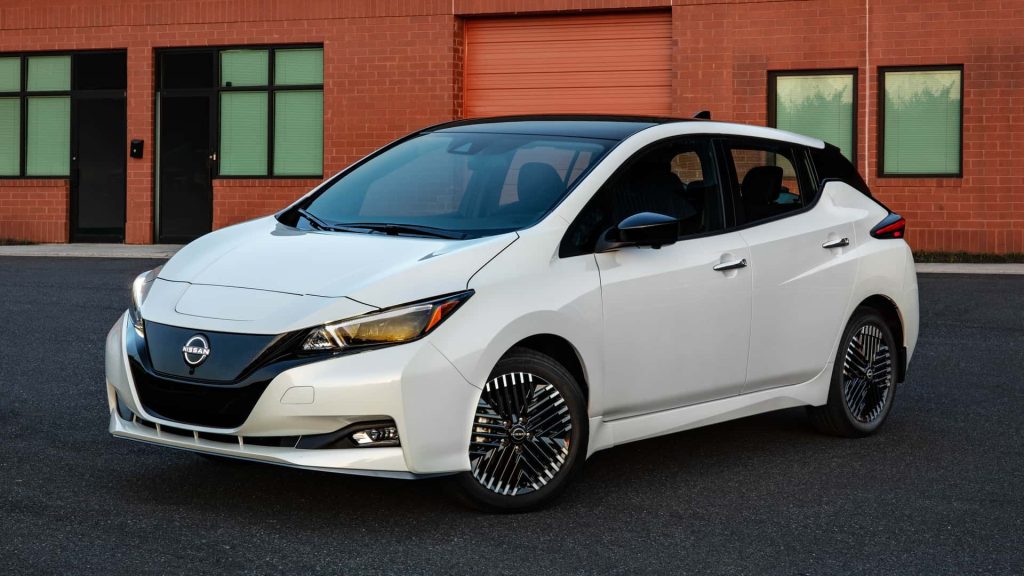
The Leaf feels easy to control, which keeps city driving smooth. Regenerative braking is also manageable, helping in traffic without making passengers uncomfortable.
The Leaf also has an urban-friendly ownership style. It tends to be easier to live with than more complicated or high-performance EVs. For city drivers, the Leaf is the type of EV that feels like a normal car, only quieter and cheaper to run in stop-and-go use.
That matters because dense city life already has enough challenges. The Leaf reduces stress rather than adding to it, which is exactly why it belongs in this group.
2. Chevrolet Bolt EV
The Chevrolet Bolt EV is one of the strongest dense-city EV choices because it combines compact dimensions with strong real-world usability. It is small enough to park easily, but it still offers enough interior space for daily tasks. That balance makes it feel like a perfect city tool.
I’m writing about the Bolt EV because dense city drivers need agility and practicality more than they need luxury. The Bolt is easy to maneuver through tight streets, and its turning ability helps in crowded intersections.
It also offers strong low-speed acceleration, which makes traffic gaps easier to handle. In dense cities, quick response makes lane changes safer and less stressful.
The Bolt’s one-pedal driving style is another key city advantage. In stop-and-go traffic, one-pedal driving reduces fatigue. You can slow smoothly without constant brake tapping. This makes daily commuting easier and quieter. Regeneration is strong but controllable, and that works well in congested streets.
Another reason the Bolt fits dense cities is its efficiency. City driving often involves short trips, and EV efficiency keeps range stable.
The Bolt delivers enough range for most urban needs without demanding constant charging. For city residents who charge at work or use public charging, this kind of reliability matters.
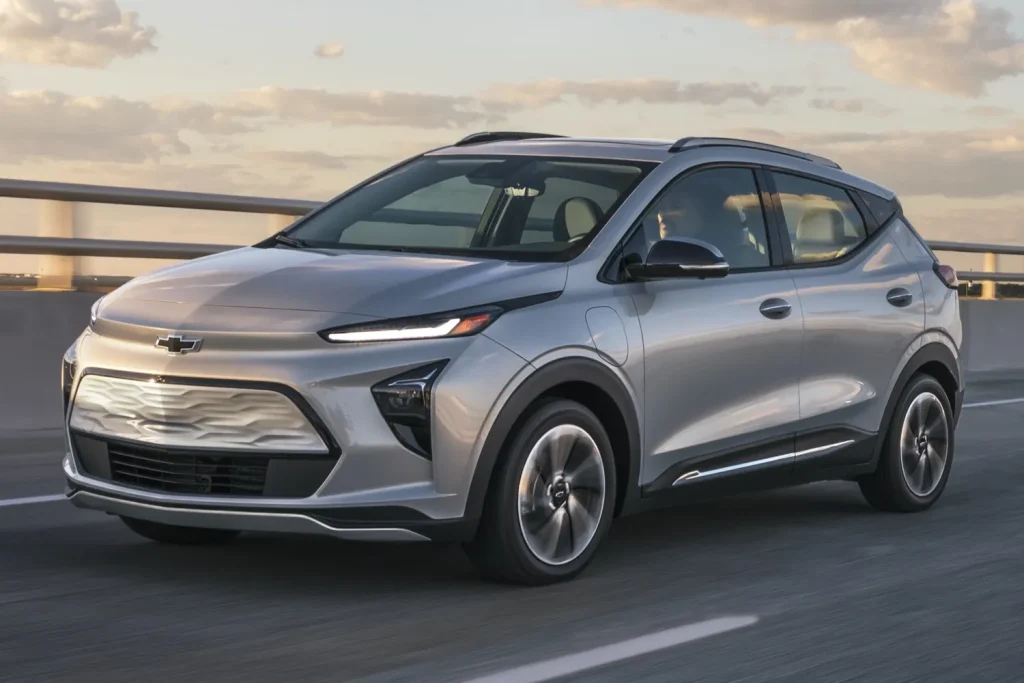
The Bolt EV belongs on this list because it behaves like a smart urban vehicle. It’s compact, responsive, practical, and easy to live with in dense traffic. It makes city driving feel simpler, which is exactly what an EV should do in an urban environment.
3. BMW i3
The BMW i3 is one of the most city-focused electric cars ever built. Its design makes it extremely maneuverable, and it feels perfectly sized for dense streets. The i3’s compact shape and tight turning circle make it feel almost effortless in narrow lanes and tight parking spots.
I’m writing about the i3 because dense cities reward vehicles that turn sharply and fit easily into small gaps. The i3 does this better than many modern EVs, which often get bigger and heavier. The i3 feels light and quick in urban movement. That makes it easier to navigate around delivery trucks, cyclists, and crowded junctions.
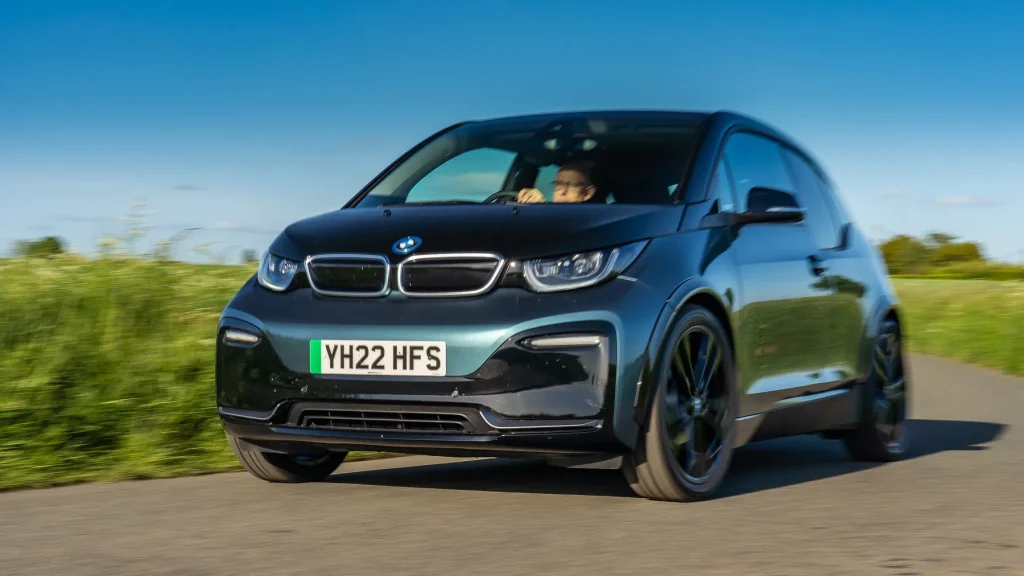
Visibility is another advantage. The i3’s design gives a clear urban view, which helps drivers feel confident near pedestrians and scooters. In city life, being able to see and judge distances is crucial. The i3 helps reduce stress by making the vehicle’s edges easy to understand.
The i3 also delivers an enjoyable low-speed driving character. It feels responsive without feeling too aggressive. In a dense city, that balance is perfect.
The i3 is included because it feels like a true urban EV, not an EV adapted from something else. It prioritises city needs: maneuverability, visibility, ease of parking, and smooth low-speed control.
4. Mini Cooper Electric
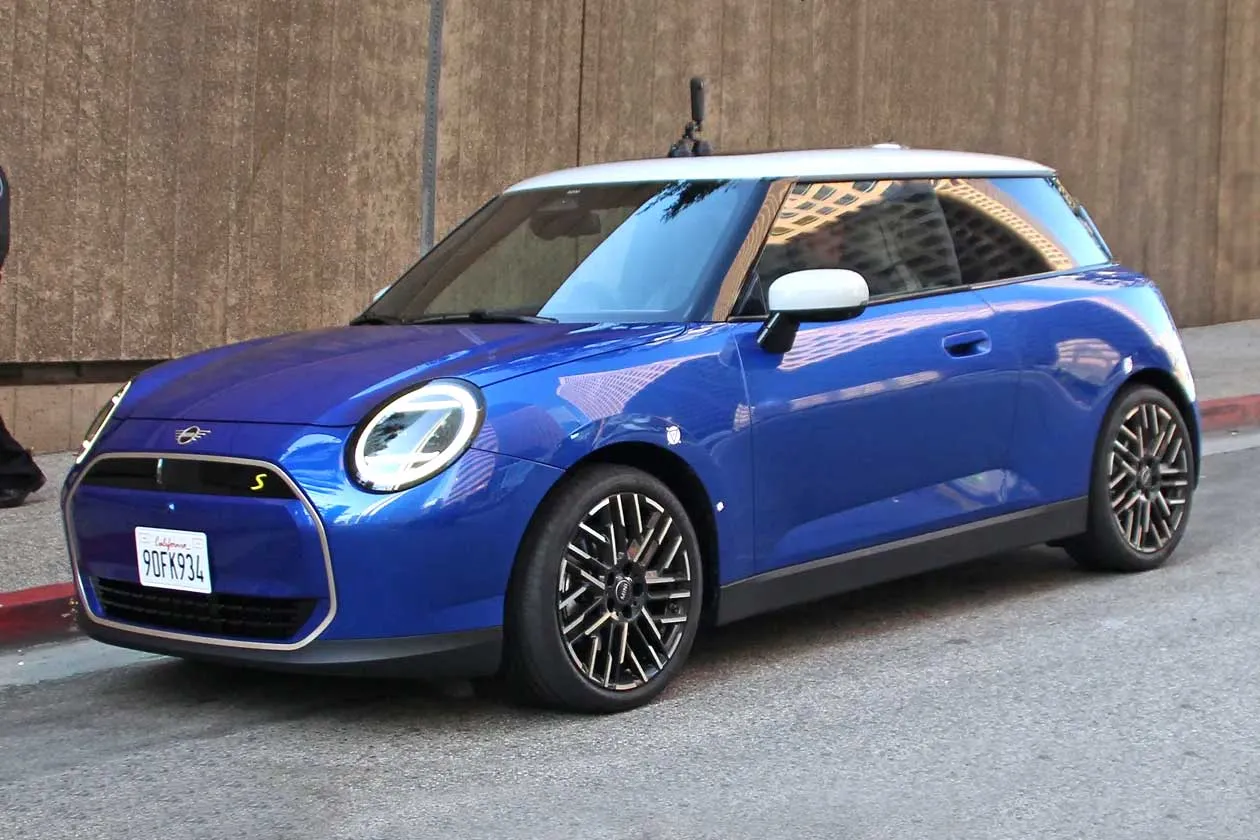
The Mini Cooper Electric suits dense cities because it brings classic small-car agility into electric driving. It is compact, easy to place, and extremely maneuverable. In a dense city, these qualities matter more than huge range. The Mini feels like it belongs in tight streets, making city movement effortless.
I’m writing about the Mini Electric because city EV ownership is about daily practicality. The Mini’s small size makes parallel parking easier and narrow streets less stressful. It also feels quick at low speeds, which makes merging into traffic gaps feel confident.
The Mini’s driving feel is another major advantage. It is responsive and fun, but still manageable in slow urban conditions. Some EVs feel too large or too heavy to be playful downtown. The Mini stays nimble. It also makes one-pedal-like regeneration useful in traffic, reducing brake fatigue.
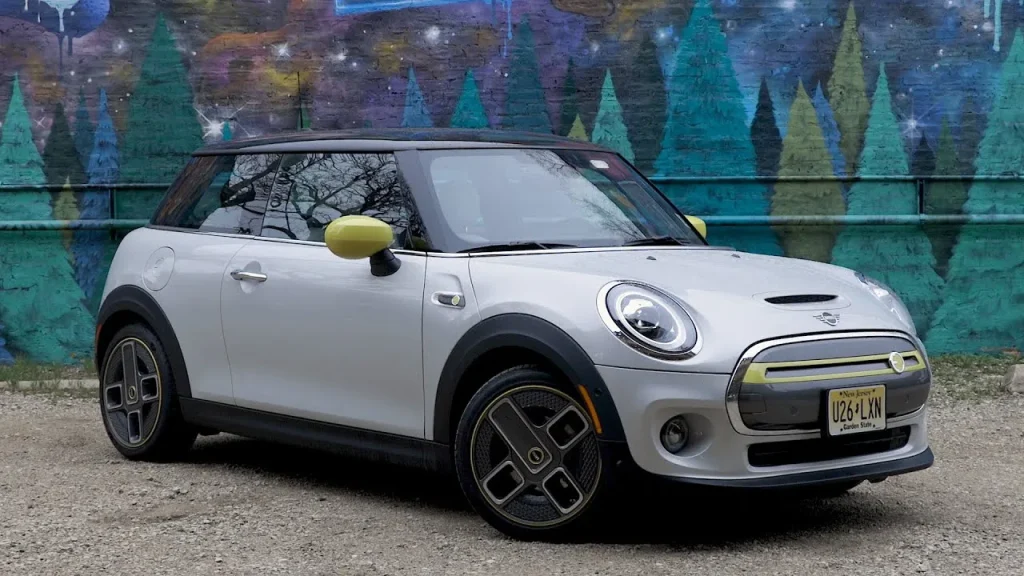
Range is not huge compared to larger EVs, but for dense city use, that may not matter. Many city drivers travel short distances and can charge regularly.
In that lifestyle, the Mini Electric becomes one of the easiest EVs to live with because it reduces parking stress and feels natural in tight spaces. It’s included because it turns dense city driving into something enjoyable instead of frustrating.
5. Hyundai Kona Electric
The Hyundai Kona Electric suits dense cities because it blends compact crossover practicality with EV smoothness. Many urban drivers want a higher seating position for visibility, but they don’t want a large SUV footprint.
The Kona Electric fits this need perfectly. It is small enough to park and maneuver easily, while still giving the elevated view that city drivers appreciate.
I’m writing about the Kona Electric because dense city life demands visibility and flexibility. The Kona’s upright seating helps drivers see traffic movement better, especially around buses and delivery vehicles. Its compact dimensions prevent it from feeling bulky in tight streets.
The Kona Electric also feels smooth in traffic. Electric response makes stop-and-go movement calm and predictable. It can handle urban hills, quick merges, and small gaps without hesitation. That confidence is important in city driving where opportunities appear briefly.
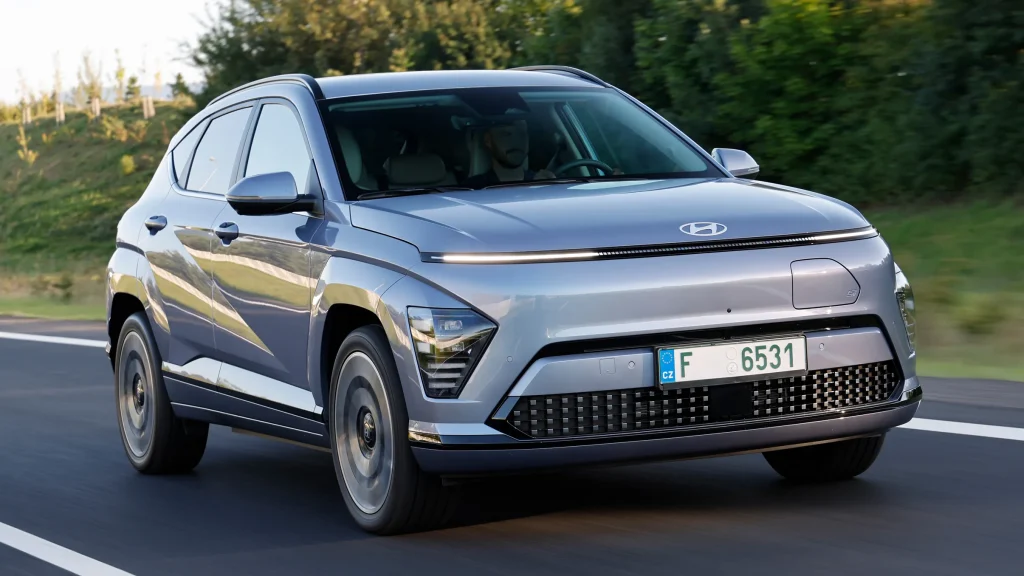
Practicality is another reason it belongs here. You get usable cargo space for daily errands and city life needs. The Kona Electric is not oversized, but it still offers real utility.
It’s included because it represents the sweet spot for dense cities: compact size, strong visibility, EV smoothness, and daily practicality without making urban life more stressful.
5 Electric Cars That Feel Inconvenient
Electric cars can be brilliant in dense cities, but the wrong EV can quickly feel like an inconvenience rather than an upgrade. The biggest mistake many buyers make is assuming that “electric” automatically means “perfect for the city.”
In reality, dense cities punish vehicles that are too large, too heavy, hard to park, or too dependent on easy charging access. The best city EVs feel compact, simple, and stress-free.
The inconvenient ones tend to feel like they were designed for open roads, suburban driveways, or performance excitement, not for tight lanes, crowded parking, and short daily errands.
Inconvenience in a city EV usually shows up in a few predictable ways. Size is the most obvious. Many modern EVs are large because batteries take space and companies want SUV-like shapes.
But in a dense city, wide bodies and long wheelbases create daily stress. Parking becomes slow, tight turns become uncomfortable, and narrow streets feel like obstacles. Charging logistics can also become a problem.
Some EVs require frequent fast charging because range drops quickly with AC use, heavy weight, or inefficient design. If the driver lives in an apartment without home charging, this creates constant planning pressure.
Another source of inconvenience is cost and fragility. Some EVs use large low-profile tires that wear quickly on rough city roads. Others have expensive body panels or sensors that make minor scrapes costly.
Some EVs have stiff suspension setups designed for sporty handling, which becomes uncomfortable on pothole-filled streets. Finally, some EVs have quirks like limited visibility or complicated control systems that feel fine on highways but annoying in daily urban movement.
I’m writing about these five electric cars because they represent vehicles that can feel inconvenient in dense cities, even if they are excellent in other contexts.
These models may be stylish, powerful, or luxurious, but their size, charging habits, or city practicality can make daily urban driving harder than it needs to be. This section helps city buyers avoid that mismatch and choose EVs that fit urban reality.
1. GMC Hummer EV
The GMC Hummer EV is one of the most extreme examples of an electric vehicle that feels inconvenient in a dense city. It is enormous, heavy, and built around power and presence rather than city usability. On open roads, it can feel impressive. In crowded urban streets, it can feel like driving a building.
I’m writing about the Hummer EV because dense cities are all about space management. The Hummer EV takes up too much of that space. Parking becomes stressful because it requires large spots and careful positioning.
Narrow streets lined with parked cars become anxiety zones, because the vehicle’s width reduces margin for error. Even simple downtown maneuvers like turning into tight lanes can feel awkward.
Weight adds another layer. Heavy EVs can feel less nimble, especially in low-speed city turns. The Hummer EV does not feel like a city tool. It feels like an oversized statement. That statement creates inconvenience every day.
Charging is also not ideal for city practicality. Larger batteries can take longer to charge, and drivers may rely on public fast charging. In a dense city lifestyle without home charging, the idea of managing a huge EV’s charging needs becomes frustrating.
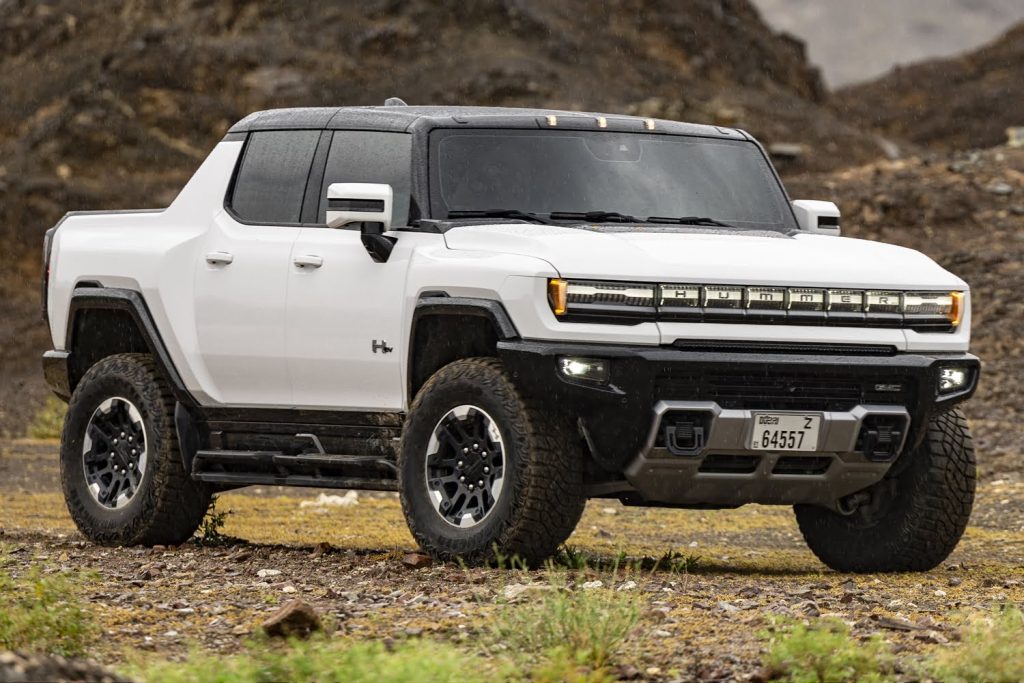
The Hummer EV is included because while it is exciting and capable, it is clearly not built for dense city reality. In tight urban environments, it feels oversized, difficult, and inconvenient.
2. Rivian R1T
The Rivian R1T is a highly respected electric pickup, but in dense cities it can feel inconvenient due to size and daily practicality challenges. It is a pickup first, meaning it carries longer dimensions than most city-friendly vehicles. In narrow streets and tight parking spaces, this becomes a daily burden.
I’m writing about the R1T here because many buyers love the innovation, design, and capability. But dense city life does not reward capability. It rewards ease. The R1T’s length makes parking harder, especially in street parking.
It often requires more space than most city spots can provide comfortably. This forces the driver to search longer for parking and accept more awkward positioning.
The R1T can also feel heavy in tight low-speed movement. EV torque is strong, but weight still matters. In city streets, you want nimbleness. The R1T feels like a vehicle designed for outdoor lifestyles rather than downtown errands.
Charging can also become an inconvenience. Large battery EVs benefit from home charging. Without that, the owner may rely on public fast charging to keep the vehicle ready. That can feel like extra planning pressure, especially if charging stations are crowded.
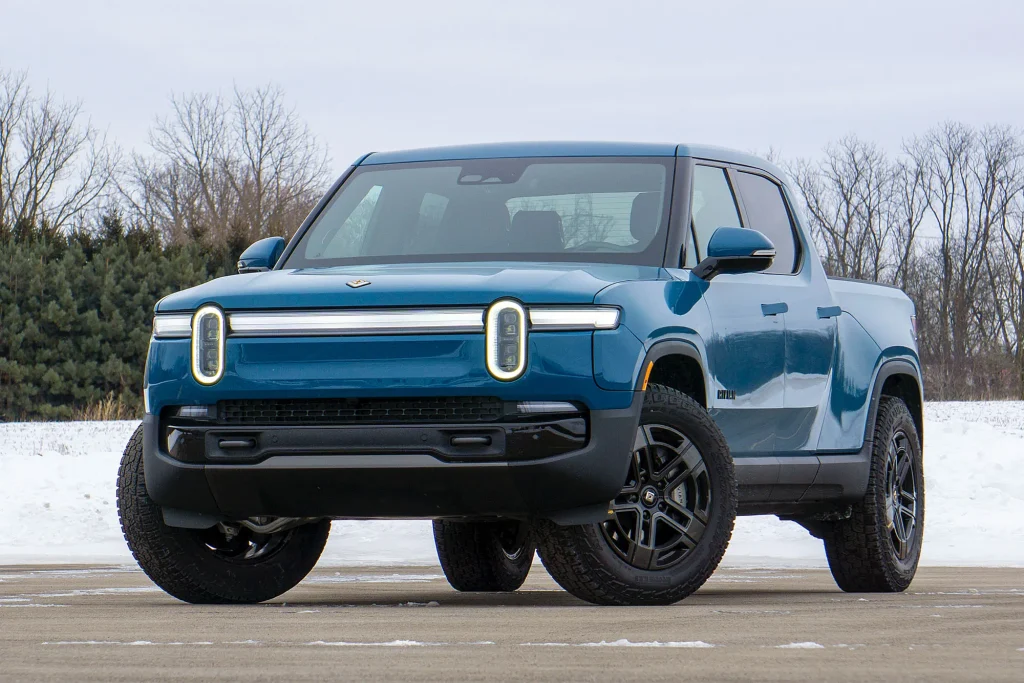
The R1T belongs on this list because it’s a brilliant vehicle for many lifestyles, but dense city driving exposes how difficult pickup-sized EVs can be. It’s not that it can’t be driven downtown. It’s that it makes downtown life harder than it needs to be.
3. Tesla Model X
The Tesla Model X is a luxury electric SUV with strong performance, but in dense cities it can feel inconvenient because of its size and complexity. While it offers impressive technology, city life often requires simple usability. The Model X can feel like too much vehicle for too little space.
I’m writing about the Model X here because dense cities punish large SUVs. The Model X’s width and length make parking more stressful. In narrow streets, you may feel like you are always too close to parked cars. The larger footprint also makes quick downtown maneuvers feel heavier and less natural compared to smaller EVs.
The doors can be another inconvenience. The Model X’s rear door design is dramatic and functional in certain spaces, but in tight city parking spots it can become awkward depending on clearance.
Dense cities often involve garages with low ceilings or close side spacing, and any vehicle with unusual door behavior can feel less predictable in daily use.
Another city inconvenience is cost of ownership details. Large wheels and expensive components can make minor city damage costly. Dense cities include scrapes, tight gaps, and occasional parking bumps. Vehicles with expensive body panels can feel stressful because every small mistake feels expensive.
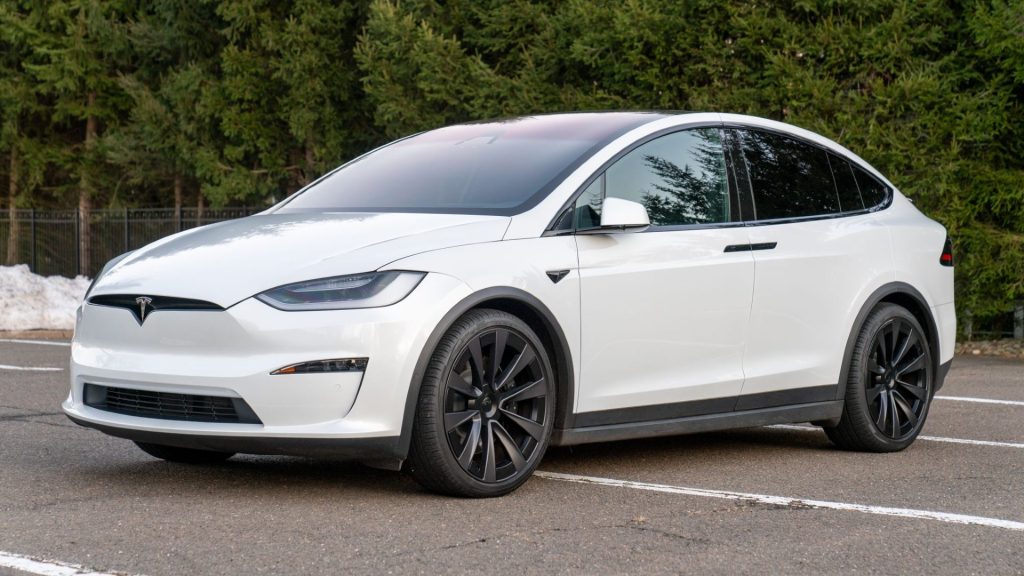
The Model X is included because it is technologically advanced and powerful, but dense city driving requires compact practicality and stress-free parking. In many city situations, the Model X can feel inconvenient rather than ideal.
4. Mercedes-Benz EQS SUV
The Mercedes-Benz EQS SUV delivers luxury and comfort, but dense cities can make it feel inconvenient because it is physically large and premium in a way that makes everyday urban use stressful. The EQS SUV is designed for comfort, road presence, and high-end ownership experience. But city streets demand compactness and simplicity.
I’m writing about the EQS SUV here because it represents the luxury EV dilemma in crowded cities. Large luxury SUVs often feel like too much vehicle for downtown life. Parking becomes harder because you need a bigger space and more careful positioning. The vehicle’s size also makes narrow streets feel tighter.
Another inconvenience is mental pressure. In dense cities, scrapes and tight parking situations are common. When you drive a very expensive luxury EV, the fear of damage increases. That fear makes driving less relaxed, which is the opposite of what an EV should bring to city life.
Charging can also become complicated. Luxury EVs may encourage owners to rely on home charging for convenience. Without home charging access, the owner might be forced to depend on public charging, making the premium ownership experience feel less premium.
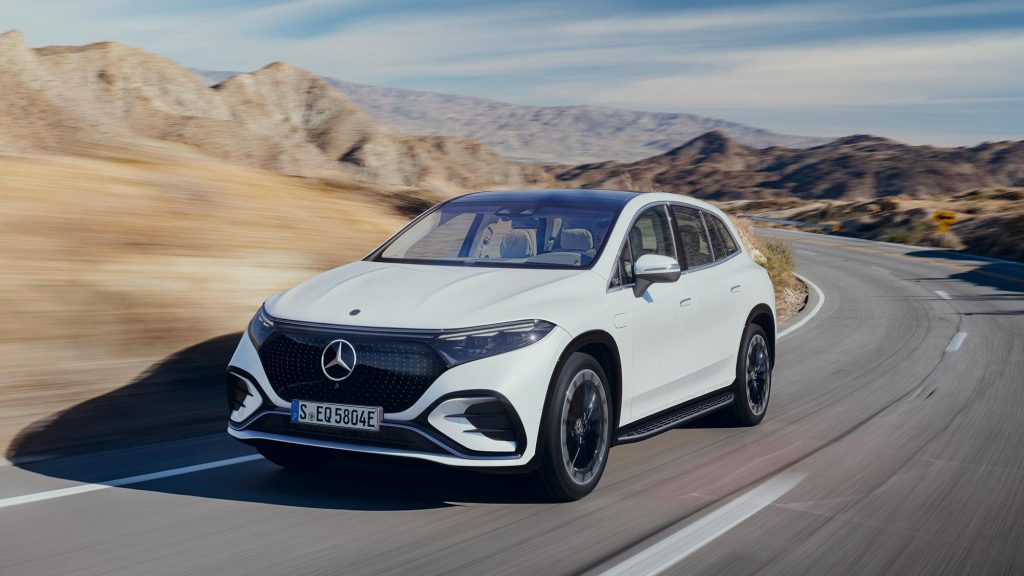
The EQS SUV is an impressive vehicle, but it is included because it is better suited to wide roads and comfortable cruising. In dense city conditions, it can feel inconvenient due to size, stress, and daily parking challenges.
5. Porsche Taycan
The Porsche Taycan is an electric performance car built for speed and handling, but in dense cities it can feel inconvenient because performance car design often clashes with urban reality. The Taycan is low, wide, and tuned for sporty driving.
Dense cities often have rough roads, speed breakers, and constant stopping, which makes this type of vehicle less comfortable.
I’m writing about the Taycan because it highlights how a great EV can be inconvenient in the wrong setting. In a city, low ride height can create daily caution. Speed breakers, potholes, and steep driveway entrances force the driver to slow and approach carefully. That adds frustration, especially when traffic behind is impatient.
Parking is another issue. The Taycan’s width and expensive bodywork make tight parking stressful. In dense cities, minor scrapes happen more easily. With a premium performance EV, those scrapes are costly. That creates mental stress in daily errands.
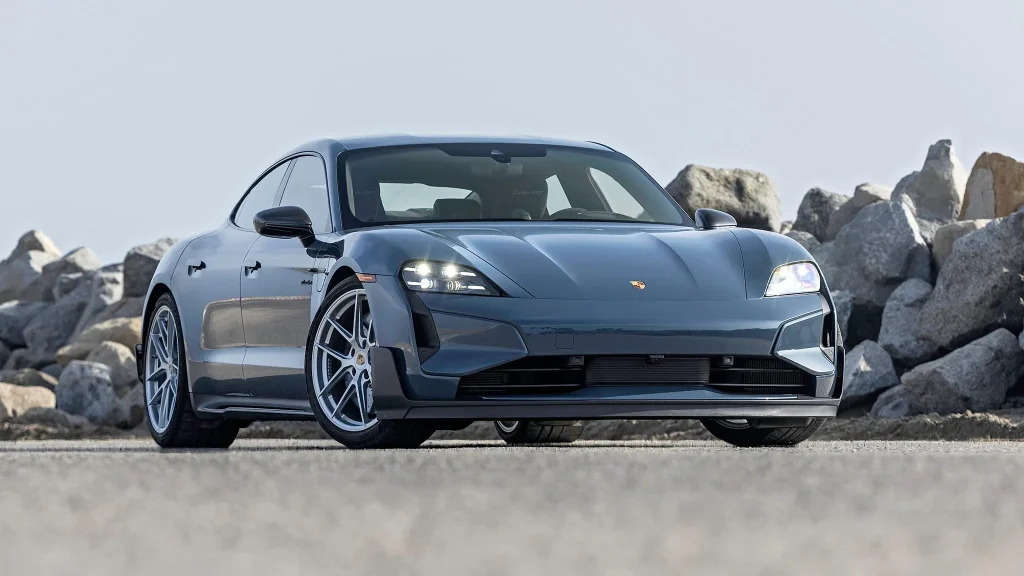
Ride tuning can also feel harsh over broken pavement. Sports suspension setups that feel amazing on smooth roads can feel uncomfortable downtown. The Taycan is built for excitement, not for relaxed crawling in congestion.
The Taycan belongs on this list because it is a brilliant EV, but dense cities demand practicality and ease. Its low height, wide body, and premium sensitivity can make everyday urban driving feel inconvenient.