
Washington, D.C., is one of those cities where the “right” vehicle isn’t just about taste, it’s about survival in a very specific driving ecosystem. Streets are tighter than they look on maps, parking is limited, traffic is unpredictable, and enforcement is serious.
At the same time, D.C. isn’t a purely urban island. People constantly move between neighbourhoods, Maryland suburbs, Northern Virginia, and weekend destinations like Shenandoah or Annapolis.
That means the best vehicles for D.C. must balance city practicality with enough comfort and confidence for occasional longer drives outside the District.
This is why vehicle choice in D.C. feels different from most U.S. cities. A car that works beautifully in wide-lane suburbs can become a daily headache in Georgetown or Dupont Circle. A vehicle that looks stylish can quickly turn into a parking nightmare.
Even simple ownership things, such as insurance costs, theft risk, repairs, and fuel, hit differently here because the city is dense, premium-priced, and full of stop-start driving.
In this article, I’m pairing two perspectives to make the decision clear. First, we’ll look at five vehicles that make sense in Washington, D.C. models that fit the city’s reality: compact sizing, strong visibility, low-speed comfort, easy parking, dependable reliability, and manageable ownership costs. These vehicles aren’t just “good cars.” They’re D.C.-friendly tools that match the city’s lifestyle and layout.
Then we’ll flip the lens to five vehicles that are costly to own not necessarily bad vehicles, but ones that tend to hit owners with higher expenses through maintenance, depreciation, insurance, fuel appetite, or city-unfriendly design.
Some are too large for the environment, some are too complex, and some come with premium costs that don’t make sense for daily D.C. use.
The goal is not to judge anyone’s taste. It’s to make ownership smarter, calmer, and more predictable because in D.C., even parking can feel like a negotiation with reality.
Also Read: 5 Electric Cars That Suit Apartment Living vs 5 That Don’t
5 Vehicles That Make Sense in Washington D.C.
D.C. rewards vehicles that are compact, efficient, easy to park, and low-stress in traffic. These five options fit the city’s shape and pace.
Driving in Washington, D.C. can feel like a daily puzzle. Roads don’t always follow a clean grid, lanes narrow without warning, parking rules change block by block, and traffic patterns shift depending on events, road closures, and rush-hour pressure.
That means the best vehicles for D.C. aren’t necessarily the fastest, biggest, or most impressive they’re the ones that make your day easier. They fit in small spots. They handle stop-and-go without drama.
They don’t punish you with expensive repairs every time a pothole hits. And most importantly, they don’t make you feel like you’re wrestling your own vehicle in a city that already feels demanding.
I’m writing about these five vehicles because D.C. is one of those places where practicality wins over hype. You can’t enjoy your car if you spend half your time searching for parking or scraping curbs in tight turns.
And you can’t feel confident if fuel costs, insurance, or maintenance feels like a monthly tax for simply living in the city. A D.C.-friendly vehicle needs to be easy to live with: strong visibility, smooth low-speed control, a turning radius that doesn’t require prayers, and a shape that fits real urban parking spaces not “ideal conditions.”
But D.C. also isn’t only about city driving. A smart pick should still be comfortable for weekend trips, highway merges, and suburban commuting.
The District’s lifestyle includes constant short drives and occasional long drives, and the vehicle has to adapt without becoming expensive or inconvenient.
These picks reflect that balance. Some are hybrids for efficiency. Some are compact crossovers for visibility and confidence in rain. Some are small hatchbacks designed for tight environments.
All of them make sense because they match the city’s daily reality not a brochure fantasy. In a place like D.C., the best vehicle is the one that helps you move through the city smoothly and saves you money while doing it.
1) Toyota Prius
The Toyota Prius makes immediate sense in Washington, D.C. because it feels designed for exactly this kind of city: congestion, short trips, unpredictable traffic, and constant stop-start movement. I’m writing about it first because it’s one of the smartest “daily tool” vehicles you can own in an expensive urban environment.
D.C. traffic can turn a short drive into a long one without warning. The Prius handles that gracefully because its hybrid system thrives in slow movement.
It wastes less fuel while idling or creeping than traditional gas cars, and the regenerative braking system turns constant stopping into energy recovery. That’s not just good for fuel economy, it’s good for your wallet over time.
Parking is another reason it fits the District. The Prius is compact enough to handle tight spaces without feeling like you’re forcing a large vehicle into a city built before modern SUVs took over. In places like Capitol Hill, Adams Morgan, and Foggy Bottom, that matters daily. A vehicle’s size becomes a lifestyle factor, not just a spec.
Reliability is also a big part of the Prius story. When you live in D.C., even simple repairs can be expensive because labor rates are high.
The Prius tends to be predictable in ownership, which makes it easier to budget for and less likely to surprise you. For a city where costs stack up quickly, rent, parking tickets, tolls, and insurance, predictable car ownership is a huge win.
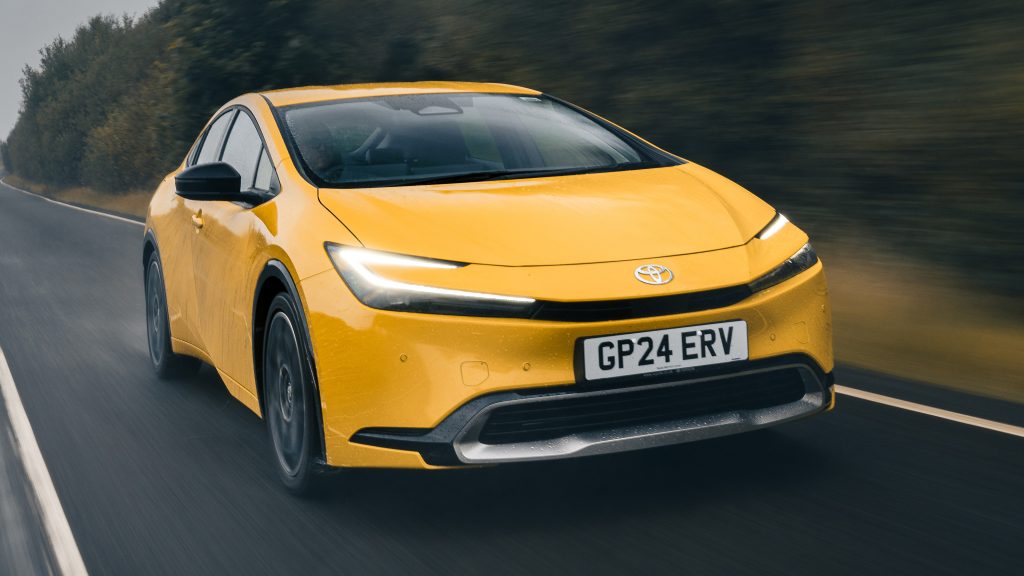
I’m writing about the Prius because it’s not trying to impress anyone. It’s trying to make the owner’s life easier. That’s exactly the energy a D.C. vehicle should have. It works quietly, efficiently, and consistently qualities that matter far more than horsepower when the city itself is already stressful.
2) Honda Civic Hatchback
The Honda Civic Hatchback is a near-perfect match for Washington, D.C. because it balances three things the city demands: compact usability, efficiency, and real practicality. I’m writing about it because it’s one of those cars that feels like it “fits” D.C. not too large, not too expensive, and not too fragile for daily urban use.
First, the Civic Hatchback’s size makes it a natural D.C. vehicle. It’s easy to park, easy to maneuver in narrow streets, and comfortable when dealing with aggressive lane patterns and constant merges. D.C. driving isn’t just about traffic; it’s about tight geometry. The Civic’s proportions help it feel confident rather than clumsy.
The hatchback design is also a major win in a city. People in D.C. often do a mix of commuting and lifestyle driving grocery runs, weekend markets, moving small furniture, carrying gear, or even traveling for short getaways. The hatchback makes that easier without forcing you into a large SUV that becomes a parking headache.
Another reason I’m including it is ownership cost balance. The Civic generally avoids the “premium city penalty” that comes with luxury brands. In D.C., insurance and repair costs can spike fast.
A Civic tends to remain affordable to maintain and repair, and parts availability is strong. That helps you avoid financial stress when the inevitable city wear happens.
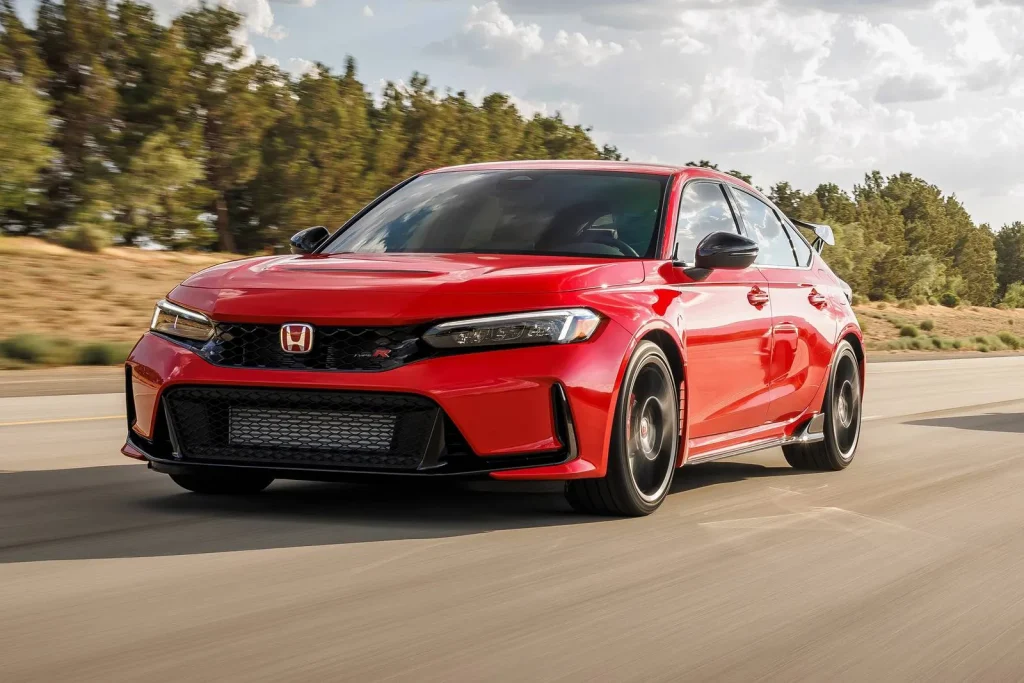
I’m writing about the Civic Hatchback because it has the right personality for D.C.: it’s efficient but not boring, practical but not clunky, and compact without feeling cheap. It’s the kind of car that supports city living rather than complicating it.
3) Toyota Corolla Cross
The Toyota Corolla Cross makes sense in D.C. because it offers compact crossover practicality without becoming oversized. I’m writing about it because many D.C. drivers want SUV-like visibility and confidence especially in rain, winter slush, or uneven roads, without choosing a massive vehicle that becomes miserable in city parking.
The Corolla Cross sits in the sweet spot. It’s higher than a sedan, which helps with visibility in traffic and gives a more confident feel when navigating busy multi-lane corridors. In D.C., where delivery trucks, buses, and sudden stops are normal, visibility is not a luxury its comfort and safety.
But it’s still compact enough to park reasonably in the city. That matters. Many SUVs feel like they are built for suburban driveways, not tight street parking. The Corolla Cross gives crossover benefits without becoming an urban burden.
I’m also writing about it because ownership costs matter heavily in D.C. Even people with good incomes often prefer predictable costs because the city already has so many expenses.
Toyota’s reliability reputation makes the Corolla Cross appealing as a long-term investment vehicle. It’s the kind of car you can keep without feeling like maintenance is a monthly surprise.
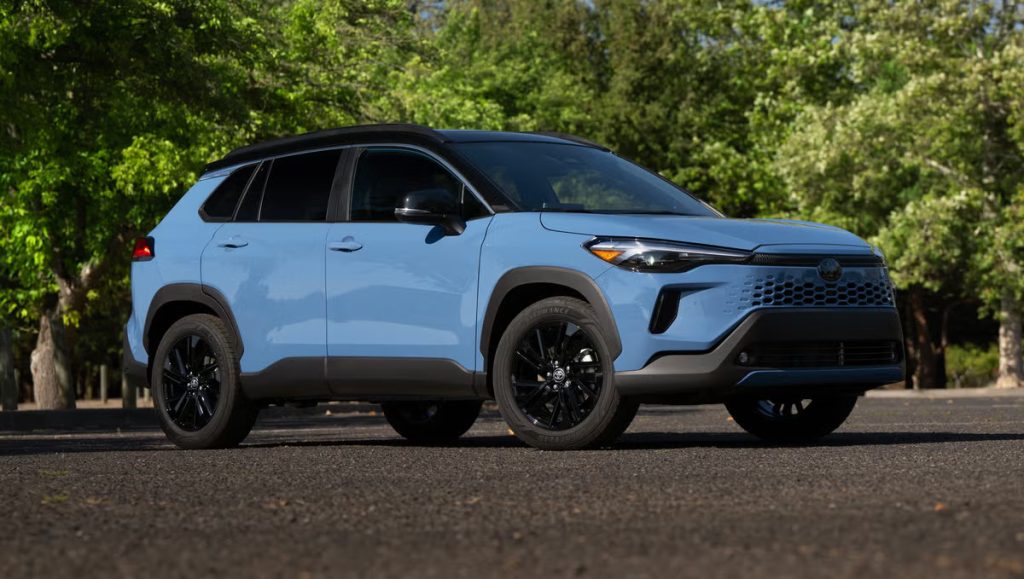
Lastly, the Corolla Cross fits D.C.’s mixed driving needs. It’s comfortable enough for suburban commuting and weekend trips beyond the District, which is a huge plus because many residents regularly cross into Virginia or Maryland. It’s not trying to be flashy it’s trying to fit real life. In D.C., that’s what “making sense” looks like.
4) Hyundai Kona (Hybrid or Gas)
The Hyundai Kona works well in D.C. because it feels designed for modern urban driving: compact crossover size, easy maneuverability, and efficient performance. I’m writing about it because it’s one of the most D.C-friendly “city-first” crossovers small enough to park without stress but versatile enough for everyday needs.
D.C. roads can be unpredictable. You’ll deal with sudden lane shifts, potholes, and tight turns. The Kona’s size helps it handle those conditions without feeling bulky. It’s easy to thread through traffic, easy to fit into narrow parking spaces, and more comfortable than many sedans when road quality gets rough.
Another reason it makes sense is the overall ownership balance. The Kona tends to offer a lot of features at a reasonable price point, which can matter in D.C. where many drivers pay extra for parking or insurance. Spending too much on the vehicle itself can feel unnecessary when the city already charges you in other ways.
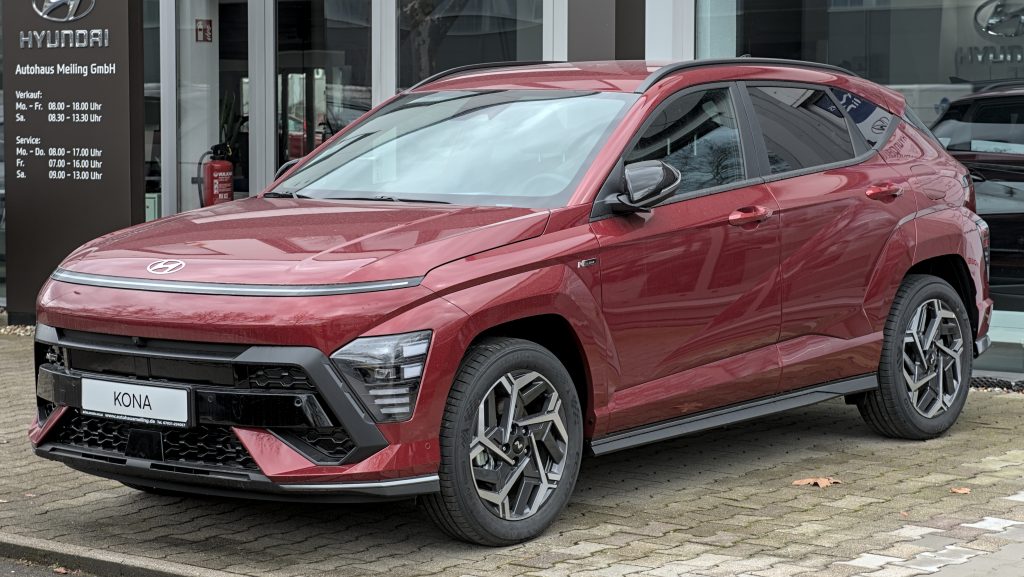
The Kona also matches D.C. lifestyle patterns. People don’t always drive far inside the District, but they do want the ability to carry things grocery bags, gym gear, weekend luggage, work equipment. The Kona provides that extra room without forcing you into a large SUV.
I’m writing about the Kona because it’s a practical compromise: it gives the feel of a crossover without the downside of oversized urban ownership. It’s a vehicle that understands city living.
5) Mini Cooper (Hardtop)
The Mini Cooper is almost made for Washington, D.C. streets. I’m writing about it because when parking and maneuverability become daily battles, a small car becomes a superpower. D.C. is full of older neighborhoods with narrow roads and tight spaces, and the Mini’s compact footprint turns that difficulty into an advantage.
The obvious benefit is parking. The Mini fits into spots that can make larger vehicles struggle or give up entirely. In areas where street parking is competitive, this matters more than fuel economy or horsepower. It also makes parallel parking less stressful, which is something D.C. drivers deal with constantly.
The Mini is also fun at low speeds. D.C. doesn’t allow many places where you can really enjoy high horsepower, but it does offer plenty of curves, short lanes, and quick turns. The Mini feels lively in that environment, which makes daily driving feel less like a chore.
I’m including it because it changes the emotional experience of city driving. Many cars feel trapped in D.C. traffic. The Mini feels like it belongs there. It doesn’t demand more space than the city wants to give it.
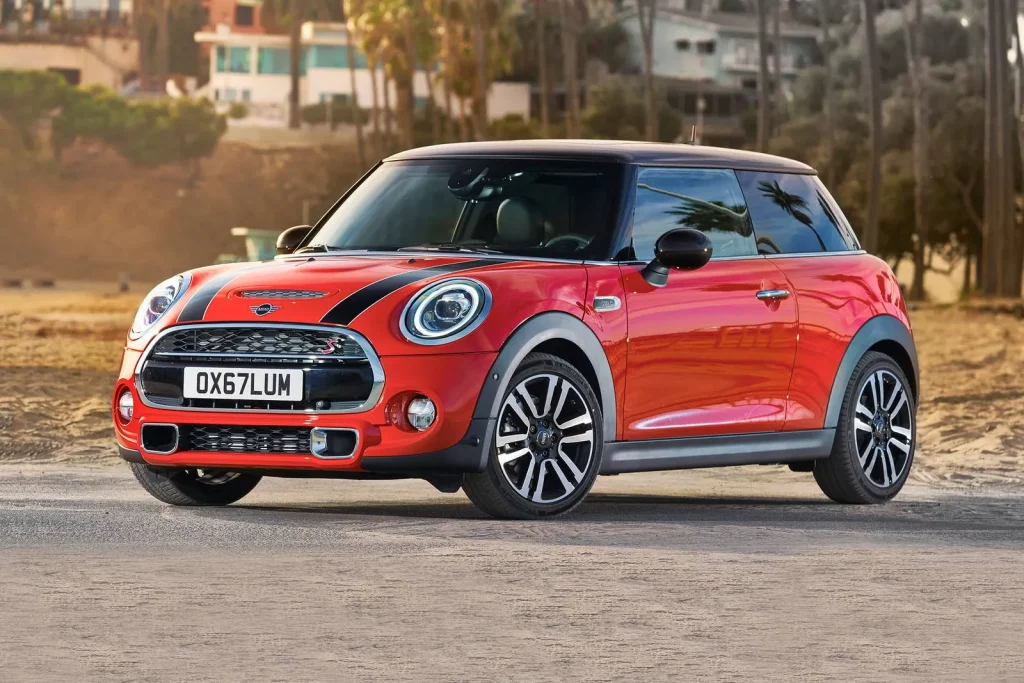
Ownership costs can vary depending on trim and maintenance habits, but the core point remains: as an urban tool, the Mini is highly logical in D.C. It matches the city’s scale better than most vehicles.
5 Vehicles That Are Costly to Own
Washington, D.C. makes expensive vehicles even more expensive. Higher labor costs, heavier traffic wear, tight parking damage, elevated insurance rates, and premium fuel prices can turn a “dream car” into a monthly financial headache.
This section focuses on vehicles that often punish owners in real life not because they’re bad vehicles, but because their ownership costs stack up quickly, especially in a city environment.
Many vehicles look great on paper but become financially draining once you actually live with them, especially in a place like Washington, D.C. The city adds pressure to ownership in ways people underestimate.
There’s heavy stop-and-go traffic that wears down brakes, tires, and suspension parts faster. There’s frequent street parking, which increases the chances of curb rash, dents, mirror damage, and minor accidents.
There’s a higher theft risk in certain areas, which can raise insurance rates. And because D.C. is an expensive market overall, labour rates at shops and dealerships often feel premium even for basic services.
That’s why I’m writing about vehicles that are costly to own. Not because they’re unpopular, or because nobody should buy them some of these are genuinely excellent cars.
But they become “costly” due to how the costs stack up over time: expensive maintenance schedules, pricey parts, complex drivetrains, premium fuel requirements, steep depreciation, or insurance charges that simply don’t match the owner’s daily reality.
D.C. also creates a problem where a vehicle’s strengths are wasted. Large luxury SUVs, high-performance vehicles, and complex off-road machines may be capable of amazing things, but inside the District, they spend most of their time idling in traffic, being squeezed into tight parking, and hitting potholes that punish expensive wheels and tires. In that environment, the owner pays a premium and receives only a fraction of the benefit.
The five vehicles in this list represent common examples of “ownership pain.” They often cost more not just to buy, but to keep healthy.
If you enjoy them and can afford them, fine but if your goal is sensible D.C. ownership, they can become the type of purchase that looks exciting at first and feels expensive every month after.
1) Range Rover (Full-Size)
The full-size Range Rover is one of the clearest examples of a vehicle that becomes costly to own, and D.C. makes that cost even louder. I’m writing about it because it’s a vehicle many people love for its presence and luxury but it’s also one that can quietly turn ownership into a high-spending routine.
The first issue is complexity. The Range Rover is packed with advanced technology: air suspension systems, electronics-heavy interiors, and high-end drivetrain components.
Complexity isn’t automatically bad, but in real ownership it means more points where repairs can become expensive. When something goes wrong, it’s rarely a small fix. In a high-cost city market like D.C., that financial hit can feel sharp.
The second issue is urban wear. Large wheels, expensive tires, and heavy curb exposure are a bad mix. Street parking in D.C. is not gentle.
Tight spaces often lead to curb contact and minor impacts. A Range Rover isn’t just a big vehicle; it’s a big vehicle with expensive components. Even small mistakes can cost real money.
Fuel is another reason. Big luxury SUVs drink fuel in city conditions, and D.C. traffic creates the worst scenario: low-speed crawling with high weight. Owners often end up paying luxury levels of fuel expense while the vehicle spends its life doing boring city work.
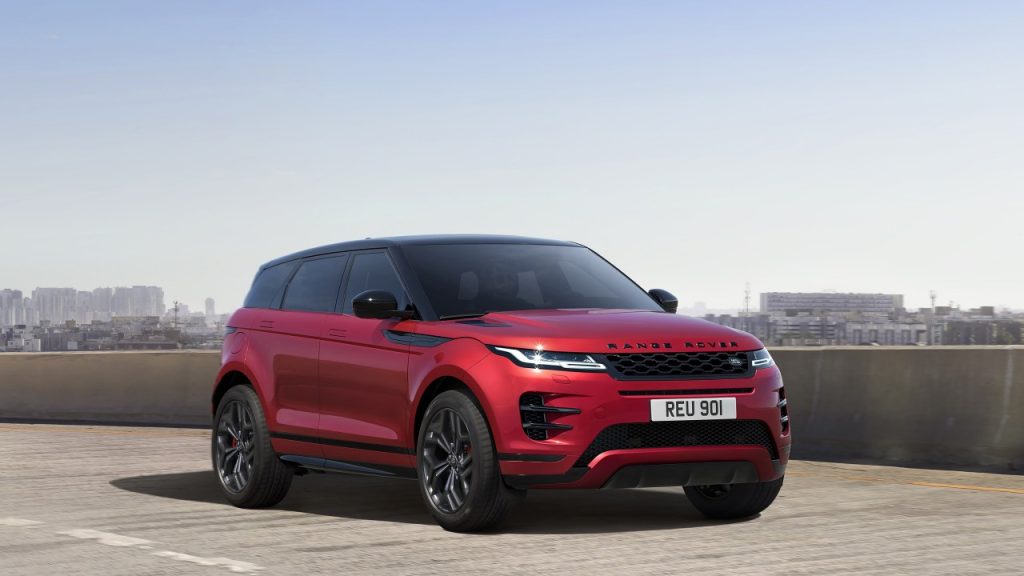
Lastly, insurance costs can be higher due to repair costs and replacement parts. When even minor damage leads to expensive repairs, insurers price that risk into premiums.
I’m writing about the Range Rover here because it’s a vehicle whose strengths are better used outside the city. In D.C., it often becomes an expensive symbol that absorbs money while offering limited real advantage.
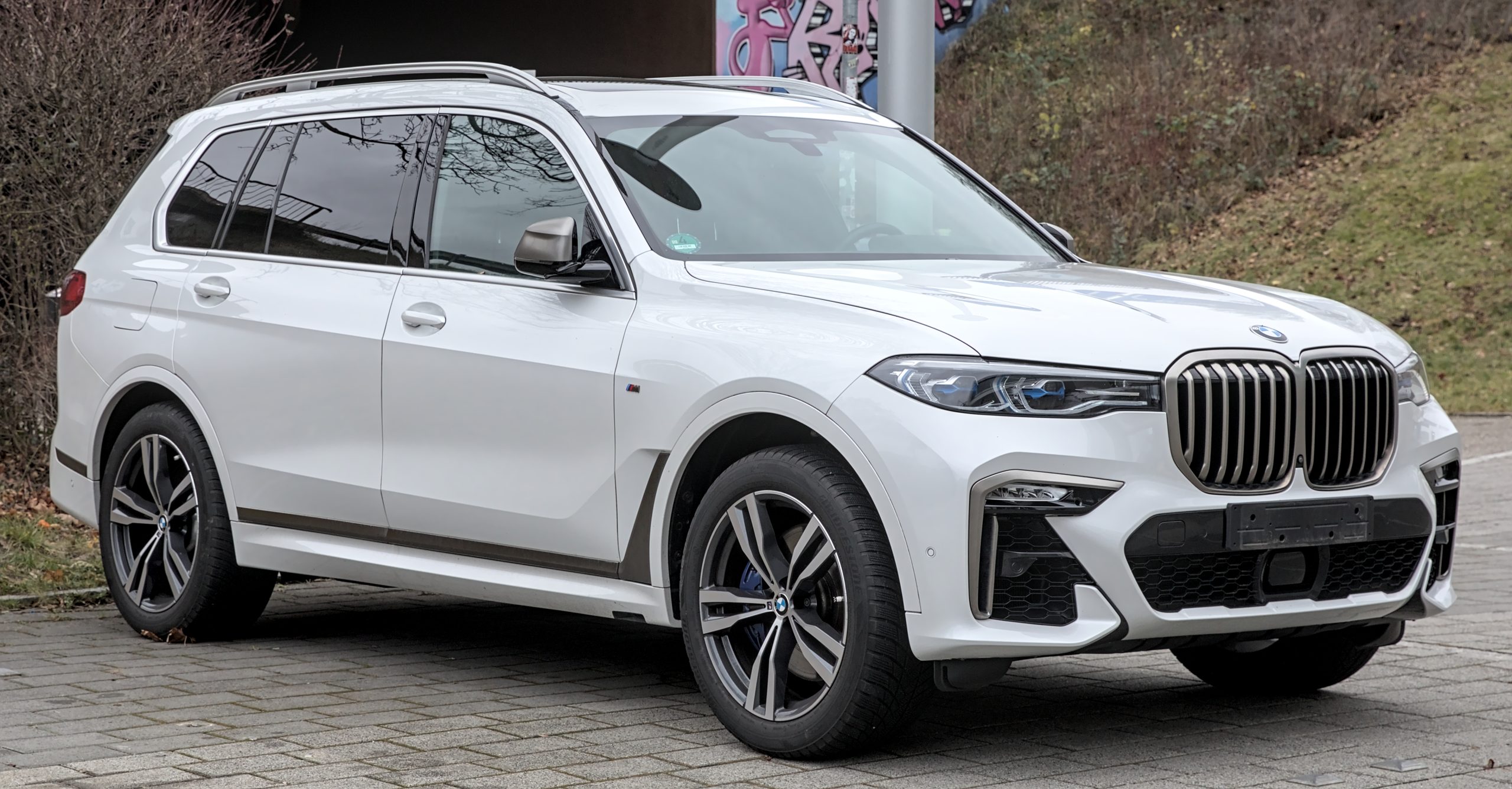
2) BMW X7
The BMW X7 is impressive, powerful, and genuinely comfortable but it can also become costly to own in a city environment. I’m writing about it because it’s a perfect example of a vehicle that makes sense for long highway family travel, but becomes financially intense when used daily in an urban space like Washington, D.C.
The first cost pressure comes from the vehicle’s size and premium engineering. The X7 is large, heavy, and packed with advanced systems adaptive suspension parts, electronic features, turbocharged powertrains, and premium braking components.
When maintenance arrives, it’s rarely cheap. Bigger vehicles require more tires, more brakes, and more service cost. In city traffic, wear happens faster.
The second factor is the “premium parts problem.” BMW vehicles often deliver outstanding driving behavior, but repairs and parts can be expensive.
Even routine things, such as tyres, brake pads, sensors, and electronics, can become higher-cost compared to mainstream vehicles. Add D.C.’s road conditions and street parking risk, and expenses become more frequent.
Then there’s the urban mismatch. In D.C., you’re often driving at low speeds, stopping constantly, and searching for parking. The X7 is not built for that environment. It’s built to cruise comfortably with passengers and luggage. In the city, you pay for its luxury size without being able to enjoy what you paid for.
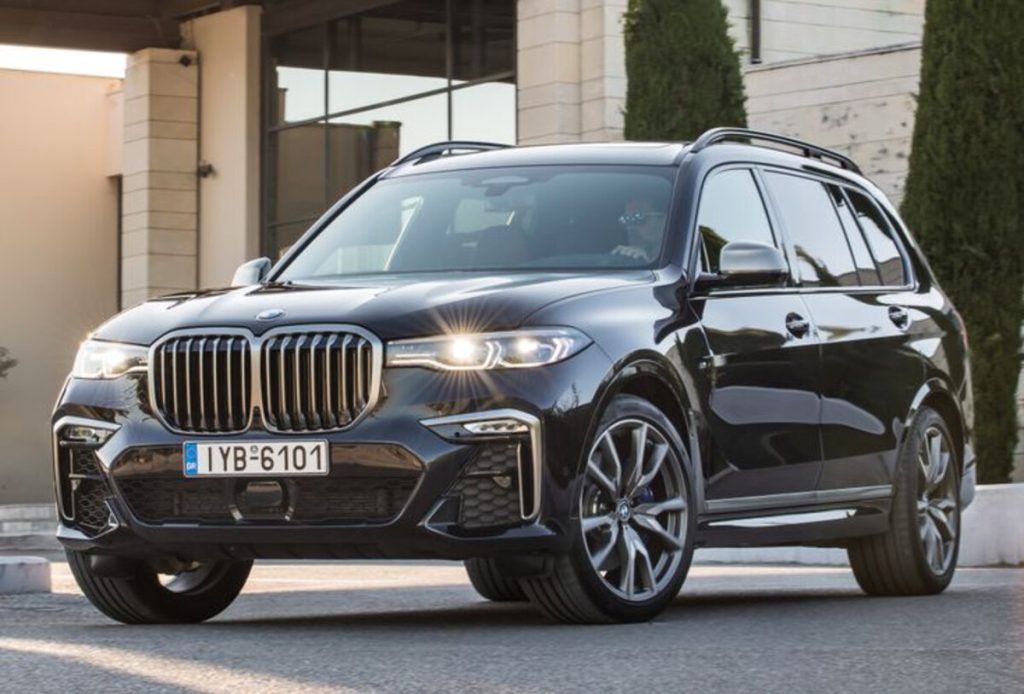
Insurance can also be high because repair costs are high. A minor fender scratch on a luxury SUV can become a major bill due to sensors and paint work.
I’m writing about the BMW X7 because it’s not just expensive to buy it’s expensive to operate in a city like D.C., where conditions amplify every cost.
3) Mercedes-Benz S-Class
The Mercedes-Benz S-Class is one of the most respected luxury cars in the world, but it’s also a vehicle that can be extremely costly to own especially in dense urban conditions. I’m writing about it because it’s a classic example of “premium comfort with premium consequences.”
The S-Class is loaded with technology, advanced comfort systems, and luxury engineering. That’s why it rides so well and feels so refined. But that same sophistication becomes expensive when the vehicle ages or when small problems occur.
Repairs aren’t just mechanical they often involve electronics, modules, sensors, and systems designed for luxury perfection. In real-world ownership, perfection is expensive.
D.C. adds another layer: city driving accelerates wear. Constant braking, uneven roads, potholes, and minor bumps are common. The S-Class is built to glide over roads, but it uses costly suspension components and premium tires to do it. When those parts wear, replacement costs aren’t normal. They’re high-end.
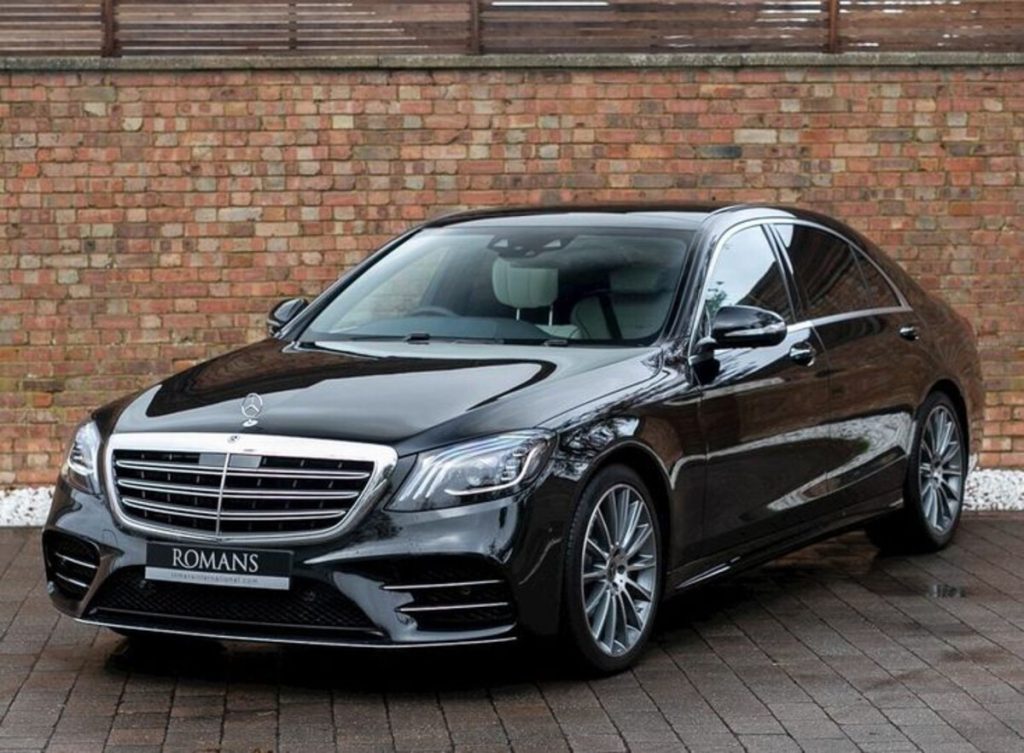
Another problem is “wasted value.” Much of what makes an S-Class special smooth highway cruising, high-speed stability, long-distance comfort, doesn’t get used properly in D.C. traffic. Instead, the car spends time idling, inching forward, and absorbing urban abuse. That mismatch makes the ownership cost feel even more frustrating.
Insurance costs can be significant, and depreciation is also a major factor. Luxury sedans tend to lose value quickly, which becomes a hidden cost if the owner plans to sell later.
I’m writing about the S-Class here because it represents a truth many people ignore: the more advanced and luxurious a vehicle is, the more it demands financially. In D.C., where conditions are rough on cars, that demand becomes constant.
4) Jeep Grand Wagoneer
The Jeep Grand Wagoneer is the kind of vehicle that looks perfect in photos and feels impressive in a showroom. But ownership can become very costly, and D.C. driving makes those costs show up faster than most buyers expect.
I’m writing about it because this is a vehicle that combines luxury pricing with heavy, city-unfriendly reality. It’s big, complex, and expensive to feed, which turns daily use into a financial drain over time.
First, fuel cost is a major issue. The Grand Wagoneer is heavy and powerful, and D.C. traffic creates constant stop-and-go that kills efficiency.
Second, tires and brakes become expensive quickly. Large, premium wheels and tires cost more to replace, and the vehicle’s weight makes wear happen faster.
Third, city parking risk is high. When a vehicle is this large, tight D.C. street parking increases the chances of curb damage, scrapes, or dents.
Then there’s maintenance and repair cost. Luxury features and advanced electronics make service more expensive, and even small failures can cost serious money.
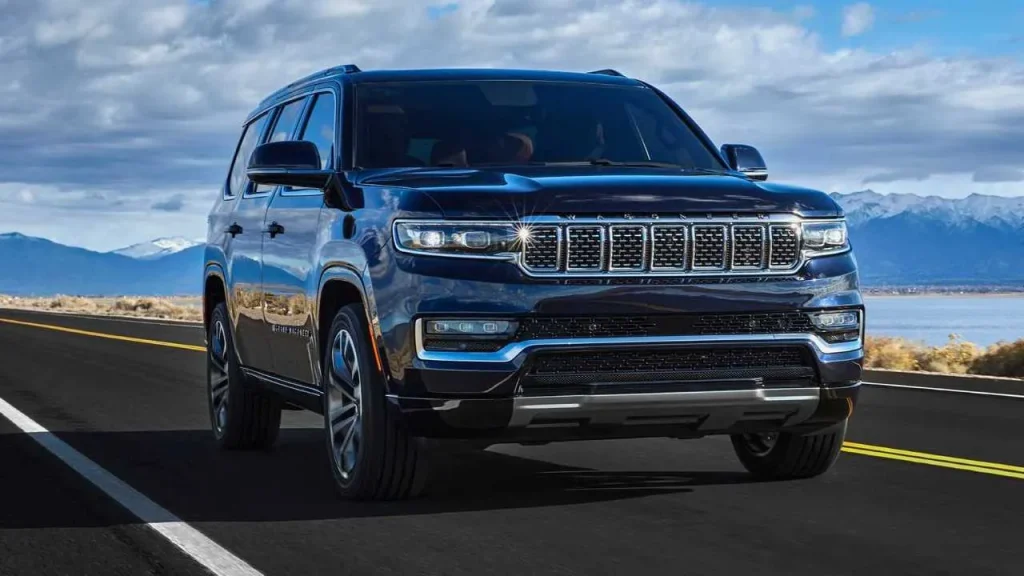
Finally, the vehicle’s strengths are mostly wasted in D.C. You’re paying for long-distance comfort and size, but most days you’re just inching through traffic.
That mismatch is why it belongs on this list. It’s not a bad vehicle it’s simply financially intense when used in a dense, high-cost city.
5) Porsche Cayenne
The Porsche Cayenne is a fantastic performance SUV, and that’s exactly why it can be costly to own. I’m writing about it because it represents a common D.C. ownership mistake: buying capability you rarely get to use.
The Cayenne is built with premium engineering, premium parts, and premium service expectations. That means ownership isn’t expensive only when something breaks it’s expensive even when everything is normal.
Maintenance is a major factor. High-performance vehicles require high-quality service, and D.C. labor rates add extra pressure to the bill.
Tires alone can become a painful expense. Performance tires wear faster, and D.C. potholes create real risk of sidewall damage and alignment issues.
Insurance costs also tend to be high. Repair costs are expensive due to specialized parts, paint work, sensors, and brand pricing.
Another hidden cost is the way city driving doesn’t match the vehicle’s strengths. In traffic, you’re not enjoying its handling or power, you’re just feeding a luxury SUV while moving slowly.
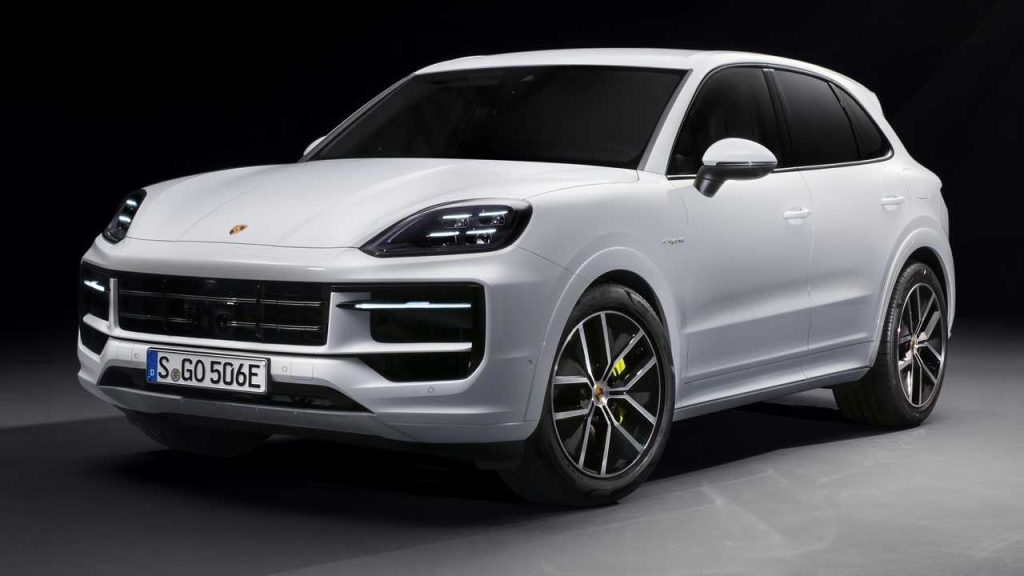
Depreciation can also hit hard depending on trim and options. The wrong configuration can lose value quickly compared to simpler, more practical vehicles.
That’s why the Cayenne is here. It can be amazing, but it often turns into a costly lifestyle statement in a city environment.
Also Read: 5 Cars for Florence Daily Commuting and 5 Fuel-Efficient Choices
