
Downtown driving is its own world. The roads are tighter, lanes are shorter, parking spaces are smaller, and the traffic flow is constantly changing.
A hatchback can be the perfect match for this environment because it offers the compact footprint of a small car while still giving you flexible cargo space and practical daily comfort.
But not every hatchback performs the same when the city becomes the test. Some feel sharp, confident, and effortless in stop-and-go movement, while others can feel weak, strained, or simply not energetic enough to keep up with real urban demands.
In a downtown setting, the best hatchbacks don’t just save fuel. They deliver quick responses at low speeds, smooth acceleration from traffic lights, easy steering, and predictable braking. They also make parking and U-turns less stressful.
Visibility matters too, because tight corners and cyclists can appear suddenly. Beyond that, refinement becomes important. If you spend a lot of time creeping through traffic, you start noticing how noisy an engine is, how rough a transmission feels, or how tiring the ride becomes.
On the other hand, “underpowered” hatchbacks aren’t necessarily bad cars overall, but they struggle in downtown conditions where quick reactions are needed. Some take too long to accelerate, some feel noisy when pushed, and some just don’t feel confident merging into fast-moving lanes.
Underpowered also doesn’t only mean low horsepower. It can include slow throttle response, weak mid-range pull, or a drivetrain that feels out of breath with passengers and cargo.
This article compares two groups: hatchbacks that genuinely excel downtown and hatchbacks that can feel underpowered in the same setting. The goal is practical and simple: help drivers choose a hatchback that feels comfortable, capable, and stress-free where city driving demands the most.
Also Read: Audi Updates the 2026 A5 and Q5 With Smarter Screens and Better Controls
5 Hatchbacks That Excel Downtown
The best downtown hatchbacks feel like they were designed for the city’s rhythm. They move with confidence in tight traffic, respond quickly when the light turns green, and make lane changes without hesitation.
These cars don’t just rely on being small. They succeed because the whole package fits city life: steering that’s light but precise, acceleration that’s quick at low speeds, brakes that feel consistent, and a transmission that doesn’t fight the driver.
A downtown commute is full of small moments that add up. You pull out from a stop sign and need immediate power. You spot a narrow parking spot and need tight turning ability. You roll over broken pavement and want the suspension to stay calm.
You drive past buses and cyclists and want clear visibility in every direction. When a hatchback excels downtown, it makes these situations feel natural rather than stressful.
Another major reason some hatchbacks thrive in city environments is refinement. In slow traffic, your senses become sharper. You notice jerky shifts, engine vibrations, harsh road noise, and awkward seating positions more than you would on an open highway.
A truly city-friendly hatchback keeps the driver relaxed. It handles crawling speeds smoothly, keeps cabin noise controlled, and delivers predictable control even when the road is messy.
I’m writing about these five hatchbacks because they consistently show the traits that matter most in a downtown setting: quick low-speed punch, easy maneuverability, practical packaging, and day-to-day comfort. These are not just “good cars.”
They’re specifically good city tools, the kind that makes downtown driving easier rather than exhausting. For anyone who spends most of their time in dense traffic or street parking conditions, these hatchbacks represent the kind of smart choice that pays off every single day.
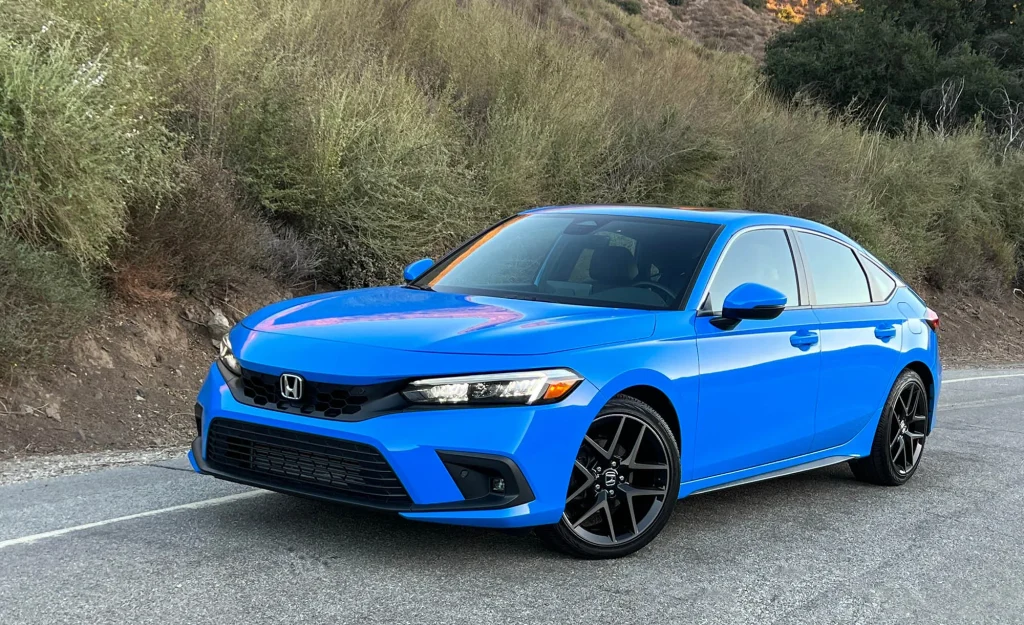
1. Honda Civic Hatchback
The Honda Civic Hatchback excels downtown because it balances energy, comfort, and practicality in a way that feels effortless. In city driving, the Civic’s strongest advantage is how responsive it feels at low and medium speeds.
When you need to move quickly from a stoplight or slip into a gap in traffic, the Civic doesn’t hesitate. The throttle response feels natural, and acceleration is strong enough to avoid that “waiting for power” feeling that can make city driving frustrating.
I’m writing about the Civic Hatchback here because downtown driving punishes cars that feel heavy or slow to react. The Civic stays composed and alert, which is exactly what you want when lanes tighten and traffic flow changes every block.
The steering is light enough for constant turning and parking, but still precise enough that you feel in control rather than disconnected. That combination matters when you’re dealing with sudden pedestrian crossings or fast merges into short openings.
Another downtown strength is visibility and day-to-day usability. The Civic Hatchback has a modern layout, and the hatch design gives you flexible cargo space without making the car bulky.
If you’re carrying groceries, luggage, or work equipment, you get SUV-like practicality without sacrificing city-friendly dimensions. Parking becomes simpler because the Civic isn’t oversized, and it has a confident stance that makes it easy to judge corners.
Ride quality also plays a big role in why the Civic belongs on this list. Downtown roads often have patched asphalt, bumps, and rough zones near manholes or construction areas. The Civic manages these surfaces without feeling unstable or overly harsh.
It keeps the cabin calm, so you don’t feel beaten up during slow traffic commutes. In short, it’s a hatchback that doesn’t just survive downtown driving. It fits it.
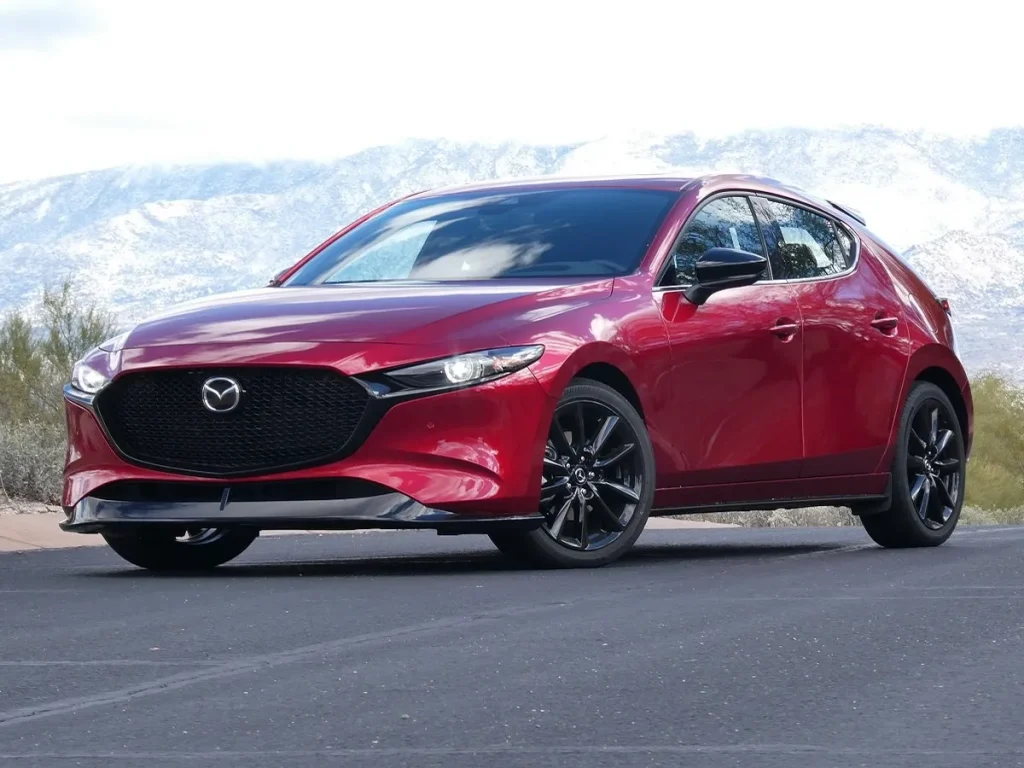
2. Mazda3 Hatchback
The Mazda3 Hatchback feels like a premium downtown car in a compact package. It excels in the city because everything about it feels tightly controlled. When you drive through crowded streets, small steering corrections and quick adjustments happen constantly.
The Mazda3 handles these with precision, which makes it feel confident in environments where chaos is normal.
I’m including the Mazda3 because downtown driving isn’t only about speed. It’s about control. A hatchback that feels stable, smooth, and responsive reduces stress dramatically. The Mazda3 delivers that. It accelerates cleanly, and the power delivery feels smooth rather than jumpy.
That matters when you’re crawling in traffic and then suddenly need a burst of movement to change lanes. It gives you the feeling of having power available without forcing you to push the engine too hard.
Another major reason it excels downtown is how refined it is. In a city commute, noise becomes tiring. The Mazda3 tends to feel quieter and more solid than many hatchbacks in its class, which improves the daily experience.
The cabin feels well-built, and the driving position makes you feel in control rather than perched awkwardly. That kind of comfort matters more than people realize when you’re stuck at red lights for half your commute.
Its hatchback shape also adds practical value. You can load bulky items while keeping the footprint compact. This is important downtown, where people want a small car for parking but still need real utility.
The Mazda3 delivers that balance better than most. It’s a hatchback that drives like it belongs in a more expensive category, and that’s why it shines in dense city streets.
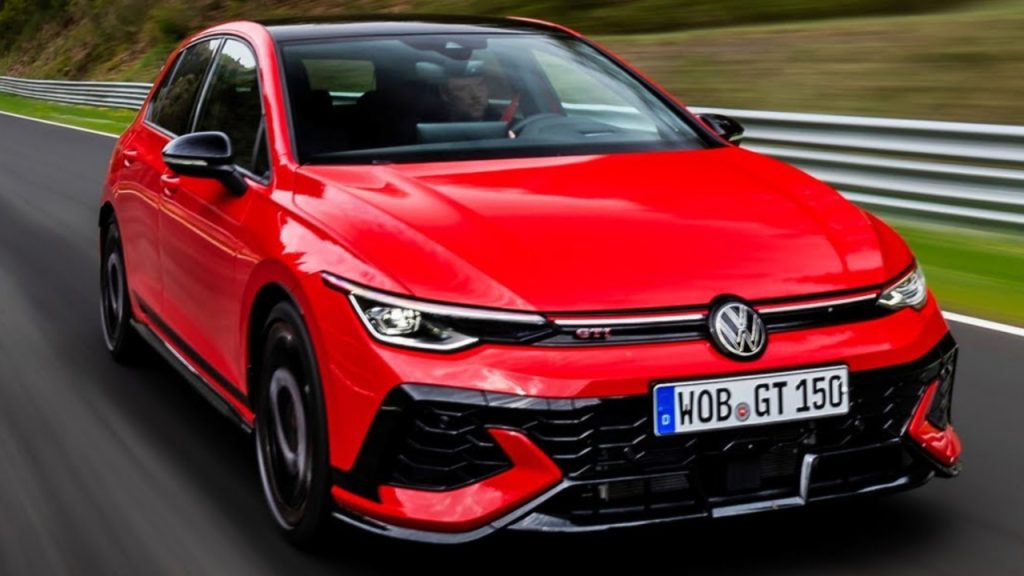
3. Volkswagen Golf GTI
The Volkswagen Golf GTI is one of the strongest downtown hatchback choices because it’s quick, sharp, and incredibly easy to drive smoothly.
Many performance cars become annoying in the city because they feel too aggressive, too stiff, or too sensitive. The GTI avoids that trap. It gives you real power and response without making daily driving uncomfortable.
I’m writing about the GTI here because downtown driving rewards “instant readiness.” You need a car that can move quickly from slow speeds without drama. The GTI’s turbocharged power delivery makes it feel effortless in those moments.
You don’t have to plan acceleration far in advance. When a gap appears, the GTI is already ready to go. This reduces stress because you feel in control of the pace rather than reacting late.
The GTI also shines due to balance. It’s sporty, but not unstable. It’s quick, but not exhausting. Steering feels accurate, and the chassis stays confident even on rough city pavement. When you hit a sudden bump or broken road patch, the car doesn’t fall apart. It stays planted, which makes city driving feel safer and more predictable.
Hatchback practicality is the final reason it belongs in the “excels downtown” group. Despite being sporty, it remains useful. You get flexible cargo space, a compact size for tight parking, and a driving feel that makes even slow commutes more enjoyable.
In a downtown environment where the same roads can feel repetitive and frustrating, the GTI adds a sense of control and energy. That’s exactly what makes it excel.
4. Toyota Corolla Hatchback
The Toyota Corolla Hatchback earns its spot because it delivers downtown friendliness in the most reliable and stress-free way. Some cars win with speed, others win with refinement. The Corolla Hatchback wins by being easy to live with every single day. It feels light, manageable, and predictable in dense urban traffic.
I’m writing about it here because downtown driving is often about simplicity. When you’re navigating tight lanes and crowded streets, you want a hatchback that feels natural.
The Corolla Hatchback delivers smooth movement from stop to stop, and it handles slow-speed driving without the jerky behavior some transmissions show. The steering is easy at low speeds, which makes parking and quick lane adjustments smoother.
Another reason the Corolla Hatchback excels is visibility and size. It fits in city spaces well and doesn’t feel bulky. That matters when you’re squeezing into street parking spots or making sharp turns around delivery trucks.
The hatch design also gives you practical cargo space, which is crucial for city residents who may not have large storage at home.
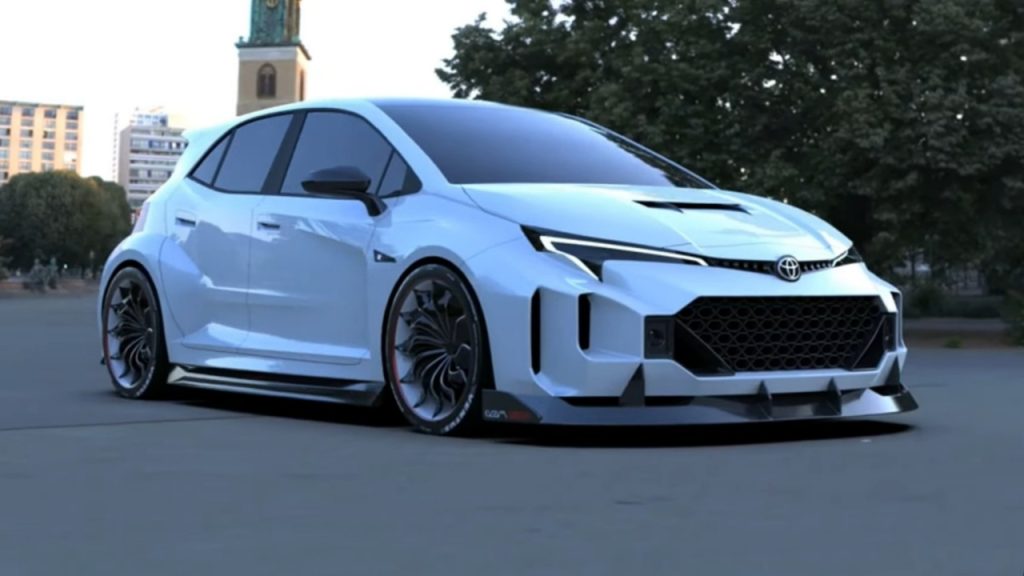
Comfort is a quiet advantage too. The Corolla Hatchback is not trying to be flashy. Instead, it reduces fatigue. The ride quality works well over uneven city roads, and the cabin stays calm enough that long traffic delays don’t become unbearable.
It’s the kind of hatchback that makes you feel like everything is under control. That’s why it’s not just good. It’s specifically strong for downtown life.
5. Mini Cooper (Hardtop 2 Door)
The Mini Cooper is almost a downtown specialist. Its compact size makes it feel like it belongs in dense city streets. It’s one of the few cars that can truly slip through tight parking situations and narrow lanes without feeling like you’re wrestling a full-size vehicle.
I’m including the Mini because downtown driving is often about space and agility. The Mini feels like it was built to make those problems disappear.
The steering feels quick, and the car reacts instantly. In crowded streets, that sense of agility is a major advantage. You can change direction quickly and park in spaces that would make other hatchback drivers hesitate.
Performance also matters. The Mini, especially in turbocharged trims, delivers strong low-speed acceleration.
That makes it feel lively when you’re constantly stopping and starting. Even in heavy traffic, it keeps a playful energy rather than feeling sluggish. This is important because underpowered cars feel worst in cities. The Mini rarely feels that way.
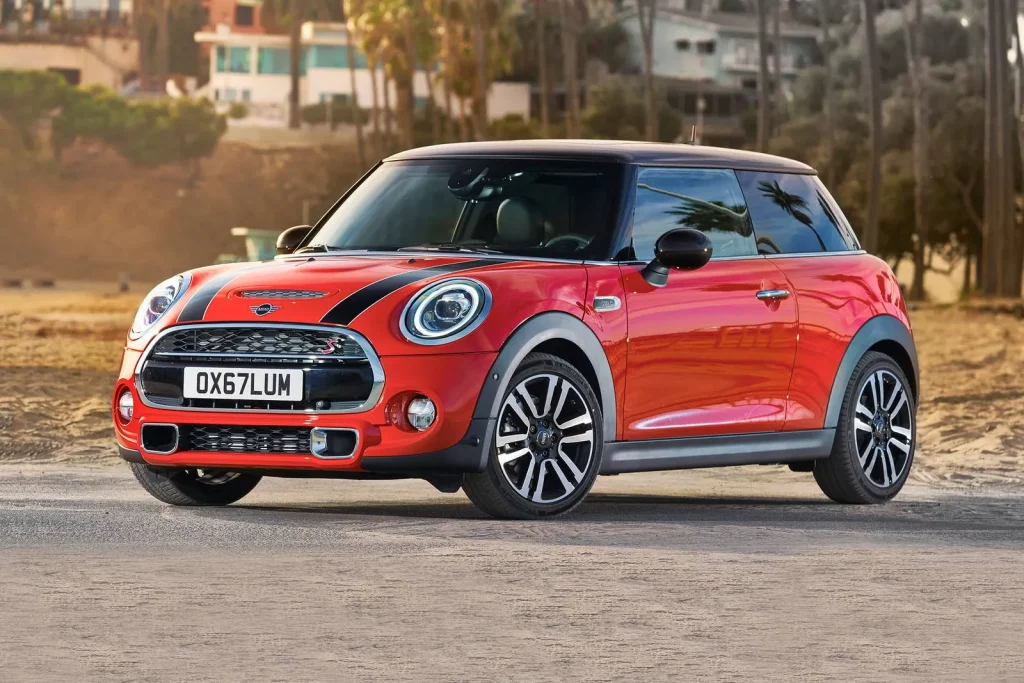
I’m also writing about it because of driving confidence. A car that feels small but stable changes the whole downtown experience. The Mini holds itself well, and the short dimensions make it easy to judge corners and gaps.
Practicality is not as strong as bigger hatchbacks, but as a downtown tool, it’s hard to beat. If someone lives in a tight, crowded city environment and values maneuverability above everything else, the Mini Cooper becomes a smart, enjoyable choice.
5 Hatchbacks That Feel Underpowered
Not every hatchback is built to feel confident downtown. Some are designed mainly for affordability and fuel efficiency, and while those are good priorities, they can come with trade-offs in real city conditions.
Downtown traffic demands quick movement in short bursts, and it rewards cars that respond immediately when you need them to. Underpowered hatchbacks can feel like they’re always one step behind the situation, especially when traffic gaps are small and drivers around you move aggressively.
When people hear “underpowered,” they often assume it only means low horsepower. In reality, it’s more about how a car behaves when asked to do normal city tasks. If you press the accelerator and the car hesitates, that’s underpowered behavior.
If the engine has to get noisy and strained just to keep up with basic flow, that’s another sign. If the transmission constantly hunts for the right gear or makes acceleration feel delayed, the car can feel weak even if it looks fine on paper.
Downtown driving makes these weaknesses more noticeable. On an open highway, gradual acceleration can feel acceptable because you have space. But in the city, you may need to merge quickly, cross lanes fast, or respond instantly when a gap opens.
In those moments, an underpowered hatchback can make the driver feel rushed, anxious, or forced to over-plan every move. Over time, that becomes tiring.
I’m writing about these five hatchbacks not to label them as “bad cars,” but to highlight how certain models or powertrains can feel less capable in dense city environments. Many of these cars are reliable, affordable, and sensible.
But when the main task is navigating downtown streets with confidence, they may feel like they lack the punch and effortless response that makes city driving smooth. The goal is clarity: understanding which hatchbacks may require patience and extra planning in urban life.
1. Mitsubishi Mirage
The Mitsubishi Mirage is one of the clearest examples of a hatchback that can feel underpowered downtown. It is built around affordability and fuel efficiency, and it succeeds at those goals.
But in a city environment where quick reactions matter, it often feels like it needs extra time to do normal things. Pulling away from a stoplight can feel slow, and merging into a faster-moving lane can require more planning than drivers expect.
I’m writing about the Mirage here because downtown driving punishes hesitation. Many city situations are about small windows of opportunity.
If you can’t accelerate quickly enough to take a gap, you end up waiting longer, or worse, you feel pressured by impatient drivers behind you. The Mirage can create that experience, not because it’s unsafe, but because it simply doesn’t feel eager to move.
Another issue is how hard the engine has to work. When you press the accelerator to gain speed quickly, the Mirage often sounds strained.
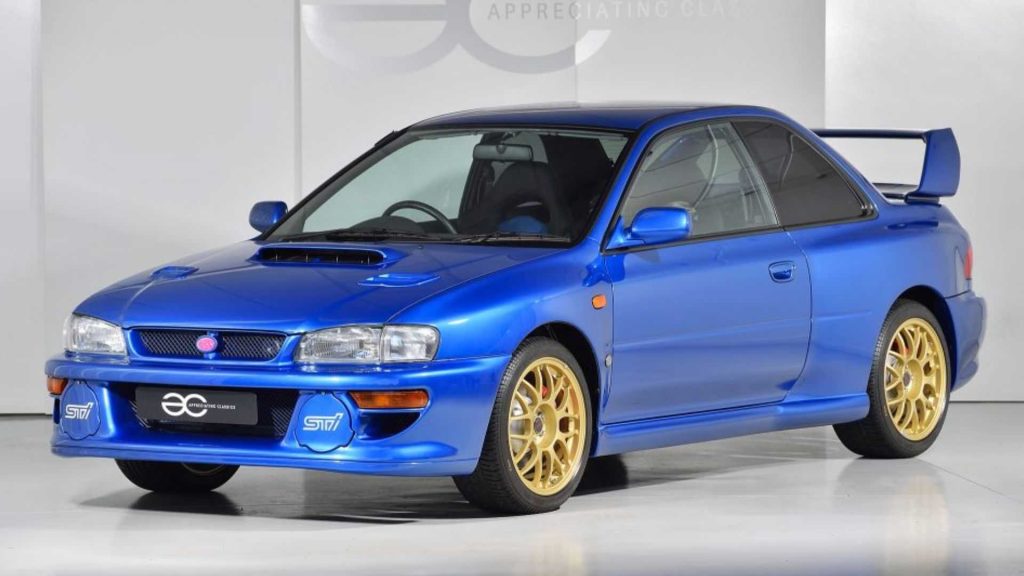
That matters because downtown driving is full of short bursts of acceleration. If the car becomes loud and feels like it’s struggling during normal movement, it reduces comfort and increases fatigue.
The Mirage does have positives: it’s small, very easy to park, and inexpensive to run. But in a downtown setting, the same small engine that makes it efficient also makes it feel limited.
It’s a hatchback that fits the city physically, yet can feel like it doesn’t have the strength to match the city’s pace confidently. That’s why it falls into the “underpowered” group.
2. Nissan Versa Note (older generation)
The Nissan Versa Note, especially older versions, is another hatchback that can feel underpowered in downtown conditions. It was designed as an affordable practical car, and it offers space that is surprisingly good for its size. But when it comes to quick city response, it often feels like it’s working harder than it should.
I’m including it because downtown driving highlights weak low-end power more than almost any other environment. The Versa Note can feel slow off the line, and when traffic opens up, it may not respond as quickly as the driver wants. That delay becomes frustrating in areas where every second matters.
The transmission behavior is also part of why it can feel underpowered. In many cases, acceleration feels soft or delayed. You press down expecting a strong reaction, but the car takes time to build speed. That’s not enjoyable in city traffic, where immediate movement is part of driving confidently.
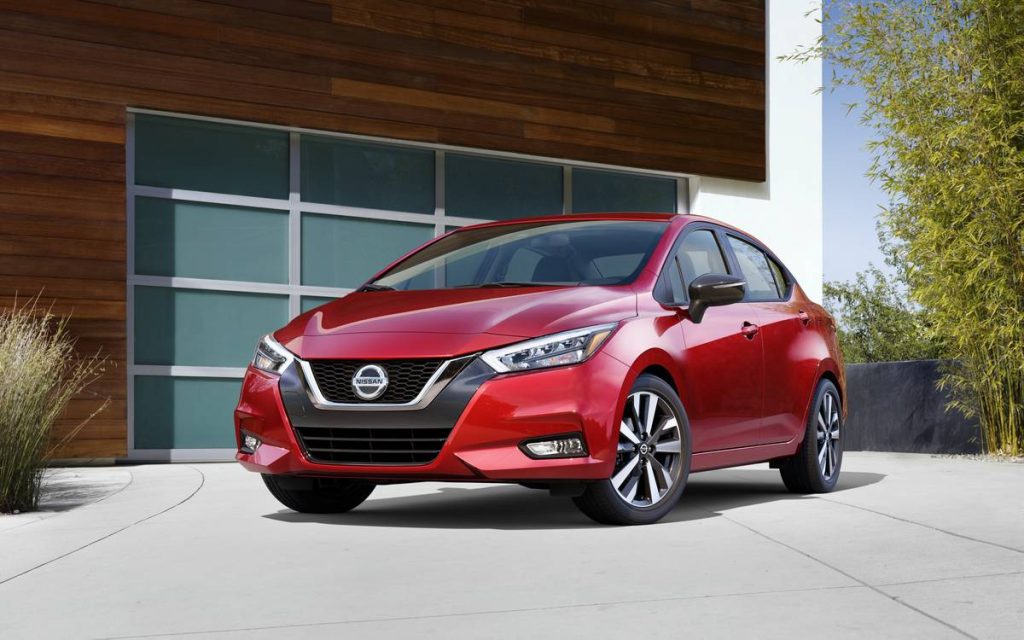
The Versa Note is not useless downtown. It is easy to maneuver, and the cabin is roomy enough to make daily errands comfortable. But it’s not the hatchback you choose if you want energy and quick movement.
I’m writing about it because many buyers see hatchback practicality and assume city excellence automatically. The Versa Note proves that practicality alone is not enough. A downtown hatchback should feel responsive, not hesitant.
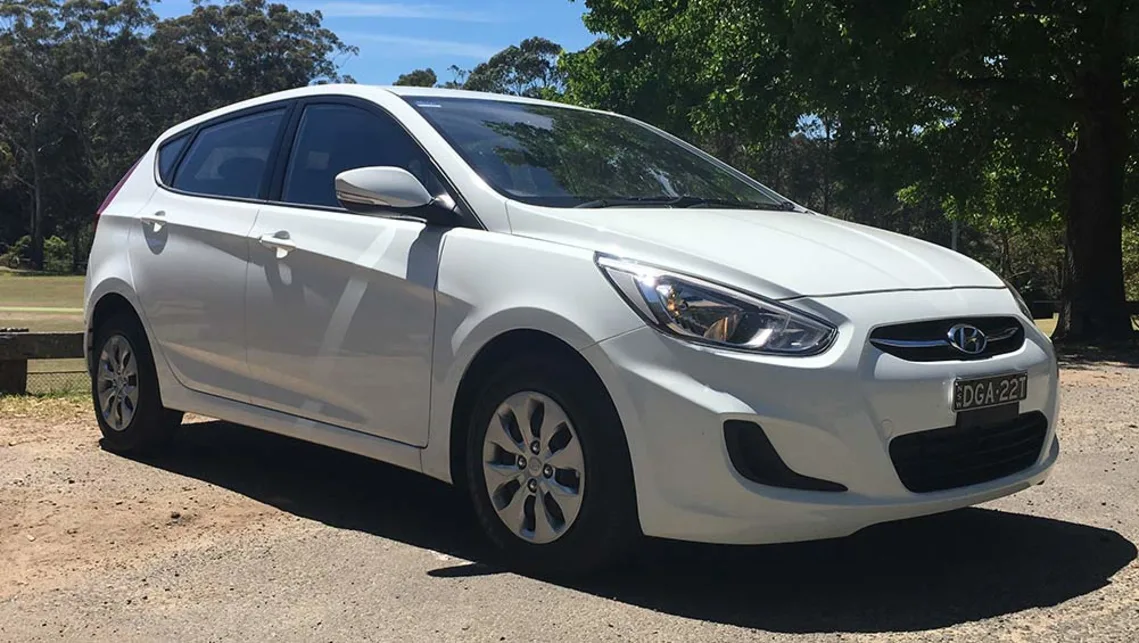
3. Hyundai Accent Hatchback (older models)
Older Hyundai Accent hatchbacks are reliable and economical, but they can feel underpowered downtown compared to more modern hatchbacks. They often deliver their power in a way that feels “fine” on paper but weaker in real driving.
In the city, you want immediate pull at low speeds, and older Accent models may require more throttle input than expected just to keep things moving.
I’m writing about the Accent here because many drivers buy these cars for smart reasons: price, maintenance, and fuel savings. But downtown life is not only about saving money. It is about how the car behaves in traffic.
Older Accent hatchbacks can feel like they need to be pushed harder than other cars just to match the flow. That creates noise, strain, and sometimes a feeling that the car is being asked to do more than it wants to do.
Another reason is that city acceleration is not just about 0 to 60 times. It is about 0 to 25 again and again. If a car feels slow at those speeds, the driver notices it constantly.
The Accent hatchback can feel sluggish in these repeated short bursts, especially if the vehicle has passengers inside or the air conditioning running strong.
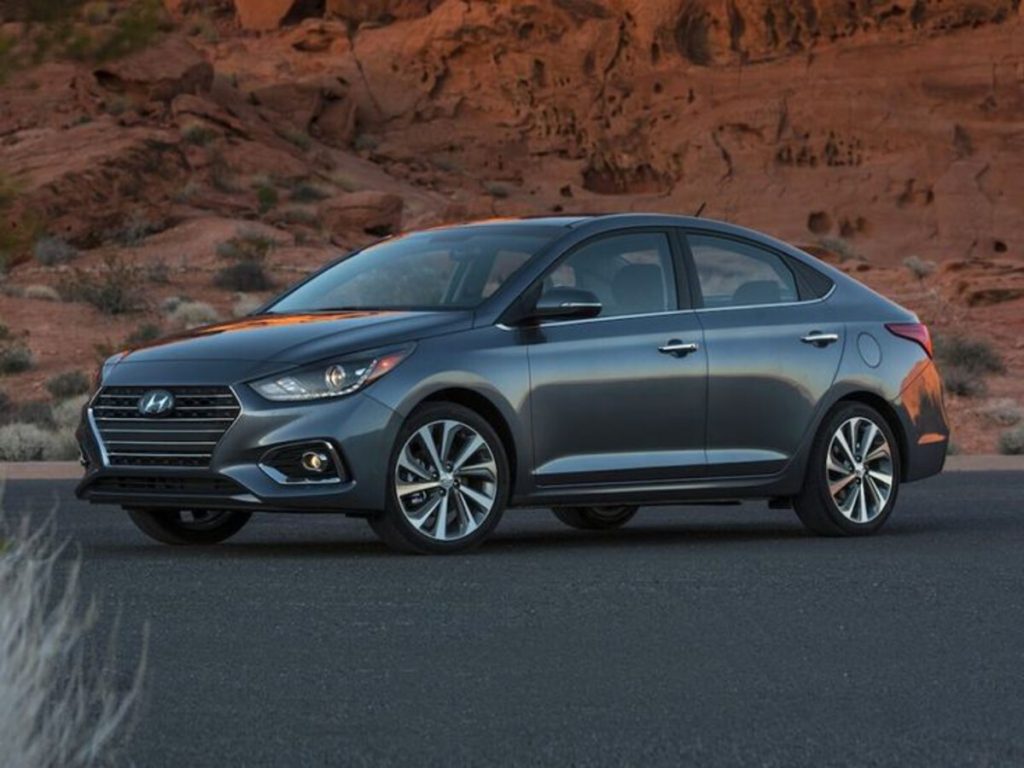
The Accent hatchback still has advantages: it’s small enough for tight streets, easy to park, and generally dependable. But under downtown pressure, it may not feel sharp or confident. It’s a car that rewards patience. That’s why it belongs in this category.
4. Chevrolet Spark
The Chevrolet Spark is a city-sized hatchback that looks perfect for downtown life, but it can feel underpowered when the city demands quick movement. It’s very compact and easy to park, but the engine often feels like it lacks strong punch. When you’re driving in dense traffic and need to jump into a gap, the Spark can feel slow to respond.
I’m writing about it because size is only one part of downtown success. Many people think “small hatchback equals perfect city car,” but the Spark shows how the driving feel matters just as much.
If the engine doesn’t deliver quick confidence, the driver ends up working harder. In downtown traffic, that means pressing more throttle, waiting longer, and planning merges earlier than you’d like.
Another point is refinement under pressure. When pushed, the Spark can get noisy. City driving involves constant low-speed acceleration, and if the car sounds stressed during normal actions, it reduces comfort. Over time, even short downtown commutes can feel tiring if the car always feels like it’s straining.
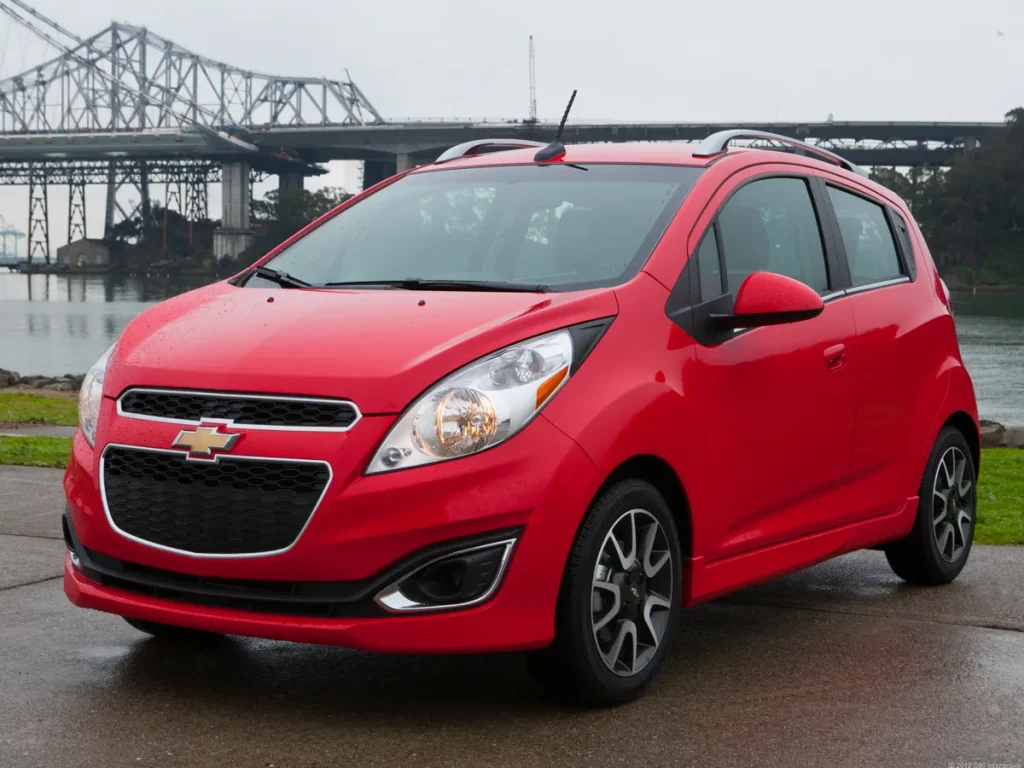
The Spark still has strengths: it’s easy to fit into tiny parking spaces and can be affordable to run. But it doesn’t bring the effortless punch that the best downtown hatchbacks offer.
That difference may not matter to every buyer, but for drivers who want confident movement and quick reactions, the Spark can feel underpowered.
5. Toyota Yaris (older hatchback versions)
Older Toyota Yaris hatchbacks are famous for reliability and low running costs, but many drivers find them underpowered in busy downtown conditions. The Yaris is lightweight and efficient, yet its acceleration can feel slow when you’re trying to keep up with city traffic that moves aggressively between lights.
I’m including the Yaris because it represents a common situation: a great car in long-term ownership that still may not deliver the driving energy people want downtown. Reliability is important, but so is the feeling of control.
When you press the accelerator and the car doesn’t respond quickly, it changes how you drive. You start leaving bigger gaps, waiting longer, and planning moves cautiously. That’s the definition of a hatchback that feels underpowered in a city environment.
The Yaris also tends to feel more basic in refinement. In slow traffic, drivers are more sensitive to noise, vibration, and how hard the engine works.
When pushed for quick acceleration, the Yaris can sound louder than you’d expect. That’s not necessarily a problem in short drives, but downtown commutes often involve repeated bursts of acceleration, and that can wear on comfort.
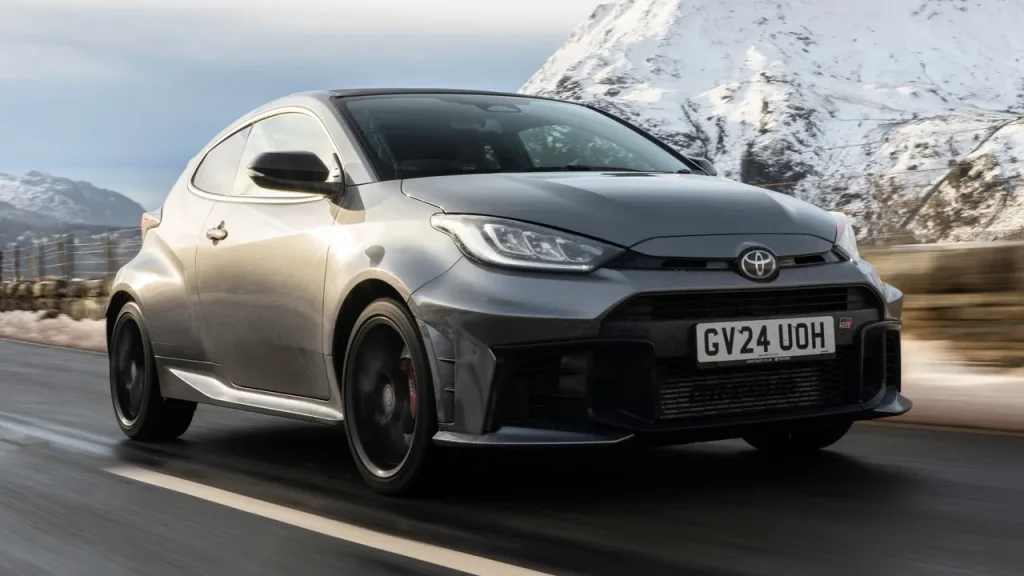
Still, the Yaris has clear strengths: it’s easy to park, inexpensive to maintain, and generally dependable. But in downtown driving where quick response matters, it may not feel strong enough for drivers who want effortless movement. That’s why it fits in the “underpowered” category.
Downtown driving rewards hatchbacks that feel quick, agile, and easy to place in tight spaces. The best options like the Honda Civic Hatchback, Mazda3 Hatchback, Volkswagen Golf GTI, Toyota Corolla Hatchback, and Mini Cooper deliver strong low-speed response, smooth control in traffic, and stress-free parking ability.
They make constant stop-and-go movement feel natural and confident. In contrast, some hatchbacks feel underpowered downtown, including the Mitsubishi Mirage, older Nissan Versa Note, older Hyundai Accent Hatchback, Chevrolet Spark, and older Toyota Yaris.
These models may hesitate when accelerating, feel noisy when pushed, or require extra planning for merges and gaps.
Also Read: 5 Vehicles That Make Sense in Downtown Chicago vs 5 That Wear Out Faster
