
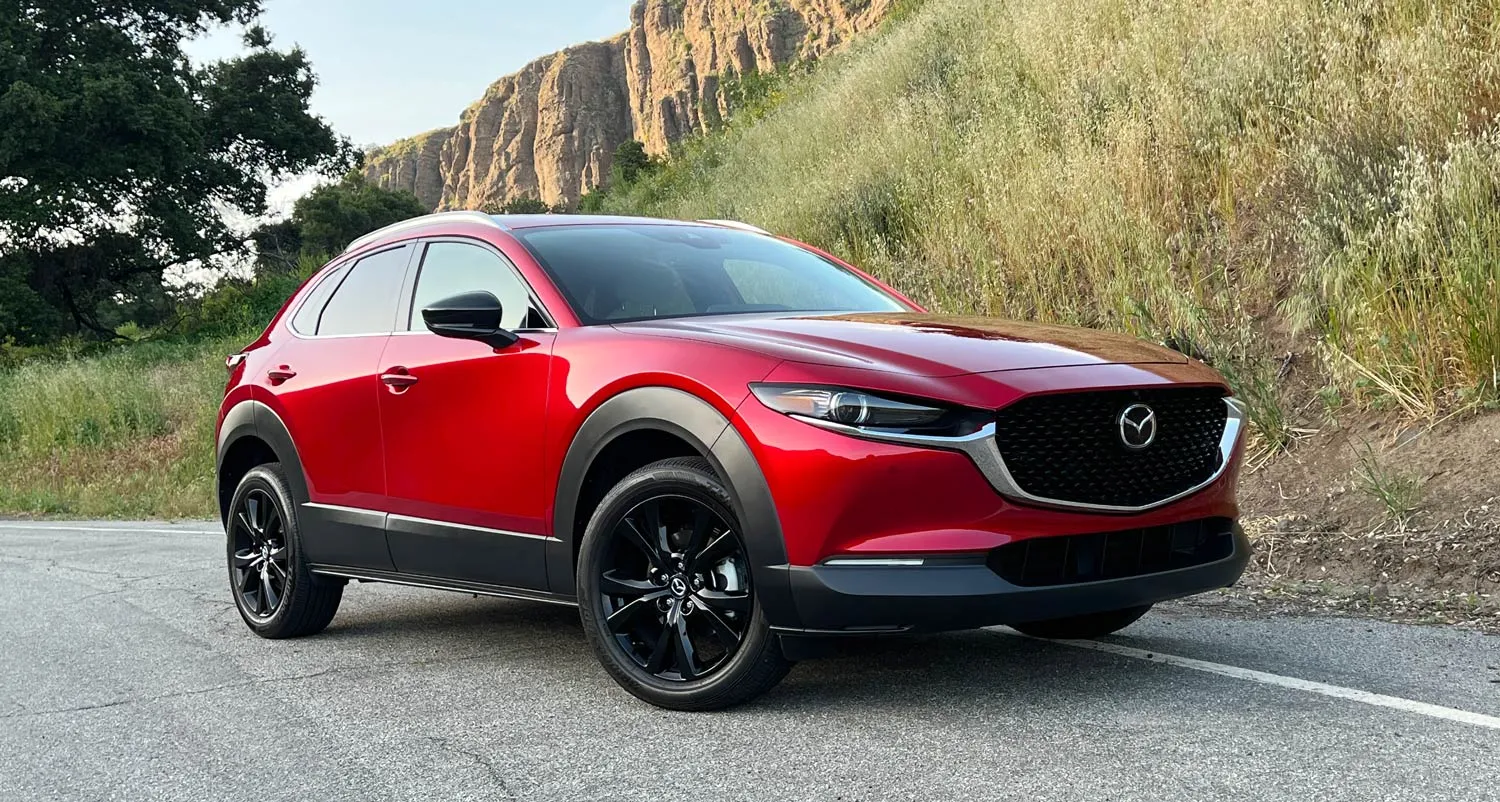
Urban roads are a different kind of challenge. They are full of tight turns, uneven pavement, speed breakers, potholes, narrow parking spaces, sudden lane changes, and unpredictable traffic movement.
In these conditions, a crossover can be a great daily companion because it offers a higher seating position, better road visibility, and enough ground clearance to deal with broken streets.
But not all crossovers behave the same once the city becomes the test. Some feel perfectly at home, moving smoothly through traffic and staying composed over rough surfaces. Others, even if they look stylish or strong, can feel awkward, bulky, and out of place.
A crossover that handles urban roads well is not only about being small. It’s about the overall balance. It should steer easily at low speeds, have good turning ability, and offer a suspension that absorbs bumps without throwing passengers around.
It should also feel predictable when braking repeatedly in stop-and-go traffic. Another big city factor is visibility. Narrow streets, scooters, pedestrians, and sudden cut-ins demand a clear view and confident control.
Practical details matter too, like how easily you can park it, how light the steering feels, and how smoothly the transmission behaves when crawling through traffic.
On the other side, crossovers that feel awkward in urban use usually struggle because of size, poor visibility, heavy steering, slow responses, or a suspension setup that doesn’t match city conditions. Some feel too large for lane gaps and parking spaces.
Some feel stiff and uncomfortable on rough roads. Some have drivetrains that hesitate, making them feel clumsy in traffic. These awkward traits become more noticeable the more time you spend in dense areas.
This article compares two groups: five crossovers that genuinely handle city roads well and five that feel awkward in urban life. The goal is simple: help you choose a crossover that matches real city driving instead of one that looks good but feels inconvenient daily.
Also Read: 5 Vehicles That Make Sense in Washington D.C. vs 5 That Are Costly to Own
5 Crossovers That Handle Urban Roads Well
Urban crossovers need to do more than sit high and look bold. A good city crossover should feel easy, smooth, and cooperative in daily driving. It should handle narrow streets without feeling oversized, absorb rough road surfaces without feeling unstable, and keep the driver comfortable in slow traffic.
Many people choose crossovers because they want the best of both worlds: the practicality and confidence of an SUV with the manageable feel of a car. In a city environment, that balance becomes the deciding factor.
The best crossovers for urban roads usually share a few key traits. First is maneuverability. A good crossover should turn tightly, fit into small parking spaces, and not demand too much effort at low speeds. Second is suspension tuning.
Cities punish stiff suspensions. When the road has potholes, patchwork asphalt, and speed breakers, a crossover must stay composed and absorb bumps without sending sharp impacts into the cabin. Third is visibility.
Crossovers are supposed to offer a better view, but design matters. Thick pillars, tiny rear windows, and poor seating angles can ruin urban confidence.
I’m writing about these five crossovers because they consistently deliver what city drivers actually need. They feel stable without being heavy, comfortable without being soft, and practical without being difficult to park.
They also respond well in stop-and-go conditions, where the drivetrain must stay smooth and the brakes must remain predictable. These models are not included just because they sell well. They are included because their driving character matches the daily reality of urban roads.
If your routine includes crowded streets, short trips, constant braking, and rough road patches, these crossovers can make life genuinely easier. They reduce stress, improve comfort, and fit naturally into city living, which is exactly the point of choosing a crossover in the first place.
1. Honda HR-V
The Honda HR-V handles urban roads well because it feels like it was built specifically for city use. It has crossover practicality without feeling bulky, which is the biggest advantage in crowded streets.
In an urban setting, the HR-V’s manageable size makes lane changes and turns feel easy instead of stressful. You don’t feel like you’re constantly fighting the car in tight traffic.
I’m writing about the HR-V here because it fits the city driver’s needs better than many larger crossovers.
Its steering feels light and natural at low speeds, which matters when you are parking daily or making repeated tight turns around crowded intersections. Many crossovers become tiring because they feel heavy in slow traffic. The HR-V avoids that.
Ride comfort is another reason it belongs on this list. Urban roads often have broken surfaces, uneven patching, and speed breakers. The HR-V stays calm over these conditions, keeping passengers comfortable without bouncing too much. That gives it an everyday smoothness that makes long city hours easier to tolerate.
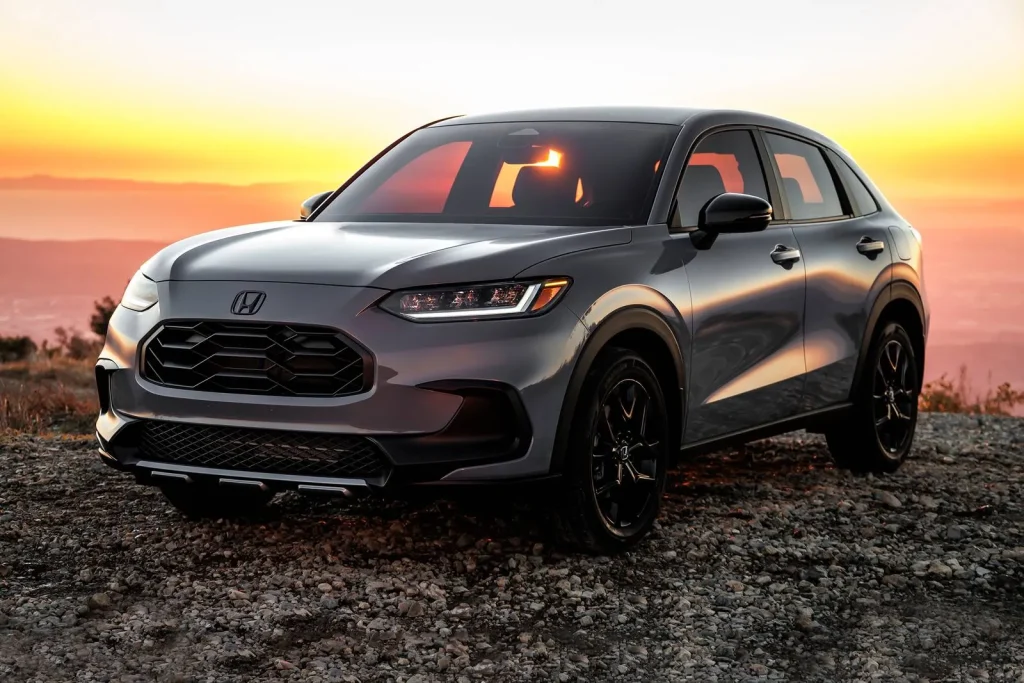
Visibility is also a strong point. The higher seating position gives you a clear view of traffic movement, which helps when scooters cut across lanes or pedestrians appear suddenly.
Add in the crossover cargo flexibility and daily usability, and you get a vehicle that genuinely suits city life. The HR-V doesn’t feel like an SUV trying to force itself into downtown. It feels like a city tool that happens to offer SUV practicality.
2. Toyota Corolla Cross
The Toyota Corolla Cross is one of the most balanced urban crossovers available. It’s not oversized, and it doesn’t try to feel aggressive. Instead, it focuses on calm, easy driving, which is exactly what most city drivers want. In traffic, it feels smooth and predictable, and that is a major advantage in stop-and-go conditions.
I’m writing about it because city driving is not the place for dramatic behavior. You want a crossover that moves smoothly, brakes smoothly, and responds consistently.
The Corolla Cross does that well. Its power delivery is tuned for daily use, meaning it doesn’t feel jumpy but also doesn’t feel weak in normal traffic flow. This makes it easier to manage in crowded lanes where you’re constantly adjusting speed.
The suspension is another highlight. Urban roads often have potholes and uneven bumps that can make stiff vehicles uncomfortable. The Corolla Cross absorbs road imperfections nicely, keeping the cabin calm. That comfort becomes important for families or anyone commuting daily through rough streets.
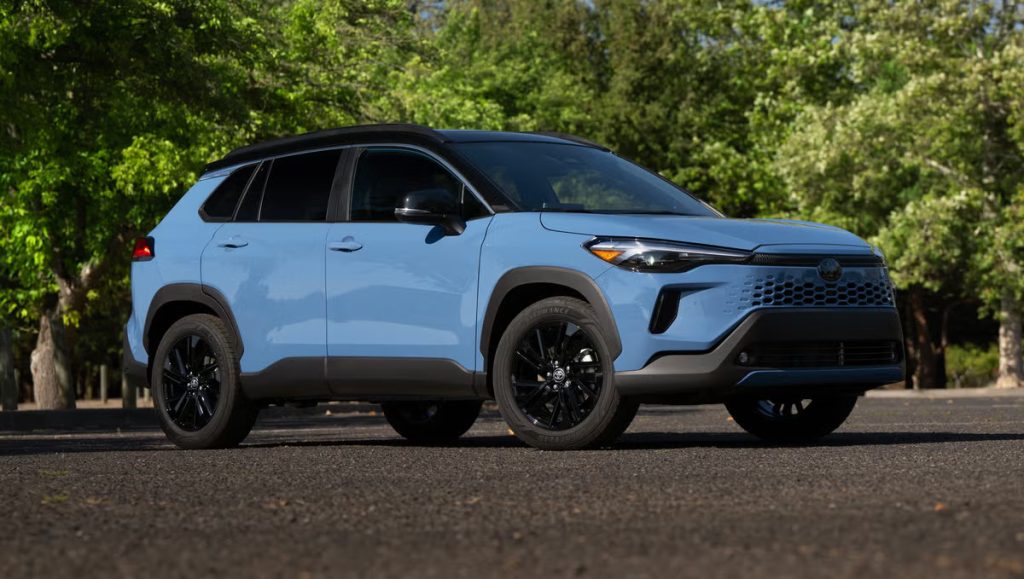
Parking and maneuverability also suit city life. It has a crossover shape, but it still feels easy to place on the road.
The driving position gives strong visibility, which helps in narrow streets and tight junctions. Overall, it handles urban roads well because it feels natural to drive in the city, without requiring extra effort from the driver.
3. Mazda CX-30
The Mazda CX-30 is an urban-friendly crossover that brings a more premium driving feel without becoming difficult to use. In the city, it feels controlled and confident, which makes it easier to navigate unpredictable traffic. Its size is also a sweet spot. It gives crossover height and presence, but it still fits well into tight city lanes and parking spaces.
I’m writing about the CX-30 because it proves that urban driving can feel refined. Many crossovers in the city feel noisy, rough, or clumsy. The CX-30 feels solid and composed.
The steering is responsive without being nervous, which means you can make quick adjustments easily. That’s valuable downtown where sudden cut-ins and lane shifts happen constantly.
Ride quality is another reason it handles urban roads well. It deals with bumps and rough pavement without shaking the cabin too much.
At the same time, it stays stable, so you don’t feel like the crossover is floating or rocking through turns. This balance is ideal for city roads that combine broken surfaces with quick directional changes.
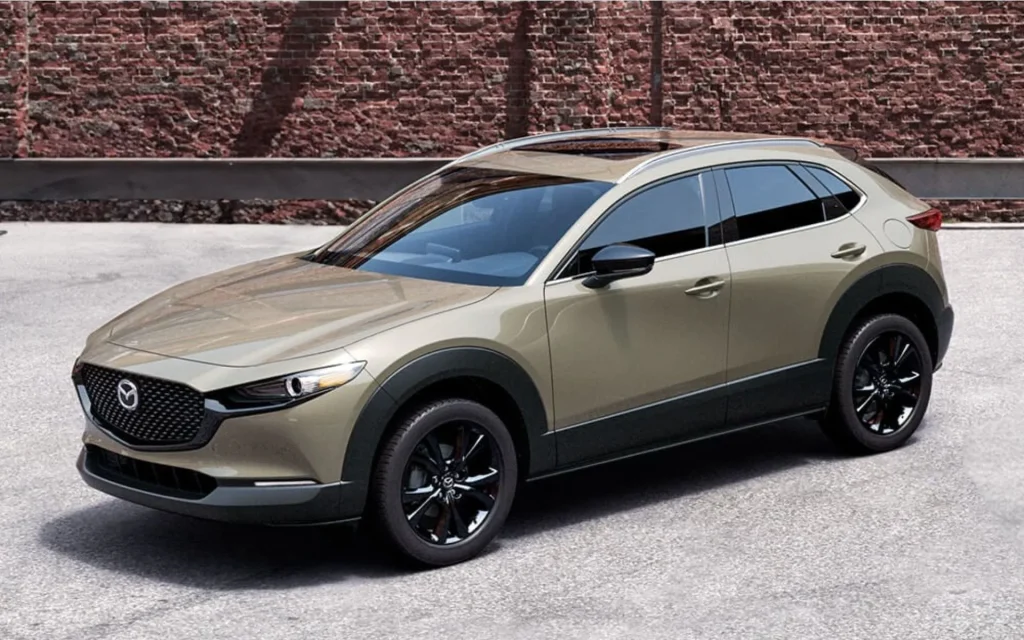
It also offers strong visibility and a comfortable seating position that reduces fatigue in traffic. I’m including it because city drivers often underestimate how much refinement matters. The CX-30 turns everyday urban driving into a smoother, calmer experience while still being practical enough for daily needs.
4. Kia Seltos
The Kia Seltos is a crossover that feels truly suited to city conditions because of its balanced size, strong visibility, and comfortable road behavior. It offers SUV-like presence but doesn’t feel too large for urban roads. In tight city streets, that matters because oversized crossovers feel stressful to drive and harder to park.
I’m writing about the Seltos because it delivers the kind of practicality and ease that city owners value. It handles stop-and-go movement smoothly, and it feels stable even when the road surface changes suddenly. That’s important in cities where you may go from smooth road to broken patch within a few meters.
The suspension setup is another urban advantage. It handles rough road imperfections well and keeps passengers comfortable.
Speed breakers and potholes are less of a shock compared to stiff crossovers that transfer every bump into the cabin. The Seltos is tuned in a way that suits daily use rather than sporty handling.
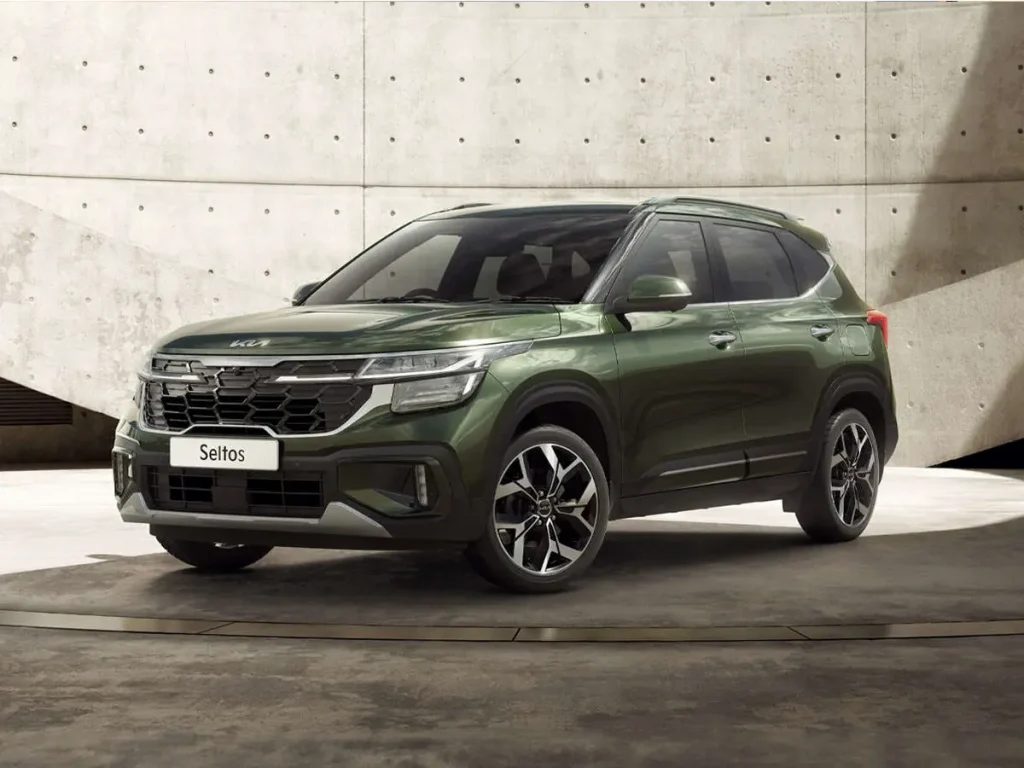
Visibility is also strong, which gives confidence in traffic. You can see around you more clearly, which helps avoid stress in crowded lanes filled with bikes and pedestrians. It’s a crossover that makes daily city driving feel manageable, and that is exactly why it belongs in the “handles urban roads well” category.
5. Hyundai Kona
The Hyundai Kona is a compact crossover that feels almost designed for urban living. Its smaller footprint makes it easy to maneuver, and it feels light enough to handle traffic without effort. In city conditions, that size advantage becomes obvious every time you park, squeeze through narrow lanes, or take a quick U-turn.
I’m writing about the Kona because it combines crossover comfort with hatchback-like agility. Many city drivers want crossover height but don’t want crossover bulk. The Kona fits that need perfectly. Steering feels responsive at low speeds, making it less tiring in daily traffic.
Ride comfort is also a major reason it works well in the city. It handles rough urban pavement with enough softness to keep passengers comfortable, while still staying stable in turns. That matters when you are driving over uneven roads and then turning sharply into a narrow lane.
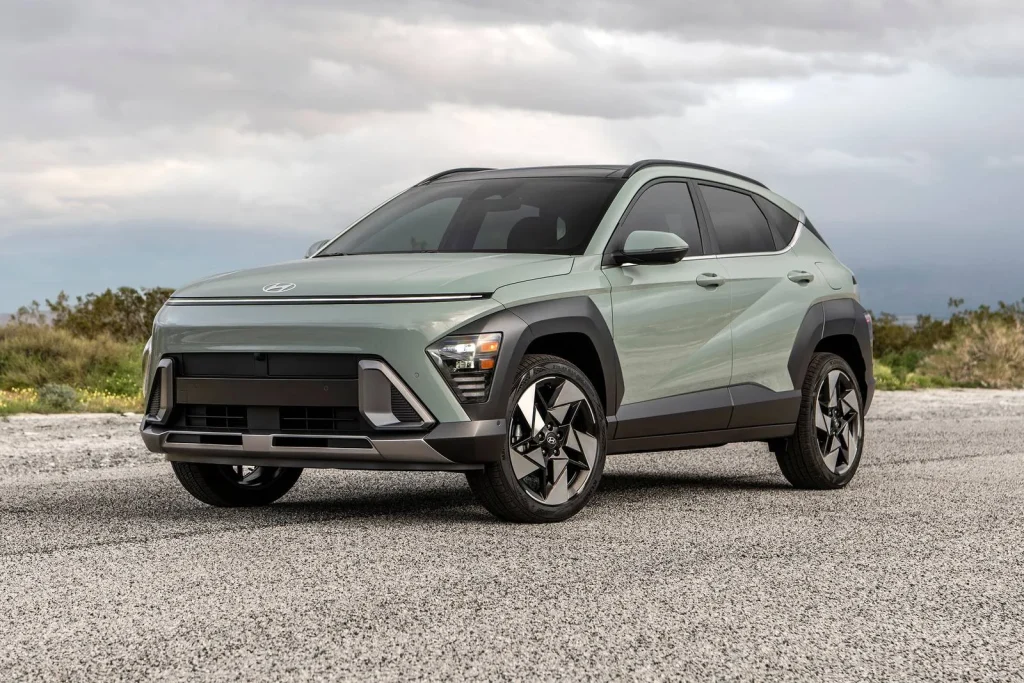
It also has a confident driving position with good visibility, which makes crowded streets easier to handle. The Kona is practical enough for everyday chores and flexible enough for city errands.
It feels like the kind of crossover that adapts to urban life rather than demanding that the driver adapt to it. That’s why it earns a strong place among the crossovers that handle urban roads well.
5 Crossovers That Feel Awkward
Some crossovers look perfect for city life, but once you actually drive them through busy streets, they can feel awkward. Urban driving demands a vehicle that feels cooperative and easy to manage.
You need quick steering responses, a clear view in every direction, smooth crawling behavior in traffic, and a size that doesn’t make parking feel like a daily battle. When a crossover lacks these traits, it can feel clumsy and inconvenient, even if it has a strong engine or a premium badge.
Awkward in the city doesn’t always mean the crossover is “bad.” Often, it just means the vehicle’s personality and design don’t match urban realities. Some crossovers are too large for narrow lanes and tight parking spaces.
Others have poor outward visibility because of thick pillars, high beltlines, or small rear windows. Some have steering that feels heavy and slow at low speeds, making constant turns feel tiring.
In stop-and-go traffic, awkwardness can also come from drivetrain behavior. If the throttle response is too sensitive, the car can feel jerky. If the transmission hesitates or feels confused at low speeds, it can make crawling traffic more frustrating than it needs to be.
Urban roads are also full of bumps, potholes, and speed breakers, so suspension matters. Some crossovers have stiff setups designed for sporty handling, but that stiffness can become uncomfortable in the city.
Others are softly tuned but feel unstable, rocking too much when turning or braking repeatedly. Either way, you feel like the vehicle is not naturally suited to the environment.
I’m writing about these five crossovers because they demonstrate the kinds of mismatches that can make urban driving less enjoyable. They may perform well on highways or open roads, and they may appeal strongly in design, space, or brand image.
But for daily urban use, they can feel like the wrong tool for the job. This section helps highlight which crossovers may require extra effort, extra patience, and extra planning when you live and drive mostly in the city.
1. Jeep Wrangler (4 Door)
The Jeep Wrangler is iconic and capable, but in an urban setting it often feels awkward. It’s designed primarily for off-road conditions, and many of its strengths become weaknesses in a crowded city.
The steering feel is different from normal crossovers, the ride is not as smooth on rough asphalt, and the boxy shape can make maneuvering feel less natural.
I’m writing about the Wrangler here because many buyers love its image and presence, but downtown driving exposes what it is not designed for. On narrow roads, the Wrangler can feel wide and tall, and turning into tight lanes can feel clumsy compared to a more city-focused crossover.
Parking can also become stressful because the vehicle’s shape and outward visibility angles don’t always feel as easy to judge, especially in tight street spots.
Ride quality is another issue. The Wrangler’s suspension is meant for durability and uneven terrain, but on typical urban broken pavement, it can feel bouncy or unsettled. Speed breakers and potholes don’t always feel smooth, and passengers may notice more movement than they would in a comfort-focused crossover.
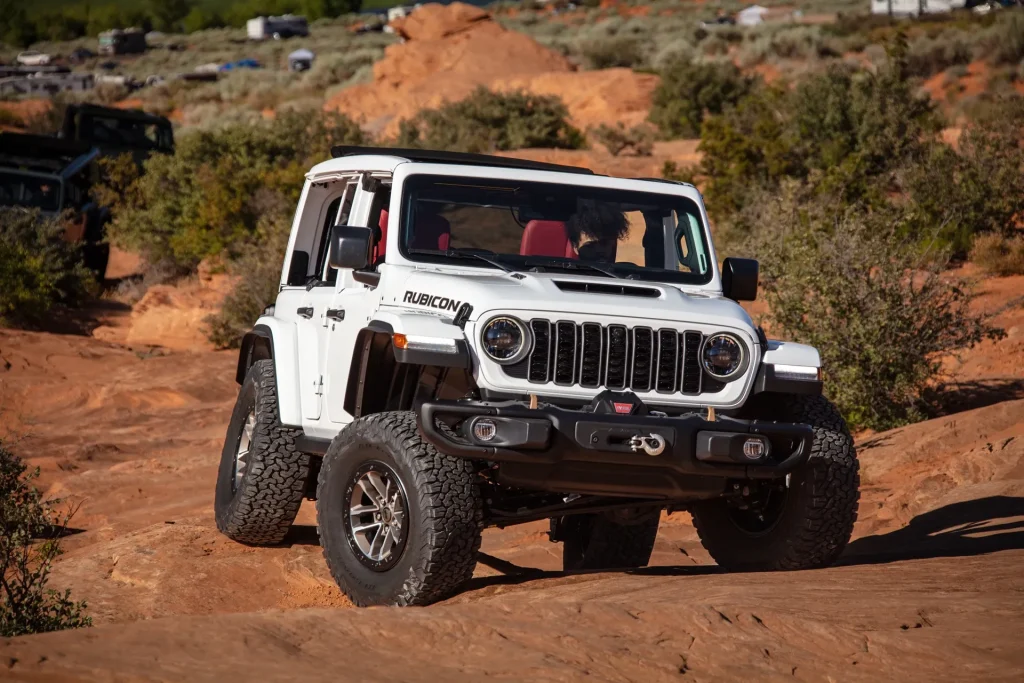
The Wrangler’s strengths appear when the road disappears. But in the city, that rugged setup can feel like overkill. It’s a crossover-style SUV that brings attention, but it asks the driver to accept awkwardness in daily traffic. That’s why it belongs in this category.
2. Toyota 4Runner
The Toyota 4Runner is a durable SUV-like crossover choice, but in the city it can feel awkward because it’s built like a truck. It’s bigger, heavier, and less nimble than most urban-focused crossovers. That becomes obvious when you’re dealing with tight lanes, busy intersections, and constant parking demands.
I’m including the 4Runner because many drivers buy it for strength and long-term durability, which are real advantages. But daily urban driving is less about toughness and more about easy movement.
The 4Runner can feel slow to respond in city traffic, and its size makes it feel less manageable. It demands more space for turns and more attention while parking.
Ride comfort is another awkward point. Truck-based SUVs often handle bumps differently than modern crossovers.
On patchy city roads, the 4Runner may feel less smooth, and the cabin movement can be more noticeable. It’s not that it can’t handle bad roads, it can, but it doesn’t always feel refined doing it.
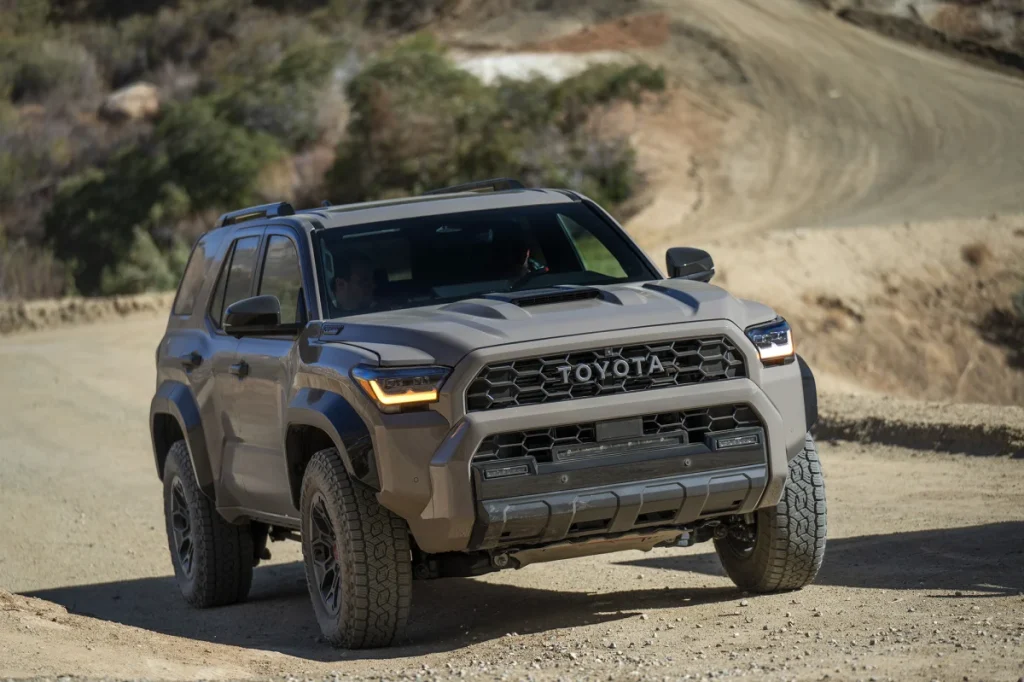
I’m writing about it here because it represents a common mismatch. It’s excellent for rough conditions, road trips, and durability goals, but in a crowded city it can feel like you’re driving a larger vehicle than you really need. That size and weight create daily inconvenience, which is why it feels awkward for urban life.
3. Ford Bronco (full-size versions)
The Ford Bronco has a bold style and strong capability, but in urban driving it can feel awkward for similar reasons as other rugged off-road focused vehicles. It is designed for presence and adventure, not tight parking lots and narrow traffic lanes.
I’m writing about the Bronco because city roads reveal the downside of vehicles designed around outdoor image. The Bronco can feel wide and bulky in crowded streets, and in tight parking situations, you may feel like you need to reposition repeatedly. That can be frustrating if you park daily in small urban spaces.
The ride can also feel less smooth than typical crossovers. Off-road capable suspension tuning often sacrifices some comfort and calmness on broken pavement. The result is a vehicle that may feel slightly unsettled in stop-and-go city movement, especially when the road surface is uneven.

Visibility can also be a mixed situation. While the upright design can give a commanding view forward, the overall shape and size can still make tight city maneuvering feel less natural.
The Bronco can absolutely be driven in the city, but it doesn’t feel effortless. It feels like a vehicle that is waiting to escape the city rather than fitting into it. That mismatch is what makes it feel awkward in urban environments.
4. Mitsubishi Outlander (larger trims)
The Mitsubishi Outlander, especially in larger or heavier trims, can feel awkward in the city because it sits in an in-between zone.
It’s not small enough to feel truly agile like a compact crossover, but it’s also not refined enough to feel like a premium mid-size SUV. In urban traffic, this can translate into a driving feel that is less confident and less smooth than expected.
I’m including the Outlander because many buyers choose it for space, family practicality, and crossover styling. But in city driving, it can feel heavier and less responsive than smaller crossovers. Steering and acceleration may feel less sharp, which makes lane changes and tight movement feel slower.
Parking is another awkward point. It’s not huge, but it is large enough that you notice it in narrow street parking spaces. In urban life, even small differences in size matter, and the Outlander can feel like it needs more room than you want to give it.
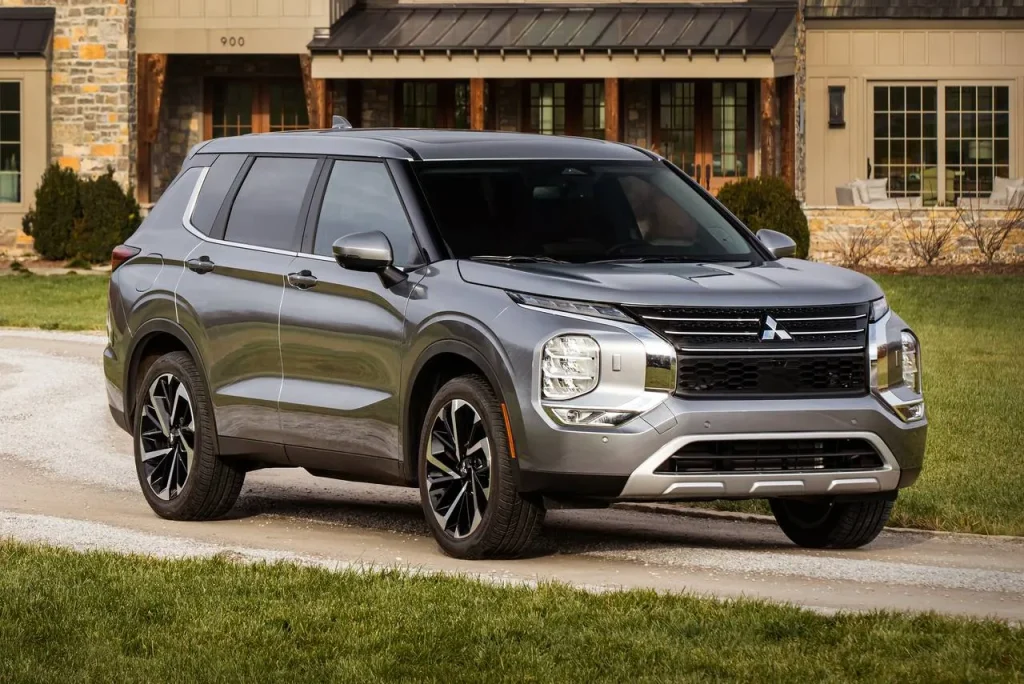
Ride comfort is not always the issue, but the overall city experience can feel less natural compared to more city-focused models.
I’m writing about it here because it shows how a crossover can be practical on paper but still feel slightly clumsy in real urban conditions, especially when maneuverability is a daily priority.
5. Chevrolet Blazer
The Chevrolet Blazer is stylish and has strong road presence, but in the city it can feel awkward because of its size and design priorities. It looks sporty and aggressive, but urban life is less about bold looks and more about easy usability. The Blazer can feel bigger than many people expect when navigating narrow streets and parking areas.
I’m writing about it because city driving quickly exposes crossover proportions. The Blazer’s dimensions can make it feel less maneuverable in tight spaces, and it may require extra attention when parking. Drivers often feel like they are managing a larger vehicle than necessary for daily downtown errands.
Visibility can also be a challenge depending on trim and seating position. When you combine that with urban traffic full of bikes, scooters, and pedestrians, you can feel less confident than in a crossover designed around open visibility.
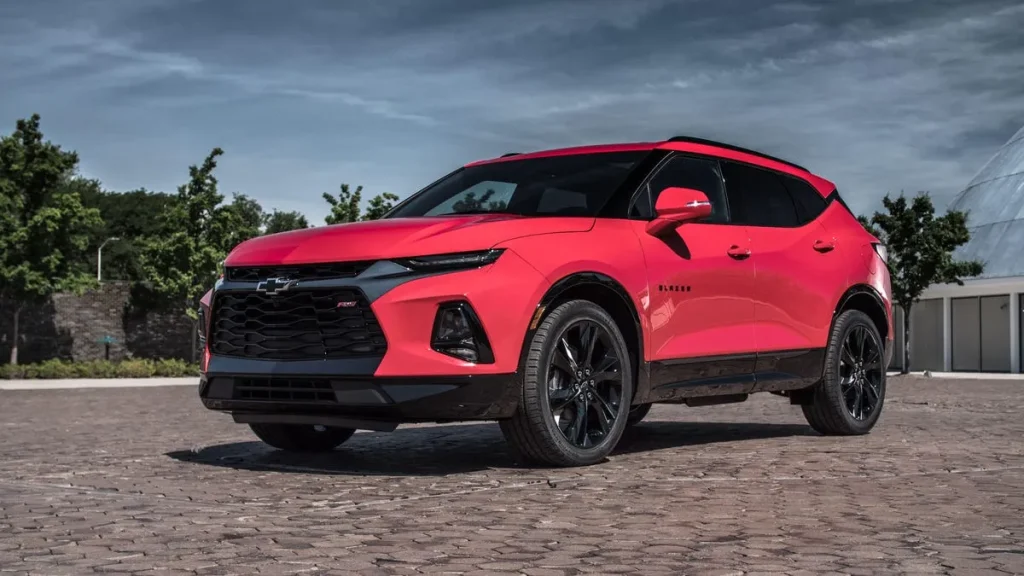
Ride quality can be comfortable, but the urban experience still leans toward awkwardness because of its bulk and city-unfriendly footprint.
The Blazer makes sense for drivers who want style and highway comfort, but for daily city use it can feel like a crossover that demands extra effort. That extra effort is what defines it as awkward in urban conditions.
Urban roads can be harsh and unpredictable, so the best crossovers for city life are the ones that feel easy, comfortable, and natural in crowded conditions.
In this comparison, the “urban-friendly” crossovers stand out because they combine the higher seating and practicality people want with the maneuverability and smoothness city driving demands.
These vehicles make stop-and-go traffic less tiring, absorb rough road surfaces better, and stay manageable in tight parking spaces. In short, they reduce stress rather than adding to it.
Among the crossovers that handle urban roads well, the Honda HR-V represents the ideal city crossover formula. It offers crossover utility without feeling bulky, and its steering and overall size make it comfortable in dense traffic.
The Toyota Corolla Cross follows a similar philosophy, with smooth power delivery, predictable braking, and a suspension that suits potholes and uneven pavement. The Mazda CX-30 adds a more refined, premium feel, proving that city driving can be comfortable and controlled rather than noisy and rough.
The Kia Seltos earns its place by balancing visibility, comfort, and practicality, making it easy to live with on daily errands. Finally, the Hyundai Kona fits urban life with its compact footprint and agile character, delivering crossover confidence without the typical crossover heaviness.
On the other side, the “awkward” crossovers show how a mismatch between vehicle design and urban reality can make daily driving harder.
The Jeep Wrangler is capable and iconic, but its off-road-focused build makes city driving feel less smooth and more demanding, especially when parking or navigating narrow lanes.
The Toyota 4Runner is strong and durable, yet its truck-like nature and larger size can feel inconvenient in tight urban spaces. The Ford Bronco, with its adventurous styling and bulky proportions, often feels like a vehicle designed to escape the city rather than thrive in it.
The Mitsubishi Outlander can feel clumsier than expected, especially in heavier trims, because it sits between compact agility and mid-size refinement without fully mastering either.
The Chevrolet Blazer looks sporty and bold, but its larger footprint and less urban-friendly proportions can make city maneuvering and parking feel like extra work.
Overall, the key takeaway is simple: a city crossover should feel cooperative, not challenging. Compact dimensions, good visibility, smooth low-speed response, and comfortable suspension tuning matter more downtown than rugged image or road presence.
Also Read: 5 EVs That Handle City Winters vs 5 That Lose Range Fast
