
Traffic changes how you experience a vehicle. On an open road, speed and handling may dominate your attention. But in slow-moving traffic, the smallest details become loud and obvious.
You hear every vibration, every engine hum, every tire sound rolling over rough asphalt. You feel every brake tap, every transmission shift, every suspension movement. This is why some vehicles feel calm and comfortable in heavy traffic, while others feel harsh and tiring even during short commutes.
A vehicle that stays quiet in traffic isn’t only about having a luxury badge. It’s about engineering choices. Good insulation, smooth engines, refined transmissions, and suspension tuning that handles bumps gently all matter.
The cabin should feel like a protected space, not like an echo chamber for road noise. Quiet vehicles also reduce driver stress because silence improves focus. You don’t fight the car, you simply move with the flow. If you spend an hour a day in traffic, this kind of refinement becomes more valuable than horsepower or styling.
On the other side, harsh vehicles tend to expose everything traffic drivers hate. Some have stiff suspensions that crash over potholes and speed breakers. Some have loud engines that sound strained at low speeds.
Some have jerky gear changes, making stop-and-go movement feel rough. Even if these vehicles are enjoyable on open roads, traffic reveals their weaknesses. Harshness does not always mean poor quality.
Sometimes it means the vehicle was designed to feel sporty or rugged, and that tuning can become uncomfortable when you are stuck crawling forward.
This article compares two sets of vehicles: five that stay quiet in traffic and make commuting feel calmer, and five that feel harsh, sending more noise and impact into the cabin than most drivers want.
The goal is practical: help you understand which vehicles protect your comfort in daily gridlock, and which ones may leave you more tired than you expected.
Also Read: 5 Vehicles That Handle Washington DC Parking Rules vs 5 That Don’t
5 Vehicles That Stay Quiet in Traffic
When traffic becomes part of daily life, a quiet vehicle can feel like a hidden luxury. It turns stressful commutes into something more manageable, and it reduces fatigue in a way many drivers don’t fully appreciate until they experience it.
Quietness is not only about low engine noise. It includes how well the cabin blocks outside sounds, how smoothly the vehicle moves at low speeds, and how calm it remains over broken pavement.
In stop-and-go traffic, you constantly brake, roll forward, stop again, and repeat. If the vehicle is refined, you barely notice the process. If it is not, you feel every moment.
The best traffic-friendly vehicles share common traits. Their engines remain smooth even at low rpm. Their transmissions shift gently or operate seamlessly. Their cabins use better insulation and often have a stronger “sealed” feeling that blocks sound from outside traffic.
Their suspension tuning is designed to absorb bumps softly so the cabin stays steady instead of shaking with every road imperfection. Even tire noise becomes important. Some vehicles are engineered to reduce road roar, especially on rough city streets where sound can bounce around and become exhausting.
I’m writing about these five vehicles because they represent what comfort-focused commuting should feel like. These are models that tend to stay calm when everything outside is noisy and chaotic.
They don’t punish you for driving slowly. Instead, they make crawling speeds feel smooth and controlled. The result is a cabin that feels like a quiet room, even when you’re surrounded by honking horns and rough pavement.
For people who spend a lot of time in traffic, choosing a vehicle that stays quiet can feel like upgrading your daily life. It makes phone calls easier, music sound better, and long commutes less stressful. These vehicles show how refinement matters, especially when traffic is unavoidable.
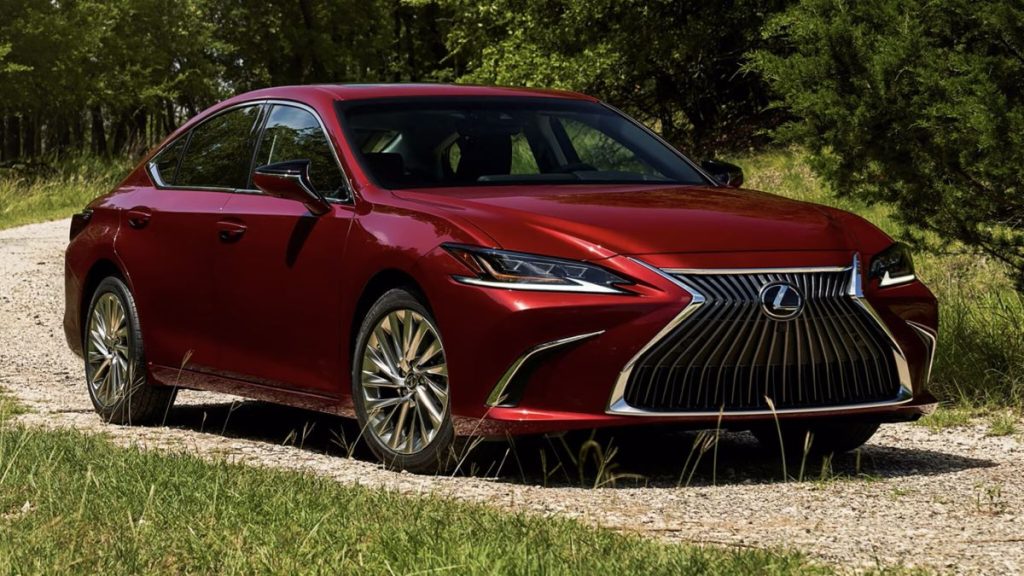
1. Lexus ES
The Lexus ES is one of the most traffic-friendly vehicles you can drive because it feels built for calmness. In heavy traffic, where you spend long minutes moving slowly, the ES shines because of its quiet cabin and smooth behavior. The engine remains refined, and the cabin insulation does an excellent job blocking the chaos outside.
I’m writing about the Lexus ES here because it demonstrates what quietness really means. Silence is not only the absence of loud noise. It is the presence of comfort. In the ES, you notice how little effort the vehicle demands from you.
When you brake and roll forward repeatedly, the motion feels smooth instead of jerky. That makes stop-and-go driving less tiring.
Another reason the ES stays quiet in traffic is its suspension tuning. It absorbs bumps with softness, so potholes and broken pavement don’t crash into the cabin. In slow traffic, rough roads can make vehicles feel shaky and unpleasant. The ES stays steady, giving passengers a relaxed experience.
This is also a vehicle that makes you feel separated from the outside world. Even when surrounded by loud trucks and impatient drivers, the cabin stays composed. That feeling matters, because traffic is partly mental stress.
A calm interior reduces stress naturally. The Lexus ES belongs in this group because it turns traffic into a quieter, more controlled experience rather than a daily battle.
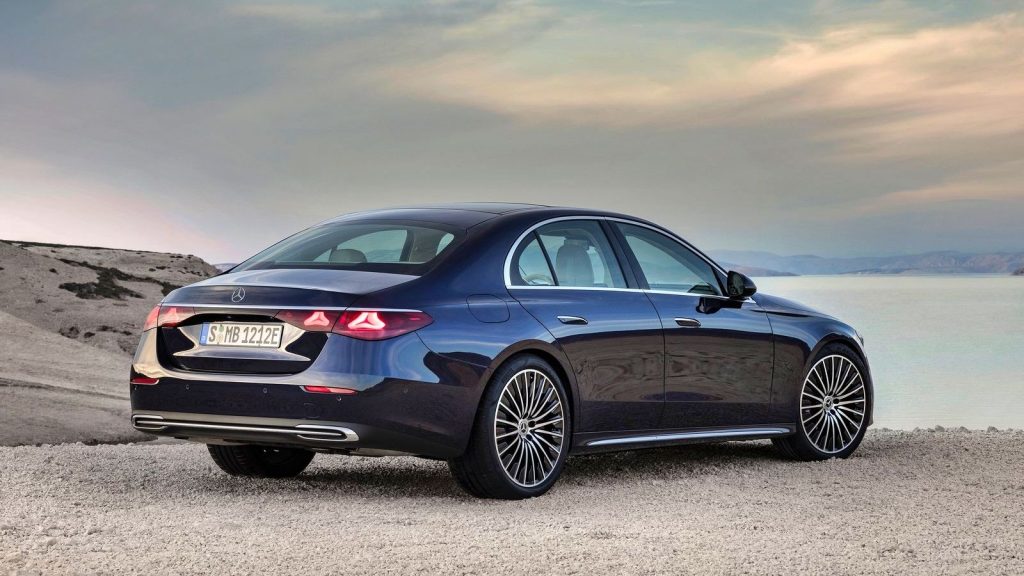
2. Mercedes-Benz E-Class
The Mercedes-Benz E-Class is another vehicle that stays quiet in traffic because refinement is built into its character. In heavy city congestion, it feels smooth, controlled, and well-insulated. You hear less road noise, less engine strain, and fewer harsh sounds from the outside.
I’m including the E-Class because traffic exposes weak refinement instantly. Many vehicles feel fine when they are moving fast on open roads, but traffic is slow, repetitive, and demanding. The E-Class handles this environment with impressive calm. The engine feels smooth at low speeds, and the vehicle doesn’t feel frustrated or restless.
The cabin experience is a major reason. Materials, seals, and insulation create a calm interior space. Even outside noise like horns or construction, feels reduced. That’s not just luxury for the sake of luxury. It directly improves driver comfort. When your cabin is quieter, you arrive less fatigued.
The E-Class also rides smoothly over urban surfaces. In traffic, you often cross uneven patches of road without even realizing it, because the vehicle absorbs impacts well.
I’m writing about it here because it represents a commuting advantage that’s hard to explain until you live with it. This is a vehicle that protects your calm, and in traffic, that becomes priceless.
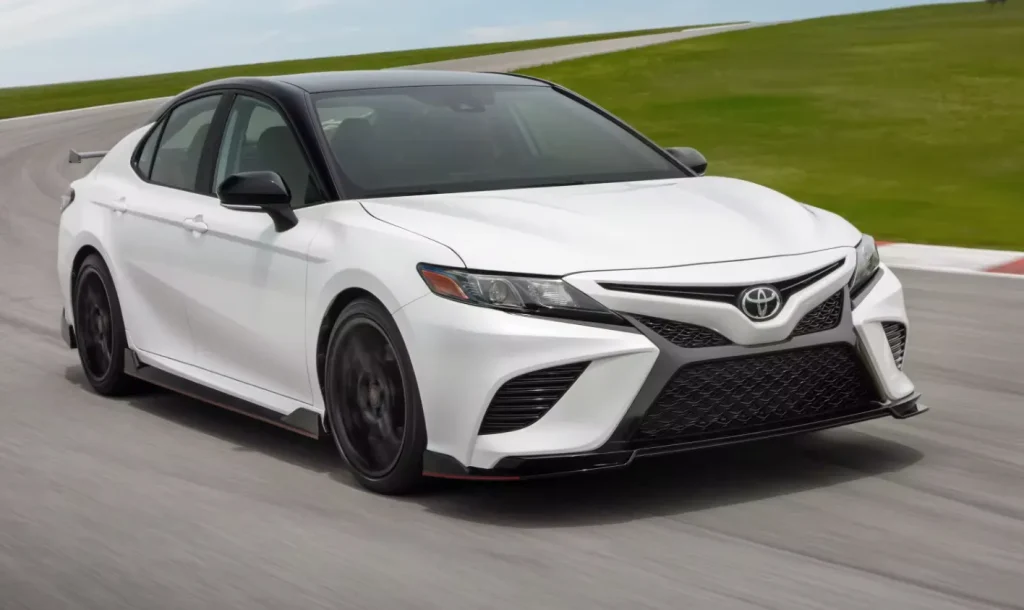
3. Toyota Camry
The Toyota Camry earns a place among vehicles that stay quiet in traffic because it brings near-premium calmness to a mainstream category.
It may not carry a luxury badge, but in everyday driving it feels refined and smooth. That matters because most traffic commuters want comfort without needing to buy a luxury vehicle.
I’m writing about the Camry because it shows how good design choices can create a quiet cabin at a practical price. Engine noise is controlled, and the overall driving feel is smooth. In stop-and-go traffic, the Camry doesn’t feel jerky or awkward. It moves gently, which makes daily congestion less tiring.
The suspension is tuned to keep passengers comfortable. Many sedans today focus on sporty handling, which can make the ride stiff. The Camry leans toward comfort, which is exactly what heavy traffic demands. You don’t want a vehicle that constantly reminds you of every bump.
Another point is how balanced the Camry feels. It’s quiet enough that you can take calls without shouting. It’s refined enough that crawling along doesn’t feel annoying. I’m including it because traffic comfort should not be exclusive to luxury cars.
The Camry proves that a well-engineered mainstream sedan can still feel calm, quiet, and relaxing during long commutes.
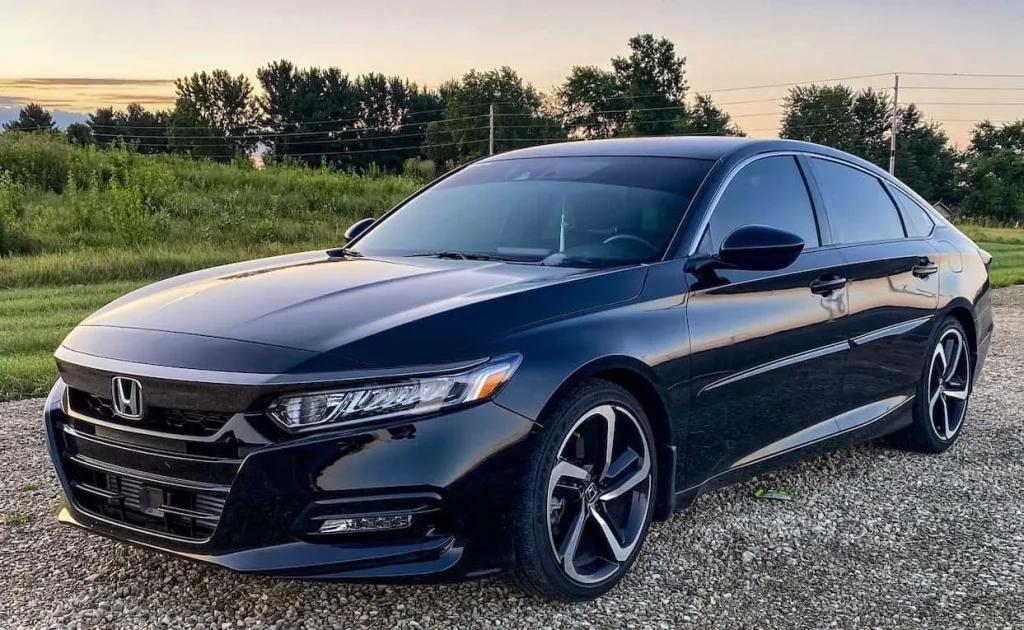
4. Honda Accord
The Honda Accord stays quiet in traffic because it blends strong build quality with comfort-focused tuning. In busy city conditions, it feels smooth, stable, and controlled. Noise levels remain low, and the cabin feels more refined than many vehicles in its class.
I’m writing about the Accord because it highlights what many people truly need from a commuter vehicle. Not everyone wants a large SUV or a luxury badge. Many drivers simply want a vehicle that feels peaceful in traffic. The Accord does this well. It reduces road noise and stays composed in stop-and-go movement.
Another reason is the Accord’s overall balance. Steering is smooth at low speeds, braking feels predictable, and the vehicle doesn’t feel like it fights you during crawling traffic. That matters because harshness in traffic often comes from rough reactions. The Accord tends to avoid those.
The suspension also helps. It handles rough urban pavement better than many drivers expect. Instead of crashing over bumps, it absorbs them with a calmer ride.
I’m including the Accord because it’s one of the best examples of refinement in a vehicle that still feels practical and realistic. It delivers the calm, quiet commute many traffic drivers are looking for without forcing them into a luxury category.
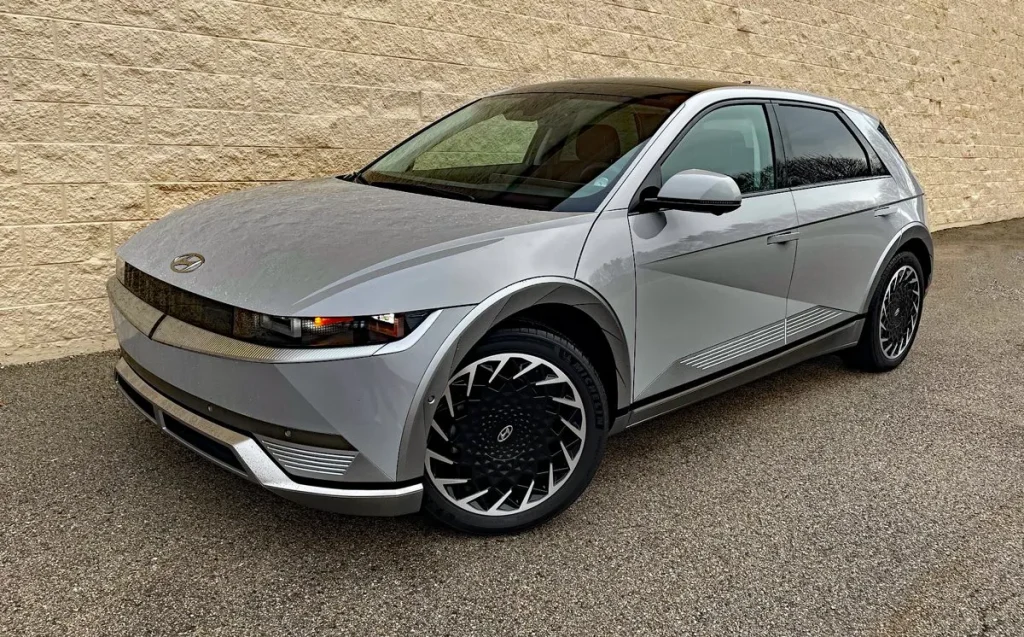
5. Hyundai Ioniq 5
The Hyundai Ioniq 5 is a standout in traffic comfort because electric vehicles naturally eliminate a big source of noise: engine sound. In stop-and-go city driving, the Ioniq 5 feels almost silent, which transforms how traffic feels from the driver’s perspective.
I’m writing about it because traffic is exactly where EVs shine. At low speeds, there is no engine vibration, no revving noise, and no transmission shifting. The result is a smoother, quieter experience. The Ioniq 5 also feels stable and calm, which adds to the relaxed feeling.
Cabin isolation is strong, so outside noise is reduced. That matters because in traffic, external noise is constant. The Ioniq 5 creates an interior space that feels calmer and less stressful. Even small details, like smooth acceleration, improve comfort. When you press the pedal, the vehicle responds immediately without drama.
The suspension is also tuned for comfort, helping it handle uneven urban roads well. I’m including the Ioniq 5 because it represents the future of traffic-friendly vehicles.
If quietness is your priority, EV refinement offers an advantage that traditional engines struggle to match. In a world where traffic is unavoidable, the Ioniq 5 makes it feel easier.
5 Vehicles That Feel Harsh
Some vehicles feel fine at speed but become uncomfortable the moment traffic slows down. That’s because stop-and-go driving highlights harshness more than almost any other situation. In traffic, you repeatedly brake, creep forward, stop, and repeat.
If the suspension is stiff, every pothole or speed breaker feels sharper. If the steering is heavy or twitchy, constant adjustments feel tiring. If the engine and transmission behave roughly at low speeds, the entire commute starts to feel jerky and stressful.
Harsh vehicles are not always poorly built. In many cases, they are tuned for a different purpose. Some are designed for sporty driving, where a stiff suspension improves cornering but reduces comfort.
Others are designed for rugged conditions, where heavy-duty components make the ride feel bouncy or unsettled on city roads. Even premium vehicles can feel harsh if they prioritize performance wheels, low-profile tires, or aggressive suspension setups.
In traffic, these choices backfire. The road noise becomes louder, bumps become sharper, and passengers notice every vibration.
I’m writing about these five vehicles because they reflect common mistakes people make when choosing a car without thinking about daily commute reality. Many drivers focus on design, horsepower, or road presence.
But the real test is often the one that happens every morning and evening: traffic. If a vehicle feels harsh there, it will feel harsh most of the time, because city commuting involves more crawling than cruising.
The five vehicles below are not necessarily “bad” cars overall. In fact, some are highly respected and loved. But for people who spend a lot of time in traffic and want a calm commute, these models can feel too stiff, too loud, or too restless.
This section is meant to help drivers understand that comfort and refinement matter more than image when traffic becomes unavoidable.
1. Jeep Wrangler
The Jeep Wrangler is built for rugged adventures, and that off-road focus is exactly why it can feel harsh in traffic. In stop-and-go city driving, the Wrangler does not behave like a comfort-focused commuter.
The ride can feel bouncy over uneven pavement, and the suspension tends to transmit more movement into the cabin. When you’re crawling forward in traffic, that constant motion becomes tiring rather than exciting.
I’m writing about the Wrangler here because many people buy it for the lifestyle image, but traffic reveals the trade-off immediately. On rough asphalt, potholes, and patchy city streets, the Wrangler can feel unsettled.
Instead of gliding smoothly, it often feels like it’s constantly reacting to the road surface. The upright shape and rugged tires can also add to road noise, making the cabin feel louder than most crossovers or sedans.
Low-speed refinement is another reason it feels harsh. In a commuter vehicle, you want smooth acceleration, gentle braking, and calm crawling behavior. The Wrangler is capable, but it’s not tuned to feel effortless in traffic.
The driving experience can feel more mechanical and heavy-duty. That makes sense for off-road durability, but it’s not relaxing in dense city conditions.

The seating position and visibility are strong points, yet the overall ride and noise levels can wear drivers down over time.
For short city trips it may be fine, but when traffic becomes daily life, the Wrangler feels like a vehicle that is waiting to escape the city rather than settle into it. That mismatch is why it earns a place among vehicles that feel harsh.
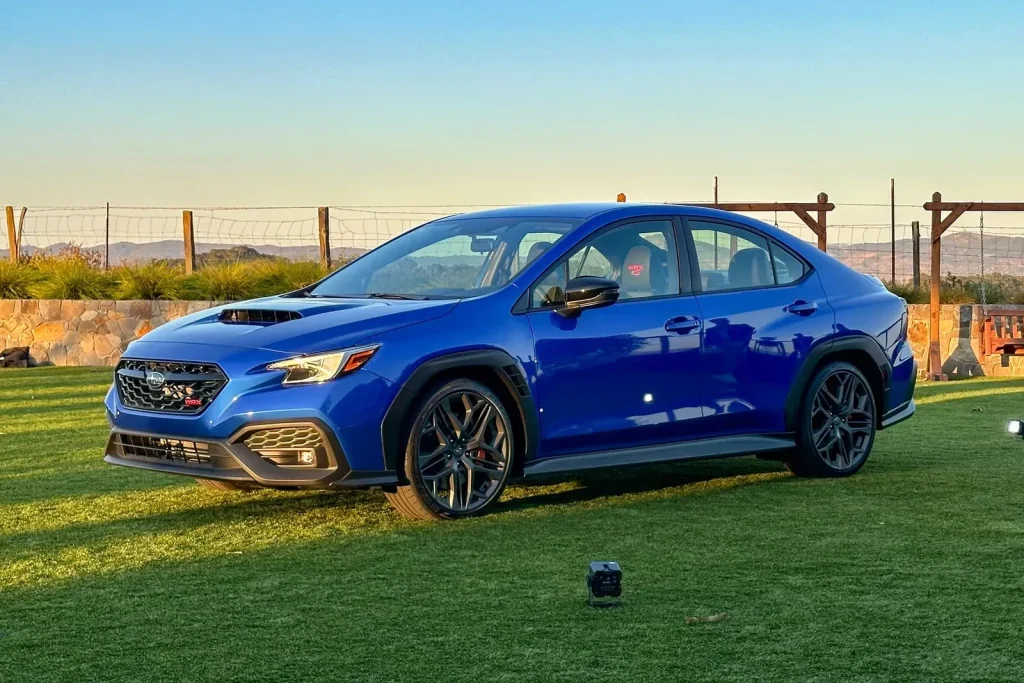
2. Subaru WRX
The Subaru WRX is respected for performance and grip, but in traffic it can feel harsh because it is tuned more for sport than comfort.
The suspension is firmer than normal sedans, and in city conditions that means you feel bumps more clearly. When you’re stuck in slow-moving lanes, you notice every road imperfection, and the WRX doesn’t hide them.
I’m including the WRX because many people love its character, but it’s not built for quiet, soft commuting. The ride can feel stiff over broken pavement, and potholes can feel sharper.
This becomes especially noticeable in traffic because you aren’t distracted by speed or open-road excitement. You are simply creeping forward, and the firmness becomes the main feature.
Engine and exhaust noise also play a role. While that sound is exciting on a fast drive, it can feel tiring when you’re moving at low speeds for long periods. Traffic makes repeated acceleration and braking unavoidable, and the WRX can feel restless in those situations.
I’m writing about it because harshness isn’t always about low quality. Sometimes harshness is the price of performance.
The WRX gives you strong handling and fun driving, but it asks you to accept a more intense ride and more noise in daily commuting. For drivers who want calmness in traffic, that trade-off can become frustrating.
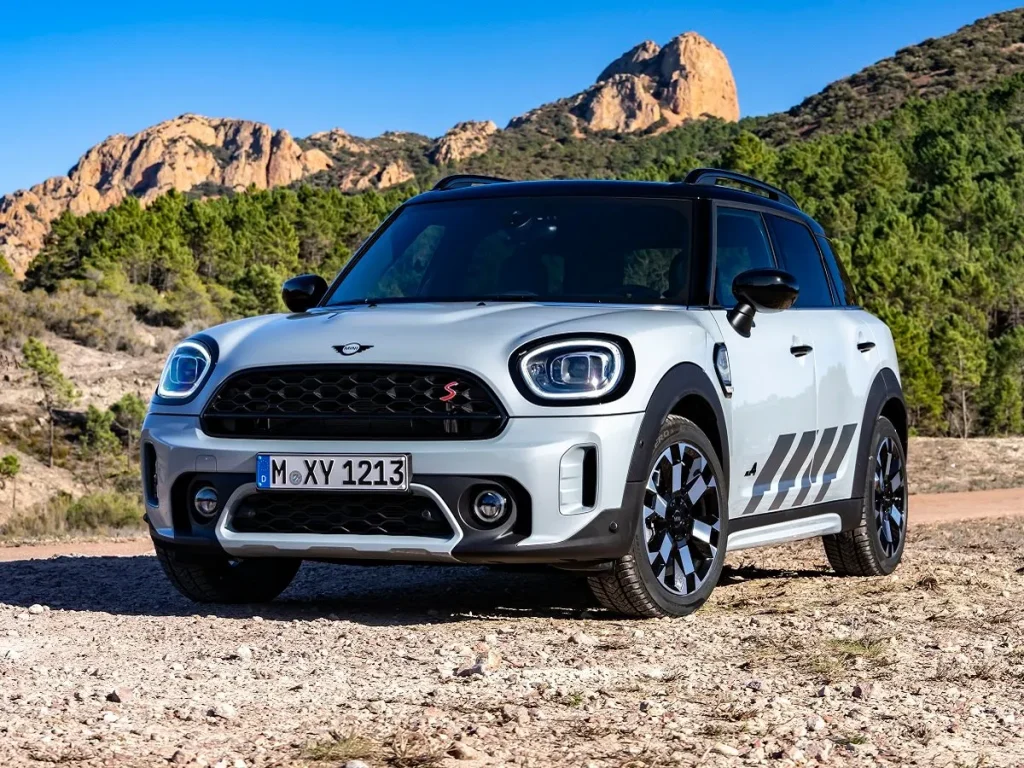
3. Mini Cooper S
The Mini Cooper S is fast and fun, but it can feel harsh in traffic due to its firm suspension and sporty setup. The Mini is designed to feel sharp and energetic, which is great for spirited driving. But in stop-and-go city conditions, that same tuning can make bumps feel more aggressive than expected.
I’m writing about the Mini Cooper S here because it’s a perfect example of a car that is enjoyable in the right setting but tiring in the wrong one.
In traffic, you want smoothness and softness. The Mini Cooper S often feels stiff, and uneven city roads can send vibrations into the cabin. This matters because downtown roads are rarely smooth.
The cabin can also feel noisier than comfort-focused vehicles. Tire noise and road sound can become more noticeable, especially on rough asphalt. Again, that sporty character is part of the Mini’s personality, but traffic is not where that personality feels best.
Another factor is that sporty throttle response can sometimes feel jumpy in crawling conditions. That doesn’t mean the Mini is hard to drive, but it can feel less relaxed compared to vehicles designed for calm commuting.
The Mini Cooper S is a fun choice for drivers who value energy, but in heavy traffic, the firm ride and noise levels can make it feel harsher than many people expect.
4. Ford Bronco
The Ford Bronco is built with rugged capability in mind, and in traffic that ruggedness can feel harsh. Like other adventure-focused vehicles, the Bronco can feel stiff or bouncy on city streets. The suspension is tuned for durability and off-road performance, not for smoothing out potholes and speed breakers in stop-and-go traffic.
I’m including the Bronco because many urban buyers choose it for style and presence. But in traffic, size and tuning matter more than image. The Bronco can feel bulky, and every time you hit uneven pavement, the cabin can feel more disturbed than it would in a softer crossover.
Noise also contributes. Off-road tires and upright design can add road sound, and in traffic you notice this more because you’re not moving fast enough to distract yourself with the driving experience. The Bronco’s strong character is exciting, but in daily commuting it can feel tiring.

I’m writing about it to show how the wrong tuning can make urban life feel harder. The Bronco is excellent for weekend adventures, but in traffic it can feel like too much vehicle for the environment. That extra movement, extra noise, and extra bulk create harshness where commuters want comfort.
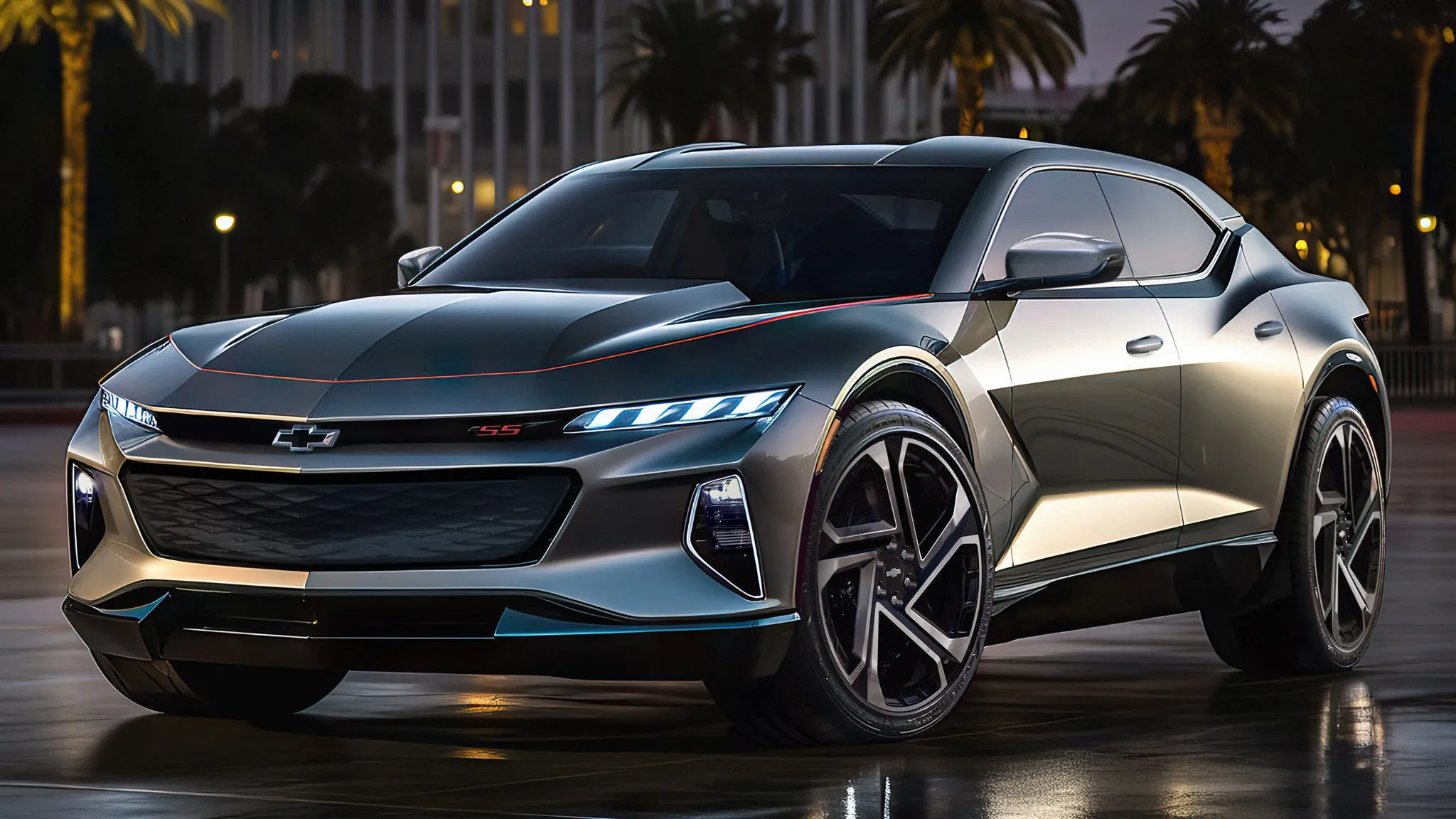
5. Chevrolet Camaro
The Chevrolet Camaro is a performance car that can feel harsh in traffic because it’s built for speed and handling, not relaxed commuting. In stop-and-go conditions, the low seating position, stiff suspension, and limited visibility can make city driving feel more demanding.
I’m writing about it because many buyers assume a powerful car will automatically feel “better” in all situations. In reality, traffic is where sporty vehicles often suffer.
The Camaro’s suspension can feel firm over bumps, and potholes can feel sharp. Low-profile tires can also add harshness by transmitting more impact into the cabin.
Visibility is a major problem in traffic. The Camaro’s design emphasizes style and aerodynamics, but this can make it harder to see surrounding vehicles clearly. In crowded lanes, this adds stress. When you combine that stress with a firm ride, the commute becomes more exhausting.
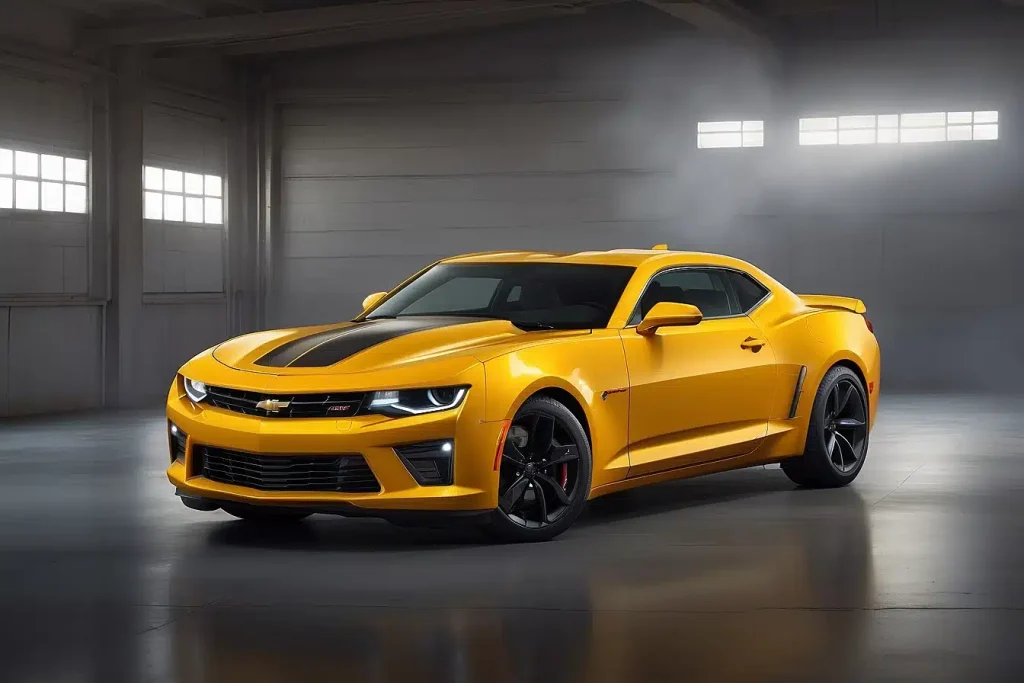
Another issue is low-speed refinement. Performance cars can feel impatient in traffic, and the Camaro can make crawling conditions feel less smooth than a comfort-focused sedan.
I’m including it here because it’s a great example of how the wrong vehicle type can punish drivers in daily congestion. The Camaro is thrilling on open roads, but in traffic it can feel harsh, uncomfortable, and tiring.
