Houston suburbs are built for movement. Life stretches across wide roads, long blocks, and neighborhoods that often feel like small cities of their own.
Whether you live in Katy, Sugar Land, Cypress, The Woodlands, Pearland, or Spring, daily routines usually involve driving: school drop-offs, grocery runs, office commutes, weekend shopping, highway merges, and long stretches of suburban roads.
This is not downtown driving where compact cars dominate. In the suburbs, you need a vehicle that can handle distance, heat, comfort demands, and the occasional heavy load of family life.
Houston suburban driving has its own challenges. Summers are intense, so strong air conditioning is not a luxury, it is mandatory. Traffic exists even in suburbs, so stop-and-go behavior matters. The highways demand stability and passing confidence.
Parking lots are wide but crowded, and schools create chaotic pickup lines. Families carry sports equipment, groceries, strollers, and sometimes even home improvement supplies. A suburban vehicle needs cabin space, cargo flexibility, durability, and easy long-term maintenance.
That is why some vehicles make perfect sense for Houston suburbs. These vehicles are practical, comfortable in heat, stable on highways, and strong enough to handle family tasks without feeling strained.
They offer a relaxed driving experience, good reliability, and reasonable running costs for the kind of mileage suburban life creates.
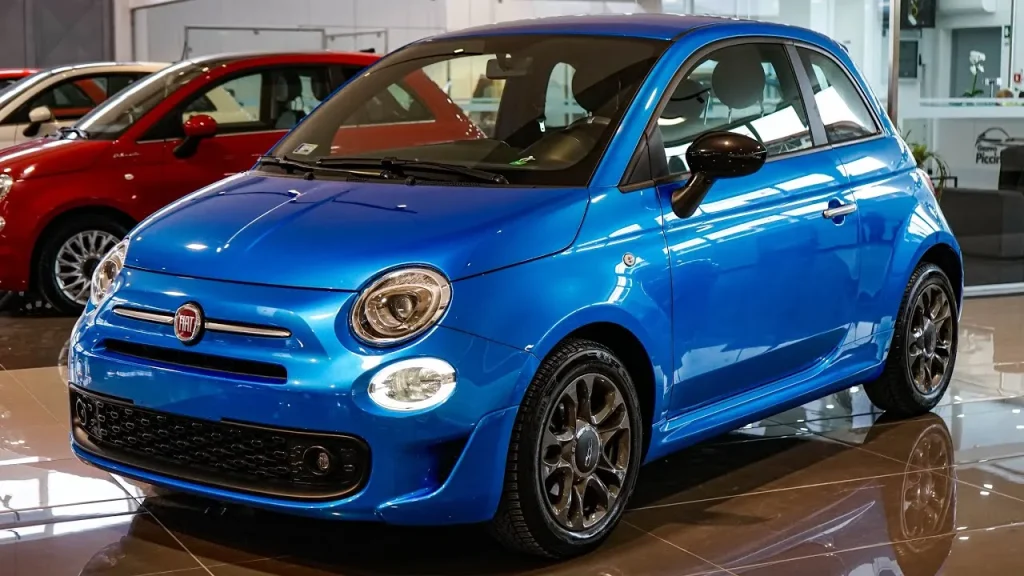
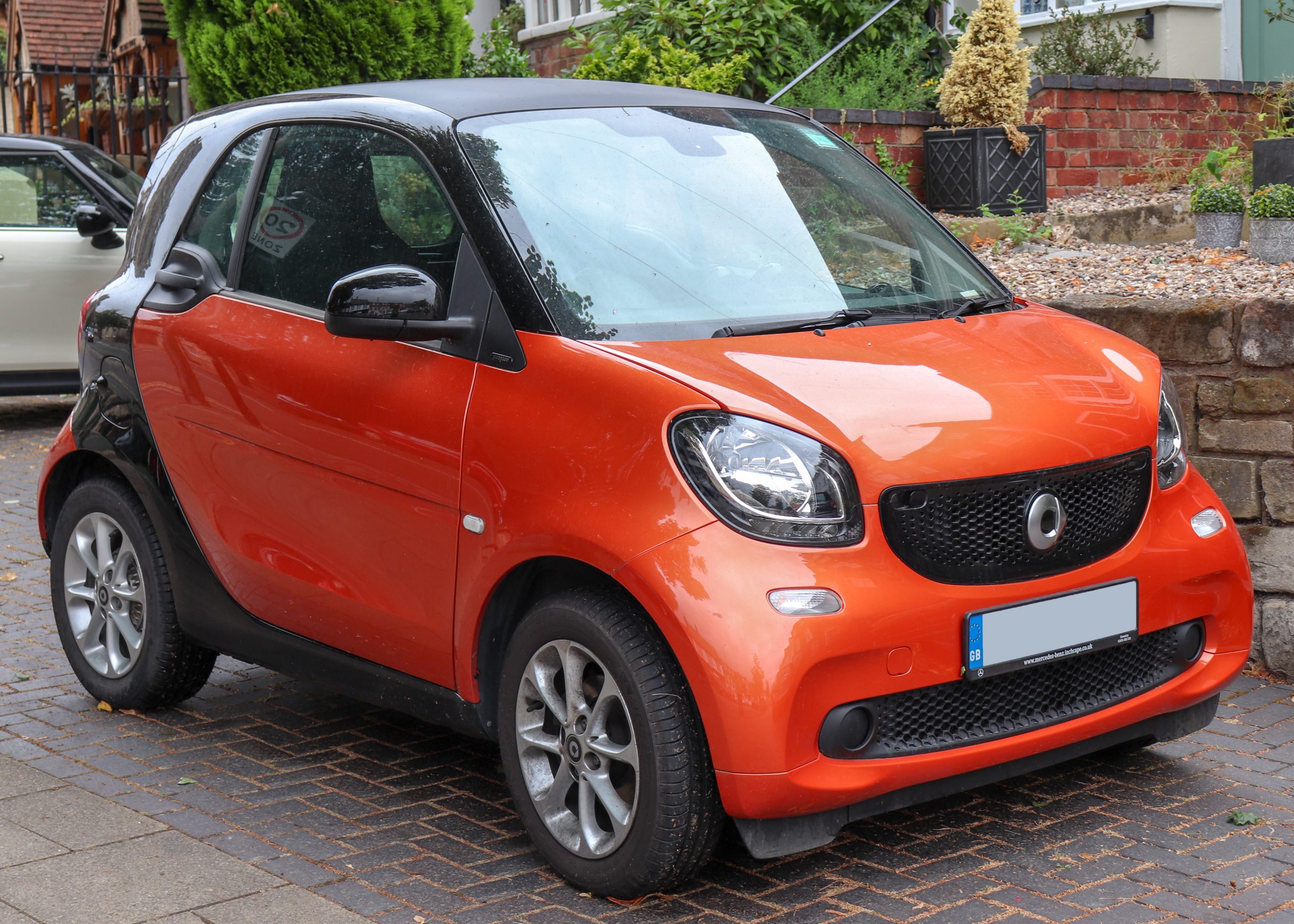
On the other side, some vehicles feel overworked in Houston suburbs. This does not always mean they are bad cars. It means the environment pushes them beyond their comfort zone. Some are too small and feel strained under suburban highway demands.
Some have weak cooling performance in Texas heat. Some have limited space and get overwhelmed by family routines.
Also Read: 5 Cars That Handle Constant Stoplights vs 5 Cars That Burn Through Brakes
5 Vehicles That Make Sense for Houston Suburbs
Houston suburbs demand a very specific type of vehicle because life here is built around distance, heat, and routine driving. In places like Katy, Sugar Land, Cypress, Pearland, Spring, and The Woodlands, you don’t just “run errands.”
You cross highways, drive long suburban stretches, and spend plenty of time sitting in traffic that builds up around school zones, shopping centers, and work corridors.
That means you need something comfortable at speed, steady in heavy traffic, and practical enough to handle daily family life. A suburban Houston vehicle has to deal with the Metroplex-style “drive everywhere” lifestyle.
Heat is another major factor. Houston’s summer humidity and temperature make air conditioning performance critical. Your vehicle must cool quickly and stay cool even in stop-and-go lines.
And because the engine is working harder under heat stress, cooling system durability matters too. Many vehicles that feel fine in cooler cities begin showing weaknesses here when idling in traffic becomes a daily habit.
Suburban driving also means lots of loading. Groceries, school bags, sports gear, stroller equipment, weekend shopping, and home improvement supplies are common. You want a vehicle that can handle cargo without turning the cabin into chaos.
At the same time, you don’t want something too oversized that wastes fuel and becomes annoying to maneuver in parking lots. The best suburban choices are those that balance comfort, space, reliability, and ease of ownership.
I’m writing this section because Houston suburban drivers often choose vehicles based on image rather than daily reality. The right vehicle should feel relaxed, capable, and stable not strained, noisy, or overwhelmed by everyday needs.
The five vehicles below make sense because they match Houston suburb driving patterns: long miles, heavy heat, family errands, and mixed highway-and-traffic routines.
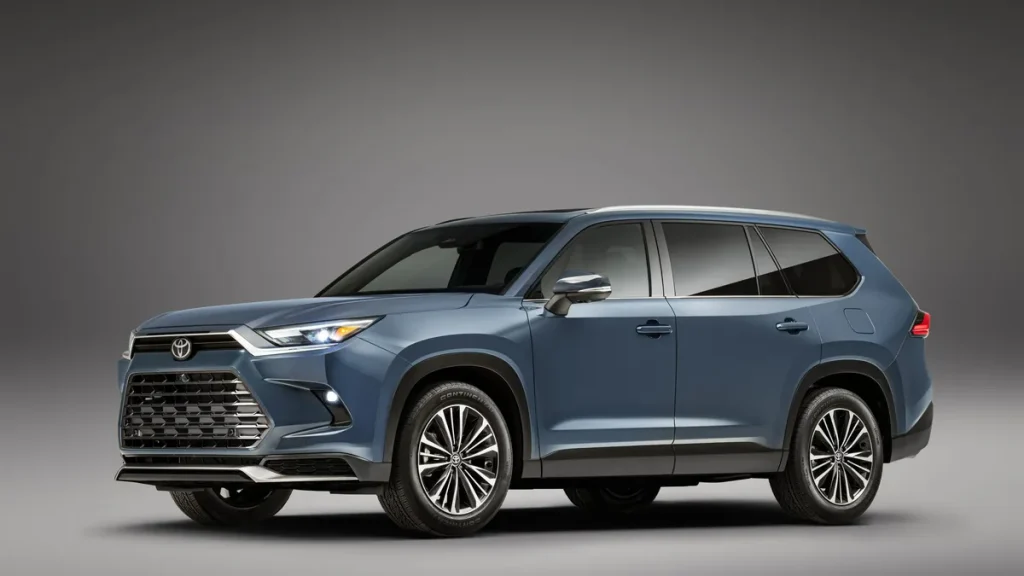
1) Toyota Highlander
Toyota Highlander makes sense for Houston suburbs because it fits the exact balance suburban families need: enough space without feeling oversized, and enough comfort without becoming wasteful.
Highlander is a three-row crossover, but it’s not a massive full-size SUV. That matters because Houston suburb life often includes school drop-offs, grocery bulk shopping, weekend family trips, and long commutes. Highlander handles all of this without asking the driver to manage a giant truck-like vehicle every day.
One of Highlander’s biggest suburban strengths is family layout. The second-row area is roomy enough for car seats, booster seats, and teen passengers, and the third row becomes useful when grandparents visit or kids bring friends.
Even if you rarely use the third row, its existence gives flexibility, which is important for suburban family life where schedules and passenger needs change constantly.
Highlander is also a calm highway cruiser. Houston suburbs involve high-speed merges and long highway stretches. Highlander feels stable and confident at speed, and that reduces stress.
It also offers a comfortable ride that absorbs rough patches, potholes, and uneven roads which matters because suburban road quality varies widely depending on the area.
Another reason Highlander belongs here is heat-friendly daily usability. In Houston, air conditioning is not optional. Highlander generally handles cabin cooling well, and that keeps family commutes comfortable even during intense summer months.
Reliability is also a major part of why it makes sense. Suburban miles build fast, and Highlander is known for predictable long-term ownership.
I’m including Highlander because it behaves like the ideal suburban “do everything” vehicle: it carries people, carries cargo, handles highways confidently, and stays dependable without acting fragile or stressed.
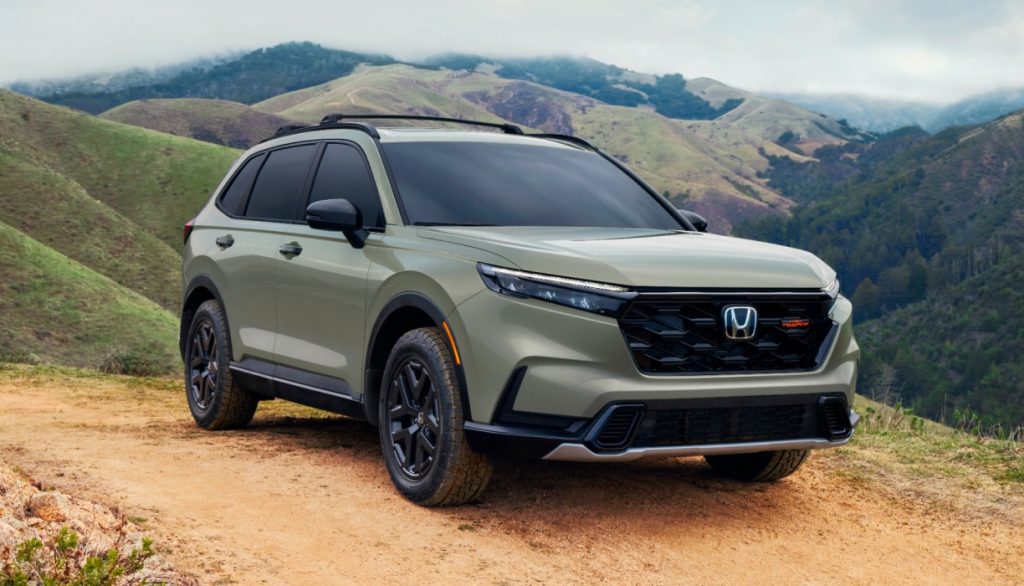
2) Honda CR-V
Honda CR-V makes sense for Houston suburbs because it’s one of the most practical “everyday crossovers” you can own. In suburban Houston life, you need something that handles highways confidently, fits easily in parking lots, and still gives enough cabin space for real family routines.
CR-V is not huge, but it’s smartly packaged. That means it feels easy to drive like a smaller vehicle while offering the usefulness of a bigger one.
For suburban families, CR-V’s rear seat is a major win. It provides enough legroom for kids, booster seats, and even adults without complaints. That matters when you’re doing long drives across Houston-area corridors.
The cargo space also fits suburban life perfectly. Grocery runs aren’t small, especially when people shop in bulk. A CR-V can handle big bags, boxes, and weekend shopping loads without turning into a cramped mess.
Another reason CR-V makes sense is fuel efficiency relative to its usefulness. Houston suburban driving adds miles quickly. A vehicle with poor fuel economy becomes expensive, especially when combined with Texas heat and constant AC use.
CR-V gives crossover comfort without the giant SUV fuel penalty. That makes it sustainable for daily commuting, long errands, and weekend driving.
CR-V also performs well in Houston’s mixed driving pattern long highway stretches mixed with traffic pockets. It stays smooth in stop-and-go, doesn’t feel stressed when crawling, and keeps a relaxed driving feel. In suburban areas where you might face traffic only on certain routes or at certain times, this flexibility is important.
I’m including CR-V because it represents the sweet spot: it doesn’t feel too small for suburban needs, and it doesn’t feel too big for daily comfort. It’s the kind of vehicle that quietly supports suburban life without demanding special effort from the owner.
3) Toyota Camry
Toyota Camry makes sense for Houston suburbs because sedans are still extremely practical when suburban life is mostly highway commuting and long daily driving. Many people assume SUVs are the only suburban choice, but Camry proves otherwise.
Houston suburb commuters often spend long hours on highways like I-10, 290, 45, and Beltway 8. A stable, comfortable sedan can handle those routes better than many bulky vehicles while also saving fuel.
Camry’s biggest advantage is long-distance comfort. The ride is smooth, the cabin is quiet, and the seats are built for real commuting. In suburban Houston, you may drive 30 to 60 miles daily without thinking. In that reality, comfort becomes more important than styling. Camry delivers a relaxed driving experience, which reduces fatigue.
Another major benefit is efficiency. Suburban driving burns fuel because distances are long. A Camry keeps fuel costs manageable while still providing space for passengers. Families with one or two kids often find Camry more than enough, especially for school drop-offs, daily errands, and weekend trips.
Camry also fits parking lots well. Suburban shopping centers and school parking areas can be chaotic. A sedan with a manageable footprint is easier to park and maneuver than big SUVs. That means fewer stressful moments during daily driving.
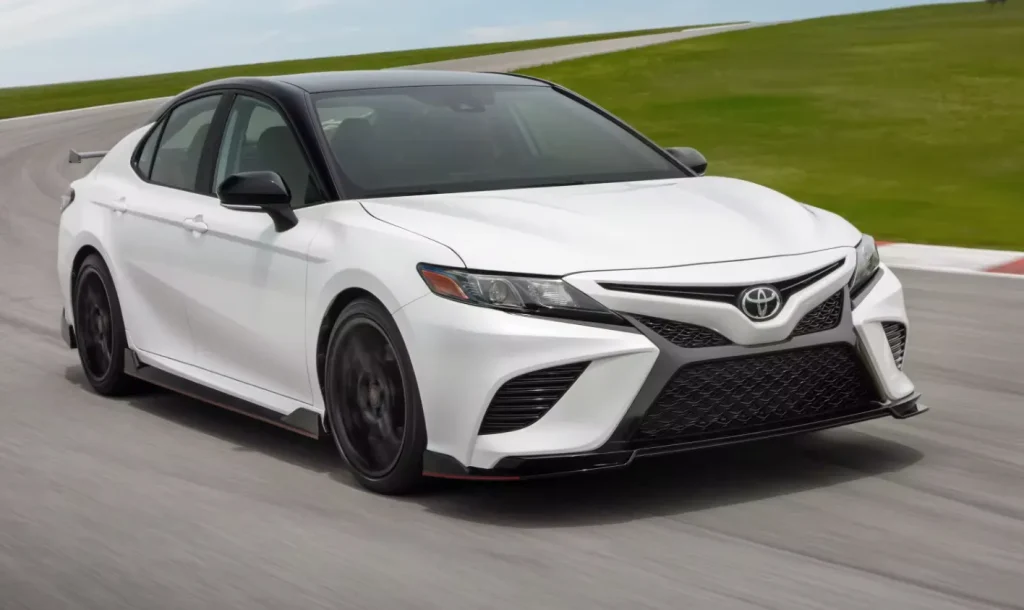
Reliability is another reason it belongs here. Houston heat and high-mile routines punish weak cars. Camry tends to keep its mechanical stability and refinement for years, which is exactly what a suburban commuter needs. A car that stays dependable over long mileage becomes a lifestyle advantage.
I’m including Camry because it’s a suburban vehicle that feels calm, efficient, and strong perfect for long Houston commutes without the excess of larger vehicles.
4) Subaru Outback
Subaru Outback makes sense for Houston suburbs because it offers one of the most useful combinations possible: wagon practicality + crossover versatility. Suburban life is about doing many kinds of trips, not just commuting. One day it’s school and work.
The next day it’s shopping, weekend driving, or carrying bulky items. Outback handles those routine changes without forcing you into a big SUV footprint.
Outback’s cargo space is a major advantage. The long wagon layout makes it easy to load groceries, sports equipment, luggage, or weekend purchases. It’s especially useful for families who like to keep the cabin clean and organized. Instead of stuffing bags behind seats, you get a wide cargo area that feels built for real life.
Another reason it makes sense is comfort. Outback rides smoothly and stays stable on highways, which matters because Houston suburbs require highway travel constantly. Outback also gives a higher seating position than most sedans, improving visibility in traffic and making suburban driving feel more confident.
Houston roads can be rough in patches. Outback’s tuning helps absorb bumps without feeling fragile. It feels solid, which is valuable when driving across different suburban zones with varying road conditions. It also feels secure in heavy rain, which Houston gets often.
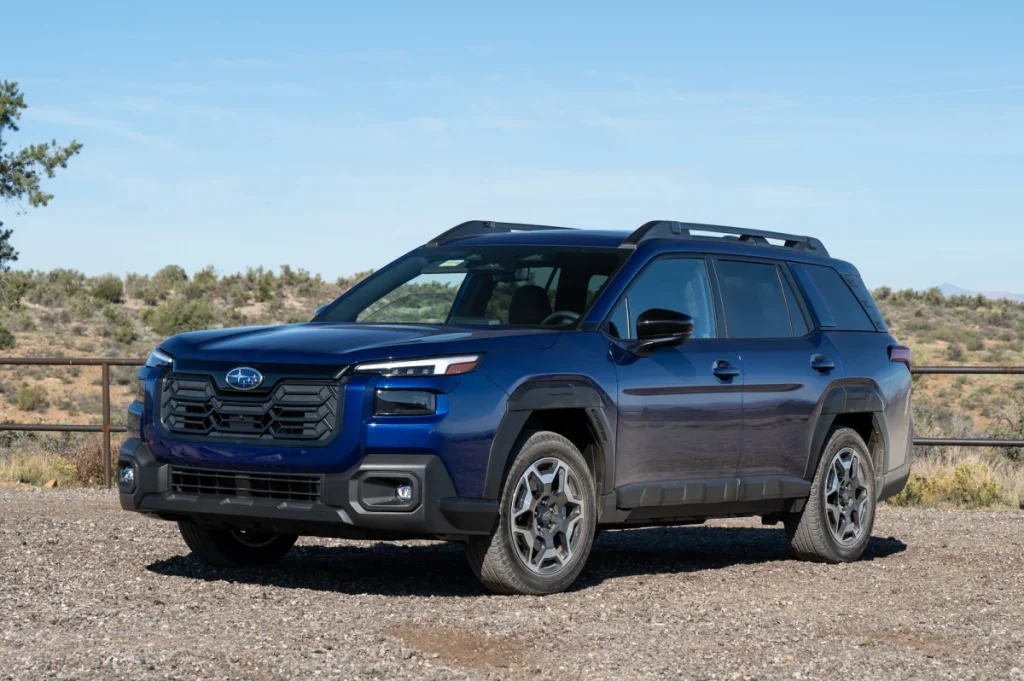
I’m including Outback because it’s a suburban all-rounder that doesn’t feel like a compromise. It’s practical like an SUV but more manageable than many SUVs. For suburban Houston drivers who want flexibility without heaviness, Outback makes strong sense.
5) Lexus RX
Lexus RX makes sense for Houston suburbs because it delivers the thing commuters want most without realizing it: comfort without stress. In suburban Houston life, you spend a lot of time inside your vehicle.
Between commutes, errands, school runs, and weekend drives, the car becomes part of your daily environment. RX makes that environment quiet, smooth, and relaxing.
The RX is especially strong in highway commuting. It feels stable, quiet, and controlled at speed. That reduces fatigue dramatically on long daily drives. You arrive less tired, and that matters more than people admit. In Houston heat, the cabin comfort becomes even more valuable because you rely on AC constantly.
RX also offers the right kind of space. It’s not a huge SUV, but it provides enough rear seat comfort for families and enough cargo space for suburban tasks. Grocery runs, shopping, and luggage loads fit naturally without forcing the car to feel cramped.
The key reason RX makes sense is that it combines luxury with long-term dependability. Many luxury vehicles become stressful because repairs are expensive and frequent. RX avoids much of that by being built with Toyota-level reliability. That means you get premium comfort without premium drama.
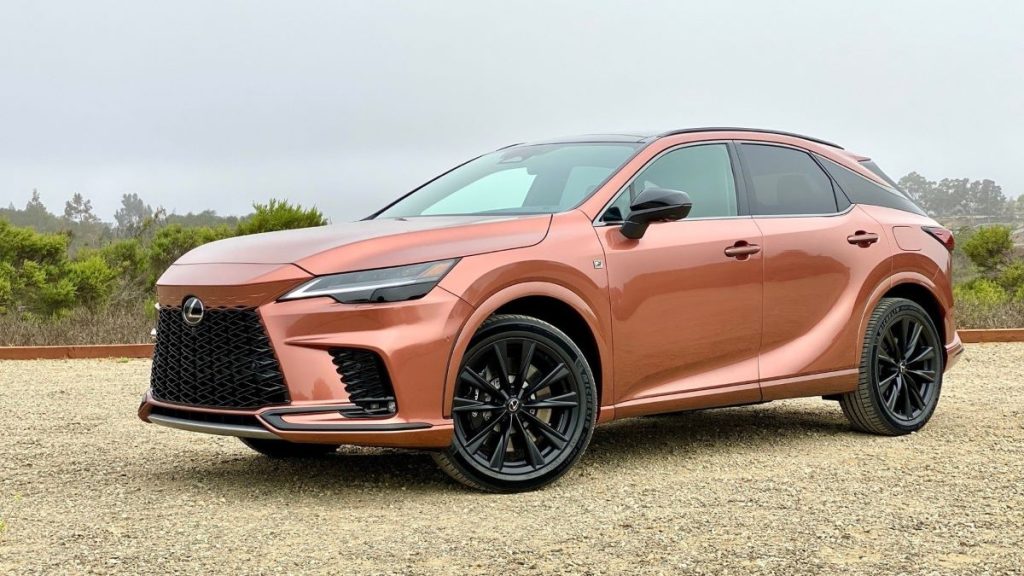
I’m including Lexus RX because it’s one of the best “suburban comfort tools” available. It fits Houston suburban life perfectly: long commutes, heavy heat, family practicality, and the need for a vehicle that stays smooth year after year.