
City routines don’t stay the same. One month you might be doing a calm office commute with consistent timing.
The next month, your life can become unpredictable: hybrid work schedules, late-night errands, weekend family duties, sudden airport runs, school pickups, grocery trips, and days where you drive short distances but stop everywhere.
Cities create constant change because traffic patterns shift by the hour, parking availability changes by the minute, and personal routines evolve quickly. In this environment, the best vehicle is not just a “good car.” It is a flexible tool that adapts to changing routines without becoming stressful.
Vehicles that adapt well in city life are usually the ones that can do many jobs without demanding special conditions. They feel comfortable in traffic, but also handle highways confidently when needed. They can carry groceries today and passengers tomorrow.
They park easily but still offer enough space for real life. They don’t punish the owner with high running costs or complicated maintenance, because city routines don’t allow endless workshop visits. A truly adaptable city vehicle supports both planned and unexpected days.
On the other side, some vehicles don’t adapt well. They might be amazing for one kind of routine but become inconvenient when the routine changes. Some vehicles are too small and struggle when you need cargo or passengers.
Some are too large and become a burden when parking becomes tight. Some have drivetrains that feel uncomfortable in stop-and-go traffic. Others depend too heavily on special conditions like dealership-only servicing or perfect roads.
When your routine changes, these vehicles become limiting. They stop feeling like helpful tools and start feeling like obstacles.
This article compares both categories. First, five vehicles that adapt to changing city routines, meaning they remain useful whether your day involves commuting, shopping, late-night driving, family duty, or weekend travel.
Then, five vehicles that don’t adapt well because they are too specialised, too limiting, or too demanding for the constantly changing urban life. The goal is simple: help city drivers choose vehicles that stay useful even when life becomes unpredictable. In cities, flexibility is not a luxury. It is a survival advantage.
Also Read: 5 Cars That Handle Constant Stoplights vs 5 Cars That Burn Through Brakes
5 Vehicles That Adapt to Changing City Routines
A vehicle that adapts to changing city routines is like having a reliable multi-purpose tool. Cities don’t allow one fixed driving pattern. Some days you drive short distances with constant stops. Some days you suddenly need a long highway run.
Some days you carry groceries and packages. Other days you carry family members, coworkers, or friends. The best city vehicle is not the one that is perfect in one scenario. It is the one that performs well across all scenarios without making the driver feel stressed or limited.
Adaptability comes from a mix of size, comfort, efficiency, and practicality. The vehicle should be compact enough to park in crowded areas but spacious enough to handle unexpected cargo. It should feel smooth in stop-and-go traffic but stable at highway speed.
It should have useful visibility and easy manoeuvrability for city streets. At the same time, it should not be fragile or expensive to maintain, because city routines create a lot of wear and a lot of time pressure. A car that demands constant repairs becomes impossible to live with when your schedule is already chaotic.
Technology can also support adaptability. Modern safety features, parking sensors, cameras, and driver assists can reduce stress during tight urban routines. But technology alone is not enough. The vehicle still needs good engineering and a practical design that fits urban life.
I am writing this section because city drivers often buy cars based on one routine like commuting, and then life changes. Suddenly you need more space, more comfort, more highway ability, or better efficiency. The right vehicle adapts and continues being useful. The wrong one forces you into compromises or a faster upgrade.
The five vehicles below are selected because they support changing city routines naturally. They offer flexibility in passenger space, cargo usability, running cost control, and daily comfort. Now let us get into them.
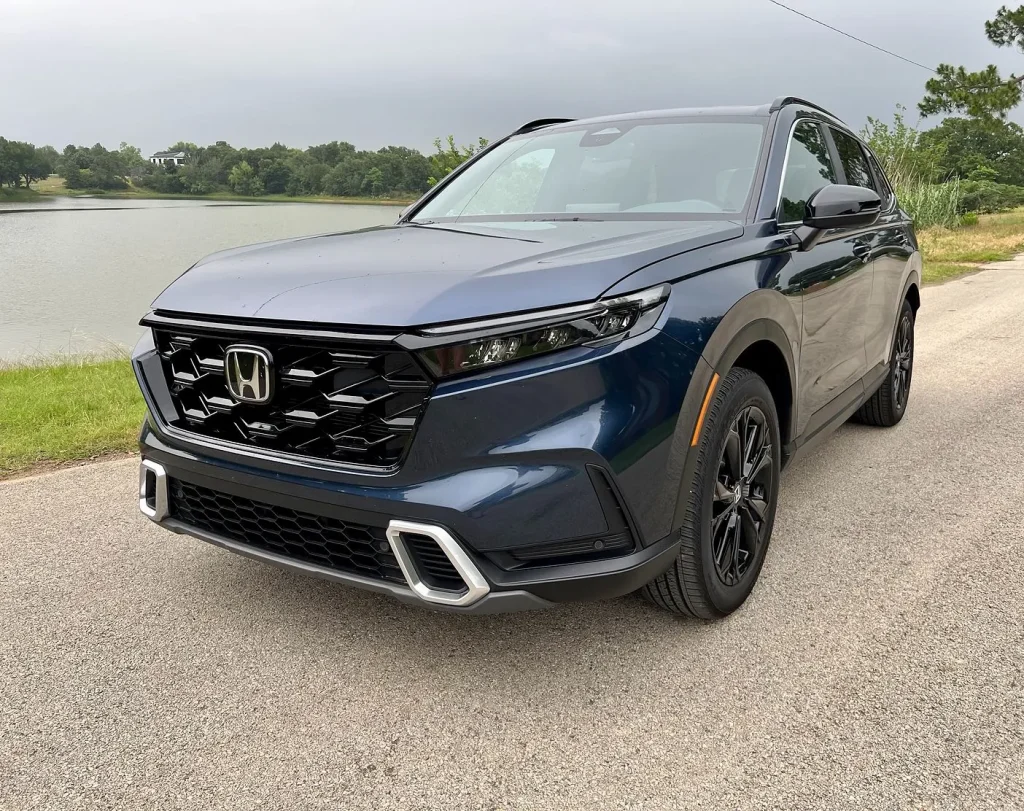
1) Honda CR-V
Honda CR-V adapts to changing city routines because it is built around practical flexibility. On a normal day, it works like a calm commuter vehicle. It feels easy in traffic, visibility is good, and the driving position reduces stress in crowded streets.
But when life changes like unexpected errands, weekend travel, or carrying passengers, the CR-V is ready without drama.
One major reason it adapts so well is cargo practicality. City routines often change suddenly. You may plan a short commute and end up doing grocery shopping, picking up packages, or transporting items. CR-V’s cargo space handles these changes easily. You do not need to fight with the cabin to fit things in. This keeps daily life smoother.
CR-V also handles passenger needs well. Many city drivers alternate between solo driving and family duty. The rear seat space supports child seats, adults, and daily comfort. That means the vehicle adapts from “commuter mode” to “family mode” easily.
Another adaptability advantage is fuel efficiency for its size. It does not punish you with extreme running costs even when your mileage increases.
And because city routines are unpredictable, this matters. A car that becomes expensive every time you drive more starts feeling stressful. CR-V stays manageable.
I included Honda CR-V because it does everything without feeling extreme. It fits in parking lots, handles traffic calmly, and still supports highway runs and weekend travel.
That broad usefulness is exactly what adapting to city routines means. The CR-V is not specialized. It is balanced, and in city life balance is power.
2) Toyota Corolla Hatchback
Toyota Corolla Hatchback adapts to changing city routines because it blends compact city ease with real-world practicality. Hatchbacks are often the most adaptable urban vehicles because they are small enough to park easily but flexible enough to carry more than sedans.
Corolla Hatchback fits into tight city spaces, but when your routine shifts groceries, luggage, weekend errands it can handle it.
The compact size is a huge benefit for unpredictable city days. Parking availability changes constantly. Corolla Hatchback reduces parking stress because it fits into smaller gaps. It also makes narrow street driving easier, which helps during rush hours and crowded zones.
Cargo flexibility is where it really adapts. Many sedans feel limiting when routines change. A hatchback trunk opens wider and allows bulkier items. That means you can handle sudden shopping runs or transport needs without planning.
Corolla Hatchback also keeps running costs predictable. City routines can change into heavier mileage quickly. Corolla’s reputation for durability and affordable maintenance supports long-term adaptability. You don’t want a car that becomes expensive when your routine shifts.
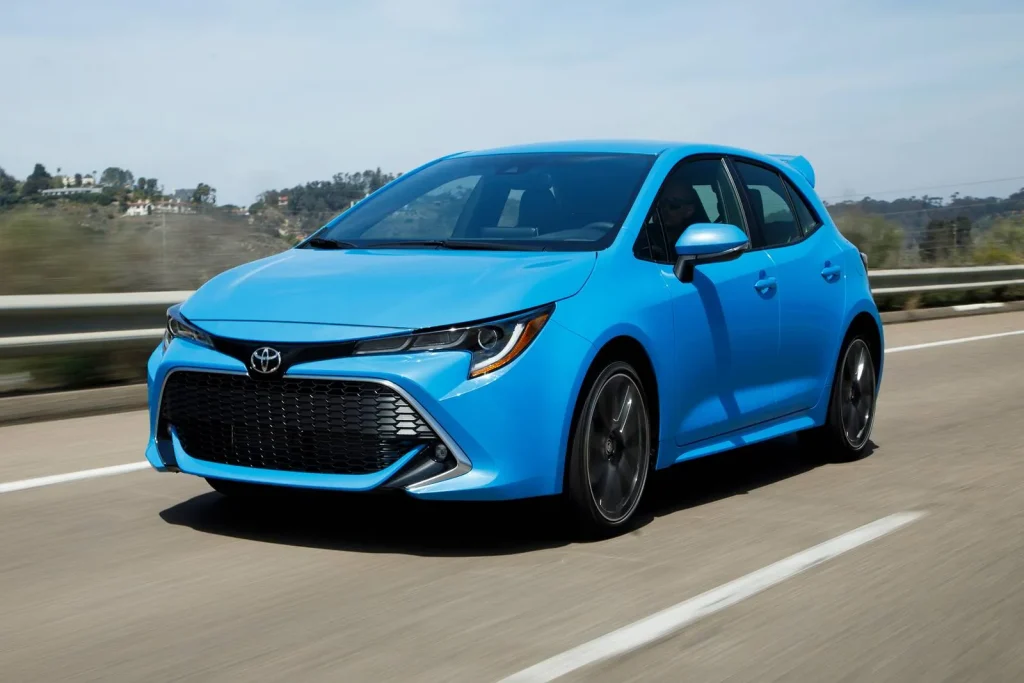
I included Corolla Hatchback because it is a flexible urban tool. It stays easy for daily commuting, but it can also handle changing life routines. It gives practicality without SUV bulk. For city drivers who want adaptability without complexity, it is one of the smartest vehicles.
3) Toyota Prius
Toyota Prius adapts to changing city routines because it thrives in stop-and-go traffic and still handles longer highway runs efficiently. City routines often shift between heavy traffic days and longer open-road days. Prius works in both because of its hybrid design.
In traffic-heavy routines, Prius shines. It uses electric power at low speeds, which makes crawling smoother and reduces fuel waste. That matters in city life where traffic patterns can change daily. Prius reduces cost and stress in congestion.
When routines change to longer commutes or highway trips, Prius remains efficient. This is important because some small city cars become tiring on highways. Prius stays stable enough for regular highway use while still delivering low fuel consumption.
Cargo practicality is another adaptability advantage. Prius has hatchback-style cargo access, which helps with unexpected errands and shopping runs. It may not be a large SUV, but it adapts better than sedans when you need flexibility.
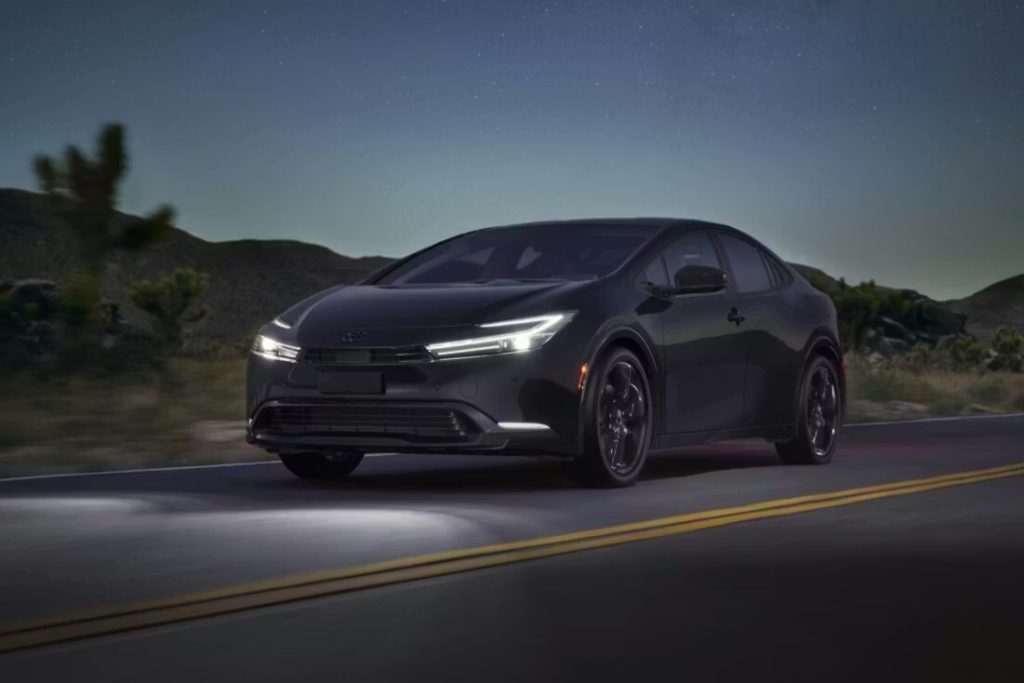
I included Prius because it is one of the most adaptable “cost-control” vehicles in city life. It makes routine changes less expensive. It is calm in traffic, efficient on distance, and practical enough for daily life. When city routines change, Prius does not punish you. It supports you.
4) Hyundai Kona
Hyundai Kona adapts to changing city routines because it fits in the compact crossover category that works well in modern urban life.
Kona is small enough to maneuver and park easily, but it has extra cargo flexibility compared to small sedans. That makes it adaptable when routines shift between commuting, shopping, and weekend activities.
The elevated seating position improves visibility, which helps in crowded city traffic. City routines often involve unpredictable lane changes and pedestrian-heavy zones. Visibility reduces stress. Kona’s size also makes it easy to handle in narrow roads and parking garages.
Kona’s cabin flexibility supports changing needs. You can carry passengers comfortably, then fold seats for cargo when needed. This is important because city routines often include sudden errands and mixed task days.
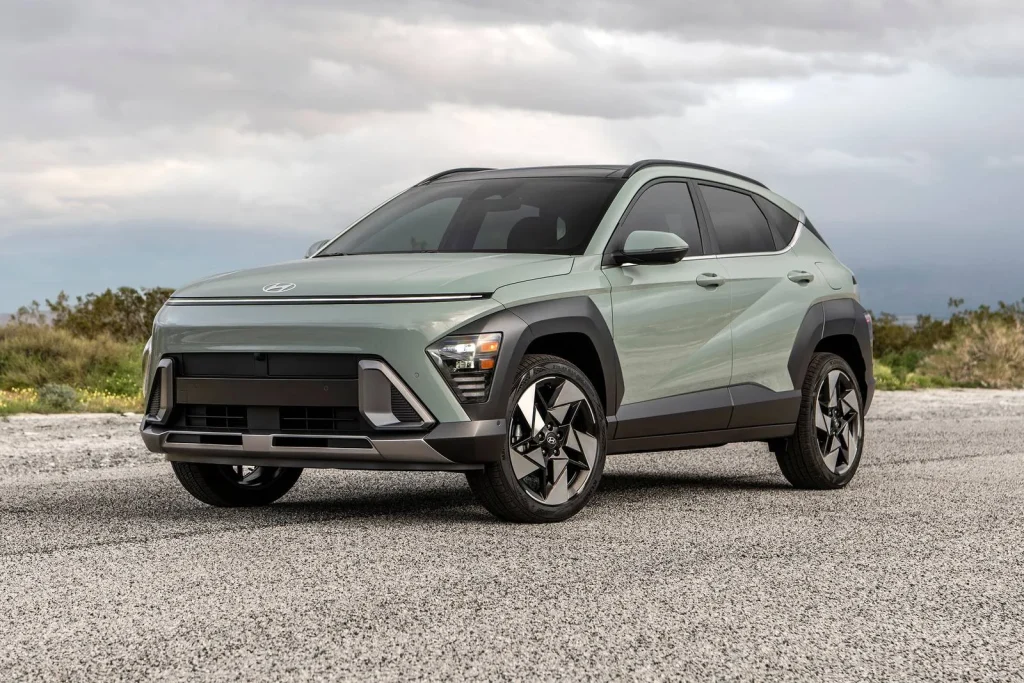
I included Kona because it offers adaptability without the fuel burden of larger SUVs. It fits modern urban lifestyles where routines are unstable. It can behave like a commuter car on weekdays and like a practical errands vehicle on weekends. That makes it valuable for city drivers.
5) Honda Odyssey
Honda Odyssey adapts to changing city routines because it is one of the best “family + utility” vehicles ever made. Many city families face changing routines daily: school drop-offs, grocery runs, weekend travel, and sudden passenger needs. Odyssey handles all of that with ease because of its space and flexibility.
Unlike large SUVs, Odyssey is designed for easy entry and exit. Sliding doors help in tight parking. That is a huge adaptability advantage in crowded city spaces. It also offers massive cargo space when needed, which supports sudden shopping or transport tasks.
Odyssey also keeps comfort high. City families often sit in traffic. A comfortable cabin reduces fatigue. And while it is larger than other vehicles here, it is still city usable because of its design focus.
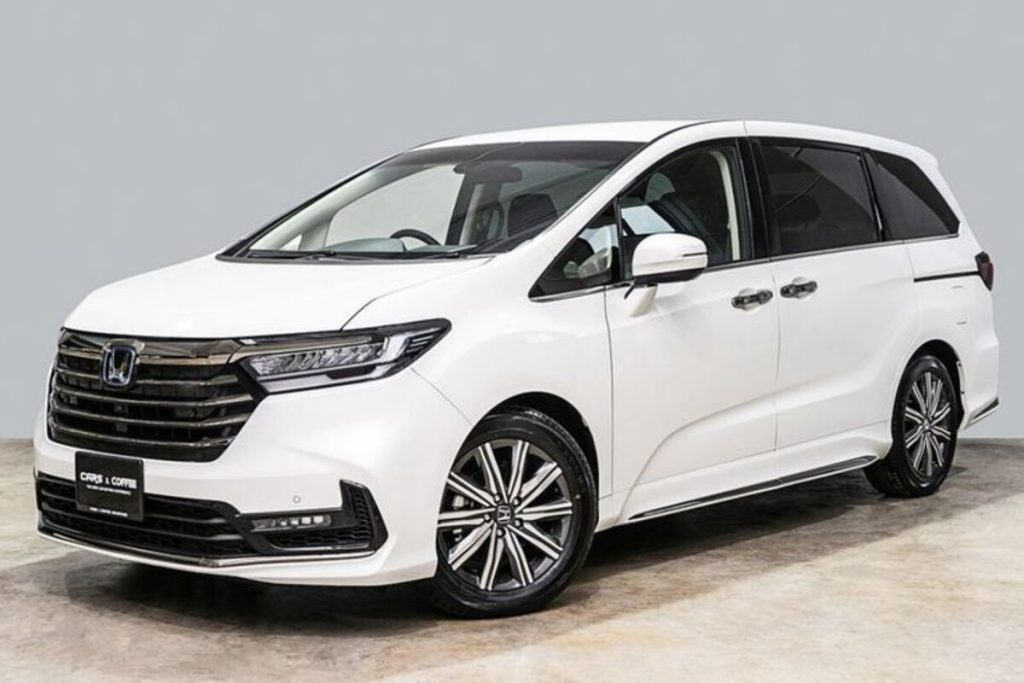
I included Honda Odyssey because it is the ultimate “routine change” vehicle. It can be commuter, family shuttle, cargo hauler, and weekend trip machine without feeling stressed. In city life, that adaptability is rare.
5 That Don’t
Some vehicles look fine on paper but struggle when city routines change. City life is unpredictable. One week you’re commuting at fixed hours, the next week you’re doing school runs, errands, late-night drives, and weekend travel.
You might suddenly need to carry more passengers. You might need extra cargo space. You might need to park in tighter spaces than usual.
You might need better highway comfort because your job location changes. In cities, the routine doesn’t stay still. That’s why adaptability becomes a key ownership quality.
Vehicles that don’t adapt well usually have one main weakness: they’re too specialized. Some are built only for style and fun, and they become inconvenient when practicality is needed. Some are built only for work, and they become frustrating when daily life demands comfort.
Some are massive and feel powerful, but they become burdens in parking and dense streets. Others are too small and get overwhelmed when life requires passengers and cargo. And some are overly complex, making routine changes more stressful because maintenance and repairs demand time and dealership dependency.
When routines shift, these vehicles create friction. The driver must plan more, compromise more, and stress more. A vehicle becomes limiting when it forces you to choose between tasks. For example, you might be able to do grocery runs easily but struggle with parking.
Or you might have fun driving but hate loading cargo. Or you might love the space but dread refueling and maneuvering. Each limitation becomes more painful in cities because your time is already strained by traffic and schedules.
I am writing this section because many buyers choose vehicles based on a single scenario: image, weekend use, or one commute pattern. But city life is not one scenario. It changes constantly.
These five vehicles often don’t adapt well to changing routines because their design creates limitations. They may be excellent in specific environments, but in changing city life they demand too much compromise. Now let us look at five vehicles that commonly fail the adaptability test.
1) Jeep Wrangler
Jeep Wrangler doesn’t adapt well to changing city routines because it is built around a single personality: rugged adventure. That personality is awesome on weekends, but city routines rarely stay in “weekend mode.”
Weekdays demand comfort, efficiency, easy parking, and calm traffic behavior. Wrangler struggles in these areas, so when your routine changes from fun driving to heavy commuting, the vehicle feels like it’s fighting your life.
One big limitation is fuel efficiency. City routines change, and sometimes your weekly mileage suddenly increases. Maybe your office changes, maybe you start doing more family errands, or maybe your lifestyle becomes more active.
Wrangler punishes those changes because fuel cost rises sharply. In a city environment, where traffic already burns fuel, Wrangler becomes expensive quickly. That makes it less adaptable because you begin limiting your own driving to avoid cost.
Parking is another issue. Wrangler is not the biggest vehicle on the road, but it is boxy and not always easy to maneuver in tight city spaces.
The upright shape is good for visibility, but the turning and overall feel can make dense parking situations more stressful than in modern crossovers. If your routine changes and you need to park downtown more often, you will feel the Wrangler’s limitations immediately.
Comfort matters too. Wrangler is not built as a smooth quiet commuter. Traffic plus noise equals fatigue. If your routine shifts toward more daily driving, you start noticing how tiring the vehicle can feel on highways and long congestion runs.

I included Wrangler because it’s one of the most common “dream car, daily compromise” vehicles. It adapts to off-road adventures easily, but it doesn’t adapt to changing urban routines because it is too committed to one lifestyle.
City life needs flexibility, and Wrangler is proudly not flexible. That makes it one of the vehicles that “doesn’t adapt.”
2) Dodge Challenger
Dodge Challenger doesn’t adapt well to changing city routines because it is built around emotion, not convenience. It looks powerful and feels exciting, but city routines are rarely consistent. Some days you need cargo space. Some days you need to carry people.
Some days you need to park in tight areas. Some days you need calm traffic efficiency. Challenger often fails these sudden demands because it is large, wide, and focused on style more than practicality.
The biggest adaptability issue is size. In cities, size becomes a daily tax. The Challenger’s long body and wide stance make parking harder than it should be.
On days when your routine includes crowded zones, narrow parking structures, or busy street parking, the Challenger feels like too much car. This becomes worse when your routine changes unexpectedly and you can’t plan parking ahead.
Passenger practicality also limits it. The rear seat exists, but it isn’t truly comfortable for regular adult passengers. So if life changes and you start transporting friends, relatives, or coworkers more often, you quickly feel the limitation. You’re forced to say no to rides or compromise comfort.
Fuel consumption is another problem. When routines change and mileage increases, the Challenger can become expensive quickly. It’s not a vehicle you casually rack miles on without thinking. City traffic also makes fuel efficiency worse, so your routine shift becomes a money shift.
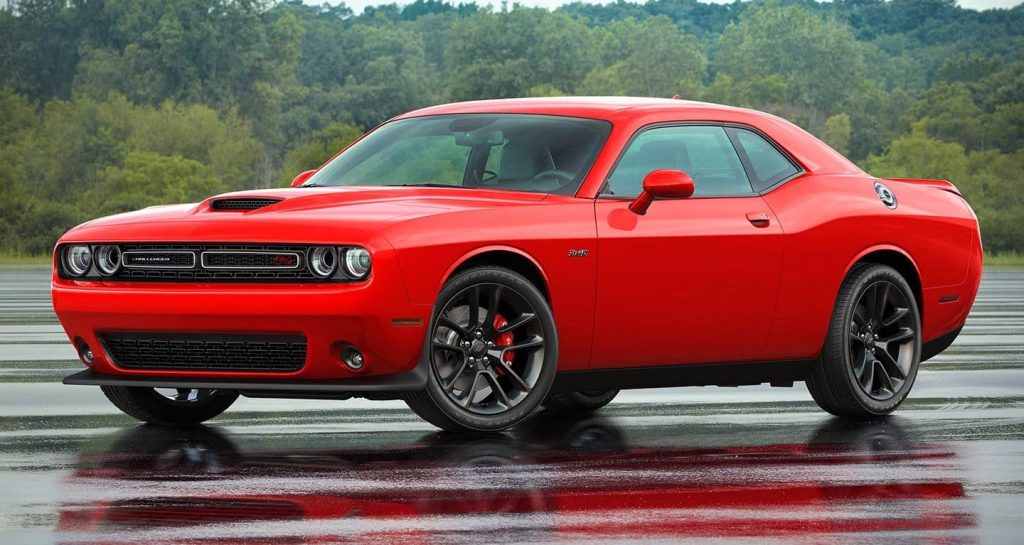
I included Challenger because it is a car that can be thrilling in the right context, but city life constantly demands practicality. Challenger struggles to adapt because it is specialized for one feeling: muscle-car presence.
That feeling is real, but it comes with constraints. When your routine changes, the Challenger doesn’t change with it it stays the same, and you have to adjust around it. That is why it belongs in this list.
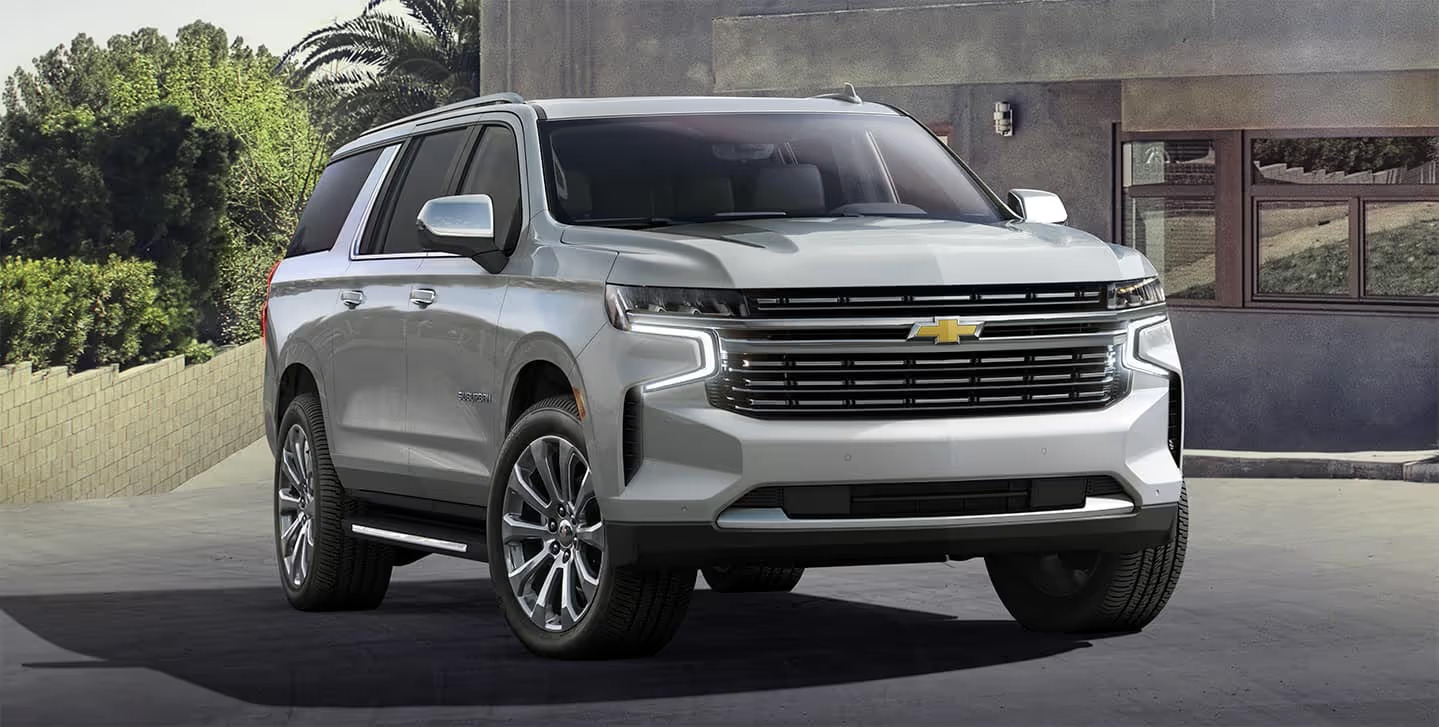
3) Chevrolet Suburban
Chevrolet Suburban doesn’t adapt well to changing city routines because it demands too much space and effort. Yes, it is practical in passenger capacity and cargo. But adaptability is not just about space. It is about working across different types of city days.
Suburban works when your routine is consistently family-heavy and space-heavy. But when your routine shifts toward tighter areas, downtown tasks, or frequent parking situations, it becomes a burden.
The main problem is the footprint. Suburban is long and wide. It doesn’t “fit in” easily in crowded areas. So if the routine changes, you move jobs, start visiting denser zones, or begin school routines in tight areas the vehicle becomes stressful. Parking becomes a battle, and battles drain time.
Fuel efficiency is also a huge adaptability weakness. City routines shift, and some weeks you drive much more than others. With a Suburban, high-mileage weeks become expensive. That expense often forces owners to limit usage, which is the opposite of adaptability.
A truly adaptable vehicle makes you comfortable driving more when needed. Suburban makes you think twice.
Another problem is “effort cost.” Maneuvering a massive SUV requires more attention. In cities, attention is already stretched. If your routine changes and becomes more unpredictable, you need a vehicle that is easy and forgiving. Suburban demands planning and patience.
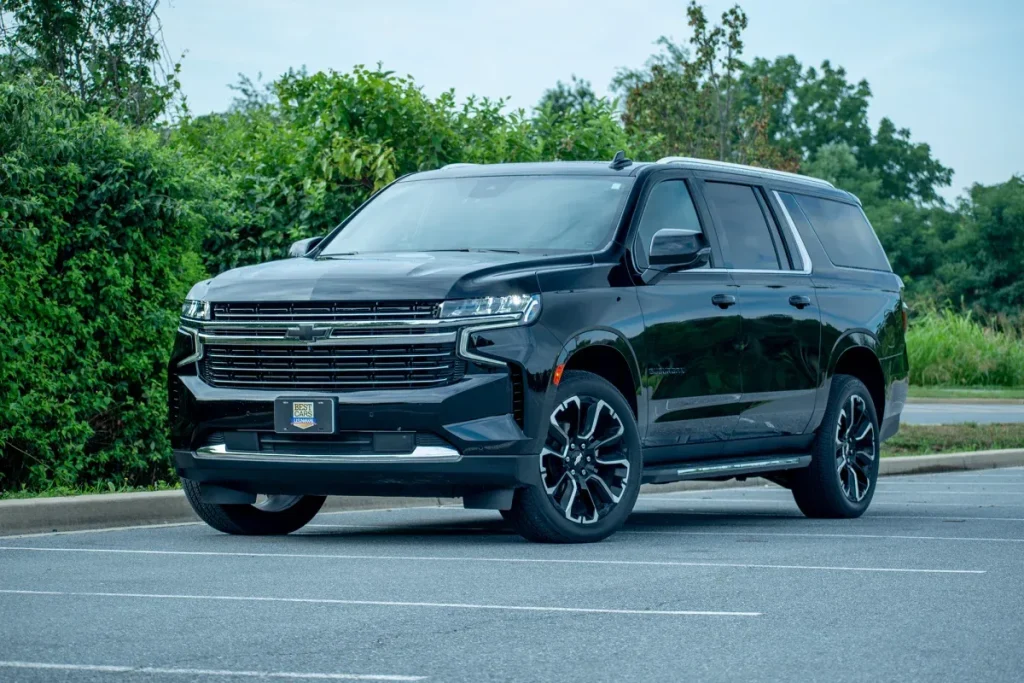
I included Suburban because it is brilliant for road trips and large-family convenience, but city life requires balance. The Suburban’s strength becomes its limitation. It can do everything physically, but it doesn’t do everything comfortably.
When your routine shifts toward more crowded, more spontaneous tasks, Suburban becomes the vehicle you start avoiding. That means it fails the adaptability test in changing urban routines.
4) Smart Fortwo
Smart Fortwo doesn’t adapt to changing city routines because it is too narrow in purpose. It is a parking tool. It excels in tight downtown areas where space is rare. But city routines aren’t always downtown-only. They change. One day you’re commuting.
Another day you need to pick up a friend, carry groceries, or transport bulky items. Smart Fortwo struggles the moment life asks for more than two seats and minimal cargo.
Passenger flexibility is almost zero. If you suddenly need to carry family members, coworkers, or friends, you simply can’t. That is not adaptability. That is limitation. And in cities, passenger needs can change quickly especially with family routines, social plans, or emergency pickups.
Cargo flexibility is also limited. A single grocery run can fill the available storage. If your routine changes and you need to shop more, carry packages, or do airport pickups, the Smart becomes inconvenient. You end up making multiple trips, which wastes time.
Highway comfort can also become an issue when routines change. Many city routines involve occasional long highway trips. Smart Fortwo can do them, but it’s not comfortable for long distance. The vehicle feels light and small at speed, and that can create fatigue.
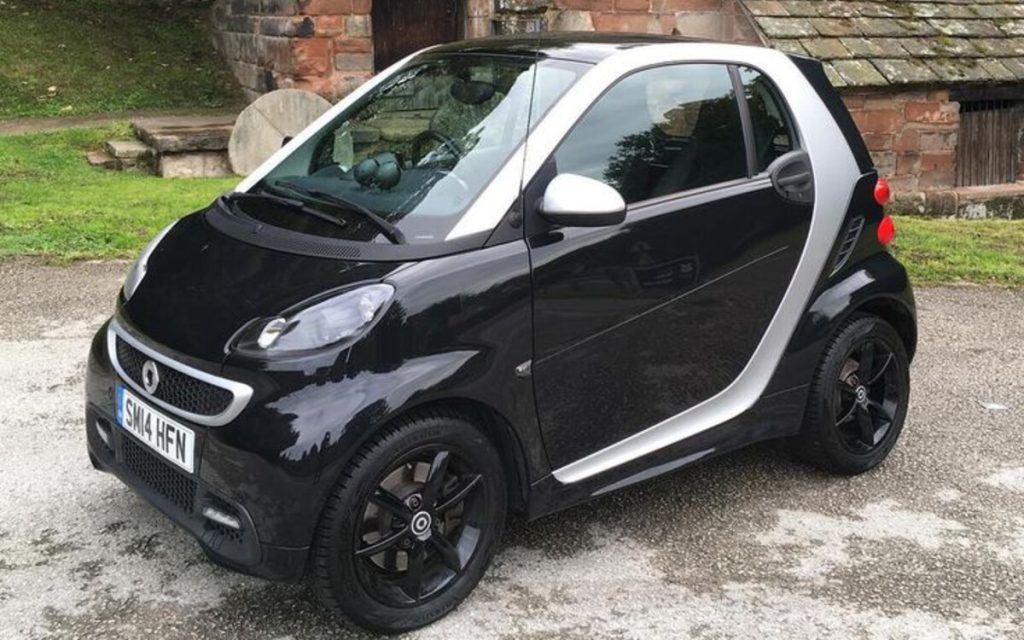
I included Smart Fortwo because it represents a vehicle that can be perfect for one routine but useless for another.
Changing routines require a vehicle that can stretch into new needs. Smart Fortwo cannot stretch. It stays small in every way. That’s why it often fails to adapt to modern urban life.
5) Range Rover Sport
Range Rover Sport doesn’t adapt well to changing city routines because it combines luxury comfort with high complexity and high ownership cost. City routines change, and when they do, you need a vehicle that stays simple. A vehicle that becomes stressful when mileage rises or when repairs appear is not adaptable.
Fuel consumption is one issue. If your routine suddenly increases driving, the Range Rover becomes expensive quickly. Urban traffic already increases fuel use, and a heavy luxury SUV amplifies that. Owners often find themselves driving less to avoid cost, which limits routine flexibility.
Maintenance and repair dependence is another issue. When city routines are unpredictable, you cannot easily schedule repeated dealership visits.
A vehicle that requires specialized servicing becomes a time burden. If a warning light appears, you can’t always just go to a quick local workshop. That dependency reduces adaptability.
The third issue is emotional stress. Luxury vehicles are expensive to repair cosmetically too. In cities, scratches and dings happen. Owners become cautious. If your routine changes and you need to park more often in busy areas, that caution becomes exhausting.
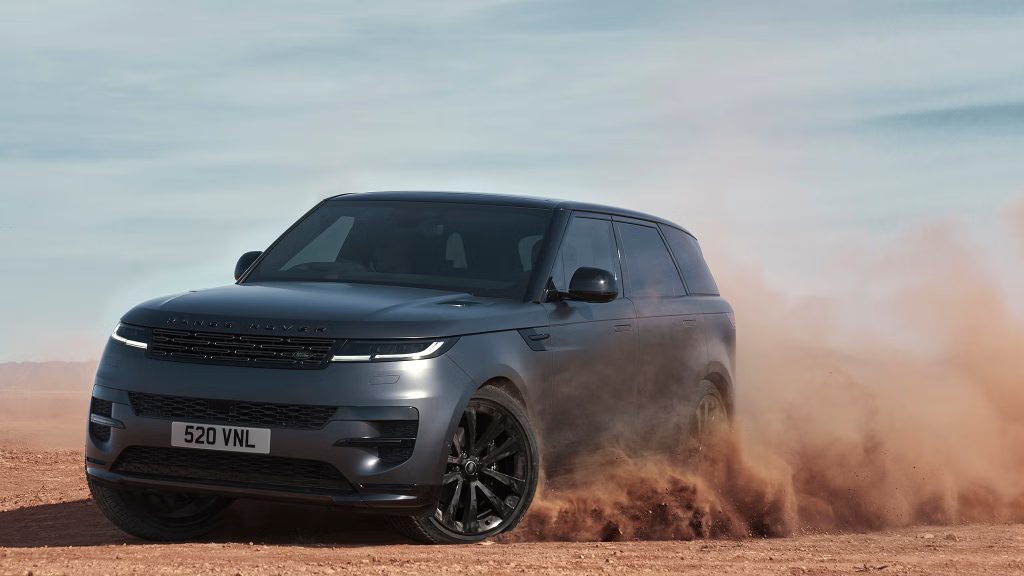
I included Range Rover Sport because it feels amazing when everything is perfect and the routine stays stable. But city routines rarely stay stable.
When life becomes unpredictable, the Range Rover becomes the kind of vehicle you plan around instead of the kind of vehicle that supports your life. That is why it belongs on the “don’t adapt” list.
Adaptable city vehicles handle shifting routines with ease, balancing parking convenience, cargo flexibility, traffic comfort, and reasonable costs.
Vehicles that don’t adapt well are too specialised, like the Jeep Wrangler and Dodge Challenger or too large and costly, like the Suburban and Range Rover Sport. Smart Fortwo fails when routines demand passengers, cargo, or highway comfort.
Also Read: 5 Cars That Handle Rough City Roads vs 5 That Constantly Need Alignment
