City professionals live on tight schedules. Their driving is rarely just “commuting.” It is commuting plus meetings, parking near offices, late-night returns, client visits, quick lunch runs, gym stops, and sudden changes in daily plans.
In this lifestyle, the ideal vehicle isn’t the biggest or the most powerful. It’s the one that feels efficient, polished, and stress-free in dense urban routines. A city professional needs a vehicle that supports productivity, reduces daily friction, and still looks appropriate in professional settings.
Urban professional driving demands three things above all: time efficiency, ease of maneuvering, and comfort. Traffic is unavoidable, but the right vehicle makes it less draining. A smooth ride and quiet cabin help professionals arrive less fatigued.
Good air conditioning matters more than people admit. Parking assistance features and tight turning circles save minutes every day. In cities, minutes become hours across a month.
Vehicles that suit professionals also tend to have low ownership drama, characterised by predictable reliability, easy service access, and reasonable running costs. That reliability matters because professionals can’t afford surprise breakdowns in the middle of a workday.
Style matters too, but in a specific way. Professionals typically prefer a vehicle that appears clean and modern, rather than flashy or overly aggressive.
It should project competence. It should feel confident entering business districts and tight parking garages. It should also feel safe, because city traffic is full of unpredictable movement.
On the other side, some vehicles simply don’t suit city professionals. They might be fun or powerful, but they waste time through parking difficulty, fuel consumption, or uncomfortable commuting.
Some create stress because they require constant repair attention or expensive upkeep. Others feel too bulky for city parking and daily movement. A vehicle that complicates daily life becomes a productivity problem.
This article compares both sides. First, five vehicles that suit city professionals by offering a balance of efficiency, comfort, technology, and clean professional image.
Then, five vehicles that don’t suit this lifestyle because they add friction, waste time, or create unnecessary ownership stress. The goal is to match the vehicle to the realities of professional city living.
A city professional needs a vehicle that behaves like a smart assistant. It should make life easier, not louder. Professional city routines often include tight deadlines, long traffic stretches, and unpredictable schedule changes.
The best vehicles for this lifestyle are those that reduce stress and save time daily. In cities, convenience isn’t luxury it’s survival.
The first professional requirement is usability in traffic. Stop-and-go movement should feel smooth, not jerky. Cabin noise should be low, because noise increases fatigue. The second requirement is parking and maneuverability.
Professionals often park in garages, crowded business districts, and tight street spots. A vehicle with good visibility, compact dimensions, and parking support technology saves time and reduces stress. The third requirement is image.
City professionals usually want a vehicle that looks modern, clean, and premium enough to match corporate environments without appearing extreme or attention-seeking.
Efficiency matters too. Professionals often drive enough that fuel costs become meaningful, but more importantly, frequent refueling wastes time. A vehicle that can go longer between fuel stops supports a busy schedule.
EVs and hybrids often suit professionals because they reduce time spent at fuel stations and handle traffic efficiently. Reliability and service convenience also matter. Professionals don’t want surprise breakdowns or frequent workshop visits. A stable vehicle protects time.
I am writing this section because city professionals often buy cars emotionally based on brand or style then regret the day-to-day friction.
The right professional vehicle isn’t necessarily the fanciest one. It’s the one that keeps routines smooth, looks appropriate, and minimizes stress. The five vehicles below are chosen because they match professional urban life: calm in traffic, easy to park, efficient, and polished.
Now let’s get into five vehicles that suit city professionals.
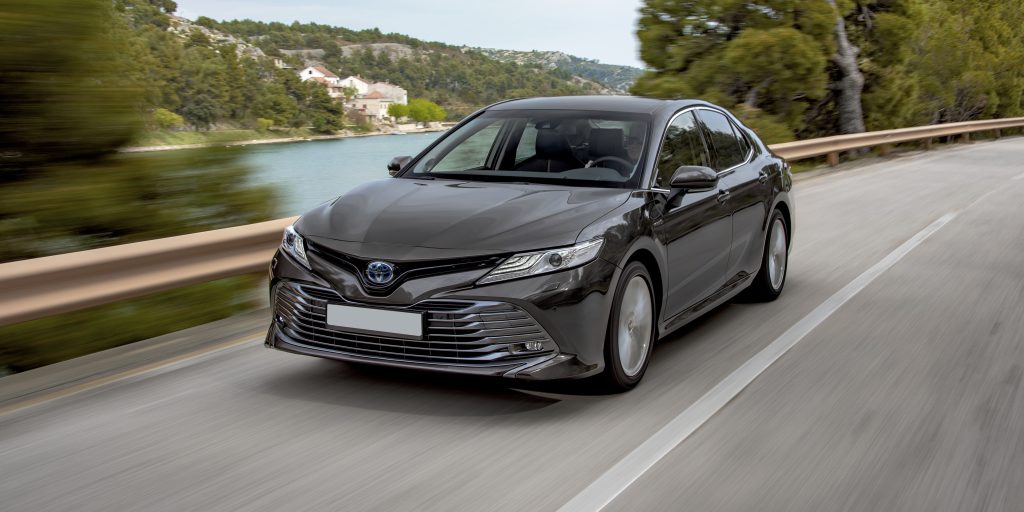
1) Toyota Camry Hybrid
Toyota Camry Hybrid suits city professionals because it offers the most valuable professional qualities: calm, efficiency, and low ownership drama. In a busy schedule lifestyle, this matters more than aggressive power.
The Camry Hybrid performs beautifully in stop-and-go urban traffic because the hybrid system supports low-speed movement smoothly. That means crawling through congestion feels less tiring, and fuel waste stays low. Professionals spend hours in traffic monthly, so comfort and smoothness matter.
The cabin is quiet enough to feel premium without being expensive luxury. A quiet cabin helps professionals arrive less stressed. It also makes phone calls easier when you’re stuck in traffic. Many professionals use their driving time for calls, planning, or decompressing. A refined interior supports that.
Camry Hybrid also reduces time wasted at the pump. Higher mileage means fewer refueling stops. In a city, every fuel stop is lost time. Over a year, this time difference becomes significant. Reliability is another huge factor.
Professionals don’t want a car that surprises them with repair issues. Camry Hybrid is known for dependable long-term ownership, which protects a schedule.
I included Camry Hybrid because it feels like the sensible professional tool. It’s not flashy, but it communicates maturity and competence. It supports work life by staying efficient, quiet, comfortable, and low-maintenance. In a city professional lifestyle, that’s a perfect match.
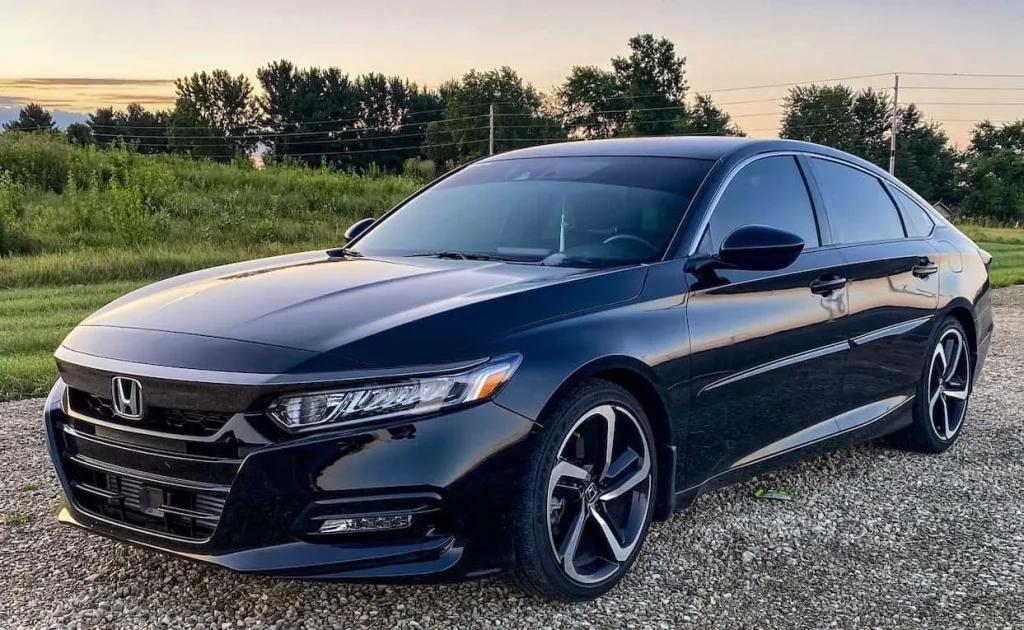
2) Honda Accord
Honda Accord suits city professionals because it blends comfort, modern presence, and everyday usability.
It has a clean, professional image neither overly sporty nor overly conservative. It feels appropriate in business districts, office parking areas, and corporate environments. That image matters more than many people admit.
In daily city traffic, Accord stays calm. Its ride quality is comfortable and the cabin feels spacious, which reduces fatigue during long commutes.
Professionals often go from meetings to traffic to errands. A comfortable cabin makes that rhythm easier. Accord is also stable on highways, which is useful when professionals drive between city zones or suburbs for work.
Running costs are usually reasonable for the class, and maintenance is predictable. Professionals want a vehicle that doesn’t steal attention. A car that demands constant care becomes distracting. Accord is generally the opposite. It stays dependable.
I included Accord because it offers “professional calm.” It feels grown-up without feeling boring. It is efficient enough for daily commuting and comfortable enough for long hours. It helps professionals maintain routine without drama, which is exactly why it belongs here.
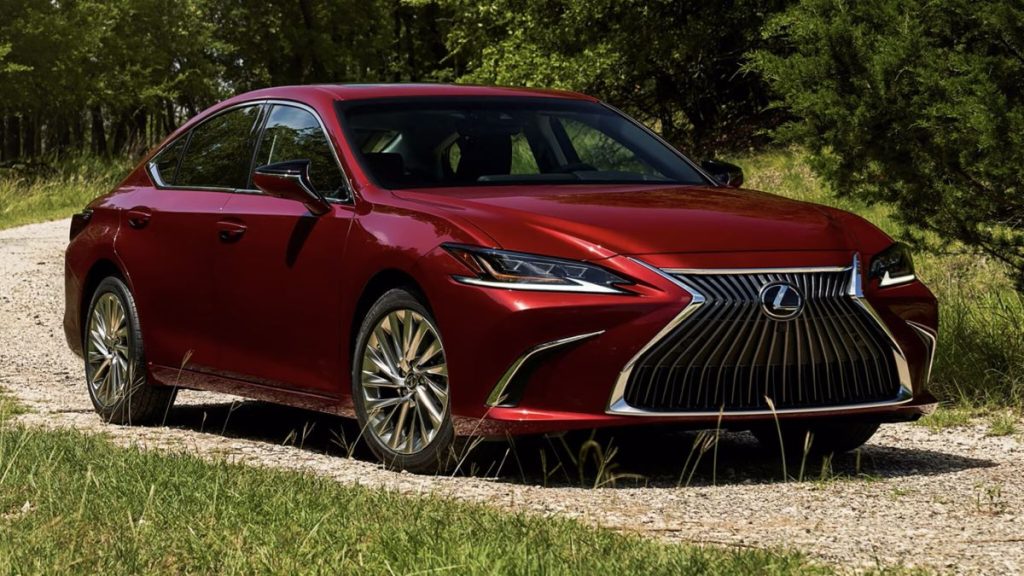
3) Lexus ES
Lexus ES suits city professionals because it is designed for comfort and quietness. In cities, professionals experience constant stress: noise, traffic, rushing schedules. Lexus ES reduces that stress with a calm cabin. The ride is smooth and the interior feels premium, which helps professionals arrive relaxed.
ES also projects a polished professional image. It looks refined but not aggressive. It communicates success without shouting. That’s exactly the kind of presence professionals often want. It fits corporate parking lots without looking out of place.
Another reason ES suits professionals is long-term reliability. Many luxury vehicles become stressful over time. Lexus ES tends to maintain dependability better than many competitors, which is important because professionals don’t want downtime. They also don’t want repair surprises.
Lexus ES
I included Lexus ES because it combines luxury comfort with low ownership stress. It’s one of the best professional commuter vehicles for people who want premium refinement but still value reliability. It’s a strong city professional match.
4) Tesla Model 3
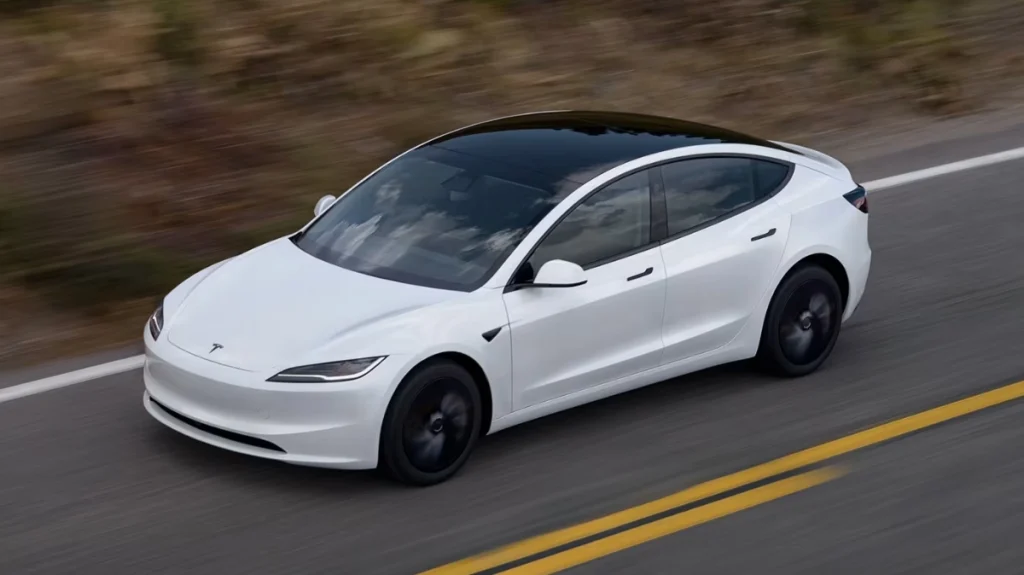
Tesla Model 3 suits city professionals because it blends modern image, traffic ease, and time-saving fueling habits. For professionals, saving time matters. If you have home charging, you eliminate gas station stops completely. That is huge in a city lifestyle. You wake up with range and you focus on work, not fuel.
In traffic, Model 3 feels smooth because EVs don’t shift gears. That makes stop-and-go commuting calmer. The cabin is quiet, and the vehicle feels responsive for merges and lane adjustments. Professionals who drive in heavy city conditions often appreciate how effortless EV driving feels.
The Model 3 also projects a modern professional identity. It looks tech-forward and clean. Many city professionals want this image because it matches modern work culture. It feels appropriate for professional life.
I included Tesla Model 3 because it saves time, feels calm in traffic, and offers a modern professional presence. For urban professionals with charging access, it’s one of the most practical choices today.
5) Mazda3 Hatchback
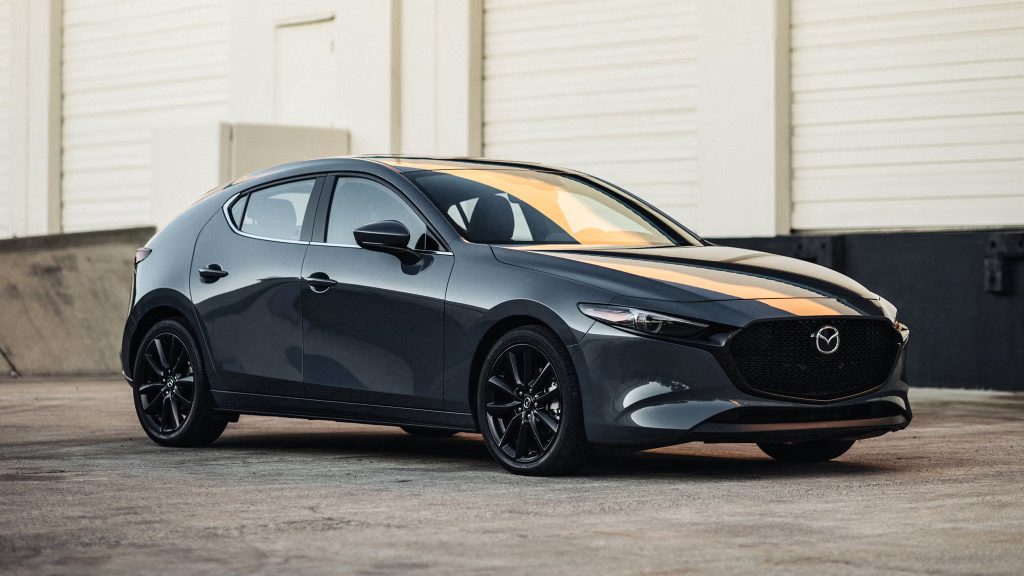
Mazda3 Hatchback suits city professionals because it combines compact city usability with upscale feel. Many professionals want something easy to park and maneuver, but still stylish and refined. Mazda3 delivers this balance.
Its compact size makes parking easier in dense business areas. It also handles traffic well because it’s easy to place in lanes. The interior feels premium for the price, which helps professionals feel comfortable without paying luxury-level costs.
The hatchback design adds practical flexibility. Professionals often carry bags, laptops, gym gear, and occasional shopping. Mazda3 Hatchback handles that without needing a bigger vehicle.
Mazda3 Hatchback
I included Mazda3 Hatchback because it is one of the best “professional compact” vehicles. It feels grown-up, polished, and practical. It supports daily routines without bulk.
5 That Don’t
Not every vehicle fits the lifestyle of a city professional. A city professional usually values time, predictability, comfort, and low daily friction. They may drive to offices, meetings, coworking spaces, client sites, or business districts often with tight schedules and limited patience for complications.
In this environment, the “wrong” vehicle is not always bad. It’s simply a vehicle that adds unnecessary stress. It makes parking harder, commuting more tiring, fuel stops more frequent, or ownership more demanding.
Vehicles that don’t suit city professionals often fall into a few categories. Some are too large and take up too much space, turning garages and street parking into constant battles. Some are too thirsty and waste time at the pump, creating repeated interruptions in a work week.
Some are built for off-road or weekend fun and feel noisy, rough, or inefficient in daily business commuting. Others may be expensive to maintain or require frequent service attention, which becomes a productivity problem because professionals usually don’t have time for repeated workshop visits.
City professionals also care about “mental load.” After a long workday, they want a car that feels easy, not a car that demands energy. A vehicle with awkward turning behavior, poor visibility, excessive width, or rough ride quality creates fatigue.
Even small frustrations matter because they repeat daily: tight parking, heavy steering, loud cabin noise, harsh suspension, or constant refueling. When those frustrations accumulate, the vehicle begins feeling like an obstacle.
I’m writing this section because many people buy vehicles based on image or emotion and later realize their real lifestyle is mostly commuting and professional city routines. The vehicles below are included because they frequently create friction in urban professional life.
They may be great at other things towing, adventure, performance, or luxury presence but for daily city professional use they often feel inefficient, inconvenient, or unnecessarily demanding.
Now let’s look at five vehicles that commonly don’t suit city professionals.
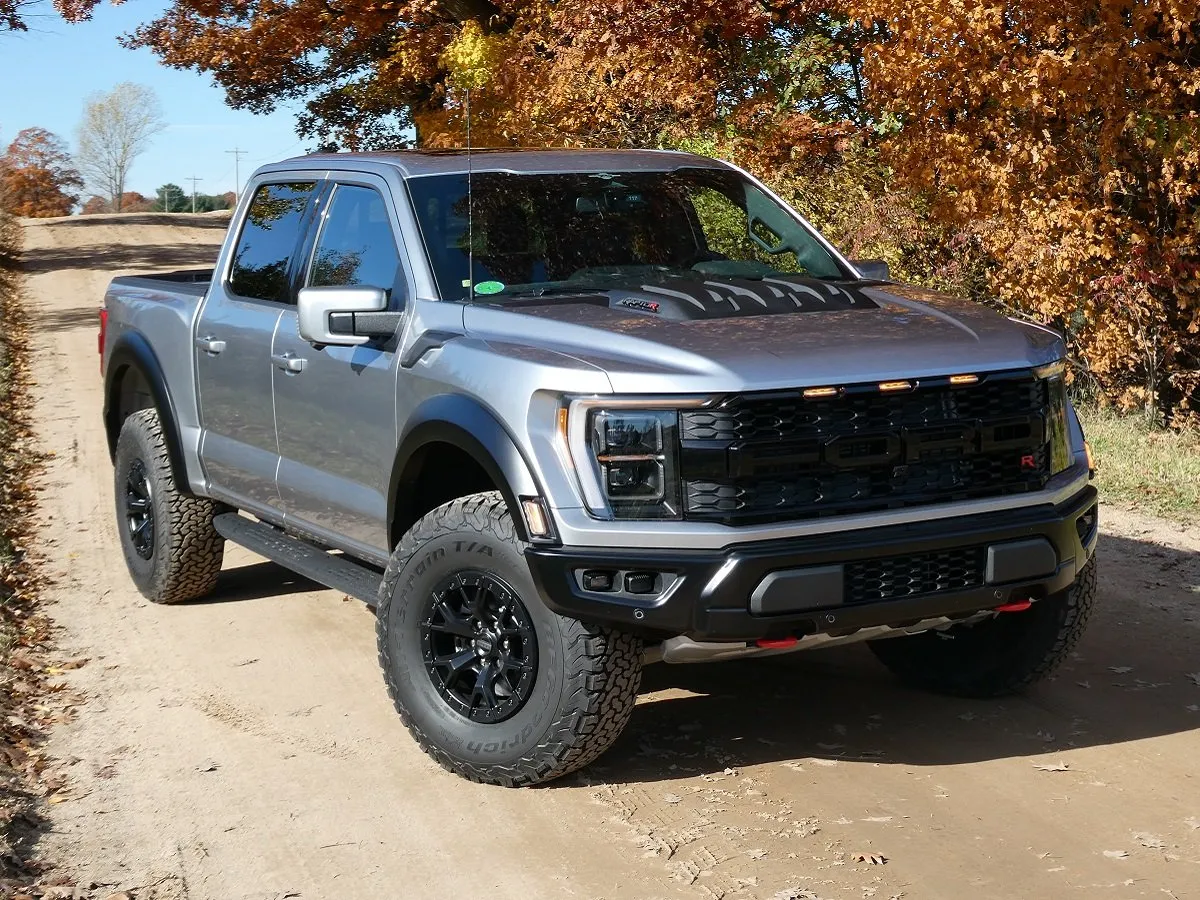
1) Ford F-150 (Full-Size Pickup)
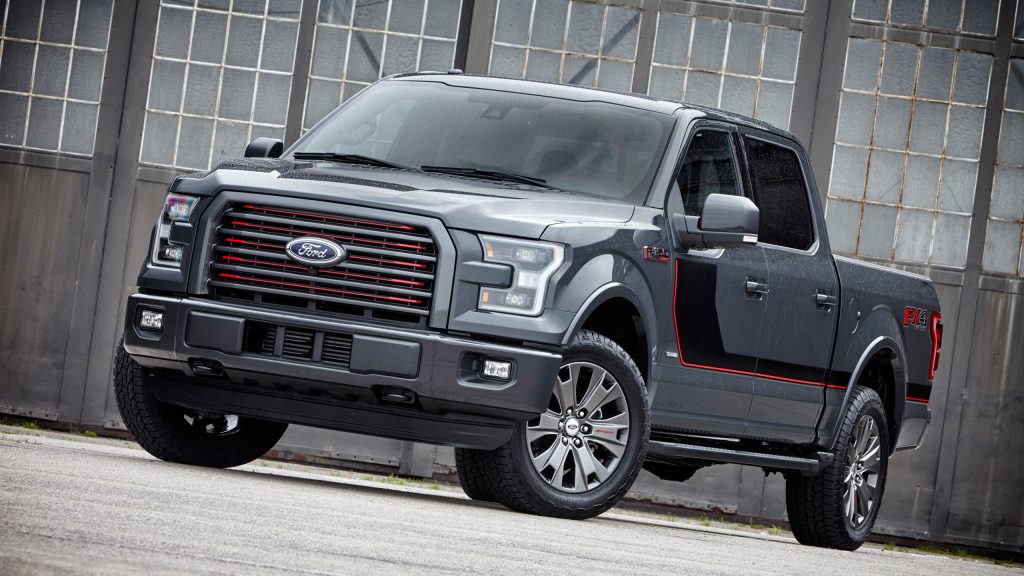
Ford F-150 doesn’t suit city professionals because it turns everyday city driving into extra work. The biggest issue is size. In professional city zones downtown garages, office parking structures, tight business districts space is limited.
A full-size pickup demands more space than the environment provides. Parking becomes a planning activity rather than a quick routine. You avoid certain garages, you hesitate near narrow ramps, and you spend more time adjusting into spots. That adds friction to a schedule that’s already busy.
The F-150 also creates stress through width. In tight lanes or crowded streets, it feels like you’re taking up too much room.
City professionals often have multiple stops in a day, and repeated stressful driving is exhausting. What feels powerful and commanding on open roads becomes heavy and awkward in dense areas.
Fuel use is another problem. Houston or LA-style traffic patterns make trucks thirsty, and refueling becomes frequent. For professionals, frequent fuel stops aren’t just expensive they steal time. Each stop means leaving your route, waiting at a station, and rejoining congestion. Over weeks, the time lost becomes noticeable.
The biggest reason the F-150 doesn’t fit is that it’s designed for work utility hauling and towing. Most city professionals don’t use that capacity daily. They carry laptops, bags, maybe small shopping, not construction materials. So you end up paying with fuel and parking stress for capability you rarely use.
I included the F-150 because it represents the classic “wrong city tool” issue. It’s an excellent vehicle in suburban, rural, or job-site life. But in professional city routines, it adds complexity.
It demands more parking effort, more fuel, more attention, and more stress. A city professional vehicle should reduce friction. The F-150 usually increases it.
2) Jeep Wrangler
Jeep Wrangler doesn’t suit city professionals because it is built around lifestyle identity rather than commuting efficiency. Wrangler is a fun and iconic vehicle, but city professional routines are repetitive and time-sensitive.
Wrangler struggles in areas that matter most in professional city life: cabin quietness, fuel economy, smooth commuting comfort, and parking convenience.
The first issue is noise and ride behavior. Wranglers are boxy and built for rugged capability, which means they can be louder at speed and less refined over rough pavement.
In daily commuting, especially after long work hours, that noise becomes fatigue. Professionals often take calls while driving or want a calm quiet cabin. Wrangler doesn’t naturally provide that calm.
Fuel consumption also makes it a poor match. City traffic destroys mpg, and Wrangler tends to burn fuel quickly. This creates frequent refueling stops one of the most annoying time losses for professionals. You don’t just waste money, you waste minutes that add up weekly.
Parking and maneuvering can also be inconvenient. Wrangler’s shape is bulky, and while visibility can be decent, it’s still not as easy to park as a compact or midsize commuter. In dense business districts, easy parking is everything.
Wrangler also sends a certain message. Some professionals love that bold identity, but in corporate environments it can feel less aligned with a polished professional image compared to clean sedans or refined crossovers. This isn’t about judging the vehicle, it’s about fit.
I included Wrangler because it’s a vehicle many people desire, but daily city professional life often makes it tiring. It’s best for weekend adventure and lifestyle use. For professionals who want low-friction commuting, it usually adds more friction than it removes.
3) Dodge Challenger
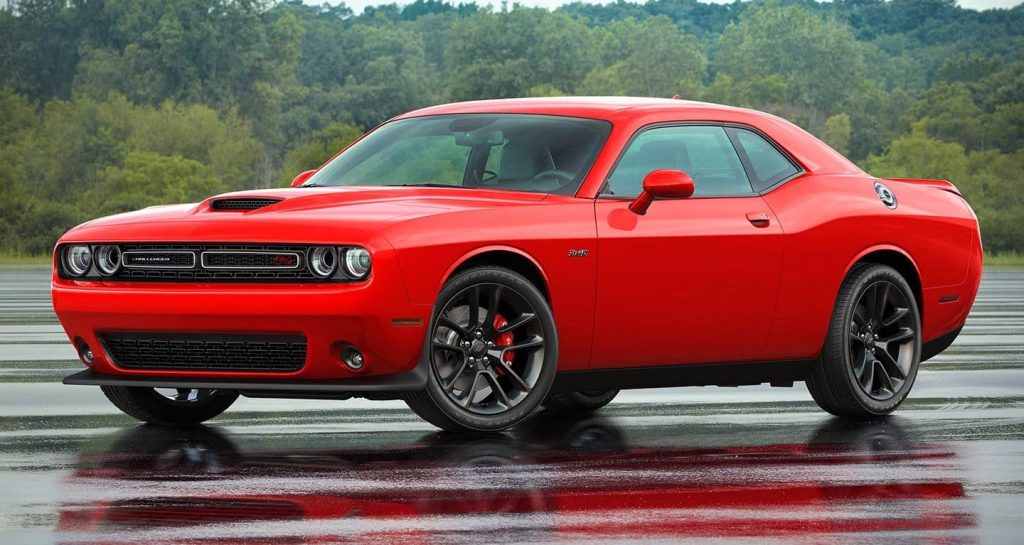
Dodge Challenger doesn’t suit city professionals because it creates the wrong kind of attention and the wrong kind of daily inconvenience. It is large, wide, and designed around style and power rather than city practicality.
Professional city life needs efficiency: easy parking, easy lane placement, good visibility, and low daily stress. Challenger struggles with many of these.
The most immediate issue is footprint. Challenger is long and wide, which makes parking harder in tight garages and street spots. In busy business districts, that adds time and frustration. Professionals don’t want to arrive at meetings already annoyed from parking battles.
Visibility is another problem. Challenger’s design includes thick pillars and a low sporty stance, which can reduce confidence in tight urban movement. City professionals often drive in crowded areas with pedestrians and cyclists. A car that requires extra caution adds mental load.
Fuel consumption also hurts professional routine. Performance-oriented engines burn more fuel in traffic, and the result is frequent refueling. Each refuel is an interruption, which professionals want to avoid.
Challenger also doesn’t adapt well to practical daily needs. Cargo access isn’t as flexible as hatchbacks or crossovers, and rear passenger space is not ideal for regular adult use. If routine changes client pickup, coworker rides, and unexpected errands, the car becomes limiting.
I included Challenger because it’s a vehicle that feels cool, but city professional ownership is about function. Challenger can feel like choosing emotion over practicality, and city routines punish that choice daily.
It adds parking stress, fuel cost, and usability limits. For a professional lifestyle, it’s often more burden than benefit.
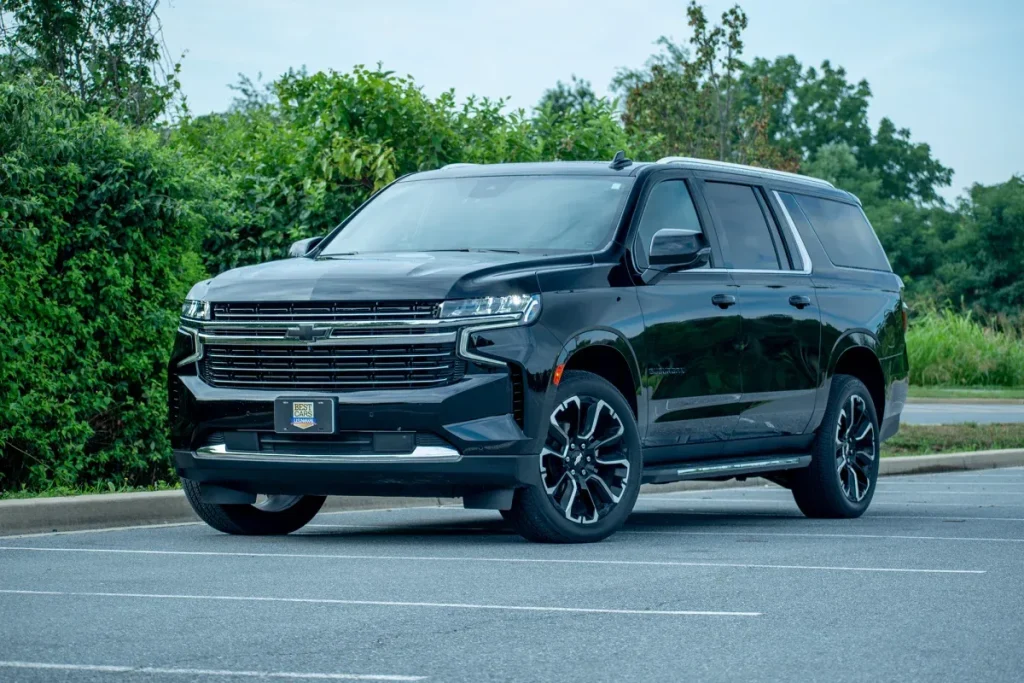
4) Chevrolet Suburban
Chevrolet Suburban doesn’t suit city professionals because it is too much vehicle for most professional routines. It offers massive space, but city professionals rarely need that much space daily. And in return, the Suburban charges you in the two most painful currencies in city life: space and fuel.
Parking is the number one problem. Suburban is long. In downtown areas, many garages are narrow with tight turns. Street parking is even more difficult. A Suburban makes every parking stop a decision-making moment. Professionals often do multiple stops in a day office, lunch, meetings, errands. Doing parking battles repeatedly becomes exhausting.
Fuel costs are another issue. Suburban burns fuel heavily in traffic, and city commuting is often traffic-heavy. That leads to frequent pump visits, which steal time. It also increases the cost per mile in a way that feels unnecessary when most trips involve only one person and a laptop bag.
The Suburban also increases mental load in traffic. Its size demands caution in lane changes, tight turns, and crowded streets. Even confident drivers feel the burden because the margin for error is smaller.
I included Suburban because it symbolizes the “space overkill” problem. It’s fantastic for big families, road trips, or heavy transport duties.
But city professional routines rarely require this much capacity. For professionals, the Suburban often becomes a stressful, inefficient tool too large to be convenient, too thirsty to be cost-friendly, and too demanding to be relaxing.
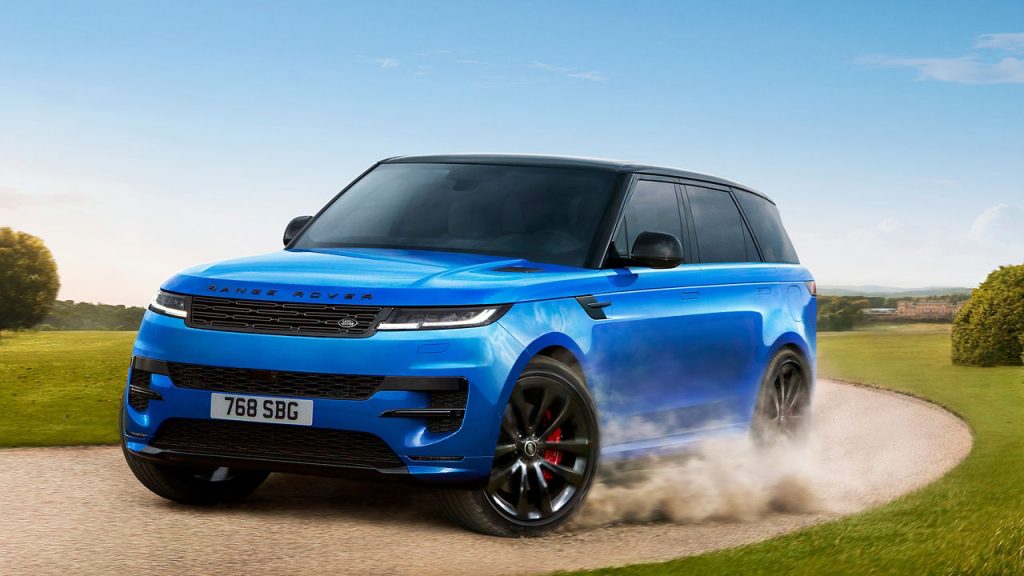
5) Range Rover Sport
Range Rover Sport doesn’t suit city professionals because it combines complexity, high running costs, and stress-heavy ownership patterns.
Yes, it looks premium and fits business districts in terms of status. But professional life isn’t only about image. It’s about time. Vehicles that demand constant attention reduce productivity.
Fuel economy is one issue. The Range Rover Sport is heavy and powerful, and in city traffic it burns fuel quickly. More fuel burn means more pump visits, which steals time. In professional routines, time is more valuable than horsepower.
Maintenance and repair complexity is another issue. City professionals often cannot afford repeated workshop visits. Luxury SUVs with complex electronics can develop warning lights and small issues that require specialized service. Even when the problem is minor, the time cost of diagnosing and servicing becomes frustrating.
Cosmetic stress also plays a role. In cities, scratches and dings happen. On a Range Rover Sport, these feel expensive. That turns the owner into a cautious driver who avoids tight parking and crowded areas. But city professionals can’t always avoid those areas. That mismatch creates daily anxiety.
Range Rover Sport
I included Range Rover Sport because it represents the “premium stress” category. It offers luxury and presence, but daily city routines can make it feel like a high-maintenance responsibility.
City professionals need vehicles that feel supportive and low-drama. The Range Rover Sport often feels like a vehicle you plan around, rather than a vehicle that supports your routine.
City professionals need vehicles that protect time, reduce stress, and stay polished in dense urban routines. Their driving is not only commuting it is commuting plus meetings, parking near offices, quick errands, late-night returns, and unpredictable schedule shifts.
That is why the best vehicles for city professionals tend to be smooth in stop-and-go traffic, easy to park, efficient enough to avoid frequent fuel stops, and reliable enough to prevent surprise downtime. They also need a clean, modern image that fits business districts without appearing overly aggressive or impractical.
The “good fit” list reflects these needs clearly. Toyota Camry Hybrid works because it stays calm and efficient in traffic while offering low ownership drama and fewer fuel station interruptions.
Honda Accord adds a professional, balanced image with strong comfort for long commutes and predictable maintenance. Lexus ES focuses on premium quietness and ride comfort, helping professionals arrive less fatigued while still keeping reliability stronger than many luxury rivals.
Tesla Model 3 stands out because home charging removes gas station time entirely, and EV smoothness makes heavy traffic less exhausting, while also projecting a modern professional identity.
Mazda3 Hatchback offers a compact footprint for parking, an upscale interior feel, and flexible cargo space for daily work items like laptops, gym bags, or shopping, making it a smart “compact professional” option.
The “doesn’t suit” list highlights vehicles that add friction. Ford F-150 wastes time through size-related parking difficulty, heavy maneuvering demands, and frequent refuelling a capability you rarely need daily if your life is mostly office-based.
The Jeep Wrangler is fun but brings commuting fatigue through noise, roughness, and weak efficiency in city traffic, plus frequent fuel stops. Dodge Challenger struggles because it is wide, harder to park, less visibility-friendly, and more expensive to run in stop-and-go conditions, while also offering limited rear-seat practicality when routines change.
The Chevrolet Suburban is simply too large for most urban professional needs, turning parking and lane management into daily stress while consuming fuel heavily.
The Range Rover Sport may look premium, but it becomes time-consuming through high fuel use, complex servicing needs, and ownership anxiety in cities where scratches and dings are common.
Overall, city professionals benefit most from vehicles that behave like efficient tools: comfortable, easy, predictable, and time-saving.
Mark Jacob covers the business, strategy, and innovation driving the auto industry forward. At Dax Street, he dives into market trends, brand moves, and the future of mobility with a sharp analytical edge. From EV rollouts to legacy automaker pivots, Mark breaks down complex shifts in a way that’s accessible and insightful.