
Short daily trips look easy, but they’re quietly one of the hardest driving patterns for a car. Lots of cold starts, short warm-up cycles, stop-and-go traffic, quick parking, and long idle periods add up in ways many people don’t notice.
Some enginesve drivetrains never get to operating temperature, batteries don’t fully recharge, and fluids don’t circulate long enough to burn off condensation.
Meanwhile, long drives are the opposite world: consistent speeds, steady engine temperature, relaxed braking, fewer starts, and less strain on small wear components.
That’s why two cars can seem equally “reliable” on paper yet behave very differently depending on the type of driving they do.
This article breaks down both sides honestly. First, we’ll highlight five cars that tolerate short daily trips well vehicles whose engineering choices make them calmer and more forgiving when life is all errands, school runs, office commutes, and city shortcuts.
These cars tend to have stronger battery management, proven low-stress engines, efficient cooling systems, and transmissions that don’t panic in stop-and-go conditions. They also tend to be easy to live with: quick cabin heating or efficient AC, predictable brakes, and low running costs even when you’re not driving far.
Then we’ll shift to five cars that prefer long drives, machines that come alive when they get open road time.
They may still handle short trips, but their true strengths show up on highways: stable ride quality, quiet cabins, big fuel range, effortless overtaking, and drivetrains designed to run smoothly at cruising speeds for hours.
Some of these cars are engineered around comfort and torque delivery rather than constant start-stop use.
The goal isn’t to shame any car or glorify one style of driving. It’s to match real-world usage to the kind of car that stays happier, lasts longer, and costs less to maintain.
When you choose the right fit, the car feels easier every dayan d you avoid the “why is this car always irritated?” problem later.
Also Read: 5 Vehicles That Suit City Professionals vs 5 That Don’t
5 Cars That Tolerate Short Daily Trips
Short trips can be brutal: incomplete warm-ups, frequent restarts, condensation in the exhaust, transmission heat cycles, and battery load from electronics. The cars in this section tolerate that lifestyle better than most.
The modern world is built on short trips. A quick run for groceries. A five-minute school drop. A ten-minute commute that sounds harmless but happens twice a day, five days a week, for years. And while most people associate mechanical wear with long highway travel, the truth is that many cars suffer more during short daily use.
The engine spends its life cold. Fluids don’t reach their ideal temperature. The battery keeps working hard without enough sustained driving to recharge properly. Moisture that would normally burn off in the exhaust system stays trapped longer.
Even oil can build up condensation, especially in cooler or humid climates, which can accelerate internal wear if the car is never given proper operating time.
That’s why this first section focuses on cars that tolerate short trips vehicles designed in ways that don’t punish the driver for living in city reality.
These are cars with engines known for durability under frequent starts, reliable automatic or hybrid systems that handle stop-and-go without stress, and electrical systems that don’t behave dramatically when the driving pattern is mostly errands.
Many of them have simple, proven designs: naturally aspirated engines, hybrid setups that reduce engine strain, or transmissions that remain predictable even when they’re constantly shifting in traffic.
1) Toyota Corolla Hybrid
Toyota’s Corolla Hybrid is one of the best examples of a car that doesn’t mind short daily trips, and the reason isn’t luck it’s design. Short trips create stress mostly through cold starts and stop-and-go strain, but a hybrid system reduces both.
The Corolla Hybrid can move at low speeds on electric power and can cycle its engine more efficiently than a conventional car. That means fewer harsh cold-start moments and less time with the engine running inefficiently just to crawl through traffic.
I’m writing about this car because it fits the exact lifestyle many people live: a small set of errands, dense city driving, and minimal long-distance travel. In that environment, the Corolla Hybrid’s braking system is also a big win.
Regenerative braking reduces use of brake pads in stop-and-go conditions, which often lowers maintenance costs over time.
The hybrid battery system is engineered for daily cycling and doesn’t require the driver to do anything special. You don’t have to “drive it hard” to keep it healthy, and you’re not punished if you don’t hit the highway.
Another reason it tolerates short trips well is temperature management. Toyota hybrid systems are known for stable cooling and consistent operation even when the car is turned off and restarted frequently.
The engine itself is not a high-strung unit it’s tuned for efficiency and long life, not performance thrills. That reduces heat stress and keeps long-term wear predictable.
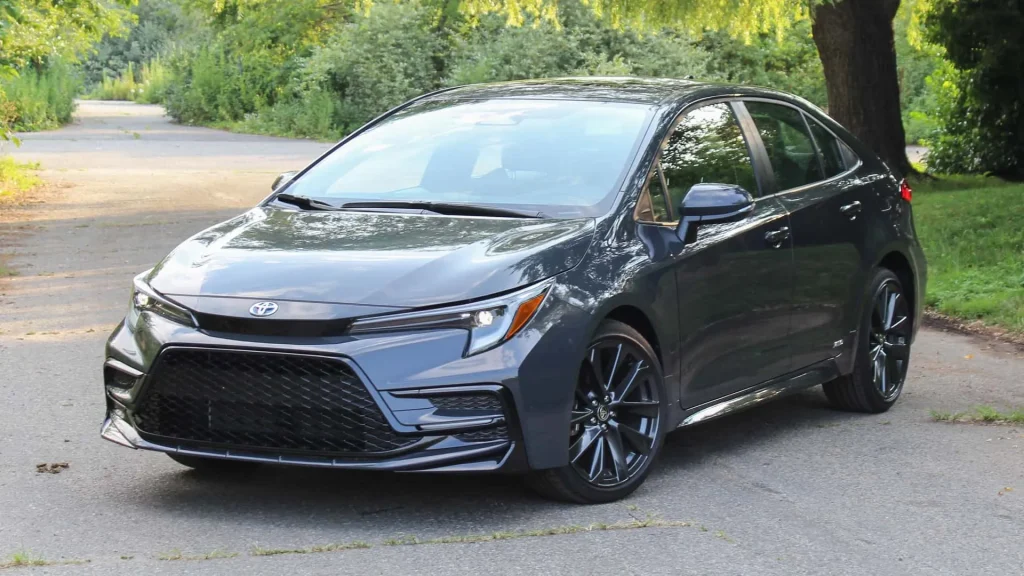
Inside, it’s also a car that feels comfortable in short bursts: quick AC response, easy maneuvering, and a calm driving feel. In a world where many cars are optimized for speed or road trips, the Corolla Hybrid feels engineered for daily life.
If your car’s job is to be dependable and cheap-to-run even on short drives, this one stays near the top of the list.
2) Honda Fit
The Honda Fit is small, simple, and incredibly tolerant of real-world city driving. Short trips don’t just strain the engine they also strain the driver, because tight parking, constant stops, and limited time amplify every inconvenience.
The Fit handles that lifestyle beautifully. Its compact size makes it easy to park and maneuver, and its drivetrain is famously durable for stop-and-go use when maintained properly.
I’m writing about the Fit because it’s one of those rare cars that behaves like it was designed for errands. Many cars can do short trips, but not all of them handle the constant daily rhythm without annoying the owner.
The Fit is light, efficient, and doesn’t need much effort to keep moving. That matters, because frequent short commutes can highlight flaws rough shifting, sluggish low-speed response, or inefficient fuel burn. The Fit avoids most of that.
Its naturally aspirated engine design plays a big role here. Short trips tend to be harder on turbocharged engines because boost-related heat, oil stress, and extra complexity can become expensive over time.
The Fit’s simpler engine setup generally means fewer failure points and more predictable running behavior when the car is started and stopped repeatedly.
Another key reason the Fit tolerates short trips is how well it integrates with urban life: visibility is excellent, controls feel straightforward, and the cabin layout makes daily use easy. It also tends to have a surprisingly spacious interior for its size, which matters when those short trips include bags, boxes, or school items.
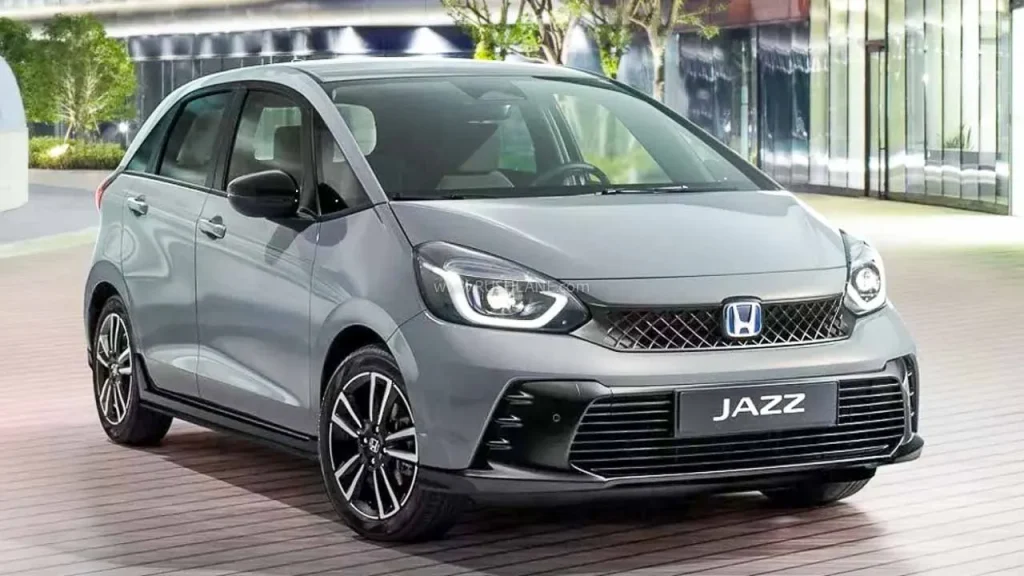
The Fit is the kind of vehicle that keeps ownership simple. Short-trip driving often creates a “maintenance burden” if the car is finicky. The Fit doesn’t act finicky. It just does its job. That’s why it belongs in this list.
3) Toyota Prius
The Prius practically built its reputation on commuting, errands, and stop-start city driving. If there’s one vehicle that doesn’t fear short daily trips, it’s this one. I’m writing about the Prius because it’s not merely “good on fuel” it’s engineered to reduce the exact forms of wear that short-trip driving increases.
In a conventional car, the engine must start every time you move, even if you’re only going one mile. In the Prius, the electric motor does a lot of the early movement work.
That means fewer cold-start stress moments, smoother low-speed operation, and less fuel wasted just to roll through a neighborhood. This matters because cold-start wear is one of the hidden killers of long-term reliability, especially for people who drive short distances repeatedly.
Another big advantage is the Prius’s braking behavior. Stop-and-go traffic destroys brake pads in many vehicles.
Prius regenerative braking reduces friction braking in normal city conditions, often leading to unusually long brake life. That’s not a small thing. It translates into fewer repairs and a more predictable ownership experience.
The Prius also handles short trips well because it’s not a high-performance car pretending to be practical. Its entire identity is calm efficiency.
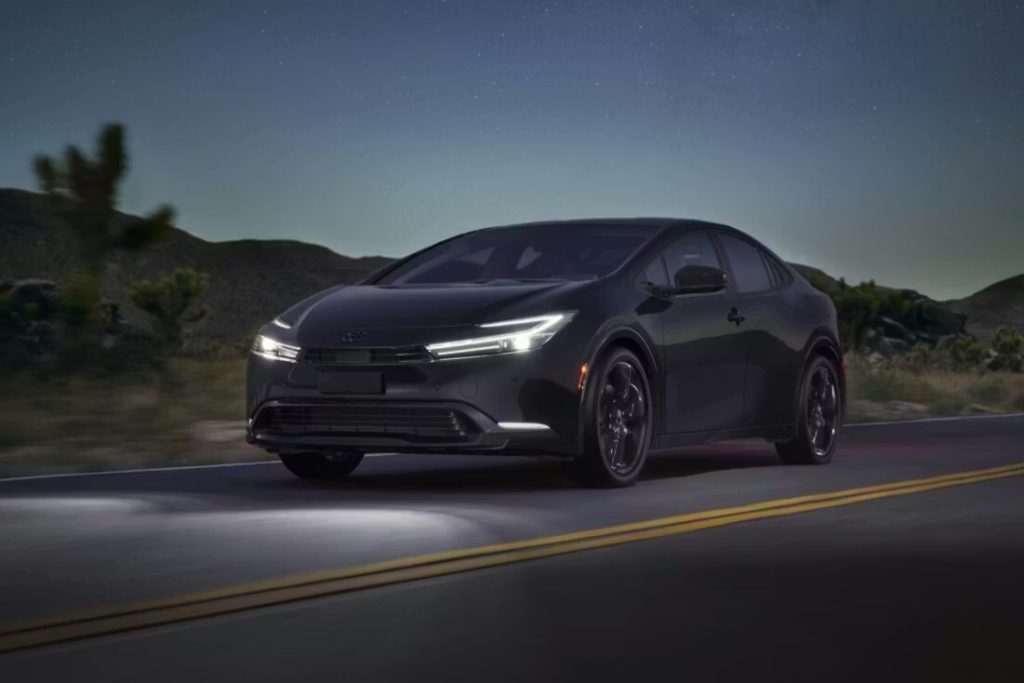
Engine tuning, battery management, and power delivery are all optimized for the kind of driving that includes traffic lights, parking lots, and slow-moving roads.
There’s no sense of “this car needs to stretch its legs.” It’s content operating in the small ranges of speed and temperature that short trips demand.
On top of that, the Prius has decades of reputation behind it. People choose it because they want a car that works every day without drama. If your lifestyle is mostly short trips, this car doesn’t merely survive it thrives.
4) Mazda3 (Naturally Aspirated)
The Mazda3 deserves a spot here specifically in its naturally aspirated form, because this is a car that balances driving enjoyment with real-world toughness.
Short trips often expose weakness in cars that are too complex, overly turbocharged, or tuned in a way that makes them sluggish and inefficient in stop-and-go traffic. The Mazda3 avoids much of that and remains satisfying without demanding long highway runs to feel healthy.
I’m writing about this car because many people want something that feels premium and engaging but still tolerates city commuting. The Mazda3’s naturally aspirated engine helps here.
Turbo engines can be excellent, but for constant short trips, a simpler engine often means fewer heat-related stresses and fewer complicated long-term repair risks. The Mazda3 NA powertrain tends to feel smooth at low speeds and doesn’t require boost to feel responsive.
Mazda’s tuning also matters. The transmission behavior is generally predictable, and that predictability makes short-trip driving easier.
You’re not fighting the car. You’re not dealing with weird lag or awkward shifting when you’re only driving a few miles. That lowers stress not only on the drivetrain but on the person behind the wheel.
The Mazda3 also warms up reasonably quickly and is efficient enough in city use to remain practical. It isn’t the cheapest car on this list to own, but it delivers value by feeling well-built and staying consistent.
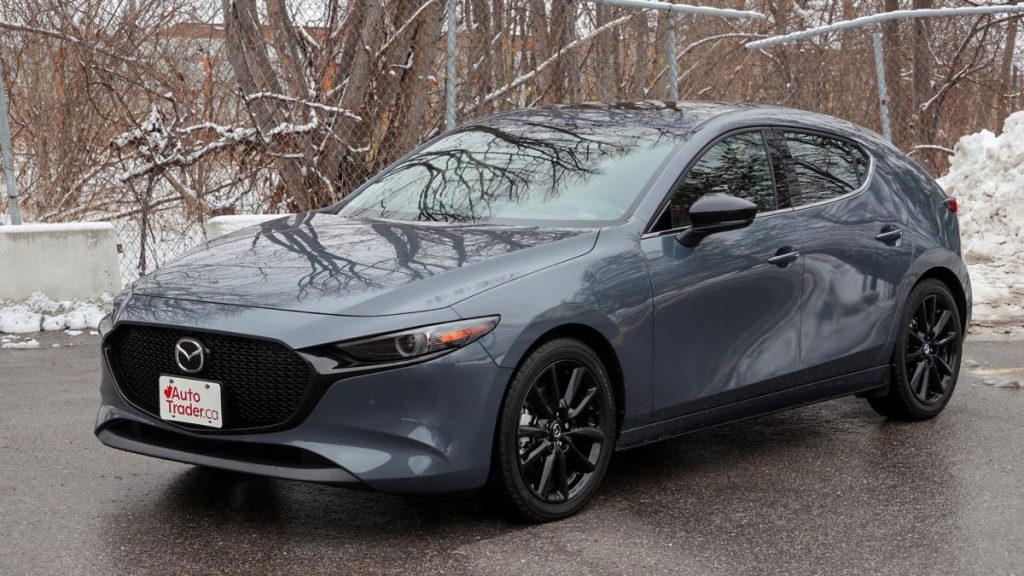
Short trips are when rattles, weak suspensions, and cheap interiors reveal themselves. Mazda tends to build cabins that hold up well, which matters when you’re in and out of the car constantly.
If you want something that tolerates short daily driving while still feeling like a “driver’s car,” the Mazda3 naturally aspirated version fits the job better than most.
5) Subaru Impreza
The Subaru Impreza earns its spot because short daily trips often happen in messy conditions rain, uneven roads, potholes, unpredictable traffic, and quick runs where you don’t want to think too much.
The Impreza is built for that kind of everyday endurance, and its AWD system adds confidence for drivers who deal with weather or poor road surfaces regularly.
I’m writing about the Impreza because it’s a practical daily driver that tolerates repeated short use without feeling delicate.
While some cars feel like they’re always complaining in city driving harsh ride, awkward low-speed response, or constant traction issues the Impreza feels steady and planted. That stability reduces micro-stress on the driver, which is an underrated factor in daily ownership.
Short trips also mean frequent parking and tight manoeuvring. The Impreza’s size and visibility make it manageable, not intimidating. It’s not as small as a Fit, but it still feels easy in normal urban settings.
The engineering philosophy matters too. Subaru tends to focus on durability and steady performance rather than maximum efficiency or extreme performance tuning.
That often translates to a car that behaves consistently across different driving patterns. For someone doing lots of short trips, consistency is gold. You don’t want weird hiccups, sudden transmission confusion, or electronics acting sensitive.
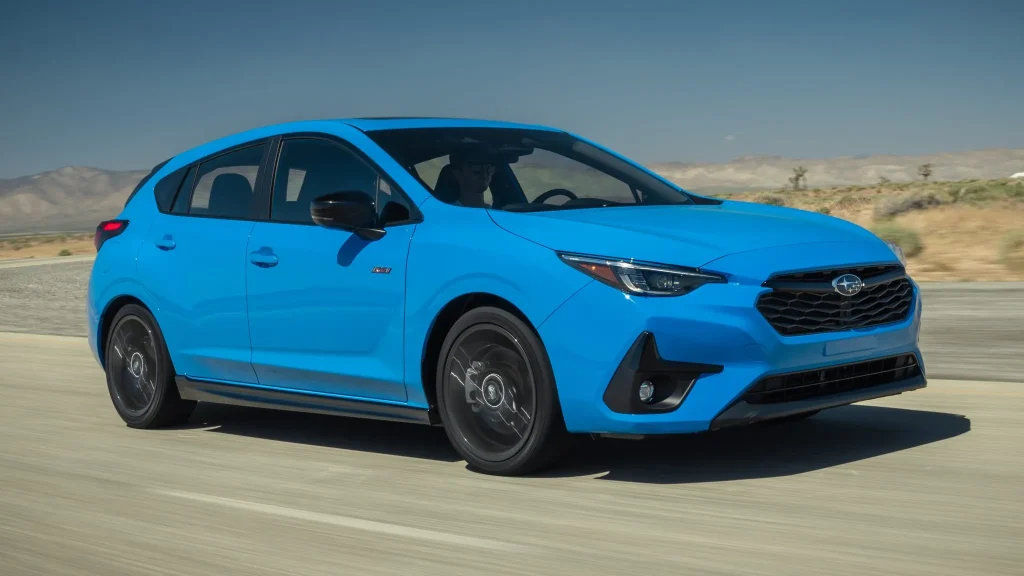
It’s also a good match for drivers who can’t guarantee long weekly drives. Some vehicles feel like they need highway time to stay “happy.” The Impreza doesn’t. It’s built for daily life and frequent use.
5 Cars That Prefer Long Drives
Some cars can survive short daily trips, but they never feel truly “in their element” until they get open road time. Long drives allow the drivetrain to settle into a steady rhythm consistent temperatures, smoother airflow through cooling systems, predictable transmission behavior, and fewer harsh stop-start cycles.
It’s the environment where comfort tuning, cabin insulation, suspension geometry, and highway fuel efficiency actually matter.
Long drives reveal the real personality of a car. A vehicle that feels average around town can become brilliant once the road opens up, because highway driving rewards stability, smooth power delivery, and consistency.
Unlike short trips where cold starts, constant stops, and quick idling can create wear and inefficiency, long drives let a car operate in its healthiest zone. The engine reaches ideal temperature and stays there.
1) Honda Accord
The Honda Accord is one of the most natural long-distance cars in the mainstream market because it feels engineered around effortless cruising. Around town it’s fine, but on the highway it becomes clear why people keep coming back to it.
I’m writing about the Accord because it represents the kind of car that makes you forget the distance you’ve traveled stable, quiet, and relaxed at speed.
A big reason the Accord prefers long drives is how composed it feels at highway pace. The steering doesn’t feel twitchy, and the suspension doesn’t get unsettled by small bumps or uneven pavement. That calmness matters more the longer you drive.
A car that feels “a little busy” for 15 minutes can become exhausting for three hours. The Accord avoids that. It feels like it has a longer wheelbase attitude: straight-line stability and controlled body movement.
Its power delivery is also suited to long runs. Whether you’re climbing a gentle hill or passing slower traffic, the Accord generally doesn’t demand drama. It builds speed smoothly, which makes highway driving feel less stressful. Long drives are not about being fast they’re about being effortless. The Accord does effortless better than many.
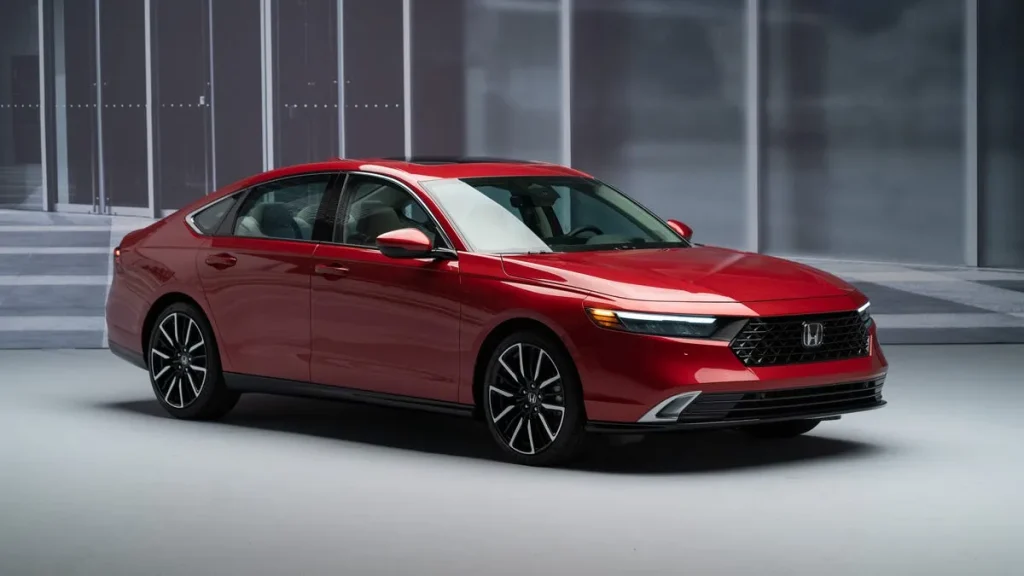
Cabin comfort plays a major role, too. Seats, visibility, cabin insulation, and audio calmness all shape how you feel after a distance. The Accord tends to offer a “quiet confidence” that reduces fatigue. You’re not constantly raising your voice to talk, and you’re not fighting wind noise. That matters.
This is the kind of car you choose when you want long drives to feel normal. It doesn’t act like it’s tolerating the highway it behaves like it was built for it.
2) Toyota Camry
The Toyota Camry is a long-drive specialist in a quiet, practical way. It doesn’t need to prove anything; it just delivers consistent comfort and reliability over distance. I’m writing about the Camry because it represents one of the best “set it and forget it” road-trip experiences in a non-luxury car.
The Camry prefers long drives because it’s at its smoothest once speeds stabilize. On the highway, it becomes less about stop-start fuel economy and more about steady cruising.
The suspension feels composed, and the cabin tends to stay calm even when road conditions change. For many drivers, that consistency is the difference between arriving relaxed or arriving drained.
Another reason it fits long-distance life is that the Camry’s powertrain isn’t trying to be exciting it’s trying to be durable and predictable. That approach is perfect for long trips. The car doesn’t feel like it’s constantly shifting personalities.
It doesn’t get overly loud when you need speed, and it doesn’t feel strained during long uphill highway stretches. Even small behaviors like cruise stability and gentle throttle response become valuable when you’re on the road for hours.
Long drives also test ergonomics. A car can be comfortable for 20 minutes and annoying for 200. The Camry tends to have a layout that stays comfortable over time: stable seating position, simple usability, and a cabin vibe that feels less “busy.” That reduces fatigue.
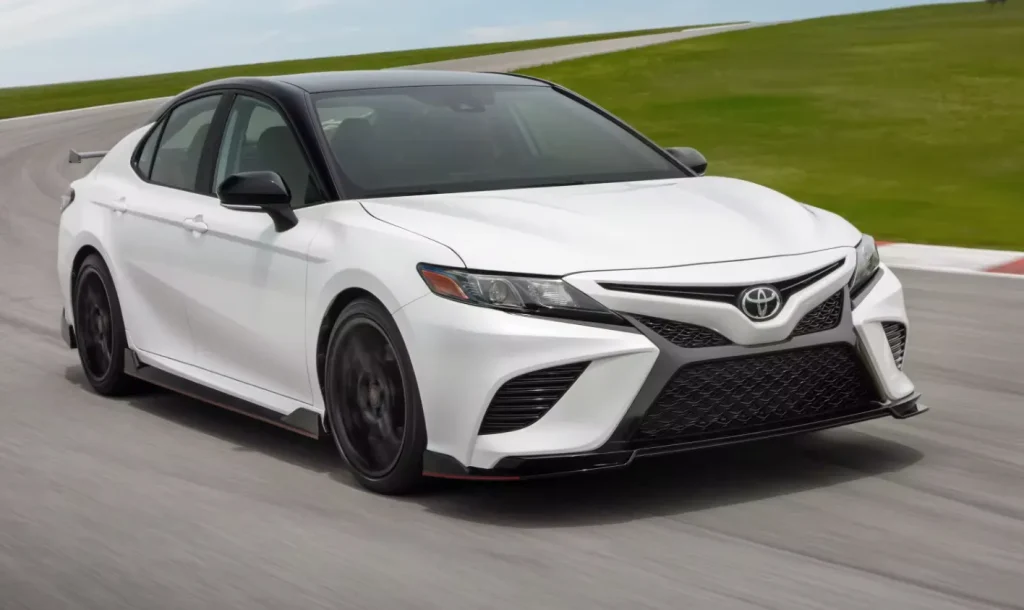
The Camry is not written about as a “fun road trip car,” but it’s absolutely one of the most reliable long-distance companions. It makes long drives feel routine and that’s a compliment.
3) Mazda6
The Mazda6 is one of those cars that feels like it was born to sit on the highway at a steady pace. It’s not just about comfort it’s about balance. I’m writing about the Mazda6 because long drives are where its chassis tuning, steering feel, and cabin character come together in a way that most people only notice after hours on the road.
A long drive rewards a car that feels planted and confident without feeling heavy or dull. The Mazda6 usually gets this right. It tracks straight without requiring constant corrections, and the suspension feels mature. It doesn’t float.
It doesn’t crash harshly. It absorbs real-world highway imperfections while keeping the car composed. This type of tuning becomes addictive on long trips because it reduces that low-level driver stress that builds over distance.
The Mazda6 also prefers long drives because it feels refined at speed. Wind noise and road noise are often what ruin road trips not the engine. The Mazda6 tends to stay quiet enough that you can think, listen to music, or talk without fatigue. That quietness makes distance feel shorter.
Power delivery also matters. The Mazda6 doesn’t need to feel aggressive; it needs to respond smoothly for passing and merging. When a car’s throttle response is predictable, highway driving becomes easier. You don’t feel like you’re negotiating with your vehicle.
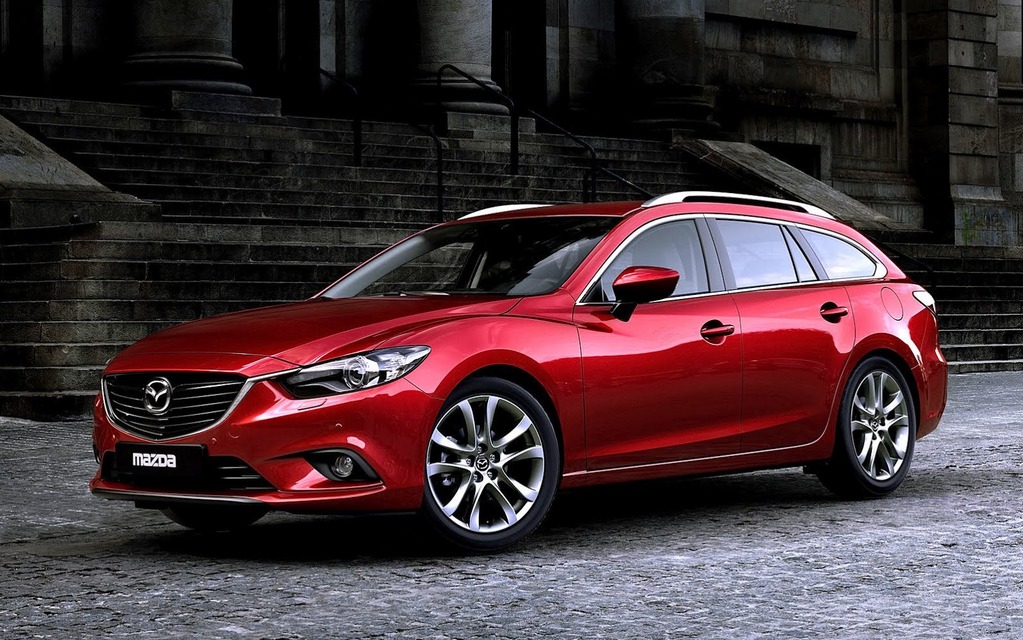
Lastly, the Mazda6 has a “premium without premium pricing” personality. Long drives are when that matters most, because you’re spending long continuous time inside the cabin. If you do frequent highway travel, this car makes the miles feel more enjoyable than you’d expect.
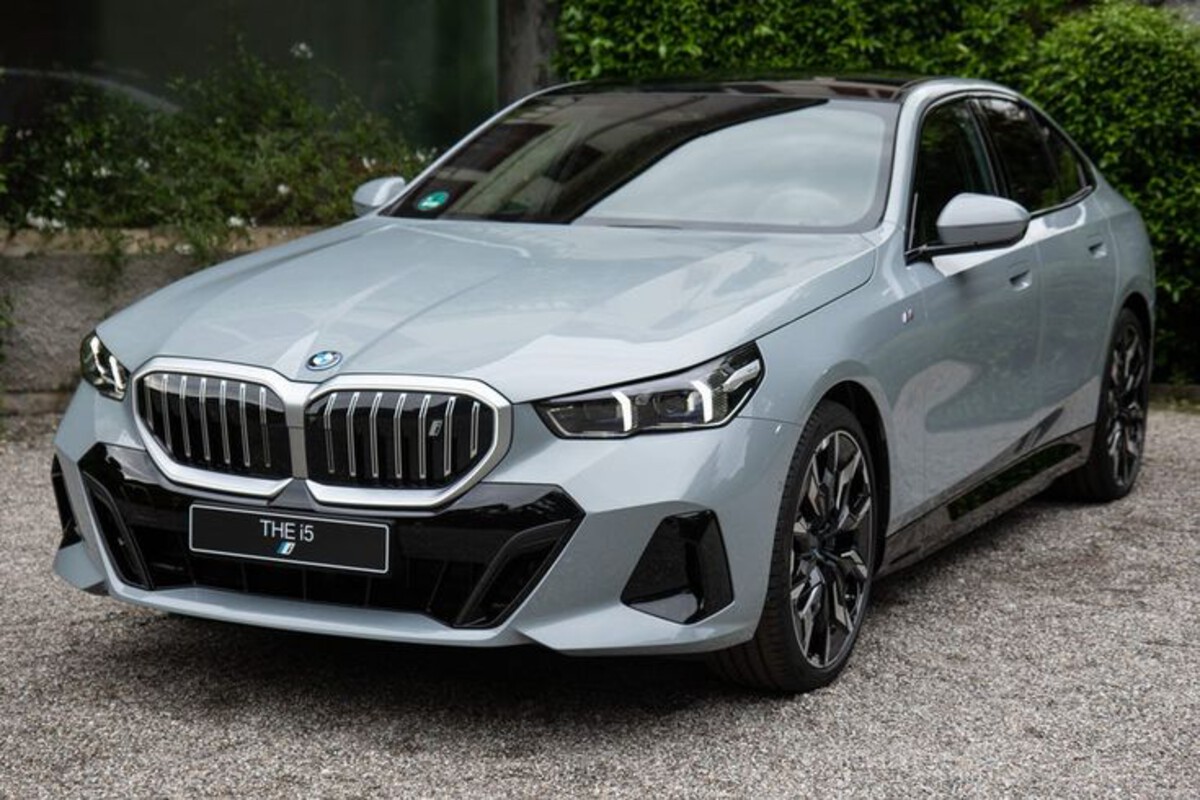
4) BMW 5 Series
The BMW 5 Series is one of those cars that feels like it’s been engineered around long-distance comfort rather than short-trip convenience. It can absolutely handle city driving, but it doesn’t prefer it.
I’m writing about the 5 Series because it represents a category of vehicle that becomes more logical the more highway time you give it smooth, stable, and genuinely relaxing at speed in a way that is difficult to replicate in smaller cars.
A big reason it prefers long drives is how refined it feels once you’re cruising. On the highway, the 5 Series settles into a calm rhythm. Steering becomes steady rather than busy. Road noise fades into the background. Wind noise stays controlled.
The cabin feels like it’s isolating you from chaos rather than exposing you to it. That isolation matters on long journeys because it reduces mental fatigue. After a few hours, what you want most isn’t excitement it’s effortlessness.
The powertrain behavior also suits long-distance travel. Whether it’s smooth acceleration for merging or passing at speed, the 5 Series tends to deliver power in a confident, unstrained way.
That matters because a car that feels strained at highway speed makes the driver tense. The BMW’s stability and torque delivery encourage a relaxed posture, which translates directly into how you feel at the end of a trip.
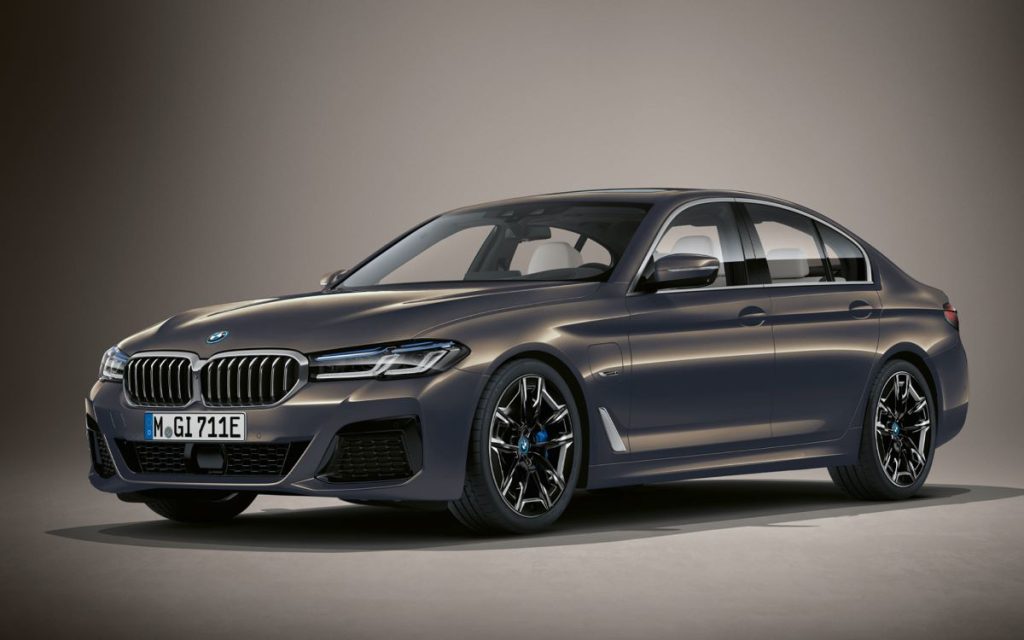
Another reason I’m including it is that long drives highlight chassis quality. High-speed stability, predictable cornering on highway ramps, and overall road manners are where the 5 Series shines. It feels secure without feeling heavy, and it keeps the driver confident even when road conditions aren’t perfect.
In short, the BMW 5 Series isn’t just a “nice car.” It’s a car that rewards distance. The longer you drive it, the more sense it makes.
5) Lexus ES
If there’s a car that quietly lives for long drives, it’s the Lexus ES. It isn’t trying to impress you with aggressive styling or sharp handling. Its mission is comfort, smoothness, and calm and that mission becomes most valuable when you’re driving for hours.
I’m writing about the Lexus ES because it embodies the long-distance lifestyle better than many vehicles that claim to be road-trip ready.
The ES prefers long drives because of its isolation. The suspension tuning is built to absorb road imperfections without sending harshness into the cabin.
Over time, that adds up. A slightly harsh ride feels tolerable for 15 minutes but becomes annoying for three hours. The ES doesn’t behave that way. It stays soft, stable, and settled, making distance feel less demanding.
The cabin is another major reason. Long drives test comfort more than anything: seating, noise levels, and overall relaxation.
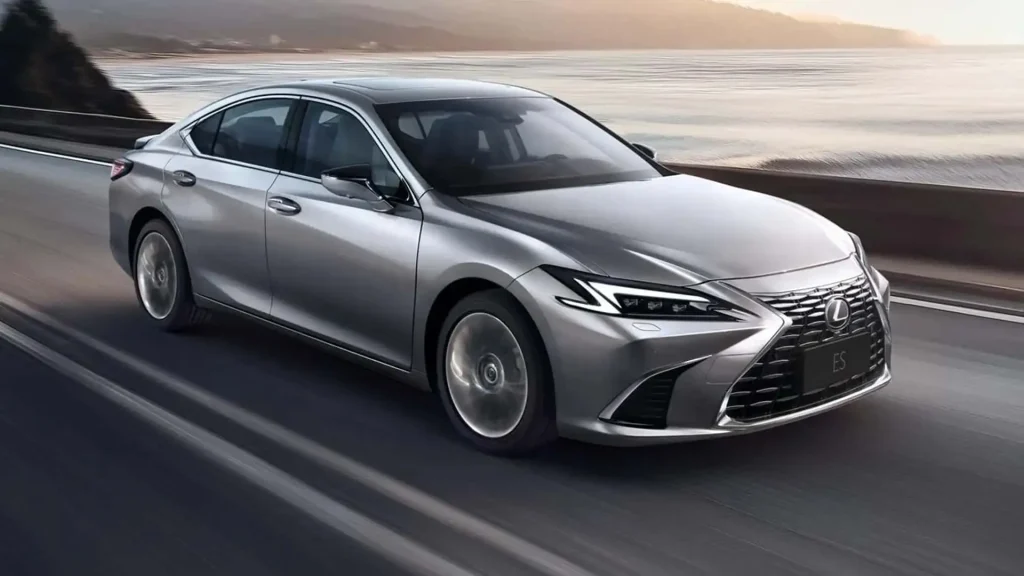
The Lexus ES is typically quiet enough that your brain doesn’t feel “on alert” the whole time. You’re not constantly processing noise and vibration. That calm atmosphere reduces fatigue, and fatigue is the hidden enemy of long-distance driving.
The drivetrain also plays into this. The ES is built for smooth acceleration rather than sudden drama. That keeps highway driving easy.
It merges cleanly, cruises comfortably, and rarely makes the driver feel like the car is working hard. When a car feels effortless at speed, your stress level drops and you arrive fresher.
Most importantly, the ES makes long trips feel like the normal use case. It doesn’t merely tolerate highways; it turns them into a comfort zone. If road trips are frequent in your life, the Lexus ES is one of the most satisfying companions you can choose.
Also Read: 5 Vehicles That Make Sense for Houston Suburbs vs 5 That Feel Overworked
