
Downtown driving is the most unforgiving daily test a car can face. It’s not about top speed, long-distance comfort, or dramatic performance numbers. It’s about handling narrow lanes, rough patches of pavement, tight turns, sudden stops, and unpredictable movement from pedestrians, scooters, and delivery vehicles.
In this environment, the best cars don’t feel “special” in a flashy way. They feel balanced. Balanced means everything works together smoothly: steering that responds without feeling heavy, acceleration that feels immediate without being jumpy, brakes that stop confidently without sudden harshness, and suspension that absorbs bumps without feeling floaty.
A balanced downtown car becomes an extension of the driver. It fits into small gaps without stress, parks easily, and moves through stop-and-go traffic smoothly. It gives confidence without demanding constant attention.
That’s the kind of car that makes city life easier, not louder, not more tiring. Comfort and control matter more downtown than raw horsepower. Even a powerful car can feel unpleasant if it behaves awkwardly at low speeds or struggles to handle tight spaces.
On the other side are cars that feel awkward downtown. Awkward doesn’t always mean the car is bad overall. In many cases, these cars are excellent on highways or open roads. But downtown conditions expose their weak points.
Some are too large or too wide, making them difficult to place in narrow lanes. Some have poor visibility, so drivers feel uncertain around cyclists and pedestrians. Some have stiff suspension that makes potholes feel brutal. Others have drivetrains that are jerky at low speeds, making stop-and-go traffic frustrating.
This article compares two groups: five cars that feel balanced downtown and five that feel awkward in the same environment.
The goal is practical. If most of your driving happens in city streets, this helps you choose a car that fits the downtown rhythm instead of fighting against it.
Also Read: 5 Vehicles That Handle Washington DC Parking Rules vs 5 That Don’t
5 Cars That Feel Balanced Downtown
A downtown-friendly car is not necessarily the smallest one, and it’s not always the most expensive either. The real deciding factor is balance. In city driving, balance means the vehicle feels predictable, smooth, and easy to control in tight conditions.
A balanced car doesn’t surprise you with sudden throttle response or delayed braking. It doesn’t feel heavy or slow in narrow streets. It doesn’t force you to fight the steering wheel when parking. Instead, it feels calm and cooperative, which is exactly what downtown driving demands.
Downtown streets are full of constant changes. One moment you’re crawling behind a bus, the next you’re trying to merge around a double-parked delivery van. Then you’re stopping instantly because a pedestrian stepped out unexpectedly.
In these situations, balanced cars provide a stable foundation. Their steering stays light but accurate. Their brakes feel consistent.
Their suspension is tuned to handle potholes, uneven patches, and speed breakers without sending sharp impacts into the cabin. Their transmissions shift smoothly, making stop-and-go movement feel natural rather than jerky.
I’m writing about these five cars because they represent the kind of downtown balance that makes daily life easier. These are cars that feel “right-sized” for the city. They are manageable, refined, and designed in a way that supports the driver rather than stressing them out.
This matters because city driving is already mentally demanding. A poorly matched vehicle adds extra stress every single day.
The cars in this list help reduce that stress. They are easier to place in traffic, easier to park, and smoother at low speeds. They feel stable on rough pavement but still agile around corners.
Most importantly, they maintain comfort and control at the exact speeds where downtown drivers spend most of their time. That is why these models belong in the balanced downtown group.
1. Honda Civic
The Honda Civic feels balanced downtown because it combines responsive movement with everyday calmness. In city traffic, the Civic doesn’t feel lazy or delayed. When the light turns green, it moves forward cleanly without hesitation. That low-speed confidence is one of the key reasons it works so well downtown.
I’m writing about the Civic here because downtown driving requires constant small adjustments. The Civic makes those adjustments easy. Its steering feels light at low speeds, making parking and tight turns less stressful.
But it’s also accurate enough that you feel confident placing the car in narrow lanes. This matters when you’re squeezing past parked cars or navigating around scooters and bikes.
Suspension tuning is another reason the Civic feels balanced. Downtown roads often include broken pavement, random potholes, and uneven patchwork surfaces. A car that is too stiff will feel harsh. A car that is too soft will feel unstable.
The Civic stays in the middle, absorbing bumps without losing control. That balance keeps both driver and passengers comfortable without sacrificing stability.
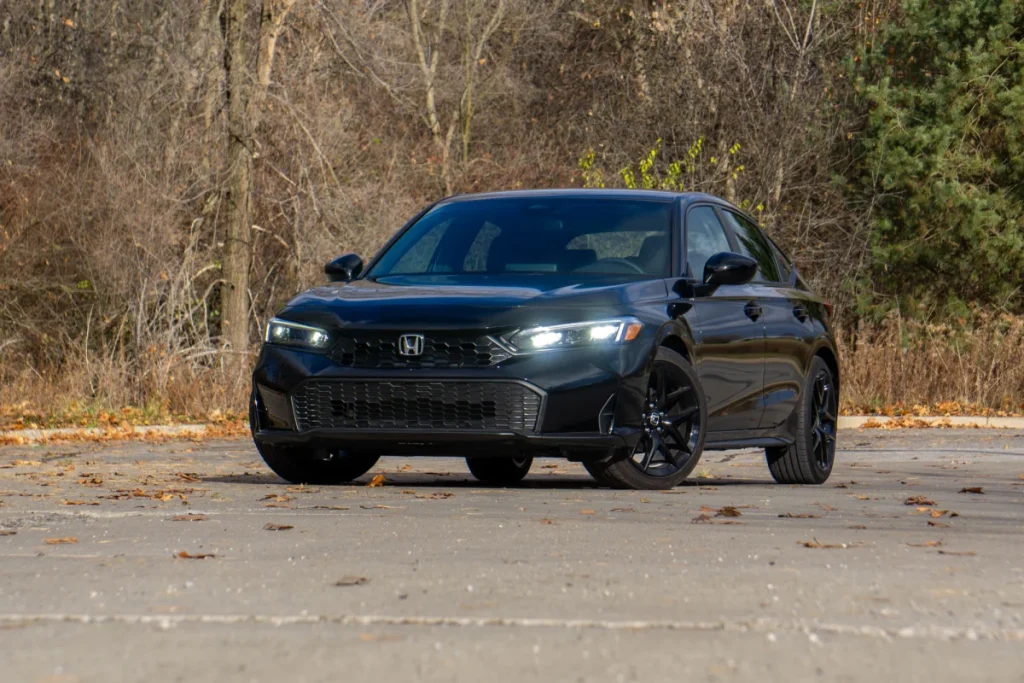
Visibility and cabin layout also help downtown confidence. You get a clear driving position and a sense that the car is easy to judge in tight spaces.
The Civic feels like the kind of car that can handle daily city stress without making the driver feel exhausted. It’s not just practical. It feels naturally suited to the downtown rhythm, and that’s why it belongs at the top of this list.
2. Toyota Corolla
The Toyota Corolla is one of the most naturally balanced downtown cars because it focuses on predictability. In city driving, predictability matters more than excitement. The Corolla accelerates smoothly, brakes gently, and behaves consistently in traffic. It doesn’t demand extra attention, and that makes it ideal for crowded streets.
I’m writing about the Corolla because it shows how quiet competence is a major strength downtown. Many drivers are not looking for thrilling speed in the city. They want a car that feels easy to manage at all times.
The Corolla gives you that. Its steering is light, making low-speed maneuvers easy. Parking feels simple, and the car’s size works well in tight city spaces.
Ride comfort is also a big advantage. The Corolla tends to handle rough patches of road with enough softness that potholes don’t feel brutal. That is important downtown because city roads are rarely perfect. When you combine comfort with stable handling, the result is balance.
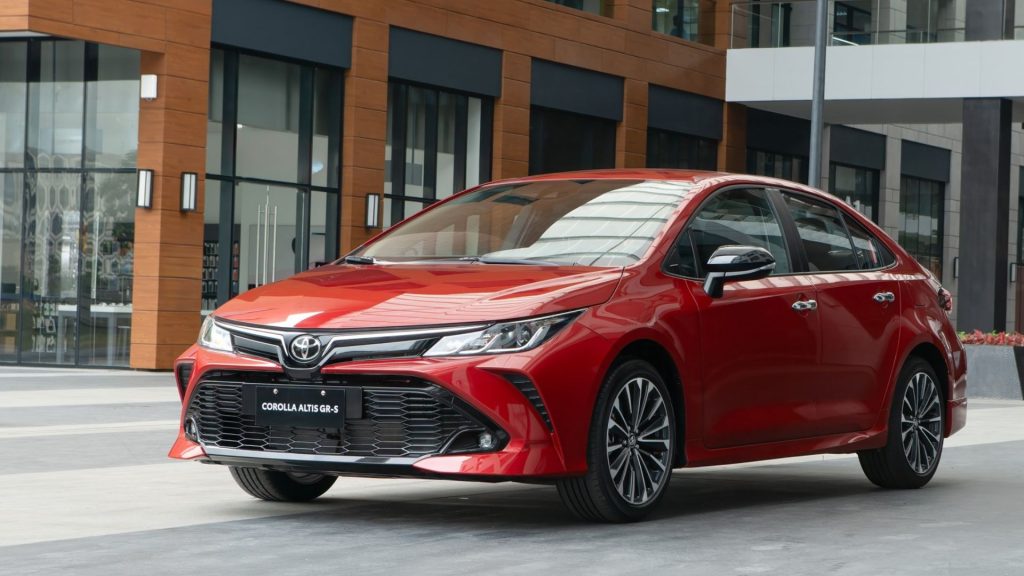
The Corolla’s calm drivetrain behavior also plays a role. In stop-and-go traffic, it doesn’t feel jerky or aggressive. Instead, it moves in a steady, controlled way.
I’m including it because it represents the type of car that does downtown life quietly and effectively. It may not attract attention, but it makes everyday driving smoother, which is the true meaning of being balanced downtown.
3. Mazda3
The Mazda3 feels balanced downtown because it combines agility with refinement. It’s the kind of car that makes city driving feel controlled rather than chaotic. The steering is responsive, so you can place the car accurately in tight lanes, and it reacts quickly to small changes in direction.
I’m writing about the Mazda3 because downtown conditions reward cars that feel connected. When traffic is unpredictable, you want to feel confident in your controls.
The Mazda3 gives that confidence. Its steering and chassis feel composed, which helps when you’re navigating around double-parked cars or making quick turns at tight intersections.
Another reason it belongs on this list is how solid it feels. In city driving, road noise and vibrations can become tiring. The Mazda3 has a more premium feel than many compact cars, and it tends to keep the cabin calmer. That refinement reduces stress in heavy traffic.
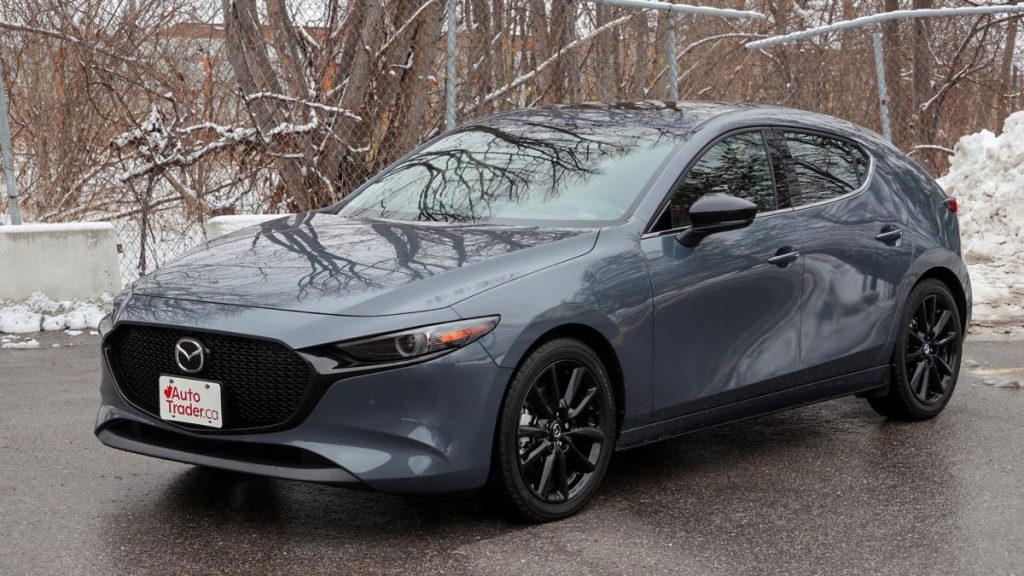
Ride quality is also balanced. It’s not overly soft, so it doesn’t bounce, but it’s not harsh enough to punish you over potholes. That middle-ground tuning is what makes it downtown-friendly.
The Mazda3 feels like a compact car built for the real world, where you need both comfort and precision. For city drivers, that balance can make daily commuting feel smoother and more confident.
4. Volkswagen Golf
The Volkswagen Golf feels balanced downtown because it blends compact practicality with controlled driving behavior. In a crowded city, the Golf’s size alone is an advantage. It fits into small spaces and makes parking easier. But what truly makes it balanced is how stable and refined it feels while doing everyday city tasks.
I’m writing about the Golf because it highlights the importance of smoothness. In stop-and-go traffic, you feel every drivetrain decision. The Golf tends to feel composed and easy, with a smooth flow of movement at low speeds. This makes traffic less frustrating and reduces that constant “push and pull” sensation some cars create.
Steering is another strong point. It’s light enough for daily maneuvering but controlled enough that you don’t feel disconnected. That gives confidence in downtown settings where you constantly change direction to avoid obstacles.
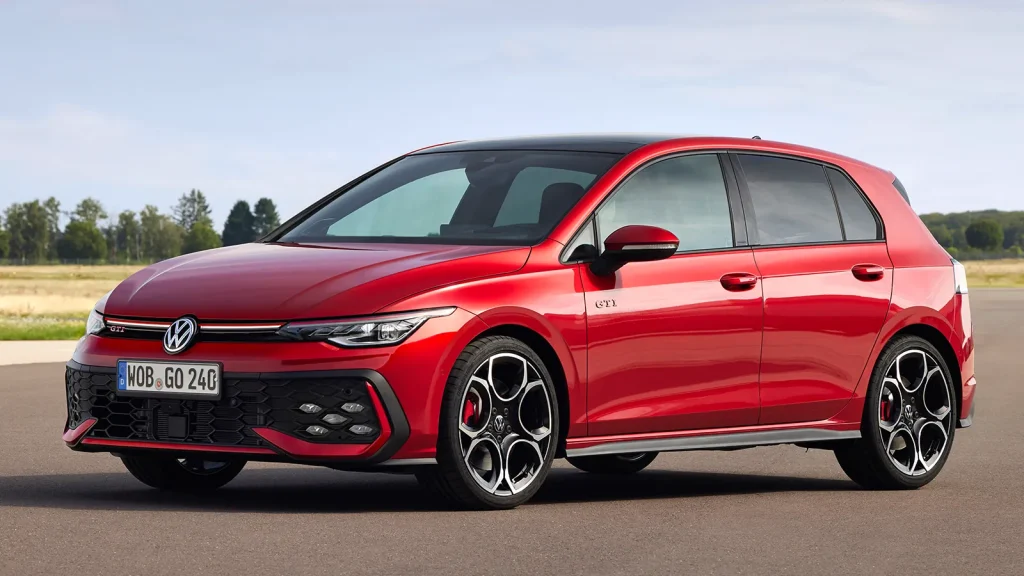
The Golf also handles rough pavement in a calm way. Downtown streets can be uneven, and the Golf doesn’t fall apart over bumps. It stays composed, which keeps passengers comfortable.
I’m including it because it represents a car that is both practical and refined, without being too large or too stiff. In city life, that balance makes a noticeable difference every day.
5. Hyundai Elantra
The Hyundai Elantra feels balanced downtown because it offers a relaxed city-driving character without feeling dull. It’s easy to maneuver, comfortable enough for broken roads, and refined enough that traffic doesn’t become exhausting.
I’m writing about the Elantra because it reflects a modern approach to daily usability. Its steering and low-speed handling make it easy to drive in crowded areas. Parking is simple, and the car’s dimensions feel city-friendly.
Suspension tuning is also important here. The Elantra handles rough pavement with a comfort focus, meaning you’re less likely to feel harsh impacts from potholes. In downtown driving, that comfort becomes a major advantage because bad surfaces are unavoidable.
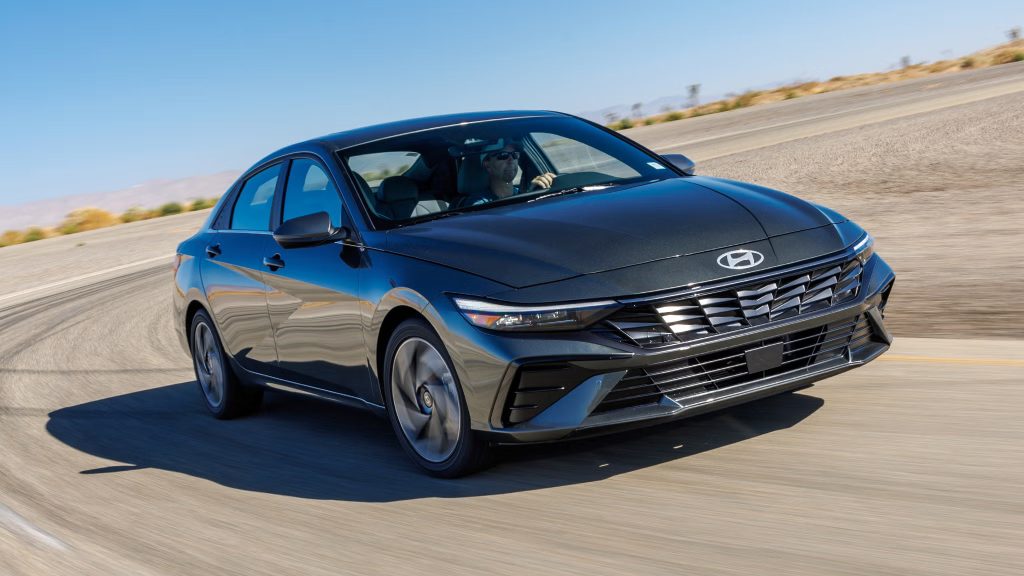
The Elantra’s drivetrain also behaves smoothly in traffic. It doesn’t feel overly aggressive or jerky when crawling. Instead, it delivers a calm flow that matches city conditions.
I’m including it because it represents the kind of car that many drivers actually need: simple, balanced, predictable, and easy. Downtown life becomes easier with a car like this, and that’s the main reason it belongs in this group.
5 Cars That Feel Awkward Downtown
Some cars are great machines, but downtown is not the place where they feel comfortable. City streets demand quick, clean control at low speeds, good outward visibility, easy maneuverability, and a suspension setup that can handle potholes and speed breakers without punishing the cabin.
A car can be powerful, stylish, or even luxurious, but still feel awkward downtown if it fights the driver in tight spaces or behaves poorly in stop-and-go traffic.
Awkwardness downtown usually comes from a mismatch between design and environment. Low sports cars often struggle with speed breakers, broken pavement, and tight turns. Large sedans or wide performance cars may feel too big for narrow lanes and street parking.
Some cars have poor visibility due to thick pillars or small windows, making it stressful around scooters, cyclists, and pedestrians. Others have aggressive throttle tuning or transmission behavior that makes crawling traffic feel jerky and exhausting.
I’m writing about these five cars because they represent common “wrong tool for the job” choices. Many of them are respected vehicles in the right setting. Some are excellent on highways. Some are fun on open roads.
Some are comfortable in suburban life. But downtown conditions highlight their weak points in a way that drivers cannot ignore. In city traffic, you are constantly turning, stopping, creeping, and parking. If a car feels heavy, wide, low, or poorly matched to uneven roads, the driver feels stressed more often than relaxed.
This section is not meant to insult these models. It is meant to help buyers think realistically. A downtown car should feel natural and manageable, not intimidating and inconvenient.
The five cars below tend to feel awkward because of size, ride harshness, low ground clearance, visibility issues, or a drivetrain that does not behave smoothly at city speeds. If downtown driving is your daily life, these are the kinds of cars that can make that life harder than it needs to be.
1. Dodge Challenger
The Dodge Challenger is a bold and powerful car, but downtown driving exposes how awkward a large muscle coupe can feel in tight city conditions. The first challenge is simply its size.
The Challenger feels wide and long, and that becomes stressful in narrow lanes, crowded intersections, and street parking situations where every inch matters. In downtown settings, drivers often need to slip into small gaps or park quickly, and the Challenger makes that feel like extra work.
I’m writing about the Challenger here because it represents a very common downtown mismatch: a car built for highway power being forced into city life. The Challenger’s strengths come alive on open roads where its engine can breathe and its presence makes sense.
In traffic, those strengths don’t help much. Instead, you notice the heavy feel, the bulk, and how much space it demands. Maneuvering in tight corners can feel clumsy compared to compact sedans or hatchbacks that rotate easily.
Visibility is another issue. The Challenger’s design emphasizes muscular style, but that can lead to blind spots and a less open feel when you’re surrounded by scooters, pedestrians, and cyclists. Downtown driving requires constant awareness, and any reduction in visibility increases stress.
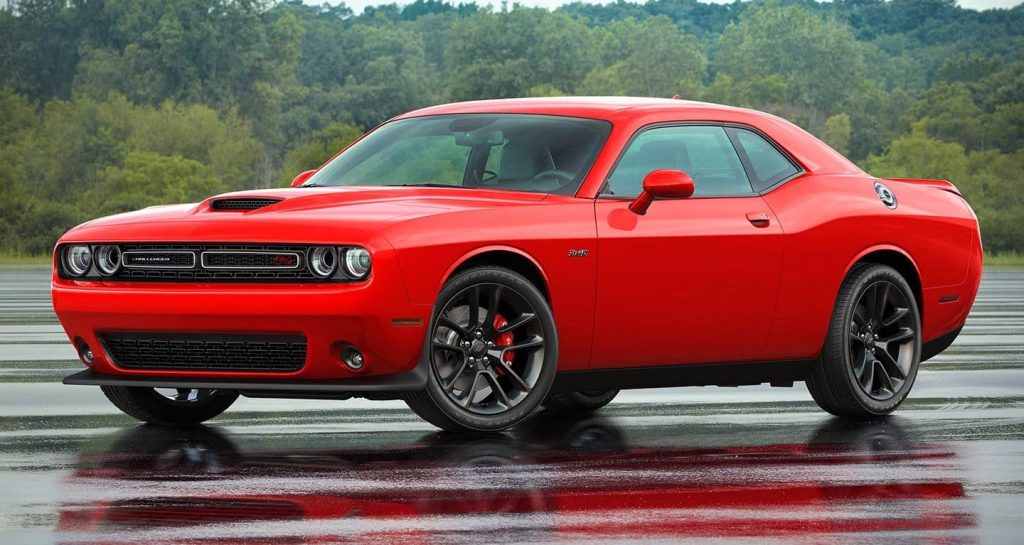
Ride comfort can also become a downtown complaint depending on the setup. City roads are uneven, and large coupes with performance tires can transmit more harshness than expected.
Add in frequent braking and acceleration, and the Challenger can feel like it’s always slightly uncomfortable in stop-and-go conditions. It is not a bad car, but in downtown life, it often feels like too much machine for too little space.
2. Chevrolet Camaro
The Chevrolet Camaro is exciting and sporty, but it can feel genuinely awkward downtown for a few key reasons. The biggest problem is visibility. The Camaro’s styling creates a tight, enclosed cabin feel, and the outward view is limited compared to most sedans or practical city cars.
In a downtown environment, where pedestrians cross suddenly and scooters appear from nowhere, that limited visibility can make driving feel stressful rather than confident.
I’m writing about the Camaro here because it proves that downtown friendliness is not about speed. The Camaro has plenty of power, but the city doesn’t reward power. It rewards comfort and control.
The Camaro’s low seating position and long doors can also create practical frustration. Getting in and out in tight parking spaces becomes annoying, especially when other vehicles park close. That makes everyday city errands feel less convenient.
Another issue is ride harshness. The Camaro is tuned to feel sharp and planted, which often means a firmer suspension. On downtown streets filled with potholes and speed breakers, that stiffness becomes tiring.
Instead of absorbing rough pavement, the Camaro can transmit more impact into the cabin. Over time, this reduces comfort and makes short drives feel rough.
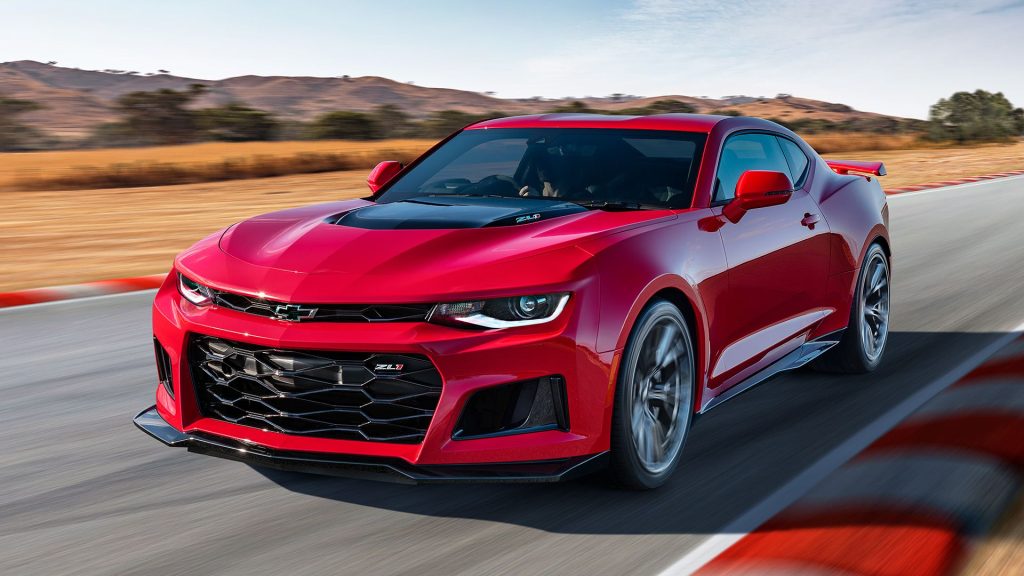
The drivetrain behavior in traffic can also feel less smooth than that of a commuter-focused car. Performance cars often feel impatient at low speeds.
In crawling traffic, the Camaro can feel like it is not in its natural environment. It wants open space, not constant stop-and-go movement. That mismatch is exactly why it belongs in the awkward downtown list.
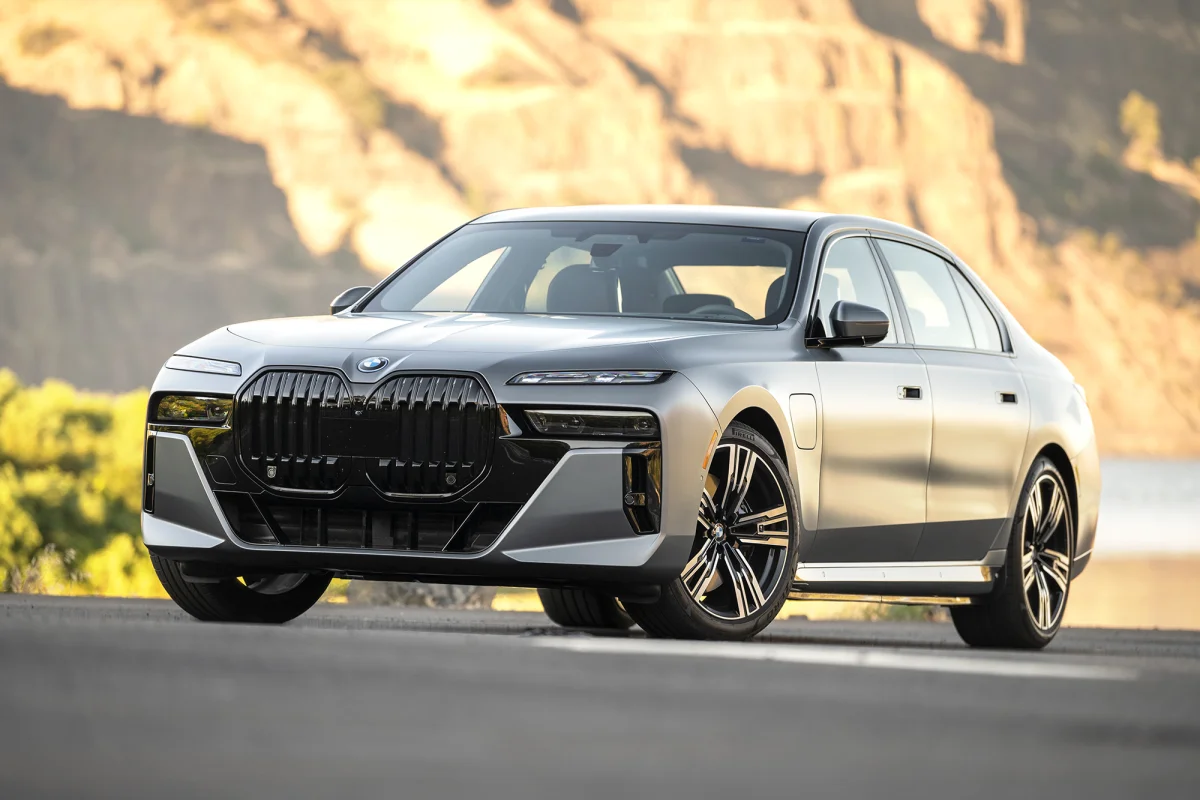
3. BMW 7 Series
The BMW 7 Series is a luxury sedan with an impressive presence, but downtown conditions can make it feel awkward because it is simply too large for dense urban life. In a crowded city, its length and width demand attention constantly.
Tight turns, narrow lanes, and street parking can all become stressful because you feel like you’re driving a vehicle that belongs more on highways and wide boulevards than downtown side streets.
I’m writing about the 7 Series here because size creates awkwardness even in the best-engineered cars. Luxury refinement can’t change the reality that downtown driving is often about squeezing into small spaces.
The 7 Series demands larger parking spots and wider turning space. That means you spend more time thinking about the car’s dimensions instead of just driving.
Visibility is also not always ideal in large luxury sedans. Thick pillars, long body lines, and the overall large footprint can make it harder to judge corners and gaps quickly. Downtown driving requires quick decisions, and when a car feels too big, those decisions become slower and more stressful.
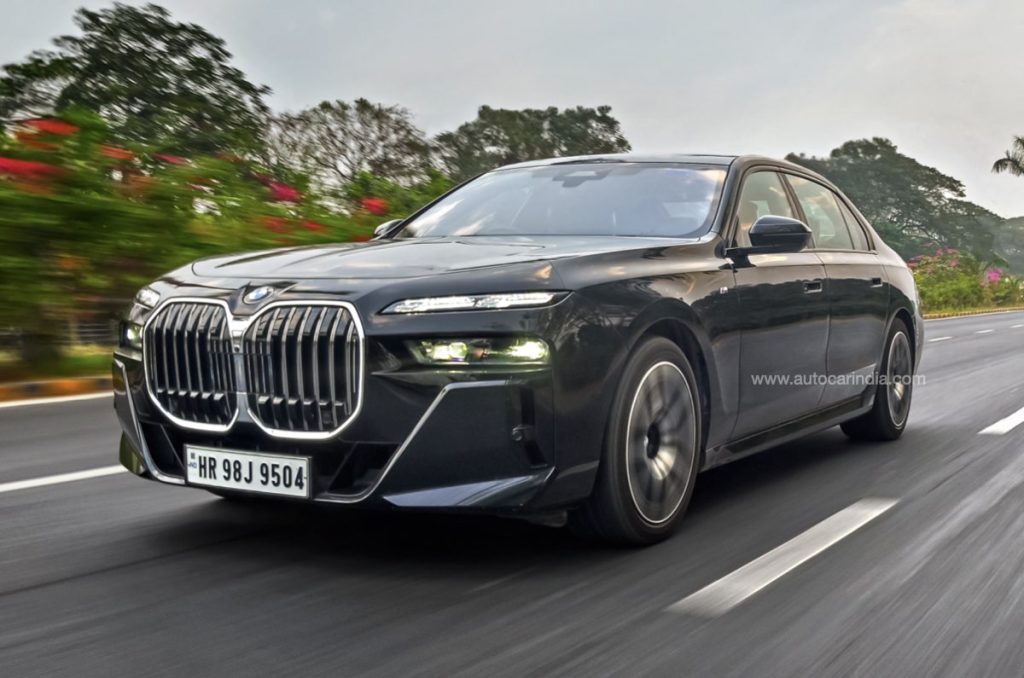
Ride quality is excellent, but that does not eliminate the awkwardness of sheer size. In traffic, you may feel like you are wasting space, and in narrow lanes, you may feel constantly boxed in.
The 7 Series is a fantastic car, but downtown life is not where it feels most natural. It is a luxury highway cruiser forced into tight urban clothing, and that’s why it can feel awkward.
4. Toyota Avalon
The Toyota Avalon is comfortable and smooth, but it can feel awkward downtown because it is a large sedan in an environment that rewards compact dimensions.
In many cities, parking spaces are tight and traffic lanes are narrow. The Avalon’s length and size can make it harder to maneuver compared to smaller sedans that feel more natural in downtown driving.
I’m writing about the Avalon here because it represents a subtle type of awkwardness. It’s not sporty awkwardness like a Camaro, and it’s not extreme size like a 7 Series, but it still feels bigger than necessary in the city. When you’re constantly looking for parking or making sharp turns, that extra size becomes noticeable.
Downtown life also includes frequent stops and slow-speed maneuvering. The Avalon is smooth, but its long body means you need more room to park cleanly and more attention when turning.
That makes daily city errands slightly less convenient. Drivers often feel like the Avalon is better suited to suburbs and highways, where its comfort advantage shines more.
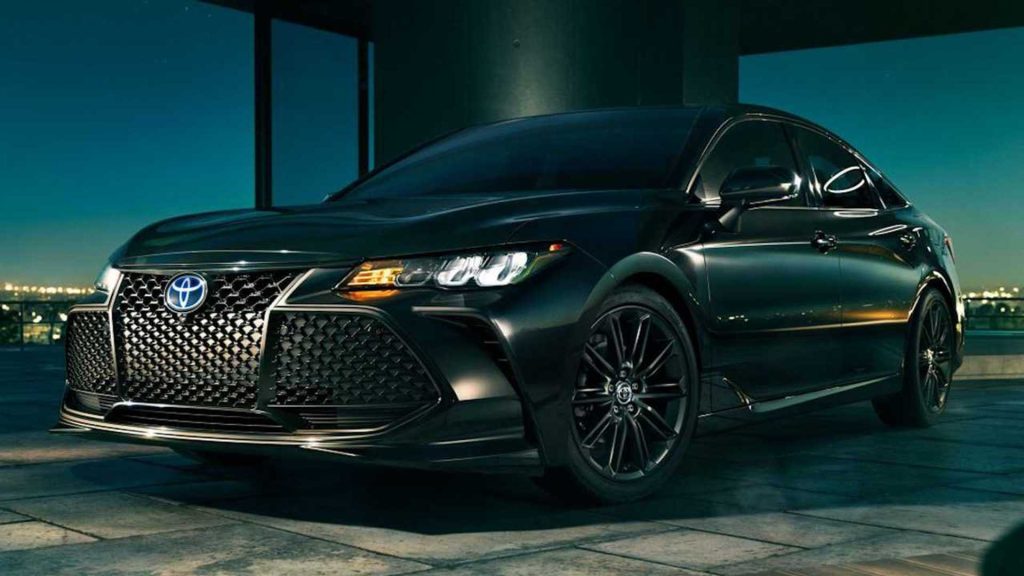
Another issue is that the Avalon can feel less agile. Balanced downtown cars usually feel light and eager to change direction. The Avalon feels stable and calm, but not especially nimble. This is not a flaw; it’s just a tuning choice.
However, downtown roads reward nimbleness. That mismatch makes the Avalon feel awkward for people who spend most of their time in tight city settings.
5. Ford Mustang
The Ford Mustang is an iconic performance car, but it can feel awkward downtown because the city environment fights its natural strengths. Like other sports coupes, it is designed to feel exciting at speed, not smooth and practical in slow congestion.
One of the first issues is ground clearance and front-end caution. Speed breakers and broken roads require more careful approach than they would in a normal sedan.
I’m writing about the Mustang here because downtown driving reveals how sports cars can become daily inconveniences. Visibility is another factor. The long hood and coupe design can make it harder to judge tight corners and narrow gaps.
Parking also becomes more frustrating because of size and long doors. In tight street parking, getting in and out can feel uncomfortable, especially when vehicles park close.
Ride quality can also be harsh depending on trim. Sportier setups often use firmer suspension and performance tires. In downtown conditions, potholes feel sharper, and cabin vibrations can become tiring. A balanced downtown car absorbs imperfections. The Mustang often makes you feel them.
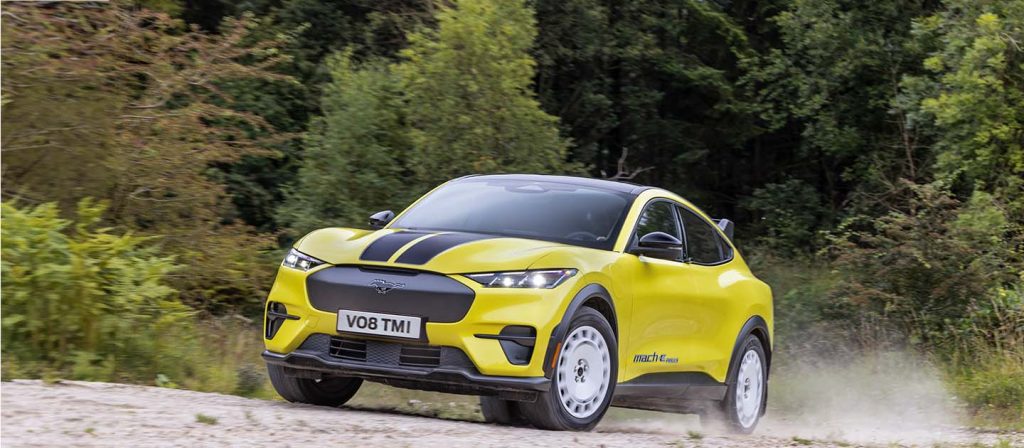
Traffic behavior also matters. Stop-and-go driving is not where a performance coupe feels relaxed. The Mustang can feel impatient, and low-speed crawling can make it feel less smooth than commuter-oriented vehicles.
It’s not a bad choice for enthusiasts, but for pure downtown practicality, it can feel awkward, demanding, and occasionally frustrating, which is exactly why it belongs in this list.
