
Rain in Miami does not arrive quietly. It rolls in fast, pours hard, and leaves behind streets that look more like canals than roads. For drivers, this creates a daily challenge that goes far beyond traffic. Flooded intersections, standing water near curbs, and sudden downpours demand vehicles that can keep moving when conditions turn messy.
Choosing the right car in a city shaped by coastal weather is not about style alone. It is about confidence when water pools around tires, when visibility drops, and when turning back is no longer an option. Some vehicles glide through high water with calm control. Others stall, sputter, and leave drivers stranded at the worst possible moment.
Miami life calls for machines built with clearance, traction, and sealed electronics. It rewards strong engineering and punishes weak protection. A flooded street does not care about brand loyalty or shiny paint. It only respects vehicles designed to keep going when the road disappears.
This guide highlights five cars that take on Miami rain without hesitation. These models stand tall, stay composed, and deliver peace of mind when storms turn roads into rivers. Each one brings a different personality to the task, yet all share one trait. They refuse to quit when the water rises.
5 Cars That Handle Miami Flooded Streets
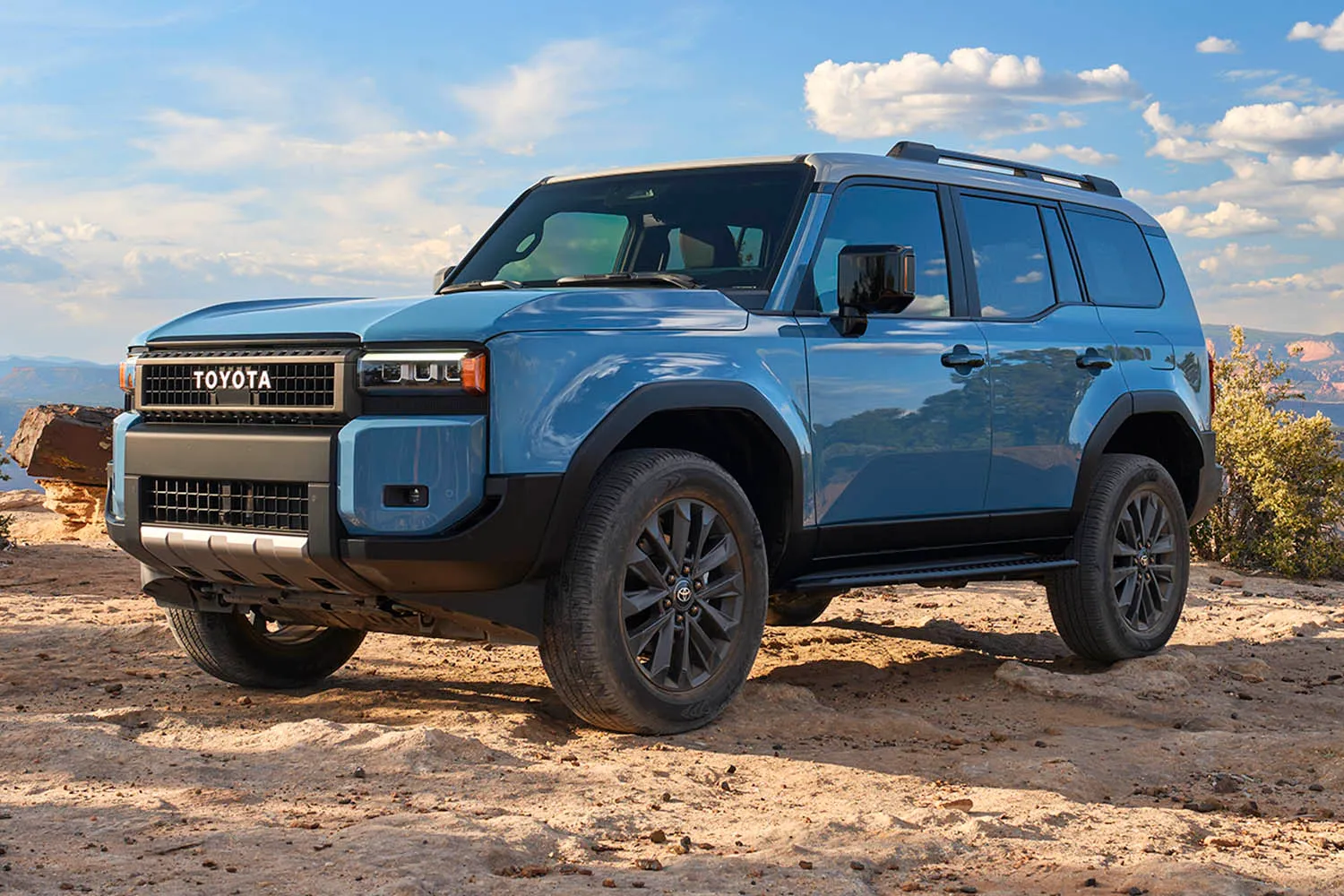
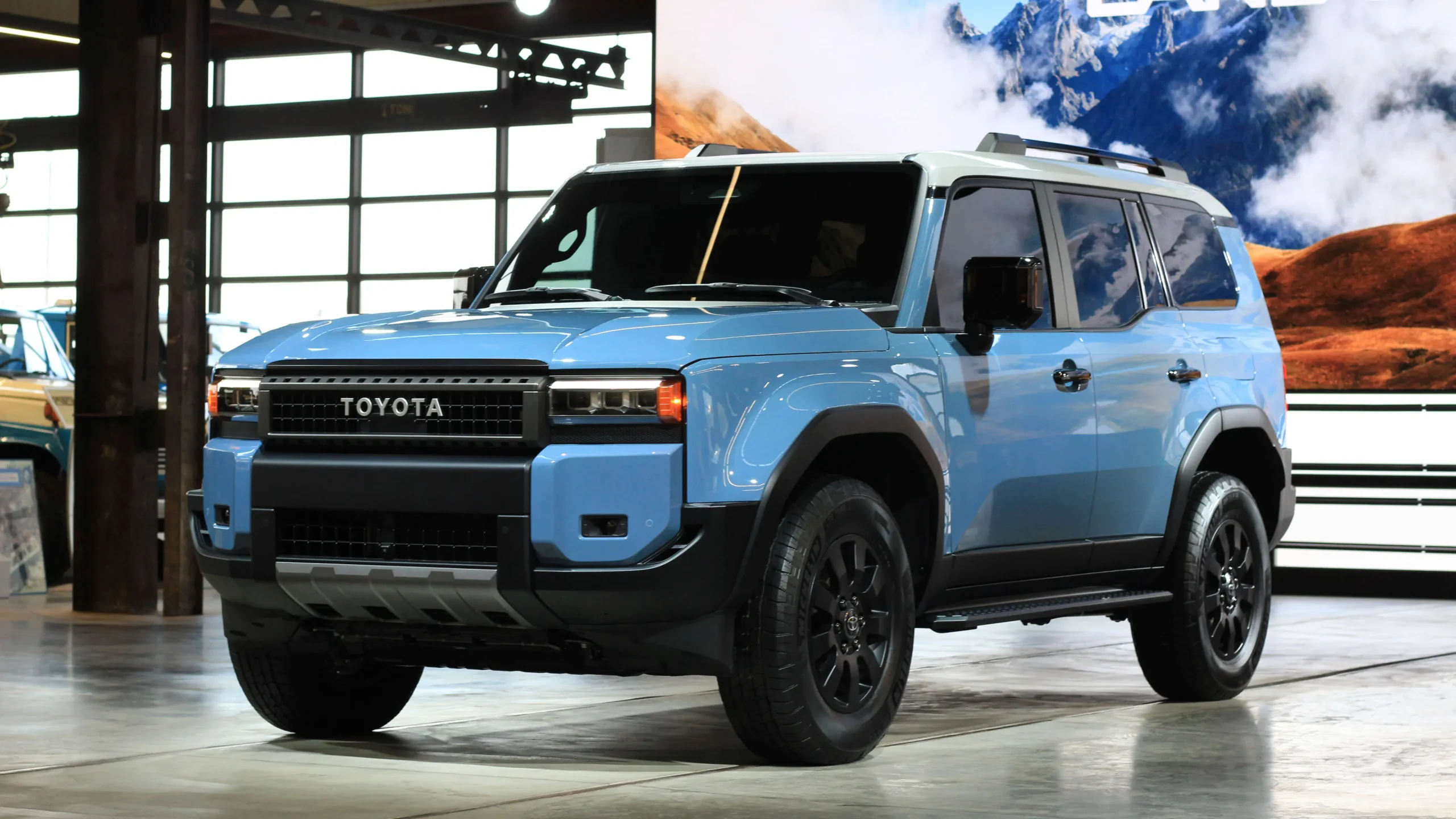
1. Toyota Land Cruiser 2024
Authority defines the Toyota Land Cruiser 2024 before the engine even starts. Built for extreme conditions, this SUV treats flooded streets as routine obstacles rather than threats. Miami rainstorms rarely slow it down, thanks to its height, sealed components, and legendary durability.
Ground clearance gives the Land Cruiser an instant advantage. Water that reaches door sills on smaller vehicles barely touches its underbody. Elevated air intake placement protects the engine from water ingestion, while skid plates shield critical components from debris carried by moving floodwater.
Four-wheel drive traction stays composed even when pavement disappears under murky pools. Torque delivery remains smooth, preventing sudden wheel spin that can lead to loss of control. Thick sidewall tires push through standing water with steady momentum, helping the vehicle maintain direction and stability.
Electrical systems remain well protected. Toyota engineers designed the Land Cruiser for desert heat, mountain snow, and deep water crossings. Wiring harnesses, sensors, and control modules sit high and remain shielded from moisture intrusion. That attention to sealing allows drivers to move forward without fearing sudden dashboard warnings.
Suspension tuning adds another layer of confidence. Long travel absorbs uneven surfaces hidden beneath water. Potholes, broken asphalt, and submerged curbs rarely unsettle the chassis. Steering remains predictable, even when the road surface changes without warning.
Interior comfort stays calm during heavy rain. Thick insulation reduces road noise created by water spray. Seats stay dry thanks to high door seals and deep weather stripping. Cabin air remains cool and clear even when humidity spikes outside.
Fuel consumption reflects its size, yet reliability outweighs cost during storm season. A vehicle that keeps moving saves time, stress, and unexpected repair bills.
The Toyota Land Cruiser 2024 does not merely tolerate flooded streets. It treats them as part of the journey. For Miami drivers who want absolute confidence when rain hits hard, few vehicles offer such quiet strength.
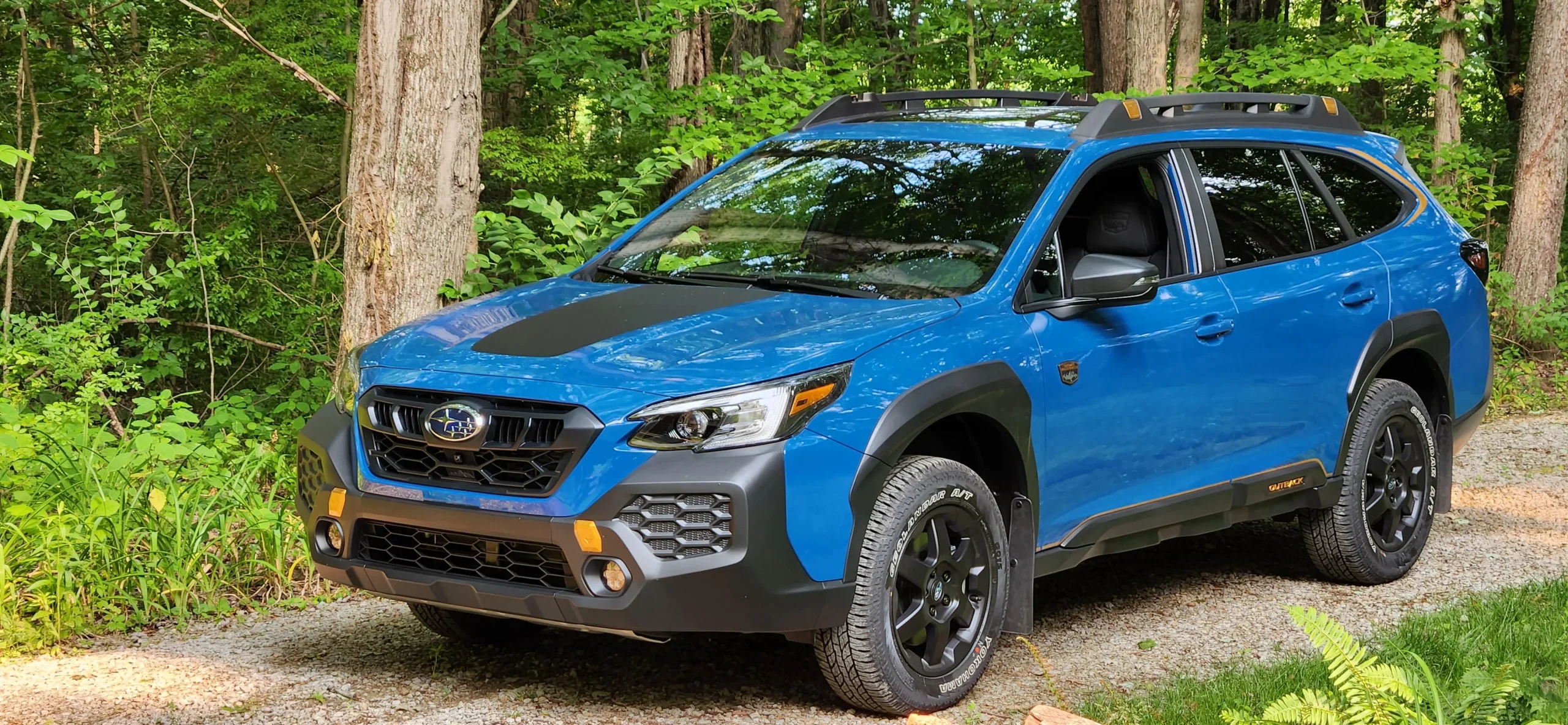
2. Subaru Outback Wilderness 2024
Adventure blends with everyday usability in the Subaru Outback Wilderness 2024. This rugged wagon brings off-road engineering into a shape that feels easy to live with, making it a strong companion when Miami streets fill with water.
Raised ride height separates it from standard crossovers. Floodwater that reaches door panels on sedans often sits well below the floor pan. Extra clearance helps avoid engine splash and keeps exhaust outlets above rising water levels.
Symmetrical all-wheel drive plays a central role. Power flows evenly to all four wheels, preventing slip on submerged pavement. Traction control responds quickly, reducing wheel spin before it becomes a problem. The result feels calm and predictable, even when visibility drops.
Water-resistant interior materials help during wet conditions. Rubberized floor mats trap moisture from soaked shoes. Durable seat fabric resists dampness, allowing quick cleanup after driving through heavy rain.
Suspension tuning favors uneven surfaces. When potholes hide beneath standing water, the Outback absorbs the impact without sharp jolts. Steering stays light yet accurate, allowing drivers to adjust line choice quickly around deeper puddles.
Engine breathing remains protected. Subaru positions vital intake components high enough to reduce the risk of water ingestion during shallow flooding. Electronics remain sealed, keeping sensors functioning as intended.
Fuel economy stays reasonable for a vehicle built for harsh conditions. That balance appeals to commuters who face rain often but still want efficiency during dry weeks. Cargo space allows storage of emergency gear, rain boots, and cleaning supplies. Fold-down rear seats turn the cabin into a mobile shelter during storm season.
Subaru Outback Wilderness 2024 delivers confidence without bulk. It slips through traffic easily, parks without drama, and pushes through floodwater with a steady grip. For Miami drivers who want rugged ability without full-size SUV size, this wagon earns respect when the rain starts falling.
Also Read: 5 Cars That Feel Calm in Heavy Traffic vs 5 That Increase Stress
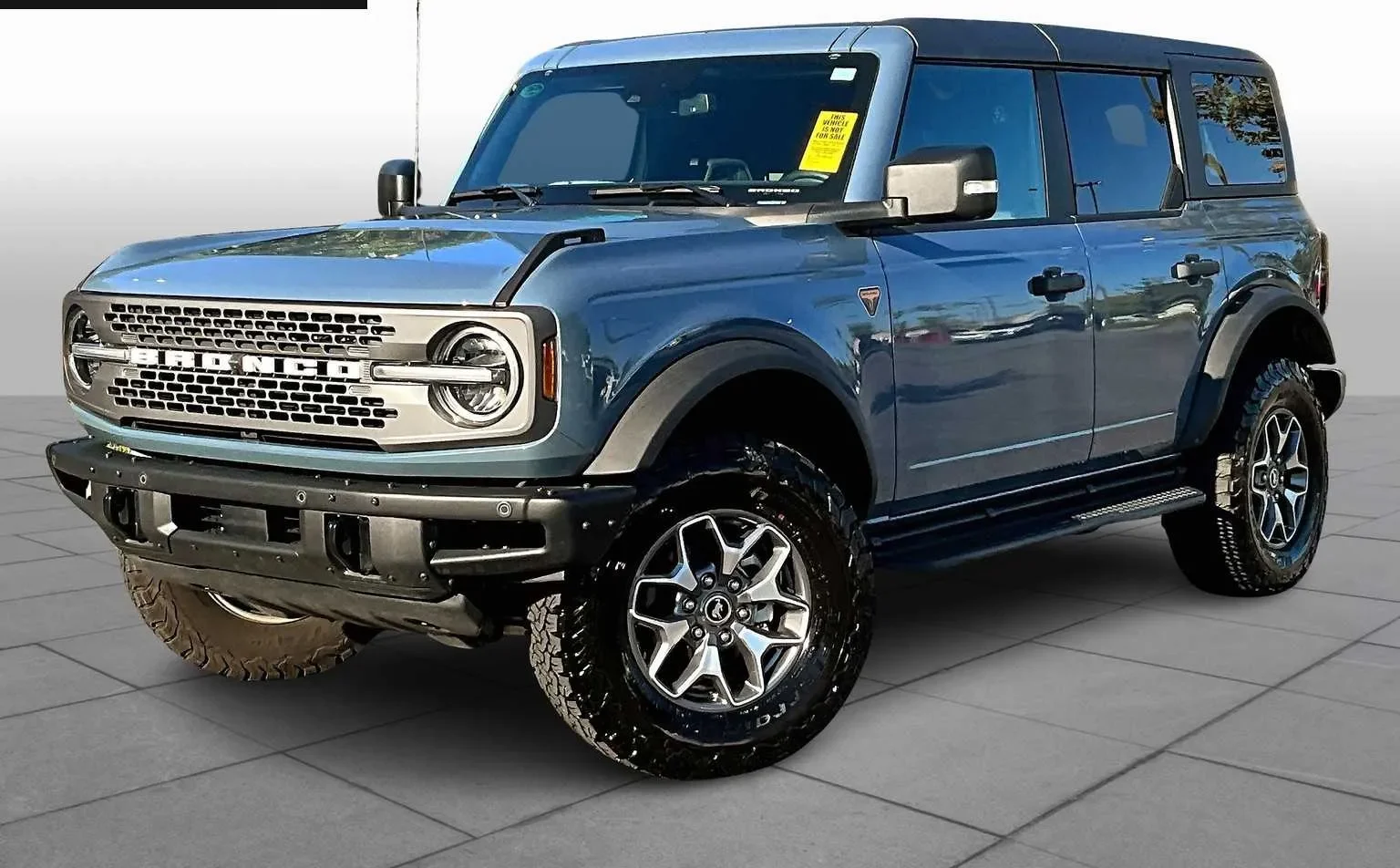
3. Ford Bronco Badlands 2024
Bold design meets real-world toughness in the Ford Bronco Badlands 2024. Built for trails and rock crawling, this SUV feels right at home when Miami streets turn into rivers. It carries serious hardware beneath its retro styling, and that engineering shows when rain overwhelms drainage systems.
High ground clearance provides instant reassurance. Water rarely approaches critical engine parts, and deep puddles become manageable crossings. Wide tires push through standing water with authority, creating a stable footprint that resists slipping.
Sophisticated four-wheel drive setups provide steady grip in challenging conditions. Locking differentials send power to the wheels that need it most, allowing the vehicle to push forward through flooded intersections without losing pace. Drive modes fine-tune throttle input and transmission response for wet roads, giving drivers greater confidence and control.
Water fording capability stands as a core feature. Sealed electrical connectors protect sensitive modules. High-mounted air intake reduces the risk of water entering the engine. Skid plates guard vital components from debris hidden below the surface.
Suspension travel keeps the Bronco composed over broken pavement masked by floodwater. Sharp dips and raised manhole covers barely unsettle the chassis. Steering response remains direct, helping drivers correct course quickly when visibility drops.
Interior materials suit wet environments. Rubberized flooring handles moisture without damage. Seats dry quickly after exposure to damp clothing and gear. Door seals block water intrusion during heavy downpours.
Visibility stays strong thanks to upright glass and a high seating position. Drivers see deeper into flooded streets and identify hazards early. That advantage proves valuable when water hides road edges and curbs.
Fuel use reflects its rugged mission, yet reliability during storms makes the trade worthwhile. A stranded vehicle costs more than a few extra gallons of fuel.
Ford Bronco Badlands 2024 carries a spirit of adventure, yet its strength becomes most valuable on stormy city days. Miami rain may overwhelm lesser cars, but this SUV keeps pushing forward with confidence.
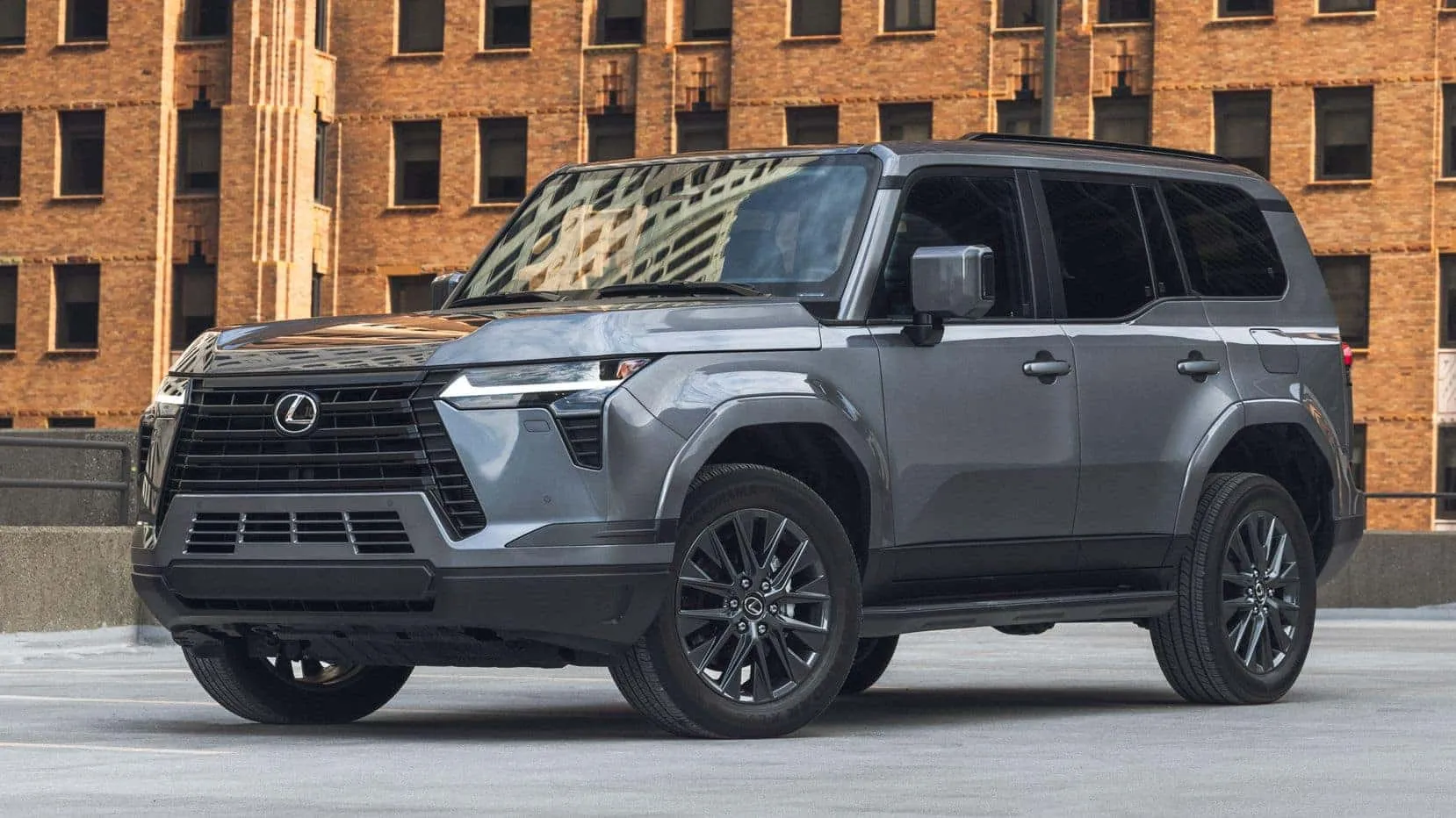
4. Lexus GX 550 2024
Luxury and toughness meet in the Lexus GX 550 2024. Beneath its refined exterior lives a body-on-frame platform built to handle harsh environments. That foundation makes it a reliable ally when Miami streets flood after sudden storms.
Ride height sets it apart from typical luxury SUVs. Standing water that stalls sedans barely reaches their axles. This clearance protects critical engine and transmission components from splash and debris. Four-wheel drive traction works quietly in the background.
Power distributes smoothly, keeping tires gripping wet pavement beneath shallow water. Electronic stability systems react quickly, maintaining control through slippery corners. Engine placement and intake routing reduce water exposure risk.
Lexus engineers designed the GX for rugged conditions, and that attention shows when rain overwhelms city drainage. Electrical systems sit high and stay sealed, limiting moisture intrusion. Suspension tuning favors comfort without sacrificing strength.
When potholes hide under floodwater, the GX absorbs impacts with calm composure. Steering remains steady, allowing precise adjustments through narrow flooded lanes. Cabin insulation keeps outside chaos at bay. Water spray noise fades behind thick glass and door seals. Climate control maintains dry air inside even when humidity climbs outside.
Interior materials resist moisture and wear. Leather seating dries quickly, and carpeting handles damp shoes without odor buildup. Cargo space holds emergency gear and rain equipment with ease. Fuel economy reflects its size and power, yet reliability during extreme weather justifies the cost. Few luxury SUVs handle water with such confidence.
Lexus GX 550 2024 offers refinement without fragility. It glides through flooded streets with dignity, making Miami storms feel manageable rather than stressful.
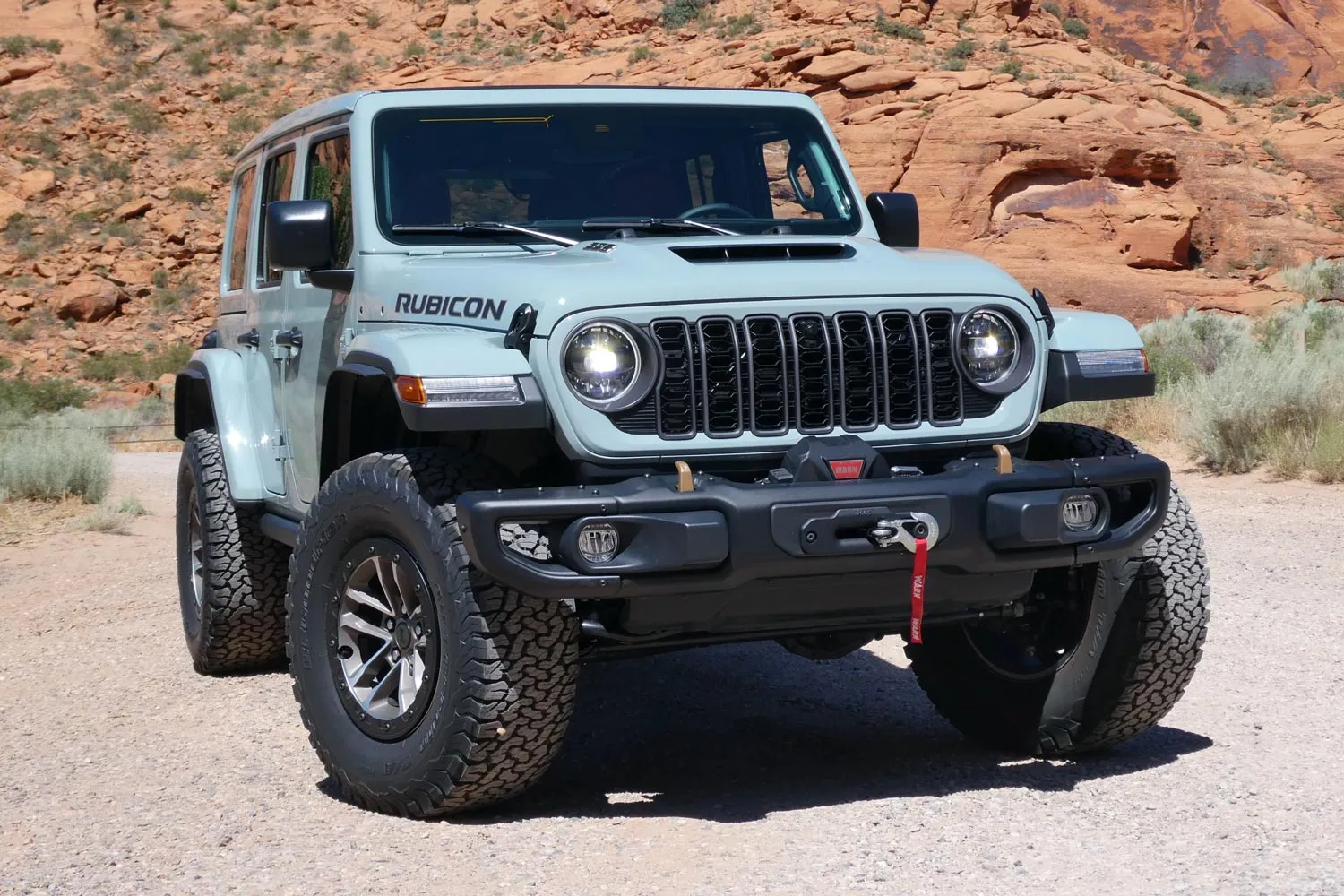
5. Jeep Wrangler Rubicon 2024
Freedom defines the Jeep Wrangler Rubicon 2024. Designed for rivers, mud, and rock trails, it treats flooded streets as minor detours rather than threats. Miami rainstorms meet a vehicle built for water crossings.
High ground clearance leads the charge. Deep puddles barely reach the chassis, while elevated exhaust outlets stay clear of rising water. Skid plates shield underbody components from floating debris. Four-wheel drive systems deliver constant grip.
Locking differentials prevents wheel spin on submerged pavement. Low-range gearing allows slow, controlled movement through deeper water without stalling. Water fording ability stands as a signature trait. Sealed electronics protect sensors and wiring.
High-mounted air intake reduces the chance of water entering the engine. Wrangler drivers move forward with confidence even when the road disappears beneath murky pools. Suspension travel keeps the ride stable over uneven surfaces hidden by floodwater.
Broken asphalt, submerged curbs, and washed-out pavement barely disturb its balance. Steering stays direct and predictable. Interior design supports wet conditions. Removable floor plugs allow water drainage if moisture enters the cabin. Washable materials simplify cleanup after heavy rain.
Visibility remains strong thanks to upright windows and a high seating position. Drivers see water depth and road conditions earlier, allowing smarter decisions at flooded intersections. Fuel use leans toward the higher end, yet reliability during storms brings peace of mind. A vehicle that keeps moving saves time and stress.
Jeep Wrangler Rubicon 2024 does not flinch at floodwater. It was built for tougher conditions than Miami rain. When streets turn into streams, this icon keeps rolling.
5 Cars That Are Easily Disabled
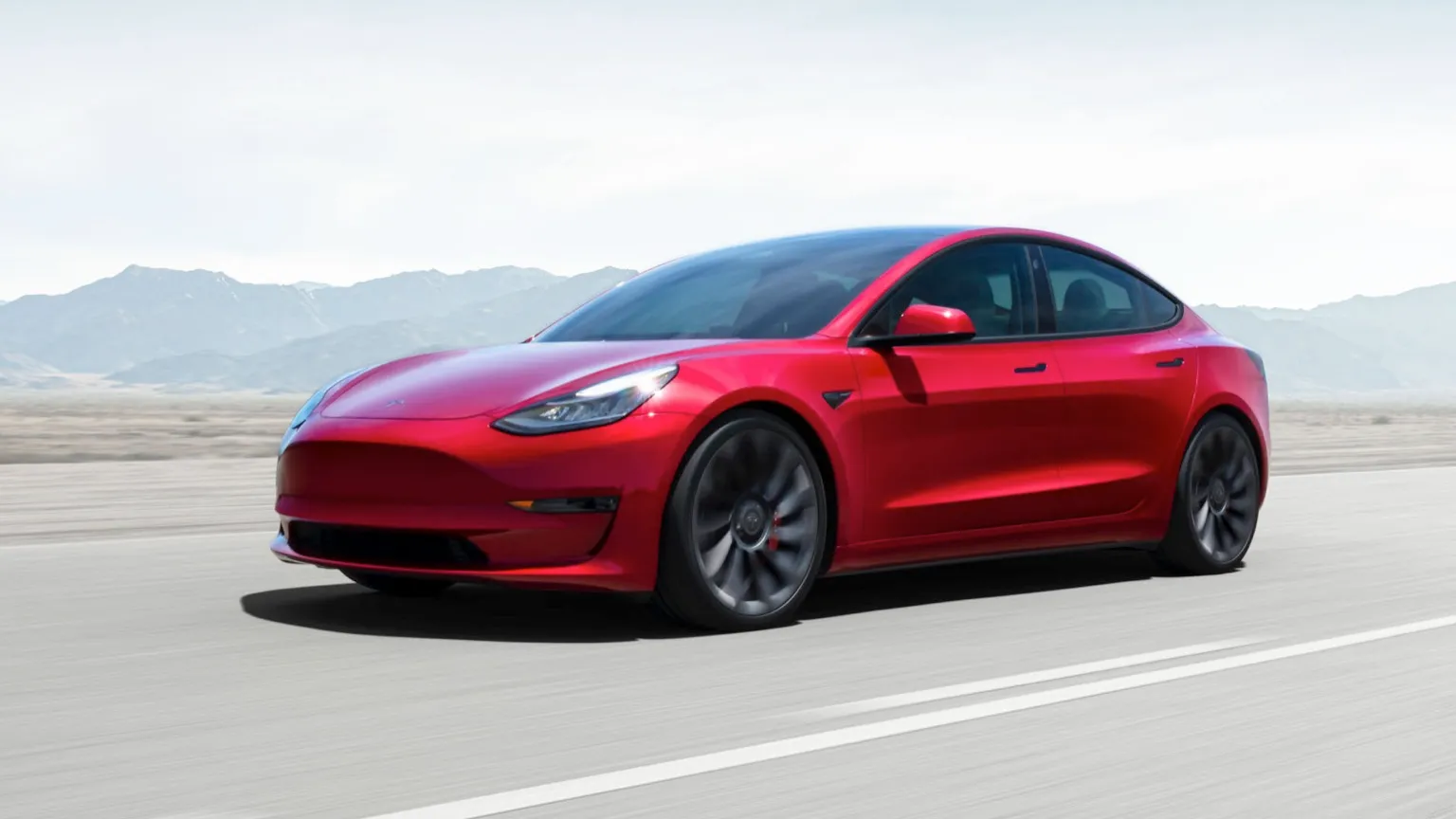
1. Tesla Model 3 Standard Range Plus
Sleek styling and instant acceleration make the Tesla Model 3 Standard Range Plus popular on sunny days, yet heavy rain tells a different story. Low ground clearance places critical components close to the road surface, leaving the car vulnerable when water pools across intersections.
Miami storms often push water above curb height, and this sedan simply was not designed for those moments. Battery placement beneath the floor creates a flat, balanced ride on dry pavement. That same layout becomes a concern during flooding.
While the battery pack is sealed, prolonged exposure to standing water around the underbody raises the risk of corrosion around connectors and cooling lines. Saltwater intrusion from coastal flooding adds another layer of danger.
Air intake height remains modest. Deep puddles can send water toward the intake path, increasing the chance of water reaching sensitive areas. Even a brief splash can trigger warning messages that limit power output. A reduced power mode in the middle of a flooded street turns a calm drive into a stressful situation.
Traction systems respond well on wet pavement, yet standing water reduces tire grip dramatically. Wide performance-oriented tires tend to float sooner than narrower all-season options. Hydroplaning becomes a real threat when speed meets pooled water.
Interior electronics bring additional risk. The large central touchscreen controls nearly every function. Moisture intrusion into cabin wiring can cause unpredictable behavior. Climate control glitches and sensor errors become common complaints after repeated exposure to heavy rain.
Suspension tuning favors smooth roads. When potholes hide beneath floodwater, impacts travel directly into wheels and tires. Bent rims and damaged suspension components follow quickly.
Charging access also suffers. Wet charging ports can trigger safety lockouts, preventing recharging until the system dries. For drivers relying on daily charging, this becomes an inconvenience during storm season.
Tesla Model 3 Standard Range Plus shines under clear skies, yet Miami flooding exposes its limitations. Low clearance, sensitive electronics, and performance-focused tires combine to create a car that prefers dry pavement. When streets turn into shallow canals, this sleek sedan often feels out of place.
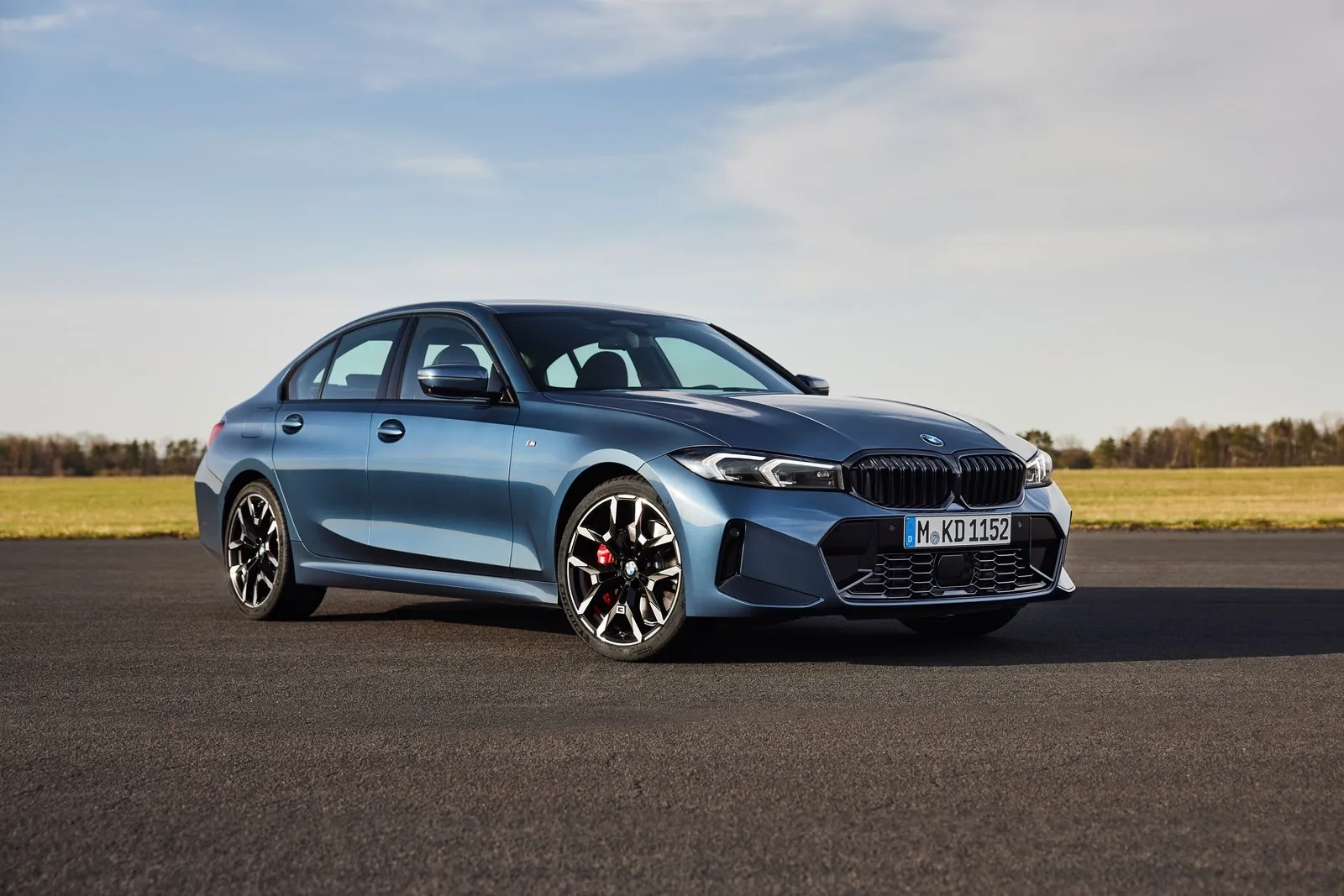
2. BMW 3 Series 330i
Sporty refinement defines the BMW 3 Series 330i. Precise handling and strong turbocharged power bring joy on dry roads. Flooded streets, however, reveal weaknesses that leave drivers second-guessing every puddle. Low ride height puts vulnerable components close to rising water.
Splashing reaches belts, pulleys, and sensors quickly. Even shallow flooding can soak the underbody, raising the risk of electrical faults. Turbocharged engines depend on precise airflow and cooling.
Water entering the intake path can disrupt combustion and lead to rough running. In extreme cases, hydro-lock becomes a possibility. Repairs for such damage come with painful price tags.
Rear-wheel drive bias creates another challenge. On wet pavement covered by standing water, traction fades fast. Launching from a flooded intersection often triggers wheel spin before stability systems step in. Drivers feel a loss of control that inspires hesitation.
Suspension tuning favors sharp handling over comfort. When potholes hide beneath murky water, impacts hit hard. Bent wheels and damaged tires become common outcomes after heavy rain. Electrical architecture grows more complicated with each generation.
Multiple control modules manage everything from transmission behavior to braking. Moisture intrusion into connectors can trigger dashboard warnings and limp modes. Diagnosing such faults requires specialized tools and time.
Interior materials resist light moisture, yet repeated exposure to damp conditions leads to mildew smells. Carpeting and insulation beneath the cabin floor trap humidity after floodwater splashes inside. Fuel economy stays reasonable, though storm season adds unexpected maintenance costs. Wheel alignments, tire replacements, and electrical repairs add up.
BMW 3 Series 330i remains a joy on clear days, yet Miami rainstorms expose its delicate side. Performance tuning, low clearance, and complicated electronics combine to make this luxury sedan a risky choice when water takes over city streets.
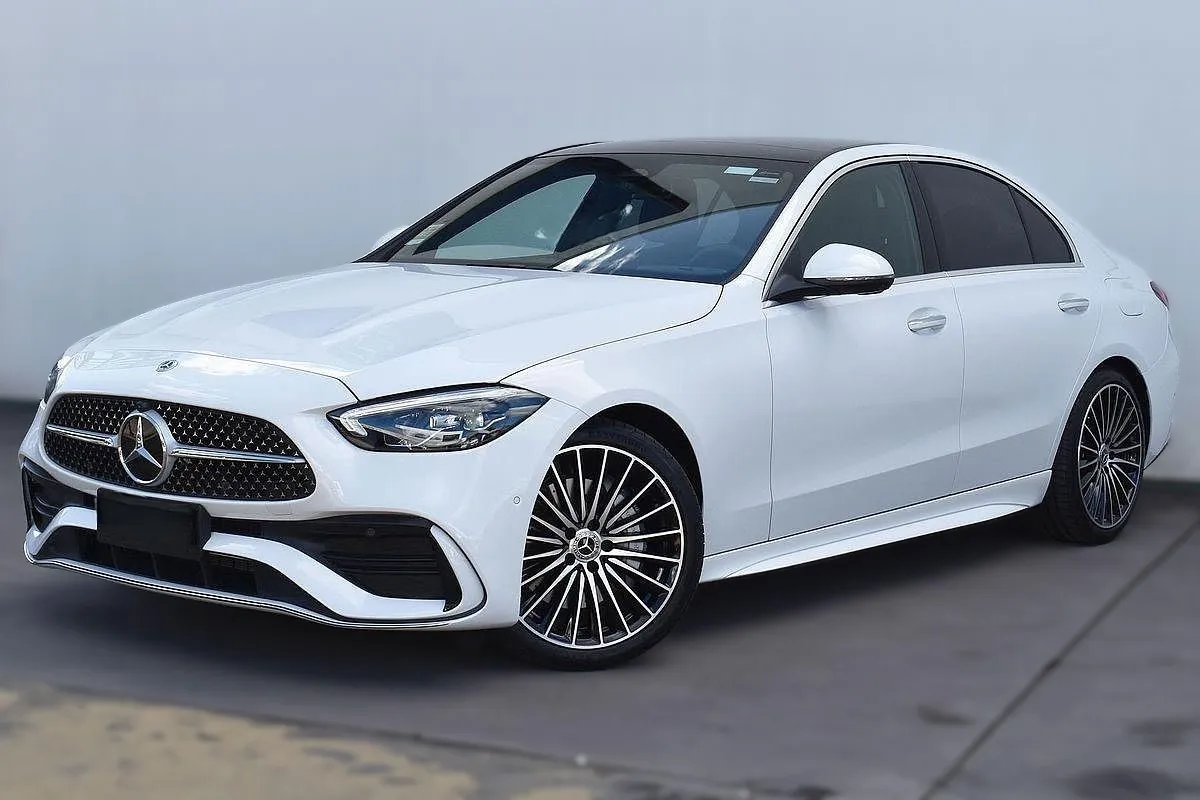
3. Mercedes-Benz C-Class C300
Elegant design and smooth power define the Mercedes-Benz C-Class C300. Comfort and technology stand at the center of its appeal. Heavy rain, though, introduces problems that dampen its luxury promise.
Low-slung styling places the underbody near the pavement. Floodwater reaches vulnerable parts quickly, soaking wheel wells and brake components. Corrosion develops faster in humid coastal environments.
Turbocharged engine design relies on sensitive sensors for optimal performance. Water splashing into the intake tract can cause misfires and warning lights. Reduced power modes activate as a precaution, limiting acceleration when drivers need momentum through standing water.
Rear-wheel drive configuration struggles on flooded pavement. Traction fades easily when tires ride atop water instead of gripping asphalt. Stability systems intervene often, cutting power and braking individual wheels. The result feels jerky and uncertain.
Suspension tuning favors smooth highway cruising. Sudden impacts from submerged potholes travel directly into wheels and tires. Run-flat tires, common on this mode,l suffer sidewall damage after hard hits. Replacement costs rise quickly.
Interior technology introduces more risk. Digital displays, touch controls, and ambient lighting depend on extensive wiring. Moisture intrusion leads to unpredictable glitches. Climate control errors and sensor warnings appear after repeated exposure to heavy rain.
Cabin materials feel premium yet dislike humidity. Leather seats absorb moisture and take time to dry. Damp carpets create odors that linger long after storms pass. Service intervals become more frequent in wet climates. Brake components wear faster due to water exposure. Electrical inspections grow more common as systems age.
Mercedes-Benz C-Class C300 delivers refinement on dry roads. Miami flooding, however, turns that elegance into vulnerability. Low clearance, delicate electronics, and rear-wheel drive dynamics combine to make this luxury sedan ill-suited for storm-soaked streets.
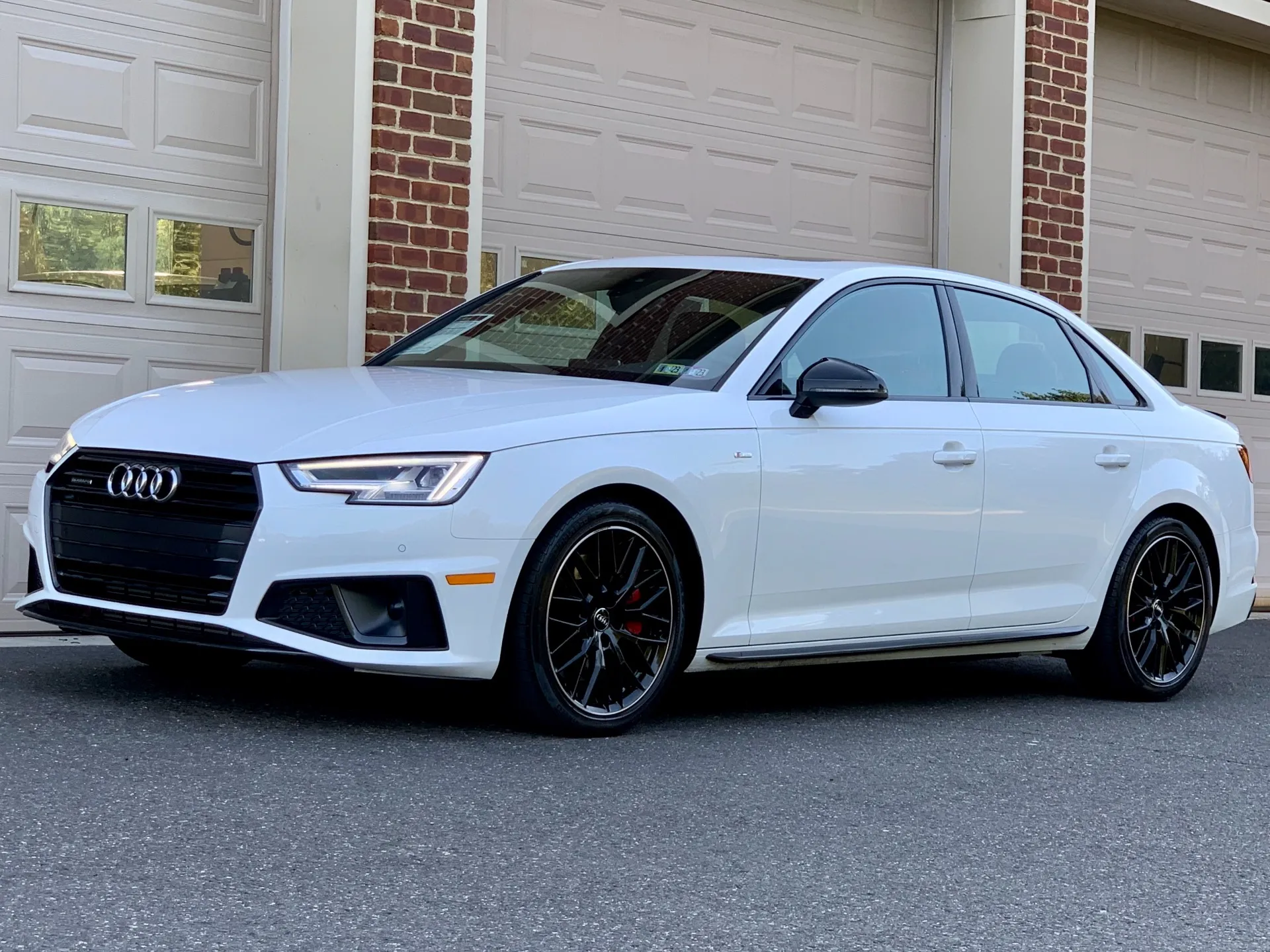
4. Audi A4 Premium Plus
Sharp design and confident handling place the Audi A4 Premium Plus among the most attractive compact luxury sedans. Its Quattro all-wheel drive offers reassurance on wet roads, yet standing water brings challenges that technology alone cannot solve.
Ground clearance remains limited. Floodwater reaches the underbody quickly, soaking exhaust components and suspension parts. Repeated exposure accelerates corrosion, especially in coastal climates. Turbocharged engine design introduces intake vulnerability.
Water splashes toward the air filter housing during deep puddle crossings. Even minor moisture intrusion can trigger sensor errors and warning messages. All-wheel drive improves traction on wet pavement, yet hydroplaning remains a risk.
Wide performance tires float on pooled water, reducing steering response. Drivers feel the front end push wide during turns through flooded lanes.
Suspension tuning emphasizes agility. When potholes hide beneath standing water, impacts strike hard. Bent rims and damaged tires follow quickly. Repair costs climb due to premium wheel designs.
Electrical systems grow more complicated with each generation. Driver assistance features rely on cameras and radar sensors mounted low in the front fascia. Floodwater splashing into these areas can disrupt calibration. Warning lights appear until systems dry and reset.
Interior electronics add another layer of concern. Digital clusters and infotainment screens depend on a stable voltage. Moisture intrusion into wiring harnesses creates unpredictable behavior. Cabin insulation traps humidity after rain. Damp carpeting underfoot leads to persistent odors. Climate control struggles to remove moisture during short drives between storms.
Audi A4 Premium Plus delivers a composed ride on clear days. Miami flooding highlights its limits. Low clearance, sensitive sensors, and performance-oriented hardware combine to create a sedan that prefers dry pavement and open highways over storm-soaked streets.
Also Read: 5 Cars for Elk Grove Commuters and 5 Fuel-Saving Daily Drivers
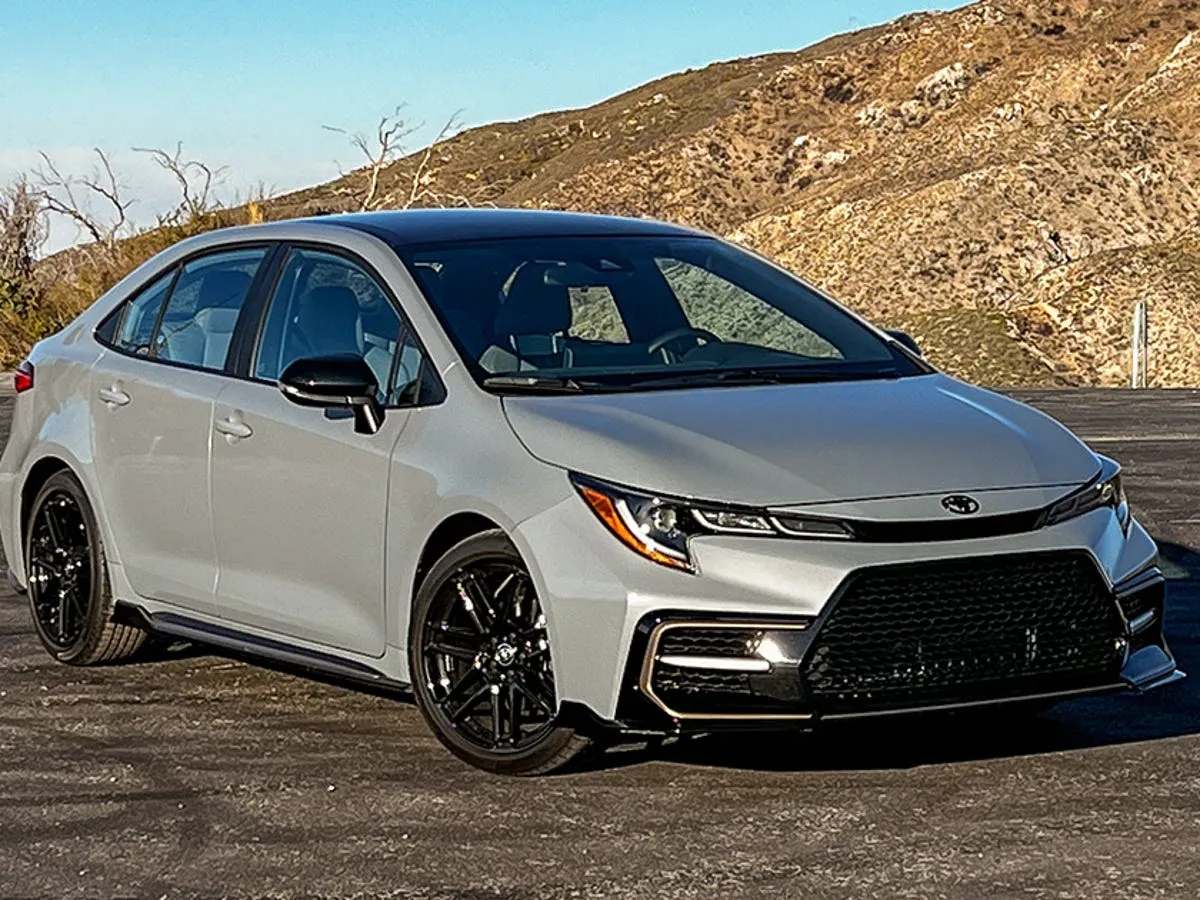
5. Toyota Corolla SE
Reliability gives the Toyota Corolla SE a strong reputation, yet floodwater presents challenges even for dependable machines. Compact dimensions and low ride height leave this sedan exposed when rain overwhelms city drainage systems.
Ground clearance barely clears deep puddles. Water splashes directly onto engine components and belts. Prolonged exposure increases wear on pulleys and bearings. Naturally aspirated engine design keeps maintenance simple, yet intake height remains low.
Deep water can send spray toward the air filter housing. Even small amounts of moisture disrupt airflow and cause hesitation. Front-wheel drive provides decent traction on wet pavement, though standing water reduces grip quickly.
Narrow tires cut through shallow puddles, yet deeper pools cause hydroplaning at modest speeds. Steering response fades, leaving drivers guessing about front wheel placement. Suspension tuning favors comfort and efficiency. When potholes hide beneath floodwater, impacts jolt the cabin. Bent steel wheels and damaged tires become common after heavy rain.
Electrical architecture stays simple, though water intrusion into connectors still causes trouble. Wheel speed sensors and ABS modules sit low near the hubs. Floodwater exposure leads to warning lights and disabled safety systems.
Interior materials resist light moisture, yet repeated dampness creates odors. Carpeting under the front seats traps humidity.
Short trips during rain do not allow enough drying time. Fuel economy remains excellent, yet storm season introduces repair costs. Wheel alignments, tire replacements, and brake servicing become more frequent.
Toyota Corolla SE remains a dependable daily driver under clear skies. Miami flooding exposes its small-car limits. Low clearance, modest tire grip, and exposed components make this compact sedan better suited for dry commutes than waterlogged streets.
